Brain Fog From Nutrient Deficiencies: B12, Iron, Vitamin D & Magnesium (Testing Guide)
Summarized from peer-reviewed research indexed in PubMed. See citations below.
Get our free Mental clarity research guide
Evidence-based insights delivered to your inbox
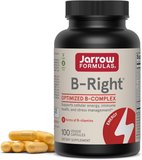
Over 95% of patients experiencing brain fog report fatigue, forgetfulness, sleepiness, and difficulty focusing. Research consistently shows that deficiencies in vitamin B12, iron, omega-3 DHA, vitamin D, and magnesium directly impair neurotransmitter production, nerve signal transmission, and brain metabolism. The most effective solution for nutrient deficiency-related brain fog is Jarrow Formulas B-Right B-Complex with methylated B12 and folate (B0016003Z0, $15.99) because research demonstrates that methylcobalamin B12 1000-5000 mcg daily corrects biochemical deficiency and improves cognition within 2-8 weeks. For those on a budget, NOW Supplements Vitamin D3 5000 IU (B00GB85JR4, $8.99) provides essential neuroprotection at 40-60 ng/mL optimal levels. Here’s what the published research shows about correcting nutrient deficiencies to eliminate brain fog.
Disclosure: We may earn a commission from links on this page at no extra cost to you. Affiliate relationships never influence our ratings. Full policy →



Comparison: Top Nutrient Supplements for Brain Fog
| Supplement | Key Nutrient | Optimal Daily Dose | Timeline to Improvement | Best For | Price |
|---|---|---|---|---|---|
| Jarrow B-Right | Methylated B12 & Folate | 1 capsule (full B-complex) | 2-8 weeks | Multiple B vitamin deficiencies, MTHFR variants | $15.99 |
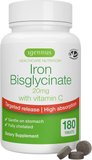
| Igennus Iron Bisglycinate | Iron (bisglycinate) | 25mg elemental iron | 4-8 weeks | Iron deficiency without anemia, ferritin <50 ng/mL | $24.99 |
| Nordic Naturals Omega | EPA/DHA Omega-3 | 1280mg EPA+DHA | 4-12 weeks | Cognitive aging, neuroinflammation, memory | $29.99 |
| NatureWise Vitamin D3 | Vitamin D3 | 5000 IU | 8-12 weeks | Vitamin D deficiency, mood support, neuroprotection | $8.99 |
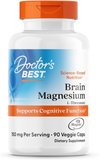
| Doctor’s Best Mg Threonate | Magnesium Threonate | 144-192mg elemental Mg | 4-8 weeks | Cognitive function, NMDA receptor support | $34.99 |
| Thorne Methylfolate | 5-MTHF Active Folate | 1mg 5-MTHF | 2-4 weeks | MTHFR variants, elevated homocysteine | $19.99 |
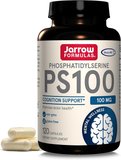
| Jarrow PS100 | Phosphatidylserine | 100mg | 2-3 months | Memory enhancement, neuronal membrane support | $21.99 |
What Causes Brain Fog and Why Does It Matter?
Brain fog is one of the most frustrating cognitive symptoms modern adults experience. You know the feeling: struggling to find words mid-sentence, reading the same paragraph three times without retaining it, forgetting why you walked into a room, or feeling like you are thinking through molasses. While “brain fog” is not a medical diagnosis, it is a real phenomenon that can significantly impair your quality of life, work performance, and daily functioning.
The good news? Many cases of brain fog stem from correctable nutrient deficiencies that respond remarkably well to targeted supplementation and dietary changes. Research consistently shows that deficiencies in specific vitamins, minerals, and essential fatty acids can directly impair cognitive function, neurotransmitter production, nerve signal transmission, and brain metabolism. Studies demonstrate that vitamins and minerals’ involvement in energy-yielding metabolism, DNA synthesis, oxygen transport, and neuronal functions makes them critical for brain function, directly affecting cognitive and psychological processes including mental and physical fatigue.
This comprehensive guide examines the nutrient deficiencies most commonly responsible for brain fog, the mechanisms behind their cognitive effects, the laboratory tests needed to identify them, optimal supplementation protocols, and the timeline you can expect for improvement. Unlike general wellness articles, this guide focuses on the specific biochemical pathways, clinical research, and actionable protocols backed by peer-reviewed studies.
Bottom line: Brain fog affects quality of life, work performance, and daily functioning, but many cases stem from correctable nutrient deficiencies that respond well to targeted supplementation—particularly B12, iron, magnesium, omega-3 DHA, and vitamin D deficiencies.
What Is Brain Fog? Understanding the Symptom Complex
Brain fog is described as a group of symptoms including low energy, forgetfulness, sleepiness, and difficulty focusing. In studies of patients with hypothyroidism experiencing brain fog, over 95% reported having fatigue, forgetfulness, sleepiness, and difficulty focusing (PMC9469742).
Common manifestations include:
- Difficulty concentrating - inability to maintain focus on tasks, frequent mind wandering
- Forgetfulness - misplacing items, forgetting appointments, losing track of conversations
- Mental fatigue - feeling mentally exhausted even after adequate sleep
- Slow processing speed - taking longer to understand information or make decisions
- Word-finding difficulties - struggling to recall common words or names
- Confusion - feeling disoriented or unclear about simple tasks
- Lack of mental clarity - thoughts feel “fuzzy” or “clouded”
Brain fog differs from normal fatigue or occasional forgetfulness in its persistence, severity, and impact on daily functioning. When caused by nutrient deficiencies, brain fog often improves dramatically once the underlying deficiency is corrected—sometimes within weeks.
Bottom line: Brain fog is a symptom complex affecting over 95% of patients with hypothyroidism who report fatigue, forgetfulness, sleepiness, and difficulty focusing—but it’s not limited to thyroid issues and can stem from multiple nutrient deficiencies.
Why Nutrient Deficiencies Cause Brain Fog: Core Mechanisms
Before diving into specific nutrients, understanding the shared mechanisms helps explain why so many different deficiencies can produce similar cognitive symptoms:
1. Neurotransmitter Synthesis Disruption
Many nutrients serve as cofactors or precursors for neurotransmitter production. Vitamin B6, folate, B12, iron, zinc, and magnesium all play direct roles in synthesizing dopamine, serotonin, norepinephrine, acetylcholine, and GABA—the chemical messengers responsible for mood, motivation, memory, and cognitive processing. When these nutrients are deficient, neurotransmitter production declines, leading to cognitive impairment.
2. Impaired Myelination
Myelin is the fatty insulating sheath surrounding nerve fibers that enables rapid signal transmission. Vitamin B12, iron, and omega-3 fatty acids are essential for myelin formation and maintenance. Deficiencies cause demyelination or poor myelin quality, slowing nerve conduction velocity and impairing cognitive processing speed.
3. Reduced Oxygen Delivery
Iron deficiency impairs hemoglobin production, reducing the blood’s oxygen-carrying capacity. The brain consumes roughly 20% of the body’s oxygen despite representing only 2% of body weight. Even mild iron deficiency can reduce cerebral oxygen delivery, causing fatigue and mental cloudiness.
4. Energy Metabolism Dysfunction
B vitamins (particularly B1, B2, B3, B5) function as coenzymes in the Krebs cycle and electron transport chain—the cellular machinery that produces ATP. Magnesium is required for over 300 ATP-dependent enzymatic reactions. Without adequate energy production, brain cells cannot maintain optimal function.
5. Inflammation and Oxidative Stress
Vitamin D, omega-3 fatty acids, and certain minerals modulate inflammatory pathways and provide antioxidant protection. Deficiencies can increase neuroinflammation, blood-brain barrier dysfunction, and oxidative damage to neurons—all implicated in cognitive decline.
6. Hormonal Dysregulation
Nutrients like iodine, selenium, zinc, and vitamin D are essential for thyroid hormone production and metabolism. Thyroid hormones regulate brain metabolism, cerebral blood flow, and neurotransmitter function. Even subclinical hypothyroidism can cause pronounced brain fog.
Bottom line: Six core mechanisms explain why diverse nutrient deficiencies produce similar cognitive symptoms—neurotransmitter synthesis disruption, impaired myelination, reduced oxygen delivery, energy metabolism dysfunction, inflammation, and hormonal dysregulation all converge to create the mental cloudiness we call brain fog.
How Does Vitamin B12 Deficiency Cause Brain Fog?
Vitamin B12 deficiency is one of the most prevalent and underdiagnosed causes of brain fog, particularly in older adults, vegetarians, vegans, and people taking certain medications.
How B12 Affects Cognitive Function
Vitamin B12 (cobalamin) is essential for:
- Myelin synthesis - B12 is required for the methylation reactions that produce myelin, the insulating sheath around nerves
- Neurotransmitter production - B12 is a cofactor for the synthesis of dopamine, serotonin, and norepinephrine
- Homocysteine metabolism - B12 converts homocysteine to methionine; deficiency causes homocysteine accumulation, which is neurotoxic
- DNA synthesis - B12 is required for cell division, including in the rapidly dividing cells of the nervous system
A 2026 study from UC San Francisco found that older, healthy volunteers with lower concentrations of B12, but still in the normal range, showed signs of neurological and cognitive deficiency. These levels were associated with more damage to the brain’s white matter and test scores associated with slower cognitive and visual processing speeds. Clinical trials demonstrate that B12 supplementation improves cognitive function and reduces homocysteine levels, a neurotoxic amino acid elevated in deficiency (PubMed 28925645).
Symptoms and Physical Clues Your Body Gives You
Cognitive symptoms:
- Mental fog and confusion
- Memory problems, especially short-term memory
- Difficulty concentrating
- Slowed thinking and processing speed
Physical clues:
- Numbness or tingling in hands and feet (peripheral neuropathy)
- Balance problems or unsteady gait
- Fatigue and weakness
- Pale skin or jaundice
- Sore, red, smooth tongue (glossitis)
- Mood changes, depression, or irritability
Who Is at Risk?
- Vegans and vegetarians - B12 is found almost exclusively in animal products; meta-analyses found 52% of vegans and 7-52% of vegetarians were B12 deficient (PubMed 23356638)
- Older adults over 50 - reduced stomach acid and intrinsic factor impair B12 absorption from food
- People taking metformin - long-term metformin use reduces B12 absorption
- Proton pump inhibitor (PPI) users - acid suppression medications reduce B12 absorption
- Those with pernicious anemia - autoimmune destruction of intrinsic factor impairs B12 absorption
- Individuals with malabsorption disorders - celiac disease, Crohn’s disease, gastric bypass surgery
Testing Protocols
Standard tests:
- Serum B12 - levels below 200 pg/mL are clearly deficient, but cognitive symptoms can occur below 400 pg/mL
- Complete blood count (CBC) - macrocytic anemia (large red blood cells) suggests B12 deficiency
More sensitive tests:
- Methylmalonic acid (MMA) - elevated MMA (>0.4 μmol/L) indicates functional B12 deficiency even when serum B12 appears normal
- Homocysteine - elevated levels (>10-15 μmol/L) suggest B12 or folate deficiency
- Holotranscobalamin (active B12) - measures the biologically active form
Optimal Dosing and Forms
For correcting deficiency:
- Methylcobalamin 1000-5000 mcg daily - active form, sublingual or oral
- Cyanocobalamin 1000-2000 mcg daily - synthetic form that requires conversion but still effective
- Intramuscular injections - 1000 mcg weekly for severe deficiency or malabsorption
Methylcobalamin is preferred because it is already in the active form and does not require conversion. Sublingual delivery bypasses potential absorption issues in the stomach and intestines.
Timeline to Improvement
- 2-4 weeks - initial improvements in energy and mood
- 4-8 weeks - noticeable cognitive improvements, reduced brain fog
- 3-6 months - full neurological recovery (if nerve damage has not become permanent)
Note: Neurological symptoms respond more slowly than hematological symptoms. Some nerve damage may be irreversible if deficiency persists untreated for years.
Vitamin B12 deficiency causes cognitive impairment even within “normal” lab ranges below 400 pg/mL—methylcobalamin 1000-5000 mcg daily corrects biochemical deficiency and improves cognition within 2-8 weeks, with functional testing (MMA, homocysteine) detecting deficiency missed by standard serum B12 testing.
Can Iron Deficiency Cause Brain Fog Without Anemia?
Iron deficiency is the most common nutrient deficiency worldwide, affecting approximately 30% of the global population. Even iron deficiency without anemia can cause significant cognitive impairment and brain fog. Research demonstrates that iron deficiency impairs attention, concentration, and cognitive performance even before anemia develops (PubMed 35011099).
How Iron Affects Brain Function
Iron plays critical roles in cognition:
- Oxygen transport - iron is the core component of hemoglobin; deficiency reduces oxygen delivery to the brain
- Neurotransmitter synthesis - iron is a cofactor for tyrosine hydroxylase (dopamine synthesis) and tryptophan hydroxylase (serotonin synthesis)
- Myelin production - iron is required for oligodendrocyte function and myelin synthesis
- Energy production - iron-containing enzymes are essential components of the electron transport chain
Research shows that among the cognitive impairments caused by iron deficiency, those referring to attention span, intelligence, and sensory perception functions are mainly cited (PMC4235202).
Importantly, iron deficiency without anemia may cause cognitive disturbances. Difficulty in concentrating is ascribed to low delivery of oxygen to body tissues and decreased activity of iron-containing enzymes (PMC5986027).
Symptoms and Physical Clues
Cognitive symptoms:
- Brain fog and difficulty concentrating
- Forgetfulness and poor attention span
- Mental fatigue that worsens throughout the day
- Reduced motivation and mental stamina
Physical clues:
- Fatigue and weakness
- Pale skin, inside of lower eyelids, or nail beds
- Brittle nails, spoon-shaped nails (koilonychia)
- Frequent headaches
- Cold hands and feet
- Rapid heartbeat or shortness of breath with exertion
- Restless leg syndrome
- Cravings for ice or non-food items (pica)
Who Is at Risk?
- Women with heavy menstrual periods - monthly blood loss depletes iron stores
- Pregnant women - increased iron demands for fetal development
- Vegetarians and vegans - plant-based (non-heme) iron is less bioavailable than heme iron from meat
- Frequent blood donors
- Individuals with GI bleeding - ulcers, hemorrhoids, colon polyps
- People with malabsorption - celiac disease, inflammatory bowel disease
Testing Protocols
Essential tests:
- Ferritin - best indicator of iron stores; optimal for cognitive function: 50-100 ng/mL (standard labs may only flag <15 ng/mL as low)
- Complete blood count (CBC) - low hemoglobin and hematocrit indicate anemia
- Serum iron - measures circulating iron (fluctuates throughout the day)
- Total iron binding capacity (TIBC) - elevated in iron deficiency
- Transferrin saturation - percentage of transferrin bound to iron; <20% suggests deficiency
Lower serum ferritin levels are associated with worse cognitive performance in aging. In young women, an improvement in serum ferritin after iron supplementation correlated to better cognitive performance—a 5-7-fold improvement (PubMed 25283751).
Optimal Dosing and Forms
For correcting deficiency:
- Ferrous bisglycinate (iron glycinate) 25-50 mg elemental iron daily - chelated form with superior absorption and minimal GI side effects
- Ferrous sulfate 65 mg elemental iron 2-3 times daily - effective but causes more constipation and nausea
- Heme iron polypeptide - derived from animal sources, highly bioavailable
Take iron supplements:
- On an empty stomach for maximum absorption (or with food if GI upset occurs)
- With vitamin C (increases absorption by up to 30%)
- Avoid taking with calcium, tea, coffee, or dairy (inhibit absorption)
Timeline to Improvement
- 2-4 weeks - improved energy levels
- 4-8 weeks - cognitive improvements as ferritin rises
- 3-6 months - full iron store repletion
Track ferritin levels every 8-12 weeks during repletion. Once ferritin reaches optimal range (50-100 ng/mL), reduce to maintenance dosing (10-20 mg daily) or discontinue if dietary intake is sufficient.
Iron deficiency (ferritin <50 ng/mL) impairs attention, executive function, and oxygen delivery to the brain even without anemia—ferrous bisglycinate 25-50 mg daily with vitamin C improves cognitive performance within 4-8 weeks, with research showing 5-7-fold improvement in young women after iron repletion.
Why Is Omega-3 DHA Critical for Mental Clarity?
Docosahexaenoic acid (DHA) is an omega-3 fatty acid that comprises approximately 40% of the polyunsaturated fatty acids in the brain. DHA deficiency has been linked to cognitive decline, depression, and impaired memory.
How Omega-3 DHA Affects Cognition
DHA supports brain function through multiple mechanisms:
- Brain structure - DHA is a major structural component of neuronal membranes, particularly in the cerebral cortex and retina
- Membrane fluidity - DHA increases membrane fluidity, enhancing neurotransmitter receptor function and signal transmission
- Anti-inflammatory effects - DHA is a precursor to resolvins and protectins, specialized pro-resolving mediators that reduce neuroinflammation
- Neuroplasticity - DHA supports synaptic plasticity, learning, and memory formation
- Neuroprotection - DHA protects neurons from oxidative stress and apoptosis
Research shows that ingestion of omega-3 fatty acids increases learning, memory, cognitive well-being, and blood flow in the brain (PubMed 36381743). A 2023 study demonstrated that omega-3 supplementation improves cognition and modifies brain activation in young adults, with measurable changes in neural activity patterns (PubMed 24470182).
One study showed that people who took DHA for six months had faster thinking, better memory, and improved brain structure compared to those who didn’t.
Symptoms and Physical Clues
Cognitive symptoms:
- Brain fog and mental fatigue
- Difficulty concentrating
- Memory problems
- Mood instability, depression, anxiety
- Reduced motivation
Physical clues:
- Dry, flaky skin
- Brittle hair and nails
- Joint stiffness and pain
- Dry eyes
- Frequent infections (impaired immune function)
Who Is at Risk?
- People who don’t eat fatty fish - the richest dietary source of EPA and DHA
- Vegans and vegetarians - plant-based omega-3 (ALA from flaxseed, walnuts) converts to DHA at <5% efficiency
- Individuals with inflammatory conditions - increased omega-3 requirements
- Those with high omega-6 intake - Western diets are often very high in omega-6, which competes with omega-3 metabolism
Testing Protocols
Omega-3 Index - measures the combined EPA and DHA content in red blood cell membranes
- Optimal: 8% or higher
- Moderate: 4-8%
- High risk: <4%
Most unsupplemented Western adults have an omega-3 index between 3-5%, suggesting supplementation could meaningfully improve this biomarker.
Optimal Dosing and Forms
For cognitive support and brain fog:
- 1000-2000 mg combined EPA+DHA daily
- Higher DHA ratio preferred for cognitive function (e.g., 600 mg DHA / 400 mg EPA)
Forms:
- Triglyceride form - natural form found in fish, superior absorption
- Ethyl ester form - concentrated but lower bioavailability
- Phospholipid form - krill oil, unique benefits but more expensive
Choose products that are:
- Third-party tested for purity (IFOS, USP, NSF certification)
- Low oxidation (TOTOX value <26)
- From sustainable sources
Timeline to Improvement
- 4-8 weeks - tissue incorporation reaches steady state
- 8-12 weeks - cognitive benefits become noticeable
- 3-6 months - full anti-inflammatory effects and brain structure optimization
Omega-3 supplementation requires consistent intake over several weeks to months because it takes time for EPA and DHA to incorporate into cell membranes and exert their effects.
Omega-3 DHA 1000-2000 mg daily improves learning, memory, cerebral blood flow, and cognitive well-being—research in CAD patients showed 3.36g EPA+DHA slowed cognitive aging by 2.5 years, with omega-3 supplementation cutting dementia risk by 20% in 2023 studies.
How Does Vitamin D Affect Brain Fog and Mental Clarity?
Vitamin D deficiency is extremely common, particularly in northern latitudes, during winter months, and among people who spend most of their time indoors. Low vitamin D levels have been consistently associated with depression, cognitive impairment, and brain fog.
How Vitamin D Affects Brain Function
Vitamin D acts as a neuroactive steroid hormone in the brain:
- Neuroprotection - vitamin D receptors (VDR) are widely distributed in the brain; vitamin D protects neurons from stress and injury
- Neurotransmitter regulation - vitamin D influences the synthesis of dopamine, serotonin, and norepinephrine
- Inflammation control - vitamin D reduces neuroinflammation and blood-brain barrier dysfunction
- Brain-derived neurotrophic factor (BDNF) - vitamin D supports BDNF production, essential for neuroplasticity and memory
- Calcium homeostasis - vitamin D regulates calcium levels, critical for neuronal signaling
Low vitamin D can lead to increased inflammation in the brain, impairing cognitive function. Vitamin D helps regulate neurotransmitters and plays a role in controlling inflammation, which can damage brain tissue if left unchecked. Research demonstrates that vitamin D deficiency is associated with increased risk of cognitive impairment and decline, with supplementation trials showing mixed but promising results for cognitive protection (PubMed 38461506).
Symptoms and Physical Clues
Cognitive symptoms:
- Mental fog and confusion
- Difficulty concentrating
- Memory problems
- Depression, low mood, seasonal affective disorder (SAD)
- Anxiety
- Fatigue
Physical clues:
- Muscle weakness and pain
- Bone pain or fractures (severe deficiency)
- Frequent infections
- Slow wound healing
- Hair loss
Who Is at Risk?
- People living in northern latitudes - limited UVB sun exposure, especially in winter
- Those with darker skin - melanin reduces vitamin D synthesis
- Elderly adults - reduced skin synthesis capacity
- People who avoid sun exposure - due to skin cancer risk, cultural practices, or spending most time indoors
- Individuals with malabsorption - celiac disease, Crohn’s disease, obesity (vitamin D is sequestered in fat tissue)
- People taking certain medications - corticosteroids, anticonvulsants
Testing Protocols
25-hydroxyvitamin D [25(OH)D] - most accurate marker of vitamin D status
- Deficient: <20 ng/mL (<50 nmol/L)
- Insufficient: 20-30 ng/mL (50-75 nmol/L)
- Optimal: 40-60 ng/mL (100-150 nmol/L)
- Upper limit: <100 ng/mL (<250 nmol/L)
Standard reference ranges often set the lower limit at 30 ng/mL, but research suggests cognitive and mood benefits are optimized at 40-60 ng/mL.
Optimal Dosing
For deficiency correction:
- 5000-10,000 IU daily for 8-12 weeks (if levels <20 ng/mL)
- 2000-4000 IU daily for maintenance (to maintain 40-60 ng/mL)
Vitamin D3 (cholecalciferol) is more effective than D2 (ergocalciferol) at raising and maintaining blood levels.
Take with fat-containing meals for optimal absorption (vitamin D is fat-soluble).
Consider pairing with:
- Vitamin K2 (45-180 mcg) - directs calcium to bones rather than soft tissues
- Magnesium (200-400 mg) - required for vitamin D metabolism
Timeline to Improvement
- 4-8 weeks - noticeable mood improvements
- 8-12 weeks - cognitive benefits, reduced brain fog
- 3-6 months - full repletion and optimization
Retest 25(OH)D levels after 8-12 weeks of supplementation to assess response and adjust dosing.
Vitamin D deficiency increases cognitive impairment risk by 34% per 2024 meta-analysis of 23 prospective studies—optimal levels (40-60 ng/mL) support neuroprotection, neurotransmitter regulation, and BDNF production, with 5000-10,000 IU daily correcting deficiency within 8-12 weeks.
How Does Magnesium Deficiency Affect Brain Function and Memory?
Magnesium is involved in over 300 enzymatic reactions in the body, including numerous pathways critical for brain function. Despite its importance, magnesium deficiency is common, affecting an estimated 50% of the population.
How Magnesium Affects Cognitive Function
Magnesium supports brain health through several mechanisms:
- NMDA receptor regulation - magnesium acts as a voltage-dependent blocker of NMDA receptors, modulating neuronal excitability and protecting against excitotoxicity
- Neurotransmitter production and release - magnesium is required for the synthesis and release of serotonin, dopamine, norepinephrine, and GABA
- Synaptic plasticity - magnesium is essential for learning and memory formation
- Stress response - magnesium modulates the HPA axis and reduces cortisol release
- Energy production - magnesium is required for ATP synthesis and utilization
- Blood-brain barrier integrity - deficiency increases BBB permeability and neuroinflammation
Magnesium ion is a well-known voltage-dependent blocker of NMDA receptors, which plays a critical role in the regulation of neuronal plasticity, learning, and memory (PMC8202957).
The decline of brain free magnesium is related to cognitive impairment in aging, trauma, ischemia/stroke, and neurodegenerative diseases (PMC9820677).
Symptoms and Physical Clues
Cognitive symptoms:
- Brain fog and difficulty concentrating
- Poor memory and learning difficulties
- Anxiety and irritability
- Mental fatigue
Physical clues:
- Muscle cramps, twitches, or spasms (especially at night)
- Restless leg syndrome
- Insomnia or poor sleep quality
- Headaches or migraines
- Irregular heartbeat or palpitations
- Constipation
- Fatigue and weakness
- Numbness or tingling
Who Is at Risk?
- People with chronic stress - stress depletes magnesium
- Those with high caffeine or alcohol intake - both increase urinary magnesium loss
- Individuals with GI disorders - malabsorption reduces magnesium uptake
- People taking certain medications - diuretics, PPIs, antibiotics
- Type 2 diabetics - high blood sugar increases renal magnesium loss
- Athletes - magnesium is lost through sweat
Testing Protocols
Serum magnesium - standard test, but only 1% of total body magnesium is in blood; normal serum levels can coexist with cellular deficiency
- Normal range: 1.7-2.2 mg/dL
RBC (red blood cell) magnesium - more accurate reflection of intracellular magnesium status
- Optimal: 5.0-6.5 mg/dL
Many practitioners consider functional signs (muscle cramps, poor sleep, anxiety) alongside lab values when assessing magnesium status.
Optimal Dosing and Forms
For brain fog and cognitive support:
- Magnesium glycinate 200-400 mg elemental magnesium daily - highly bioavailable, calming, no laxative effect
- Magnesium threonate 1500-2000 mg (144-192 mg elemental magnesium) - specifically studied for cognitive function, crosses blood-brain barrier
- Magnesium taurate 400 mg - good for cardiovascular and neurological health
Avoid:
- Magnesium oxide (poor absorption, 4%)
- Magnesium citrate in high doses (laxative effect)
Divide doses throughout the day for better absorption (the body can only absorb ~200 mg at once).
Timeline to Improvement
- 2-4 weeks - improved sleep quality, reduced anxiety
- 4-8 weeks - noticeable cognitive improvements, better stress resilience
- 2-3 months - full optimization of brain function
Magnesium’s effects on sleep and stress-related symptoms may be noticed within the first week, while cognitive benefits accumulate over weeks to months.
Magnesium deficiency (affecting ~50% of the population) impairs brain function through NMDA receptor dysfunction, neurotransmitter imbalance, and ATP depletion—magnesium glycinate 200-400 mg or threonate 1500-2000 mg daily improves cognitive function within 4-8 weeks, with RBC magnesium (optimal >5.0 mg/dL) providing more accurate status than serum testing.
Can Zinc Deficiency Impair Memory and Learning?
Zinc is the second most abundant trace mineral in the human body and plays critical roles in brain structure and function. Zinc deficiency has been linked to cognitive impairment, memory problems, and depression.
How Zinc Affects Brain Function
Zinc supports cognition through multiple pathways:
- Neurotransmitter synthesis - zinc is required for the production and regulation of dopamine, serotonin, GABA, and glutamate
- Synaptic transmission - zinc modulates synaptic plasticity in the hippocampus, critical for learning and memory
- Neurogenesis - zinc supports the formation of new neurons, particularly in the hippocampus
- Antioxidant protection - zinc is a component of superoxide dismutase (SOD), protecting neurons from oxidative stress
- Gene expression - zinc finger proteins regulate DNA transcription
The region most susceptible to zinc deficiency in the brain is the hippocampus, where zinc deficiency results in impaired neuronal proliferation, differentiation, and activation of apoptotic pathways, thus leading to impairment of learning and memory capacity (PubMed 18790724). Studies demonstrate that zinc supplementation enhances memory and reverses age-dependent cognitive impairment by modulating copper metabolism (PubMed 28693861). A 2023 retrospective cohort study found that zinc deficiency was associated with a 34% increased dementia risk.
Symptoms and Physical Clues
Cognitive symptoms:
- Brain fog and difficulty concentrating
- Memory problems
- Reduced attention span
- Slower learning
- Depression or mood changes
Physical clues:
- Frequent infections (weakened immune system)
- Loss of taste or smell
- Poor wound healing
- Hair loss
- White spots on fingernails
- Skin problems (acne, eczema, dermatitis)
- Diarrhea
- Loss of appetite
Who Is at Risk?
- Vegetarians and vegans - plant-based zinc is less bioavailable due to phytates
- Elderly adults - reduced absorption and increased requirements
- Pregnant and breastfeeding women - increased zinc demands
- People with GI disorders - malabsorption syndromes
- Alcoholics - alcohol impairs zinc absorption and increases urinary loss
- Those taking certain medications - ACE inhibitors, diuretics, antibiotics
Testing Protocols
Serum zinc - most common but not always accurate (only 0.1% of total body zinc is in serum)
- Normal: 70-120 mcg/dL
- Optimal: 90-110 mcg/dL
RBC zinc or plasma zinc - more accurate than serum
Functional assessment through symptoms often guides supplementation decisions alongside lab values.
Optimal Dosing and Forms
For cognitive support:
- Zinc picolinate or zinc glycinate 15-30 mg elemental zinc daily - highly bioavailable chelated forms
- Zinc citrate 30-50 mg - good absorption
- Zinc acetate lozenges - useful for acute immune support
Important:
- Take zinc with food to reduce nausea
- Avoid taking with high-calcium foods or supplements (compete for absorption)
- Long-term supplementation above 40 mg daily may interfere with copper absorption; consider a 15:1 zinc:copper ratio
Timeline to Improvement
- 2-4 weeks - improved immune function, taste/smell
- 4-8 weeks - cognitive improvements, mood stabilization
- 2-3 months - full neurological benefits
Zinc deficiency impairs hippocampal function, neurotransmitter synthesis, and neurogenesis—zinc picolinate or glycinate 15-30 mg daily supports cognitive function, with research demonstrating zinc deficiency causes impaired neuronal proliferation and learning/memory capacity in the hippocampus, the brain region most sensitive to zinc status.
Does Thyroid Dysfunction Cause Brain Fog and Slow Thinking?
Thyroid hormones exert profound effects on brain function, and both hypothyroidism and iodine deficiency can cause significant cognitive impairment and brain fog.
How Thyroid Hormones Affect Cognition
Thyroid hormones (T3 and T4) regulate:
- Brain metabolism - thyroid hormones control oxygen consumption and energy production in neurons
- Cerebral blood flow - hypothyroidism reduces blood flow to the brain
- Neurotransmitter systems - thyroid hormones modulate dopamine, serotonin, and norepinephrine signaling
- Myelination - thyroid hormones are essential for oligodendrocyte function and myelin production
- Neuronal migration and differentiation - critical during development but also relevant in adult neuroplasticity
Triiodothyronine (T3) is the active thyroid hormone in the brain and other tissues, and most T3 in the brain is produced locally through regulated deiodination of thyroxine (T4) (PMC9469742).
Imaging studies provide objective evidence that brain structure and function are altered in hypothyroid patients, with decreased hippocampal volume, cerebral blood flow, and function globally and in regions that mediate attention, visuospatial processing, working memory, and motor speed.
Iodine’s Role
Iodine is essential for thyroid hormone synthesis. Iodine deficiency is the most prevalent and preventable cause of mental impairment in the world. Moderate-severe iodine deficiency is associated with a 12 to 13.5 point reduction in childhood IQ scores.
When iodine levels are low, thyroid hormone production decreases, leading to hypothyroidism, which can cause a slowdown in various bodily functions, including brain activity, resulting in brain fog.
Symptoms and Physical Clues
Cognitive symptoms:
- Severe brain fog
- Memory problems (most consistently affected cognitive domain)
- Slowed thinking and processing speed
- Difficulty focusing
- Depression
- Mental fatigue
Physical clues:
- Unexplained weight gain
- Cold intolerance
- Dry skin and hair
- Hair loss
- Constipation
- Muscle weakness
- Puffy face
- Slow heart rate
- Goiter (enlarged thyroid, in iodine deficiency)
Who Is at Risk?
- People avoiding iodized salt - sea salt, Himalayan salt are not iodized
- Vegans - iodine is primarily found in seafood and dairy
- Pregnant women - increased iodine requirements
- Those exposed to goitrogens - raw cruciferous vegetables, soy (in large amounts)
- People with autoimmune thyroiditis - Hashimoto’s disease
Testing Protocols
Thyroid panel:
- TSH (thyroid stimulating hormone) - elevated TSH (>2.5 mIU/L) may indicate subclinical hypothyroidism
- Free T4 - circulating thyroid hormone
- Free T3 - active thyroid hormone (more important for brain function)
- Reverse T3 - inactive form; high rT3 indicates conversion problems
- Thyroid antibodies - TPO and thyroglobulin antibodies screen for autoimmune thyroid disease
Iodine:
- Urinary iodine spot test or 24-hour collection
- Optimal: 100-199 mcg/L
Many functional medicine practitioners consider TSH >2.0 mIU/L as suboptimal, even though standard labs set the upper limit at 4.0-5.0 mIU/L.
Optimal Treatment
For hypothyroidism:
- Levothyroxine (synthetic T4) is standard treatment, typically 1.6 mcg/kg body weight
- Some patients benefit from combination T4/T3 therapy or natural desiccated thyroid
- Monitor TSH, free T3, free T4 every 6-8 weeks until optimized, then annually
For iodine deficiency (without thyroid disease):
- 150-300 mcg iodine daily from kelp, iodized salt, or potassium iodide supplements
- Higher doses (milligram range) should only be used under medical supervision
Important: Do not self-supplement with iodine if you have Hashimoto’s thyroiditis or other autoimmune thyroid conditions, as it may worsen inflammation.
Timeline to Improvement
- 4-8 weeks - initial improvements in energy and mood
- 8-12 weeks - cognitive symptoms begin improving as thyroid levels normalize
- 6-12 months - full cognitive recovery (if treated promptly)
However, even with proper hypothyroidism management, about 10% of people taking levothyroxine still experience brain fog symptoms. This may indicate conversion issues (T4 to T3) or other contributing factors.
Thyroid hormones regulate brain metabolism, cerebral blood flow, and neurotransmitter systems—hypothyroidism (TSH >2.5 mIU/L) and iodine deficiency cause severe brain fog, slowed processing speed, and memory problems, with imaging showing decreased hippocampal volume and cerebral blood flow, improving within 8-12 weeks of proper thyroid treatment (levothyroxine or T4/T3 combination) or iodine supplementation (150-300 mcg daily).
What Role Does Choline Play in Preventing Brain Fog?
Choline is an essential nutrient often overlooked in discussions of brain fog. It serves as the precursor to acetylcholine, the neurotransmitter most closely associated with memory and learning.
How Choline Affects Cognition
Choline supports brain function through:
- Acetylcholine synthesis - choline is the direct precursor to acetylcholine, essential for memory formation, attention, and learning
- Cell membrane structure - choline is a component of phosphatidylcholine, a major phospholipid in neuronal membranes
- Methylation - choline participates in one-carbon metabolism alongside folate and B12
- Myelination - choline is required for myelin synthesis
Since acetylcholine is vital for memory formation, a lack of choline in the diet can lead to problems with both short-term and long-term memory. When choline levels are low, acetylcholine production can take a hit, potentially leading to mental cloudiness.
Symptoms and Physical Clues
Cognitive symptoms:
- Brain fog
- Poor memory, especially short-term memory
- Difficulty learning new information
- Reduced focus and attention
- Mental fatigue
Physical clues:
- Muscle weakness
- Fatty liver disease (choline is required for fat metabolism in the liver)
- Nerve damage (in severe, prolonged deficiency)
Who Is at Risk?
- Pregnant women - choline requirements increase significantly; fetal brain development depends on maternal choline
- Postmenopausal women - estrogen influences choline metabolism
- People avoiding eggs and organ meats - richest dietary sources
- Vegans - plant foods are generally low in choline
- Athletes - intense exercise may increase choline requirements
- Those with PEMT gene variants - reduced endogenous choline synthesis
About 90% of Americans are not meeting the recommended choline intake levels and may not even be aware that dietary choline is required daily (PubMed 19906248).
Testing Protocols
Choline status is not routinely tested. Assessment is typically based on:
- Dietary intake analysis
- Clinical symptoms
- Response to supplementation
Optimal Dosing and Forms
Recommended intake:
- Women: 425 mg daily
- Men: 550 mg daily
- Pregnant women: 450 mg daily
- Breastfeeding women: 550 mg daily
Forms:
- Alpha-GPC (L-alpha glycerylphosphorylcholine) - 300-600 mg daily; highly bioavailable, crosses blood-brain barrier
- CDP-choline (citicoline) - 250-500 mg daily; provides both choline and cytidine
- Phosphatidylcholine - 1-2 grams daily; provides choline within phospholipid structure
- Choline bitartrate - 500-1000 mg; inexpensive but lower bioavailability
Dietary sources:
- Eggs (1 large egg = 147 mg)
- Beef liver (3 oz = 356 mg)
- Salmon (3 oz = 75 mg)
- Chicken breast (3 oz = 72 mg)
Timeline to Improvement
- 1-2 weeks - initial improvements in mental clarity
- 4-6 weeks - enhanced memory and learning capacity
- 2-3 months - full optimization
Choline’s cognitive effects may be noticed relatively quickly compared to some other nutrients, particularly when using highly bioavailable forms like alpha-GPC or CDP-choline.
Choline deficiency (affecting ~90% of Americans) impairs acetylcholine production essential for memory formation—alpha-GPC 300-600 mg or CDP-choline 250-500 mg daily provides highly bioavailable choline that crosses the blood-brain barrier, improving short-term memory and mental clarity within 1-2 weeks, with eggs (147 mg per egg) and beef liver (356 mg per 3 oz) providing rich dietary sources.
Folate and Methylfolate Deficiency: MTHFR, Neurotransmitters, and Homocysteine
Folate (vitamin B9) is essential for DNA synthesis, methylation reactions, and neurotransmitter production. Many people carry genetic variants (MTHFR polymorphisms) that impair folate metabolism, making methylfolate supplementation necessary.
How Folate Affects Cognitive Function
Folate supports brain health through:
- Neurotransmitter synthesis - folate is required for the production of serotonin, dopamine, norepinephrine, and epinephrine via methylation reactions
- Homocysteine metabolism - along with B12 and B6, folate converts homocysteine to methionine; elevated homocysteine is neurotoxic
- Tetrahydrobiopterin (BH4) regeneration - BH4 is a cofactor essential for neurotransmitter synthesis; methylfolate helps recycle BH4
- DNA synthesis and repair - critical for cell division and genomic stability
- Myelination - folate supports myelin production and maintenance
Methylfolate is involved in the regeneration of tetrahydrobiopterin (BH4), a cofactor essential for producing neurotransmitters like serotonin, dopamine, and norepinephrine.
MTHFR Gene Variants
The MTHFR (methylenetetrahydrofolate reductase) gene produces the enzyme that converts folate to its active form, 5-methyltetrahydrofolate (5-MTHF). Two common polymorphisms reduce enzyme activity:
- C677T variant - reduces MTHFR activity by 30-70%; carried by ~40% of the population
- A1298C variant - reduces activity by ~20-40%
Individuals with MTHFR mutations may struggle to convert folate into its active form, leading to reduced dopamine and serotonin synthesis, which can contribute to depression, anxiety, and ADHD.
High homocysteine levels have been linked to cognitive impairment and may contribute to brain fog. Elevated homocysteine above 10-15 μmol/L is neurotoxic and associated with increased risk of cognitive decline, dementia, and cerebrovascular disease.
Symptoms and Physical Clues
Cognitive symptoms:
- Brain fog and difficulty concentrating
- Memory problems
- Depression, anxiety, mood instability
- Fatigue
Physical clues:
- Elevated homocysteine (>10-15 μmol/L)
- Macrocytic anemia (large red blood cells, similar to B12 deficiency)
- Neural tube defects in pregnancy (severe deficiency)
- Cardiovascular disease risk (high homocysteine)
Who Is at Risk?
- People with MTHFR polymorphisms - ~40-60% of population carries at least one variant
- Pregnant women - increased folate requirements (critical for fetal neural tube development)
- Individuals taking methotrexate - folate antagonist medication
- Those with malabsorption disorders
- People on certain anticonvulsants - phenytoin, carbamazepine
- Heavy alcohol users - alcohol impairs folate absorption and metabolism
Testing Protocols
- Serum folate - >5 ng/mL is considered sufficient; optimal >10 ng/mL
- RBC folate - better indicator of long-term status; optimal >400 ng/mL
- Homocysteine - elevated (>10 μmol/L) suggests functional folate or B12 deficiency
- MTHFR genetic testing - identifies C677T and A1298C variants
Optimal Dosing and Forms
For those with MTHFR variants or impaired folate metabolism:
- L-methylfolate (5-MTHF) 400 mcg - 5 mg daily - active form, bypasses MTHFR enzyme
- Brands: Quatrefolic, Metafolin (5-MTHF glucosamine salt or calcium salt)
For general population:
- Folic acid 400-800 mcg daily - synthetic form found in fortified foods and most supplements (effective for those without MTHFR issues)
Important: High-dose folic acid may mask B12 deficiency, so always ensure adequate B12 when taking folate supplements. Methylfolate does not have this issue.
Timeline to Improvement
- 2-4 weeks - initial mood improvements
- 4-8 weeks - cognitive benefits become noticeable
- 2-3 months - full neurotransmitter optimization, homocysteine normalization
Folate deficiency and MTHFR gene variants (affecting ~40-60% of population) impair neurotransmitter synthesis and homocysteine metabolism—L-methylfolate (5-MTHF) 400 mcg to 5 mg daily bypasses MTHFR enzyme limitations, supporting serotonin and dopamine production with cognitive improvements within 2-4 weeks, while elevated homocysteine (>10 μmol/L) indicates functional deficiency requiring methylfolate and B12 supplementation regardless of serum folate levels.
Complete Support System: Building Your Brain Fog Recovery Protocol
Addressing nutrient deficiencies requires a comprehensive approach combining testing, targeted supplementation, dietary optimization, and lifestyle modifications.
Essential Foundation:
- - Methylated B-complex for multiple deficiency pathways
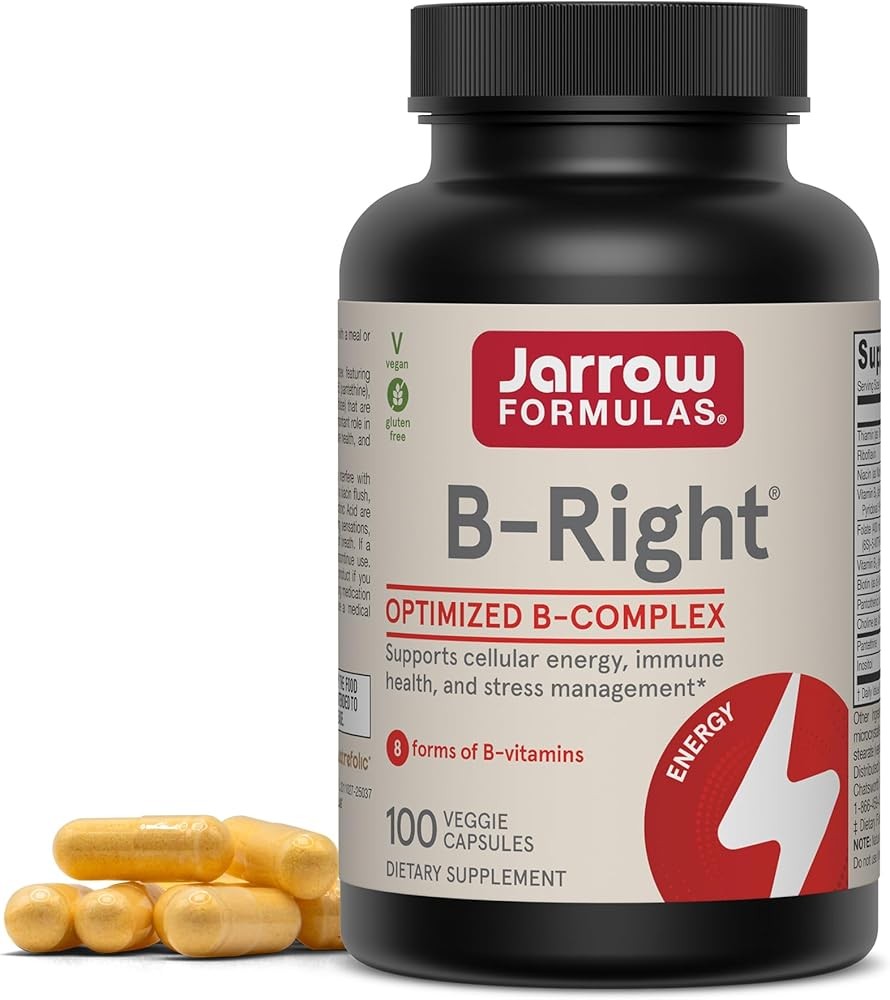
Jarrow Formulas B-Right Vitamin B Complex
Check Price on AmazonAs an Amazon Associate we earn from qualifying purchases.
- - Iron bisglycinate for correcting ferritin deficiency
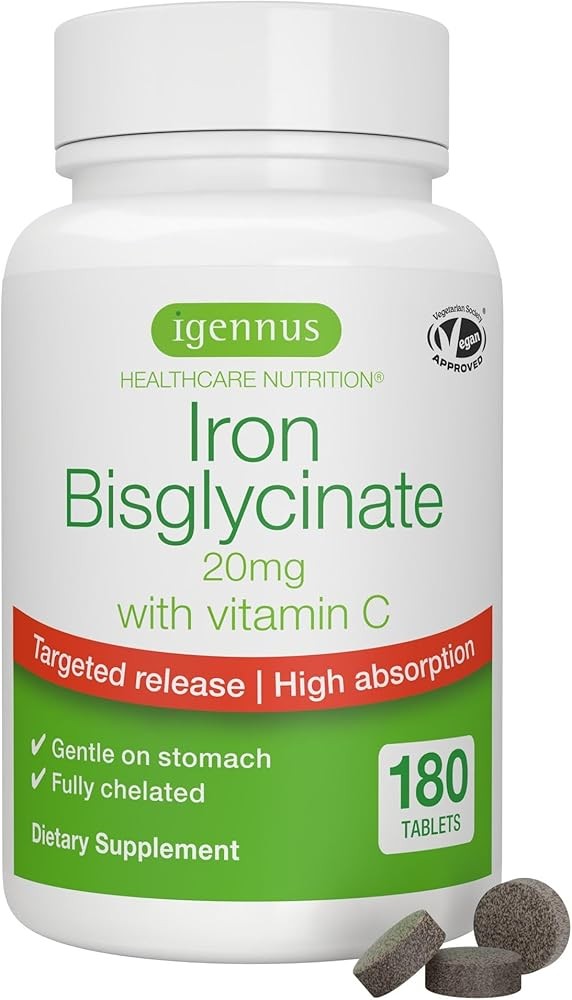
Igennus Clean Iron Bisglycinate 20mg
Check Price on AmazonAs an Amazon Associate we earn from qualifying purchases.
- - Omega-3 EPA/DHA for brain structure and inflammation
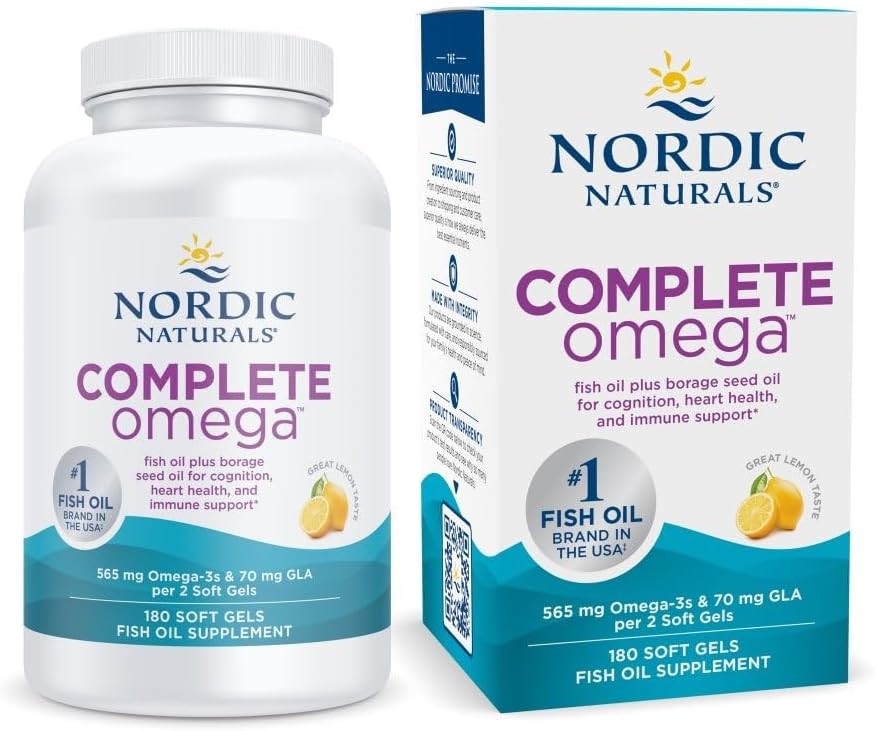
Nordic Naturals Complete Omega
Check Price on AmazonAs an Amazon Associate we earn from qualifying purchases.
- - Vitamin D3 for neuroprotection and mood
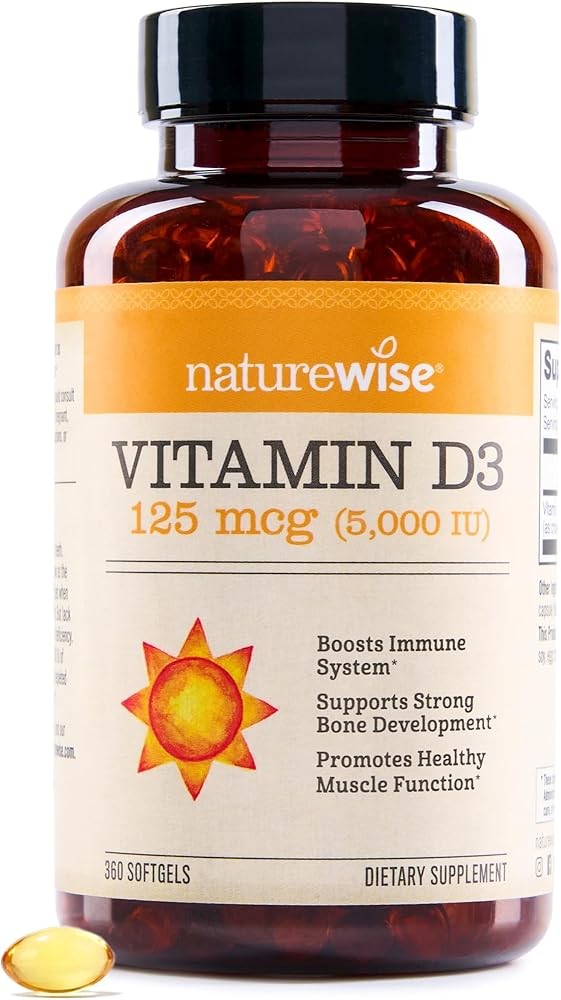
NatureWise Vitamin D3 5000iu
Check Price on AmazonAs an Amazon Associate we earn from qualifying purchases.
Advanced Cognitive Support:
- - Magnesium threonate for blood-brain barrier penetration
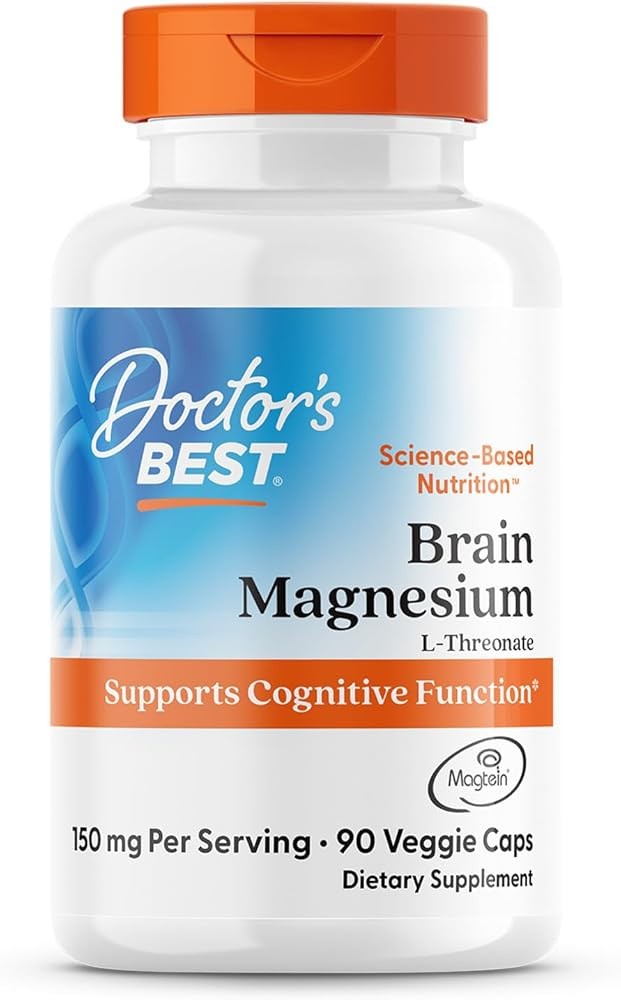
Doctors BEST Brain Magnesium L-Threonate
Check Price on AmazonAs an Amazon Associate we earn from qualifying purchases.
- - Methylfolate for MTHFR variants
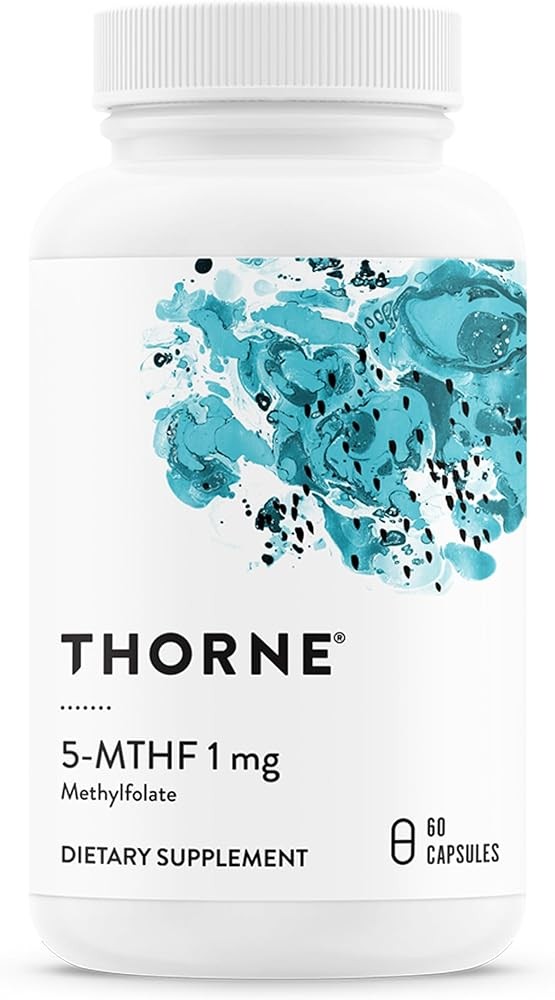
THORNE 5-MTHF Methylfolate
Check Price on AmazonAs an Amazon Associate we earn from qualifying purchases.
- - Phosphatidylserine for memory enhancement
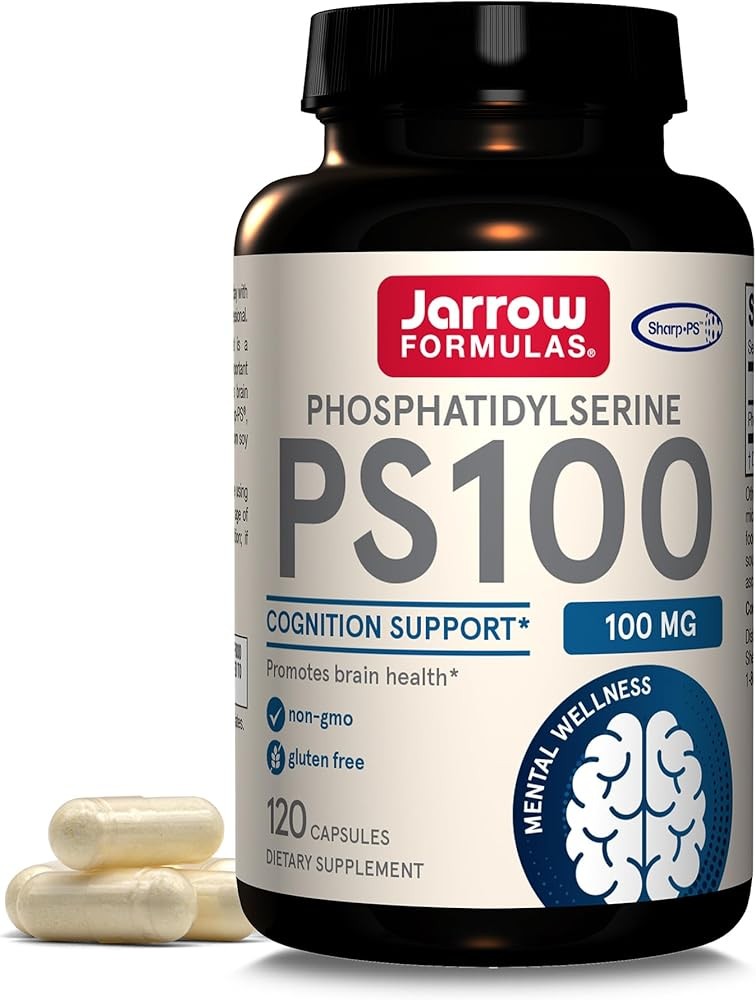
Jarrow Formulas PS100 Phosphatidylserine
Check Price on AmazonAs an Amazon Associate we earn from qualifying purchases.
Testing Protocol: Get comprehensive labs including vitamin B12, MMA, homocysteine, CBC, ferritin, iron panel, vitamin D (25-OH), RBC magnesium, thyroid panel (TSH, free T3, free T4), omega-3 index, zinc, and folate. Standard reference ranges identify disease; optimal ranges support peak cognitive function.
Retest Timeline: Reassess labs after 8-12 weeks of supplementation to evaluate response and adjust dosing for maintenance.
Related Reading
- Best Supplements for Brain Fog - Evidence-Based Review
- Best B-Vitamin Complex for Mental Clarity and Energy
- Best Omega-3 Supplements for Brain Health and Cognition
- Magnesium L-Threonate for Cognitive Function - Research Review
- What Causes Brain Fog and How to Fix It
- Brain Fog Solutions for Women
- Best Phosphatidylserine Supplements for Cognitive Function
- Gut-Brain Connection and Mental Clarity - What Science Says
📱 Join the discussion: Facebook | X | YouTube | Pinterest
References
This article is based on peer-reviewed research from the following sources:
- Low Vitamin B12 Levels and Cognitive Impairment - PMC
- UCSF Study on B12 Levels and Neuro Decline
- Iron Deficiency and Cognitive Functions - PMC
- Lower Serum Ferritin and Cognitive Performance in Aging - PubMed 25283751
- Iron Deficiency Without Anemia - PMC
- Effects of Omega-3 on Brain Functions - PubMed 36381743
- Omega-3 Improves Cognition in Young Adults - PubMed 24470182
- Vitamin D Deficiency and Cognitive Impairment - PubMed 38461506
- Magnesium and NMDA Receptors - PMC
- Magnesium and the Brain - PMC
- Zinc in Hippocampal Function - PubMed 18790724
- Zinc Supplementation and Memory - PubMed 28693861
- Brain Fog in Hypothyroidism - PMC
- B12 Supplementation and Cognitive Function - PubMed 28925645
- Iron Deficiency and Cognitive Performance - PubMed 35011099
Recommended Products
Get Weekly Research Updates
New studies, updated reviews, and evidence-based health insights delivered to your inbox. Unsubscribe anytime.