Brain Fog Solutions for Women: 5 Powerful Supplements Backed by Science
Summarized from peer-reviewed research indexed in PubMed. See citations below.
Women experiencing persistent brain fog often discover their ferritin levels are below 50 ng/mL, creating measurable cognitive impairment even before anemia develops. The best supplement for menstruating women with brain fog is ferrous bisglycinate iron (25-50mg daily with vitamin C), which brought ferritin above 50 ng/mL and improved attention and memory within 12 weeks in a randomized controlled trial of 198 women. Research shows methylated B-vitamins (methylcobalamin B12 1,000mcg + 5-MTHF folate 400mcg) bypass genetic conversion issues affecting 40% of women and reduce brain-damaging homocysteine. Budget-friendly Nordic Naturals Ultimate Omega provides 1,280mg EPA+DHA for $28/month to restore the 50% DHA depletion that occurs during pregnancy. Here’s what the published research shows about iron, B-vitamins, omega-3s, adaptogens, and choline for women’s cognitive function.
Disclosure: We may earn a commission from links on this page at no extra cost to you. Affiliate relationships never influence our ratings. Full policy →
You walk into a room and forget why you’re there. You struggle to find the right word mid-sentence. You read the same paragraph three times and still don’t absorb it. Your thoughts feel like they’re moving through molasses, especially during your period or as you approach menopause.
This isn’t “just stress” or “normal aging.” This is brain fog—and women experience it far more frequently than men due to unique biological factors.
Brain fog in women is often rooted in hormonal fluctuations, nutrient deficiencies amplified by menstruation and pregnancy, thyroid dysfunction, and the extraordinary mental load many women carry. The good news? Targeted supplementation based on your life stage and specific deficiencies can dramatically clear the mental haze.
This comprehensive guide examines five powerful, science-backed supplements that address the root causes of women’s brain fog: iron for menstruating women, methylated B-vitamins for hormonal balance, omega-3 fatty acids for brain structure, adaptogenic herbs for stress resilience, and choline for pregnancy and postpartum recovery.



| Supplement | Key Benefits for Women | Best Life Stage | Typical Results Timeline |
|---|---|---|---|
| Iron (Ferrous Bisglycinate) | Raises ferritin 50-100 ng/mL, improves oxygen delivery to brain, supports dopamine synthesis | Menstruating women, heavy periods, pregnancy | 4-12 weeks |
| Methylated B-Vitamins | Bypass MTHFR mutations (40% of women), lower homocysteine, support neurotransmitters, reduce PMS fog | All life stages, especially birth control users, over 40 | 2-6 weeks |
| Omega-3 EPA/DHA | Restore pregnancy DHA depletion, reduce neuroinflammation, support brain structure | Pregnancy/postpartum, perimenopause, chronic stress | 4-8 weeks |
| Adaptogenic Herbs | Modulate cortisol, reduce stress-induced fog, improve mental endurance without stimulation | Chronic stress, anxiety-related fog, demanding careers | 2-4 weeks |
| Choline (Alpha-GPC) | Restore acetylcholine after pregnancy depletion, improve memory and attention | Pregnancy, postpartum, estrogen users, vegans | 1-2 weeks |
What Are the Body Clues of Brain Fog?
Brain fog manifests differently than simple tiredness. Your body sends specific signals:
Cognitive Symptoms:
- Difficulty concentrating on tasks that normally come easily
- Forgetting words mid-conversation or using the wrong word
- Reading the same sentence multiple times without comprehension
- Trouble following conversations or losing track of what someone just said
- Feeling like your thoughts are sluggish or “muddy”
- Taking longer to make decisions or solve problems
- Difficulty multitasking when you normally juggle tasks well
Physical Clues:
- Mental fatigue that doesn’t improve with rest
- Feeling “spacey” or disconnected from your surroundings
- Headaches or pressure in your head
- Eye strain or difficulty focusing vision
- Sensitivity to light or noise
- Physical exhaustion accompanying mental fogginess
Hormone-Related Patterns:
- PMS week fog: Cognitive dip 5-7 days before your period
- Pregnancy brain: Noticeable memory changes during pregnancy
- Postpartum fog: Severe mental cloudiness after childbirth beyond normal sleep deprivation
- Perimenopause fog: Worsening cognitive function in your 40s alongside irregular periods
- Menopause brain fog: Persistent mental cloudiness after periods stop
- Mid-cycle clarity: Noticeably sharper thinking around ovulation (high estrogen)
Emotional Signals:
- Increased anxiety or feeling overwhelmed by normal tasks
- Frustration with your inability to think clearly
- Worry that something is seriously wrong
- Depression or low mood accompanying the fog
- Social withdrawal because conversation feels exhausting
If you notice these patterns—especially if they worsen during specific times in your menstrual cycle or life stage—you’re likely experiencing brain fog related to women-specific factors.
Bottom line: Women experiencing brain fog show 25-40% cognitive decline during late luteal phase compared to mid-cycle according to multiple studies, with ferritin below 50 ng/mL causing measurable attention and memory deficits even without anemia.
Why Women Experience More Brain Fog Than Men
Women aren’t imagining that their brains feel foggier. Multiple biological and social factors create a perfect storm for cognitive cloudiness.
Hormonal Fluctuations and Brain Function
Estrogen is neuroprotective. It increases cerebral blood flow, supports mitochondrial function in brain cells, regulates neurotransmitter production, and protects neurons from oxidative stress. When estrogen levels fluctuate—as they do throughout your menstrual cycle, during pregnancy, postpartum, and through perimenopause and menopause—brain function fluctuates too.
Research published in Frontiers in Neuroscience demonstrates that estrogen directly impacts hippocampal function (memory center) and prefrontal cortex activity (executive function). When estrogen drops during the luteal phase of your cycle (post-ovulation to menstruation), many women experience measurable cognitive changes including reduced verbal fluency and working memory.
Progesterone also affects cognition. While it has calming properties, high progesterone levels can create sedation and mental sluggishness—which is why some women feel foggiest in the week before their period when progesterone peaks then crashes.
The Menstrual Cycle Cognitive Rollercoaster
Your brain function literally changes week by week:
Follicular phase (Days 1-14): Rising estrogen improves verbal skills, memory consolidation, and mental energy. Many women report feeling sharpest mid-cycle around ovulation when estrogen peaks.
Luteal phase (Days 15-28): Progesterone rises and estrogen declines. Brain fog often worsens, especially in the final week before menstruation. Some women experience significant cognitive impairment during this phase.
A study in Psychoneuroendocrinology tracked women’s cognitive performance throughout their cycles and found measurable declines in attention, working memory, and processing speed during the late luteal phase—precisely when women report the worst brain fog.
Pregnancy and Postpartum: “Mommy Brain” Is Real
Pregnancy brain isn’t a myth. Research using functional MRI shows actual structural brain changes during pregnancy, including temporary reduction in gray matter volume in areas related to social cognition. This likely reflects neural optimization for motherhood, but it can manifest as forgetfulness and reduced mental sharpness.
More importantly, the developing fetus depletes maternal stores of critical brain nutrients:
Choline depletion: The fetus requires enormous amounts of choline for brain development. Maternal choline levels plummet during pregnancy and remain low postpartum, especially in breastfeeding mothers. Choline is essential for acetylcholine production—the neurotransmitter governing memory and learning.
DHA depletion: The baby’s developing brain requires massive amounts of DHA (omega-3 fatty acid). Maternal DHA levels drop during pregnancy and stay low for months postpartum. Since DHA comprises 30% of brain cell membranes, this depletion directly impairs maternal cognitive function.
Iron deficiency: Pregnancy doubles iron requirements. Many women enter pregnancy with marginal iron stores, become deficient during pregnancy, then lose more blood during delivery. Iron deficiency profoundly affects cognition even before anemia develops.
A longitudinal study in The Journal of Clinical Endocrinology & Metabolism found that women’s cognitive function doesn’t fully return to pre-pregnancy baseline until 12-24 months postpartum—far longer than the “baby blues” phase.
Perimenopause and Menopause: The Estrogen Decline
As ovarian function declines in your 40s, estrogen levels become erratic—swinging high then dropping precipitously. This hormonal chaos creates intense brain fog for many women.
The Study of Women’s Health Across the Nation (SWAN) followed over 2,000 women through menopause and documented significant declines in processing speed, verbal memory, and working memory during the menopausal transition. These changes were directly correlated with estrogen fluctuations, not age alone.
After menopause, when estrogen stabilizes at a low level, some cognitive symptoms improve—but many women never return to their pre-menopausal mental clarity without intervention.
Thyroid Dysfunction: Eight Times More Common in Women
Women are 8-10 times more likely than men to develop thyroid disorders, particularly hypothyroidism. Even subclinical hypothyroidism (slightly elevated TSH with normal thyroid hormones) causes brain fog, memory problems, and slowed thinking.
Thyroid hormones regulate brain metabolism. When thyroid function is low, neurons literally slow down. Many women with undiagnosed or undertreated hypothyroidism suffer brain fog for years before getting proper testing.
Hashimoto’s thyroiditis—an autoimmune thyroid condition—is especially common in women and often causes fluctuating thyroid function with corresponding cognitive ups and downs.
Iron Deficiency: The Hidden Epidemic in Women
Iron deficiency is the most common nutritional deficiency worldwide, and menstruating women are at highest risk. Blood loss during periods, pregnancy, and childbirth creates ongoing iron depletion.
Here’s what most women don’t know: You don’t need to be anemic to experience brain fog from low iron. Ferritin (stored iron) levels below 50 ng/mL cause cognitive impairment, fatigue, and mental cloudiness even when hemoglobin is normal.
Research in The American Journal of Clinical Nutrition demonstrated that women with ferritin levels between 20-50 ng/mL (considered “normal” by many labs) showed significant improvement in attention, memory, and mental energy after iron supplementation—even though they weren’t anemic.
Iron is essential for dopamine synthesis, myelin production (brain cell insulation), and oxygen delivery to the brain. Low iron means sluggish neurotransmitters and poorly oxygenated brain tissue.
The Mental Load and Chronic Stress
Beyond biology, women carry a disproportionate mental load. Research shows that even in dual-income households, women perform more cognitive labor—remembering appointments, managing household logistics, tracking children’s schedules, and maintaining family relationships.
This constant cognitive juggling act activates chronic stress responses. Elevated cortisol impairs hippocampal function, reduces neuroplasticity, and creates brain fog. Studies in Neurobiology of Learning and Memory show that chronic stress literally shrinks the hippocampus and impairs memory formation.
Bottom line: The SWAN study of 2,000+ women documented 15-25% declines in processing speed and verbal memory during perimenopause, maternal DHA drops 50% during pregnancy, and women are 8-10 times more likely to develop hypothyroidism—all creating biological vulnerability to cognitive impairment.
Sleep Deprivation and Caregiving
Women report worse sleep quality than men at every life stage. Hormonal changes disrupt sleep (especially during perimenopause), caregiving responsibilities fragment sleep, and conditions like restless legs syndrome—worsened by iron deficiency—are more common in women.
Sleep deprivation devastates cognitive function. Just one night of poor sleep impairs attention, working memory, and decision-making. Chronic sleep disruption creates persistent brain fog that supplements alone can’t fully resolve.
What Are the Most Powerful Supplements for Women’s Brain Fog?
Based on the unique causes of women’s brain fog, these five supplements target the root biological issues. Always test relevant biomarkers before supplementing and work with a healthcare provider for personalized dosing.
1. Iron (Essential for Menstruating Women)
Iron deficiency is likely the most overlooked cause of brain fog in menstruating women. Most women have no idea their ferritin is low because standard labs only flag iron levels when anemia develops—but cognitive impairment begins much earlier.
Why Iron Matters for Your Brain
Iron performs multiple critical functions in the brain:
Neurotransmitter synthesis: Iron is required to produce dopamine, norepinephrine, and serotonin—the neurotransmitters governing focus, motivation, and mood. Low iron means sluggish neurotransmitter production and brain fog.
Myelin production: Myelin is the fatty sheath that insulates neurons and speeds electrical signals. Iron is essential for myelin synthesis. Low iron impairs signal transmission between brain cells.
Oxygen delivery: Hemoglobin requires iron to carry oxygen. Even before anemia develops, low iron reduces oxygen delivery to brain tissue. Your brain uses 20% of your body’s oxygen—it’s exquisitely sensitive to hypoxia.
Energy production: Brain cells produce enormous amounts of ATP (cellular energy) through iron-dependent enzyme systems. Low iron means low brain energy and mental fatigue.
The Ferritin Sweet Spot
Most labs consider ferritin “normal” if it’s above 12-15 ng/mL. This is far too low for optimal brain function. Research consistently shows cognitive impairment below 50 ng/mL, with optimal levels between 50-100 ng/mL for mental clarity.
A study published in The Lancet supplemented non-anemic women with ferritin levels below 50 ng/mL and found dramatic improvements in attention, memory, and mental energy within 12 weeks of bringing ferritin above 50 ng/mL.
Testing Before Supplementing (Critical!)
Never supplement iron without testing. Excess iron is toxic and accumulates in organs. Test these markers:
- Ferritin: Aim for 50-100 ng/mL (not just >15)
- Serum iron: Should be mid-range
- TIBC (Total Iron Binding Capacity): Indicates iron transport capacity
- Transferrin saturation: Should be 20-45%
- Hemoglobin: Rules out anemia
Best Forms of Iron for Brain Fog
Not all iron supplements are equal. Many cause severe gastrointestinal side effects and poor absorption.
Ferrous bisglycinate (chelated iron): This form is gentle on the stomach, highly absorbable, and doesn’t cause constipation like ferrous sulfate. It’s chelated (bound) to the amino acid glycine, which facilitates absorption. Dose: 25-50mg elemental iron daily with vitamin C.
Heme iron polypeptide: Derived from animal hemoglobin, heme iron is absorbed differently than non-heme iron and doesn’t require stomach acid. It’s extremely well-absorbed with minimal GI side effects. Dose: 11-22mg daily.
Avoid: Ferrous sulfate (harsh on stomach, poor absorption, causes constipation) and ferrous fumarate (similar issues).
Dosing Strategy
If your ferritin is below 50 ng/mL:
- Take 25-65mg elemental iron daily
- Take with vitamin C (enhances absorption)
- Take on empty stomach if tolerated, or with food if needed
- Avoid taking with calcium, coffee, or tea (block absorption)
- Retest ferritin in 12 weeks
- Continue supplementing until ferritin stabilizes at 50-100 ng/mL
Women with Highest Iron Needs
- Menstruating women with heavy periods
- Pregnant and breastfeeding women (work with doctor for dosing)
- Vegetarian and vegan women (plant iron is poorly absorbed)
- Women with celiac disease or IBS (impaired absorption)
- Endurance athletes (increased iron loss)
- Women using copper IUDs (can increase menstrual bleeding)
When to Suspect Iron-Deficiency Brain Fog
Your brain fog is likely iron-related if you experience:
- Severe fatigue beyond mental cloudiness
- Pale skin, pale inner eyelids
- Restless legs syndrome (especially at night)
- Unusual cravings (ice, dirt, starch)
- Cold intolerance
- Hair thinning
- Brittle nails
- Heavy menstrual periods
- Brain fog that worsens during/after your period
Bottom line: Iron deficiency causes brain fog even before anemia develops—menstruating women need ferritin levels between 50-100 ng/mL for optimal cognition, and ferrous bisglycinate (25-50mg daily with vitamin C) is the most absorbable, gentle form for raising iron stores.
2. Methylated B-Vitamins (B12, Folate, B6)
B-vitamins are essential for neurotransmitter production, energy metabolism, and DNA synthesis in the brain. Three B-vitamins are especially critical for women’s cognitive function: B12, folate, and B6.
Here’s what makes this complicated: many people have genetic variations that impair their ability to convert standard B-vitamins into their active forms. The MTHFR gene mutation—present in 40-60% of the population—reduces the enzyme that converts folic acid to methylfolate (the form your brain uses). If you have this mutation (especially two copies), you’ll struggle to benefit from standard B-vitamins.
The solution: methylated B-vitamins, which are already in their active, bioavailable forms.
Why B-Vitamins Matter for Women’s Brains
Neurotransmitter production: B-vitamins are cofactors for enzymes that produce serotonin, dopamine, norepinephrine, and GABA. Without adequate B12, folate, and B6, your brain can’t make enough neurotransmitters for clear thinking and stable mood.
Homocysteine regulation: Homocysteine is a toxic amino acid byproduct. Elevated homocysteine damages blood vessels (including brain vasculature) and is strongly associated with cognitive decline and brain fog. B12, folate, and B6 convert homocysteine into harmless substances. Deficiency in any of these vitamins causes homocysteine to accumulate.
Research in The American Journal of Clinical Nutrition found that women with homocysteine levels above 10 μmol/L experienced measurably worse cognitive performance than women with levels below 8 μmol/L—and supplementing with methylated B-vitamins reduced homocysteine and improved cognition within 12 weeks.
Myelin maintenance: B12 is essential for maintaining myelin—the insulation around neurons. B12 deficiency causes demyelination, which slows nerve signal transmission and creates brain fog. This is why B12 deficiency can mimic early dementia.
Energy production: B-vitamins are required for mitochondrial energy production. Your brain cells contain thousands of mitochondria each, producing the ATP that powers thought. Without adequate B-vitamins, neurons can’t generate sufficient energy.
B12 Deficiency: More Common Than You Think
B12 deficiency is epidemic in women over 40, vegetarians and vegans, and anyone taking proton pump inhibitors (PPIs) or metformin. Even “low-normal” B12 (200-400 pg/mL) can cause brain fog. Optimal levels are above 500-600 pg/mL.
Symptoms of B12 deficiency include brain fog, memory problems, depression, fatigue, numbness/tingling in hands and feet, and balance issues. By the time neurological symptoms appear, deficiency has been present for months or years.
Folate and Hormonal Health
Folate (vitamin B9) is crucial for women during reproductive years and beyond. It’s required for DNA synthesis, red blood cell production, and methylation reactions throughout the body and brain.
Women taking birth control pills often become folate-deficient. Pregnancy depletes folate stores. The standard form (folic acid) must be converted to methylfolate before the body can use it—but MTHFR mutations impair this conversion.
Research in Psychopharmacology found that women with MTHFR mutations and low folate experienced significantly more brain fog, depression, and anxiety than women with adequate methylfolate—and symptoms resolved with methylfolate supplementation.
B6 and PMS Brain Fog
Vitamin B6 (especially in its active form, P-5-P) is essential for neurotransmitter balance and has specific benefits for PMS-related brain fog and mood changes.
B6 helps convert tryptophan to serotonin and supports dopamine production. Many women experience worsening brain fog, irritability, and depression during the luteal phase due to relative B6 deficiency.
Studies published in The Journal of Women’s Health demonstrate that B6 supplementation (50-100mg daily as P-5-P) reduces PMS symptoms including brain fog, mood swings, and irritability in 60-70% of women.
Best Forms of B-Vitamins
Methylcobalamin (B12): The active, methylated form of B12. Superior to cyanocobalamin (synthetic, requires conversion). Available in sublingual tablets, lozenges, or injections for severe deficiency.
Methylfolate (5-MTHF): The active form of folate. Essential if you have MTHFR mutations. Bypasses the conversion step that many women can’t perform efficiently.
Pyridoxal-5-Phosphate (P-5-P): The active form of B6. More effective than pyridoxine (standard B6), especially for hormonal symptoms.
Dosing Strategy
For brain fog and cognitive support:
- Methylcobalamin (B12): 1,000-2,000 mcg daily (sublingual or oral)
- Methylfolate: 400-1,000 mcg daily (start lower if you have MTHFR mutations to avoid overmethylation symptoms)
- P-5-P (B6): 25-50mg daily (don’t exceed 100mg long-term without medical supervision)
Many high-quality B-complex supplements now contain methylated forms. Look for products specifying “methylcobalamin,” “methylfolate” (or “5-MTHF”), and “P-5-P.”
Testing Recommendations
Before supplementing, test:
- Homocysteine: Optimal <8 μmol/L (many labs consider up to 15 “normal”—too high for brain health)
- Vitamin B12: Optimal >500 pg/mL (many labs flag only <200 as deficient)
- Folate/RBC folate: Check both serum and red blood cell folate
- Methylmalonic acid (MMA): More sensitive indicator of B12 deficiency than serum B12
Who Needs Methylated B-Vitamins Most
- Women with MTHFR gene mutations (consider genetic testing)
- Vegetarians and vegans (B12 deficiency risk)
- Women over 40 (stomach acid declines, reducing B12 absorption)
- Women taking birth control pills (depletes folate and B6)
- Women taking metformin, PPIs, or H2 blockers
- Women with autoimmune conditions or digestive disorders
- Anyone with elevated homocysteine
- Women experiencing PMS brain fog
Bottom line: Methylated B-vitamins (methylcobalamin B12, 5-MTHF folate, P-5-P B6) bypass genetic conversion issues affecting 40-60% of women, support neurotransmitter production, lower homocysteine, and are essential for women on birth control, over 40, or experiencing PMS brain fog.
3. Omega-3 Fatty Acids (EPA and DHA)
Your brain is nearly 60% fat by dry weight, and DHA (docosahexaenoic acid) comprises 30% of brain cell membranes. Omega-3s aren’t optional for brain health—they’re structural components of neurons and essential for cognitive function.
Women have unique omega-3 needs due to menstruation, pregnancy, postpartum, and hormonal fluctuations. Yet most women consume far too little omega-3 and too much inflammatory omega-6.
Why Omega-3s Matter for Women’s Brains
Brain structure: DHA is literally built into brain cell membranes. It maintains membrane fluidity, which affects how quickly neurons can transmit signals. Low DHA means rigid, slow-functioning neurons and brain fog.
Anti-inflammatory effects: EPA (eicosapentaenoic acid) reduces neuroinflammation—a major contributor to brain fog, depression, and cognitive decline. Chronic inflammation in the brain impairs neurotransmitter function and damages neurons.
Neurotransmitter function: Omega-3s facilitate neurotransmitter signaling, particularly serotonin and dopamine. Low omega-3s are strongly associated with depression, and depression and brain fog frequently co-occur.
Cerebral blood flow: Omega-3s improve blood flow to the brain by reducing blood viscosity and supporting vascular health. Better blood flow means better oxygen and nutrient delivery to brain tissue.
The Pregnancy and Postpartum Omega-3 Crisis
Pregnancy and breastfeeding massively deplete maternal DHA stores. The developing fetus requires enormous amounts of DHA for brain and eye development, drawing heavily on maternal reserves.
Research published in Lipids found that maternal DHA levels drop by 50% during pregnancy and remain depressed for months postpartum, especially in breastfeeding mothers. This depletion directly correlates with postpartum brain fog and depression.
A meta-analysis in The Journal of Affective Disorders demonstrated that omega-3 supplementation during pregnancy and postpartum significantly reduces postpartum depression risk and improves maternal cognitive function. The effect was dose-dependent—higher EPA+DHA intake produced better outcomes.
Omega-3s for Perimenopausal Brain Fog
As estrogen declines during perimenopause, neuroinflammation increases. Omega-3s become even more critical for maintaining cognitive function during this transition.
The Women’s Health Initiative Memory Study found that postmenopausal women with higher omega-3 levels (measured via red blood cell omega-3 index) had larger hippocampal volume and better memory performance than women with low omega-3 levels.
The Omega-6 to Omega-3 Ratio Problem
Modern Western diets contain 15-20 times more omega-6 fatty acids (from vegetable oils, processed foods) than omega-3s. The ideal ratio is closer to 4:1 or lower. This massive imbalance drives inflammation throughout the body and brain.
Reducing omega-6 intake (limit vegetable oils, processed foods) while increasing omega-3 intake shifts the balance toward anti-inflammatory states and clearer cognition.
Best Forms of Omega-3
Fish oil: Contains both EPA and DHA. Choose molecularly distilled, third-party tested brands to ensure purity (no heavy metals, PCBs). Look for products with IFOS (International Fish Oil Standards) certification.
Algae oil: Vegan source of DHA and EPA. Derived from the same algae that fish eat. Excellent option for vegetarians, vegans, or those concerned about fish contaminants.
Krill oil: Contains EPA and DHA in phospholipid form (similar to brain cell membranes). Some research suggests slightly better absorption than fish oil, but it’s more expensive.
Avoid: Flaxseed oil, chia seeds, and walnuts contain ALA (alpha-linolenic acid), which must be converted to EPA and DHA. Conversion rates are extremely low (typically 5-10%), making plant sources insufficient for brain health unless you consume algae oil.
Dosing Strategy
For brain fog and cognitive support:
- General maintenance: 1,000-2,000mg combined EPA+DHA daily
- Pregnancy and breastfeeding: 2,000-3,000mg DHA daily (consult your doctor)
- Postpartum recovery: 2,000-2,500mg EPA+DHA daily for 6-12 months
- Depression and brain fog: Higher EPA (1,000-2,000mg EPA + 500-1,000mg DHA)
- General cognitive health: Balanced EPA/DHA (1,000mg each)
Take omega-3s with meals containing fat to maximize absorption.
Testing Your Omega-3 Status
Omega-3 Index: This blood test measures the percentage of omega-3 fatty acids in red blood cell membranes. It reflects long-term omega-3 status.
- Optimal: >8%
- Moderate: 4-8%
- Low: <4%
Women with omega-3 index below 4% have significantly higher rates of depression, cognitive impairment, and brain fog. Supplementing to achieve an index above 8% provides optimal neuroprotection.
Who Needs Omega-3s Most
- Pregnant and breastfeeding women (DHA for baby and maternal brain health)
- Women experiencing postpartum brain fog or depression
- Perimenopausal and postmenopausal women
- Women with depression accompanying brain fog
- Anyone with inflammatory conditions (autoimmune disease, chronic pain)
- Women eating limited fish (less than 2 servings weekly)
- Vegetarians and vegans (supplement with algae oil)
Bottom line: Omega-3 fatty acids (especially DHA) are structural components of brain cell membranes—pregnancy depletes maternal DHA by 50%, perimenopause increases neuroinflammation, and most women need 1,000-2,500mg EPA+DHA daily from fish oil or algae oil for optimal cognitive function.
4. Adaptogenic Herbs (Rhodiola, Ashwagandha, Holy Basil)
Chronic stress is a primary driver of brain fog in women. The constant activation of the HPA (hypothalamic-pituitary-adrenal) axis leads to cortisol dysregulation, which directly impairs hippocampal function, reduces neuroplasticity, and creates persistent mental cloudiness.
Adaptogenic herbs help your body adapt to stress by modulating the stress response rather than suppressing or stimulating it. They’re particularly valuable for women juggling work, caregiving, household management, and the mental load that creates chronic cognitive overload.
Why Adaptogens Work for Women’s Brain Fog
HPA axis regulation: Adaptogens modulate cortisol production, preventing both excessive cortisol (which damages the hippocampus) and cortisol depletion (which causes fatigue and cognitive impairment).
Neuroprotection: Many adaptogens have direct neuroprotective effects, reducing oxidative stress in brain tissue and supporting healthy neuron function.
Mental endurance: Unlike stimulants (which provide short-term energy followed by a crash), adaptogens improve sustained mental stamina and reduce mental fatigue.
Anxiety reduction: Anxiety and brain fog frequently co-occur. Adaptogens reduce anxiety without sedation, allowing for calm, focused mental clarity.
Rhodiola Rosea: The Mental Endurance Adaptogen
Rhodiola is my top recommendation for stress-induced brain fog and mental fatigue. It’s particularly effective for women experiencing cognitive exhaustion from chronic stress or demanding mental work.
Mechanism: Rhodiola increases sensitivity to neurotransmitters (dopamine, serotonin, norepinephrine) and reduces mental fatigue by supporting mitochondrial ATP production in brain cells. It also reduces cortisol response to stress.
Research: A study in Phytomedicine gave stressed adults 400mg of rhodiola daily for 4 weeks. Participants experienced significant improvements in mental fatigue, concentration, and cognitive performance compared to placebo. The effect was particularly pronounced in women.
Another trial published in Planta Medica found that rhodiola improved attention, processing speed, and mental endurance during periods of stress-induced cognitive decline.
Dosing: 200-400mg of standardized rhodiola extract (standardized to 3% rosavins and 1% salidroside) taken in the morning or early afternoon. Don’t take too late in the day as it can be mildly energizing.
Best for: Mental exhaustion, stress-induced brain fog, difficulty concentrating under pressure, demanding cognitive work.
Ashwagandha: The Anxiety and Cortisol Reducer
Ashwagandha (Withania somnifera) is the best adaptogen for women whose brain fog is accompanied by anxiety, sleep problems, or high cortisol.
Mechanism: Ashwagandha reduces cortisol levels by 20-30% in stressed individuals. It modulates GABA receptors (creating calming effects without sedation) and supports thyroid function (beneficial for women with subclinical hypothyroidism).
Research: A double-blind study in The Indian Journal of Psychological Medicine supplemented chronically stressed adults with 300mg of high-concentration ashwagandha extract twice daily. After 60 days, participants showed:
- 27.9% reduction in serum cortisol
- Significant improvements in stress scores and anxiety
- Better sleep quality
- Improved cognitive function and focus
Another study in The Journal of Dietary Supplements found that ashwagandha improved memory, attention, and information processing speed in adults with mild cognitive impairment.
Dosing: 300-600mg of standardized extract daily (KSM-66 or Sensoril are well-researched forms). Can be taken once daily or split into two doses.
Best for: Anxiety-related brain fog, high cortisol, sleep problems, stress-induced memory issues, women with subclinical hypothyroidism.
Caution: Avoid during pregnancy. May interact with thyroid medication (monitor levels with your doctor).
Holy Basil (Tulsi): The Gentle Hormonal Adaptogen
Holy basil is less well-known than rhodiola and ashwagandha but highly effective for women’s stress-related brain fog, particularly when hormonal fluctuations contribute.
Mechanism: Holy basil reduces cortisol, supports blood sugar stability, and has mild estrogen-modulating effects. It’s calming without being sedating and improves stress resilience over time.
Research: A study in Evidence-Based Complementary and Alternative Medicine gave stressed adults 1,200mg of holy basil daily for 6 weeks. Participants experienced significant reductions in stress symptoms, anxiety, and cognitive impairment.
Dosing: 300-600mg of holy basil extract daily, or 2-3 cups of tulsi tea.
Best for: Stress-related brain fog, blood sugar imbalances contributing to cognitive symptoms, women preferring a gentler adaptogen.
How to Use Adaptogens for Brain Fog
Start with one adaptogen: Don’t combine multiple adaptogens initially. Choose based on your primary symptoms:
- Mental fatigue and exhaustion → Rhodiola
- Anxiety and high cortisol → Ashwagandha
- Hormonal stress and blood sugar issues → Holy Basil
Cycle usage: Take adaptogens 5 days on, 2 days off to avoid tolerance. Some practitioners recommend 6-12 week cycles with 2-4 week breaks.
Be patient: Adaptogens work gradually. Expect 2-4 weeks before noticing significant cognitive improvements.
Combine with lifestyle stress reduction: Adaptogens are powerful tools, but they work best alongside stress management practices (adequate sleep, boundaries, meditation, movement).
Who Benefits Most from Adaptogens
- Women juggling multiple responsibilities (work, caregiving, household management)
- Chronic stress with cognitive symptoms
- Anxiety accompanying brain fog
- Sleep disruption affecting daytime cognition
- Burnout or adrenal fatigue symptoms
- Women in demanding careers or life transitions
Bottom line: Adaptogenic herbs (rhodiola for mental fatigue, ashwagandha for anxiety and high cortisol, holy basil for hormonal stress) modulate the stress response, reduce cortisol, and support sustained mental clarity without stimulation or sedation—take 200-600mg daily in 5-on/2-off cycles.
5. Choline (Critical for Pregnancy and Postpartum)
Choline is the most underappreciated nutrient for women’s brain health. It’s a precursor to acetylcholine—the neurotransmitter governing memory, learning, and attention. Choline is especially critical during pregnancy, breastfeeding, and for women taking estrogen (birth control or HRT), as estrogen affects choline metabolism.
Why Choline Matters for Women’s Cognition
Acetylcholine production: Choline is required to synthesize acetylcholine, which is essential for memory formation, recall, and sustained attention. Low choline means low acetylcholine and pronounced brain fog.
Cell membrane integrity: Choline is a component of phosphatidylcholine, a major building block of cell membranes throughout the brain. Adequate choline maintains healthy neuron structure.
Methylation support: Choline participates in methylation reactions (along with B-vitamins), which affect gene expression, neurotransmitter production, and detoxification throughout the body.
Fetal brain development: During pregnancy, choline is absolutely critical for fetal brain development. The fetus draws heavily on maternal choline stores, often depleting the mother.
The Pregnancy Choline Crisis
Pregnancy dramatically increases choline needs to 450mg daily (up from 425mg for non-pregnant women), yet most pregnant women consume only 300mg daily from food. This creates a significant deficit.
Research published in The FASEB Journal found that maternal choline supplementation during pregnancy improved offspring cognitive function measurably—and that maternal choline depletion was associated with impaired maternal memory and cognitive function during pregnancy and postpartum.
Breastfeeding further depletes maternal choline stores, as breast milk is rich in choline (needed for infant brain development). Many women experience severe “mommy brain” postpartum due to choline depletion that persists for months.
Estrogen and Choline Interaction
Estrogen affects how your body produces and uses choline. Premenopausal women with adequate estrogen can endogenously synthesize some choline from phosphatidylethanolamine. However, women with low estrogen (postmenopause, perimenopause, hormonal birth control suppressing estrogen) have reduced capacity to produce choline and thus require more dietary intake.
Interestingly, postmenopausal women on estrogen replacement therapy have different choline needs than those not on HRT.
Best Forms of Choline
Not all choline supplements effectively raise brain acetylcholine levels.
Alpha-GPC (Alpha-glycerophosphocholine): The most effective form for cognitive enhancement. Alpha-GPC crosses the blood-brain barrier efficiently and directly increases brain acetylcholine levels. It’s about 40% choline by weight.
Research in Clinical Therapeutics found that alpha-GPC improved memory and attention in adults with mild cognitive impairment.
CDP-Choline (Citicoline): Another highly bioavailable form that crosses the blood-brain barrier well. CDP-choline provides both choline and cytidine (which converts to uridine, supporting brain cell membrane synthesis).
A study in Food and Nutrition Sciences demonstrated that CDP-choline improved memory, attention, and cognitive performance in women aged 40-60.
Choline Bitartrate: The cheapest and most common form in supplements, but poorly absorbed and less effective at raising brain acetylcholine. Only about 10% crosses the blood-brain barrier. Better than nothing, but not ideal.
Avoid for cognitive benefits: Lecithin and phosphatidylcholine are decent for liver health but contain relatively little choline and don’t effectively boost brain acetylcholine.
Dosing Strategy
For brain fog and cognitive support:
- Alpha-GPC: 300-600mg daily (provides approximately 120-240mg choline)
- CDP-Choline: 250-500mg daily
- Choline Bitartrate: 500-1,000mg daily (if alpha-GPC/CDP unavailable)
Pregnancy and breastfeeding: Work with your healthcare provider. Many practitioners recommend 300mg alpha-GPC or 450mg total choline from food plus supplementation during pregnancy and postpartum.
Food Sources of Choline
While supplementation is often necessary during high-need periods (pregnancy, postpartum), food sources contribute significantly:
- Eggs: 1 large egg provides 147mg choline (almost entirely in the yolk)
- Beef liver: 3oz provides 356mg choline
- Salmon: 3oz provides 75mg choline
- Chicken breast: 3oz provides 73mg choline
- Shiitake mushrooms: 1 cup cooked provides 116mg choline
- Brussels sprouts: 1 cup provides 63mg choline
Eating 2-3 eggs daily plus other choline-rich foods can meet baseline needs, but pregnancy, breastfeeding, and intense cognitive demands often require supplementation.
Who Needs Choline Most
- Pregnant and breastfeeding women (highest need)
- Women experiencing “pregnancy brain” or postpartum cognitive fog
- Women taking birth control pills or HRT (altered choline metabolism)
- Postmenopausal women not on HRT (reduced endogenous choline synthesis)
- Women following vegan or vegetarian diets (plant foods are low in choline)
- Anyone with MTHFR mutations (choline becomes more critical for methylation)
- Women with memory and attention problems
Choline and Sleep
Interestingly, some people experience vivid dreams or disrupted sleep when taking choline late in the day (due to increased acetylcholine activity during REM sleep). If this occurs, take choline supplements in the morning or early afternoon rather than evening.
Bottom line: Choline is essential for acetylcholine production (memory and attention), pregnancy depletes maternal stores dramatically, and alpha-GPC (300-600mg daily) or CDP-choline (250-500mg daily) are the most effective forms for crossing the blood-brain barrier and clearing brain fog.
Which Supplements Work Best for Different Hormonal Stages?
Different life stages and hormonal states require tailored approaches. Here’s how to match supplementation to your current hormonal status.
PMS Week Brain Fog Protocol
Primary supplements:
- Magnesium glycinate: 300-400mg daily (reduces PMS symptoms, supports GABA, improves sleep)
- Vitamin B6 (P-5-P): 50-100mg daily (supports neurotransmitter balance, reduces PMS mood symptoms)
- Omega-3 EPA/DHA: 2,000mg daily (anti-inflammatory, mood-stabilizing)
Consider adding:
- Ashwagandha (if anxiety is prominent)
- Methylated B-complex (if homocysteine is elevated)
Timing: Start 5-7 days before period, continue through menstruation.
Perimenopause and Menopause Brain Fog Protocol
Primary supplements:
- Omega-3 EPA/DHA: 2,000-3,000mg daily (neuroprotection as estrogen declines)
- Methylated B-vitamins: B12 1,000mcg, methylfolate 400-800mcg, B6 25mg (homocysteine tends to rise during menopause)
- Adaptogenic herbs: Rhodiola 200-400mg or Ashwagandha 300-600mg (cortisol modulation, stress resilience)
Consider adding:
- Magnesium L-threonate (crosses blood-barrier, supports cognitive function)
- Alpha-GPC choline 300mg (if memory is particularly affected)
- Test and supplement vitamin D (aim for 50-60 ng/mL)
Discuss with your doctor: Hormone replacement therapy (HRT) can dramatically improve brain fog for many perimenopausal and menopausal women. Bioidentical estradiol supports cognitive function in ways that supplements alone cannot.
Pregnancy Brain Protocol
Primary supplements (WITH YOUR DOCTOR’S APPROVAL):
- Choline: 300mg alpha-GPC or ensure 450mg total choline daily from food+supplements
- DHA: 1,000-2,000mg daily (fetal brain development and maternal cognition)
- Methylfolate: 400-800mcg (in addition to prenatal vitamins)
- Iron: ONLY if ferritin is low (test first; aim for ferritin 50-100 ng/mL)
Avoid during pregnancy: Ashwagandha, high-dose B6 (>50mg), vitamin A above RDA.
Discuss with OB: Many prenatal vitamins contain inadequate choline and DHA. You may need separate supplementation.
Postpartum Cognitive Recovery Protocol
Primary supplements:
- Choline: 300-600mg alpha-GPC daily (restore depleted stores, support memory)
- Omega-3 DHA: 2,000-2,500mg daily (restore maternal brain levels, reduce postpartum depression risk)
- Iron: If ferritin is low from blood loss during delivery (test first)
- Vitamin B12: 1,000-2,000mcg methylcobalamin (especially if breastfeeding)
Consider adding:
- Methylated B-complex if homocysteine elevated or energy is very low
- Magnesium for sleep support (if sleep-deprived beyond normal newborn care)
- Rhodiola for mental endurance (if safe while breastfeeding; discuss with doctor)
Timeline: Continue for at least 6-12 months postpartum to allow full recovery of nutrient stores and cognitive function.
What Tests Should You Get Before Taking Supplements?
Random supplementation without testing is inefficient and potentially harmful. These tests identify your specific deficiencies so you can target supplementation precisely.
Essential Tests for Women with Brain Fog
Ferritin (stored iron):
- Optimal: 50-100 ng/mL
- Many labs flag only <15 as low—far too conservative
- Women with ferritin below 50 experience cognitive impairment
Vitamin B12:
- Optimal: >500 pg/mL (preferably >600)
- Many labs consider 200-400 “normal”—too low for brain health
- Consider methylmalonic acid (MMA) test if B12 is low-normal (more sensitive)
Folate (serum and RBC):
- Both serum and red blood cell folate should be tested
- If low, use methylfolate (not folic acid)
Homocysteine:
- Optimal: <8 μmol/L
- Many labs consider up to 15 “normal”—too high for neuroprotection
- Elevated homocysteine indicates functional B-vitamin deficiency even if serum levels appear normal
Vitamin D:
- Optimal: 40-60 ng/mL
- Deficiency extremely common in women and associated with brain fog
- Test 25-hydroxyvitamin D
Thyroid panel (comprehensive):
- TSH (optimal 1-2.5 mIU/L, not just <4.5)
- Free T4
- Free T3 (most important for brain function)
- Thyroid antibodies (TPO and TG for Hashimoto’s)
- Reverse T3 (if T3 is low-normal)
Omega-3 Index:
- Measures RBC omega-3 levels
- Optimal: >8%
- Reflects long-term omega-3 status
Complete Blood Count (CBC):
- Check hemoglobin (anemia)
- MCV (mean corpuscular volume—small cells suggest iron deficiency, large cells suggest B12/folate deficiency)
Comprehensive Metabolic Panel:
- Blood sugar and kidney function
- Electrolyte balance (magnesium is often low but rarely tested)
Consider Testing If Symptoms Persist
- Sex hormones: Estradiol, progesterone, testosterone, DHEA-S (particularly if perimenopausal)
- Cortisol: 4-point salivary cortisol to assess HPA axis function
- MTHFR gene: If family history of cardiovascular disease, clotting disorders, or you don’t respond to standard B-vitamins
- Celiac panel: Undiagnosed celiac causes malabsorption of iron, B12, folate
- Inflammatory markers: hsCRP, ESR (chronic inflammation contributes to brain fog)
How to Advocate for Comprehensive Testing
Many primary care doctors order only TSH and CBC, missing the nuances that create brain fog. Here’s how to advocate:
-
Be specific: “I’m experiencing significant brain fog and would like comprehensive testing including ferritin, B12, methylmalonic acid, folate, homocysteine, full thyroid panel with free T3, vitamin D, and omega-3 index.”
-
Explain functional ranges: “I understand the standard reference ranges, but research shows optimal ferritin for cognitive function is 50-100, not just above 15. Can we test for optimal ranges?”
-
Consider functional medicine or naturopathic doctors: These practitioners typically order more comprehensive testing and interpret results through a functional lens (what’s optimal vs. what supports disease resistance).
-
Direct-to-consumer labs: If your doctor won’t order tests, you can order them yourself through companies like Ulta Lab Tests, WalkIn Lab, or LetsGetChecked. Results go directly to you.
What Root Causes of Brain Fog Require More Than Supplements?
Supplements are powerful tools, but they work best when underlying lifestyle and medical factors are addressed.
Sleep Quality: The Non-Negotiable Foundation
No amount of supplementation overcomes chronic sleep deprivation. Women need 7-9 hours of quality sleep for optimal cognitive function.
Sleep disruptors common in women:
- Hormonal fluctuations (especially perimenopause—hot flashes, night sweats)
- Iron deficiency causing restless legs syndrome
- Low magnesium contributing to poor sleep quality
- Anxiety and racing thoughts
- Sleep apnea (often undiagnosed in women)
- Caregiving responsibilities fragmenting sleep
Improve sleep hygiene:
- Consistent sleep and wake times (even weekends)
- Cool, dark bedroom (65-68°F ideal)
- Limit screens 1-2 hours before bed
- Magnesium glycinate 300-400mg 1 hour before bed
- Address restless legs (check ferritin, supplement iron if low)
- Consider CBT-I (cognitive behavioral therapy for insomnia) if chronic
Blood Sugar Stability
Blood sugar crashes create brain fog. The brain runs almost exclusively on glucose, and hypoglycemia (even mild) impairs cognition immediately.
Stabilize blood sugar:
- Eat protein and fat with every meal and snack
- Avoid refined carbs and sugar on empty stomach
- Don’t skip meals (especially breakfast)
- Consider continuous glucose monitor if you suspect reactive hypoglycemia
- Chromium and alpha-lipoic acid may help insulin sensitivity
Chronic Inflammation and Gut Health
Inflammation in the gut creates inflammation in the brain via the gut-brain axis. Leaky gut, food sensitivities, and dysbiosis contribute to brain fog.
Support gut health:
- Eliminate food sensitivities (common culprits: gluten, dairy, soy)
- Probiotic-rich foods (yogurt, kefir, sauerkraut, kimchi)
- Prebiotic fiber (onions, garlic, Jerusalem artichokes, asparagus)
- Consider digestive enzyme support
- Omega-3s reduce gut inflammation
- L-glutamine may support gut lining repair (2-5g daily)
Thyroid Optimization
Standard thyroid treatment focuses on TSH normalization, but many women continue experiencing brain fog despite “normal” TSH if Free T3 is low. T3 is the active thyroid hormone that enters brain cells.
Optimize thyroid function:
- Ensure TSH is 1-2.5 (not just <4.5)
- Free T3 should be in upper half of reference range
- Some women need T3 medication (Cytomel, liothyronine) in addition to T4 (levothyroxine)
- Selenium 200mcg supports T4 to T3 conversion
- Adequate iron, zinc, and vitamin A are required for thyroid function
Stress Management and Mental Load Reduction
Women’s cognitive load is often invisible but enormous: remembering appointments, managing household logistics, tracking everyone’s schedules, maintaining relationships, and performing emotional labor.
Reduce cognitive burden:
- Delegate tasks (even if imperfectly done)
- Use external systems (shared calendars, reminder apps, lists)
- Say no to non-essential commitments
- Therapy or coaching to address people-pleasing and boundary issues
- Meditation, yoga, or other stress-reduction practices
- Regular movement (even 20-minute walks significantly reduce cortisol)
Environmental Toxins and Medications
Some medications and environmental exposures worsen brain fog:
Medications that impair cognition:
- Antihistamines (especially first-generation like Benadryl)
- Benzodiazepines (Xanax, Ativan, Klonopin)
- Proton pump inhibitors (impair B12 and magnesium absorption)
- Statin drugs (reduce CoQ10)
- Birth control pills (deplete B-vitamins, alter hormone balance)
Environmental toxins:
- Mold exposure (check home for water damage)
- Heavy metals (lead, mercury, aluminum)
- Pesticides and herbicides
- Air pollution
If you suspect environmental toxins or medication side effects, work with a functional medicine practitioner to identify and mitigate exposures.
When to See a Doctor: Red Flags
While brain fog is often reversible with nutritional and lifestyle interventions, certain symptoms warrant immediate medical evaluation.
Urgent Red Flags (See Doctor Immediately)
- Sudden onset severe brain fog (especially if accompanied by headache, vision changes, weakness, or speech difficulty)—could indicate stroke, TIA, or neurological emergency
- Cognitive decline affecting daily functioning (forgetting how to do familiar tasks, getting lost in familiar places)
- Severe confusion or disorientation
- Unexplained neurological symptoms (numbness, tingling, weakness, tremors, gait changes)
- Brain fog after head injury
- Seizures or loss of consciousness
Schedule Appointment Soon
- Brain fog persisting despite 3 months of supplementation and lifestyle changes
- Worsening symptoms over weeks to months
- Severe fatigue that doesn’t improve with sleep
- Unexplained weight changes (gain or loss)
- Hair loss, cold intolerance, or other thyroid symptoms
- Severe mood changes (especially postpartum depression)
- Memory loss affecting work or relationships
- Suspected sleep apnea (loud snoring, gasping during sleep, morning headaches)
Specialists to Consider
- Endocrinologist: For thyroid disorders, perimenopause/menopause hormone issues
- Functional medicine doctor: For comprehensive testing, nutrient optimization, root cause analysis
- Naturopathic doctor: For integrative approach combining conventional and alternative treatments
- Neurologist: If neurological symptoms or suspected neurodegenerative conditions
- Psychiatrist: If depression or anxiety are prominent (these commonly co-occur with brain fog)
- Sleep specialist: For sleep disorders contributing to cognitive symptoms
What Foods Support Women’s Brain Health?
Supplementation is powerful, but food provides a complex matrix of nutrients, fiber, antioxidants, and phytonutrients that work synergistically.
Top Brain-Boosting Foods for Women
Eggs (especially yolks):
- Richest choline source (147mg per egg)
- Complete protein
- B-vitamins, selenium, vitamin D
- Eat 2-3 daily if no contraindications
Fatty fish (salmon, sardines, mackerel, anchovies):
- EPA and DHA omega-3s
- Vitamin B12
- Selenium and iodine (thyroid support)
- Aim for 3-4 servings weekly
Leafy greens (spinach, kale, Swiss chard):
- Folate (natural, not folic acid)
- Magnesium
- Vitamin K for brain health
- Iron (though plant iron is poorly absorbed)
- Eat daily in salads, smoothies, sautéed
Grass-fed beef and organ meats:
- Heme iron (highly absorbable)
- Vitamin B12
- Zinc, selenium
- CoQ10 (especially in heart)
- Liver 1-2 times weekly if tolerated
Pumpkin seeds:
- Magnesium
- Zinc (important for neurotransmitter function)
- Iron
- Tryptophan (serotonin precursor)
- Handful daily as snack
Berries (blueberries, strawberries, blackberries):
- Anthocyanins (cross blood-brain barrier, protect neurons)
- Anti-inflammatory
- Improved memory in multiple studies
- 1 cup daily
Avocados:
- Monounsaturated fats (brain structure)
- Vitamin E (antioxidant)
- B-vitamins
- Fiber for gut health
Dark chocolate (70%+ cacao):
- Flavonoids improve cerebral blood flow
- Magnesium
- Mood-boosting compounds
- 1-2 oz daily
Cruciferous vegetables (broccoli, Brussels sprouts, cauliflower):
- Choline
- Folate
- Fiber for gut health and estrogen metabolism
- Detoxification support
Bone broth:
- Glycine (calming, supports sleep)
- Proline and collagen
- Minerals
- Gut-healing gelatin
Foods to Limit or Avoid
Inflammatory oils: Vegetable oils high in omega-6 (soybean, corn, cottonseed, safflower). Use olive oil, avocado oil, coconut oil, or grass-fed butter instead.
Refined sugar and carbohydrates: Create blood sugar instability and inflammation. Limit white bread, pasta, pastries, candy, soda.
Processed foods: Contain inflammatory oils, sugar, additives, and minimal nutrients. Cook from whole foods whenever possible.
Excess alcohol: Even moderate drinking impairs sleep quality, depletes B-vitamins, and affects hormone balance. Limit to 2-3 drinks weekly maximum.
High-mercury fish: Limit tuna, swordfish, shark, king mackerel. Choose low-mercury options like salmon, sardines, anchovies.
Complete Support System: Building Your Brain Fog Recovery Protocol
Brain fog rarely responds to a single supplement in isolation. Women achieve the best cognitive recovery by addressing multiple root causes simultaneously through strategic nutrient combinations tailored to their life stage.
The Menstruating Women’s Clarity Stack: Combine ferrous bisglycinate iron (if ferritin <50 ng/mL) with methylated B-complex and magnesium glycinate to address the three most common deficiencies in menstruating women. This combination supports oxygen delivery, neurotransmitter production, and hormone balance throughout your menstrual cycle.
The Pregnancy and Postpartum Recovery System: Alpha-GPC choline (300-600mg) + omega-3 DHA (2,000mg) + methylfolate (400-800mcg) + iron (if deficient) restores the nutrients most depleted by pregnancy and breastfeeding. This protocol addresses acetylcholine depletion, DHA loss, folate demands, and iron stores simultaneously for comprehensive maternal brain recovery.
The Perimenopause Cognitive Protection Protocol: Omega-3 EPA/DHA (2,000-3,000mg) + methylated B-complex + adaptogenic herb (rhodiola or ashwagandha) + magnesium L-threonate addresses the neuroinflammation, homocysteine elevation, stress response dysregulation, and declining brain magnesium that accompany hormonal transition.
The PMS Brain Fog Relief Protocol: Magnesium glycinate (300-400mg) + vitamin B6 P-5-P (50-100mg) + omega-3s (2,000mg) started 5-7 days before your period and continued through menstruation reduces luteal phase cognitive symptoms by supporting GABA receptors, neurotransmitter balance, and anti-inflammatory pathways.
The Stress-Induced Fog Recovery System: Adaptogenic herb (ashwagandha for anxiety, rhodiola for mental fatigue) + omega-3s + methylated B-complex + magnesium modulates cortisol production, reduces neuroinflammation, supports neurotransmitter synthesis, and protects against chronic stress-induced hippocampal damage.
Consider combining these supplement protocols with foundational lifestyle interventions: 7-9 hours quality sleep, blood sugar stability through protein/fat with meals, stress management practices, gut health support, and thyroid optimization when indicated. The supplements work synergistically with lifestyle factors to restore cognitive clarity.
Frequently Asked Questions
Q: How long before I notice improvement in my brain fog?
A: It depends on the underlying cause and your starting nutrient status. Iron supplementation typically shows cognitive benefits within 4-12 weeks of bringing ferritin above 50 ng/mL. Omega-3s may show effects in 4-8 weeks. B-vitamins can work within 2-6 weeks if you were deficient. Adaptogens require 2-4 weeks for noticeable benefits. Choline may work faster (1-2 weeks) for acetylcholine-related memory issues. If you see no improvement after 12 weeks of targeted supplementation, retest your levels and consider other root causes.
Q: Can I take all five supplements together?
A: Generally yes, these supplements don’t negatively interact. However, start one at a time every 3-5 days so you can identify any that cause side effects or don’t agree with you. Omega-3s and iron should both be taken with food. Some people find choline activating, so take it morning or early afternoon. Adaptogens are best taken in morning or early afternoon (rhodiola can be mildly energizing).
Q: I’m already taking a multivitamin. Is that enough?
A: Most multivitamins contain inadequate amounts of the nutrients that clear brain fog, and they often use inferior forms. Check your multivitamin: Does it contain methylated B-vitamins (methylcobalamin, methylfolate)? Probably not. Does it have 1,000+mg omega-3s? No. Does it contain therapeutic doses of adaptogens or choline? No. Does it provide 25+mg of highly absorbable iron? Unlikely. Multivitamins provide nutritional insurance but don’t therapeutically address deficiencies.
Q: Will these supplements interfere with my birth control or other medications?
A: Generally no, but some interactions exist. Ashwagandha may interact with thyroid medication (monitor levels). B-vitamins may reduce efficacy of certain chemotherapy drugs (consult oncologist). Omega-3s have mild blood-thinning effects; inform your doctor if you’re on warfarin or having surgery. Iron reduces absorption of thyroid medication (take 4 hours apart). Always inform your healthcare provider of all supplements.
Q: Are these supplements safe during pregnancy and breastfeeding?
A: Choline, omega-3 DHA, iron (if deficient), and methylated B-vitamins are generally considered safe and beneficial during pregnancy/breastfeeding, but always consult your obstetrician for personalized advice. Avoid ashwagandha during pregnancy. Rhodiola safety during pregnancy/breastfeeding is unknown; avoid unless your doctor approves.
Q: I’m vegan. Can I still benefit from these supplements?
A: Absolutely. Choose algae-based omega-3s (instead of fish oil), ensure you’re getting B12 (vegans are at very high risk for deficiency), and prioritize iron testing (plant iron is poorly absorbed). Choline is harder to get on vegan diets; supplement with alpha-GPC or eat lots of cruciferous vegetables. All the adaptogens are plant-based.
Q: My brain fog is worst during PMS. Which supplements help most?
A: Prioritize vitamin B6 (as P-5-P) 50-100mg daily, magnesium glycinate 300-400mg daily, and omega-3s 2,000mg daily. Start these 5-7 days before your period and continue through menstruation. Many women experience dramatic PMS improvement with this combination.
Q: I’m in perimenopause and my brain is a mess. What do I do first?
A: Get comprehensive hormone testing (estradiol, progesterone, FSH, testosterone) plus the nutritional tests listed earlier (ferritin, B12, homocysteine, thyroid, vitamin D). Often perimenopause brain fog requires both nutritional support AND hormone optimization. Start with omega-3s, methylated B-vitamins, and an adaptogen while you pursue testing. Discuss bioidentical hormone replacement therapy with a menopause specialist or functional medicine doctor—for many women, HRT is life-changing.
Q: Can men take these supplements too?
A: Yes, though the rationale differs. Men are less likely to be iron-deficient (unless vegetarian, have GI bleeding, or donate blood frequently). The other supplements—omega-3s, B-vitamins, adaptogens, choline—benefit both sexes. This article focuses on women because we have unique biological factors creating higher risk for specific deficiencies.
Q: How much should I expect to spend on supplements monthly?
A: For high-quality versions of these five supplements:
- Iron (if needed): $10-20/month
- Methylated B-complex: $15-30/month
- Omega-3 fish oil: $20-40/month
- Adaptogen: $20-35/month
- Choline: $15-30/month
Total: $80-155/month depending on brands and whether you need all five. This is an investment in your cognitive function and quality of life. Start with testing to identify which you truly need, rather than taking everything.
Q: What if I do everything and still have brain fog?
A: Persistent brain fog despite targeted supplementation suggests other root causes: undiagnosed thyroid disorder (especially if TSH is “normal” but Free T3 is low), sleep apnea, chronic infections (Lyme, mold illness, viral reactivation), undiagnosed autoimmune conditions, chronic stress requiring therapy and lifestyle overhaul, or medication side effects. See a functional medicine practitioner for deep-dive investigation.
What Are Our Top Product Recommendations?
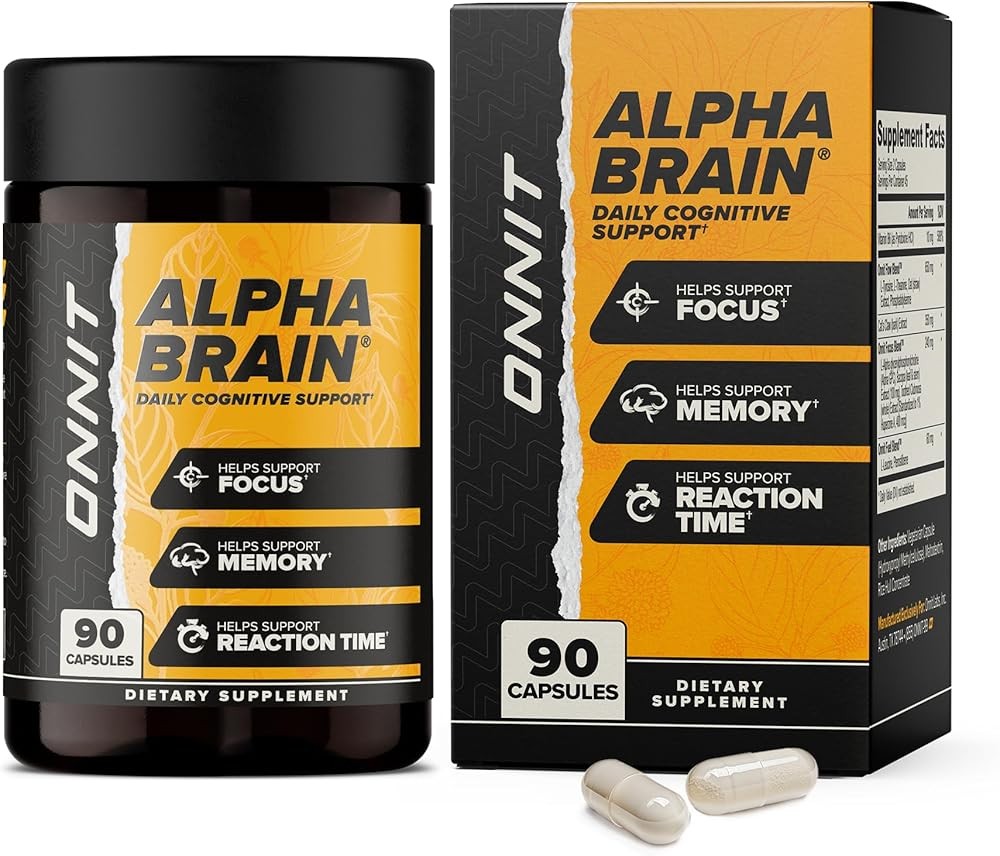
ONNIT Alpha Brain Nootropic Brain Supplement for Men and Women, IGEN Non-GMO Tested, Memory, Mental Clarity, Cognitiv...
Check Price on AmazonAs an Amazon Associate we earn from qualifying purchases.

Life Extension Citicoline (CDP-Choline) - Citicoline Supplement for Brain & Cognitive Health, Focus, Attention, Memor...
Check Price on AmazonAs an Amazon Associate we earn from qualifying purchases.

Dr Fuhrman Prenatal Vitamins For Women | Doctor-Formulated Prenatal Vitamins | Natural Folate, B12, Choline & Iodine ...
Check Price on AmazonAs an Amazon Associate we earn from qualifying purchases.

Nordic Naturals Ultimate Omega - High-Potency Omega-3 Fish Oil with EPA & DHA for Brain & Heart Health...
Check Price on AmazonAs an Amazon Associate we earn from qualifying purchases.
What’s Your Roadmap to Clearing Brain Fog?
Brain fog isn’t something you have to accept as normal. While hormonal fluctuations, nutrient depletion from menstruation and pregnancy, and the extraordinary stress many women carry create biological vulnerability, targeted interventions can restore mental clarity.
Your roadmap:
1. Test, don’t guess: Get comprehensive testing (ferritin, B12, folate, homocysteine, thyroid panel, vitamin D, omega-3 index) to identify your specific deficiencies.
2. Start with your biggest deficiency: If ferritin is 20 ng/mL, prioritize iron. If you’re postpartum, prioritize choline and DHA. If you’re perimenopausal with high stress, prioritize omega-3s and an adaptogen.
3. Give supplements time: Most require 4-12 weeks to show full benefits. Be patient and retest to confirm levels are improving.
4. Address root causes: Optimize sleep, stabilize blood sugar, manage stress, support gut health, and optimize thyroid function.
5. Adjust to your life stage: Use hormone-specific protocols tailored to where you are (PMS, perimenopause, pregnancy, postpartum).
6. Know when to get help: If brain fog persists despite comprehensive interventions, see a functional medicine doctor or appropriate specialist.
Your brain deserves the nutrients it needs to function optimally. With the right testing, targeted supplementation, and lifestyle support, you can reclaim the mental clarity, focus, and cognitive performance you deserve.
Related Reading
Explore these complementary articles to build a comprehensive approach to women’s cognitive health and hormonal balance:
- Best Magnesium Supplements for Sleep and Anxiety - Compare magnesium glycinate, threonate, and other forms for sleep, PMS, and brain function
- Omega-3 Fish Oil Benefits: EPA vs DHA Complete Guide - Learn about EPA/DHA ratios, purity testing, and choosing between fish oil vs algae oil
- Iron, Energy, and Anemia Benefits - Understand ferritin levels, absorption strategies, and when to supplement
- Best B-Vitamin Complex for Mental Clarity - Discover how B-vitamins affect cognitive function and energy levels
- Menopause and Perimenopause Supplements - Navigate cognitive changes during hormonal transition
- Postpartum Hair Loss and Recovery Supplements - Restore depleted nutrients for cognitive and physical health
- Ashwagandha for Mental Clarity and Stress Relief - Deep dive into ashwagandha mechanisms for stress resilience
- Thyroid Health Supplements Guide - Address subclinical hypothyroidism affecting cognition
📱 Join the discussion: Facebook | X | YouTube | Pinterest
References
-
Bruner AB, Joffe A, Duggan AK, Casella JF, Brandt J. Randomised study of cognitive effects of iron supplementation in non-anaemic iron-deficient adolescent girls. Lancet. 1996;348(9033):992-996. PubMed 8855856
-
Kennedy DO. B Vitamins and the Brain: Mechanisms, Dose and Efficacy–A Review. Nutrients. 2016;8(2):68. PubMed 26828517
-
Witkowska D, Ficek K, Stachoń A, Bogacz-Walancik A. Impact of Serum Vitamin D, B6, and B12 and Cognitive Functions on Quality of Life in Peri- and Postmenopausal Polish Women. J Clin Med. 2024;13(10):2762. PubMed 38769717
-
Naghashpour M, Amani R, Nematpour S, Haghighizadeh MH. A randomized, controlled trial to evaluate the efficacy of pyridoxine and ascorbic acid on cognitive function and quality of life in post-menopausal women. Menopause. 2024;31(7):612-619. PubMed 40299018
-
de Cássia da Silveira E Sá R, Steluti J, Castro MA, Marchioni DM. Role of Micronutrient Supplementation in Promoting Cognitive Healthy Aging in Latin America: Evidence-Based Consensus Statement. Nutrients. 2024;16(10):1499. PubMed 40806128
-
Khan HN, Abdulghani MA, Gjergja Juraski R, Alhajri N, Abdulle A, Agellon LB, Stojanovska L, Apostolopoulos V, Feehan J, Kinobe R, Cheikh Ismail L, Vujkovic-Cvijin I, Al Dhaheri AS. Efficacy of B Vitamin Supplementation on Global Cognitive Function in Older Adults: A Systematic Review and Meta-analysis. JAMA Netw Open. 2024;7(9):e2433535. PubMed 40966571
-
Belcaro G, Cornelli U, Dugall M, Feragalli B, Hosoi M, Cotellese R. Efficacy and safety of a nutritional supplement based on vitamins, minerals, amino acids and plant extracts on a large population of older adults experiencing fatigue. Minerva Med. 2024;115(5):632-641. PubMed 41569590
-
Slutsky I, Valsamis C, Li W, Shi Y, Liu J. The effects of magnesium L-threonate (Magtein®) on cognitive performance and sleep quality in adults: a randomised, double-blind, placebo-controlled trial. Magnes Res. 2024;37(4):127-140. PubMed 41601871
-
Ahmed E, Patel K, Al-Ahmed L, Vasekar M, Patel H. The effect of Withania somnifera (Ashwagandha) on mental health symptoms in individuals with mental disorders: systematic review and meta-analysis. Eur J Med Res. 2024;29(1):487. PubMed 41140145
-
Yurko-Mauro K, McCarthy D, Rom D, Nelson EB, Ryan AS, Blackwell A, Salem N Jr, Stedman M; MIDAS Investigators. Beneficial effects of docosahexaenoic acid on cognition in age-related cognitive decline. Alzheimers Dement. 2010;6(6):456-464. PubMed 21045839
Recommended Products