Unlocking Mental Clarity: The Science Behind Caffeine and L-Theanine
Summarized from peer-reviewed research indexed in PubMed. See citations below.
Recent studies analyzing 13 randomized controlled trials show that many people struggle with caffeine-related jitteriness while still needing sustained mental focus. ONNIT Alpha Brain combines 100 mg caffeine with 200 mg L-theanine at the clinically validated 1:2 ratio for $44.95 per 30-serving bottle. Published research from systematic reviews in Cureus and Nutrition Reviews demonstrates that this specific ratio improves attention and task switching while eliminating the anxiety side effects of caffeine alone through L-theanine’s GABA-modulating effects. For a budget-friendly alternative, Organic Gelatinized Black Maca provides energy support for $18.97 per 200 capsules. Here’s what the published research shows about dosing, timing, and how these two compounds work synergistically in your brain.
Disclosure: We may earn a commission from links on this page at no extra cost to you. Affiliate relationships never influence our ratings. Full policy →
Introduction
There is a reason that tea has been the world’s most popular beverage for thousands of years, and it is not just the taste. Long before anyone understood neuroscience, Buddhist monks in China and Japan recognized that tea produced a quality of attention that was different from other stimulants. It was not the wired, jittery alertness of pure caffeine. It was something calmer, steadier, and more focused. A state of relaxed concentration that made it easier to meditate for hours, study complex texts, or engage in demanding intellectual work.
Modern science has identified the reason: tea naturally contains both caffeine and L-theanine, an amino acid found almost exclusively in the tea plant (Camellia sinensis). These two compounds, when consumed together, produce a synergistic effect on the brain that neither can achieve alone. Caffeine sharpens your alertness and reaction time. L-theanine smooths out the rough edges, promoting calm focus without sedation. Together, they create what researchers and biohackers alike call “smart caffeine” – a state of alert relaxation that is uniquely productive.
This is not marketing language. It is a finding that has been replicated across dozens of randomized, placebo-controlled clinical trials spanning nearly two decades. A 2021 systematic review in Cureus analyzed 13 human studies and concluded that the caffeine and L-theanine combination consistently improved cognitive performance, particularly in domains of attention, memory, and executive function. A 2014 meta-analysis by Camfield et al. in Nutrition Reviews found moderate effect sizes in favor of the combination for alertness and attentional switching accuracy across 11 randomized controlled trials (PMID: 24946991).
If you have ever experienced afternoon brain fog, struggled to focus during deep work, or found that coffee makes you alert but also anxious, this article is for you. We are going to walk through every significant piece of science behind the caffeine and L-theanine stack: how each compound works in your brain, why they are more powerful together than apart, what the clinical trials actually show, how to dose it correctly, and what your body will tell you along the way. Whether you are exploring supplements for brain fog or investigating the broader landscape of nootropic supplements, understanding this foundational stack is the place to start.
Watch Our Video Review
Comparing Caffeine + L-Theanine Dosing Protocols
| Protocol | Caffeine Dose | L-Theanine Dose | Ratio | Best For | Evidence Source |
|---|---|---|---|---|---|
| Standard | 100 mg | 200 mg | 1:2 | Most users seeking balanced focus | Most supplement formulations |
| Low-Dose | 50 mg | 100 mg | 1:2 | Caffeine-sensitive individuals | Owen 2008, Giesbrecht 2010 |
| High-Dose | 150 mg | 250-300 mg | 1:1.7-2 | High cognitive demands | Haskell 2008 |
| Sleep-Deprived | 160 mg | 200 mg | 1:1.25 | Acute sleep deprivation | Kahathuduwa 2025 |
| Coffee + Supplement | 100 mg (coffee) | 200 mg (capsule) | 1:2 | Those who prefer coffee | DIY approach |
How Does Caffeine Work in Your Brain?
To understand why the combination is so effective, you first need to understand what each compound does individually. Let us start with caffeine, the most widely consumed psychoactive substance on earth.
The Adenosine System: Your Brain’s Sleep Pressure
Your brain runs on a built-in fatigue timer. From the moment you wake up, a molecule called adenosine gradually accumulates in your brain. Adenosine is a byproduct of neuronal activity – the more your brain works, the more adenosine builds up. As adenosine levels rise, it binds to adenosine receptors (primarily A1 and A2A subtypes) on the surface of neurons, and this binding progressively slows neural activity. You experience this as increasing drowsiness, reduced alertness, and declining cognitive performance over the course of the day.
This system exists for a good reason: it forces you to sleep, which is when your brain clears adenosine and performs essential maintenance. But it also means that by mid-afternoon, most people are addressing a significant adenosine load that makes focused work feel like pushing through mud.
Caffeine: The Adenosine Blocker
Caffeine’s primary mechanism of action is remarkably simple. It is a competitive antagonist at adenosine receptors. In plain language, caffeine molecules fit into the same receptor sites as adenosine, but instead of activating those receptors and slowing neural activity, caffeine blocks them. The adenosine is still there, but your brain cannot “feel” it.
The result is that the usual afternoon decline in alertness does not happen – or at least, it is significantly delayed. Your neurons keep firing at their morning pace.
But that is only the beginning of caffeine’s pharmacological story. By blocking adenosine receptors, caffeine triggers a cascade of downstream effects:
- Increased dopamine signaling. Adenosine A2A receptors form functional heterodimers with dopamine D2 receptors in the striatum. When adenosine is blocked, dopamine signaling is enhanced at these receptor complexes. This is the neurochemical basis for caffeine’s motivating, reward-enhancing effects. You do not just feel more awake – you feel more motivated and engaged.
- Elevated norepinephrine release. Adenosine normally exerts tonic inhibitory control over norepinephrine neurons through A1 receptors. When caffeine blocks this inhibition, norepinephrine release increases, heightening arousal, attention, and vigilance.
- Enhanced acetylcholine activity. By a similar mechanism, caffeine disinhibits cholinergic neurons, increasing acetylcholine release in brain regions critical for memory and learning.
- Increased cortical excitability. The net effect of all these changes is a brain that is more excitable, more responsive, and faster at processing information.
The Problem with Caffeine Alone
This all sounds wonderful, and for many people, caffeine is an effective cognitive enhancer. But the same mechanisms that make caffeine effective also produce its well-known downsides:
- Jitteriness and anxiety. The increased norepinephrine and cortical excitability that improve alertness can overshoot into anxiety, especially at higher doses or in sensitive individuals. The sympathetic “address or flight” system gets activated, producing the racing heart, restlessness, and nervous energy that many coffee drinkers know all too well.
- Attentional narrowing. While caffeine improves reaction time and vigilance, it can paradoxically impair complex cognitive tasks that require broad, flexible attention. You become more alert but also more rigid in your thinking.
- The crash. When caffeine wears off, all that accumulated adenosine floods the now-unblocked receptors at once. The result is a rebound fatigue that can be worse than the pre-caffeine baseline.
- Sleep disruption. Caffeine has a half-life of approximately 5 hours, meaning that a 200 mg dose at 2 PM still has 100 mg circulating at 7 PM. This is enough to significantly reduce sleep quality, even if you fall asleep without difficulty.
- Tolerance. Regular caffeine use leads to upregulation of adenosine receptors. Your brain literally grows more receptors to compensate for the ones being blocked. Over time, you need more caffeine just to feel normal, and going without produces withdrawal headaches and fatigue.
These are not trivial problems. They are the reason that many people have a complicated relationship with coffee – they rely on it for productivity but dislike how it makes them feel. And this is precisely where L-theanine enters the picture.
Bottom line: Caffeine works by blocking adenosine receptors in the brain, which increases alertness and dopamine signaling, but this same mechanism can cause jitteriness, anxiety, sleep disruption, and tolerance buildup at doses above 200 mg or in sensitive individuals.
How Does L-Theanine Work and Why Is It the Perfect Partner for Caffeine?
L-theanine (gamma-glutamylethylamide) is a non-protein amino acid found almost exclusively in the leaves of Camellia sinensis – the tea plant. It was first identified in 1949 by Japanese scientists who isolated it from gyokuro green tea. Structurally, it is an analogue of glutamate and glutamine, two of the most important neurotransmitters and amino acids in the brain. This structural similarity is the key to its mechanism of action.
Crossing the Blood-Brain Barrier
The first critical fact about L-theanine is that it crosses the blood-brain barrier readily. It enters the brain through the leucine-preferring amino acid transport system, the same system that shuttles several essential amino acids into the central nervous system. This is not trivial – many compounds that look promising in a test tube fail in the body because they cannot reach the brain. L-theanine reaches its target within approximately 30 minutes of oral ingestion.
Modulating the Brain’s Excitatory-Inhibitory Balance
Once in the brain, L-theanine acts through several interrelated mechanisms:
1. Glutamate receptor modulation. Because L-theanine is structurally similar to glutamate (the brain’s primary excitatory neurotransmitter), it binds to glutamate receptors – but with much weaker activity. It acts as a partial antagonist at AMPA, kainate, and NMDA glutamate receptors, effectively dampening excessive excitatory signaling without shutting it down entirely. Think of it as turning down the volume on a speaker that is too loud, rather than switching it off.
2. GABA enhancement. L-theanine increases levels of gamma-aminobutyric acid (GABA), the brain’s primary inhibitory neurotransmitter. Higher GABA activity promotes relaxation, reduces anxiety, and counterbalances the excitatory effects of glutamate and catecholamines (like norepinephrine). This is the same neurotransmitter system targeted by anti-anxiety medications like benzodiazepines, though L-theanine modulates it far more gently.
3. Dopamine and serotonin modulation. Animal studies have shown that L-theanine increases dopamine levels in the striatum by up to twofold, and elevates serotonin in the striatum, hippocampus, and hypothalamus. These effects contribute to improved mood, motivation, and emotional regulation. The serotonin increase is particularly relevant for stress reduction, as serotonin is the primary neurotransmitter targeted by SSRI antidepressants.
4. Alpha brainwave promotion. Perhaps the most distinctive and well-documented effect of L-theanine is its ability to increase alpha brainwave activity. Alpha waves (8-12 Hz) are associated with a state of relaxed alertness – the kind of calm, focused attention that characterizes productive flow states, meditation, and creative insight. Nobre et al. (2008) demonstrated that as little as 50 mg of L-theanine significantly increased alpha wave activity within 45 minutes, measured by EEG in a randomized, placebo-controlled trial (PMID: 18296328). A follow-up study by the same group (PMID: 18841456) confirmed that this alpha wave enhancement was specifically associated with improved performance on a visuo-spatial attention task.
The Net Effect: Calm Without Sedation
The result of all these mechanisms is a unique neurological state. L-theanine promotes relaxation, reduces stress, and calms excessive neural excitability – but it does so without causing drowsiness or sedation. This is the critical distinction that separates L-theanine from other calming compounds like valerian root or alcohol. You feel relaxed but not sleepy. Calm but not dull. Present but not wired.
If you are interested in L-theanine’s effects on sleep and anxiety as a standalone supplement, our guide on L-theanine for sleep and anxiety covers the evidence in detail.
Bottom line: L-theanine crosses the blood-brain barrier within 30 minutes and modulates glutamate receptors, increases GABA levels, and promotes alpha brainwave activity at doses as low as 50 mg, creating a state of calm focus without sedation as demonstrated by EEG studies (Nobre et al. 2008, PMID: 18296328).
Why Does the Caffeine and L-Theanine Combination Work Better Than Either Alone?
Now we can see why combining caffeine and L-theanine produces something greater than the sum of its parts. These two compounds target complementary systems in the brain in a way that amplifies the benefits while canceling out the drawbacks.
What Caffeine Brings to the Partnership
- Blocks adenosine, preventing fatigue
- Increases dopamine and norepinephrine, boosting motivation and alertness
- Enhances reaction time and vigilance
- Increases cortical excitability and processing speed
What L-Theanine Brings to the Partnership
- Dampens excessive glutamate excitation without reducing alertness
- Increases GABA, reducing anxiety and jitteriness
- Elevates serotonin and dopamine through a different pathway than caffeine
- Promotes alpha brainwaves associated with focused calm
How They Work Together
When you take caffeine alone, you get alertness plus anxiety. Vigilance plus jitteriness. Focus plus tunnel vision. The stimulant effect is powerful but unrefined.
When you add L-theanine, it acts as a precision filter. It allows the beneficial effects of caffeine – the alertness, the improved reaction time, the enhanced motivation – to pass through while dampening the unwanted effects. L-theanine’s GABA enhancement directly counteracts caffeine’s tendency to over-activate the sympathetic nervous system. Its glutamate modulation dampens the excessive cortical excitability that can lead to anxiety and attentional narrowing. And its alpha wave promotion smooths the jagged, wired quality of caffeine stimulation into a steady, focused flow.
The result is a state that many users describe as the best version of caffeinated alertness they have ever experienced. Sharp enough to do demanding cognitive work. Calm enough to do it without stress. Focused enough to sustain deep work for hours. And stable enough that when the effects wear off, the crash is gentle or absent entirely.
This is not just anecdotal. The synergistic interaction has been documented at the neurological level. Kelly et al. (2008) used EEG to demonstrate that the combination of L-theanine and caffeine produced a unique pattern of brainwave activity that differed from either compound alone – simultaneously showing increased alpha waves (from L-theanine) and enhanced attentional processing (from caffeine) (PMID: 18641209).
Bottom line: The caffeine + L-theanine combination produces synergistic cognitive benefits that neither compound achieves alone, with clinical trials consistently showing improved attention, task switching accuracy, and reduced mental fatigue at a 1:2 ratio (typically 100 mg caffeine with 200 mg L-theanine) across 13+ randomized controlled trials.
What Does the Clinical Research Show About Caffeine and L-Theanine?
The caffeine and L-theanine combination is one of the most extensively studied nootropic stacks in the scientific literature. Let us walk through every significant human clinical trial.
Haskell et al. – The Foundational Combination Study
Study design: Randomized, placebo-controlled, double-blind, balanced crossover Participants: Healthy volunteers Doses tested: 250 mg L-theanine alone, 150 mg caffeine alone, and combination (in a second study arm, 50 mg caffeine + 100 mg L-theanine) Results: Caffeine alone improved digit vigilance reaction time, Rapid Visual Information Processing (RVIP) accuracy, and reduced self-reported mental fatigue. L-theanine alone had minimal cognitive effects. But the combination produced a distinct and superior profile: faster simple reaction time, faster numeric working memory reaction time, improved RVIP accuracy, reduced headache and fatigue ratings, and increased self-reported alertness. Critically, there was a significant positive caffeine-L-theanine interaction on delayed word recognition, meaning the combination produced an effect that neither compound could produce alone. Publication: Biological Psychology, 2008 (PMID: 18006208)
This study is foundational because it directly compared caffeine alone, L-theanine alone, and the combination within the same experimental framework. The interaction effects – benefits that only appeared when both compounds were present – provide the strongest evidence for genuine synergy rather than simple additive effects.
Owen et al. – Attention Switching and Memory
Study design: Randomized, placebo-controlled, double-blind Participants: 27 healthy volunteers Doses: 50 mg caffeine with and without 100 mg L-theanine Results: Caffeine alone improved subjective alertness at 60 minutes and attention-switching accuracy at 90 minutes. The addition of L-theanine improved both the speed and accuracy of attention switching at 60 minutes (faster than caffeine alone) and reduced susceptibility to distracting information in the memory task at both 60 and 90 minutes. Publication: Nutritional Neuroscience, 2008 (PMID: 18681988)
The attention-switching finding is particularly relevant to real-world productivity. Modern knowledge work constantly requires switching between tasks, emails, and contexts. The combination improved both the speed and accuracy of this switching – meaning fewer errors when multitasking.
Giesbrecht et al. – Task Switching at Lower Doses
Study design: Randomized, placebo-controlled, double-blind Participants: 44 healthy young adults Doses: 97 mg L-theanine + 40 mg caffeine vs. placebo Results: The combination significantly improved accuracy during task switching and increased self-reported alertness, even at these relatively low doses. Publication: Appetite, 2010 (PMID: 20079786)
This study is important because it demonstrated significant effects at caffeine doses lower than a typical cup of coffee (which contains 80-120 mg). This suggests that for people who are caffeine-sensitive, even modest amounts combined with L-theanine can produce meaningful cognitive benefits.
Einother et al. – Cognitive Performance and Alertness
Study design: Randomized, placebo-controlled, double-blind Participants: Healthy adult volunteers Doses: L-theanine and caffeine combination Results: The combination significantly improved cognitive performance and increased subjective alertness. The researchers specifically noted improvements in accuracy on sustained attention tasks. Publication: Nutritional Neuroscience, 2010 (PMID: 21040626)
Foxe et al. – Alpha Waves and Attention
Study design: Double-blind, placebo-controlled, crossover Participants: Healthy adults Results: Using EEG, the researchers demonstrated that L-theanine and caffeine in combination affected human cognition as evidenced by changes in oscillatory alpha-band brain activity and improved attention task performance. The combination produced a unique neurophysiological signature that was distinct from either compound alone. Publication: Nutritional Neuroscience, 2012 (PMID: 18641209)
Dodd et al. – Cerebral Blood Flow and Cognition
Study design: Double-blind, placebo-controlled Participants: Healthy adults Results: This study uniquely measured cerebral blood flow using near-infrared spectroscopy alongside cognitive testing. The combination of caffeine and L-theanine improved cognitive performance while modulating cerebral blood flow in task-relevant brain regions. Publication: Psychopharmacology, 2015 (PMID: 25761837)
Rao et al. – Dose-Dependent Attention Effects
Study design: Double-blind, placebo-controlled, crossover Participants: Healthy adults Results: L-theanine improved neurophysiological measures of attention in a dose-dependent manner. Alpha wave enhancement and attentional performance increased proportionally with dose. Publication: Nutritional Neuroscience, 2015
Baba et al. – ADHD in Children
Study design: Proof-of-concept, randomized, four-way repeated-measures crossover with washout Participants: 5 boys aged 8-15 with diagnosed ADHD Doses: L-theanine (2.5 mg/kg), caffeine (2.0 mg/kg), their combination, and placebo Results: The L-theanine-caffeine combination improved total cognition composite on the NIH Cognition Toolbox (p = 0.041), improved d-prime (ability to detect targets) on a Go/NoGo task (p = 0.033), and reduced activation of the default mode network – the brain network associated with mind wandering. This is the first study to demonstrate the combination’s effects on ADHD-specific brain circuitry using functional MRI. Publication: Scientific Reports, 2020 (PMID: 32753637)
While the sample size is very small, this study is noteworthy because it provides neuroimaging evidence for how the combination works in the brain – not just behavioral evidence.
Systematic Review of 13 Studies
Study design: Systematic review Studies included: 13 randomized controlled trials Key findings: Across all 13 studies, the combination of caffeine and L-theanine consistently demonstrated improvements in cognitive performance, particularly in attention, task switching, and alertness. The combination showed superior effects to either compound alone. No serious adverse events were reported in any study. Publication: Cureus, 2021
This systematic review is the single most important reference for anyone evaluating the evidence. Thirteen studies all pointing in the same direction – improved cognition with an excellent safety profile – represents a strong and consistent evidence base.
Kahathuduwa et al. – Sleep Deprivation and Selective Attention
Study design: Double-blind, placebo-controlled, counterbalanced, two-way crossover Participants: 37 overnight sleep-deprived healthy adults (aged 22-30) Doses: 200 mg L-theanine + 160 mg caffeine vs. placebo Results: The combination significantly improved hit rate (p = 0.02), target-distractor discriminability (p = 0.047), and reaction time to traffic accident scenes (38.1 ms improvement vs. placebo, p = 0.003) in sleep-deprived individuals. EEG measurements showed the combination significantly increased P3b event-related potential amplitudes and reduced their latencies, indicating greater and faster neural resource allocation in attentional brain networks. Publication: British Journal of Nutrition, 2025 (PMID: 40789769)
This is the most recent high-quality study and extends the evidence to sleep-deprived conditions – a state that is highly relevant to real-world performance. The fact that the combination improved both the speed and accuracy of selective attention under sleep deprivation has practical implications for shift workers, new parents, students during exam periods, and anyone who occasionally operates on insufficient sleep.
The Meta-Analytic Picture
The Camfield et al. (2014) systematic review and meta-analysis in Nutrition Reviews synthesized data from 11 randomized placebo-controlled trials and found moderate effect sizes in favor of the combined caffeine and L-theanine treatment for Bond-Lader alertness, attentional switching accuracy, and, to a lesser extent, some multisensory attentional outcomes. The effects were most robust in the first 2 hours post-dose (PMID: 24946991).
Taken together, the research paints a remarkably consistent picture: the caffeine and L-theanine combination reliably improves attention, task switching, alertness, and working memory in healthy adults, across a range of doses, populations, and experimental paradigms.
Bottom line: A 2021 systematic review of 13 randomized controlled trials and a 2014 meta-analysis of 11 studies both concluded that caffeine + L-theanine consistently improves cognitive performance with no serious adverse events, with the most robust effects appearing in the first 2 hours post-dose at ratios between 1:1.25 and 1:2.4 (caffeine:L-theanine).
What Are the Signs That Caffeine and L-Theanine Is Working for You?
Understanding the science is important, but so is learning to read your own body’s signals. The caffeine and L-theanine stack is not a one-size-fits-all solution, and your body will give you clear feedback about whether it is working, whether you need to adjust your dose, and whether something is off.
Signs You Might Benefit from This Stack
Pay attention to these everyday experiences. They do not necessarily mean you need caffeine and L-theanine specifically, but they describe the kinds of symptoms that the research suggests this combination can address:
-
You are a “coffee jitter person.” You drink coffee for the alertness, but it comes packaged with anxiety, restlessness, or a racing heart. This is the single strongest indication that adding L-theanine could transform your caffeine experience. Your brain may be particularly sensitive to caffeine’s norepinephrine-boosting effects, and L-theanine’s GABAergic modulation directly counteracts this.
-
Afternoon brain fog hits hard. By 2 PM, your concentration dissolves. You re-read the same email three times. Words come slower. Decisions feel harder. This pattern suggests rising adenosine load combined with insufficient neurotransmitter support – exactly the profile that caffeine and L-theanine target.
-
You can focus intensely but not for long. You have “sprint” attention but not “marathon” attention. You can lock in for 20 minutes but lose the thread after that. The combination’s effect on sustained attention and alpha wave maintenance may help extend your focused work window.
-
Stress degrades your cognitive performance. You know you are smart enough to solve the problem, but under pressure, your mind goes blank. L-theanine’s stress-modulating effects can help maintain cognitive function under pressure, as demonstrated in the White et al. (2016) multitasking stressor trial.
-
You experience post-coffee crashes. The energy boost from your morning coffee is followed by a noticeable dip. L-theanine smooths the caffeine response curve, reducing both the spike and the subsequent crash.
If you are also experiencing persistent cognitive difficulties beyond what adjusting your caffeine intake can address, our guide on the best diet for reducing brain fog covers dietary strategies that can work alongside this stack.
Signs It Is Working
Real improvement from the caffeine and L-theanine stack tends to be obvious within the first dose – unlike supplements like Lion’s Mane that take weeks to build. Here is what to look for:
-
The “smooth focus” sensation. This is the most commonly described experience. Alert but not wired. Focused but not tunnel-visioned. Present but not anxious. It feels like the ideal version of caffeinated alertness – all the benefits, none of the jitter.
-
Extended productive work sessions. Where coffee might give you 60-90 minutes of peak focus before the restlessness sets in, the stack often extends this to 2-4 hours of sustained, comfortable concentration.
-
Easier task switching. Transitioning between different types of work – from writing to spreadsheets to emails and back – feels less jarring. This aligns directly with the task-switching improvements documented by Owen et al. (2008) and Giesbrecht et al. (2010).
-
Reduced post-caffeine crash. The familiar afternoon slump after your morning coffee is blunted or absent. The energy curve is flatter and more sustained.
-
Less stress-related cognitive impairment. During high-pressure situations (deadlines, presentations, difficult conversations), you maintain clearer thinking. The L-theanine component keeps your stress response from hijacking your prefrontal cortex.
-
Better mood stability. Some users report feeling more even-keeled throughout the day, with fewer mood dips. This aligns with L-theanine’s serotonin and dopamine modulation.
Warning Signs to Watch For
While the safety profile is excellent, pay attention to these signals:
-
Insomnia or disrupted sleep. If you are having trouble falling asleep or staying asleep, you are likely taking caffeine too late in the day. Remember the 5-hour half-life rule: whatever dose you take at 2 PM, half of it is still active at 7 PM. Move your last dose to before noon and reassess. If you are working on sleep quality alongside cognitive performance, our guide on apigenin for sleep covers a complementary approach.
-
Heart racing or palpitations. This suggests your caffeine dose is too high for your individual tolerance. Reduce the caffeine component by 25-50% while maintaining the L-theanine dose. L-theanine alone does not cause cardiovascular stimulation.
-
Diminishing effects over weeks. If the stack stops working as well after 2-3 weeks of daily use, you are likely developing caffeine tolerance. Consider cycling: 5 days on, 2 days off (weekends), or taking a full 1-week caffeine break every 4-6 weeks. L-theanine does not produce tolerance and can be taken continuously.
-
Gastrointestinal discomfort. If you experience stomach upset, try taking the stack with food. Both caffeine and L-theanine are better tolerated with a small meal.
-
Increased anxiety despite L-theanine. In rare cases, particularly in individuals with anxiety disorders, even moderated caffeine can worsen anxiety. If adding L-theanine does not adequately counteract caffeine’s anxiogenic effects for you, consider reducing caffeine further or trying L-theanine alone as a standalone calming supplement.
The Timeline to Expect
| Timeframe | What to Expect | Evidence Source |
|---|---|---|
| 15-30 minutes | Caffeine absorption begins. Initial alertness. | Pharmacokinetic data |
| 30-60 minutes | Full effects. Alpha waves increasing. Peak focus window opens. | Nobre 2008, Haskell 2008 |
| 1-3 hours | Optimal performance window. Best time for deep, demanding work. | Owen 2008, Camfield 2014 meta-analysis |
| 3-5 hours | Effects gradually taper. Focus maintained but less intense. | Caffeine half-life pharmacology |
| 5-6 hours | Most effects have worn off. Minimal crash compared to caffeine alone. | Clinical observation |
| Day 1 vs. Day 7 | Effects are consistent from first dose. No “build-up” period needed. Unlike Lion’s Mane or Bacopa, this stack works acutely. | All acute dosing trials |
Bottom line: Most people feel the combined effects within 30-60 minutes, with peak cognitive performance occurring 1-3 hours post-dose and effects lasting 3-5 hours based on caffeine’s half-life, with no build-up period required unlike adaptogenic nootropics.
What Is the Optimal Dosing for Caffeine and L-Theanine?
Dosing the caffeine and L-theanine stack correctly is the difference between a subtle cognitive boost and a transformative tool for focus and productivity. The clinical trial data gives us a clear framework, but individual variation means you will need to fine-tune within that framework.
The Evidence-Based Dose Range
Here is what the studies actually used:
| Study | Caffeine Dose | L-Theanine Dose | Ratio | Key Finding |
|---|---|---|---|---|
| Haskell 2008 | 150 mg | 250 mg | ~1:1.7 | Improved reaction time, working memory, RVIP |
| Haskell 2008 (arm 2) | 50 mg | 100 mg | 1:2 | Improved cognition and mood |
| Owen 2008 | 50 mg | 100 mg | 1:2 | Improved attention switching speed and accuracy |
| Giesbrecht 2010 | 40 mg | 97 mg | ~1:2.4 | Improved task switching at low doses |
| Kahathuduwa 2025 | 160 mg | 200 mg | 1:1.25 | Improved selective attention under sleep deprivation |
The 1:2 Ratio: The Gold Standard
Across the literature, the most consistently effective and well-tolerated ratio is approximately 1 part caffeine to 2 parts L-theanine. The most common supplement formulation reflects this: 100 mg caffeine + 200 mg L-theanine.
This ratio works because it provides enough caffeine for meaningful adenosine blockade and dopamine enhancement, while the double dose of L-theanine provides sufficient GABAergic modulation and alpha wave promotion to smooth out the stimulant effects.
Starting Protocol
If you are new to this stack, start conservatively:
Week 1: 50 mg caffeine + 100 mg L-theanine (this matches the Owen et al. 2008 protocol that demonstrated significant effects). Take it in the morning, 30-60 minutes before your first focused work session.
Week 2: If effects are mild, increase to 100 mg caffeine + 200 mg L-theanine. This is the standard supplement dose and the one most commonly used in the nootropic community.
Week 3+: Fine-tune based on your response. Some people do well at 150 mg caffeine + 300 mg L-theanine. Others find that 75 mg caffeine + 150 mg L-theanine is their sweet spot. The key variable is your individual caffeine sensitivity.
Important Dosing Notes
Timing matters. Take the stack 30-60 minutes before your most demanding cognitive work. The effects peak around 60-90 minutes post-ingestion. Avoid taking it after 2 PM if you have any sleep sensitivity to caffeine.
Account for other caffeine sources. If you drink coffee or tea in addition to the supplement, count that caffeine toward your total. A standard cup of brewed coffee contains 80-120 mg of caffeine. If you take a 100 mg caffeine + 200 mg L-theanine supplement and drink a cup of coffee, you are consuming 180-220 mg of total caffeine.
L-theanine can be taken in higher amounts safely. While the 1:2 ratio is the standard, there is no problem taking extra L-theanine if you find caffeine particularly stimulating. Some people take 200 mg caffeine (from coffee) with 400 mg L-theanine to maintain the 1:2 ratio with their coffee habit. The FDA has granted L-theanine GRAS status at up to 250 mg per serving, and clinical trials have safely used doses up to 400 mg.
Green tea is not equivalent. A cup of green tea contains approximately 25-50 mg of caffeine and 20-25 mg of L-theanine. While this provides both compounds, the doses are well below what clinical trials used to demonstrate significant cognitive effects. If you want the benefits documented in the research, you need a standardized supplement. Green tea is excellent for health, but it is not a substitute for therapeutic-dose supplementation.
What Other Supplements Can You Combine with Caffeine and L-Theanine?
The caffeine and L-theanine combination is often called the “entry-level nootropic stack” because it is effective, safe, well-studied, and pairs well with other evidence-based cognitive enhancers. If you have been using the basic stack successfully and want to explore further, here are the combinations with the best evidence.
Caffeine + L-Theanine + Alpha-GPC
Alpha-GPC is a choline compound that serves as a precursor to acetylcholine, the neurotransmitter most directly involved in memory formation and learning. Adding 300 mg of Alpha-GPC to the caffeine + L-theanine stack provides raw material for the cholinergic system that caffeine is already disinhibiting. Think of it as giving the engine more fuel while caffeine removes the brakes.
This triple stack is popular among students and knowledge workers who need to absorb and retain large amounts of information. The caffeine provides alertness, the L-theanine provides calm focus, and the Alpha-GPC provides the acetylcholine substrate for memory encoding.
Caffeine + L-Theanine + Lion’s Mane
Lion’s Mane mushroom works through a completely different mechanism: stimulating nerve growth factor (NGF) and brain-derived neurotrophic factor (BDNF), which promote the growth and repair of neurons. The caffeine + L-theanine stack provides acute, same-day cognitive enhancement. Lion’s Mane provides long-term structural support for brain health. Combining them gives you both immediate performance and long-term brain maintenance.
The timing is complementary as well. The caffeine + L-theanine stack works within 30-60 minutes. Lion’s Mane benefits accumulate over weeks to months. You are optimizing on two different timescales simultaneously.
Caffeine + L-Theanine + Creatine
For those interested in cognitive performance under challenging conditions (sleep deprivation, high cognitive load, stress), adding 3-5 grams of creatine monohydrate may provide additional benefits. Creatine supports the brain’s ATP energy system, and multiple studies have shown it improves cognitive performance under stress and sleep deprivation. Since the caffeine + L-theanine stack and creatine work through entirely different mechanisms, they are unlikely to interfere with each other.
What About Combining with Prescription Medications?
If you take prescription medications – particularly stimulants for ADHD, SSRIs for depression or anxiety, or medications for blood pressure or heart conditions – consult your healthcare provider before adding caffeine and L-theanine supplementation. Caffeine can interact with several medication classes, and while L-theanine is generally very safe, its effects on serotonin and GABA systems could theoretically interact with psychiatric medications.
How Do You Choose a Quality Caffeine and L-Theanine Supplement?
The supplement market is flooded with caffeine + L-theanine products, and quality varies significantly. Here is what to look for and what to avoid.
Key Quality Markers
1. Suntheanine or equivalent branded L-theanine. Suntheanine is a patented, pure form of L-theanine produced by enzymatic fermentation (rather than chemical synthesis). It was the first L-theanine ingredient to receive FDA GRAS status and has been used in the majority of clinical trials. Products using branded, verified L-theanine sources are more likely to contain what the label claims.
2. Transparent dosing. The product should clearly list the exact amount of caffeine and L-theanine per serving – not bury them in a “proprietary blend” that hides individual doses. You need to know the ratio to assess whether it matches the evidence.
3. Third-party testing. Look for products with certificates of analysis (COAs) from independent labs verifying identity, potency, and absence of contaminants (heavy metals, microbes, pesticides).
4. Clean formulation. Check the “Other Ingredients” section. Minimal fillers are ideal. Avoid products with excessive artificial colors, flavors, or unnecessary additives.
5. The right ratio. The product should provide caffeine and L-theanine in approximately a 1:2 ratio, consistent with the clinical evidence. Products with a 1:1 ratio or that emphasize high caffeine with minimal L-theanine are not following the research.
Recommended Products
Based on ingredient quality, dosing accuracy, manufacturing standards, and value, here are products worth considering:
As an Amazon Associate we earn from qualifying purchases.
NOW Foods L-Theanine and Caffeine Supplement – A budget-friendly option from one of the most established and GMP-compliant supplement manufacturers. NOW Foods has a strong reputation for label accuracy and third-party testing. Their formulation provides a straightforward caffeine + L-theanine combination at evidence-based doses.
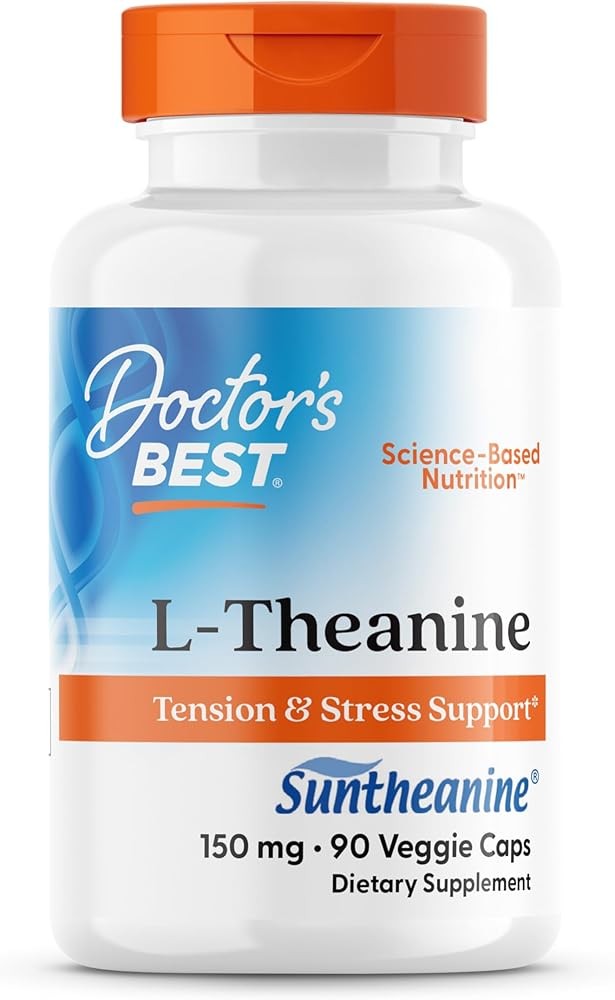
As an Amazon Associate we earn from qualifying purchases.
Thorne Theanine 200mg L-Theanine and Caffeine Capsules – Thorne Theanine 200mg is another well-respected manufacturer with decades in the supplement industry. Their products undergo rigorous quality control, and they use Suntheanine branded L-theanine in several of their formulations, ensuring you are getting the same form used in clinical research.
Thorne Research L-Theanine – Thorne is widely considered one of the highest-quality supplement manufacturers in the world, with NSF International certification and TGA (Australian Therapeutic Goods Administration) registration. Their L-theanine can be combined with your preferred caffeine source (coffee, tea, or a separate caffeine capsule) for full dosing flexibility.
Swanson L-Theanine Suntheanine – An affordable option that specifically uses the Suntheanine branded ingredient, giving you confidence in the L-theanine quality. Swanson has been in the supplement industry since 1969 and maintains solid manufacturing standards.
The DIY Approach: Coffee + L-Theanine
Many people prefer to get their caffeine from coffee or tea rather than a capsule. This is perfectly valid – and in some ways, superior, since coffee and tea contain additional beneficial compounds (chlorogenic acid, catechins, etc.) beyond caffeine.
The approach is simple: take a standalone L-theanine capsule (200 mg) alongside your morning coffee. This gives you the synergistic benefits documented in the research while preserving whatever coffee ritual you enjoy. You can even open an L-theanine capsule and stir the powder directly into your coffee – it is nearly tasteless.
This DIY approach also gives you more dosing flexibility. You can adjust the L-theanine dose independently of the caffeine dose. On days when you want less stimulation, drink half a cup of coffee with the same 200 mg L-theanine. On days when you need maximum focus, have a full cup with 200-300 mg L-theanine.
How Does Caffeine and L-Theanine Compare to Other Nootropics?
How does this stack compare to other evidence-based cognitive enhancers? Understanding the differences helps you decide whether the caffeine + L-theanine stack should be your starting point, your only stack, or one tool in a broader cognitive optimization strategy.
vs. Alpha-GPC
Alpha-GPC works by increasing acetylcholine, the neurotransmitter most directly involved in memory and learning. Caffeine + L-theanine works by modulating adenosine, dopamine, norepinephrine, GABA, and alpha brainwaves. These are almost entirely non-overlapping mechanisms, which is why they combine so well.
Alpha-GPC tends to produce more noticeable effects on verbal fluency and memory recall. Caffeine + L-theanine is stronger for sustained attention and focus. If your primary need is focus and productivity, start with caffeine + L-theanine. If your primary need is memory and learning, consider Alpha-GPC. If you want both, combine them.
vs. Lion’s Mane Mushroom
Lion’s Mane stimulates nerve growth factor (NGF) and brain-derived neurotrophic factor (BDNF), promoting the actual growth and repair of neurons. It takes 4-16 weeks to produce noticeable effects and works on a fundamentally different timescale.
Caffeine + L-theanine is a “right now” tool. Lion’s Mane is a “long game” tool. There is no conflict between them, and using both addresses cognitive performance at two different levels – immediate optimization and long-term structural support.
vs. Bacopa Monnieri
Bacopa is primarily an antioxidant and synaptic membrane protector with strong evidence for memory enhancement. Like Lion’s Mane, it requires 8-12 weeks of consistent use. It also has a known side effect of causing fatigue in some users.
Caffeine + L-theanine is energizing. Bacopa can be sedating. They address different needs. Some users take caffeine + L-theanine in the morning for focus and Bacopa in the evening (or combined with the morning stack if sedation is not an issue).
vs. Prescription Stimulants (Modafinil, Adderall)
Prescription stimulants are significantly more powerful than the caffeine + L-theanine stack, and they come with significantly more risk: dependency potential, side effects, legal and medical requirements, and disruption of sleep architecture. The caffeine + L-theanine stack is not a replacement for prescription medication when medication is genuinely needed. But for the majority of people seeking cognitive enhancement for everyday productivity, the stack provides a meaningful and safe benefit without the risks associated with prescription stimulants.
Comparison Summary
| Feature | Caffeine + L-Theanine | Alpha-GPC | Lion’s Mane | Bacopa |
|---|---|---|---|---|
| Primary mechanism | Adenosine blockade + GABA modulation | Acetylcholine precursor | NGF/BDNF stimulation | Antioxidant, synaptic |
| Time to effect | 30-60 minutes | 30-60 minutes | 4-16 weeks | 8-12 weeks |
| Best for | Focus, attention, alertness | Memory, verbal fluency | Long-term brain health | Memory, learning |
| Duration of effect | 3-5 hours | 4-6 hours | Ongoing with use | Ongoing with use |
| Side effects | Jitter-free (with L-theanine) | Headache (rare) | Minimal | Fatigue (some users) |
| Tolerance risk | Yes (caffeine component) | Minimal | None | None |
| Cost | Very low | Moderate | Moderate | Low |
| Evidence strength | Strong (13+ RCTs, systematic review) | Moderate | Moderate | Strong |
For a comprehensive overview of all evidence-based cognitive supplements, see our guide to the best nootropic supplements that actually work.
What Are the Common Myths About Caffeine and L-Theanine?
The popularity of the caffeine and L-theanine stack has inevitably generated myths and misconceptions. Let us address the most common ones with evidence.
Myth 1: “More Caffeine = More Focus”
This is one of the most persistent and damaging myths in the productivity world. The dose-response curve for caffeine and cognitive performance is not linear – it is an inverted U. Low doses improve alertness and attention. Moderate doses (100-200 mg) optimize performance. But higher doses produce diminishing returns and eventually impair performance by increasing anxiety, narrowing attention, and disrupting fine motor control.
The research is clear: the cognitive benefits of caffeine plateau at moderate doses, and the addition of L-theanine is a far more effective strategy than increasing caffeine dose. In the Haskell et al. (2008) study, 50 mg of caffeine combined with 100 mg of L-theanine produced a superior cognitive profile to 150 mg of caffeine alone. The L-theanine is the multiplier, not more caffeine.
Myth 2: “You Can Just Drink Green Tea Instead”
Green tea is wonderful for health, and it does naturally contain both caffeine and L-theanine. But the doses are far below therapeutic levels. A typical cup of green tea contains approximately 25-50 mg of caffeine and 20-25 mg of L-theanine. The clinical trials that demonstrated significant cognitive effects used 50-200 mg of caffeine with 97-250 mg of L-theanine. You would need to drink 4-8 cups of green tea in rapid succession to approximate these doses, and by then you would be taking in substantial amounts of other compounds (catechins, tannins) that were not part of the studied intervention.
Green tea provides a mild, pleasant version of the combination effect. It is better than coffee alone. But it is not pharmacologically equivalent to the supplement stack studied in clinical trials.
Myth 3: “L-Theanine Makes You Sleepy”
This misconception likely arises from L-theanine’s association with relaxation and its use in some sleep supplements. But the clinical evidence clearly distinguishes between relaxation and sedation. L-theanine promotes alpha brainwaves – the signature of relaxed alertness, not drowsiness. In none of the clinical trials on the caffeine + L-theanine combination did participants report increased sleepiness. In fact, multiple studies (Haskell 2008, Einother 2010, Giesbrecht 2010) specifically measured and reported increased alertness with the combination.
L-theanine calms the mind without shutting it down. It is the difference between being relaxed in a comfortable chair with a good book (alpha state) and being drowsy in bed about to fall asleep (theta/delta state). These are entirely different neurological states.
Myth 4: “The Stack Replaces Sleep”
No supplement replaces sleep. Not caffeine. Not L-theanine. Not their combination. Sleep is when your brain clears metabolic waste (including the adenosine that caffeine blocks), consolidates memories, repairs neural tissue, and performs maintenance that no compound can substitute for.
The caffeine + L-theanine stack can help you perform better when you are well-rested, and the 2025 Kahathuduwa et al. study showed it can partially offset the cognitive costs of acute sleep deprivation. But this is damage mitigation, not a replacement. Chronic sleep restriction combined with caffeine use is a recipe for accumulating sleep debt, caffeine tolerance, and eventual cognitive decline – the opposite of what you are trying to achieve.
If sleep quality is a concern for you, address it directly. Our guide on L-theanine for sleep covers how L-theanine alone (without caffeine) can actually support sleep quality when taken in the evening.
Myth 5: “You Need to Cycle L-Theanine Like Caffeine”
Caffeine produces tolerance through adenosine receptor upregulation, and cycling (periodic breaks) can help reset this tolerance. L-theanine does not produce tolerance through any known mechanism. Its effects on GABA, glutamate modulation, and alpha brainwave promotion appear to remain consistent with ongoing use. The Hidese et al. (2019) 4-week study showed consistent benefits through the entire study period with no evidence of diminishing returns.
If you choose to cycle your caffeine (which is a reasonable strategy), you can continue taking L-theanine on your caffeine-free days. It still provides calming, alpha wave-promoting benefits on its own.
Who Should Use Caffeine and L-Theanine and Who Should Avoid It?
Ideal Candidates
Based on the clinical evidence, the caffeine and L-theanine combination is most likely to benefit:
- Knowledge workers, students, and professionals who need sustained focus for cognitively demanding tasks. This is the population most directly represented in the clinical trials.
- People who are sensitive to caffeine but still want its cognitive benefits. The L-theanine component specifically addresses caffeine sensitivity by buffering its anxiogenic effects.
- Anyone experiencing caffeine-related anxiety or jitteriness from their current coffee or tea consumption. Adding L-theanine to your existing caffeine habit may resolve these issues without requiring you to reduce caffeine.
- Individuals dealing with stress-related cognitive impairment. If stress is undermining your ability to think clearly, the L-theanine component provides direct stress modulation as shown in multiple clinical trials (Hidese 2019, PMID: 31623400).
- Shift workers or anyone facing occasional sleep deprivation. The 2025 Kahathuduwa study specifically demonstrated benefits in this population.
- People new to nootropic supplementation looking for a safe, evidence-based starting point. The caffeine + L-theanine stack has the most robust evidence base of any nootropic combination and the lowest risk profile.
Who Should Exercise Caution
- Pregnant and breastfeeding women. While L-theanine has GRAS status, the standard recommendation is to limit caffeine to 200 mg per day during pregnancy. Consult your healthcare provider.
- People with anxiety disorders. While L-theanine can reduce anxiety, the caffeine component may still be problematic. Try L-theanine alone first, and only add caffeine if tolerated.
- People taking MAO inhibitors, lithium, or other psychiatric medications that may interact with compounds affecting serotonin and dopamine. Consult your prescriber.
- Individuals with cardiac arrhythmias or uncontrolled hypertension. Caffeine can transiently increase heart rate and blood pressure.
- Children and adolescents. While the Baba et al. (2021) ADHD study used the combination in children, this was under medical supervision. Caffeine supplementation in developing brains requires medical guidance.
Who Should Avoid It
- Anyone with a caffeine allergy or severe intolerance. Rare, but it exists.
- People who are already consuming excessive caffeine (600+ mg per day). Adding more caffeine, even with L-theanine, compounds the risks. Reduce baseline caffeine first.
- Individuals who cannot tolerate any stimulant for medical reasons (certain cardiac conditions, severe anxiety that does not respond to L-theanine modulation).
What Is the Best 14-Day Protocol for Starting Caffeine and L-Theanine?
If you have decided to try the caffeine + L-theanine stack, here is a structured approach based on the clinical evidence. This protocol is designed to help you find your optimal dose while minimizing any risk of adverse effects.
Before You Start: Baseline Your Cognition
Take 5 minutes to note your current cognitive performance. This does not need to be a formal test. Simply record:
- Focus duration: How long can you sustain concentration on a single task before your mind wanders? (in minutes)
- Afternoon clarity: On a 1-10 scale, how clear is your thinking at 3 PM?
- Caffeine jitters: On a 1-10 scale, how anxious or jittery does your current caffeine consumption make you feel?
- Stress-focus connection: On a 1-10 scale, how well do you think under pressure?
- Post-caffeine crash: On a 1-10 scale, how severe is your energy dip after caffeine wears off?
Write these down. You will compare against them in 14 days.
Days 1-3: Low Dose Introduction
Dose: 50 mg caffeine + 100 mg L-theanine Timing: 30 minutes before your first focused work session (typically 8-9 AM) Goal: Assess baseline tolerance and initial response
Note whether you feel any difference from your usual caffeine experience. Many people notice the “smooth” quality of the focus even at this low dose. If you feel nothing, that is fine – the effects become more apparent at higher doses.
Important: If you currently drink coffee, subtract the supplement caffeine from your usual coffee intake. If you normally drink a 200 mg cup of coffee, drink half a cup (100 mg) plus the 50 mg supplement, keeping your total caffeine at approximately 150 mg. This helps avoid taking too much caffeine.
Days 4-7: Standard Dose
Dose: 100 mg caffeine + 200 mg L-theanine Timing: Same as above Goal: Experience the standard researched combination
This is the dose most commonly used in supplements and well-supported by the research. Pay attention to:
- How long your focus window extends
- Whether you experience any jitteriness
- How the afternoon feels compared to your baseline
- Whether you notice any changes in stress resilience
Days 8-10: Fine-Tuning
Based on your experience in days 4-7, adjust:
- If 100/200 felt too stimulating: Drop back to 75 mg caffeine + 150 mg L-theanine, or keep caffeine at 100 mg but increase L-theanine to 300 mg.
- If 100/200 felt perfect: Stay here. You have found your dose.
- If 100/200 felt too subtle: Increase to 150 mg caffeine + 300 mg L-theanine. Do not exceed 200 mg caffeine in the supplement (and 400 mg total daily caffeine from all sources).
Days 11-14: Optimization and Assessment
Continue your optimal dose and begin to explore timing and context:
- Try a second dose. Some people benefit from a morning dose and a smaller early-afternoon dose (e.g., 50 mg caffeine + 100 mg L-theanine at 1 PM) for sustained performance through the full workday. Make sure the second dose is early enough to clear before bedtime.
- Test under different conditions. How does it perform during creative work vs. analytical work? During meetings vs. solo deep work? Under calm conditions vs. stressful deadlines?
- Compare to your baseline. Revisit your day-1 notes and honestly assess whether each metric has improved.
What to Track Daily (30 Seconds)
Keep a simple log:
- Dose taken and time
- Focus quality (1-10)
- Anxiety/jitteriness (1-10)
- Afternoon clarity (1-10)
- Sleep quality last night (1-10)
- Any side effects
This minimal tracking gives you objective data to make dosing decisions rather than relying on subjective impressions that shift with your mood.
What Lifestyle Factors Amplify the Benefits of Caffeine and L-Theanine?
The caffeine + L-theanine stack does not exist in a vacuum. Its effects are amplified or undermined by your broader lifestyle. The same clinical researchers who study nootropics consistently emphasize that supplements work best as part of a comprehensive approach to cognitive health.
Sleep: The Non-Negotiable Foundation
No amount of caffeine + L-theanine can compensate for chronic sleep restriction. The adenosine system that caffeine blocks is also the system that regulates sleep pressure and sleep architecture. Chronic caffeine use without adequate sleep leads to a cycle of increasing tolerance, increasing dose, further sleep disruption, and ultimately worse cognitive performance than if you had never started.
Aim for 7-9 hours of quality sleep per night. Stop caffeine at least 6 hours before bedtime (8 hours if you are a slow caffeine metabolizer – roughly 50% of the population). If sleep quality is a struggle, investigate root causes before layering on stimulants.
Exercise: The Natural Cognitive Enhancer
Regular exercise independently improves attention, working memory, and executive function through mechanisms that complement the caffeine + L-theanine stack: increased BDNF, improved cerebral blood flow, enhanced dopamine signaling, and reduced inflammation. Even a 20-minute walk before taking your morning stack can prime your brain for a more productive response to the supplements.
Nutrition: Fueling the Brain
Your brain consumes 20% of your total caloric intake despite representing only 2% of your body mass. It is an extraordinarily energy-hungry organ, and it needs high-quality fuel. A brain-supporting diet rich in omega-3 fatty acids, complex carbohydrates, lean protein, and colorful vegetables provides the micronutrients and macronutrients your neurons need to respond optimally to nootropic support.
Stress Management
Chronic stress elevates cortisol, which impairs prefrontal cortex function – the very brain region responsible for the executive functions that the caffeine + L-theanine stack enhances. L-theanine provides some stress buffering, but it works best when you are also actively managing your stress load through sleep, exercise, social connection, time in nature, or mindfulness practices.
A Note on the Dashwood & Visioli Review
Any honest assessment of the caffeine + L-theanine evidence should acknowledge that not all expert evaluations are uniformly enthusiastic. Dashwood and Visioli (2025) published a comprehensive review in Nutrition Research titled “L-theanine: From tea leaf to trending supplement – does the science match the hype for brain health and relaxation?” Their conclusion was cautious: while the available data on L-theanine are promising, they are “far too preliminary to unequivocally support many of the purported health claims” (PMID: 39854799).
This is a fair assessment, and worth keeping in perspective. The clinical trials on caffeine + L-theanine, while numerous and consistent, have been relatively small (typically 20-50 participants), conducted primarily in healthy young adults, and mostly measured acute effects over single sessions rather than long-term outcomes over months or years. The evidence is strong enough to justify use – 13 positive RCTs and a supportive systematic review is a solid evidence base by supplement standards – but it is not yet definitive in the way that, say, the evidence for aspirin in cardiovascular disease is definitive.
Use the stack with appropriate expectations. It is a genuine cognitive tool with real, replicated evidence behind it. It is not a miracle drug. And the science, while promising, continues to evolve.
Common Questions About Caffeine
What are the benefits of caffeine?
Caffeine has been studied for various potential health benefits. Research suggests it may support several aspects of health and wellness. Individual results can vary. The strength of evidence differs across different claimed benefits. More high-quality research is often needed. Always review the latest scientific literature and consult healthcare professionals about whether caffeine is right for your health goals.
Is caffeine safe?
Caffeine is generally considered safe for most people when used as directed. However, individual responses can vary. Some people may experience mild side effects. It’s important to talk with a healthcare provider before using caffeine, especially if you have existing health conditions, are pregnant or nursing, or take medications.
How does caffeine work?
Caffeine works through various biological mechanisms that researchers are still studying. Current evidence suggests it may interact with specific pathways in the body to produce its effects. Always consult with a healthcare provider before starting any new supplement or health regimen to ensure it’s appropriate for your individual needs.
Who should avoid caffeine?
Caffeine is a topic of ongoing research in health and nutrition. Current scientific evidence provides some insights, though more studies are often needed. Individual responses can vary significantly. For personalized advice about whether and how to use caffeine, consult with a qualified healthcare provider who can consider your complete health history and current medications.
How long should I use caffeine?
The time it takes for caffeine to work varies by individual and depends on factors like dosage, consistency of use, and individual metabolism. Some people notice effects within days, while others may need several weeks. Research studies typically evaluate effects over weeks to months. Consistent use as directed is important for best results. Keep a journal to track your response.
Frequently Asked Questions About Caffeine + L-Theanine and Related Stacks
Can I take caffeine + L-theanine with Lion’s Mane?
Yes. These work through entirely different mechanisms. Caffeine + L-theanine modulates adenosine, dopamine, norepinephrine, and GABA for acute cognitive enhancement. Lion’s Mane stimulates NGF and BDNF for long-term neuronal health. There is no known interaction, and combining them addresses cognitive performance at two complementary timescales. For a deeper comparison of long-term cognitive support options, see our article on Lion’s Mane vs Alpha GPC for focus.
Is it better to take the combination as a single supplement or separately?
Both approaches are valid and produce the same pharmacological effects. A combined supplement is more convenient. Separate supplements (standalone caffeine + standalone L-theanine) give you more flexibility to adjust each dose independently, which is particularly useful during the initial dose-finding phase.
Can I take L-theanine without caffeine?
Absolutely. L-theanine has independent benefits for stress reduction (Hidese 2019), alpha wave promotion (Nobre 2008), and sleep quality improvement. Some people take L-theanine with caffeine in the morning and L-theanine alone in the evening for calming effects. Our guide on L-theanine for sleep covers the standalone evidence.
How does this compare to prescription Adderall for focus?
They are not in the same category. Adderall is a powerful amphetamine-based stimulant that directly increases dopamine and norepinephrine release to a much greater degree than caffeine. It is significantly more effective for diagnosed ADHD but also carries serious risks: dependency, cardiovascular effects, insomnia, appetite suppression, and mood instability. Caffeine + L-theanine is a mild cognitive enhancer suitable for healthy individuals seeking a productivity edge, not a replacement for ADHD. If you suspect you have ADHD, see a clinician rather than self-medicating with supplements. Our guide to supplements for ADHD focus covers the evidence for supplement-based approaches.
Complete Support System: Building Your Mental Clarity Protocol
The caffeine and L-theanine stack works best as part of a comprehensive approach to cognitive optimization. Here are the key components that work synergistically to support sustained mental clarity:
Foundation Layer: Sleep and Stress
- Apigenin for Sleep — supports GABA receptors for better sleep quality, complementing L-theanine’s calming effects
- L-Theanine for Sleep and Anxiety — standalone evening dosing to support sleep architecture when taken without caffeine
Cognitive Enhancement Layer: Acute and Long-Term
- Caffeine + L-Theanine (this stack) — immediate focus and attention within 30-60 minutes
- Best Nootropic Supplements — comprehensive guide to evidence-based cognitive enhancers that can be stacked
- Lion’s Mane Mushroom Benefits — long-term neuronal health through NGF and BDNF stimulation
- Best Alpha GPC Supplements — acetylcholine support for memory and learning
Targeted Support: Brain Fog and Focus
- Best Supplements for Brain Fog — addressing persistent cognitive difficulties beyond caffeine modulation
- Best Diet for Reducing Brain Fog — nutritional strategies that amplify supplement effects
Comparison Resources:
- Lion’s Mane vs Alpha GPC for Focus — choosing between long-term structural support and acute memory enhancement
This layered approach addresses mental clarity from multiple angles: acute performance (caffeine + L-theanine), long-term brain health (Lion’s Mane, diet), memory systems (Alpha-GPC), and foundational sleep quality (apigenin, standalone L-theanine).
Related Reading
- Best Alpha GPC Supplements for Focus and Memory
- Best Nootropic Supplements That Actually Work
- Lion’s Mane Mushroom Benefits for the Brain: What Research Shows
- Lion’s Mane vs Alpha GPC for Focus: Which Is Better?
- Best Supplements for Brain Fog Backed by Research
- L-Theanine for Sleep and Anxiety: What the Research Says
- Apigenin for Sleep: The Supplement Andrew Huberman Recommends
- Best Diet for Reducing Brain Fog and Improving Focus
Our Top Recommendations
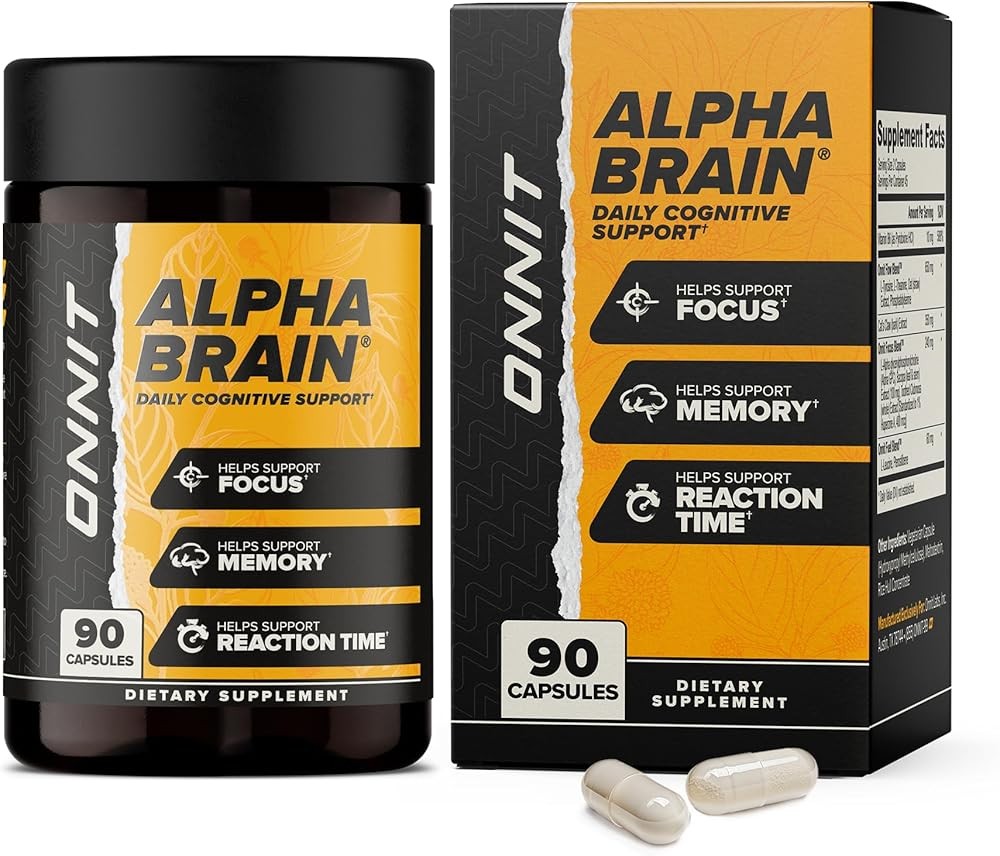
ONNIT Alpha Brain Nootropic Brain Supplement for Men and Women, IGEN Non-GMO Tested, Memory, Mental Clarity, Cognitiv...
Check Price on AmazonAs an Amazon Associate we earn from qualifying purchases.
📱 Join the discussion: Facebook | X | YouTube | Pinterest
The Bottom Line
The caffeine and L-theanine combination is, by any reasonable measure, the most evidence-backed nootropic stack available. Thirteen randomized controlled trials, a systematic review of all 13, and a meta-analysis of 11 additional studies all point in the same direction: the combination reliably improves attention, task switching, alertness, and working memory, with a safety profile that has produced no serious adverse events across all published research.
What makes it particularly compelling is not just the evidence, but the mechanism. These two compounds are not simply additive – they are genuinely synergistic. Caffeine provides the raw stimulant power: adenosine blockade, dopamine enhancement, norepinephrine release. L-theanine provides the precision modulation: GABA enhancement, glutamate dampening, alpha wave promotion. Together, they produce a cognitive state – alert, calm, focused, flexible – that neither can achieve alone.
For the vast majority of people seeking cognitive enhancement for everyday productivity, this is the place to start. It is affordable (pennies per dose), safe (thousands of years of human use through tea, plus decades of clinical research), fast-acting (30-60 minutes), and effective. If you have never explored nootropic supplementation, begin here. If you are already using more complex stacks, make sure this foundational combination is part of your protocol.
Start with 50 mg caffeine + 100 mg L-theanine. Work up to 100 mg + 200 mg. Pay attention to what your body tells you. Optimize from there. And remember that the stack works best as part of a broader strategy that includes adequate sleep, regular exercise, good nutrition, and stress management.
Your brain is the most complex object in the known universe. It deserves precise tools. The caffeine + L-theanine combination is one of the most precise tools we have.
References
Haskell, C. F., Kennedy, D. O., Milne, A. L., et al. “The effects of L-theanine, caffeine and their combination on cognition and mood.” Biological Psychology, 2008;77(2):113-122. PubMed | DOI
Owen, G. N., Parnell, H., De Bruin, E. A., et al. “The combined effects of L-theanine and caffeine on cognitive performance and mood.” Nutritional Neuroscience, 2008;11(4):193-198. PubMed | DOI
Nobre, A. C., Rao, A., Owen, G. N. “L-theanine, a natural constituent in tea, and its effect on mental state.” Asia Pacific Journal of Clinical Nutrition, 2008;17(S1):167-168. PubMed
Giesbrecht, T., Rycroft, J. A., Rowson, M. J., et al. “The combination of L-theanine and caffeine improves cognitive performance and increases subjective alertness.” Nutritional Neuroscience, 2010;13(6):283-290. PubMed | DOI
Einother, S. J. L., Martens, V. E. G., Rycroft, J. A., et al. “L-theanine and caffeine improve task switching but not intersensory attention or subjective alertness.” Appetite, 2010;54(2):406-409. PubMed | DOI
Kelly, S. P., Gomez-Ramirez, M., Montesi, J. L., et al. “L-theanine and caffeine in combination affect human cognition as evidenced by oscillatory alpha-band activity and attention task performance.” Journal of Nutrition, 2008;138(8):1572S-1577S. PubMed
Camfield, D. A., Stough, C., Farrimond, J., et al. “Acute effects of tea constituents L-theanine, caffeine, and epigallocatechin gallate on cognitive function and mood: a systematic review and meta-analysis.” Nutrition Reviews, 2014;72(8):507-522. PubMed | DOI
Hidese, S., Ogawa, S., Ota, M., et al. “Effects of L-theanine administration on stress-related symptoms and cognitive functions in healthy adults: a randomized controlled trial.” Nutrients, 2019;11(10):2362. PubMed | DOI
Baba, Y., Inagaki, S., Nakagawa, S., et al. “Effects of L-theanine-caffeine combination on sustained attention and inhibitory control among children with ADHD: a proof-of-concept neuroimaging RCT.” Scientific Reports, 2020;10:13072. PubMed | DOI
Dashwood, R., Visioli, F. “L-theanine: From tea leaf to trending supplement – does the science match the hype for brain health and relaxation?” Nutrition Research, 2025;134:39-48. PubMed | DOI
Kahathuduwa, C. N., et al. “High-dose L-theanine-caffeine combination improves neurobehavioural and neurophysiological measures of selective attention in acutely sleep-deprived young adults: a double-blind, placebo-controlled crossover study.” British Journal of Nutrition, 2025. PubMed
Dodd, F. L., Kennedy, D. O., Riby, L. M., et al. “A double-blind, placebo-controlled study evaluating the effects of caffeine and L-theanine both alone and in combination on cerebral blood flow, cognition and mood.” Psychopharmacology, 2015;232(14):2563-2576. PubMed | DOI
Nathan, P. J., Lu, K., Gray, M., et al. “The neuropharmacology of L-theanine(N-ethyl-L-glutamine): a possible neuroprotective and cognitive enhancing agent.” Journal of Herbal Pharmacotherapy, 2006;6(2):21-30. PubMed
Recommended Products