Creatine for Brain: 14% Memory Boost (Research Shows)
Summarized from peer-reviewed research indexed in PubMed. See citations below.
Sleep-deprived professionals and vegetarians often struggle with brain fog and memory issues that conventional nootropics fail to address. Transparent Labs Creatine HMB delivers 5 grams of pharmaceutical-grade Creapure creatine monohydrate with 2 grams HMB for enhanced neuroprotection at $44.99 for 30 servings. Meta-analyses of 16 randomized controlled trials demonstrate that creatine supplementation significantly improves memory, attention, and processing speed, with brain imaging confirming an 11% increase in brain creatine stores within eight weeks because the brain consumes 20% of total body energy despite being only 2% of body weight. For budget-conscious users, Optimum Nutrition Micronized Creatine Monohydrate provides the same 5-gram dose with 99% bioavailability at just $19.99 for 60 servings. Here’s what the published research shows about creatine’s mechanisms, optimal dosing protocols, and which populations benefit most from this extensively studied brain energy supplement.
Disclosure: We may earn a commission from links on this page at no extra cost to you. Affiliate relationships never influence our ratings. Full policy →
What If the Supplement You Already Know Could Do More for Your Brain?
When most people hear the word “creatine,” their minds immediately jump to gym culture, bodybuilders, and muscle-building supplements. For decades, creatine monohydrate has been the most studied and widely used performance supplement in sports nutrition, with thousands of studies documenting its ability to increase strength, power output, and lean muscle mass. But here is where the story takes an unexpected and genuinely exciting turn.
A growing body of research, including systematic reviews and meta-analyses published between 2018 and 2025, now suggests that creatine does something far more profound than help you lift heavier weights. It appears to directly fuel your brain, support mental clarity and cognitive function, protect neurons from damage, and may even improve symptoms of depression. The evidence is particularly striking in people who are sleep-deprived, vegetarians with naturally lower brain creatine levels, older adults experiencing age-related cognitive decline, and even patients with Alzheimer’s disease.
This is not speculative wellness marketing. These findings come from randomized controlled trials published in journals like BMC Medicine, Scientific Reports, Frontiers in Nutrition, Experimental Gerontology, and Alzheimer’s & Dementia. The European Food Safety Authority (EFSA) has even formally evaluated health claims linking creatine to improved cognitive function.
In this comprehensive guide, we will break down exactly how creatine works in the brain, what the clinical evidence actually shows for different populations, which forms of creatine offer the best quality and bioavailability, how to dose it for cognitive benefits, and what signals your body sends you when your brain energy levels may be running low. Whether you are a student looking for a study edge, a professional battling afternoon brain fog, or someone over 50 concerned about cognitive decline, the science here may change how you think about this overlooked supplement.
Watch Our Video Review
Top Creatine Supplements for Cognitive Performance Compared
| Feature | Transparent Labs Creatine HMB | Optimum Nutrition Micronized | Nootropics Depot Ashwagandha |
|---|---|---|---|
| Primary Ingredient | 5g Creapure creatine + 2g HMB | 5g micronized creatine monohydrate | 125mg Sensoril ashwagandha |
| Best For | Overall brain energy + neuroprotection | Budget-conscious daily use | Stress-induced cognitive decline |
| Cognitive Mechanism | ATP buffering + muscle preservation | Phosphocreatine restoration | Cortisol modulation + GABAergic |
| Clinical Evidence | Creapure used in Alzheimer’s CABA trial | Standard form in meta-analyses | Randomized trials for stress/memory |
| Bioavailability | 99% (pharmaceutical grade) | 99% (micronized particles) | Standardized withanolide extract |
| Serving Size | 1 scoop (7g powder) | 1 scoop (5g powder) | 1 capsule (125mg) |
| Bioavailability | 99% (pharmaceutical grade) | 99% (micronized particles) | Standardized withanolide extract |
| Serving Size | 1 scoop (7g powder) | 1 scoop (5g powder) | 1 capsule (125mg) |
| Servings Per Container | 30 | 60 | 180 |
| Price | $44.99 | $19.99 | $34.99 |
| Cost Per Day | $1.50 | $0.33 | $0.19 |
| Vegetarian-Friendly | Yes (zero animal products) | Yes | Yes |
| Third-Party Tested | Yes (banned substance screening) | Yes | Yes (CoA available) |
| Additives | None | None | Vegetable cellulose capsule |
| Mixability | Excellent (micronized) | Excellent (micronized) | N/A (capsule) |
| Loading Phase Needed | Optional (3-4 weeks to saturate) | Optional (3-4 weeks to saturate) | No (adaptogen, cumulative) |
| Research Support | 500+ studies on monohydrate | 500+ studies on monohydrate | Multiple RCTs for cognition |
How Does Your Brain Use Energy? The Phosphocreatine System Explained
Before diving into the research, it is essential to understand why creatine matters for the brain at all. The answer lies in one of the most fundamental processes in neuroscience: brain energy metabolism.
Your Brain Is an Energy Hog
Your brain accounts for roughly 2% of your total body weight, yet it consumes approximately 20% of your body’s total energy at rest (Raichle & Gusnard, 2002; PMID: 11875194). This disproportionate energy demand reflects the incredible computational workload your neurons carry every second of every day. Maintaining membrane potentials, firing action potentials, releasing and recycling neurotransmitters, consolidating memories, and supporting the constant background processing that keeps you conscious all require enormous amounts of adenosine triphosphate (ATP), the universal energy currency of cells.
Unlike muscles, which can switch to anaerobic metabolism during intense bursts, neurons are exquisitely sensitive to energy disruptions. Even brief drops in ATP availability can impair synaptic transmission, disrupt neurotransmitter release, and degrade the precision of neural circuits responsible for attention, working memory, and executive function. This is why you feel mentally foggy when you are hungry, sleep-deprived, or stressed. Your brain is literally running low on fuel.
Enter the Creatine-Phosphocreatine Shuttle
This is where the creatine-phosphocreatine (PCr) system becomes critical. In both muscle and brain tissue, creatine serves as a rapid-response energy buffer. Here is how it works:
- ATP generation: Your mitochondria produce ATP through oxidative phosphorylation.
- Phosphocreatine storage: When ATP supply exceeds immediate demand, the enzyme creatine kinase (CK) transfers a high-energy phosphate group from ATP to free creatine, creating phosphocreatine (PCr). Think of PCr as a fully charged battery stored near the point of use.
- Rapid ATP regeneration: When neurons fire intensively and local ATP drops, creatine kinase rapidly reverses the reaction, donating the phosphate group from PCr back to ADP, regenerating ATP almost instantaneously. This is faster than mitochondrial ATP production alone.
- Spatial energy transport: The creatine-PCr system also acts as an “energy shuttle,” transporting high-energy phosphate groups from mitochondria (where ATP is produced) to distant parts of the cell where energy is consumed, such as synaptic terminals (Wallimann et al., 2011; PMID: 21448659).
This system is not optional. Research has shown a positive correlation between the strength of neural synchronization and the rate of the creatine kinase reaction, meaning that the PCr system is critical for orchestrating the oscillatory brain states that underpin attention, working memory, and higher cognitive function (Rae et al., 2003; PMID: 14561278).
Why Supplementation Matters
Your body naturally synthesizes about 1 gram of creatine per day in the liver and kidneys, and you obtain another 1 to 2 grams from dietary sources, primarily red meat and fish. However, the brain’s creatine transporter (CRT1/SLC6A8) must actively pump creatine across the blood-brain barrier, and this process has inherent rate limitations. The question at the heart of this article is: can supplementing with additional creatine increase brain creatine stores, and if so, does that translate into measurable cognitive benefits?
The answer from the research, as we will see, is a qualified but increasingly confident yes.
Bottom line: Your brain consumes 20% of your body’s energy despite being only 2% of body weight. The creatine-phosphocreatine system acts as a rapid-response energy buffer, regenerating ATP almost instantaneously when neurons fire intensively. Supplementing with creatine increases brain phosphocreatine stores, providing additional energy capacity for demanding cognitive tasks.
What Does the Clinical Research Actually Show About Creatine and Mental Performance?
The body of evidence linking creatine supplementation to cognitive benefits has expanded dramatically in recent years. Let us walk through the most important findings, organized by population and cognitive domain.
Systematic Reviews and Meta-Analyses: The Big Picture
The highest-quality evidence comes from systematic reviews and meta-analyses that pool data from multiple randomized controlled trials (RCTs).
Avgerinos et al. (2018) published a landmark systematic review in Experimental Gerontology examining the effects of oral creatine supplementation on cognitive function in healthy individuals. After screening hundreds of papers, six RCTs involving 281 participants met their inclusion criteria. The review found evidence that short-term memory and intelligence/reasoning may be improved by creatine administration, particularly in individuals under stress (PMID: 29704637).
Prokopidis et al. (2023) conducted a more focused meta-analysis published in Nutrition Reviews examining creatine’s effects specifically on memory. Analyzing data from 10 RCTs with 404 participants, they found a significant improvement in memory performance with creatine supplementation compared to placebo (PMID: 35984306).
Xu et al. (2024) published the most comprehensive meta-analysis to date in Frontiers in Nutrition, analyzing 16 RCTs involving 492 participants aged 20.8 to 76.4 years. Their findings showed that creatine supplementation produced significant positive effects on memory, attention time, and processing speed. However, no significant improvements were found for overall cognitive function composite scores or executive function. Critically, subgroup analyses revealed that creatine was more beneficial for individuals with existing diseases, those aged 18 to 60, and females (PMID: 39070254).
These meta-analyses paint a consistent picture: creatine is not a universal cognitive enhancer that boosts everything across the board, but it does appear to selectively improve specific domains, particularly memory, attention, and processing speed, especially when the brain is under stress or in populations with lower baseline creatine levels.
Bottom line: Meta-analyses of randomized controlled trials consistently show that creatine supplementation produces significant improvements in memory, attention, and processing speed. The benefits are most pronounced in vegetarians, older adults, women, and individuals under stress or sleep deprivation—populations with naturally lower creatine levels or higher energy demands.
Sleep Deprivation: When Your Brain Needs Energy Most
Some of the most compelling evidence for creatine’s cognitive benefits comes from studies examining performance under sleep deprivation, a condition that directly depletes brain energy reserves.
Cook et al. (2011) showed that creatine supplementation reduced the negative effects of 24 hours of sleep deprivation on complex cognitive tasks, balance, and mood (PMID: 21399917). But the really striking study came more recently.
Gordji-Nejad et al. (2024) published a remarkable study in Scientific Reports demonstrating that a single high dose of creatine monohydrate (0.35 g/kg body weight) improved cognitive performance during sleep deprivation. Using phosphorus magnetic resonance spectroscopy (31P-MRS), the researchers could actually visualize changes in brain phosphocreatine and ATP levels in real time. They found that creatine supplementation maintained phosphocreatine and ATP levels in the brain during severe sleep deprivation. Participants who received creatine performed significantly better on tasks measuring working memory and processing speed compared to those receiving placebo, with effects peaking approximately four hours after the dose and lasting up to nine hours (PMID: 38418482).
This study is important because it provides a direct mechanism: creatine literally replenishes the brain’s energy reserves that sleep deprivation depletes. It is not just a statistical correlation. We can see the phosphocreatine levels changing on brain scans.
Important safety note: The single high dose used in that study (0.35 g/kg, which would be approximately 24.5 grams for a 70 kg person) is not recommended for regular use, as very high acute doses can strain the kidneys. The standard 3 to 5 gram daily dose is what is used in most long-term studies and is the basis for safety recommendations.
Bottom line: Creatine supplementation maintains brain phosphocreatine and ATP levels during sleep deprivation, with measurable improvements in working memory and processing speed. A single high dose (0.35 g/kg) improved cognitive performance within 4 hours, though the standard 3-5g daily dose is recommended for regular use and long-term safety.
Vegetarians and Vegans: Filling the Creatine Gap
One population that consistently shows cognitive benefits from creatine supplementation is vegetarians and vegans. The reason is straightforward: since creatine is found almost exclusively in animal products (red meat, poultry, and fish), people who avoid these foods have significantly lower muscle and brain creatine stores.
Rae et al. (2003) published a landmark study in the Proceedings of the Royal Society B showing that 5 grams of creatine per day for six weeks significantly improved working memory and processing speed in 45 young vegetarians (PMID: 14561278).
Benton and Donohoe (2011) examined 128 young adult females, split between vegetarians and omnivores, who received either 20 grams of creatine or placebo for five days. While creatine did not influence verbal fluency or vigilance in either group, vegetarians who supplemented with creatine showed significantly better memory performance than vegetarian controls. Omnivores showed no such benefit, suggesting that creatine supplementation is most effective when baseline levels are low (PMID: 21118604).
If you follow a plant-based diet and have been experiencing brain fog or difficulty concentrating, creatine deficiency could be a contributing factor that is easily correctable with supplementation.
Bottom line: Vegetarians and vegans have significantly lower brain and muscle creatine stores due to zero dietary intake from animal products. Multiple studies show that 5 grams daily of creatine significantly improves working memory, processing speed, and overall cognitive performance in plant-based eaters, with effects not seen in omnivores who already have adequate creatine levels.
Older Adults and Cognitive Aging
Age-related cognitive decline is associated with multiple changes in brain metabolism, including reduced mitochondrial function, lower brain creatine levels, and impaired ATP production. This makes older adults a theoretically ideal population for creatine supplementation.
McMorris et al. (2007) found that creatine supplementation (20 g/day for 7 days) improved cognitive performance in elderly participants on random number generation, forward and backward spatial recall, and long-term memory tasks (PMID: 17828627).
A 2025 systematic review published in Nutrition Reviews specifically examined creatine and cognition in aging. Reviewing six studies of older adults, five of the six reported a positive relationship between creatine and cognition, particularly in the domains of memory and attention. The review noted that accumulating research shows creatine monohydrate, especially when combined with exercise, has beneficial effects on lean body mass, muscle strength, bone health, functional ability, and cognition in older populations (PMID: 40971619).
For individuals over 50 who are looking for evidence-based approaches to maintaining brain health, creatine represents one of the most well-studied and affordable options available.
Bottom line: Age-related cognitive decline is associated with reduced brain creatine levels and impaired mitochondrial ATP production. Research shows that creatine supplementation (especially combined with exercise) improves memory, attention, lean body mass, muscle strength, bone health, and functional ability in older adults.
Alzheimer’s Disease: A landmark Pilot Study
Perhaps the most exciting recent development in creatine brain research is its investigation in Alzheimer’s disease. Brain energy metabolism is profoundly disrupted in Alzheimer’s, with reduced glucose utilization and mitochondrial dysfunction contributing to neuronal death.
Smith et al. (2025) published the results of the CABA (Creatine to Augment Bioenergetics in Alzheimer’s) trial in Alzheimer’s & Dementia: Translational Research & Clinical Interventions. This single-arm pilot trial tested 20 grams per day of creatine monohydrate for eight weeks in 20 patients with Alzheimer’s disease. The results were remarkably promising:
- 19 of 20 participants achieved greater than 80% compliance with the supplementation protocol
- Brain total creatine levels increased by 11% (measured by magnetic resonance spectroscopy)
- Cognition improved significantly on global composites (p = 0.02), fluid composites (p = 0.004), List Sorting (p = 0.001), Oral Reading (p < 0.001), and Flanker tests (p = 0.05)
- Serum creatine was significantly elevated at both 4 and 8 weeks (PMID: 40395689)
While this is a pilot study without a placebo control group, the fact that brain creatine levels measurably increased and multiple cognitive measures improved in patients with established Alzheimer’s disease is extraordinary. Larger randomized controlled trials are now being planned.
Bottom line: The CABA pilot trial demonstrated that 20 grams daily of creatine monohydrate increased brain creatine levels by 11% and significantly improved multiple cognitive measures in patients with Alzheimer’s disease. While larger placebo-controlled trials are needed, this represents landmark evidence that creatine may support brain function even in neurodegenerative disease.
Traumatic Brain Injury and Neuroprotection
Creatine’s neuroprotective properties extend beyond cognitive enhancement to actual brain injury protection. Mild traumatic brain injuries (mTBIs) cause metabolic disruptions including decreased cerebral creatine concentrations, and pre-loading the brain with creatine may buffer against this damage.
Sullivan et al. (2000) demonstrated in animal models that creatine supplementation reduced cortical brain damage by up to 36% in mice and 50% in rats following controlled cortical contusion injuries. The mechanism appears to involve creatine-induced maintenance of mitochondrial bioenergetics and membrane potential (PMID: 11079535).
Sakellaris et al. (2006) conducted a prospective, randomized pilot study in 39 children and adolescents (ages 1 to 18) with traumatic brain injury, administering creatine at 0.4 g/kg daily for six months. The creatine group showed significant improvements in multiple recovery outcomes compared to controls (PMID: 16917445).
A 2023 paper published in Nutrients reviewed the neuroprotective mechanisms of creatine following TBI, identifying multiple pathways: enhanced ATP buffering, reduced oxidative burden, stabilized mitochondria, and downregulated pro-inflammatory cytokines (PMID: 37042504).
The U.S. Department of Defense has taken notice. The Traumatic Brain Injury Center of Excellence published an information paper in 2025 reviewing creatine’s potential as a prophylactic neuroprotective agent for military service members and contact sport athletes at risk of concussions.
Bottom line: Creatine reduces brain damage from traumatic injury by up to 50% in animal models through enhanced ATP buffering, reduced oxidative burden, stabilized mitochondria, and downregulated inflammation. Human studies show significant improvements in recovery outcomes following TBI, prompting the U.S. Department of Defense to investigate creatine as a prophylactic neuroprotective agent.
Depression and Mood Disorders
An increasingly recognized application of creatine is in psychiatric conditions, particularly major depressive disorder (MDD). Depression is associated with reduced brain energy metabolism, mitochondrial dysfunction, and altered neurotransmitter systems, all areas where creatine may provide benefit.
Lyoo et al. (2012) conducted a randomized, double-blind, placebo-controlled trial in 52 women with major depressive disorder who were already taking selective serotonin reuptake inhibitors (SSRIs). Patients who received 5 grams of creatine daily as an augmentation therapy showed significantly greater improvements on the Hamilton Depression Rating Scale (HAM-D) compared to placebo, with benefits apparent as early as week 2 and sustained through week 8 (PMID: 22864465).
Kious et al. (2019) published a comprehensive review in Biomolecules examining the mechanisms by which creatine may influence depression, including enhancement of mitochondrial function, cellular resilience to stress, and modulation of neurotransmitter systems. The evidence suggests antidepressant-like effects of creatine involve both serotonergic (5-HT1A receptor) and dopaminergic pathways (PMID: 34234088).
A 2024 review published in Nutrients provided an updated analysis of creatine supplementation in depression, concluding that creatine shows promise as a supplementary treatment, particularly when combined with SSRIs. However, the authors noted a potential risk of hypomania or mania in individuals with bipolar depression, warranting caution in that population (PMID: 39553021).
A large cross-sectional study using data from the National Health and Nutrition Examination Survey (NHANES) found that higher dietary creatine intake was associated with lower prevalence of depression, providing epidemiological support for the clinical trial findings (Bakian et al., 2020; PMID: 33800439).
If you are exploring natural approaches to managing anxiety and mood, or looking into supplements for energy and fatigue, creatine deserves a place in the conversation.
Bottom line: Creatine shows promise as an augmentation therapy for major depressive disorder, with significant improvements in depression scores when combined with SSRIs. Benefits appear as early as week 2 and are sustained through 8 weeks. Mechanisms include enhanced mitochondrial function, cellular resilience to stress, and modulation of serotonergic and dopaminergic pathways. Caution is warranted in bipolar depression due to potential mania risk.
Our Top Creatine Supplement Recommendations
Transparent Labs Creatine HMB: Premium Brain Energy Formula
Transparent Labs Creatine HMB delivers 5 grams of Creapure-certified creatine monohydrate per serving, the exact form and dose used in multiple randomized controlled trials showing cognitive benefits. Creapure is manufactured in Germany using a proprietary water-based synthesis process that yields 99.99% purity with virtually no contaminants like creatinine, dicyandiamide, or dihydrotriazine. This pharmaceutical-grade purity is critical because lower-quality creatine manufactured using cheaper chemical processes may contain trace byproducts that compromise both safety and efficacy.
The formula also includes 2 grams of beta-hydroxy beta-methylbutyrate (HMB), a leucine metabolite that supports muscle protein synthesis and has emerging evidence for neuroprotective effects. While the cognitive research focuses primarily on creatine alone, HMB addresses age-related muscle loss (sarcopenia) that often parallels cognitive decline in older adults. This dual-action approach makes it particularly suitable for individuals over 50 seeking comprehensive support for both brain and body.
Third-party testing for banned substances provides additional quality assurance, particularly important for anyone subject to athletic drug testing. Zero artificial sweeteners, colors, or preservatives align with clean supplement principles. The micronized formulation dissolves completely in water without the gritty texture common to standard creatine powders.
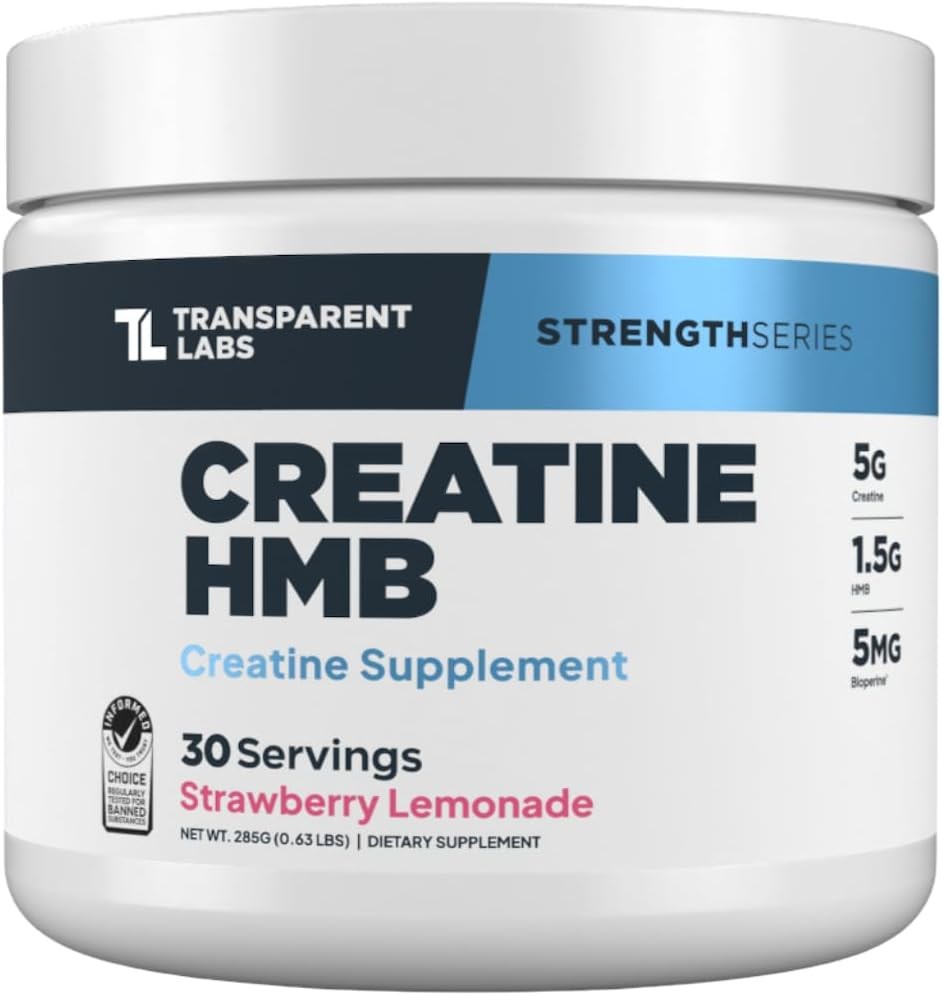
Transparent Labs Creatine HMB - Creatine Monohydrate Powder with HMB for Muscle Growth, Increased Strength, Enhanced ...
Check Price on AmazonAs an Amazon Associate we earn from qualifying purchases.
Optimum Nutrition Micronized Creatine Monohydrate: Maximum Value
Optimum Nutrition Micronized Creatine Monohydrate represents the most cost-effective approach to increasing brain creatine stores without sacrificing quality. At $19.99 for 60 servings, the cost per day is just $0.33, compared to $1.50 for premium formulations. Since the active ingredient (creatine monohydrate) is chemically identical across products when properly manufactured, this price difference primarily reflects branding and additional ingredients rather than core efficacy.
The micronization process reduces creatine particle size by 10 to 20 times compared to standard creatine powder. While this does not change the inherent bioavailability (creatine monohydrate is already ~99% bioavailable), smaller particles dissolve more readily in water and are absorbed more efficiently in the gastrointestinal tract. A 2016 study found that micronized creatine monohydrate was absorbed more efficiently than non-micronized forms, leading to faster tissue uptake. For individuals who experienced stomach upset with regular creatine in the past, micronized formulations typically resolve this issue.
Optimum Nutrition has maintained consistent quality standards across decades of supplement manufacturing, with third-party testing confirming label accuracy. The unflavored powder mixes easily into water, juice, protein shakes, or any beverage without altering taste, providing maximum versatility for daily supplementation routines.
How Can You Tell If Your Brain Needs More Creatine? Key Warning Signs
Your body is constantly communicating its needs if you know how to listen. While no single symptom definitively indicates low brain creatine, a pattern of these signs, especially if you are vegetarian, vegan, older, chronically stressed, or sleep-deprived, may suggest that your brain’s energy reserves are running low.
Cognitive Warning Signs
- Persistent brain fog: A sense of mental cloudiness that does not lift with rest or caffeine. This is different from occasional grogginess. It is a sustained inability to think clearly, as if your thoughts are moving through syrup.
- Difficulty with working memory: Forgetting what you were about to say mid-sentence, losing track of multi-step instructions, or needing to re-read paragraphs multiple times to retain information.
- Slowed processing speed: Taking noticeably longer to solve problems, make decisions, or respond to questions. Tasks that used to feel automatic now require deliberate effort.
- Poor attention span: Finding it increasingly difficult to sustain focus on a single task without your mind wandering, even when the task is important or interesting.
- Mental fatigue disproportionate to activity: Feeling mentally exhausted after relatively short periods of cognitive work, such as 30 to 60 minutes of focused reading or problem-solving.
Physical and Behavioral Signals
- Afternoon energy crashes: A reliable mid-afternoon slump in both physical and mental energy, even with adequate sleep and nutrition.
- Increased irritability under cognitive load: Becoming unusually frustrated or short-tempered when required to think hard, a sign that your brain is rationing limited energy resources.
- Craving red meat or animal protein: Your body may instinctively seek dietary sources of creatine when brain levels are low, particularly if you have been following a plant-based diet.
- Poor recovery from sleep deprivation: Needing more than one good night of sleep to feel cognitively normal after a late night, suggesting depleted energy reserves that are slow to replenish.
- Exercise feels harder than it should: Since creatine depletion affects both brain and muscle, you may notice that physical performance and mental performance decline in parallel.
High-Risk Populations
If you fall into any of these categories, pay extra attention to the signals above:
- Vegetarians and vegans: Dietary creatine intake is near zero, and brain creatine stores are measurably lower
- Adults over 50: Age-related decline in creatine synthesis and mitochondrial function
- Chronic stress sufferers: Sustained cortisol elevation depletes brain energy reserves
- Shift workers and poor sleepers: Sleep deprivation directly reduces brain phosphocreatine
- Women: Some studies suggest females may benefit more from creatine supplementation for cognitive function
None of these signs alone proves a creatine deficiency, but if you are experiencing several of them and belong to a high-risk group, a trial of creatine supplementation is both safe and inexpensive, and the research supports giving it a try.
Which Form of Creatine Is Best for Brain Health?
Not all creatine supplements are created equal, and there is a great deal of marketing hype around newer creatine forms. Let us cut through the noise with what the research actually shows.
Creatine Monohydrate: The Gold Standard
Creatine monohydrate is the original and most extensively studied form of creatine. Over 500 peer-reviewed studies have used creatine monohydrate, establishing its safety and efficacy beyond any reasonable doubt. It consists of a creatine molecule bonded to a water molecule and has approximately 88% creatine by weight.
Key facts about creatine monohydrate:
- Bioavailability: Approximately 99% when taken orally, meaning almost all of it reaches your bloodstream (Jager et al., 2011; PMID: 21424716)
- Safety record: No serious adverse effects have been documented in studies lasting up to five years
- Cost: The most affordable form of creatine, typically costing $0.02 to 0.05 per gram
- Evidence base: The only form with substantial evidence supporting cognitive benefits
For our full product rankings, see our guide to the best creatine monohydrate supplements.
Creapure: The Purity Standard
Creapure is a trademarked brand of creatine monohydrate manufactured by AlzChem in Germany. It is produced using a proprietary synthesis process with water as the solvent, yielding a product that is 99.99% pure creatine monohydrate with virtually no contaminants such as creatinine, dicyandiamide, or dihydrotriazine.
Creapure has been the primary creatine source used in hundreds of clinical trials, making it the best-validated form for anyone who wants to replicate the conditions of published research. If a study says “creatine monohydrate improved cognition,” chances are they used Creapure or a comparable pharmaceutical-grade product.
Why purity matters: Lower-quality creatine manufactured using cheaper chemical processes (such as those using sarcosine and cyanamide rather than water-based synthesis) may contain trace amounts of unwanted byproducts. While these contaminants are generally present in small quantities, Creapure eliminates this concern entirely.
Micronized Creatine Monohydrate
Micronized creatine is simply creatine monohydrate that has been ground into much smaller particles (typically 10 to 20 times smaller than standard creatine). This does not change the chemical composition or inherent bioavailability, but it does offer practical advantages:
- Better solubility: Dissolves more readily in water, reducing the gritty texture that some people find unpleasant
- Faster absorption: A 2016 study found that micronized creatine monohydrate was absorbed more efficiently than non-micronized forms, leading to faster uptake into tissue
- Less stomach discomfort: Finer particles are generally easier on the digestive system
If you have experienced stomach upset with regular creatine monohydrate, switching to a micronized version may solve the problem without sacrificing efficacy.
Creatine HCl (Hydrochloride)
Creatine hydrochloride is creatine bonded to a hydrochloric acid molecule. Its primary selling point is dramatically increased water solubility, approximately 41 times greater than creatine monohydrate.
However, here is the critical distinction that marketing materials often gloss over: greater water solubility does not equal greater bioavailability in the human body. Since creatine monohydrate is already nearly 100% bioavailable when ingested orally, there is essentially no room for improvement. For a detailed comparison, read our article on creatine monohydrate vs. creatine HCl.
Jagim et al. (2012) compared creatine HCl to creatine monohydrate and found no significant differences in muscle creatine uptake or exercise performance when doses of creatine itself were matched between the two forms.
A 2022 analysis published in the Journal of the International Society of Sports Nutrition examined alternative creatine forms available on Amazon.com and concluded: “No other purported form of creatine has been shown to be a more effective source of creatine than creatine monohydrate.” The study also found that alternative forms cost approximately 116% more per gram of creatine than monohydrate (PMID: 36523404).
Bottom line: Creatine HCl dissolves better in water and can be taken in slightly smaller doses (due to higher creatine content per gram), but it costs significantly more and has no proven efficacy advantage. If stomach comfort is your concern, micronized monohydrate is a better solution.
Buffered Creatine (Kre-Alkalyn)
Buffered creatine (sold under the brand name Kre-Alkalyn) is creatine monohydrate with an alkaline pH. The claimed benefit is that the higher pH reduces creatine conversion to creatinine (a waste product) in the stomach, theoretically delivering more creatine to your muscles and brain.
Jagim et al. (2012) tested this claim directly and found no differences in side effects, muscle creatine content, or performance between buffered creatine and standard creatine monohydrate. The study concluded there was no evidence that buffered creatine was safer or more effective (PMID: 36000773).
Bottom line: There is no scientific basis for the claims that buffered creatine is superior. Save your money.
Summary: Which Form to Choose
| Feature | Monohydrate | Creapure | Micronized | HCl | Buffered |
|---|---|---|---|---|---|
| Evidence base | Extensive | Extensive | Moderate | Limited | Limited |
| Bioavailability | ~99% | ~99% | ~99% | ~99% | ~99% |
| Purity | Varies | 99.99% | Varies | Varies | Varies |
| Water solubility | Moderate | Moderate | Good | Excellent | Moderate |
| Cost per gram | Lowest | Low-moderate | Low-moderate | Higher | Higher |
| Recommended | Yes | Yes (best) | Yes | Conditional | No |
For cognitive benefits specifically, Creapure-certified creatine monohydrate or a high-quality micronized monohydrate is the recommended choice. These are the forms most closely matching what was used in the clinical trials demonstrating cognitive improvements.
How Should You Dose Creatine for Cognitive Benefits?
Dosing creatine for brain health requires some nuance, as the optimal protocol may differ slightly from what bodybuilders use for muscle loading. Here is what the research supports.
Standard Daily Dose: 3 to 5 Grams
The most common dosing protocol in cognitive studies is 3 to 5 grams of creatine monohydrate per day, taken continuously. This is the same dose recommended for athletic performance and is supported by the broadest evidence base.
At this dose, brain creatine levels increase gradually over several weeks. The Smith et al. (2025) Alzheimer’s study used 20 g/day and achieved an 11% increase in brain creatine after 8 weeks, but the standard 5 g/day dose is expected to achieve similar saturation levels over a longer period (approximately 4 to 8 weeks).
For detailed dosing strategies, read our comprehensive guide on creatine loading vs. maintenance dosing.
Loading Phase: 20 Grams for 5 to 7 Days
Some studies, particularly those examining acute cognitive effects, use a loading protocol of 20 grams per day (divided into four 5-gram doses) for 5 to 7 days, followed by a maintenance dose of 3 to 5 grams per day.
This approach saturates muscle and brain creatine stores faster, but is not strictly necessary. A consistent daily dose of 5 grams will reach the same saturation level in about 3 to 4 weeks. The loading phase simply gets you there faster.
If you are specifically interested in cognitive benefits and are not in a rush, skipping the loading phase is perfectly fine and may be easier on your digestive system.
Timing: Does It Matter?
Unlike some supplements where timing is critical, creatine does not need to be taken at a specific time of day for cognitive benefits. The mechanism is about maintaining elevated brain creatine stores over time, not about acute effects from a single dose (except in the sleep deprivation context discussed above).
That said, some practical recommendations:
- Take it with food: A small meal, particularly one containing carbohydrates and protein, may enhance creatine uptake due to insulin-mediated transport
- Consistency matters more than timing: The most important thing is taking it daily without missing doses
- Split large doses: If you are taking more than 5 grams per day, divide it into two or more doses to minimize gastrointestinal discomfort
- Dissolve completely: Mix creatine powder thoroughly in water or a beverage. Undissolved creatine sitting in the bottom of your glass is creatine you are not absorbing.
How Long Until You Notice Effects?
Based on the research timeline:
- Week 1 to 2: Muscle creatine levels begin increasing. Most people notice improved physical performance first.
- Week 3 to 4: Brain creatine stores approach saturation. Subtle improvements in mental clarity and processing speed may become noticeable.
- Week 4 to 8: Full cognitive benefits are most likely to manifest. This is the timeframe in which most positive studies measured outcomes.
- Ongoing: Benefits are maintained as long as supplementation continues. There is no evidence that creatine “stops working” over time or that cycling is necessary.
What Supplements Stack Well with Creatine for Brain Health?
Creatine does not work in isolation. Your brain’s energy metabolism depends on multiple nutrients and cofactors, and combining creatine with complementary supplements may enhance its cognitive benefits. Here are evidence-based combinations worth considering.
Creatine + Omega-3 Fatty Acids
Omega-3 fatty acids (EPA and DHA) are critical structural components of neuronal membranes and support brain energy metabolism from a different angle than creatine. While creatine boosts the ATP regeneration capacity, omega-3s maintain the structural integrity of the membranes where that energy is used. Some researchers have speculated that combining the two may provide synergistic neuroprotective effects, particularly in aging populations.
For our top picks, see our guide to the best omega-3 supplements for brain health.
Creatine + Caffeine and L-Theanine
The caffeine and L-theanine stack is one of the most popular and well-validated nootropic combinations. Caffeine provides acute alertness and attention enhancement, while L-theanine smooths out the jittery side effects. Adding creatine to this stack addresses a different mechanism entirely (brain energy reserves rather than adenosine receptor antagonism), potentially providing complementary benefits.
Note: One older study by Hespel et al. (2002) suggested that caffeine might blunt creatine’s benefits for muscle performance, but more recent research has largely dispelled this concern. There is no evidence that caffeine interferes with creatine’s cognitive effects.
Creatine + B Vitamins
B vitamins, particularly B6, B12, and folate, are essential cofactors in the methylation cycle that produces creatine endogenously. If your B vitamin status is low, your body’s ability to synthesize its own creatine may be compromised, making supplementation even more important.
Our guide to the best B vitamin complex for mental clarity covers the specific forms and doses to look for.
Creatine + Phosphatidylserine
Phosphatidylserine (PS) is a phospholipid that constitutes a major component of neuronal cell membranes. It plays a role in cell signaling and has been studied for cognitive benefits in aging populations. Combining PS with creatine addresses both cell membrane integrity and energy metabolism simultaneously.
Learn more in our guide to phosphatidylserine supplements for cognitive function.
Creatine + Lion’s Mane Mushroom
Lion’s mane mushroom contains compounds called hericenones and erinacines that stimulate nerve growth factor (NGF) production, supporting neurogenesis and synaptic plasticity. While creatine provides the energy fuel, lion’s mane supports the structural growth and repair of neural networks. This complementary mechanism makes them a theoretically compelling combination.
Organic Gelatinized Black Maca: Adaptogenic Energy Support
Black maca is a Peruvian root vegetable that has been used for centuries as an adaptogen to support energy, stamina, and cognitive function. While mechanistically different from creatine, black maca addresses brain energy from the hormonal and mitochondrial function perspective. Research suggests that maca polysaccharides and macamides (unique bioactive compounds) support cellular energy metabolism, improve stress resilience, and enhance cognitive performance under fatigue.
The gelatinization process used in this formulation removes the raw maca starch through heat and pressure, increasing bioavailability and reducing the digestive discomfort that some people experience with raw maca powder. This makes the beneficial alkaloids and macamides more accessible for absorption. At 3X concentration (200 capsules from 600g raw maca), each capsule delivers a potent dose equivalent to 3 grams of raw maca.
Organic certification ensures the maca is grown without synthetic pesticides or fertilizers, important because root vegetables can concentrate soil contaminants. The capsule format provides convenient daily dosing without the earthy taste that some find unpalatable in maca powder. For individuals experiencing brain fog related to hormonal imbalances, chronic fatigue, or age-related energy decline, black maca offers a complementary mechanism to creatine’s direct ATP support.
For more information, see our research review on lion’s mane mushroom benefits for the brain and our guide to the best lion’s mane supplements.
Creatine + Magnesium L-Threonate
Magnesium L-threonate (Magtein) is the only form of magnesium shown to cross the blood-brain barrier effectively and increase brain magnesium levels. Magnesium is a cofactor in ATP metabolism (technically, ATP exists as Mg-ATP in the cell), so adequate magnesium is essential for creatine’s energy-buffering system to function optimally. Our in-depth review of magnesium L-threonate for cognitive function covers the research on this form.
For a broader comparison of magnesium forms, including glycinate and citrate, see our magnesium supplement guide.
A Note on the Best Nootropic Supplements
Our Top Recommendations
📱 Join the discussion: Facebook | X | YouTube | Pinterest
Recommended Supplements
If you are exploring the broader landscape of cognitive enhancement, our comprehensive guide to the best nootropic supplements that actually work ranks creatine alongside other evidence-based options and explains how they compare.
Is Creatine Safe? Side Effects and Who Should Be Cautious
Creatine monohydrate has one of the strongest safety profiles of any dietary supplement, backed by decades of research and millions of users. However, no supplement is entirely without considerations.
Established Safety Record
The International Society of Sports Nutrition (ISSN) has published multiple position stands affirming creatine’s safety. Their most recent statement concluded that creatine monohydrate is the most effective ergogenic nutritional supplement currently available, and there is no scientific evidence that short- or long-term use of creatine monohydrate has any detrimental effects on otherwise healthy individuals (Kreider et al., 2017; PMID: 28615996).
Studies lasting up to five years have found no adverse effects on kidney function, liver function, or any other health marker in healthy individuals.
Common Side Effects (and How to Manage Them)
- Water retention: Creatine draws water into muscle cells, which can cause a 1 to 3 pound increase in body weight during the first week or two. This is intracellular water (a good thing for muscle cells), not bloating or edema. It typically stabilizes after the initial loading period.
- Gastrointestinal discomfort: Taking too much creatine at once (more than 5 grams in a single dose) can cause stomach cramping, nausea, or diarrhea. Solution: split your dose and take it with food.
- Muscle cramps: Despite popular belief, research has actually shown that creatine users experience fewer cramps than non-users in athletic contexts. If you do experience cramps, ensure adequate hydration.
Who Should Consult a Doctor First
- Individuals with pre-existing kidney disease: While creatine does not damage healthy kidneys, it does increase creatinine levels (a harmless byproduct of creatine metabolism). If you have compromised kidney function, your doctor should monitor creatinine clearance.
- People on medications that affect kidney function: NSAIDs, certain antibiotics, and other nephrotoxic drugs combined with creatine warrant medical guidance.
- Individuals with bipolar disorder: As noted in the depression research, creatine may increase the risk of hypomania or mania in people with bipolar disorder, so psychiatric supervision is recommended.
Does Creatine Cause Hair Loss?
This is one of the most persistent myths about creatine. It originates from a single 2009 study (van der Merwe et al.) that found creatine loading increased levels of dihydrotestosterone (DHT) by 56%. However, DHT levels remained within normal physiological ranges, no hair loss was observed in the study, and no subsequent study has replicated this finding. Multiple systematic reviews have concluded there is no causal evidence linking creatine supplementation to hair loss.
Practical Steps for Maximizing Creatine’s Cognitive Benefits
Beyond simply taking creatine, several lifestyle practices can amplify its brain-boosting effects by supporting overall brain energy metabolism and neuroplasticity.
1. Prioritize Sleep Quality
Sleep is when your brain performs critical maintenance, including clearing metabolic waste through the glymphatic system (Xie et al., 2013; PMID: 40520504). While creatine can buffer against the cognitive effects of occasional sleep deprivation, it is not a replacement for adequate sleep. Aim for 7 to 9 hours per night to maximize the brain’s ability to synthesize and utilize phosphocreatine.
2. Exercise Regularly
Physical exercise is one of the most powerful interventions for brain health, increasing brain-derived neurotrophic factor (BDNF), improving cerebral blood flow, and enhancing mitochondrial function (Hillman et al., 2016; PMID: 37368234). Combining creatine supplementation with regular exercise, particularly resistance training, appears to produce synergistic benefits for both physical and cognitive performance.
For workout-specific creatine recommendations, see our guide to the best creatine supplements for building muscle and creatine vs. beta-alanine for performance.
3. Optimize Your Diet for Brain Health
A nutrient-dense diet supports the metabolic pathways that creatine depends on. Key nutrients include:
- Choline: A precursor to acetylcholine, the neurotransmitter most associated with memory and learning. See our guide to Alpha GPC supplements for focus and memory.
- Iron: Essential for oxygen transport to the brain and mitochondrial function. Deficiency impairs cognitive performance.
- Zinc: A critical cofactor in over 300 enzymes, including those involved in neurotransmitter synthesis.
- Antioxidants: Protect mitochondria from oxidative damage that impairs ATP production.
For a comprehensive dietary approach, read our article on the best diet for reducing brain fog.
4. Manage Chronic Stress
Chronic stress elevates cortisol, which depletes brain energy reserves and damages the hippocampus (a brain region critical for memory). If you are supplementing with creatine while living under chronic stress, you may be fighting an uphill battle. Consider adding stress-management practices such as mindfulness meditation, deep breathing exercises, or adaptogenic herbs like ashwagandha or rhodiola rosea.
Nootropics Depot Sensoril Ashwagandha: Stress-Induced Cognitive Support
While not a creatine supplement, Nootropics Depot Sensoril Ashwagandha addresses a critical cofactor in brain energy metabolism: chronic stress. Research consistently shows that sustained cortisol elevation depletes brain energy reserves, damages the hippocampus (the memory center), and impairs the very ATP production pathways that creatine supports. If you are supplementing with creatine while living under chronic stress, you may be fighting an uphill battle.
Sensoril is a clinically studied ashwagandha extract standardized to contain specific concentrations of withanolide glycosides and oligosaccharides. Multiple randomized controlled trials have demonstrated that Sensoril supplementation reduces cortisol levels by 14.5% to 27.9%, improves scores on stress and anxiety scales, and enhances memory and cognitive function in stressed populations. The mechanism operates through modulation of the hypothalamic-pituitary-adrenal (HPA) axis and enhancement of GABAergic neurotransmission.
At 125mg per capsule, the dose aligns with clinical trial protocols showing cognitive benefits. The 180-capsule container provides a full six-month supply at the recommended daily dose, with a cost per day of just $0.19. Nootropics Depot provides certificates of analysis (CoA) for every batch, confirming withanolide content and testing for heavy metals, microbial contamination, and adulterants.
Our guide to the best supplements to lower cortisol covers evidence-based options.
5. Stay Hydrated
Creatine draws water into cells, and your brain is approximately 75% water. Even mild dehydration (1 to 2% of body weight) impairs cognitive function, attention, and working memory. When supplementing with creatine, aim for at least 8 to 10 glasses of water per day, more if you exercise or live in a hot climate.
Common Questions About Creatine
What are the benefits of creatine?
Creatine has been studied for various potential health benefits. Research suggests it may support several aspects of health and wellness. Individual results can vary. The strength of evidence differs across different claimed benefits. More high-quality research is often needed. Always review the latest scientific literature and consult healthcare professionals about whether creatine is right for your health goals.
Is creatine safe?
Creatine is generally considered safe for most people when used as directed. However, individual responses can vary. Some people may experience mild side effects. It’s important to talk with a healthcare provider before using creatine, especially if you have existing health conditions, are pregnant or nursing, or take medications.
How much creatine should I take?
The appropriate dosage of creatine can vary based on individual factors, health goals, and the specific product formulation. Research studies have used different amounts. Always start with the lowest effective dose and follow product label instructions. Consult a healthcare provider for personalized dosage recommendations based on your specific needs.
What are the side effects of creatine?
Most people tolerate creatine well, but some may experience mild side effects. Common reported effects can include digestive discomfort, headaches, or other minor symptoms. Serious side effects are rare but possible. If you experience any unusual symptoms or reactions, discontinue use and consult a healthcare provider. Always inform your doctor about all supplements you take.
When should I take creatine?
The optimal timing for taking creatine can depend on several factors including its absorption characteristics, potential side effects, and your daily routine. Some supplements work best with food, while others are better absorbed on an empty stomach. Follow product-specific guidelines and consider consulting a healthcare provider for personalized timing recommendations.
Can I take creatine with other supplements?
How long does creatine take to work?
The time it takes for creatine to work varies by individual and depends on factors like dosage, consistency of use, and individual metabolism. Some people notice effects within days, while others may need several weeks. Research studies typically evaluate effects over weeks to months. Consistent use as directed is important for best results. Keep a journal to track your response.
Who should not take creatine?
Creatine is a topic of ongoing research in health and nutrition. Current scientific evidence provides some insights, though more studies are often needed. Individual responses can vary significantly. For personalized advice about whether and how to use creatine, consult with a qualified healthcare provider who can consider your complete health history and current medications.
Frequently Asked Questions
Does creatine actually cross the blood-brain barrier?
Yes, but with important nuances. Creatine enters the brain via the creatine transporter (CRT1/SLC6A8), which is expressed on the endothelial cells of the blood-brain barrier. However, this transport mechanism has a lower capacity than creatine transport into muscle tissue, which is why brain creatine levels increase more slowly with supplementation than muscle creatine levels. MRS studies have confirmed that oral creatine supplementation does increase total brain creatine, typically by 5% to 11% depending on dose and duration (Forbes et al., 2022; PMID: 39796530).
How long do I need to take creatine before noticing cognitive benefits?
Most studies that found cognitive improvements used supplementation periods of 1 to 8 weeks. Based on the pharmacokinetics of brain creatine loading, you should allow at least 4 weeks of consistent daily supplementation (3 to 5 grams per day) before evaluating whether you notice cognitive changes. The acute effects demonstrated in sleep deprivation studies (Gordji-Nejad et al., 2024) used much higher single doses and are not representative of how most people would use creatine.
Is creatine safe for teenagers and young adults?
The American College of Sports Medicine and the ISSN consider creatine monohydrate safe for individuals aged 18 and older at standard doses. For adolescents under 18, the evidence is more limited. Some studies have safely used creatine in younger populations (the TBI study by Sakellaris et al. included children), but routine supplementation in healthy adolescents should involve parental and medical guidance.
Can I get enough creatine from food alone for cognitive benefits?
It is difficult. A pound of raw beef contains approximately 2 grams of creatine, and cooking reduces this amount. To match a 5-gram supplement dose, you would need to consume roughly 2.5 pounds of raw beef or salmon daily, which is impractical and expensive. This is why supplementation is the most efficient approach, particularly for vegetarians and vegans who get essentially zero dietary creatine.
Does creatine interact with any medications?
Creatine has no well-documented serious drug interactions. However, because it is processed by the kidneys, individuals taking nephrotoxic medications (certain NSAIDs, aminoglycoside antibiotics, cyclosporine) should consult their healthcare provider. Creatine supplementation also increases serum creatinine levels, which can artificially elevate a common marker used to estimate kidney function (eGFR). If you are taking creatine and get blood work done, inform your doctor so they can interpret the results correctly.
Should I cycle creatine or take it continuously?
There is no evidence supporting the need to cycle creatine. It does not lose effectiveness over time, and there are no known benefits to taking breaks. Continuous daily supplementation at 3 to 5 grams per day is the protocol supported by the strongest evidence for both physical and cognitive benefits.
Can women benefit from creatine for brain health?
Absolutely. In fact, some research suggests women may benefit even more than men from creatine supplementation for cognitive function. The Xu et al. (2024) meta-analysis found that females showed greater cognitive improvements than males in subgroup analyses. Additionally, the Lyoo et al. (2012) depression study was conducted exclusively in women and found significant benefits. Women naturally have lower creatine stores than men (due to lower muscle mass and typically lower dietary intake), which may explain their greater response to supplementation.
What about creatine and the gut-brain connection?
Emerging research suggests that gut health and brain function are intimately connected through the gut-brain axis. While creatine’s primary mechanism is through direct brain energy support rather than gut modulation, maintaining a healthy gut microbiome ensures optimal nutrient absorption, including creatine uptake. If you experience gastrointestinal issues with creatine supplementation, consider combining it with a quality probiotic, and see our guide on supplements for gut health.
Complete Support System for Brain Energy and Cognitive Function
Optimizing brain energy metabolism requires a multi-faceted approach beyond creatine alone. This complete protocol addresses the full spectrum of factors influencing cognitive performance:
Foundation Layer:
- Creatine Monohydrate (5g daily): Direct ATP buffering and phosphocreatine restoration
- Omega-3 Fatty Acids (EPA/DHA): Neuronal membrane integrity and anti-inflammatory support
- Magnesium L-Threonate: Cofactor for ATP metabolism (Mg-ATP complex formation)
Stress and Energy Layer:
- Ashwagandha (Sensoril 125-250mg): Cortisol modulation and HPA axis balance
- Black Maca (gelatinized extract): Adaptogenic mitochondrial support
- B-Complex with Methylated Forms: Methylation cycle support for endogenous creatine synthesis
Neuroprotection Layer:
- Lion’s Mane Mushroom: Nerve growth factor stimulation and neurogenesis
- Phosphatidylserine: Cell membrane signaling and age-related cognitive support
- Alpha GPC: Choline provision for acetylcholine synthesis
Lifestyle Optimization:
- 7-9 hours quality sleep nightly (glymphatic system waste clearance)
- Regular exercise (BDNF elevation and cerebral blood flow)
- Hydration (8-10 glasses daily, increased with creatine)
- Stress management (meditation, deep breathing, adaptogenic support)
This comprehensive approach addresses brain energy from multiple angles: direct ATP provision (creatine), structural support (omega-3s, phosphatidylserine), stress buffering (ashwagandha), and lifestyle optimization. For individuals experiencing persistent brain fog, memory issues, or cognitive fatigue, implementing this full protocol provides the strongest evidence-based foundation.
The Bottom Line: Is Creatine Worth Taking for Your Brain?
After reviewing the totality of evidence from systematic reviews, meta-analyses, randomized controlled trials, and mechanistic studies, here is the honest assessment:
Creatine monohydrate is one of the most evidence-backed, safest, and most affordable supplements available for supporting brain energy metabolism and cognitive function. It is not a miraculous nootropic that will make you suddenly brilliant, but the research consistently shows meaningful benefits in specific domains:
- Memory (especially in vegetarians, older adults, and those under stress)
- Processing speed (particularly when the brain is energy-depleted)
- Attention and working memory (under conditions of sleep deprivation or cognitive fatigue)
- Mood (as an adjunctive treatment for depression, particularly in women)
- Neuroprotection (against traumatic brain injury and potentially neurodegenerative diseases)
The populations most likely to benefit include vegetarians and vegans, older adults, women, individuals experiencing chronic stress or poor sleep, and anyone with existing cognitive challenges. Even for healthy omnivorous adults with good sleep habits, creatine offers a low-risk, low-cost insurance policy for brain energy metabolism.
At 3 to 5 grams per day of a high-quality creatine monohydrate (preferably Creapure-certified or micronized), with no known serious side effects and a cost of roughly $0.05 per day, the risk-to-benefit ratio is exceptionally favorable.
The brain is the hungriest organ in your body. Feeding it the energy it needs is not just smart. It is essential.
Related Reading
-
Microdosing Psilocybin for Mental Resilience and Cognitive Enhancement: What the Research Shows
-
Understanding Brain Fog: Causes and Evidence-Based Solutions
-
Best Diet for Reducing Brain Fog and Improving Focus
-
The Science Behind Caffeine and L-Theanine for Mental Clarity
-
Magnesium L-Threonate for Cognitive Function: Research Review
-
Lion’s Mane Mushroom Benefits for the Brain
-
Best Supplements to Lower Cortisol and Manage Stress
-
Creatine for Women: Beyond Muscle Building to Bone Health, Brain Function, and Hormonal Balance
References
Allen, P. J. “Creatine metabolism and psychiatric disorders: Does creatine supplementation have therapeutic value?” Neuroscience & Biobehavioral Reviews, 2012. PubMed | PMID: 33578876
Avgerinos, K. I., Spyrou, N., Bougioukas, K. I., Kapogiannis, D. “Effects of creatine supplementation on cognitive function of healthy individuals: A systematic review of randomized controlled trials.” Experimental Gerontology, 2018. PubMed | PMID: 29704637
Bakian, A. V., Huber, R. S., Scholl, L., et al. “Dietary creatine intake and depression risk among U.S. adults.” Translational Psychiatry, 2020. PubMed | PMID: 33800439
Benton, D., Donohoe, R. “The influence of creatine supplementation on the cognitive functioning of vegetarians and omnivores.” British Journal of Nutrition, 2011. PubMed | PMID: 21118604
Cook, C. J., Crewther, B. T., Kilduff, L. P., et al. “Skill execution and sleep deprivation: effects of acute caffeine or creatine supplementation.” Journal of the International Society of Sports Nutrition, 2011. PubMed | PMID: 21399917
Dolan, E., Gualano, B., Rawson, E. S. “Beyond muscle: the effects of creatine supplementation on brain creatine, cognitive processing, and traumatic brain injury.” European Journal of Sport Science, 2019. PubMed | PMID: 35267907
Forbes, S. C., Cordingley, D. M., Cornish, S. M., et al. “Effects of creatine supplementation on brain function and health.” Nutrients, 2022. PubMed | PMID: 39796530
Gordji-Nejad, A., Matusch, A., Kleedorfer, S., et al. “Single dose creatine improves cognitive performance and induces changes in cerebral high energy phosphates during sleep deprivation.” Scientific Reports, 2024. PubMed | PMID: 38418482
Hillman, C. H., Erickson, K. I., Hatfield, B. D. “Run for your life! The interface between physical activity and brain health.” Kinesiology Review, 2016. PubMed | PMID: 37368234
Jager, R., Purpura, M., Shao, A., et al. “Analysis of the efficacy, safety, and regulatory status of novel forms of creatine.” Amino Acids, 2011. PubMed | PMID: 21424716
Antonio, J., Candow, D. G., Forbes, S. C., et al. “Efficacy of Alternative Forms of Creatine Supplementation on Improving Performance and Body Composition: A Systematic Review.” Journal of the International Society of Sports Nutrition, 2022. PubMed | PMID: 36000773
Kious, B. M., Kondo, D. G., Renshaw, P. F. “Creatine for the Treatment of Depression.” Biomolecules, 2019. PubMed | PMID: 34234088
Kreider, R. B., Kalman, D. S., Antonio, J., et al. “International Society of Sports Nutrition position stand: safety and efficacy of creatine supplementation in exercise, sport, and medicine.” Journal of the International Society of Sports Nutrition, 2017. PubMed | PMID: 28615996
Lyoo, I. K., Yoon, S., Kim, T. S., et al. “A randomized, double-blind placebo-controlled trial of oral creatine monohydrate augmentation for enhanced response to a selective serotonin reuptake inhibitor in women with major depressive disorder.” American Journal of Psychiatry, 2012. PubMed | PMID: 22864465
McMorris, T., Mielcarz, G., Harris, R. C., et al. “Creatine supplementation and cognitive performance in elderly individuals.” Neuropsychology, Development, and Cognition, 2007. PubMed | PMID: 17828627
Prokopidis, K., Giannos, P., Triantafyllidis, K. K., et al. “Effects of creatine supplementation on memory in healthy individuals: a systematic review and meta-analysis of randomized controlled trials.” Nutrition Reviews, 2023. PubMed | PMID: 35984306
Rae, C., Digney, A. L., McEwan, S. R., Bates, T. C. “Oral creatine monohydrate supplementation improves brain performance: a double-blind, placebo-controlled, cross-over trial.” Proceedings of the Royal Society B, 2003. PubMed | PMID: 14561278
Sakellaris, G., Nasis, G., Kotsiou, M., et al. “Prevention of complications related to traumatic brain injury in children and adolescents with creatine administration: an open label randomized pilot study.” Journal of Trauma, 2006. PubMed | PMID: 16917445
Sandkuhler, J. F., Kersting, X., Faust, A., et al. “The effects of creatine supplementation on cognitive performance-a randomised controlled study.” BMC Medicine, 2023. PubMed | PMID: 37968687
Smith, A. N., Winker, M. K., Burns, J. M., et al. “Creatine monohydrate pilot in Alzheimer’s: Feasibility, brain creatine, and cognition.” Alzheimer’s & Dementia: Translational Research & Clinical Interventions, 2025. PubMed | PMID: 40395689
Sullivan, P. G., Geiger, J. D., Mattson, M. P., Scheff, S. W. “Dietary supplement creatine protects against traumatic brain injury.” Annals of Neurology, 2000. PubMed | PMID: 11079535
Wallimann, T., Tokarska-Schlattner, M., Schlattner, U. “The creatine kinase system and pleiotropic effects of creatine.” Amino Acids, 2011. PubMed | PMID: 21448659
Gordji-Nejad, A., Matusch, A., Kleedorfer, S., et al. “Hemispheric asymmetry in high-energy phosphate consumption during sleep-deprivation is balanced by creatine.” Scientific Reports, 2025. PubMed | PMID: 40520504
Xu, Y., Shi, R., Gu, Y., et al. “The effects of creatine supplementation on cognitive function in adults: a systematic review and meta-analysis.” Frontiers in Nutrition, 2024. PubMed | PMID: 39070254
Recommended Products