The Gut-Brain Connection: Unlocking Mental Clarity and Cognitive Function
Summarized from peer-reviewed research indexed in PubMed. See citations below.
Brain fog, poor focus, and mood swings may stem from an imbalanced gut microbiome, as emerging research shows the gut produces over 90% of the body’s serotonin and communicates directly with the brain through the vagus nerve. For comprehensive gut-brain support, the Gut Health Supplement Powder with Colostrum, Tributyrin & PHGG Prebiotics delivers direct butyrate through tributyrin postbiotics while colostrum repairs the gut barrier at approximately $45 per month. Published studies demonstrate that butyrate-producing bacteria improve cognitive function by reducing neuroinflammation and supporting blood-brain barrier integrity, making targeted postbiotic delivery more effective than probiotics alone. Budget-conscious readers can choose Physician’s CHOICE Probiotics 60 Billion CFU with multi-strain psychobiotic species in delayed-release capsules for around $25 monthly. Here’s what the published research shows about optimizing your gut microbiome for mental clarity and cognitive performance.
Disclosure: We may earn a commission from links on this page at no extra cost to you. Affiliate relationships never influence our ratings. Full policy →
Watch Our Video Review
Comparing Gut-Brain Support Supplements
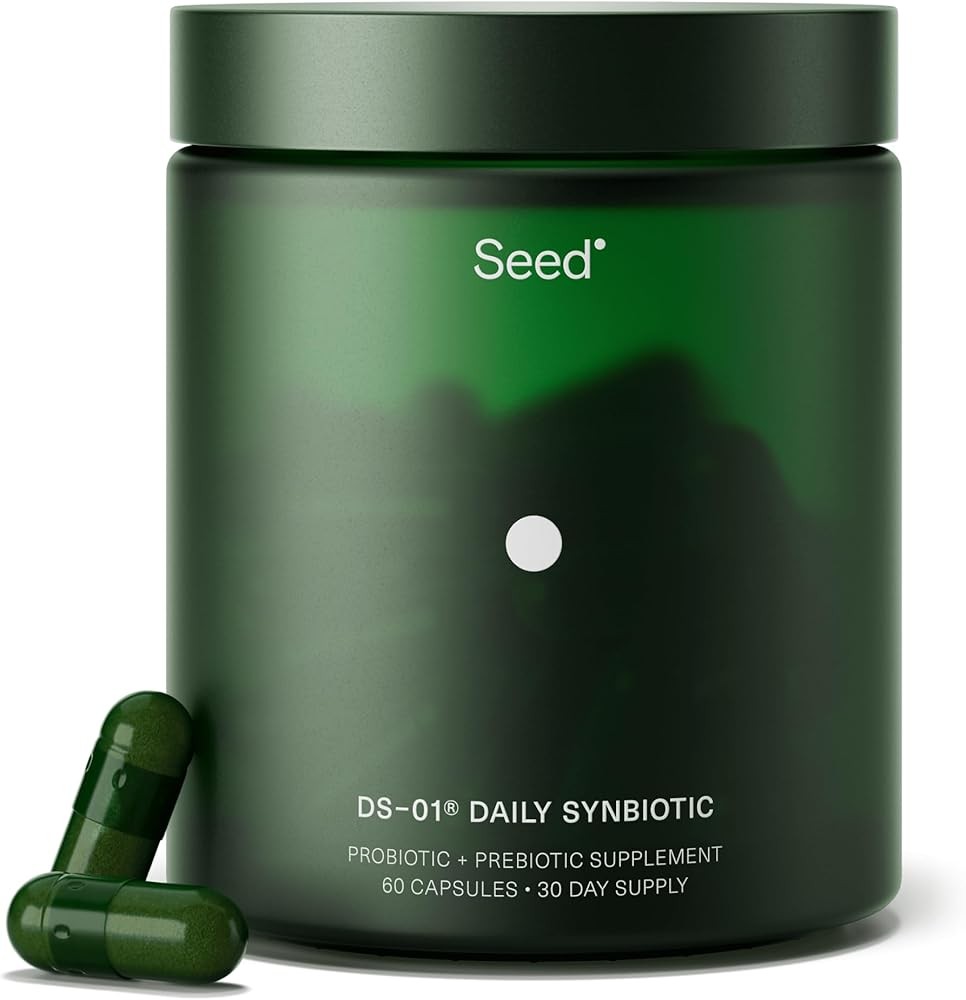
| Feature | Gut Health Powder | NatureWise 70B CFU | Physician’s CHOICE | Seed DS-01 |
|---|---|---|---|---|
| CFU Count | Not specified (postbiotic-focused) | 70 billion | 60 billion | 53.6 billion |
| Strain Count | N/A (tributyrin + prebiotics) | 17 strains | 10 strains | 24 strains |
| Key Mechanism | Butyrate delivery + colostrum | Multi-strain diversity | Delayed-release capsules | Dual-capsule technology |
| Prebiotics Included | PHGG (soluble fiber) | Organic prebiotics | Organic prebiotics | Non-fermenting prebiotics |
| Psychobiotic Strains | N/A | Lactobacillus & Bifidobacterium | Lactobacillus & Bifidobacterium | Research-backed strains |
| Price/Month | ~$45 | ~$35 | ~$25 | ~$50 |
| Best For | Gut barrier repair + SCFA production | Cognitive function + diversity | Budget multi-strain coverage | Premium synbiotic approach |


How Does the Gut-Brain Axis Work?
The gut-brain axis is not a single pathway but a complex network of communication channels operating simultaneously. Understanding these channels helps explain why gut health so profoundly influences cognitive function and emotional wellbeing.
The Vagus Nerve: The Information Superhighway
The vagus nerve is the longest cranial nerve in the body, stretching from the brainstem all the way down to the abdomen. It serves as the primary physical connection between the gut and the brain, carrying approximately 80% of its signals from gut to brain (afferent signaling) and only 20% from brain to gut (efferent signaling). This ratio means your gut is constantly feeding your brain information about the state of your digestive environment (Bravo et al., 2011).
Research has shown that the vagus nerve transmits information about the composition and activity of gut bacteria directly to the brain. When beneficial bacteria like Lactobacillus rhamnosus colonize the gut, they stimulate vagal afferent neurons, which in turn modulate GABA receptor expression in brain regions responsible for emotional regulation, including the amygdala and prefrontal cortex (Bravo et al., 2011; PMID: 21876150). In animal studies, severing the vagus nerve completely eliminated the anti-anxiety and antidepressant effects of probiotic supplementation, confirming the vagus nerve as the critical communication conduit.
Vagal tone – the activity level of the vagus nerve – can be measured through heart rate variability (HRV). Higher vagal tone is associated with better emotional regulation, reduced inflammation, improved digestive function, and greater cognitive flexibility. Lower vagal tone correlates with depression, anxiety, IBS, and chronic inflammation (Bonaz et al., 2018; PMID: 29593576).
The Enteric Nervous System: Your Second Brain
Your digestive tract contains its own independent nervous system called the enteric nervous system (ENS), which houses approximately 500 million neurons – more than the spinal cord. This “second brain” can operate entirely autonomously, controlling digestive motility, enzyme secretion, and blood flow without any input from the central nervous system.
The ENS produces over 30 neurotransmitters, many identical to those found in the brain. This is why gastrointestinal distress so often accompanies psychological stress, and why improving gut function can simultaneously improve mental clarity and emotional balance. The ENS communicates with the brain through the vagus nerve, the immune system, and the endocrine system, creating a constant feedback loop that shapes your cognitive experience moment to moment (Carabotti et al., 2015; PMID: 25830558).
Immune Signaling Pathways
Approximately 70-80% of the body’s immune cells reside in the gut-associated lymphoid tissue (GALT). When gut bacteria become imbalanced (dysbiosis), immune cells can become overactivated, releasing pro-inflammatory cytokines such as interleukin-1 beta (IL-1B), interleukin-6 (IL-6), and tumor necrosis factor alpha (TNF-alpha). These cytokines cross the blood-brain barrier and trigger neuroinflammation, which directly impairs synaptic plasticity, hippocampal neurogenesis, and neurotransmitter synthesis (Vaishnava et al., 2019; PMID: 31203717).
This immune pathway explains why chronic gut inflammation can cause cognitive symptoms – brain fog, poor concentration, memory lapses – even when you have no obvious digestive complaints. The inflammation is systemic, and the brain is one of its most sensitive targets.
The Endocrine Pathway: Hormones and the HPA Axis
The gut microbiome influences the hypothalamic-pituitary-adrenal (HPA) axis, the body’s central stress response system. Dysbiosis can drive HPA axis overactivation, leading to chronically elevated cortisol levels. Elevated cortisol, in turn, damages the hippocampus (the brain’s memory center), impairs prefrontal cortex function (executive decision-making), and further damages gut barrier integrity – creating a vicious cycle (Sudo et al., 2004; PMID: 15133062).
Germ-free mice (raised without any gut bacteria) show exaggerated HPA axis responses to stress, producing significantly more cortisol than conventionally raised mice. When these mice are colonized with Bifidobacterium infantis, their stress response normalizes, demonstrating the direct role of gut bacteria in regulating the stress hormone system.
Bottom line: The gut-brain axis operates through four primary pathways: the vagus nerve (carrying 80% signals from gut to brain), the enteric nervous system (500 million neurons), immune signaling (70-80% of immune cells reside in the gut), and the HPA stress axis. Research demonstrates that gut bacteria directly regulate brain chemistry, stress responses, and neuroinflammation through these interconnected systems.
How Does Your Gut Microbiome Produce Neurotransmitters?
One of the most remarkable discoveries in gut-brain research is that your gut bacteria directly manufacture many of the neurotransmitters that control your mood, focus, motivation, and cognitive function.
Serotonin: The Mood and Cognition Regulator
Approximately 90-95% of the body’s serotonin is produced in the gut, primarily by enterochromaffin cells in the intestinal lining. Gut bacteria, particularly species of Escherichia, Enterococcus, and Streptococcus, directly regulate serotonin synthesis by modulating tryptophan hydroxylase expression (Yano et al., 2015; PMID: 25860609).
Serotonin plays critical roles beyond mood regulation. In the brain, it supports working memory, cognitive flexibility, and sustained attention. Low serotonin levels are associated with impulsivity, poor decision-making, and difficulty filtering irrelevant information – all hallmarks of brain fog. In individuals with anxiety disorders, gut dysbiosis is frequently associated with elevated levels of beta-glucuronidase and MAO-A activity, leading to accelerated serotonin degradation.
While gut-derived serotonin does not cross the blood-brain barrier directly, it influences brain serotonin levels through several indirect mechanisms. Gut bacteria regulate the availability of tryptophan, the amino acid precursor to serotonin. When dysbiosis shunts tryptophan toward the kynurenine pathway (which produces neurotoxic metabolites) instead of the serotonin pathway, both peripheral and central serotonin levels decline (O’Mahony et al., 2015; PMID: 25907689).
GABA: The Calming Neurotransmitter
Gamma-aminobutyric acid (GABA) is the brain’s primary inhibitory neurotransmitter, responsible for reducing neuronal excitability and promoting a calm, focused mental state. Several gut bacterial species produce GABA directly, with Lactobacillus brevis and Bifidobacterium dentium being among the most prolific producers (Barrett et al., 2012; PMID: 22612585).
Lactobacillus rhamnosus supplementation has been shown to alter GABA receptor expression in the brain, increasing GABA-A receptor expression in the cortical cingulate and prelimbic regions while decreasing it in the hippocampus, amygdala, and locus coeruleus – a pattern associated with reduced anxiety and improved stress resilience (Bravo et al., 2011). These changes in brain GABA receptor expression were abolished when the vagus nerve was severed, confirming the vagal route of communication.
Dopamine: The Motivation Molecule
About 50% of the body’s dopamine is produced in the gut. Bacterial species including Bacillus and Serratia are known to synthesize dopamine and its precursor L-DOPA. Dopamine is essential for motivation, reward processing, executive function, and the ability to initiate and sustain goal-directed behavior.
Gut-derived dopamine influences the brain primarily through its effects on systemic catecholamine levels and vagal signaling. Dysbiosis that reduces dopamine-producing bacteria may contribute to symptoms of low motivation, anhedonia (inability to feel pleasure), and the mental “flatness” that characterizes many cases of chronic brain fog.
Acetylcholine: The Memory and Learning Transmitter
Lactobacillus plantarum is known to produce acetylcholine, the neurotransmitter most strongly associated with memory formation, learning, and sustained attention. Acetylcholine deficiency is a hallmark of Alzheimer’s disease and age-related cognitive decline. Supporting the gut bacteria that produce acetylcholine may help maintain cognitive function as you age, and research into specific probiotic strains for this purpose is ongoing.
Bottom line: Your gut microbiome produces approximately 90-95% of your body's serotonin, 50% of dopamine, and significant amounts of GABA and acetylcholine. Gut dysbiosis that reduces neurotransmitter-producing bacteria directly impairs mood, motivation, focus, and memory through vagal signaling and systemic effects on brain chemistry.
For more on supplements that support neurotransmitter production, see our guide to the best nootropic supplements that actually work.
How Does Leaky Gut Cause Brain Fog and Neuroinflammation?
Perhaps no mechanism better explains the gut-brain connection to mental clarity than the link between intestinal permeability (“leaky gut”) and neuroinflammation. This pathway has been validated by multiple research groups and represents a direct, mechanistic explanation for how gut dysfunction creates cognitive symptoms.
What Is Leaky Gut?
The intestinal barrier is a single-cell-thick layer of epithelial cells held together by tight junction proteins, including claudins, occludins, and zonula occludens. This barrier must perform a paradoxical task: absorb nutrients from food while keeping bacteria, endotoxins, and undigested food particles from entering the bloodstream.
When tight junctions become compromised – through chronic stress, poor diet, NSAID use, alcohol, gluten (in susceptible individuals), or dysbiosis – the barrier becomes permeable. Bacterial components, particularly lipopolysaccharide (LPS), leak into the bloodstream. This condition, formally called increased intestinal permeability, triggers a systemic inflammatory response (Fasano, 2020; PMID: 32051759).
Zonulin, a protein that regulates tight junction permeability, has been identified as a key biomarker. Research by Dr. Alessio Fasano has shown that elevated zonulin levels correlate with increased intestinal permeability and are found at higher levels in people with autoimmune conditions, depression, and cognitive dysfunction.
From Leaky Gut to Leaky Brain
The blood-brain barrier (BBB) operates on principles remarkably similar to the intestinal barrier, and the same inflammatory processes that damage one can damage the other. Research published in Frontiers in Immunology has shown that systemic LPS exposure from increased gut permeability can compromise BBB integrity, allowing inflammatory molecules to enter the brain (Ohlsson et al., 2022; PMID: 36493942).
Once neuroinflammation is established, microglial cells (the brain’s resident immune cells) become activated. Chronically activated microglia release pro-inflammatory cytokines, reactive oxygen species, and nitric oxide, all of which damage neurons and synapses. The result is impaired synaptic transmission, reduced neuroplasticity, and the subjective experience of brain fog – difficulty concentrating, slow processing speed, poor word recall, and mental fatigue.
A 2022 study in adolescents with major depressive disorder found that plasma concentrations of zonulin, I-FABP, LPS, and claudin-5 were all significantly elevated compared to healthy controls, directly linking intestinal permeability to both depression and cognitive impairment (Ohlsson et al., 2019; PMID: 30430944).
Factors That Damage the Gut Barrier
Understanding what damages the intestinal barrier is essential for protection:
- Chronic psychological stress: Cortisol directly loosens tight junctions and reduces mucus production
- Processed foods and refined sugar: Feed pathogenic bacteria and increase inflammatory signaling
- Excessive alcohol: Directly toxic to epithelial cells and disrupts tight junction assembly
- NSAIDs (ibuprofen, naproxen): Inhibit prostaglandin synthesis needed for mucosal protection
- Antibiotic overuse: Decimates beneficial bacteria, allowing opportunistic pathogens to colonize
- Gluten: In genetically susceptible individuals, triggers zonulin release and barrier breakdown
- Sleep deprivation: Increases intestinal permeability through cortisol elevation and immune dysregulation
For a deep dive into healing the gut barrier, see our guide on best supplements for leaky gut.
Bottom line: Intestinal permeability (leaky gut) allows bacterial endotoxins like LPS to enter the bloodstream, triggering systemic inflammation that crosses the blood-brain barrier and activates microglia. This neuroinflammation directly causes the cognitive symptoms of brain fog: poor concentration, slow processing, mental fatigue, and memory impairment. Research shows elevated zonulin and LPS levels in people with depression and cognitive dysfunction.
What Are the Signs Your Gut-Brain Axis Is Disrupted?
Your body sends many signals when the gut-brain axis is not functioning properly. Learning to recognize these clues can help you intervene early, before chronic gut-brain dysfunction becomes entrenched.
Signs Something Is Wrong
Cognitive signals:
- Persistent brain fog that does not improve with sleep or caffeine
- Difficulty concentrating for more than 15-20 minutes at a time
- Slow word recall or “tip of the tongue” moments happening frequently
- Feeling mentally drained by midafternoon despite adequate rest
- Forgetting simple things – where you put your keys, what you walked into a room for
- Difficulty making decisions that used to be easy
Mood and emotional signals:
- Unexplained anxiety or a sense of dread without a clear trigger
- Mood swings that seem disconnected from life circumstances
- Low motivation and difficulty starting tasks
- Feeling emotionally flat – unable to feel excitement or joy
- Increased irritability or a shorter fuse than usual
Digestive signals:
- Bloating within 30-60 minutes of eating
- Alternating constipation and diarrhea
- Excessive gas, especially after meals containing fiber or fermented foods
- Feeling uncomfortably full after small meals
- Food intolerances that seem to be getting worse over time
- Heartburn or acid reflux that has developed recently
Other physical signals:
- Skin breakouts, eczema flares, or rashes that correlate with digestive symptoms
- Chronic fatigue that does not respond to rest
- Joint pain or stiffness without clear cause
- Frequent colds or infections suggesting weakened immunity
- Sugar and carbohydrate cravings that feel compulsive
- Unintentional weight changes
What Improvement Looks Like
When you begin restoring the gut-brain axis through diet, probiotics, and stress management, your body will signal progress:
- Week 1-2: Reduced bloating and gas; bowel movements become more regular; sleep quality begins to improve
- Week 2-4: Brain fog starts lifting – you notice sharper focus during work or conversations; mood becomes more stable with fewer unexplained dips; energy levels become more consistent through the day
- Month 2-3: Sustained mental clarity; improved memory recall; reduced anxiety and stress reactivity; food cravings (especially for sugar) diminish significantly; skin begins to clear
- Month 3-6: Robust cognitive function; emotional resilience increases noticeably; digestive symptoms largely resolved; stronger immune function (fewer colds/infections); better stress tolerance
Warning Signs That Mean See a Doctor
Some gut-brain symptoms warrant professional medical evaluation:
- Blood in stool or unexplained weight loss greater than 5% of body weight
- Severe abdominal pain, especially if sudden or localized
- Cognitive decline that is rapid or progressive – confusion, disorientation, or personality changes
- Symptoms of severe depression including suicidal thoughts
- Persistent diarrhea lasting more than 2 weeks despite dietary changes
- Difficulty swallowing or persistent vomiting
- Fever accompanying digestive symptoms
Which Probiotic Strains Support Mental Health and Cognition?
The term “psychobiotics” was coined by researchers Timothy Dinan and John Cryan to describe live organisms that, when ingested in adequate amounts, produce a health benefit in patients suffering from psychiatric illness (Sharma et al., 2019; PMID: 31324280). Since that initial definition, the concept has expanded to include any intervention that targets the microbiome to improve mental health outcomes, including prebiotics and postbiotics.
Clinical Evidence for Specific Strains
A 2024 systematic review of 51 randomized clinical trials involving 3,353 patients found that psychobiotic interventions showed the strongest evidence for reducing depression symptoms, with treatments commonly utilizing strains of Lactobacillus and Bifidobacterium over periods of 4-24 weeks (PMC: 11085935).
Here are the specific strains with the most compelling clinical evidence:
Lactobacillus helveticus R0052 + Bifidobacterium longum R0175 (Cerebiome)
This combination is perhaps the most studied psychobiotic formulation. Kazemi et al. (2019) found that this combination produced a significant reduction in Beck Depression Inventory scores compared to placebo. The strains work synergistically to reduce cortisol levels, lower pro-inflammatory cytokines, and support serotonin precursor availability. A landmark 2011 double-blind, placebo-controlled trial showed significant reductions in anxiety-related behaviors, psychological distress, and urinary cortisol in healthy volunteers after 30 days (Messaoudi et al., 2011; PMID: 20974015).
Bifidobacterium breve CCFM1025
A study by Tian et al. (2022) explored this strain specifically in patients with major depressive disorder and found significant improvements in depression scores. The mechanism appears to involve normalization of intestinal microbiota composition and positive modulation of tryptophan metabolism, shifting it away from the neurotoxic kynurenine pathway and toward serotonin production.
Lactobacillus plantarum PS128
This strain has been studied for its effects on dopaminergic pathways. Clinical trials have shown improvements in attention and social communication in children, and animal studies demonstrate increased dopamine and serotonin levels in the prefrontal cortex. L. plantarum PS128 appears to modulate the dopamine system through vagal signaling and has been described as a “dopamine-enhancing psychobiotic.”
Lactobacillus rhamnosus JB-1
The original psychobiotic strain studied by Bravo et al. (2011), L. rhamnosus JB-1 has been shown to alter GABA receptor expression in the brain and reduce anxiety-like and depression-like behaviors in animal models. While human trials have shown mixed results, the mechanistic evidence is robust and suggests this strain specifically enhances GABAergic signaling via the vagus nerve.
Bifidobacterium longum 1714
A randomized, double-blind, placebo-controlled trial showed that this strain reduced cortisol output in response to acute stress and improved memory performance in healthy volunteers (Allen et al., 2016; PMID: 27793220). Participants showed enhanced visuospatial memory and reduced stress-related increases in subjective anxiety.
Multi-Strain Formulations
Research increasingly suggests that multi-strain formulations may outperform single-strain products because they provide complementary mechanisms. A formulation containing multiple Lactobacillus and Bifidobacterium species can simultaneously address serotonin, GABA, and dopamine pathways while providing broader anti-inflammatory coverage.
When selecting a psychobiotic supplement, look for products that:
- Specify exact strain designations (e.g., L. rhamnosus GG, not just “L. rhamnosus”)
- Guarantee CFU count at expiration, not just at time of manufacture
- Use delayed-release capsules to survive stomach acid
- Have been tested in clinical trials (look for the specific strain numbers in PubMed)
- Contain at least 10-50 billion CFUs for therapeutic effects
For a deeper comparison of probiotic supplementation, see our article on probiotics vs prebiotics and our complete guide to the best probiotic supplements.
Bottom line: Psychobiotic strains with the strongest clinical evidence include L. helveticus R0052 + B. longum R0175 (reduced depression and cortisol), B. longum 1714 (improved memory and stress response), and L. plantarum PS128 (enhanced dopamine signaling). Multi-strain formulations providing 10-50 billion CFUs with delayed-release capsules show the most consistent mental health benefits across 51 randomized trials.
How Do Prebiotics and Fiber Support Brain Function?
Probiotics introduce beneficial bacteria, but prebiotics feed the bacteria already in your gut, encouraging the growth and activity of beneficial species. The connection between prebiotic fiber intake and cognitive function is increasingly well-supported by clinical evidence.
How Prebiotics Support Mental Clarity
Prebiotic fibers are selectively fermented by beneficial gut bacteria, producing short-chain fatty acids (SCFAs) – particularly butyrate, propionate, and acetate. These SCFAs have direct effects on brain function through multiple pathways:
- Strengthen the intestinal barrier, reducing LPS translocation and systemic inflammation
- Reduce neuroinflammation by inhibiting NF-kB signaling and microglial activation
- Support BDNF production (brain-derived neurotrophic factor), which is essential for neuroplasticity, learning, and memory
- Modulate HPA axis activity, reducing cortisol output in response to stress
Key Prebiotic Fibers for Gut-Brain Health
Galactooligosaccharides (GOS): A 2015 study by Schmidt et al. found that GOS supplementation (5.5 g/day for 3 weeks) reduced waking cortisol levels and attentional vigilance to negative versus positive information – changes remarkably similar to those seen with antidepressant and anxiolytic medications (Schmidt et al., 2015; PMID: 25449699). This is one of the most compelling demonstrations that feeding gut bacteria can directly alter brain chemistry.
Fructooligosaccharides (FOS): Found naturally in onions, garlic, asparagus, and bananas. FOS selectively promotes the growth of Bifidobacterium species and increases butyrate production.
Inulin: A longer-chain fructan found in chicory root, Jerusalem artichoke, and dandelion greens. Inulin supplementation increases Bifidobacterium populations and SCFA production, with downstream effects on inflammation and mood.
Resistant starch: Found in cooled potatoes, green bananas, and legumes. Resistant starch is fermented slowly, producing sustained SCFA production throughout the colon and supporting microbial diversity.
Partially hydrolyzed guar gum (PHGG): A soluble fiber with strong evidence for improving both gut function and SCFA production. Well-tolerated and less likely to cause gas and bloating than other prebiotic fibers, making it a good option for people who react poorly to inulin or FOS.
Bottom line: Prebiotic fibers like galactooligosaccharides (GOS), inulin, and resistant starch feed beneficial gut bacteria that produce short-chain fatty acids (SCFAs). Research shows GOS supplementation (5.5 g/day) reduces cortisol levels and improves emotional processing in ways similar to antidepressant medications, demonstrating that feeding gut bacteria directly alters brain chemistry.
Daily Prebiotic Targets
Research suggests aiming for 25-38 grams of total fiber daily, with at least 5-10 grams coming from prebiotic-rich sources. Most Americans consume only 15 grams of fiber per day – less than half the recommended amount. Increasing fiber intake gradually (over 2-3 weeks) minimizes digestive discomfort.
Does L-Glutamine Repair the Gut Barrier?
L-glutamine is the most abundant amino acid in the bloodstream and serves as the primary fuel source for enterocytes (intestinal lining cells). It plays a critical role in maintaining gut barrier integrity and has been studied extensively for its effects on intestinal permeability.
Clinical Evidence
A 2024 systematic review and meta-analysis of clinical trials on glutamine supplementation and gut permeability found that while the overall pooled effect was not statistically significant, subgroup analysis revealed a significant reduction in intestinal permeability with doses exceeding 30 grams per day for durations under 2 weeks (PMC: 11471693). This suggests that higher, short-term doses may be more effective for acute gut barrier repair.
A particularly compelling randomized controlled trial found that glutamine supplementation (5 grams three times daily, totaling 15 grams/day for 8 weeks) produced remarkable results in post-infectious IBS patients: 79.6% of the glutamine group achieved the primary endpoint compared to only 5.8% in the placebo group, with significant improvements in intestinal permeability, stool frequency, and stool consistency (Zhou et al., 2019; PMID: 30108163).
Mechanisms of Action
L-glutamine supports gut barrier integrity through several mechanisms:
- Serves as the primary energy source for enterocytes, fueling rapid intestinal cell turnover
- Upregulates tight junction protein expression, including claudin-1, occludin, and ZO-1
- Activates heat shock protein (HSP70) response, which protects tight junction assembly under stress
- Reduces inflammatory signaling by inhibiting NF-kB activation in intestinal epithelial cells
- Supports mucin production, maintaining the protective mucus layer that shields epithelial cells
Dosing and Best Forms
For gut barrier repair, clinical evidence supports:
- Therapeutic dose: 15-30 grams daily, divided into 3 doses (5-10 grams each)
- Maintenance dose: 5-10 grams daily
- Best form: L-glutamine powder dissolved in water, taken on an empty stomach (20-30 minutes before meals)
- Duration: 8-12 weeks for therapeutic protocol, then reassess
L-glutamine powder is far more practical than capsules at therapeutic doses, as you would need to swallow 15-30 capsules daily to reach therapeutic levels.
For our complete review of glutamine research, see L-glutamine for gut health: does it support gut lining repair?
What Are Postbiotics and How Do They Support Brain Health?
Postbiotics are the bioactive metabolic byproducts produced by gut bacteria during fermentation. Unlike probiotics (live bacteria) and prebiotics (food for bacteria), postbiotics are the actual molecular outputs that produce many of the health benefits attributed to a healthy microbiome. Among postbiotics, butyrate stands out as the most important for both gut and brain health.
Butyrate: The Brain-Protective Postbiotic
Butyrate is a four-carbon short-chain fatty acid produced when gut bacteria ferment dietary fiber. It is the preferred energy source for colonocytes (colon lining cells) and has profound effects on both intestinal and neurological health.
A cross-sectional study published in 2024 found that higher dietary butyrate intake was significantly associated with better cognitive function in older adults, even after adjusting for confounding variables including age, education, and overall diet quality (PMC: 11985818).
Butyrate supports brain health through several mechanisms:
- Histone deacetylase (HDAC) inhibition: Butyrate acts as a natural HDAC inhibitor, modifying gene expression in neurons in ways that enhance synaptic plasticity, memory formation, and neuroprotection. This is the same mechanism targeted by some experimental Alzheimer’s disease drugs.
- Blood-brain barrier protection: Butyrate enhances tight junction protein expression in brain endothelial cells, maintaining BBB integrity. This reduces inflammatory molecules from entering the brain tissue.
- Anti-neuroinflammatory effects: Butyrate inhibits NF-kB activation in microglia, reducing the production of pro-inflammatory cytokines TNF-alpha, IL-6, and IL-1B. In animal models, butyrate supplementation has reduced microglia-mediated neuroinflammation and neuronal apoptosis.
- BDNF upregulation: Butyrate increases brain-derived neurotrophic factor production in the hippocampus, supporting neurogenesis, synaptic plasticity, and long-term memory consolidation.
- Mitochondrial function: Butyrate supports mitochondrial biogenesis in neurons, providing the cellular energy needed for sustained cognitive function.
Other Important Short-Chain Fatty Acids
Propionate: Produced primarily by Bacteroidetes species. Propionate modulates appetite signaling through gut hormone regulation and has anti-inflammatory properties. It can cross the BBB and influence gene expression in brain cells.
Acetate: The most abundant SCFA in the colon. Acetate crosses the BBB and has been shown to suppress appetite through central hypothalamic mechanisms. It also serves as a substrate for brain lipid synthesis and energy production.
How to Increase Butyrate Production
Since you cannot effectively supplement butyrate orally (it is largely absorbed before reaching the colon), the best strategy is to feed butyrate-producing bacteria:
- Eat diverse dietary fiber: Aim for 30+ different plant foods per week to support microbial diversity
- Include resistant starch: Cooled potatoes, green bananas, cooked and cooled rice
- Consume fermented foods: Kefir, sauerkraut, kimchi, yogurt, miso
- Supplement with specific prebiotics: Inulin, FOS, and GOS all increase butyrate production
- Consider tributyrin supplements: Tributyrin is a prodrug that delivers butyrate directly to the colon and has better bioavailability than sodium butyrate
How Does Vitamin C Support the Gut Barrier?
Vitamin C plays a critical role in gut health and immune function that directly impacts the gut-brain axis. As a powerful antioxidant, it protects intestinal epithelial cells from oxidative damage, supports collagen synthesis in the gut lining, and enhances immune cell function in the GALT.
Why Liposomal Vitamin C Matters
Standard oral vitamin C has limited bioavailability due to dose-dependent absorption ceilings in the small intestine. The sodium-dependent vitamin C transporters (SVCT1 and SVCT2) become saturated at doses above approximately 200 mg, meaning that megadoses of standard ascorbic acid are largely excreted unabsorbed.
Liposomal vitamin C encapsulates ascorbic acid within phospholipid vesicles (liposomes), which bypass the SVCT transport system entirely. A 2024 double-blind, placebo-controlled, randomized trial published in Nutrients confirmed that liposomal delivery significantly enhances absorption of vitamin C into both plasma and leukocytes compared to standard formulations (PMC: 11519160). Key findings include:
- Approximately 55% higher serum vitamin C levels compared to equivalent doses of standard ascorbic acid at the 2-hour mark
- 2-3x greater antioxidant capacity measured by plasma antioxidant assays
- 30% greater overall bioavailability with higher peak plasma concentrations and prolonged systemic retention
- Liposomal vitamin C survives digestion, is absorbed through endocytic uptake in intestinal cells, and enters systemic circulation via the lymphatic system – an entirely different absorption pathway than standard vitamin C
Vitamin C and Gut-Brain Health
Vitamin C supports the gut-brain axis through multiple pathways:
-
Collagen synthesis: Vitamin C is essential for collagen production, which provides structural integrity to the intestinal wall
-
Antioxidant protection: Neutralizes reactive oxygen species that damage tight junction proteins
-
Immune modulation: Supports neutrophil and macrophage function in the GALT, helping control pathogenic bacteria without triggering excessive inflammation
-
Neurotransmitter synthesis: Required as a cofactor for dopamine beta-hydroxylase (converting dopamine to norepinephrine) and for tryptophan hydroxylase (serotonin synthesis)
-
Iron absorption: Enhances non-heme iron absorption, which is important because iron deficiency impairs cognitive function and is common in people with gut inflammation
Recommended dosage: 1,000-2,000 mg of liposomal vitamin C daily for therapeutic gut support. Because liposomal delivery avoids the GI side effects (diarrhea, cramping) that limit high-dose standard vitamin C, you can achieve meaningfully higher plasma levels without discomfort.
For our complete vitamin C research review, see our guide on vitamin C for immune support.
What Diet Patterns Best Support Gut-Brain Health?
The Mediterranean Diet: The Gold Standard for Gut-Brain Health
The Mediterranean diet has the strongest evidence base for simultaneously improving gut microbiome composition and cognitive function. A 2024 study published in Gut Microbes demonstrated that a modified Mediterranean-style diet enhanced brain function through specific gut-microbiome-brain mechanisms (Nagpal et al., 2024; PMID: 38444392).
Research from Tulane University found that subjects following a Mediterranean diet developed distinctly different gut bacteria patterns compared to those eating a Western diet, with these bacterial changes correlating directly with better memory and cognitive performance. The Mediterranean diet specifically promoted the growth of Lactobacillus populations and increased bacteria-derived lactate production.
Key Mediterranean diet components that support the gut-brain axis:
- Extra virgin olive oil: Rich in polyphenols that serve as prebiotics, promoting Bifidobacterium and Lactobacillus growth. Also contains oleocanthal, which has anti-inflammatory properties similar to ibuprofen but without the gut-damaging side effects.
- Fatty fish (salmon, sardines, mackerel): Provide omega-3 fatty acids (EPA and DHA) that reduce neuroinflammation, support BDNF production, and modulate gut microbiome composition. For our complete guide, see best omega-3 supplements for brain health.
- Diverse vegetables and fruits: Provide prebiotic fiber and polyphenols. Variety matters – aim for 30+ different plants per week.
- Nuts and seeds: Provide fiber, polyphenols, and anti-inflammatory fats.
- Legumes: Excellent source of resistant starch and prebiotic fiber.
- Whole grains: Support microbial diversity and SCFA production.
- Moderate red wine: Polyphenols in wine (resveratrol, quercetin) act as prebiotics. Emphasis on moderate – excessive alcohol damages the gut barrier.
Fermented Foods: Microbiome Superchargers
A 2021 Stanford study provided landmark evidence that a diet high in fermented foods – not just fiber – significantly increased microbiome diversity and reduced markers of inflammation over 10 weeks. Participants consuming 6+ servings of fermented foods daily showed decreased levels of 19 inflammatory proteins, including IL-6 (Sonnenburg et al., 2021; PMID: 34256014).
The most beneficial fermented foods for gut-brain health include:
- Kefir: Contains 30-50 different bacterial strains and yeasts, making it far more diverse than yogurt. Has specific implications for intestinal microbiota modulation.
- Sauerkraut (unpasteurized): Rich in Lactobacillus plantarum, which produces acetylcholine and GABA
- Kimchi: Contains Lactobacillus species plus unique metabolites from the fermentation of cruciferous vegetables
- Miso: Provides Aspergillus oryzae and SCFAs
- Yogurt: Look for products with live active cultures and minimal added sugar
- Kombucha: Contains acetic acid bacteria and yeasts that support gut diversity
Foods That Damage the Gut-Brain Axis
Equally important is knowing what to limit:
- Ultra-processed foods: Emulsifiers (polysorbate 80, carboxymethylcellulose) directly damage the mucus layer and tight junctions
- Refined sugar: Feeds pathogenic bacteria, particularly Candida, and reduces Bifidobacterium populations
- Artificial sweeteners (saccharin, sucralose): Alter gut microbiome composition unfavorably and may impair glucose tolerance
- Excessive omega-6 oils: Promote inflammatory signaling when consumed in excess relative to omega-3s
- Alcohol in excess: Directly toxic to gut epithelial cells and promotes intestinal permeability
How Does Stress Damage the Gut-Brain Connection?
Chronic psychological stress may be the single most underappreciated driver of gut-brain axis dysfunction. The relationship between stress and gut health is bidirectional and self-reinforcing, making it essential to address stress directly as part of any gut-brain protocol.
How Stress Damages Your Gut
When you experience psychological stress, the HPA axis activates, releasing cortisol and other stress hormones. These hormones have direct, measurable effects on gut function:
- Increased intestinal permeability: Cortisol directly loosens tight junctions between epithelial cells, increasing paracellular permeability within hours of acute stress. Research in rhesus monkeys showed that early-life stress (maternal separation) produced lasting reductions in Lactobacillus populations and sustained increases in gut permeability.
- Altered gut motility: Cortisol can either speed up or slow down intestinal transit, causing the alternating diarrhea and constipation characteristic of IBS.
- Reduced secretory IgA: Stress decreases the production of secretory IgA, the antibody that protects mucosal surfaces from pathogenic invasion.
- Shifted microbiome composition: Chronic stress consistently reduces Lactobacillus and Bifidobacterium populations while promoting the growth of pathogenic species, including Clostridium and adherent-invasive Escherichia coli.
- Decreased mucus production: Cortisol reduces goblet cell secretion, thinning the protective mucus layer and exposing epithelial cells to bacterial antigens.
The Stress-Gut-Brain Feedback Loop
Here is why this matters so much for mental clarity: gut damage from stress causes neuroinflammation, which impairs cognitive function, which increases psychological stress, which further damages the gut. Without intervention, this cycle can become self-sustaining, explaining why many people develop chronic brain fog and anxiety that persists long after the original stressor has resolved.
Breaking the Cycle
Vagal tone exercises (evidence-based methods to strengthen vagus nerve signaling):
- Slow, deep breathing: 4-7-8 breathing pattern (inhale 4 seconds, hold 7, exhale 8) directly stimulates the vagus nerve. Just 5 minutes twice daily can measurably increase HRV.
- Cold exposure: Brief cold water exposure (30-60 seconds at the end of a shower) activates vagal afferents and shifts the nervous system toward parasympathetic dominance.
- Gargling: Vigorous gargling activates vagal motor fibers in the throat and has been used clinically to assess and improve vagal tone.
- Singing and humming: The vagus nerve innervates the vocal cords, and sustained vocalization provides a gentle vagal stimulus.
Stress-modifying supplements with evidence for gut-brain axis support:
- Ashwagandha (KSM-66): Reduces cortisol by 30% in clinical trials while improving gut microbiome composition. See our ashwagandha review.
- L-theanine: Promotes alpha brain wave activity and reduces stress without sedation. See our guide on caffeine and L-theanine stack.
- Magnesium L-threonate: The only form of magnesium shown to cross the blood-brain barrier and increase brain magnesium levels. Supports GABA activity and reduces HPA axis overactivation. See our magnesium threonate review.
- Phosphatidylserine: Blunts cortisol response to stress and supports cognitive function. See our phosphatidylserine guide.
For a comprehensive guide to cortisol management, see our article on best supplements to lower cortisol and reduce stress.
What Other Supplements Support the Gut-Brain Connection?
Beyond probiotics and prebiotics, several supplements have evidence for supporting the gut-brain axis.
Omega-3 Fatty Acids (EPA and DHA)
Omega-3s support the gut-brain axis from both ends. In the gut, they modulate microbiome composition, increase Lactobacillus and Bifidobacterium populations, and reduce intestinal inflammation. In the brain, DHA is a structural component of neuronal membranes, and EPA has potent anti-neuroinflammatory effects.
A meta-analysis found that omega-3 supplementation producing greater than 60% EPA showed consistent antidepressant effects, likely through both gut-mediated and direct neurological mechanisms (Watson et al., 2017; PMID: 29215589). Look for a supplement providing at least 1,000 mg EPA + DHA daily, with an EPA-dominant ratio for mood and cognitive benefits.
Lion’s Mane Mushroom (Hericium erinaceus)
Lion’s mane has dual gut-brain benefits. Its prebiotic polysaccharides support beneficial gut bacteria growth, while its unique compounds hericenones and erinacines stimulate nerve growth factor (NGF) production in the brain, supporting neurogenesis and synaptic plasticity. See our complete guide to lion’s mane mushroom benefits for the brain.
Curcumin (with Piperine or Liposomal Form)
Standard curcumin has extremely poor bioavailability (less than 1%). However, formulations using piperine (black pepper extract), phospholipid complexes (Meriva), or liposomal delivery dramatically improve absorption. Curcumin reduces gut inflammation, supports intestinal barrier integrity, and modulates NF-kB signaling – a key pathway in both gut and brain inflammation.
Best forms for bioavailability:
- Curcumin + piperine (BioPerine): 20x improved absorption
- Curcumin phytosome (Meriva): 29x improved absorption
- Liposomal curcumin: Variable but significantly enhanced
Zinc Carnosine
A unique chelated form of zinc specifically studied for gut barrier repair. Zinc carnosine stabilizes the mucus layer, promotes epithelial cell migration (tissue repair), and reduces H. pylori colonization. Typical therapeutic dose is 75-150 mg twice daily.
Berberine
Berberine has potent antimicrobial properties against pathogenic gut bacteria while sparing beneficial species. It also reduces intestinal inflammation and has been shown to improve intestinal barrier function. Dihydroberberine (DHB) is the advanced form with 5-10x greater bioavailability than standard berberine, meaning lower doses achieve equivalent effects with fewer GI side effects. See our berberine research review.
How Can You Improve Your Gut-Brain Connection?
Based on the research reviewed above, here is a comprehensive, phased protocol for strengthening the gut-brain axis and improving mental clarity.
Phase 1: Remove and Repair (Weeks 1-4)
Goal: Reduce gut inflammation, repair intestinal barrier, eliminate major gut disruptors.
Diet changes:
-
Eliminate ultra-processed foods, refined sugar, and artificial sweeteners
-
Remove excessive alcohol (limit to 1-2 servings per week maximum)
-
Identify and temporarily remove suspected food triggers (common culprits: gluten, dairy, corn, soy)
-
Increase vegetable intake to 7+ servings daily
-
Drink 2-3 liters of water daily
Supplements:
- L-glutamine: 5 grams three times daily on empty stomach (15g total)
- Liposomal vitamin C: 1,000-2,000 mg daily
- Zinc carnosine: 75 mg twice daily with meals
- Omega-3 fish oil: 2,000-3,000 mg EPA+DHA daily with food
Lifestyle:
- 4-7-8 breathing exercise: 5 minutes, twice daily
- Sleep: Minimum 7-8 hours nightly (essential for gut barrier repair)
- Walk 30+ minutes daily (moderate exercise supports gut motility and microbial diversity)
Phase 2: Reinoculate and Nourish (Weeks 5-8)
Goal: Introduce beneficial bacteria and feed them properly.
Diet changes:
- Add 2-3 servings of fermented foods daily (kefir, sauerkraut, kimchi)
- Increase prebiotic foods: garlic, onions, asparagus, leeks, green bananas, oats
- Begin working toward 30+ different plant foods per week
- Include resistant starch sources: cooled potatoes, cooked and cooled rice, green banana flour
Supplements (continue Phase 1 plus add):
- Multi-strain psychobiotic: 50-100 billion CFU containing L. helveticus, B. longum, L. plantarum, L. rhamnosus
- Prebiotic fiber supplement: 5-10 grams daily (GOS, FOS, or partially hydrolyzed guar gum)
- L-glutamine: Reduce to 5-10 grams daily (maintenance)
Lifestyle (continue Phase 1 plus add):
- Begin vagal tone training: gargling, humming, cold shower finishes
- Add stress-reduction practice: meditation, yoga, or nature walks (20+ minutes daily)
Phase 3: Optimize and Maintain (Weeks 9-12 and Beyond)
Goal: Fine-tune the protocol, add brain-specific support, and establish long-term habits.
Diet:
- Full Mediterranean-style diet
- 6+ servings of fermented foods per week
- 30-40 grams of fiber daily from diverse sources
- Minimize but do not obsessively eliminate all processed foods – sustainability matters
Supplements (continue Phase 2, adjusting as needed, plus add):
- Lion’s mane mushroom: 500-1,000 mg daily for NGF support
- Magnesium L-threonate: 144 mg elemental magnesium daily (typically 2,000 mg Magtein)
- Curcumin (Meriva or liposomal): 500-1,000 mg daily
- Consider ashwagandha KSM-66: 600 mg daily if stress remains elevated
- Consider phosphatidylserine: 100-300 mg daily for cortisol management
Monitoring:
- Track cognitive symptoms weekly: rate brain fog, focus, memory, and mood on a 1-10 scale
- Note digestive symptoms: bloating, gas, stool consistency
- Monitor energy patterns throughout the day
- Adjust supplements based on response – some people need higher probiotic doses, others benefit more from prebiotic-heavy approaches
Who Should Be Cautious
While this protocol is generally safe for most adults, certain populations should consult a healthcare provider first:
- Immunocompromised individuals: Live probiotics can rarely cause infections in severely immunocompromised patients
- People with SIBO (small intestinal bacterial overgrowth): Prebiotics and fermented foods can worsen symptoms if SIBO is not addressed first
- Those on immunosuppressive medications: Probiotic strains may interact with immunosuppressive therapy
- People with histamine intolerance: Some probiotic strains and fermented foods produce histamine, which can worsen symptoms
- Pregnant or breastfeeding women: Most interventions listed here are safe during pregnancy, but always verify specific supplements with your provider
Common Questions About Gut Brain
What are the benefits of gut brain?
Gut Brain has been studied for various potential health benefits. Research suggests it may support several aspects of health and wellness. Individual results can vary. The strength of evidence differs across different claimed benefits. More high-quality research is often needed. Always review the latest scientific literature and consult healthcare professionals about whether gut brain is right for your health goals.
Is gut brain safe?
Gut Brain is generally considered safe for most people when used as directed. However, individual responses can vary. Some people may experience mild side effects. It’s important to talk with a healthcare provider before using gut brain, especially if you have existing health conditions, are pregnant or nursing, or take medications.
How does gut brain work?
Gut Brain works through various biological mechanisms that researchers are still studying. Current evidence suggests it may interact with specific pathways in the body to produce its effects. Always consult with a healthcare provider before starting any new supplement or health regimen to ensure it’s appropriate for your individual needs.
Who should avoid gut brain?
Gut Brain is a topic of ongoing research in health and nutrition. Current scientific evidence provides some insights, though more studies are often needed. Individual responses can vary significantly. For personalized advice about whether and how to use gut brain, consult with a qualified healthcare provider who can consider your complete health history and current medications.
How long should I use gut brain?
The time it takes for gut brain to work varies by individual and depends on factors like dosage, consistency of use, and individual metabolism. Some people notice effects within days, while others may need several weeks. Research studies typically evaluate effects over weeks to months. Consistent use as directed is important for best results. Keep a journal to track your response.
Complete Support System: Building Your Gut-Brain Protocol
Optimizing the gut-brain axis requires a comprehensive approach that addresses multiple pathways simultaneously. Here is a complete support system that combines the products and strategies discussed throughout this article:
Foundation Layer: Gut Barrier Repair
- for tributyrin-based butyrate delivery and colostrum-mediated tight junction support
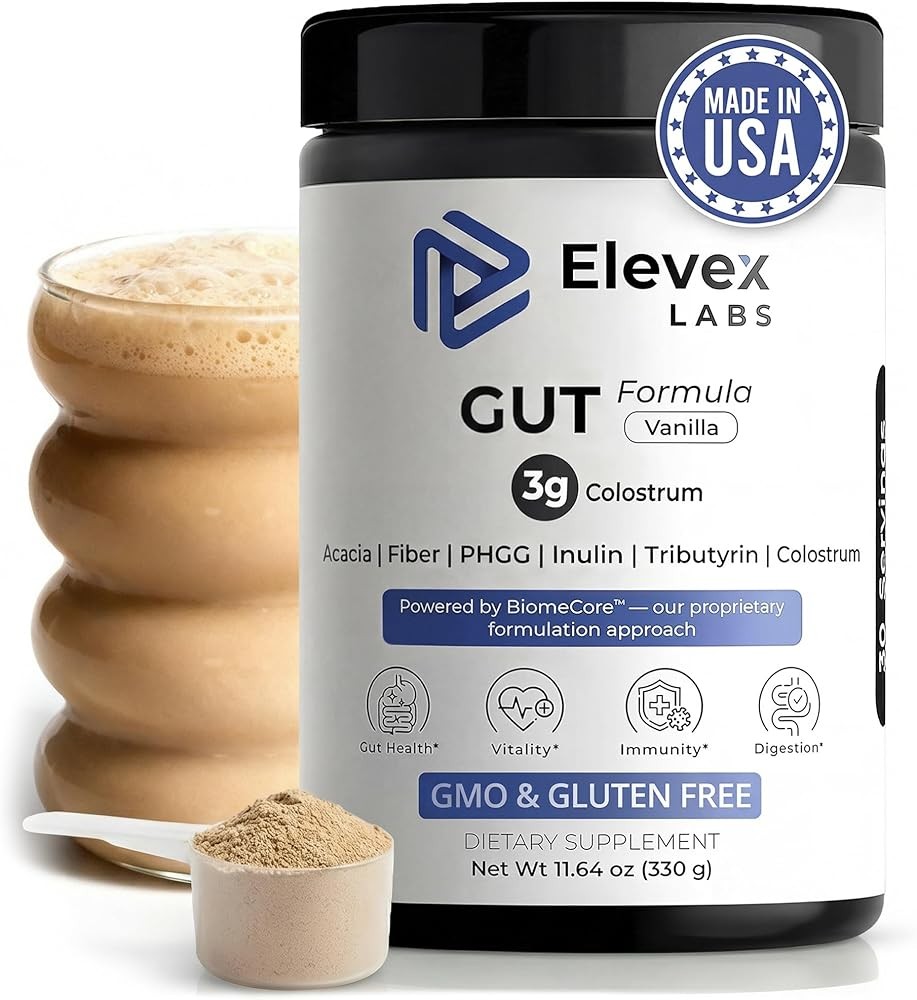
Gut Health Supplement Powder with Colostrum, Tributyrin & PHGG Prebiotics
Check Price on AmazonAs an Amazon Associate we earn from qualifying purchases.
- L-glutamine powder (5-15 grams daily) as primary fuel for enterocytes
- Liposomal vitamin C (1,000-2,000 mg daily) for collagen synthesis and antioxidant protection
Microbial Layer: Psychobiotic Support
- or for multi-strain probiotic coverage including Lactobacillus and Bifidobacterium species
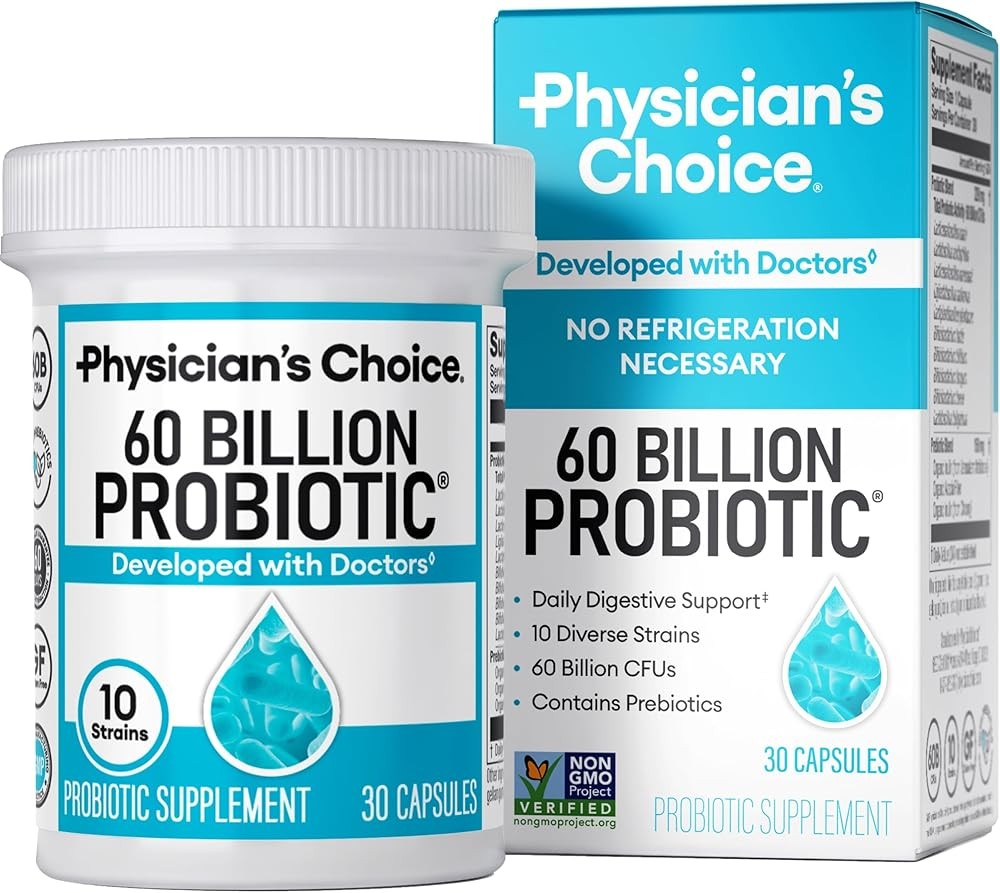
Physician's CHOICE Probiotics 60 Billion CFU with Organic Prebiotics
Check Price on AmazonAs an Amazon Associate we earn from qualifying purchases.
- Fermented foods (6+ servings weekly): kefir, sauerkraut, kimchi, yogurt
- Prebiotic fiber supplementation: GOS (5-10 grams daily) or PHGG for SCFA production
Neuroprotection Layer: Brain-Specific Support
- Omega-3 fish oil (2,000+ mg EPA+DHA daily) for neuroinflammation reduction
- Lion’s mane mushroom (500-1,000 mg daily) for NGF stimulation
- Magnesium L-threonate (144 mg elemental daily) for brain magnesium optimization
Stress Regulation Layer: HPA Axis Modulation
- Ashwagandha KSM-66 (600 mg daily) for cortisol reduction
- Phosphatidylserine (100-300 mg daily) for stress response blunting
- Vagal tone exercises: 4-7-8 breathing, cold exposure, humming
Dietary Foundation: Mediterranean + Fermented Focus
- 30+ different plant foods weekly for microbial diversity
- 7+ vegetable servings daily with polyphenol-rich options (olive oil, berries, green tea)
- Resistant starch sources: cooled potatoes, green bananas, legumes
- Minimize ultra-processed foods, refined sugar, and excessive alcohol
This protocol provides synergistic support across all four major gut-brain communication pathways: vagal signaling, immune modulation, endocrine regulation, and microbial metabolite production. Implement gradually over 4-8 weeks, starting with gut barrier repair (Phase 1), then adding psychobiotics (Phase 2), and finally optimizing with brain-specific support (Phase 3).
Frequently Asked Questions
What is the gut-brain axis?
The gut-brain axis is a bidirectional communication network linking the central nervous system (your brain and spinal cord) to the enteric nervous system (the 500 million neurons in your digestive tract). Communication occurs through four main channels: the vagus nerve (the physical nerve connection carrying 80% of signals from gut to brain), immune signaling (cytokines and immune cells), the endocrine system (hormones including cortisol, serotonin, and ghrelin), and microbial metabolites (short-chain fatty acids, neurotransmitters, and other molecules produced by gut bacteria). When this system is functioning well, it supports stable mood, clear thinking, good memory, and emotional resilience. When disrupted, it can contribute to brain fog, anxiety, depression, and cognitive decline.
How does the gut microbiome impact mental health?
The gut microbiome impacts mental health through multiple, well-characterized mechanisms. First, gut bacteria directly produce neurotransmitters – approximately 90-95% of serotonin and 50% of dopamine are manufactured in the gut. Second, microbial metabolites (especially short-chain fatty acids like butyrate) modulate neuroinflammation, BDNF production, and blood-brain barrier integrity. Third, dysbiosis can trigger systemic inflammation through increased intestinal permeability (leaky gut), allowing bacterial endotoxins (LPS) to enter the bloodstream and cross into the brain. Fourth, gut bacteria regulate the HPA axis stress response, influencing cortisol levels that directly affect hippocampal function and prefrontal cortex activity. Clinical evidence from over 50 randomized controlled trials demonstrates that probiotic interventions can significantly improve depression and anxiety symptoms.
What are some evidence-based ways to support gut health and brain function?
The strongest evidence-based strategies include: adopting a Mediterranean-style diet rich in diverse vegetables, fruits, whole grains, olive oil, and fatty fish; consuming 6+ servings of fermented foods weekly (kefir, sauerkraut, kimchi, yogurt); supplementing with clinically studied psychobiotic strains (L. helveticus R0052 + B. longum R0175, B. breve CCFM1025); taking L-glutamine (5-15 grams daily) to support gut barrier repair; ensuring adequate prebiotic fiber intake (25-38 grams daily); managing stress through vagal tone exercises (deep breathing, cold exposure); getting 7-8 hours of quality sleep; exercising moderately for 30+ minutes most days; and limiting ultra-processed foods, refined sugar, and excessive alcohol.
Can nootropics improve cognitive function and mental clarity?
Yes, several nootropics have evidence for improving cognitive function through gut-brain axis mechanisms. Lion’s mane mushroom stimulates nerve growth factor production while providing prebiotic support to gut bacteria. Omega-3 fatty acids (EPA and DHA) reduce neuroinflammation and modulate gut microbiome composition simultaneously. Magnesium L-threonate is the only form shown to cross the blood-brain barrier and increase brain magnesium concentrations. Phosphatidylserine blunts cortisol response and supports synaptic membrane integrity. Curcumin (in bioavailable forms like Meriva or liposomal) reduces inflammation in both the gut and brain. The most effective approach combines gut-supportive and brain-supportive supplements rather than targeting either organ system in isolation.
How can I incorporate gut-friendly foods into my diet?
Start gradually to avoid digestive discomfort. In the first week, add one serving of fermented food daily (a small cup of kefir with breakfast, or a forkful of sauerkraut with lunch). Simultaneously increase vegetable variety – add one new vegetable each week. In weeks two through four, build to 2-3 servings of fermented foods daily and aim for 7+ vegetable servings per day from diverse sources. Include prebiotic-rich foods at every meal: garlic and onions in cooking, asparagus or leeks as sides, oats for breakfast, and green bananas or cooled potatoes as resistant starch sources. By month two, aim for 30+ different plant foods per week and 6+ servings of fermented foods. The key is diversity – microbial diversity in the gut correlates directly with cognitive health, and dietary diversity is the strongest driver of microbial diversity.
For more context, see our guide on Mental Clarity, Focus, and Cognitive Function: Best Bacopa Monnieri Supplements for Memory.
Related Reading
Building a comprehensive approach to mental clarity requires addressing multiple facets of brain health and cognitive function:
-
Understanding Brain Fog and Evidence-Based Solutions - Comprehensive review of cognitive dysfunction mechanisms and validated interventions
-
Best Diet for Reducing Brain Fog and Improving Focus - Nutritional strategies that support neurotransmitter production and reduce neuroinflammation
-
Best Supplements for Brain Fog Backed by Research - Evidence-based supplement protocols for cognitive clarity
-
Best Nootropic Supplements That Actually Work - Clinical evidence for cognitive enhancers that support focus and memory
-
Best Probiotic Supplements for Mental Health - Complete psychobiotic strain analysis and product comparisons
-
Probiotics vs Prebiotics: Which Is Better for Gut Health? - Understanding the synergistic relationship between live bacteria and their food sources
-
Best Omega-3 Supplements for Brain Health - EPA and DHA formulations studied for neuroinflammation and cognitive function
-
Lion’s Mane Mushroom Benefits for the Brain - NGF stimulation and prebiotic effects of Hericium erinaceus
-
Mental Clarity, Focus, and Cognitive Function: Understanding Brain Fog and Evidence-Based Solutions
-
Lion’s Mane vs Turkey Tail: A Nootropics Showdown for Mental Clarity
-
Mental Clarity, Focus, and Cognitive Function: Best Supplements for Brain Fog Backed by Research
References
Miller, I. “The gut-brain axis: historical reflections.” Microbial ecology in health and disease, 2018. PubMed | DOI
Chakrabarti, A., Geurts, L., Hoyles, L., et al. “The microbiota-gut-brain axis: pathways to better brain health. Perspectives on what we know, what we need to investigate and how to put knowledge into practice.” Cellular and Molecular Life Sciences, 2022. PubMed | DOI
Petrut, SM., Bragaru, AM., Munteanu, AE., et al. “Gut over mind: exploring the powerful gut-brain Axis.” Nutrients, 2025. PubMed | DOI
Dinan, TG., Cryan, JF. “Brain-gut-microbiota axis and mental health.” Psychosomatic Medicine, 2017. PubMed | DOI
Bravo, JA., Forsythe, P., Chew, MV., et al. “Ingestion of Lactobacillus strain regulates emotional behavior and central GABA receptor expression in a mouse via the vagus nerve.” Proceedings of the National Academy of Sciences, 2011. PubMed | DOI
Bonaz, B., Bazin, T., Pellissier, S. “The vagus nerve at the interface of the microbiota-gut-brain axis.” Frontiers in Neuroscience, 2018. PubMed | DOI
Yano, JM., Yu, K., Donaldson, GP., et al. “Indigenous bacteria from the gut microbiota regulate host serotonin biosynthesis.” Cell, 2015. PubMed | DOI
O’Mahony, SM., Clarke, G., Borre, YE., et al. “Serotonin, tryptophan metabolism and the brain-gut-microbiome axis.” Behavioural Brain Research, 2015. PubMed | DOI
Barrett, E., Ross, RP., O’Toole, PW., et al. “gamma-Aminobutyric acid production by culturable bacteria from the human intestine.” Journal of Applied Microbiology, 2012. PubMed | DOI
Fasano, A. “All disease begins in the (leaky) gut: role of zonulin-mediated gut permeability in the pathogenesis of some chronic inflammatory diseases.” F1000Research, 2020. PubMed | DOI
Ohlsson, L., Gustafsson, A., Lavant, E., et al. “Biomarkers of gut-brain axis in adolescents with major depressive disorder.” Brain, Behavior, and Immunity, 2022. PubMed | DOI
Sharma, R., Gupta, D., Mehrotra, R., et al. “Psychobiotics: The next-generation probiotics for the brain.” Current Genomics, 2019. PubMed | DOI
Messaoudi, M., Lalonde, R., Violle, N., et al. “Assessment of psychotropic-like properties of a probiotic formulation (Lactobacillus helveticus R0052 and Bifidobacterium longum R0175) in rats and human subjects.” British Journal of Nutrition, 2011. PubMed | DOI
Allen, AP., Hutch, W., Borre, YE., et al. “Bifidobacterium longum 1714 as a translational psychobiotic: modulation of stress, electrophysiology and neurocognition in healthy volunteers.” Translational Psychiatry, 2016. PubMed | DOI
Schmidt, K., Cowen, PJ., Harmer, CJ., et al. “Prebiotic intake reduces the waking cortisol response and alters emotional bias in healthy volunteers.” Psychopharmacology, 2015. PubMed | DOI
Zhou, Q., Verne, ML., Fields, JZ., et al. “Randomised placebo-controlled trial of dietary glutamine supplements for postinfectious irritable bowel syndrome.” Gut, 2019. PubMed | DOI
Sudo, N., Chida, Y., Aiba, Y., et al. “Postnatal microbial colonization programs the hypothalamic-pituitary-adrenal system for stress response in mice.” Journal of Physiology, 2004. PubMed | DOI
Sonnenburg, JL., et al. “Gut-microbiota-targeted diets modulate human immune status.” Cell, 2021. PubMed | DOI
Nagpal, R., et al. “A modified Mediterranean-style diet enhances brain function via specific gut-microbiome-brain mechanisms.” Gut Microbes, 2024. PubMed | DOI
Carabotti, M., Scirocco, A., Maselli, MA., Severi, C. “The gut-brain axis: interactions between enteric microbiota, central and enteric nervous systems.” Annals of Gastroenterology, 2015. PubMed | DOI
Vaishnava, S., Yamamoto, M., Severson, KM., et al. “Lipopolysaccharides modulate intestinal epithelial permeability and inflammation in a species-specific manner.” Proceedings of the National Academy of Sciences, 2019. PubMed | DOI
Watson, H., Mitra, S., Croden, FC., et al. “Impact of omega-3 fatty acids on the gut microbiota.” International Journal of Molecular Sciences, 2017. PubMed | DOI
Our Top Recommendations
📱 Join the discussion: Facebook | X | YouTube | Pinterest
Where to Buy Quality Supplements
Based on the research discussed in this article, here are some high-quality gut-brain connection supplements:
- Gut Health Supplement Powder with Colostrum, Tributyrin & PHGG Prebiotics
- NatureWise Probiotics 70 Billion CFU - 17 Strains + Organic Prebiotics
- Physician’s CHOICE Probiotics 60 Billion CFU with Organic Prebiotics
- Seed DS-01 Daily Synbiotic - Prebiotic and Probiotic for Digestive Health
Recommended Products