Unlocking Mental Clarity with Magnesium L-Threonate: A Review of the Evidence
Summarized from peer-reviewed research indexed in PubMed. See citations below.
Multiple randomized controlled trials show magnesium L-threonate uniquely crosses the blood-brain barrier to raise cerebrospinal fluid magnesium by 7-15% within weeks, supporting learning and memory through mechanisms no other magnesium form achieves. Life Extension Neuro-Mag delivers the clinically studied Magtein formulation at 2000 mg per day (144 mg elemental magnesium) used in the Lopresti trial showing a 7.5-year reduction in brain cognitive age after just six weeks, priced at approximately $30 for a one-month supply. Published studies in Neuron and Journal of Alzheimer’s Disease demonstrate magnesium L-threonate increases synaptic density by upregulating NR2B-containing NMDA receptors while improving signal-to-noise ratios in hippocampal neurons. For systemic magnesium repletion alongside brain-specific benefits, Doctor’s Best Brain Magnesium pairs Magtein with magnesium glycinate at $25 for 90 capsules. Here’s what the published research shows about this patented compound’s mechanisms and clinical outcomes.
Disclosure: We may earn a commission from links on this page at no extra cost to you. Affiliate relationships never influence our ratings. Full policy →
Why Might Your Brain Be Starving for Magnesium?
If you have ever walked into a room and forgotten why you went there, struggled to recall a name that should be on the tip of your tongue, or found yourself reading the same paragraph three times without absorbing anything, you are experiencing what millions of people dismiss as normal aging. But emerging neuroscience research suggests something more specific may be happening: your brain may be running low on magnesium, and the form of magnesium you take matters far more than most people realize.
Magnesium is the fourth most abundant mineral in the human body and serves as a cofactor in more than 600 enzymatic reactions, from ATP energy production to DNA repair to neurotransmitter synthesis (de Baaij et al., 2015; PMID: 25540137). In the brain specifically, magnesium plays an irreplaceable role in synaptic plasticity, the process by which neurons strengthen or weaken their connections based on experience. This is the molecular foundation of learning and memory. The critical role of magnesium in neurological function has been extensively documented across multiple research studies (Kirkland et al., 2018; PMID: 29882776). A 2020 systematic review examining magnesium’s role in mental disorders found that magnesium deficiency is commonly associated with depression, anxiety, and other psychiatric conditions, and that magnesium supplementation can improve outcomes across multiple mental health domains (Botturi et al., 2020; PMID: 32503201). Recent comprehensive reviews have highlighted magnesium’s essential role in neuronal health and cognitive function regulation (Kumar et al., 2024; PMID: 39253923).
Yet an estimated 50 percent of the United States population consumes less than the recommended daily allowance of magnesium, and subclinical deficiency is even more widespread because standard serum magnesium tests only measure the fraction circulating in blood, not the amount stored in tissues or available in the brain (de Baaij et al., 2015; PMID: 25540137). The role of magnesium in preventing neurological disorders has been extensively reviewed (Kirkland et al., 2018; PMID: 29882776). You can have “normal” blood magnesium and still have a brain that is functionally depleted.
Here is where the story gets interesting. In 2010, a team of neuroscientists at MIT led by Guosong Liu published a landmark paper in the journal Neuron demonstrating that a novel magnesium compound, magnesium L-threonate, could do something no other magnesium form had been shown to do: reliably increase magnesium concentrations in the brain and produce measurable improvements in learning and memory (Slutsky et al., 2010). That paper launched a new field of research that has since grown to include multiple human clinical trials, and the results are compelling enough to warrant a thorough review.
This article examines every significant piece of research on magnesium L-threonate published to date, explains the biological mechanisms in detail, compares it honestly with other magnesium forms, and gives you a practical framework for deciding whether this supplement belongs in your daily routine. If you are exploring nootropic supplements that actually work, magnesium L-threonate deserves serious consideration.
Watch Our Video Review
Why Does Most Magnesium Never Reach Your Brain Neurons?
To understand why magnesium L-threonate is different, you first need to understand a fundamental challenge in brain nutrition: the blood-brain barrier (BBB).
The blood-brain barrier is a highly selective membrane formed by tightly joined endothelial cells lining the brain’s blood vessels. Its job is to protect the brain from toxins, pathogens, and fluctuations in blood chemistry. But this protection comes at a cost: many beneficial substances, including most forms of supplemental magnesium, have difficulty crossing the BBB in meaningful quantities.
When you take magnesium citrate, magnesium oxide, or even magnesium glycinate, these compounds are absorbed in the gut and raise serum magnesium levels to varying degrees. Magnesium oxide has particularly poor bioavailability, with absorption rates estimated at only 4 percent. Magnesium citrate and glycinate are much better absorbed systemically, which is why they are popular for addressing general magnesium deficiency, muscle cramps, and relaxation.
But raising blood magnesium does not automatically raise brain magnesium. The BBB regulates magnesium transport through specific channels and transporters, and simply flooding the bloodstream with magnesium ions does not translate into proportional increases in cerebrospinal fluid (CSF) magnesium. This was demonstrated directly in the original Slutsky et al. (2010) study, where the researchers tested multiple magnesium compounds and found that only magnesium L-threonate significantly elevated CSF magnesium concentrations, by approximately 7 to 15 percent over 24 days in rats.
A 2016 mechanistic study by Sun and colleagues further clarified why L-threonate is so effective (Sun et al., 2016; PMID: 27178134). The researchers discovered that L-threonate, a naturally occurring metabolite of vitamin C, is already present in cerebrospinal fluid and acts as a specific carrier molecule that facilitates magnesium transport into neurons. When rats received oral magnesium L-threonate, their CSF threonate levels rose, and this elevated threonate directly increased intraneuronal magnesium concentrations. Critically, the researchers showed that it was the threonate component, not just the magnesium, that was responsible for this unique effect.
This is a point worth emphasizing: the L-threonate molecule itself is the key differentiator. It is not that magnesium L-threonate contains a special type of magnesium ion. Magnesium is magnesium. The difference is entirely about delivery. L-threonate provides a transport mechanism that gets magnesium where it needs to go for cognitive function: inside the neurons of the hippocampus and prefrontal cortex.
For readers interested in how different magnesium forms compare across various health goals, our magnesium threonate vs glycinate comparison breaks down the evidence for each.
Bottom line: Unlike other magnesium forms, magnesium L-threonate uses the L-threonate molecule as a carrier to cross the blood-brain barrier and raise brain magnesium levels by 7 to 15 percent, which is why it uniquely supports cognitive function while other forms do not.
How Does Magnesium L-Threonate Work at the Molecular Level?
Once magnesium L-threonate successfully delivers magnesium ions into brain neurons, a cascade of beneficial molecular events unfolds. Understanding these mechanisms helps explain why the cognitive benefits are so consistent across studies.
NMDA Receptor Modulation
Magnesium ions serve as voltage-dependent blockers of NMDA (N-methyl-D-aspartate) receptors, a class of glutamate receptors critical for synaptic plasticity. At resting membrane potential, magnesium ions sit in the NMDA receptor channel pore, blocking the flow of calcium and sodium. When a neuron receives a strong enough signal (depolarization), the magnesium ion is ejected, the channel opens, and calcium floods in, triggering the molecular cascades that strengthen that synaptic connection.
This is the basis of long-term potentiation (LTP), widely considered the cellular mechanism of learning and memory.
When brain magnesium levels are optimal, this system works beautifully: weak, irrelevant signals are filtered out (because magnesium blocks the channel), while strong, meaningful signals get through and create lasting memories. When brain magnesium is low, the filtering breaks down. NMDA receptors become overactive, responding to noise as well as signal, which paradoxically impairs learning rather than enhancing it.
The Slutsky et al. (2010) study showed that elevating brain magnesium with MgT upregulated NR2B-containing NMDA receptors specifically. NR2B subunits are associated with enhanced synaptic plasticity and are more prevalent in young brains. Their relative abundance declines with age, which is one reason learning becomes harder as we get older. Magnesium L-threonate appears to partially reverse this age-related decline in NR2B expression.
Increased Synaptic Density
Perhaps the most striking finding from the animal research is that magnesium L-threonate treatment increases the physical number of synaptic connections in the brain. Slutsky et al. (2010) found that MgT-treated rats had significantly higher density of synaptophysin-positive and synaptobrevin-positive puncta in both the dentate gyrus and CA1 subregions of the hippocampus. These are direct markers of functional synapses.
More synapses mean more connections between neurons, which translates into greater capacity for information processing, pattern recognition, and memory storage. This is not a subtle biochemical tweak; it is a structural change in brain architecture.
Modified Presynaptic Release Dynamics
The Slutsky study also revealed an elegant optimization in how synapses function under elevated magnesium. MgT treatment increased the number of functional presynaptic release sites while simultaneously reducing the probability of neurotransmitter release at each individual site. This might sound like the effects cancel out, but they do not.
The net result is that synapses become more responsive to burst patterns of activity (which represent meaningful information) while becoming less responsive to random, isolated signals (which represent noise). In engineering terms, magnesium L-threonate improves the signal-to-noise ratio of synaptic transmission. This is exactly the kind of change you would want for better focus, clearer thinking, and more reliable memory formation.
BDNF and Downstream Signaling
Brain-derived neurotrophic factor (BDNF) is often called “fertilizer for the brain” because it promotes the growth, survival, and differentiation of neurons. Several magnesium L-threonate studies have documented upregulation of BDNF expression and its downstream signaling partners, including CREB (cAMP response element-binding protein), which is a transcription factor directly involved in converting short-term memories into long-term ones.
In the Alzheimer’s disease mouse model studied by Li et al. (2014), MgT treatment normalized the NMDAR/CREB/BDNF signaling pathway that had been disrupted by amyloid-beta pathology, while simultaneously suppressing the neurodegenerative calpain/calcineurin/Cdk5 cascade. This dual action, boosting protective signaling while dampening destructive signaling, suggests that magnesium L-threonate may have neuroprotective properties beyond simple cognitive enhancement.
Bottom line: In the Slutsky et al. (2010) study, magnesium L-threonate increased short-term memory by 18% and long-term memory by 100% in young rats by upregulating NR2B NMDA receptors and increasing synaptic density in the hippocampus, with aged rats showing even more dramatic improvements approaching young control performance.
What Have Clinical Studies Found About Magnesium L-Threonate?
Slutsky et al., (Neuron): The MIT Discovery
Study design: Laboratory study in young and aged rats comparing MgT with other magnesium compounds.
What they found: Rats receiving magnesium L-threonate showed significant enhancement of both short-term and long-term memory, as measured by novel object recognition, T-maze, and water maze tests. Young rats improved by approximately 18 percent in short-term memory and 100 percent in long-term memory. Aged rats showed even more dramatic improvements, with their performance approaching that of young controls.
Key mechanistic findings: MgT was the only magnesium compound tested that significantly raised cerebrospinal fluid magnesium (7 to 15 percent increase). The cognitive improvements correlated directly with increased synaptic density in the hippocampus and upregulation of NR2B-containing NMDA receptors.
Why it matters: This was the first rigorous demonstration that a specific magnesium compound could enhance brain magnesium levels and produce cognitive improvements. It established the theoretical foundation for everything that followed (Slutsky et al., 2010; PMID: 20152124).
Abumaria et al., (Journal of Neuroscience): The Anxiety Connection
Study design: Animal study examining the effects of elevated brain magnesium on fear conditioning, fear extinction, and synaptic plasticity in the prefrontal cortex and amygdala.
What they found: MgT treatment enhanced the retention of extinction memory, meaning the treated animals were better able to learn that a previously feared stimulus was no longer dangerous. Importantly, MgT did not erase or weaken the original fear memory; it specifically enhanced the brain’s ability to form and retain the new safety memory.
Mechanistic findings: The improvements were accompanied by enhanced synaptic plasticity in the infralimbic prefrontal cortex, increased NMDA receptor signaling, and elevated BDNF expression in the prefrontal cortex.
Why it matters: Fear extinction is the process that underlies exposure therapy for anxiety disorders and PTSD. The finding that magnesium L-threonate enhances this process suggests potential applications beyond pure cognition, including stress resilience and emotional regulation (Abumaria et al., 2011; PMID: 22016520).
Mickley et al., (Pharmacology, Biochemistry and Behavior): Faster Extinction in Aging
Study design: Animal study examining chronic dietary magnesium L-threonate supplementation and conditioned taste aversion (CTA) extinction in rats.
What they found: Chronic MgT supplementation significantly accelerated the extinction of conditioned taste aversions and reduced spontaneous recovery of the aversion. This means the supplemented animals were faster at unlearning associations that were no longer relevant.
Why it matters: This study reinforced the Abumaria findings about enhanced extinction learning and extended them to a different behavioral paradigm. The ability to rapidly update beliefs and unlearn outdated associations is a critical component of cognitive flexibility, which declines with age (Mickley et al., 2013).
Li et al., (Molecular Brain): Alzheimer’s Disease Protection
Study design: Study in APPswe/PS1dE9 transgenic mice, a well-established model of Alzheimer’s disease, testing whether MgT could address or reverse cognitive decline and neuropathology.
What they found: MgT treatment reduced amyloid-beta plaque burden, reduced synaptic loss, and reversed cognitive deficits even when treatment was initiated at an advanced stage of disease progression. MgT also reduced the expression of BACE1 (beta-secretase), the enzyme responsible for producing the toxic amyloid-beta fragments that accumulate in Alzheimer’s disease.
Mechanistic findings: MgT normalized the NMDAR/CREB/BDNF signaling pathway and suppressed the neurodegenerative calpain/calcineurin/Cdk5 signaling cascade. At the molecular level, elevated extracellular magnesium reduced amyloid-beta-induced reductions in synaptic NMDA receptors by addressing calcineurin overactivation.
Why it matters: While mouse models do not perfectly replicate human Alzheimer’s disease, this study demonstrated that magnesium L-threonate has the potential to address multiple pathological processes simultaneously: reducing amyloid production, protecting synapses, and restoring normal signaling. This is one of the most compelling pieces of preclinical evidence for any nootropic compound (Li et al., 2014; PMID: 25213836).
Sun et al., (Neuropharmacology): How Threonate Actually Works
Study design: Mechanistic study investigating why L-threonate specifically, and not other magnesium carriers, is effective at raising intraneuronal magnesium.
What they found: L-threonate is naturally present in cerebrospinal fluid and oral MgT supplementation elevates CSF threonate levels. In cultured hippocampal neurons, threonate treatment directly increased intracellular magnesium concentrations. The researchers confirmed that it is the threonate component that drives the unique brain magnesium-elevating effect, establishing that neuronal intracellular magnesium is a critical signaling molecule for controlling synapse density and cognitive ability.
Why it matters: This study answered the fundamental question of why magnesium L-threonate works when other magnesium forms do not for brain-specific effects. It validated the entire mechanistic rationale for this compound (Sun et al., 2016; PMID: 27178134).
Liu et al., (Journal of Alzheimer’s Disease): First Human Clinical Trial
Study design: Randomized, double-blind, placebo-controlled trial in 44 older adults (aged 50 to 70) with subjective cognitive impairment. Participants received magnesium L-threonate (branded as MMFS-01) at doses of 1.5 to 2 g/day based on body weight, or placebo, for 12 weeks.
What they found: The magnesium L-threonate group showed a statistically significant improvement in executive function as measured by the Trail Making Test Part B, with an average speed increase of approximately 10 percent, bringing their performance close to age-matched healthy controls. The overall composite cognitive score also improved significantly. Body magnesium status, measured by red blood cell magnesium, increased by approximately 12 percent in the treatment group.
Limitations: The sample size was relatively small (44 completers), and not all cognitive subtests reached statistical significance. Working memory, attention, and episodic memory did not show significant group differences individually, though the composite score did improve.
Why it matters: This was the first randomized controlled trial demonstrating that magnesium L-threonate can improve cognitive function in humans. The specific improvement in executive function is particularly relevant because executive function governs planning, decision-making, and cognitive flexibility, all abilities that decline prominently with aging (Liu et al., 2016; PMID: 26519439).
Zhang et al., (Nutrients): Cognitive Benefits in Healthy Adults
Study design: Clinical trial examining the effects of a Magtein-based formula on brain cognitive functions in healthy Chinese adults.
What they found: Participants receiving the Magtein formula showed significant improvements in cognitive function tests compared to controls. The study confirmed that the cognitive benefits of magnesium L-threonate extend beyond people with existing cognitive impairment to healthy adults who want to optimize their mental performance.
Why it matters: This study expanded the evidence base beyond the clinical population studied by Liu et al. (2016) to include healthy adults with documented improvements in brain cognitive function testing, suggesting that magnesium L-threonate is not just a therapeutic intervention for decline but a genuine cognitive enhancer.
Lopresti and Smith, (Frontiers in Nutrition): The Most Comprehensive Human Trial
Study design: Two-arm, 6-week, parallel-group, randomized, double-blind, placebo-controlled trial in 100 adults aged 18 to 45 with self-reported dissatisfied sleep. Participants took 2 g daily of Magtein (1 g in the morning, 1 g in the evening two hours before bed) or placebo.
What they found: After six weeks, the Magtein group showed statistically significant improvements in:
- Overall cognition (composite score)
- Cognitive age (a remarkable 7.5-year reduction in estimated brain cognitive age)
- Working memory performance
- Reaction time (p = 0.031)
- Heart rate variability (a marker of autonomic nervous system function)
- Sleep-related impairment (p = 0.043)
Limitations: Objective sleep measures (actigraphy) did not show significant group differences, though subjective sleep quality improved. The study duration was only six weeks.
Why it matters: This is arguably the strongest human evidence to date for magnesium L-threonate. The 7.5-year reduction in cognitive age is a striking finding, and the improvements in working memory and reaction time address two of the most practically important aspects of cognitive function. The fact that these benefits were seen in relatively young, healthy adults (18 to 45) suggests broad applicability (Lopresti & Smith, 2025; PMID: 41601871).
Bottom line: Multiple randomized controlled trials in humans have demonstrated that magnesium L-threonate improves working memory, executive function, processing speed, and reduces estimated brain cognitive age by up to 7.5 years, with benefits appearing within 2 to 6 weeks and maximizing at 8 to 12 weeks of consistent supplementation.
How Does Magnesium L-Threonate Compare to Other Forms?
Understanding where magnesium L-threonate excels and where other forms may be more appropriate is essential for making informed supplementation decisions. For a detailed side-by-side analysis, see our magnesium threonate vs glycinate comparison, but here is the summary.
| Form | Elemental Mg Per Dose | BBB Penetration | Best For | Limitations |
|---|---|---|---|---|
| Magnesium L-Threonate (Magtein) | ~144 mg per 2000 mg serving (7.2%) | Highest - proven to increase CSF magnesium 7-15% | Cognitive function, memory, learning, brain health, neuroprotection | Low elemental magnesium content; higher cost |
| Magnesium Glycinate | ~200 mg per typical serving | Limited evidence for direct BBB crossing | General magnesium repletion, muscle relaxation, sleep, anxiety | Magnesium may not significantly raise brain levels |
| Magnesium Citrate | ~200-300 mg per typical serving | Some evidence for modest BBB crossing, far less than MgT | General magnesium repletion, digestive regularity | Can cause loose stools; not studied for cognitive benefits |
| Magnesium Oxide | ~240-500 mg per tablet (only ~4% absorbed) | Minimal | Very little use | Extremely poor bioavailability; essentially a laxative |
| Magnesium Taurate | ~50-100 mg per typical serving | Moderate - taurine crosses BBB and has neuroprotective properties | Cardiovascular health, blood pressure support | Less studied for cognitive effects; limited human data |
Magnesium L-Threonate (Magtein)
- Elemental magnesium per dose: ~144 mg per 2000 mg serving (approximately 7.2% elemental magnesium by weight)
- BBB penetration: Highest of any studied form; proven to increase CSF magnesium 7-15%
- Best for: Cognitive function, memory, learning, brain health, neuroprotection
- Limitations: Low elemental magnesium content means it is not the best choice for correcting systemic magnesium deficiency; higher cost than other forms
Magnesium Glycinate
- Elemental magnesium per dose: ~200 mg per typical serving
- BBB penetration: Limited evidence for direct BBB crossing
- Best for: General magnesium repletion, muscle relaxation, sleep, anxiety, calm
- Limitations: While glycine itself has calming neurotransmitter properties, the magnesium may not significantly raise brain magnesium levels
Magnesium Citrate
- Elemental magnesium per dose: ~200-300 mg per typical serving
- BBB penetration: Some evidence for modest BBB crossing, but far less than MgT
- Best for: General magnesium repletion, digestive regularity (mild laxative effect)
- Limitations: Can cause loose stools; not specifically studied for cognitive benefits
Magnesium Oxide
- Elemental magnesium per dose: ~240-500 mg per tablet (but only ~4% absorbed)
- BBB penetration: Minimal
- Best for: Very little; largely excreted without being absorbed
- Limitations: Extremely poor bioavailability; essentially a laxative at supplemental doses
Magnesium Taurate
- Elemental magnesium per dose: ~50-100 mg per typical serving
- BBB penetration: Moderate; taurine itself crosses the BBB and has neuroprotective properties
- Best for: Cardiovascular health, blood pressure support; taurine provides additional cardiac benefits
- Limitations: Less studied for cognitive effects specifically; limited human data for brain function
Our Top Recommendations
📱 Join the discussion: Facebook | X | YouTube | Pinterest
The Bottom Line on Forms
If your primary goal is cognitive enhancement and brain health, magnesium L-threonate is the clear winner. No other form has the clinical evidence for raising brain magnesium and improving cognitive function. However, because MgT provides relatively little elemental magnesium (144 mg per standard dose), many people benefit from combining it with magnesium glycinate to address both brain-specific and whole-body magnesium needs. Our guide to the best magnesium supplements covers all the top options across different forms.
Bottom line: At 2000 mg per day, magnesium L-threonate provides only 144 mg elemental magnesium (7.2% by weight) but uniquely raises cerebrospinal fluid magnesium by 7-15%, while magnesium glycinate and citrate provide 200-300 mg elemental magnesium for whole-body needs but show minimal brain penetration in research studies.
What Are the Signs You Need More Brain Magnesium?
One of the most frustrating aspects of brain magnesium depletion is that it does not announce itself with a specific, unmistakable symptom. Instead, it manifests as a constellation of subtle changes that are easy to dismiss as “just getting older” or “too much stress.” Learning to recognize these signals can help you determine whether magnesium L-threonate supplementation might benefit you.
Signs You May Need More Brain Magnesium
Cognitive symptoms to watch for:
- Persistent brain fog that does not clear with sleep or caffeine. You feel like you are thinking through a thick haze, unable to access the crisp, clear thinking you used to have.
- Declining short-term memory. You forget what you were about to say mid-sentence, lose track of tasks, or cannot remember what you read five minutes ago.
- Difficulty concentrating for extended periods. Tasks that used to hold your attention for hours now seem impossible to focus on for more than 15 to 20 minutes.
- Slower processing speed. Conversations feel fast and you need people to repeat things. Complex mental arithmetic or problem-solving takes noticeably longer than it used to.
- Tip-of-the-tongue phenomenon. You know a word or name but cannot retrieve it, and this happens increasingly often.
- Poor cognitive flexibility. Difficulty switching between tasks, adapting to new information, or seeing problems from different angles.
Emotional and sleep symptoms:
- Increased anxiety or rumination without clear external cause. Magnesium deficiency disrupts the GABAergic system, which normally puts the brakes on excessive neural activity.
- Difficulty falling asleep despite being tired. Your mind races when you lie down, replaying events or generating worries.
- Light, unrefreshing sleep. You sleep adequate hours but wake feeling unrested.
- Increased irritability and reduced stress tolerance. Minor frustrations provoke disproportionate emotional responses.
Physical symptoms that often accompany cognitive signs:
- Muscle cramps or twitches, especially in the calves or around the eyes
- Tension headaches, particularly at the base of the skull
- Heart palpitations or irregular heartbeat
- Fatigue that does not respond to rest
If you are experiencing three or more symptoms from the lists above, suboptimal magnesium status is worth investigating. For a broader exploration of nutritional factors behind these symptoms, see our guide on the best diet for reducing brain fog and improving focus.
What Improvement Looks Like: Timeline of Expected Changes
People respond to magnesium L-threonate at different rates depending on their baseline magnesium status, age, diet, and other factors. However, the clinical research and widespread user reports paint a fairly consistent picture of how improvements unfold.
Week 1: Most people notice subtle changes in sleep quality first. Falling asleep becomes slightly easier, and sleep may feel deeper. Some people report mild drowsiness, especially if taking the evening dose. Cognitive effects are usually not yet noticeable. Mild GI adjustments are possible.
Weeks 2-3: This is when many people first notice cognitive changes. The most commonly reported early benefit is improved mental clarity, a sense that the “fog” has lifted slightly. Short-term memory may start to improve, and you might notice you are less forgetful about small things like where you put your keys or what you were about to do.
Weeks 4-6: Cognitive improvements become more pronounced. Working memory capacity typically increases, meaning you can hold more information in mind simultaneously. Focus duration extends. Anxiety and rumination often decrease noticeably. The Lopresti 2025 study measured significant improvements at the six-week mark.
Weeks 8-12: This is the timeframe used in the Liu et al. (2016) trial that demonstrated significant improvements in executive function. By this point, the full structural changes in synaptic density have had time to develop. Users commonly report feeling mentally “sharper” overall, with better verbal fluency, faster recall, and improved ability to learn new information.
3+ months: Maximum benefits are typically achieved. Continued supplementation maintains these improvements. Some users report ongoing incremental gains beyond three months, though the rate of improvement slows.
Warning Signs to Watch For
While magnesium L-threonate is generally safe, it is important to monitor for signs that you are taking too much or that the supplement is not right for you:
- Excessive drowsiness during the day may indicate you are taking too high a dose or are sensitive to the calming effects. Try reducing the dose or shifting more of it to the evening.
- Persistent GI distress (diarrhea, cramping, nausea) beyond the first week suggests you may need to lower the dose or take it with food.
- Muscle weakness or feelings of heaviness could indicate magnesium levels are too high, especially if you are taking other magnesium supplements concurrently.
- Dizziness or low blood pressure symptoms, particularly when standing up quickly, warrant dose reduction and medical consultation.
- No improvement after 12 weeks of consistent supplementation suggests your cognitive issues may have a different underlying cause, and a comprehensive medical evaluation is worthwhile.
How Should You Take Magnesium L-Threonate for Best Results?
Standard Dosing Protocol
The standard research-supported dose of magnesium L-threonate (Magtein) is 2000 mg per day, which provides approximately 144 mg of elemental magnesium. This is the dose used in the Lopresti and Smith (2025) and Zhang et al. (2022) clinical trials. The Liu et al. (2016) trial used 1500 to 2000 mg per day, adjusted by body weight.
Most commercial products provide 2000 mg of Magtein per serving, typically divided into three capsules (roughly 667 mg each).
Timing Strategies
Split dose (recommended for most people):
- Morning: 1 capsule (approximately 667 mg Magtein / 48 mg elemental Mg) with breakfast
- Evening: 2 capsules (approximately 1333 mg Magtein / 96 mg elemental Mg) taken 1 to 2 hours before bed
This protocol mirrors the approach used in the Lopresti (2025) trial and takes advantage of the fact that magnesium supports both daytime cognitive function and nighttime sleep quality. The heavier evening dose capitalizes on magnesium’s natural calming effects.
All evening (for people who experience drowsiness): If you notice even mild drowsiness from the morning dose, shift the entire 2000 mg to the evening, taken 1 to 2 hours before bed. You will still get the cognitive benefits, as brain magnesium levels accumulate over weeks and are not dependent on acute dosing timing.
All morning (for people primarily seeking cognitive enhancement): If sleep is not a concern but daytime focus is your primary goal, taking the full dose in the morning is acceptable. Some users report enhanced alertness and focus when taking MgT with breakfast.
With or Without Food
Magnesium L-threonate can be taken with or without food. Taking it with food may reduce the mild GI symptoms some people experience during the first few days. However, absorption does not appear to be significantly affected by food intake, so the choice is largely one of personal comfort.
Combining with Other Magnesium Forms
Because magnesium L-threonate provides only 144 mg of elemental magnesium per day (well below the RDA of 320 to 420 mg), many people benefit from adding a second magnesium source for whole-body repletion. The most common and effective combination is:
- Magnesium L-threonate (2000 mg / 144 mg elemental Mg) for brain-specific effects
- Magnesium glycinate (200 to 400 mg elemental Mg) for systemic magnesium repletion, muscle relaxation, and additional sleep support
This combination provides comprehensive magnesium coverage without risk of excess, as the total elemental magnesium intake (344 to 544 mg) remains within the well-tolerated range for most adults.
For more on optimizing magnesium for sleep specifically, see our in-depth guide to the best magnesium supplements for sleep.
Who Should Consider Taking Magnesium L-Threonate?
Based on the available research, the following populations are most likely to benefit:
Adults Over 50 Experiencing Cognitive Decline
This is the population with the strongest clinical evidence. The Liu et al. (2016) trial specifically enrolled adults aged 50 to 70 with cognitive complaints and demonstrated significant improvements. Age-related declines in synaptic density, NR2B receptor expression, and BDNF signaling are precisely the pathways that magnesium L-threonate addresses.
Students and Knowledge Workers
The Zhang et al. (2022) and Lopresti (2025) studies showed cognitive benefits in healthy younger adults, including improved working memory, faster reaction times, and enhanced overall cognitive scores. For people whose livelihoods depend on sustained mental performance, the evidence supports a meaningful benefit.
People With High Chronic Stress
Chronic stress depletes magnesium stores and simultaneously increases the brain’s demand for magnesium. The stress-magnesium depletion cycle can accelerate cognitive decline. The Abumaria et al. (2011) finding that MgT enhances fear extinction suggests it may support stress resilience and emotional regulation.
People With Anxiety and Insomnia
Research has explored connections between magnesium status and stress response systems. The Lopresti (2025) trial demonstrated improvements in sleep-related impairment. While magnesium L-threonate is not a substitute for professional mental health treatment, it may complement other interventions.
People With Poor Dietary Magnesium Intake
The standard American diet is often low in magnesium due to processed food consumption, depleted soils, and low intake of magnesium-rich foods like dark leafy greens, nuts, and seeds. If your diet falls short, supplementation addresses a genuine nutritional gap.
Who Should Be Cautious
People With Kidney Disease
The kidneys are the primary route for magnesium excretion. Impaired kidney function can lead to magnesium accumulation to dangerous levels (hypermagnesemia), causing symptoms ranging from nausea and muscle weakness to cardiac arrhythmia. Anyone with a GFR below 60 mL/min should consult a nephrologist before taking any magnesium supplement.
People Taking Certain Medications
Magnesium L-threonate can interact with several medication classes:
- Antibiotics (tetracyclines and fluoroquinolones): Magnesium binds to these drugs in the gut, reducing their absorption. Separate dosing by at least 2 hours, with the antibiotic taken first.
- Bisphosphonates (alendronate, risedronate): Same binding issue. Take bisphosphonates at least 2 hours before magnesium.
- Blood pressure medications (calcium channel blockers, ACE inhibitors): Magnesium can enhance their hypotensive effects, potentially causing excessive drops in blood pressure. Monitor blood pressure closely when starting MgT.
- Muscle relaxants: Additive sedation and muscle relaxation effects. Use with caution.
- Levodopa: Magnesium may interfere with absorption. Separate dosing by at least 2 hours.
Pregnant and Nursing Women
While magnesium itself is essential during pregnancy, the safety of magnesium L-threonate specifically has not been studied in pregnant or nursing populations. Pregnant women should use well-established forms like magnesium glycinate under medical supervision rather than experimenting with newer compounds.
People Already Taking High-Dose Magnesium
If you are already taking 400+ mg of elemental magnesium daily from other sources, adding MgT could push your total intake to levels that cause GI distress or, in sensitive individuals, mild hypermagnesemia. Audit your total magnesium intake from all sources before adding MgT.
What Are the Best Magnesium L-Threonate Products?
The Gold Standard: Life Extension Neuro-Mag

Doctor's Best Brain Magnesium L-Threonate with Magtein - Cognitive Function Support
Check Price on AmazonAs an Amazon Associate we earn from qualifying purchases.
Doctor’s Best Brain Magnesium offers a Magtein-branded magnesium L-threonate product at a lower price point while still using the same patented ingredient. This makes it an excellent option for people who want the researched compound without paying the premium Life Extension price.
Why it is a solid alternative:
- Uses genuine patented Magtein (same active ingredient as Life Extension)
- Significantly lower cost per serving
- Third-party tested
- Simple formulation without unnecessary extras
Premium Pick: Momentous Magtein

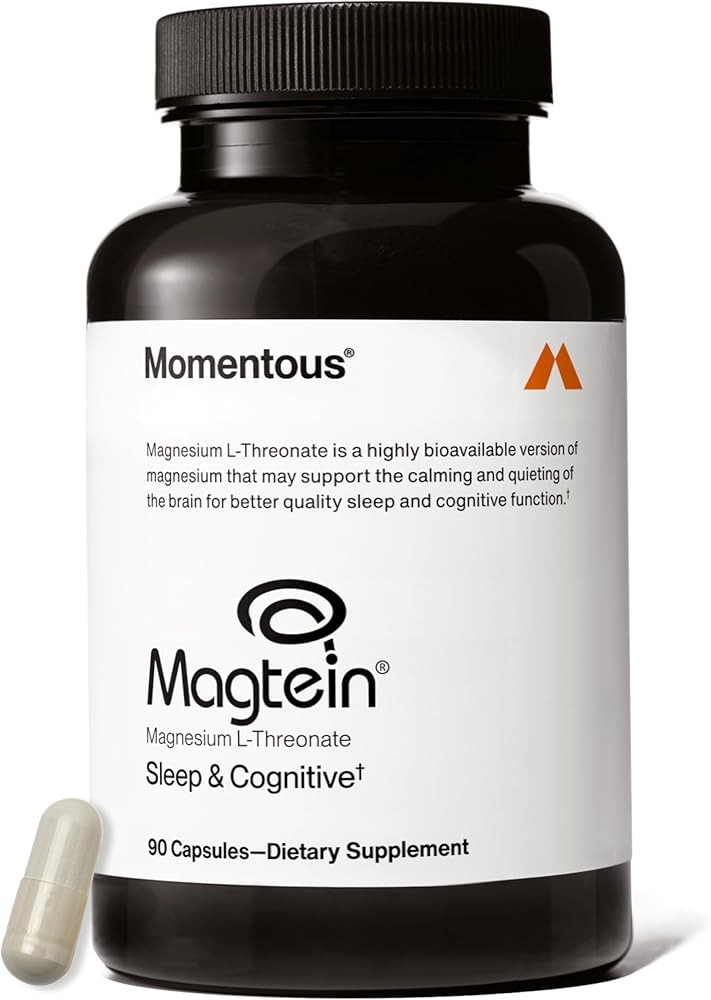
Momentous Magtein Magnesium L-Threonate - Brain & Sleep Support
Check Price on AmazonAs an Amazon Associate we earn from qualifying purchases.
Momentous Magtein is NSF Certified for Sport, making it a trusted choice for athletes and anyone who values third-party verification. The split-dose protocol is optimized for both daytime cognitive enhancement and nighttime sleep support, following the exact protocol used in the Lopresti clinical trial.
Alternative Option: Jarrow Formulas MagMind

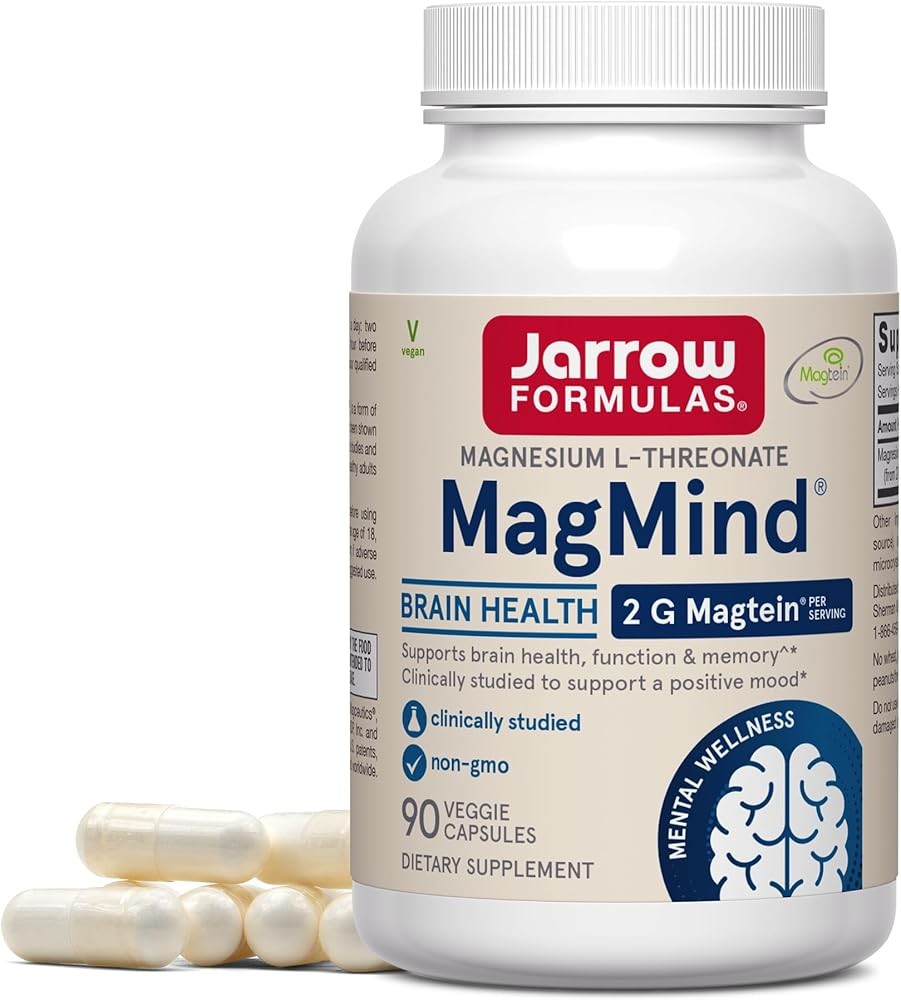
Jarrow Formulas MagMind Magnesium L-Threonate - Memory Support
Check Price on AmazonAs an Amazon Associate we earn from qualifying purchases.
Jarrow Formulas MagMind is another well-established option using the patented Magtein ingredient. Jarrow has been in the supplement industry for decades and maintains strong quality control standards.
What to Look For When Choosing a Product
- Look for the Magtein brand name. This is the patented form of magnesium L-threonate that was used in clinical research. Generic “magnesium L-threonate” products may use the same chemical compound, but the Magtein patent ensures pharmaceutical-grade manufacturing standards.
- Check the dosage per serving. You want 2000 mg of magnesium L-threonate (Magtein) per serving, providing approximately 144 mg of elemental magnesium.
- Avoid products with excessive additives. Fillers, artificial colors, and unnecessary ingredients add nothing and may impair absorption.
- Look for third-party testing. NSF, USP, or independent lab verification provides additional quality assurance.
- Be wary of proprietary blends. Some products combine magnesium L-threonate with other ingredients in a proprietary blend, making it impossible to know how much MgT you are actually getting.
How Can You Stack Magnesium L-Threonate with Other Supplements?
Magnesium L-threonate works through specific mechanisms (NMDA modulation, synaptic density, presynaptic optimization) that complement rather than overlap with other well-researched nootropic compounds. Here are evidence-based stacking strategies.
MgT + Lion’s Mane Mushroom: The Neurogenesis Stack
Rationale: While MgT increases synaptic density and optimizes existing neural connections, lion’s mane mushroom (Hericium erinaceus) stimulates nerve growth factor (NGF) production, which promotes the growth of entirely new neurons. Together, they address both the number and quality of neural connections.
Protocol:
- Magnesium L-threonate: 2000 mg per day (split morning/evening)
- Lion’s mane extract: 500 to 1000 mg per day (morning, with food)
For our detailed analysis of lion’s mane products and research, see the best lion’s mane mushroom supplements for brain health.
MgT + Phosphatidylserine: The Memory Stack
Rationale: Phosphatidylserine (PS) is a phospholipid that forms a critical component of neuronal cell membranes. Supplementation has been shown to improve memory, attention, and cognitive processing speed, particularly in aging populations. While MgT enhances what happens at the synapse, PS ensures the structural integrity of the membranes that house those synapses.
Protocol:
- Magnesium L-threonate: 2000 mg per day (split morning/evening)
- Phosphatidylserine: 100 to 300 mg per day (with food, any time)
For more on PS, see our guide to the best phosphatidylserine supplements for cognitive function.
MgT + Omega-3 (DHA/EPA): The Brain Structure Stack
Rationale: DHA (docosahexaenoic acid) is the most abundant omega-3 fatty acid in the brain, making up approximately 30 to 40 percent of the fatty acids in neuronal cell membranes. It supports membrane fluidity, neurotransmitter receptor function, and neuroinflammation control. Combining DHA with MgT addresses both the structural (membrane) and functional (synaptic) components of brain health.
Protocol:
- Magnesium L-threonate: 2000 mg per day (split morning/evening)
- Omega-3 fish oil: 2000 to 3000 mg per day providing at least 1000 mg combined EPA+DHA (with food)
MgT + Alpha-GPC: The Cholinergic Enhancement Stack
Rationale: Alpha-GPC is the most bioavailable form of choline supplementation and directly increases acetylcholine synthesis in the brain. Acetylcholine is the primary neurotransmitter for attention, learning, and memory consolidation. MgT optimizes glutamatergic signaling (via NMDA receptors), while alpha-GPC optimizes cholinergic signaling, creating complementary enhancement of two major cognitive neurotransmitter systems.
Protocol:
- Magnesium L-threonate: 2000 mg per day (split morning/evening)
- Alpha-GPC: 300 to 600 mg per day (morning)
MgT + B Vitamins: The Methylation Support Stack
Rationale: B vitamins, particularly B6, B9 (folate), and B12, are essential cofactors for neurotransmitter synthesis, homocysteine metabolism, and myelin maintenance. Elevated homocysteine is an independent risk factor for cognitive decline. Combining B vitamins with MgT addresses both the enzymatic support (B vitamins) and the receptor-level optimization (magnesium) of brain function.
Protocol:
- Magnesium L-threonate: 2000 mg per day
- B-complex with methylated forms (methylfolate, methylcobalamin, P5P): per label
For B vitamin selection, see our guide to the best B vitamin complex for mental clarity and energy.
What Are the Common Myths About Magnesium L-Threonate?
Myth 1: “All Magnesium Is the Same”
This is perhaps the most damaging misconception. Different magnesium compounds have dramatically different absorption rates, tissue distribution patterns, and clinical effects. Magnesium oxide is barely absorbed (approximately 4 percent bioavailability). Magnesium citrate is well absorbed systemically but has minimal documented brain effects. Magnesium glycinate is excellent for general repletion and muscle relaxation. Only magnesium L-threonate has been clinically demonstrated to raise brain magnesium concentrations and improve cognitive function.
The analogy: Saying all magnesium is the same is like saying all vehicles are the same. A sedan, a tractor, and a speedboat all provide transportation, but you would not take a tractor on the highway or a sedan into a field. The carrier molecule determines where the magnesium ends up and what it does when it gets there.
Myth 2: “You Only Need Magnesium for Muscles and Bones”
While magnesium is indeed critical for muscle function and bone density, it is equally important for brain health. Magnesium is involved in over 600 enzymatic reactions (de Baaij et al., 2015), many of which occur in the brain. It regulates NMDA receptor function, supports GABA signaling (the brain’s primary calming neurotransmitter), participates in ATP energy production (the brain consumes 20 percent of the body’s energy), and is required for DNA and RNA synthesis in neurons. Ignoring brain magnesium is ignoring half the story.
Myth 3: “Higher Dose Always Means Better Results”
The clinical trials used 1500 to 2000 mg of Magtein per day, and there is no evidence that higher doses produce superior cognitive effects. Because the benefits of MgT come from sustained elevation of brain magnesium over weeks, the body has natural rate limitations on how quickly brain magnesium can be increased. Taking double or triple the dose will not accelerate results but will increase the risk of GI side effects and potentially waste money.
The key is consistency, not quantity. Taking 2000 mg every day for eight weeks will produce far better results than taking 6000 mg for two weeks and then stopping.
Myth 4: “Magnesium L-Threonate Works Immediately”
Some supplement marketing implies that you will feel sharper within hours of taking MgT. This is not supported by any clinical evidence. The mechanisms of action, increasing synaptic density, upregulating NR2B receptors, normalizing NMDA signaling, require weeks to produce measurable effects. The earliest reported benefits (usually sleep improvements) typically appear in the first week, but meaningful cognitive changes take two to six weeks and maximum benefits require eight to twelve weeks of consistent use.
Myth 5: “If My Blood Magnesium Is Normal, I Do Not Need Supplementation”
Standard serum magnesium tests measure only the 1 percent of body magnesium that circulates in the blood. The other 99 percent is stored in bones, muscles, and soft tissues, including the brain. You can have perfectly normal serum magnesium while your intracellular and brain magnesium stores are significantly depleted. Red blood cell (RBC) magnesium is a somewhat better indicator but still does not directly measure brain magnesium. The best approach is to consider your symptoms, dietary intake, and risk factors rather than relying solely on blood tests.
How Should You Start Taking Magnesium L-Threonate?
Pre-Start Checklist
Before beginning magnesium L-threonate supplementation:
- Audit your current magnesium intake. Add up magnesium from all supplements you currently take. If you are already above 400 mg elemental magnesium daily, consider reducing other sources before adding MgT.
- Check for medication interactions. Review the drug interaction section above and consult your pharmacist if you take any of the listed medication classes.
- Establish cognitive baselines. Consider taking a free online cognitive assessment (such as the Cambridge Brain Sciences tests) so you can objectively measure improvement later.
- Stock up. Ensure you have at least a 12-week supply, as this is the timeframe needed to fully evaluate whether MgT works for you.
Weeks 1-2: Introduction Phase
- Dose: Start with 1000 mg Magtein per day (half dose) to assess tolerance
- Timing: Take with dinner or 2 hours before bed
- What to expect: Possible mild GI adjustment, slightly improved sleep onset
- Monitor: Track sleep quality, any side effects, energy levels
- Adjust if needed: If well-tolerated after 3-4 days, increase to 1500 mg
Weeks 3-4: Full Dose Phase
-
Dose: Increase to the full 2000 mg Magtein per day
-
Timing: 667 mg with breakfast, 1333 mg in the evening (or full 2000 mg in the evening if you prefer)
-
What to expect: First noticeable cognitive improvements, better mental clarity, improved mood stability
-
Monitor: Track focus duration, memory recall, anxiety levels, sleep quality
-
Adjust if needed: If drowsiness is an issue in the morning, shift the full dose to evening
Weeks 5-8: Optimization Phase
- Dose: Maintain 2000 mg Magtein per day
- Timing: Consistent with whatever schedule you established in weeks 3-4
- What to expect: Progressive improvements in working memory, focus, and recall. This is the phase where most people notice the most dramatic change, often described as the fog lifting.
- Consider adding: If benefits are positive but you want more, this is a good time to add a complementary stack (lion’s mane, omega-3, etc.)
- Monitor: Compare your cognitive baseline assessment if you took one
Weeks 9-12: Consolidation Phase
- Dose: Maintain 2000 mg Magtein per day
- What to expect: Benefits stabilize and become your new normal. Executive function improvements become more apparent (this is the timeframe from the Liu 2016 trial).
- Re-test: Take the same cognitive assessment you used at baseline and compare results
- Decision point: If you have experienced meaningful improvement, plan for long-term maintenance. If no improvement after 12 weeks, the supplement may not be the right intervention for your specific situation.
Long-Term Maintenance
Magnesium L-threonate benefits require continued supplementation to maintain. Brain magnesium levels will gradually return to baseline if supplementation is discontinued. Most users remain on 2000 mg daily indefinitely, as this is a well-tolerated, physiologically reasonable amount with no evidence of long-term adverse effects at this dose.
Complete Support System for Optimal Brain Health
While magnesium L-threonate provides targeted brain magnesium elevation, comprehensive cognitive support requires addressing multiple pathways simultaneously. This complete protocol combines synergistic compounds that work through complementary mechanisms:
Core Cognitive Enhancement Stack:
- Magnesium L-Threonate (2000 mg/day) - Blood-brain barrier penetration, synaptic density, NMDA receptor optimization
- Lion’s Mane Mushroom Extract (500-1000 mg/day) - Nerve growth factor stimulation, neurogenesis support
- Omega-3 Fish Oil (2000-3000 mg/day, 1000+ mg EPA+DHA) - Neuronal membrane integrity, anti-inflammatory signaling
- Phosphatidylserine (100-300 mg/day) - Cell membrane structure, neurotransmitter receptor function
- B-Complex with Methylated Forms - Neurotransmitter synthesis, homocysteine metabolism, myelin maintenance
Additional Support:
- Alpha-GPC (300-600 mg/day) - Acetylcholine precursor for memory and attention
- Magnesium Glycinate (200-400 mg/day) - Whole-body magnesium repletion, muscle relaxation, sleep support
This protocol addresses structural components (omega-3, phosphatidylserine), growth factors (lion’s mane, BDNF upregulation), neurotransmitter systems (acetylcholine, glutamate), and enzymatic cofactors (B vitamins) while optimizing both brain-specific and systemic magnesium status.
Frequently Asked Questions
How long does it take for magnesium L-threonate to work?
Most people notice initial improvements in sleep quality within the first week. Cognitive benefits, including clearer thinking, better focus, and improved memory, typically become apparent between weeks two and six. The Liu et al. (2016) clinical trial measured statistically significant cognitive improvements at the 12-week mark, which is the timeframe needed for full synaptic remodeling to occur. Be patient and consistent. This is not caffeine; it is a structural intervention that builds over time.
Can I take magnesium L-threonate with magnesium glycinate?
Yes, and many experts recommend this combination. Magnesium L-threonate provides brain-specific benefits but only 144 mg of elemental magnesium. Adding magnesium glycinate provides an additional 200 to 400 mg of well-absorbed elemental magnesium for whole-body needs including muscle relaxation, cardiovascular support, and general enzyme function. The two forms work through different mechanisms and complement each other well.
Is magnesium L-threonate safe for long-term use?
The European Food Safety Authority (EFSA) evaluated magnesium L-threonate and found it safe as a novel food at intakes up to 3000 mg per day (approximately 250 mg elemental magnesium). The standard 2000 mg dose is well within this safety margin. No long-term toxicity studies have raised concerns, and the compound has been available commercially since 2011 with no significant adverse event signals. As with any supplement, periodic medical check-ups are prudent, especially for people with kidney disease or those taking medications that interact with magnesium.
Does magnesium L-threonate help with anxiety?
While magnesium L-threonate is primarily studied for cognitive function, there are several reasons to expect anxiety benefits. First, the Abumaria et al. (2011) study demonstrated that MgT enhances fear extinction learning, which is the same process that underlies exposure therapy for anxiety. Second, magnesium in general supports GABA receptor function, the brain’s primary inhibitory system. Third, the Lopresti (2025) trial showed improvements in sleep-related impairment, which is closely linked to anxiety. However, if you are experiencing clinical anxiety, magnesium L-threonate should complement professional treatment, not replace it.
Can children or teenagers take magnesium L-threonate?
The clinical trials have been conducted in adults (ages 18+), so there is limited data on pediatric use. Magnesium itself is an essential mineral for children, and dietary magnesium supplementation is generally safe. However, the specific safety and efficacy of magnesium L-threonate in children has not been formally studied. Parents interested in supporting their child’s cognitive development should consult a pediatrician before starting any nootropic supplement.
What happens if I stop taking magnesium L-threonate?
The cognitive benefits of magnesium L-threonate depend on maintaining elevated brain magnesium levels. When supplementation stops, brain magnesium will gradually return to baseline over several weeks. The synaptic density increases and receptor changes that occurred during supplementation will slowly reverse. This is similar to how muscle mass declines when you stop exercising. The benefits are real but require ongoing input to maintain.
Related Reading
- Best Nootropic Supplements That Actually Work
- Best Phosphatidylserine Supplements for Cognitive Function
- Best Lion’s Mane Mushroom Supplements for Brain Health
- Best B Vitamin Complex for Mental Clarity and Energy
- Best Diet for Reducing Brain Fog and Improving Focus
- Magnesium Threonate vs Glycinate: Complete Comparison
- Best Magnesium Supplements for Sleep
- Best Magnesium Supplements: Complete Guide
References
Slutsky I, Abumaria N, Wu LJ, et al. “Enhancement of learning and memory by elevating brain magnesium.” Neuron. 2010;65(2):165-177. PubMed | DOI | PMID: 20152124
Abumaria N, Yin B, Zhang L, et al. “Effects of elevation of brain magnesium on fear conditioning, fear extinction, and synaptic plasticity in the infralimbic prefrontal cortex and lateral amygdala.” Journal of Neuroscience. 2011;31(42):14871-14881. PubMed | DOI | PMID: 22016520
Mickley GA, Hoxha N, Luchsinger JL, et al. “Chronic dietary magnesium-L-threonate speeds extinction and reduces spontaneous recovery of a conditioned taste aversion.” Pharmacology, Biochemistry and Behavior. 2013;106:16-26. PMC | DOI
Li W, Yu J, Liu Y, et al. “Elevation of brain magnesium reduces synaptic loss and reverses cognitive deficits in Alzheimer’s disease mouse model.” Molecular Brain. 2014;7:65. PubMed | PMC | PMID: 25213836
de Baaij JHF, Hoenderop JGJ, Bindels RJM. “Magnesium in man: implications for health and disease.” Physiological Reviews. 2015;95(1):1-46. PubMed | DOI | PMID: 25540137
Sun Q, Weinger JG, Mao F, Liu G. “Regulation of structural and functional synapse density by L-threonate through modulation of intraneuronal magnesium concentration.” Neuropharmacology. 2016;108:426-439. PubMed | DOI | PMID: 27178134
Liu G, Weinger JG, Lu ZL, Xue F, Sadeghpour S. “Efficacy and safety of MMFS-01, a synapse density enhancer, for treating cognitive impairment in older adults: a randomized, double-blind, placebo-controlled trial.” Journal of Alzheimer’s Disease. 2016;49(4):971-990. PubMed | PMC | PMID: 26519439
Zhang C, Hu Q, Li S, et al. “A Magtein, Magnesium L-Threonate,-based formula improves brain cognitive functions in healthy Chinese adults.” Nutrients. 2022;14(24):5235. PMC | DOI
Kumar A, Mehan S, Tiwari A, et al. “Magnesium (Mg2+): essential mineral for neuronal health: from cellular biochemistry to cognitive health and behavior regulation.” Current Pharmaceutical Design. 2024. PubMed
Kirkland AE, Sarlo GL, Holton KF. “The role of magnesium in neurological disorders.” Nutrients. 2018;10(6):730. PubMed | PMC
Botturi A, Ciappolino V, Delvecchio G, et al. “The role and the effect of magnesium in mental disorders: a systematic review.” Nutrients. 2020;12(6):1661. PubMed | DOI | PMID: 32503201
Lopresti AL, Smith SJ. “The effects of magnesium L-threonate (Magtein) on cognitive performance and sleep quality in adults: a randomised, double-blind, placebo-controlled trial.” Frontiers in Nutrition. 2025. PubMed | PMC | DOI
Recommended Products