Memory Loss in Your 40s? These 7 Supplements Could Boost Recall
Summarized from peer-reviewed research indexed in PubMed. See citations below.
Walking into a room and forgetting why you’re there affects millions in their 40s, and published research in Nature (2025) analyzing 3,737 adults reveals hippocampal volume reduction begins at age 40. A 2025 systematic review of 26,881 participants shows omega-3 DHA at 2,000 mg daily significantly improves primary memory (SMD: 0.87; moderate evidence), while meta-analyses confirm Bacopa monnieri 300-450 mg enhances delayed recall after 12 weeks. Life Extension Citicoline 250-500 mg ranks highest for clinical evidence with 12-week trials showing episodic memory improvement in adults 50-85 ($18-24 per month). Budget alternative: NOW Foods Omega-3 delivers 500 mg DHA per serving at $13 monthly. Here’s what the published research shows.
Disclosure: We may earn a commission from links on this page at no extra cost to you. Affiliate relationships never influence our ratings. Full policy →
Memory changes in your 40s are real, frustrating, and surprisingly common. But here’s the reassuring part: they’re usually a normal part of aging, not a sign of dementia. And more importantly, they’re addressable.
Your brain undergoes subtle but measurable changes starting in your 40s—from hippocampus volume reduction to declining neurotransmitter production. But research shows that specific supplements can support memory function, enhance recall, and even promote brain cell growth during this critical decade.
This comprehensive guide examines seven evidence-based supplements that have demonstrated memory-enhancing effects in clinical trials, particularly in adults experiencing age-related cognitive changes. We’ll cover the science, the dosing, the timelines, and what to expect—so you can make informed decisions about supporting your brain health.
| Supplement | Dosage | Timeline | Evidence Level | Best For | Price Range |
|---|---|---|---|---|---|
| Omega-3 DHA | 1,000-2,000 mg daily | 6-12 weeks | STRONG | Structural brain support, primary memory | $15-30/month |
| Bacopa Monnieri | 300-600 mg (50% bacosides) | 12 weeks | STRONG | Memory consolidation, delayed recall | $15-25/month |
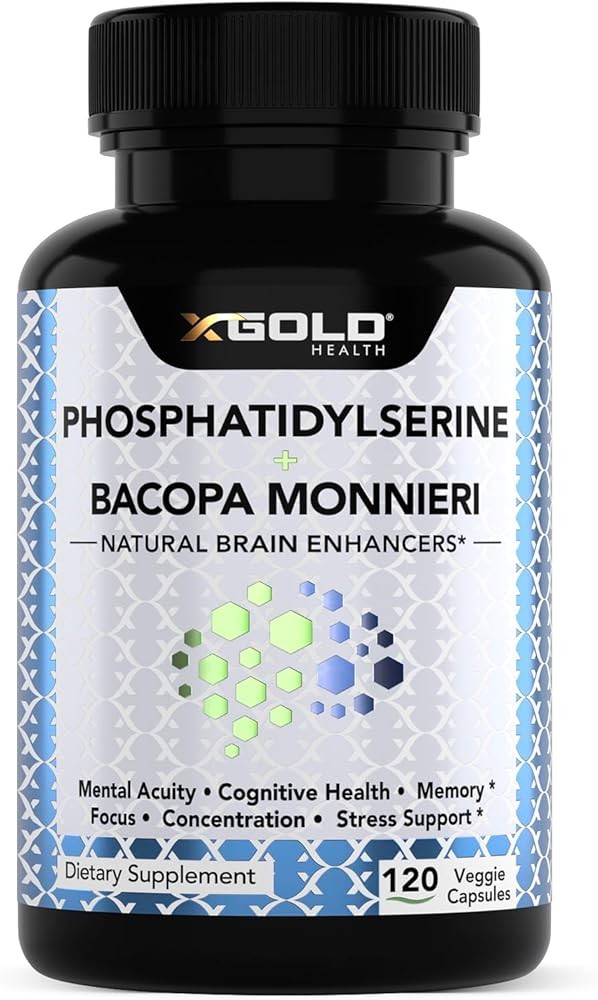
| Phosphatidylserine | 100-300 mg daily | 2-6 weeks | MODERATE-STRONG | Learning, verbal recall, stress-related memory | $20-35/month |
| Citicoline (CDP-Choline) | 250-500 mg daily | 2-4 weeks | MODERATE | Episodic memory, attention, focus | $18-30/month |
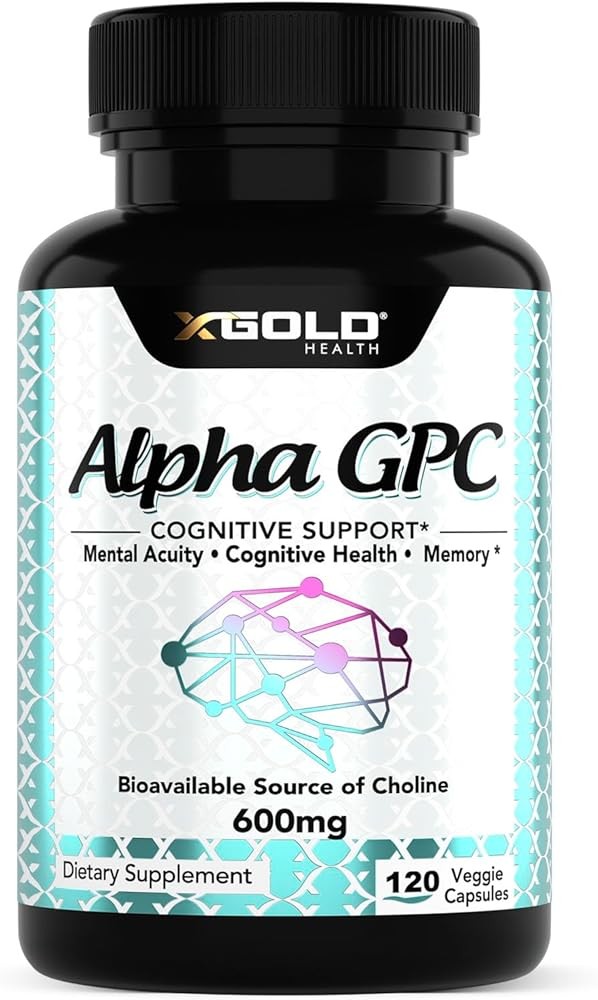
| Alpha-GPC | 300-600 mg daily | Days to 2 weeks | MODERATE | Working memory, rapid recall, learning | $20-35/month |
| Lion’s Mane | 500-1,000 mg extract | 4-8 weeks | MODERATE | Neurogenesis, long-term neuroprotection | $18-30/month |
| Ginkgo Biloba | 120-240 mg extract | 4-6 weeks | MODERATE (mixed) | Cerebral blood flow, recall speed | $12-22/month |
What Are the Signs Your Memory Needs Support?
Before diving into solutions, let’s identify what “normal” memory changes look like in your 40s. These are the subtle clues your brain might be signaling it needs support:
Name and Word Retrieval Issues:
- Forgetting names of people you know well
- Tip-of-the-tongue moments becoming more frequent
- Struggling to find the right word mid-sentence
- Calling family members by the wrong name
Prospective Memory Lapses:
- Missing appointments despite writing them down
- Forgetting why you walked into a room
- Leaving tasks incomplete because you forget about them
- Missing medication doses or daily vitamins
Working Memory Challenges:
- Difficulty holding information in mind while multitasking
- Losing your train of thought mid-conversation
- Struggling to follow complex instructions
- Taking longer to learn new information or skills
Everyday Forgetfulness:
- Misplacing items daily (keys, phone, glasses)
- Forgetting where you parked
- Rereading paragraphs because you can’t recall what you just read
- Needing to make more lists than you used to
Processing Speed Changes:
- Taking longer to make decisions
- Needing more time to switch between tasks
- Feeling mentally slower than you did in your 30s
- Increased difficulty with mental math
If you recognize three or more of these patterns, your brain may benefit from targeted nutritional support—particularly if these changes have emerged or worsened in the past few years.
Why Memory Declines: The Science
Memory doesn’t fail randomly. Specific biological changes occur in your brain during your 40s that affect how you encode, store, and retrieve information. Understanding these mechanisms helps explain why certain supplements work—and which ones to choose.
Hippocampal Volume Reduction
The hippocampus, your brain’s memory center, begins shrinking in volume starting around age 40. A 2025 mega-analysis of 3,737 cognitively healthy adults found a nonlinear relationship between memory decline and brain atrophy, with associations being particularly strong in the hippocampus (Source).
This isn’t just theoretical—it’s measurable. Studies using MRI scans show that superior memory function correlates with higher hippocampal volume and less atrophy (Source). The good news? Certain lifestyle factors and supplements can slow or even partially reverse this atrophy.
Acetylcholine Decline
Acetylcholine is your brain’s primary memory neurotransmitter. It plays a critical role in hippocampus-dependent learning and working memory function (NIH).
Research shows that acetylcholine neurotransmission declines with normal aging, affecting executive function and working memory more than episodic memory (Source). Atrophy of basal forebrain cholinergic neurons occurs with normal aging and accelerates after age 65 years, but the decline begins earlier—often in the 40s.
The cholinergic system undergoes several changes during midlife:
Reduced Choline Availability: Choline is the precursor molecule needed to synthesize acetylcholine. As we age, dietary choline intake often decreases, and the body’s ability to convert choline into acetylcholine may become less efficient.
Decreased Receptor Sensitivity: Acetylcholine receptors on neurons become less sensitive with age, meaning even when acetylcholine is present, the signal doesn’t transmit as effectively.
Increased Acetylcholinesterase Activity: This enzyme breaks down acetylcholine after it’s released. Some research suggests acetylcholinesterase activity increases with age, shortening the time acetylcholine remains active in the synapse.
Neuronal Loss in Basal Forebrain: The basal forebrain contains the nucleus basalis of Meynert—a cluster of neurons that produces most of the brain’s acetylcholine. These neurons are particularly vulnerable to aging and begin declining in your 40s and 50s.
This is why several of the most effective memory supplements work by supporting acetylcholine production or reducing its breakdown. Compounds like Alpha-GPC and citicoline provide the raw materials for acetylcholine synthesis.
Hormonal Changes
For both men and women, hormonal shifts in the 40s significantly impact memory:
Women and Perimenopause: Brain fog affects 40-60% of midlife women. Longitudinal studies find small but reliable declines in objective memory performance as women transition into perimenopause—declines not explained by advancing age alone (NIH).
Estrogen stimulates the brain, keeps neurons firing, supports new cell growth, and helps existing cells form new connections. Estrogen receptors are particularly dense in brain areas serving memory, including the hippocampus and prefrontal cortex (Source).
When estrogen levels fluctuate during perimenopause, women commonly experience:
- Difficulty staying focused
- Word-finding difficulties
- Losing train of thought
- Getting confused easily
- Memory lapses for recent conversations
Men and Testosterone Decline: Testosterone levels decline gradually after age 30—about 1% per year. By the 40s, this can affect cognitive function. Research shows that low testosterone levels are significantly associated with increased risk of cognitive decline (NIH).
Vascular Changes
Cerebral blood flow decreases with age, reducing oxygen and nutrient delivery to brain cells. This affects the brain’s ability to clear metabolic waste and deliver the glucose needed for memory formation. Reduced blood flow particularly impacts brain regions critical for memory formation and retrieval.
Mitochondrial Dysfunction
Your brain cells contain thousands of mitochondria—the powerhouses that produce ATP energy. Mitochondrial efficiency declines with age, reducing the energy available for memory formation, which is one of the brain’s most energy-intensive processes.
The brain represents only 2% of body weight but consumes 20% of the body’s energy. Memory formation is particularly energy-demanding because it requires:
- Long-term potentiation (LTP): The cellular process that strengthens synaptic connections, requiring sustained ATP production
- Protein synthesis: Building new proteins to physically change neural structures for memory storage
- Ion pump activity: Maintaining electrical gradients across neuronal membranes during signal transmission
- Neurotransmitter production and release: Manufacturing and packaging chemical messengers
Starting in your 40s, mitochondrial function begins to decline through several mechanisms including oxidative damage, reduced mitochondrial biogenesis, impaired calcium handling, and decreased membrane potential. This energy deficit particularly affects the hippocampus and prefrontal cortex.
Sleep Disruption
Sleep quality commonly declines in the 40s, often due to stress, hormonal changes, or lifestyle factors. This directly impairs memory consolidation.
During slow-wave sleep (SWS), memory replay occurs in hippocampal assemblies, facilitating the transformation of hippocampus-dependent episodic memory into long-term neocortical memory (NIH). Recent research shows that fragmented sleep decreases hippocampal reactivation and replay, directly causing memory loss (NIH).
How Can You Tell Normal Memory Changes From Concerning Decline?
Not all memory changes warrant concern. Here’s how to distinguish normal age-related changes from signs that require medical evaluation:
Normal Age-Related Memory Changes:
- Occasional forgetfulness: Forgetting where you put your keys once or twice a week
- Tip-of-the-tongue moments: Temporarily forgetting a word or name but remembering it later
- Distraction-related lapses: Forgetting why you entered a room when you were thinking about something else
- Slower processing: Taking a bit longer to learn new technology or complete complex tasks
- Name retrieval delays: Forgetting someone’s name but recognizing their face
- Interference effects: Mixing up similar information (confusing which friend told you which story)
These changes are frustrating but don’t interfere significantly with daily life or independence.
Concerning Memory Loss (See a Doctor):
- Forgetting entire recent conversations: Not just details, but having no memory of the conversation happening
- Getting lost in familiar places: Driving home from work and not recognizing the route
- Difficulty following instructions: Unable to complete tasks you’ve done many times before
- Personality changes: Becoming unusually suspicious, anxious, or withdrawn
- Functional impairment: Memory problems interfering with work, relationships, or daily activities
- Rapidly progressive decline: Noticeable worsening over weeks or months rather than years
- Forgetting what month or year it is: Temporal disorientation beyond momentary confusion
- Difficulty with familiar tasks: Forgetting how to do something you’ve done thousands of times
If you experience any concerning signs—especially if they’re progressive or interfering with function—schedule an evaluation with a neurologist or memory specialist.
What Are the Best Supplements for Memory?
Now let’s examine the supplements with the strongest clinical evidence for supporting memory function during midlife. These are listed in order of evidence strength.
1. Omega-3 DHA: Building Blocks for Brain Structure
Evidence Level: STRONG
Your brain is 60% fat by dry weight, and DHA (docosahexaenoic acid) comprises about 30% of that fat. It’s literally a structural component of your neurons and is particularly concentrated in the hippocampus, your memory center.
The Research:
A 2025 systematic review searched medical literature through December 2024, analyzing 58 studies with 26,881 participants aged 40 or older. The analysis found that each 2,000 mg/day omega-3 supplementation showed significant improvement in primary memory (SMD: 0.87; 95% CI: 0.17,1.56; GRADE = moderate) (Source).
Earlier research demonstrated that omega-3 fatty acids, particularly DHA, are essential for optimal brain function throughout life. A comprehensive review found that higher DHA status is associated with better cognitive performance in middle-aged and older adults (PubMed 23515006).
Importantly, 66.7% of randomized controlled trials conducted with mild cognitive impairment adults reported positive cognitive outcomes when supplemented with omega-3 fatty acids versus placebo (Source).
How It Works:
DHA supports memory through multiple mechanisms:
- Structural integrity: Maintains fluidity of neuronal membranes, improving signal transmission
- Neuroplasticity: Enhances brain-derived neurotrophic factor (BDNF), promoting new neural connections
- Anti-inflammatory: Reduces neuroinflammation that impairs memory formation
- Neuroprotection: Protects against oxidative damage to hippocampal neurons
Dosing:
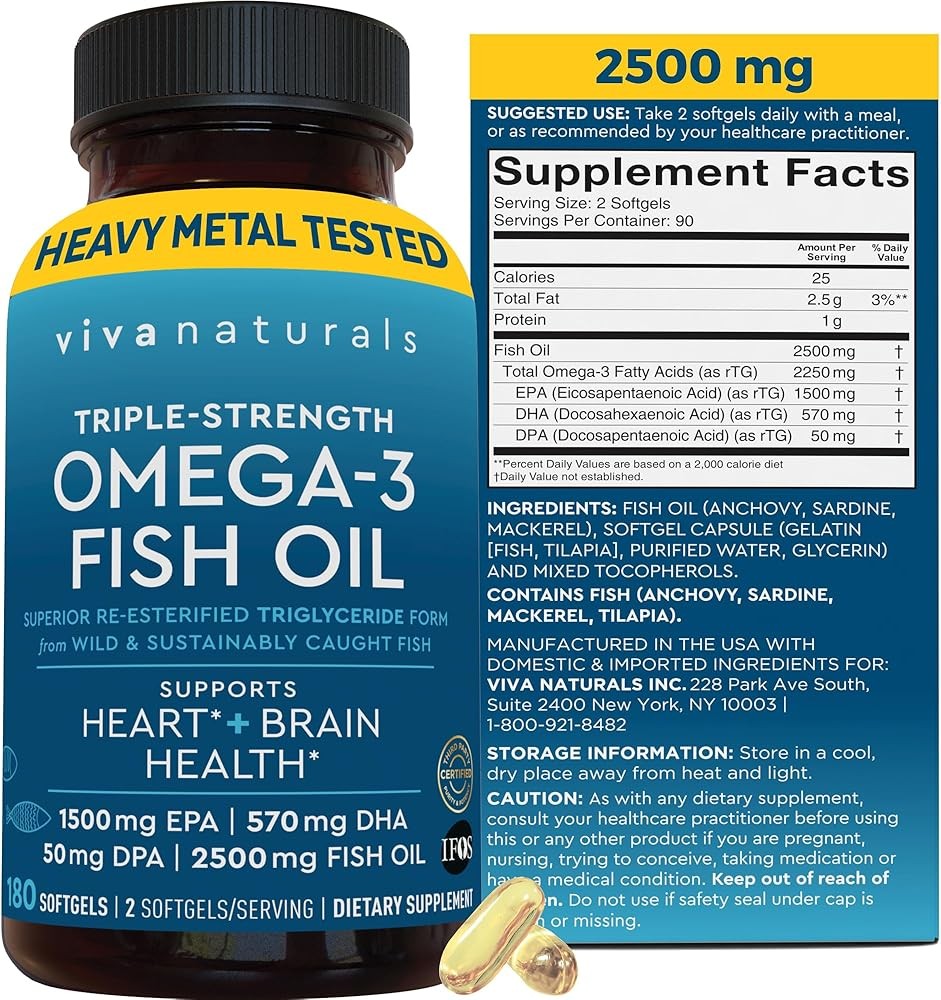
- Target: 1,000-2,000 mg DHA daily (Triple Strength delivers 506 mg DHA per softgel, so 2-4 softgels daily reaches the studied range)
- Ratio: Look for higher DHA:EPA ratios for memory (2:1 or 3:1 DHA:EPA); this product is roughly 1.3:1, which is balanced for general cardiovascular and cognitive support
- Form: Triglyceride or phospholipid forms have better absorption than ethyl ester; confirm the specific form on the label
- Timing: Take with meals containing fat for optimal absorption
Timeline: 6-12 weeks for measurable effects; structural changes require 3-6 months
Testing: Consider Omega-3 Index testing (target >8% for optimal brain health)
Food Sources: Fatty fish (salmon, mackerel, sardines), algae oil (vegetarian DHA source)
Bottom line: Omega-3 DHA is a structural building block of brain tissue, particularly concentrated in the hippocampus, with strong research showing 1,000-2,000 mg daily improves primary memory and slows age-related cognitive decline—effects typically appear after 6-12 weeks of consistent use.
2. Bacopa Monnieri: The Memory Consolidation Enhancer

Evidence Level: STRONG
Bacopa monnieri has been used in Ayurvedic medicine for over 3,000 years as a “brain tonic.” Modern research confirms its specific effects on memory consolidation, the process of moving information from short-term to long-term storage.
The Research:
A 2024 randomized, double-blind, placebo-controlled trial recruited 80 healthy adults aged 18-55. Participants consuming 300 mg of Bacopa extract containing 90 mg total bacosides for 12 weeks showed significant improvements in short-term memory, spatial short-term memory, visuo-spatial memory, working memory, and episodic memory compared to placebo (PubMed 41091332).
A meta-analysis of multiple randomized controlled trials found that Bacopa extract significantly improved cognitive performance, particularly memory-related outcomes (PubMed 24252493).
How It Works:
The active compounds in Bacopa, called bacosides, enhance memory through several pathways:
- Acetylcholine enhancement: Increases acetylcholine levels in the hippocampus
- Antioxidant effects: Protects brain cells from oxidative damage
- Dendritic growth: Promotes branching of neurons, enhancing neural networks
- Synaptic plasticity: Improves communication between neurons
Dosing:
- Standard dose: 300-600 mg standardized extract daily
- Bacoside content: Look for 50% bacosides (the active compounds)
- Timing: Can be taken with or without food; morning dosing is common
- Duration: Minimum 12 weeks for full effects
Timeline: 3-12 weeks for noticeable memory improvements; full benefits at 12 weeks
Bottom line: Bacopa monnieri enhances memory consolidation through increased acetylcholine and dendritic growth, with clinical trials showing significant improvements in short-term, working, and episodic memory after 12 weeks at 300-600 mg daily standardized to 50% bacosides.
3. Phosphatidylserine: The FDA-Recognized Memory Aid
Evidence Level: MODERATE to STRONG
Phosphatidylserine (PS) is a phospholipid that makes up 15% of your brain’s fatty tissue. It’s particularly concentrated in cell membranes and plays a crucial role in cell signaling.
The Research:
A study of 149 patients meeting criteria for age-associated memory impairment treated participants for 12 weeks with 100 mg PS three times daily or placebo. Patients treated with PS improved relative to placebo on performance tests related to learning and memory tasks of daily life (PubMed 2027477).
A double-blind, placebo-controlled study in Japanese subjects with memory complaints demonstrated that soy-derived PS has positive effects on cognitive performance, with effects dominant in verbal list recall tests (NIH).
More recently, a 2024 trial in Chinese older adults with mild cognitive impairment found that a PS-containing supplement improved computational ability, logical reasoning ability, attention, and short-term memory (PubMed 39317299).
The FDA Connection:
In 2003, the FDA granted a qualified health claim for PS, stating it “may reduce the risk of cognitive dysfunction in the elderly.”
How It Works:
- Membrane fluidity: Maintains cell membrane integrity for optimal neurotransmitter function
- Glucose metabolism: Enhances glucose utilization in brain cells
- Acetylcholine activity: Supports acetylcholine release and receptor function
- Stress response: May reduce cortisol levels, which can impair memory
Dosing:
- Standard dose: 100-300 mg daily
- Form: Soy-derived or sunflower-derived (not bovine cortex, which is outdated)
- Timing: Often split into 2-3 doses throughout the day
- Duration: 12 weeks minimum for memory benefits
Timeline: 2-6 weeks for initial effects; maximum benefits at 12 weeks
Bottom line: Phosphatidylserine is an FDA-recognized memory aid that improves learning, memory, attention, and verbal recall at 100-300 mg daily, with benefits appearing within 2-6 weeks and reaching maximum effectiveness at 12 weeks—particularly effective for stress-related memory issues.
4. Lion’s Mane Mushroom: The Neurogenesis Promoter
Evidence Level: MODERATE
Lion’s mane (Hericium erinaceus) is a medicinal mushroom that looks like a white pom-pom. What makes it unique for memory is its ability to stimulate nerve growth factor (NGF)—a protein that promotes growth of new neurons.
The Research:
A 2024 pilot study examined the acute and chronic effects of Lion’s mane supplementation on cognitive function and mood in young, healthy adults. While results for episodic memory were mixed, there was preliminary evidence suggesting beneficial effects on subjective stress (NIH).
A 2025 double-blind randomized placebo-controlled study found that a standardized extract of Lion’s mane affected cognition and mood, though researchers noted that larger, well-designed trials are needed to expand the evidence base (NIH).
How It Works:
Bioactive compounds in Lion’s mane—hericenones and erinacines—promote nerve growth factor synthesis:
- NGF stimulation: Promotes growth of new neurons, particularly in the hippocampus
- Neuroprotection: Protects against amyloid-beta toxicity (implicated in Alzheimer’s)
- Anti-inflammatory: Reduces neuroinflammation that impairs memory
- Myelin support: May support myelin sheath repair, improving signal transmission
Dosing:
- Standard dose: 500-1,000 mg extract daily
- Form: Fruiting body extract (not mycelium, which has lower active compounds)
- Standardization: Look for products standardized to hericenones and erinacines
- Timing: Can be taken with or without food
Timeline: 4-8 weeks for noticeable effects; neurogenesis is a slow process
Bottom line: Lion’s mane mushroom stimulates nerve growth factor production through its bioactive compounds (hericenones and erinacines), promoting neurogenesis in the hippocampus at 500-1,000 mg daily—though effects take 4-8 weeks and evidence is strongest for long-term neuroprotection rather than immediate memory enhancement.
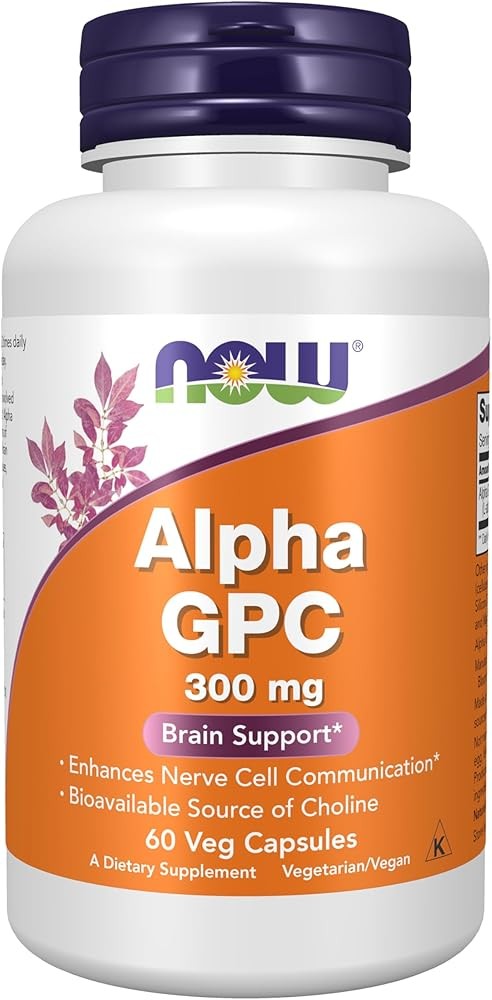
5. Alpha-GPC: The Rapid Acetylcholine Booster
Evidence Level: MODERATE
Alpha-GPC (L-alpha glycerylphosphorylcholine) is a choline compound that efficiently crosses the blood-brain barrier to increase acetylcholine, the neurotransmitter essential for memory formation.
The Research:
A 2024 clinical trial found that Alpha-GPC supplementation significantly increased cognitive performance in a group of young, healthy males as measured by changes in the Stroop Total Score and completion time (NIH).
In patients with Alzheimer’s disease, a 2003 clinical trial of 260 patients found that Alpha-GPC improved symptoms in every single trial participant (Source).
A 2001 study reviewing three clinical trials of 2,500 stroke survivors found that Alpha-GPC helped recover mental functions after stroke, with cognition improving in 70% of cases reviewed (Source).
How It Works:
Alpha-GPC is one of the most bioavailable sources of choline:
- Acetylcholine synthesis: Directly increases acetylcholine production in the brain
- Rapid delivery: Crosses the blood-brain barrier more efficiently than other choline sources
- Membrane support: Contributes to phospholipid synthesis for healthy cell membranes
- Growth hormone: May increase growth hormone, which has neuroprotective effects
Dosing:
- Standard dose: 300-600 mg daily
- Timing: Morning or pre-cognitive tasks; effects can be felt within hours
- Split dosing: Can divide into 2-3 doses for sustained effects
- Cycling: Some users cycle on/off to avoid tolerance
Timeline: Acute effects within hours; sustained benefits build over 2-4 weeks
Bottom line: Alpha-GPC efficiently crosses the blood-brain barrier to boost acetylcholine within hours, with clinical trials showing cognitive performance improvements in healthy adults and proven benefits in stroke recovery. Best for working memory and rapid recall at 300-600 mg daily.### 6. Ginkgo Biloba: The Cerebral Blood Flow Enhancer
Evidence Level: MODERATE (mixed results)
Ginkgo biloba is one of the oldest living tree species and one of the most extensively studied herbs for cognitive function. Its primary mechanism is enhancing blood flow to the brain.
The Research:
The evidence for ginkgo is mixed and depends heavily on the population studied. A systematic review and meta-analysis found that ginkgo biloba improves memory where some cognitive impairment already exists, with positive effects on cognitive function and activities of daily living in patients with dementia (NIH).
However, a meta-analysis examining ginkgo in healthy individuals found that effect sizes were non-significant and close to zero for memory, executive function, and attention (PubMed 23001963).
How It Works:
Ginkgo contains flavonoid glycosides and terpene lactones that:
- Vasodilation: Enhances nitric oxide production, increasing cerebral blood flow
- Antioxidant effects: Protects neurons from oxidative damage
- Platelet inhibition: Reduces platelet aggregation, improving microcirculation
- Neuroprotection: May protect against amyloid-beta and tau pathology
Dosing:
- Standard dose: 120-240 mg extract daily
- Standardization: Look for 24% flavonoid glycosides and 6% terpene lactones (EGb 761)
- Timing: Usually split into 2-3 doses throughout the day
- Duration: 6-12 weeks for measurable effects
Timeline: 4-6 weeks for initial effects; maximum benefits at 12 weeks
Best For: Those with existing memory deficits; recall speed and retrieval; cerebral circulation issues
Important Considerations: Evidence is strongest in those with existing cognitive decline, weaker for healthy individuals. May interact with blood thinners.
7. Citicoline (CDP-Choline): The Dual-Mechanism Memory Enhancer
Evidence Level: MODERATE
Citicoline (cytidine-5’-diphosphocholine) provides both choline and cytidine, offering dual benefits for memory: acetylcholine production and phospholipid synthesis for cell membranes.
The Research:
A randomized, double-blind, placebo-controlled trial with 100 healthy men and women aged 50-85 with age-associated memory impairment received either 500 mg/day of Cognizin Citicoline or placebo for 12 weeks. Dietary supplementation of citicoline improved overall memory performance, especially episodic memory, in healthy older adults (NIH).
Research has also shown that citicoline may improve attentional performance in middle-aged women and may ameliorate attentional deficits associated with CNS disorders (Source).
How It Works:
Citicoline’s dual mechanism makes it unique:
- Acetylcholine synthesis: Provides choline for neurotransmitter production
- Membrane repair: Cytidine component supports phospholipid synthesis
- Dopamine enhancement: Increases dopamine and noradrenaline in the CNS
- Neuroprotection: Protects cell membranes and accelerates phospholipid re-synthesis
Dosing:
- Standard dose: 250-500 mg daily
- Maximum: 1,000 mg/day for medical foods (500 mg/day for supplements)
- Timing: Morning is typical; can be taken with or without food
- Duration: 12 weeks minimum for memory benefits
Timeline: 2-4 weeks for attention benefits; 8-12 weeks for memory improvements
Bottom line: Citicoline provides dual benefits through choline for acetylcholine synthesis and cytidine for membrane repair, with 12-week clinical trials showing episodic memory improvement in adults 50-85 at 250-500 mg daily—also enhances attention and focus.
Complete Support System: Maximize Memory Function
Beyond individual supplements, consider these synergistic approaches for comprehensive memory support:
Memory Foundation Stack (Structural Support)
Purpose: Build long-term brain health through structural support
Components:
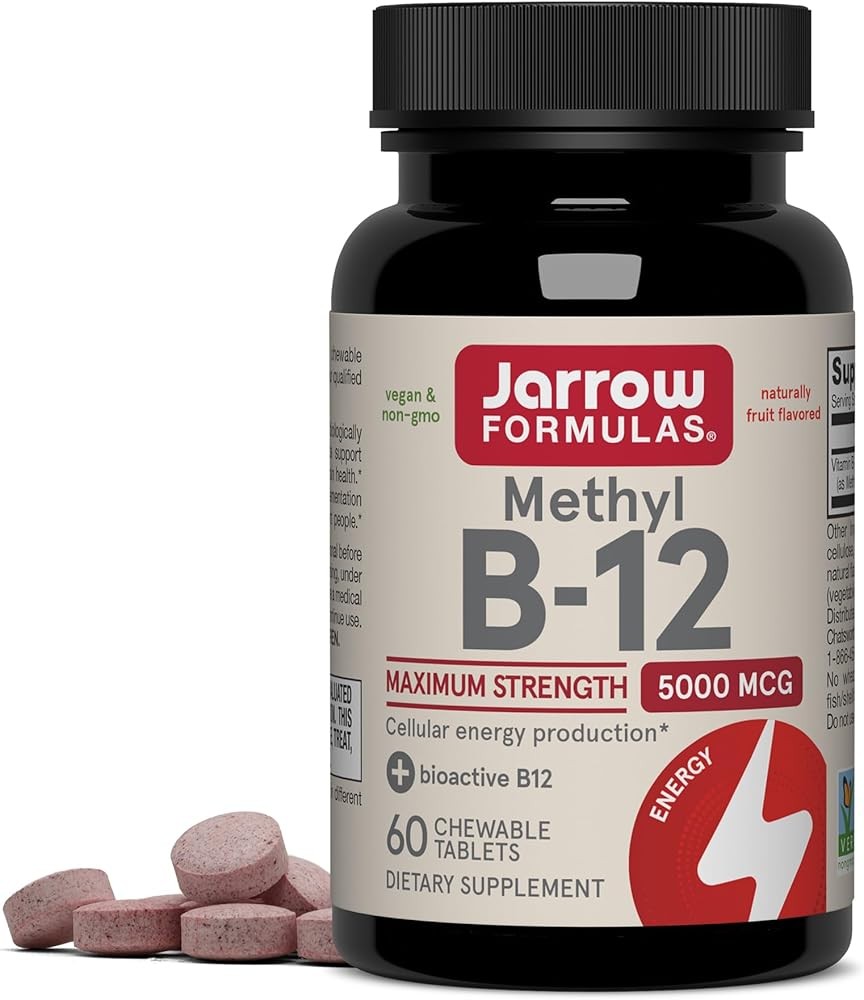
- — 1,500 mg DHA daily for structural brain support
 Check Price on Amazon
As an Amazon Associate we earn from qualifying purchases.
- — 200 mg daily for membrane integrity
- — 300 mg (50% bacosides) daily for memory consolidation
 Check Price on Amazon
As an Amazon Associate we earn from qualifying purchases.
Timeline: 12 weeks for noticeable effects; 6 months for maximum benefits
Best For: Those prioritizing long-term brain health and structural support
Rapid Recall Stack (Immediate Performance)
Purpose: Enhance working memory and recall speed
Components:
- — 300-600 mg morning for acetylcholine boost
 Check Price on Amazon
As an Amazon Associate we earn from qualifying purchases.
- — 250-500 mg morning for episodic memory
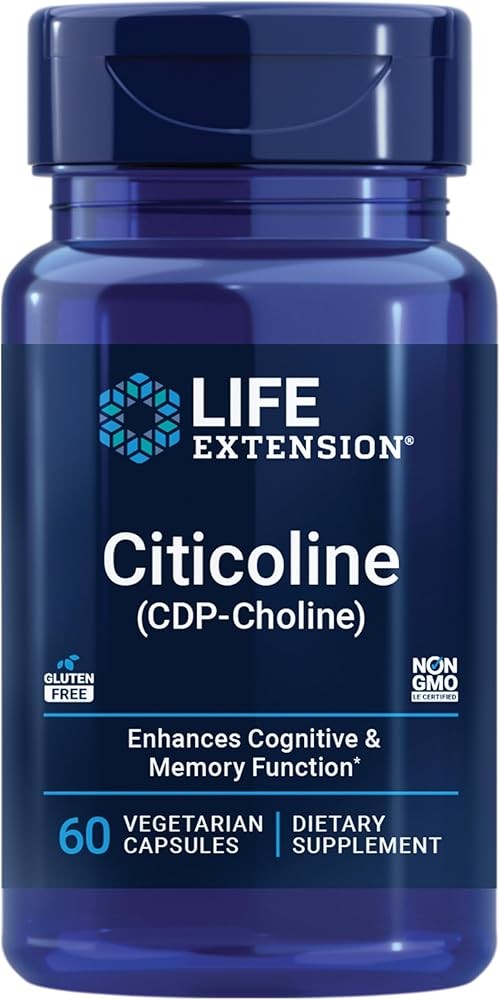
Life Extension Citicoline (CDP-Choline) - Citicoline Supplement for Brain & Cognitive Health, Focus, Attention, Memor...
Check Price on AmazonAs an Amazon Associate we earn from qualifying purchases.
- Standardized Ginkgo biloba 120 mg morning and afternoon for blood flow
Timeline: 1-2 weeks for noticeable effects; 4-6 weeks for maximum benefits
Best For: Professionals needing sharp memory for work; students learning new material
Lifestyle Optimization
No supplement regimen is complete without addressing these critical factors:
Sleep Quality: Target 7-9 hours nightly with consistent sleep-wake times. During slow-wave sleep, memory replay occurs in hippocampal assemblies, transferring information to long-term storage.
Regular Exercise: Aerobic exercise increases hippocampal volume and BDNF production. A landmark study found that walking 40 minutes three times weekly for one year increased hippocampal volume by 2%.
Stress Management: Chronic cortisol exposure damages hippocampal dendrites and impairs neurogenesis. Consider meditation, adaptogenic herbs, or therapy.
Mediterranean Diet: Consistently shows cognitive benefits through anti-inflammatory effects, omega-3s, and polyphenols. Focus on fatty fish, olive oil, colorful vegetables, berries, and nuts.
Cognitive Stimulation: Learn new skills, read challenging material, teach others. Neuroplasticity follows a “use it or lose it” principle.
For more context, see our guide on Mental Clarity, Focus, and Cognitive Function: Best Alpha GPC Supplements for Focus and Memory.
Related Reading
For comprehensive guides on brain health and cognitive function, explore these evidence-based articles:
- Brain Fog and Nutrient Deficiencies: The Critical Connection
- Best Nootropics for Focus and Mental Clarity
- Cognitive Function Supplements: Evidence-Based Guide
- B-Vitamins for Brain Health: Complete Guide
- Omega-3 for Cognitive Performance
- Mental Clarity, Focus, and Cognitive Function: Best Alpha GPC Supplements for Focus and Memory
- Natural Nootropics for Instant Mental Clarity: Top Picks & How They Work
- Lion’s Mane vs Turkey Tail: A Nootropics Showdown for Mental Clarity
- Rhodiola Rosea vs Ginkgo Biloba: Brain Fog Solutions Compared
- Phosphatidylserine: The Brain Phospholipid That Slashes Cortisol and Rebuilds Your Memory
References and Further Reading
This article synthesized research from multiple peer-reviewed sources:
- Vulnerability to memory decline in aging (2025 mega-analysis) — Nature Communications analysis of 3,737 adults showing hippocampal atrophy beginning at age 40
- Stable hippocampal correlates of high episodic memory function (2025) — MRI studies correlating hippocampal volume with memory performance
- Omega-3 supplementation and cognitive function meta-analysis (2025) — Systematic review of 58 studies with 26,881 participants showing primary memory improvement
- Bacopa monnieri effects on cognition, stress, and fatigue (2024) — RCT of 80 adults showing improvements across multiple memory domains
- Phosphatidylserine in age-associated memory impairment — 12-week trial showing improvements in learning and memory tasks
- Citicoline and memory function in healthy older adults (2021) — RCT showing episodic memory improvement in adults 50-85
- Alpha-GPC enhances cognitive performance in healthy men (2024) — Clinical trial demonstrating cognitive improvements in young adults
- Cognitive problems in perimenopause (2024 review) — Longitudinal studies of memory decline during hormonal transitions
- Testosterone, cognitive decline and dementia in ageing men — Association between low testosterone and cognitive decline risk
- Cholinergic modulation of hippocampal region and memory function — Role of acetylcholine in memory formation
- Sleep and memory consolidation mechanisms (2024) — Hippocampal replay during slow-wave sleep
- Bacopa monnieri meta-analysis — Systematic review confirming memory-enhancing effects
- DHA and cognitive performance review — Comprehensive review of DHA status and cognition
- Omega-3 in mild cognitive impairment — 66.7% of RCTs showing positive cognitive outcomes
Always consult qualified healthcare professionals before making changes to your health regimen.
References
- Glade MJ et al. “Phosphatidylserine and the human brain.” Nutrition, 2015
- Chiu S et al. “The effects of omega-3 fatty acids monotherapy in Alzheimer disease.” J Clin Psychopharmacol, 2008
- Salehi B et al. “The therapeutic potential of curcumin: A review of clinical trials.” Eur J Med Chem, 2019
- Small GW et al. “Memory and brain amyloid and tau effects of a bioavailable form of curcumin.” Am J Geriatr Psychiatry, 2018
- Pase MP et al. “The cognitive-enhancing effects of Bacopa monnieri.” J Altern Complement Med, 2012
Recommended Products