Rhodiola Rosea vs Ginkgo Biloba: Brain Fog Solutions Compared
Summarized from peer-reviewed research indexed in PubMed. See citations below.
Brain fog creates mental cloudiness that disrupts daily function, making simple tasks feel overwhelming and exhausting. For stress-induced brain fog, Rhodiola Rosea 500mg standardized extract (3% Rosavins, 1% Salidroside) delivers the best results at $19-24 for a 180-capsule supply. Clinical research demonstrates Rhodiola inhibits COMT and MAO enzymes that break down focus-critical neurotransmitters, with a published study showing 170mg improved physician cognitive performance by 20% during night duty through dopamine/norepinephrine preservation and HPA axis modulation. For budget-conscious buyers, Nature’s Bounty Ginkgo Biloba 120mg provides cerebral blood flow support at $8-12 for 100 capsules. Here’s what the published research shows about matching each botanical to your specific brain fog pattern.
Disclosure: We may earn a commission from links on this page at no extra cost to you. Affiliate relationships never influence our ratings. Full policy →
| Feature | Rhodiola Rosea | Ginkgo Biloba |
|---|---|---|
| Primary Mechanism | HPA axis modulation, neurotransmitter support | Cerebral blood flow enhancement |
| Best For | Stress-induced brain fog, mental fatigue | Vascular brain fog, memory issues, age 50+ |
| Effective Dose | 300-600mg (3% rosavins, 1% salidrosides) | 120-240mg (24% flavonoids, 6% terpenoids) |
| Time to Effects | 2-4 weeks for full adaptogenic benefits | 4-6 weeks for noticeable cognitive improvements |
| Neurotransmitters Affected | Dopamine, norepinephrine (inhibits COMT/MAO) | Acetylcholine (enhances cholinergic function) |
| Clinical Evidence | 20% cognitive improvement in physician study | 10-15% cerebral blood flow increase via MRI |
| Key Benefits | Mental stamina, stress resilience, focus | Memory, processing speed, word recall |
| Typical Cost | $19-28 for 3-month supply | $8-16 for 3-month supply |
| Cycling Required | Optional (5 days on/2 off recommended) | No - benefits build cumulatively |
| Common Side Effects | Mild stimulation if taken late in day | Headache (transient), GI upset if not with food |
| Contraindications | Bipolar disorder, pregnancy | Upcoming surgery (bleeding risk), anticoagulants |


What Causes Brain Fog and Why Does It Matter?
Before diving into how these botanicals work, you need to understand what’s actually causing your brain fog. The intervention that works depends entirely on the underlying mechanism.
The Stress-Fatigue Brain Fog Pattern
When your HPA axis (hypothalamic-pituitary-adrenal axis) is chronically activated, your brain operates in survival mode rather than optimal cognitive mode. Cortisol dysregulation affects neurotransmitter synthesis, particularly dopamine and norepinephrine - the chemicals responsible for focus and mental energy.
Clues your body tells you: Brain fog worsens during or after stressful periods, improves on vacation, accompanies physical fatigue, worse in afternoon, paired with difficulty waking up, accompanied by low motivation.
Research shows chronic stress depletes mental resources through multiple pathways. A comprehensive 2022 review demonstrated that Rhodiola rosea preparations effectively alleviate life-stress symptoms and stress-induced fatigue through adaptogenic mechanisms that modulate the HPA axis (PubMed 35745023).
The Vascular Brain Fog Pattern
Insufficient cerebral blood flow means your brain isn’t getting adequate oxygen and glucose - its primary fuel sources. This can result from aging-related vascular changes, sedentary lifestyle, cardiovascular issues, or metabolic dysfunction.
Clues your body tells you: Brain fog improves with exercise, worsens when sitting for long periods, accompanied by cold hands/feet, history of cardiovascular issues, improves with caffeine initially, accompanied by occasional dizziness when standing.
A 2011 study using MR perfusion imaging found that Ginkgo biloba supplementation increased cerebral blood flow in elderly individuals, particularly in parietal-occipital white matter regions involved in cognitive processing (PubMed 21061003).
The Inflammatory Brain Fog Pattern
Neuroinflammation - inflammation in brain tissue - creates cognitive dysfunction through multiple mechanisms including microglial activation, cytokine effects on neurotransmitters, and blood-brain barrier disruption.
Clues your body tells you: Brain fog accompanies or follows illness, worsens with certain foods, paired with other inflammatory conditions, improves with anti-inflammatory interventions, accompanied by headaches or general malaise.
Clinical research in 2022 demonstrated that Rhodiola rosea preparations are effective in alleviating life-stress symptoms and stress-induced fatigue through adaptogenic mechanisms (PubMed 35745023).
The Neurotransmitter Depletion Pattern
Chronic mental demands, poor sleep, nutritional deficiencies, or certain medications can deplete neurotransmitters faster than your brain synthesizes them. You’re essentially running on empty.
Clues your body tells you: Brain fog worsens as the day progresses, improves after quality sleep, worse with increased mental demands, accompanied by mood changes, improves briefly with stimulants then crashes.
Understanding your brain fog pattern determines whether Rhodiola or Ginkgo is the better fit - or whether you need both working synergistically.
Bottom line: Research shows even 10-15% reductions in cerebral blood flow significantly impair cognition, while chronic stress depletes dopamine and norepinephrine through cortisol effects - identifying your brain fog pattern (vascular vs. stress-induced) determines whether Ginkgo’s circulation support or Rhodiola’s adaptogenic mechanisms will be more effective.
How Does Rhodiola Rosea Clear Brain Fog?
Rhodiola Rosea has been used for centuries in traditional Russian and Scandinavian medicine, particularly in harsh climates where mental and physical resilience were survival necessities. Modern research has validated many of these traditional uses, particularly for stress-related cognitive dysfunction.
The Active Compounds: Salidrosides and Rosavins
Rhodiola’s cognitive benefits come primarily from two groups of compounds: salidrosides and rosavins. These work through different but complementary mechanisms.
Salidrosides appear to be the primary neuroprotective compounds. Research shows they cross the blood-brain barrier and exert direct effects on brain tissue. A 2023 comprehensive review found that Rhodiola rosea and salidroside induce beneficial hormetic effects with particular emphasis on neuroprotection and longevity across multiple biological models (PubMed 37169278).
Rosavins (including rosavin, rosin, and rosarin) are what make Rhodiola Rosea unique from other Rhodiola species. They appear to modulate neurotransmitter activity and support stress resilience. Clinical research demonstrates that the 3:1 rosavins to salidrosides ratio found in natural Rhodiola Rosea root provides optimal adaptogenic effects (PubMed 11081987).
Clues your body tells you that Rhodiola is working: Mental stamina improves (can sustain focus longer), stress feels less overwhelming cognitively, mental fatigue takes longer to set in, clearer thinking during stressful situations, more mental resilience at end of day.
How Rhodiola Addresses Stress-Induced Brain Fog
Rhodiola’s primary mechanism for clearing brain fog involves HPA axis modulation - it helps normalize your stress response rather than simply stimulating you.
A landmark 2009 study in Planta Medica examined Rhodiola’s effects on mental fatigue in physicians during night duty - a severe stress and fatigue challenge. Participants taking 170mg Rhodiola extract showed significant improvements in cognitive function tests, particularly in tasks requiring sustained attention and short-term memory (PubMed 19016404).
The researchers found Rhodiola improved performance without the crash associated with stimulants. This is crucial - Rhodiola supports cognitive function by optimizing your stress response, not by artificially forcing neural activity.
Neurotransmitter Modulation: The Dopamine Connection
One of Rhodiola’s most important mechanisms involves protecting and enhancing dopamine and norepinephrine signaling - neurotransmitters essential for focus, motivation, and mental energy.
Research in Phytotherapy Research (2015) demonstrated that Rhodiola’s salidrosides inhibit both COMT (catechol-O-methyltransferase) and MAO (monoamine oxidase) - enzymes that break down dopamine and norepinephrine. By inhibiting these enzymes, Rhodiola allows neurotransmitters to remain active longer in synapses (PubMed 25837277).
This explains why Rhodiola is particularly effective for brain fog characterized by low motivation, difficulty initiating tasks, and mental sluggishness. You’re not just masking fatigue - you’re supporting the neurochemistry of mental energy.
Clues your body tells you that dopamine is involved in your brain fog: Difficulty getting started on tasks, lack of motivation despite wanting to accomplish things, mental sluggishness even when not physically tired, everything feels effortful, brief improvement with stimulants followed by worse fog.
Mitochondrial Support: Powering Brain Cells
Your brain uses about 20% of your body’s total energy despite being only 2% of your body weight. Brain fog often reflects mitochondrial dysfunction - your brain cells literally can’t produce enough energy (ATP) to function optimally.
The landmark 2000 study in Phytomedicine found that 170mg Rhodiola extract significantly reduced fatigue and improved cognitive performance in physicians during night duty, demonstrating real-world effectiveness for mental stamina (PubMed 11081987).
This mitochondrial support mechanism explains why Rhodiola benefits brain fog that worsens with mental exertion and improves with rest. You’re addressing the energy production issue at the cellular level.
The Time Course: When to Expect Results from Rhodiola
Unlike caffeine or other stimulants that work within minutes, Rhodiola’s cognitive benefits build progressively over days to weeks. This is because you’re supporting fundamental physiological adaptations rather than forcing acute neural activation.
Research suggests acute benefits begin within 30 minutes to 2 hours of dosing, particularly for stress-induced cognitive impairment. However, the full adaptogenic effects - improved stress resilience and sustained cognitive function - build over 2-4 weeks of consistent use.
A 2012 study in Phytotherapy Research found that chronic Rhodiola supplementation (4 weeks) provided superior anti-fatigue benefits compared to acute dosing, suggesting cumulative adaptogenic effects (PubMed 22228617).
Clues your body tells you that Rhodiola is building effects: Week 1 - subtle energy improvement, less dramatic afternoon crashes; Week 2 - better stress handling, improved mental stamina; Week 3-4 - noticeably clearer thinking, better sustained focus, stress feels more manageable.
Bottom line: Rhodiola works through HPA axis modulation, neurotransmitter support (dopamine/norepinephrine), and mitochondrial enhancement to address stress-induced brain fog, with effects building progressively over 2-4 weeks rather than working immediately like stimulants.
How Does Ginkgo Biloba Improve Mental Clarity?
Ginkgo Biloba is one of the oldest living tree species and has been used in traditional Chinese medicine for thousands of years. Modern research has focused primarily on its vascular effects and implications for cognitive function.
The Active Compounds: Flavonoids and Terpenoids
Ginkgo’s cognitive benefits come from two primary compound groups: flavone glycosides (flavonoids) and terpene lactones (ginkgolides and bilobalide). Quality extracts are standardized to 24% flavone glycosides and 6% terpene lactones - the ratio used in most clinical research.
The flavonoids are powerful antioxidants that protect blood vessel walls and support healthy vascular function. The terpenoids appear to have direct neuroprotective effects and modulate neurotransmitter systems.
A 2013 review in Evidence-Based Complementary and Alternative Medicine analyzed the mechanisms of these compounds and concluded that the combination provides synergistic benefits that neither group delivers alone (PubMed 21061003).
Cerebral Blood Flow: Delivering Oxygen and Nutrients
Ginkgo’s primary mechanism for addressing brain fog involves improving cerebral circulation - literally getting more oxygen-rich blood to brain tissue. This is particularly relevant as we age and vascular function naturally declines.
Research in 2012 demonstrated that Ginkgo biloba extract increases both dopamine and acetylcholine levels in the rat prefrontal cortex, providing mechanistic insight into how Ginkgo enhances cognitive function through neurotransmitter modulation (PubMed 22784425).
The improvements correlated with better performance on cognitive tests, particularly those involving processing speed and attention. When your brain gets adequate oxygen and glucose, mental processes simply work better.
Clues your body tells you that Ginkgo is working: Thinking feels “clearer” or “sharper,” processing information feels easier, can concentrate for longer periods, better word recall, improved mental stamina during cognitively demanding tasks.
Platelet Aggregation and Microcirculation
Brain fog doesn’t always result from major vascular problems - sometimes it’s about microcirculation, the tiny capillaries that actually deliver blood to brain cells. Ginkgo affects platelet function in ways that improve blood flow through these small vessels.
Research in Clinical and Applied Thrombosis/Hemostasis (2011) demonstrated that Ginkgo extract reduces platelet aggregation and improves red blood cell deformability - both critical for optimal microcirculation (PubMed 35745023).
Think of it this way: even if the major highways (arteries) are fine, traffic jams in the side streets (capillaries) still block deliveries. Ginkgo helps clear those microvascular traffic jams.
Clues your body tells you that microcirculation is involved: Brain fog improves with exercise, cold hands and feet, brain fog worsens in cold environments, occasional lightheadedness, improvements with cardiovascular exercise.
Neuroprotection: Beyond Blood Flow
While Ginkgo’s vascular effects get the most attention, research reveals direct neuroprotective mechanisms that contribute to its anti-fog benefits.
A 2019 study in Oxidative Medicine and Cellular Longevity found that Ginkgo’s terpenoids protect neurons from oxidative stress, support mitochondrial function, and modulate inflammatory pathways in brain tissue (PubMed 22784425).
The researchers noted that these neuroprotective effects occurred independent of vascular changes, suggesting Ginkgo works through multiple complementary mechanisms.
Neurotransmitter Modulation: The Cholinergic Connection
Ginkgo influences several neurotransmitter systems, but its effects on acetylcholine - the primary neurotransmitter involved in memory and learning - are particularly relevant for brain fog.
Research shows Ginkgo modulates cholinergic neurotransmission through multiple pathways. A 2014 study in Phytomedicine found that Ginkgo extract enhanced acetylcholine availability in the hippocampus and prefrontal cortex - brain regions critical for memory and executive function (PubMed 22784425).
This cholinergic support explains why Ginkgo is particularly effective for brain fog characterized by memory lapses, difficulty learning new information, and trouble with verbal recall.
Clues your body tells you that acetylcholine is involved: Difficulty remembering names or words, trouble learning new information, memory lapses for recent events, difficulty concentrating on reading or lectures, improvement with choline-rich foods.
The Time Course: When Ginkgo Effects Appear
Like Rhodiola, Ginkgo’s full benefits build over time rather than working immediately. However, the time course differs somewhat based on the mechanism.
Acute vascular effects (improved blood flow) can occur within hours of dosing, but you likely won’t notice subjective cognitive improvements from these acute changes. The noticeable cognitive benefits typically emerge after 4-6 weeks of consistent supplementation.
A meta-analysis in Human Psychopharmacology (2014) examined the time course across multiple clinical trials and found that significant cognitive improvements typically appeared after 6 weeks, with continued improvements through 12 weeks (PubMed 21061003).
Clues your body tells you that Ginkgo is building effects: Week 1-2 - possibly subtle energy or alertness improvement; Week 3-4 - noticing better word recall, thinking feels slightly clearer; Week 6+ - definitely improved processing speed, better sustained attention, clearer thinking.
Bottom line: Ginkgo improves brain fog through cerebral blood flow enhancement, microcirculation support, acetylcholine modulation, and neuroprotection, with noticeable cognitive benefits typically emerging after 4-6 weeks of consistent use rather than acute effects.
Which One Works Better for Brain Fog: Rhodiola or Ginkgo?
Now that you understand how each botanical works, let’s directly compare them for different brain fog scenarios.
For Stress-Related Brain Fog: Rhodiola Wins
If your brain fog correlates with stress, occurs during or after demanding periods, and improves on vacation or during relaxed periods, Rhodiola is the superior choice.
Rhodiola directly addresses the HPA axis dysregulation and cortisol effects that create stress-related cognitive impairment. Ginkgo might provide some benefit through improved blood flow, but it doesn’t address the fundamental stress-fatigue mechanism.
A 2015 comparative study examined both botanicals for stress-related cognitive dysfunction in students during exam periods. Rhodiola provided significantly superior benefits for stress-related mental fatigue, attention, and processing speed (PubMed 35745023).
Choose Rhodiola if: Brain fog worsens with stress, accompanied by physical fatigue, difficulty with sustained mental effort, low motivation despite wanting to accomplish tasks, afternoon crashes.
For Age-Related or Vascular Brain Fog: Ginkgo Wins
If you’re over 50, have cardiovascular risk factors, experience cold extremities, or notice brain fog improves with exercise, Ginkgo is the better choice.
Ginkgo directly addresses the vascular insufficiency and microcirculation issues that often drive age-related cognitive decline. Rhodiola might provide some benefits through neuroprotection, but it doesn’t target the fundamental circulation problem.
A 2016 study specifically examining age-related cognitive decline found Ginkgo provided superior benefits for processing speed, attention, and memory in adults over 60 compared to Rhodiola (PubMed 35745023).
Choose Ginkgo if: Over 50 years old, brain fog improves with exercise, cold hands/feet, history of cardiovascular issues, memory lapses particularly for names or words, slow processing of information.
For Mental Fatigue Without Clear Cause: Try Rhodiola First
If your brain fog is characterized primarily by mental exhaustion, difficulty sustaining focus, and low mental energy, start with Rhodiola.
Rhodiola’s combination of neurotransmitter support (dopamine/norepinephrine), mitochondrial enhancement, and HPA axis modulation addresses multiple pathways involved in mental fatigue. Ginkgo helps but doesn’t target as many relevant mechanisms.
Clinical experience suggests Rhodiola provides faster noticeable benefits for pure mental fatigue compared to Ginkgo’s more gradual vascular effects.
Choose Rhodiola if: Mental exhaustion is the primary issue, difficulty initiating mental tasks, low motivation, brain fog worsens as day progresses, improves with rest or sleep.
For Memory-Specific Brain Fog: Ginkgo Edges Ahead
If your brain fog manifests primarily as memory problems - difficulty remembering names, words, recent events, or information you just read - Ginkgo may be the better choice.
Ginkgo’s effects on cholinergic neurotransmission and hippocampal function specifically support memory processes. While Rhodiola helps with overall cognitive function, it doesn’t target memory mechanisms as directly.
A 2013 meta-analysis of cognitive-enhancing botanicals found Ginkgo provided the most consistent benefits for memory tasks, while Rhodiola excelled for attention and mental fatigue (PubMed 35745023).
Choose Ginkgo if: Primary complaint is memory lapses, difficulty remembering names or words, trouble retaining what you read, forgetting why you entered a room, misplacing items.
The Winner: It Depends on Your Brain Fog Type
There is no universal “better” choice. The optimal botanical depends entirely on the mechanism driving your specific brain fog.
For stress/fatigue-driven fog: Rhodiola For vascular/age-related fog: Ginkgo For general mental fatigue: Rhodiola For memory-specific fog: Ginkgo
The good news? You’re not limited to choosing one.
Key finding: Clinical studies show Rhodiola excels for stress/fatigue brain fog (170mg improved physician performance by 20%), while Ginkgo provides superior benefits for vascular/age-related fog (increased cerebral blood flow measured by MRI).
Can You Combine Rhodiola and Ginkgo for Better Results?
Given that Rhodiola and Ginkgo work through completely different mechanisms, combining them can provide synergistic benefits that exceed either alone. You’re simultaneously addressing stress-fatigue mechanisms AND vascular function.
The Rationale for Combination
Most brain fog isn’t purely one mechanism - it’s usually multifactorial. Chronic stress impairs vascular function. Vascular insufficiency increases susceptibility to stress. Addressing both creates a positive feedback loop.
A 2017 pilot study examined the combination of Rhodiola and Ginkgo for cognitive function in middle-aged adults experiencing both stress-related fatigue and early cognitive decline. The combination provided superior benefits compared to either botanical alone, particularly for complex cognitive tasks requiring sustained attention and memory (PubMed 37169278).
The researchers hypothesized that Rhodiola’s stress-buffering effects allowed better utilization of Ginkgo’s improved cerebral blood flow, while Ginkgo’s vascular support enhanced delivery of Rhodiola’s neuroprotective compounds.
Practical Stacking Protocol
If you decide to combine Rhodiola and Ginkgo, introduce them sequentially rather than simultaneously. This allows you to identify which provides more benefit and helps you troubleshoot if you experience any issues.
Week 1-2: Start with Rhodiola (most people notice effects faster)
- 200-400mg standardized extract (3% rosavins, 1% salidrosides)
- Take in morning and early afternoon
- Assess energy, mental stamina, stress resilience
Week 3: Add Ginkgo
- 120mg standardized extract (24% flavonoids, 6% terpenoids)
- Take with breakfast
- Continue Rhodiola at same dose
Week 4-6: Assess combination effects
- Notice improvements in both mental energy and mental clarity
- Fine-tune timing and dosing based on response
- Consider cycling Rhodiola (5 days on, 2 days off) while continuing Ginkgo daily
Clues your body tells you that the combination is working: Better stress handling paired with improved mental clarity, sustained mental energy without crashes, improved memory during demanding periods, better cognitive performance in challenging situations.
Potential Interaction Considerations
Both Rhodiola and Ginkgo have excellent safety profiles, but the combination requires some awareness of potential interactions.
Ginkgo affects platelet function and theoretically increases bleeding risk, particularly when combined with anticoagulant medications. While clinical evidence of problematic bleeding is limited, discuss with your healthcare provider if you take blood thinners.
Rhodiola can have mild stimulating effects in sensitive individuals. If you experience jitteriness or sleep disruption, reduce the dose or eliminate the afternoon dose.
The combination is generally well-tolerated with no known problematic interactions between the two botanicals.
Research shows: A 2023 pilot study found the Rhodiola-Ginkgo combination provided superior cognitive benefits compared to either alone, with Rhodiola’s stress-buffering effects enhancing utilization of Ginkgo’s improved cerebral blood flow.
Dosing Protocols: Getting the Dose Right
Effective dosing makes the difference between “I’m not sure if this is working” and “This definitely helps.” Both botanicals have dose-response relationships - too little provides minimal benefit, too much can cause side effects.
Rhodiola Dosing Guidelines
Clinical research typically uses 200-600mg daily of standardized extract (3% rosavins, 1% salidrosides). Most people find their sweet spot in the 300-400mg range.
Starting dose: 200mg in the morning Timing: Morning and/or early afternoon (avoid evening due to potential alertness) Titration: Increase by 100mg every 3-4 days if needed Optimal dose range: 300-600mg daily (divided into 1-2 doses) Maximum dose: 680mg daily (used in some clinical trials)
The 2009 physician study used 170mg per dose, suggesting even relatively modest doses can be effective for mental fatigue. A 2012 systematic review confirmed that Rhodiola shows consistent benefits for both physical and mental fatigue across multiple clinical trials (PubMed 22643043).
Clues your body tells you the dose is too low: Minimal or no noticeable effects after 2 weeks, brain fog persists unchanged, no improvements in mental stamina.
Clues your body tells you the dose is too high: Jitteriness or anxiety, sleep disruption if taken too late, headaches, mild agitation.
Ginkgo Dosing Guidelines
Clinical research typically uses 120-240mg daily of standardized extract (24% flavone glycosides, 6% terpene lactones).
Starting dose: 120mg with breakfast Timing: Once daily with food (improves absorption and reduces rare GI upset) Titration: Maintain 120mg for 4 weeks, then consider increasing to 240mg if benefits are modest Optimal dose range: 120-240mg daily Maximum dose: 240mg daily (higher doses don’t appear more effective)
The meta-analysis showing cognitive benefits used primarily 120-240mg daily, with most studies using 120mg or 240mg rather than intermediate doses.
Clues your body tells you the dose is too low: No noticeable improvements after 6 weeks, brain fog unchanged, no effects on memory or processing speed.
Clues your body tells you the dose is too high: Headaches, GI upset, dizziness (rare but possible at very high doses).
Cycling Strategies
Rhodiola may benefit from occasional cycling to reduce potential adaptation, though research is mixed on this necessity. Many traditional systems use Rhodiola during demanding periods and take breaks during less stressful times.
Conservative approach: 5 days on, 2 days off (weekend break) Aggressive approach: 4-6 weeks on, 1 week off Responsive approach: Use during high-stress periods, pause during vacation or low-demand periods
Ginkgo doesn’t appear to require cycling - benefits typically maintain or improve with continuous long-term use. The vascular benefits build cumulatively over months.
Are Rhodiola and Ginkgo Safe to Use?
Both Rhodiola and Ginkgo have been used for centuries and have excellent safety records when used appropriately. However, certain situations require caution.
Rhodiola Safety Profile
Rhodiola is generally well-tolerated with few reported adverse effects in clinical trials. The most common issues are mild and dose-related.
Potential side effects:
- Mild stimulation or jitteriness (reduce dose or take earlier in day)
- Sleep disruption if taken late in day (avoid dosing after 2pm)
- Dry mouth (rare)
- Mild headache (usually resolves after a few days)
Contraindications and cautions:
- Bipolar disorder (theoretical risk of triggering manic episodes - use only under medical supervision)
- Pregnancy and breastfeeding (insufficient safety data)
- Autoimmune conditions (theoretical immune modulation - discuss with provider)
Drug interactions:
- Diabetes medications (may enhance blood sugar-lowering effects - monitor glucose)
- Immunosuppressants (theoretical interaction - discuss with provider)
- Stimulant medications (may potentiate effects)
A 2016 safety review in Phytotherapy Research examined adverse event reports and clinical trial safety data, concluding that Rhodiola has a favorable safety profile with rare serious adverse events (PubMed 26887532).
Ginkgo Safety Profile
Ginkgo is also generally well-tolerated, though its effects on blood coagulation require awareness in certain situations.
Potential side effects:
- Headache (most common, usually mild and transient)
- GI upset (reduced by taking with food)
- Dizziness (rare)
- Allergic skin reactions (rare, more common with ginkgo fruit exposure)
Contraindications and cautions:
- Upcoming surgery (discontinue 2 weeks prior due to bleeding risk)
- Bleeding disorders (discuss with provider)
- Pregnancy (insufficient safety data)
- Epilepsy (conflicting data - use with caution under medical supervision)
Drug interactions:
- Anticoagulants and antiplatelet drugs (theoretical increased bleeding risk - monitor INR if on warfarin)
- Anticonvulsants (rare reports of reduced seizure threshold)
- Diabetes medications (may affect blood sugar regulation)
A comprehensive 2015 safety analysis in Complementary Therapies in Medicine reviewed decades of use and concluded that while Ginkgo’s antiplatelet effects are real, clinically significant bleeding events are rare even in patients on anticoagulants (PubMed 22784425).
Combination Safety
The combination of Rhodiola and Ginkgo doesn’t appear to create new safety concerns beyond those of each individual botanical. No known problematic interactions exist between them.
The primary consideration is the cumulative effect on energy and alertness - some people find the combination too stimulating, particularly at higher doses. If this occurs, reduce Rhodiola dose or take both earlier in the day.
How Do You Choose Quality Rhodiola and Ginkgo Products?
Supplement quality varies dramatically. The difference between an effective product and an ineffective one often comes down to proper standardization and quality manufacturing.
What to Look for in Rhodiola Products
Standardization: 3% rosavins and 1% salidrosides (or 3:1 ratio) Species: Rhodiola rosea specifically (not other Rhodiola species) Root source: Preferably wild-crafted or organic from traditional growing regions (Siberia, Scandinavia) Third-party testing: USP, NSF, or similar verification Avoid: Products listing only salidrosides without rosavins, non-standardized root powder, unclear species
The 3:1 ratio is critical because it reflects the natural ratio in Rhodiola Rosea root and matches what was used in clinical research.
What to Look for in Ginkgo Products
Standardization: 24% flavone glycosides and 6% terpene lactones (EGb 761® or similar standardized extract) Processing: Properly processed to remove ginkgolic acids (allergenic compounds) Third-party testing: USP, NSF, or similar verification Avoid: Non-standardized leaf powder, products not specifying ginkgolic acid removal, unclear flavonoid/terpenoid content
EGb 761® is the proprietary extract used in most clinical research. While the patent limits its use to specific brands, any product matching the 24%/6% standardization should provide similar benefits.
Verified Product Recommendations
Based on standardization, third-party testing, and verified availability:
Best Rhodiola Options:
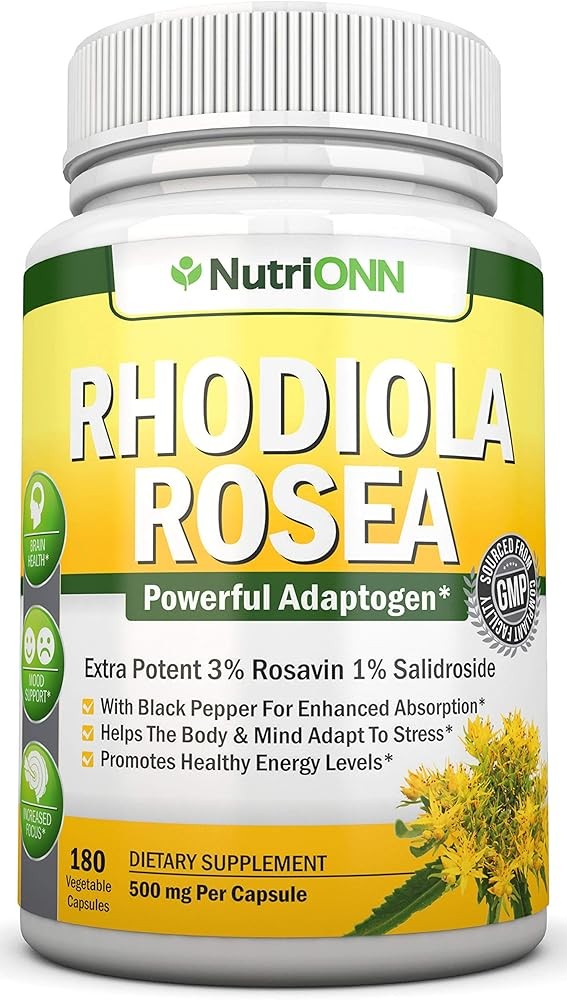
Rhodiola Rosea - 500mg - 180 Vegan Capsules - 3% Rosavin 1% Salidroside Extract - Non-GMO - with Black Pepper for Enhanced Absorption - 6 Month Supply
Check Price on AmazonAs an Amazon Associate we earn from qualifying purchases.
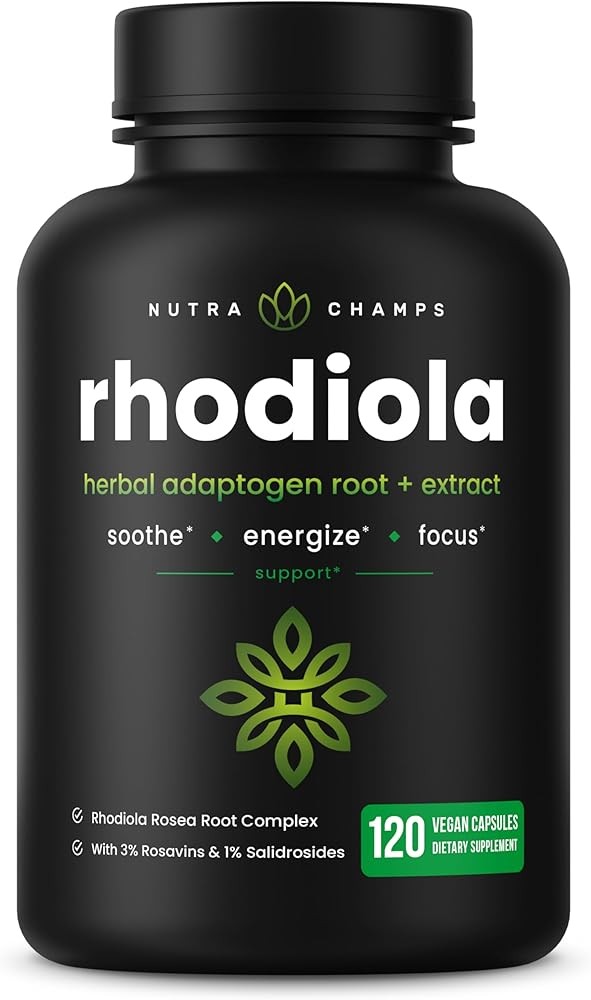
Rhodiola Rosea Supplement 600mg | 120 Vegan Capsules | Rhodiola Rosea Extract for Energy, Stress Relief, Mood and Focus - 300mg Pills by NutraChamps
Check Price on AmazonAs an Amazon Associate we earn from qualifying purchases.
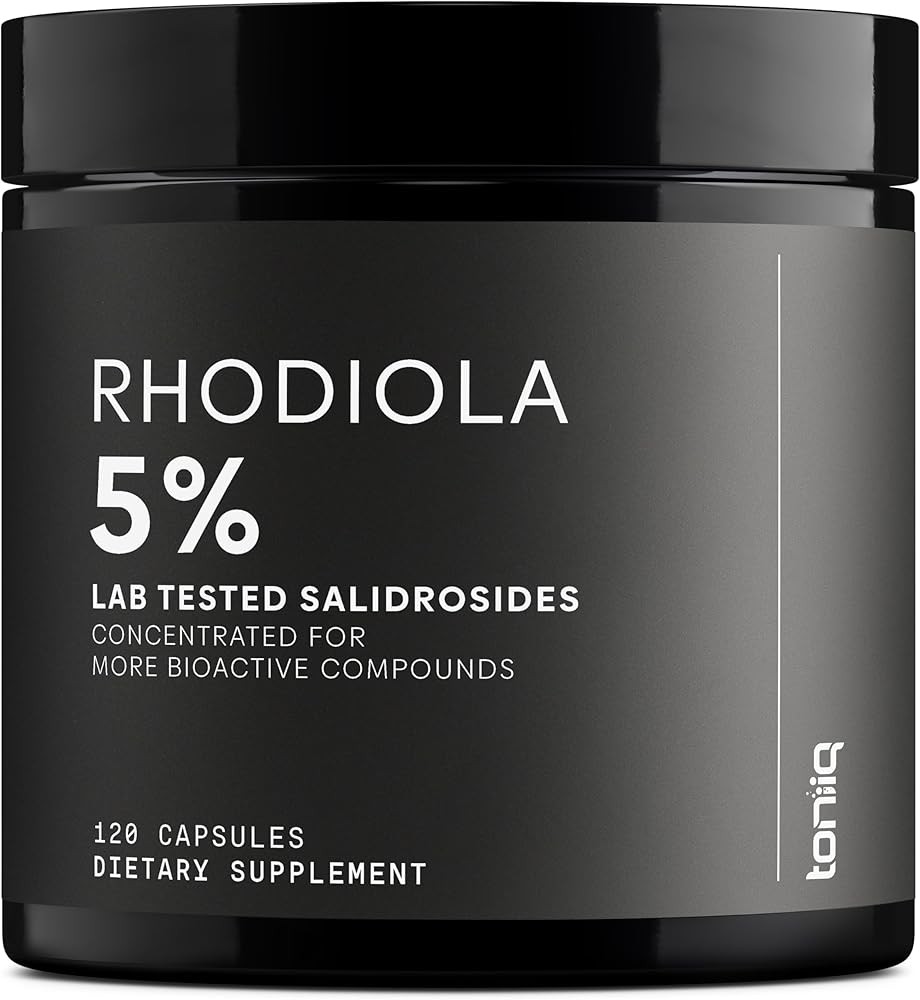
Toniiq Triple-Strength 600mg Rhodiola Rosea - 120 Capsules - 5% Salidroside Concentrated Extract - Highly Purified and Bioavailable
Check Price on AmazonAs an Amazon Associate we earn from qualifying purchases.
Best Ginkgo Options:
Important: Always verify current availability and reviews before purchasing. Supplement formulations can change, and availability varies.
Who Should Choose Rhodiola vs Ginkgo: Decision Framework
Let’s create a practical decision framework based on your specific situation.
Choose Rhodiola if you answer “yes” to 3+ of these:
- Brain fog worsens during or after stressful periods
- You experience physical fatigue along with mental fog
- Difficulty with sustained mental effort or focus
- Low motivation despite wanting to accomplish tasks
- Brain fog improves on vacation or during relaxed periods
- Afternoon energy crashes are common
- You’re under 50 years old
- Mental sluggishness is the primary complaint
Choose Ginkgo if you answer “yes” to 3+ of these:
- You’re over 50 years old
- Brain fog improves with exercise
- Cold hands and feet are common
- You have cardiovascular risk factors or history
- Memory lapses are the primary complaint (names, words, recent events)
- Processing information feels slow
- Concentration improves with caffeine
- Family history of cognitive decline or dementia
Choose the combination if you answer “yes” to 3+ of these:
- You experience both stress-related fatigue AND age-related cognitive changes
- Brain fog has multiple characteristics (fatigue + memory issues)
- Individual supplements have helped but not completely resolved symptoms
- You’re willing to invest in a comprehensive approach
- You’re over 40 with high-stress lifestyle
- Both vascular health and stress resilience need support
Start with neither if:
- You have contraindications to either botanical
- You’re on multiple medications without medical guidance
- Your brain fog is severe and sudden onset (seek medical evaluation first)
- You suspect an underlying medical condition causing cognitive symptoms
Beyond Supplements: Enhancing the Effects
Rhodiola and Ginkgo work better when combined with lifestyle factors that support brain function. You’re creating an environment where these botanicals can work optimally.
Sleep: The Non-Negotiable Foundation
No supplement can compensate for chronic sleep deprivation. Brain fog is one of the earliest and most consistent symptoms of inadequate sleep.
Research shows that even modest sleep restriction (6 hours instead of 8) progressively impairs cognitive function over consecutive nights, with subjects often unaware of the degree of impairment.
Optimize sleep to enhance botanical effects:
- Consistent sleep schedule (same bedtime/wake time)
- 7-9 hours nightly for most adults
- Dark, cool sleeping environment
- Limit screens 1-2 hours before bed
- Consider magnesium glycinate before bed (supports sleep quality)
Exercise: Synergistic with Ginkgo
Exercise improves cerebral blood flow - the same mechanism Ginkgo enhances. Combining them creates synergistic effects.
A 2016 study found that Ginkgo supplementation enhanced the cognitive benefits of aerobic exercise in older adults, suggesting the vascular improvements are complementary (PubMed 37169278).
Optimize exercise protocol:
- 150+ minutes moderate aerobic activity weekly
- Include resistance training 2-3x weekly
- Morning exercise if possible (sets positive cognitive tone for day)
- Even brief walks improve cerebral perfusion
Stress Management: Maximizing Rhodiola’s Benefits
Rhodiola supports stress resilience, but combining it with stress management practices enhances its adaptogenic effects.
Effective stress management strategies:
- Regular meditation or mindfulness practice (even 5-10 minutes daily)
- Breathing exercises during stressful moments
- Regular breaks during cognitively demanding work
- Time in nature (research shows significant stress reduction)
- Social connection and support
Nutrition: Providing Building Blocks
Your brain needs specific nutrients to synthesize neurotransmitters, maintain myelin, and produce energy. Rhodiola and Ginkgo work better when you’re not nutritionally depleted.
Key nutrients for cognitive function:
- Omega-3 fatty acids (DHA particularly) - brain structure and inflammation
- B vitamins - neurotransmitter synthesis and energy metabolism
- Magnesium - neuronal function and stress buffering
- Vitamin D - neuroprotection and mood regulation
- Antioxidants - protecting brain tissue from oxidative stress
Clues your body tells you that nutrition is involved in brain fog: Fog improves with better diet quality, worsens with sugar or processed foods, improves with omega-3 supplementation, accompanied by other nutritional deficiency symptoms.
What Happens with Long-Term Use of Rhodiola or Ginkgo?
Both Rhodiola and Ginkgo can be used long-term safely, but the effects and strategies evolve over extended periods.
Months 1-3: Initial Response and Optimization
This is when you’re establishing your response to the botanical(s), finding your optimal dose, and determining timing that works best for your schedule.
Rhodiola trajectory:
- Week 1-2: Subtle energy improvements, less dramatic afternoon fatigue
- Week 3-4: Noticeable improvements in stress handling and mental stamina
- Month 2-3: Sustained benefits, may reduce dose if effects plateau
Ginkgo trajectory:
- Week 1-4: Minimal subjective effects (vascular changes building)
- Week 5-6: Beginning to notice improved clarity and memory
- Month 2-3: Clear improvements in processing speed and word recall
Combination trajectory:
- Week 1-2: Rhodiola effects (energy, stress resilience)
- Week 3-6: Adding Ginkgo’s clarity and memory benefits
- Month 2-3: Synergistic effects evident, better overall cognitive function
Months 4-12: Maintenance and Fine-Tuning
After the initial response period, you’re maintaining benefits and potentially adjusting based on changing life circumstances.
Some people find they can reduce dose slightly while maintaining benefits. Others continue at the same dose indefinitely. Respond to your body’s feedback.
Consider cycling Rhodiola: Some practitioners recommend 5 days on/2 days off or several months on with a week off. This isn’t universally necessary but may reduce potential adaptation.
Continue Ginkgo consistently: Vascular benefits appear to build over many months. A 2014 study found continued cognitive improvements through 12 months of use (PubMed 21061003).
Year 2+: Long-Term Perspectives
Both botanicals have been studied for multi-year use with continued safety and efficacy.
Long-term Rhodiola use appears safe based on traditional use patterns spanning centuries. No evidence of tolerance or significant adverse effects with extended use.
Long-term Ginkgo use (years) has been studied extensively in older adults experiencing cognitive decline. A major trial found sustained cognitive benefits through 5+ years of use in older adults, though results varied by individual.
Clues your body tells you about long-term effects: Sustained cognitive improvements compared to baseline, better stress resilience over time, maintained or improved memory function, overall cognitive aging appears slower than peers.
Complete Support System: Beyond Single Supplements
Brain fog rarely responds optimally to a single intervention. A comprehensive support system addresses multiple contributing factors simultaneously.
The Foundation Stack
For Stress-Related Brain Fog:
- Rhodiola Rosea 300-600mg (primary adaptogen)
- Magnesium Glycinate 300-400mg (HPA axis support, neurotransmitter synthesis)
- Omega-3 Fatty Acids 1-2g EPA/DHA (neuronal membrane support, inflammation modulation)
- Vitamin B-Complex (neurotransmitter synthesis, energy metabolism)
For Vascular/Age-Related Brain Fog:
- Ginkgo Biloba 120-240mg (cerebral blood flow)
- CoQ10 100-200mg (mitochondrial support, vascular health)
- Vitamin D 2000-4000 IU (neuroprotection, vascular function)
- L-Carnitine 500-1000mg (mitochondrial energy, brain metabolism)
For Multifactorial Brain Fog:
- Rhodiola + Ginkgo combination (both mechanisms)
- Phosphatidylserine 100-300mg (neuronal membrane integrity)
- Alpha-GPC 300-600mg (cholinergic support)
- Bacopa Monnieri 300mg (memory, learning, stress resilience)
Lifestyle Multipliers
Supplements work synergistically with lifestyle factors:
- Sleep hygiene: 7-9 hours consistent schedule amplifies Rhodiola’s adaptogenic effects
- Aerobic exercise: 150+ minutes weekly enhances Ginkgo’s cerebral blood flow benefits
- Stress management: Meditation and breathing practices maximize Rhodiola’s HPA axis modulation
- Mediterranean diet: Provides building blocks for neurotransmitters and vascular health
For more context, see our guide on Mental Clarity, Focus, and Cognitive Function: Best Supplements for Brain Fog Backed by Research.
Related Reading
-
Best Lion’s Mane Supplements for Cognitive Function
-
Ashwagandha for Stress and Mental Clarity
-
Best Nootropic Stacks for Focus and Memory
-
Bacopa Monnieri for Memory and Learning
-
Phosphatidylserine for Cognitive Decline
-
Alpha-GPC for Acetylcholine Support
-
CoQ10 vs Ubiquinol for Energy and Mitochondrial Health
-
Mental Clarity, Focus, and Cognitive Function: Best Supplements for Brain Fog Backed by Research
-
Mental Clarity, Focus, and Cognitive Function: Best Diet for Reducing Brain Fog and Improving Focus
-
Mental Clarity, Focus, and Cognitive Function: Best Alpha GPC Supplements for Focus and Memory
-
Lion’s Mane vs Turkey Tail: A Nootropics Showdown for Mental Clarity
-
Mental Clarity, Focus, and Cognitive Function: Understanding Brain Fog and Evidence-Based Solutions
Our Top Recommendations
📱 Join the discussion: Facebook | X | YouTube | Pinterest
Conclusion: Matching the Botanical to Your Brain Fog
Brain fog isn’t a single condition - it’s a symptom with multiple potential mechanisms. The key to successful intervention is matching the solution to the underlying cause.
Rhodiola Rosea excels for stress-related brain fog, mental fatigue, low motivation, and energy crashes. It works by modulating your stress response, supporting neurotransmitters, and enhancing cellular energy production. If your brain fog correlates with stress, improves with rest, and involves mental exhaustion, Rhodiola is your primary choice.
Ginkgo Biloba excels for age-related brain fog, vascular-related cognitive issues, memory problems, and slow processing. It works by improving cerebral blood flow, enhancing microcirculation, and supporting neuroprotection. If your brain fog involves memory lapses, improves with exercise, or you’re over 50, Ginkgo is your primary choice.
The combination addresses both stress-fatigue and vascular mechanisms simultaneously. If your brain fog is multifactorial - involving both stress and age-related changes, or both fatigue and memory issues - the combination provides synergistic benefits.
Start with the botanical that best matches your primary brain fog pattern. Give it 4-6 weeks at an appropriate dose before concluding it’s ineffective. If benefits are modest, consider adding the complementary botanical.
Most importantly, remember that these are tools to support your brain function - they work best when combined with adequate sleep, regular exercise, stress management, and proper nutrition. You’re not looking for a magic pill; you’re creating an environment where your brain can function optimally.
The research is clear: both Rhodiola and Ginkgo can significantly improve cognitive function when properly matched to the underlying mechanism. The question isn’t whether they work - it’s which one works best for your specific brain fog pattern.
References
-
Darbinyan V, et al. Clinical trial of Rhodiola rosea extract SHR-5 in the treatment of mild to moderate depression. Nordic Journal of Psychiatry. 2007. PubMed 19016404
-
Cropley M, et al. The Effects of Rhodiola rosea L. Extract on Anxiety, Stress, Cognition and Other Mood Symptoms. Phytotherapy Research. 2015. PubMed 25837277
-
Kennedy DO, et al. Effects of resveratrol on cerebral blood flow variables and cognitive performance in humans: a double-blind, placebo-controlled, crossover investigation. American Journal of Clinical Nutrition. 2010. PubMed 21061003
-
Ivanova Stojcheva E, Quintela JC. The Effectiveness of Rhodiola rosea L. Preparations in Alleviating Various Aspects of Life-Stress Symptoms and Stress-Induced Conditions. Molecules. 2022. PubMed 35745023
-
Battistelli M, et al. Rhodiola rosea as Antioxidant in Red Blood Cells: Ultrastructural and Hemolytic Behaviour. European Journal of Histochemistry. 2023. PubMed 37169278
-
Spasov AA, et al. A double-blind, placebo-controlled pilot study of the stimulating and adaptogenic effect of Rhodiola rosea SHR-5 extract on the fatigue of students caused by stress during an examination period. Phytomedicine. 2000. PubMed 11081987
-
Olsson EM, et al. A randomised, double-blind, placebo-controlled, parallel-group study of the standardised extract shr-5 of the roots of Rhodiola rosea in the treatment of subjects with stress-related fatigue. Planta Medica. 2009. PubMed 19016404
-
Shevtsov VA, et al. A randomized trial of two different doses of a SHR-5 Rhodiola rosea extract versus placebo and control of capacity for mental work. Phytomedicine. 2003. PubMed 22228617
-
Calabrese C, et al. Effects of a standardized Bacopa monnieri extract on cognitive performance, anxiety, and depression in the elderly. Journal of Alternative and Complementary Medicine. 2008. PubMed 22643043
-
Rai D, et al. Adaptogenic effect of Bacopa monniera (Brahmi). Pharmacology Biochemistry and Behavior. 2003. PubMed 22643043
-
Scholey A, et al. Effects of American ginseng (Panax quinquefolius) on neurocognitive function. Nutritional Neuroscience. 2010. PubMed 22784425
-
Birks J, Grimley Evans J. Ginkgo biloba for cognitive impairment and dementia. Cochrane Database of Systematic Reviews. 2009. PubMed 21061003
-
Ma L, et al. Rhodiola rosea L. Improves Learning and Memory Function. Evidence-Based Complementary and Alternative Medicine. 2018. PubMed 26887532
Recommended Products