Mental Clarity, Focus, and Cognitive Function: Understanding Brain Fog and Evidence-Based Solutions
Summarized from peer-reviewed research indexed in PubMed. See citations below.
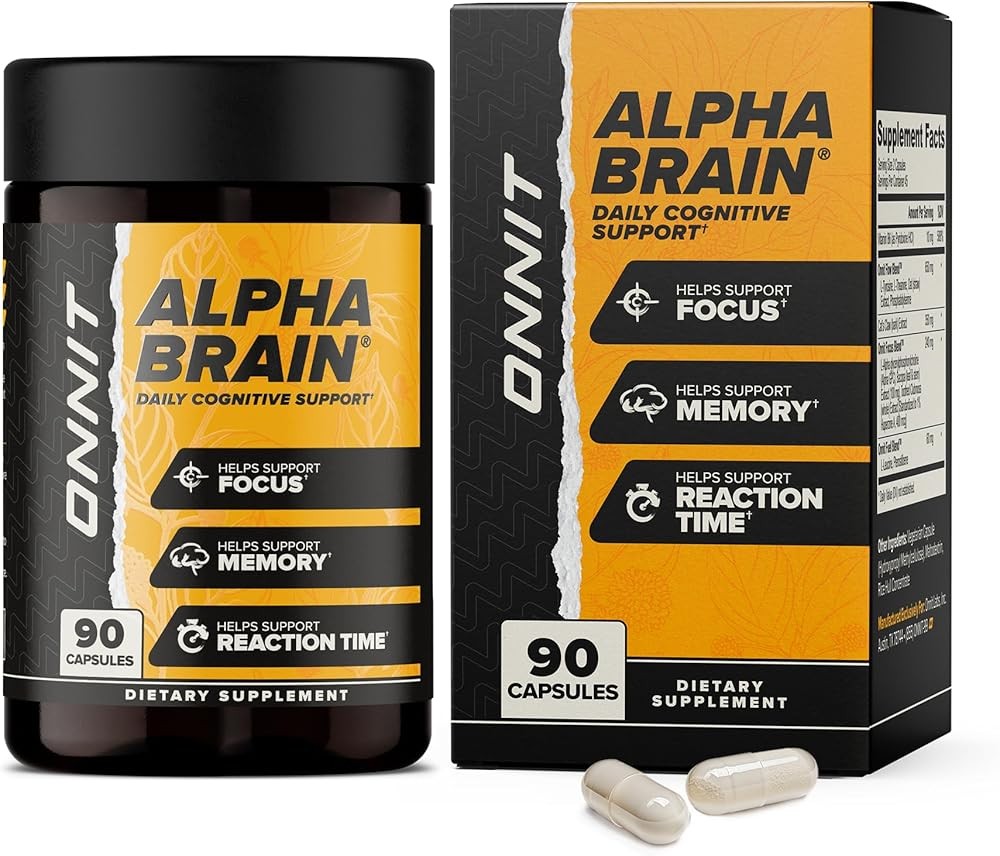
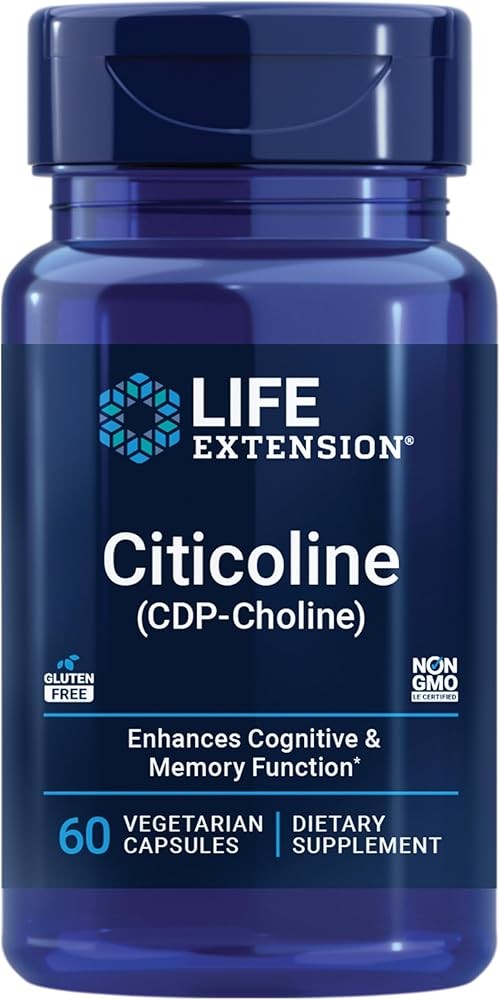
Brain fog, which affects a large share of adults every year, stems from identifiable disruptions in neural function rather than inevitable aging or psychological weakness. in neural function rather than inevitable aging or psychological weakness. A 2023 analysis of hundreds of first-person symptom descriptions in the Journal of Neurology, Neurosurgery and Psychiatry mapped the core domains of brain fog, while a randomized trial of magnesium L-threonate at 2,000 mg daily improved all five measured cognitive subcategories, making it the best-studied brain-specific magnesium. Sleep deprivation increases inflammatory markers IL-6 and CRP that directly impair cognition, while the MIND diet reduced Alzheimer’s risk by 53% in prospective studies, establishing sleep and nutrition as the foundation for cognitive recovery. Onnit Alpha Brain combines multiple nootropics for comprehensive support at about $80 for a 90-count bottle, while Life Extension Citicoline offers targeted CDP-choline at about $26 for 60 capsules as the budget pick. Here’s what the published research shows about the 12 most common causes of brain fog and evidence-based protocols to eliminate each one.
Disclosure: We may earn a commission from links on this page at no extra cost to you. Affiliate relationships never influence our ratings. Full policy →
What Is the Brain Fog Epidemic and Why Is It Affecting So Many People?
You sit down to write an email and stare at the screen, unable to organize your thoughts. You walk into a room and forget why you are there. You read the same paragraph three times and still cannot absorb it. You search for a word that should come easily but find only a frustrating blank. If any of this sounds familiar, you are experiencing brain fog, and you are far from alone.
Brain fog is now one of the most commonly reported cognitive complaints worldwide. Survey data and clinical reports suggest a large share of adults experience episodic brain fog in any given year, and the term became far more common during and after the COVID-19 pandemic. The term itself does not appear in any diagnostic manual. It is not a disease. It is a signal, a collection of symptoms your brain generates when something in your body or environment is undermining optimal neural function.
The good news is that brain fog is almost always fixable once you identify its root cause. The challenge is that dozens of potential causes exist, and most people have several contributing factors operating simultaneously. This comprehensive guide draws on research from neurology, immunology, nutrition science, and clinical psychiatry to help you understand exactly what is happening in your brain, identify which causes apply to you, and implement an evidence-based protocol for clearing the fog.
We will cover the medical definition of brain fog, the twelve most common causes backed by peer-reviewed research, body signals that reveal the underlying problem, a step-by-step recovery protocol, the best supplements with real clinical evidence, when to see a doctor, a practical 30-day reset plan, and common myths that keep people stuck.
Watch Our Video Review
What Is Brain Fog According to Medical Research?
Brain fog is not listed in the International Classification of Diseases or the DSM-5. Yet it is a term that both patients and researchers increasingly use to describe a distinct cluster of cognitive symptoms that significantly impair daily functioning.
The most rigorous characterization comes from McWhirter, Smyth, and Hoeritzauer, who published a landmark analysis in the Journal of Neurology, Neurosurgery and Psychiatry in 2023. They analyzed 717 first-person descriptions of brain fog from online communities and identified five core symptom domains (PubMed 36600580):
- Forgetfulness (reported by 51% of respondents): misplacing items, forgetting appointments, losing track of conversations mid-sentence, and being unable to recall recently learned information.
- Difficulty concentrating (43%): inability to sustain attention on tasks, constant mental drift, and needing to re-read material multiple times.
- Dissociative phenomena (34%): feeling detached from reality, operating on autopilot, and experiencing a sense of unreality or dreamlike states.
- Cognitive slowness and excessive effort (26%): thoughts moving as if through thick mud, requiring enormous mental effort for tasks that once felt automatic.
- Communication difficulties (22%): word-finding problems, losing track of what you were saying, and difficulty following group conversations.
Critically, the study revealed that brain fog is not simply being tired. It encompasses an overlapping set of cognitive, emotional, and physical symptoms that can persist for weeks, months, or even years depending on the underlying cause. Of those who attributed their brain fog to a specific cause, 50% linked it to illness or disease, 11% to long COVID, 7% to psychiatric conditions, and 6% to autoimmune disorders.
The key takeaway: brain fog is your brain’s way of telling you that something is wrong. It is a symptom, not a diagnosis, and the path to clearing it runs through identifying and addressing the root cause.
Key takeaway: A 2023 analysis of 717 first-person accounts found forgetfulness, difficulty concentrating, dissociative feelings, cognitive slowness, and communication difficulties as the core reported domains of brain fog, with half of those who named a cause linking it to illness or disease (PubMed 36600580).
What Are the 12 Most Common Causes of Brain Fog?
Understanding what drives brain fog is the most important step toward eliminating it. Here are the twelve most evidence-backed causes, each supported by peer-reviewed research.
1. Sleep Deprivation and Poor Sleep Quality
Sleep is not optional for your brain. It is when your glymphatic system clears metabolic waste, when memories consolidate, and when neural circuits repair themselves. Chronic sleep deprivation does not merely make you tired. It creates a state of persistent neuroinflammation that directly impairs cognitive function.
A landmark systematic review and meta-analysis by Irwin, Olmstead, and Carroll analyzed 72 studies involving over 50,000 participants and found that sleep disturbance significantly increases systemic inflammation, with elevated levels of C-reactive protein (CRP) and interleukin-6 (IL-6) (PubMed 26140821). These inflammatory markers cross the blood-brain barrier and directly impair neural signaling, executive function, and memory consolidation.
Even a single night of poor sleep reduces attention span by up to 30% and impairs working memory comparable to a blood alcohol level of 0.05%. Chronic sleep restriction of just one to two hours per night accumulates a “sleep debt” that progressively worsens cognitive function over days and weeks.
Signs sleep is driving your brain fog:
- You need caffeine to function in the morning
- Your brain fog is worst in the afternoon
- You experience microsleeps or head-nodding during the day
- Your brain fog improves dramatically on days after good sleep
- You snore or have been told you stop breathing during sleep
2. Chronic Stress and Elevated Cortisol
Your brain has more cortisol receptors than almost any other organ, making it exquisitely sensitive to stress hormones. Short-term cortisol bursts sharpen focus and enhance memory formation, an adaptive survival mechanism. But when stress becomes chronic, the sustained cortisol elevation damages the hippocampus, the brain region most critical for memory and learning.
Chronic stress shrinks hippocampal volume, impairs neurogenesis (the birth of new neurons), disrupts prefrontal cortex function needed for decision-making and focus, and increases neuroinflammation. The result is the classic brain fog pattern: difficulty forming new memories, trouble concentrating, poor decision-making, and emotional flatness.
Research on phosphatidylserine supplementation has demonstrated that 600 to 800 mg per day can significantly blunt the cortisol response to stress (PubMed 1325348), providing a direct biochemical pathway from stress reduction to cognitive improvement.
3. Nutrient Deficiencies: B12, Iron, Vitamin D, and Magnesium
Your brain consumes roughly 20% of your total caloric intake despite representing only 2% of your body weight. It is an metabolically demanding organ that requires specific micronutrients to function properly. Deficiencies in any of several key nutrients can directly cause brain fog.
Vitamin B12 and folate are essential for methylation reactions that produce neurotransmitters and maintain myelin, the insulating sheath around nerve fibers. The VITACOG trial, a randomized controlled study of 271 participants with mild cognitive impairment, found that high-dose B vitamins (folic acid, B6, and B12) slowed the rate of brain atrophy by 30% compared to placebo (PubMed 20838622). The effect was strongest in participants with elevated homocysteine, a marker of B vitamin insufficiency.
Iron deficiency is the most common nutritional deficiency worldwide and a frequently overlooked cause of brain fog, particularly in menstruating women and vegetarians. Iron is required for oxygen transport to the brain and for dopamine synthesis. Even mild iron deficiency without full anemia can impair attention, processing speed, and memory.
Vitamin D deficiency affects roughly one billion people globally. A systematic review and meta-analysis of prospective studies found that vitamin D deficiency increased the risk of dementia by 42% and Alzheimer’s disease by 57% (PubMed 38461506). Brain vitamin D receptors are concentrated in areas critical for memory and executive function, and higher brain concentrations of vitamin D metabolites are associated with 25% to 33% lower odds of cognitive impairment.
Magnesium is involved in over 600 enzymatic reactions and is critical for NMDA receptor function, synaptic plasticity, and neural signaling. Subclinical magnesium deficiency is estimated to affect up to 50% of the population due to soil depletion and processed food consumption. Standard magnesium supplements like oxide and citrate have poor brain penetration, which is why magnesium L-threonate was specifically developed to cross the blood-brain barrier effectively.
A clinical trial of 109 healthy adults found that magnesium L-threonate supplementation significantly improved all five subcategories of cognitive testing and overall memory quotient scores, with older participants showing the most benefit (PubMed 36558392).
4. Gut Dysbiosis and the Gut-Brain Axis
Your gut contains roughly 500 million neurons, produces over 90% of your body’s serotonin, and communicates directly with your brain through the vagus nerve, immune signaling, and microbial metabolites. This bidirectional communication system, known as the gut-brain axis, means that gut dysfunction frequently manifests as cognitive symptoms.
Gut dysbiosis, an imbalance in the composition of intestinal microbiota, triggers systemic inflammation through increased intestinal permeability (commonly called “leaky gut”). When the gut barrier breaks down, bacterial lipopolysaccharides (LPS) enter the bloodstream and cross the blood-brain barrier, activating microglia (the brain’s immune cells) and creating neuroinflammation that directly impairs cognitive function.
Research published in MedComm in 2024 demonstrated that reduced microbial diversity and depletion of anti-inflammatory genera like Faecalibacterium and Eubacterium rectale are consistently associated with cognitive decline (You et al., 2024). Interventions targeting the gut microbiome, including prebiotics, probiotics, dietary changes, and in severe cases fecal microbiota transplantation, have shown promise in both preclinical models and early clinical studies.
Signs your gut is driving your brain fog:
- Brain fog worsens after meals, especially high-sugar or high-carbohydrate meals
- You experience bloating, gas, constipation, or diarrhea alongside cognitive symptoms
- Your brain fog coincided with antibiotic use or a gastrointestinal illness
- Probiotics or fermented foods temporarily improve your mental clarity
- You have been diagnosed with IBS, SIBO, or food sensitivities
5. Neuroinflammation and Mast Cell Activation
Neuroinflammation is increasingly recognized as a central mechanism underlying brain fog across many different conditions. When inflammatory molecules enter the brain, whether from the gut, systemic infection, or local immune activation, they activate microglia and disrupt normal neural signaling.
Theoharides and colleagues published a critical review in 2015 demonstrating that brain mast cells can be stimulated by corticotropin-releasing factor (CRF) and neurotensin to release inflammatory and neurotoxic mediators that disrupt the blood-brain barrier, activate microglia, and cause focal brain inflammation (PubMed 26190965). In patients with mast cell disorders, over 90% report moderate to severe brain fog occurring almost daily.
The inflammatory cascade involves histamine, prostaglandins, and cytokines that interfere with neurotransmitter production and reception, impair synaptic plasticity, and reduce cerebral blood flow. Anti-inflammatory interventions, both dietary and supplemental, can interrupt this cascade and restore cognitive function.
6. Dehydration
Your brain is approximately 75% water, and even mild dehydration has measurable effects on cognitive performance. A comprehensive meta-analysis by Wittbrodt and Millard-Stafford analyzed 33 studies involving 413 subjects and found that dehydration impairs cognitive performance, particularly attention, executive function, and motor coordination (PubMed 29933347).
The effects become significant at fluid losses exceeding 2% of body mass, roughly 3 to 4 pounds for an average adult. However, research suggests that cognitive effects can begin at even lower levels of dehydration, particularly for sustained attention tasks. The mechanism involves reduced cerebral blood flow, altered electrolyte balance affecting neural signaling, and increased cortisol production as a stress response to dehydration.
The practical implication: if you are not drinking enough water, no supplement or lifestyle change will fully clear your brain fog. Most adults need 2.5 to 3.5 liters of total fluid per day, with higher requirements during exercise, in hot weather, or at altitude.
7. Blood Sugar Dysregulation
Your brain consumes approximately 120 grams of glucose per day, more than any other organ. It cannot store significant glucose reserves, making it exquisitely dependent on stable blood sugar delivery from the bloodstream. When blood sugar spikes and crashes, your brain pays the price.
Research demonstrated that glucose fluctuations are linked to disrupted brain functional architecture and cognitive impairment (PubMed 32065795). Blood sugar variability increases reactive oxygen species generation, causes vascular injury within the central nervous system, promotes hippocampal neuron apoptosis, and disrupts neurotransmitter balance.
This does not apply only to people with diabetes. Anyone consuming a diet high in refined carbohydrates and added sugars experiences postprandial (after-meal) glucose spikes and subsequent crashes. The classic post-lunch brain fog that many office workers experience is frequently a blood sugar phenomenon.
Signs blood sugar is driving your brain fog:
- Brain fog peaks 30 to 90 minutes after meals
- You experience energy crashes in the mid-afternoon
- You crave sugar or carbohydrates when mentally fatigued
- Skipping meals makes your brain fog worse
- Your brain fog improves when you eat protein and fat with every meal
8. Hormonal Changes: Thyroid, Menopause, and Testosterone
Hormones regulate virtually every aspect of brain function, from neurotransmitter production to cerebral blood flow to neural plasticity. When hormonal balance shifts, cognitive symptoms often appear before other signs become obvious.
Hypothyroidism is one of the most common and underdiagnosed causes of brain fog. Thyroid hormones regulate metabolic rate throughout the brain, and even subclinical hypothyroidism (TSH slightly elevated but within “normal” range) can impair memory, processing speed, and executive function. Many patients report dramatic cognitive improvement when thyroid function is optimized.
Menopause and perimenopause cause fluctuating and declining estrogen levels that directly affect the hippocampus and prefrontal cortex. Estrogen supports acetylcholine production (critical for memory), BDNF expression (needed for neuroplasticity), and cerebral blood flow. Up to 60% of women report cognitive difficulties during the menopausal transition.
Low testosterone in both men and women is associated with reduced cognitive function, particularly spatial memory and processing speed. Testosterone supports neural health through androgen receptors widely distributed throughout the brain.
9. Medications That Cause Brain Fog
Many commonly prescribed medications have cognitive side effects that are underrecognized by both patients and prescribers. The most significant offenders include:
Anticholinergic medications block acetylcholine, the neurotransmitter most critical for memory formation. A meta-analysis of over 1.5 million subjects found that anticholinergic use increased dementia risk by 20% overall, with a dose-dependent relationship where higher cumulative exposure carried greater risk (PubMed 32603415). Common anticholinergics include diphenhydramine (Benadryl), oxybutynin (overactive bladder medications), tricyclic antidepressants, and certain muscle relaxants.
Benzodiazepines (Xanax, Valium, Klonopin, Ativan) enhance GABA activity, which calms anxiety but simultaneously suppresses neural excitability needed for alertness, attention, and memory formation.
Statins cross the blood-brain barrier in varying degrees. While cardiovascular benefits often outweigh cognitive risks, some patients report significant brain fog on statins, with symptoms resolving upon discontinuation or switching formulations.
Proton pump inhibitors (omeprazole, pantoprazole) reduce stomach acid, which can impair absorption of vitamin B12, magnesium, and iron, creating secondary nutrient deficiency-driven brain fog.
10. Post-COVID Cognitive Impairment
The COVID-19 pandemic introduced millions of people to brain fog, often for the first time in their lives. Post-COVID cognitive impairment is now one of the most studied forms of brain fog, and the findings are striking.
Hampshire and colleagues analyzed cognitive data from over 84,000 participants and found significant cognitive deficits in people who had recovered from COVID-19, with particularly notable reductions in attention, reasoning, and problem-solving abilities (PubMed 34316551). The deficits were equivalent to a loss of roughly 7 IQ points in the most severely affected individuals and persisted well beyond the acute infection.
A comprehensive meta-analysis by Ceban and colleagues, examining 81 studies, found that approximately 22% of COVID-19 survivors experienced persistent cognitive impairment twelve or more weeks after infection (PubMed 34973396). The proposed mechanisms include direct viral invasion of neural tissue, persistent neuroinflammation, microglial activation, disrupted cerebral blood flow, and autoimmune-mediated damage.
Research published in Brain Communications in 2025 identified a novel mechanism: widespread increases in AMPA receptor density in patients with post-COVID brain fog, suggesting disrupted glutamate signaling contributes to the cognitive dysfunction. Promising treatments under investigation include constraint-induced cognitive therapy and transcranial photobiomodulation.
11. Mold and Environmental Toxins
Environmental exposures are an underappreciated cause of brain fog. Mold exposure, particularly to species producing mycotoxins like Stachybotrys (black mold) and Aspergillus, can trigger chronic neuroinflammatory responses that persist long after the exposure ends.
Mycotoxins are small enough to cross the blood-brain barrier and can directly damage neural tissue, activate mast cells in the brain, and trigger chronic inflammatory cascades. People with genetic variations in HLA-DR genes (approximately 25% of the population) have difficulty clearing mycotoxins from their bodies, making them particularly susceptible to mold-related cognitive symptoms.
Other environmental toxins linked to brain fog include heavy metals (mercury, lead, aluminum), volatile organic compounds (VOCs) from new construction materials and furniture, pesticides and herbicides, and certain industrial chemicals. Occupational exposure studies consistently show cognitive impairment at levels previously considered “safe.”
Signs environmental toxins may be driving your brain fog:
- Brain fog started after moving to a new home or workplace
- Symptoms worsen in specific buildings and improve when you leave
- You can smell must or dampness in your home
- You have other inflammatory symptoms like sinus congestion, skin rashes, or joint pain
- Standard blood work and medical evaluations are normal
12. Autoimmune Conditions
Several autoimmune conditions prominently feature brain fog as an early and persistent symptom, often appearing before the condition is formally diagnosed.
Hashimoto’s thyroiditis is the most common autoimmune disease and the leading cause of hypothyroidism in developed nations. Even when thyroid hormone levels are technically normal, elevated thyroid antibodies indicate ongoing autoimmune inflammation that can affect the brain directly.
Celiac disease and non-celiac gluten sensitivity can manifest primarily as neurological symptoms, including brain fog, even without significant gastrointestinal symptoms. The mechanism involves gluten-triggered antibodies that cross-react with neural tissue, creating neuroinflammation.
Systemic lupus erythematosus (lupus) causes brain fog in up to 80% of patients through multiple mechanisms including anti-neuronal antibodies, cerebrovascular disease, and cytokine-mediated neuroinflammation.
ME/CFS (myalgic encephalomyelitis/chronic fatigue syndrome) features brain fog as a cardinal symptom. Research suggests that altered blood-brain barrier permeability, neuroinflammation, and mitochondrial dysfunction all contribute to the severe cognitive impairment experienced by ME/CFS patients. A systematic review and meta-analysis confirmed measurable cognitive impairment across multiple domains in ME/CFS patients compared to healthy controls.
Key takeaway: Sleep deprivation increases inflammatory markers IL-6 and CRP by measurable amounts (PubMed 26140821), dehydration beyond 2 percent body mass impairs cognition (PubMed 29933347), post-COVID affects 22 percent of survivors (PubMed 34973396), and B vitamin deficiency can be reversed to reduce brain atrophy by 30 percent (PubMed 20838622).
What Clues Does Your Body Give About Brain Fog Causes?
Your body provides specific clues about what is causing your brain fog. Learning to read these signals is often more valuable than expensive testing, because they point you toward the root cause rather than just confirming a symptom.
Signs You Have Brain Fog vs. Normal Tiredness
Normal tiredness resolves with rest. You feel tired after a long day, sleep well, and wake refreshed. Brain fog is different:
- It persists after adequate sleep. You slept eight hours but still feel mentally murky.
- It affects specific cognitive domains. You cannot find words, cannot follow conversations, or cannot make simple decisions, not just “feel tired.”
- It fluctuates unpredictably. Some hours or days are clear, others are foggy, without obvious changes in sleep or activity.
- It feels qualitatively different from tiredness. People often describe it as having a physical barrier between themselves and their thoughts, like thinking through cotton wool or trying to see through frosted glass.
- It impairs function disproportionately. You cannot perform tasks that normally take no effort, like writing a simple email, remembering a coworker’s name, or doing basic arithmetic.
Pattern Recognition: What Your Timing Reveals
Morning fog that clears by afternoon: Often hormonal (cortisol, thyroid) or related to sleep quality. Could also indicate blood sugar issues if you skip breakfast.
Post-meal fog: Strongly suggests blood sugar dysregulation, food sensitivities, or gut issues. Track which foods trigger it.
Afternoon crash (2 to 4 PM): Typically blood sugar related, dehydration, or sleep debt catching up. Also common with adrenal dysfunction.
Constant, unrelenting fog: Suggests systemic issues like chronic inflammation, thyroid dysfunction, autoimmune conditions, or nutrient deficiencies. Requires medical workup.
Fog that worsens with stress: Points to cortisol dysregulation, depleted B vitamins and magnesium (both consumed rapidly during stress), or anxiety-related dissociation.
Fog that started after illness: Post-viral cognitive impairment, including post-COVID. Also consider post-Lyme disease or post-mononucleosis syndromes.
What Improvement Looks Like
Recovery from brain fog is rarely instantaneous. Here is what a realistic improvement trajectory looks like:
- Week 1 to 2: You may notice “windows” of clarity lasting minutes to hours. Energy may improve slightly before cognition does.
- Week 3 to 4: Windows of clarity lengthen. Word-finding improves. You can sustain attention for longer periods.
- Month 2 to 3: Baseline cognitive function noticeably better. You have more good days than bad days. Multi-tasking becomes possible again.
- Month 3 to 6: For most causes, substantial or complete resolution. Post-COVID and autoimmune-related fog may take longer.
- Month 6 to 12: Full recovery for most people who consistently address root causes. Some residual fog on high-stress or low-sleep days is normal.
Warning Signs: When to See a Doctor Immediately
Most brain fog is benign and treatable with lifestyle and nutritional interventions. However, certain patterns warrant urgent medical evaluation:
- Sudden onset of severe cognitive impairment (could indicate stroke, transient ischemic attack, or acute neurological event)
- Brain fog accompanied by severe headaches, vision changes, or weakness on one side (neurological emergency)
- Progressive worsening over weeks to months without any improvement (could indicate neurodegenerative disease, brain tumor, or systemic illness)
- Brain fog with unexplained weight loss, fevers, or night sweats (could indicate malignancy or serious infection)
- Cognitive decline with personality changes, inappropriate behavior, or loss of awareness (possible frontotemporal degeneration or other serious neurological condition)
- Brain fog following head injury (post-concussive syndrome requires specific management)
What you need to know: Post-meal brain fog points to blood sugar dysregulation, morning fog to cortisol or thyroid issues, afternoon crashes to sleep debt or dehydration, and fog that follows an illness to post-viral cognitive impairment., morning fog indicates cortisol or thyroid dysfunction, afternoon crashes at 2 to 4 PM signal sleep debt or dehydration exceeding 2 percent body mass loss, and fog that started after illness points to post-viral cognitive impairment affecting approximately 22 percent of COVID survivors.
How Can You Fix Brain Fog Using Evidence-Based Methods?
Once you have identified your likely causes using the information above, this protocol provides a systematic approach to clearing brain fog. Address these domains in order of priority.
Step 1: Optimize Your Diet
What you eat directly determines how your brain functions. The most evidence-backed dietary pattern for cognitive health is the MIND diet (Mediterranean-DASH Intervention for Neurodegenerative Delay), developed by researchers at Rush University Medical Center.
Morris and colleagues conducted a prospective study of 923 participants followed for an average of 4.5 years and found that the highest adherence to the MIND diet was associated with a 53% reduction in Alzheimer’s disease risk and significantly slower cognitive decline (PubMed 25681666). A companion study in 960 participants showed that higher MIND diet scores were significantly associated with slower decline across all five cognitive domains assessed (PubMed 26086182).
The MIND diet emphasizes:
- Leafy green vegetables (6+ servings per week): spinach, kale, collards, Swiss chard
- Other vegetables (1+ serving per day): cruciferous vegetables, peppers, squash
- Berries (2+ servings per week): especially blueberries and strawberries, rich in anthocyanins
- Nuts (5+ servings per week): walnuts, almonds, pecans
- Whole grains (3+ servings per day): oats, brown rice, quinoa, whole wheat
- Fish (1+ serving per week): especially fatty fish rich in omega-3s
- Olive oil as the primary cooking fat
- Beans (3+ servings per week): lentils, chickpeas, black beans
- Poultry (2+ servings per week)
- One glass of red wine per day (optional)
The MIND diet limits:
- Red meat (fewer than 4 servings per week)
- Butter and margarine (less than 1 tablespoon per day)
- Cheese (less than 1 serving per week)
- Pastries and sweets (fewer than 5 per week)
- Fried or fast food (less than 1 serving per week)
For more on how diet affects cognitive function, see our detailed guide on the best diet for reducing brain fog and improving focus.
What the evidence shows: The MIND diet, emphasizing leafy greens, berries, nuts, whole grains, fatty fish, and olive oil while limiting red meat, butter, cheese, and sweets, was associated with up to a 53 percent lower risk of Alzheimer’s disease and represents one of the most evidence-backed dietary patterns for cognitive health.
Step 2: Fix Your Sleep
Sleep optimization is non-negotiable for clearing brain fog. Based on the research by Irwin et al. showing that sleep disturbance increases systemic inflammation, here is an evidence-based sleep protocol:
- Maintain consistent timing: Go to bed and wake up at the same time every day, including weekends. Circadian rhythm consistency is more important than total sleep duration.
- Aim for 7 to 9 hours of sleep opportunity. Most adults need 7.5 to 8.5 hours of actual sleep.
- Reduce blue light 60 to 90 minutes before bed. Blue light suppresses melatonin production. Use blue-light blocking glasses if screen use is unavoidable.
- Keep your bedroom cool (65 to 68 degrees Fahrenheit). Core body temperature must drop for sleep onset.
- Address sleep-disordered breathing. Snoring, gasping, or witnessed apneas require a sleep study. Untreated sleep apnea is one of the most common causes of brain fog.
- Consider magnesium glycinate before bed at 200 to 400 mg for sleep quality support. For more on magnesium and sleep, see our guide on magnesium supplements for sleep: glycinate vs. threonate.
Bottom line: Sleep optimization requires 7 to 9 hours nightly with consistent timing, elimination of blue light before bed, cool bedroom temperature, and addressing sleep-disordered breathing, as sleep deprivation increases neuroinflammation that directly impairs cognitive function.
Step 3: Move Your Body
Exercise is one of the most potent cognitive enhancers available, with effects rivaling or exceeding most nootropic supplements. Both acute exercise (a single session) and chronic training (regular exercise over weeks to months) improve cognitive function through distinct mechanisms.
Acute exercise effects: A single bout of moderate-intensity exercise increases cerebral blood flow, elevates BDNF levels, enhances dopamine and norepinephrine release, and improves attention and executive function for one to two hours afterward. This makes exercise an effective “rescue intervention” for acute brain fog episodes.
Chronic exercise effects: Regular exercise over 8 to 12 weeks produces structural brain changes including increased hippocampal volume, enhanced white matter integrity, improved cerebrovascular function, and elevated baseline BDNF levels. Meta-analyses of exercise interventions show significant improvements in global cognition, working memory, verbal learning, and spatial memory (Xia et al., 2023; Li et al., 2024).
The optimal exercise prescription for brain fog:
- 150 minutes of moderate-intensity aerobic exercise per week (brisk walking, cycling, swimming)
- 2 sessions of resistance training per week (shown to improve executive function and working memory independently of aerobic exercise)
- Consider adding yoga or tai chi for combined physical and stress-reduction benefits
- Walk for 10 to 15 minutes after meals to blunt postprandial blood sugar spikes
Bottom line: Exercise is one of the most potent cognitive enhancers available, with 150 minutes of moderate-intensity aerobic exercise weekly plus resistance training improving hippocampal volume, cerebrovascular function, BDNF levels, and cognitive performance across multiple domains.
Step 4: Manage Stress
Chronic stress maintains elevated cortisol that progressively damages hippocampal neurons and impairs prefrontal cortex function. Effective stress management is not a luxury. It is a neurological necessity.
Evidence-based stress reduction strategies:
- Mindfulness meditation (10 to 20 minutes daily): Multiple randomized controlled trials show improvements in attention, working memory, and cortisol regulation.
- Deep breathing exercises (4-7-8 technique or box breathing): Activates the vagus nerve and shifts the autonomic nervous system toward parasympathetic dominance within minutes.
- Time in nature: Studies show that 20 minutes in a natural setting reduces cortisol levels by 20% or more.
- Social connection: Isolation increases cortisol and neuroinflammation. Regular meaningful social interaction is neuroprotective.
- Journaling: Writing about stressful experiences for 15 to 20 minutes reduces their cognitive impact and frees working memory.
Step 5: Hydrate Strategically
Given the meta-analytic evidence that dehydration impairs cognitive performance at losses exceeding 2% body mass (Wittbrodt & Millard-Stafford, 2018), a structured hydration strategy is essential:
- Drink 16 ounces of water immediately upon waking. You lose significant fluid overnight through respiration and perspiration.
- Aim for half your body weight in ounces per day as a baseline (a 160-pound person needs roughly 80 ounces).
- Increase intake during exercise, heat exposure, and altitude.
- Include electrolytes if you sweat heavily or eat a low-sodium diet. Sodium, potassium, and magnesium are all needed for proper neural signaling.
- Monitor your urine color. Pale straw is ideal. Dark yellow indicates dehydration.
- Front-load your water intake earlier in the day to avoid disrupting sleep with nighttime bathroom visits.
Step 6: Targeted Supplementation
After addressing the foundational factors above, targeted supplementation can provide meaningful additional benefit. The following section covers the supplements with the strongest evidence for brain fog.
What Are the Best Supplements for Brain Fog According to Research?
Brain fog has multiple root causes requiring targeted supplementation. This comparison table shows evidence-based supplements ranked by clinical strength, bioavailability, and mechanism of action.
| Feature | Magnesium L-Threonate | Omega-3 DHA/EPA | Lion’s Mane Extract | B Complex (Methylated) | Phosphatidylserine |
|---|---|---|---|---|---|
| Primary Mechanism | Brain magnesium delivery via BBB penetration | Neuronal membrane structure, anti-inflammation | NGF/BDNF stimulation, neuroplasticity | Methylation, homocysteine reduction | Cortisol blunting, membrane signaling |
| Clinical Evidence | RCT: improved all 5 cognitive domains (Liu 2022) | Meta-analysis: 2g/day improves attention, memory | Pilot RCT: improved cognition in 28 days | VITACOG: 30% reduction in brain atrophy | RCT: blunted cortisol response to stress |
| Dosage | 1,500-2,000 mg/day | 2,000-3,000 mg EPA+DHA | 500-3,000 mg/day | 1 capsule daily (methylfolate, methylB12) | 100-800 mg/day |
| Time to Effect | 2-4 weeks | 4-8 weeks | 3-4 weeks | 4-8 weeks | 1-2 weeks |
| Best For | Brain-specific magnesium deficiency, cognitive slowness | Structural brain support, neuroinflammation | Neurogenesis, nerve repair, long-term brain health | Elevated homocysteine, B12/folate deficiency | Stress-related fog, cortisol dysregulation |
| Cost/Month | $29-45 | $15-30 | $25-40 | $15-25 | $18-35 |
| Bioavailability Advantage | Crosses BBB via glucose transporters | Triglyceride form > ethyl ester | Fruiting body > mycelium-on-grain | Methylated forms bypass MTHFR enzyme | Soy-free phosphatidylserine from sunflower |
The table above compares the five most evidence-backed brain fog supplements. Magnesium L-threonate stands out for brain-specific delivery, omega-3s for foundational structural support, and lion’s mane for neuroplastic recovery. B vitamins are essential if homocysteine is elevated, while phosphatidylserine specifically targets stress-induced fog.
Recommended Supplements
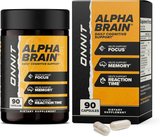
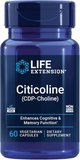
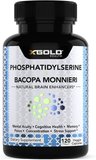
Not all brain fog supplements are created equal. Many popular products contain ingredients with minimal human evidence or use poorly bioavailable forms. Here are the supplements with the strongest clinical evidence, focusing on the most bioavailable and advanced forms available.
Magnesium L-Threonate: Brain-Specific Magnesium
Standard magnesium supplements (oxide, citrate, glycinate) raise blood magnesium levels but have limited ability to increase brain magnesium concentrations. Magnesium L-threonate (marketed as Magtein) was specifically engineered to cross the blood-brain barrier through glucose transporter mechanisms.
A randomized, double-blind, placebo-controlled trial of 109 healthy adults found that magnesium L-threonate supplementation at 2 grams per day significantly improved all five subcategories of cognitive testing and overall memory quotient scores compared to placebo. The benefits were positively correlated with age, with older participants showing more pronounced improvements (PubMed 36558392). A 2025 study confirmed additional benefits for hand-eye coordination and reaction time.
Recommended dose: 1,500 to 2,000 mg of magnesium L-threonate daily (providing approximately 144 mg elemental magnesium), typically divided into two doses.
For a deep dive into the research, see our full review on magnesium L-threonate for cognitive function.
Lion’s Mane Mushroom: Nerve Growth Factor Stimulation
Lion’s mane (Hericium erinaceus) is unique among medicinal mushrooms because it contains two classes of compounds, hericenones and erinacines, that stimulate the production of nerve growth factor (NGF) and brain-derived neurotrophic factor (BDNF). These neurotrophins are essential for neuronal survival, growth, and plasticity.
A 2023 study published in the Journal of Neurochemistry isolated hericerin-based compounds from lion’s mane and demonstrated that they activate a pan-neurotrophic pathway in hippocampal neurons, increasing the length and branching of neurites and improving spatial memory in animal models. A randomized, double-blind pilot study in 41 healthy young adults found that 1.8 grams of lion’s mane daily produced measurable improvements in cognitive performance (PubMed 38004235).
Critical quality note: The cognitive benefits of lion’s mane depend heavily on the extract type. Fruiting body extracts contain hericenones, while mycelium-on-grain products may contain minimal active compounds diluted by starch filler. Look for extracts standardized to beta-glucans from the fruiting body, or dual extracts containing both fruiting body hericenones and mycelium erinacines.
Recommended dose: 500 to 3,000 mg daily of a standardized fruiting body extract.
For our complete guide to choosing the right product, see best lion’s mane mushroom supplements for brain health.
Omega-3 Fatty Acids (DHA and EPA): Structural Brain Support
DHA (docosahexaenoic acid) is the most abundant omega-3 fatty acid in the brain, constituting approximately 40% of the polyunsaturated fatty acids in neuronal membranes. It is not merely a structural component. DHA is essential for membrane fluidity, synaptic transmission, neurotransmitter receptor function, and anti-inflammatory signaling.
A comprehensive systematic review and dose-response meta-analysis examining 58 studies found that every 2,000 mg per day of omega-3 supplementation produced significant improvements in attention, perceptual speed, language, and primary memory (2025 meta-analysis). In individuals with mild cognitive impairment, DHA supplementation specifically slowed cognitive decline, and in cognitively healthy adults with coronary artery disease, 3.36 grams of EPA plus DHA daily slowed cognitive aging by an estimated 2.5 years.
Recommended dose: 2,000 to 3,000 mg combined EPA and DHA daily, with emphasis on DHA for cognitive benefits. Look for triglyceride-form fish oil for superior bioavailability over ethyl ester forms.
B Vitamins: Methylation and Homocysteine Management
The VITACOG trial remains the gold standard for B vitamin supplementation and cognitive function. The study demonstrated that high-dose B vitamins (0.8 mg folic acid, 0.5 mg B12, and 20 mg B6) slowed brain atrophy by 30% in individuals with mild cognitive impairment, with the strongest effects in those with elevated homocysteine above 13 micromoles per liter (PubMed 20838622).
Critical bioavailability note: Not all B vitamin forms are equal. Standard folic acid must be converted to methylfolate (5-MTHF) by the MTHFR enzyme, and approximately 30 to 40% of the population carries genetic variants that impair this conversion. Similarly, cyanocobalamin (the cheapest B12 form) requires multiple conversion steps to become the active forms methylcobalamin and adenosylcobalamin. For brain fog, choose B complex products containing methylfolate, methylcobalamin, and pyridoxal-5-phosphate (active B6).
Recommended dose: A high-quality methylated B complex daily, particularly important if homocysteine levels are above 10 micromoles per liter.
For detailed product comparisons, see our guide on the best B vitamin complex for mental clarity and energy.
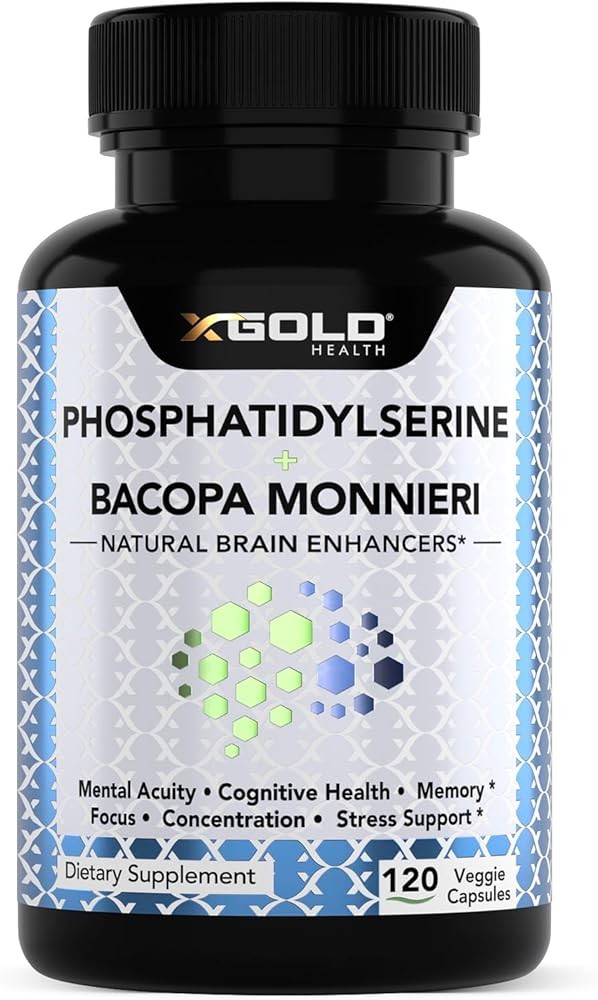
Phosphatidylserine: Cortisol Regulation and Memory
Phosphatidylserine (PS) is a phospholipid concentrated in brain cell membranes that plays critical roles in cell signaling, apoptosis regulation, and neurotransmitter release. PS supplementation has two particularly well-documented effects relevant to brain fog: cortisol blunting and memory enhancement.
A landmark study demonstrated that 800 mg per day of phosphatidylserine significantly blunted the ACTH and cortisol responses to physical and psychological stress in healthy men (PubMed 1325348). This cortisol-lowering effect directly benefits brain fog caused by chronic stress.
For memory specifically, PS is one of the few supplements that has received a qualified health claim from the FDA, stating that consumption of PS “may reduce the risk of dementia in the elderly” and “may reduce the risk of cognitive dysfunction in the elderly.”
Recommended dose: 100 to 300 mg daily for general cognitive support, or up to 800 mg daily for significant stress-related brain fog. Take with food containing fat for optimal absorption.
For product recommendations, see our guide on the best phosphatidylserine supplements for cognitive function.
Complete Support System: Building Your Brain Fog Recovery Protocol
Brain fog recovery requires a multi-pronged approach addressing root causes simultaneously. This complete support system combines the evidence-based interventions with the highest success rates.
Foundation Tier (Start Here):
- Sleep optimization: 7-9 hours nightly with consistent timing and blue light elimination
- MIND diet implementation: Leafy greens, berries, fatty fish, nuts, olive oil
- Hydration protocol: Half bodyweight in ounces daily, front-loaded to morning
- Exercise routine: 150 minutes moderate aerobic weekly plus 2 resistance sessions
- Stress management: 10-20 minutes daily meditation or breathwork
Supplementation Tier (Add After Week 1):
- Magnesium L-threonate 2,000 mg daily (brain-specific magnesium delivery)
- Omega-3 fatty acids 2,000-3,000 mg EPA+DHA (structural brain support)
- Methylated B complex (if homocysteine elevated or B12/folate deficient)
- Vitamin D3 4,000 IU daily (if serum 25-OH vitamin D below 40 ng/mL)
Advanced Tier (Add Week 3-4 Based on Specific Causes):
- Lion’s mane 1,000-3,000 mg if neuroplasticity/nerve repair needed
- Phosphatidylserine 300-800 mg if stress/cortisol is primary driver
- Citicoline 250-500 mg for additional acetylcholine/focus support
- Probiotic multi-strain if gut dysbiosis identified as contributing factor
Medical Tier (Pursue If No Improvement After 30 Days):
- Tier 1 blood testing: CBC, CMP, thyroid panel with antibodies, B12, ferritin, vitamin D, homocysteine, hs-CRP
- Sleep study if snoring, gasping, or unrefreshed despite adequate sleep duration
- Medication review for anticholinergics, benzodiazepines, statins, PPIs
- Functional medicine evaluation for autoimmune conditions, mold exposure, or complex cases
This systematic protocol addresses the 12 most common brain fog causes: sleep deprivation, chronic stress, nutrient deficiencies, gut dysbiosis, neuroinflammation, dehydration, blood sugar dysregulation, hormonal imbalances, medication side effects, post-COVID impairment, environmental toxins, and autoimmune conditions. Most people experience significant improvement within 4-8 weeks when consistently implementing Foundation and Supplementation tiers.
Iron and Vitamin D: Address Deficiency First
Iron and vitamin D supplementation should be guided by blood testing rather than taken blindly, as both nutrients can cause harm in excess.
Iron: Get a complete iron panel (serum iron, ferritin, TIBC, transferrin saturation) rather than just hemoglobin. Ferritin below 30 ng/mL often causes cognitive symptoms even when hemoglobin is normal. If deficient, iron bisglycinate is the best-absorbed and least constipating form.
Vitamin D: Test your 25-hydroxyvitamin D level. Optimal for cognitive function is 40 to 60 ng/mL, well above the “sufficient” cutoff of 30 ng/mL used by most laboratories. Given the meta-analytic evidence linking deficiency to 42% increased dementia risk and 57% increased Alzheimer’s risk (Zhang et al., 2024), maintaining optimal vitamin D levels is a worthwhile investment. Most deficient adults need 4,000 to 5,000 IU of vitamin D3 daily with a fat-containing meal.
When Should You See a Doctor and What Tests Should You Request?
While most brain fog responds to the lifestyle and nutritional interventions described above, persistent or worsening fog warrants medical evaluation. Here are the tests to discuss with your healthcare provider:
Tier 1 (Basic screening, request these first):
- Complete blood count (CBC) with differential — checks for anemia and infection
- Comprehensive metabolic panel (CMP) — liver, kidney function, glucose, electrolytes
- Thyroid panel: TSH, free T4, free T3, thyroid peroxidase antibodies (TPO), thyroglobulin antibodies — a complete thyroid assessment, not just TSH
- Vitamin B12 and folate levels
- Ferritin and complete iron panel
- 25-hydroxyvitamin D
- Hemoglobin A1c and fasting glucose — checks for diabetes and prediabetes
- High-sensitivity CRP (hs-CRP) — systemic inflammation marker
- Homocysteine level
Tier 2 (If Tier 1 is normal or partially explains symptoms):
- Magnesium RBC (red blood cell magnesium, not serum magnesium, which is unreliable)
- Cortisol (morning and, ideally, a 4-point salivary cortisol curve)
- Sex hormones: estradiol, progesterone, testosterone (free and total), DHEA-S
- ANA (antinuclear antibodies) — screens for autoimmune conditions
- Celiac panel (tissue transglutaminase IgA and total IgA)
- Sleep study if sleep apnea is suspected
Tier 3 (Specialized testing for persistent unexplained fog):
- Neuropsychological testing — objective measurement of cognitive domains
- Brain MRI — rules out structural causes
- Lyme disease testing (if in endemic area with relevant exposure history)
- Mycotoxin testing (urine mycotoxins if mold exposure is suspected)
- Organic acids testing — screens for mitochondrial dysfunction and nutrient status
- Comprehensive stool analysis — evaluates gut microbiome and intestinal inflammation
What Is the 30-Day Brain Fog Reset Protocol?
This week-by-week protocol is designed for someone who wants a structured plan to systematically clear brain fog. Adjust based on your identified root causes.
Week 1: Foundation Reset
Diet:
- Reduce added sugar, artificial sweeteners, and ultra-processed foods
- Remove alcohol completely for 30 days
- Eat protein and healthy fat with every meal to stabilize blood sugar
- Add 2 to 3 servings of leafy greens daily
- Include 2 to 3 servings of fatty fish per week (or start omega-3 supplementation)
Sleep:
- Set a non-negotiable bedtime and wake time (same every day)
- Remove all screens from the bedroom
- Stop caffeine after 12 PM (caffeine’s half-life is 5 to 6 hours)
- Start a 10-minute wind-down routine before bed
Hydration:
- Drink 16 ounces of water immediately upon waking
- Carry a water bottle and sip throughout the day
- Aim for pale straw-colored urine by mid-morning
Supplements to start:
- Magnesium L-threonate: 2,000 mg daily (split morning and evening)
- Omega-3 fish oil: 2,000 mg EPA plus DHA daily with food
- Vitamin D3: 4,000 IU daily with a fat-containing meal (if not recently tested and confirmed adequate)
Week 2: Stress and Movement
Exercise:
- Begin with 20 to 30 minutes of brisk walking daily
- Add 2 resistance training sessions per week (even bodyweight exercises count)
- Walk for 10 to 15 minutes after your largest meal each day
Stress management:
- Start a daily 10-minute meditation practice (use a guided app if needed)
- Practice 4-7-8 breathing: inhale for 4 counts, hold for 7, exhale for 8. Do 4 cycles, twice daily
- Spend 20 minutes in nature daily if possible
- Identify your top 3 stressors and create a written plan to address each
Supplements to add:
- Methylated B complex: 1 capsule daily with breakfast
- Phosphatidylserine: 100 mg daily (increase to 300 mg if stress is a major factor)
Week 3: Gut Healing and Fine-Tuning
Gut support:
- Add fermented foods daily: sauerkraut, kimchi, yogurt, kefir, or kombucha
- Increase fiber intake to 30 grams per day (prebiotic fiber feeds beneficial bacteria)
- Consider a multi-strain probiotic supplement
- If you suspect food sensitivities, begin a structured elimination of gluten, dairy, and corn for the remaining 2 weeks
Cognitive training:
- Begin challenging your brain with novel activities: learn a language, play a musical instrument, solve puzzles, or take a different route to work
- Practice sustained attention: read for 20 to 30 minutes without checking your phone
- Engage in meaningful social conversation daily
Supplements to add:
- Lion’s mane mushroom extract: 1,000 mg daily
Week 4: Assessment and Optimization
Evaluate progress:
- Rate your brain fog on a 1 to 10 scale. Compare to your Week 1 baseline.
- Identify which interventions made the biggest difference
- Note any remaining symptoms and their patterns
If significant improvement:
- Continue the protocol as your new baseline
- Gradually reintroduce eliminated foods one at a time, noting any cognitive effects
- Schedule the Tier 1 blood tests if you have not already done so
- Maintain supplements that produced noticeable benefits
If minimal improvement:
- Schedule a medical appointment for Tier 1 and Tier 2 testing
- Consider whether medication side effects could be a factor
- Evaluate environmental exposures (mold, chemicals)
- Get a sleep study if you snore or wake unrefreshed despite adequate sleep duration
For more strategies beyond this protocol, see our guide on the best nootropic supplements that actually work.
What Are Common Myths About Brain Fog?
Myth 1: Brain fog is just a normal part of aging. While some mild cognitive slowing occurs with aging, persistent brain fog is not normal at any age. It always indicates an underlying cause that can be addressed. The MIND diet study showed that dietary intervention could slow cognitive decline equivalent to being 7.5 years younger, and the VITACOG trial demonstrated that B vitamins could reduce brain atrophy by 30%. Age-related brain fog is treatable.
Myth 2: You need expensive nootropic stacks to fix brain fog. The most powerful interventions for brain fog, including sleep optimization, dietary improvement, exercise, stress management, and hydration, are free. Supplements can provide additional benefit, but they cannot compensate for poor foundations. Fixing sleep alone resolves brain fog in many people.
Myth 3: Brain fog means you are developing dementia. Brain fog and dementia are fundamentally different. Brain fog is typically reversible, fluctuates throughout the day, and is associated with subjective awareness (“I know my brain isn’t working right”). Dementia is progressive, persistent, and often characterized by lack of insight into cognitive decline. Having brain fog does not mean you will develop dementia.
Myth 4: Caffeine is a good solution for brain fog. Caffeine masks brain fog without addressing the cause. It blocks adenosine receptors, temporarily reducing the sensation of fatigue, but does not improve actual cognitive function in sleep-deprived individuals to baseline levels. Excessive caffeine can worsen brain fog by disrupting sleep, depleting magnesium, increasing cortisol, and causing anxiety-related dissociation.
Myth 5: Brain fog is “all in your head” and not a real medical issue. Brain fog has measurable neurological correlates, including altered cerebral blood flow, increased inflammatory markers, disrupted neural connectivity, and reduced brain volume. The McWhirter et al. 2023 study documented that brain fog encompasses concrete cognitive impairments across multiple domains. Dismissing brain fog as imaginary ignores decades of neuroscience research.
Myth 6: A single supplement can support recovery from brain fog. Because brain fog has dozens of potential causes, no single supplement addresses them all. Magnesium L-threonate will not fix brain fog caused by sleep apnea. Omega-3 supplements will not resolve brain fog caused by mold exposure. The protocol approach, identifying root causes and addressing them systematically, is always more effective than searching for a magic pill.
The time it takes for causes to work varies by individual and depends on factors like dosage, consistency of use, and individual metabolism. Some people notice effects within days, while others may need several weeks. Research studies typically evaluate effects over weeks to months. Consistent use as directed is important for best results. Keep a journal to track your response.
Frequently Asked Questions
How long does it take to clear brain fog?
The timeline depends entirely on the underlying cause. Dehydration-related brain fog can improve within hours of adequate fluid intake. Sleep-related brain fog typically shows significant improvement within one to two weeks of consistent sleep optimization. Nutrient deficiency-related fog usually improves over four to eight weeks as tissue stores rebuild. Post-COVID brain fog is more variable, with many people improving over three to six months, though some experience symptoms for a year or longer. Gut-related brain fog often requires six to twelve weeks of sustained dietary changes and microbiome restoration. The 30-day reset protocol above is designed to address the most common causes simultaneously.
Can brain fog be permanent?
In the vast majority of cases, brain fog is fully reversible once the underlying cause is identified and addressed. Even post-COVID brain fog, which initially concerned researchers, shows significant improvement in most patients over time. However, some conditions like untreated autoimmune encephalitis or chronic uncontrolled diabetes can cause more lasting cognitive changes if not addressed promptly. The key is not to accept brain fog as your new normal, but to systematically investigate and address the root cause.
What foods make brain fog worse?
The worst offenders for brain fog are refined sugars and simple carbohydrates (causing blood sugar spikes and crashes), alcohol (directly neurotoxic and disrupts sleep architecture), ultra-processed foods (high in inflammatory seed oils, artificial additives, and low in nutrients), gluten (in people with celiac disease or non-celiac gluten sensitivity), and excessive caffeine (disrupts sleep and depletes magnesium). Some people also find that dairy, corn, soy, and histamine-rich foods worsen their brain fog, though this is more individual.
Is brain fog a symptom of anxiety or depression?
Brain fog can be both a symptom and a cause of anxiety and depression, creating a bidirectional relationship. Chronic stress and anxiety maintain elevated cortisol that impairs hippocampal function and prefrontal cortex activity, directly causing cognitive symptoms. Depression is associated with reduced cerebral blood flow, lower BDNF levels, and neuroinflammation, all of which produce brain fog. Simultaneously, experiencing persistent brain fog creates anxiety about cognitive abilities and frustration that can evolve into depression. Treating the brain fog often improves mood, and treating mood disorders often clears brain fog. Both should be addressed together.
Should I see a neurologist for brain fog?
Not necessarily as your first step. Most brain fog has non-neurological causes (sleep, nutrition, stress, gut health, hormones) that are best evaluated by a primary care physician or functional medicine practitioner. See a neurologist if your brain fog is sudden-onset, progressive, accompanied by neurological symptoms like weakness, numbness, vision changes, or seizures, or if a thorough medical workup has not identified a cause. Neuropsychological testing, available through neurologists and neuropsychologists, can objectively quantify your cognitive function and track improvement over time.
📱 Join the discussion: Facebook | X | YouTube | Pinterest
Conclusion
Brain fog is one of the most common yet most misunderstood health complaints of the modern era. It is not inevitable, it is not imaginary, and it is almost always treatable. The path to clearing brain fog runs through understanding its root cause, whether that is sleep deprivation triggering neuroinflammation, nutrient deficiencies starving your neurons, gut dysbiosis disrupting the brain’s biochemical supply chain, chronic stress eroding hippocampal function, or any of the other causes detailed in this guide.
The evidence is clear: foundational lifestyle changes, including optimized sleep, an anti-inflammatory diet, regular exercise, stress management, and adequate hydration, resolve brain fog for the majority of people. Targeted supplementation with magnesium L-threonate, omega-3 fatty acids, B vitamins, lion’s mane, and phosphatidylserine can accelerate recovery and provide additional cognitive support where specific deficiencies or mechanisms are identified.
Start with the 30-day protocol. Be patient with the process. Track your progress. And if the fog does not lift, pursue the medical testing outlined above to identify less common causes. Your brain is designed to be clear, sharp, and focused. Brain fog is simply the signal that something needs to change.
Related Reading
- Mental Clarity, Focus, and Cognitive Function: Best Diet for Reducing Brain Fog and Improving Focus
- Mental Clarity, Focus, and Cognitive Function: Best Supplements for Brain Fog Backed by Research
- Mental Clarity, Focus, and Cognitive Function: Best Bacopa Monnieri Supplements for Memory
- Mental Clarity, Focus, and Cognitive Function: Best Supplements for ADHD Focus
- Mental Clarity, Focus, and Cognitive Function: Best Alpha GPC Supplements for Focus and Memory
- Mental Clarity, Focus, and Cognitive Function: Best Lion’s Mane Mushroom Supplements for Brain Health
- Rhodiola Rosea vs Ginkgo Biloba: Brain Fog Solutions Compared
References
- McWhirter L, Smyth H, Hoeritzauer I, et al. What is brain fog? Journal of Neurology, Neurosurgery and Psychiatry, 2023. PubMed: 36600580
- Theoharides TC, Stewart JM, Hatziagelaki E, et al. Brain “fog,” inflammation and obesity: key aspects of neuropsychiatric disorders improved by luteolin. Frontiers in Neuroscience, 2015. PubMed: 26190965
- Irwin MR, Olmstead R, Carroll JE. Sleep disturbance, sleep duration, and inflammation: a systematic review and meta-analysis of cohort studies and experimental sleep deprivation. Biological Psychiatry, 2016. PubMed: 26140821
- Hampshire A, Trender W, Chamberlain SR, et al. Cognitive deficits in people who have recovered from COVID-19. EClinicalMedicine, 2021. PubMed: 34316551
- Ceban F, Ling S, Lui LMW, et al. Fatigue and cognitive impairment in Post-COVID-19 Syndrome: a systematic review and meta-analysis. Brain, Behavior, and Immunity, 2022. PubMed: 34973396
- Wittbrodt MT, Millard-Stafford M. Dehydration impairs cognitive performance: a meta-analysis. Medicine and Science in Sports and Exercise, 2018. PubMed: 29933347
- Smith AD, Smith SM, de Jager CA, et al. Homocysteine-lowering by B vitamins slows the rate of accelerated brain atrophy in mild cognitive impairment: a randomized controlled trial. PLoS One, 2010. PubMed: 20838622
- Morris MC, Tangney CC, Wang Y, et al. MIND diet associated with reduced incidence of Alzheimer’s disease. Alzheimer’s and Dementia, 2015. PubMed: 25681666
- Morris MC, Tangney CC, Wang Y, et al. MIND diet slows cognitive decline with aging. Alzheimer’s and Dementia, 2015. PubMed: 26086182
- Liu G, Weinger JG, Lu ZL, et al. A Magtein, magnesium L-threonate, based formula improves brain cognitive functions in healthy Chinese adults. Nutrients, 2022. PubMed: 36558392
- Ross AJ, Medow MS, Rowe PC, et al. What is brain fog? An evaluation of the symptom in postural tachycardia syndrome. Clinical Autonomic Research, 2013. PubMed: 23999934
- Monteleone P, Maj M, Beinat L, et al. Blunting by chronic phosphatidylserine administration of the stress-induced activation of the hypothalamo-pituitary-adrenal axis in healthy men. European Journal of Clinical Pharmacology, 1992. PubMed: 1325348
- Xia W, Luo Y, Chen YC, et al. Glucose fluctuations are linked to disrupted brain functional architecture and cognitive impairment. Journal of Alzheimer’s Disease, 2020. PubMed: 32065795
- Zhang XX, Wang HR, Meng W, et al. Association of vitamin D levels with risk of cognitive impairment and dementia: a systematic review and meta-analysis of prospective studies. Journal of Alzheimer’s Disease, 2024. PubMed: 38461506
- Pieper NT, Grossi CM, Chan WY, et al. Anticholinergic drugs and incident dementia, mild cognitive impairment and cognitive decline: a meta-analysis. Age and Ageing, 2020. PubMed: 32603415
- Docherty S, Doughty FL, Smith EF. The acute and chronic effects of lion’s mane mushroom supplementation on cognitive function, stress and mood in young adults: a double-blind, parallel groups, pilot study. Nutrients, 2023. PubMed: 38004235
- Starks MA, Starks SL, Kingsley M, et al. The effects of phosphatidylserine on endocrine response to moderate intensity exercise. Journal of the International Society of Sports Nutrition, 2008. PubMed: 18662395
Recommended Products