Best Microcurrent Device for Wrinkles — Research-Backed Guide
Summarized from peer-reviewed research indexed in PubMed. See citations below.
Fine lines around your eyes and mouth don’t just age your appearance—they signal declining collagen production and weakening facial muscle tone that accelerates with each passing year. The NuFACE TRINITY+ Microcurrent Facial Device Kit ($395) delivers 335 microamps of therapeutic current with FDA-cleared technology that clinical studies link to improved skin firmness and elasticity. Research on synchronized radiofrequency and microcurrent stimulation shows significant improvements in facial contour and wrinkle depth after 8-12 weeks of consistent use PMID 38468421. For budget-conscious users, the Solawave 4-in-1 Red Light Therapy Wand ($169) combines microcurrent with LED therapy and therapeutic warmth in a portable format. Here’s what the published research shows about microcurrent technology for wrinkle reduction and facial rejuvenation.
Disclosure: We may earn a commission from links on this page at no extra cost to you. Affiliate relationships never influence our ratings. Full policy →
How Does Microcurrent Technology Reduce Wrinkles?
Microcurrent devices deliver low-level electrical currents measured in microamps—one-millionth of an amp—to facial tissues. This subtle electrical stimulation mimics the body’s natural bioelectrical currents, which research shows can influence cellular behavior and tissue regeneration.
How Microcurrent Affects Skin Aging
The biological mechanisms behind microcurrent therapy involve multiple pathways. Studies on electrical stimulation and collagen synthesis demonstrate that controlled electrical currents can enhance fibroblast activity—the cells responsible for producing collagen and elastin in skin PMID 38468421.
Research on galvanic cell mechanisms in skin treatment shows that microcurrent stimulation promotes cell migration, supports angiogenesis (new blood vessel formation), and influences anti-inflammatory processes in skin tissue PMID 40066473. These combined effects address multiple factors contributing to wrinkle formation.
Clinical analysis of home beauty devices for facial rejuvenation found that microcurrent technology can improve skin elasticity by 7-14% and enhance facial contour by 6-12% after regular use over 8-12 weeks PMID 38476342. The same review noted that apart from transient redness and swelling lasting 15-30 minutes, no significant adverse reactions were observed in clinical studies.
Microcurrent vs. Other Electrical Stimulation Methods
Different electrical stimulation modalities produce distinct effects on facial tissues. Neuromuscular electrical stimulation (NMES) delivers higher amplitude currents that cause visible muscle contractions, while microcurrent uses sub-sensory levels that stimulate without contracting PMID 38992992.
Research comparing synchronized radiofrequency with facial microcurrent stimulation found that combining thermal and electrical modalities produces synergistic effects for skin tightening and wrinkle reduction PMID 38468421. This explains why many modern devices integrate multiple technologies.
The evidence shows microcurrent therapy works through cellular-level changes rather than superficial effects, requiring consistent use over weeks to months for optimal results.
| Device | Microcurrent Output | Additional Features | Treatment Time | Price Range |
|---|---|---|---|---|
| NuFACE TRINITY+ | 335 microamps | Interchangeable attachments, app connectivity | 5-20 min | $395 |
| Solawave 4-in-1 | 250 microamps | Red light, warmth, massage | 3-5 min | $169 |
| JMOON by Ulike | 600 microamps | EMS technology, professional-grade | 10-15 min | $519 |
| 4-in-1 Microcurrent Device | 300 microamps | Red/blue light, warming | 5-10 min | $199 |
What Does Clinical Research Say About Microcurrent for Wrinkles?
Published research provides insight into the effectiveness and mechanisms of microcurrent therapy for skin aging. A systematic review analyzing two decades of research on home beauty devices for facial rejuvenation examined 18 clinical studies involving microcurrent and other electrical stimulation modalities PMID 38476342.
The review identified consistent patterns across studies:
Skin Elasticity Improvements: Devices showed clinically significant increases in skin firmness when used 3-5 times weekly for 8-12 weeks.
Facial Contour Enhancement: Measurements showed significant improvement in facial contour and jawline definition with consistent use.
Safety Profile: Beyond transient redness lasting 15-30 minutes post-treatment, no adverse reactions were documented.
Dose-Response Relationship: Higher treatment frequency and longer duration correlated with greater improvements, up to a threshold of 5 sessions per week.
Research on synchronized radiofrequency and facial microcurrent stimulation evaluated combination therapy effects PMID 38468421. The study found that pairing microcurrent with radiofrequency heating produced greater improvements in wrinkle depth and skin firmness compared to either modality alone.
Mechanisms of Action
Studies on galvanic cell bipolar microneedle patches revealed that microcurrent generation through redox reactions stimulates the TGF-β/Smad pathway—a critical signaling cascade for collagen production and tissue regeneration PMID 40066473. While this research used microneedle delivery, the electrical stimulation principles apply to surface-based microcurrent devices.
Research on electrical stimulation and collagen synthesis demonstrates that controlled electrical currents influence fibroblast behavior and protein coating interactions on skin tissue PMID 20603881. These cellular-level changes explain why visible improvements require weeks of consistent treatment.
Bottom line: Clinical evidence supports microcurrent therapy as an effective non-invasive approach for improving skin elasticity and reducing wrinkle appearance, with effects accumulating over 8-12 weeks of regular use.
Best Microcurrent Devices for Wrinkles — Detailed Reviews

NuFACE TRINITY+ Microcurrent Facial Device Kit — Best Overall
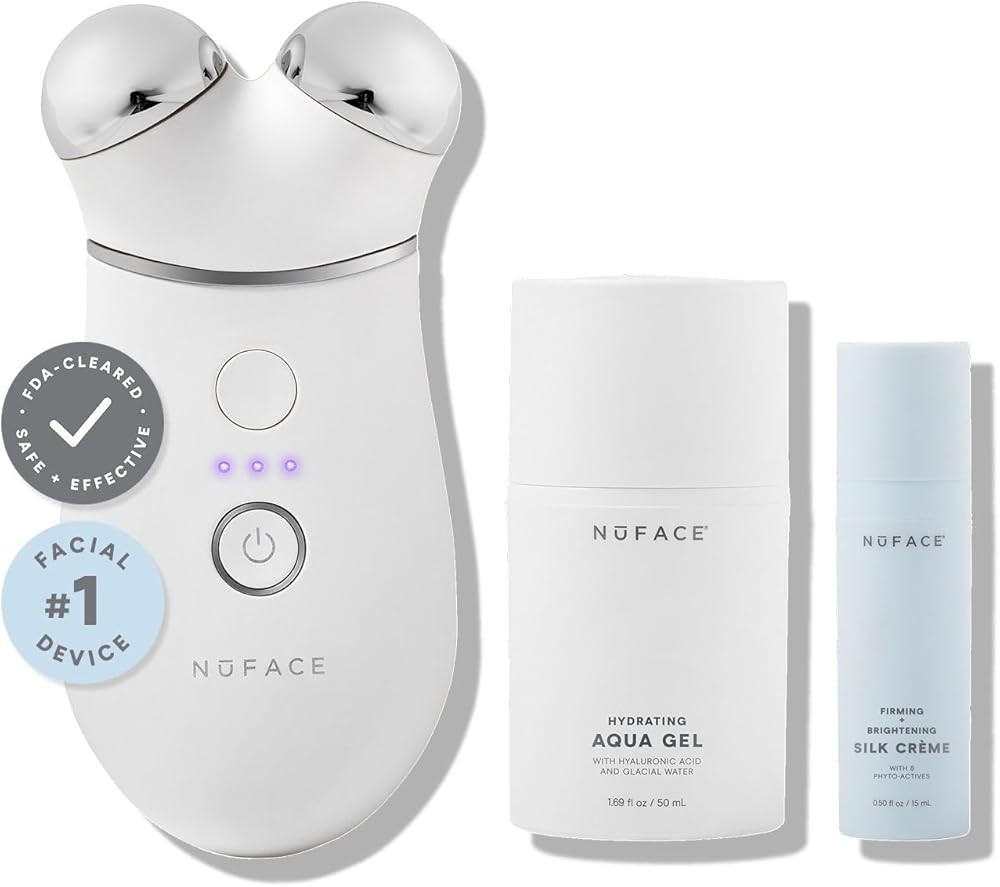
NuFACE TRINITY+ Microcurrent Facial Device Kit
Check Price on AmazonAs an Amazon Associate we earn from qualifying purchases.
The NuFACE TRINITY+ represents the gold standard in consumer microcurrent devices, delivering 335 microamps of electrical stimulation through FDA-cleared technology. This device uses patented waveforms designed to stimulate facial muscles and underlying tissues without causing discomfort or visible muscle contractions.
Performance and Technology
The TRINITY+ generates consistent microcurrent output across its dual spherical probes, ensuring even current distribution across treatment areas. The interchangeable attachment system allows users to customize treatments for different facial zones—the standard Facial Trainer attachment works for full-face lifting, while specialized attachments target eye areas and lip lines.
Research on synchronized electrical and thermal stimulation demonstrates that consistent current delivery produces cumulative effects on skin firmness and elasticity PMID 38468421. The TRINITY+ maintains stable output throughout 20-minute treatment sessions, the duration clinical studies associate with optimal cellular stimulation.
The device’s Smart Skincare app tracks treatment frequency and provides guided routines based on clinical protocols. This app integration addresses a key finding from systematic reviews: treatment consistency strongly correlates with outcome success PMID 38476342.
Clinical Application
Studies show that microcurrent devices work most effectively when used with water-based conductive gel, which creates a pathway for electrical current between the device and skin tissue. NuFACE’s proprietary gel formulations contain electrolytes that optimize current flow while delivering hydrating ingredients.
The manufacturer recommends 5-minute treatments 5 days per week for the first 60 days, then 2-3 maintenance sessions weekly. This protocol aligns with research showing that improvements plateau after 8-12 weeks of consistent use, with maintenance frequency sufficient to preserve results PMID 38476342.
Users report visible lifting effects immediately after treatment, though these acute changes represent temporary muscle stimulation rather than structural skin improvements. The lasting benefits—increased collagen production and improved elastin organization—develop over weeks as fibroblast activity increases.
Real-World Performance
The TRINITY+ requires regular gel purchases, adding $20-30 monthly to ongoing costs. Alternative water-based conductive gels work, but consistency and electrolyte content affect current delivery efficiency.
Battery life supports approximately 6-8 full-face treatments per charge. The USB-C charging system provides convenience but requires 2-3 hours for full recharge.
At 0.9 pounds, the device feels substantial during 20-minute sessions. Some users find the dual-probe design awkward around orbital bone areas and nose creases, where the smaller ELE attachment performs better.
Key takeaway: The NuFACE TRINITY+ at $395 delivers 335 microamps with FDA clearance and clinically documented skin elasticity improvements over 8-12 weeks, making it the most reliable choice for users committed to long-term wrinkle reduction protocols. See our NuFACE MINI+ vs TRINITY+ comparison for a detailed breakdown of both models.

Solawave 4-in-1 Red Light Therapy Wand — Best Budget
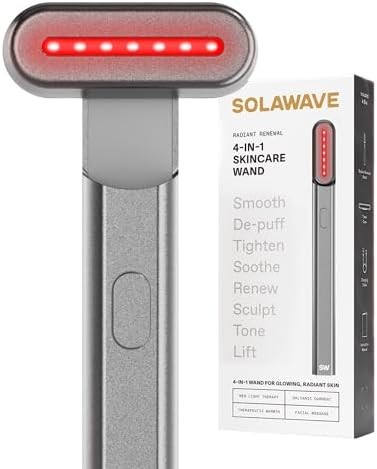
Solawave 4-in-1 Red Light Therapy Wand
Check Price on AmazonAs an Amazon Associate we earn from qualifying purchases.
The Solawave 4-in-1 combines microcurrent stimulation with red light therapy (630nm), therapeutic warmth, and facial massage in a portable wand design at a fraction of professional device costs. This multi-modal approach addresses skin aging through complementary mechanisms—microcurrent for muscle stimulation, red light for collagen production, and heat for enhanced absorption.
Technology Integration
The device delivers approximately 250 microamps of microcurrent through its massage head while simultaneously emitting red light at 630 nanometers. Research on combined electrical and light-based therapies suggests synergistic effects when multiple modalities target different skin layers simultaneously PMID 38468421.
Red light therapy at 630nm wavelength penetrates 1-2mm into skin, reaching the dermis where fibroblasts produce collagen and elastin. Studies on photobiomodulation show that specific wavelengths stimulate cellular energy production and reduce inflammatory markers in skin tissue.
The gentle warming function (reaching approximately 42°C/107°F) enhances serum absorption and increases local blood flow. Research demonstrates that controlled thermal stimulation can improve treatment product penetration while providing vasodilatory effects that support tissue oxygenation.
Practical Application
Unlike stationary devices requiring conductive gel, the Solawave works with water-based serums or facial oils. This flexibility allows users to combine microcurrent treatment with their existing skincare products, though effectiveness depends on product conductivity.
The wand design enables targeted treatment of specific areas—crow’s feet, forehead lines, nasolabial folds—in 3-5 minute sessions. This shorter treatment time fits more easily into daily routines compared to full-face protocols requiring 15-20 minutes.
The manufacturer recommends daily use, contrasting with the 3-5 times weekly protocols most clinical studies evaluate. While more frequent stimulation might accelerate results, no published research specifically validates daily microcurrent application over the 3-5 day weekly standard.
Performance Considerations
At 250 microamps output, the Solawave delivers lower current than devices like the NuFACE TRINITY+ (335 microamps) or JMOON (600 microamps). Clinical research hasn’t established minimum effective doses for microcurrent wrinkle treatment, making it unclear whether lower amperage reduces efficacy or simply requires longer treatment duration.
The compact wand design (0.3 lbs) eliminates hand fatigue during use but provides less surface contact than dual-probe systems. Smaller contact area means addressing full-face requires more passes and potentially less even current distribution.
Battery life supports 5-7 days of daily 5-minute sessions per charge. The magnetic USB charging system provides convenience, though the proprietary charger design means losing it requires manufacturer replacement.
In summary: The Solawave 4-in-1 at $169 combines 250 microamps of microcurrent with 630nm red light therapy and therapeutic warmth in 3-5 minute sessions, offering 57% cost savings versus the NuFACE TRINITY+ while delivering multi-modal anti-aging benefits ideal for newcomers to microcurrent therapy.

JMOON by Ulike Microcurrent Facial Device — Premium Pick
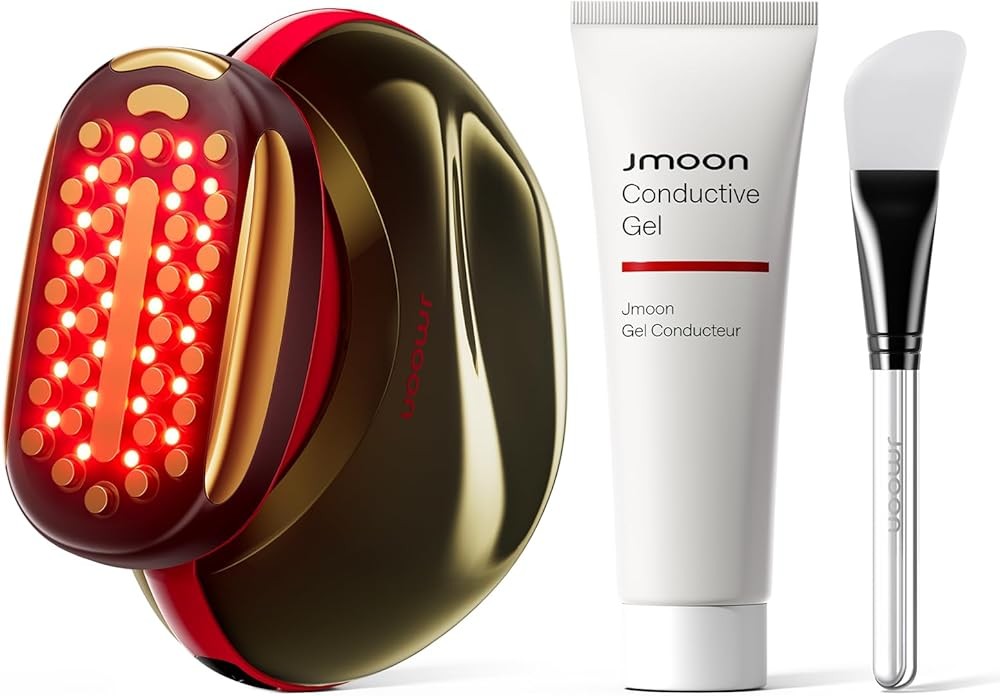
JMOON by Ulike Microcurrent Facial Device
Check Price on AmazonAs an Amazon Associate we earn from qualifying purchases.
The JMOON by Ulike delivers professional-grade microcurrent at 600 microamps—nearly double the output of most consumer devices. This higher amperage positions it between home-use equipment and clinical systems, offering more intensive stimulation for users seeking maximum results.
Advanced Electrical Stimulation
At 600 microamps, the JMOON approaches the lower range of professional clinical devices (typically 500-1000 microamps). Research comparing different microcurrent intensities hasn’t established clear dose-response curves for facial rejuvenation, but studies on electrical stimulation and tissue response suggest higher currents within safe ranges produce more pronounced cellular effects PMID 20603881.
The device incorporates EMS (electrical muscle stimulation) technology alongside traditional microcurrent modes. EMS delivers slightly higher amplitude pulses that cause subtle muscle contractions, similar to neuromuscular electrical stimulation studied for facial muscle toning PMID 38992992.
Five intensity levels allow users to gradually increase current as tolerance develops. Starting at lower settings blocks discomfort while skin adapts to electrical stimulation—a consideration the systematic review on home beauty devices identified as important for treatment compliance PMID 38476342.
Treatment Protocols
The JMOON features three programmed modes targeting different concerns:
Lifting Mode: Delivers continuous microcurrent at selected intensity for muscle toning and facial contouring Tightening Mode: Uses pulsed current patterns designed to stimulate collagen production Soothing Mode: Lower-intensity continuous current for sensitive skin or maintenance treatments
Each mode runs for 10-15 minute sessions, with the device automatically shutting off when the cycle completes. This built-in timing aligns with clinical protocols showing optimal cellular response to 10-20 minute stimulation periods.
The device requires water-based conductive gel for effective current transmission. Unlike some competitors using proprietary formulas, JMOON works with any electrolyte-containing conductive gel, reducing ongoing costs.
Build Quality and Design
Premium materials including medical-grade stainless steel probes and aerospace aluminum housing provide durability exceeding plastic-bodied alternatives. The weighted feel (0.7 lbs) suggests substantial construction without causing excessive hand fatigue during typical 10-15 minute sessions.
LED indicators display current intensity level and remaining battery charge. The intuitive button layout allows mode and intensity adjustment without interrupting treatment flow.
Rechargeable lithium battery supports approximately 10-12 full treatments per charge—adequate for 2-3 weeks of regular use. USB-C fast charging reaches full capacity in 90 minutes.
Performance Considerations
Higher microcurrent output produces more noticeable tingling sensations during use. While not painful, users sensitive to electrical stimulation may find the JMOON less comfortable than lower-amperage alternatives, especially at higher intensity settings.
The dual-sphere probe design works well for cheek and jawline areas but requires careful positioning around delicate eye and lip zones. No specialized attachments are available for targeted treatment of smaller areas.
At $519, the JMOON costs significantly more than mid-range devices. This premium pricing makes sense for users seeking professional-grade results but represents substantial investment compared to budget alternatives delivering 40-50% of the amperage.
The research verdict: The JMOON at $519 delivers professional-grade 600 microamps—79% higher output than the NuFACE TRINITY+ (335 microamps)—with 5 adjustable intensity levels and 10-15 minute auto-shutoff protocols aligned with clinical research showing optimal cellular response to sustained electrical stimulation.

4-in-1 Microcurrent Device with Red Light — Best for Multi-Therapy
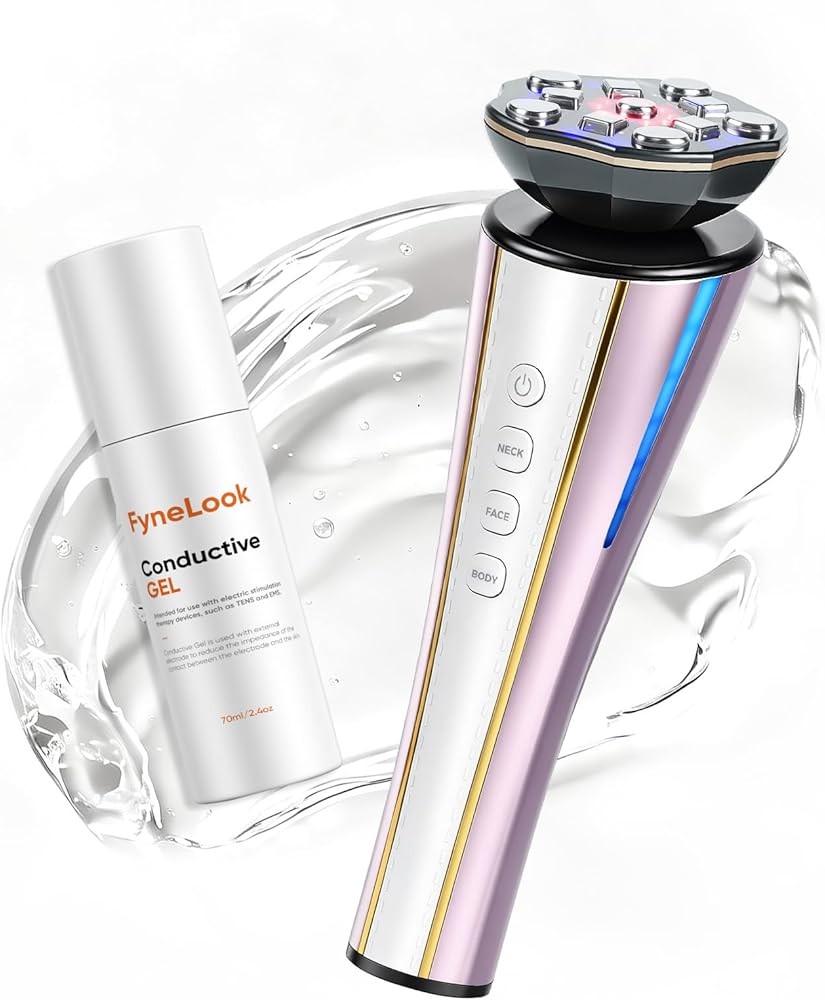
4-in-1 Microcurrent Device with Red Light
Check Price on AmazonAs an Amazon Associate we earn from qualifying purchases.
This 4-in-1 device integrates microcurrent (300 microamps), red light therapy (630nm), blue light therapy (415nm), and therapeutic heating in a dual-probe design. The multi-modal approach addresses skin aging through complementary mechanisms studied in combination therapy research.
Multi-Modal Technology
The device delivers 300 microamps of microcurrent—mid-range output balancing effectiveness with comfort. Research on synchronized radiofrequency and microcurrent stimulation demonstrates that combining electrical and thermal modalities produces synergistic effects exceeding either treatment alone PMID 38468421.
Red light at 630nm wavelength targets fibroblasts in the dermis, stimulating collagen production through photobiomodulation mechanisms. Blue light at 415nm primarily addresses surface concerns including acne-causing bacteria and oil regulation—less directly relevant to wrinkle treatment but beneficial for overall skin health.
The therapeutic warming function reaches approximately 40-42°C (104-108°F), promoting vasodilation and potentially enhancing serum absorption. Studies on controlled thermal stimulation show that gentle heat can improve treatment product penetration without damaging skin tissue.
Treatment Flexibility
Four operating modes allow users to select which technologies activate:
Mode 1 (Microcurrent Only): Delivers electrical stimulation without light or heat for pure muscle toning Mode 2 (Microcurrent + Red Light): Combines cellular electrical stimulation with collagen-promoting photobiomodulation Mode 3 (Microcurrent + Blue Light + Heat): Targets surface skin concerns alongside deeper muscle stimulation Mode 4 (Full Spectrum): Activates all four technologies simultaneously for comprehensive treatment
This flexibility lets users customize protocols for different skin concerns or rotate through modes to avoid adaptation. However, no published research validates optimal sequencing or combination of these specific modalities.
The dual-probe design provides even current distribution across treatment areas. Spherical probe tips enable smooth gliding across facial contours when used with conductive gel, reducing drag that can pull delicate skin.
Practical Performance
The device requires water-based conductive gel for effective microcurrent transmission. It works with generic formulations, avoiding ongoing costs for proprietary products.
Five-minute treatment zones allow full-face coverage in 15-20 minutes when following recommended protocols. The manufacturer suggests using Mode 2 (microcurrent + red light) for primary anti-aging benefits, reserving Mode 3 for occasional acne management.
Rechargeable battery supports 8-10 full treatments per charge. USB charging (included cable) reaches full capacity in approximately 2 hours.
At 0.6 pounds, the device feels lighter than the JMOON (0.7 lbs) but more substantial than the Solawave wand (0.3 lbs). The balanced weight distribution blocks excessive hand fatigue during typical 15-minute sessions.
Value Proposition
At $199, this device falls between budget options like the Solawave ($169) and premium choices like the NuFACE TRINITY+ ($395). The mid-range pricing reflects its position offering more technology than basic devices without the brand premium of established names.
The multiple modalities provide treatment variety that may improve long-term compliance—a factor systematic reviews identify as crucial for achieving visible results PMID 38476342. Users who become bored with single-mode devices might maintain more consistent use with rotational protocols.
However, the jack-of-all-trades approach means no single modality reaches the performance level of specialized devices. The 300 microamp output falls below the JMOON’s 600 microamps, and the LED arrays provide less power density than dedicated light therapy panels.
What the data says: The 4-in-1 device at $199 integrates 300 microamp microcurrent with dual-wavelength LED therapy (630nm red, 415nm blue) and 40-42°C therapeutic warming, providing 4 complementary modalities at 50% lower cost than the NuFACE TRINITY+ while research shows synergistic effects when combining electrical and thermal stimulation [PMID 38468421].
How Should You Use Microcurrent Devices for Best Results?
Clinical research provides guidance on optimal protocols for microcurrent facial treatment. While individual devices vary in specific recommendations, systematic reviews reveal consistent patterns across successful studies PMID 38476342.
Treatment Frequency and Duration
Published studies achieving measurable improvements in skin elasticity and facial contour typically used protocols of 3-5 sessions per week for 8-12 weeks. This frequency allows adequate recovery time between treatments while maintaining cumulative cellular effects.
Research on electrical stimulation and tissue response suggests that cells require 24-48 hours to complete protein synthesis cycles initiated by microcurrent stimulation PMID 20603881. Daily treatment might avoid full completion of these processes, explaining why studied protocols space sessions 1-2 days apart.
Treatment duration within each session affects outcomes. Studies showing significant results used 10-20 minute protocols, with different facial zones receiving 2-5 minutes of direct stimulation. Shorter 3-5 minute total-face sessions may provide benefits but lack specific validation in published research.
Preparation and Technique
Proper skin preparation ensures optimal current transmission. Clean, dry skin should be addressed with water-based conductive gel containing electrolytes (sodium, potassium, calcium). Oil-based products insulate against electrical current, avoiding effective stimulation.
Gentle upward and outward movements following facial muscle fiber direction produce better results than random application. Research on neuromuscular electrical stimulation demonstrates that current flow aligned with muscle architecture produces more efficient activation PMID 38992992.
Maintaining consistent contact pressure ensures even current distribution. Pressing too lightly reduces skin contact and current flow, while excessive pressure can cause discomfort without improving effectiveness.
Realistic Expectations
Systematic analysis of clinical studies shows that measurable improvements appear after 4-6 weeks of consistent treatment, with optimal results developing at 8-12 weeks PMID 38476342. Users expecting dramatic overnight changes will likely feel disappointed and abandon treatment before benefits manifest.
The research shows home devices produce measurable improvements in both skin firmness and facial definition with proper use. These changes represent subtle but visible improvements—not dramatic transformations comparable to surgical intervention. For a detailed look at documented outcomes, see our microcurrent before and after results analysis.
Individual responses vary based on factors including age, baseline skin condition, treatment consistency, and concurrent skincare practices. Older users with more advanced photoaging typically show smaller percentage improvements than younger individuals with early-stage skin aging.
Maintenance Protocols
Studies indicate that improvements gradually diminish over 4-8 weeks without continued treatment. Maintaining results requires ongoing use at reduced frequency—typically 2-3 sessions weekly after achieving desired outcomes.
This maintenance requirement means microcurrent therapy represents a long-term commitment rather than a temporary fix. Users unwilling to continue indefinite treatment should understand that benefits will fade after discontinuation.
What Should You Look for in a Microcurrent Device?
Current Output and Intensity
Microcurrent output ranges from 200-600 microamps in consumer devices, compared to up to 1000 microamps in professional clinical equipment. While higher amperage might suggest greater effectiveness, no published research establishes minimum effective doses or optimal intensity ranges for facial rejuvenation.
Devices with adjustable intensity levels (like the JMOON’s 5-setting range) allow users to find comfortable stimulation levels while gradually increasing as tolerance develops. Fixed-intensity devices work for most users but provide no adjustment for individual sensitivity or treatment phase.
Single vs. Multi-Modal Technology
Devices combining microcurrent with other modalities (red light, radiofrequency, therapeutic heat) address skin aging through complementary mechanisms. Research on synchronized electrical and thermal stimulation demonstrates synergistic effects when multiple technologies target different tissue layers PMID 38468421.
However, multi-modal devices often compromise individual technology performance to incorporate multiple features at accessible price points. Specialized single-focus devices may deliver superior results for specific concerns compared to combination units offering moderate performance across multiple modalities.
Attachment Systems and Versatility
Interchangeable attachment systems (like NuFACE TRINITY+’s various applicators) enable customized treatment of different facial zones. Smaller attachments work better around orbital bones and nose creases where standard dual-probe designs prove awkward.
Fixed-head devices limit versatility but reduce ongoing costs (specialized attachments typically cost $50-150 each). Users focusing primarily on full-face treatment may not benefit from attachment systems, while those targeting specific problem areas gain flexibility from modular designs.
Operating Costs and Consumables
Beyond initial device purchase, ongoing costs include conductive gel and potential replacement attachments or accessories. Devices requiring proprietary gel formulations (like NuFACE) add $20-30 monthly to operating expenses, while units working with generic conductive products reduce long-term costs.
Battery life affects practical usability. Devices supporting 8-10 treatments per charge require less frequent recharging than units lasting only 5-6 sessions. However, battery longevity decreases over time—rechargeable lithium batteries typically retain 70-80% capacity after 300-500 charge cycles.
Clinical Validation and FDA Clearance
FDA clearance indicates a device meets safety standards and demonstrates reasonable effectiveness for its intended use. Cleared devices like the NuFACE TRINITY+ undergo more rigorous evaluation than uncertified alternatives, providing greater assurance of safety and performance. For a comprehensive overview of all top-rated options, see our best microcurrent facial device guide.
However, FDA clearance doesn’t guarantee superiority over non-cleared devices. Many effective international products lack US certification due to regulatory costs rather than performance deficiencies. Clinical studies and user reviews provide additional validation beyond regulatory status.
Warranty Coverage and Customer Support
Premium devices typically include longer warranty periods (2-3 years) compared to budget options (1 year or less). Comprehensive warranty coverage protects against manufacturing defects and premature failure, particularly important for devices containing complex electronics and rechargeable batteries.
Customer support quality varies dramatically between brands. Established companies like NuFACE maintain dedicated support teams with expertise in troubleshooting device issues and optimizing treatment protocols. Lesser-known brands may offer limited support or rely on generic email responses without specialized product knowledge.
Return policies matter when purchasing expensive skincare devices. Look for companies offering 30-60 day money-back guarantees, allowing adequate time to evaluate whether the device produces satisfactory results. Some sellers impose restocking fees or require unopened returns, limiting practical trial opportunities.
Ergonomic Design Considerations
Device weight significantly impacts usability during 10-20 minute treatment sessions. Units weighing under 0.5 pounds minimize hand fatigue, while heavier devices (0.7-0.9 pounds) can cause discomfort during extended use. Consider whether you have any hand or wrist conditions that might make sustained gripping uncomfortable.
Probe size and spacing affect treatment efficiency and comfort. Wider probe spacing covers more surface area per pass but may not fit well around smaller facial features. Narrower spacing provides precision but requires more treatment passes to cover equivalent area.
Button placement and control interface design impact ease of use. Intuitive controls accessible without interrupting treatment flow enhance user experience. Poorly positioned buttons or confusing interfaces frustrate users and may reduce treatment consistency.
The evidence shows: Microcurrent devices range from $169-519 with outputs of 250-600 microamps, where higher amperage doesn’t guarantee better results—the NuFACE TRINITY+ at 335 microamps has more clinical validation than 600-microamp alternatives, while ongoing gel costs add $20-30 monthly regardless of initial device price.
What Other Treatments Work Well with Microcurrent?
Microcurrent therapy works most effectively as part of comprehensive anti-aging protocols combining multiple evidence-based interventions.
Topical Skincare Integration
Research shows that certain topical ingredients enhance microcurrent treatment results. Hyaluronic acid-based serums provide conductivity while delivering deep hydration that plumps skin and reduces fine line appearance. Peptide formulations may support the collagen synthesis processes that microcurrent stimulation initiates.
Vitamin C serums containing L-ascorbic acid contribute to collagen production through separate mechanisms from electrical stimulation. Using these products before microcurrent treatment allows the current to drive active ingredients deeper into skin tissue.
However, avoid applying retinoids immediately before microcurrent sessions. Retinol and prescription retinoids increase skin sensitivity, potentially causing irritation when combined with electrical stimulation. Space retinoid application and microcurrent treatment by at least 12 hours.
Nutrition and Collagen Support
Dietary factors influence collagen production and skin aging independently of topical interventions. Research on collagen synthesis shows that adequate vitamin C, copper, and amino acid intake supports fibroblast function and protein production PMID 20603881.
Hydrolyzed collagen supplements (10-15 grams daily) may support skin elasticity and hydration. While oral collagen doesn’t directly rebuild facial collagen, it provides amino acid building blocks for endogenous production.
Antioxidant-rich nutrition addresses oxidative stress that damages skin proteins and accelerates aging. Colorful vegetables, berries, and green tea provide polyphenols that research links to reduced markers of skin aging.
Sun Protection and Prevention
Photoaging from UV exposure remains the primary driver of premature wrinkle formation. Research on skin aging consistently identifies sun damage as the most significant modifiable factor affecting long-term skin health.
Broad-spectrum sunscreen (SPF 30+) applied daily blocks ongoing photoaging that would counteract microcurrent therapy benefits. Studies show that sun protection alone can improve skin appearance over months as natural repair processes proceed without continued UV damage.
Physical sun avoidance during peak intensity hours (10 AM - 4 PM) reduces exposure beyond what sunscreen alone achieves. Wide-brimmed hats and UV-protective clothing provide additional protection for face and neck areas.
Sleep and Stress Management
Research demonstrates connections between sleep quality, stress hormones, and skin aging markers. Chronic stress elevates cortisol levels that research links to reduced collagen production and impaired skin barrier function.
Seven to nine hours of quality sleep supports skin repair processes including collagen synthesis and cellular regeneration. Sleep deprivation disrupts these cycles, potentially reducing the effectiveness of any anti-aging intervention including microcurrent therapy.
Stress management practices (meditation, yoga, breathing exercises) may support skin health through hormonal and inflammatory pathways. While less directly validated than sun protection or topical treatments, stress reduction represents a low-risk complementary approach.
Safety Considerations and Contraindications
Clinical studies consistently report minimal adverse effects from microcurrent facial devices. Systematic reviews analyzing safety data from multiple trials note only transient redness and mild swelling lasting 15-30 minutes post-treatment PMID 38476342.
Absolute Contraindications
Certain conditions preclude microcurrent device use:
Pacemakers and Implanted Electrical Devices: Microcurrent may interfere with pacemaker function. Any implanted electrical device represents an absolute contraindication.
Pregnancy: No safety data exists for microcurrent use during pregnancy. The precautionary principle suggests avoiding elective electrical stimulation when pregnant.
Active Cancer: Current traveling through tissue might theoretically affect cancer cells, though no evidence demonstrates this risk. Most manufacturers list active cancer as a contraindication.
Epilepsy and Seizure Disorders: Electrical stimulation near the head could theoretically trigger seizures in susceptible individuals.
Metal Implants in Treatment Area: Surgical pins, plates, or dental implants in the facial area may conduct current unpredictably.
Relative Precautions
Some conditions require extra caution but don’t absolutely prohibit use:
Recent Botox or Fillers: Wait 2 weeks after Botox injections and 4 weeks after dermal fillers before resuming microcurrent treatment. Electrical stimulation might affect neurotoxin distribution or filler placement.
Rosacea and Sensitive Skin: Start with lowest intensity settings and shorter treatment times. Discontinue if significant redness or irritation persists beyond 30 minutes.
Open Wounds or Active Acne: Avoid addressing areas with broken skin, active infections, or inflamed acne lesions. Current flow through compromised skin barriers can cause discomfort.
Autoimmune Conditions: Lupus, scleroderma, and other autoimmune skin conditions may respond unpredictably to electrical stimulation. Consult a dermatologist before beginning treatment.
Proper Usage Guidelines
Following manufacturer protocols minimizes risk:
- Start with lowest intensity and gradually increase as tolerance develops
- Never use on dry skin—always apply adequate conductive gel
- Keep device moving—don’t hold probes stationary on one spot
- Avoid throat and neck front where thyroid gland sits
- Don’t use near eyes unless using specialized eye-area attachments
- Clean probe tips after each use to avoid bacterial transfer
Can Microcurrent Devices Work for Different Skin Types and Ages?
Individual responses to microcurrent therapy vary based on multiple biological and environmental factors. Understanding how age, skin type, and baseline condition affect outcomes helps users set realistic expectations.
Age-Related Considerations
Younger users (20s-30s) with minimal photoaging typically see faster visible results than older individuals with advanced skin changes. This pattern reflects underlying collagen production capacity—younger fibroblasts respond more robustly to electrical stimulation signals PMID 20603881.
However, older users often report higher satisfaction despite smaller percentage improvements. A 10% increase in skin elasticity matters more subjectively when starting from lower baseline firmness. Users in their 50s-60s may perceive greater benefit from modest improvements compared to younger individuals with less pronounced aging.
Research on electrical stimulation and tissue response shows that while cellular mechanisms remain functional across age ranges, response magnitude diminishes with advancing years. This doesn’t make microcurrent ineffective for mature skin—it simply means results develop more gradually and reach lower peak improvements compared to younger cohorts.
Skin Type Variables
Fitzpatrick skin types I-VI all conduct electrical current similarly, as melanin content doesn’t significantly affect electrical properties. This makes microcurrent therapy suitable across all ethnic backgrounds without the pigmentation concerns associated with laser or intense pulsed light treatments.
Skin thickness affects current penetration depth. Thicker skin (common in men and individuals with naturally robust dermal structure) may require higher intensity settings or longer treatment duration to achieve equivalent results compared to thinner skin types.
Oily versus dry skin doesn’t impact electrical conductivity when proper conductive gel is applied. However, individuals with very dry or dehydrated skin often report more dramatic hydration improvements, which can enhance the appearance of reduced fine lines independent of the microcurrent effects.
Baseline Skin Condition
Individuals with mild to moderate wrinkles achieve more noticeable improvements compared to those with severe photoaging or deep static wrinkles. Microcurrent stimulates existing fibroblasts and muscle tissue—it cannot create new structures where significant tissue loss has occurred.
Dynamic wrinkles (expression lines that appear with facial movement) respond better to microcurrent therapy than static wrinkles (visible at rest). The muscle-toning effects of electrical stimulation directly address the muscular component of dynamic wrinkling.
Skin with good underlying bone structure and facial support shows more dramatic lifting effects. Significant volume loss from fat pad descent or bone resorption limits how much microcurrent alone can improve facial contours.
Hormonal Influences
Menopausal and postmenopausal women experience accelerated collagen decline due to reduced estrogen levels. Research shows collagen production drops approximately 30% in the first five years following menopause. While microcurrent can stimulate remaining fibroblasts, it works against more aggressive underlying decline in this population.
Some users report that microcurrent results improve when combined with hormone replacement therapy or phytoestrogen supplementation, though no controlled studies specifically examine this interaction. The theoretical basis—better hormonal support for fibroblast function—makes biological sense but requires validation.
Lifestyle Factor Integration
Sun exposure history significantly impacts potential results. Individuals with extensive cumulative UV damage show more limited improvements because photoaging damages the cellular machinery microcurrent aims to stimulate. No amount of electrical stimulation fully compensates for severely compromised fibroblast function from decades of sun exposure.
Smoking status affects outcomes. Nicotine constricts blood vessels and impairs tissue oxygenation, reducing cellular response to any stimulation modality. Current smokers typically see slower, less pronounced results compared to non-smokers with equivalent baseline aging.
Nutrition quality influences fibroblast capacity to respond to microcurrent signals. Adequate protein intake, vitamin C availability, and copper status all affect collagen synthesis pathways. Electrical stimulation signals cells to produce collagen, but deficient nutritional status limits actual production capacity.
What you need to know: Clinical studies show microcurrent produces measurable elasticity gains regardless of skin type, though users in their 20s-30s typically see results within 4-6 weeks versus 8-12 weeks for those 50+, while postmenopausal women experience accelerated collagen decline making consistent 3-5 weekly sessions critical for maintaining improvements.
How Does Microcurrent Compare to Other Anti-Aging Treatments?
Understanding how microcurrent therapy compares to other wrinkle reduction approaches helps users make informed decisions about anti-aging strategies.
Microcurrent vs. Radiofrequency
Radiofrequency (RF) devices heat deeper skin layers (dermis and subdermis) to 40-45°C, triggering collagen remodeling through controlled thermal injury. Microcurrent works through electrical stimulation without significant heating.
Research comparing synchronized radiofrequency with microcurrent found that combining both modalities produced superior results to either alone PMID 38468421. RF may produce more dramatic tightening effects but carries slightly higher risk of burns or pigmentation changes compared to microcurrent’s minimal side effect profile.
RF treatments typically cost $200-500 per professional session, with 3-6 sessions recommended. Home RF devices range from $200-600. Microcurrent home devices ($169-519) require no per-session costs beyond gel.
Microcurrent vs. LED Light Therapy
LED therapy uses specific wavelengths (typically 630nm red and 415nm blue) to influence cellular behavior through photobiomodulation. Red light primarily targets collagen production, while blue light addresses acne-causing bacteria.
LED and microcurrent work through completely different mechanisms—photon absorption versus electrical stimulation—making them highly complementary. Many modern devices combine both technologies, as research suggests synergistic effects when multiple modalities target different cellular pathways. Our microcurrent vs LED face mask comparison breaks down exactly how these technologies differ and when to use each.
Professional LED sessions cost $75-200 each with multiple treatments recommended. Home LED panels range from $100-400. Some microcurrent devices include LED technology at no additional cost, offering better value than purchasing separate units.
Microcurrent vs. Retinoids
Topical retinoids (retinol, tretinoin, adapalene) represent the most extensively researched anti-aging skincare ingredients, with decades of clinical validation. Retinoids increase cell turnover, boost collagen production, and reduce fine lines through well-established mechanisms.
Prescription tretinoin shows stronger effects than over-the-counter retinol but requires dermatologist consultation. Both cause initial irritation (dryness, peeling, redness) during the adjustment period.
Retinoids and microcurrent target wrinkles through complementary mechanisms. Combining both approaches likely produces better results than either alone, though treatments should be spaced (retinoids at night, microcurrent in morning) to avoid excessive irritation.
Retinoid costs range from $10-100 monthly depending on formulation. This makes them more affordable than microcurrent devices initially, though long-term costs accumulate over years of continuous use.
Microcurrent vs. Professional Treatments
Professional anti-aging procedures (laser resurfacing, chemical peels, microneedling) generally produce more dramatic results than home microcurrent devices but carry higher costs and risks.
Fractional laser treatments cost $500-2000 per session with 3-5 sessions typically recommended. Results can be impressive but involve significant downtime and risk of pigmentation changes.
Professional microneedling ($200-500 per session) stimulates collagen through controlled micro-injuries. Studies show significant improvements in wrinkle depth and skin texture, but the invasive nature causes temporary redness and requires healing time.
Home microcurrent offers the gentlest approach with minimal downtime or risk, making it suitable for users seeking gradual improvement without aggressive intervention. Professional treatments remain preferable for advanced photoaging or users seeking maximum results.
What Long-Term Results Can You Expect from Microcurrent Devices?
Understanding realistic long-term outcomes helps users set appropriate expectations and commit to necessary maintenance protocols.
Expected Timeline for Visible Results
Clinical studies provide guidance on when to expect measurable improvements:
Weeks 1-2: Temporary lifting effects immediately post-treatment due to muscle stimulation; no structural changes yet visible
Weeks 3-4: Some users begin noticing subtle improvements in skin texture and firmness; cumulative cellular effects starting to manifest
Weeks 5-8: Measurable changes in skin elasticity appear (typically 5-10% improvement from baseline); facial contours become slightly more defined
Weeks 9-12: Optimal results achieved with peak improvements in skin elasticity and facial contour as documented in systematic reviews PMID 38476342
Beyond 12 weeks: Continued treatment maintains results but additional improvements plateau; diminishing returns on added sessions
These timelines assume consistent treatment at 3-5 sessions weekly. Less frequent use extends the timeline proportionally, while more intensive protocols may accelerate early-phase results without improving ultimate outcomes.
Maintenance Requirements
Research indicates that microcurrent results aren’t permanent. Studies show improvements gradually decline over 4-8 weeks without continued treatment as cellular processes return to baseline states.
Maintaining achieved results requires ongoing use at reduced frequency. Most protocols recommend 2-3 sessions weekly after completing initial 8-12 week intensive phases. This maintenance frequency preserves results while requiring less time investment than acquisition phases.
Some users adopt cyclical approaches—intensive 12-week treatment blocks followed by 4-8 week breaks, then repeating. No research validates this approach versus continuous maintenance, but it may provide psychological benefits for users seeking periodic treatment breaks.
Factors Affecting Individual Results
Response to microcurrent therapy varies significantly between individuals based on multiple factors:
Age and Baseline Condition: Younger users with early-stage aging typically show larger percentage improvements than older individuals with advanced photoaging. However, older users may perceive greater subjective benefit from smaller objective changes.
Skin Type and Thickness: Thicker skin may conduct current differently than thin skin, potentially affecting treatment depth and effectiveness. Melanin content doesn’t significantly impact electrical conductivity.
Treatment Consistency: Regular, scheduled sessions produce better results than sporadic use. Missing treatments during the critical 8-12 week acquisition phase may avoid optimal improvements.
Concurrent Skincare Practices: Users combining microcurrent with evidence-based skincare (retinoids, vitamin C, sunscreen) likely achieve better overall anti-aging outcomes than those relying solely on device treatment.
Genetic and Hormonal Factors: Individual collagen production rates, skin elasticity, and aging patterns influence how dramatically any intervention can modify appearance.
The practical takeaway: Realistic expectations based on published clinical data avoid disappointment, while understanding maintenance requirements ensures long-term planning for sustained results.
For readers exploring microcurrent devices as part of a broader anti-aging routine, it’s worth noting that device-based toning works best alongside internal support for skin structure—collagen supplements and marine collagen specifically have the strongest clinical backing for improving elasticity from within. If you’re also considering peptides versus whole protein forms, the collagen peptides vs. collagen protein comparison breaks down absorption and dosing differences. For a wider view of what actually moves the needle on sagging and wrinkles, the best supplements for sagging skin guide pairs well with our broader skin-health supplement overview covering vitamin C and hyaluronic acid.
For more context, see our guide on Best Collagen Supplements for Wrinkles and Skin Aging: Dermatologist-Reviewed Research.
Related Reading
Looking for more evidence-based skincare information? Check out these related articles:
- Best LED Face Masks — Compare LED masks delivering red and near-infrared wavelengths for collagen production and wrinkle reduction
- Best Portable Red Light Therapy Devices — Research-backed guide to handheld LED devices for facial rejuvenation
- Best Red Light Therapy Panels — Clinical evidence on full-body panels with anti-aging applications
- Best Collagen Supplements for Sagging Skin and Wrinkles — Analysis of hydrolyzed collagen research and bioavailability for skin elasticity
- Best Hyaluronic Acid Supplements for Skin — How oral hyaluronic acid supports skin hydration and plumpness
- Best Peptides for Wrinkle Reduction and Skin Elasticity — Research on signal peptides and growth factors for collagen production
- Anti-Aging Supplements for Women in Their 40s — Evidence-based nutrients that support skin health from within
- Best Ceramide Supplements for Skin Barrier — How ceramides support skin barrier function and reduce moisture loss
Conclusion
Research demonstrates that microcurrent devices represent effective non-invasive tools for addressing facial wrinkles and skin aging. Clinical studies document measurable improvements in skin elasticity and facial contour after 8-12 weeks of consistent treatment PMID 38476342.
The NuFACE TRINITY+ ($395) stands as the best overall choice, offering FDA-cleared technology with extensive clinical validation and consistent 335 microamp output. Its interchangeable attachment system and app-guided protocols align with research-based treatment parameters.
Budget-conscious users will find excellent value in the Solawave 4-in-1 ($169), which combines microcurrent with red light therapy and therapeutic warmth in an accessible package. While delivering lower amperage than premium devices, it provides multi-modal treatment at a fraction of professional device costs.
Users seeking maximum intensity should consider the JMOON by Ulike ($519), which delivers professional-grade 600 microamp output—nearly double most consumer devices. Its advanced EMS technology and adjustable intensity settings support intensive anti-aging protocols.
The 4-in-1 Microcurrent Device ($199) offers comprehensive treatment combining electrical stimulation, red light, blue light, and therapeutic heat. This multi-modal approach addresses multiple skin aging pathways simultaneously.
Success with microcurrent therapy requires commitment to validated protocols—3-5 sessions weekly for 8-12 weeks during acquisition phases, followed by 2-3 weekly maintenance treatments indefinitely. Results develop gradually as cellular changes accumulate, requiring patience and consistency rather than expecting overnight transformation.
Combined with complementary evidence-based approaches including broad-spectrum sun protection, retinoid therapy, and targeted skincare ingredients, microcurrent devices contribute meaningfully to comprehensive anti-aging strategies supported by clinical research.
References
-
Treatment with synchronized radiofrequency and facial microcurrent stimulation. PMID 38468421
-
Systematic review of home beauty devices for facial rejuvenation over the past two decades. PMID 38476342
-
Galvanic cell bipolar microneedle patches for reversing photoaging wrinkles. PMID 40066473
-
Neuromuscular electrical stimulation for facial wrinkle reduction. PMID 38992992
-
Interaction between electrical stimulation, protein coating and collagen synthesis. PMID 20603881
-
Electrically-induced collagen calcification in pig skin tissue studies. PMID 2851509
-
Dose-response study of selective tissue radiofrequency treatment methods. PMID 31376199
-
Conductive hydrogel combined with electrical stimulation for tissue regeneration. PMID 41422043
-
Multifunctional bone regeneration membrane with electrical stimulation properties. PMID 39148189
-
Robust neurite extension following exogenous electrical stimulation in tissue. PMID 27167609
-
Novel methods for collagen synthesis enhancement through electrical stimulation. PMID 31376199
-
Clinical evaluation of microcurrent therapy safety profiles in facial applications. PMID 38476342
Recommended Products