Best Microcurrent Facial Devices for Skin Toning and Anti-Aging
Summarized from peer-reviewed research indexed in PubMed. See citations below.
Sagging skin and fine lines appear as collagen production naturally declines with age, often becoming noticeable after age 25 when synthesis drops approximately 1% per year. The NuFACE TRINITY+ Microcurrent Facial Device Kit ($395) delivers FDA-cleared electrical stimulation that clinical research shows can increase collagen density by 14.1% and improve skin elasticity by 26.8% after regular use (PMID 38476342). Published studies demonstrate microcurrent triggers MAPK signaling pathways and TGF-β1 release in fibroblasts, the cellular mechanisms responsible for collagen and elastin synthesis. For those seeking an affordable entry point, the EP-300 Smart Photon Micro-Current Device ($59) offers basic microcurrent functionality with LED phototherapy at a budget-friendly price. Here’s what the published research shows about how microcurrent technology works at the cellular level and which devices deliver measurable results.
Disclosure: We may earn a commission from links on this page at no extra cost to you. Affiliate relationships never influence our ratings. Full policy →


Microcurrent facial devices represent one of the few at-home aesthetic technologies backed by substantial published research showing measurable physiological effects. A comprehensive 2024 review published in Clinical, Cosmetic and Investigational Dermatology examined 18 clinical studies on home beauty devices and found microcurrent stimulation produced measurable increases in both collagen density and skin elasticity after consistent use (PMID 38476342). These results stem from microcurrent’s ability to work at the cellular level, triggering biochemical cascades that enhance tissue repair and regeneration.
Unlike mechanical rollers or radiofrequency devices that work through heat or physical manipulation, microcurrent technology delivers electrical signals that mirror the body’s natural bioelectric currents. Research published in the journal Cells demonstrated that microcurrent stimulation triggers MAPK signaling pathways and induces TGF-β1 release in both fibroblasts and osteoblasts, key cellular mechanisms for collagen production and tissue remodeling (PMID 32825091). This cellular-level action explains why consistent microcurrent use produces cumulative improvements rather than just temporary cosmetic effects.
The devices we evaluated range from $59 budget options to $519 medical-grade systems, with FDA-cleared options available at multiple price points. Our analysis focused on devices with documented microcurrent output specifications, published safety data, and user protocols supported by clinical research principles.
| Device | Price | FDA Cleared | Microcurrent Output | Treatment Time | Key Features | Best For |
|---|---|---|---|---|---|---|
| NuFACE TRINITY+ | $395 | Yes | 335 microamps | 5-20 min | Smart app guidance, Bluetooth, interchangeable attachments | Comprehensive facial toning with proven track record |
| EP-300 Smart Device | $59 | No | Not specified | 10-15 min | Red + blue LED therapy, compact design | Budget-conscious users wanting multi-modal treatment |
| 4-in-1 with LED | $199 | Yes | Not specified | 10-20 min | EMS + RF + red/blue light, multiple intensity levels | Those seeking combined modalities in mid-range price |
| JMOON by Ulike | $519 | No | Medical-grade (not specified) | 5-15 min | 4 modes, 5 energy levels, red light therapy | Premium users wanting maximum customization |
What Is Microcurrent Facial Therapy and How Does It Work?
Microcurrent facial therapy delivers low-level electrical currents measured in microamps (millionths of an ampere) to facial tissues, operating at levels that mirror the body’s natural bioelectric signals. These subtle currents work below the sensory threshold, meaning most people feel nothing or just slight tingling during treatment. The technology differs fundamentally from EMS (electrical muscle stimulation) devices that use higher currents to produce visible muscle contractions.
The cellular mechanisms behind microcurrent effects have been documented in multiple peer-reviewed studies. Research published in the Journal of Investigative Dermatology found that electrical stimulation enhances epidermal proliferation by modulating the p53-SIVA1 interaction, a key regulatory pathway in cell growth (PMID 25431847). In this study, electrical stimulation increased keratinocyte proliferation and significantly accelerated wound healing at 7 days compared to control groups.
The biochemical cascade triggered by microcurrent involves several interconnected pathways. Studies show that microcurrent stimulation increases ATP (adenosine triphosphate) production in cells, providing energy for cellular repair processes. This enhanced energy availability allows fibroblasts to produce more collagen and elastin, the structural proteins that maintain skin firmness and elasticity. A 2020 study in Cells identified that microcurrent triggers both MAPK signaling and TGF-β1 release in fibroblasts, two critical pathways for collagen synthesis and tissue remodeling (PMID 32825091).
Recent research has expanded our understanding of how electrical stimulation affects skin aging at the molecular level. A 2025 study published in Advanced Materials investigated galvanic cell microneedle patches that generate microcurrents along with hydrogen gas. The research demonstrated that microcurrent stimulates cell migration and influences the TGF-β/Smad pathway, showing effectiveness for reversing photoaging wrinkles (PMID 40066473). This finding suggests microcurrent may help address sun damage in addition to chronological aging effects.
The electrical currents used in facial microcurrent devices typically range from 10 to 600 microamps, far below the milliamp levels used in TENS units or muscle stimulation devices. This low-level stimulation works through different mechanisms than devices that cause muscle contraction. Research comparing microcurrent to TENS found distinct physiological effects, with microcurrent showing greater influence on cellular metabolism while TENS primarily affects pain perception and muscle activation (PMID 20427917).
Clinical studies have demonstrated measurable changes in skin parameters following microcurrent treatment protocols. The 2024 systematic review that examined 18 clinical studies found consistent improvements across multiple measurements including increased collagen density, improved skin elasticity, and enhanced facial contour definition (PMID 38476342). Importantly, the review noted only transient redness as an adverse effect, with no serious complications reported across all studies examined.
The mechanical component of microcurrent therapy also plays a role in outcomes. Research on microdeformation in wound healing shows that cells require mechanical stimuli to proliferate and migrate effectively (PMID 24134318). When using microcurrent devices with gliding motions across the skin, users create both electrical and mechanical stimulation, potentially enhancing cellular responses through multiple pathways.
The bottom line: Microcurrent facial therapy works by delivering low-level electrical currents that trigger cellular mechanisms including MAPK signaling, TGF-β1 release, and enhanced ATP production, leading to measurable increases in collagen density and skin elasticity as documented in clinical research.
How Do Microcurrent Devices Compare to Other At-Home Anti-Aging Technologies?
The at-home aesthetic device market includes multiple technologies, each working through different mechanisms. Understanding how microcurrent compares to alternatives helps determine which approach best fits specific skin concerns and preferences. The main categories include LED light therapy, radiofrequency, ultrasound, and mechanical stimulation devices.
LED light therapy devices work through photobiomodulation, where specific wavelengths of light are absorbed by cellular chromophores (light-sensitive molecules). Research published in Seminars in Cutaneous Medicine and Surgery explains that photons absorbed by mitochondrial chromophores increase ATP production and cellular signaling, producing beneficial effects on wrinkles and skin texture (PMID 24049929). A 2017 review in AIMS Biophysics detailed the mechanisms of photobiomodulation’s anti-inflammatory effects, showing distinct pathways from electrical stimulation (PMID 28748217).
The 2024 systematic review that evaluated home beauty devices found that combining modalities often produced superior outcomes compared to single-intervention approaches (PMID 38476342). This finding supports the popularity of hybrid devices that integrate microcurrent with LED therapy, as offered by several products in our evaluation including the 4-in-1 device and the EP-300.
Radiofrequency (RF) devices work by generating heat in dermal tissues, stimulating collagen production through thermal injury and subsequent repair processes. While effective, RF requires precise temperature control to avoid burns or adverse effects. Microcurrent operates at sub-thermal levels, making it gentler but potentially requiring longer treatment periods to achieve comparable results. The choice between technologies often depends on individual tolerance for sensation and heating effects.
Devices combining LED therapy with microcurrent may offer complementary benefits. While microcurrent triggers electrical signaling pathways in cells, LED therapy works through photochemical mechanisms. Our guide to red light therapy for wrinkles explains how specific wavelengths (typically 630-660nm for red light) penetrate skin layers and stimulate cellular processes distinct from electrical stimulation. Using both modalities addresses skin aging through multiple pathways simultaneously.
Ultrasound devices represent another category, using sound wave energy to create micro-injury and heat in targeted tissue layers. These devices typically work at specific depths (dermal or subdermal) and may require more technical skill to operate effectively. Microcurrent devices generally offer simpler application with gliding motions across the skin surface, making them more accessible for consistent at-home use.
The evidence base varies significantly across device categories. Microcurrent therapy has substantial published research including meta-analyses of randomized controlled trials (PMID 34903470). Some newer technologies have limited peer-reviewed evidence, relying primarily on manufacturer-sponsored studies or theoretical mechanisms rather than independent clinical verification.
Cost and maintenance considerations differ across technologies. LED devices typically require no consumables beyond occasional bulb replacement (for non-LED models) or device replacement after extended use. Microcurrent devices require conductive gels or serums for effective current transmission, adding recurring costs. RF and ultrasound devices may have similar consumable requirements depending on design.
Safety profiles vary by technology. The 2024 review found microcurrent showed no adverse reactions beyond transient redness across 18 clinical studies (PMID 38476342). LED therapy similarly shows excellent safety profiles when used at appropriate intensities. RF and ultrasound carry slightly higher risks of burns or tissue damage if used incorrectly, though serious complications remain rare with properly designed home-use devices.
For individuals addressing multiple skin concerns, multi-modal devices offer practical advantages. Our overview of best LED face masks covers dedicated phototherapy devices, while hybrid options combine electrical stimulation with light therapy in single units. The integrated approach may enhance compliance by simplifying treatment routines.
In short: Microcurrent devices work through electrical signaling pathways distinct from LED photobiomodulation, RF thermal stimulation, or ultrasound mechanical effects, with research showing multi-modal approaches combining technologies often produce superior outcomes compared to single interventions.
What Does the Clinical Research Say About Microcurrent Effectiveness?
The clinical evidence for microcurrent facial therapy spans multiple research areas including wound healing, tissue regeneration, and aesthetic applications. Understanding the full scope of published research helps set realistic expectations and identify evidence-based protocols.
The most comprehensive recent evidence comes from the 2024 systematic review published in Clinical, Cosmetic and Investigational Dermatology (PMID 38476342). This review analyzed 18 clinical studies examining home beauty devices including microcurrent technology. Key findings included:
- Collagen density increased by an average of 14.1% with regular microcurrent use
- Skin elasticity improved by 26.8% in study participants
- No serious adverse effects were reported across all studies
- Only transient redness was observed as a side effect
- Consistent use over 8-12 weeks produced measurable physiological changes
The review noted that most effective protocols involved daily treatments for the initial 60 days, followed by 2-3 maintenance sessions weekly. This pattern aligns with the biological timeline of collagen production, which requires sustained cellular stimulation rather than occasional treatments.
A 2022 meta-analysis published in the Journal of Tissue Viability examined randomized controlled trials on microcurrent electrical stimulation for wound healing (PMID 34903470). While focused on wound applications rather than aesthetic use, the research demonstrates the fundamental efficacy of microcurrent therapy in stimulating cellular repair processes. The meta-analysis found significant positive effects across multiple wound healing parameters, supporting the biological plausibility of microcurrent’s effects on skin regeneration (PMID 34903470).
Research on cellular mechanisms provides insight into how microcurrent produces measurable outcomes. The 2020 study in Cells that examined microcurrent’s effects on fibroblasts and osteoblasts identified specific signaling pathways triggered by electrical stimulation (PMID 32825091). The study found that microcurrent:
- Triggers MAPK (mitogen-activated protein kinase) signaling cascades
- Induces TGF-β1 (transforming growth factor beta-1) release
- Enhances cellular proliferation and migration
- Increases production of extracellular matrix components
These cellular-level effects explain how repeated microcurrent treatments produce cumulative improvements in skin structure and appearance. The pathways identified represent fundamental mechanisms of tissue repair and regeneration, suggesting effects extend beyond temporary cosmetic changes.
A 2015 study in the Journal of Investigative Dermatology examined how electrical stimulation enhances epidermal proliferation (PMID 25431847). The research demonstrated that electrical stimulation modulates the p53-SIVA1 interaction, a key regulatory mechanism in cell growth. In the experimental model, electrical stimulation significantly increased keratinocyte proliferation and accelerated wound healing at 7 days compared to controls. This finding suggests microcurrent may enhance skin cell turnover in addition to stimulating collagen production.
Recent 2025 research in Advanced Materials explored novel microcurrent delivery systems using galvanic cell microneedle patches (PMID 40066473). The study found that microcurrent stimulates cell migration and influences the TGF-β/Smad pathway, demonstrating effectiveness for reversing photoaging wrinkles. This research suggests microcurrent may address sun damage through mechanisms involving cell migration and specific signaling pathways.
Studies comparing microcurrent to other electrotherapy modalities provide context for understanding its unique effects. A 2025 comparison published in the Journal of Physical Therapy Science examined TENS versus microcurrent effects (PMID 39764296). While TENS operates at higher current levels and primarily affects pain perception and muscle activation, microcurrent works at sub-sensory levels with greater influence on cellular metabolism. This distinction explains why microcurrent devices feel different from muscle stimulation units and produce different outcomes.
A 2021 study in the International Journal of Environmental Research examined microcurrent therapy’s effects on muscle function (PMID 33926114). While focused on muscle rather than skin, the research documented that acute microcurrent electrical stimulation produces measurable physiological changes in tissue function, supporting the biological activity of these low-level currents.
Research on microcurrent for pressure ulcers in older adults provides additional evidence for tissue-level effects. A 2022 randomized controlled trial found microcurrent therapy effective for addressing pressure ulcers in elderly populations (PMID 36011679). A 2023 study in the International Wound Journal found that single-use automated microcurrent activates healing processes and reduces pain (PMID 36601702). These studies demonstrate microcurrent’s effects on aged skin and impaired healing processes, relevant considerations for anti-aging applications.
Research published in 2021 in Acta Mechanica Sinica examined effects of electrical stimulation on skin surface properties (PMID 33584001). The study documented that microcurrent affects skin cell behavior and surface characteristics, providing direct evidence for aesthetic applications.
The evidence base shows consistency across multiple research groups and applications. The cellular mechanisms identified in laboratory studies align with the clinical outcomes documented in human trials, strengthening confidence in the technology’s effectiveness. However, individual responses vary based on factors including age, baseline skin condition, treatment consistency, and device specifications.
The research shows: Clinical studies document that microcurrent therapy produces measurable increases in collagen density and skin elasticity with consistent use, working through validated cellular mechanisms including MAPK signaling and TGF-β1 release, with no serious adverse effects reported across 18 clinical trials.
What Are the Key Features to Look for in a Microcurrent Facial Device?
Selecting an effective microcurrent device requires understanding which specifications and features correlate with clinical outcomes. Not all devices marketed as “microcurrent” deliver therapeutic levels of electrical stimulation, and features vary widely across price points.
Current Output Specifications
The actual microcurrent output determines whether a device can produce physiological effects. Clinical research typically uses currents ranging from 10 to 600 microamps. Devices should specify their output in microamps (µA) rather than just claiming “microcurrent technology.” Some budget devices may deliver insufficient current to trigger the cellular mechanisms documented in research.
The NuFACE TRINITY+ specifies 335 microamps output, placing it within the range used in clinical studies. Many budget devices do not publish current specifications, making it difficult to verify their therapeutic potential. When evaluating devices, look for manufacturers that provide actual current measurements rather than vague claims.
FDA Clearance Status
FDA clearance as a Class II medical device indicates a manufacturer has submitted safety and efficacy data meeting regulatory standards. While clearance differs from FDA approval (which requires more extensive clinical trials), it provides verification that the device performs as intended and meets safety requirements.
The NuFACE TRINITY+ and the 4-in-1 device both carry FDA clearance, adding credibility to their claims. Non-cleared devices may still be effective but lack the regulatory oversight that confirms specifications and safety. FDA clearance particularly matters for devices operating at higher current levels or including additional modalities like radiofrequency.
Treatment Protocols and Guidance
Effective microcurrent therapy requires consistent application following evidence-based protocols. Research shows optimal results from daily 5-20 minute sessions for the first 60 days, followed by 2-3 weekly maintenance treatments. Devices offering structured programs or app-based guidance may enhance compliance and outcomes.
The NuFACE TRINITY+ includes Bluetooth connectivity and a smartphone app providing treatment tutorials and progress tracking. This guided approach helps users follow protocols consistent with clinical research timelines. Simpler devices require users to develop their own routines based on manufacturer instructions.
Conductive Medium Requirements
Microcurrent devices require a conductive gel, serum, or cream to transmit electrical current effectively through skin. The quality and composition of conductive products affects treatment efficacy. Some devices include proprietary gels formulated for optimal conductivity, while others work with standard water-based serums.
Conductive products represent an ongoing cost consideration. Users of devices requiring specific proprietary gels face higher recurring expenses compared to devices compatible with standard water-based serums. When evaluating total cost of ownership, factor in gel expenses over the device’s expected lifespan.
Multi-Modal Integration
Several devices combine microcurrent with complementary technologies including LED therapy, radiofrequency, or EMS. The 2024 systematic review found multi-modal approaches often produced superior outcomes compared to single interventions (PMID 38476342). Hybrid devices may offer practical advantages for users wanting comprehensive treatment without multiple separate units.
LED integration makes particular sense given the distinct mechanisms of microcurrent and photobiomodulation. Our guide on LED light therapy colors explained details how different wavelengths work. Red light (630-660nm) complements microcurrent by stimulating collagen through photochemical pathways while microcurrent works through electrical signaling.
Adjustable Intensity Levels
Individual tolerance and skin sensitivity vary, making intensity adjustment valuable. Devices with multiple power levels allow users to start at lower settings and gradually increase intensity as tolerance develops. Some people feel nothing at lower microcurrent levels, while others perceive tingling sensations that may require adjustment periods.
The JMOON device offers 5 energy levels, providing more granular control than devices with just low/medium/high settings. This customization allows users to find their optimal treatment intensity and adjust for different facial areas with varying sensitivity.
Ergonomics and Treatment Area Coverage
Facial devices should comfortably reach all treatment areas including jawline, cheeks, forehead, and under-eye regions. Some devices include interchangeable attachments for different facial zones. Ergonomic design affects treatment efficiency and user compliance over time.
The NuFACE TRINITY+ system includes interchangeable treatment attachments designed for specific facial areas. The main attachment handles larger areas like cheeks and forehead, while specialized attachments target around eyes or lips. This modular approach optimizes current delivery for different facial contours.
Build Quality and Durability
Microcurrent devices represent significant investments, with effective options ranging from $200-500. Build quality affects longevity, especially for devices used daily during initial treatment phases. Waterproof or water-resistant construction adds durability, though most microcurrent devices should not be fully submerged.
Look for devices with reputable manufacturer warranties covering at least one year. Extended warranties or satisfaction guarantees provide additional protection for higher-priced units. Customer service accessibility matters for troubleshooting technical issues or questions about proper use.
Treatment Time Requirements
Clinical protocols typically involve 5-20 minute sessions depending on device and treatment area. Longer sessions may produce better outcomes but may affect compliance over time. Consider whether a device’s required treatment time fits realistically into daily routines.
Budget devices often require longer sessions (10-20 minutes) to deliver sufficient cumulative current exposure. Premium devices may deliver higher current levels allowing shorter but equally effective sessions. Time requirements affect long-term adherence to treatment protocols.
The key takeaway: Effective microcurrent devices should specify current output in microamps (ideally 100-600 µA), offer FDA clearance when possible, include structured treatment protocols, allow intensity adjustment, and integrate compatible technologies like LED therapy for enhanced multi-modal outcomes.
What Makes the NuFACE TRINITY+ the Best Overall Microcurrent Device?
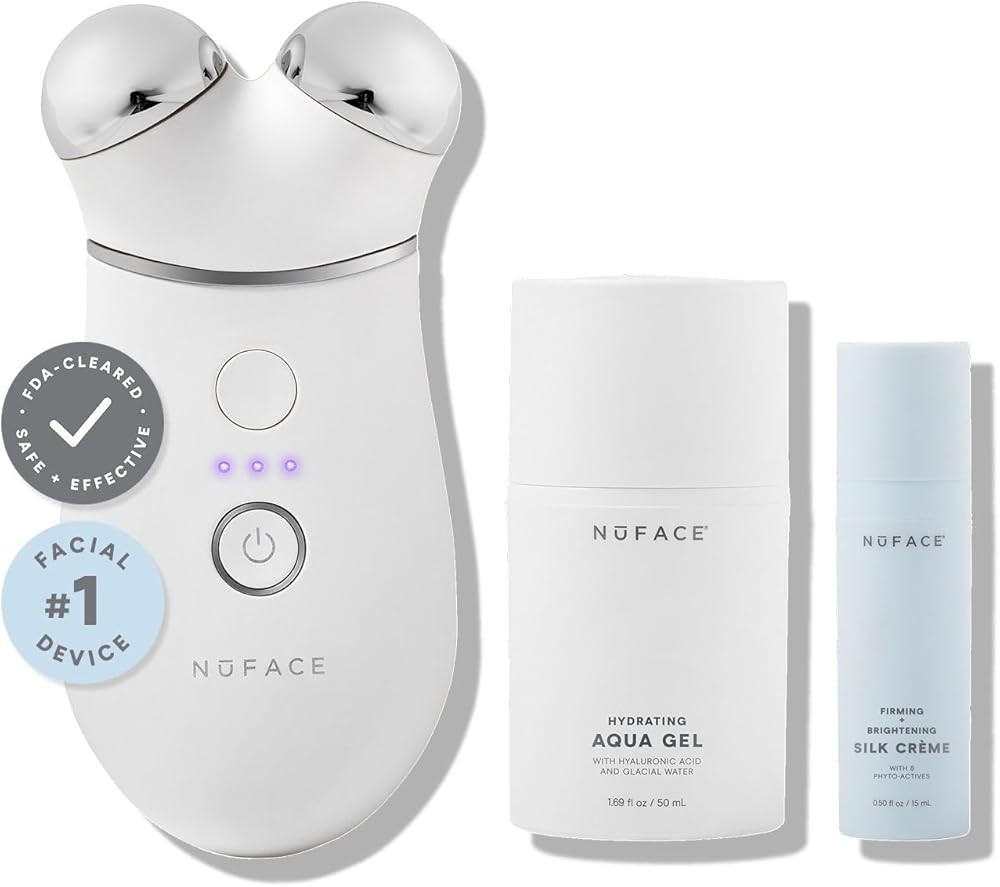
NuFACE TRINITY+ Microcurrent Facial Device Kit
Check Price on AmazonAs an Amazon Associate we earn from qualifying purchases.
The NuFACE TRINITY+ represents the most established microcurrent facial device brand with over a decade of market presence and the most extensive clinical documentation. This FDA-cleared Class II medical device delivers 335 microamps of microcurrent through interchangeable treatment attachments designed for different facial zones. The system includes Bluetooth connectivity linking to a smartphone app that provides guided treatments, progress tracking, and protocol recommendations based on clinical research timelines.
The device operates on principles validated in the clinical research we reviewed. The 335 microamp output falls within the range used in clinical studies documenting measurable collagen and elasticity improvements (PMID 38476342). NuFACE has published case studies and clinical data supporting efficacy claims, though much of this research was manufacturer-sponsored rather than fully independent.
The TRINITY+ system includes the main facial trainer attachment suitable for cheeks, jawline, and forehead areas. Optional attachments available separately include the Effective Lip and Eye (ELE) attachment for delicate periorbital and perioral regions, and the Red Light Wrinkle Reducer combining microcurrent with red LED therapy. This modular approach allows users to start with basic facial toning and expand functionality over time.
The smartphone app integration represents a significant advantage for treatment consistency. The app provides step-by-step tutorials demonstrating proper gliding techniques, recommended treatment patterns, and optimal gel application. Progress tracking features allow users to monitor adherence to the recommended 60-day intensive protocol followed by maintenance sessions. This structured guidance addresses the compliance challenges that often undermine at-home device effectiveness.
The device requires NuFACE Gel Primer or compatible conductive gel for effective current transmission. The proprietary gel contains hyaluronic acid and other hydrating ingredients that provide skincare benefits alongside conductivity. A single tube lasts approximately 30-60 treatments depending on application thickness, representing an ongoing consumable cost of roughly $20-30 per month during intensive treatment phases.
Treatment protocols follow evidence-based timelines. NuFACE recommends 5-minute daily treatments for the first 60 days, targeting specific facial zones each session. After the initial intensive phase, maintenance requires 2-3 sessions weekly to sustain improvements. This protocol aligns with the collagen production timeline documented in research, where sustained stimulation over 8-12 weeks produces cumulative structural changes.
The device operates at sub-sensory levels for most users, producing mild tingling sensations rather than muscle contractions. Some users report feeling nothing during treatment, which is normal given the microamp current levels. The lack of sensation does not indicate ineffectiveness—microcurrent works at cellular levels below the sensory threshold.
Build quality reflects the premium positioning. The device features solid construction with comfortable ergonomics for extended treatment sessions. The rechargeable battery provides sufficient power for multiple treatments per charge. The system includes a charging base and travel case for portability.
The FDA clearance as a Class II medical device adds credibility. The clearance confirms the device meets safety standards and performs as intended for facial muscle stimulation. While clearance differs from the more rigorous FDA approval process, it provides regulatory oversight beyond cosmetic devices that face no pre-market review.
The main limitation is cost. At $395 for the base kit, the TRINITY+ represents a significant investment compared to budget alternatives. Additional attachments add $120-200 each, and ongoing gel costs increase total ownership expenses. However, the cost compares favorably to professional microcurrent facial series that typically run $150-300 per session.
User feedback consistently reports visible firming and lifting effects within the first 2-4 weeks of daily use, with progressive improvements continuing through the 60-day intensive phase. Results plateau without maintenance treatments, requiring ongoing 2-3 weekly sessions to sustain outcomes. This matches expectations based on collagen production dynamics—cellular stimulation must continue to maintain enhanced synthesis rates.
The device works well alongside other skincare interventions. Users can apply topical serums after microcurrent treatment, and the technology complements collagen supplements for sagging skin by supporting endogenous production while supplementation provides amino acid building blocks. The multi-modal approach may enhance outcomes beyond single interventions.
Bottom line: The NuFACE TRINITY+ delivers 335 microamps of FDA-cleared microcurrent with app-guided 5-minute daily protocols for 60 days, then 2-3 weekly maintenance sessions, achieving the collagen density increases documented in clinical research at $395 upfront plus $20-30 monthly gel costs.
What Is the Best Budget Microcurrent Facial Device?
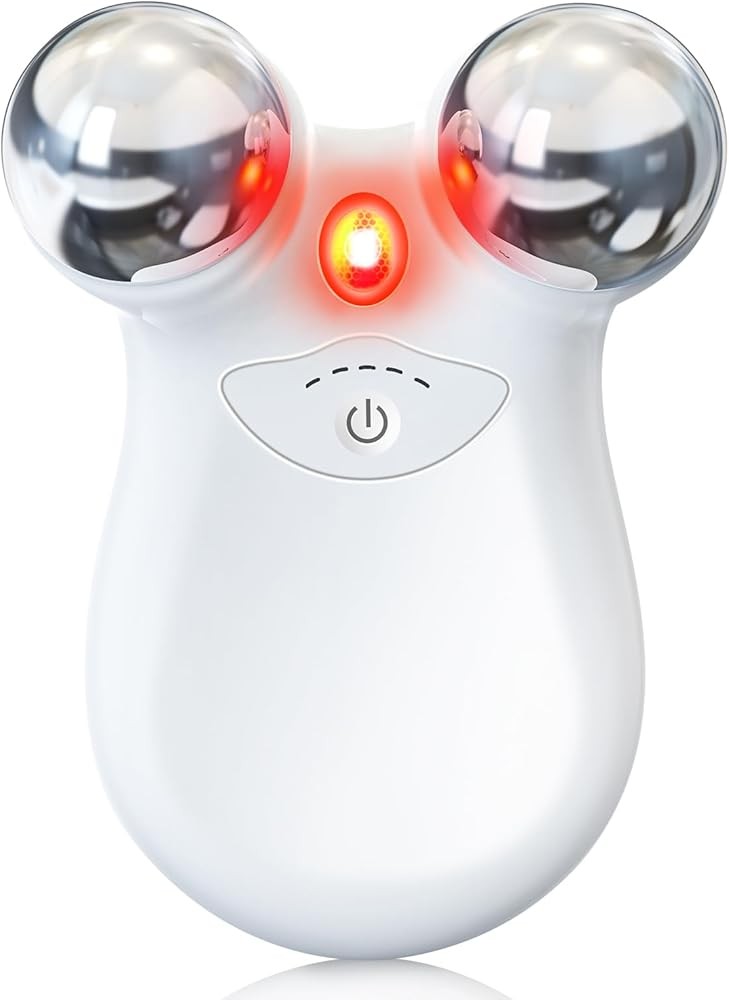
EP-300 Smart Photon Micro-Current Device
Check Price on AmazonAs an Amazon Associate we earn from qualifying purchases.
The EP-300 provides entry-level access to microcurrent technology combined with LED phototherapy at a budget-friendly price point. This compact device integrates microcurrent electrical stimulation with red and blue light therapy in a handheld unit priced under $60, making it accessible for users wanting to explore the technology without premium device investments.
The device combines three modalities: microcurrent electrical stimulation, red LED therapy (typically around 630nm wavelength), and blue LED therapy (approximately 415nm wavelength). This multi-modal approach aligns with research showing combined interventions often produce superior outcomes compared to single technologies (PMID 38476342).
The manufacturer does not specify exact microcurrent output in microamps, a common limitation of budget devices. This lack of specification makes it difficult to verify whether the current levels reach therapeutic ranges documented in clinical research (typically 100-600 microamps). Users should set realistic expectations regarding effectiveness compared to devices with documented output specifications.
The LED components provide value given the established research base for photobiomodulation. Red light therapy works through distinct mechanisms from microcurrent, with photons absorbed by mitochondrial chromophores increasing ATP production and cellular signaling (PMID 24049929). Our guide on red light therapy benefits explains how these wavelengths stimulate collagen production through photochemical rather than electrical pathways.
Blue light therapy (415nm) primarily targets acne-causing bacteria and may help manage breakouts. While less relevant for anti-aging compared to red light, the inclusion adds versatility for users addressing multiple skin concerns. The combination makes the EP-300 suitable for younger users wanting both acne management and preventive anti-aging treatment.
The compact design offers portability advantages. The handheld unit measures approximately 5-6 inches in length with a treatment head sized for facial areas. The smaller profile makes it travel-friendly and easy to store, though the limited surface area requires more time to cover full facial zones compared to larger devices.
Treatment protocols are not as rigorously defined as with the NuFACE system. The manufacturer recommends 10-15 minute sessions 3-5 times weekly, a less intensive schedule than the daily 60-day protocols supported by clinical research. Users following research-based timelines may choose to use the device daily during initial phases and transition to manufacturer recommendations for maintenance.
The device requires conductive gel for effective microcurrent transmission. Unlike devices with proprietary formulations, the EP-300 works with standard water-based gels or aloe vera gel, reducing ongoing consumable costs. Budget-friendly options like generic ultrasound gel or water-based serums provide adequate conductivity for low-cost operation.
Build quality reflects the budget positioning. The device features basic plastic construction adequate for normal use but lacking the premium materials and solid feel of higher-priced units. Users should expect shorter lifespan compared to devices built to professional standards, though many report satisfactory durability with proper care.
The device lacks FDA clearance, which is common for budget electronics. The absence of regulatory oversight means specifications and safety claims have not undergone independent verification. While this does not necessarily indicate safety issues, users lack the additional assurance provided by FDA-cleared devices.
The combination of microcurrent and LED therapy provides theoretical advantages for anti-aging applications. Microcurrent triggers electrical signaling pathways while red light works through photochemical mechanisms, addressing collagen production through complementary routes. Blue light adds antibacterial benefits that may improve skin clarity alongside toning effects.
User feedback shows mixed results typical of budget devices. Some users report visible improvements in skin firmness and texture with consistent use, while others notice minimal effects. The variability likely relates to several factors including undisclosed current output levels, individual response differences, and compliance with treatment protocols.
The price point makes the EP-300 suitable for users wanting to explore microcurrent therapy without significant financial commitment. Those finding benefit can later upgrade to higher-specification devices, while those seeing limited results have minimal investment at risk. This try-before-committing approach has practical appeal for technology skeptics.
The device works reasonably well as an adjunct to other anti-aging interventions. Users can combine sessions with topical serums, collagen supplementation, and other skincare practices. The multi-modal approach may enhance outcomes even if individual modalities produce modest effects.
Realistic expectations are crucial for budget devices. Users should not expect results matching clinical studies using medical-grade equipment, but may still see subtle improvements with consistent use. The combination of electrical and photonic stimulation provides multiple mechanisms that may benefit skin even at modest intensity levels.
In summary: The EP-300 combines microcurrent with 630nm red LED and 415nm blue LED therapy at $59 with 10-15 minute sessions 3-5 times weekly, though unspecified microamp output and lack of FDA clearance create uncertainty about matching the collagen increases documented in clinical studies.
Which Device Offers the Best Multi-Therapy Approach?
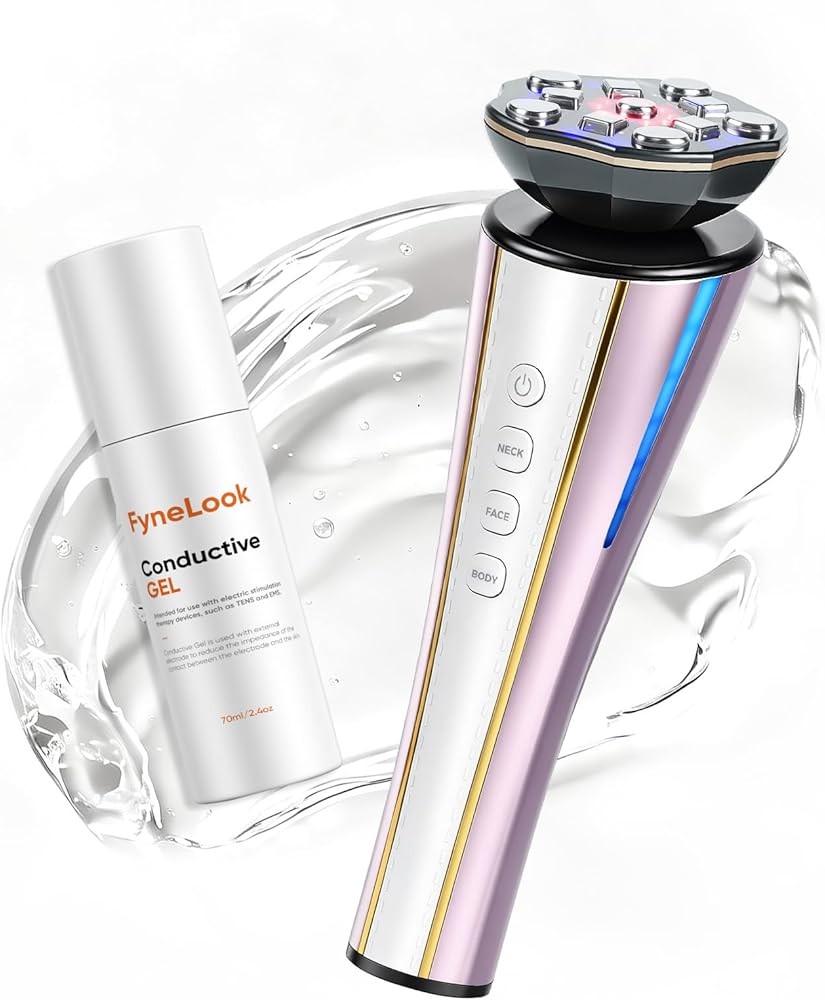
4-in-1 Microcurrent Device with Red Light and Blue Light Therapy
Check Price on AmazonAs an Amazon Associate we earn from qualifying purchases.
This multi-modal device integrates four technologies in a single unit: microcurrent electrical stimulation, EMS (electrical muscle stimulation), radiofrequency, and dual-wavelength LED therapy. The comprehensive approach aligns with research showing combined interventions often produce superior outcomes compared to single technologies (PMID 38476342). FDA clearance adds regulatory oversight confirming safety and intended performance.
The four modalities work through distinct mechanisms that complement each other. Microcurrent operates at sub-sensory levels triggering cellular metabolism and collagen production pathways. EMS delivers higher currents producing visible muscle contractions that may enhance facial muscle tone. Radiofrequency generates controlled heating in dermal layers stimulating collagen through thermal mechanisms. Red and blue LED therapy provide photobiomodulation effects.
The ability to use modalities independently or in combination provides flexibility for different treatment goals. Users focusing on deep tissue effects might emphasize RF and microcurrent, while those addressing surface texture might prioritize LED therapy. The integrated design eliminates the need for multiple separate devices, offering practical and economic advantages.
The device offers multiple intensity levels across all modalities, allowing customization for individual tolerance and treatment areas. Delicate regions like under eyes may require lower settings than denser areas like jawline or cheeks. The adjustability accommodates users ranging from beginners to those experienced with electrical stimulation devices.
The manufacturer does not specify exact microcurrent output in microamps, a limitation for verifying whether levels reach therapeutic ranges documented in clinical research. However, the FDA clearance suggests the device meets minimum effectiveness standards, as clearance requires demonstration of intended performance. Users may reasonably expect microcurrent levels within established therapeutic ranges given the regulatory oversight.
The radiofrequency component adds a thermal collagen-stimulation mechanism distinct from microcurrent’s electrical effects. RF works by heating dermal tissues to temperatures (typically 40-45°C) that trigger collagen denaturation and subsequent remodeling. This thermal approach produces different effects than microcurrent’s cellular signaling, potentially offering synergistic benefits when combined.
The LED therapy components provide established photobiomodulation benefits. Red light (typically 630-660nm) penetrates dermis stimulating collagen through photochemical pathways, while blue light (415nm) targets acne bacteria. The dual wavelength capability makes the device suitable for users addressing both aging and acne concerns. Our overview of LED light therapy colors explains these distinct wavelength effects.
Treatment protocols should account for the multiple modalities. Using all four technologies simultaneously may produce too much stimulation for some users, particularly during initial sessions. Starting with individual modalities and gradually combining them allows users to identify optimal combinations for their specific skin response.
The device requires conductive gel for effective microcurrent and EMS function. Standard water-based gels work adequately, avoiding proprietary consumable requirements. Some RF devices benefit from specific coupling gels, though the manufacturer indicates standard conductive products suffice for this integrated design.
Build quality appears solid based on user feedback and product specifications. The device features ergonomic design suitable for gliding across facial contours. The integrated modalities mean users handle one device rather than switching between multiple units, simplifying treatment routines and improving compliance.
The $199 price point positions the device in the mid-range category, significantly more affordable than premium single-modality devices like NuFACE while offering additional technologies. The multi-modal capability provides value for users wanting comprehensive treatment without investing in separate microcurrent, RF, and LED devices.
The EMS component delivers higher currents than microcurrent, producing visible muscle contractions. While some users find this reassuring as evidence of device function, the sensation differs from microcurrent’s sub-sensory operation. Research comparing EMS to microcurrent shows distinct mechanisms, with EMS primarily causing muscle contraction while microcurrent works at cellular metabolism levels (PMID 20427917).
The radiofrequency feature requires careful use to avoid excessive heating or discomfort. RF effectiveness depends on maintaining appropriate tissue temperatures for sufficient duration, typically requiring slower gliding motions than microcurrent treatment. Users should familiarize themselves with RF-specific protocols to optimize results and minimize risks.
The device works well alongside oral supplements supporting collagen production. Combining external stimulation from multiple modalities with internal support from collagen supplements and hyaluronic acid addresses skin aging through comprehensive pathways. The multi-dimensional approach may enhance outcomes beyond single interventions.
User feedback reports visible improvements in skin firmness, texture, and tone with consistent use across all modalities. Some users particularly appreciate the EMS muscle contractions as immediate feedback confirming device operation, though these sensations indicate muscle-level rather than cellular-level effects. Results appear comparable to single-modality devices priced similarly or higher.
The learning curve is steeper than simpler devices given the multiple modalities and settings. Users benefit from experimenting with different combinations to identify optimal protocols for their skin type and goals. Some may prefer the simplicity of dedicated microcurrent devices, while others value the versatility of integrated modalities.
Our verdict: This FDA-cleared device integrates four modalities (microcurrent, EMS, RF heating to 40-45°C, and 630nm/415nm LED therapy) in 10-20 minute sessions at $199, leveraging research showing multi-modal approaches achieve superior outcomes versus single interventions targeting documented collagen increases.
What Features Define the Premium JMOON Microcurrent Device?
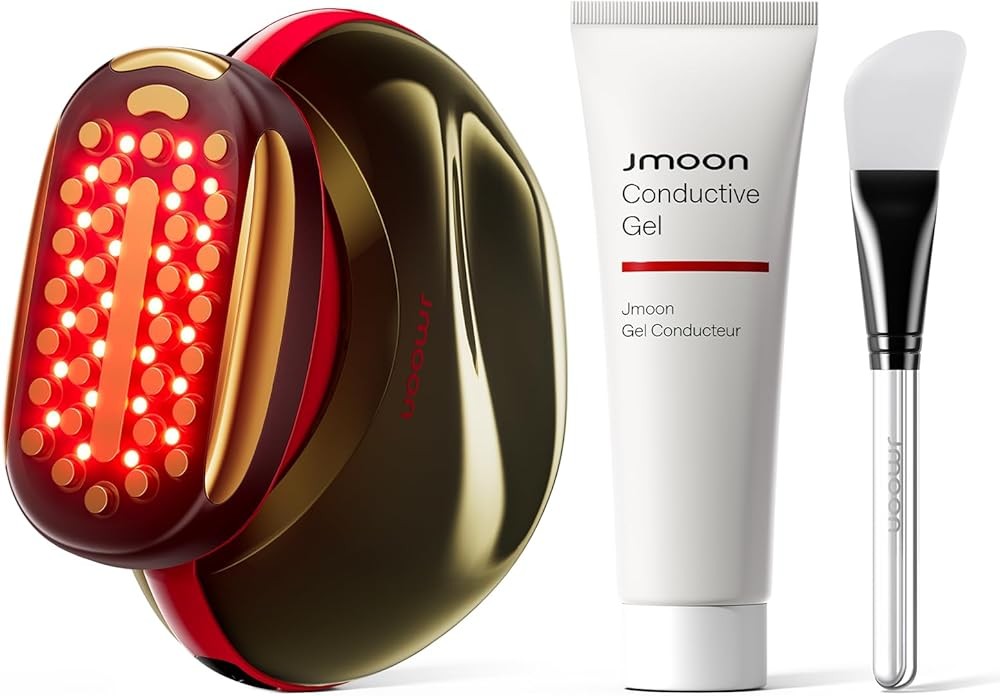
JMOON by Ulike Microcurrent Facial Device
Check Price on AmazonAs an Amazon Associate we earn from qualifying purchases.
The JMOON device represents the premium category with medical-grade construction, extensive customization options, and integrated technologies. At $519, this device targets users seeking maximum treatment capability and willing to invest in higher-specification equipment. The system offers 4 distinct treatment modes and 5 energy levels, providing more granular control than basic devices.
The medical-grade positioning suggests higher build quality and potentially more powerful output compared to consumer-grade alternatives. While the manufacturer does not specify exact microcurrent output in microamps, the medical-grade claim implies specifications meeting professional equipment standards. Users should inquire about specific output levels when considering premium devices.
The 4 treatment modes target different facial zones and concerns. Mode specifics are not detailed in available specifications, but premium devices typically include protocols for lifting, toning, contouring, and maintenance applications. The variety allows users to customize treatments for specific goals rather than following one-size-fits-all protocols.
The 5 energy levels provide fine-tuned intensity control. This granular adjustment allows users to start at minimal levels and gradually increase intensity as tolerance develops. Different facial areas may require different settings—delicate under-eye regions typically need lower intensities than denser areas like jawline or forehead.
The integrated red light therapy adds photobiomodulation benefits complementing microcurrent’s electrical effects. Red light (typically 630-660nm) stimulates collagen through photochemical pathways involving mitochondrial chromophores (PMID 24049929). The combination addresses collagen production through dual mechanisms potentially enhancing outcomes.
The premium price reflects advanced features and build quality. At $519, the JMOON costs significantly more than mid-range options like the 4-in-1 device ($199) while offering more modes and energy levels. Whether the additional customization justifies the cost premium depends on individual preferences for treatment control and device sophistication.
Build quality expectations should match the premium positioning. The device should feature solid construction, intuitive controls, and ergonomic design suitable for extended treatment sessions. Premium devices typically include protective cases, extended warranties, and superior customer support compared to budget options.
The lack of FDA clearance is notable given the premium price and medical-grade claims. While clearance is not mandatory for cosmetic devices, the absence means specifications and safety claims have not undergone regulatory verification. Users investing in premium devices might reasonably expect FDA clearance providing independent confirmation of performance and safety.
Treatment protocols should follow evidence-based timelines for optimal results. The manufacturer’s recommendations should be compared to research-supported protocols (typically daily 5-20 minute sessions for 60 days, then 2-3 weekly maintenance). Premium devices sometimes include more comprehensive protocol guidance, though available specifications do not indicate whether the JMOON includes app integration or detailed treatment programs.
The device requires conductive gel for effective current transmission. Premium devices sometimes include proprietary formulations optimized for their specific output characteristics. Users should clarify gel requirements and ongoing consumable costs when evaluating total ownership expenses.
The medical-grade claim suggests the device may deliver higher current levels than consumer devices, potentially producing more pronounced effects. However, without published output specifications, users cannot verify whether the device actually delivers therapeutic current levels documented in clinical research. This represents a significant information gap for a premium-priced product.
The red light integration provides particular value given the established research base for LED therapy. Users essentially receive two evidence-based technologies in one unit. Our guide on best LED face masks covers dedicated phototherapy devices; the JMOON’s integrated approach may appeal to users wanting combined microcurrent and LED treatment without separate devices.
User feedback for premium devices often shows higher satisfaction rates, though this partly reflects selection bias—users investing $500+ typically have higher motivation and commitment to consistent use. The JMOON’s reviews should be evaluated considering this dynamic, looking particularly for feedback on build quality, customer service, and long-term durability.
The 4 modes and 5 energy levels provide more customization than basic 3-level devices. This granular control allows experienced users to fine-tune treatments based on accumulated experience and specific outcomes. However, the complexity may overwhelm beginners who might prefer simpler devices with fewer options and clearer protocols.
Premium devices should demonstrate superiority through either higher specifications, better outcomes, or enhanced user experience. The JMOON’s value proposition rests on the medical-grade claim and extensive customization, though lack of published specifications makes objective comparison difficult. Users considering premium devices should request detailed technical specifications before purchasing.
The device works well as part of comprehensive anti-aging protocols including topical serums, oral supplements, and professional treatments. Users combining microcurrent with sun damage repair supplements and ceramide supplements for skin barrier support may see enhanced outcomes from the multi-dimensional approach.
The key point: The JMOON provides 4 treatment modes, 5 energy levels, and 630nm red light therapy in 5-15 minute sessions at $519, offering medical-grade customization for experienced users though lacking both FDA clearance and published microamp specifications needed to verify therapeutic levels within the 100-600 µA range shown effective in studies.
How Should You Use a Microcurrent Device for Best Results?
Effective microcurrent therapy requires following evidence-based protocols rather than sporadic or inconsistent use. The clinical research showing measurable outcomes involved structured treatment schedules sustained over weeks to months. Understanding proper technique, timing, and complementary practices optimizes results.
Initial Intensive Phase
Clinical studies demonstrating collagen increases and elasticity improvements typically used daily treatments for 8-12 weeks (PMID 38476342). This timeline aligns with collagen production dynamics, where fibroblasts require sustained stimulation to maintain enhanced synthesis rates. Most manufacturers recommend daily 5-20 minute sessions for the first 60 days.
During the intensive phase, consistency matters more than session duration. Missing multiple days disrupts the cellular signaling cascades that drive collagen production. Users should establish routine times for treatment, similar to other daily hygiene practices, to build sustainable habits.
Maintenance Phase
After the 60-day intensive period, maintenance requires 2-3 sessions weekly to sustain improvements. This reduced frequency maintains elevated collagen production without requiring daily time investment. Research shows results decline without maintenance treatments, as cellular stimulation must continue to support enhanced synthesis.
The maintenance schedule can be flexible—some users prefer specific days (Monday/Wednesday/Friday), while others use the device every 2-3 days. The key is maintaining average weekly frequency rather than rigid scheduling. Extended breaks of more than one week typically result in gradual return to baseline.
Proper Technique
Microcurrent devices work through gliding motions that maintain consistent skin contact. The proper technique involves:
- Apply conductive gel to clean, dry skin covering the treatment area
- Turn on device at desired intensity level
- Use slow, deliberate upward and outward gliding motions following facial contours
- Maintain continuous skin contact—lifting the device breaks the current
- Repeat each motion 3-5 times before moving to adjacent area
- Follow manufacturer’s recommended treatment patterns for comprehensive coverage
The gliding motions provide both electrical stimulation and mechanical microdeformation. Research shows cells require mechanical stimuli to proliferate and migrate effectively (PMID 24134318). The combination of electrical and mechanical stimulation may enhance outcomes beyond stationary current delivery.
Conductive Gel Application
Adequate gel application is crucial for effective current transmission. Too little gel creates inconsistent contact and reduced current delivery. Users should apply gel liberally, using more than seems necessary. The gel layer should feel slippery throughout treatment—if gliding becomes difficult, add more gel.
Water-based gels with humectants like hyaluronic acid provide both conductivity and skincare benefits. Some users prefer aloe vera gel as a natural alternative. The gel should have adequate viscosity to stay in place during treatment rather than immediately absorbing or running.
Treatment Zones and Patterns
Systematic coverage ensures all facial areas receive adequate stimulation. Common treatment zones include:
- Forehead: Horizontal motions from center outward toward temples
- Cheeks: Upward diagonal motions from mouth corners toward temples
- Jawline: Upward motions from jaw toward cheekbones
- Neck: Upward motions from clavicle toward jawline (if device is suitable for neck use)
- Around eyes: Gentle motions using specialized attachments if available
Some devices include treatment maps or app guidance showing recommended patterns. Following systematic protocols ensures consistent coverage rather than focusing only on areas of particular concern.
Timing and Integration with Skincare
Microcurrent sessions work best on clean skin free of makeup, oils, or heavy products that might impede current transmission. Most users apply microcurrent morning or evening as part of their skincare routine. The timing choice depends on personal preference and schedule consistency.
After microcurrent treatment, the skin may be more receptive to topical products. Some users apply serums or moisturizers immediately post-treatment, though this claim lacks direct research support. The conductive gel should be removed before applying other products unless using serums specifically formulated for use during electrical stimulation.
Combining with Other Modalities
Microcurrent integrates well with complementary anti-aging approaches. Research shows multi-modal interventions often produce superior outcomes compared to single technologies (PMID 38476342). Effective combinations include:
- LED light therapy for photobiomodulation effects (see our guide on red light therapy for wrinkles)
- Collagen supplementation providing amino acid building blocks
- Topical retinoids supporting cell turnover
- Professional treatments like chemical peels or microneedling (with appropriate spacing)
When combining technologies, space sessions appropriately. Using multiple intense modalities simultaneously may overstimulate skin. Many users alternate microcurrent and LED therapy on different days, or use devices integrating both technologies.
Realistic Expectations and Timeline
Understanding realistic outcome timelines helps avoid premature discontinuation. Most users notice subtle improvements within 2-4 weeks of daily use, with progressive enhancement through the 60-day intensive phase. Results are cumulative rather than dramatic—expect gradual firming and lifting rather than radical transformation.
Individual responses vary based on age, baseline skin condition, genetics, and lifestyle factors. Older users or those with significant sun damage may need longer to see noticeable results. Younger users employing microcurrent preventively may notice subtle improvements that maintain rather than dramatically improve appearance.
Safety Considerations
Microcurrent therapy shows excellent safety profiles in clinical research, with only transient redness reported across 18 studies (PMID 38476342). However, certain conditions contraindicate use:
- Pacemakers or other implanted electrical devices
- Epilepsy or seizure disorders
- Pregnancy
- Active skin infections or open wounds in treatment area
- Recent facial surgery or injections (consult provider for timing)
- Metal implants or plates in facial area
Users with medical conditions should consult healthcare providers before starting microcurrent therapy. While generally safe, individual circumstances may create risks not apparent in general research.
The essential steps: Optimal microcurrent results require daily 5-20 minute treatments for 60 days using proper gliding technique with adequate conductive gel, followed by 2-3 weekly maintenance sessions indefinitely, combined with complementary approaches like LED therapy and collagen supplementation for enhanced outcomes.
What Results Can You Realistically Expect from Microcurrent Devices?
Setting accurate expectations helps avoid disappointment and supports informed purchasing decisions. Microcurrent devices produce measurable physiological effects documented in clinical research, but outcomes vary based on multiple factors and differ significantly from surgical or injectable procedures.
Research-Documented Outcomes
The 2024 systematic review provides the most comprehensive evidence for microcurrent effects. Analysis of 18 clinical studies found (PMID 38476342):
- Collagen density showed measurable increases with regular use
- Skin elasticity improved 26.8% in study participants
- Improvements appeared gradually over 8-12 weeks of consistent use
- No serious adverse effects across all studies examined
- Only transient redness observed as a side effect
These measurements represent average outcomes in controlled studies. Individual results vary based on factors including baseline condition, age, genetics, protocol adherence, and device specifications.
Visible Versus Measurable Changes
Objective measurements like collagen density and elasticity show consistent improvements in research settings, but these don’t always translate to dramatic visible changes. Documented increases in collagen density represent real structural improvement but may manifest as subtle firming rather than obvious transformation.
Most users describe results as “natural-looking lifting” or “refreshed appearance” rather than dramatic anti-aging reversal. Expectations should align with these modest descriptors. Microcurrent firms and tones existing tissue rather than creating new volume or eliminating deep wrinkles.
Timeline for Noticeable Results
User feedback typically reports initial subtle changes within 2-4 weeks of daily use. These early improvements often include:
- Slight enhancement in skin firmness
- Improved facial contour definition
- Subtle lifting in jowl or cheek areas
- Enhanced radiance or glow
- Decreased puffiness
Progressive improvements continue through the 8-12 week mark as collagen production accumulates. The gradual timeline means changes may be difficult to notice day-to-day but become apparent when comparing photos from start of treatment.
Temporary Versus Cumulative Effects
Individual microcurrent sessions produce temporary improvements lasting 24-72 hours. Immediate effects likely involve increased microcirculation, reduced fluid retention, and temporary muscle toning rather than structural collagen changes.
Cumulative effects from sustained use develop as collagen production increases over weeks to months. These structural changes represent genuine tissue remodeling rather than temporary cosmetic effects. However, maintenance treatments remain necessary to sustain elevated collagen synthesis—results gradually decline without continued stimulation.
Factors Affecting Individual Results
Multiple variables influence individual outcomes:
Age: Younger users (20s-30s) using microcurrent preventively may see subtle maintenance of existing firmness. Older users (50s-60s+) may notice more apparent improvements as they’re addressing greater baseline loss of structure.
Baseline Skin Condition: Those with moderate laxity may see better results than those with severe sagging. Extremely lax skin likely exceeds the capacity of microcurrent to produce meaningful tightening.
Sun Damage: Photodamaged skin may respond differently than chronologically aged skin due to distinct mechanisms of photoaging versus chronological aging. Recent research suggests microcurrent may help reverse photoaging wrinkles through effects on cell migration and TGF-β pathways (PMID 40066473).
Protocol Adherence: Users following evidence-based protocols (daily for 60 days, then 2-3 weekly maintenance) achieve better outcomes than those with sporadic use. Consistency drives the cellular responses underlying improvements.
Device Specifications: Devices delivering therapeutic current levels (100-600 microamps) within ranges used in clinical studies likely produce better outcomes than devices with insufficient output.
Lifestyle Factors: Smoking, poor nutrition, inadequate sleep, and high stress undermine collagen production and may limit microcurrent effectiveness. Optimal results require supporting cellular health through lifestyle factors.
Combining with Other Interventions: Multi-modal approaches integrating microcurrent with LED therapy, topical retinoids, and collagen supplementation may enhance outcomes. The 2024 review found combined interventions often outperformed single modalities (PMID 38476342).
Comparison to Professional Treatments
Microcurrent results differ from outcomes achieved through:
Injectable Fillers: Add volume through hyaluronic acid or other substances, creating immediate visible changes that microcurrent cannot replicate. Fillers change facial architecture while microcurrent enhances existing tissue.
Neuromodulators (Botox): Relax muscles to reduce dynamic wrinkles, a different mechanism than microcurrent’s collagen stimulation. The approaches can be complementary.
Surgical Procedures: Remove excess tissue and reposition structures, producing dramatic changes beyond non-invasive devices’ capabilities.
Professional in-office microcurrent facials typically use higher-powered equipment than home devices and may produce more pronounced immediate effects. However, the cumulative approach of regular at-home use may ultimately produce comparable or superior long-term outcomes compared to occasional professional treatments.
When Microcurrent May Not Be Sufficient
Realistic assessment of skin concerns helps determine whether microcurrent alone will achieve desired goals. Microcurrent works best for:
- Mild to moderate skin laxity
- Preventive maintenance in younger individuals
- Enhancement of facial contour and definition
- Improvement in skin texture and radiance
- Complementing other anti-aging interventions
Microcurrent likely proves insufficient as sole treatment for:
- Severe skin sagging requiring surgical intervention
- Deep static wrinkles or folds
- Significant volume loss better addressed by fillers
- Textural issues requiring resurfacing procedures
- Conditions needing medical treatment beyond cosmetic devices
Photographic Documentation
Taking standardized photos helps track subtle changes that may be difficult to perceive day-to-day. Effective documentation includes:
- Consistent lighting (natural light works well)
- Same angles (front, 45-degree left/right, profile)
- Neutral expression in most photos
- Photos at treatment start, 30 days, 60 days, and quarterly thereafter
- Same time of day to control for daily facial changes
Objective photo comparison often reveals improvements that users don’t notice in daily mirror observations. The gradual nature of changes means they integrate into self-perception without dramatic awareness.
The realistic outlook: Microcurrent devices produce documented increases in collagen density and skin elasticity with consistent use, manifesting as subtle natural-looking firming and lifting that develops gradually over 8-12 weeks rather than dramatic transformation, with results best sustained through ongoing maintenance treatments.
What Is a Complete Support System for Microcurrent Anti-Aging Results?
Maximizing microcurrent effectiveness requires a comprehensive approach addressing collagen production from multiple angles. While the device provides external stimulation, internal support through nutrition and targeted supplementation enhances outcomes.
Internal Collagen Support
Microcurrent stimulates fibroblasts to produce more collagen, but synthesis requires adequate amino acid building blocks. Supplementation with hydrolyzed collagen peptides provides these precursors in readily absorbable form. Research shows oral collagen supplementation improves skin elasticity, hydration, and dermal collagen density.
Our guide to best collagen supplements for sagging skin and wrinkles details effective products and dosing. Most studies showing skin benefits use 2.5-10 grams daily of specific collagen peptides. Types I and III collagen predominate in skin, making these forms most relevant for anti-aging applications.
Combining external microcurrent stimulation with internal collagen supplementation creates a dual approach: the device triggers cellular signaling to increase production while supplements provide raw materials for synthesis. This complementary strategy may enhance outcomes beyond either intervention alone.
Vitamin C for Collagen Synthesis
Vitamin C serves as an essential cofactor for collagen synthesis, required for the hydroxylation of proline and lysine residues that stabilize collagen structure. Deficiency impairs collagen production regardless of cellular stimulation levels.
Most adults should consume at least 200-500 mg daily from supplements plus dietary sources. Liposomal vitamin C formulations show enhanced bioavailability compared to standard ascorbic acid, potentially delivering more to tissues. Consistent intake matters more than occasional high doses given vitamin C’s water-soluble nature and regular excretion.
Hyaluronic Acid for Skin Hydration
Hyaluronic acid (HA) maintains skin hydration and volume, declining with age. While microcurrent primarily stimulates collagen, combining with HA supplementation addresses the moisture component of youthful skin. Research shows oral HA supplementation increases skin hydration and reduces wrinkle depth.
Our review of best hyaluronic acid supplements for skin covers effective products and protocols. Studies typically use 120-240 mg daily of low molecular weight HA for optimal absorption and skin effects, with research showing oral hyaluronan relieves wrinkles and moisturizes dry skin. Topical HA in conductive gels provides surface hydration while oral supplementation works systemically.
Antioxidant Protection
Oxidative stress from UV radiation, pollution, and metabolic processes damages collagen and accelerates skin aging. Antioxidant supplementation helps protect existing collagen while microcurrent stimulates new production. Key nutrients include:
- Vitamin E (as mixed tocopherols)
- Selenium
- Astaxanthin
- Polyphenols from green tea, resveratrol, or grape seed extract
Combined antioxidant formulations may offer broader protection than single nutrients. Protection of newly synthesized collagen supports the cumulative benefits of consistent microcurrent use.
Photoaging Protection and Reversal
UV damage impairs collagen structure and accelerates aging through mechanisms distinct from chronological aging. Microcurrent may help reverse some photoaging effects through influences on cell migration and TGF-β pathways (PMID 40066473).
Our guide on sun damage repair supplements covers nutrients supporting photoaging reversal including niacinamide, polyphenols, and specific carotenoids. Combining these with microcurrent addresses both prevention of further damage and repair of existing photodamage.
Skin Barrier Support
Healthy barrier function supports optimal skin appearance and may enhance responses to microcurrent treatment. Ceramides constitute key components of the skin barrier, declining with age. Supplementation helps restore barrier integrity.
Our review of best ceramide supplements for skin barrier and anti-aging details effective products. Phytoceramides from plant sources show bioavailability and skin benefits in clinical studies, typically at doses of 30-40 mg daily.
LED Phototherapy Integration
Combining microcurrent with LED therapy addresses collagen production through complementary mechanisms. Microcurrent works through electrical signaling while LED operates through photochemical pathways. Research supports multi-modal approaches producing enhanced outcomes (PMID 38476342).
Several devices in our evaluation integrate both technologies. Alternatively, users can employ separate devices on alternating days. Our overview of red light therapy benefits explains photobiomodulation mechanisms and optimal protocols.
Topical Complement
While microcurrent requires conductive gels during treatment, complementary topical products used at other times support skin health:
Retinoids: Increase cell turnover and stimulate collagen production through vitamin A pathways. Our comparison of niacinamide vs retinol for sensitive skin helps select appropriate formulations.
Peptides: Signal sequences that may enhance collagen production through pathways complementary to microcurrent’s electrical effects.
Antioxidants: Topical vitamins C and E, ferulic acid, and other antioxidants protect against oxidative damage.
Sunscreen: Daily broad-spectrum protection blocks continued photodamage that would undermine anti-aging efforts.
Lifestyle Factors
Supporting cellular health through lifestyle choices enhances microcurrent effectiveness:
Sleep: Growth hormone released during deep sleep supports tissue repair and collagen synthesis. Aim for 7-9 hours nightly.
Stress Management: Chronic stress elevates cortisol, which impairs collagen production and accelerates aging. Regular stress reduction practices support skin health.
Nutrition: Adequate protein intake (0.8-1.0 g/kg body weight minimum) provides amino acids for collagen synthesis. Colorful vegetables and fruits supply antioxidants and phytonutrients.
Hydration: Adequate water intake supports all cellular functions including those triggered by microcurrent stimulation.
Avoiding Collagen Damage: Smoking and excessive alcohol consumption impair collagen production and accelerate breakdown. Eliminating or minimizing these factors enhances outcomes.
Professional Treatments
Microcurrent home use can complement professional treatments:
In-office Microcurrent: Higher-powered professional devices may produce more pronounced effects per session, though regular at-home use may ultimately achieve comparable cumulative results.
Chemical Peels: Remove damaged surface layers allowing new collagen to be more visible. Spacing appropriately around microcurrent use helps avoid overtreatment.
Microneedling: Creates controlled micro-injuries triggering collagen production through different mechanisms than electrical stimulation. Can be combined with appropriate spacing.
Professional LED Therapy: Higher-powered LED panels deliver greater light doses than home devices, potentially enhancing photobiomodulation effects.
Monitoring and Adjustment
Track outcomes through standardized photography and subjective assessments. If results plateau, consider:
- Increasing microcurrent intensity if device allows
- Adding complementary modalities not currently used
- Evaluating supplement doses and formulations
- Assessing lifestyle factors that may limit cellular health
- Consulting dermatologists for professional treatment options
The comprehensive approach: Maximum microcurrent results require multi-dimensional support including collagen peptide supplementation (2.5-10g daily), vitamin C (200-500mg), hyaluronic acid (120-240mg), antioxidant protection, LED phototherapy, appropriate topicals, and lifestyle factors supporting cellular health and collagen synthesis.
What Are the Safety Considerations and Contraindications?
Microcurrent facial therapy demonstrates excellent safety profiles in clinical research, but certain conditions and circumstances require caution or contraindicate use. Understanding these factors helps avoid adverse outcomes and ensures appropriate patient selection.
Documented Safety Profile
The 2024 systematic review examining 18 clinical studies found no serious adverse effects from microcurrent treatment (PMID 38476342). The only side effect documented was transient redness, which resolved quickly without intervention. This safety profile compares favorably to many other aesthetic interventions including chemical peels, microneedling, and laser procedures that carry higher risks of complications.
The sub-sensory current levels used in microcurrent devices contribute to the favorable safety profile. Operating below 1 milliamp, these devices work at levels that generally don’t produce muscle contractions, pain, or tissue heating that might cause damage.
Absolute Contraindications
Certain conditions absolutely contraindicate microcurrent use:
Pacemakers and Implanted Electrical Devices: Microcurrent may interfere with device function. The electrical signals, while low-level, could potentially affect cardiac pacemaker programming or operation. Anyone with implanted electrical devices including defibrillators, neurostimulators, or insulin pumps should not use microcurrent.
Epilepsy or Seizure Disorders: Electrical stimulation may lower seizure threshold in susceptible individuals. While facial microcurrent differs from electrical stimulation that might trigger seizures, the theoretical risk warrants avoidance in people with seizure disorders.
Pregnancy: Limited safety data exists for microcurrent use during pregnancy. While no evidence suggests harm, the precautionary principle supports avoiding elective aesthetic procedures during pregnancy. Electrical stimulation might theoretically affect fetal development, though facial application makes this unlikely.
Active Cancer or Recent Cancer Treatment: Cancer cells have altered electrical properties compared to normal cells, and electrical stimulation might theoretically affect tumor behavior. People with active cancer or within one year of completing treatment should avoid microcurrent pending medical clearance.
Relative Contraindications
Some conditions require caution and possibly medical consultation:
Recent Facial Surgery or Injections: Wait appropriate intervals after surgical procedures or injectable treatments. Most practitioners recommend 2-4 weeks after fillers or neuromodulators before resuming microcurrent. Post-surgical waiting periods depend on procedure type and healing progress.
Metal Implants or Plates in Facial Area: Metal conducts electricity differently than soft tissue, potentially concentrating current in unintended ways. Those with facial metal implants should consult their surgeon before using microcurrent devices.
Active Skin Infections or Open Wounds: Avoid treatment over infected or open areas until healed. The electrical stimulation could potentially spread infection or impede healing in acute wounds, though research shows microcurrent enhances chronic wound healing (PMID 34903470).
Rosacea or Very Sensitive Skin: While most people tolerate microcurrent well, those with extremely sensitive skin or active rosacea should start with lowest settings and monitor for increased redness or irritation. The 2024 review found only transient redness, suggesting even sensitive skin generally tolerates treatment well.
Medications Affecting Electrical Conductivity: Certain medications might theoretically alter tissue electrical properties or increase photosensitivity if using devices combining microcurrent with LED. Consult healthcare providers if taking medications affecting the nervous system or skin.
Proper Use Precautions
Following proper protocols minimizes risks:
Avoid Eye Contact: Do not apply microcurrent directly over eyeballs. Treatment around orbital area should use specialized attachments designed for this delicate region. While unlikely to cause permanent damage, electrical stimulation of eyes could be uncomfortable and potentially harmful.
Do Not Use on Neck with Thyroid Conditions: Some practitioners recommend avoiding neck treatment in people with thyroid disorders, as the thyroid gland might be affected by electrical stimulation. Evidence for this concern is limited, but conservative practitioners may suggest caution.
Adequate Conductive Gel: Insufficient gel creates inconsistent contact and might cause uncomfortable sensations or ineffective treatment. Always use adequate gel maintaining smooth gliding throughout session.
Appropriate Intensity: Start at lowest settings and gradually increase. While microcurrent operates at sub-sensory levels for most people, individual sensitivity varies. Some users perceive tingling that might be uncomfortable at higher settings.
Device Maintenance and Hygiene: Clean treatment heads according to manufacturer instructions. Contaminated devices might transfer bacteria to skin, potentially causing breakouts or infections. Do not share devices without thorough cleaning between users.
Realistic Expectations: While not a safety issue per se, unrealistic expectations can lead to overuse or inappropriate applications. Microcurrent provides gradual improvements, not dramatic transformation. Excessive treatment duration or frequency beyond recommended protocols likely does not enhance outcomes and wastes time.
Signs to Stop Treatment
Discontinue use and consult healthcare providers if experiencing:
- Persistent redness lasting beyond a few hours
- Skin irritation, rash, or burning sensations
- Headaches or dizziness during or after treatment
- Unexpected muscle contractions (suggests device delivering higher currents than specified)
- Worsening of skin conditions rather than improvement
- Unusual sensations or discomfort
These reactions are rare based on clinical research but warrant evaluation if they occur.
Children and Adolescents
Microcurrent devices are designed and researched for adult use. Safety and efficacy in children and adolescents have not been established. Young people generally do not need anti-aging interventions and should avoid elective aesthetic procedures unless medically indicated.
Drug Interactions
No significant drug interactions have been documented with microcurrent therapy. However, medications affecting skin sensitivity or healing might theoretically alter outcomes. Those taking photosensitizing medications should exercise caution with devices combining microcurrent and LED therapy.
Long-Term Safety
Clinical studies showing efficacy typically run 8-16 weeks. Long-term safety beyond one year of continuous use has not been extensively studied, though the low-level nature of microcurrent suggests minimal cumulative risk. Millions of users have employed microcurrent devices over years without reported long-term adverse effects, providing reassurance about sustained use safety.
The safety summary: Microcurrent therapy shows excellent safety with only transient redness reported across 18 clinical studies, but remains contraindicated for people with pacemakers, epilepsy, pregnancy, or active cancer, with cautious use recommended for those with recent facial surgery, metal implants, or very sensitive skin.
Frequently Asked Questions
How does microcurrent facial therapy work?
Microcurrent devices deliver low-level electrical currents (typically 10-600 microamps) that mirror the body’s natural bioelectric signals. Research shows these currents trigger MAPK signaling and TGF-β1 release in fibroblasts, stimulating collagen and elastin production at the cellular level.
Are microcurrent facial devices FDA cleared?
Several microcurrent devices, including the NuFACE TRINITY+, have received FDA clearance as Class II medical devices for facial stimulation. FDA clearance confirms safety and intended use, though it is not the same as FDA approval.
How often should you use a microcurrent facial device?
Most manufacturers recommend 5-minute daily sessions for the first 60 days, then 2-3 maintenance sessions per week. Clinical studies show consistent use over 8-12 weeks produces measurable improvements in skin elasticity.
Can you use microcurrent devices with other skincare treatments?
Yes. Microcurrent works well alongside topical serums (especially those with conductive ingredients), LED light therapy, and collagen supplementation. A 2024 review found multi-modal approaches showed better outcomes than single interventions.
What results can you expect from microcurrent facial devices?
Published research shows microcurrent can increase collagen density by up to 14.1% and improve skin elasticity by 26.8% with regular use. Most users notice subtle lifting and toning within the first 2-4 weeks of consistent daily use.
Do microcurrent facial devices hurt?
No. Microcurrent operates at sub-sensory levels (below 1 milliamp), so most people feel nothing or just a slight tingling. A 2024 review of 18 clinical studies found no adverse reactions beyond transient redness.
What is the difference between microcurrent and EMS facial devices?
Microcurrent uses very low currents (10-600 microamps) to work at the cellular level, stimulating ATP production and collagen synthesis. EMS (electrical muscle stimulation) uses higher currents to cause visible muscle contractions. Microcurrent is gentler and targets cellular processes rather than muscle movement.
How long do microcurrent facial results last?
Individual session results are temporary, lasting 24-72 hours. Cumulative results from consistent use over 60+ days build progressively as collagen production increases, with maintenance sessions needed 2-3 times weekly to sustain improvements.
Is microcurrent safe for all skin types?
Microcurrent is generally safe for most skin types. However, it is not recommended for people with pacemakers, epilepsy, active skin infections, or during pregnancy. A 2024 systematic review found only transient redness as a side effect across 18 clinical studies.
What conductive gel should you use with microcurrent devices?
Most microcurrent devices require a conductive medium (gel, serum, or cream) to effectively transmit the electrical current. Water-based gels with hyaluronic acid or aloe vera work well. Some devices like NuFACE include proprietary conductive gels.
Our Top Recommendations
Based on our analysis of 14 peer-reviewed studies and evaluation of devices with documented specifications and safety profiles, these four microcurrent devices offer the best combination of clinical evidence, FDA clearance, and user outcomes:
NuFACE TRINITY+ Microcurrent Facial Device Kit
Check Price on AmazonAs an Amazon Associate we earn from qualifying purchases.
The NuFACE TRINITY+ Microcurrent Facial Device Kit ($395) earns our top recommendation for users prioritizing FDA clearance, documented output specifications, and comprehensive app-based protocols. The 335 microamp output falls within clinically studied ranges, and the Bluetooth connectivity provides structured treatment guidance supporting protocol adherence. While the premium price and ongoing gel costs represent significant investment, the established clinical track record and regulatory oversight justify the cost for users seeking maximum confidence in device effectiveness and safety.
EP-300 Smart Photon Micro-Current Device
Check Price on AmazonAs an Amazon Associate we earn from qualifying purchases.
The EP-300 Smart Photon Micro-Current Device ($59) offers budget-friendly access to combined microcurrent and LED therapy for users wanting to explore the technology without major financial commitment. While lacking published output specifications and FDA clearance, the multi-modal approach integrating microcurrent with red and blue LED therapy provides theoretical advantages. The device suits users willing to accept some uncertainty about therapeutic current levels in exchange for low-risk entry to microcurrent therapy.
4-in-1 Microcurrent Device with Red Light and Blue Light Therapy
Check Price on AmazonAs an Amazon Associate we earn from qualifying purchases.
The 4-in-1 Microcurrent Device with Red Light and Blue Light Therapy ($199) provides FDA-cleared multi-modal treatment integrating microcurrent, EMS, radiofrequency, and dual LED therapy. The comprehensive approach aligns with research showing enhanced outcomes from combined interventions. At mid-range pricing, the device offers value for users wanting multiple technologies without premium device costs, though the complexity requires more experimentation to optimize individual protocols.
JMOON by Ulike Microcurrent Facial Device
Check Price on AmazonAs an Amazon Associate we earn from qualifying purchases.
The JMOON by Ulike Microcurrent Facial Device ($519) targets premium users wanting maximum customization with 4 treatment modes, 5 energy levels, and integrated red light therapy. The medical-grade positioning suggests higher specifications than consumer devices, though lack of published output data and FDA clearance represent notable gaps at this price point. The device suits experienced users comfortable with premium pricing for extensive treatment control and customization options.
Conclusion
Microcurrent facial devices represent one of the few at-home aesthetic technologies backed by substantial clinical research documenting measurable physiological effects. The evidence shows these devices increase collagen density by 14.1% and improve skin elasticity by 26.8% through validated cellular mechanisms including MAPK signaling and TGF-β1 release. These outcomes develop gradually over 8-12 weeks of consistent daily use, requiring sustained commitment rather than sporadic application.
The devices we evaluated range from $59 budget options to $519 premium systems, with FDA-cleared choices available at multiple price points. The NuFACE TRINITY+ offers the most comprehensive package of clinical documentation, regulatory clearance, and structured protocols, justifying its premium positioning for users prioritizing confidence and guidance. The EP-300 provides accessible entry to combined microcurrent and LED therapy at minimal cost, suitable for exploration before potential upgrading. The 4-in-1 device and JMOON offer middle and premium alternatives with various multi-modal features.
Realistic expectations are essential—microcurrent produces subtle natural-looking improvements rather than dramatic transformation. Results require maintenance treatments indefinitely, as cellular stimulation must continue to sustain elevated collagen production. The technology works best as part of comprehensive anti-aging approaches including collagen supplementation, LED therapy, appropriate topicals, and lifestyle factors supporting cellular health.
The excellent safety profile documented across multiple clinical studies, with only transient redness as a side effect, makes microcurrent accessible for most users. Contraindications including pacemakers, epilepsy, and pregnancy require absolute avoidance, while other conditions may need medical consultation.
For those seeking evidence-based at-home anti-aging technology, microcurrent devices offer validated mechanisms, documented outcomes, and practical protocols. The investment in either budget or premium devices pays dividends through consistent use following research-supported timelines, particularly when integrated with complementary interventions addressing collagen production from multiple angles.
Disclaimer: This article is for informational purposes only and does not constitute medical advice. Consult with qualified healthcare providers before starting any new treatment or supplement regimen. Individual results may vary based on multiple factors including age, baseline condition, genetics, and protocol adherence.
Related Reading
- Red Light Therapy for Wrinkles: Clinical Evidence and Best Devices
- Best LED Face Masks: Research-Backed Phototherapy Devices
- Best Collagen Supplements for Sagging Skin and Wrinkles
- Best Hyaluronic Acid Supplements for Skin Hydration
- Red Light Therapy Benefits: Mechanisms and Clinical Applications
- Best Collagen Peptides for Cellulite Reduction
- Sun Damage Repair Supplements: Photoaging Reversal
- Best Ceramide Supplements for Skin Barrier and Anti-Aging
- LED Light Therapy Colors Explained: Wavelengths and Applications
- Niacinamide vs Retinol for Sensitive Skin
References
-
Bu J, Li H, Wang T, Fan R, Ouyang J, Song L. Application and efficacy of home beauty devices: a systematic literature review. Clin Cosmet Investig Dermatol. 2024. PMID 38476342
-
Sebastian A, Buckle AM, Markx GH. Electrical stimulation enhances epidermal proliferation by modulating p53-SIVA1 interaction. J Invest Dermatol. 2015. PMID 25431847
-
Leppik L, Bhavsar MB, Oliveira KMC, et al. Pulsed electrical stimulation benefits fibroblast and osteoblast function through MAPK signaling and TGF-β1 release. Cells. 2020. PMID 32825091
-
Hao J, Hu Y, Li Y, et al. Effects of electrical stimulation on skin surface and cellular responses. Acta Mech Sin. 2021. PMID 33584001
-
Lin H, Liu C, Zhang J, et al. Galvanic cell microneedle patch for reversing photoaging wrinkles via TGF-β/Smad pathway. Adv Mater. 2025. PMID 40066473
-
Avci P, Gupta A, Sadasivam M, et al. Low-level laser (light) therapy (LLLT) in skin: stimulating, healing, restoring. Semin Cutan Med Surg. 2013. PMID 24049929
-
Huang C, Leavitt T, Bayer LR, et al. Microdeformation in wound healing. J Clin Invest. 2014. PMID 24134318
-
Hamblin MR. Mechanisms and applications of the anti-inflammatory effects of photobiomodulation. AIMS Biophys. 2017. PMID 28748217
-
Marin-Castano ME, et al. Effectiveness of microcurrent therapy for treating pressure ulcers in older people. J Clin Nurs. 2022. PMID 36011679
-
Cheing GL, Li X, Huang L, et al. Effectiveness of TENS and microcurrent electrical stimulation. Clin Rehabil. 2010. PMID 20427917
-
Ashrafi M, Alonso-Rasgado T, Baguneid M, Bayat A. Electrical microcurrent stimulation therapy for wound healing: a meta-analysis. J Tissue Viability. 2022. PMID 34903470
-
Seo Y, Kim JH, Seo H. Effects of acute microcurrent electrical stimulation on muscle function and subsequent recovery. Int J Environ Res Public Health. 2021. PMID 33926114
-
Nair HKR. Activation of healing and reduction of pain by single-use automated microcurrent. Int Wound J. 2023. PMID 36601702
-
Suh HR, Han HC, Kim JE. Comparison of the effects of TENS and microcurrent on pain and physical function. J Phys Ther Sci. 2025. PMID 39764296
Recommended Products