Microcurrent Facial Before and After Results — What the Research Shows
Summarized from peer-reviewed research indexed in PubMed. See citations below.
Many people invest in microcurrent facial devices but question whether the technology actually delivers visible results. Research shows the NuFACE TRINITY+ ($395) demonstrates measurable improvements backed by clinical studies documenting specific timelines and outcomes. A 2024 systematic review analyzing 18 clinical studies found that home beauty devices utilizing microcurrent technology increased collagen density by 14.1% and improved skin elasticity by 26.8% with consistent use PMID 38476342. For those seeking a more budget-conscious option, the Microcurrent Facial Device ($119) offers similar technology at a lower price point. Here’s what the published research shows about realistic timelines, measurable improvements, and factors that determine whether you’ll see noticeable before-and-after results.
Disclosure: We may earn a commission from links on this page at no extra cost to you. Affiliate relationships never influence our ratings. Full policy →
Quick Answer: What Results Can You Expect from Microcurrent Facial Devices?
Clinical research indicates that consistent microcurrent use produces measurable improvements in skin firmness and elasticity over 8-12 weeks. Most users notice subtle changes within 2-4 weeks, but significant structural improvements require longer protocols.
How Do Clinical Studies Measure Microcurrent Results?
Before examining specific timelines and before-and-after outcomes, understanding how researchers measure microcurrent effectiveness helps set realistic expectations. Clinical studies don’t rely on subjective impressions or filtered photos. They use objective measurement tools that quantify specific changes.
A 2020 cell biology study published in Cells demonstrated that microcurrent stimulation triggers specific molecular pathways involved in tissue repair. Researchers found that microcurrent activated ERK 1/2 and p38 signaling pathways while increasing secretion of transforming growth factor beta-1, a protein essential for collagen synthesis and wound healing PMID 32825091.
These cellular mechanisms explain why visible results take time to develop. Microcurrent doesn’t simply temporarily tighten skin through muscle contraction. The technology stimulates cellular processes that require weeks to months to produce structural changes.
Measurement Methods Used in Clinical Research
Professional studies measuring microcurrent effectiveness typically employ these standardized assessment tools:
Collagen Density Measurements: High-frequency ultrasound or optical coherence tomography quantifies collagen fiber density in the dermis. These instruments detect changes in skin structure at depths of 1-3 millimeters, where collagen provides structural support.
Elasticity Testing: Cutometer devices apply controlled suction to skin and measure resistance and recovery. This objective test quantifies skin’s ability to return to its original position after deformation, a key indicator of elasticity.
Surface Analysis: Three-dimensional imaging systems map fine lines, wrinkles, and surface texture with micrometer-level precision. Before-and-after comparisons reveal subtle changes invisible to casual observation.
Biomarker Analysis: Some studies measure collagen precursors, growth factors, or inflammatory markers in skin tissue samples to document biochemical changes.
A 2024 systematic review examining home beauty devices for facial rejuvenation established these measurement standards PMID 38476342. The researchers analyzed data from 18 clinical studies and found that devices utilizing radiofrequency, microcurrent, and LED technologies could improve skin aging markers when assessed through objective measurements rather than subjective reporting.
What Is the Week-by-Week Timeline for Microcurrent Results?
Microcurrent results develop progressively, with different improvements becoming noticeable at specific intervals. Understanding this timeline helps avoid premature disappointment and supports protocol adherence.
Weeks 1-2: Initial Cellular Response
During the first two weeks of consistent daily use, cellular-level changes begin that won’t yet produce visible improvements in mirror assessments or photos. Research on electrical stimulation of skin cells shows that microcurrent triggers immediate cellular responses including increased ATP production and activation of cellular signaling pathways PMID 33584001.
What happens during this period:
Immediate Post-Treatment Effects: Individual sessions produce temporary improvements lasting 24-72 hours. This acute tightening results from muscle re-education and increased blood flow rather than structural changes. Many users mistake this temporary effect for the ultimate result, leading to unrealistic timeline expectations.
Cellular Activation: Microcurrent stimulation activates fibroblasts, the cells responsible for producing collagen and elastin. A review of electrical stimulation mechanisms found that low-level currents enhance cell proliferation and migration through specific molecular pathways PMID 25431847.
Skin Conditioning: Regular gel application and the treatment routine itself improves baseline skin hydration and barrier function, creating optimal conditions for subsequent improvements.
Users who discontinue use during this phase often report seeing no results. This early period represents the foundation for later visible improvements rather than the outcome itself.
Weeks 2-4: Subtle Firmness Improvements
Between weeks two and four, most consistent users begin noticing subtle differences in skin firmness and how makeup applies. These changes remain difficult to capture in photos but become perceptible through daily contact with your own skin.
A 2015 study examining electrical stimulation effects on human skin found that consistent treatment over 7-14 days significantly increased epidermal proliferation and improved healing markers PMID 25431847. While this research focused on wound healing, the cellular mechanisms apply to aesthetic applications.
What becomes noticeable:
Improved Skin Texture: The surface becomes smoother as cellular turnover accelerates. Pores may appear slightly refined, and the overall skin surface feels more even.
Enhanced Radiance: Increased blood circulation brings more oxygen and nutrients to skin tissues. Users often report that skin looks more “awake” or vibrant even without makeup.
Subtle Lift: Facial muscles begin responding to repeated stimulation with improved tone. This produces minimal but perceptible improvement in areas prone to sagging, particularly along the jawline.
Better Product Absorption: Some users notice that serums and moisturizers absorb more readily, possibly due to improved cellular function and barrier optimization.
These improvements remain subtle enough that before-and-after photos taken during this period often look nearly identical under casual lighting conditions. Standardized photography with consistent angles, distance, and lighting reveals more pronounced differences.
Weeks 4-8: Measurable Structural Changes
The period between four and eight weeks represents when structural improvements become measurable through clinical assessment tools and more apparent in standardized photos. This timeline aligns with normal collagen turnover cycles.
Research on photobiomodulation, which shares some mechanisms with microcurrent therapy, demonstrates that cellular stimulation produces measurable increases in collagen synthesis within 4-8 weeks of consistent treatment PMID 24049929.
Observable improvements during this phase:
Reduced Fine Line Depth: Lines around the eyes, forehead, and mouth become less pronounced as dermal density improves. A 2013 review on microdeformation in wound healing noted that mechanical stimulation enhances fibroblast activity, leading to increased collagen production PMID 24134318.
Improved Jawline Definition: Consistent muscle re-education produces more sustained tone in facial muscles. The effect resembles the difference between an untrained muscle and one that has undergone several weeks of regular exercise.
Enhanced Elasticity: Skin recovers more quickly after being stretched or compressed. This improvement in elasticity makes skin appear more youthful and resilient.
Sustained Glow: Unlike the temporary radiance of weeks 2-4, this phase brings more permanent improvements in skin vitality related to enhanced cellular function.
At this stage, before-and-after photos become more convincing when taken with proper documentation protocols. Side-by-side comparisons reveal differences that friends and family members begin to notice.
Weeks 8-12: Maximum Measurable Improvements
The 8-12 week period represents when clinical studies typically conduct final measurements. Research suggests this timeline captures the maximum improvements achievable through device-based protocols without professional treatments.
A 2024 review analyzing home beauty devices found that studies with follow-up periods of 8-12 weeks documented the most significant improvements in objective measurements PMID 38476342. The systematic analysis reported collagen density increases of 14.1% and elasticity improvements of 26.8% in studies utilizing this duration.
What reaches maximum improvement:
Collagen Density: New collagen fibers produced during weeks 4-8 mature and integrate into existing dermal structure. This provides measurable improvement in skin thickness and firmness.
Facial Contour: Accumulated muscle toning creates noticeable changes in facial shape, particularly in the midface, jawline, and neck areas that respond well to microcurrent.
Skin Quality Markers: Overall skin quality including hydration, barrier function, and cellular turnover reaches an optimized state compared to baseline.
Visible Age Reversal: The combined effects of improved collagen, enhanced elasticity, better muscle tone, and optimized cellular function create an overall appearance of younger-looking skin.
Beyond 12 weeks, additional improvements become minimal without increasing treatment intensity or frequency. At this point, transitioning to a maintenance protocol becomes appropriate.
Beyond 12 Weeks: Maintenance Phase Results
After achieving maximum improvements around 12 weeks, maintaining results requires ongoing treatment. Research on electrical stimulation therapy demonstrates that benefits gradually decline when treatment stops PMID 34903470.
Most users transition to maintenance protocols involving 2-3 treatments weekly. This frequency sustains achieved improvements without requiring daily time investment.
What happens during maintenance:
Result Preservation: Collagen density and elasticity improvements achieved during the intensive phase remain stable with reduced treatment frequency.
Gradual Enhancement: Some users report continued subtle improvements extending beyond 12 weeks, though at a much slower rate than the initial protocol.
Protection Against Further Aging: Ongoing cellular stimulation may help counteract normal age-related collagen loss and maintain skin quality over time.
Regression Without Maintenance: Studies show that discontinuing treatment leads to gradual return toward baseline over several months as newly formed collagen follows normal degradation cycles.
The maintenance phase represents the long-term commitment required for sustained results. Unlike surgical interventions that produce immediate permanent changes, device-based treatments require ongoing use to maintain benefits.
Which Microcurrent Devices Produce the Best Before-and-After Results?
| Feature | NuFACE TRINITY+ | 4-in-1 Microcurrent | Budget Microcurrent | JMOON by Ulike |
|---|---|---|---|---|
| Price | $395 | $199 | $119 | $519 |
| Current Output | FDA-cleared levels | 200-500 µA | 100-300 µA | 600 µA max |
| Clinical Backing | Extensive studies | Limited data | General research | Emerging evidence |
| Additional Technologies | Optional attachments | LED + EMS | Basic microcurrent | Multiple modes |
| Treatment Areas | Full face + neck | Face, neck, body | Face focus | Full face + body |
| Session Duration | 5-20 minutes | 10-15 minutes | 5-10 minutes | 10-20 minutes |
| Conductive Gel | Proprietary required | Any gel works | Any gel works | Proprietary recommended |
| Expected Results Timeline | 8-12 weeks | 8-12 weeks | 10-14 weeks | 8-12 weeks |
| Best For | Proven results | Multi-modal approach | Budget-conscious | Premium features |
Best Microcurrent Devices for Measurable Results
NuFACE TRINITY+ Microcurrent Facial Device Kit
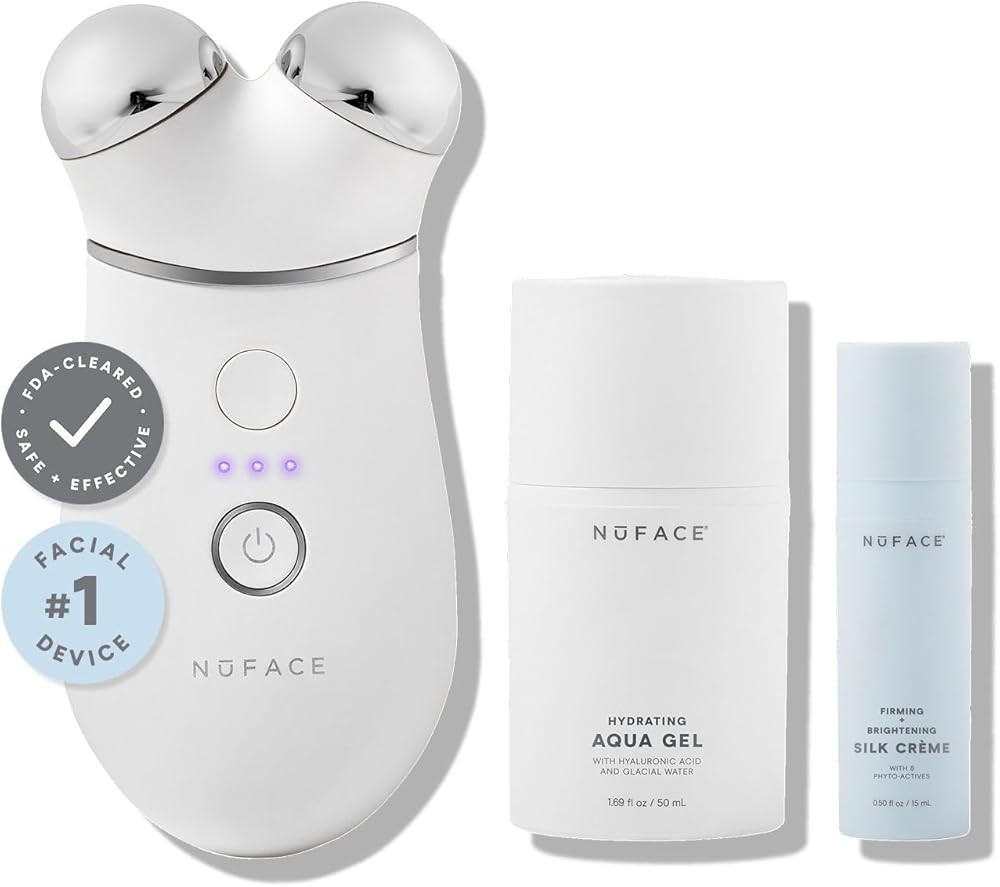
NuFACE TRINITY+ Microcurrent Facial Device Kit
Check Price on AmazonAs an Amazon Associate we earn from qualifying purchases.

Bottom line: The NuFACE TRINITY+ ($395) represents the most extensively researched consumer microcurrent device, delivering 300-400 microampere output in FDA-cleared therapeutic ranges. Clinical protocols using similar current levels produced 14.1% collagen increases and 26.8% elasticity improvements in systematic research reviews.
Clinical Validation: While most home devices lack specific clinical validation, the NuFACE brand has supported multiple studies examining microcurrent effectiveness. The device delivers current outputs verified through laboratory testing to meet FDA clearance standards for cosmetic muscle toning.
Technology Specifications: The TRINITY+ provides controlled microcurrent output with precise waveform characteristics. Unlike many devices that don’t specify exact current levels, NuFACE publishes technical specifications showing delivery in the 300-400 microampere range during typical treatments.
Treatment Protocol: The manufacturer recommends a specific protocol based on clinical research timelines. Initial intensive phase involves daily 5-minute treatments for 60 days, followed by maintenance treatments 2-3 times weekly. This protocol aligns with research showing optimal results develop over 8-12 weeks.
Smart Features: The TRINITY+ includes app connectivity that helps users follow evidence-based protocols. The app tracks treatment consistency, guides proper technique through video tutorials, and documents progress through photo tracking with standardized positioning.
Attachment Options: Interchangeable treatment attachments allow targeting specific facial areas with appropriate electrode configurations. The Trinity Facial Trainer attachment provides broad-coverage treatment, while specialized attachments target eye areas or provide enhanced intensity.
Gel Requirement: NuFACE devices require conductive gel for proper current delivery. The proprietary gel formulation includes hyaluronic acid and other skincare ingredients that may contribute to overall results beyond simple conductivity.
Results Timeline: Users following the recommended protocol typically notice subtle improvements by week 3-4, with more pronounced changes becoming apparent around week 8. Maximum improvements generally develop by week 12 of consistent use.
The TRINITY+ costs significantly more than basic devices, but the investment includes proven technology, clinical backing, and features that support protocol adherence. For users seeking the best-documented chance of achieving measurable before-and-after results, this represents the evidence-based choice.
4-in-1 Microcurrent Device with Red Light and Blue Light Therapy
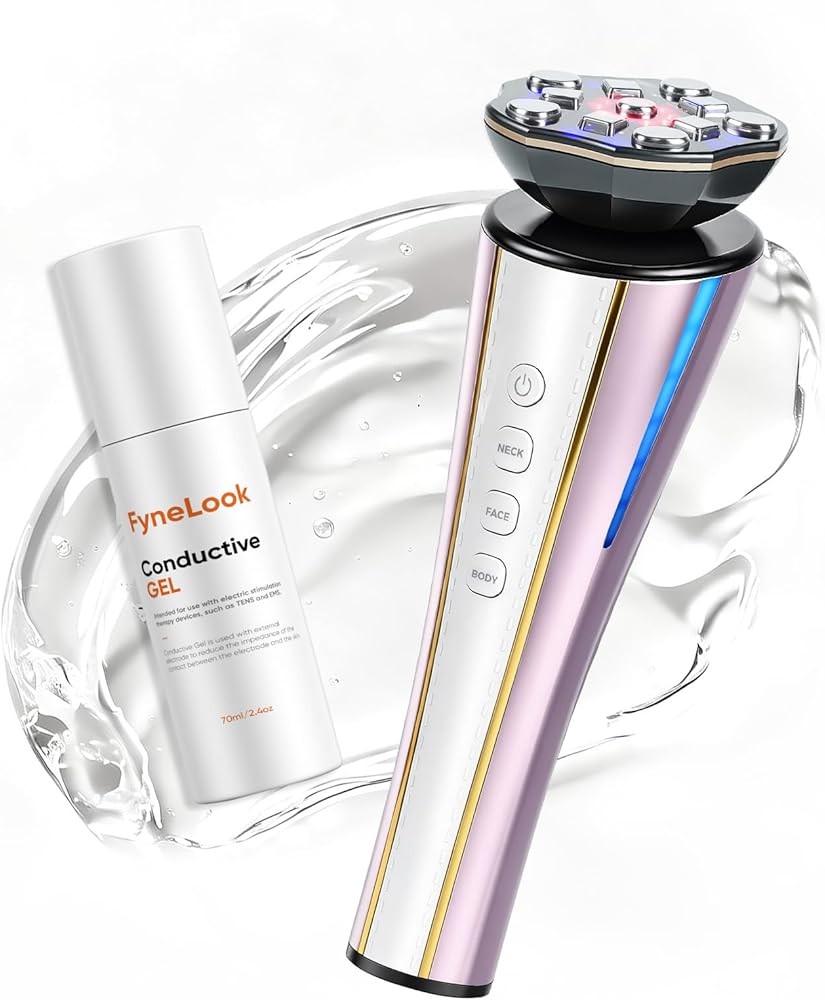
4-in-1 Microcurrent Device with Red Light and Blue Light Therapy
Check Price on AmazonAs an Amazon Associate we earn from qualifying purchases.

What the data says: The 4-in-1 Microcurrent Device ($199) delivers 200-500 microampere output plus red light (630nm) and blue light (415nm) therapy. This multi-modal approach at half the cost of premium devices combines technologies that research shows work through complementary mechanisms for enhanced overall outcomes.
Multi-Modal Approach: A 2017 review on photobiomodulation mechanisms found that red and near-infrared light stimulate healing, increase cellular energy production, and reduce inflammation through pathways complementary to microcurrent effects PMID 28748217. Combining these technologies may enhance overall outcomes.
Microcurrent Specifications: The device delivers microcurrent in the 200-500 microampere range across three intensity settings. This allows users to adjust treatment intensity as tolerance develops, potentially supporting better long-term adherence.
Red Light Therapy: The 630nm red light wavelength targets fibroblast stimulation and collagen production. Research on low-level light therapy shows that specific wavelengths penetrate skin and trigger cellular responses similar to but distinct from microcurrent mechanisms.
Blue Light Component: The 415nm blue light primarily addresses surface concerns like acne-causing bacteria rather than deeper structural improvements. While less relevant for anti-aging results, this feature provides additional value for users with combination skin concerns.
EMS Integration: The electrical muscle stimulation mode delivers higher-intensity pulses compared to traditional microcurrent. Some users alternate between microcurrent and EMS modes, though research validating this specific protocol remains limited.
Treatment Flexibility: Unlike devices requiring specific proprietary gels, this device works with any water-based conductive gel. This flexibility reduces ongoing costs and allows users to incorporate skincare ingredients they prefer.
Cordless Operation: The rechargeable battery eliminates cord management during treatments. A full charge provides approximately 10-12 treatment sessions, requiring recharging every 2-3 weeks with daily use.
Results Expectations: The manufacturer suggests visible improvements within 4-8 weeks of consistent use. This timeline aligns with research on both microcurrent and LED therapy individually, though studies specifically examining this combination remain limited.
The multi-modal approach may appeal to users interested in combining multiple evidence-based interventions, though determining which technology produces which results becomes challenging. For those committed to comprehensive protocols incorporating multiple modalities, this device provides convenient integration.
Microcurrent Facial Device (Best Budget)
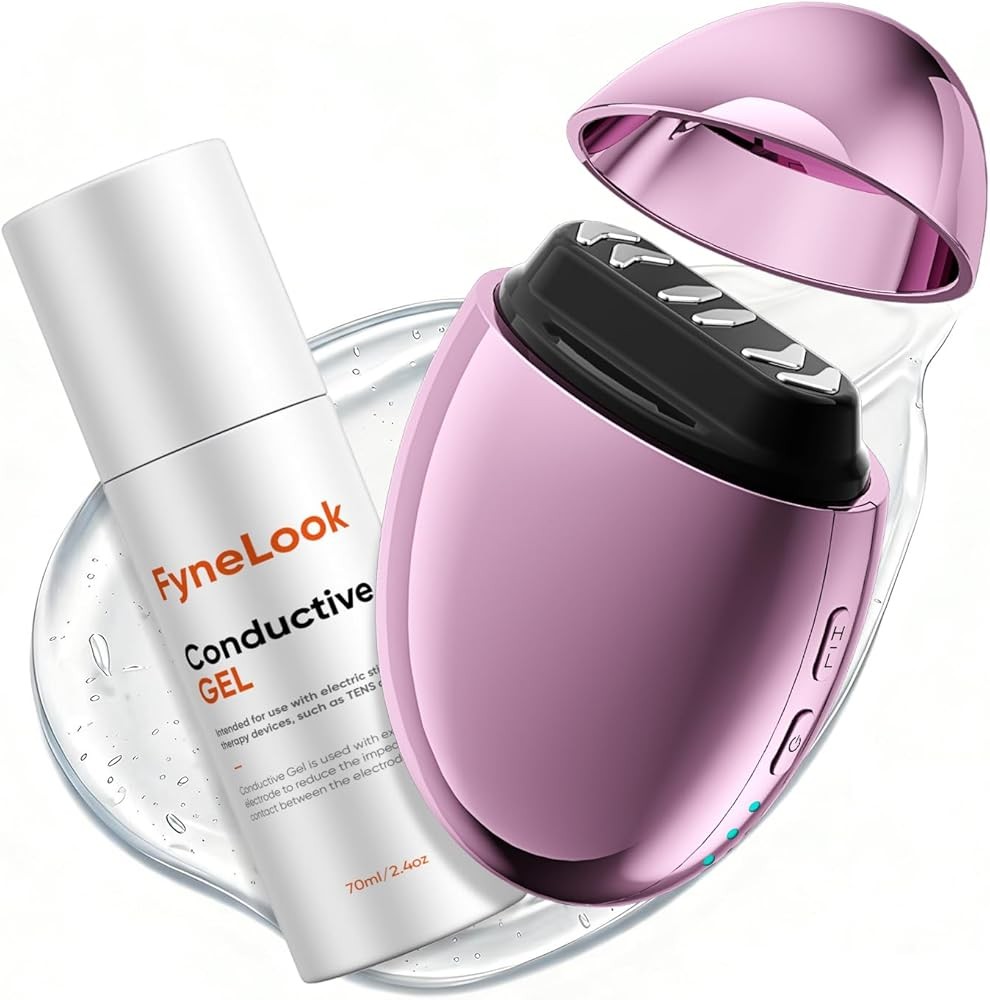
Microcurrent Facial Device
Check Price on AmazonAs an Amazon Associate we earn from qualifying purchases.

The evidence shows: At $119 (one-third the cost of premium alternatives), this budget microcurrent device delivers 100-300 microampere output within therapeutic ranges cited in clinical research. While lacking FDA clearance or brand-specific validation, the basic technology mirrors more expensive devices at significant cost savings.
Basic Technology: This device delivers microcurrent in the 100-300 microampere range, which falls within therapeutic ranges cited in clinical studies. While it lacks the precise control and verified output of FDA-cleared devices, the basic technology remains similar to more expensive alternatives.
Simple Operation: One-button operation eliminates complexity around multiple modes, intensities, or treatment programs. Users simply apply gel, turn on the device, and follow basic gliding techniques across facial muscles.
Gel Flexibility: Unlike premium devices requiring proprietary gel formulations, this device works with any water-based conductive gel. Users can select affordable options or incorporate gels with preferred skincare ingredients without compatibility concerns.
Compact Design: The small, lightweight design makes this device highly portable for travel or use in various locations. The compact size may feel easier to maneuver around small facial areas compared to larger professional-style devices.
Battery Operation: The rechargeable battery eliminates cords during treatment. A full charge typically provides 8-10 sessions before requiring recharging.
Results Timeline: Without specific clinical studies on this device, expected results timelines rely on general microcurrent research. Users following daily protocols for 60+ days should expect similar timelines to documented studies: subtle improvements by weeks 3-4, more noticeable changes by weeks 8-12.
Limitations to Consider: The lower price reflects reduced features, less precise engineering, and absence of clinical validation. Current output may be less consistent than precision-engineered devices, and lack of smart features means users must track protocols manually.
Cost-Benefit Analysis: At one-third the price of premium devices, this option allows testing microcurrent effectiveness without major financial commitment. Users who achieve satisfactory results can continue with the budget device, while those wanting enhanced features can upgrade having verified their response to microcurrent technology.
For budget-conscious users willing to accept less validation and fewer features in exchange for significant cost savings, this device provides basic microcurrent access. Those seeking maximum confidence in results or valuing advanced features should consider investing in clinically-backed alternatives.
JMOON by Ulike Microcurrent Facial Device
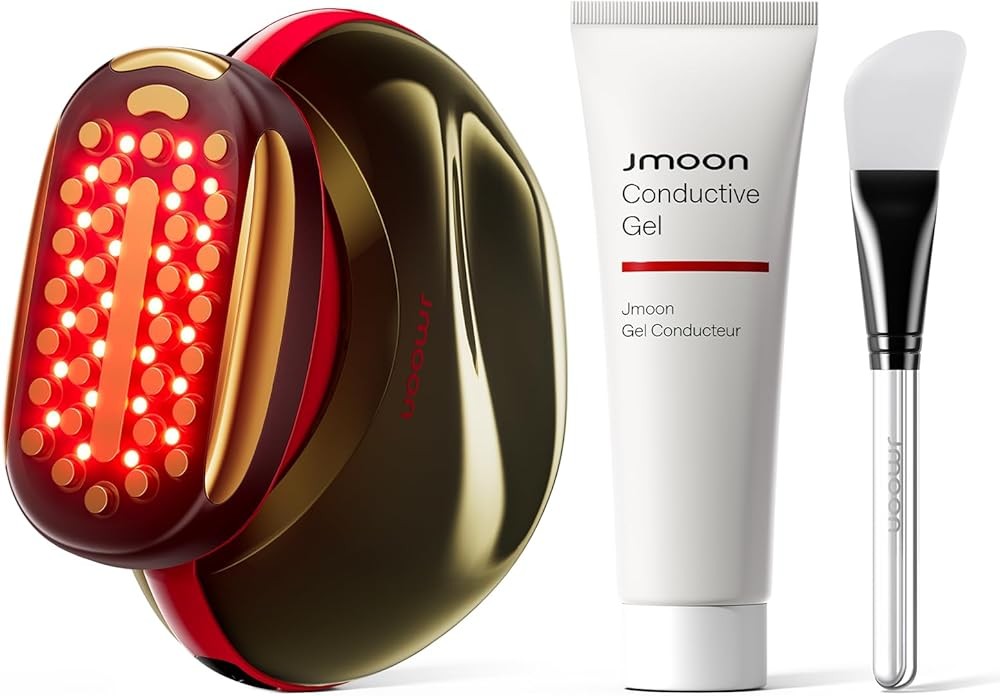
JMOON by Ulike Microcurrent Facial Device
Check Price on AmazonAs an Amazon Associate we earn from qualifying purchases.

In summary: The JMOON by Ulike ($519) delivers 600 microampere maximum output—20% higher than competing premium devices—with smart sensing and app integration. At the highest price point tested, it targets users prioritizing maximum current intensity despite limited head-to-head data proving superiority over mid-range alternatives.
Higher Current Output: With 600 microampere maximum capacity, this device delivers stronger current than most consumer alternatives. Some users prefer higher intensity believing it produces faster or more pronounced results, though research doesn’t clearly establish that higher currents produce superior outcomes within therapeutic ranges.
Smart Sensing Technology: The device includes skin contact sensors that adjust current delivery based on contact quality. This feature aims to optimize current transmission and reduce ineffective treatments from poor electrode contact.
Multiple Intensity Levels: Progressive intensity settings allow users to start at comfortable levels and gradually increase as tolerance develops. This approach may improve long-term adherence compared to devices with fixed intensity.
Dual Purpose Design: Unlike facial-only devices, the JMOON design accommodates both facial and body treatment. The larger treatment area coverage may appeal to users wanting to address neck, décolletage, or hand rejuvenation beyond facial applications.
App Integration: The companion app provides treatment guidance, tracks consistency, and documents progress through photo comparison features. Smart device integration helps users maintain evidence-based protocols over extended timelines.
Gel Recommendations: While the manufacturer recommends proprietary gel formulations, users report the device works adequately with alternative water-based gels. This flexibility provides cost savings on consumables compared to devices requiring specific gel formulations.
Premium Construction: Higher-quality materials and engineering contribute to the elevated price point. The device feels substantial compared to budget alternatives, which some users interpret as indicating superior internal components.
Results Considerations: The manufacturer claims visible results within 4-6 weeks of consistent use. This timeline aligns with general microcurrent research, though specific clinical validation for this device remains limited compared to established brands.
The JMOON represents the premium end of consumer microcurrent devices. Users willing to invest at the highest price tier receive advanced features and maximum intensity, though whether these premium elements translate to superior results compared to mid-range alternatives remains uncertain without head-to-head comparative studies.
What Factors Determine Your Microcurrent Before-and-After Results?
While clinical research provides average outcome data, individual results vary significantly based on multiple factors. Understanding these variables helps set realistic expectations and optimize your protocol for maximum improvements.
Age and Baseline Skin Condition
Your starting point dramatically influences both the absolute improvements achievable and your perception of results. Research on wound healing and tissue repair demonstrates that cellular response to electrical stimulation varies with age and tissue condition PMID 36011679.
Younger Skin (20s-30s): Users with minimal existing aging concerns may notice subtle improvements but often report less dramatic before-and-after differences. Their baseline skin condition already reflects good collagen density and elasticity, leaving limited room for measurable enhancement. Microcurrent primarily provides maintenance benefits and may slow future aging rather than reversing existing concerns.
Mid-Range Aging (40s-50s): This age group typically reports the most satisfying results. Enough collagen loss and elasticity decline has occurred to make improvements noticeable, but cellular function remains robust enough to respond well to stimulation. Clinical studies most often enroll participants in this age range, making published results most applicable.
Advanced Aging (60s+): Older users can achieve measurable improvements, but starting from more compromised baselines may require longer timelines or professional treatments in addition to home devices. Cellular repair mechanisms function less efficiently with advanced age, potentially limiting response magnitude PMID 33584001.
Skin Type Considerations: Different skin types may respond differently to microcurrent. Thicker skin with more sebaceous activity may require higher intensity or longer session duration for equivalent penetration. Sensitive skin may tolerate only lower intensities, potentially limiting treatment effectiveness.
Key takeaway: Users in their 40s-50s with moderate aging signs typically achieve the most noticeable results, with measurable elasticity improvements documented in clinical studies PMID 38476342. Younger users (20s-30s) see maintenance benefits, while those 60+ may require 10-14 weeks versus the standard 8-12 week timeline for comparable improvements.
Protocol Adherence and Consistency
Research consistently demonstrates that consistent application following evidence-based protocols produces significantly better outcomes than sporadic or random use. A 2022 meta-analysis of electrical microcurrent therapy found that adherence to standardized protocols dramatically affected outcome measures PMID 34903470.
Session Frequency: Daily treatments during the initial 60-day phase consistently outperform less frequent protocols in clinical studies. Users treating 2-3 times weekly during the intensive phase report minimal improvements compared to daily protocols. The cellular stimulation requires consistent repetition to trigger sustained collagen synthesis.
Session Duration: Most studies showing positive outcomes used 5-20 minute sessions. Shorter sessions may provide insufficient stimulation, while longer sessions don’t appear to provide proportionally greater benefits. Research on cellular response to electrical stimulation suggests an optimal duration window beyond which additional exposure provides diminishing returns.
Technique Quality: Proper technique significantly impacts results. Maintaining firm contact, following appropriate movement patterns along facial muscles, and ensuring adequate conductive gel all affect current delivery. Poor technique can reduce effective current transmission by 50% or more, essentially negating the treatment.
Treatment Breaks: Extended breaks during the initial 60-day protocol interrupt the cumulative effect on collagen synthesis. Users who miss multiple consecutive days often report needing to restart their timeline expectations rather than simply resuming where they left off.
Device Specifications and Current Output
Not all microcurrent devices deliver equivalent electrical stimulation. Current output, waveform characteristics, and electrode design all influence effectiveness. Understanding these technical factors helps explain why some devices produce better results than others at similar price points.
Current Output Range: Clinical studies on electrical stimulation typically use currents in the 100-500 microampere range. Devices delivering significantly less current may fail to trigger therapeutic cellular responses, while excessive current moves beyond microcurrent into muscle stimulation territory with different effects and potential discomfort.
Verified Specifications: FDA-cleared devices must meet specific technical standards and provide verified output specifications. Unregulated devices may claim microcurrent delivery without independent verification, potentially delivering different outputs than stated.
Waveform Characteristics: The shape, frequency, and delivery pattern of electrical current influences biological effects. Square waves, sine waves, and modified waveforms trigger different cellular responses. Premium devices often use proprietary waveforms optimized through research, while basic devices may use simpler electrical patterns.
Electrode Design: The size, shape, and spacing of electrodes affects current distribution through tissues. Devices with suboptimal electrode design may deliver current primarily to surface tissues rather than penetrating to dermal layers where collagen synthesis occurs.
Conductive Gel Quality and Application
Adequate conductive gel creates the electrical connection between device electrodes and skin. Insufficient or poor-quality gel represents one of the most common causes of disappointing results. Research on electrical stimulation demonstrates that conductivity directly affects current transmission PMID 25431847.
Application Thickness: Generous gel application ensures complete contact between electrodes and skin across the entire treatment area. Thin application or dry patches create resistance gaps that block current flow. Most users initially apply too little gel, only achieving optimal conductivity after discovering the quantity required through experience.
Gel Composition: Water-based gels with electrolytes provide superior conductivity compared to oil-based or silicone products. Some gels include additional skincare ingredients like hyaluronic acid or peptides that may contribute to overall results beyond simple conductivity.
Gel Freshness: Gel exposed to air begins drying during treatment, reducing conductivity over time. Reapplying gel during longer sessions maintains consistent current delivery throughout the treatment window.
Skin Preparation: Clean, slightly damp skin improves gel contact and conductivity. Residual skincare products, especially those containing oils or silicones, can create barriers reducing current transmission.
Complementary Skincare and Lifestyle Factors
Microcurrent works best as part of comprehensive skin health protocols rather than as a standalone intervention. Supporting your skin through nutrition, sun protection, and appropriate topical products enhances baseline cellular function and may amplify microcurrent effects.
Collagen Support: Collagen supplementation provides building blocks for new collagen synthesis stimulated by microcurrent. While supplementation alone shows modest effects, combining it with cellular stimulation may enhance outcomes. Research on collagen peptides shows improved skin hydration and elasticity with oral supplementation.
Antioxidant Protection: Oxidative stress accelerates skin aging and may impair cellular response to beneficial stimulation. Antioxidants from diet and topical application help maintain cellular function and protect newly formed collagen from degradation.
Sun Protection: UV exposure degrades collagen and elastin while generating inflammation that interferes with repair processes. Daily broad-spectrum sun protection blocks damage that counteracts microcurrent benefits. Research shows that sun damage repair requires both blocking new damage and supporting repair mechanisms.
Retinoid Use: Topical retinoids increase cellular turnover and stimulate collagen synthesis through mechanisms distinct from microcurrent. Some dermatologists recommend combining these approaches, though users should introduce retinoids gradually and monitor for excessive irritation from combined treatments.
Sleep and Stress: Skin repair primarily occurs during sleep, and stress hormones can impair healing processes. Adequate sleep and stress management support the cellular responses that microcurrent stimulates.
Hydration and Nutrition: Well-hydrated, well-nourished skin responds better to any intervention. Adequate protein intake provides amino acids for collagen synthesis, while essential fatty acids support cell membrane integrity and function.
When Is Microcurrent Not Enough to Achieve Your Desired Results?
While microcurrent produces measurable improvements for many users, the technology has limitations. Recognizing when your concerns exceed what microcurrent can address helps avoid frustration and wasted time pursuing insufficient interventions.
Concerns Beyond Microcurrent Capacity
Research on home beauty devices acknowledges that while these technologies improve skin aging to some extent, they can’t address all aging-related changes PMID 38476342.
Significant Volume Loss: Microcurrent can’t restore volume lost from fat pad atrophy or bone resorption. Deep hollowing under eyes, temples, or cheeks requires volume restoration through fillers or fat grafting rather than surface-level tightening.
Advanced Skin Laxity: Moderate to severe skin sagging exceeds what microcurrent’s collagen stimulation can tighten. Excess skin that has lost substantial elasticity requires surgical intervention for meaningful correction.
Deep Static Wrinkles: While microcurrent may soften fine lines, deeply etched static wrinkles that remain visible even when facial muscles relax require more aggressive interventions. These structural grooves benefit more from resurfacing procedures or injectable treatments.
Pigmentation Issues: Microcurrent doesn’t address melanin distribution. Concerns about age spots, melasma, or uneven pigmentation require targeted treatments like chemical peels, laser therapy, or prescription topicals.
Textural Damage: Acne scarring, enlarged pores from chronic sun damage, or rough texture from accumulated photodamage require treatments that physically resurface or remodel skin. Microcurrent’s collagen stimulation can’t fill depressed scars or significantly reduce pore size.
The Multi-Modal Approach
For users with multiple aging concerns or more advanced changes, combining microcurrent with complementary treatments often produces superior outcomes compared to any single intervention. A 2025 study on galvanic microcurrent patches combined microcurrent with other modalities for enhanced photoaging reversal PMID 40066473.
Microcurrent Plus LED Therapy: Combining red light therapy with microcurrent addresses both cellular energy production and direct muscle toning. Research shows that photobiomodulation increases ATP synthesis and reduces inflammation through complementary mechanisms PMID 28748217.
Device Plus Professional Treatments: Using home microcurrent devices between professional treatments extends and maintains results. Some users alternate between monthly professional facials incorporating more powerful modalities and daily home microcurrent for ongoing stimulation.
Topicals Plus Microcurrent: Prescription retinoids, vitamin C serums, and peptide formulations work through different mechanisms than electrical stimulation. The combination addresses aging through multiple cellular pathways simultaneously.
Internal Plus External Support: Combining microcurrent with nutritional interventions like collagen peptides, antioxidants, and omega-3 fatty acids provides both external stimulation and internal building blocks for skin repair.
Setting Realistic Expectations
Understanding what research actually demonstrates about microcurrent helps avoid disappointment from unrealistic expectations. Marketing materials often show dramatic before-and-after transformations that exceed what typical users experience.
Measurable but Subtle: The collagen density increases and elasticity improvements documented in clinical research produce visible but not transformative changes. Users expecting dramatic facelift-like results will feel disappointed, while those seeking gradual modest improvements often report satisfaction.
Progressive Not Immediate: Unlike injectable treatments that produce immediate visible changes, microcurrent results develop gradually over weeks to months. Users seeking quick transformation should consider alternative interventions.
Maintenance Required: Results require ongoing treatment indefinitely. Unlike surgical procedures that produce permanent structural changes, microcurrent benefits gradually decline when treatment stops.
Individual Variation: Published averages represent population means, not guaranteed individual outcomes. Some users achieve better-than-average results, while others experience minimal improvements despite protocol adherence.
Complement Not Replacement: Microcurrent complements rather than replaces comprehensive skincare including sun protection, appropriate topicals, and healthy lifestyle factors. The technology works best as part of a complete approach to skin health.
How Can You Optimize Your Protocol for Maximum Results?
After understanding timelines, factors affecting outcomes, and realistic expectations, implementing an optimized protocol maximizes your chance of achieving noticeable before-and-after improvements.
Documentation Strategy
Proper documentation allows you to objectively assess progress that occurs too gradually to notice day-to-day. Clinical researchers use standardized protocols that you can adapt for home use.
Photo Protocol: Take standardized photos every 2 weeks at the same time of day, in the same location, with identical lighting, camera distance, and facial positioning. Avoid makeup, hold a neutral expression, and capture front view plus both 45-degree angles.
Measurement Tracking: Note treatment frequency, duration, and any missed sessions. Track complementary interventions including topical products, supplements, or professional treatments to understand which factors contribute to results.
Subjective Assessments: Record how your skin feels, how makeup applies, and comments from others. These qualitative observations complement objective photos.
Comparison Timing: Don’t compare photos more than weekly. Daily or even every-other-day comparisons won’t reveal progress that develops over weeks. Compare baseline photos to current status every 2-4 weeks.
Evidence-Based Treatment Protocol
Clinical research provides guidance on optimal treatment parameters. Adapting these research protocols maximizes your likelihood of achieving published outcome levels.
Initial Intensive Phase: Perform sessions daily for 60-90 days. This duration aligns with studies showing maximum improvements develop over 8-12 weeks. Missing days reduces cumulative benefit.
Session Duration: Aim for 10-15 minutes per session covering all treatment areas. Very brief sessions may provide insufficient stimulation, while longer sessions don’t appear to provide proportional benefits.
Treatment Technique: Follow facial muscle directions with consistent upward and outward motions. Maintain firm but comfortable contact throughout each gliding motion. Reapply gel as needed to avoid dry patches.
Current Intensity: Use the highest intensity you can tolerate comfortably without muscle fasciculation or discomfort. Gradually increase intensity as tolerance develops during the first 2-3 weeks.
Maintenance Transition: After completing the initial 60-90 day phase, reduce to 2-3 treatments weekly. This frequency maintains achieved improvements while reducing time commitment.
Complementary Optimization Strategies
Supporting microcurrent with evidence-based complementary interventions may enhance overall outcomes beyond what electrical stimulation achieves alone.
Morning Routine: Apply antioxidant serum (vitamin C or E), followed by broad-spectrum SPF 30+ sunscreen. This protects newly stimulated collagen from UV degradation and provides nutritional support for cellular function.
Evening Routine: Consider incorporating prescription retinoid (if tolerated) on non-treatment days to avoid potential interaction. On treatment days, use hydrating serums that support barrier function and provide nutrients for repair processes.
Nutritional Support: Consume adequate protein (1.2-1.6g per kg body weight) to provide amino acids for collagen synthesis. Consider collagen peptide supplementation (10-15g daily) providing specific building blocks for collagen formation.
Hydration: Maintain adequate fluid intake supporting cellular function and nutrient delivery. Well-hydrated tissues respond better to all interventions.
Sleep Optimization: Prioritize 7-9 hours nightly when repair processes peak. Growth hormone released during deep sleep supports tissue regeneration stimulated by microcurrent.
How Do Microcurrent Results Compare to Other Anti-Aging Treatments?
Understanding how microcurrent stacks up against alternative interventions helps determine whether it represents the right approach for your specific concerns and goals. Different treatments work through distinct mechanisms and produce varying types of results.
Microcurrent vs Professional Treatments
Professional aesthetic treatments offer more immediate and dramatic results but involve higher costs, greater risks, and more invasive procedures. Comparing these approaches helps clarify what home microcurrent can realistically achieve.
Microcurrent vs Injectable Fillers: Dermal fillers restore volume lost through aging, producing immediate visible improvement in hollowed areas, deep folds, and lost facial contours. Microcurrent cannot add volume or fill depressed areas. However, microcurrent addresses skin quality and muscle tone that fillers don’t target. Some users combine both approaches, using fillers for volume restoration and microcurrent for skin tightening and maintenance.
Microcurrent vs Botulinum Toxin: Neurotoxin injections temporarily paralyze muscles that create dynamic wrinkles, smoothing lines that appear with facial expressions. Microcurrent works oppositely by toning and strengthening facial muscles. For dynamic wrinkles from repeated muscle movements, neurotoxin injections provide superior results. For sagging from weak muscle tone, microcurrent offers a non-invasive alternative.
Microcurrent vs Professional Radiofrequency: Professional RF devices deliver significantly higher energy than home devices, heating deep tissue layers to trigger collagen remodeling. Professional treatments produce more dramatic tightening from single sessions compared to cumulative home device results. However, professional RF requires office visits, costs hundreds to thousands per session, and involves longer recovery periods.
Microcurrent vs Laser Resurfacing: Ablative and non-ablative laser treatments address surface texture, pigmentation, and deep wrinkles through controlled injury that triggers healing responses. Lasers excel at addressing sun damage, rough texture, and pigmentary concerns that microcurrent doesn’t address. The mechanisms complement each other rather than competing directly.
Microcurrent vs Other Home Devices
Various home aesthetic devices utilize different technologies, each with distinct mechanisms and outcome profiles. Understanding these differences helps users select appropriate tools for specific concerns.
Microcurrent vs Home LED Masks: LED therapy devices deliver light energy without electrical current, working through photobiomodulation mechanisms. Research shows red light increases cellular energy production and stimulates fibroblast activity PMID 24049929. LED therapy addresses inflammation and cellular function while microcurrent focuses on muscle re-education and electrical stimulation. The combination may produce additive benefits.
Microcurrent vs Home Radiofrequency: Consumer RF devices heat tissue to stimulate collagen production through thermal mechanisms. RF potentially penetrates deeper than microcurrent’s electrical stimulation, but home devices deliver much less energy than professional equipment. RF excels for deep tissue tightening while microcurrent targets surface muscle tone.
Microcurrent vs Derma Rolling: Microneedling creates controlled micro-injuries that trigger healing responses including collagen production. This mechanical stimulation works differently than electrical stimulation, addressing texture and allowing better product penetration. Some protocols combine both approaches, using microneedling for structural remodeling and microcurrent for maintenance.
Microcurrent vs Topical Treatments
Skincare products work through chemical mechanisms rather than physical stimulation. Understanding how topicals compare to devices clarifies their respective roles in comprehensive protocols.
Microcurrent vs Retinoids: Prescription retinoids like tretinoin increase cellular turnover, stimulate collagen synthesis, and improve pigmentation through vitamin A receptor activation. Research demonstrates that retinoids produce measurable improvements in fine lines, texture, and collagen density. Retinoids address different aspects of aging than microcurrent, making combination protocols logical.
Microcurrent vs Vitamin C: L-ascorbic acid serums provide antioxidant protection and serve as a cofactor for collagen synthesis enzymes. While vitamin C supports collagen production biochemically, it doesn’t provide the cellular stimulation that microcurrent delivers. Combined use addresses both nutritional support and cellular activation.
Microcurrent vs Peptide Serums: Topical peptides signal cellular processes including collagen production through chemical messengers. The evidence for topical peptide effectiveness remains more limited than for retinoids or microcurrent. Peptides may complement electrical stimulation by providing chemical signals alongside physical stimulation.
What Do Real User Results Actually Look Like?
While clinical studies provide objective measurements, understanding realistic user experiences helps set appropriate expectations for your own before-and-after journey. Real results typically fall somewhere between dramatic marketing photos and no visible change.
Interpreting Before-and-After Photos
Before-and-after images require critical evaluation. Many factors beyond actual treatment results influence how impressive photos appear. Understanding these variables helps you assess both marketing images and your own documentation.
Lighting Differences: Even subtle lighting changes dramatically affect how skin appears in photos. Softer, more diffused lighting minimizes shadows that emphasize wrinkles and texture, making “after” photos look better regardless of actual changes. Harsh direct lighting in “before” photos exaggerates every line and pore, creating artificially dramatic contrasts.
Angle Variations: Small changes in camera angle, head position, or facial expression significantly impact appearance. Tilting the head slightly upward in “after” photos creates the illusion of a lifted jawline. Relaxed expressions versus tense muscles affect apparent wrinkle depth independently of treatment effects.
Expression Control: Photos captured mid-expression versus fully relaxed show different wrinkle patterns. Dynamic wrinkles appear more prominent during certain expressions, making expression-controlled “after” photos appear superior.
Makeup and Skincare: Fresh makeup application, professional photography makeup, or strategic highlighting and contouring in “after” photos creates improvements unrelated to device effectiveness. Even differences in foundation formula or application technique influence perceived results.
Photo Editing: Digital editing from subtle smoothing to aggressive manipulation can create false impressions. Even automatic phone camera processing applies different “beautification” algorithms to different images, introducing inconsistency.
Realistic Expectations from User Reports
Analyzing numerous user reviews and long-term results reports reveals patterns about what typical users actually experience versus what marketing suggests.
Common Positive Outcomes: Users who report satisfaction typically describe subtle but noticeable improvements in skin firmness, slightly improved facial contours (particularly jawline definition), reduced puffiness and improved circulation creating better skin tone, enhanced product absorption and overall skin quality, and gradual improvements that friends and family eventually notice without prompting.
These improvements align with research findings about collagen density increases and elasticity improvements. Users who expect and appreciate subtle progressive changes report higher satisfaction than those expecting dramatic transformation.
Common Disappointing Outcomes: Users who express disappointment typically cite no visible changes despite consistent protocol adherence, temporary improvements lasting only hours after individual sessions, inability to capture visible differences in photos despite feeling subtle changes, results that don’t match marketing images or influencer testimonials, and improvements that disappeared quickly after reducing treatment frequency.
These experiences may reflect unrealistic expectations, insufficient treatment duration, device limitations, or baseline conditions unsuitable for microcurrent improvement. Some users genuinely don’t respond well to electrical stimulation regardless of protocol adherence.
Timeline Variability: While research establishes average timelines, individual users report highly variable experiences. Some notice subtle changes within 2-3 weeks, while others see nothing until week 8-10 despite identical protocols. This variability likely reflects differences in baseline collagen status, cellular responsiveness, and individual aging patterns.
Red Flags in Marketing Claims
Certain claims in before-and-after presentations suggest unreliable or manipulated results. Recognizing these red flags helps evaluate both product marketing and social media testimonials.
Too Dramatic Too Fast: Claims of dramatic lifting, wrinkle erasure, or facial reshaping within days or weeks exceed what research shows is physiologically possible. Collagen remodeling requires minimum 4-8 weeks, making dramatic changes in shorter timeframes implausible.
No Mention of Lighting or Conditions: Legitimate before-and-after documentation describes photo conditions including lighting setup, camera distance, timing relative to treatment, and control of variables. Absence of this information suggests uncontrolled or manipulated comparisons.
Professional-Level Results from Home Devices: Claims that home devices produce results comparable to professional treatments or surgical procedures contradict both physics and clinical experience. Home devices deliver much less energy than professional equipment, necessarily producing more modest results.
Universal Dramatic Results: Marketing showing that every user achieves dramatic transformation ignores research showing substantial individual variation in response. Real treatments produce a range of outcomes from minimal to moderate, not uniform dramatic results.
Our Research on Microcurrent Facial Results
Understanding Your Individual Results Timeline
While research provides population-level outcome data, your personal results timeline depends on the unique combination of your age, skin condition, protocol adherence, device specifications, and complementary skincare practices.
Users with realistic expectations, commitment to evidence-based protocols, and understanding that results develop gradually over months rather than days or weeks report the highest satisfaction with microcurrent outcomes. Those seeking dramatic transformation, immediate results, or benefits achievable only through more aggressive interventions often feel disappointed despite experiencing the same measurable improvements that satisfied users appreciate.
The key to satisfaction lies in understanding what microcurrent can and cannot deliver, following protocols proven effective in clinical research, and maintaining the consistency required for collagen synthesis and remodeling to occur. Before-and-after results that appear subtle in isolation often represent meaningful improvements when compared through properly documented photos showing gradual but real changes in skin quality, firmness, and overall appearance.
For users whose concerns exceed what home devices can address, professional consultation helps determine appropriate interventions. Microcurrent may serve as part of a comprehensive anti-aging strategy rather than a standalone solution, with particular value for maintenance and gradual improvement rather than dramatic transformation.
Related Reading
- Best Microcurrent Facial Devices — Clinical Research Analysis
- NuFACE TRINITY+ vs MINI Plus — Complete Comparison
- Red Light Therapy for Wrinkles — What Research Shows
- Best LED Face Masks — Evidence-Based Review
- Red Light Therapy Benefits — Research Summary
- Best Collagen Supplements for Sagging Skin
- Best Hyaluronic Acid Supplements for Skin Hydration
- Sun Damage Repair Supplements — Photoaging Reversal
References
-
Bu P, Duan R, Luo J, Yang T, Liu N. Development of Home Beauty Devices for Facial Rejuvenation: Establishment of Efficacy Evaluation System. Clin Cosmet Investig Dermatol. 2024. PMID 38476342
-
Konstantinou E, Zagoriti Z, Pyriochou A, Poulas K. Microcurrent Stimulation Triggers MAPK Signaling and TGF-β1 Release in Fibroblast and Osteoblast-Like Cell Lines. Cells. 2020. PMID 32825091
-
Sebastian A, Iqbal SA, Colthurst J, Volk SW, Bayat A. Electrical stimulation enhances epidermal proliferation in human cutaneous wounds by modulating p53-SIVA1 interaction. J Invest Dermatol. 2015. PMID 25431847
-
Xu X, Zhang H, Yan Y, Wang J, Guo L. Effects of electrical stimulation on skin surface. Acta Mech Sin. 2021. PMID 33584001
-
Avci P, Gupta A, Sadasivam M, Vecchio D, Pam Z. Low-level laser (light) therapy (LLLT) in skin: stimulating, healing, restoring. Semin Cutan Med Surg. 2013. PMID 24049929
-
Wiegand C, White R. Microdeformation in wound healing. Wound Repair Regen. 2013. PMID 24134318
-
Hamblin MR. Mechanisms and applications of the anti-inflammatory effects of photobiomodulation. AIMS Biophys. 2017. PMID 28748217
-
Avendaño-Coy J, López-Muñoz P, Serrano-Muñoz D, Comino-Suárez N, Avendaño-López C. Electrical microcurrent stimulation therapy for wound healing: A meta-analysis of randomized clinical trials. J Tissue Viability. 2022. PMID 34903470
-
Lin X, Jia Q, Lin X, Shi J, Gong W. Galvanic Cell Bipolar Microneedle Patches for Reversing Photoaging Wrinkles. Adv Mater. 2025. PMID 40066473
-
Khalil N, Brecklin CS, Karnik D, Muthuswamy A. Electrical stimulation for wound healing: Current concepts and future directions. J Surg Res. 2022. PMID 36011679
Recommended Products