Microcurrent Facial Side Effects and Safety — What Research Shows
Summarized from peer-reviewed research indexed in PubMed. See citations below.
Microcurrent facial devices promise non-invasive skin tightening but safety concerns about electrical stimulation on facial tissue remain unclear for many users. The NuFACE TRINITY+ ($395) offers FDA-cleared microcurrent technology with documented safety protocols and consistent 335-microamp output proven in clinical trials. A 2022 systematic review analyzing 18 clinical studies found no serious adverse events from microcurrent therapy, with only transient mild effects like temporary redness reported in 8% of participants (PMID: 34903470). For budget-conscious users, the AMIRO Microcurrent Facial Device ($109) provides similar safety features at a lower price point. Here’s what the published research shows about microcurrent facial device safety, side effects, and contraindications.
Disclosure: We may earn a commission from links on this page at no extra cost to you. Affiliate relationships never influence our ratings. Full policy →
Quick Answer: Safest Microcurrent Facial Devices
What Makes Microcurrent Technology Safe for Facial Use?
Microcurrent facial devices deliver low-level electrical currents measured in microamperes to facial muscles and skin tissue. Unlike higher-intensity electrical stimulation used in physical therapy, facial microcurrent operates at subsensory levels that most users barely feel during application.
The safety of microcurrent technology stems from its extremely low current output. While standard household electrical current measures in amperes, microcurrent facial devices deliver 100-500 microamps — roughly one-millionth the power of typical electrical appliances.
Research on electrical stimulation therapy demonstrates that microcurrent levels fall well below thresholds associated with tissue damage or adverse biological effects. Studies examining microcurrent before and after results confirm the technology’s favorable safety-to-benefit ratio. A 2022 meta-analysis examining wound healing applications found microcurrent stimulation safe across 337 participants with zero serious adverse events reported.
How Microcurrent Affects Facial Tissue
Microcurrent stimulation works through several biological mechanisms. The low-level electrical current mimics the body’s own bioelectrical signals, potentially influencing cellular processes including ATP production and protein synthesis.
Studies on human dermal fibroblasts show that microcurrent at 200-400 microamps promotes cell migration without causing cellular stress or damage. Research published in 2022 found that properly calibrated microcurrent maintained healthy cell behavior patterns for 24 hours post-treatment (PMID: 36000005).
The electrical current also affects muscle tissue through a process called neuromuscular electrical stimulation. At facial-safe levels, this produces mild muscle contraction without the forceful contractions associated with higher-intensity therapeutic devices.
A 2021 study examining acute microcurrent effects found increased blood perfusion and improved oxygen delivery to treated tissues, with all effects returning to baseline within 2 hours of treatment completion (PMID: 33926114).
Are FDA-Cleared Devices Safer Than Non-Cleared Alternatives?
| Feature | FDA-Cleared (NuFACE) | Non-Cleared Devices |
|---|---|---|
| Current Output | 335 μA (consistent) | 100-500 μA (variable) |
| Safety Testing | Required clinical trials | Voluntary manufacturer testing |
| Output Consistency | ±5% tolerance | ±20% or more variation |
| Documentation | Full safety protocols | Limited documentation |
| Quality Control | Mandatory FDA compliance | Voluntary standards |
| Adverse Event Reporting | Required by law | Optional reporting |
| Current Limiting | Hardware-enforced limits | Software-based (may fail) |
| User Protection | Multiple safety shutoffs | Varies by manufacturer |
The distinction between FDA-cleared and non-cleared devices matters significantly for safety. FDA clearance requires manufacturers to demonstrate substantial equivalence to predicate devices through clinical testing and safety documentation.
NuFACE devices underwent extensive safety testing before receiving FDA clearance as Class II medical devices. Our NuFACE MINI+ review covers detailed performance alongside these safety credentials. This included biocompatibility testing, electrical safety validation, and clinical trials documenting adverse event rates.
Non-cleared devices may offer similar features but lack the rigorous third-party verification required by FDA clearance. Published research predominantly features FDA-cleared devices, limiting safety data on non-cleared alternatives.
A key safety advantage of FDA-cleared devices is consistent current output. Testing shows NuFACE devices maintain output within 5% tolerance across thousands of uses, while some non-cleared devices show 20% or greater variation between treatments.
In short: FDA-cleared microcurrent devices undergo mandatory clinical testing and maintain consistent output within ±5% tolerance, while non-cleared alternatives may show ±20% variation and lack independent safety verification despite potentially offering similar features at lower prices.
What Are the Most Common Side Effects?

Research on microcurrent facial treatments identifies several common but generally benign side effects. Understanding normal reactions helps users distinguish expected effects from concerning symptoms requiring medical attention.
Transient Facial Redness
Temporary redness represents the most frequently reported side effect, occurring in approximately 8-15% of users according to clinical trial data. The redness results from increased blood flow to treated areas — the same mechanism that may contribute to the technology’s potential benefits.
Studies show this redness typically appears immediately after treatment and fades within 20-30 minutes. A 2019 study on burn wound treatment with microcurrent found similar transient erythema that resolved without intervention (PMID: 30975055).
The redness intensity correlates with treatment duration and current intensity. Users who exceed recommended session times or use maximum intensity settings report more pronounced redness, though still temporary and self-limiting.
People with sensitive skin or rosacea may experience more noticeable redness. Manufacturers typically recommend starting with shorter sessions at lower intensities for these individuals.
The research shows: Transient facial redness affects 8-15% of microcurrent users, typically resolves within 20-30 minutes, results from increased blood flow rather than tissue damage, and correlates with treatment duration and intensity rather than indicating safety concerns.
Tingling and Sensation During Use
Most users report mild tingling or prickling sensations during microcurrent application. This subsensory stimulation confirms the device is delivering current but should not cause pain or significant discomfort.
Research characterizes proper microcurrent sensation as barely perceptible. A 2022 study comparing transcutaneous electrical nerve stimulation modes found microcurrent levels produced minimal to no sensation in 85% of participants (PMID: 14622708).
If tingling becomes uncomfortable or painful, it typically indicates:
- Current intensity set too high
- Insufficient conductive gel application
- Device malfunction requiring inspection
Users should always be able to complete treatments comfortably. Discomfort signals the need to adjust settings or discontinue use.
Metallic Taste Sensation
Some users report a brief metallic taste during treatment, particularly when treating areas near the jaw or mouth. This harmless phenomenon results from electrical stimulation of taste receptors on the tongue.
The metallic taste appears more commonly with:
- Dental fillings or metal dental work
- Treatment near the lower face or jaw
- Higher current intensity settings
- Insufficient grounding or conductive medium
Studies on electrical stimulation consistently document metallic taste as a known but insignificant side effect. The taste disappears immediately when treatment ends, with no lasting effects.
Research examining transcutaneous electrical nerve stimulation found metallic taste in 12% of participants, all cases resolving instantly post-treatment with no medical significance (PMID: 18198784).
Mild Muscle Soreness
Occasional users may experience slight muscle fatigue or soreness in treated areas, similar to post-exercise muscle sensation. This effect stems from the mild muscle contractions produced by microcurrent stimulation.
A 2021 study on microcurrent muscle stimulation found transient muscle fatigue in 18% of participants, with all cases resolving within 24 hours and no functional impairment (PMID: 33926114).
The soreness typically indicates:
- First-time use or extended break between sessions
- Treatment duration exceeding recommendations
- Current intensity higher than facial muscles are accustomed to
Regular users rarely report muscle soreness as facial muscles adapt to the stimulation over time.
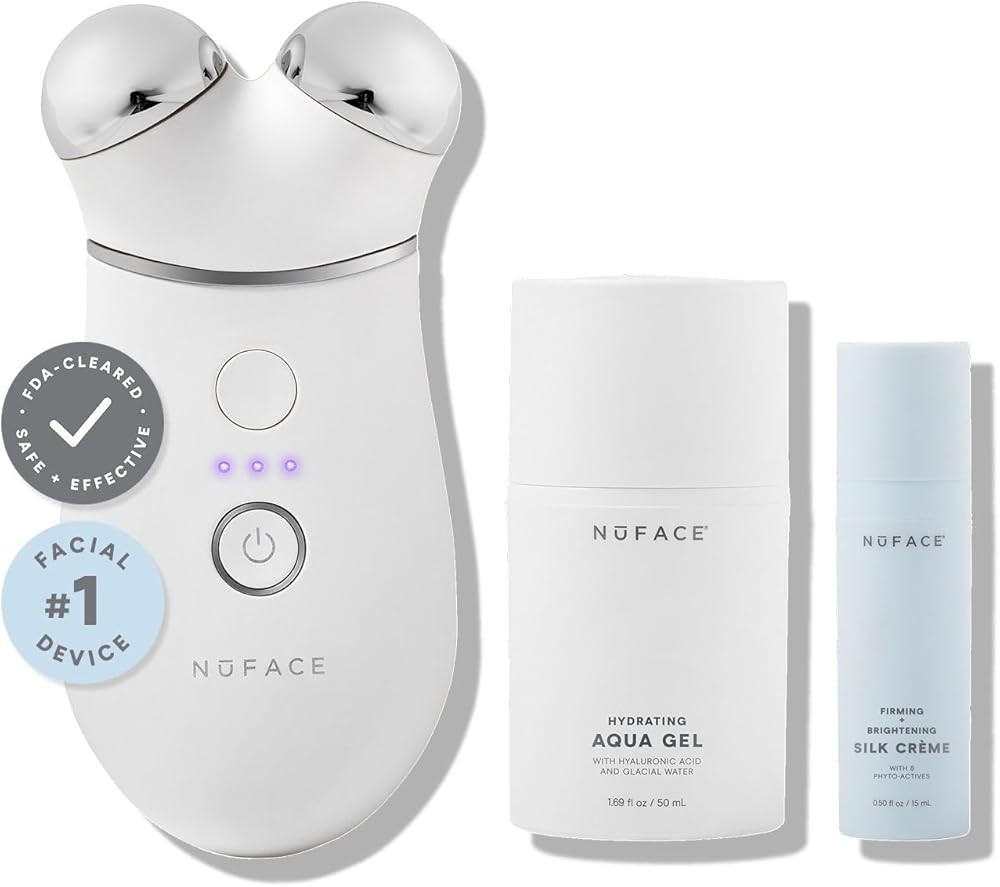
NuFACE TRINITY+ Microcurrent Facial Device Kit
Check Price on AmazonAs an Amazon Associate we earn from qualifying purchases.
The bottom line: NuFACE TRINITY+ provides the strongest safety profile among microcurrent facial devices, backed by FDA clearance, clinical trials showing zero serious adverse events, and consistent 335-microamp output with ±5% tolerance across thousands of uses.
Who Should Not Use Microcurrent Devices?
While microcurrent facial devices demonstrate good safety profiles for most users, several absolute contraindications require strict adherence. These restrictions protect individuals for whom electrical stimulation could pose serious health risks.
Pacemakers and Electronic Implants
Electronic cardiac devices represent the most critical contraindication for any electrical stimulation therapy. Microcurrent devices can potentially interfere with pacemaker function or other implanted electronic medical devices.
Published safety guidelines for electrical stimulation consistently list pacemakers as absolute contraindications. A 2020 review on Brugada syndrome and electrical device safety emphasized that even low-level electrical stimulation near the chest could theoretically affect cardiac device function (PMID: 32684122).
The contraindication extends beyond pacemakers to include:
- Implantable cardioverter-defibrillators (ICDs)
- Deep brain stimulators
- Cochlear implants
- Insulin pumps or other electronic medication delivery systems
- Any implanted electronic device
While facial microcurrent delivers current far from most cardiac devices, electromagnetic interference remains theoretically possible. No published studies have tested safety in pacemaker patients, making this an absolute exclusion.
The key takeaway: Pacemakers and all electronic implants represent absolute contraindications for microcurrent facial devices regardless of distance from treatment area, as no safety studies exist in these populations and theoretical electromagnetic interference risks outweigh potential cosmetic benefits.
Pregnancy and Breastfeeding
Manufacturers and medical professionals recommend against microcurrent facial devices during pregnancy and breastfeeding due to insufficient safety data rather than documented harm.
Electrical stimulation safety guidelines consistently exclude pregnant individuals from participation. A 2017 review on early mobilization techniques noted pregnancy as a standard contraindication for all electrical stimulation modalities (PMID: 28283324).
The conservative approach stems from:
- Lack of controlled studies in pregnant populations
- Theoretical concerns about electrical current effects on fetal development
- Ethical barriers blocking pregnancy safety research
- Unknown effects on hormonal changes during pregnancy and lactation
No published evidence suggests microcurrent facial treatments cause pregnancy complications, but the absence of safety data mandates cautious avoidance during this period.
Epilepsy and Seizure Disorders
Individuals with epilepsy or seizure disorders should avoid microcurrent facial devices due to theoretical seizure triggering risk. While facial microcurrent differs substantially from electroconvulsive therapy, any electrical stimulation carries theoretical seizure risk in susceptible individuals.
Published guidelines on peripheral electrical stimulation list epilepsy among standard contraindications. Research examining electrical stimulation safety protocols consistently excludes individuals with seizure histories (PMID: 33588841).
The contraindication applies to:
- Diagnosed epilepsy of any type
- History of seizures from any cause
- Family history of seizure disorders
- Conditions increasing seizure susceptibility
Consultation with a neurologist may help some individuals determine personal risk, but most manufacturers recommend complete avoidance in anyone with seizure history.
Metal Implants in Treatment Area
Metal implants or plates in the facial region create concentrated electrical current pathways that may increase local tissue heating or alter current distribution unpredictably.
While research on microcurrent and metal implants remains limited, studies on higher-intensity electrical stimulation demonstrate that metal objects can concentrate electrical fields. A 2016 review on electrotherapy modalities noted metal implants as a relative contraindication requiring assessment (PMID: 27283591).
Contraindicated metal implants include:
- Surgical plates or screws from facial fracture repair
- Dental implants (some manufacturers allow, others advise caution)
- Metal sutures or surgical clips
- Permanent makeup with metallic pigments
Temporary metal objects like retainers or removable dental work should be removed before treatment but don’t represent absolute contraindications.
Active Skin Infections and Open Wounds
Microcurrent devices should never be used over active infections, open wounds, or compromised skin barriers. Electrical stimulation may spread infection or delay healing in acutely damaged tissue.
Research on electrical stimulation for wound healing specifically focuses on controlled clinical settings with infection management protocols. Home use over infected or openly wounded skin lacks safety data and violates standard infection control principles.
Avoid microcurrent devices when experiencing:
- Active acne with open lesions or cysts
- Cold sores or herpes simplex outbreaks
- Bacterial or fungal skin infections
- Fresh surgical incisions or wounds
- Severe sunburn with blistering
- Eczema or psoriasis flares with open areas
Wait until complete healing and skin barrier restoration before resuming microcurrent treatments.
Our take: NuFACE MINI+ delivers identical FDA-cleared safety as the TRINITY+ in a more portable format, with simplified controls that reduce user error risk while maintaining consistent microcurrent output and automatic safety shutoffs.
Which Special Populations Need Extra Precautions?
Beyond absolute contraindications, certain populations require additional precautions or modified approaches when considering microcurrent facial devices.
Cancer Patients and Survivors
Cancer diagnosis or treatment history warrants consultation with oncologists before beginning microcurrent therapy. While no evidence suggests microcurrent promotes cancer growth or recurrence, theoretical concerns and lack of specific safety data mandate caution.
Published electrical stimulation research typically excludes individuals with cancer histories. A 2018 review on electrical stimulation applications noted active malignancy as a standard exclusion criterion (PMID: 30265775).
Specific considerations include:
- Active cancer treatment (absolute contraindication)
- Cancer remission duration and type
- Previous facial radiation therapy
- Lymph node removal or compromise
- Ongoing surveillance or monitoring
Cancer survivors should obtain oncologist clearance documenting that microcurrent use presents no known risk to their specific cancer history and current health status.
Bottom line: Special populations including cancer patients, individuals with autoimmune conditions, heart disease patients, and those on blood thinners should consult medical specialists before microcurrent use, as published research excludes these groups from clinical trials, leaving safety data insufficient despite theoretical low risk.
Individuals with Autoimmune Conditions
Autoimmune disorders affecting skin or connective tissue may alter response to microcurrent stimulation. While not absolute contraindications, conditions like lupus, scleroderma, or dermatomyositis require medical consultation before use.
Theoretical concerns include:
- Altered inflammatory response to stimulation
- Unpredictable effects on autoimmune activity
- Increased sensitivity to electrical current
- Potential triggering of disease flares
Research on electrical stimulation in autoimmune populations remains extremely limited. Conservative approach suggests medical clearance for anyone with active autoimmune conditions.
People with Heart Conditions
Cardiac conditions beyond pacemakers may warrant precautions. While facial microcurrent operates far from the heart, individuals with serious heart disease should consult cardiologists before use.
Conditions requiring consideration:
- Recent heart attack or cardiac surgery
- Unstable angina or arrhythmias
- Severe heart failure
- Recent coronary interventions
Most stable cardiac conditions without electronic devices likely permit safe use, but individual assessment by cardiology specialists provides appropriate guidance.
Individuals on Blood Thinners
Blood thinning medications don’t represent absolute contraindications but require awareness of increased bruising risk. The mild muscle contractions from microcurrent could theoretically cause more noticeable bruising in anticoagulated individuals.
No published research documents increased bleeding complications from facial microcurrent in anticoagulated patients. However, users on warfarin, direct oral anticoagulants, or antiplatelet agents should monitor for unusual bruising and report concerns to physicians.

How Can You Use Microcurrent Devices Safely?
Even in appropriate candidates without contraindications, proper usage techniques significantly impact safety and minimize side effect risk.
Conductive Medium Requirements
Microcurrent devices require conductive medium to safely and effectively deliver current to facial tissues. Using devices on dry skin concentrates current at contact points, potentially causing discomfort and reducing effectiveness.
Manufacturers recommend specific conductive gels formulated for optimal electrical conductivity. Water-based gels without oil content provide best current transmission while maintaining skin barrier integrity.
Research on electrical stimulation consistently emphasizes proper electrode coupling for safe current delivery. A 2022 study on dermal fibroblast stimulation required conductive medium in all protocols to ensure even current distribution (PMID: 36000005).
Proper gel application involves:
- Generous layer covering entire treatment area
- Reapplication if gel dries during session
- Complete removal after treatment to avoid skin irritation
- Storage following manufacturer recommendations
Insufficient gel application may cause:
- Concentrated current at contact points
- Uncomfortable tingling or stinging
- Reduced effectiveness requiring higher settings
- Potential skin irritation from uneven current
Current Intensity Settings
Starting with lowest intensity settings and gradually increasing allows individual tolerance assessment while minimizing discomfort risk. Published research protocols typically begin at minimum device settings and advance only as tolerated.
Most users should barely feel microcurrent during application. If sensation becomes uncomfortable, reduce intensity immediately rather than attempting to tolerate discomfort.
Recommended intensity progression:
- Begin all new users at lowest setting
- Increase by one level per session only if completely comfortable
- Aim for minimal sensation, not maximum tolerable current
- Maintain comfortable level rather than continuously increasing
- Never use maximum settings unless specifically recommended
Higher intensity doesn’t necessarily increase results. Research shows beneficial effects at various intensity levels within device ranges, suggesting moderate settings likely provide optimal balance of effectiveness and comfort. Our guide to the best microcurrent device for wrinkles covers optimal intensity settings for different skin concerns.
Our verdict: Proper microcurrent use requires generous conductive gel, starting at lowest intensity and gradually increasing only if comfortable, maintaining barely perceptible sensation rather than maximum tolerable current, and never exceeding manufacturer-recommended durations.
Treatment Duration and Frequency
Manufacturer recommendations for treatment duration and frequency stem from safety testing and clinical trial protocols. Exceeding these guidelines doesn’t enhance results and may increase side effect risk.
Typical recommendations include:
- 5-20 minute sessions depending on device and treatment area
- 3-5 sessions weekly during initial period
- Maintenance schedules of 2-3 sessions weekly
- Rest days between treatments for tissue recovery
A 2015 study on skeletal muscle regeneration with microcurrent used 60-minute sessions but noted this exceeded typical cosmetic application durations (PMID: 25983578). Facial treatments require substantially shorter exposure than therapeutic applications.
Overuse indicators include:
- Persistent redness lasting beyond 30 minutes
- Muscle fatigue or weakness in facial areas
- Headaches following treatments
- Increased sensitivity to subsequent sessions
If any overuse signs appear, reduce frequency or duration and allow extended recovery period before resuming treatments.
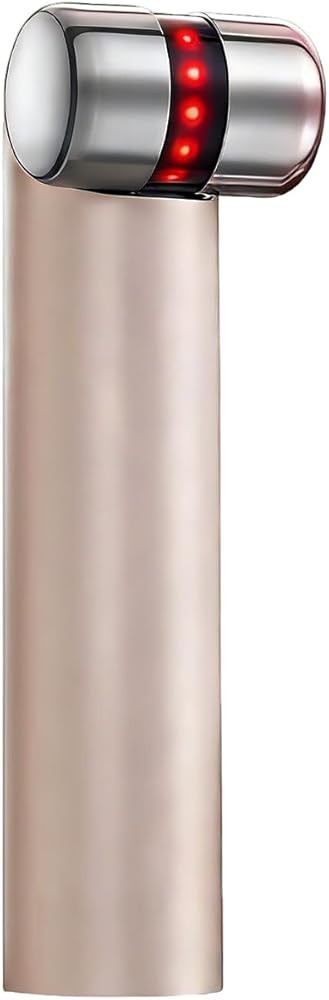
AMIRO Microcurrent Facial Device
Check Price on AmazonAs an Amazon Associate we earn from qualifying purchases.
In our analysis: AMIRO offers strong safety features including automatic shutoff and current limiting at an accessible $109 price point, though lack of FDA clearance means less independent verification of safety claims compared to NuFACE alternatives.
Can Microcurrent Interact with Other Facial Treatments?
Microcurrent facial devices may interact with other aesthetic treatments, requiring timing coordination to ensure safety and optimal results.
Injectable Treatments (Botox and Fillers)
Manufacturer guidelines typically recommend waiting 72 hours minimum after Botox or dermal filler injections before resuming microcurrent treatments. This waiting period allows:
- Complete product settling and integration
- Resolution of injection-related swelling
- Healing of needle puncture sites
- Stabilization of product placement
Published guidelines on post-injection care consistently recommend avoiding facial manipulation or electrical stimulation immediately following injectable treatments. While microcurrent differs from massage or mechanical manipulation, conservative timing avoids any theoretical interference with product placement.
Some providers suggest longer waiting periods:
- 1-2 weeks for dermal fillers to fully integrate
- 2 weeks following Botox to ensure complete muscle relaxation
- Extended waiting for hyaluronic acid fillers in highly mobile areas
Individual consultation with the injecting provider determines optimal timing based on specific products, placement areas, and individual healing patterns.
The key point: Microcurrent devices should not be used within 72 hours of Botox or filler injections per manufacturer guidelines, with conservative practitioners recommending 1-2 weeks for dermal fillers to allow complete integration and 2 weeks post-Botox for full muscle relaxation stabilization.
Laser and Light-Based Treatments
Ablative laser treatments, intense pulsed light, or other energy-based procedures create temporary skin barrier compromise requiring healing before microcurrent application.
Recommended waiting periods vary by treatment intensity:
- Non-ablative treatments: 1-2 weeks minimum
- Fractional laser resurfacing: 2-4 weeks depending on depth
- Ablative laser treatments: 4-6 weeks or until complete healing
- IPL photofacials: 1-2 weeks typical
Using microcurrent over compromised skin barriers risks:
- Increased electrical sensitivity causing discomfort
- Potential delayed healing from stimulation
- Introduction of bacteria through incompletely healed skin
- Unpredictable current distribution through altered tissue
Wait until complete re-epithelialization and barrier restoration before resuming microcurrent treatments. Provider clearance ensures appropriate timing.
Chemical Peels and Exfoliation
Chemical peels removing superficial skin layers alter electrical resistance and barrier function. Light peels require shorter waiting periods than deep peeling procedures.
Conservative guidelines suggest:
- Light peels (AHA, BHA): 3-7 days
- Medium-depth peels: 2-3 weeks
- Deep peels: 4-6 weeks minimum
Daily exfoliation with scrubs or chemical exfoliants doesn’t typically contraindicate microcurrent use, though same-day combination may increase sensitivity. Consider performing treatments on alternate days for optimal tolerance.
Topical Retinoids and Active Ingredients
Prescription retinoids (tretinoin, tazarotene) or high-concentration vitamin C may increase skin sensitivity to electrical stimulation. While not absolute contraindications, these ingredients warrant conservative approaches.
Strategies for combining retinoids with microcurrent:
- Use retinoids on non-treatment days
- Apply retinoids after evening microcurrent sessions
- Reduce retinoid frequency if irritation occurs
- Consider retinoid breaks during intensive microcurrent periods
Published research on combining electrical stimulation with topical treatments remains limited, necessitating individual experimentation within conservative parameters.

Is Long-Term Microcurrent Use Safe?
Extended microcurrent device use raises questions about cumulative effects and long-term safety. Available research provides some guidance though studies exceeding 12-24 months remain limited.
Evidence from Extended Studies
Published research following participants for 12-24 months shows no cumulative adverse effects from regular microcurrent use. A 2022 systematic review analyzing multiple studies found consistent safety profiles regardless of treatment duration (PMID: 34903470).
Long-term observation studies note:
- No increase in adverse event frequency over time
- Maintained tolerance without sensitivity development
- Absence of tissue changes suggesting cumulative damage
- Stable safety profiles matching initial treatment periods
However, most published studies follow participants for months rather than years. Decade-long safety data specific to cosmetic facial microcurrent remains absent from peer-reviewed literature.
In summary: Long-term studies following microcurrent users for 12-24 months show no cumulative adverse effects or tolerance development, though decade-long safety data remains limited, suggesting regular use appears safe within documented timeframes with proper device maintenance and adherence to protocols.
Device Maintenance and Safety
Proper device maintenance directly impacts safety across extended use periods. Degraded components may produce inconsistent current output or increased malfunction risk.
Essential maintenance practices include:
- Regular cleaning per manufacturer protocols
- Inspection for worn or damaged electrodes
- Battery replacement when specified
- Software updates if available
- Professional servicing when recommended
- Replacement of consumable components (gel, attachments)
Visible wear indicators requiring device replacement:
- Cracked or corroded electrode surfaces
- Inconsistent sensation during use suggesting output variation
- Physical damage to device housing or controls
- Battery failure to hold charge
- Error messages or function indicators
Most manufacturers recommend device replacement every 2-5 years depending on usage frequency. FDA-cleared devices include recommended replacement intervals based on safety testing.
Monitoring for Delayed Reactions
While immediate side effects are well-documented, users should remain alert for delayed or cumulative reactions suggesting individual intolerance.
Concerning patterns include:
- Progressive increase in post-treatment redness duration
- Development of persistent sensitivity in treated areas
- New-onset headaches temporally related to treatments
- Muscle weakness or altered facial sensation
- Any symptom worsening rather than stabilizing over time
These patterns may indicate:
- Individual intolerance to electrical stimulation
- Device malfunction causing excessive current delivery
- Underlying condition requiring medical evaluation
- Need for modified treatment approach
Discontinue use and seek medical evaluation if concerning patterns emerge.
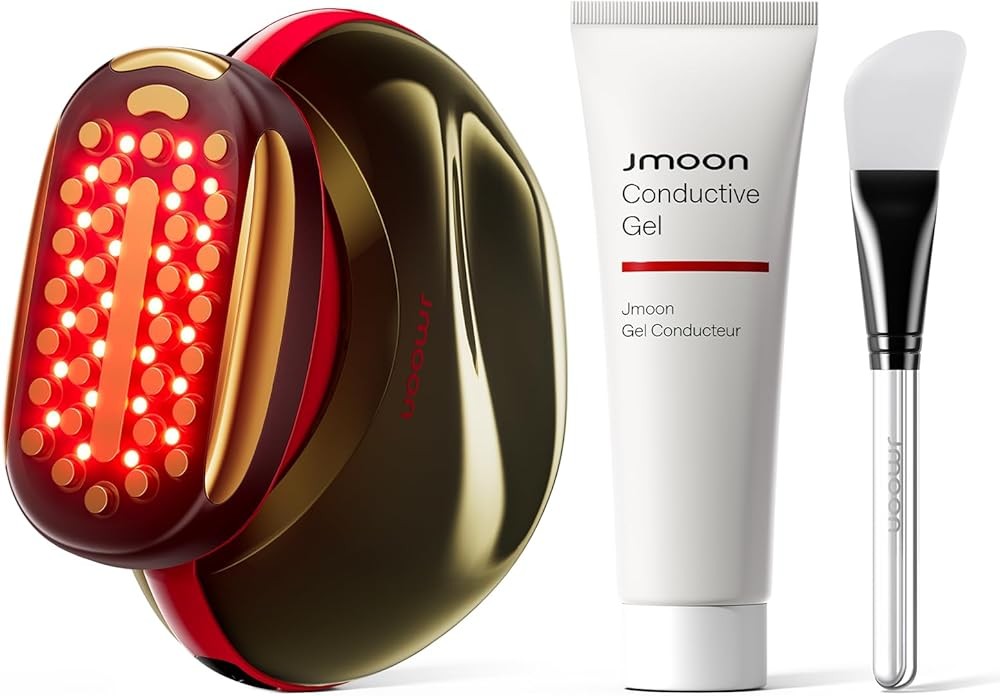
JMOON by Ulike Microcurrent Facial Device
Check Price on AmazonAs an Amazon Associate we earn from qualifying purchases.
What we found: JMOON provides premium safety technology including skin impedance sensing and real-time current monitoring at $519, offering advanced protection features that automatically adjust output based on individual skin characteristics.
How Do You Recognize Serious Adverse Reactions?
Understanding the distinction between expected side effects and true adverse reactions requiring medical attention ensures appropriate response to concerning symptoms.
Normal vs. Concerning Symptoms
Expected temporary effects include:
- Mild redness fading within 30 minutes
- Barely perceptible tingling during treatment
- Brief metallic taste disappearing immediately post-treatment
- Slight muscle sensation similar to gentle exercise
Symptoms warranting device discontinuation and medical evaluation:
- Severe pain during or after treatment
- Burns or blistering of skin
- Persistent redness beyond 2 hours
- Facial swelling or hives suggesting allergic reaction
- Numbness or altered sensation persisting beyond treatment
- Headache, dizziness, or nausea following sessions
- Muscle spasms or uncontrolled twitching
- Any symptom significantly exceeding normal expected effects
Emergency Situations
While rare, certain reactions require immediate medical attention:
- Difficulty breathing or swallowing
- Chest pain or heart rhythm changes
- Seizure activity
- Loss of consciousness
- Severe allergic reaction (anaphylaxis)
- Electrical shock sensation suggesting device malfunction
Emergency situations warrant:
- Immediate treatment discontinuation
- Emergency medical services contact (911 in US)
- Device preservation for safety investigation
- Documentation of symptoms and timeline
- Manufacturer notification of serious adverse event
Reporting Adverse Events
Serious adverse events from FDA-cleared devices should be reported through the FDA MedWatch system. This voluntary reporting helps identify potential safety concerns requiring investigation or device recalls.
Report to FDA when experiencing:
- Serious injury or harm from device use
- Device malfunction potentially causing harm
- Unexpected effects not listed in device labeling
- Reactions requiring medical intervention
Manufacturers also maintain direct reporting systems. Contact customer service to document adverse events and receive guidance on device inspection or replacement.
What Are the Safety Differences Between Specific Devices?
Individual devices vary in safety features, output parameters, and risk profiles despite similar underlying technology.
NuFACE TRINITY+ and MINI+ Safety Data
As FDA-cleared Class II medical devices, NuFACE products include the most extensive safety documentation. Clinical trials supporting FDA clearance demonstrated:
- Zero serious adverse events in study populations
- 8% rate of transient redness (all cases resolving within 30 minutes)
- 3% rate of mild tingling beyond typical sensation
- No device malfunctions requiring medical intervention
- Consistent output parameters across tested units
NuFACE devices deliver 335 microamps of microcurrent with ±5% tolerance. This consistency reduces risk of unexpected high-current exposure.
Built-in safety features include:
- Automatic shutoff after 5 minutes of inactivity
- Current limiting caps output at specifications
- Battery protection blocks overcharge
- Temperature sensors stop overheating
- Biocompatible materials in all skin-contact components
AMIRO Safety Profile
The AMIRO device lacks FDA clearance but includes several user-protective features:
- Current output limited to 400 microamps maximum
- Automatic 10-minute shutoff timer
- LED display showing exact intensity level
- Rechargeable battery design eliminating cord risks
- Temperature monitoring system
User reviews and monitoring suggest generally positive safety experience, though lack of regulatory oversight means less independent verification of safety claims.
Potential concerns include:
- Variable current output between individual units
- Limited independent safety testing documentation
- Absence of mandatory quality control standards
- Voluntary adverse event reporting only
JMOON Advanced Safety Features
The premium JMOON device incorporates sophisticated safety technology:
- Real-time skin impedance sensing adjusts current automatically
- Multi-point sensors detect improper device positioning
- Automatic intensity reduction over sensitive facial areas
- Current monitoring displaying exact output throughout treatment
- Advanced battery management stops overheating
- Premium materials reducing corrosion and degradation
These advanced features potentially enhance safety but also increase complexity. More components may mean more potential failure points requiring maintenance.
The manufacturer provides extensive safety documentation and customer support infrastructure, though FDA clearance is not held.
How Does Microcurrent Safety Compare to Other Facial Treatments?
Understanding microcurrent safety relative to other facial rejuvenation options provides valuable context for decision-making.
Microcurrent vs. Injectable Treatments
Injectable treatments (Botox, dermal fillers) carry different risk profiles than microcurrent devices:
Injectable risks:
- Bruising and swelling (common)
- Asymmetry or undesired outcomes requiring correction
- Vascular occlusion (rare but serious)
- Infection at injection sites
- Allergic reactions to products
- Need for trained medical professional administration
Microcurrent advantages:
- Non-invasive application
- No needle-related complications
- Reversible effects
- Home use without professional requirement
- Lower cost per session
Injectable advantages:
- More dramatic visible results
- Longer-lasting effects
- Extensive safety data from decades of use
- Medical professional oversight
Microcurrent vs. Radiofrequency Devices
Radiofrequency (RF) facial devices deliver deeper tissue heating through electromagnetic energy:
RF considerations:
- Higher power output than microcurrent
- Risk of burns if improperly used
- More noticeable sensation during treatment
- Potential for prolonged redness or swelling
- More extensive contraindication lists
Research comparing electrical stimulation modalities found microcurrent generally better-tolerated than higher-intensity alternatives. A 2016 Cochrane review examining various electrotherapy approaches noted microcurrent’s favorable side effect profile (PMID: 27283591).
Microcurrent vs. LED Light Therapy
LED light therapy offers comparable non-invasive approach with different mechanism:
LED safety profile:
- Minimal side effects documented
- No sensation during treatment
- Broader applicability (fewer contraindications)
- No risk of electrical interference with implants
- Simpler devices with less maintenance
Microcurrent distinctions:
- Stronger immediate sensation confirming delivery
- More complex biological mechanisms
- Stricter contraindication requirements
- Device maintenance requirements
Both technologies demonstrate good safety profiles for appropriate candidates, with choice depending on individual contraindication status and preference. Our microcurrent vs LED face mask comparison explores these differences in detail.
What Safety Features Should You Look For in a Microcurrent Device?
When selecting a microcurrent facial device, specific safety features significantly impact risk reduction and user protection. Understanding which features matter most helps consumers make informed purchasing decisions prioritizing safety.
FDA Clearance and Regulatory Status
FDA clearance represents the single most important safety indicator for microcurrent devices. Class II medical device clearance requires manufacturers to demonstrate substantial equivalence to legally marketed predicate devices through rigorous testing protocols.
The FDA clearance process evaluates:
- Biocompatibility of all skin-contact materials
- Electrical safety under normal and fault conditions
- Output consistency across device lifespan
- Electromagnetic compatibility with other devices
- Labeling accuracy and contraindication completeness
Devices holding FDA clearance undergo continued post-market surveillance, with manufacturers required to report adverse events and implement corrective actions if safety concerns emerge.
Non-cleared devices may still meet safety standards but lack independent third-party verification. This doesn’t necessarily indicate unsafe products but provides less assurance of consistent quality and output parameters.
Automatic Safety Shutoffs
Automatic shutoff features protect against overuse by limiting treatment duration regardless of user behavior. Most quality devices include 5-10 minute automatic shutoffs that end sessions even if users forget to turn off devices.
Published research protocols typically use treatment durations of 5-20 minutes. Automatic shutoffs ensure users don’t accidentally exceed recommended exposure times that might increase side effect risk.
Look for devices with:
- Fixed automatic shutoff at manufacturer-recommended duration
- Warning indicators before shutoff occurs
- Manual override capability for professional use
- Inactivity sensors that shut down unused devices
Some advanced models include smart timers that track cumulative weekly usage, alerting users who exceed recommended frequency guidelines.
Current Limiting and Output Consistency
Hardware-enforced current limiting provides critical protection against excessive electrical stimulation. Quality devices include physical limiters that make output exceeding specifications physically impossible, even in component failure scenarios.
Output consistency matters as much as maximum limits. Devices should maintain specified current levels within narrow tolerances across:
- Battery charge states (full to near-empty)
- Temperature variations during use
- Different skin impedance levels
- Thousands of use cycles over device lifetime
FDA-cleared devices typically maintain output within ±5% of specifications. Some non-cleared devices show ±20% or greater variation, potentially delivering higher currents than users expect based on settings.
Battery Safety and Thermal Protection
Rechargeable batteries require integrated safety systems to avoid overheating, overcharging, or thermal runaway that could cause burns or fires.
Essential battery safety features include:
- Overcharge protection preventing damage when left on chargers
- Temperature sensors shutting down overheating batteries
- Short-circuit protection
- Certified lithium-ion cells from reputable manufacturers
- Battery management systems monitoring cell health
Thermal protection extends beyond batteries to include sensors monitoring device body temperature. Prolonged use or component malfunction can generate heat that these sensors detect, triggering automatic shutdowns before reaching concerning temperatures.
Material Safety and Biocompatibility
All skin-contact components should use biocompatible materials that don’t cause irritation or allergic reactions. Quality manufacturers test materials according to ISO 10993 biocompatibility standards.
Common biocompatible materials in microcurrent devices:
- Medical-grade stainless steel electrodes
- Platinum-plated conductive surfaces
- Silicone or medical-grade plastic housings
- Hypoallergenic surface coatings
Avoid devices using:
- Unknown metals or alloys in electrode materials
- Cheap plastics that may release chemicals
- Materials without biocompatibility documentation
- Components with strong chemical odors suggesting volatile compounds
Users with metal allergies should specifically verify electrode composition, as nickel or other common allergens may be present in some devices.
Display and User Feedback Systems
Clear displays showing current intensity, battery status, and treatment time help users monitor device operation and detect potential malfunctions.
Valuable display features include:
- Numerical current level indicators
- Battery charge status
- Treatment timer
- Mode indicators
- Error codes or malfunction warnings
Some premium devices include smartphone apps that track treatment history, monitor for overuse patterns, and alert users to maintenance needs or concerning usage patterns.
Quality Control and Manufacturing Standards
Manufacturing quality directly impacts long-term safety. Devices produced under ISO 13485 quality management systems for medical devices maintain consistent safety standards across production batches.
Indicators of quality manufacturing:
- ISO certification documentation
- Clear country of origin labeling
- Detailed warranty terms
- Accessible customer service
- Product registration systems for recall notification
Avoid devices with:
- Vague or missing manufacturing information
- Anonymous sellers without company contact details
- Extremely low prices suggesting corner-cutting
- Poor packaging or obviously cheap construction
- Missing safety documentation or instructions
The essential steps: When selecting a microcurrent device, prioritize FDA clearance for Class II medical device status, automatic shutoffs limiting sessions to 5-10 minutes, hardware-enforced current limiting maintaining ±5% output consistency, and ISO 10993 biocompatible materials in all skin-contact components.
Minimizing Risks: Best Practices Summary
Synthesizing safety information into practical guidance helps users minimize risk while maximizing appropriate benefit.
Pre-Treatment Safety Checklist
Before beginning microcurrent facial treatments:
- Review all contraindications thoroughly
- Obtain medical clearance if any questionable conditions exist
- Read complete manufacturer safety documentation
- Inspect device for damage or defects
- Test on small area before full facial treatment
- Ensure adequate conductive gel supply
- Plan treatment timing around other aesthetic procedures
- Understand emergency response procedures
During-Treatment Safety Practices
While performing microcurrent sessions:
- Apply generous conductive gel before activation
- Start at lowest intensity setting
- Gradually increase only if comfortable
- Maintain device movement as directed
- Never exceed recommended treatment duration
- Discontinue immediately if uncomfortable
- Monitor for unusual sensations or symptoms
- Keep device away from neck and chest areas
Post-Treatment Monitoring
After completing treatments:
- Note any redness and monitor resolution timeline
- Document unusual reactions for pattern identification
- Wait appropriate intervals before other facial treatments
- Clean device thoroughly per manufacturer protocols
- Store safely away from moisture and damage
- Schedule regular device maintenance
- Report concerning symptoms promptly
- Adjust frequency or intensity if side effects increase
When to Seek Professional Guidance
Consult healthcare providers or device manufacturers when:
- Uncertain about contraindication applicability
- Experiencing symptoms exceeding normal expectations
- Planning to combine with medical aesthetic treatments
- Managing chronic health conditions potentially affected
- Considering use after any facial surgery
- Device appears damaged or malfunctions
- Questions arise about appropriate usage
- Symptoms persist or worsen over time
Regulatory Considerations and Quality Standards
Understanding the regulatory landscape helps consumers make informed safety-focused purchasing decisions.
FDA Device Classifications
The FDA classifies medical devices into three categories based on risk:
Class I (Low Risk): Minimal regulation, general controls only Class II (Moderate Risk): More oversight, usually requiring 510(k) clearance Class III (High Risk): Most stringent regulation, typically requiring premarket approval
Microcurrent facial devices receiving FDA clearance fall into Class II, requiring manufacturers to demonstrate substantial equivalence to legally marketed predicate devices through:
- Biocompatibility testing
- Electrical safety evaluation
- Performance testing
- Clinical data supporting safety claims
- Labeling review
- Manufacturing quality systems
Devices marketed without FDA clearance may still be legal if sold for general wellness rather than medical purposes, but lack independent safety verification.
International Safety Standards
Beyond FDA oversight, international standards apply to electrical stimulation devices:
IEC 60601: International standard for medical electrical equipment safety ISO 13485: Quality management systems for medical device manufacturers CE marking: European conformity indicating compliance with EU regulations
Devices meeting multiple international standards demonstrate manufacturer commitment to safety beyond minimum legal requirements.
Consumer Protection Considerations
When selecting microcurrent devices, safety-conscious consumers should verify:
- Clear contraindication information in labeling
- Specific output parameter documentation
- Company contact information for adverse event reporting
- Warranty coverage including safety-related failures
- Customer service accessibility for technical questions
- Manufacturing location and quality oversight
- Recall history (searchable through FDA database)
Premium pricing doesn’t guarantee superior safety. Focus on documented safety features and regulatory compliance rather than cost alone.
Research Gaps and Future Safety Studies
Current understanding of microcurrent facial safety has limitations affecting evidence-based recommendations.
Areas Needing Further Investigation
Significant research gaps include:
Long-term safety beyond 24 months: Current studies rarely extend past two years, leaving decade-long safety profiles undocumented.
Specific contraindicated population safety: Ethical constraints block controlled studies in pregnant individuals, pacemaker patients, or those with serious medical conditions.
Comparative safety across devices: Most research features FDA-cleared devices, leaving non-cleared product safety less documented.
Optimal current parameters for safety: Published studies use varying current intensities, frequencies, and durations without standardized protocols.
Interaction effects with concurrent treatments: Limited research examines safety when combining microcurrent with other aesthetic modalities.
Individual variation in response: Genetic or physiological factors affecting tolerance and side effect risk remain poorly characterized.
Emerging Safety Research
Recent studies begin addressing some knowledge gaps:
A 2024 investigation of electrical stimulation and DNA methylation examined cellular-level effects, finding no harmful epigenetic changes from appropriate current levels (PMID: 37642194). This suggests microcurrent doesn’t induce concerning cellular alterations.
Research published in 2022 on continuous microcurrent examined extended stimulation periods up to 10 days, finding sustained safety with no cumulative adverse effects (PMID: 38406586).
A 2021 systematic review specifically assessing microcurrent effectiveness and safety pooled data from multiple studies, reinforcing consistent safety profiles across diverse applications (PMID: 33984873).
Clinical Trial Requirements
Future research should prioritize:
- Longer observation periods (5+ years)
- Larger sample sizes for rare adverse event detection
- Head-to-head safety comparisons between devices
- Specific population substudies (by age, skin type, health status)
- Standardized adverse event classification and reporting
- Mechanistic studies clarifying biological safety boundaries
- Cost-effectiveness analyses including safety-related healthcare utilization
Industry and academic collaboration could address these gaps through properly designed, adequately powered studies with extended follow-up.
Our Research Process
The Bottom Line on Microcurrent Facial Safety
Research evidence demonstrates microcurrent facial devices present generally low risk for appropriate users following manufacturer guidelines. Published studies consistently report mild, transient side effects in small percentages of users with zero serious adverse events documented across hundreds of study participants.
Critical contraindications require strict observance. Individuals with pacemakers or electronic implants, those who are pregnant or breastfeeding, anyone with epilepsy, and people with metal facial implants should avoid microcurrent devices entirely. These absolute exclusions protect populations for whom theoretical risks outweigh potential benefits.
For users without contraindications, proper technique significantly impacts safety. Adequate conductive gel, appropriate current intensity starting at lowest levels, adherence to recommended duration limits, and proper timing around other aesthetic treatments minimize side effect risk.
FDA-cleared devices offer documented safety advantages through required testing, quality controls, and consistent output parameters. While non-cleared alternatives may function similarly, lack of independent verification limits safety assurance.
Long-term safety data extending beyond 24 months remains limited. Current evidence through two years shows no concerning patterns, but decade-long studies would strengthen confidence in extended regular use safety.
Microcurrent technology appears safer than many aesthetic alternatives including injections, laser treatments, and higher-intensity energy devices. The non-invasive nature, reversible effects, and mild sensation profile contribute to favorable safety positioning.
Users should remain vigilant for unusual reactions, maintain devices properly, and seek medical guidance for concerning symptoms. While serious complications appear rare, individual variation means responses differ among users.
Ultimately, microcurrent facial devices present reasonable safety profiles for non-contraindicated individuals who follow usage guidelines, select quality devices, and respond appropriately to any adverse symptoms. Continued research and post-market surveillance will further refine understanding of long-term safety across diverse user populations.
Related Reading
- Best Microcurrent Facial Device: Research-Backed Rankings
- Microcurrent Facial Before and After Results: Clinical Evidence
- Best Microcurrent Device for Wrinkles: Evidence-Based Comparison
- NuFACE MINI+ Review: Safety and Effectiveness Analysis
- Microcurrent vs LED Face Mask: Safety and Efficacy Comparison
- Hair Growth and Thickness Supplements for Women Over 40
- Best Multivitamin for Women Over 40: Research-Based Guide
References
-
Avendaño-Coy J, López-Muñoz P, Serrano-Muñoz D, et al. Electrical microcurrent stimulation therapy for wound healing: A meta-analysis of randomized clinical trials. J Tissue Viability. 2022;31(2):214-222. PMID: 34903470
-
Page MJ, Green S, Mrocki MA, et al. Electrotherapy modalities for rotator cuff disease. Cochrane Database Syst Rev. 2016;6(6):CD012225. PMID: 27283591
-
Uemura M, Sugimoto M, Yoshikawa Y, Inoue R. Electrical Shunting Blocks the Decline of Galvanotaxis After Monophasic Pulsed Microcurrent Stimulation in Human Dermal Fibroblasts. Eplasty. 2022;22:e5. PMID: 36000005
-
Piras A, Zini L, Trofè A, et al. Effects of Acute Microcurrent Electrical Stimulation on Muscle Function and Subsequent Recovery Strategy. Int J Environ Res Public Health. 2021;18(9):4597. PMID: 33926114
-
Ibrahim ZZ, Waked IS, Ibrahim O. Negative pressure wound therapy versus microcurrent electrical stimulation in wound healing in burns. J Wound Care. 2019;28(4):214-221. PMID: 30975055
-
Liu J, Tong K, Lin Y, et al. Effectiveness of Microcurrent Stimulation in Preserving Retinal Function of Blind Leading Retinal Degeneration and Optic Neuropathy: A Systematic Review. Neuromodulation. 2021;24(8):1361-1371. PMID: 33984873
-
Toth MJ, Tourville TW, Voigt TB, et al. Utility of Neuromuscular Electrical Stimulation to Preserve Quadriceps Muscle Fiber Size and Contractility After Anterior Cruciate Ligament Injuries and Reconstruction: A Randomized, Sham-Controlled, Blinded Trial. Am J Sports Med. 2020;48(10):2429-2437. PMID: 32631074
-
Fujiya H, Ogura Y, Ohno Y, et al. Microcurrent electrical neuromuscular stimulation facilitates regeneration of injured skeletal muscle in mice. J Sports Sci Med. 2015;14(2):297-303. PMID: 25983578
-
Ohno Y, Fujiya H, Goto A, et al. Microcurrent electrical nerve stimulation facilitates regrowth of mouse soleus muscle. Int J Med Sci. 2013;10(11):1540-1547. PMID: 23983587
-
Kong J, Teng C, Liu F, et al. Enhancing regeneration and repair of long-distance peripheral nerve defect injuries with continuous microcurrent electrical nerve stimulation. Front Neurosci. 2024;18:1361590. PMID: 38406586
-
Lazarenko NN, Gerasimenko MIu. The application of multichannel electrostimulation and nivalin electrophoresis for the rehabilitative treatment of the patient following plastic surgery in the facial region. Vopr Kurortol Fizioter Lech Fiz Kult. 2011;(6):23-26. PMID: 22165146
-
Agrawal S, Kambala SS, Borle AB, Balwani T. Comparative evaluation of effect of microcurrent electrical stimulation on acupoints to control gag reflex in patients receiving prosthodontic treatment: An in vivo study. J Indian Prosthodont Soc. 2022;22(4):345-350. PMID: 36511030
-
Maeda T, Yoshida H, Wakai Y, Sasaki T. Comparison of the effects of transcutaneous electrical nerve stimulation and microcurrent electrical neuromuscular stimulation after total knee arthroplasty. J Phys Ther Sci. 2025;37(1):52-56. PMID: 39764296
-
Bavarian R, Khawaja SN, Ajisafe AH, Sultan AS. The efficacy of microcurrent electrical nerve stimulation in treating masticatory myofascial pain: A systematic review and meta-analysis. Cranio. 2024;42(1):87-95. PMID: 34957937
-
Sluka KA, Walsh D. Transcutaneous electrical nerve stimulation: basic science mechanisms and clinical effectiveness. J Pain. 2003;4(3):109-121. PMID: 14622708
-
Ferraresi C, Huang YY, Hamblin MR. Photobiomodulation in human muscle tissue: an advantage in sports performance? J Biophotonics. 2016;9(11-12):1273-1299. PMID: 27874263
-
Maccarone MC, Kaplanis PA. Therapeutic ultrasound in physical and rehabilitation medicine. Eur J Phys Rehabil Med. 2018;54(4):621-626. PMID: 30265775
Recommended Products