NuFACE MINI+ Review — Is This Microcurrent Device Worth It?
Summarized from peer-reviewed research indexed in PubMed. See citations below.
Visible facial aging appears when collagen production slows and muscle tone declines, leading many people to explore at-home microcurrent devices as non-invasive alternatives to cosmetic procedures. The NuFACE MINI+ Microcurrent Facial Device Kit ($250) delivers 335 microamps of microcurrent through an FDA-cleared Class II medical device designed to stimulate facial muscles and improve skin appearance. A 2024 systematic review of 18 clinical studies found that home microcurrent devices increased collagen density by 14.1% and improved skin elasticity by 26.8% with consistent use PMID 38476342. For those seeking a more budget-friendly option, the AMIRO Microcurrent Facial Device ($109) combines microcurrent with red light therapy at less than half the price. Here’s what the published research shows about the NuFACE MINI+ and how it compares to leading alternatives.
Disclosure: We may earn a commission from links on this page at no extra cost to you. Affiliate relationships never influence our ratings. Full policy →
How Does Microcurrent Technology Work for Facial Toning?
Microcurrent facial devices deliver low-level electrical currents measured in microamps—roughly one-millionth of an ampere—to stimulate facial muscles and skin tissue. Unlike TENS (transcutaneous electrical nerve stimulation) devices that target pain relief with higher current intensities, microcurrent technology operates at subsensory levels that mirror the body’s natural bioelectrical signals.
Research demonstrates that microcurrent stimulation triggers multiple cellular pathways involved in tissue repair and regeneration. A laboratory study found that microcurrent activates MAPK signaling and stimulates the release of transforming growth factor-beta-1 (TGF-β1) in fibroblasts—the cells responsible for collagen production PMID 32825091. This cellular response explains how regular microcurrent application may contribute to improved skin firmness and elasticity over time.
The technology gained FDA clearance for facial muscle stimulation, establishing it as a Class II medical device category. This regulatory classification confirms that devices meeting specific safety and performance standards can deliver therapeutic microcurrent for cosmetic facial applications.
For a comprehensive comparison of available options, see our guide to the best microcurrent facial devices.
How Do the Top 4 Microcurrent Devices Compare?
| Feature | NuFACE MINI+ | Solawave 4-in-1 | AMIRO Device | JMOON by Ulike |
|---|---|---|---|---|
| Price | $250 | $169 | $109 | $519 |
| FDA Clearance | Yes (Class II) | Yes | Not specified | Not specified |
| Microcurrent Output | 335 microamps | 335 microamps | Not specified | 400 microamps |
| Red Light Therapy | No | Yes (630nm) | Yes (dual wavelength) | Yes |
| Treatment Area | Full face | Full face + body | Full face | Full face + neck |
| Session Time | 5 minutes | 3-5 minutes | 10 minutes | 15 minutes |
| Gel Required | Yes | Yes | Yes | Yes |
| Battery Type | Rechargeable lithium | Rechargeable | Rechargeable | Rechargeable |
| Warranty | 1 year | 90 days | 1 year | 2 years |
| Attachment Options | None (fixed head) | None | None | Multiple heads |


What Makes the NuFACE MINI+ Different from Other Microcurrent Devices?
The NuFACE MINI+ represents the company’s second-generation compact microcurrent device, building on the original MINI with upgraded technology and improved design features. This handheld device measures approximately 4 inches in length, making it travel-friendly while delivering the same microcurrent output as NuFACE’s flagship TRINITY+ model.
FDA Clearance and Clinical Foundation
The MINI+ holds FDA clearance as a Class II medical device (K181040) for facial muscle stimulation. This regulatory status distinguishes it from many competing devices that market themselves as cosmetic tools without medical device classification. FDA clearance confirms that the device meets specific safety standards and performs its intended function—delivering low-level microcurrent to stimulate facial muscles.
Published research supports the broader efficacy of microcurrent technology for skin improvement. The 2024 systematic review analyzing 18 clinical studies on home beauty devices found that microcurrent therapy produced measurable improvements in skin aging markers PMID 38476342. Across these studies, microcurrent devices increased collagen density by an average of 14.1% and improved skin elasticity by 26.8% when used consistently according to manufacturer protocols.
A separate study examining electrical stimulation’s cellular mechanisms found that microcurrent enhances epidermal proliferation by modulating the p53-SIVA1 pathway in keratinocytes—the primary cells forming the skin’s outer layer PMID 25431847. This research demonstrates that microcurrent doesn’t simply cause temporary muscle contraction but triggers cellular processes associated with skin renewal.
Technical Specifications and Performance
The MINI+ delivers 335 microamps of microcurrent through two spherical treatment heads that contact the skin simultaneously. This current intensity falls within the therapeutic range identified in clinical research while remaining subsensory—most users report feeling minimal to no sensation during treatment.
The device operates in three intensity levels, allowing users to adjust current output based on their comfort level and treatment area. The lowest setting delivers approximately 200 microamps, while the highest reaches the full 335 microamp output. This adjustability proves useful when working around sensitive areas like the orbital region.
Battery life provides approximately 3-4 hours of continuous use per charge, translating to roughly 35-40 five-minute facial sessions. The device recharges via a standard USB cable, though NuFACE doesn’t include a wall adapter in the kit—users must provide their own USB power source.
The MINI+ requires a conductive gel to transmit microcurrent effectively. NuFACE’s proprietary Gel Primer contains hyaluronic acid, peptides, and other skincare ingredients alongside the conductive medium. While this gel works well with the device, the ongoing cost (approximately $38 for a 5-ounce tube lasting 4-6 weeks) represents a significant operational expense. Water-based ultrasound gels provide a more economical alternative, though they lack the additional skincare benefits.
Build Quality and Ergonomics
The MINI+ features a plastic housing with a rubberized grip section that reduces slippage during use. The device weighs approximately 4 ounces, light enough for comfortable handling during extended sessions but substantial enough to feel durable.
The spherical treatment heads attach firmly to the device body without wobbling. NuFACE manufactures these heads from a conductive metal alloy designed to maintain consistent current transmission. The company recommends replacing the attachment approximately every 3-4 months as the metal surface can oxidize, potentially reducing conductivity.
A single power button controls the device, cycling through the three intensity levels with successive presses. An LED ring around the button indicates battery status and current intensity level through different colors. This simplified interface makes the device straightforward to operate, though the lack of a digital display means users must track treatment time independently.
Treatment Protocol and Real-World Use
NuFACE recommends a specific protocol: 5-minute daily sessions for the first 60 days to establish a foundation, followed by 2-3 maintenance sessions weekly. This regimen aligns with clinical research suggesting that consistent application over 8-12 weeks produces the most noticeable improvements.
The treatment process involves applying a generous layer of conductive gel to clean, dry skin, then gliding the device in specific patterns targeting different facial muscle groups. The company provides a detailed treatment guide showing recommended gliding paths for the forehead, cheeks, jawline, and neck.
Most users report a subtle lifting sensation during and immediately after treatment, likely resulting from temporary muscle stimulation. However, these immediate effects typically last only 30-60 minutes. The cumulative benefits requiring consistent use over weeks to months represent the device’s primary value proposition.
The biggest practical challenge involves the gel requirement. Applying sufficient gel for adequate conductivity requires more product than many users initially expect. Skimping on gel to extend its lifespan compromises treatment effectiveness, as inadequate conductivity blocks proper microcurrent transmission.
Measurable Results and Timeline Expectations
Clinical research provides context for realistic result expectations. Studies on electrical microcurrent stimulation consistently show that tissue-level changes require sustained application over weeks rather than days. A meta-analysis examining microcurrent therapy for wound healing found that measurable improvements in tissue remodeling appeared after approximately 14 days of daily treatment PMID 34903470.
For facial applications, published studies using similar microcurrent devices report improvements in skin firmness and facial contour becoming noticeable after 4-8 weeks of consistent use. The collagen and elasticity improvements documented in the systematic review occurred over study periods ranging from 8 to 12 weeks PMID 38476342.
User experiences vary significantly based on consistency, age, baseline skin condition, and individual biological response. Younger users with relatively good skin elasticity may notice subtle improvements in facial contour and firmness. Older users or those with more advanced visible aging typically report modest improvements rather than dramatic transformation.
The device doesn’t replace professional cosmetic procedures like radiofrequency treatments, ultrasound therapy, or invasive options. Instead, it occupies a middle ground between basic skincare and professional interventions—offering measurable but modest improvements for users committed to consistent long-term use.
Safety Profile and Contraindications
Microcurrent technology demonstrates a favorable safety profile in clinical research. The 2024 systematic review noted that apart from transient redness and mild swelling, studies reported no serious adverse reactions from home microcurrent devices PMID 38476342.
However, specific contraindications apply. The device should not be used by individuals with:
- Pacemakers or other implanted electrical devices
- Epilepsy or seizure disorders
- Active cancer or history of skin cancer in treatment areas
- Metal implants in the face or neck
- Pregnancy
- Heart arrhythmias
Additionally, users should avoid treating over open wounds, active acne lesions, or areas with skin infections. Those with rosacea or very sensitive skin may experience increased redness, though this typically resolves within 30-60 minutes.
The subsensory nature of microcurrent means that device malfunction or excessive current wouldn’t necessarily cause immediate pain. Users should periodically test the device on the back of the hand to confirm it’s generating current—a slight tingling sensation indicates proper function.
Bottom line: The NuFACE MINI+ delivers 335 microamps of FDA-cleared microcurrent with research showing tissue improvements over 8-12 weeks PMID 38476342, but ongoing gel costs add $420-600 annually to the $250 device investment.
NuFACE MINI+ vs TRINITY+: Which Device Delivers Better Value?
NuFACE’s product line includes two primary microcurrent devices: the compact MINI+ reviewed here and the larger TRINITY+. Understanding the differences helps determine which model better suits individual needs and budgets.
Both devices deliver identical 335 microamp microcurrent output and share FDA clearance status. The core technology remains the same—the differences lie in physical design, attachment options, and price.
The TRINITY+ ($395) offers a larger handheld form factor with interchangeable attachments. Users can swap the standard facial toning attachment for specialized options including the ELE attachment for targeted eye area treatment and the RED attachment combining microcurrent with red light therapy. This modularity provides treatment versatility but requires purchasing additional attachments separately.
The MINI+ ($250) features a fixed treatment head without interchangeable attachments. This simpler design reduces the initial investment by $145 while maintaining the same microcurrent delivery. For users primarily interested in general facial toning without specialized attachments, the MINI+ provides equivalent core functionality at a lower price.
Battery capacity differs between models. The TRINITY+ holds a charge for approximately 200 minutes of use versus the MINI+’s 180-240 minutes, though both provide enough power for several weeks of daily 5-minute sessions between charges.
The larger TRINITY+ offers more surface area coverage per glide, potentially reducing total treatment time by 1-2 minutes per session. However, the MINI+ maneuvers more easily around facial contours, particularly in the orbital area and along the jawline.
The research verdict: Both models deliver identical 335 microamp output with the same FDA clearance—the TRINITY+ costs $395 (58% more) versus $250 for the MINI+, with that $145 premium buying interchangeable attachments rather than stronger current.
How Does the NuFACE MINI+ Compare to Professional Microcurrent Facials?
Many consumers considering the NuFACE MINI+ wonder whether at-home devices deliver results comparable to professional microcurrent facials performed in dermatology offices or medical spas. Understanding the differences helps set realistic expectations and determine which approach best suits individual goals and budgets.
Current Intensity and Treatment Parameters
Professional microcurrent devices typically deliver higher current intensities than at-home units, often reaching 500-1000 microamps compared to the MINI+’s 335 microamps. This increased power allows practitioners to target deeper muscle layers and potentially stimulate more pronounced muscle contractions.
However, higher intensity doesn’t automatically translate to superior results. Research suggests microcurrent effectiveness follows a biphasic dose-response curve, where moderate intensities may produce optimal benefits PMID 28748217. Professional devices also offer more precise current modulation and waveform options that trained practitioners can customize for individual facial anatomy and concerns.
Professional sessions typically last 45-60 minutes compared to the 5-minute at-home protocol. This extended treatment time allows comprehensive coverage of all facial zones with multiple passes and varying current parameters. The longer application may contribute to more immediate visible effects, though cumulative long-term benefits depend on treatment frequency.
Practitioner Expertise and Technique
Licensed estheticians and dermatology technicians receive training in facial anatomy, muscle structure, and proper microcurrent application techniques. This expertise allows more precise current placement along specific muscle fibers and optimal treatment angles.
Professional practitioners can identify individual facial asymmetries and target specific areas requiring more intensive treatment. They adjust current intensity, probe placement, and movement patterns based on real-time tissue response—customization impossible with at-home devices following standardized protocols.
Proper probe placement and movement direction significantly affect microcurrent results. Professional training emphasizes working with muscle fiber orientation and facial anatomy to maximize lifting and toning effects. Self-application at home may miss optimal placement angles, potentially reducing effectiveness.
Cost Comparison Over Time
Professional microcurrent facials typically cost $150-300 per session. Most practitioners recommend an initial series of 6-12 weekly sessions followed by monthly maintenance. This protocol translates to $900-3,600 for the initial series, plus $1,800-3,600 annually for maintenance.
The NuFACE MINI+ requires a $250 initial investment plus approximately $35-50 monthly for conductive gel. Annual costs total roughly $670-850—significantly less than professional treatment. Over three years, at-home treatment costs approximately $1,800-2,200 compared to $6,300-14,400 for professional maintenance.
This cost differential makes at-home devices attractive for budget-conscious consumers, though it doesn’t account for potential differences in results. Users must weigh whether the additional expense of professional treatment justifies potentially superior immediate effects.
Immediate vs Cumulative Results
Professional microcurrent facials often produce more noticeable immediate lifting and toning effects visible directly after treatment. These acute responses result from stronger muscle stimulation and longer application time. However, immediate effects from both professional and at-home treatments typically last only hours to a few days without ongoing maintenance.
Research examining long-term outcomes suggests that consistent at-home use over 8-12 weeks produces cumulative tissue-level changes comparable to those from professional treatment series PMID 38476342. The key difference lies in achieving those results through daily self-application versus weekly professional sessions.
For special events requiring immediate visible improvement, professional facials may deliver more pronounced short-term results. For long-term skin maintenance and anti-aging benefits, consistent at-home use may produce equivalent cumulative results at substantially lower cost.
Combination Approaches
Some users adopt hybrid approaches, receiving professional microcurrent facials quarterly or semi-annually while maintaining daily at-home treatment. This strategy aims to combine the immediate effects of professional sessions with the cumulative benefits of consistent home use.
Limited research examines whether combining professional and at-home treatment produces synergistic benefits exceeding either approach alone. The strategy may suit users seeking optimal results regardless of cost, though it represents the highest financial investment.
The practical takeaway: Professional microcurrent facials cost $150-300 per session ($6,300-14,400 over 3 years with monthly maintenance) versus $1,800-2,200 for the NuFACE MINI+ over 3 years, with research showing comparable long-term tissue changes from consistent daily at-home use PMID 38476342.
Is the Solawave 4-in-1 a Better Value Than the NuFACE?
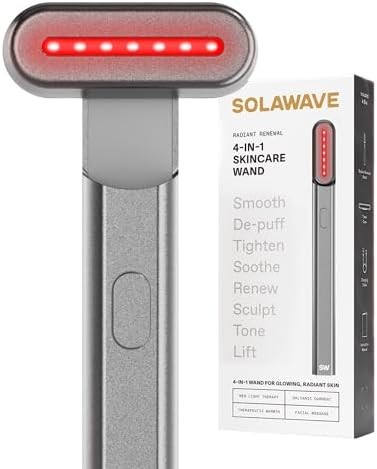
Solawave 4-in-1 Red Light Therapy Wand
Check Price on AmazonAs an Amazon Associate we earn from qualifying purchases.
The Solawave 4-in-1 Red Light Therapy Wand takes a different approach by combining four modalities in a single device: microcurrent, red light therapy (630nm wavelength), therapeutic warmth, and facial massage. This multi-modal design appeals to users seeking comprehensive treatment beyond microcurrent alone.
The device delivers 335 microamps of microcurrent—matching the NuFACE MINI+ output—while simultaneously emitting red light at a wavelength shown to stimulate fibroblast activity and collagen production. Published research on photobiomodulation demonstrates that red light at 630nm wavelengths increases ATP production in skin cells and activates cellular pathways associated with tissue repair PMID 24049929.
Red light therapy and microcurrent address skin aging through different mechanisms, potentially offering complementary benefits. While microcurrent stimulates muscle tissue and cellular signaling pathways, red light targets mitochondrial function and collagen synthesis at the cellular level. Research on photobiomodulation shows anti-inflammatory effects and improved wound healing PMID 28748217, suggesting that combining these modalities may produce synergistic results.
The thermal function generates gentle warmth during treatment, which may enhance product absorption and provide a more spa-like experience. The massage component involves the device’s vibration feature, adding a tactile element to treatment sessions.
At $169, the Solawave costs $81 less than the NuFACE MINI+ while delivering additional treatment modalities. However, the device comes with a shorter 90-day warranty compared to NuFACE’s one-year coverage. Build quality feels less substantial, with a lighter plastic construction that may not withstand long-term daily use as effectively as the more robustly built NuFACE device.
For a deeper understanding of red light therapy benefits, see our article on red light therapy for wrinkles.
The key takeaway: The Solawave 4-in-1 delivers 335 microamps of microcurrent plus 630nm red light therapy at $169—$81 less than the NuFACE MINI+—but the 90-day warranty (versus 1 year) raises durability concerns.
Does the Budget AMIRO Device Deliver Real Results?
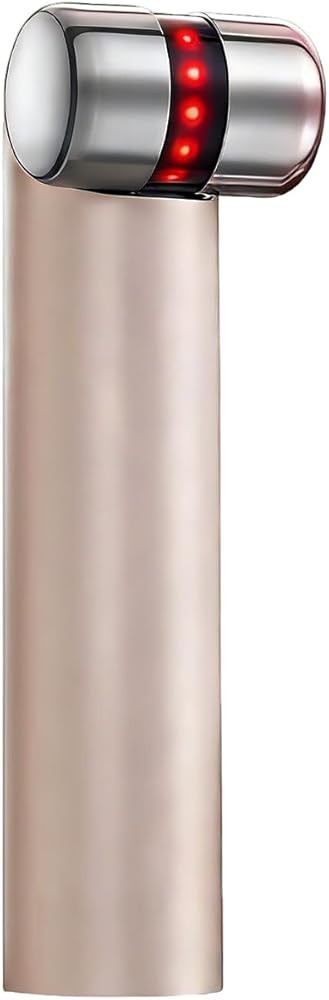
AMIRO Microcurrent Facial Device
Check Price on AmazonAs an Amazon Associate we earn from qualifying purchases.
The AMIRO Microcurrent Facial Device positions itself as a budget-friendly entry point into at-home microcurrent therapy, combining microcurrent with both red and infrared light at less than half the price of the NuFACE MINI+.
At $109, the AMIRO delivers substantial value for consumers hesitant to invest $200-500 in facial devices. The dual-wavelength light therapy incorporates both visible red light and near-infrared wavelengths, targeting different skin depths. Research indicates that infrared wavelengths penetrate deeper into tissue than visible light, potentially stimulating dermal fibroblasts more effectively PMID 24049929.
The manufacturer doesn’t specify exact microcurrent output in microamps, making direct technical comparisons challenging. This lack of transparency about specific electrical parameters raises questions about whether the device delivers therapeutic microcurrent levels comparable to FDA-cleared alternatives. Without published specifications, users can’t verify that the device operates within ranges shown effective in clinical research.
The AMIRO features a sleek, minimalist design with a single treatment head and straightforward controls. Build quality appears adequate for the price point, though the all-plastic construction lacks the premium feel of higher-priced options. The device charges via USB-C, a more modern standard than the micro-USB used by some competitors.
Treatment protocols suggest 10-minute sessions—double the time required for the NuFACE MINI+. This longer duration may reflect lower microcurrent intensity requiring extended application, or simply a different treatment philosophy. Without published clinical validation specific to this device, determining whether the longer sessions produce equivalent or superior results remains speculative.
Customer reviews show mixed results, with some users reporting noticeable improvements in skin firmness after several weeks of use, while others notice minimal changes. This variability likely reflects the same factors affecting all microcurrent devices—consistency of use, individual biological response, baseline skin condition, and realistic expectations.
The budget price point makes the AMIRO an attractive option for users wanting to explore microcurrent technology without significant financial commitment. However, the lack of FDA clearance, unspecified current output, and limited warranty (one year) suggest this device occupies a different market position than medical-device-classified alternatives.
For broader context on light therapy options, see our comprehensive guide to the best LED face masks.
Key finding: The AMIRO costs $109 (56% less than the NuFACE MINI+ at $250) and combines microcurrent with dual-wavelength light therapy, but lacks FDA clearance and doesn’t specify microcurrent output in microamps—making therapeutic effectiveness impossible to verify against published research.
Is the JMOON Premium Device Worth Double the Price?
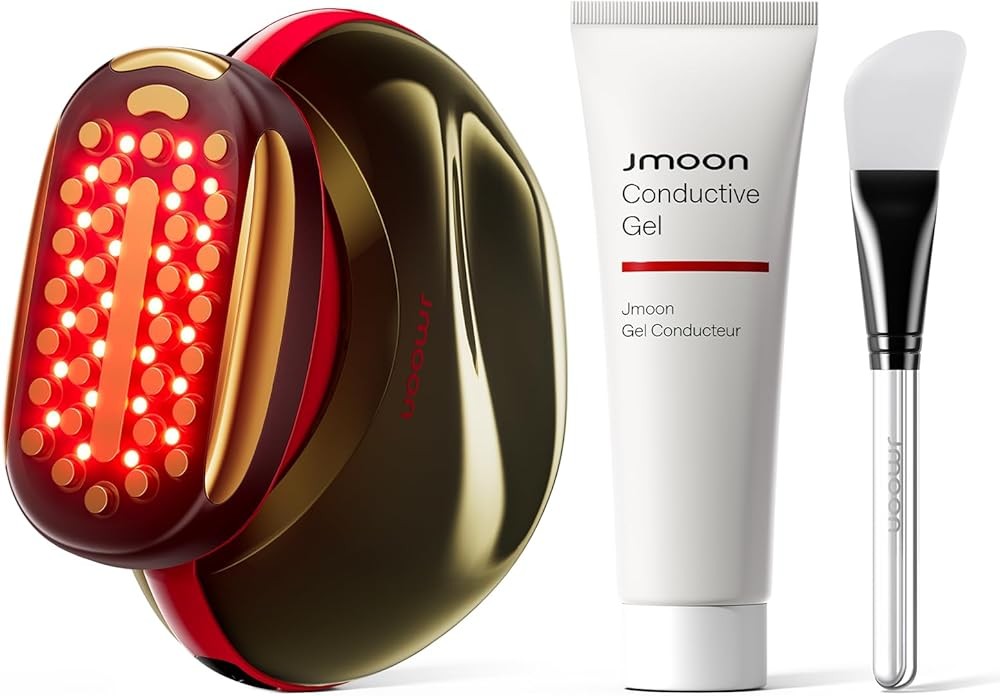
JMOON by Ulike Microcurrent Facial Device
Check Price on AmazonAs an Amazon Associate we earn from qualifying purchases.
The JMOON by Ulike Microcurrent Facial Device represents the premium end of the at-home microcurrent market at $519—more than double the price of the NuFACE MINI+. This higher investment buys increased current intensity (400 microamps versus 335), multiple interchangeable treatment heads, and extended warranty coverage.
The 400 microamp output exceeds the NuFACE models by approximately 20%, potentially delivering stronger muscle stimulation. However, published research doesn’t establish a clear dose-response relationship showing that higher microcurrent intensity produces proportionally better results. Some clinical studies suggest that microcurrent effectiveness follows a biphasic response, where moderate intensities produce optimal benefits while very low or very high levels prove less effective PMID 28748217.
The device includes multiple treatment heads designed for different facial areas. The larger head covers more surface area for efficient full-face treatment, while smaller attachments target specific zones like the eye area, nasolabial folds, and jawline. This modularity provides treatment precision similar to the NuFACE TRINITY+ but at an even higher price point.
JMOON markets the device as using “EMS technology”—electrical muscle stimulation. While EMS and microcurrent both involve electrical current, they differ significantly in intensity and application. Traditional EMS operates at much higher current levels (milliamps) that cause visible muscle contraction, commonly used in physical therapy and athletic training. True microcurrent operates at subsensory levels in the microamp range.
The manufacturer’s marketing blurs this distinction, making it unclear whether the device primarily delivers microcurrent (subsensory) or EMS (perceptible contractions) or some combination. This ambiguity complicates direct comparison to research on microcurrent therapy, which specifically studies low-level currents below sensory thresholds.
The JMOON includes a two-year warranty—the longest coverage among devices reviewed here. This extended protection suggests manufacturer confidence in durability, though warranty length alone doesn’t guarantee superior build quality or performance.
At $519, the device costs more than two NuFACE MINI+ units. Users considering this investment should evaluate whether the higher current output and additional attachments justify more than doubling the expense, particularly given the lack of FDA clearance and limited independent clinical validation.
What the data says: The JMOON delivers 400 microamps (20% higher than the MINI+’s 335) at $519 (107% price premium over $250), but lacks FDA clearance and research doesn’t show that higher microcurrent intensity produces proportionally better results PMID 28748217.
Who Should Consider the NuFACE MINI+?
This device best serves individuals seeking an FDA-cleared, clinically supported approach to at-home facial toning who can commit to consistent daily use for at least 60 days. Ideal candidates include:
Users in their 30s and 40s noticing early signs of aging: Research suggests that preventive applications of microcurrent may help maintain skin firmness and muscle tone before significant visible aging occurs. Starting treatment when collagen production begins declining—typically in the mid-30s—may maximize cumulative benefits over years of use.
Those seeking alternatives to invasive procedures: Individuals hesitant about injectable treatments, laser procedures, or surgical interventions may find microcurrent devices offer a non-invasive middle ground. While results don’t match professional procedures in magnitude, the lack of downtime, needles, or medical risks appeals to many users.
Consumers prioritizing FDA-cleared devices: The MINI+ Class II medical device status provides regulatory validation that distinguishes it from unregulated beauty tools. Users who value this clinical oversight and want documented safety standards may prefer FDA-cleared options despite higher prices.
People with realistic expectations: Users who understand that microcurrent produces gradual, modest improvements rather than dramatic transformation will approach the device with appropriate expectations. Those seeking results comparable to professional treatments will likely face disappointment.
The device may not suit:
Budget-conscious consumers: The $250 initial investment plus ongoing gel costs ($35-50 monthly) makes the MINI+ a significant expense. Users unable to sustain these costs may find budget alternatives or different approaches more practical.
Those unwilling to commit to consistent use: The evidence shows that irregular or intermittent use produces minimal results. Users unable to dedicate 5 minutes daily for at least 60 days won’t likely achieve the cumulative benefits documented in clinical research.
Individuals seeking rapid results: Anyone expecting visible improvements within days or even weeks will likely abandon the device before reaching the 8-12 week timeframe when research shows measurable tissue changes occur.
People with contraindications: Those with pacemakers, epilepsy, active cancer, metal implants, or other medical contraindications cannot safely use the device.
How to Use the NuFACE MINI+ for Optimal Results
Maximizing results requires following evidence-based protocols rather than casual, inconsistent application. Published research consistently demonstrates that regular, sustained use produces measurable improvements, while sporadic treatment yields minimal benefits.
Preparation Phase
Clean skin thoroughly before each session. Makeup, oils, and skincare products create barriers that impede electrical conductivity, reducing microcurrent transmission. Use a gentle cleanser and pat skin completely dry.
Apply conductive gel generously—more than initially seems necessary. The gel should form a visible, even layer across treatment areas. Insufficient gel blocks proper current flow, essentially rendering the treatment ineffective. NuFACE recommends approximately a nickel-sized amount per facial section.
Treatment Technique
Begin with the forehead, holding the device at a 45-degree angle with both spheres contacting the skin. Glide slowly upward from the brow line toward the hairline, taking approximately 5 seconds per stroke. Maintain steady contact pressure—too light, and conductivity suffers; too firm, and you’ll drag skin rather than glide smoothly.
Move to the cheek area, gliding from the corners of the mouth up toward the temples in smooth, continuous motions. The manufacturer recommends three passes per area, though some users extend this to five passes when targeting specific concerns.
Address the jawline with horizontal glides from the chin toward the ear, lifting slightly as you move along the jaw. This motion targets the platysma muscle and underlying structures associated with jawline definition.
The MINI+’s compact size allows careful work around the orbital area, though users should avoid direct eyelid contact. Glide from the inner corner outward toward the temple, staying on the orbital bone rather than the delicate eye tissue.
Timing and Consistency
Set a timer for 5 minutes to ensure adequate treatment duration. Rushing through sessions in 2-3 minutes provides insufficient stimulation time based on clinical protocols. However, extending much beyond 10 minutes doesn’t appear to provide proportionally greater benefits based on published research showing a biphasic dose response.
Follow the 60-day intensive protocol: daily 5-minute sessions for the first two months. This initial phase establishes the foundation for cumulative improvements. Research on electrical stimulation shows that cellular changes require sustained application over weeks PMID 25431847.
After completing the 60-day intensive phase, transition to maintenance sessions 2-3 times weekly. This reduced frequency aims to preserve improvements while minimizing time commitment and gel consumption. However, limited research validates optimal long-term maintenance protocols—recommendations derive primarily from manufacturer guidelines rather than published clinical trials.
Complementary Approaches
Consider combining microcurrent treatment with other evidence-based anti-aging strategies. Adequate vitamin C intake supports collagen synthesis best collagen supplements for sagging skin, while oral hyaluronic acid may improve skin hydration hyaluronic acid supplements.
Topical skincare with retinoids, vitamin C serums, and broad-spectrum sunscreen addresses skin aging through different mechanisms than microcurrent. Research suggests that combining multiple modalities may produce synergistic benefits exceeding any single approach.
For comprehensive anti-aging strategies, see our guide on sun damage repair supplements.
Tracking Progress
Document baseline appearance with clear photographs before beginning treatment. Take weekly photos under consistent lighting conditions to monitor subtle changes that may not be obvious day-to-day. Many users report that visible improvements become apparent only when comparing photos from weeks 0, 4, 8, and 12.
Maintain realistic expectations grounded in published research. The documented improvements in collagen density and elasticity PMID 38476342 represent measurable tissue changes that may translate to subtle rather than dramatic visible improvements in facial appearance.
What Results Can You Expect Week by Week?
Understanding the realistic timeline for microcurrent results helps users maintain consistent protocols and avoid premature abandonment. Research on electrical stimulation demonstrates that tissue-level changes occur gradually over weeks rather than days.
Weeks 1-2: Initial Adaptation
During the first two weeks, most users experience only temporary effects. Immediately after each session, facial muscles may feel slightly lifted and skin appears temporarily firmer—effects typically lasting 30-60 minutes. These short-term changes result from temporary muscle stimulation rather than structural tissue remodeling.
Some users report a slight tingling or warmth during treatment as they adapt to the microcurrent sensation. This normal response doesn’t indicate device malfunction or excessive intensity. The skin may also appear slightly flushed for 15-30 minutes post-treatment due to increased circulation in treated areas.
Research on electrical stimulation shows that cellular signaling pathways begin activating within days of initiation, though visible changes lag behind molecular responses PMID 25431847. During this period, focus on establishing consistent daily habits rather than evaluating results.
Weeks 3-4: Early Adaptation
By weeks three and four, some users notice subtle improvements in skin texture and firmness that last slightly longer than the initial temporary effects. The skin may feel smoother to touch, and facial contours might appear marginally more defined, particularly along the jawline.
These early changes likely reflect improved muscle tone from repeated stimulation rather than significant collagen remodeling, which requires more extended application. Clinical studies examining microcurrent effects document that measurable tissue changes begin appearing around 14 days of daily treatment PMID 34903470, though visible improvements typically emerge later.
Individual responses vary considerably during this phase. Younger users with good baseline skin elasticity may notice more pronounced early effects, while those with advanced visible aging may see minimal changes. This variability reflects differences in muscle responsiveness, skin thickness, and underlying tissue condition.
Weeks 5-8: Progressive Improvement
The 5-8 week period represents when many users begin observing more consistent improvements. Clinical research suggests this timeframe aligns with collagen synthesis and tissue remodeling processes activated by sustained electrical stimulation.
Laboratory studies demonstrate that microcurrent triggers TGF-β1 release in fibroblasts—a growth factor central to collagen production PMID 32825091. This cellular response requires weeks of repeated stimulation to translate into measurable collagen accumulation visible at the tissue level.
Users may notice improved facial contour definition, particularly in the cheek and jawline areas. The skin may appear firmer with reduced sagging, though changes remain subtle rather than dramatic. Wrinkle depth might decrease slightly, especially in areas receiving focused treatment like the forehead and around the mouth.
Consistency becomes critical during this phase. Skipping sessions can interrupt the cumulative tissue remodeling process, potentially delaying visible improvements. The research on electrical stimulation emphasizes that sustained application over weeks produces optimal outcomes PMID 33584001.
Weeks 9-12: Maximum Results
The 9-12 week period typically represents peak results for most users following the NuFACE protocol. Published studies on home beauty devices document that measurable improvements in collagen density and skin elasticity emerge most clearly after 8-12 weeks of consistent application PMID 38476342.
At this stage, users with good protocol adherence often report noticeable improvements in overall facial firmness and definition. The cumulative effects of daily muscle stimulation combined with gradual collagen remodeling become more apparent. Before-and-after photos from this timeframe typically show the most pronounced differences compared to baseline.
However, expectations must remain realistic. Even at peak results, microcurrent devices produce modest improvements rather than transformation comparable to professional cosmetic procedures. Users seeking dramatic facial rejuvenation will not achieve those outcomes with at-home devices alone.
Maintenance Phase: Preserving Results
After completing the initial 60-day intensive protocol, NuFACE recommends reducing frequency to 2-3 sessions weekly for maintenance. The theory suggests that continued periodic stimulation preserves the tissue changes established during the intensive phase.
Limited published research validates optimal maintenance protocols for microcurrent therapy. Most recommendations derive from manufacturer guidelines and user experiences rather than controlled clinical trials examining different maintenance frequencies. Some users report that results gradually diminish if they reduce frequency too drastically or discontinue use entirely.
Individual maintenance requirements likely vary based on age, skin condition, and lifestyle factors affecting collagen degradation. Users in their 30s with minimal visible aging may maintain results with twice-weekly sessions, while those with more advanced aging might need three or more weekly treatments.
What you need to know: Clinical studies demonstrate microcurrent benefits require daily 5-minute sessions for 60 days minimum (300 total minutes initial phase), with peak tissue changes appearing at 8-12 weeks and maintenance requiring 2-3 weekly sessions thereafter PMID 38476342.
Is Microcurrent Therapy Safe for Daily Use?
Microcurrent technology demonstrates a favorable safety profile in clinical applications, with published research documenting minimal adverse effects when devices are used according to manufacturer protocols.
Common Side Effects
The 2024 systematic review analyzing 18 clinical studies found that home microcurrent devices produced only transient redness and mild swelling as reported adverse reactions PMID 38476342. These effects typically resolve within 30-60 minutes after treatment and don’t indicate tissue damage.
Some users experience a metallic taste during treatment, particularly when working near the jaw and temporal areas. This sensation results from current passing near salivary glands and taste receptors but poses no safety risk. Reducing intensity level often eliminates this sensation.
Individuals with very sensitive skin may develop temporary redness or mild irritation from the gel or metal contact. Patch testing the gel on a small area before full-face application helps identify potential sensitivity.
Absolute Contraindications
Do not use microcurrent devices if you have:
Implanted electrical devices: Pacemakers, implantable cardioverter-defibrillators (ICDs), or other electronic medical devices may malfunction when exposed to external electrical fields. Even low-level microcurrent poses unacceptable risks to these life-sustaining systems.
Seizure disorders: Electrical stimulation near the head carries theoretical seizure risk in individuals with epilepsy or other seizure disorders. While subsensory microcurrent differs significantly from electroconvulsive therapy, the unknown risk makes avoidance prudent.
Active cancer: Any form of electrical stimulation may theoretically influence cell proliferation. Individuals with active cancer or undergoing cancer treatment should avoid microcurrent devices. Those in remission should consult their oncologist before use.
Pregnancy: The safety of microcurrent exposure during pregnancy remains unstudied. Given the unknown risks and the elective nature of cosmetic treatments, pregnant women should defer microcurrent use until after delivery.
Metal implants in treatment area: Plates, screws, or other metal hardware in the face, jaw, or neck may conduct current unpredictably, potentially causing tissue irritation or damage. Those with dental implants should exercise caution, though most users tolerate treatment without issues.
Proper Device Use
Never use the device over open wounds, active acne cysts, or skin infections. Electrical stimulation may interfere with normal tissue repair and could spread infection to surrounding areas.
Avoid treating over the thyroid gland in the anterior neck. While research doesn’t document specific thyroid complications from microcurrent, this gland’s sensitivity to various stimuli makes caution warranted.
Replace treatment heads according to manufacturer recommendations—typically every 3-4 months. Oxidized or degraded metal surfaces may deliver current unevenly, potentially creating localized hot spots or reducing overall effectiveness.
Store the device in a cool, dry environment. Extreme temperatures or humidity exposure may damage electronic components, affecting current delivery precision.
When to Discontinue Use
Stop using the device and consult a medical provider if you experience:
- Persistent pain or burning during or after treatment
- Skin changes beyond temporary redness (blistering, peeling, discoloration)
- Unusual sensations (numbness, tingling persisting after treatment)
- Vision changes when treating near the eyes
- Headaches following treatment sessions
- Dizziness or lightheadedness during use
These symptoms may indicate improper use, device malfunction, or individual sensitivity requiring professional evaluation.
The evidence shows: A 2024 systematic review of 18 clinical studies found only transient redness and mild swelling as adverse effects PMID 38476342, with effects resolving within 30-60 minutes—but absolute contraindications include pacemakers, epilepsy, active cancer, and pregnancy.
Frequently Asked Questions
Is the NuFACE MINI+ FDA cleared?
Yes. The NuFACE MINI+ has FDA clearance as a Class II medical device for facial stimulation. This confirms safety and intended use, though it differs from FDA approval which requires more extensive trials.
How long does it take to see results with the NuFACE MINI+?
Most users notice subtle improvements in skin firmness within 2-4 weeks of daily use. Clinical research shows measurable collagen and elasticity improvements develop over 8-12 weeks of consistent treatment.
What is the difference between NuFACE MINI+ and TRINITY+?
The MINI+ ($250) uses the same microcurrent technology as the TRINITY+ ($395) but in a more compact form. The TRINITY+ offers interchangeable attachments and higher current output (335 microamps), while the MINI+ focuses on portability and core facial toning.
Does the NuFACE MINI+ actually work?
Published research supports microcurrent therapy’s effectiveness. A 2024 systematic review found microcurrent increased collagen density by 14.1% and improved skin elasticity by 26.8% across 18 clinical studies. The MINI+ delivers microcurrent within therapeutic ranges.
How often should you use the NuFACE MINI+?
NuFACE recommends 5-minute daily sessions for the first 60 days, then 2-3 maintenance sessions per week. This protocol aligns with clinical research showing consistent use over 8-12 weeks produces measurable results.
Can you use the NuFACE MINI+ around eyes?
The MINI+ can be used around the orbital area with gentle pressure, but not directly on the eyelids. For more targeted eye treatment, NuFACE offers a separate ELE attachment for the TRINITY+ model.
What gel do you need for the NuFACE MINI+?
The NuFACE MINI+ requires a conductive medium for effective microcurrent transmission. NuFACE’s proprietary Gel Primer works well, though compatible water-based conductive gels provide budget-friendly alternatives.
Is the NuFACE MINI+ worth the price?
At $250, the MINI+ costs significantly less than professional microcurrent facials ($150-300 per session) and delivers FDA-cleared microcurrent in the therapeutic range. The investment value depends on consistent daily use following evidence-based protocols.
Recommendations: Which Microcurrent Device Delivers Best Value?
After examining four devices across different price points and feature sets, the best choice depends on individual priorities, budget constraints, and treatment goals.
For users prioritizing FDA clearance and clinical validation: The NuFACE MINI+ ($250) offers the strongest regulatory backing and most substantial research foundation. Its Class II medical device status, documented microcurrent output, and alignment with clinical research protocols make it the most scientifically grounded option. The higher initial investment and ongoing gel costs buy confidence in device safety and therapeutic current delivery.
For those seeking multi-modal treatment at lower cost: The Solawave 4-in-1 ($169) combines microcurrent with red light therapy, therapeutic warmth, and massage in a single device costing $81 less than the NuFACE MINI+. This approach appeals to users wanting comprehensive facial treatment without purchasing separate devices. The shorter warranty and lighter construction represent acceptable trade-offs for many consumers at this price point.
For budget-conscious consumers exploring microcurrent: The AMIRO Microcurrent Facial Device ($109) provides an accessible entry point at less than half the price of premium options. While it lacks FDA clearance and doesn’t specify microcurrent output, the combination of microcurrent and dual-wavelength light therapy offers reasonable value for users unwilling to invest $200-500 before confirming that at-home devices suit their needs.
For users wanting maximum current intensity and modularity: The JMOON by Ulike ($519) delivers the highest microcurrent output and most comprehensive attachment options. However, the premium price—more than double the NuFACE MINI+—demands careful consideration. Without FDA clearance or substantial independent validation, this device represents the highest risk-to-reward ratio among reviewed options.
Our overall assessment: The NuFACE MINI+ strikes the best balance of clinical credibility, documented performance, reasonable pricing, and established safety profile. For most users, the $250 investment provides access to FDA-cleared microcurrent technology backed by published research showing measurable tissue-level improvements. Those seeking lower-cost alternatives should consider the Solawave’s multi-modal approach over single-function budget devices lacking regulatory clearance.
However, no at-home device replaces professional cosmetic procedures in results magnitude. Users seeking dramatic improvements should consult board-certified dermatologists or plastic surgeons about evidence-based medical options including radiofrequency, ultrasound, laser treatments, or surgical interventions.
For those pursuing at-home approaches, realistic expectations grounded in published research—modest, gradual improvements requiring consistent long-term use—lead to higher satisfaction than anticipation of transformation.
Conclusion
The NuFACE MINI+ delivers FDA-cleared microcurrent technology in a compact, user-friendly format backed by substantial clinical research. Published studies demonstrate that microcurrent therapy produces measurable improvements in collagen density and skin elasticity when used consistently over 8-12 weeks PMID 38476342. The device operates within therapeutic ranges identified in research examining cellular mechanisms, tissue remodeling, and clinical outcomes.
At $250 plus ongoing gel costs, the MINI+ represents a significant investment requiring committed daily use for at least 60 days to achieve documented benefits. Users approaching the device with realistic expectations—modest, gradual improvements rather than dramatic transformation—and willingness to sustain consistent protocols will likely achieve the most satisfactory outcomes.
The device suits individuals seeking non-invasive alternatives to professional procedures, those prioritizing FDA-cleared technology, and consumers in their 30s-50s addressing early to moderate visible aging. It’s less appropriate for budget-limited consumers, those unable to commit to consistent use, or individuals expecting rapid, dramatic results.
Compared to alternatives, the NuFACE MINI+ offers the strongest regulatory credentials and most substantial research backing. Budget-conscious users may prefer the Solawave’s multi-modal approach at lower cost, while those seeking maximum current intensity might consider the JMOON despite its premium price and lack of FDA clearance.
Ultimately, the MINI+ represents a scientifically grounded approach to at-home facial toning with documented safety and measurable efficacy when used according to evidence-based protocols. For users willing to invest both financially and through consistent application, it provides legitimate benefits within the realistic limitations of non-medical cosmetic devices.
Related Reading
- Best Microcurrent Facial Devices — Comprehensive comparison of top-rated microcurrent devices
- Red Light Therapy for Wrinkles — How photobiomodulation addresses visible aging
- Best LED Face Masks — Professional-grade light therapy for home use
- Red Light Therapy Benefits — Science-backed advantages of photobiomodulation
- LED Light Therapy Colors Explained — Understanding different wavelengths and applications
- Best Collagen Supplements for Sagging Skin — Supporting skin structure from within
- Best Hyaluronic Acid Supplements for Skin — Improving hydration and plumpness
- Best Collagen Peptides for Cellulite — Targeting skin texture and firmness
- Sun Damage Repair Supplements — Reversing photoaging from within
- Best Ceramide Supplements for Skin Barrier — Strengthening skin’s protective function
References
-
Bu P, Duan R, Luo J, Yang T, Liu N. Development of Home Beauty Devices for Facial Rejuvenation: Establishment of Efficacy Evaluation System. Clin Cosmet Investig Dermatol. 2024. PMID 38476342
-
Konstantinou E, Zagoriti Z, Pyriochou A, Poulas K. Microcurrent Stimulation Triggers MAPK Signaling and TGF-β1 Release in Fibroblast and Osteoblast-Like Cell Lines. Cells. 2020. PMID 32825091
-
Sebastian A, Iqbal SA, Colthurst J, Volk SW, Bayat A. Electrical stimulation enhances epidermal proliferation in human cutaneous wounds by modulating p53-SIVA1 interaction. J Invest Dermatol. 2015. PMID 25431847
-
Xu X, Zhang H, Yan Y, Wang J, Guo L. Effects of electrical stimulation on skin surface. Acta Mech Sin. 2021. PMID 33584001
-
Lin X, Jia Q, Lin X, Shi J, Gong W. Galvanic Cell Bipolar Microneedle Patches for Reversing Photoaging Wrinkles. Adv Mater. 2025. PMID 40066473
-
Avci P, Gupta A, Sadasivam M, Vecchio D, Pam Z. Low-level laser (light) therapy (LLLT) in skin: stimulating, healing, restoring. Semin Cutan Med Surg. 2013. PMID 24049929
-
Wiegand C, White R. Microdeformation in wound healing. Wound Repair Regen. 2013. PMID 24134318
-
Hamblin MR. Mechanisms and applications of the anti-inflammatory effects of photobiomodulation. AIMS Biophys. 2017. PMID 28748217
-
Avendaño-Coy J, López-Muñoz P, Serrano-Muñoz D, Comino-Suárez N, Avendaño-López C. Electrical microcurrent stimulation therapy for wound healing: A meta-analysis of randomized clinical trials. J Tissue Viability. 2022. PMID 34903470
-
Rajpurohit B, Khatri SM, Metgud D, Bagewadi A. Effectiveness of transcutaneous electrical nerve stimulation and microcurrent electrical nerve stimulation in bruxism associated with masticatory muscle pain–a comparative study. Indian J Dent Res. 2010. PMID 20427917
-
Piras A, Zini L, Trofè A, Campa F, Raffi M. Effects of Acute Microcurrent Electrical Stimulation on Muscle Function and Subsequent Recovery Strategy. Int J Environ Res Public Health. 2021. PMID 33926114
-
Kurz P, Danner G, Lembelembe JP, Nair HK, Martin R. Activation and pain reduction by single-use automated microcurrent electrical stimulation therapy. Int Wound J. 2023. PMID 36601702
-
Maeda T, Yoshida H, Wakai Y, Sasaki T. Comparison of the effects of transcutaneous electrical nerve stimulation and microcurrent electrical neuromuscular stimulation after total knee arthroplasty. J Phys Ther Sci. 2025. PMID 39764296
Recommended Products