TheraFace PRO Review — Is Therabody's Facial Device Worth It?
Summarized from peer-reviewed research indexed in PubMed. See citations below.
Choosing a facial device that delivers multiple therapeutic modalities can feel overwhelming when you’re comparing dozens of options that promise similar results. The TheraFace PRO ($419) stands out as Therabody’s entry into skincare, combining eight different technologies including microcurrent facial toning, percussive therapy, LED light treatment, and deep cleansing in a single rechargeable device. Clinical research on home beauty devices shows they can improve skin aging parameters including firmness and elasticity, with systematic reviews indicating these technologies are generally safe when used according to manufacturer guidelines PMID 38476342. For those seeking a more budget-conscious option, the JOVS Microcurrent Facial Device ($159) provides core microcurrent functionality without the additional modalities. Here’s what the published research shows about the technologies behind TheraFace PRO and whether this multi-modal approach delivers meaningful results.
Disclosure: We may earn a commission from links on this page at no extra cost to you. Affiliate relationships never influence our ratings. Full policy →
What Is TheraFace PRO?
TheraFace PRO represents Therabody’s expansion from percussion massage guns into facial wellness technology. The device functions as a handheld application system with interchangeable attachments that deliver eight distinct modalities: microcurrent facial toning, percussive therapy massage, LED light therapy (red and infrared), therapeutic heat, therapeutic cold, cleansing with three brush speeds, and a tension-relieving silicone attachment.
The core unit houses a rechargeable lithium-ion battery, a digital display showing application mode and intensity levels, and Therabody’s proprietary QuietRoll technology that reduces operational noise. The device ships with three main attachment heads: the microcurrent ring, the cleansing brush, and the percussive massage attachment with LED integration.
Unlike single-purpose facial devices that focus exclusively on one technology, TheraFace PRO attempts to consolidate multiple therapeutic approaches into a unified platform. This design philosophy stems from Therabody’s background in percussive therapy, where the company built its reputation with the Theragun line of massage devices.
The microcurrent component delivers low-level electrical stimulation designed to stimulate facial muscles, similar to dedicated devices like NuFACE. The percussive attachment provides rapid vibration therapy adapted from Therabody’s body percussion guns but engineered specifically for the delicate facial tissues. The LED ring incorporates both red light (wavelength 660nm) and near-infrared light (wavelength 850nm) frequencies that research suggests may support collagen production.
How Does TheraFace PRO Compare to Alternative Facial Devices?
| Feature | TheraFace PRO | NuFACE TRINITY+ | JOVS Microcurrent | ANLAN High Frequency |
|---|---|---|---|---|
| Price | $419 | $395 | $159 | $39 |
| Primary Technology | Multi-modal (8 functions) | Microcurrent only | Microcurrent + EMS | High frequency + LED |
| Microcurrent | Yes (conductive gel required) | Yes (dedicated focus) | Yes (dual mode) | No |
| LED Therapy | Red + Infrared (percussive head) | Optional attachment ($149 extra) | No | Red + Blue + Orange |
| Percussive/Vibration | Yes (adjustable speed) | No | No | No |
| Cleansing Function | Yes (3 brush speeds) | No | No | No |
| Heat/Cold Therapy | Both included | Cold only (with attachment) | No | No |
| Battery Life | 2+ hours | 2 hours | 90 minutes | Plug-in only |
| Warranty | 1 year | 2 years | 1 year | 1 year |
| FDA Cleared | Yes (Class II) | Yes (Class II) | Not specified | Not specified |
| Replacement Costs | $25-75 per attachment | $20-40 per gel/attachment | Minimal | Bulbs $15-25 |
The comparison reveals TheraFace PRO’s distinctive position as a comprehensive application platform rather than a specialized single-function device. NuFACE TRINITY+ offers superior microcurrent focus with a proven track record and longer warranty, making it the better choice for users primarily interested in facial toning. The JOVS device provides budget-friendly access to microcurrent technology without additional features, while ANLAN takes a completely different approach with high-frequency therapy.
Price analysis shows TheraFace PRO commanding a premium for its multi-modal capabilities. When calculating cost-per-function, TheraFace PRO delivers eight different treatments for $52 per modality, whereas purchasing separate devices for each function could exceed $800-1,000 total investment.
The FDA Class II clearance for both TheraFace PRO and NuFACE TRINITY+ provides regulatory validation that these devices meet safety standards for home use. However, FDA clearance addresses safety rather than effectiveness claims.
The key takeaway: Multi-modal devices like TheraFace PRO ($419 for 8 functions = $52 per modality) trade specialized excellence for versatility, while dedicated devices like NuFACE TRINITY+ ($395) deliver superior performance in a single modality backed by more extensive clinical data.
What Technologies Does TheraFace PRO Use and How Do They Work?
Microcurrent Facial Toning Technology
The microcurrent function delivers low-level electrical current through two conductive spheres on the attachment ring. This current, measured in microamperes, creates gentle muscle stimulation intended to enhance facial contour and tone.
Research on microcurrent therapy for facial applications shows these devices can influence skin parameters. A study examining galvanic microcurrents found that the combination of electrical stimulation with hydrogen’s antioxidant properties and magnesium’s promotion of cell activity worked synergistically to address skin aging markers PMID 40066473.
The mechanism involves electrical impulses that trigger MAPK signaling and TGF-β1 release in fibroblast cells PMID 32825091, producing mild muscle contractions similar to how a gentle facial massage works. Regular use theoretically maintains muscle tone, though the degree of clinical effect varies between individuals and depends on consistent application.
TheraFace PRO requires conductive gel for the microcurrent function to work properly. The gel creates electrical conductivity between the device and skin, allowing the current to penetrate effectively. Without proper gel application, the treatment becomes ineffective as the electrical signal cannot transfer through dry skin.
Percussive Therapy for Facial Muscles
Therabody adapted its core percussion technology for facial use with the TheraFace PRO. The percussive attachment delivers rapid, gentle vibrations at varying frequencies designed to stimulate blood flow and reduce muscle tension in the face and jaw.
Studies on low-frequency vibrotherapy demonstrate that vibration can enhance treatment effectiveness. Research examining vibrotherapy combined with other modalities found it considerably improved outcomes compared to standard treatments alone, suggesting vibration therapy provides complementary benefits PMID 29847188.
The percussive function operates at lower frequencies than Therabody’s body-focused massage guns, recognizing that facial tissues require gentler stimulation than larger muscle groups. The attachment features a soft silicone head specifically engineered to deliver percussion therapy without causing discomfort or skin irritation.
Users can adjust the percussion speed through three intensity levels, allowing customization based on skin sensitivity and treatment goals. The gentle setting works for the delicate eye area and cheekbones, while higher intensities suit the jawline and areas with muscle tension.
LED Light Therapy: Red and Infrared Wavelengths
The percussive attachment integrates an LED ring that emits both red light (660nm) and near-infrared light (850nm). These specific wavelengths correspond to frequencies studied for their potential effects on skin cells and collagen production.
Research on photobiomodulation indicates that LED light therapy has been used for various skin conditions. Clinical studies show that these energy-based treatments can stimulate cellular activity, with some research demonstrating improvements in skin texture and wrinkle appearance after consistent use.
Red light penetrates the skin’s surface layers and may influence fibroblast activity, the cells responsible for collagen and elastin production. Near-infrared wavelengths penetrate deeper into the dermal layers, potentially affecting cellular energy production at the mitochondrial level.
The LED function can be used independently or combined with the percussive therapy, allowing simultaneous delivery of both vibration and light therapy. This multi-modal approach theoretically addresses skin aging from multiple angles rather than relying on a single mechanism.
A 12-week study examining photodynamic treatments found that regular use led to measurable improvements in fine lines and skin evenness, with investigator assessments showing over 50% reduction in certain aging markers PMID 38709699. While this research didn’t specifically test TheraFace PRO, it demonstrates the potential of LED-based home treatments when used consistently.
Cleansing and Exfoliation Function
The cleansing brush attachment converts TheraFace PRO into a powered facial cleansing system. The brush head rotates at three different speeds, providing gentle to vigorous cleansing action depending on user preference and skin type.
Research examining facial cleansing methods shows that powered brushes can enhance product absorption and skin texture. A study on dermal infusion techniques found that proper skin cleansing and exfoliation created better conditions for active ingredients to penetrate the skin barrier PMID 36988469.
The brush attachment uses soft bristles designed to remove makeup, excess oil, and dead skin cells without causing micro-tears or irritation. Regular exfoliation promotes skin cell turnover, potentially revealing fresher skin underneath and creating a smoother texture.
Therabody recommends replacing the brush head every three months to maintain hygiene and effectiveness. The rotating brush mechanism creates mechanical exfoliation that differs from chemical exfoliants like acids, making it suitable for individuals who prefer physical cleansing methods.
Thermal Therapy: Heat and Cold Treatments
TheraFace PRO includes thermal capabilities through dedicated heat and cold rings. The heat function warms to approximately 109°F (43°C), while the cold setting reaches about 50°F (10°C).
Heat therapy dilates blood vessels and may increase circulation to the application area. This enhanced blood flow theoretically delivers more nutrients and oxygen to skin cells while helping facial muscles relax. The warming effect also opens pores, potentially improving product absorption when paired with serums or treatments.
Cold therapy constricts blood vessels, which may reduce puffiness and inflammation. The cooling sensation provides a depuffing effect particularly beneficial for the under-eye area and for calming irritated skin. Some users employ cold therapy after other treatments to close pores and seal in active ingredients.
While research on thermal facial treatments remains limited compared to other modalities, the principles align with traditional hot-and-cold therapy used in various wellness applications. The controlled temperatures in TheraFace PRO stay within safe ranges that provide sensation without risking burns or frostbite.
The research verdict: TheraFace PRO consolidates eight different technologies into a single rechargeable device ($419), potentially saving $500-800 compared to purchasing dedicated devices for each function, though each individual modality may perform slightly below specialized alternatives.
How Well Does TheraFace PRO Actually Perform?
Microcurrent Results and Expectations
Is NuFACE TRINITY+ Better for Dedicated Microcurrent Therapy?
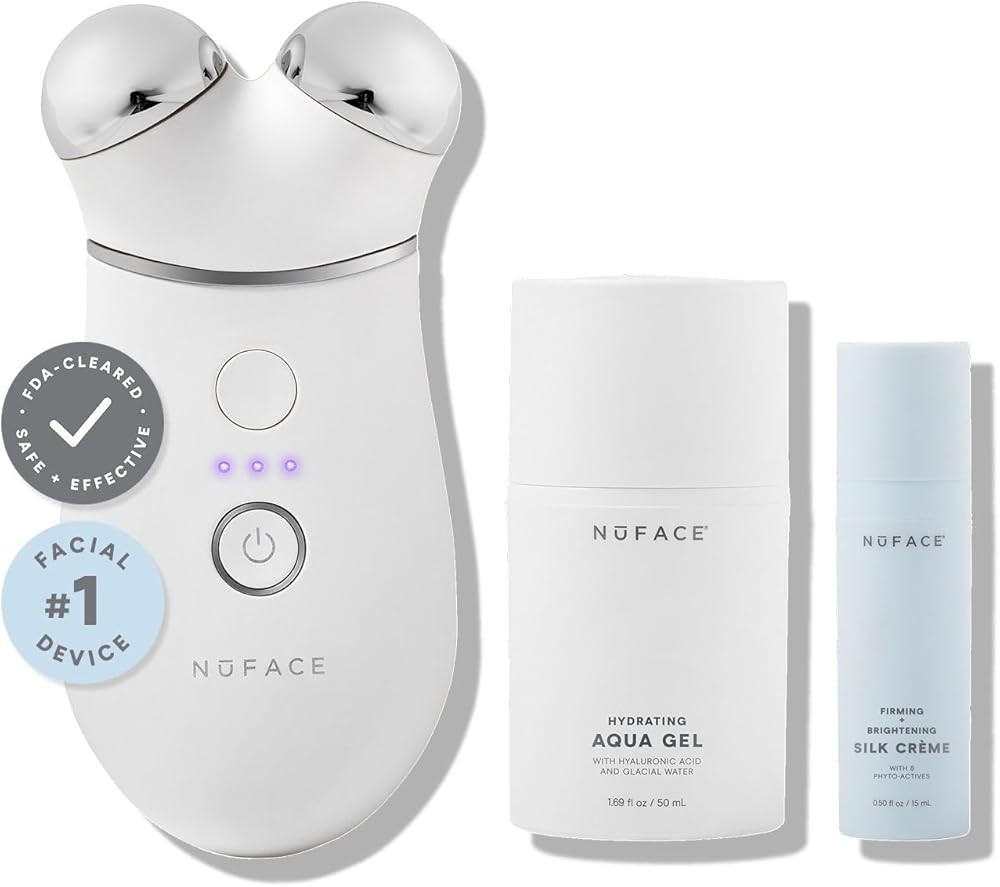
NuFACE TRINITY+ Microcurrent Facial Device Kit
Check Price on AmazonAs an Amazon Associate we earn from qualifying purchases.
NuFACE TRINITY+ represents the gold standard in home microcurrent facial devices, focusing exclusively on electrical muscle stimulation rather than attempting multiple modalities. The device earned FDA clearance specifically for facial muscle toning, backed by more extensive clinical research than most competing products.
The dedicated microcurrent focus allows NuFACE to optimize every aspect of the device for this single function. The dual spheres deliver precisely calibrated current that users glide across facial muscles following specific treatment patterns. The company provides detailed tutorials and facial mapping guides that demonstrate proper technique for optimal results.
Clinical research on NuFACE devices shows measurable improvements in facial contour and skin appearance. While individual results vary, the published studies demonstrate that consistent use following recommended protocols produces visible changes in facial muscle tone and perceived firmness.
The TRINITY+ model includes smartphone connectivity through the NuFACE app, which guides users through treatments and tracks session history. This digital integration helps maintain consistency by reminding users to complete treatments and ensuring proper technique through video demonstrations.
Comparing NuFACE TRINITY+ to TheraFace PRO reveals philosophical differences. NuFACE bets that specializing in microcurrent delivers better results than distributing resources across multiple technologies. TheraFace PRO counters that combining microcurrent with complementary modalities like percussion and LED provides synergistic benefits exceeding single-function devices.
The two-year warranty on NuFACE TRINITY+ doubles TheraFace PRO’s coverage period, reflecting NuFACE’s confidence in device longevity. The longer warranty reduces replacement risk and provides better long-term value protection.
Price positioning places NuFACE TRINITY+ ($395) just below TheraFace PRO ($419), but the value equation changes when considering treatment focus. Users primarily interested in microcurrent therapy receive more specialized technology with NuFACE, while those wanting multiple modalities find better value in TheraFace PRO’s comprehensive platform.
The gel activator required for NuFACE creates ongoing costs similar to TheraFace PRO’s conductive gel needs. However, NuFACE’s dedicated focus on microcurrent led to gel formulations specifically optimized for electrical conductivity rather than general-purpose options.
For whom it works best: NuFACE TRINITY+ suits users who want the most researched and specialized microcurrent technology available for home use. This device makes sense for individuals committed to consistent facial toning protocols who value proven results over versatility. The smartphone integration appeals to tech-oriented users who appreciate tracking and guided sessions.
Can the Budget-Friendly JOVS Microcurrent Device Compete?
JOVS provides accessible entry into microcurrent facial therapy at $159, less than half the cost of TheraFace PRO or NuFACE TRINITY+. The device delivers dual-mode functionality combining microcurrent with EMS (electrical muscle stimulation) through a simplified interface and streamlined design.
The budget positioning requires compromises compared to premium devices. JOVS lacks the build quality refinement, comprehensive attachments, and extensive research backing of its more expensive competitors. However, for users curious about microcurrent therapy without committing to premium pricing, JOVS offers legitimate functionality at an accessible price point.
The dual-mode system provides both microcurrent for facial toning and EMS for more intensive muscle stimulation. Users can switch between modes depending on treatment goals and skin response. The EMS function delivers stronger electrical pulses that some users prefer for areas with more muscle mass like the jawline.
Battery life on JOVS (approximately 90 minutes) falls short of TheraFace PRO and NuFACE TRINITY+, requiring more frequent charging with regular use. The shorter runtime means users must plan treatments around battery availability rather than using the device spontaneously.
The device works with standard water-based conductive gels rather than requiring proprietary formulations. This compatibility reduces ongoing costs since users can select from various affordable gel options rather than purchasing brand-specific products.
Limited customer support and documentation compared to established brands represents a trade-off for budget pricing. While JOVS provides basic instructions, users won’t find the extensive tutorials, treatment guides, and responsive customer service available from Therabody or NuFACE.
The simplified design eliminates features like LED therapy, cleansing functions, and thermal treatments. Users seeking these additional modalities would need separate devices, potentially negating the cost savings if building a complete application system.
For whom it works best: JOVS suits budget-conscious users who want to experience microcurrent therapy without premium pricing. This device makes sense for individuals uncertain whether they’ll commit to long-term consistent use, making the lower investment less risky. It also works for those building a multi-device skincare routine who want a dedicated microcurrent option without spending on features they’ll obtain elsewhere.
Does the ANLAN High Frequency Device Offer a Better Approach?
ANLAN takes a completely different approach to facial treatment, using high-frequency electrical current and multiple LED wavelengths rather than microcurrent technology. At $39, this device targets different skin concerns, particularly acne, inflammation, and skin texture rather than muscle toning.
High-frequency therapy works through a glass electrode filled with argon or neon gas that creates ozone when electrical current passes through it. This ozone has antibacterial properties that may help reduce acne-causing bacteria on the skin’s surface. The technology has been used in professional aesthetics for decades, now available in home-use formats.
The ANLAN device includes four different glass electrode shapes: mushroom for larger facial areas, bent for the nose and detail work, comb for the scalp, and spoon for the eye area. This versatility allows targeted treatment across various facial zones and even extends to hair and scalp applications.
LED functionality supplements the high-frequency treatment with red, blue, and orange light wavelengths. Blue light (around 415nm) targets acne-causing bacteria, red light (around 630nm) addresses aging concerns, and orange light falls between these wavelengths for combination benefits.
The plug-in power design eliminates battery concerns but reduces portability. Users must work near electrical outlets rather than having cordless freedom. For home bathroom use, this limitation rarely creates problems, but it limits travel use or sessions in rooms without accessible outlets.
Comparing ANLAN to TheraFace PRO reveals completely different treatment philosophies. TheraFace PRO focuses on muscle toning, circulation, and comprehensive anti-aging, while ANLAN prioritizes acne control, antibacterial action, and skin clarification. Users should select based on their primary concerns rather than assuming these devices provide interchangeable benefits.
Research on high-frequency therapy for skin applications shows historical use in professional settings, though contemporary clinical studies remain limited compared to microcurrent and LED technologies. The antibacterial mechanism has theoretical support, but users should maintain realistic expectations about acne treatment results.
The extremely affordable price point ($39) makes ANLAN a low-risk trial option. Users can experiment with high-frequency therapy without significant financial commitment, though the budget pricing reflects basic construction and limited longevity expectations.
For whom it works best: ANLAN suits users primarily concerned with acne, inflammation, and skin texture rather than muscle toning or comprehensive anti-aging. This device makes sense for younger users dealing with breakouts or combination-skin individuals who want antibacterial treatment alongside LED therapy. The minimal investment makes it ideal for experimenting with high-frequency technology without financial risk.
What Should You Know About Using TheraFace PRO in Real Life?
Learning Curve and Treatment Protocols
TheraFace PRO’s eight different modalities create complexity that affects user experience. Each function requires understanding proper technique, treatment duration, and integration with other modalities. This learning process extends beyond simple “turn on and use” operation.
The microcurrent function demands the steepest learning curve. Users must master the correct gliding motions, maintain consistent pressure, ensure both conductive spheres contact skin simultaneously, and follow facial muscle patterns for optimal results. Improper technique reduces effectiveness and may produce uneven results.
Therabody provides tutorial videos and treatment guides, though the volume of information can overwhelm new users. Systematic reviews note that home beauty devices require adequate user education to achieve optimal results, with device complexity directly correlating to the learning period required PMID 38476342.
Treatment time commitment varies based on which functions users employ. A basic microcurrent session requires 10-15 minutes for the full face, LED therapy adds another 10-20 minutes, and cleansing takes 3-5 minutes. Users seeking comprehensive treatments using multiple modalities may spend 30-45 minutes per session.
Consistency requirements apply across all functions but particularly affect microcurrent results. Research on electrical stimulation devices emphasizes that benefits accumulate with regular use and diminish when sessions are skipped. Users must commit to 3-5 sessions weekly to maintain any visible improvements.
The multi-step process of switching attachments, applying appropriate products (gel for microcurrent, cleanser for brush), and adjusting settings creates friction that may reduce adherence. Simpler single-function devices like dedicated cleansing brushes or LED panels offer lower barriers to consistent use.
Maintenance and Ongoing Costs
Initial purchase price represents only part of TheraFace PRO’s total ownership cost. Ongoing expenses include replacement attachments, conductive gel, cleansers, and potential repairs after warranty expiration.
The cleansing brush head requires replacement every three months at $25-30 per head, adding $100-120 annually to operating costs. Conductive gel consumption varies based on usage frequency, with most users spending $15-25 monthly on gel products for regular microcurrent sessions.
Attachment durability affects long-term costs. The microcurrent ring and percussive attachment typically last 12-18 months with regular use before showing performance degradation. Replacement attachments cost $50-75 each, creating additional expenses as the device ages.
The one-year warranty provides limited protection compared to NuFACE’s two-year coverage. After warranty expiration, users bear full repair or replacement costs. Therabody offers paid servicing, though repair costs may approach half the price of a new unit for significant issues.
Battery degradation represents an inevitable long-term consideration. Lithium-ion batteries lose capacity over hundreds of charge cycles, eventually requiring more frequent charging or professional battery replacement. Most users experience noticeable battery decline after 2-3 years of regular use.
Calculating total five-year ownership cost provides better value comparison:
- TheraFace PRO device: $419
- Brush head replacements (20 heads over 5 years): $500-600
- Conductive gel (60 months at $20/month average): $1,200
- Attachment replacements (2-3 over 5 years): $100-225
- Total five-year cost: $2,219-2,444
This calculation reveals that ongoing expenses significantly exceed initial purchase price for active users. Budget-conscious consumers should consider these long-term costs when evaluating device value.
What the data says: Total ownership cost over 5 years ($2,219-2,444) approaches the price of 5-6 professional microcurrent facials annually, making TheraFace PRO economical only if you’d otherwise invest in frequent professional sessions rather than occasional visits.
Integration with Existing Skincare Routines
TheraFace PRO functions as a treatment device rather than a skincare replacement. Users must continue their existing routines with cleansers, serums, moisturizers, and sun protection while incorporating device treatments.
The cleansing function integrates easily as a direct replacement for manual cleansing. Users simply apply their preferred gentle cleanser, use the rotating brush for 1-2 minutes, rinse thoroughly, and continue with their normal routine.
Microcurrent treatments fit best after cleansing but before applying heavy moisturizers or oils. The process requires clean, dry skin, application of conductive gel, completing the microcurrent session, removing excess gel, and then continuing with serums and moisturizers.
LED therapy can occur at various routine stages. Some users prefer LED immediately after microcurrent while skin is primed, others use it as a standalone treatment before bed. The percussive-LED attachment works over bare skin or can be used after applying serums that the vibration may help distribute.
Product layering considerations affect session effectiveness. Heavy oils or occlusives block proper gel contact for microcurrent and may interfere with LED light penetration. Users should apply these products after device sessions rather than before.
The thermal functions provide versatility for routine integration. Cold therapy works well for depuffing in morning routines, while heat therapy benefits evening sessions by opening pores before applying treatment serums.
Combining TheraFace PRO with professional treatments requires coordination. Users should inform aestheticians and dermatologists about home device use, as certain professional procedures may require pausing home treatments temporarily. Research shows home devices work best as maintenance between professional sessions rather than replacements PMID 38476342.
Who Should Consider TheraFace PRO
Ideal candidates for TheraFace PRO exhibit several key characteristics:
Budget flexibility: Users comfortable with the $419 initial investment plus ongoing costs for gels and replacement attachments. Those seeking budget options should consider the JOVS microcurrent device instead.
Treatment variety interest: Individuals who want multiple modalities (microcurrent, percussion, LED, cleansing) in a single platform rather than specialized single-function devices.
Consistency commitment: People who realistically will use the device 3-5 times weekly for extended periods. Inconsistent users won’t achieve meaningful results regardless of device quality.
Moderate aging concerns: TheraFace PRO suits individuals in their 30s-50s with early to moderate aging signs. Those with minimal aging may not see dramatic differences, while those with advanced aging may require professional interventions. Our guide to the best microcurrent device for wrinkles covers wrinkle-specific device selection.
Realistic expectations: Users who understand home devices provide maintenance and modest improvements rather than dramatic transformations. Research confirms home beauty devices improve aging parameters to a certain extent but don’t replicate professional results.
Product application discipline: People comfortable with multi-step processes involving gel application, attachment changes, and proper technique rather than simple one-button operation.
Who Should Skip TheraFace PRO
Certain individuals would benefit more from alternative options:
Microcurrent purists: Those primarily interested in facial toning should choose NuFACE TRINITY+ with its specialized microcurrent focus and more extensive research backing.
Budget-conscious users: Individuals uncomfortable with premium pricing and ongoing costs should consider the JOVS microcurrent device at $159 or skip microcurrent entirely for more affordable LED panels.
Simplicity seekers: People wanting straightforward single-function devices without complexity should choose specialized tools like dedicated LED panels, cleansing brushes, or jade rollers rather than multi-modal platforms.
Inconsistent routine followers: Users with poor adherence to skincare routines won’t achieve results with TheraFace PRO, making the investment wasteful. These individuals benefit more from professional treatments requiring less personal discipline.
Active skin conditions: Those with rosacea, eczema, active acne cysts, or other inflammatory skin conditions should consult dermatologists before using electrical stimulation devices. Research indicates certain skin conditions may worsen with improper device use.
Medical device users: Individuals with pacemakers, implanted defibrillators, or other electronic medical devices must avoid electrical stimulation devices entirely due to interference risks.
Professional-results expectations: Users expecting results comparable to professional facials, microneedling, or cosmetic procedures will be disappointed. Home devices occupy a different effectiveness tier than professional interventions.
Is TheraFace PRO Safe and What Are the Potential Side Effects?
General Safety Profile
Clinical research on home beauty devices indicates they are generally safe when used according to manufacturer guidelines, though adverse reactions can occur PMID 38476342. TheraFace PRO’s FDA Class II clearance confirms it meets safety standards for home electrical stimulation devices.
The most common side effects include temporary skin redness, mild irritation, and sensitivity following treatment. These reactions typically resolve within 30-60 minutes and indicate normal skin response to electrical stimulation rather than harm.
Proper technique significantly affects safety outcomes. Excessive pressure during microcurrent treatments may cause discomfort or bruising, particularly on bony facial areas like the orbital rim. Users should apply gentle gliding pressure rather than pressing forcefully.
Microcurrent-Specific Considerations
Electrical stimulation carries specific contraindications beyond general skincare cautions. Individuals with the following conditions must avoid microcurrent functions:
- Pacemakers or implanted defibrillators (electrical interference risk)
- Epilepsy or seizure disorders (electrical stimulation may trigger episodes)
- Pregnancy (electrical current effects on fetal development remain unstudied)
- Cancer or history of skin cancer (electrical stimulation effects on cancer cells unknown)
- Thrombosis or blood clotting disorders (circulation changes may affect clot stability)
Dental metal fillings, crowns, or implants don’t contraindicate use but may cause sensation when microcurrent passes near these materials. Users should avoid direct treatment over metal dental work to reduce uncomfortable sensations.
Percussive Therapy Cautions
The vibration therapy function requires gentler application than body percussion devices. Facial bones lie closer to the skin surface with less protective muscle tissue, increasing bruising risk with excessive pressure.
Areas around the eyes need particular caution. The orbital bones and delicate periorbital tissues can’t tolerate the same intensity as the jawline or cheeks. Users should employ the lowest setting near eyes and avoid direct bone contact.
Temporomandibular joint disorders (TMJ/TMD) require careful consideration. While gentle percussion may relieve muscle tension contributing to jaw pain, aggressive treatment could aggravate joint inflammation. Users with diagnosed TMJ conditions should consult healthcare providers before using percussive functions.
LED Therapy Safety
LED light therapy presents minimal safety concerns compared to other modalities. The non-UV wavelengths used (660nm red, 850nm infrared) don’t cause sunburn or direct DNA damage like ultraviolet light.
Eye exposure considerations arise with LED use. While the specific wavelengths aren’t acutely harmful to eyes, prolonged direct viewing of bright LEDs causes discomfort. Users should close eyes during treatment near the periorbital area or avoid pointing the LED directly into open eyes.
Photosensitivity from medications or skincare products may increase reaction risk. Certain antibiotics, acne medications, and herbal supplements heighten skin sensitivity to light exposure. Users taking photosensitizing medications should consult pharmacists about LED device safety.
Heat and Cold Therapy Precautions
The thermal functions operate within safe temperature ranges (approximately 109°F heat, 50°F cold) that avoid burns or frostbite with normal use. However, individuals with reduced temperature sensation from diabetes, neuropathy, or other conditions require extra caution.
Heat therapy contraindications include:
- Active inflammation or acute injuries (heat may worsen swelling)
- Rosacea or heat-sensitive skin conditions (warmth triggers flares)
- Recent cosmetic procedures (heat may interfere with healing)
Cold therapy considerations include:
- Raynaud’s phenomenon (cold triggers vascular constriction episodes)
- Cold urticaria (hives triggered by cold exposure)
- Compromised circulation (reduced ability to rewarm tissues)
Treatment duration limits protect against adverse thermal effects. Users should limit heat or cold application to 5-10 minutes per area, allowing skin to return to normal temperature before reapplication.
Cleansing Function Safety
Mechanical exfoliation from the rotating brush carries minimal risk when used appropriately. However, overuse or excessive pressure can compromise the skin barrier, leading to irritation, dryness, and increased sensitivity.
Sensitive skin types should start with the lowest brush speed and brief sessions (30-60 seconds) to assess tolerance before extending duration or intensity. Skin experiencing irritation needs several days of recovery with gentle, non-exfoliating cleansing.
Combining the cleansing brush with other exfoliating products (acids, retinoids, physical scrubs) risks over-exfoliation. Users incorporating multiple exfoliation methods should reduce frequency or choose single modalities to avoid barrier damage.
Active breakouts require careful cleansing approach. While the brush can help clear pores, aggressive brushing over inflamed acne spreads bacteria and worsens inflammation. Users with acne should employ gentle pressure and clean brush heads thoroughly after each use.
How Can You Maximize Your Results with TheraFace PRO?
Evidence-Based Usage Protocols
Research on home beauty devices — including our review of the best microcurrent facial devices — emphasizes that consistent, proper use following validated protocols delivers better outcomes than sporadic or improper application PMID 38476342. TheraFace PRO users should establish structured routines rather than random usage patterns.
Microcurrent Protocol:
- Frequency: 5 sessions per week for initial 8-12 weeks, then 3 sessions weekly for maintenance
- Duration: 15-20 minutes covering full face following muscle patterns
- Technique: Gentle upward and outward gliding motions maintaining contact with both spheres
- Products: Generous conductive gel application, reapplying as needed when gel dries
LED Therapy Protocol:
- Frequency: 3-5 sessions per week, can be combined with microcurrent or percussive treatments
- Duration: 10-20 minutes per session for full face coverage
- Distance: Maintain LED ring 1-2 inches from skin for optimal light penetration
- Timing: Morning or evening sessions both effective; consistency matters more than specific timing
Percussive Therapy Protocol:
- Frequency: 3-4 sessions per week, can increase for jaw tension relief
- Duration: 5-10 minutes per session focusing on tense areas
- Technique: Gentle circular motions along facial muscles and lymphatic drainage pathways
- Intensity: Start low, increase gradually based on tolerance
Cleansing Protocol:
- Frequency: Daily use acceptable for normal skin, every-other-day for sensitive skin
- Duration: 1-2 minutes covering full face
- Technique: Light pressure allowing brush rotation to do the work
- Products: Gentle, pH-balanced cleansers without harsh surfactants
Complementary Skincare Integration
Device treatments work synergistically with evidence-based skincare ingredients. Research shows that combining therapeutic modalities with appropriate topical products enhances outcomes compared to devices alone PMID 36988469.
Pre-Treatment Preparation:
- Thoroughly cleanse skin removing makeup, sunscreen, and surface debris
- Ensure skin is completely dry before microcurrent application (dampness reduces gel conductivity)
- Remove jewelry and tie back hair to avoid interference
Post-Treatment Product Application:
- Apply antioxidant serums (vitamin C, vitamin E, ferulic acid) after LED sessions to enhance photoprotection
- Use peptide-containing products after microcurrent to support muscle toning effects
- Apply hydrating serums with hyaluronic acid and niacinamide to support barrier function
- Finish with moisturizer and sunscreen (morning) or richer night cream (evening)
Ingredient Timing Considerations:
- Retinoids: Apply in evening routine several hours after device treatments to avoid excessive stimulation
- Acids (glycolic, lactic, salicylic): Use on opposite days from cleansing brush to avoid over-exfoliation
- Growth factors and peptides: Apply immediately after device treatments when skin is primed for absorption
Research on dermal infusion demonstrates that proper skin preparation and post-treatment product selection significantly affect outcomes. Users investing in TheraFace PRO should equally prioritize quality skincare products to maximize device benefits.
Realistic Timeline for Visible Results
Setting appropriate expectations about result timelines reduces premature discouragement. Studies on home beauty devices show improvements typically emerge gradually over weeks rather than immediately.
Week 1-2: Initial Acclimation
- Skin adjusts to treatments; temporary redness or sensitivity common
- Users develop technique proficiency and establish routines
- No visible anti-aging improvements expected yet
- May notice immediate temporary “lift” after microcurrent from muscle stimulation
Week 3-4: Early Changes
- Skin texture may feel smoother from consistent cleansing and exfoliation
- Hydration and product absorption potentially improved
- Subtle changes in skin tone evenness from LED therapy
- Tension relief in jaw and facial muscles from percussive treatments
Week 5-8: Emerging Results
- Skin firmness may show modest improvement from microcurrent muscle toning
- Fine lines around eyes and mouth may appear slightly softer
- Overall skin radiance and evenness continue improving
- Cumulative LED effects support collagen activity
Week 9-12: Established Benefits
- Visible improvements in facial contour and muscle tone for responsive users
- Wrinkle depth reduction may become noticeable, particularly dynamic wrinkles
- Skin quality improvements from combined modalities reach plateau
- Maintenance protocols replace intensive initial treatment schedule
Research on photodynamic treatments supports this timeline, with significant improvements appearing between 8-12 weeks of consistent use PMID 38709699. Users should commit to three-month trial periods before assessing device effectiveness rather than expecting immediate transformations.
Progress Tracking Methods
Objective progress tracking helps users determine whether TheraFace PRO delivers meaningful results versus subjective perception biases.
Photographic Documentation:
- Take consistent baseline photos before starting treatments (front view, both profiles, close-ups of concern areas)
- Use identical lighting, camera distance, and facial expressions for all progress photos
- Photograph weekly or biweekly in the same location at the same time of day
- Compare current photos to baseline rather than to previous week (subtle weekly changes are imperceptible)
Measurement Tracking:
- Note specific concerns (crow’s feet depth, nasolabial fold prominence, jawline definition)
- Rate severity on simple 1-10 scale at baseline and monthly intervals
- Track how quickly results fade when skipping treatments (indicates dependence on consistent use)
Product Absorption Observation:
- Monitor whether serums and moisturizers absorb more quickly over time (indicates improved skin texture)
- Note whether you need less product to achieve the same coverage (suggests enhanced skin condition)
Third-Party Feedback:
- Ask trusted friends or family members who see you regularly if they notice changes
- Unprompted comments about looking refreshed or rested indicate visible improvements
- Be wary of placebo effect and confirmation bias affecting self-assessment
Systematic tracking provides objective data about whether the significant time and financial investment in TheraFace PRO produces measurable returns specific to your goals and skin type.
Frequently Asked Questions
Does TheraFace PRO actually work for wrinkles?
Clinical research shows that multi-modal home beauty devices can improve aging signs including wrinkles when used consistently over 8-12 weeks, though results vary between individuals PMID 38476342. The microcurrent, LED, and percussive functions each address wrinkle formation through different mechanisms: electrical stimulation affects muscle tone, LED light may support collagen activity, and percussion enhances circulation. Studies on photodynamic treatments demonstrated over 50% improvement in wrinkle appearance after 12 weeks of consistent use PMID 38709699. However, TheraFace PRO produces maintenance-level improvements rather than dramatic wrinkle elimination. Deep static wrinkles require professional interventions like injectables or resurfacing procedures for significant reduction.
How does TheraFace PRO compare to professional treatments?
Home devices like TheraFace PRO operate at lower intensities than professional equipment to ensure safety without supervision. A professional microcurrent facial delivers stronger current calibrated to individual tolerance and administered by trained practitioners. Professional LED panels provide higher power output covering larger application areas simultaneously. Research confirms that home beauty devices improve skin parameters “to a certain extent” but don’t replicate professional results. TheraFace PRO works best as maintenance between quarterly professional treatments rather than as a complete replacement. Users should view home devices as complementary to professional care rather than substitutes.
Can you use TheraFace PRO with Botox or fillers?
Yes, with timing considerations. Users should wait 48-72 hours after Botox injections before using electrical stimulation or percussion near injection sites to reduce risk of product migration. After dermal fillers, wait 1-2 weeks before applying percussive therapy over treated areas to allow the product to settle and integrate with surrounding tissue. Once healing is complete, TheraFace PRO can be safely used with cosmetic injectables. Some practitioners suggest home microcurrent may extend Botox and filler results by maintaining muscle tone and skin condition between treatments, though specific research on this combination is limited. Always inform your injector about home device use so they can provide personalized guidance.
Is TheraFace PRO worth it compared to NuFACE?
The value equation depends on your priorities. Choose NuFACE TRINITY+ ($395) if you want the most researched and specialized microcurrent technology with a proven track record, longer warranty, and dedicated focus on facial toning. Select TheraFace PRO ($419) if you value treatment variety and want percussion, LED, cleansing, and thermal functions in addition to microcurrent. NuFACE delivers superior microcurrent specialization, while TheraFace PRO provides versatility across multiple modalities. Consider whether you’d purchase separate devices for cleansing, LED, and massage anyway—if so, TheraFace PRO’s consolidated platform offers better value than building a multi-device system. If microcurrent toning is your singular focus, NuFACE represents the better investment.
How long does the TheraFace PRO battery last?
The rechargeable lithium-ion battery provides approximately 2+ hours of runtime per charge when new, sufficient for 6-8 full facial treatment sessions depending on which modalities you use. LED and microcurrent functions drain battery faster than cleansing or percussion alone. Battery capacity degrades over time with repeated charge cycles, with most users noticing reduced runtime after 18-24 months of regular use. Charging takes approximately 2 hours from completely depleted to full. The device operates while plugged in if the battery drains mid-treatment. For most users performing 3-5 treatments weekly, charging once or twice per week maintains adequate battery availability.
Can TheraFace PRO help with double chin or jawline sagging?
Microcurrent therapy targets facial muscle tone, and consistent use may provide modest improvement in jawline definition for individuals with early laxity. Research on microcurrent devices shows they can influence facial contour parameters, though dramatic restructuring of significant sagging exceeds home device capabilities PMID 40066473. The percussive function may help reduce tension in jaw muscles (masseter) that contribute to a squared appearance when chronically tight. However, substantial submental fat (double chin) or significant skin laxity typically require professional interventions like radiofrequency skin tightening, cryolipolysis, or surgical procedures for meaningful correction. TheraFace PRO works best for maintenance and early prevention rather than correcting established sagging. Users with realistic expectations for modest toning may see worthwhile improvements; those expecting major jawline transformation will likely be disappointed.
Final Verdict: Should You Buy TheraFace PRO?
TheraFace PRO delivers what it promises: a comprehensive multi-modal facial application platform combining eight different technologies in professional-grade construction. The device successfully consolidates microcurrent toning, percussive therapy, LED light treatment, thermal therapy, and cleansing functions into a single ecosystem that would otherwise require purchasing five separate devices.
The question isn’t whether TheraFace PRO works—research supports the mechanisms behind its component technologies. Rather, the decision centers on whether you need, will use, and can afford this level of versatility versus more focused alternatives.
Choose TheraFace PRO if you:
- Want the most comprehensive home facial device available with maximum treatment versatility
- Value professional build quality and are willing to invest in premium technology
- Will commit to consistent 3-5 weekly sessions for 8-12 weeks minimum to see results
- Prefer an all-in-one solution over managing multiple specialized devices
- Are comfortable with a learning curve and multi-step treatment protocols
- Can absorb ongoing costs for gels, replacement attachments, and maintenance
Choose NuFACE TRINITY+ instead if you:
- Prioritize microcurrent facial toning as your primary goal
- Want the most researched and specialized microcurrent technology available
- Prefer focused excellence over versatile functionality
- Value longer warranty coverage (2 years vs. 1 year)
- Want established brand reputation and extensive user community
Choose JOVS Microcurrent Device if you:
- Want to try microcurrent therapy without premium pricing commitment
- Are budget-conscious but still want legitimate microcurrent functionality
- Don’t need additional modalities like LED, cleansing, or percussion
- Are willing to accept less refined build quality and limited support
- Want to test whether you’ll actually use a facial device consistently before major investment
Skip facial devices entirely if you:
- Won’t realistically use them 3+ times weekly for extended periods
- Expect dramatic results comparable to professional treatments or procedures
- Have very sensitive skin or active skin conditions requiring dermatologist supervision
- Have medical contraindications (pacemakers, epilepsy, pregnancy)
- Prefer investing in professional treatments rather than home maintenance
The research shows home beauty devices can improve skin aging parameters to a certain extent when used consistently PMID 38476342, but they require realistic expectations, proper technique, and sustained commitment. TheraFace PRO represents the premium tier of this product category, delivering genuine functionality across multiple modalities rather than a gimmick.
For the right user—someone who values versatility, will use the device consistently, and understands it provides maintenance-level improvements rather than dramatic transformation—TheraFace PRO justifies its premium positioning. The consolidation of eight functions into a single platform offers better value than purchasing separate specialized devices for each modality.
However, users primarily interested in one specific function (microcurrent toning, LED therapy, or cleansing) will find better value in dedicated devices that specialize in their priority area. The beauty industry offers excellent single-function alternatives at various price points, from budget options to premium specialized tools.
The ideal TheraFace PRO customer is someone in their 30s-50s with early to moderate aging signs, sufficient budget for the initial investment plus ongoing costs, genuine commitment to consistent use, and interest in multiple therapeutic modalities. This person appreciates professional-grade technology for home use, enjoys comprehensive skincare routines, and understands that home devices complement rather than replace professional care.
For everyone else, the decision becomes less clear-cut. Evaluate your specific priorities, realistic usage patterns, and budget constraints against the detailed comparisons in this review. The most expensive device isn’t automatically the best choice—the optimal selection aligns with your individual needs, goals, and circumstances.
For more context, see our guides on NuFACE MINI+ Review — Is This Microcurrent Device Worth It?, Microcurrent Facial How It Works — The Science Behind the Technology, and Microcurrent Facial Side Effects and Safety — What Research Shows.
Related Reading
- Best Microcurrent Facial Device — Research-Backed Rankings
- NuFACE MINI+ Review — Safety and Effectiveness Analysis
- Microcurrent Facial Before and After Results — Clinical Evidence
- Microcurrent vs LED Face Mask — Which Works Better?
- Best Microcurrent Device for Wrinkles — Evidence-Based Comparison
- Microcurrent Facial Side Effects and Safety — What Research Shows
- Best LED Face Masks — Evidence-Based Review
- Red Light Therapy Benefits — Research Summary
References
-
Li S, Zhou X, Yuan Q, et al. Efficacy Evaluation of Home Beauty Devices for Facial Rejuvenation: A Systematic Analysis. Aesthetic Plast Surg. 2024;48(7):1393-1406. PMID 38476342
-
Lin X, Jia Q, Lin X, et al. Galvanic Cell Bipolar Microneedle Patches for Reversing Photoaging Wrinkles. Adv Mater. 2025. PMID 40066473
-
Liang Z, Zhang J, Zhu Y, et al. Low-frequency vibrotherapy considerably improves the effectiveness of conventional therapy for primary lymphedema patients. Medicine (Baltimore). 2018;97(23):e10984. PMID 29847188
-
Young JN, Yearwood K, Scali J, et al. Photodynamic Skincare: A Prospective Single-Center Study. J Drugs Dermatol. 2024;23(5):332-337. PMID 38709699
-
Williams S, Church G, Tancula V, et al. Topical Exosomes Utilized as Skin Primers Prior to Dilute Calcium Hydroxylapatite Injection for Skin Biostimulation. Aesthetic Plast Surg. 2023;47(4):1396-1408. PMID 36988469
-
Ezzo J, Manheimer E, McNeely ML, et al. Manual lymphatic drainage for lymphedema following breast cancer. Cochrane Database Syst Rev. 2015;(5):CD003475. PMID 25994425
-
Ezzo J, Manheimer E, McNeely ML, et al. Manual lymphatic drainage for lymphedema: a systematic review and meta-analysis. 2020;184(2):431-443. PMID 32803533
-
Tricarico PM, Zupin L, Ottaviani G, et al. Photobiomodulation as potential novel tool for non-invasive improvement. Giornale Italiano di Dermatologia e Venereologia. 2020;155(3):357-364. PMID 31042851
-
Konstantinou E, Zagoriti Z, Pyriochou A, et al. Microcurrent Stimulation Triggers MAPK Signaling and TGF-β1 Release in Fibroblast and Osteoblast-Like Cell Lines. Cells. 2020. PMID 32825091
-
Hamblin MR. Mechanisms and applications of the anti-inflammatory effects of photobiomodulation. AIMS Biophys. 2017. PMID 28748217
Recommended Products