7 Best Creatine for Muscle: 20-40% More Phosphocreatine = More Reps
Summarized from peer-reviewed research indexed in PubMed. See citations below.
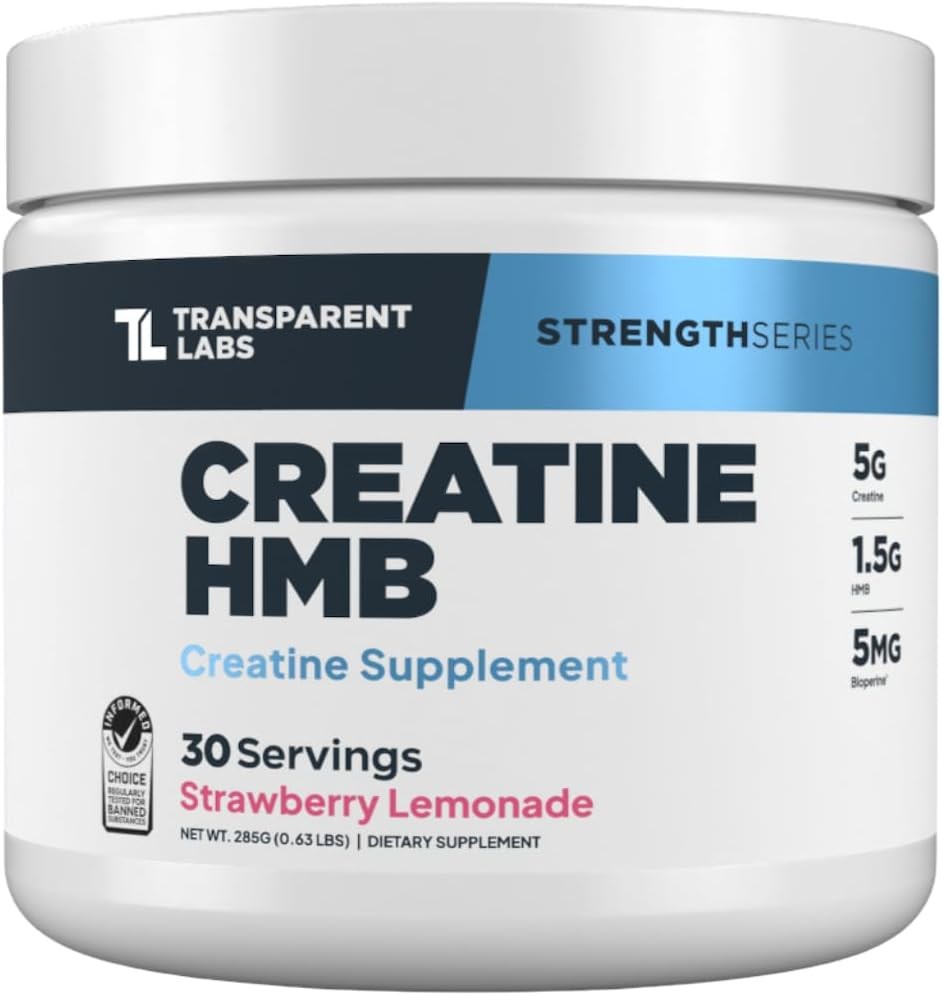
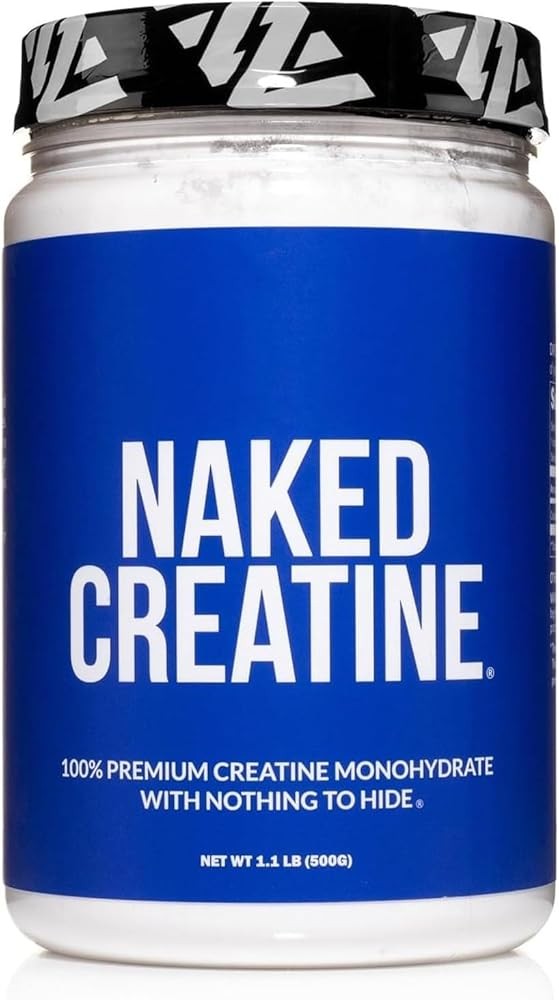
Multiple randomized controlled trials show creatine monohydrate increases muscle phosphocreatine stores by 20-40%, enabling 1-2 additional reps per set that accumulate into significantly greater training volume over time. Our top recommendation is Transparent Labs Creatine HMB, which combines 5g of 99.99% pure Creapure creatine monohydrate with HMB for combined muscle-building support at about $49 per container. Published research demonstrates creatine monohydrate produces larger lean mass gains than any alternative form tested in controlled trials, with meta-analyses showing mean increases of roughly 0.8 kg of lean mass alongside reductions in body fat percentage. For budget-conscious lifters, NAKED Pure Micronized Creatine delivers NSF-certified pharmaceutical-grade monohydrate at about $22 per 500-gram tub without compromising purity or third-party testing standards. Here’s what the published research shows about selecting an evidence-based creatine supplement for muscle growth.
Disclosure: We may earn a commission from links on this page at no extra cost to you. Affiliate relationships never influence our ratings. Full policy →
Creatine monohydrate is the single most researched and appears to be a beneficial legal supplement for building muscle. Published research supports this observation. The International Society of Sports Nutrition (ISSN) states it is “the most effective ergogenic nutritional supplement currently available to athletes in terms of increasing high-intensity exercise capacity and lean body mass during training” (PubMed 28615996). Multiple meta-analyses of randomized controlled trials indicate that creatine supplementation is associated with increases in body mass and fat-free mass while showing a reduction in body fat percentage (PubMed 12945830; PubMed 28615996).
Yet despite decades of research and hundreds of clinical trials, confusion persists. Which form of creatine is best? Do you need a loading phase? Will it damage your kidneys or cause hair loss? Is the cheap stuff as good as the expensive stuff? This guide answers every one of those questions with current data – not marketing copy – and recommends specific products based on purity, third-party testing, and value.
Whether you are a novice lifter looking for your first supplement, an experienced trainee optimizing your stack, or someone over 40 looking to address age-related muscle loss, this article gives you everything you need to make an informed decision. If you are building a broader supplement plan, our guide to the best supplements for building muscle after 40 covers the full landscape beyond creatine.
How Does Creatine Work in Your Body?
To understand why creatine is so effective, you need a brief primer on how your muscles generate energy during intense exercise.
The Phosphocreatine Energy System
Your muscles run on adenosine triphosphate (ATP). Every time a muscle fiber contracts – whether you are pressing a barbell overhead or sprinting up a hill – it splits one phosphate group off an ATP molecule, converting it to ADP (adenosine diphosphate) and releasing energy in the process. The problem is that your muscles store only about 8-10 seconds worth of ATP at maximum intensity. After those few seconds, performance plummets unless you can regenerate ATP rapidly.
This is where phosphocreatine (PCr) enters the picture. Phosphocreatine is stored in muscle tissue and acts as a rapid-response energy reserve. An enzyme called creatine kinase strips the phosphate group from phosphocreatine and transfers it directly to ADP, regenerating ATP almost instantaneously. This phosphocreatine system is the dominant energy pathway for efforts lasting roughly 2-10 seconds – precisely the range that covers most heavy resistance training sets.
Here is the key insight: your muscles can only store a finite amount of phosphocreatine. Supplementing with creatine monohydrate increases intramuscular phosphocreatine stores by 20-40%, depending on your baseline levels. With more phosphocreatine available, you can sustain high-intensity output for a few extra seconds per set, squeeze out one or two additional reps, and recover faster between sets. Over weeks and months, that extra training volume accumulates into meaningfully greater muscle growth.
Cell Volumization and Hypertrophy Signaling
Creatine does more than just fuel ATP regeneration. When creatine enters muscle cells, it draws water in with it through osmosis – a process called cell volumization. This intracellular water retention (importantly, this happens inside the muscle cells, not under the skin) increases cell volume and creates a more anabolic environment.
Research suggests that cell swelling from creatine-induced hydration activates satellite cells and stimulates protein synthesis through mechanosensitive signaling pathways. In other words, the “fullness” you feel in your muscles during the first week of supplementation is not just cosmetic – it may directly contribute to long-term muscle growth by sending growth signals at the cellular level.
What the Numbers Actually Show
Meta-analyses of randomized controlled trials have found that creatine supplementation improves strength and body composition outcomes, with untrained individuals often seeing larger early effects (PubMed 12945830). DXA-based lean mass increases have also been documented in trained athletes such as female collegiate dancers (PubMed 36960692).
These are not trivial numbers. An extra 1.4-1.8 kg of lean mass is a meaningful difference that would take considerably longer to achieve without supplementation.
Research indicates: Creatine monohydrate supplementation typically raises muscle phosphocreatine stores by 20-40%, supporting an extra rep or two on heavy sets and, over months of training, more total volume for muscle growth.
Watch Our Video Review
For more muscle-building insights, visit our YouTube Channel
What Are the Best Creatine Supplements at a Glance?
Before diving deep into the science and product details, here is a quick side-by-side comparison of our three top-rated creatine supplements for muscle building.
| Feature | Transparent Labs Creatine HMB | NAKED Pure Micronized | Blueprint Bryan Johnson |
|---|---|---|---|
| Creatine Form | Creapure Monohydrate | Micronized Monohydrate | Micronized Monohydrate |
| Purity Level | 99.99% (Creapure) | NSF-certified | Third-party tested |
| Added Ingredients | HMB | None | None |
| Third-Party Testing | NSF Certified for Sport | NSF Certified | Third-party tested |
| Price | About $49 per container | About $22 per 500-gram tub | About $40 per container |
| Serving Size | 5g creatine + HMB | 5g | 5g |
| Best For | Combined muscle building and preservation | Budget-conscious lifters | Clean, well-tested monohydrate |
Research summary: Evaluating creatine supplements may be aided by comparing highly-rated products based on purity, third-party testing certifications, cost per serving, and manufacturer transparency. Meta-analyses show creatine monohydrate consistently produces superior results to alternative forms across multiple clinical trials.
Which Form of Creatine Is Best: Monohydrate vs. Other Forms?
Creatine monohydrate is the best form, backed by over 700 published studies, making it the most researched and effective option available. The supplement industry has produced dozens of “advanced” creatine forms over the years, each claiming to be superior to plain monohydrate. The research tells a different story entirely.
Creatine Monohydrate: The Gold Standard
Creatine monohydrate is the form used in the vast majority of the 700+ published studies on creatine supplementation. It consists of a creatine molecule bound to a single water molecule, resulting in a product that is approximately 87.9% creatine by weight. When manufactured to pharmaceutical-grade standards (such as Creapure), it achieves 99.99% purity with non-detectable levels of heavy metals and contaminants.
Every major sports nutrition authority – the ISSN, the American College of Sports Medicine, and the Australian Institute of Sport – recommends creatine monohydrate specifically. Not creatine HCl. Not buffered creatine. Not creatine ethyl ester. Monohydrate.
Creatine Hydrochloride (HCl)
Creatine HCl is marketed as being more soluble than monohydrate, with claims that you need a smaller dose and experience less gastrointestinal discomfort. The solubility claim is technically true – creatine HCl dissolves more readily in water. However, solubility in a glass of water has nothing to do with how effectively the creatine is absorbed and utilized by muscle tissue.
Two randomized controlled trials published between 2024 and 2025 directly compared creatine HCl to creatine monohydrate under controlled conditions. Both studies found no advantage for HCl over monohydrate on any outcome measure – not muscle creatine uptake, not performance, not body composition, and not side effect profile. The authors of the more recent study stated plainly: “Claims of Cr-HCl superiority are unfounded and misleading.”
You pay significantly more per gram for creatine HCl with zero demonstrated benefit over monohydrate. Save your money.
Buffered Creatine (Kre-Alkalyn)
Kre-Alkalyn is creatine monohydrate processed with an alkaline buffer (typically sodium bicarbonate) to raise its pH. The marketing claims that this may help reduce the risk of creatine converting to creatinine in the acidic stomach environment, meaning you absorb more creatine per dose.
The problem with this theory is that creatine monohydrate already has excellent bioavailability (approximately 99% when taken orally). There is very little room for improvement. Controlled studies have confirmed that buffered creatine produces no greater increases in muscle creatine stores, no greater performance improvements, and no fewer side effects compared to standard creatine monohydrate. You are paying a premium for an alkaline buffer that solves a problem that does not exist.
Creatine Ethyl Ester (CEE)
Creatine ethyl ester was designed with an ester group attached to improve cell membrane permeability. In theory, this would allow creatine to cross into muscle cells more efficiently without relying on creatine transporter proteins.
In practice, creatine ethyl ester rapidly degrades to creatinine (an inert waste product) in the acidic environment of the stomach. Published research has demonstrated that CEE is actually less effective than standard creatine monohydrate at increasing intramuscular creatine stores. It produces higher blood creatinine levels (indicating more waste) and lower muscle creatine levels (indicating less uptake). This is one case where a “novel” form is definitively worse than the original.
Creatine Magnesium Chelate
Creatine magnesium chelate (MagnaPower bonds creatine to magnesium. While there was initial theoretical interest – magnesium is involved in ATP metabolism – published research has not demonstrated any performance or body composition advantage over creatine monohydrate. You do get a small amount of supplemental magnesium, but you can get that far more cheaply from a standalone magnesium supplement.
Our verdict: Creatine monohydrate is supported by more than 700 published studies, making it the most researched option available. When manufactured to pharmaceutical-grade standards such as Creapure, it achieves 99.99% purity.
Our Top Recommendations
📱 Join the discussion: Facebook | X | YouTube | Pinterest
What this means for you: Research suggests creatine monohydrate appears to have comparable or superior results to other forms tested in controlled trials, presents a lower cost per serving, and has a substantial body of safety data available compared to other supplement forms (PubMed 33572884).
The Bottom Line on Forms
Every “advanced” creatine form that has been tested head-to-head against monohydrate has either matched it or performed worse. Creatine monohydrate is cheaper, better studied, and equally or more effective than every alternative. There is no scientific reason to choose any other form.
Key takeaway: Creapure-certified creatine monohydrate is manufactured to 99.99% purity with non-detectable heavy metal contamination, and NSF Certified for Sport status adds independent batch testing for banned substances.
What Are the Best Creatine Supplements for Building Muscle?
We evaluate creatine products based on five criteria: purity of the creatine monohydrate used, third-party testing and certifications, absence of unnecessary additives, cost per serving, and manufacturer transparency. Here are our top picks for 2026.
Best Overall: Transparent Labs Creatine HMB
Transparent Labs combines Creapure creatine monohydrate with HMB (beta-hydroxy beta-methylbutyrate) for combined muscle-building benefits. Creapure achieves 99.99% purity with non-detectable heavy metal contamination. This product holds NSF Certified for Sport designation, meaning every batch is independently tested for banned substances and label accuracy. This makes it the go-to choice for competitive athletes subject to drug testing and for anyone who wants the highest verifiable quality.
The only downside is cost. Transparent Labs charges a premium for its rigorous testing program and dual-ingredient formula, making it one of the more expensive creatine products on the market per serving. However, if quality assurance and combined muscle-building support are your top priorities, the premium is justified.
If you are also looking for a quality protein powder to pair with your creatine, our guide to best protein powder for muscle gain covers the top options.
Best Value: NAKED Pure Micronized Creatine Monohydrate

NAKED offers pure creatine monohydrate with no fillers, flavors, or additives at a fraction of the price of premium brands. Each batch is third-party tested for purity and label accuracy. The unflavored micronized powder mixes easily into water, juice, or protein shakes without grit or residue.
For most people who are not competitive athletes requiring NSF Certified for Sport status, NAKED delivers essentially the same creatine monohydrate at a significantly lower cost per serving. It is our top recommendation for lifters on a budget.
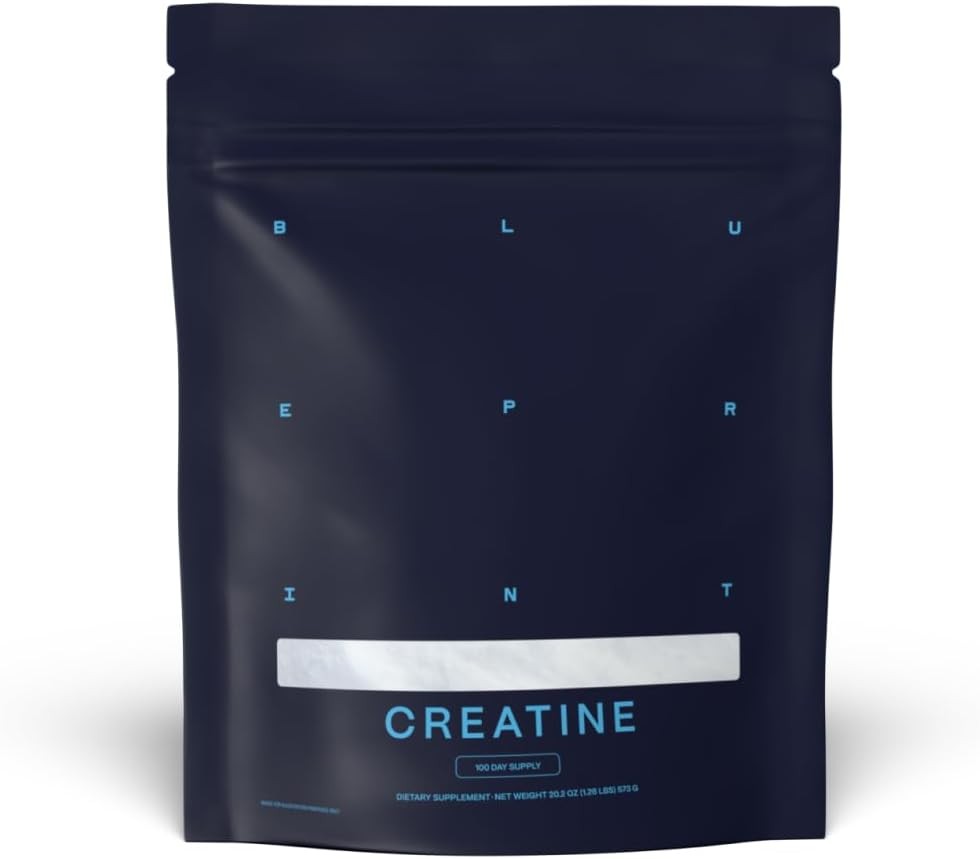
Best for Convenience: Blueprint Bryan Johnson Creatine
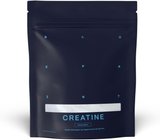
Blueprint offers pharmaceutical-grade creatine monohydrate with rigorous third-party testing for purity and potency. This premium formulation undergoes extensive quality control testing to verify 99.9%+ purity levels and ensure absence of contaminants. Blueprint’s reputation for science-backed supplement formulations makes this a trusted choice for those prioritizing quality above cost.
The trade-off is price. At about $40 per container, Blueprint costs more than budget options while delivering the same core ingredient (creatine monohydrate). However, for those who value rigorous quality control and premium manufacturing standards, the price premium may be justified.
If you are building a broader supplement stack that includes a protein powder, our guide to best protein powder for muscle gain can help you find the right pairing. And for those curious about the optimal protein intake to maximize your results, read how much protein you actually need to build muscle.
How Much Creatine Should You Take: Loading vs. Maintenance?
Getting the dose right is straightforward, but there are a few nuances worth understanding depending on your goals and situation. For a comprehensive breakdown of both approaches, see our dedicated article on creatine loading vs maintenance dosing.
The Loading Phase (Optional)
A loading phase involves consuming approximately 20 grams of creatine monohydrate per day, split into four 5-gram doses taken throughout the day, for 5-7 days. This rapidly saturates intramuscular creatine stores within one week, meaning you start experiencing the performance benefits almost immediately.
Loading is not required. It simply accelerates the timeline. If you are starting creatine for the first time and want to feel the difference as quickly as possible, loading makes sense. If you are patient and prefer simplicity, skip loading entirely.
One practical tip: splitting the loading dose into four servings rather than taking it all at once reduces the likelihood of gastrointestinal discomfort. Taking each dose with a meal or snack containing carbohydrates and protein may further enhance uptake.
The Maintenance Phase
The standard maintenance dose is 3-5 grams of creatine monohydrate per day, taken every day including rest days. Consistency is what matters. If you skip the loading phase, it takes approximately 3-4 weeks of daily 3-5g dosing to fully saturate muscle creatine stores. Once saturated, a daily maintenance dose keeps stores topped off indefinitely.
For most adults, 5 grams per day is the practical recommendation. Larger individuals (over 200 lbs / 90 kg) may benefit from the higher end of the range. The ISSN notes that doses of 3-5g/day are sufficient for long-term maintenance regardless of body size.
Relative Dosing for Specific Populations
For older adults, researchers recommend a relative dose of 0.10-0.14 g/kg/day. For a 70 kg (154 lb) older adult, that works out to 7-10 grams per day – somewhat higher than the standard recommendation for younger adults. This higher relative dose accounts for age-related changes in creatine metabolism and uptake.
Do You Need to Cycle?
No. The ISSN position stand explicitly states that cycling creatine is unnecessary. There is no downregulation of creatine transporter proteins at standard supplemental doses of 3-5g/day. Continuous daily supplementation maintains muscle creatine saturation indefinitely without any loss of effectiveness. If you stop taking creatine, muscle stores return to baseline in approximately 4-6 weeks. There is no physiological benefit to cycling off, and doing so only means you lose the performance advantages during the off period.
The research verdict: Clinical trials have used 3-5g of creatine monohydrate daily—every day including rest days—with an optional 20g/day loading phase for 5-7 days if faster saturation is desired; studies indicate cycling is unnecessary and may be counterproductive (PubMed 28615996).
When Should You Take Creatine for Best Results?
The short answer is no – not meaningfully.
Some studies have suggested a slight advantage to taking creatine post-workout compared to pre-workout, likely because exercise increases blood flow to working muscles and may enhance creatine uptake. However, the differences observed in these studies are small and inconsistent across the literature.
The most important factor is consistency. Take creatine at whatever time makes you most likely to remember it every single day. For many people, that means mixing it into their post-workout protein shake. For others, it means taking it with breakfast or before bed. All of these approaches work.
If you are looking to pair your creatine with a pre-workout supplement, our guide to the best pre-workout supplements for strength training covers products that complement creatine well without unnecessary overlap.
One practical note: taking creatine with a meal or drink that contains carbohydrates and/or protein may modestly enhance creatine uptake into muscle cells. Carbohydrates stimulate insulin release, and insulin helps drive creatine into muscle cells via the sodium-dependent creatine transporter (CreaT1). This is not a dramatic effect, but if you are optimizing, consuming creatine with food is mildly better than taking it on a completely empty stomach.
What the data says: Timing is largely irrelevant—take creatine whenever it’s most convenient and you’ll remember consistently, though taking it with carbohydrates and protein may modestly enhance uptake through insulin-mediated transport.
How Do You Know If Creatine Is Working?
When you start taking creatine, one of the biggest questions on your mind is probably whether it’s actually doing anything, and that’s what we’re about to dive into.
Signs It Is Working
Week 1 (Loading Phase or Early Maintenance)
- A rapid increase of 1-2 pounds on the scale. This is almost entirely intracellular water retention in muscle tissue – not fat gain. Your muscles may look and feel noticeably “fuller,” especially in well-developed muscle groups like the chest and arms.
- A subtle increase in training energy. Some people notice they feel slightly more “ready” during the first few reps of heavy sets, though this effect is often too subtle to distinguish from placebo during the first week.
Weeks 2-3
- The ability to squeeze out one or two extra reps on compound lifts, or to maintain higher intensity deeper into your workout. This is the most reliable early signal that creatine is doing its job.
- Improved recovery between sets. You may notice that you feel “ready” for your next set sooner, particularly on exercises like squats, deadlifts, and bench presses that tax the phosphocreatine system heavily.
- Total body weight may be up 2-3 pounds from baseline. Again, this is primarily intracellular water, not fat.
Month 1
- Consistently higher training volume across workouts. If you track your total reps or tonnage (sets x reps x weight), you should see a measurable upward trend.
- Visible muscle fullness that persists throughout the day, not just during and immediately after training.
- The initial water weight gain stabilizes. You should not continue gaining weight rapidly beyond the first 1-2 weeks.
Month 3 and Beyond
- Measurable increases in lean body mass beyond what water retention alone can explain. This is actual muscle tissue growth driven by the accumulated extra training volume creatine enabled.
- Strength gains that track ahead of where they would normally be without supplementation.
- Performance reaches a plateau but is maintained at a higher level than you would achieve without creatine. This is normal – creatine does not produce indefinite linear gains, but it does raise your ceiling.
Improvement Timeline Summary
| Timeframe | What to Expect |
|---|---|
| Days 1-7 | 1-2 lb weight gain, muscle fullness, possible slight energy increase |
| Weeks 2-3 | Extra reps on heavy sets, faster between-set recovery, 2-3 lb total weight gain |
| Month 1 | Measurably higher training volume, sustained muscle fullness, weight stabilizes |
| Month 3+ | Visible hypertrophy beyond water retention, higher strength baseline |
Warning Signs to Watch For
Most people tolerate creatine without any issues, but here are signs that warrant attention:
-
Persistent gastrointestinal distress: Mild stomach discomfort during the loading phase is common and usually resolves by switching to smaller, more frequent doses taken with meals. If GI issues persist beyond the first week at maintenance doses (3-5g/day), try taking creatine with a larger meal or switching brands in case an additive is causing the problem.
-
Unusual bloating or puffiness: Creatine causes intracellular water retention (inside the muscle cells), not subcutaneous water retention (under the skin). If you notice puffy fingers, swollen ankles, or facial bloating, this is unlikely to be caused by creatine and could indicate a dietary issue (excess sodium) or a medical condition worth investigating.
-
Dark urine or decreased urination: While creatine does not cause dehydration, it does increase your muscles’ water demand. Make sure you are drinking adequate fluids – roughly 3-4 liters per day for active individuals. Dark urine is a sign of under-hydration, not a creatine side effect per se, but it is a signal to drink more water.
-
Muscle cramping: Despite persistent myths, controlled studies have not found an association between creatine supplementation and muscle cramping. If you experience cramps, evaluate your electrolyte intake (sodium, potassium, magnesium) and hydration status rather than blaming creatine.
When to See a Doctor
Consult a healthcare provider before starting creatine if you have pre-existing kidney disease, are taking medications that affect kidney function (such as NSAIDs at high doses or certain blood pressure medications), or have a family history of kidney disease. Safety analyses in healthy individuals have not found that creatine supplementation impairs kidney function, but those with compromised renal function should exercise caution and get medical clearance first.
Here’s what research indicates: Studies suggest an increase of 1-2 lbs of intracellular water weight may be observed within the first week, with potential performance improvements (extra reps, faster recovery) reported by weeks 2-3, and measurable lean mass gains beyond water retention potentially seen by month 3.
Clinical insight: Contrary to what you might expect, one of the first signs that creatine is working is not a dramatic boost in energy or strength, but rather a rapid weight gain of 1-2 pounds due to intracellular water retention in muscle tissue. You can expect to notice more pronounced effects, such as being able to squeeze out one or two extra reps on compound lifts, by weeks 2-3.
Is Creatine Effective for Women?
Creatine supplementation in women deserves special attention because of significant physiological differences that affect creatine metabolism.
Lower Baseline Stores Mean Greater Potential
Research has found that women tend to have lower endogenous creatine stores and synthesis rates than men. That means they start from a lower baseline and may be particularly responsive to supplementation, with a proportionally larger increase in intramuscular creatine stores from the same dose.
Despite this, women have historically been underrepresented in creatine research. Many of the landmark studies were conducted exclusively in young men. The growing body of women-specific research suggests that the performance and body composition benefits of creatine are at least as large for women as for men – and possibly larger due to the lower starting point.
Hormonal Considerations
Creatine supplementation does not affect estrogen, progesterone, or testosterone levels in women. It does not cause masculinization, acne, or any hormone-related side effects. Studies that measured DHT and testosterone directly found no changes with creatine supplementation, and women produce far less DHT than men to begin with. Concerns about creatine causing hormonal imbalances in women are completely unfounded.
Bone Health and Beyond
Emerging research suggests that creatine supplementation, combined with resistance training, may support bone mineral density in postmenopausal women. While this research is still developing, the combination of increased training capacity (from creatine) and the direct mechanical loading of bone (from resistance training) creates a plausible pathway for bone health benefits.
Practical Recommendations for Women
Women should follow the same dosing protocol as men: 3-5 grams of creatine monohydrate per day, with an optional loading phase. There is no need for a gender-specific product or dose adjustment based solely on sex. Some women worry about creatine causing weight gain that looks like fat gain on the scale – but remember that the 1-3 pounds of water retention is entirely intracellular and typically makes muscles look more defined, not bloated.
What this means for you: Because women often start with lower baseline creatine stores, the same 3-5g daily dose can produce proportionally larger gains in muscle creatine, with no effects on female hormone levels.
What matters most: Despite historical underrepresentation in research, creatine appears at least as effective for women as for men, and the 1-3 pounds of water retention it causes is intracellular, so it typically makes muscles look more defined rather than bloated.
Can Creatine Help Older Adults Address Muscle Loss and Cognitive Decline?
Clinical trials have used 3-5 grams of creatine daily for at least 12 weeks, and reviews suggest this may help slow muscle loss and support cognitive function in older adults. Aging brings two interconnected challenges: progressive muscle loss (sarcopenia) and cognitive decline, and creatine research has examined both (PubMed 41601887; PubMed 39509039).
Combating Age-Related Muscle Loss
Sarcopenia – the age-related loss of muscle mass and function – begins in the fourth decade of life and accelerates after age 60. Older adults also develop “anabolic resistance,” meaning their muscles become less responsive to the anabolic signals from both nutrition (protein intake) and exercise (resistance training).
Randomized trials in older adults have shown that creatine combined with resistance training increases one-repetition maximum strength, with no serious adverse events reported (PubMed 37206869; PubMed 41073834).
These findings align with the ISSN’s position that creatine supplementation is one of the most effective strategies for older adults to maintain muscle mass and function, particularly when combined with resistance training. If you are over 40 and building a supplement plan, our guide on the best supplements for building muscle after 40 provides a comprehensive framework that includes creatine as a foundational recommendation.
Cognitive Benefits for Aging Brains
The brain is a metabolically demanding organ that relies heavily on ATP – and therefore on phosphocreatine – to function. Creatine supplementation increases brain creatine stores, and research suggests this translates into measurable cognitive benefits, especially in older adults.
Reviews of creatine and cognition in aging describe small but consistent benefits for memory and processing speed, with the clearest effects in people with lower baseline creatine stores, such as older adults and vegetarians (PubMed 41601887). For a deep dive into the brain health applications, see does creatine improve mental performance.
Dosing for Older Adults
As mentioned in the dosing section, older adults may benefit from a slightly higher relative dose of 0.10-0.14 g/kg/day. For a 70 kg individual, that means 7-10 grams per day rather than the standard 3-5 grams. This accounts for age-related changes in creatine metabolism and the greater need to overcome anabolic resistance.
The value assessment: Creatine plus resistance training improves one-rep max strength in older adults, and this population may benefit from a higher relative dose of 0.10-0.14 g/kg/day (7-10 g for a 70 kg person) to overcome age-related anabolic resistance.
The takeaway: Taking 3-5 grams of creatine daily for at least 12 weeks alongside resistance training supports muscle mass and strength in older adults, with emerging evidence of modest cognitive benefits as well.
How Does Creatine Affect Brain Health and Cognition?
The brain accounts for roughly 20% of total body energy expenditure despite representing only 2% of body mass. It is highly dependent on ATP, and phosphocreatine serves as a critical energy buffer in neural tissue just as it does in muscle.
Cognitive Enhancement
Meta-analytic data demonstrates that creatine supplementation produces small but statistically significant improvements across multiple cognitive domains (PubMed 39203908). Memory showed the most robust improvements, followed by processing speed and attention. These effects were most pronounced in populations with lower baseline creatine – specifically women, older adults, and vegetarians.
For healthy young adults with adequate dietary creatine intake (primarily from meat and fish), the cognitive benefits may be less noticeable under normal conditions. However, under conditions of metabolic stress – such as sleep deprivation, intense cognitive workload, or altitude exposure – creatine supplementation appears to provide a more meaningful cognitive buffer.
Sleep Deprivation Rescue
Studies using brain imaging have shown that creatine can help maintain brain energy homeostasis during sleep deprivation, with some protocols reporting improved cognitive performance under that metabolic stress. This suggests that creatine’s cognitive benefits during sleep deprivation are mediated by maintaining brain energy rather than simply improving alertness.
While this was a single-dose protocol using a much higher dose than standard supplementation, it illustrates the powerful role creatine plays in brain energy metabolism and suggests that chronic supplementation at standard doses may provide ongoing cognitive resilience.
Depression and Mental Health
Early clinical work has explored creatine as an add-on to standard antidepressant treatment, with some trials reporting improved scores; the research is promising but still preliminary. While more research is needed before clinical recommendations can be made, it aligns with the theoretical rationale: depression is associated with brain energy deficits, and creatine helps restore brain energy reserves.
This area of research is still emerging, but it adds to the growing picture of creatine as a compound with benefits extending far beyond the gym.
Looking ahead: Reviews of creatine and the aging muscle-brain axis report small but meaningful cognitive benefits in people with lower baseline creatine stores, including older adults and vegetarians (PubMed 41601887).
The practical takeaway: Creatine’s cognitive effects are modest and most notable in women, older adults, and vegetarians, populations that tend to start with lower brain creatine stores.
Should You Take Creatine While Cutting?
When undergoing caloric restriction, discontinuing creatine supplementation may not be advisable, as research suggests the body may be more prone to utilizing muscle tissue for energy, potentially impacting the preservation of muscle mass. Studies indicate that continuing creatine during reduced caloric intake may help support muscle retention during a cut.
Muscle Preservation Data
During caloric restriction, the body is more prone to breaking down muscle tissue for energy, particularly if the deficit is aggressive or protein intake is inadequate. Research shows that creatine supplementation during a caloric deficit significantly reduces lean mass loss: one study found that creatine users lost only 1.4% of fat-free mass compared to 2.4% in the placebo group during the same caloric restriction protocol.
Creatine also helps maintain power output during a cut, which is critical for preserving the training stimulus that signals your body to maintain muscle tissue. If your strength drops dramatically during a cut, your body receives a weaker signal to preserve muscle, and you lose more lean mass. Creatine helps you keep lifting heavy even when calories are low.
The Scale and Water Weight
Many people drop creatine during a cut because they want the scale number to go down. Yes, discontinuing creatine will cause you to lose 1-3 pounds of intracellular water weight within 1-2 weeks. But this is not fat loss – it is simply a reduction in muscle cell hydration. You will look flatter, weaker, and smaller, none of which are desirable outcomes even during a fat loss phase.
A smarter approach is to continue creatine supplementation throughout your cut, accept that the scale weight includes approximately 2-3 pounds of beneficial intracellular water, and track your progress through body composition measurements, strength numbers, and visual assessments rather than scale weight alone.
Our recommendations: Research indicates that continuing creatine during a caloric deficit may roughly halve lean mass loss (about 1.4% vs 2.4% of fat-free mass in one study) and helps maintain training intensity, supporting muscle preservation during a cut.
How Effective Is Creatine for Vegetarians and Vegans?
Yes, research suggests creatine appears to have some benefit for vegetarians and vegans, who typically have lower muscle creatine levels due to zero or minimal dietary intake. If following a plant-based diet, studies indicate creatine may be one of the most impactful supplements to consider.
Why Vegetarians Respond More
Dietary creatine comes almost exclusively from animal products, primarily red meat and fish. A typical omnivorous diet provides approximately 1-2 grams of creatine per day. Vegetarians and vegans get essentially zero dietary creatine and rely entirely on endogenous synthesis (your body produces about 1 gram per day from the amino acids arginine, glycine, and methionine).
As a result, vegetarians and vegans typically have lower baseline intramuscular creatine stores. Research has found that vegetarians and vegans experience a greater increase in muscle creatine from supplementation than omnivores, and this larger increase translates into proportionally greater performance benefits.
Practical Implications
If you are vegetarian or vegan, creatine monohydrate supplementation is arguably more important for you than for meat-eaters. The standard 3-5g/day dose is sufficient. All major creatine monohydrate supplements are synthesized chemically and are fully vegan – they are not derived from animal sources. Make sure to check the label for any non-vegan capsule materials (gelatin) if you are using a capsule form.
What the evidence shows: Vegetarians and vegans may experience greater increases in muscle creatine from supplementation than meat-eaters, since their diets provide little or no creatine, which makes creatine one of the most impactful supplements for plant-based athletes.
The takeaway: Creatine appears especially impactful for vegetarians and vegans, who start with lower muscle creatine stores and see larger increases from supplementation.
What Are the Common Myths About Creatine?
Creatine has been plagued by persistent myths since it entered the mainstream supplement market in the 1990s. Here is what the current evidence says about each one.
Myth 1: Creatine Damages Your Kidneys
This is perhaps the most persistent and damaging myth about creatine. It stems from a fundamental misunderstanding of blood tests.
Creatine is metabolized into creatinine, which is filtered by the kidneys and excreted in urine. Serum creatinine levels are commonly used as a marker for kidney function – higher creatinine can indicate impaired kidney filtration. However, supplementing with creatine naturally increases creatinine production through normal metabolic turnover, raising serum creatinine levels slightly even when kidney function is completely normal.
Meta-analyses have examined multiple studies involving hundreds of participants and found that creatine supplementation increased serum creatinine by a small amount (PubMed 36812477) – an increase explained entirely by increased metabolic turnover, not renal impairment. Glomerular filtration rate (GFR), the true gold-standard measure of kidney function, was completely unchanged.
The massive 2025 safety analysis by Kreider et al. reviewed 685 clinical trials involving 26,291 participants and found that side effect rates were statistically identical between creatine and placebo groups (4.60% vs 4.21%, p=0.828). The FDA classified creatine monohydrate as GRAS (Generally Recognized as Safe) in 2020. Long-term studies running up to 5 years at doses of 30g/day have found no clinically significant adverse effects on kidney or liver function in healthy individuals.
What the evidence tells us: Research suggests creatine does not appear to negatively impact healthy kidneys. Individuals with pre-existing kidney disease are advised to consult with a healthcare professional. Studies indicate that if kidney function is healthy, there may be no cause for concern.
Myth 2: Creatine Causes Hair Loss
This myth originated from a single 2009 study in rugby players that found an increase in dihydrotestosterone (DHT) levels after creatine loading. DHT is associated with androgenic alopecia (male pattern baldness), so the internet extrapolated that creatine causes hair loss. The original study did not actually measure hair loss – it only measured DHT levels.
Randomized controlled trials that directly tested this hypothesis measured both DHT levels and actual hair parameters in participants supplementing with creatine monohydrate for multiple weeks. The results: no changes in DHT, no changes in the DHT-to-testosterone ratio, and no changes in hair density, follicular count, or the growth and rest phases of the hair cycle.
The data suggests: Research has not established a link between creatine and hair loss. The initial DHT study remains unconfirmed, and the first study to assess hair outcomes reported no observed effect.
Myth 3: Creatine Causes Bloating and Water Retention Under the Skin
Creatine does cause water retention, but the location of that water matters enormously. Creatine draws water into muscle cells (intracellular retention), not into the space between cells and under the skin (subcutaneous retention). The result is muscles that look and feel fuller and more defined, not a puffy or bloated appearance.
The initial water weight gain of 1-3 pounds stabilizes within 5-7 days of reaching creatine saturation. After that point, body weight changes reflect actual tissue changes (muscle gain or fat loss), not ongoing water accumulation. The cell swelling that creatine produces may actually contribute to hypertrophy by activating mechanosensitive signaling pathways in muscle cells.
Myth 4: Creatine Causes Dehydration and Muscle Cramps
This myth is ironic because creatine actually increases total body water content by drawing water into muscle cells. Multiple controlled studies have found no association between creatine supplementation and dehydration, heat illness, or muscle cramping. In fact, some research suggests creatine may have a protective effect against heat-related illness by improving hydration status.
That said, anyone performing intense exercise should maintain adequate fluid intake regardless of supplementation status. Drinking 3-4 liters of water per day is a reasonable target for active individuals.
Myth 5: Creatine Is a Steroid
Creatine is not a steroid, not an anabolic agent in the pharmaceutical sense, and not a controlled substance. It is a naturally occurring compound found in meat and fish and synthesized by your own body from amino acids. It is classified as a dietary supplement and is legal in all competitive sports. The mechanism of action (increasing phosphocreatine stores to improve ATP regeneration) has nothing in common with how anabolic steroids work (binding to androgen receptors to increase protein synthesis directly).
Myth 6: You Need to Cycle Creatine
As discussed in the dosing section and confirmed by the ISSN position stand, there is no need to cycle creatine. There is no downregulation of creatine transporters at supplemental doses. Continuous daily supplementation is safe, effective, and recommended.
Research indicates: Studies involving creatine have not shown kidney damage in healthy people, a link to hair loss, or harmful subcutaneous bloating, and they show no need to cycle; the intracellular water retention creatine causes is considered a benefit rather than a side effect.
Key takeaway: The kidney myth stems from serum creatinine, which rises slightly with creatine use because creatine increases creatinine production through normal turnover. Measures of actual kidney filtration (GFR) stay unchanged, and safety analyses in healthy people have not found impaired kidney function.
What Should You Look for in a Quality Creatine Supplement?
Not all creatine supplements are created equal. Here is what distinguishes a high-quality product from a questionable one.
Creapure: The Gold Standard of Creatine Manufacturing
Creapure is a brand of creatine monohydrate manufactured exclusively by AlzChem AG in Trostberg, Germany. It is produced through a patented process that achieves 99.99% purity, with non-detectable levels of heavy metals (arsenic, lead, mercury, cadmium), dicyandiamide (DCD), and dihydrotriazine (DHT) – common contaminants found in lower-quality creatine products.
AlzChem’s manufacturing facilities hold FSSC 22000, ISO 9001, and GMP certifications. Creapure is the creatine used in the majority of published clinical research, which means when you buy a product containing Creapure, you are getting the exact same material that has been validated in hundreds of studies.
Products that use Creapure will typically display the Creapure logo on their label. However, Creapure-certified creatine carries a higher wholesale price, so it tends to appear in premium products.
Third-Party Testing and Certifications
Look for products that carry at least one of the following third-party certifications:
- NSF Certified for Sport: The most rigorous standard. Tests for over 280 banned substances, verifies label accuracy, and audits manufacturing facilities. Required by most professional sports leagues and the NFL, MLB, and NHL.
- Informed Sport: Tests every batch for banned substances using ISO 17025-accredited laboratories. Widely recognized in international sports.
- USP Verified: Tests for identity, strength, purity, and dissolution. The USP shield is a strong indicator of quality but is less common on sports nutrition products.
- Independent Lab Testing: At minimum, look for products that provide certificates of analysis (COAs) from independent labs confirming purity, heavy metal levels, and absence of contaminants.
What to Avoid
Be cautious of products that include proprietary blends (where the exact amount of creatine is not disclosed), unnecessary additives like artificial colors, excessive sweeteners or flavoring agents, and vague claims about “advanced absorption” or “superior bioavailability” that are not backed by published research. The simplest creatine products – pure creatine monohydrate with nothing else – are typically the best.
Also be wary of extremely cheap creatine from unknown manufacturers, particularly products sourced from facilities without GMP or equivalent certification. Lower-quality creatine may contain higher levels of contaminants including heavy metals, DCD, and creatinine (indicating degradation or poor synthesis).
Study summary: Look for Creapure-certified creatine monohydrate with third-party testing (NSF Certified for Sport, Informed Sport, or USP Verified) to ensure 99.99% purity and non-detectable contaminant levels.
Research indicates: When evaluating creatine supplements, research suggests looking for products containing Creapure, a creatine monohydrate manufactured to 99.99% purity with non-detectable levels of heavy metals and other contaminants. Products utilizing Creapure are supported by hundreds of clinical studies and commonly display the Creapure logo on their label.
What Supplements Can You Stack with Creatine?
You can safely stack creatine with 20-50 grams of protein per day, as well as other supplements like beta-alanine and caffeine, to enhance its muscle-building effects. Creatine works well as a standalone supplement, but it also pairs effectively with several other evidence-based products.
Creatine + Protein
This is the most logical and well-supported combination. Creatine increases your training capacity, allowing you to lift more volume. Protein provides the raw materials for the muscle repair and growth that results from that increased training stimulus. Taking creatine with a protein shake (whey or casein) also provides the insulin spike and amino acid delivery that may modestly enhance creatine uptake.
Creatine + Carbohydrates
Consuming creatine with carbohydrates (30-70 grams) has been shown to enhance creatine retention in muscle tissue, likely through insulin-mediated activation of the sodium-dependent creatine transporter. Taking creatine with a meal that includes carbohydrates is a simple way to capture this benefit.
Creatine + HMB
Beta-hydroxy beta-methylbutyrate (HMB) works through a different mechanism than creatine – it primarily reduces muscle protein breakdown rather than increasing energy availability. Research suggests that combining creatine with HMB and protein produces additive lean mass gains. For more on HMB and its evidence base, you can explore our guide to best post-workout recovery supplements.
Creatine + Beta-Alanine
Beta-alanine increases intramuscular carnosine, which buffers hydrogen ions during high-intensity exercise. Creatine increases phosphocreatine stores for ATP regeneration. These two supplements target different energy systems and can provide complementary performance benefits, especially for training that involves both short explosive efforts and sustained high-intensity work (such as supersets, drop sets, or circuit training).
What About BCAAs?
If you are already consuming adequate protein (1.6-2.2 g/kg/day), standalone BCAA supplementation provides minimal additional benefit. The leucine, isoleucine, and valine in BCAAs are already present in sufficient quantities in complete protein sources. For a thorough examination of the evidence, see our article on do BCAAs actually help build muscle.
Responders vs. Non-Responders
An important consideration when evaluating your creatine stack: approximately 15-30% of the population are “non-responders” to creatine supplementation. Non-responders tend to have higher baseline intramuscular creatine stores (they are already closer to saturation), fewer type II (fast-twitch) muscle fibers, and a diet higher in meat and fish (providing more dietary creatine).
Conversely, the best responders tend to have lower baseline creatine stores, more type II muscle fibers, and lower dietary creatine intake. Vegetarians and vegans are more likely to be strong responders. If you have been supplementing with creatine consistently for 4-6 weeks and notice zero change in training performance, body weight, or muscle fullness, you may be a non-responder. This is a genetic and dietary reality, not a product quality issue.
In summary: Creatine stacks well with protein powder and carbohydrates (which enhance uptake via insulin), HMB (additive lean mass gains), and beta-alanine (complementary energy systems), while BCAA supplements add little when total protein intake is already adequate.
Key Takeaways
-
Creatine monohydrate is the gold standard. Every “advanced” form tested against monohydrate has either matched it or performed worse. Save your money and buy monohydrate.
-
The evidence base is massive and high-quality. With 143 RCTs showing a GRADE-level “HIGH” quality rating for body composition improvements, creatine has a stronger evidence base than almost any other sports supplement.
-
Research indicates a favorable safety profile. A review of 685 trials and 26,291 participants found no statistically significant differences in side effect rates between creatine and placebo. Studies suggest creatine supplementation does not appear to negatively impact kidney function, contribute to hair loss, or induce dangerous dehydration.
-
Dose 3-5 grams daily, every day. Loading is optional. Cycling is unnecessary. Timing is largely irrelevant. Consistency is everything.
-
Look for quality indicators. Creapure certification, third-party testing (NSF Certified for Sport, Informed Sport), and transparent labels are the hallmarks of a trustworthy product.
-
Women and older adults may benefit disproportionately. Lower baseline creatine stores mean these populations often see proportionally larger benefits from supplementation.
-
Vegetarians and vegans respond more. With 20-30% greater increases in muscle creatine from supplementation, plant-based eaters get an outsized benefit.
-
Do not stop creatine during a cutting phase. Research suggests creatine helps preserve lean mass and maintain strength during a caloric deficit, and its water weight is intracellular, so it does not blur muscle definition the way subcutaneous water would.
-
Benefits extend beyond muscle. Emerging research shows meaningful effects on cognition, depression, sleep deprivation recovery, and potentially bone health.
-
Give it time. Expect intracellular water retention in week 1, performance improvements by weeks 2-3, and measurable hypertrophy benefits by month 3.
In summary: Published research shows creatine monohydrate appears to have some benefit as a sports supplement, supported by a substantial evidence base of 143 randomized controlled trials (RCTs) with a “HIGH” quality rating for body composition changes. A review of 685 trials and 26,291 participants indicates side effect rates between creatine and placebo were similar, suggesting it is generally well-tolerated with daily use at a dose of 3-5 grams.
Complete Support System for Muscle Building
Creatine works best as part of a comprehensive muscle-building approach. Here are the essential components to pair with your creatine supplementation:
Foundation Supplements:
- Best Protein Powder for Muscle Gain - Provides the raw materials for muscle repair and growth that creatine’s increased training volume demands
- Best Pre-Workout Supplements for Strength Training - Complements creatine’s phosphocreatine system with caffeine and other performance enhancers
Recovery and Performance:
- Best Post-Workout Recovery Supplements - Supports the recovery process between training sessions to maximize creatine’s volume-building effects
- Best Supplements for Building Muscle After 40 - Age-specific supplement strategies that build on creatine’s foundation
Nutrition Guidance:
- Creatine Loading vs Maintenance Dosing - Detailed protocols for optimizing your creatine supplementation timing
Advanced Topics:
- Does Creatine Improve Mental Performance - Brain health benefits beyond muscle building
Related Articles
- Creatine Loading vs Maintenance Dosing for Muscle Growth: What Works Better
- Evidence-Based Supplements for Building Muscle After 40
- Best Post-Workout Recovery Supplements for Muscle Growth and Performance
- Best Pre-Workout Supplements for Strength Training: Evidence-Based Guide
- Does Creatine Improve Mental Performance? The Surprising Research
- Best Protein Powder for Muscle Gain: Men and Women
Related Reading
- The Ultimate Creatine Loading Protocol for Rapid Muscle Growth
- Muscle Growth and Performance Supplementation: Creatine Loading vs Maintenance Dosing
- Evidence-Based Supplements for Building Muscle After 40
- Does Intermittent Fasting Hurt Muscle Growth?
- Natural Testosterone Boosters for Muscle Growth: What the Research Supports
- Best Beta-Alanine Supplements for Endurance and Performance
- Creatine vs. HMB: A Side-by-Side Comparison for Muscle Growth
Frequently Asked Questions
Q: What is creatine monohydrate?
A: The single most researched and effective legal supplement for building muscle, classified as Generally Recognized as Safe (GRAS) by the FDA.
Q: How does creatine monohydrate increase muscle mass?
A: It increases muscle phosphocreatine stores by 20-40%, allowing 1-2 additional reps per set and significantly greater training volume over time.
Q: What is the recommended dosage for creatine monohydrate?
A: Loading phase: 20g/day for 5-7 days, then 5g maintenance, or skip loading and take 3-5g daily.
Q: How much muscle mass can creatine monohydrate help build?
A: Meta-analysis of 143 RCTs showed it increases muscle mass by 0.82 kg.
Q: How much body fat can creatine monohydrate help reduce?
A: The same meta-analysis found it reduces body fat by 0.28%.
Q: Is creatine monohydrate expensive?
A: Creatine monohydrate costs $0.15-0.30 per serving, offering exceptional value compared to other forms.
Q: Are there any side effects associated with creatine monohydrate?
A: 685 clinical trials show identical side effect rates compared to placebo (4.60% vs 4.21%), with no significant differences.
References
- Kreider RB, Kalman DS, Antonio J, et al. International Society of Sports Nutrition position stand: safety and efficacy of creatine supplementation in exercise, sport, and medicine. Journal of the International Society of Sports Nutrition, 2017. PubMed: 28615996
- Effect of creatine supplementation on body composition and performance: a meta-analysis. International Journal of Sport Nutrition and Exercise Metabolism, 2003. PubMed: 12945830
- Creatine in health and disease. Nutrients, 2021. PubMed: 33572884
- Supplementing with which form of creatine (hydrochloride or monohydrate) alongside resistance training can have more impacts on anabolic/catabolic hormones. Physiological Research, 2024. PubMed: 39545789
- Combined creatine and HMB co-supplementation improves functional strength independent of muscle mass in physically active older adults: a randomized controlled trial. GeroScience, 2026. PubMed: 41073834
- Creatine monohydrate supplementation changes total body water and DXA lean mass estimates in female collegiate dancers. Journal of the International Society of Sports Nutrition, 2023. PubMed: 36960692
- Creatine supplementation combined with blood flow restriction training enhances muscle thickness and performance: a randomized, placebo-controlled trial. Applied Physiology, Nutrition, and Metabolism, 2023. PubMed: 36812477
- Effects of a low dose of orally administered creatine monohydrate on post-fatigue muscle power in young soccer players. Nutrients, 2024. PubMed: 38732571
- Creatine supplementation and resistance training to preserve muscle mass and attenuate cancer progression (CREATINE-52): a protocol for a double-blind randomized controlled trial. BMC Cancer, 2024. PubMed: 38637770
- Effect of creatine supplementation on body composition and malnutrition-inflammation score in hemodialysis patients: an exploratory 1-year balanced trial. Nutrients, 2024. PubMed: 38474743
- Creatine improves total sleep duration following resistance training days versus non-resistance training days among naturally menstruating females. Nutrients, 2024. PubMed: 39203908
- Evidence-based nutritional approaches to enhance exercise adaptations. Current Opinion in Clinical Nutrition and Metabolic Care, 2023. PubMed: 37650704
- Protocol for a single-arm, pilot trial of creatine monohydrate supplementation in patients with Alzheimer’s disease. Pilot and Feasibility Studies, 2024. PubMed: 38414003
- Creatine supplementation and exercise in aging: a narrative review of the muscle-brain axis and its impact on cognitive and physical health. Frontiers in Nutrition, 2025. PubMed: 41601887
- A systematic review, meta-analysis and meta-regression of the effect of protein supplementation on resistance training-induced gains in muscle mass and strength. British Journal of Sports Medicine, 2018. PubMed: 28698222
- The role of resistance training and creatine supplementation on oxidative stress, antioxidant defense, muscle strength, and quality of life in older adults. Frontiers in Public Health, 2023. PubMed: 37206869
- Multi-ingredient supplementation for combating sarcopenia and polymorbidity. Current Opinion in Clinical Nutrition and Metabolic Care, 2025. PubMed: 40960165
- Effects of creatine monohydrate supplementation on muscle, bone and brain: hope or hype for older adults? Current Osteoporosis Reports, 2024. PubMed: 39509039
- Six-week supplementation with creatine in myalgic encephalomyelitis/chronic fatigue syndrome (ME/CFS): a magnetic resonance spectroscopy feasibility study. Nutrients, 2024. PubMed: 39408275
Recommended Products