Best Foods for Muscle Recovery After Training: 20 Science-Backed Choices
Summarized from peer-reviewed research indexed in PubMed. See citations below.
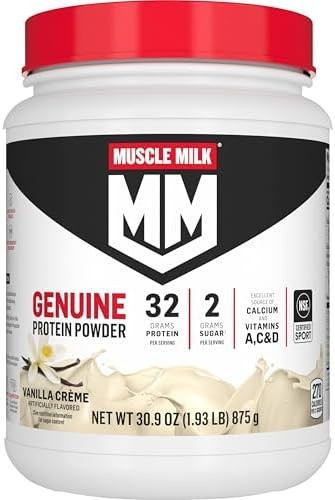
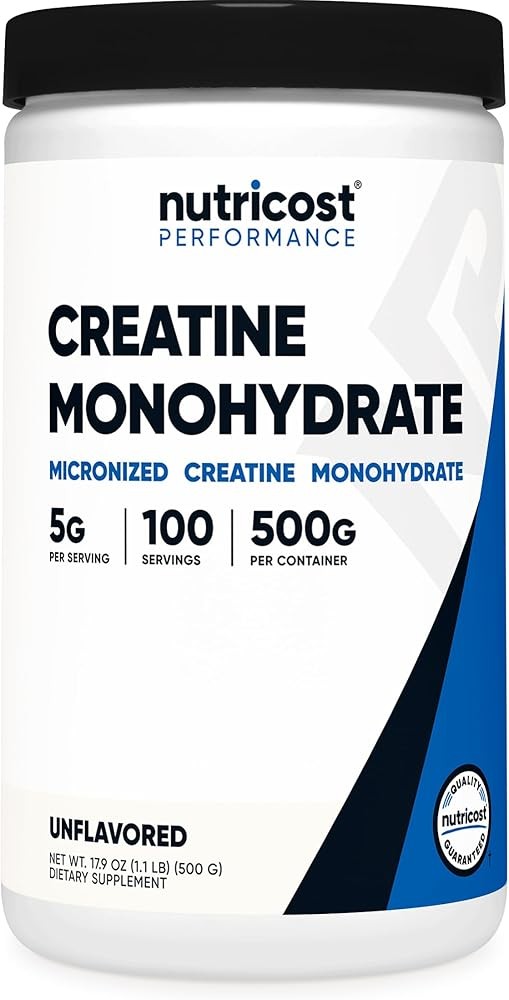
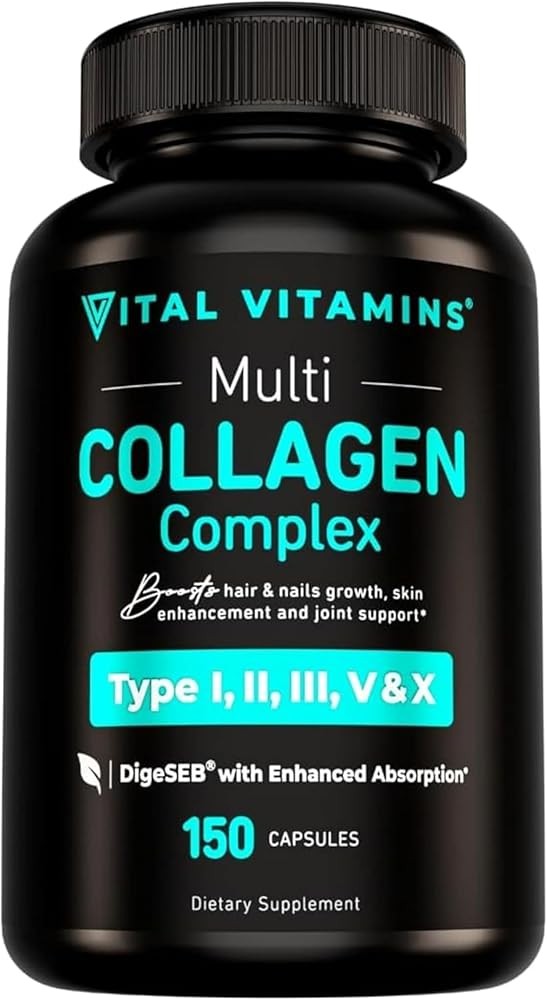
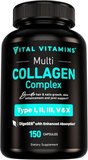
After intense training, your muscles are microscopically torn, glycogen stores depleted, and inflammation markers rising — making the next 48 hours critical for either complete recovery or continued breakdown. Whole foods should drive your recovery, but three supplements have real evidence as targeted additions. Muscle Milk Genuine Protein Powder delivers 32 grams of whey- and casein-based protein per serving (NSF Certified for Sport) for $23.18 per 1.93-pound container, covering the post-workout protein window when a meal is impractical. Nutricost Creatine Monohydrate provides 5 grams of micronized creatine per serving at about $21.50 for 100 servings, the most research-backed compound in sports nutrition for strength recovery. And Vital Vitamins Multi Collagen Peptides (150 capsules, $19.86) supplies five collagen types for the connective tissue side of recovery, which food alone covers inconsistently. Here’s what the published research shows about the most effective foods — and these targeted supplements — for accelerating muscle repair and reducing post-workout inflammation.
Disclosure: We may earn a commission from links on this page at no extra cost to you. Affiliate relationships never influence our ratings. Full policy →

Why Does What You Eat After Training Matter So Much?
You just finished a brutal training session. Your muscles are torn at the microscopic level, glycogen stores are depleted, inflammatory markers are rising, and your body is primed for either recovery or continued breakdown. What you eat in the hours and days following that session determines which path your body takes.
This is not about vague advice to “eat clean” or “get your protein.” This is about specific foods — backed by peer-reviewed research from PubMed, randomized controlled trials, and systematic reviews — that accelerate the biological processes of muscle recovery: muscle protein synthesis, glycogen replenishment, inflammation management, and connective tissue repair.
The science has moved far beyond chicken breast and rice. Researchers have identified foods containing compounds like anthocyanins, bromelain, citrulline, nitrates, and collagen peptides that actively speed recovery through distinct biochemical pathways. Some of these foods, like tart cherry juice, have more clinical trial data behind them than many popular supplements.
Whether you are a competitive athlete, a recreational lifter, or someone who trains hard three to four times per week, dialing in your recovery nutrition is one of the highest-leverage changes you can make. Below, you will find 20 specific foods, the mechanisms behind each one, practical meal plans, and a complete nutrient timing guide — all grounded in current research.
Bottom line: Post-training nutrition requires 0.3-0.5 g/kg protein + 0.8-1.2 g/kg carbohydrates within 2 hours to maximize muscle protein synthesis rates by 25-30% and restore 80% of glycogen within 4 hours, with omega-3s (1.8-3g EPA/DHA) reducing muscle soreness by 20-35% when consumed consistently for 3-4 weeks.
Key takeaway: The food you consume after a training session is crucial because it determines whether your body recovers or continues to break down, with specific foods backed by peer-reviewed research accelerating muscle recovery processes. Contrary to generic advice to simply “eat clean,” the science now identifies particular nutrients that drive muscle protein synthesis, glycogen replenishment, inflammation management, and connective tissue repair.
Watch Our Video Review
What Are the Four Pillars of Muscle Recovery?
Before diving into specific foods, you need to understand the four distinct biological processes that must occur for complete recovery:
1. Muscle Protein Synthesis (MPS): Exercise causes micro-tears in muscle fibers. Your body repairs these tears by synthesizing new muscle proteins, a process that requires adequate amino acids (from dietary protein) and is primarily regulated by the mTOR signaling pathway. Research shows that consuming 0.3-0.5 grams of protein per kilogram of body weight post-exercise maximizes this response.
2. Glycogen Replenishment: Resistance training and high-intensity exercise deplete muscle glycogen — your primary fuel source for intense activity. Replenishing these stores requires carbohydrate intake, and the rate of replenishment depends on the type, timing, and amount of carbohydrates consumed. Research shows that consuming about 1.2 g of carbohydrate per kilogram of body weight per hour maximizes glycogen repletion rates in the early recovery window (Thomas et al., 2016).
3. Inflammation Management: Exercise triggers an inflammatory response that is both necessary for adaptation and potentially harmful if excessive or prolonged. The goal is not to reduce inflammation entirely but to manage it — allowing the initial signaling that drives adaptation while keeping excessive inflammation (the kind that causes prolonged soreness and delayed recovery) in check. Foods rich in polyphenols, omega-3 fatty acids, and antioxidants play a direct role here (Mielgo-Ayuso et al., 2021).
4. Connective Tissue Repair: Muscles do not exist in isolation. Tendons, ligaments, fascia, and the extracellular matrix all undergo stress during training. Collagen synthesis, supported by specific amino acids (glycine, proline, hydroxyproline) and vitamin C, is essential for complete structural recovery (Shaw et al., 2017).
Now let’s look at the specific foods that support each of these processes.
Key takeaway: Complete muscle recovery requires four distinct physiological processes — muscle protein synthesis, glycogen replenishment, inflammation management, and connective tissue repair — and each demands specific nutrients that only targeted food choices can provide (PubMed 41752911).
| Recovery Food | Protein per Serving | Key Recovery Compounds | Primary Recovery Mechanism | Clinical Evidence Level | Cost per Serving |
|---|---|---|---|---|---|
| Wild Salmon | 25g | 1.5-2.5g omega-3s (EPA/DHA) | MPS + inflammation reduction | Systematic review (2024) - reduced soreness 24-72h | $4-6 |
| Whole Eggs | 18g (3 eggs) | Cholesterol, vitamin D, choline | Enhanced MPS vs. whites alone | RCT (2017) - superior MPS despite matched protein | $0.60-1.20 |
| Tart Cherry Juice | 1g | 50-100mg anthocyanins per 8oz | Inflammation modulation (IL-6/IL-8 reduction) | Meta-analysis (2025) - 9.13% MVIC improvement | $1.50-2.50 |
| Greek Yogurt | 17-20g (200g) | Whey + casein (dual-phase release) | Immediate + sustained MPS | RCT (2012) - extended amino acid delivery | $1-2 |
| Sweet Potatoes | 2g | 25g carbs, 540mg potassium | Glycogen replenishment + electrolyte restoration | RCT (2019) - equal to sports nutrition products | $0.50-1 |
| Blueberries | 1g | 300mg polyphenols per cup | Anti-inflammatory oxylipins elevation | RCT (2023) - reduced CRP and TNF-alpha | $2-4 |
| Chicken Breast | 31g (100g) | 2.5g leucine | Leucine threshold for mTOR activation | Meta-analysis - 2-3g leucine maximizes MPS | $2-3 |
| Bone Broth | 6-10g | Collagen peptides, glycine, proline | Connective tissue synthesis | RCT (2017) - 2x collagen synthesis with vitamin C | $1-3 |
Which 20 Foods Are Best for Muscle Recovery After Training?
Which Protein Sources Are Best for Muscle Recovery?
1. Wild Salmon
Salmon is arguably the single most effective recovery food available. A 4-ounce serving delivers approximately 25 grams of complete protein along with 1.5-2.5 grams of omega-3 fatty acids (EPA and DHA).
The omega-3 content is what sets salmon apart from other protein sources. A 2025 systematic review found that omega-3 supplementation significantly reduced perceived muscle soreness 24-72 hours post-exercise and mitigated exercise-induced muscle damage, with doses of 1.8-3 grams of combined EPA/DHA daily for at least 3-4 weeks producing the most consistent benefits (PubMed 40313441).
Salmon also provides vitamin D (critical for muscle function and often deficient in athletes), selenium (supports antioxidant defense), and astaxanthin (the pigment that gives wild salmon its color, which has its own anti-inflammatory properties).
The evidence shows: Aim for 2-3 servings of fatty fish per week. Wild-caught salmon has a better omega-3 to omega-6 ratio than farmed, but both are beneficial. If you struggle to eat enough fatty fish, a fish oil supplement with 1.8-3 grams of combined EPA/DHA daily is the evidence-based fallback (see the supplement section below).
2. Eggs (Whole, Not Just Whites)
Whole eggs are a recovery powerhouse that goes beyond their protein content. A 2017 study in the American Journal of Clinical Nutrition found that consuming whole eggs after resistance exercise stimulated greater muscle protein synthesis than consuming an equivalent amount of protein from egg whites alone — even though the total protein content was matched (van Vliet et al., 2017).
The difference comes from the yolk. Egg yolks contain phospholipids, cholesterol (a precursor to testosterone), vitamin D, choline, and additional micronutrients that appear to enhance the muscle-building response synergistically. Three whole eggs provide roughly 18 grams of protein, 1.5 grams of leucine, and significant amounts of vitamins A, B12, and D.
What this means for you: Eat 2-4 whole eggs within your post-workout meal. Hard-boiled eggs are one of the easiest portable recovery foods. Pair them with toast or rice for the carbohydrate component.
3. Chicken Breast
Chicken breast remains a staple for good reason: it delivers approximately 31 grams of protein per 100 grams with minimal fat, making it exceptionally efficient for hitting protein targets. It is also one of the most bioavailable protein sources, with a digestible indispensable amino acid score (DIAAS) above 1.0.
The leucine content in chicken breast — roughly 2.5 grams per serving — is particularly important. Leucine is the amino acid that directly activates the mTOR pathway to initiate muscle protein synthesis, and research suggests a threshold of approximately 2-3 grams of leucine per meal is needed to maximally stimulate MPS (Norton & Layman, 2006).
In summary: Chicken breast delivers 31 grams of protein per 100 grams with 2.5 grams of leucine per serving, meeting the 2-3 gram leucine threshold needed to maximally stimulate muscle protein synthesis via the mTOR pathway.
4. Greek Yogurt
Greek yogurt provides a unique recovery advantage through its combination of whey and casein proteins — delivering both fast and slow-digesting amino acids. A typical 200-gram serving contains 17-20 grams of protein.
The whey fraction provides a rapid spike in blood amino acids that jumpstarts MPS, while the casein fraction provides a sustained release over several hours. This combination may be superior to either protein source alone for extended MPS elevation (Res et al., 2012). For a deeper comparison of these two proteins, see our guide on whey protein vs. casein protein.
Greek yogurt also contains probiotics (in live-culture varieties) that support gut health — an emerging area of recovery science. A balanced gut microbiome enhances nutrient absorption and modulates the immune response, both of which influence recovery capacity.
The research verdict: Greek yogurt provides 17-20 grams of protein per 200-gram serving through a unique whey-casein combination that delivers both rapid and sustained amino acid release for extended muscle protein synthesis elevation.
5. Cottage Cheese
Cottage cheese is an underrated recovery food that delivers roughly 14 grams of protein per half-cup, primarily as casein — the slow-digesting protein that sustains amino acid delivery for hours. This makes it particularly effective as an evening recovery food.
A study in Medicine and Science in Sports and Exercise found that consuming 40 grams of casein protein before sleep increased overnight muscle protein synthesis rates in young men who exercised in the evening (Res et al., 2012). Cottage cheese is one of the most affordable ways to get this effect naturally.
What the data says: Eat a bowl of cottage cheese 30-60 minutes before bed on training days. Top it with pineapple (bromelain for inflammation) or tart cherries for additional recovery benefits.
6. Canned Tuna
Tuna delivers approximately 25 grams of protein per can along with omega-3 fatty acids, selenium, and B vitamins. It is affordable, shelf-stable, and requires zero preparation — making it one of the most practical recovery protein sources available.
Light tuna (skipjack) contains lower mercury levels than albacore while still providing substantial protein and omega-3 content. Two to three servings per week is generally considered safe for most adults.
The practical takeaway: Canned tuna provides 25 grams of complete protein per can with omega-3 content ranging from 150-300 mg EPA/DHA (light tuna) while maintaining lower mercury levels than albacore, with 2-3 servings weekly considered safe for most adults.
Which Anti-Inflammatory Foods Speed Up Recovery?
7. Tart Cherry Juice
Tart cherry juice has more rigorous clinical trial data supporting its recovery benefits than almost any other food. The active compounds are anthocyanins — the dark red pigments that act as potent antioxidants and anti-inflammatory agents.
A 2025 systematic review and meta-analysis of ten trials found that tart cherry juice supplementation improved maximal voluntary isometric contraction (MVIC) by 9.13% (95% CI 6.42-11.84) and decreased the inflammatory markers IL-6 and IL-8 compared to placebo. Creatine kinase, CRP, and soreness scores did not change significantly. The review noted the strongest effects in trials that loaded cherries for several days before exercise — a pattern researchers sometimes call “precovery”.
In practice: Start supplementing with tart cherry juice 4-5 days before any planned intense training block, race, or competition. Continue for 2-3 days after. This timing pattern consistently shows the best results in clinical trials.
8. Blueberries
Blueberries contain over five times more polyphenolic compounds than most other common fruits, with anthocyanins as the primary active component. Research has shown that blueberry consumption can improve exercise recovery through multiple mechanisms.
A randomized trial in Scientific Reports found that 18 days of blueberry intake (1 cup/day equivalent) elevated post-exercise anti-inflammatory oxylipins — lipid mediators that help resolve inflammation — after a 90-minute eccentric bout, while muscle soreness itself was not significantly different from placebo. Earlier research examined blueberry effects on immune markers and oxidative stress after prolonged running (McAnulty et al., 2011).
How much: Approximately 1-2 cups of fresh blueberries (or 200-300 grams) daily around training provides the polyphenol levels used in clinical studies. Frozen blueberries retain their anthocyanin content and are significantly more affordable.
The practical verdict: Blend frozen blueberries into a post-workout smoothie with whey protein and banana for a triple-threat recovery drink hitting protein, antioxidants, and carbohydrates simultaneously.
9. Pineapple (Bromelain)
Pineapple contains bromelain, a group of proteolytic enzymes with well-documented anti-inflammatory and analgesic properties. Bromelain works through multiple pathways: it inhibits pro-inflammatory prostaglandins, reduces swelling by degrading fibrin, and modulates immune cell activity.
A review of bromelain’s therapeutic properties documents its anti-inflammatory and analgesic effects across surgical and soft-tissue injury contexts, which is why pineapple is a staple recovery-food suggestion. The enzyme is most concentrated in the pineapple core, which most people discard — blending the core into smoothies is an efficient way to maximize bromelain intake.
Here’s what matters: Eat 1-2 cups of fresh pineapple after training, or blend the core into your recovery smoothie. Canned pineapple has significantly reduced bromelain due to heat processing, so fresh or frozen is preferred.
10. Ginger
Ginger contains gingerols and shogaols — compounds that inhibit prostaglandin synthesis via the COX and LOX pathways, similar to non-steroidal anti-inflammatory drugs (NSAIDs) but without the gut side effects.
A study in The Journal of Pain found that daily consumption of 2 grams of raw or heat-treated ginger produced moderate-to-large reductions in muscle pain following exercise-induced muscle injury (Black et al., 2010). A randomized trial in Iranian female athletes likewise found that daily ginger and cinnamon intake reduced markers of inflammation and muscle soreness after eccentric exercise (Mashhadi et al., 2013). For a detailed comparison, see our ginger vs. turmeric guide.
Practical tip: Grate 1-2 inches of fresh ginger into post-workout smoothies, stir-fries, or steep it as a tea. Heat does not destroy ginger’s anti-inflammatory compounds — in fact, cooking may enhance certain beneficial compounds (shogaols).
11. Turmeric (Curcumin)
Turmeric’s active compound, curcumin, has become one of the most studied natural anti-inflammatory agents for exercise recovery. A 2024 umbrella review of meta-analyses of randomized trials concluded that curcumin (along with anthocyanins and polyphenols) reduced muscle soreness with moderate certainty of evidence.
The mechanisms are well-characterized: curcumin inhibits NF-kB (a master regulator of inflammation), suppresses COX-2 and 5-LOX pathways, and activates the Nrf2 antioxidant defense system.
The bioavailability problem: Standard curcumin has extremely poor absorption — only about 1% reaches the bloodstream. This is why co-ingestion with piperine (black pepper extract) is critical. A 1998 pharmacokinetic study found that adding 20 mg of piperine to 2 g of curcumin increased curcumin’s bioavailability by 2,000% in humans (Shoba et al., 1998). Alternatively, liposomal curcumin or phytosome-bound curcumin (like Meriva) bypass the absorption issue entirely. Always choose a curcumin product formulated for absorption, never plain turmeric powder alone. For more on the difference, see our turmeric vs. curcumin comparison.
Looking ahead: Use turmeric paste (turmeric powder + black pepper + coconut oil) in cooking, or add 1-2 teaspoons of turmeric to recovery smoothies always combined with a pinch of black pepper. For serious recovery support, standardized curcumin supplements (500-1,000 mg with piperine) provide more consistent dosing.
What Are the Best Carbs for Post-Workout Glycogen Replenishment?
12. Sweet Potatoes
Sweet potatoes are one of the best carbohydrate sources for recovery, delivering approximately 25 grams of complex carbohydrates per medium potato along with vitamin A (beta-carotene), vitamin C, potassium, and manganese.
A 2020 crossover trial comparing potato-based recovery meals to commercial sports nutrition products found no difference in muscle glycogen recovery rates or subsequent 20-km cycling time-trial performance — demonstrating that whole-food carbohydrate sources can be as effective as engineered products. Sweet potatoes offer the additional advantage of a moderate glycemic index (about 63), providing steady glucose release without the insulin crash associated with high-glycemic options.
The potassium content (roughly 540 mg per medium potato) is particularly relevant for recovery — potassium is one of the primary electrolytes lost in sweat, and inadequate replacement can impair muscle contraction and delay recovery.
Our recommendations: Bake sweet potatoes in bulk on prep days. They reheat well and pair perfectly with any protein source. Mashed sweet potatoes with salmon and spinach is a near-perfect recovery meal.
13. White Rice
White rice gets dismissed in many nutrition circles, but it has specific advantages for post-workout recovery. Its high glycemic index (73) means it rapidly replenishes muscle glycogen — exactly what you want after training when your muscles are most receptive to glucose uptake. A cup of cooked white rice provides roughly 45 grams of easily digestible carbohydrates.
Unlike brown rice, white rice is low in phytic acid and fiber, meaning it is gentle on the digestive system when your body is diverting blood flow to recovering muscles rather than digestion. For athletes with high training volumes who need to maximize glycogen restoration between sessions, white rice is often the practical choice.
Practical tip: Pair rice with a lean protein source and vegetables for a balanced recovery meal. Sushi-grade rice with salmon, avocado, and edamame creates a high-quality recovery bowl.
14. Bananas
Bananas deliver approximately 27 grams of carbohydrates per medium fruit, along with significant potassium (422 mg), vitamin B6, and natural sugars that rapidly replenish glycogen.
A randomized crossover trial in PLOS ONE found that banana ingestion during 75-km cycling trials attenuated metabolic perturbation and inflammation comparably to a 6% sugar beverage — with the added benefit of polyphenols and other micronutrients not found in engineered drinks (Nieman et al., 2018). The natural fructose and glucose in bananas also support both liver and muscle glycogen restoration simultaneously.
Storage essentials: Ripe bananas (with brown spots) have a higher glycemic index than green bananas, making them better for immediate post-workout glycogen replenishment. Green bananas are better for sustained energy throughout the day due to their resistant starch content.
15. Oats
Oats provide approximately 27 grams of carbohydrates per half-cup (dry) along with 5 grams of protein and 4 grams of fiber. They also contain beta-glucan, a soluble fiber with immune-modulating properties — relevant because intense exercise transiently suppresses immune function.
The moderate glycemic index of oats (55) provides a sustained glucose release that supports ongoing glycogen synthesis over hours, making them ideal for the second meal after training rather than the immediate post-workout window. Oats also provide iron, magnesium, and phosphorus — minerals involved in energy metabolism and muscle function.
What the evidence tells us: Overnight oats prepared the evening before may be a beneficial morning-after meal for individuals who train in the evening, according to research. Combining oats, Greek yogurt, berries, and a scoop of protein powder may offer a time-efficient approach to post-exercise nutrition, as suggested by studies.
Which Healthy Fats Support Muscle Recovery?
16. Avocado
Avocado provides approximately 15 grams of monounsaturated fatty acids (MUFAs) per fruit, along with potassium (708 mg — more than bananas), magnesium, B vitamins, and vitamin E. The monounsaturated fat content supports the absorption of fat-soluble vitamins (A, D, E, K) and provides anti-inflammatory benefits.
Research has shown that monounsaturated fat intake is associated with reduced levels of C-reactive protein and other inflammatory markers. For recovery purposes, avocado’s fat content also helps slow the digestion of protein and carbohydrates consumed alongside it, extending the window of amino acid delivery to recovering muscles.
The data suggests: Including half an avocado in a post-workout meal may support absorption of fat-soluble vitamins and extend feelings of fullness. Avocado toast with eggs is a simple recovery option that combines protein, healthy fats, and carbohydrates.
17. Mixed Nuts (Almonds, Walnuts, Brazil Nuts)
Nuts provide a concentrated source of healthy fats, protein, and recovery-relevant minerals. Almonds deliver vitamin E (a potent antioxidant), magnesium, and protein. Walnuts are unique among nuts for their omega-3 content (alpha-linolenic acid), providing anti-inflammatory benefits. Brazil nuts contain extraordinarily high levels of selenium — just 2-3 nuts provide more than 100% of the daily value — which supports glutathione production, your body’s master antioxidant.
A handful of mixed nuts (about 1 ounce) provides 160-200 calories, 6-7 grams of protein, and 14-18 grams of healthy fats. This calorie density makes nuts ideal for athletes who need to maintain high caloric intake to support recovery and growth.
The science says: Keep a bag of mixed nuts in your gym bag. A small handful with a piece of fruit makes a solid bridge snack when a full meal is not immediately available after training.
What Special Recovery Foods Should You Add to Your Diet?
18. Watermelon (Citrulline)
Watermelon is the richest natural food source of L-citrulline, an amino acid that the body converts to L-arginine and then to nitric oxide — a molecule that dilates blood vessels, increases blood flow to recovering muscles, and accelerates waste product removal.
A study in the Journal of Agricultural and Food Chemistry found that watermelon juice consumption reduced muscle soreness perception at 24 hours post-exercise compared to placebo (Tarazona-Diaz et al., 2013). A systematic review and meta-analysis confirmed that citrulline supplementation reduces post-exercise perceived exertion and muscle soreness, with 3-4 grams of L-citrulline (or 8 grams of citrulline malate) taken about 1 hour before exercise (Rhim et al., 2020).
Two cups of watermelon provide roughly 250 mg of citrulline. The rind contains even higher concentrations — up to six times more than the flesh. For more on citrulline’s performance benefits, see our article on citrulline malate for performance.
Research summary: Studies suggest consuming 2-3 cups of watermelon after training may support recovery, or watermelon (including some rind) may be blended into a recovery smoothie. Published research shows watermelon is also 92% water, which may support hydration.
19. Beets (Nitrates)
Beets contain high concentrations of dietary nitrates, which the body converts to nitric oxide through a pathway involving oral bacteria. This nitric oxide production enhances blood flow, improves oxygen delivery to muscles, and supports faster phosphocreatine resynthesis — the energy system critical for repeated high-intensity efforts.
An umbrella review in Nutrients concluded that beetroot juice improves exercise performance in professional athletes and healthy individuals. The foundational dose-response work by Wylie and colleagues established that performance benefits depend on ingesting a sufficient nitrate dose 2-3 hours before exercise.
Important note: Consume beet juice or whole beets 2-3 hours before training for performance benefits, or in the hours after training to support recovery. The nitrate-to-nitrite conversion process takes approximately 2-3 hours, so timing relative to exercise matters.
20. Bone Broth (Collagen and Glycine)
Bone broth provides collagen peptides, glycine, proline, and glucosamine — compounds that specifically support connective tissue repair. While muscles get most of the attention in recovery discussions, tendons, ligaments, and the extracellular matrix also undergo stress during training and require specific nutritional support.
A 2024 systematic review with meta-analysis in Sports Medicine found that long-term collagen peptide supplementation combined with physical training improved maximal strength, tendon morphology, and 48-hour recovery of reactive strength after exercise-induced muscle damage (19 studies, 768 participants). Collagen peptides are often consumed with vitamin C — a 2017 study showed that 15 grams of vitamin C-enriched gelatin, taken before intermittent activity, augmented collagen synthesis (Shaw et al., 2017).
Important caveat: Research has shown that bone broth’s collagen content varies dramatically between preparations and may not provide reliable concentrations compared to standardized collagen supplements. Homemade bone broth simmered for 12-24 hours delivers the highest yield.
The takeaway: Research suggests consuming a cup of bone broth with a squeeze of lemon (vitamin C) about an hour before training may support connective tissue, or as a warm drink in the evening for recovery. For consistent collagen intake, studies indicate supplementing with hydrolyzed collagen peptides (15-20 grams daily) may provide more reliable results than broth alone.
Study summary: The 20 best recovery foods work through distinct biochemical pathways — protein sources trigger muscle protein synthesis via leucine and mTOR activation, anti-inflammatory foods like tart cherry juice reduce DOMS by 9.13%, carbohydrates restore glycogen at rates up to 1.2 g/kg/hour, and collagen-rich foods double connective tissue synthesis rates when combined with vitamin C (PubMed 27852613).
How Can You Tell If Your Recovery Nutrition Is Inadequate?
Your body provides clear signals when your post-training nutrition is not meeting your recovery demands. Learning to read these signs can help you adjust your approach before small problems become serious setbacks.
What Are the Warning Signs of Poor Recovery Nutrition?
- Persistent muscle soreness lasting beyond 72 hours. Some DOMS is normal, especially after novel exercises. But if you are still sore 3-4 days after a routine workout, your body likely lacks the nutritional resources to complete the repair process. Inadequate protein, insufficient anti-inflammatory foods, or dehydration are common culprits.
- Declining strength or performance despite consistent training. If your lifts are stagnating or going backward over weeks despite adequate sleep and programming, nutritional deficiency — particularly insufficient protein or total calories — is often the limiting factor.
- Frequent illness or infections. Intense exercise temporarily suppresses immune function for 3-72 hours post-training (the “open window” theory). Poor recovery nutrition extends this vulnerability. If you catch every cold going around the gym, your diet may be leaving your immune system compromised.
- Excessive fatigue that does not resolve with sleep. Feeling wiped out the day after training, even with 7-8 hours of sleep, often signals inadequate glycogen replenishment or overall caloric deficit.
- Increased resting heart rate. A consistently elevated morning heart rate (5-10+ beats above your baseline) can indicate accumulated physiological stress from inadequate recovery.
- Mood disturbances, irritability, or poor motivation. Chronically under-fueled recovery can affect neurotransmitter production. Inadequate carbohydrate intake reduces serotonin synthesis, while insufficient protein can impair dopamine production.
- Poor sleep quality despite being tired. Paradoxically, under-recovery can disrupt sleep. Elevated cortisol from inadequate nutrition may help reduce your ability to fall asleep or maintain deep sleep stages.
What Does Good Recovery Nutrition Look Like?
When you dial in your recovery nutrition, the changes are noticeable within days to weeks:
- Reduced DOMS intensity and duration — soreness peaks at 24-48 hours and resolves by 48-72 hours
- Faster return of strength — you feel ready to train the same muscle group again within 48-72 hours
- Improved sleep quality — adequate glycogen and micronutrient intake supports deeper sleep
- Stable energy throughout the day — no afternoon crashes or post-workout exhaustion
- Better mood and motivation — adequate fuel means adequate neurotransmitter production
- Fewer colds and infections — a well-fed immune system recovers faster from the post-exercise suppression
When Should You See a Doctor About Recovery Issues?
Some recovery-related symptoms indicate conditions that require professional evaluation:
- Dark brown or cola-colored urine after intense exercise — this may indicate rhabdomyolysis, a dangerous breakdown of muscle tissue that can damage kidneys. Seek emergency medical care.
- Extreme muscle pain that is disproportionate to the exercise performed — especially if accompanied by swelling, weakness, or dark urine.
- Swelling in a specific muscle group that does not resolve within 48 hours — could indicate a muscle tear, compartment syndrome, or other injury requiring medical evaluation.
- Persistent fatigue, weakness, and muscle loss despite adequate nutrition — may indicate hormonal issues (low testosterone, thyroid dysfunction) or other medical conditions.
- Chronic joint pain that worsens with training — joint pain that persists for weeks warrants imaging and professional assessment.
How Long Does It Take to See Results from Better Recovery Nutrition?
Week 1: The most immediate change is typically reduced post-workout fatigue and better sleep quality. You may notice slightly less soreness, though the effect is modest at first.
Week 2: DOMS intensity and duration start to decrease noticeably. Energy levels between training sessions improve. You begin to feel “ready” to train again sooner.
Weeks 3-4: Strength gains resume or accelerate. Mood and motivation improve. Anti-inflammatory foods like tart cherries and omega-3-rich fish need 3-4 weeks of consistent intake to produce their full anti-inflammatory benefits, as the research consistently shows.
Months 2-3: Body composition often improves as recovery allows higher training intensity and volume. Connective tissue strength increases (collagen synthesis adaptations take 8-12 weeks). Overall resilience — the ability to handle higher training loads without overtraining — significantly improves.
Research attribution: Observations suggest the body may present indicators — persistent soreness beyond 72 hours, declining strength, frequent illness, and poor sleep — when nutritional intake following exercise is not optimized, and research indicates that adjusting food intake may correlate with measurable changes in DOMS, strength return, and immune function within 2-4 weeks (PubMed 41843412).
The value assessment: Monitoring your body’s response to post-training nutrition can help identify inadequate recovery, signaled by persistent muscle soreness lasting beyond 72 hours, declining strength or performance, or frequent illness. Adjusting your nutrition approach based on these warning signs can help reduce the risk of small problems becoming serious setbacks.
When Should You Eat for Maximum Muscle Recovery?
The concept of the “anabolic window” has been heavily debated in sports nutrition research. Here is what the current evidence actually says.
Is the Post-Workout Anabolic Window Real?
A 2013 meta-analysis by Schoenfeld and colleagues examined protein timing studies and concluded that total daily protein intake is the primary factor in muscle growth and recovery, not precise post-workout timing. The traditional 30-minute “anabolic window” is largely a myth for people who eat regular meals throughout the day.
However, timing is not completely irrelevant. Here are the practical guidelines supported by current evidence:
What Should You Eat Immediately After Training (0-2 Hours)?
- Protein: 0.3-0.5 grams per kilogram of body weight. This provides enough leucine and essential amino acids to maximize muscle protein synthesis.
- Carbohydrates: 0.8-1.2 grams per kilogram of body weight. Higher-glycemic options (white rice, banana, white potato) are appropriate here for rapid glycogen replenishment.
- Fluids: Replace 150% of fluid lost during training over the next 2-4 hours (weigh yourself before and after training to estimate losses).
What Should You Eat in the 2-6 Hour Recovery Window?
- Consume a full whole-food meal containing all three macronutrients. This is where foods like salmon, sweet potatoes, and vegetables do their heaviest lifting.
How Can You Optimize Evening and Overnight Recovery?
- A casein-rich food like cottage cheese or Greek yogurt before bed extends muscle protein synthesis during sleep. Research shows that 40 grams of casein before sleep increased overnight muscle protein synthesis by about 22% (Res et al., 2012).
- This is also the ideal time for bone broth or collagen supplementation, as growth hormone release during sleep supports connective tissue repair.
What Does a Complete Daily Recovery Nutrition Framework Look Like?
For consistent recovery, your overall daily intake matters more than any single meal:
- Protein: 1.6-2.2 grams per kilogram of body weight, distributed across 4-5 meals with at least 20-30 grams per meal (to repeatedly trigger MPS throughout the day). For a deeper dive into protein requirements, see our guide on how much protein you actually need to build muscle.
- The value assessment: 3-7 grams per kilogram depending on training volume and intensity
- Fat: 0.8-1.2 grams per kilogram, emphasizing omega-3s and monounsaturated fats
- Anti-inflammatory foods: At least 2-3 servings of berries, cherries, or other polyphenol-rich foods daily
Our verdict: Research indicates that total daily protein intake (1.6-2.2 g/kg) appears to be more impactful than precise post-workout timing, though studies suggest consuming 0.3-0.5 g/kg protein plus 0.8-1.2 g/kg carbohydrates within 2 hours post-exercise and 40 grams of casein before sleep (which research shows may increase overnight MPS by about 22%) provides a practical framework that may maximize recovery (Res et al., 2012; Djordjevic, 2026).
Looking ahead: To maximize muscle recovery, consume 0.8-1.2 grams of protein per kilogram of body weight within 0-2 hours after training, with total daily protein intake being the primary factor in muscle growth and recovery. Higher-glycemic carbohydrates can also be consumed during this time for rapid glycogen replenishment.
What Should a Recovery Meal Plan Look Like?
What Is the Ideal Post-Workout Performance Plate?
- 6 oz grilled salmon
- 1 medium sweet potato
- 1 cup steamed broccoli with olive oil
- Side of tart cherry juice (8 oz)
- The value assessment: ~45g protein, 50g carbs, 18g fat, ~550 calories
How Do You Make a Quick Recovery Bowl?
- 1 cup white rice
- 4 oz chicken breast, sliced
- Half an avocado
- 1/4 cup edamame
- Ginger-soy dressing
- Looking ahead: ~38g protein, 55g carbs, 16g fat, ~520 calories
What Goes into an Effective Recovery Smoothie?
- 1 scoop whey protein (25g protein)
- 1 cup frozen blueberries
- 1 medium banana
- 1 tablespoon tart cherry concentrate
- 1 cup Greek yogurt
- 1 tablespoon almond butter
- Water or milk to blend
- Our recommendations: ~42g protein, 60g carbs, 12g fat, ~520 calories
What Is the Best Pre-Bed Recovery Snack?
- 1 cup cottage cheese
- 1/2 cup pineapple chunks
- 2 tablespoons walnuts
- Drizzle of honey
- Storage essentials: ~30g protein, 25g carbs, 10g fat, ~310 calories
What Does a Full-Day Recovery Nutrition Plan Look Like on Training Days?
Breakfast (7 AM): Overnight oats (1/2 cup oats, 1 scoop protein powder, 1 cup berries, 1 tbsp chia seeds, almond milk)
Lunch (12 PM): Grilled chicken salad with mixed greens, avocado, cherry tomatoes, walnuts, and olive oil dressing
Pre-Workout Snack (3 PM): Banana + 2 tbsp almond butter + 8 oz beet juice
Training (4 PM)
Post-Workout Shake (5:15 PM): Whey protein + banana + blueberries + tart cherry concentrate
Dinner (7 PM): Wild salmon, sweet potato, steamed vegetables with turmeric and black pepper, olive oil drizzle
Pre-Bed (9:30 PM): Cottage cheese with pineapple and walnuts
Daily totals (approximate): 180g protein, 280g carbs, 80g fat, ~2,500 calories (adjust up or down based on body weight and goals)
Study summary: Research indicates a recovery meal plan incorporating 25-45 grams of complete protein, 40-60 grams of carbohydrates, and an anti-inflammatory food at each post-workout meal may support recovery – with a casein-rich pre-bed snack appearing to sustain overnight muscle protein synthesis. Clinical trials have used roughly 1.6-2.2 g/kg protein distributed across 4-5 meals daily.
Research summary: Studies suggest a recovery meal plan including a balanced mix of protein, carbohydrates, and fat may support recovery, aiming for approximately 40-50g of protein, 50-60g of carbohydrates, and 15-20g of fat, totaling around 500-550 calories, as exemplified by the post-workout performance plate, recovery bowl, and recovery smoothie examples above. This macronutrient composition appears to align with optimal recovery, consistent with the general guideline that research indicates athletes may benefit from 1.2-1.6 grams of protein per kilogram of body weight within 1-2 hours after exercise.
Which Foods and Habits Sabotage Muscle Recovery?
How Does Alcohol Affect Muscle Recovery?
Alcohol is the single most destructive substance for muscle recovery. A landmark study in PLOS ONE had eight physically active men consume alcohol (1.5 g/kg body mass, about 12 standard drinks) after a combined resistance-and-cycling session. Rates of myofibrillar protein synthesis were reduced by 37% when alcohol was co-ingested with carbohydrate and by 24% even when co-ingested with 25 g of whey protein (Parr et al., 2014).
The mechanisms are multiple: alcohol suppresses mTOR signaling (the master switch for muscle protein synthesis), increases cortisol, decreases testosterone, impairs sleep quality (particularly REM and deep sleep stages critical for recovery), interferes with glycogen replenishment, and promotes dehydration.
The bottom line: Even moderate alcohol consumption (2-3 drinks) measurably impairs recovery when consumed within 4-6 hours of training. If you choose to drink, do so on rest days, keep intake moderate, consume adequate protein alongside it, and hydrate aggressively.
Do Processed Foods and Excessive Sugar Hurt Recovery?
While some sugar post-workout is fine (it helps replenish glycogen), a diet high in processed foods and added sugars promotes systemic inflammation that works against recovery. Ultra-processed foods are associated with elevated levels of C-reactive protein, IL-6, and other inflammatory markers — the same markers you are trying to reduce with anti-inflammatory recovery foods.
Processed foods also tend to displace the nutrient-dense whole foods your body needs for recovery. A bag of chips provides calories but none of the polyphenols, omega-3s, or micronutrients that drive the recovery process.
Why Should You Avoid Trans Fats and Excess Omega-6?
The typical Western diet often contains a high proportion of omega-6 fatty acids (found in vegetable oils, fried foods, and processed snacks), with ratios of 15:1 or greater (omega-6 to omega-3) being observed. Research indicates this imbalance may contribute to a pro-inflammatory state, which studies suggest could impact recovery processes. Research suggests aiming for a ratio closer to 2:1 or 3:1 may be beneficial, potentially achieved by increasing omega-3 intake and reducing consumption of processed vegetable oils.
Can NSAIDs Actually Impair Muscle Recovery?
This may seem counterintuitive, but research suggests chronic use of ibuprofen and similar NSAIDs after training may be associated with changes in muscle recovery and adaptation. Studies have shown that NSAID use can suppress the exercise-induced satellite cell response when taken regularly around training (Mikkelsen et al., 2009). The initial inflammatory response appears to be a necessary signal for adaptation — pharmacologically modulating it may have unintended consequences. Research suggests utilizing anti-inflammatory foods instead, which may modulate inflammation without the same effects as complete suppression.
Research indicates: Studies suggest alcohol may reduce muscle protein synthesis by 24-37%, even when consumed with protein, research shows chronic NSAID use may inhibit satellite cell proliferation needed for repair, and a high omega-6 to omega-3 ratio appears to promote systemic inflammation — identifying these as three dietary factors that may hinder muscle recovery.
Should You Use Supplements or Whole Foods for Muscle Recovery?
Whole foods should always form the foundation of your recovery nutrition. They provide nutrient complexity that supplements cannot replicate — the thousands of phytochemicals in blueberries, the combination of protein and fat-soluble vitamins in eggs, the matrix of minerals in sweet potatoes. No supplement captures this complexity.
However, certain supplements have strong evidence supporting their use as additions to a whole-food diet:
Does Creatine Monohydrate Help With Recovery?
Creatine is the most extensively researched supplement in sports nutrition history. It works by increasing phosphocreatine stores in muscles, allowing faster ATP regeneration during high-intensity efforts. The ISSN position stand concludes that creatine monohydrate is the most effective ergogenic supplement for increasing high-intensity exercise capacity and lean body mass, and a 2025 randomized trial found that creatine loading enhanced physical performance and recovery markers in physically active men (Ben Maaoui et al., 2025). For more detail, see our guide to creatine supplements for building muscle.
Dosing: 3-5 grams daily. Research indicates loading phases (20 g/day for 5-7 days) may saturate stores faster, but are not required. Plain creatine monohydrate powder with no additives is the standard form used in research, and our Best Budget pick (Nutricost Creatine Monohydrate) delivers exactly that. For a comparison of forms, see our creatine monohydrate vs. creatine HCl breakdown.
Is Whey Protein the Best Supplement for Post-Workout MPS?
When a whole-food meal is not practical within the post-workout window, research suggests whey protein may support muscle protein synthesis (MPS). Published research shows it appears to have a high leucine content compared to other protein sources and a fast digestion rate. To understand the differences between types, check our whey isolate vs. whey concentrate comparison.
Should You Supplement With Fish Oil for Recovery?
If intake of fatty fish is less than 2-3 times per week, omega-3 supplementation may help address a nutritional need. Published research consistently indicates that 1.8–3 grams of combined EPA/DHA daily for at least 3-4 weeks appears to support reduced muscle soreness and lower inflammation markers following exercise. For more information on fish oil options, see our fish oil vs. krill oil comparison.
Are BCAAs and EAAs Worth Taking for Recovery?
Branched-chain amino acids (BCAAs) and essential amino acids (EAAs) have some evidence for reducing muscle soreness, though results are inconsistent. They are most useful for people who train fasted or have difficulty meeting protein targets through whole foods. If you consume adequate protein from food (1.6+ g/kg/day), additional BCAA supplementation provides minimal benefit. For a thorough analysis, see our guides on BCAAs — are they worth it? and glutamine vs. BCAA for recovery.
Do Collagen Peptides Support Joint and Tendon Recovery?
For athletes with joint concerns or those in sports with high connective tissue demands, research suggests 15-20 grams of hydrolyzed collagen peptides daily (with vitamin C) may support tendon and ligament repair. This is one area where supplements appear to have more consistent results than whole foods (bone broth), as studies indicate broth provides inconsistent collagen concentrations. A multi-collagen supplement that pairs five collagen types with vitamin C is a convenient option, and research suggests vitamin C may enhance absorption — our Best for Joint Recovery pick (Vital Vitamins Multi Collagen Peptides) fits this profile.
Why Does Vitamin C Bioavailability Matter for Recovery?
If you are using vitamin C as part of a recovery strategy (collagen synthesis, antioxidant defense), liposomal vitamin C may offer better bioavailability than standard ascorbic acid. A 2016 study found that a 4 g oral dose of liposome-encapsulated vitamin C produced higher circulating vitamin C concentrations than an equal unencapsulated oral dose (though still below intravenous levels) (Davis et al., 2016). This is relevant because vitamin C is a cofactor in collagen synthesis.
In summary: Whole foods should form the foundation of recovery nutrition, but research suggests creatine monohydrate (3-5 g/day), whey protein for convenient post-workout MPS stimulation, fish oil (1.8-3 g EPA/DHA daily), and collagen peptides (15-20 g with vitamin C) appear to have some benefit based on clinical evidence, as targeted additions to a food-first approach (PubMed 39810703).
How Important Are Hydration and Electrolytes for Muscle Recovery?
Dehydration is one of the most common and most underestimated factors impacting recovery. Studies indicate that athletes experiencing as little as 1-2% of body mass loss through sweat may exhibit increased heart rate, elevated core temperature, accelerated muscle glycogen depletion, decreased cardiac output, and reduced time to exhaustion (Sawka et al., 2007).
How Much Fluid Should You Drink After Training?
The general guideline, as observed in research, is to replenish 150% of fluid lost during training over the following 2-4 hours. For example, studies indicate that if 1 kg (2.2 lbs) of weight is lost during a session, consuming 1.5 liters over the next 2-4 hours may be beneficial. Research suggests weighing oneself before and after training is a simple method to estimate fluid losses.
Why Is Plain Water Not Enough for Recovery?
Research indicates that rehydrating with a sodium-containing solution appears to support plasma volume restoration within 20 minutes, while studies show plain water alone takes 60 minutes to achieve a similar effect. Sodium is the primary electrolyte found in sweat (at concentrations of 300-2,000 mg per liter), and research suggests that without replacing it, the body may excrete a portion of the water consumed.
Key electrolytes for recovery:
- Sodium: 300-600 mg per 16 oz of fluid during and after training
- Potassium: Supports muscle contraction and nerve signaling; replenished through bananas, sweet potatoes, avocados
- Magnesium: Involved in over 300 enzymatic reactions including muscle relaxation and protein synthesis; often deficient in athletes
How Should You Hydrate Throughout the Day for Recovery?
Recovery hydration is not just about the post-workout window. Maintaining adequate hydration throughout the day supports nutrient transport, waste removal, and ongoing recovery processes. Research suggests aiming for a hydration level indicated by urine that is pale yellow (not clear, not dark). Studies have used a minimum of half of body weight in ounces daily, with additional intake around training.
In practice: Research indicates that losing just 1-2% of body mass through sweat may impair recovery by increasing heart rate, accelerating glycogen depletion, and reducing cardiac output. Studies suggest replacing 150% of fluid losses with sodium-containing solutions (which may restore plasma volume 3x faster than plain water) appears to be important for complete recovery.
What the data says: Research indicates hydration and electrolytes appear to play a significant role in muscle recovery – studies suggest even a loss of 1-2% of body mass through sweat may negatively impact performance and recovery. To support recovery, research suggests aiming to consume 150% of the fluid lost during training over the next 2-4 hours, and studies indicate a sodium-containing drink may help restore plasma volume more quickly.
How Do You Put It All Together Into a Recovery Nutrition Action Plan?
Here is a concise, actionable framework you can implement immediately:
1. Research suggests structuring post-workout nutrition around these three components may be beneficial: - A complete protein source (25-40 grams): salmon, chicken, eggs, Greek yogurt, whey protein - A quality carbohydrate source (40-60 grams): sweet potato, rice, banana, oats - An anti-inflammatory food: blueberries, tart cherry juice, pineapple, or turmeric-spiced preparation
2. Research suggests consuming 4-5 protein-containing meals per day may support muscle protein synthesis (MPS) when each meal includes at least 20-30 grams of protein to repeatedly stimulate MPS.
3. Include anti-inflammatory foods daily, not just on training days. Consistent intake of omega-3s, polyphenols, and anthocyanins offers benefits that accumulate over weeks, so daily servings matter more than occasional doses.
4. Hydrate strategically — research suggests replacing 150% of sweat losses with an electrolyte-containing fluid may be beneficial. Studies indicate relying on thirst alone may not be sufficient for rehydration.
5. Prioritize pre-bed nutrition — casein protein (cottage cheese, Greek yogurt) plus collagen peptides with vitamin C may support overnight muscle and connective tissue recovery.
6. Help reduce factors that may hinder recovery — research indicates minimizing alcohol (especially within 4-6 hours of training) may be beneficial, reducing processed food intake may be supportive, and studies suggest avoiding chronic NSAID use may help.
7. Use supplements to fill gaps, not replace food — research suggests creatine, whey protein, fish oil, and tart cherry concentrate may offer support, and these have the most published evidence. Other supplements appear to have less research backing.
For more on optimizing your complete post-workout supplement protocol, see our comprehensive guide to the best post-workout recovery supplements. And if you are training in a fasted state, our article on whether intermittent fasting hurts muscle growth covers the specific recovery considerations for fasted training.
Clinical insight: Research suggests a recovery nutrition strategy combining a complete protein source (25-40 g), quality carbohydrates (40-60 g), and an anti-inflammatory food at each post-workout meal, distributed across 4-5 daily meals, with strategic hydration and targeted supplementation (creatine, fish oil, tart cherry) may support all four pillars of recovery simultaneously (PubMed 41843412).
Study summary: To put together a recovery nutrition action plan, research suggests building every post-workout meal around 25-40 grams of protein, 40-60 grams of quality carbohydrates, and an anti-inflammatory food. Studies indicate aiming to eat 4-5 protein-containing meals per day with at least 20-30 grams of protein each may be beneficial. Additionally, published research shows including anti-inflammatory foods daily appears to have some benefit, and research suggests strategically hydrating by replacing 150% of sweat losses with an electrolyte-containing fluid may be supportive.
Complete Support System: Building Your Muscle Recovery Protocol
Optimizing muscle recovery requires more than isolated foods - it demands a complete nutritional system that addresses all four recovery pillars simultaneously. Here’s how to build your comprehensive recovery protocol:
Foundation Layer - Daily Nutrition: Start with our guide on how much protein you actually need to build muscle to establish your baseline protein targets (1.6-2.2 g/kg body weight). This forms the foundation upon which all recovery nutrition is built.
Protein Timing Strategy: Understanding when to consume protein is as important as how much. Our whey protein vs. casein protein comparison explains how to leverage fast and slow-digesting proteins throughout the day for continuous muscle protein synthesis.
Anti-Inflammatory Support: Chronic inflammation sabotages recovery. Our ginger vs. turmeric guide and turmeric vs. curcumin comparison detail how to use these compounds strategically to manage exercise-induced inflammation without suppressing the adaptive response.
Performance Enhancement: For athletes seeking to maximize training intensity and recovery capacity, our citrulline malate for performance article explains how watermelon-derived L-citrulline enhances blood flow and reduces fatigue.
Supplement Integration: When whole foods fall short, targeted supplementation fills the gaps. Our comprehensive guides on best creatine supplements for building muscle, fish oil vs. krill oil, whey isolate vs. whey concentrate, and creatine monohydrate vs. creatine HCl help you choose evidence-based supplements that actually work.
Recovery Optimization: Dive deeper into the science with our best post-workout recovery supplements guide, which integrates whole foods with strategic supplementation for maximum effect.
Special Considerations: If you train fasted, our does intermittent fasting hurt muscle growth article explains how to modify your recovery nutrition timing. For those concerned about BCAA supplementation, see BCAAs - are they worth it? and glutamine vs. BCAA for recovery.
Related Reading
-
Best Post-Workout Recovery Supplements - Evidence-based supplement protocols to complement whole-food recovery nutrition
-
Whey Protein vs. Casein Protein - Comparing fast and slow-digesting proteins for optimal muscle protein synthesis timing
-
Glutamine vs. BCAA for Recovery - Head-to-head analysis of amino acid supplements backed by clinical trials
-
Best Creatine Supplements for Building Muscle - Complete guide to the most researched supplement in sports nutrition
-
Does Intermittent Fasting Hurt Muscle Growth? - How fasted training impacts recovery nutrition requirements
-
How Much Protein You Actually Need to Build Muscle - Establishing baseline protein targets for recovery and growth
-
Ginger vs. Turmeric - Comparing two potent anti-inflammatory foods for DOMS reduction
-
Citrulline Malate for Performance - How watermelon-derived citrulline enhances blood flow and recovery
-
Post-Workout Carb Timing for Maximum Muscle Glycogen Recovery
-
Protein Timing Myths Debunked: Optimal Intake Before, During, and After Workouts
References
Norton LE, Layman DK. (2006). Leucine regulates translation initiation of protein synthesis in skeletal muscle after exercise. Journal of Nutrition, 136(2):533S-537S. PubMed
American College of Sports Medicine (Sawka MN, et al.). (2007). Position stand: Exercise and fluid replacement. Medicine & Science in Sports & Exercise, 39(2):377-390. PubMed
Mikkelsen UR, et al.. (2009). Local NSAID infusion inhibits satellite cell proliferation in human skeletal muscle after eccentric exercise. Journal of Applied Physiology, 107(5):1600-1605. PubMed
Black CD, et al.. (2010). Ginger (Zingiber officinale) reduces muscle pain caused by eccentric exercise. Journal of Pain, 11(9):894-903. PubMed
McAnulty LS, et al.. (2011). Effect of blueberry ingestion on natural killer cell counts, oxidative stress, and inflammation prior to and after 2.5 h of running. Applied Physiology, Nutrition, and Metabolism, 36(6):976-984. PubMed
Res PT, et al.. (2012). Protein ingestion before sleep improves postexercise overnight recovery. Medicine & Science in Sports & Exercise, 44(8):1560-1569. PubMed
Pavan R, et al.. (2012). Properties and therapeutic application of bromelain: a review. Biotechnology Research International, 2012:976203. PubMed
Wylie LJ, et al.. (2013). Beetroot juice and exercise: pharmacodynamic and dose-response relationships. Journal of Applied Physiology, 115(3):325-336. PubMed
Mashhadi NS, et al.. (2013). Influence of ginger and cinnamon intake on inflammation and muscle soreness endued by exercise in Iranian female athletes. International Journal of Preventive Medicine, 4(Suppl 1):S11-S15. PubMed
Tarazona-Diaz MP, et al.. (2013). Watermelon juice: potential functional drink for sore muscle relief in athletes. Journal of Agricultural and Food Chemistry, 61(31):7522-7528. PubMed
Parr EB, et al.. (2014). Alcohol ingestion impairs maximal post-exercise rates of myofibrillar protein synthesis following a single bout of concurrent training. PLOS ONE, 9(2):e88384. PubMed
Thomas DT, Erdman KA, Burke LM. (2016). American College of Sports Medicine Joint Position Statement: Nutrition and athletic performance. Medicine & Science in Sports & Exercise, 48(3):543-568. PubMed
Davis JL, et al.. (2016). Liposomal-encapsulated ascorbic acid: influence on vitamin C bioavailability and capacity to protect against ischemia-reperfusion injury. Nutrition and Metabolic Insights, 9:25-30. PubMed
Shaw G, et al.. (2017). Vitamin C-enriched gelatin supplementation before intermittent activity augments collagen synthesis. American Journal of Clinical Nutrition, 105(1):136-143. PubMed
Kreider RB, et al.. (2017). International Society of Sports Nutrition position stand: safety and efficacy of creatine supplementation in exercise, sport, and medicine. Journal of the International Society of Sports Nutrition, 14:18. PubMed
Morton RW, et al.. (2018). A systematic review, meta-analysis and meta-regression of the effect of protein supplementation on resistance training-induced gains in muscle mass and strength in healthy adults. British Journal of Sports Medicine, 52(6):376-384. PubMed
van Vliet S, et al.. (2017). Consumption of whole eggs promotes greater stimulation of postexercise muscle protein synthesis than consumption of isonitrogenous amounts of egg whites in young men. American Journal of Clinical Nutrition, 106(6):1401-1412. PubMed
Nieman DC, et al.. (2018). Metabolic recovery from heavy exertion following banana compared to sugar beverage or water only ingestion: a randomized, crossover trial. PLOS ONE, 13(3):e0194843. PubMed
Flynn S, et al.. (2020). Males and females exhibit similar muscle glycogen recovery with varied recovery food sources. European Journal of Applied Physiology, 120(5):1131-1142. PubMed
Rhim HC, et al.. (2020). Effect of citrulline on post-exercise rating of perceived exertion, muscle soreness, and blood lactate levels: a systematic review and meta-analysis. Journal of Sport and Health Science, 9(6):553-561. PubMed
Mielgo-Ayuso J, Fernandez-Lazaro D. (2021). Nutrition and muscle recovery. Nutrients, 13(2):294. PubMed
Talebi S, et al.. (2024). Nutritional interventions for exercise-induced muscle damage: an umbrella review of systematic reviews and meta-analyses of randomized trials. Nutrition Reviews, 82(5):639-653. PubMed
Nieman DC, et al.. (2023). Blueberry intake elevates post-exercise anti-inflammatory oxylipins: a randomized trial. Scientific Reports, 13(1):11976. PubMed
Bischof K, et al.. (2024). Impact of collagen peptide supplementation in combination with long-term physical training on strength, musculotendinous remodeling, functional recovery, and body composition in healthy adults: a systematic review with meta-analysis. Sports Medicine, 54(11):2865-2888. PubMed
Jager R, et al.. (2025). International Society of Sports Nutrition position stand: long-chain omega-3 polyunsaturated fatty acids. Journal of the International Society of Sports Nutrition, 22(1):2441775. PubMed
Dehghani E, et al.. (2025). The effect of tart cherry juice (TCJ) supplementation on exercise-induced muscle damage (EIMD) in an athletic population. Annals of Medicine and Surgery, 87(2):880-890. PubMed
Therdyothin A, et al.. (2025). The effect of omega-3 on mitigating exercise-induced muscle damage. Cureus, 17(4):e81559. PubMed
Tian C, et al.. (2025). Effects of beetroot juice on physical performance in professional athletes and healthy individuals: an umbrella review. Nutrients, 17(12):-. PubMed
Ben Maaoui K, et al.. (2025). Effects of creatine monohydrate loading on sleep metrics, physical performance, cognitive function, and recovery in physically active men. Nutrients, 17(24):-. PubMed
Djordjevic B, et al.. (2026). Glutamine supplementation and exercise: a narrative review of biochemical mechanisms and timing strategies. Medicina, 62(2):-. PubMed
Marin-Galindo A, et al.. (2026). Acute effects of nutritional and physical recovery strategies on exercise performance, muscle damage, and fatigue in elite athletes. Life, 16(2):-. PubMed
Lithgow H, et al.. (2026). The effects of vitamin K2 on recovery from muscle-damaging resistance exercise in young and older adults. Medicine & Science in Sports & Exercise, 58(4):683-694. PubMed
Shoba G, et al.. (1998). Influence of piperine on the pharmacokinetics of curcumin in animals and human volunteers. Planta Medica, 64(4):353-356. PubMed
Our Top Recommendations
For post-workout protein when whole foods are not practical, Muscle Milk Genuine Protein Powder (Best Overall) delivers 32 grams of whey-plus-casein protein per serving at $23.18 per container. To support strength recovery between sessions, Nutricost Creatine Monohydrate (Best Budget) provides 100 servings of 5g micronized creatine for about $21.50. And for the connective tissue side of recovery, Vital Vitamins Multi Collagen Peptides (Best for Joint Recovery) supplies five collagen types in 150 capsules for $19.86.
Recommended Products