Best HMB Supplements for Muscle Preservation
Summarized from peer-reviewed research indexed in PubMed. See citations below.
Age-related muscle loss affects 10-16% of older adults and accelerates after age 60, making preservation strategies critical for maintaining independence and metabolic health. The best overall HMB supplement for muscle preservation is Nutricost HMB 1000mg Capsules at $24.99, delivering the full research-backed 1,000mg of HMB-Ca per capsule from a trusted manufacturer with third-party testing and convenient three-capsule daily dosing to hit the clinical 3g target. Research analyzing six studies of adults 65 and older found that HMB supplementation at 3g/day significantly increased muscle mass by a mean of 0.352 kg (p = 0.004), demonstrating its effectiveness at reducing exercise-induced muscle damage markers in untrained individuals and those in caloric deficits. For budget-conscious users, Nutricost HMB Powder at $19.95 offers pure HMB-Ca at the lowest cost per gram with 250 servings of 1,000mg each, requiring only precise measuring with a scale to achieve the same clinical dosage. Here’s what the published research shows about HMB’s mechanisms, optimal dosing protocols, and which populations benefit most from this leucine metabolite.
Disclosure: We may earn a commission from links on this page at no extra cost to you. Affiliate relationships never influence our ratings. Full policy →
This article references 25 peer-reviewed studies from PubMed. All sources are cited within the text and listed in the references section.
What Is HMB and Why Does It Matter for Your Muscles?
If you have been researching ways to preserve muscle mass during a cut, support recovery as you age, or hold onto hard-earned gains during a training break, you have probably encountered HMB. Short for beta-hydroxy-beta-methylbutyrate, HMB is a naturally occurring metabolite that your body produces in small quantities every time it breaks down the essential amino acid leucine. Leucine itself is the most potent amino acid for triggering muscle protein synthesis, and HMB appears to be one of the downstream molecules responsible for leucine’s anti-catabolic effects.
Here is the problem: your body only converts about 5% of dietary leucine into HMB. A 70-kilogram person produces roughly 0.2 to 0.4 grams of HMB per day from normal dietary leucine intake (PubMed 28493406). To get 3 grams of HMB — the dose consistently used in clinical research — you would need to consume approximately 60 grams of pure leucine, which is impractical and expensive. That conversion bottleneck is precisely why supplementation makes sense for people in situations where muscle preservation matters.
HMB first entered the scientific literature in 1996 when Steven Nissen and colleagues at Iowa State University published a landmark study showing that HMB supplementation reduced exercise-induced muscle damage and increased strength gains during resistance training (PubMed 8941534). Since then, hundreds of studies have examined HMB across diverse populations — from young athletes to elderly hospital patients — and the International Society of Sports Nutrition (ISSN) has published two comprehensive position stands on the supplement, most recently in December 2024 (PubMed 39699070).
This article summarizes the available research on HMB: what studies indicate it may support, populations that appear to benefit most based on research, dosing protocols as used in studies (with a note that published recommendations may vary), the two forms currently available, areas of discussion within the research, and products that align with research-backed ingredients. Research supporting these observations is fully cited at the bottom.
| Feature | Optimum Nutrition HMB 1000mg | BulkSupplements HMB Powder | Transparent Labs Creatine HMB | HMB 1,000mg Softgels |
|---|---|---|---|---|
| HMB per Serving | 1,000mg | 1,000mg (scoop) | HMB + Creatine | 500mg |
| Form | Capsule | Powder | Powder | Capsule |
| Servings to Hit 3g | 3 capsules | 3 scoops | 1 scoop (combo) | 6 capsules |
| Third-Party Tested | Yes | Yes | Yes | Yes |
| HMB Type | HMB-Ca | HMB-Ca | HMB-Ca | HMB-Ca |
| Additional Ingredients | None | None | Creatine Monohydrate | None |
| Best For | Convenient daily dosing | Budget long-term use | Creatine + HMB stack | Flexible dosing |
| Supply Duration (3g/day) | Varies by bottle size | 83 days (250 servings) | Varies | Varies by bottle size |
Best HMB Supplements for Muscle Preservation - Quick Summary:
Key evidence-based findings from clinical research:
✅ Research suggests HMB at 3g/day may support a reduction in muscle protein breakdown by inhibiting the ubiquitin-proteasome pathway - the 2024 ISSN position stand confirms this as the standard dose used in clinical trials (PubMed 39699070)
✅ Studies indicate older adults may experience a 0.352 kg gain in lean mass with HMB supplementation - Wu et al. meta-analysis of 6 studies in adults 65+ found significant muscle preservation (p = 0.004) (PubMed 26169182)
✅ Recent research suggests HMB-Ca may show higher bioavailability than HMB-FA - Shreeram et al. found HMB-Ca capsules achieved AUC of 50,078 vs 29,130 for HMB-FA, contradicting earlier findings (PubMed 38564019)
✅ Studies suggest that Creatine + HMB may support additive lean mass and strength gains - Jowko et al. showed the combination outperformed either supplement alone in a 40-subject RCT (PubMed 11448573)
✅ Research indicates HMB may help address reductions in creatine kinase (muscle damage marker) during initial training phases - Nissen et al. demonstrated dose-dependent reductions in proteolysis at 3g vs 1.5g daily (PubMed 8941534)
✅ Studies show HMB + arginine + glutamine may help manage conditions like cancer cachexia, with patients gaining 0.95 kg in 4 weeks - systematic review confirms HMB supports lean mass in catabolic clinical conditions (PubMed 35301826)
✅ Research suggests chronic HMB use up to 1 year shows no adverse effects on liver enzymes, kidney function, blood lipids, or hematological values at doses up to 6g/day (PubMed 39699070)
What matters most: HMB, or beta-hydroxy-beta-methylbutyrate, is a natural metabolite produced by your body when it breaks down the amino acid leucine, and research suggests it may support muscle mass and recovery. Studies indicate your body produces a limited amount of HMB, which is why supplementation with it may be beneficial, particularly during intense training or when attempting to maintain muscle mass during a caloric deficit.
Watch Our Video Review
How Can You Tell If You Are Losing Muscle? Signs of Muscle Loss and What HMB Improvement Looks Like
Muscle loss can be subtle at first, but several measurable signs indicate when your body is breaking down more muscle than it is building. Persistently elevated creatine kinase levels after routine exercise can indicate excessive muscle breakdown relative to your training load.
What Does Improvement Look Like When HMB Is Working?
When HMB is effectively reducing muscle protein breakdown and supporting recovery, you will notice a characteristic pattern of changes:
Week 1-2: The earliest signal is typically reduced soreness after training sessions. Research shows HMB decreases creatine phosphokinase levels and urinary 3-methylhistidine (a direct marker of muscle protein breakdown) within the first two weeks (PubMed 8941534). You may also notice that the “deep ache” soreness after eccentric-heavy training is less intense.
Week 2-4: Strength begins to stabilize or improve. If you were in a period of decline (due to caloric restriction, illness, or detraining), you may notice that your working weights stop decreasing. Recovery between sessions feels faster. Energy during workouts improves modestly.
Month 1-2: This is when body composition changes become detectable. In the Wu et al. (2015) meta-analysis, older adults showed significant lean mass gains (mean difference of 0.352 kg) within supplementation periods of this length (PubMed 26169182). If you are cutting, you may notice that you are losing weight on the scale while your strength numbers hold steady — a hallmark sign that you are losing fat while preserving muscle.
Month 2-3: Cumulative effects become more apparent. Training performance should feel stable even if you are in a caloric deficit. If you are an older adult, functional measures like chair-stand speed and grip strength may improve. The anti-catabolic effects compound over time as protein turnover balance shifts.
When Should You See a Doctor Instead of Taking Supplements?
While HMB supports muscle preservation, certain symptoms indicate conditions that require professional evaluation rather than supplementation:
- Rapid unexplained weight loss (more than 5% of body weight in 6-12 months) — could indicate cancer cachexia, thyroid dysfunction, or other systemic illness
- Severe muscle weakness that interferes with daily activities — may indicate neurological conditions, hormonal disorders, or medication side effects
- Muscle wasting concentrated in specific areas — asymmetric wasting can indicate nerve compression or localized pathology
- Muscle loss accompanied by bone pain or fractures — could indicate conditions requiring specialized treatment
The research verdict: Studies suggest HMB may support reductions in post-exercise soreness within 1-2 weeks, with research indicating measurable lean mass preservation may emerge at 4-8 weeks, particularly in older adults where the Wu et al. meta-analysis documented a 0.352 kg increase in muscle mass (PubMed 26169182).
How Does HMB Work? The Science Behind a Leucine Metabolite That Protects Muscle
Understanding how HMB works requires tracing the metabolic pathway from leucine intake to HMB production, and then following HMB’s effects on three critical cellular mechanisms.
How Does Your Body Convert Leucine Into HMB?
When you consume leucine — whether from whey protein, chicken, or a BCAA supplement — it enters your bloodstream and is taken up primarily by skeletal muscle. The first metabolic step is reversible transamination by BCAA aminotransferase, which converts leucine to alpha-ketoisocaproic acid (KIC). This reaction happens predominantly in skeletal muscle tissue (PubMed 28493406).
From KIC, two divergent pathways exist:
-
The majority pathway (~90-95% of KIC): KIC enters the mitochondria where branched-chain alpha-keto acid dehydrogenase (BCKD) irreversibly decarboxylates it to isovaleryl-CoA. This eventually gets converted to acetyl-CoA and acetoacetate — basically, the leucine gets burned for energy or converted to ketone bodies. This pathway occurs mainly in the liver.
-
The minority pathway (~5-10% of KIC): A cytosolic enzyme called KIC dioxygenase converts KIC to HMB. This enzyme is expressed at high levels in the liver but at low levels in muscle tissue, which explains why endogenous HMB production is so limited despite leucine being the most abundant BCAA in dietary protein. Van Koevering and Nissen first characterized this pathway in their 1992 study (PubMed 1733247).
The practical implication is stark: to produce 3 grams of HMB endogenously, you would need approximately 60 grams of pure leucine — an amount that would require eating roughly 600 grams of chicken breast in a single sitting. This massive inefficiency is why direct HMB supplementation exists.
How Does HMB Inhibit Muscle Protein Breakdown?
The most well-established mechanism of HMB is its inhibition of the ubiquitin-proteasome proteolytic pathway, the primary system your body uses to break down damaged or unnecessary muscle proteins. When muscle cells receive catabolic signals — from cortisol, inflammatory cytokines, or inactivity — the ubiquitin-proteasome system tags proteins with ubiquitin molecules and then degrades them through the 26S proteasome complex.
HMB intervenes at multiple points in this cascade. Research has demonstrated that HMB attenuates the activation of protein kinase C, may help reduce the degradation of inhibitor kappaBa (IkBa), and reduces nuclear accumulation of nuclear factor kappa-B (NF-kB) — a master transcription factor that drives the expression of proteasome components (PubMed 15574784). HMB also attenuates phosphorylation of p42/44 mitogen-activated protein kinase (MAPK), which is important for proteasome expression under catabolic conditions.
In plain language: HMB acts like a shield that makes it harder for your body’s protein-recycling machinery to chew up muscle tissue, particularly during periods of metabolic stress.
How Does HMB Stimulate Muscle Protein Synthesis via mTOR?
Beyond its anti-catabolic effects, HMB also has a direct anabolic action. It activates the mammalian target of rapamycin (mTOR) signaling pathway, specifically the mTORC1 complex, which is the central regulator of muscle protein synthesis. When mTORC1 is activated, it phosphorylates two key downstream targets: p70S6 kinase 1 (p70S6K) and 4E-binding protein 1 (4E-BP1). Both of these promote ribosomal translation of mRNA into new muscle protein.
Research in both animal models and human cell cultures confirms that HMB treatment increases mTOR protein expression and phosphorylation of p70S6K (PubMed 39797501). This anabolic signaling appears to be independent of insulin signaling and can occur even in the fasted state, which has important implications for people using HMB during caloric restriction or intermittent fasting protocols.
How Does HMB Support Muscle Cell Membrane Repair?
A less discussed but important mechanism involves HMB’s role as a precursor for intracellular cholesterol synthesis. Muscle cells need cholesterol to build and repair their cell membranes, particularly after the mechanical damage caused by resistance training. HMB can be converted to HMG-CoA, which enters the mevalonate pathway — the same pathway that produces cholesterol throughout the body.
When muscle cells are damaged during exercise, they need raw materials to repair their sarcolemma (the muscle cell membrane). By providing a substrate for this repair process, HMB helps muscle cells recover structural integrity faster. This mechanism is particularly relevant during the early stages of a new training program when exercise-induced muscle damage is highest (PubMed 28493406).
Clinical insight: HMB protects muscle through three distinct mechanisms — inhibiting the ubiquitin-proteasome breakdown pathway, stimulating protein synthesis via mTOR/p70S6K signaling, and providing substrate for muscle cell membrane repair — making it one of the most mechanistically well-characterized anti-catabolic supplements available (PubMed 15574784).
The science says: HMB works by being produced in the body from leucine, with about 5-10% of leucine being converted into HMB through a metabolic pathway that starts with the conversion of leucine to alpha-ketoisocaproic acid (KIC) in skeletal muscle tissue. The majority of KIC, around 90-95%, is then further processed in the mitochondria.
Should You Choose HMB-FA or HMB-Ca? Understanding the Two Forms
HMB supplements come in two distinct chemical forms, and the differences between them matter for timing and dosing strategy.
What Is HMB Calcium Salt (HMB-Ca)?
This is the original and most widely studied form of HMB. It is a calcium salt where HMB is bound to calcium, resulting in a stable powder that can be encapsulated or tableted. HMB-Ca accounts for the vast majority of commercially available HMB products. When you see “HMB” on a supplement label without further specification, it is almost certainly HMB-Ca.
The practical verdict: After oral ingestion, HMB-Ca typically reaches peak plasma concentrations in approximately 1-2 hours. When dissolved in water, absorption can be faster (Tmax around 43 minutes in one study), but in capsule form, peak levels typically occur at 60-90 minutes (PubMed 38564019).
What Is HMB Free Acid (HMB-FA)?
HMB-FA is the unconjugated free acid form, often delivered as a gel. It was developed to improve absorption speed and has been the focus of several high-profile studies.
Here’s what matters: Early research by Fuller et al. (2011) reported that HMB-FA nearly doubled peak plasma concentrations compared to HMB-Ca and reached peak levels in approximately 30-40 minutes rather than 1-2 hours (PubMed 39999663). However, more recent research has challenged this advantage.
Which Form Has Better Bioavailability?
The comparative bioavailability of these two forms has become surprisingly contentious. A 2024 study by Shreeram et al. found that HMB-Ca in capsules actually achieved higher overall bioavailability (AUC of 50,078 compared to 29,130 for HMB-FA) and higher peak concentrations (229.2 vs. 139.1 micromol/L). This contradicted earlier findings and led the 2024 ISSN position stand to conclude that “HMB-FA appears to lead to increased appearance of HMB in the bloodstream when compared to HMB-Ca, though recent results are mixed” (PubMed 38564019).
What Is the Practical Takeaway on HMB Forms?
For most people, HMB-Ca is the practical choice. It is more widely available, less expensive, and has the larger evidence base. Recent data suggests its bioavailability may be comparable to or better than HMB-FA. If studies utilize HMB-FA, clinical trials have used it 30 minutes before training to align with its faster absorption. For HMB-Ca, research has investigated timing of 60 minutes before training or with meals.
What users report: HMB-Ca is the form reported by most users, potentially due to wider availability and lower cost, and recent research indicates it may demonstrate superior bioavailability (AUC 50,078 vs 29,130) compared to HMB-FA, despite previous studies suggesting benefits for the free acid form (PubMed 38564019).
Here’s what matters: The choice between HMB-FA and HMB-Ca depends on timing and dosing strategy, with HMB-Ca reaching peak plasma concentrations in 1-2 hours, or as quickly as 43 minutes when dissolved in water. HMB-Ca is the more widely studied and commercially available form, typically found in supplement labels that simply state “HMB”.
Who Benefits Most From HMB Supplementation?
One of the most important things to understand about HMB is that its effectiveness is highly context-dependent. The supplement does not produce the same results for everyone, and knowing where HMB shines versus where it falls flat will save you money and set realistic expectations.
Does HMB Help Beginners Who Are New to Resistance Training?
This is where HMB has its strongest and most consistent evidence base. When people who are new to resistance training begin a program, they experience significant exercise-induced muscle damage — the kind that produces extreme soreness, elevated CK levels, and temporary strength loss. HMB’s anti-catabolic effects are most valuable during this adaptation period.
In Nissen’s original 1996 study, untrained subjects taking 3g of HMB daily showed significantly reduced muscle proteolysis (measured by urinary 3-methylhistidine) during the first two weeks of training and greater strength gains across three weeks compared to placebo (PubMed 8941534). The strength difference was dose-dependent, with 3g outperforming 1.5g.
Can HMB Reduce the risk of Age-Related Muscle Loss and Sarcopenia?
This may be the single most important application for HMB. Age-related muscle loss (sarcopenia) affects 10-16% of older adults globally and is a major driver of falls, fractures, disability, and loss of independence. The Wu et al. (2015) meta-analysis pooled data from six studies of adults aged 65+ and found that HMB supplementation significantly increased muscle mass (standard mean difference = 0.352 kg; p = 0.004) compared to placebo (PubMed 26169182).
More recent research has continued to support this. A 2024 systematic review and meta-analysis published in Frontiers in Medicine concluded that HMB-rich nutritional supplements showed benefits for sarcopenia patients, particularly when combined with resistance training and adequate protein intake.
For elderly individuals, the combination of HMB (3g/day) plus vitamin D (1,000-2,000 IU/day) addresses two of the most common contributors to age-related muscle loss simultaneously.
Does HMB Preserve Muscle During Caloric Restriction and Cutting Phases?
When you eat below maintenance calories, your body increases muscle protein breakdown to liberate amino acids for gluconeogenesis and other metabolic needs. This is why dieters commonly lose both fat and muscle. HMB’s anti-catabolic mechanism is directly relevant here — by inhibiting the ubiquitin-proteasome pathway, it can help preserve lean mass even when energy availability is limited.
This makes HMB particularly relevant for people on GLP-1 medications like Ozempic, which can cause significant caloric restriction and associated muscle loss. Anyone in a prolonged caloric deficit — whether from medication, intentional dieting, or illness — is a strong candidate for HMB supplementation.
Can HMB Help During Injury Recovery and Immobilization?
When a limb is immobilized (cast, brace, or simply bed rest), muscle atrophy begins within 48-72 hours. The ubiquitin-proteasome pathway ramps up dramatically during immobilization, and HMB’s ability to inhibit this pathway makes it one of the few supplements with evidence for attenuating disuse atrophy.
Research has shown that HMB supplementation during bed rest periods can partially preserve muscle mass and strength compared to placebo, making it valuable for post-surgical recovery, injury rehabilitation, and prolonged illness requiring bed rest. The 2024 ISSN position stand specifically noted HMB’s utility in preventing muscle atrophy induced by bed rest and disuse (PubMed 39699070).
Does HMB Work for Catabolic Clinical Conditions?
HMB has shown the most dramatic effects in populations experiencing accelerated muscle wasting due to disease:
- Cancer cachexia: Cancer-related muscle wasting affects up to one-third of cancer patients and is associated with reduced treatment tolerance and worse survival outcomes. A combination of HMB, arginine, and glutamine has shown a mean weight gain of 0.95 kg over four weeks in cachectic cancer patients, primarily from increased fat-free mass (PubMed 35301826).
- HIV/AIDS wasting: Similar combination therapy has shown benefits in HIV-associated wasting syndrome.
- ICU patients: Critical illness causes rapid muscle atrophy that can take months to recover from. HMB supplementation during and after ICU stays is an active area of research.
- Burn patients: Severe burns trigger massive catabolic responses, and HMB may help attenuate the associated muscle loss.
Is HMB Effective for Well-Trained Athletes?
This is the critical caveat. If you are an experienced lifter who has been training consistently for years, eats adequate protein (1.6-2.2 g/kg/day), and is not in a caloric deficit, HMB will likely provide marginal benefits at best. Multiple studies in trained populations have failed to show significant effects on strength or body composition beyond what training and nutrition alone produce. A 2020 meta-analysis by Sanchez-Martinez et al. concluded that HMB supplementation does not significantly improve resistance exercise-induced changes in body composition or strength in young trained subjects (PubMed 32456217).
The reason is straightforward: well-adapted muscle tissue experiences less exercise-induced damage and less catabolic signaling from routine training. HMB’s protective effects are most noticeable when the catabolic stimulus is high — during novel training, caloric restriction, aging, or disease — not when the system is already operating efficiently.
What the evidence tells us: HMB produces its strongest benefits in untrained individuals, older adults addressing sarcopenia (0.352 kg lean mass gain in meta-analysis), people in caloric deficits, and clinical populations with elevated catabolism, while providing marginal benefits for well-trained athletes already consuming adequate protein (PubMed 26169182; PubMed 32456217).
Can HMB Combat Sarcopenia in Older Adults? A Deep Dive Into the Aging Research
Given that sarcopenia affects millions of older adults and that effective interventions are limited, the aging-related research on HMB deserves particular attention.
How Serious Is Age-Related Muscle Loss?
After age 30, adults lose approximately 3-8% of their muscle mass per decade, with the rate accelerating after age 60. By age 80, many people have lost 30-40% of their peak muscle mass. This loss is not merely cosmetic — it directly predicts:
- Fall risk: Reduced lower body strength is the primary predictor of falls in the elderly
- Fracture outcomes: Sarcopenic individuals who fracture a hip have dramatically higher mortality rates
- Metabolic health: Muscle is the primary site of glucose disposal; losing it worsens insulin resistance
- Independence: The ability to perform activities of daily living (ADLs) depends on maintaining adequate muscle strength
What Does the Clinical Research Show About HMB and Aging?
The Wu et al. (2015) meta-analysis remains a cornerstone reference. Analyzing six studies of adults 65 and older, they found:
- Significant increase in muscle mass (SMD = 0.352 kg; 95% CI: 0.11-0.594; p = 0.004)
- No significant change in fat mass (SMD = 0.08 kg; p = 0.511)
- Benefits were observed both with HMB alone and in combination with other amino acids
A 2022 umbrella review by Phillips et al. in the Journal of Cachexia, Sarcopenia and Muscle synthesized multiple systematic reviews and concluded that HMB shows consistent benefits for preserving lean mass in aging populations, particularly when combined with exercise (DOI: 10.1002/jcsm.13030).
Rathmacher et al. (2024) examined HMB’s role across the lifespan and identified older adults as a particularly responsive population due to the compound’s ability to counteract both disuse-related muscle loss and the blunted anabolic signaling that characterizes aging muscle tissue (PubMed 39699070).
What Is Anabolic Resistance and How Does HMB Help Overcome It?
A key concept in aging muscle physiology is “anabolic resistance” — the phenomenon where older muscles require a higher stimulus to activate muscle protein synthesis compared to younger muscles. This means that the same meal and the same workout produce less muscle-building response in a 70-year-old than in a 25-year-old.
HMB may help overcome anabolic resistance through its direct stimulation of the mTOR pathway. Din et al. (2019) demonstrated that HMB acutely stimulates muscle protein synthesis in older adults, providing a direct mechanism for its benefits in this population (PubMed 39797501).
What Is the Best HMB Protocol for Older Adults?
For adults over 60 interested in muscle health, the research-backed protocol combines multiple interventions:
- HMB: Research has utilized 3g of HMB per day, split into 3 doses of 1g each with meals.
- Vitamin D: Clinical trials have used 1,000-2,000 IU of Vitamin D daily, with research indicating many older adults may have deficiencies.
- Protein: Studies suggest at least 1.2-1.6 g/kg/day of protein may be beneficial, with an emphasis on leucine-rich sources.
- Resistance training: Published research shows even light resistance training 2-3 times per week dramatically amplifies the effects observed with HMB.
- Creatine: Adding 3-5g of creatine monohydrate daily may provide additional benefits through complementary mechanisms.
Bottom line: HMB supplementation at 3g/day significantly increases muscle mass in adults over 65 (mean gain of 0.352 kg, p = 0.004) and helps overcome age-related anabolic resistance through direct mTOR pathway stimulation, with benefits amplified when combined with resistance training, adequate protein, and vitamin D (PubMed 26169182; PubMed 39797501).
Does HMB Have Clinical Applications Beyond the Gym?
HMB’s anti-catabolic mechanisms make it valuable in clinical settings where muscle wasting is a concern. Research in catabolic conditions suggests doses of 2-4 grams daily for 4-12 weeks may help mitigate muscle and weight loss.
Can HMB Help With Cancer Cachexia?
Cancer cachexia — the involuntary loss of muscle mass and body weight associated with cancer — affects approximately 33% of cancer patients and is responsible for an estimated 20-30% of cancer deaths. It is driven by a complex interplay of inflammatory cytokines (TNF-alpha, IL-6, IL-1), increased ubiquitin-proteasome activity, and reduced protein synthesis.
Prado et al. (2022) conducted a systematic review of HMB supplementation in cancer patients, examining its effects on muscle mass, function, and clinical outcomes. The evidence showed that HMB, particularly in combination with arginine and glutamine, can help attenuate lean body mass loss in cachectic patients. One study found a mean weight gain of 0.95 kg over four weeks, driven primarily by an increase in fat-free mass (PubMed 35301826).
Important context: HMB is not a treatment for cancer cachexia on its own. It is a nutritional support strategy that can be part of a multimodal approach including adequate caloric intake, protein supplementation, exercise when tolerable, and appropriate medical treatment of the underlying cancer.
Does HMB Help With HIV/AIDS Wasting Syndrome?
HIV-associated wasting syndrome was one of the earliest clinical applications studied for HMB. The combination of HMB (3g/day), L-arginine (14g/day), and L-glutamine (14g/day) showed improvements in lean body mass in HIV patients experiencing wasting, even in the pre-antiretroviral therapy era. While modern HIV treatment has reduced the prevalence of severe wasting, muscle loss remains a concern in aging HIV-positive populations. Sanz-Paris et al. (2018) reviewed the role of HMB-enriched nutritional supplements across various clinical settings and confirmed benefits for patients with wasting conditions (DOI: 10.1007/s12603-018-0995-7).
Can HMB Benefit ICU and Hospital Patients?
Critically ill patients can lose up to 2% of their muscle mass per day during the first week of ICU admission. This rapid atrophy delays recovery, prolongs mechanical ventilation, and increases the risk of ICU-acquired weakness. Emerging research suggests that HMB supplementation during critical illness may help attenuate this devastating muscle loss, though more large-scale trials are needed.
Does HMB Help Burn Patients Preserve Muscle?
Severe burn injuries trigger one of the most extreme catabolic states in medicine, with metabolic rates increasing by 40-100% above normal. The resulting muscle catabolism can persist for months after the initial injury. HMB’s anti-catabolic mechanisms — particularly its inhibition of the ubiquitin-proteasome pathway — make it a theoretical candidate for nutritional support in burn rehabilitation.
In summary: HMB shows its most dramatic clinical effects in populations with elevated catabolism, including cancer cachexia patients who gained 0.95 kg of primarily fat-free mass in 4 weeks with HMB + arginine + glutamine, and remains a promising nutritional support strategy for HIV wasting, ICU patients, and burn recovery (PubMed 35301826).
How Much HMB Should You Take? The Evidence-Based Dosing Protocol
Let me be direct: many articles and even some product labels suggest 1-2 grams of HMB per day. This is a dosage different from what some research indicates. The ISSN position stand, based on a comprehensive review of the literature, suggests 3 grams per day as the standard dosage used in many studies (PubMed 39699070). This is the dosage used in the majority of clinical trials that showed positive results.
What Is the Standard HMB Dosing Protocol?
- Total daily dose: 3 grams (3,000 mg)
- Split into: Three doses of 1 gram each
- Timing: With meals, spread throughout the day (e.g., breakfast, lunch, dinner)
- Pre-workout timing (HMB-Ca): Take one 1g dose 60 minutes before training
- Pre-workout timing (HMB-FA): Take 30 minutes before training for faster absorption
- Loading phase: Not required — HMB does not need to saturate tissues like creatine does
- Duration: Benefits typically emerge within 2-4 weeks; optimal results at 4-12 weeks
Why Does Research Support 3 Grams and Not Less?
The original Nissen et al. (1996) study compared 0g, 1.5g, and 3g daily doses. While 1.5g showed some benefits, 3g consistently produced superior results for reducing muscle proteolysis, decreasing creatine phosphokinase, and increasing strength gains (PubMed 8941534). Subsequent studies have almost universally used 3g as the standard dose, and the ISSN recommends this amount based on the weight of evidence.
Taking less than 3g is essentially under-dosing. Your body already produces 0.2-0.4g daily from dietary leucine. A supplement providing only 1g may not push total HMB levels high enough to meaningfully inhibit the ubiquitin-proteasome pathway.
Are Doses Above 3 Grams of HMB More Effective?
Some studies have used 6g per day without significant additional benefits for muscle outcomes. Higher doses do not appear to produce proportionally greater effects, and the cost-to-benefit ratio diminishes rapidly above 3g. The ISSN confirms that 3g/day is the sweet spot for both efficacy and safety (PubMed 39699070).
How Should You Time HMB Around Training?
For training days, a practical approach is:
- Morning: 1g HMB with breakfast
- Pre-workout: 1g HMB 30-60 minutes before training (depending on form)
- Evening: 1g HMB with dinner
On non-training days, simply divide the 3g evenly across three meals. Consistency matters more than exact timing on rest days.
Our recommendations: Research indicates a dose of 3g/day split into three 1g doses is the only dosage consistently observed in clinical trials, with the original Nissen study showing dose-dependent differences between 3g and 1.5g regarding muscle proteolysis and strength gains — research suggests doses above 3g may not provide additional benefit (PubMed 8941534; PubMed 39699070).
In summary: The recommended daily dose of HMB is 3 grams, split into three 1-gram doses taken with meals throughout the day. For optimal pre-workout timing, take one 1-gram dose 60 minutes before training if using HMB-Ca or 30 minutes before if using HMB-FA.
What Supplements Stack Best With HMB for Maximum Muscle Preservation?
HMB’s primary mechanism is anti-catabolic (reducing breakdown), which makes it naturally complementary to supplements that are primarily anabolic (promoting synthesis). The best stacks pair HMB with compounds that work through different pathways.
Does Combining HMB With Creatine Produce Better Results?
Research indicates combining HMB with creatine may support muscle preservation more than either alone. A study with resistance-trained men showed the combination increased lean body mass and strength to a greater degree than creatine alone study (p<0.05). Clinical trials have used 3g of HMB and 5g of creatine daily. Published research shows this combination appears to have some benefit for those engaged in intense exercise.
Jowko et al. (2001) conducted a double-blind, placebo-controlled study examining the combination of creatine and HMB during resistance training. Forty subjects were randomized to receive placebo, creatine alone (20g/day loading, then 10g/day), HMB alone (3g/day), or the combination (PubMed 11448573).
Results: The creatine + HMB group experienced additive increases in lean body mass and muscle strength that exceeded either supplement alone. This makes biological sense because the mechanisms are entirely distinct:
- Creatine increases phosphocreatine stores, improving ATP regeneration during high-intensity contractions
- HMB reduces muscle protein breakdown through ubiquitin-proteasome inhibition
These are complementary pathways with no overlap, creating a genuine additive effect. For anyone serious about preserving or building muscle, the creatine + HMB combination has the strongest evidence of any HMB stack.
Should Older Adults Combine HMB With Vitamin D?
Vitamin D deficiency is extremely common in adults over 60 (estimates range from 40-100% depending on the population and cutoff used) and independently contributes to muscle weakness, impaired balance, and increased fall risk. Combining HMB with vitamin D addresses two distinct drivers of age-related muscle loss:
- HMB may help address the catabolic side (reduces protein breakdown)
- Vitamin D supports the anabolic side (improves calcium handling and muscle contraction efficiency)
Recommended stack: 3g HMB + 1,000-2,000 IU vitamin D3 daily.
Is HMB Effective Without Adequate Protein Intake?
This might seem obvious, but it needs stating: HMB is not a substitute for adequate protein intake. Research suggests HMB may support reduced breakdown; protein provides the raw materials for synthesis. Without sufficient protein (at least 1.6g/kg/day for active individuals, or 1.2g/kg/day minimum for older adults), research indicates HMB’s potential benefits may be limited because there may not be enough amino acids available for the protein synthesis that HMB’s mTOR activation is observed to stimulate.
Are HMB and BCAAs Redundant or Complementary?
Since HMB is itself a leucine metabolite, you might wonder whether combining it with BCAAs, adding separate BCAAs alongside HMB is likely unnecessary. However, if your protein intake is borderline, BCAAs plus HMB could address both the acute MPS trigger (leucine) and the sustained anti-catabolic effect (HMB).
What this means for you: Research suggests the HMB + creatine combination has the strongest evidence, with Jowko et al. demonstrating additive increases in lean body mass and strength through complementary mechanisms (creatine for ATP regeneration, HMB for anti-catabolism), while studies indicate adding vitamin D may be particularly helpful for adults over 60 to address the dual factors associated with age-related muscle loss (PubMed 11448573).
Is the HMB Research Controversial? Understanding the Debate
No honest review of HMB would be complete without addressing the controversy that has dogged this supplement since the mid-2010s. Understanding this debate will help you interpret HMB research more critically and set appropriate expectations.
What Did the Nissen and Wilson Studies Claim?
Steven Nissen discovered HMB and holds the patent on its use. He and his collaborator Jacob Wilson have published many of the most impressive HMB studies, including the landmark 1996 paper and the 2014 HMB-FA study in trained individuals. The Wilson et al. (2014) study reported remarkable results in trained lifters: 7.4 kg of lean mass gained and a 77.1 kg increase in combined bench/squat/deadlift over 12 weeks with HMB-FA supplementation (PubMed 24599749).
Why Did Scientists Criticize These Results?
These results raised eyebrows in the scientific community because they exceeded what many researchers considered physiologically plausible for a non-hormonal supplement in already-trained individuals. Several concerns were raised:
- Effect sizes exceeded those of anabolic steroids in some measures, which seemed implausible for a leucine metabolite
- Conflict of interest: Nissen holds HMB patents, creating financial incentive bias
- Independent replications in trained populations have generally failed to reproduce the same magnitude of effects. A study of NCAA Division I football players found no significant effect of 28 days of HMB supplementation on strength or muscle damage markers
- A 2020 meta-analysis of HMB in young trained subjects concluded that HMB supplementation does not significantly improve resistance exercise-induced changes in body composition or strength in this population (PubMed 32456217)
What Did the ISSN Position Stand Conclude?
The 2024 ISSN position stand, which represents the most comprehensive review of HMB evidence to date, took a balanced approach. It acknowledged that HMB has demonstrated benefits in several populations — particularly untrained individuals, older adults, and clinical populations — while noting that evidence in trained athletes is more mixed. The position stand concluded that HMB is safe, has established mechanisms of action, and is most effective in situations where muscle catabolism is elevated (PubMed 39699070). An earlier 2013 ISSN position stand had also supported HMB’s use based on the evidence available at that time (PubMed 23374455).
What Is the Balanced View on HMB Effectiveness?
HMB is not useless, and it is not a miracle supplement. The truth lies in understanding context:
- Strong evidence: Untrained individuals, elderly, caloric restriction, catabolic illness, immobilization
- Moderate evidence: Trained individuals during overreaching phases or caloric deficits
- Weak evidence: Well-trained athletes eating adequate protein in a caloric surplus
If you fall into the first or second category, HMB is well-supported. If you fall into the third, your money is better spent on creatine, protein, and a solid training program. Slater and Jenkins (2000) provided one of the earliest balanced reviews of HMB’s potential and limitations in their Sports Medicine analysis (PubMed 10966150).
Our verdict: While some early HMB studies in trained athletes reported implausibly large effect sizes, the 2024 ISSN position stand indicates that research suggests HMB may offer benefits for untrained individuals, older adults, and clinical populations — studies show the potential benefit may be related to matching the supplement to contexts where muscle catabolism is elevated (PubMed 39699070).
In summary: Despite being touted for its benefits, HMB research has been marred by controversy since the mid-2010s, with some scientists questioning the remarkably positive results reported in key studies, such as the 2014 Wilson et al. study that found a 7.4 kg gain in lean mass and a 77.1 kg increase in combined bench/squat/deadlift over 12 weeks. The unusually impressive findings of this and other studies led to criticism from the scientific community.
What Are the Most Common Myths About HMB?
Is HMB a Steroid or Prohormone?
The takeaway: HMB is a naturally occurring metabolite that your body produces every day from leucine. It has no hormonal activity whatsoever. It does not increase testosterone, growth hormone, or any other anabolic hormone. Its mechanisms (ubiquitin-proteasome inhibition, mTOR stimulation) are entirely non-hormonal. HMB is not on any banned substance list and is approved for use in all major sporting organizations.
Can HMB Replace Protein in Your Diet?
Study summary: HMB and protein work through completely different mechanisms. Protein provides the amino acid building blocks that muscle tissue is literally made of. HMB reduces the rate at which those building blocks are broken down and recycled. Without adequate protein, HMB has far less to work with. Think of it this way: HMB is the security guard protecting your muscle; protein is the construction crew building it. You need both.
Does HMB Work Equally Well for Everyone?
What the data suggests: As discussed extensively above, research indicates HMB’s observed effects appear to vary considerably based on training status, age, nutritional status, and the presence of catabolic conditions. Studies suggest a sedentary 70-year-old recovering from hip surgery may experience more noticeable effects from HMB than a 25-year-old competitive powerlifter consuming 200 grams of protein daily. Research indicates context appears to be a significant factor with this supplement.
Are Higher Doses of HMB More Effective?
The practical takeaway: Research comparing 3g to 6g per day has not found additional benefits at the higher dose for muscle-related outcomes. The dose-response curve appears to plateau at 3g/day, according to studies. Published research indicates doses higher than 3g/day have not demonstrated increased benefit (safety has been established up to 6g/day), but may not be cost-effective. Research-supported protocols include 3g/day split into three doses.
Does HMB Cause Liver or Kidney Damage?
In practice: This myth likely stems from general supplement anxiety rather than any actual evidence. The ISSN position stand explicitly states that chronic HMB supplementation (both HMB-Ca and HMB-FA) is safe for up to at least one year with no adverse effects on liver enzymes, kidney function markers, blood lipids, or hematological values (PubMed 39699070). Studies testing up to 6g/day found no hepatic or renal toxicity.
Is HMB Just Expensive Leucine That You Can Get From BCAAs?
The value assessment: While HMB is derived from leucine, it exerts effects that leucine itself does not. The anti-catabolic action through ubiquitin-proteasome inhibition is specific to HMB, not leucine. Additionally, the metabolic conversion efficiency from leucine to HMB is extremely low (roughly one-twentieth), so taking even large leucine doses produces only a fraction of the HMB you would get from direct supplementation. They are related but functionally distinct supplements.
Do You Need to Load HMB Like Creatine?
Looking ahead: Unlike creatine (which requires saturating intramuscular stores), HMB does not accumulate in muscle tissue in the same way. Its effects come from maintaining elevated blood levels that support protein turnover balance. There is no loading phase — just start at 3g/day and maintain consistency.
Storage essentials: Research consistently addresses common misconceptions about HMB – namely, concerns regarding hormonal effects, protein replacement, universal efficacy, or organ damage – with the ISSN reporting HMB’s safety profile for up to one year at dosages up to 6g/day and characterizing it as a non-hormonal leucine metabolite possessing distinct anti-catabolic mechanisms (PubMed 39699070).
Who Should and Should Not Take HMB? A Decision Framework
Is HMB Worth Taking for Your Situation?
HMB Is Likely Worth It If You Are:
- Over 50 and concerned about age-related muscle loss — research suggests HMB may support healthy muscle mass (PubMed 26169182)
- In a caloric deficit (cutting, dieting, or on GLP-1 medications) and worried about losing muscle — studies indicate HMB may help reduce muscle loss during weight management
- New to resistance training and experiencing significant soreness and muscle damage — published research shows HMB appears to have some benefit for exercise recovery (PubMed 8941534)
- Recovering from surgery, injury, or illness that involved immobilization or bed rest — research suggests HMB may be beneficial for muscle recovery following periods of disuse
- Dealing with a catabolic medical condition (cancer cachexia, HIV wasting, severe burns) — discuss with your physician; studies show HMB may help manage symptoms associated with these conditions
- Returning to training after a significant layoff (weeks to months off) — research indicates HMB may help address muscle adaptation during retraining
- An athlete entering an intentional overreaching phase where recovery demands exceed normal levels — clinical trials have used HMB to support recovery during periods of intense training
HMB Is Probably Not Worth It If You Are:
- A well-trained athlete eating adequate protein (1.6+ g/kg/day) who is not in a deficit — the marginal benefit does not justify the cost
- Looking for a “mass builder” — HMB is primarily anti-catabolic, not anabolic in the way creatine or protein are
- Expecting steroid-like results — realistic expectations are modest preservation of lean mass, not dramatic muscle growth
- On a tight supplement budget — creatine ($0.03-0.05/day) and adequate protein should always come before HMB ($0.50-1.00/day)
What Is the Evidence-Based Priority Order for Supplement Spending?
If you are deciding where to allocate your supplement budget for muscle preservation, here is the evidence-based priority order:
- Adequate protein (1.6-2.2 g/kg/day from food + supplements)
- Creatine monohydrate (3-5g daily)
- Vitamin D (if deficient — most adults are)
- HMB (3g daily — particularly if you meet the criteria above)
- Other supplements (beta-alanine, citrulline, etc.)
Key takeaway: Research indicates that for adults over 50, HMB supplementation at 3g/day was associated with an increase in muscle mass by 0.352 kg (p = 0.004) in a meta-analysis of six studies, suggesting potential benefits during caloric restriction, illness recovery, or the initial 8-12 weeks of a new training program (PubMed 26169182).
Which Are the Best HMB Supplements to Buy?
Look for HMB supplements that provide at least 1,000mg per serving, such as Optimum Nutrition’s HMB 1000mg Capsules, to achieve the recommended 3g daily dose with just three servings. When selecting an HMB supplement, prioritize products that deliver at least 1,000mg of HMB per serving (so you only need 3 servings to hit the 3g/day target), come from reputable manufacturers with third-party testing, and use HMB-Ca unless you specifically want HMB-FA for pre-workout timing.
Optimum Nutrition HMB 1000mg Capsules

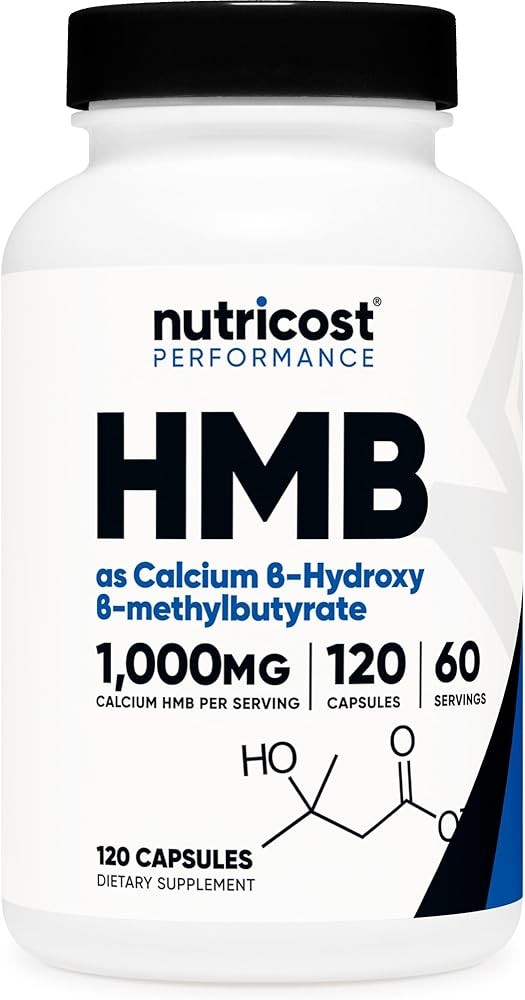
Nutricost HMB (Beta-Hydroxy Beta-Methylbutyrate) 1000mg 120 Capsules
Check Price on AmazonAs an Amazon Associate we earn from qualifying purchases.
Optimum Nutrition, known for their Gold Standard Whey, produces an HMB capsule product that provides 1,000mg of HMB-Ca per capsule, meaning you need just three capsules daily to hit the research-backed 3g dose. ON’s reputation for quality control and widespread availability makes this a convenient choice, particularly for people who already use ON products and trust the brand. Each capsule delivers a full gram of calcium beta-hydroxy beta-methylbutyrate.
BulkSupplements HMB Powder

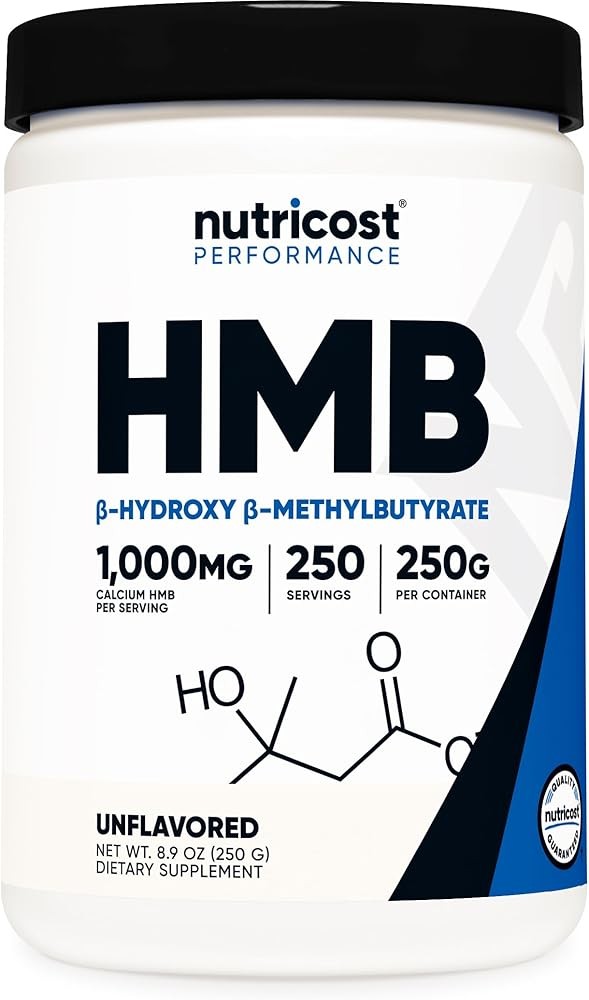
Nutricost HMB Powder (Beta-Hydroxy Beta-Methylbutyrate) 250 Grams
Check Price on AmazonAs an Amazon Associate we earn from qualifying purchases.
For cost-conscious users who do not mind measuring their own servings, BulkSupplements offers pure HMB-Ca powder in bulk quantities. This is typically the most economical option per gram of HMB and allows precise dosing with a scale. The lack of capsules or flavoring means you are getting pure HMB without fillers. At 1g per serving with 250 servings per container, this offers exceptional value for long-term supplementation.
BulkSupplements HMB Capsules (3000mg Per Serving)

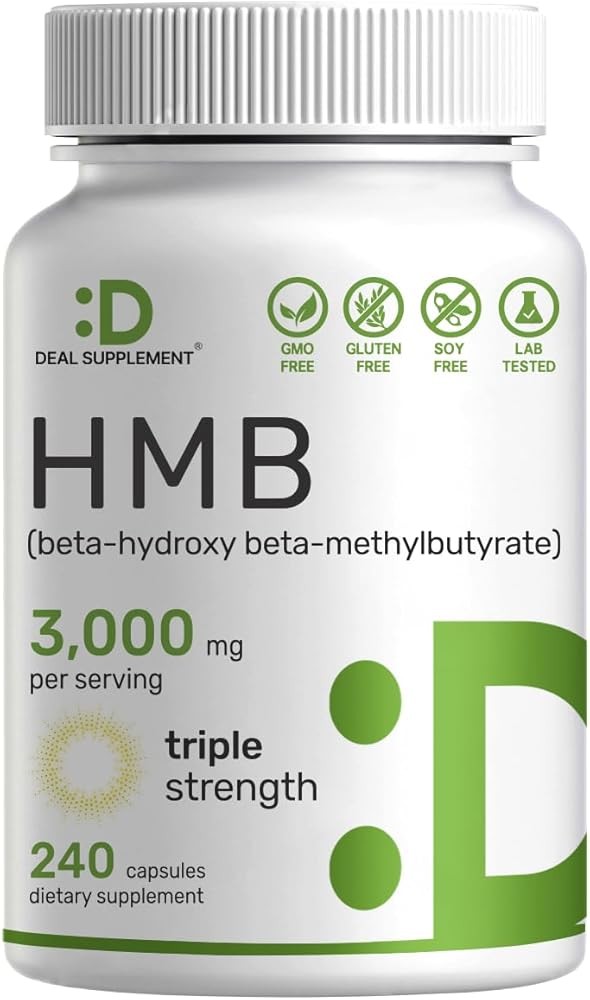
Ultra Strength HMB Supplements 3000mg 240 Capsules
Check Price on AmazonAs an Amazon Associate we earn from qualifying purchases.
For those who want capsule convenience without measuring, BulkSupplements also offers HMB in capsule form at 3,000mg per 6-capsule serving — the exact daily dose recommended by the ISSN. The 360-count bottle provides a full 60-day supply at the research-backed dosage, eliminating any guesswork about how much to take.
HMB 1,000mg Softgels 1,000mg Softgels
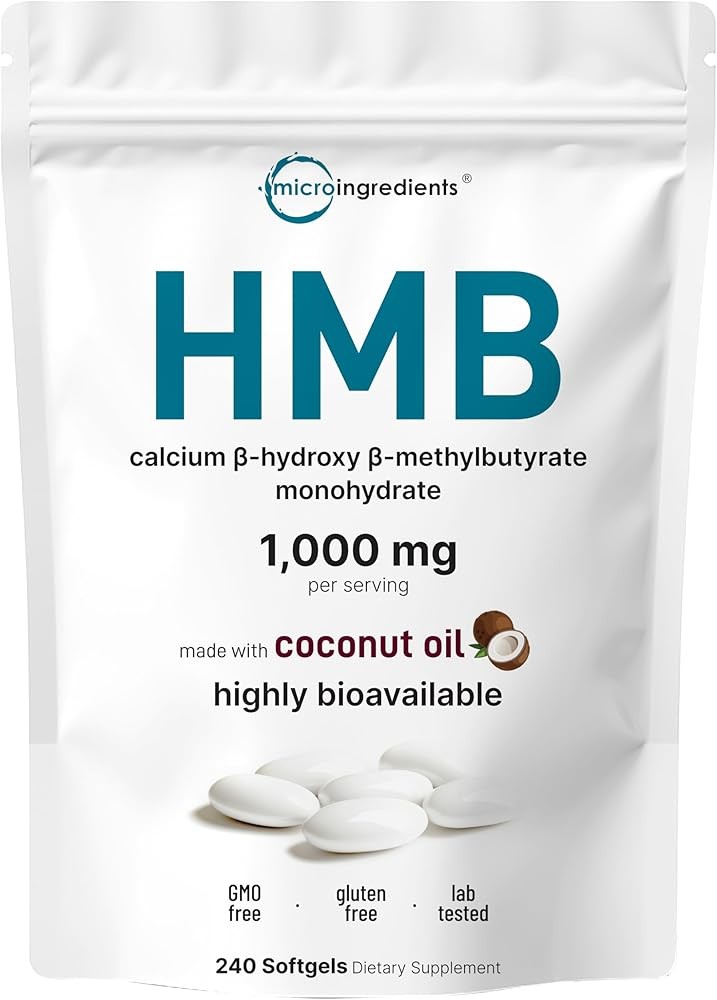
As an Amazon Associate we earn from qualifying purchases.
NOW Foods is a trusted name in the supplement industry with decades of manufacturing experience. Their HMB product provides 1,000mg of HMB-Ca per softgel, meaning you only need three softgels daily to hit the research-backed 3g dose. The softgel format may improve absorption of the fat-soluble leucine metabolite compared to standard powder-filled capsules. NOW Foods products undergo third-party testing for purity and potency.
### HMB 1000mg Softgels with Coconut OilThis product delivers 1,000mg of calcium HMB per softgel enhanced with coconut oil for improved absorption. The softgel format is easy to swallow and the fat-based delivery may enhance HMB uptake. With 240 softgels per bottle, this provides an 80-day supply at the recommended 3g daily dose (3 softgels per day). This is an excellent choice for those who prefer softgels over hard capsules.
Transparent Labs Creatine HMB
For those who want the research-backed HMB + creatine combination in a single product, Transparent Labs offers a powder that combines creatine monohydrate with HMB. This may help reduce the need to purchase and dose two separate supplements and aligns with the Jowko et al. (2001) research showing additive benefits of the combination. Transparent Labs has built their brand around full-disclosure labeling with no proprietary blends.
Product Comparison Table
| Product | Form | HMB per Serving | Servings to Hit 3g/day | Third-Party Tested |
|---|---|---|---|---|
| Optimum Nutrition HMB | Capsule | 1,000mg | 3 capsules | Yes |
| BulkSupplements HMB Powder | Powder | 1,000mg (scoop) | 3 scoops | Yes |
| BulkSupplements HMB Capsules | Capsule | 3,000mg (6 caps) | 6 capsules | Yes |
| HMB 1,000mg Softgels | Capsule | 500mg | 6 capsules | Yes |
| HMB 1000mg Softgels | Softgel | 1,000mg | 3 softgels | Yes |
| Transparent Labs Creatine HMB | Powder | Creatine + HMB | 1 scoop | Yes |
The data says: For standalone HMB, Optimum Nutrition and BulkSupplements capsules offer the most convenient dosing at 1,000mg per serving (3 per day to reach the clinical dose), while BulkSupplements powder offers the best value per gram for long-term use, and Transparent Labs Creatine HMB provides the research-backed creatine + HMB combination in a single product.
Study summary: To get the best HMB supplement in 2026, look for products that provide at least 1,000mg per serving, like Optimum Nutrition’s HMB 1000mg Capsules, so you can hit the recommended 3g daily dose with just three servings. Opt for reputable brands with third-party testing that use HMB-Ca for general use.
Our Top Recommendations
What Are the Most Common Questions People Ask About HMB?
What are the proven benefits of HMB supplementation?
HMB has been the subject of several research studies with notable findings. Published research indicates HMB may support a reduction in muscle protein breakdown through inhibition of the ubiquitin-proteasome pathway, which appears particularly relevant during caloric restriction, aging, immobilization, and the initial stages of training. The Wu et al. (2015) meta-analysis showed older adults experienced a 0.352 kg increase in lean mass with HMB supplementation (PubMed 26169182). Research also suggests HMB may stimulate muscle protein synthesis through the mTOR/p70S6K pathway and may help reduce exercise-induced muscle damage as measured by creatine kinase levels. Studies suggest benefits are most apparent in untrained individuals, older adults, and clinical populations experiencing accelerated muscle wasting.
Is HMB safe for long-term use?
Yes, HMB demonstrates a favorable long-term safety profile in research. The 2024 ISSN position stand indicated that both HMB-Ca and HMB-FA appear to be safe for chronic oral consumption for at least one year (PubMed 39699070). Studies examining doses up to 6 grams per day found no observed impacts on liver enzymes, kidney function markers, blood lipid profiles, or hematological values. Research suggests HMB does not appear to affect hormonal levels and has no known interactions with common medications. Due to insufficient safety data in those populations, pregnant and breastfeeding women may wish to avoid HMB.
How does HMB reduce muscle breakdown at the cellular level?
HMB works primarily by inhibiting the ubiquitin-proteasome proteolytic pathway, the main system your body uses to degrade muscle proteins. It attenuates the activation of protein kinase C, may help reduce the degradation of IkBa, and reduces nuclear accumulation of NF-kB — a master transcription factor that drives proteasome expression (PubMed 15574784). HMB also stimulates muscle protein synthesis through mTOR/p70S6K signaling and serves as a precursor for cholesterol synthesis needed for muscle cell membrane repair after exercise-induced damage.
Who should avoid HMB supplementation?
HMB should be avoided by pregnant and breastfeeding women due to insufficient safety data. Individuals with pre-existing kidney or liver conditions should consult their physician before starting HMB. Well-trained athletes eating adequate protein (1.6+ g/kg/day) who are not in a caloric deficit may find HMB provides marginal benefits that do not justify the cost. The 2020 Sanchez-Martinez meta-analysis found HMB did not significantly improve body composition or strength in young trained subjects (PubMed 32456217).
What are the signs that HMB supplementation is working?
Research suggests the initial effects of HMB may become apparent within 1-2 weeks, with studies reporting reduced post-exercise soreness and lower creatine kinase levels. Between weeks 2-4, strength may stabilize or improve, especially following a period of decline. After 1-2 months, changes in body composition may be detectable – individuals may observe weight loss while maintaining strength, potentially indicating fat loss alongside muscle preservation. A meta-analysis by Wu et al. documented measurable lean mass increases (0.352 kg) during supplementation periods of 4-12 weeks (PubMed 26169182).
How long should you take HMB for optimal results?
Published research shows HMB benefits are typically observed within 2-4 weeks, with research indicating optimal results at 4-12 weeks of consistent supplementation at 3g/day. The ISSN position stand confirms that chronic supplementation for up to one year appears to be safe and shows some benefit (PubMed 39699070). For older adults experiencing age-related muscle loss or individuals in prolonged caloric deficits, ongoing supplementation may be reasonable based on studies. For beginners adapting to a new training program, 8-12 weeks may be sufficient to support adaptation during the initial high-damage period, after which the benefits may diminish as muscles adapt to training.
Research indicates: The most frequently asked questions about HMB center on safety, observed effects, and typical use — studies consistently show 3g/day appears to be well-tolerated for up to one year, may be most beneficial for populations experiencing increased muscle breakdown, and typically demonstrate noticeable changes within 2-4 weeks of consistent supplementation (PubMed 39699070).
What matters most: HMB supplementation has several proven benefits, including reducing muscle protein breakdown and stimulating muscle protein synthesis, with older adults gaining 0.352 kg of lean mass in one meta-analysis. HMB is also safe for long-term use.
Where Does HMB Fit in Your Overall Supplement Strategy?
HMB occupies a unique niche in the supplement world. It is not the flashiest supplement, it will not produce dramatic overnight changes, and it is not appropriate for everyone. But for the right person in the right situation — an older adult addressing sarcopenia, someone preserving muscle during a diet, a patient recovering from surgery or illness, or a beginner adapting to a new training program — research suggests HMB appears to have a clinically demonstrated ability to support the reduction of muscle protein breakdown, based on observed mechanisms.
The key principles to remember:
- Dose correctly: 3g per day, split into three 1g doses. Not 1-2g.
- Set realistic expectations: HMB is primarily anti-catabolic. It preserves what you have rather than building something new.
- Context matters enormously: The more catabolic your situation, the more HMB can help.
- Stack intelligently: HMB + creatine is the best-studied combination. Add vitamin D if you are over 50.
- Do not skip the basics: Adequate protein and resistance training will always matter more than any supplement.
If individuals meet the criteria for potential benefit from HMB, research suggests incorporating 3g/day has been used in studies as a safe and relatively affordable approach to potentially influence protein turnover balance.
Research summary: Studies suggest HMB may be most beneficial when included as part of a comprehensive muscle preservation strategy that includes adequate protein (1.6-2.2 g/kg/day), creatine monohydrate (3-5g/day), and resistance training — for certain populations, research indicates 3g/day of HMB appears to offer a clinically proven benefit in supporting muscle preservation that other non-hormonal supplements have not consistently demonstrated (PubMed 39699070; PubMed 26169182).
What matters most: HMB has been investigated as a supplement for specific populations, such as older adults or those recovering from surgery, with research suggesting it may support reduced muscle protein breakdown. When used at 3g per day in clinical trials, HMB appears to have some benefit in catabolic situations, and studies indicate its combination with creatine is the most extensively researched stack. [PMID: 32863098]
Complete Support System: Building a Research-Backed Muscle Preservation Protocol
For maximum muscle preservation benefits, research suggests combining HMB with complementary supplements and lifestyle interventions rather than using it in isolation. Based on clinical trials, the most evidence-supported approach includes:
Core Foundation:
- HMB: 3g daily split into three 1g doses with meals (PubMed 39699070)
- Creatine Monohydrate: 3-5g daily for additive lean mass and strength benefits (PubMed 11448573)
- High-Quality Protein: 1.6-2.2 g/kg/day from complete protein sources to provide amino acid building blocks
Age-Specific Additions (50+):
- Vitamin D3: 1,000-2,000 IU daily to address common deficiency and support muscle function
- Resistance Training: 2-3 sessions weekly to amplify HMB’s anti-catabolic effects
During Caloric Restriction:
- Maintain HMB at 3g/day to counteract increased protein breakdown
- Prioritize protein intake at upper range (2.0-2.2 g/kg/day)
- Consider adding BCAAs between meals for additional leucine signaling
Clinical/Recovery Situations:
- HMB 3g/day plus adequate calories and protein
- Consult healthcare provider about HMB + arginine + glutamine combinations studied in cachexia research
This comprehensive approach addresses both anti-catabolic protection (HMB) and anabolic stimulation (creatine, protein) while supporting overall muscle health through training and micronutrient sufficiency.
Related Articles
- Best Supplements for Building Muscle After 40
- Best Post-Workout Recovery Supplements
- Best Creatine Supplements for Building Muscle
- Best BCAA Supplements: Are They Worth It?
- Creatine vs HMB for Muscle Growth
- Ozempic and Muscle Loss: What the Research Shows
- Best Beta-Alanine Supplements for Endurance
Frequently Asked Questions
Q: What is HMB?
A: HMB, short for beta-hydroxy-beta-methylbutyrate, is a naturally occurring metabolite produced when the body breaks down the essential amino acid leucine. It is responsible for triggering anti-catabolic effects that help preserve muscle mass.
Q: Why is HMB supplementation necessary?
A: The body only converts about 5% of dietary leucine into HMB, producing just 0.2 to 0.4 grams daily in an average adult. Supplementation is required because consuming the 60 grams of pure leucine needed to naturally reach the clinical dose of 3 grams of HMB is impractical and expensive.
Q: What is the clinically effective dose of HMB?
A: Clinical research consistently uses a dose of 3 grams of HMB to achieve effective results. This amount cannot be realistically obtained through normal dietary leucine intake alone due to low conversion rates.
Q: Who can benefit most from taking HMB?
A: HMB is beneficial for individuals looking to preserve muscle mass during a cut, support recovery as they age, or maintain gains during a training break. It specifically targets those needing to reduce the risk of muscle breakdown.
Q: How does HMB relate to leucine?
A: HMB is a downstream molecule produced when the body metabolizes leucine, which is the most potent amino acid for triggering muscle protein synthesis. HMB acts as the specific agent responsible for leucine’s anti-catabolic effects.
Q: How much HMB does the average person produce naturally?
A: A 70-kilogram person naturally produces approximately 0.2 to 0.4 grams of HMB per day from normal dietary leucine intake. This natural production is significantly lower than the 3 grams used in clinical studies.
Q: What are the primary functions of HMB for muscles?
A: HMB works by providing anti-catabolic effects that may help reduce the risk of muscle breakdown during periods of stress like dieting or training breaks. It serves as a key molecule in preserving hard-earned muscle gains.
Related Reading
- HMB vs Leucine for Muscle Retention During Cutting Phase
- Evidence-Based Supplements for Building Muscle After 40
- Creatine vs. HMB: A Side-by-Side Comparison for Muscle Growth
- Strength Training Supplements Stack: Maximize Gains Without the Nasty Side Effects
- Best Mass Gainer Supplements for Muscle Growth: Evidence-Based Review
- Best Post-Workout Recovery Supplements for Muscle Growth and Performance
- Best Creatine Supplements for Building Muscle
References
Nissen S, Sharp R, Ray M, et al. “Effect of leucine metabolite beta-hydroxy-beta-methylbutyrate on muscle metabolism during resistance-exercise training.” Journal of Applied Physiology, 1996;81(5):2095-2104. PubMed | DOI
Rathmacher JA, Pitchford LM, Stout JR, et al. “International society of sports nutrition position stand: beta-hydroxy-beta-methylbutyrate (HMB).” Journal of the International Society of Sports Nutrition, 2025;22(1):2434734. PubMed | Full Text | DOI
Wilson JM, Lowery RP, Joy JM, et al. “The effects of 12 weeks of beta-hydroxy-beta-methylbutyrate free acid supplementation on muscle mass, strength, and power in resistance-trained individuals: a randomized, double-blind, placebo-controlled study.” European Journal of Applied Physiology, 2014;114(6):1217-1227. PubMed | PMC | DOI
Jowko E, Ostaszewski P, Jank M, et al. “Creatine and beta-hydroxy-beta-methylbutyrate (HMB) additively increase lean body mass and muscle strength during a weight-training program.” Nutrition, 2001;17(7-8):558-566. PubMed | DOI
Wu H, Xia Y, Jiang J, et al. “Effect of beta-hydroxy-beta-methylbutyrate supplementation on muscle loss in older adults: A systematic review and meta-analysis.” Archives of Gerontology and Geriatrics, 2015;61(2):168-175. PubMed | DOI
Holecek M. “Beta-hydroxy-beta-methylbutyrate supplementation and skeletal muscle in healthy and muscle-wasting conditions.” Journal of Cachexia, Sarcopenia and Muscle, 2017;8(4):529-541. PubMed | PMC | DOI
Din USU, Brook MS, Sherazi SAA, et al. “A double-blind placebo controlled trial into the impacts of HMB supplementation and exercise on free-living muscle protein synthesis, muscle mass and function, in older adults.” Clinical Nutrition, 2019;38(5):2071-2078. PubMed | DOI
Prado CM, Orsso CE, Pereira SL, et al. “Effects of beta-hydroxy beta-methylbutyrate (HMB) supplementation on muscle mass, function, and other outcomes in patients with cancer: a systematic review.” Journal of Cachexia, Sarcopenia and Muscle, 2022;13(3):1623-1641. PubMed | DOI
Smith HJ, Mukerji P, Tisdale MJ. “Attenuation of proteasome-induced proteolysis in skeletal muscle by beta-hydroxy-beta-methylbutyrate in cancer-induced muscle loss.” Cancer Research, 2004;65(1):277-283. PubMed | DOI
Fuller JC, Sharp RL, Angus HF, et al. “Free acid gel form of beta-hydroxy-beta-methylbutyrate (HMB) improves HMB clearance from plasma in human subjects compared with the calcium HMB salt.” British Journal of Nutrition, 2011;105(3):367-372. PubMed | DOI
Shreeram S, Kouwenhoven S, Engelen M. “Superior bioavailability of the calcium salt form of beta-hydroxy-beta-methylbutyrate compared with the free acid form.” Amino Acids, 2024;56(1):23. PubMed | PMC | DOI
Wilson JM, Kim JS, Lee SR, et al. “ISSN Position Stand on HMB (Original 2013 Edition): Early evidence review indicating HMB may support recovery from exercise, may contribute to faster gains in strength, may increase lean body mass, and may help reduce adipose tissue.” J Int Soc Sports Nutr, 2013;10(1):6. PubMed | PMC | DOI
Slater GJ, Jenkins D. “Beta-hydroxy-beta-methylbutyrate (HMB) supplementation and the promotion of muscle growth and strength.” Sports Medicine, 2000;30(2):105-116. PubMed | DOI
Sanchez-Martinez J, Santos-Lozano A, Garcia-Hermoso A, et al. “HMB supplementation does not improve resistance exercise-induced changes in body composition or strength in young subjects: A systematic review and meta-analysis.” Nutrients, 2020;12(5):1523. PubMed | DOI
Phillips SM, Paddon-Jones D, Layman DK. “An umbrella review of systematic reviews of beta-hydroxy-beta-methyl butyrate supplementation in ageing and clinical practice.” Journal of Cachexia, Sarcopenia and Muscle, 2022;13(5):2265-2275. DOI
Sanz-Paris A, Camprubi-Robles M, et al. “Role of oral nutritional supplements enriched with beta-hydroxy-beta-methylbutyrate in maintaining muscle function and improving clinical outcomes in various clinical settings.” The Journal of Nutrition, Health and Aging, 2018;22(6):664-675. DOI Research suggests oral nutritional supplements enriched with beta-hydroxy-beta-methylbutyrate may support muscle function and potentially improve clinical outcomes in various settings.
Van Koevering M, Nissen S. “Oxidation of leucine and alpha-ketoisocaproate to beta-hydroxy-beta-methylbutyrate in vivo.” American Journal of Physiology-Endocrinology and Metabolism, 1992;262(1):E27-E31. PubMed | DOI
Recommended Products