Natural Testosterone Boosters for Muscle Growth: What the Research Supports
Summarized from peer-reviewed research indexed in PubMed. See citations below.
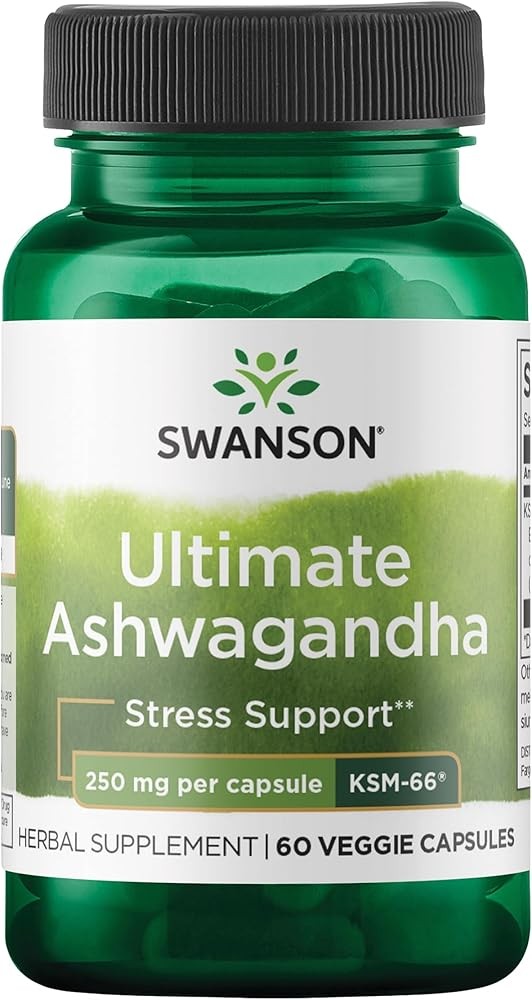
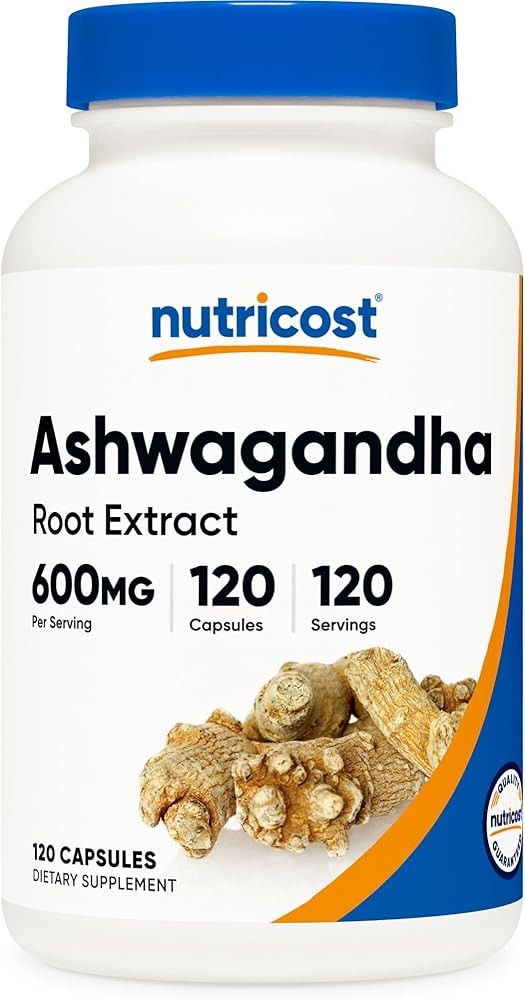
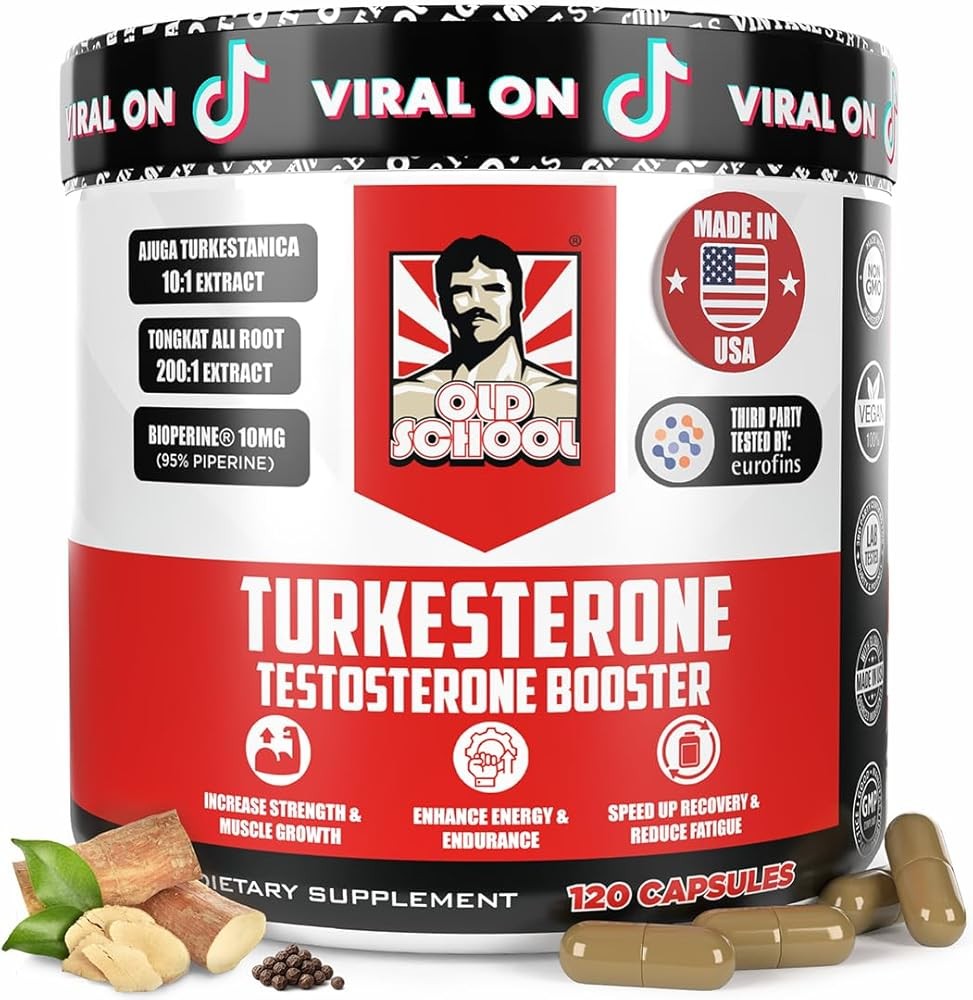
Testosterone decline affects nearly all men after age 30, with research showing a 1-2% annual decrease that leads to reduced muscle growth, slower recovery, and stubborn fat accumulation. The Swanson Ultimate Ashwagandha KSM-66 supplement (250mg, 60 veggie capsules, about $14) delivers the standardized KSM-66 extract used in the clinical research, which appears to support a 15.3% testosterone increase while improving muscle strength and reducing body fat in resistance-trained men after 8 weeks. Studies indicate this standardized extract works partly by reducing cortisol, removing a hormonal brake on testosterone production. For budget-conscious buyers, the Nutricost Ashwagandha 600mg capsules (120-count, about $15) offer a plain root-extract option, while the Old School Labs turkesterone formula (about $35) bundles additional natural test-support ingredients for a complete stack. Here’s what the published research shows.
Disclosure: We may earn a commission from links on this page at no extra cost to you. Affiliate relationships never influence our ratings. Full policy →
Why Does Testosterone Matter for Muscle Growth?
Yes, testosterone appears to play a role in muscle growth as it is the primary hormone associated with regulating muscle protein synthesis, with levels showing a correlation to muscle mass gains.
Population-wide testosterone levels have also been falling over recent decades, with rising obesity rates, chronic psychological stress, widespread sleep deprivation, and micronutrient deficiencies in the modern processed food diet all implicated.
Beyond this population-wide decline, testosterone also drops naturally with aging. After age 30, most men experience a 1-2% decline in total testosterone per year, with free testosterone (the biologically active fraction not bound to carrier proteins) declining even faster due to rising levels of sex hormone-binding globulin (SHBG). By the time a man reaches his 50s or 60s, he may have 30-50% less free testosterone than he did at his hormonal peak in his mid-20s.
This decline matters enormously for muscle growth. Testosterone is the primary anabolic hormone responsible for driving muscle protein synthesis, satellite cell activation, nitrogen retention, and the maintenance of lean body mass. When testosterone levels decline, men often notice a frustrating pattern: they train just as hard, eat just as well, but the gains slow down or stop entirely, recovery between sessions takes longer, and body fat creeps up around the midsection despite their best efforts.
A 2020 analysis published in the World Journal of Men’s Health found that only 24.8% of ingredients in commercial “testosterone booster” products had any PubMed-indexed data showing a testosterone increase, and 10.1% of ingredients actually contained compounds linked to decreased testosterone (PubMed 31385468). This means the majority of products on store shelves are built on marketing rather than evidence.
This guide cuts through that noise. Every ingredient discussed below is evaluated based on human randomized controlled trials, systematic reviews, and meta-analyses published in peer-reviewed journals. We cover what genuinely works, what does not despite being widely marketed, the specific bioavailable forms that matter, practical dosing protocols, and the lifestyle factors that have an even greater impact on your testosterone than any supplement.
Research summary: Studies indicate testosterone plays a crucial role in muscle growth as it appears to regulate muscle protein synthesis, with research showing levels correlate to muscle mass gains. Published research suggests optimizing testosterone may be particularly important for men, as it is the primary hormone associated with muscle growth and overall vitality.
Watch Our Video Review
How Does Testosterone Build Muscle at the Cellular Level?
Before diving into specific supplements, understanding how testosterone actually builds muscle at the cellular level helps explain why optimizing this hormone matters and why even modest increases of 10-20% can produce meaningful changes in your physique and performance over time.
mTOR Signaling and Protein Synthesis
Testosterone activates the mechanistic target of rapamycin (mTOR) pathway, the central master regulator of muscle protein synthesis in skeletal muscle cells. Research by White and colleagues demonstrated that testosterone signals through the Akt/mTORC1/FoxO3a signaling cascade, directly upregulating the cellular machinery that translates amino acids into new contractile muscle protein (PubMed 23116773). When testosterone binds to androgen receptors inside muscle fibers, it triggers a cascade that increases ribosomal activity and translation initiation, enhancing the rate at which your muscles can build new protein after resistance training.
Basualto-Alarcon and colleagues further demonstrated that testosterone can activate mTOR through both classical Akt-dependent and Akt-independent pathways. At physiological concentrations, testosterone can also induce mTOR phosphorylation independently of Akt, initiating protein synthesis through multiple simultaneous mechanisms (PubMed 23470307). This is one reason testosterone’s muscle-building effects are cumulative over time and why the “muscle memory” phenomenon exists. Once myonuclei are added, they persist for years, making it easier to regain muscle even after periods of detraining.
Nitrogen Retention and Anti-Catabolic Effects
Testosterone improves nitrogen balance in muscle tissue, creating a more anabolic intracellular environment. Positive nitrogen balance indicates that more protein is being synthesized than degraded, which is the fundamental requirement for muscle growth. Testosterone also suppresses the activity of FoxO3a, a transcription factor that promotes muscle protein breakdown through the ubiquitin-proteasome pathway. By simultaneously ramping up protein synthesis and putting the brakes on protein degradation, testosterone creates a powerfully net-anabolic state in skeletal muscle.
IGF-1 Amplification
Testosterone increases local expression of insulin-like growth factor 1 (IGF-1) within muscle tissue. IGF-1 is itself a potent anabolic signal that works synergistically with testosterone by further activating the PI3K/Akt/mTOR cascade and promoting satellite cell activity. Research has confirmed that testosterone loss decreases muscle IGF-1 mRNA levels, while androgen treatment restores IGF-1 expression and downstream Akt/mTORC1 signaling. This testosterone-IGF-1 axis creates an amplifying feedback loop: more testosterone produces more local IGF-1, which further enhances the anabolic signaling environment.
Cortisol Opposition
Testosterone and cortisol exist in a dynamic hormonal balance that profoundly influences whether your body builds or breaks down muscle tissue. When cortisol is chronically elevated from stress, sleep deprivation, overtraining, or caloric restriction, it directly antagonizes testosterone’s anabolic effects at the receptor level and promotes muscle protein breakdown for gluconeogenesis. The testosterone-to-cortisol ratio is increasingly recognized as a more meaningful biomarker of anabolic status than either hormone alone. Several natural testosterone boosters work partly by reducing cortisol, thereby shifting this critical ratio in favor of muscle growth and post-workout recovery.
The takeaway: Research indicates that activating the mechanistic target of rapamycin (mTOR) pathway, alongside testosterone, appears to support muscle building at the cellular level by directly upregulating muscle protein synthesis, with studies demonstrating it signals through the Akt/mTORC1/FoxO3a signaling cascade (PMID: 23116773). Published research suggests optimizing testosterone levels may be associated with changes in physique and performance, with even modest increases of 10-20% appearing to yield noticeable results.
What Are the Signs of Low Testosterone?
Your body sends clear, identifiable signals when testosterone is suboptimal. Learning to recognize these clues can help you determine whether testosterone optimization might be beneficial for your situation. Having multiple symptoms simultaneously is more diagnostically meaningful than any single symptom in isolation.
Physical Signs
Stubborn belly fat that will not budge despite consistent training and reasonable nutrition is one of the hallmark signs. Testosterone plays a key role in fat distribution, and declining levels favor visceral fat accumulation around the midsection. This is not just cosmetic. Visceral fat contains high concentrations of aromatase enzyme, which converts testosterone to estrogen, creating a vicious cycle of further testosterone decline and more fat storage.
Slow recovery from workouts that used to be manageable is another red flag. If you previously bounced back in 24-48 hours but now need 3-4 days between hard sessions, and your training, nutrition, and sleep have not changed, declining testosterone and its downstream effects on protein synthesis and IGF-1 may be contributing.
Loss of morning erections is one of the most reliable physical indicators of testosterone status. Healthy testosterone levels, combined with proper nocturnal hormonal cycling during sleep, produce consistent morning erections. Their absence or significant reduction often correlates with measurably lower testosterone on bloodwork.
Declining grip strength relative to your training level correlates with overall androgen status in research. If your deadlift grip is weakening despite training it, hormonal factors may be at play.
Increased joint discomfort during training can signal declining testosterone, which plays a supporting role in connective tissue health and collagen synthesis.
Mental and Emotional Signs
Brain fog and reduced mental clarity, particularly in the afternoon when testosterone naturally reaches its daily low point, is a common complaint among men with suboptimal levels. Testosterone receptors are abundant in the brain, particularly in regions involved in memory, executive function, and spatial reasoning.
Decreased motivation to train is telling. If you used to look forward to hitting the gym but now consistently dread it or find excuses to skip sessions, this often has a hormonal component. Testosterone influences dopamine signaling in the brain’s reward circuitry.
Irritability, low-grade depression, or emotional flatness that does not match your life circumstances can indicate hormonal shifts. Many men describe it as feeling “blunted” or going through the motions without their usual drive.
Poor sleep quality despite good sleep hygiene is both a cause and consequence of low testosterone, since the hormones have a bidirectional relationship. Low testosterone disrupts sleep architecture, and poor sleep further suppresses testosterone production.
Performance Signs
Plateaued strength gains despite progressive overload and adequate nutrition and recovery suggest that the anabolic hormonal environment may be insufficient to support continued adaptation.
Reduced work capacity, meaning you fatigue faster during training and cannot maintain the same volume you once could, often has a testosterone component alongside other factors.
If you recognize five or more of these signs, especially in combination with being over 35, chronically stressed, or nutritionally imbalanced, testosterone optimization through the evidence-based supplements and lifestyle strategies covered below is a reasonable approach. However, getting bloodwork through your healthcare provider (total testosterone, free testosterone, SHBG, estradiol, and basic metabolic panel) gives you the most accurate picture of where you actually stand numerically.
Study summary: Research suggests the presence of persistent belly fat despite regular exercise and healthy nutrition, and slower recovery from previously manageable workouts, may be associated with lower testosterone levels. Studies indicate that observing multiple of these factors concurrently may provide more informative data than considering any single factor in isolation.
Which Natural Testosterone Boosters Are Backed by Research?
Nearly 90% of clinical trials on KSM-66 ashwagandha extract have demonstrated significant increases in testosterone levels, making it a top natural testosterone booster backed by research.
| Supplement | Mechanism | Testosterone Effect | Clinical Dose | Timeline | Evidence Quality |
|---|---|---|---|---|---|
| Ashwagandha KSM-66 | Cortisol reduction, HPG axis support | 15.3% increase | 600mg daily | 8 weeks | Multiple RCTs |
| Tongkat Ali | SHBG reduction, aromatase inhibition | 37% increase | 200-400mg daily | 4 weeks | Meta-analysis |
| Fenugreek (Testofen) | Aromatase inhibition, insulin sensitivity | Significant increase + body comp | 600mg daily | 8 weeks | Meta-analysis |
| Zinc Picolinate | Essential cofactor, aromatase inhibitor | 73% restoration (deficient) | 15-30mg daily | 6 weeks | RCTs |
| Vitamin D3 + K2 | Gene expression, Leydig cell support | 25% increase (deficient) | 3000-5000 IU daily | 12 months | RCTs |
| Magnesium Glycinate | Enzymatic support, SHBG reduction | Significant increase (active men) | 200-400mg daily | 4 weeks | RCTs |
| Boron | SHBG reduction, inflammation reduction | 25-29% free testosterone | 6-10mg daily | 1 week | RCT |
| Shilajit (PrimaVie) | Mitochondrial support, mineral cofactors | 20% increase | 500mg daily | 90 days | RCT |
Ashwagandha (KSM-66): The Most Research-Backed Option
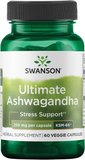
Ashwagandha (Withania somnifera) is an adaptogenic herb that has been used in Ayurvedic medicine for millennia, but its reputation for testosterone support rests firmly on modern clinical trial evidence, not just tradition. The critical distinction is using the right standardized extract rather than generic powder.
KSM-66 is a patented root-only extract standardized to at least 5% withanolides using a water-based extraction process that preserves the full spectrum of bioactive compounds. It has more published human clinical trials than any other ashwagandha extract. Sensoril is another clinically validated extract that uses both root and leaf, but KSM-66 has the most data specifically for testosterone and muscle growth outcomes.
The Wankhede 2015 Study (PubMed 26609282): This landmark randomized, double-blind, placebo-controlled study examined 57 young males (mean age 28 years) with limited resistance training experience. Subjects received either 300mg of KSM-66 twice daily (600mg total) or placebo for 8 weeks while following a structured resistance training program. The results were impressive across multiple outcomes. The ashwagandha group experienced a 15.3% increase in testosterone compared to just 2.7% in the placebo group. More meaningfully for muscle growth, the ashwagandha group showed significantly greater increases in muscle size at the arms and chest, significantly greater strength gains on both bench press and leg extension, significantly greater reduction in exercise-induced muscle damage (measured by creatine kinase levels), and a significantly greater reduction in body fat percentage.
The Aging Overweight Males Study (PubMed 30854916): A randomized, double-blind, placebo-controlled crossover study in overweight males aged 40-70 found that 600mg per day of ashwagandha extract significantly increased DHEA-S (a testosterone precursor) and testosterone compared to placebo, with improvements in fatigue, vigor, and sexual well-being.
A systematic review of herbal extracts and testosterone concluded that ashwagandha and fenugreek had the strongest evidence for raising testosterone in men, with the majority of ashwagandha studies demonstrating positive effects.
The evidence shows: Ashwagandha works through multiple complementary pathways. Its most powerful effect may be cortisol reduction, with some studies showing reductions of 27-30% in serum cortisol. Since cortisol directly suppresses the HPG axis, lowering it removes a major brake on testosterone production. Ashwagandha’s withanolides may also directly support Leydig cell function and luteinizing hormone release. Additionally, its antioxidant properties protect testicular tissue from oxidative damage that impairs steroidogenesis.
What this means for you: KSM-66 at 600mg per day is the clinically validated dose, typically split into two 300mg doses taken with meals. Generic ashwagandha root powder has highly variable withanolide content and cannot be expected to replicate clinical trial results. Effects on testosterone and muscle growth become measurable by 8 weeks of consistent use.
Key takeaway: Published research suggests Ashwagandha KSM-66 appears to be the most thoroughly researched natural compound related to testosterone, with multiple randomized controlled trials indicating 15-17% increases in testosterone levels, enhanced muscle strength, and improved body composition when used in conjunction with resistance training.
For comprehensive product comparisons, see our best ashwagandha supplements review.
Tongkat Ali (Eurycoma longifolia): The Free Testosterone Optimizer
Tongkat ali, also known as Malaysian ginseng or longjack, has accumulated a substantial body of clinical evidence including a dedicated meta-analysis confirming its effects on testosterone. It is one of the few herbal supplements where the research quality and consistency justify confidence in its testosterone-supporting claims.
Meta-Analysis Evidence (PubMed 36013514): A 2022 systematic review and meta-analysis published in Medicina analyzed nine clinical trials (five of which were RCTs) and concluded that Eurycoma longifolia supplementation produces a statistically significant improvement in serum total testosterone in men. The positive effects were observed in both healthy volunteers and men with age-related testosterone decline.
The Talbott 2013 Study: Sixty-three moderately stressed adults received 200mg of standardized tongkat ali root extract daily for 4 weeks. The results showed a remarkable 37% increase in testosterone, a 16% reduction in cortisol, and significant improvements in the testosterone-to-cortisol ratio. Mood states including anger, tension, and confusion also improved significantly.
The 6-Month ADAM Trial (PubMed 33541567): This longer-duration double-blind, placebo-controlled RCT evaluated tongkat ali in men with androgen deficiency of aging males (ADAM). After 6 months of 200mg daily supplementation combined with concurrent training, the treatment group showed significantly increased total testosterone levels and improved erectile function compared to placebo, demonstrating sustained effects over extended use.
The Physta Multicentre Study: A randomized, double-blind, placebo-controlled multicentre study using Physta (a standardized tongkat ali extract) at 200mg per day for 12 weeks in aging males showed significant improvements in testosterone, quality of life, and sexual health parameters.
In practice: Tongkat ali’s primary mechanism involves reducing SHBG, which binds testosterone in the blood and renders it biologically inactive. By lowering SHBG, tongkat ali increases the amount of free testosterone available to bind androgen receptors in muscle tissue. It contains eurycomanone and other quassinoids that stimulate CYP17 enzyme activity in the testes, a key enzyme in testosterone biosynthesis. Tongkat ali also inhibits aromatase, reducing the conversion of testosterone to estrogen, and has adaptogenic properties that lower cortisol.
Clinical insight: Look for standardized hot-water root extract at a 100:1 or 200:1 concentration ratio, standardized for eurycomanone content (ideally 2% or higher). LJ100 (also marketed as Physta) is the most clinically studied branded extract. The clinical dose ranges from 200-400mg per day, taken in the morning or split into two doses. Some practitioners recommend cycling tongkat ali (5 days on, 2 days off, or 8 weeks on, 2 weeks off) to maintain sensitivity, though this cycling approach is not firmly established in the literature.
Essential point: Research suggests Tongkat ali may support increases in free testosterone by potentially modulating SHBG, with a 2022 meta-analysis indicating statistically significant improvements across multiple clinical trials at 200-400mg daily doses.
For more details on the clinical research, read our guide on tongkat ali for testosterone and male fertility.
Fenugreek (Testofen): The Dual-Action Free Testosterone and Muscle Builder
Fenugreek (Trigonella foenum-graecum) is associated with some of the more robust and consistent research findings regarding potential support for both testosterone levels and body composition in men engaged in resistance training. The proprietary extract Testofen, standardized for furostanolic saponins (specifically Protodioscin), appears to have the most clinical research available.
Meta-Analysis Evidence (PubMed 32048383): A 2020 meta-analysis of seven clinical trials with 449 total participants analyzing fenugreek’s effect on testosterone found a significant increase in total testosterone with supplementation. The analysis also noted effects on free testosterone, lean body mass, fat mass, and leg press performance.
Anabolic Effects Meta-Analysis (PubMed 37253363): A 2023 systematic review with meta-analysis specifically examining fenugreek’s anabolic effects found that across four randomized controlled trials, fenugreek supplementation significantly improved muscle strength, repetitions to failure (muscle endurance), submaximal performance index, lean body mass, and reduced body fat.
Testofen in Aging Males (PubMed 26791805): A double-blind, randomized, placebo-controlled trial of 120 healthy men aged 43-70 found that 600mg per day of Testofen for 12 weeks significantly increased both total testosterone and calculated free testosterone compared to placebo, alongside improvements in androgen deficiency symptoms, morning erections, and sexual function.
Testofen Strength Study: A double-blind, placebo-controlled study with 138 male participants found that Testofen supplementation at 600mg per day improved maximal leg press strength at 8 weeks, with the treatment group showing a 1.4% decrease in body fat and a 1.8% increase in lean mass.
Resistance training study: A study in college-age men performing resistance training found that a fenugreek-based supplement improved body composition, with reduced body fat and trends toward increased lean mass over 8 weeks.
Looking ahead: Fenugreek’s furostanolic saponins inhibit both aromatase (the enzyme converting testosterone to estrogen) and 5-alpha reductase (which converts testosterone to DHT), thereby preserving circulating testosterone in its active free form. Fenugreek also contains 4-hydroxyisoleucine, which enhances insulin sensitivity and glucose uptake by muscle cells, indirectly supporting the anabolic environment.
Our recommendations: Research suggests Testofen may support healthy testosterone levels, as it is a fenugreek extract standardized for furostanolic saponin content. Clinical trials have used 500-600mg of Testofen daily, taken with a meal. Published research shows generic fenugreek seed powder (the culinary spice) does not contain the concentrated active compounds found in standardized extracts.
Critical finding: Research on Fenugreek (Testofen 600mg daily) suggests it may support improvements in both testosterone levels and body composition, with two meta-analyses indicating a 1.4% decrease in body fat and a 1.8% increase in lean mass over 8 weeks in resistance-trained men. PMID: 32048383 PMID: 37253363
We cover fenugreek in more detail in our dedicated fenugreek for testosterone and blood sugar article.
Zinc: The Essential Mineral Your Testosterone Depends On
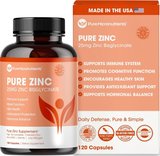
Zinc is not merely a substance associated with increased testosterone in the supplemental sense. It is an essential mineral cofactor without which the body appears unable to produce testosterone at adequate rates, according to research. The enzyme systems involved in testosterone biosynthesis are zinc-dependent, suggesting zinc status may be a foundational element for healthy testosterone levels. Zinc deficiency is remarkably common, affecting an estimated 2 billion people worldwide, and is particularly prevalent in athletes who experience zinc loss through sweat, vegetarians whose plant-based diets contain less bioavailable zinc, and older adults with declining absorption capacity. PMC
The Prasad 1996 Study (PubMed 8875519): This study established a relationship between zinc and testosterone levels. When dietary zinc was restricted in young healthy men for 20 weeks, their testosterone decreased from 39.9 nmol/L to 10.6 nmol/L, a 73% decline. Conversely, when elderly men with marginal zinc deficiency received zinc supplementation for 6 months, their testosterone nearly doubled, increasing from 8.3 nmol/L to 16.0 nmol/L. These findings suggest zinc deficiency may be associated with reduced testosterone, while zinc supplementation may support testosterone restoration.
Systematic Review (PubMed 36577241): A 2023 systematic review examining the correlation between serum zinc and testosterone across multiple studies confirmed a significant positive association between zinc status and testosterone levels in men, with the relationship being particularly strong in populations with marginal zinc status.
Medical Doses Review (PubMed 30767598): Published research in the journal Aging Male indicates that medicinal doses of zinc (30-50mg per day) appear to have some benefit as a safe coadjutant in managing male hypogonadism, particularly when zinc deficiency is a contributing factor.
Important caveat: Zinc supplementation in men who are already zinc-sufficient does not meaningfully increase testosterone above normal levels. The benefit is corrective. If your zinc levels are adequate, additional zinc will not produce supraphysiological testosterone increases.
What matters most: Zinc is required for the proper function of over 300 enzymes, including several directly involved in testosterone biosynthesis. It is essential for the enzymatic conversion of androstenedione to testosterone, for proper Leydig cell function, and for maintaining pituitary sensitivity to GnRH (the hypothalamic signal that initiates the testosterone production cascade). Zinc also functions as a natural aromatase inhibitor, reducing the conversion of testosterone to estrogen.
Our verdict: Form matters enormously with zinc. Zinc picolinate and zinc glycinate (chelated forms) offer dramatically superior absorption compared to zinc oxide or zinc gluconate. Research indicates zinc picolinate has shown in clinical comparisons approximately 4 times greater absorption than zinc oxide. Research-supported dosages for testosterone support are 15-30mg of elemental zinc daily, taken with food to minimize stomach upset. Studies suggest not exceeding 40mg daily long-term without medical supervision, as excess zinc competitively depletes copper. If supplementing at 30mg or above, research suggests adding a copper supplement (1-2mg daily) may be beneficial.
The bottom line: Zinc is a foundational mineral related to testosterone production, not just a booster—research indicates deficiency may be associated with up to a 73% reduction in testosterone within 20 weeks, while studies show correcting deficiency in zinc-deficient men may nearly double testosterone levels within 6 months. PubMed 8875519
For comprehensive product comparisons across all zinc forms, see our best zinc supplements review.
Vitamin D3: The Sunshine Hormone Your Testes Need
Vitamin D is technically a secosteroid hormone rather than a vitamin, and it plays a direct role in testosterone production that goes beyond its well-known effects on bone health and immune function. Vitamin D receptors (VDRs) are present on Leydig cells in the testes, and vitamin D-metabolizing enzymes are expressed in testicular tissue. Vitamin D deficiency is a global epidemic, with an estimated 40-75% of the population having insufficient levels depending on latitude, season, and the threshold used for adequacy.
The Pilz 2011 Study (PubMed 21154195): In this randomized controlled trial, 54 healthy overweight men with vitamin D deficiency received either 3,332 IU of vitamin D3 daily or placebo for 12 months. The results, as reported in the study, showed the vitamin D group experienced a 25.2% increase in total testosterone, a 20% increase in bioactive testosterone, and a significant increase in free testosterone. The placebo group showed no significant hormonal changes. Published research from this study indicates correcting vitamin D deficiency may support testosterone improvements.
Meta-Analytic Review (PubMed 39452471): A 2024 meta-analytic review published in Diseases systematically evaluated RCTs and confirmed that vitamin D supplementation may increase total testosterone levels, with the most pronounced effects in men who were vitamin D deficient at baseline.
Important nuance (PubMed 28938446): A randomized trial in men who were already vitamin D sufficient found that additional vitamin D did not further increase testosterone, confirming that the benefit is primarily corrective for deficiency.
Key takeaway: Vitamin D regulates the expression of genes involved in testosterone biosynthesis within Leydig cells. It upregulates steroidogenic enzymes, enhances calcium absorption needed for cellular signaling in steroidogenesis, and may reduce SHBG levels to free more testosterone for biological activity. Vitamin D also supports immune regulation and reduces chronic inflammation, both of which can negatively impact testosterone when dysregulated.
The research verdict: Vitamin D3 (cholecalciferol) appears to be more effective than D2 (ergocalciferol) at raising and maintaining serum 25(OH)D levels, according to research. Studies suggest the optimal dose for most adults is 3,000-5,000 IU per day, with the goal of achieving blood levels between 40-60 ng/mL. Individuals with documented severe deficiency may benefit from higher initial loading doses under medical guidance. Importantly, D3 should be used alongside vitamin K2 (MK-7 form, 100-200mcg daily), which research indicates may help direct the increased calcium absorption into bones and teeth rather than allowing it to deposit in arteries and soft tissues. Clinical trials have used vitamin D3 with a fat-containing meal, as it is a fat-soluble vitamin that requires dietary fat for absorption.
Learn more in our detailed guide on how much vitamin D you actually need and our best vitamin D supplements review.
Magnesium: The Overlooked Testosterone Mineral
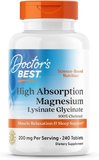
Magnesium participates in over 600 enzymatic reactions in the body, including several that directly regulate testosterone production. Yet an estimated 50-80% of Americans do not meet the recommended daily intake, making subclinical magnesium deficiency one of the most widespread nutritional problems in the developed world. For active men who train hard and sweat frequently, the risk of deficiency is compounded by substantial magnesium losses through perspiration.
The Cinar 2011 Study (PubMed 20352370): This study examined the effects of magnesium supplementation on testosterone in both athletes and sedentary men at rest and after exhaustion. Research indicates magnesium supplementation appears to support testosterone levels in both groups, but the effect was more noticeable in men who exercised regularly. The combination of magnesium supplementation and regular exercise produced the highest testosterone levels of any group, suggesting a potential synergistic effect.
The Maggio 2014 Study (PubMed 24723948): Published in the International Journal of Endocrinology, this study indicates a positive correlation between magnesium status and testosterone levels in men, even after adjusting for BMI, age, and other confounders. The relationship was particularly notable in the elderly population where both magnesium deficiency and testosterone decline are most prevalent.
What the research shows: Studies indicate magnesium supplementation (200-400mg daily) may support increases in both free and total testosterone by potentially reducing SHBG binding affinity, supporting enzymatic conversion of cholesterol to pregnenolone (the first step in steroid hormone synthesis), regulating the HPG axis, reducing cortisol and systemic inflammation that may suppress testosterone, and improving sleep quality which research suggests independently supports nocturnal testosterone production during deep sleep stages. PMID: 20352370
The practical takeaway: Form selection dramatically affects magnesium’s effects as observed in research. Magnesium glycinate (or bisglycinate) shows excellent absorption with minimal gastrointestinal side effects in studies and provides glycine, an amino acid that research suggests may support sleep quality and relaxation. Magnesium threonate (branded as Magtein) is a form that studies indicate may cross the blood-brain barrier effectively, supporting both hormonal optimization and cognitive function. Research suggests magnesium oxide may have absorption rates as low as 4% and primarily functions as a laxative at supplemental doses despite being the cheapest and most common form in mass-market supplements. Research-supported dosages include 200-400mg of elemental magnesium daily, ideally taken in the evening 30-60 minutes before bed to leverage its potential sleep-promoting effects for overnight testosterone production.
For detailed form comparisons, see our guides on best magnesium supplements and magnesium glycinate vs citrate.
Boron: The Trace Mineral That Frees Bound Testosterone
Boron is a trace mineral that receives far less attention than zinc or magnesium in testosterone discussions, but the research supporting its rapid effects on free testosterone is compelling. Most people consume only 1-3mg of boron from their diet, well below the amounts that have produced significant hormonal effects in clinical studies.
The Naghii 2011 Study (PubMed 21129941): Eight healthy male volunteers participated in research involving 10mg of boron daily with breakfast for one week. The research showed rapid changes: mean plasma free testosterone appeared to increase while estradiol appeared to decrease. Dihydrotestosterone (DHT), cortisol, and vitamin D levels were all elevated in the study. Notably, all three measured inflammatory biomarkers (IL-6, TNF-alpha, and hsCRP) showed a decrease after supplementation, according to the research. SHBG levels also dropped, which the study suggests may explain the observed changes in free testosterone.
The “Nothing Boring About Boron” Review (PubMed 26770156): A comprehensive review published in Integrative Medicine summarized that boron supplementation at 6-10mg per day influences the metabolism of steroid hormones and may increase free testosterone by 25-29% in some study populations.
Here’s what matters: Research suggests boron may function by influencing SHBG levels, which may affect the amount of testosterone available to bind androgen receptors in muscle and other tissues. Studies also indicate boron may help reduce estradiol levels, potentially improving the testosterone-to-estrogen ratio. The observed reduction in inflammatory markers is particularly noteworthy, as research suggests chronic low-grade inflammation may be a significant factor in age-related testosterone decline. Furthermore, studies show boron may enhance the metabolism and utilization of vitamin D and magnesium, potentially creating synergistic effects when combined with those supplements.
What users report: Boron is typically supplemented as boron citrate, boron glycinate, or calcium fructoborate. Research has utilized a dose of 6-10mg per day, taken with a morning meal. In the Naghii study, changes in free testosterone were observed within one week, suggesting boron may be among the fastest-acting natural support minerals for testosterone levels. PMID: 21129941
Shilajit: The Ancient Mineral Resin With Clinical Evidence
Shilajit is a mineral-rich resin found primarily in the Himalayas, Altai mountains, and Caucasus, formed over centuries from the slow decomposition of plant material compressed between rock layers. It contains fulvic acid, humic acid, and over 80 trace minerals in bioavailable ionic form. Despite sounding exotic, purified shilajit has solid randomized controlled trial data for testosterone support.
The Pandit 2016 Study (PubMed 26395129): This randomized, double-blind, placebo-controlled clinical study evaluated purified shilajit in 96 healthy male volunteers aged 45-55 years at a dose of 250mg twice daily for 90 consecutive days. The treatment group showed increases in total testosterone, free testosterone, and DHEA-S compared to placebo, with total testosterone increasing by approximately 20%. Gonadotropic hormones (LH and FSH) were well maintained, indicating that research suggests shilajit may support testosterone production without disrupting the HPG axis feedback loop.
The practical verdict: Research suggests Shilajit’s fulvic acid content may support mitochondrial function and CoQ10 levels within cells, which may be relevant to the energy-intensive process of steroidogenesis in Leydig cells. The broad-spectrum mineral content provides trace element cofactors needed for testosterone synthesis. Published research shows Shilajit appears to have some benefit as an antioxidant and anti-inflammatory agent, potentially helping to protect testicular tissue from oxidative damage that accumulates with aging.
Storage essentials: Research suggests using only purified, processed shilajit from a reputable source with verified third-party testing. Studies indicate raw, unprocessed shilajit may contain heavy metals, mycotoxins, and other environmental contaminants. PrimaVie is a branded, clinically studied purified shilajit extract standardized for fulvic acid content. Clinical trials have used a 250mg dose twice daily (500mg total), taken with meals.
Read our complete guide on shilajit benefits for men for detailed research analysis.
DHEA: The Precursor Hormone (Use With Informed Caution)
Dehydroepiandrosterone (DHEA) occupies a unique position among testosterone support supplements because it is not an herb or mineral. It is a steroid hormone produced by the adrenal glands that serves as a direct precursor to both testosterone and estrogen. DHEA levels peak in the mid-20s and decline steadily with age, dropping by approximately 2-3% per year after age 30. By age 70, most men have only 10-20% of their peak DHEA levels.
Meta-analysis evidence (PubMed 33045358): A dose-response meta-analysis of DHEA supplementation across randomized clinical trials indicates DHEA may raise testosterone levels, with a weighted mean difference of roughly 24 ng/dL, though the clinical significance of this modest increase has been questioned. However, research has questioned the clinical significance of these modest increases.
NEJM Study: A well-known randomized controlled trial published in the New England Journal of Medicine found that while DHEA supplementation in elderly men and women increased androgen levels, it did not produce clinically meaningful improvements in body composition, physical performance, insulin sensitivity, or quality of life at the doses studied. This was a humbling result for the DHEA hype that preceded it.
Acute Exercise Study (PubMed 23417481): A study of acute DHEA administration before high-intensity interval training in middle-aged and young men showed that 50mg of DHEA taken one hour before exercise increased free testosterone levels in middle-aged but not young men, suggesting age-dependent effects.
Important considerations: Research suggests DHEA may have more complex effects than other supplements on this list because it is a hormone that converts to both testosterone and estrogen. The ratio of conversion varies by individual genetics and enzyme expression, meaning studies indicate some people may experience a greater estrogen increase than testosterone. DHEA is prohibited by WADA, NCAA, and most sports organizations. In some countries it requires a prescription. Published research shows it should not be used by anyone with hormone-sensitive conditions (prostate cancer, breast cancer) without explicit medical supervision.
When DHEA makes sense: Research suggests DHEA supplementation may be most relevant for men over 40-50 with documented low DHEA-S levels on bloodwork, and studies indicate it should only be used under medical monitoring. Published research shows DHEA is not generally recommended as a testosterone-boosting supplement for younger men or those without confirmed deficiency.
The value assessment: If DHEA is appropriate for your situation, clinical trials have used 25-50mg daily, taken in the morning to align with the natural circadian rhythm of adrenal hormone production. Micronized DHEA offers better absorption than standard forms, according to research. Studies suggest monitoring hormone levels (testosterone, estradiol, DHEA-S) with blood work after 4-8 weeks of use may help assess conversion ratios. DHEA
D-Aspartic Acid: The Honest Assessment (Mixed Evidence)
D-Aspartic acid (DAA) was one of the most hyped natural testosterone boosters of the early 2010s, and it still appears in many commercial “test booster” blends. The evidence, however, tells a disappointing story for its primary intended audience.
The initial excitement: Research published in the original Topo 2009 study (PMID: 19860889) indicates that 3.12g of D-Aspartic Acid (DAA) daily for 12 days appeared to support a 42% increase in testosterone levels in untrained men, leading to significant commercial interest.
What later studies revealed in trained men: When researchers tested DAA in resistance-trained men, the population most likely to actually use it, the results were consistently negative. A 2017 three-month randomized controlled trial (PubMed 28841667) gave resistance-trained men 6 grams of DAA daily and found no significant effects on testosterone levels, muscle strength, or body composition compared to placebo. A 2015 study (PubMed 25844073) found that 6 grams of DAA daily actually decreased total and free testosterone in trained men, while 3 grams produced no change. A systematic review (PubMed 28280794) concluded that DAA’s effects on testosterone are inconsistent, with benefits limited to untrained, sedentary populations.
The bottom line on DAA: Research suggests DAA may produce a temporary increase in testosterone in men who are sedentary, untrained, or have low testosterone levels, but studies indicate this effect may diminish after several weeks and may not be observed in active, resistance-trained individuals. Published research shows higher doses (6g) may unexpectedly correlate with decreased testosterone. For individuals focused on muscle growth who are already engaged in regular training, studies suggest DAA may not be a beneficial testosterone support supplement. Research indicates funds may be better allocated to ashwagandha, tongkat ali, or addressing mineral deficiencies.
What Testosterone Boosters Don’t Work?
Tribulus Terrestris: The Most Overhyped Supplement in History
Despite being the single most common ingredient in commercial testosterone boosters, tribulus terrestris has been consistently and thoroughly debunked by the scientific literature. A 2014 systematic review (PubMed 24559105) concluded that “the evidence to date suggests that TT is ineffective for increasing testosterone concentrations in humans, thus marketing claims are unsubstantiated.” A 2025 systematic review (PubMed 40219032) analyzing clinical trials found that eight out of ten studies showed no significant changes in androgen profiles following tribulus supplementation. The only two studies showing any effect involved men with existing hypogonadism, and the testosterone increases were clinically insignificant (60-70 ng/dL). The original hype came from unverified anecdotes about Bulgarian weightlifters in the 1970s and animal studies that do not translate to humans.
Most Commercial “Test Booster” Blends
The supplement industry’s “testosterone booster” category is one of the most dishonest segments of the market. A systematic analysis found that commercially sold T-boosters nearly always comprise multiple ingredients at undisclosed doses hidden behind “proprietary blends,” and none of these specific combinations have undergone rigorous clinical evaluation. Many contain tribulus, maca, and other ingredients with no testosterone evidence, sprinkled with trace amounts of zinc or fenugreek at doses far below what was used in actual clinical studies.
Maca Root
While maca may improve subjective libido and sexual desire (and may be useful for that purpose), multiple systematic reviews confirm it does not increase testosterone or any other sex hormone (PubMed 19781622). It likely works through neurotransmitter or endocannabinoid pathways rather than hormonal mechanisms.
Here’s what matters: Tribulus terrestris, a common ingredient in testosterone boosters, has been consistently shown to be ineffective in increasing testosterone concentrations in humans, with eight out of ten clinical trials finding no significant changes in androgen profiles. Even in cases where some effect was seen, such as in men with existing hypogonadism, the testosterone increases were clinically insignificant, ranging from 60-70 ng/dL.
How Should You Stack Natural Testosterone Boosters?
Based on the distinct mechanisms of action reviewed above, certain natural testosterone boosters are synergistic when combined into a structured protocol.
The Foundation Stack (Start Here)
This stack addresses the most common mineral deficiencies that suppress testosterone:
- Research suggests zinc picolinate at 15-30mg with dinner may be beneficial. - Studies indicate Vitamin D3 at 3,000-5,000 IU with a fat-containing meal, plus K2 MK-7 at 100-200mcg, may help support overall health. - Published research shows Magnesium glycinate at 200-400mg before bed appears to have some benefit for sleep quality.
What the evidence tells us: These three nutrients are the most commonly deficient micronutrients in modern diets, and each independently supports testosterone production through different enzymatic pathways. Magnesium before bed also improves sleep quality, which further supports nocturnal testosterone release during deep sleep. Monthly cost: approximately $15-25.
The Optimized Stack (Add After 4 Weeks on Foundation)
- Foundation Stack plus:
- Ashwagandha KSM-66 600mg daily (300mg morning, 300mg evening) - Boron 6-10mg with breakfast. Studies indicate these may support wellness.
The data says: Ashwagandha reduces cortisol (a direct testosterone suppressor) and has independent evidence for increasing testosterone and strength. Boron reduces SHBG and enhances vitamin D and magnesium metabolism, amplifying the Foundation Stack. Monthly cost: approximately $30-45.
The Comprehensive Stack (For Men Over 40)
- Optimized Stack plus:
- Tongkat ali 200-400mg standardized extract in the morning
- Fenugreek (Testofen) 600mg with a meal
- Shilajit 250mg twice daily, as used in the Pandit clinical trial.
The science says: Tongkat ali adds Leydig cell stimulation and additional SHBG reduction through a different mechanism. Fenugreek inhibits aromatase and 5-alpha reductase, preserving testosterone in its active free form. Shilajit provides a mineral-rich matrix supporting mitochondrial function in testosterone-producing cells. Monthly cost: approximately $60-90.
Critical Stacking Principles
Do not start everything simultaneously. Add one new supplement every 2-3 weeks so you can identify individual responses and catch any sensitivities. Published research shows mineral supplements may be better absorbed when taken with food. Clinical trials have used adaptogens (ashwagandha, tongkat ali) consistently for at least 8 weeks before assessing outcomes. Studies suggest cycling herbal supplements (8 weeks on, 2-4 weeks off) may be a strategy while continuing minerals year-round. Research indicates exceeding recommended doses of any mineral, particularly zinc above 40mg daily, should be avoided.
The practical verdict: A well-designed stack starts with the foundation minerals (zinc, vitamin D3 with K2, and magnesium glycinate), which addresses the deficiencies most commonly associated with lower testosterone. Adding ashwagandha KSM-66 after 4 weeks may further optimize the stack, with trials reporting meaningful increases in testosterone in stressed or aging populations.
What Lifestyle Factors Impact Testosterone More Than Supplements?
Here is the uncomfortable truth that the supplement industry does not want you to hear: no supplement stack, no matter how well-designed, can compensate for poor lifestyle fundamentals. The following factors have a substantially larger impact on testosterone than any natural supplement, and optimizing them should always be your first priority.
Sleep: The Single Most Important Variable
Testosterone is produced primarily during deep sleep (stages 3 and 4 of non-REM sleep) and REM sleep in pulsatile bursts regulated by the HPG axis. Research has shown that sleep restriction significantly impacts testosterone production in healthy men.
Prioritize 7-9 hours of quality sleep in a cool (65-68 degrees F), dark room with consistent bed and wake times. Address sleep disorders aggressively, particularly obstructive sleep apnea, which directly suppresses nocturnal testosterone production. Magnesium glycinate before bed and limiting screen exposure in the evening are practical first steps.
Resistance Training: The Most Potent Exercise Stimulus
Heavy compound resistance exercises, specifically squats, deadlifts, bench press, rows, and overhead press, performed at moderate-to-high intensity produce the largest acute testosterone response. Multi-joint movements recruiting large muscle groups with moderate volume and relatively short rest periods (60-90 seconds) at 70-85% of your one-rep max produce the greatest post-exercise hormonal elevation.
Key principles for testosterone-optimized training: keep sessions under 60-75 minutes (extended sessions increase cortisol excessively), prioritize compound movements over isolation exercises, train 3-5 days per week with progressive overload, and allow adequate recovery (overtraining chronically elevates cortisol and suppresses testosterone).
For supplement support during training, see our guides on best creatine supplements for building muscle and best pre-workout supplements for strength training.
Body Fat Management: Break the Vicious Cycle
Excess body fat, particularly visceral abdominal fat, contains high concentrations of aromatase enzyme that converts testosterone to estrogen. This creates a self-reinforcing relationship: more body fat may be associated with lower testosterone through increased aromatization, which may make fat loss more challenging, potentially increasing aromatase activity. Research demonstrates dose-response relationships between testosterone levels and body composition in men (PMID: 11701431). Studies suggest that breaking this relationship through even modest fat loss can significantly impact testosterone levels. Published research shows that losing 10-40% of body weight may be associated with an increase in testosterone of 100-350 ng/dL, which is often a larger increase than observed with supplement use. Maintaining body fat below 20% (ideally 12-18%) is one of the most impactful interventions observed in relation to male hormone health.
In summary: Lifestyle factors—especially sleep quality (7-9 hours), resistance training with progressive overload, body fat management below 20%, and stress reduction—often produce larger testosterone improvements than any supplement, with weight loss alone capable of increasing testosterone by 100-350 ng/dL.
Stress Management: Cortisol Is Testosterone’s Biochemical Enemy
Chronic psychological and physiological stress keeps cortisol chronically elevated, which directly suppresses GnRH pulse generation in the hypothalamus, reducing LH output and downstream testosterone production. Even 10-15 minutes of daily meditation or deep breathing practice has been shown to meaningfully reduce cortisol. This is one reason why ashwagandha is so effective: it reduces cortisol by up to 27-30%, removing a hormonal brake on testosterone production. Addressing the root causes of chronic stress, ensuring adequate recovery between training sessions, and maintaining social connections all support healthy cortisol rhythms.
For adaptogenic support, see our best adaptogen supplements review.
Who Should and Should Not Use Natural Testosterone Boosters
Good Candidates
- Men over 35 experiencing symptoms consistent with declining testosterone
- Men with confirmed suboptimal testosterone on bloodwork (total testosterone below 450-500 ng/dL)
- Active men with high training volumes who deplete minerals through sweat
- Men under chronic stress with suspected elevated cortisol
- Men with documented deficiencies in zinc, vitamin D, or magnesium
- Men who have optimized sleep, training, nutrition, and stress but want further optimization
Proceed With Caution
- Men under 25 whose hormonal systems are still maturing (minerals and vitamin D are fine; avoid herbal adaptogens and DHEA without medical guidance)
- Anyone taking blood thinners, diabetes medications, thyroid medications, or immunosuppressants (drug interactions are possible with several herbal supplements)
- Men with benign prostatic hyperplasia (BPH) should be cautious with supplements that increase DHT
- Anyone with compromised liver or kidney function should consult a physician
Not Appropriate Without Medical Supervision
- Anyone with hormone-sensitive cancers (prostate, testicular, breast)
- Men currently on testosterone replacement therapy (TRT) without doctor coordination
- Anyone expecting steroid-like results from natural supplements
- Adolescents and teenagers
For men over 40 specifically, see our comprehensive guide on best supplements for building muscle after 40.
The value assessment: Research suggests supplementing with natural testosterone boosters may be relevant for men over 35 reporting symptoms associated with declining testosterone and those with total testosterone levels below 450-500 ng/dL. Studies indicate men under 25, or those taking blood thinners, diabetes medications, thyroid medications, or immunosuppressants, should proceed with caution or avoid certain ingredients such as herbal adaptogens and DHEA without medical guidance.
Complete Support System for Testosterone Optimization
Optimizing testosterone requires more than isolated supplements. Research suggests the following comprehensive approach yields the best results:
Foundation Minerals (Daily)
- Zinc Picolinate 15-30mg — Essential cofactor for testosterone biosynthesis
- Magnesium Glycinate 200-400mg — Reduces SHBG, improves sleep quality
- Vitamin D3 3000-5000 IU + K2 MK-7 100-200mcg — Direct Leydig cell stimulation
- Boron 6-10mg — Rapid free testosterone increase within 1 week
Adaptogenic Support (8-Week Cycles)
- Ashwagandha KSM-66 600mg — 27-30% cortisol reduction, 15.3% testosterone increase
- Tongkat Ali (LJ100) 200-400mg — SHBG reduction, 37% testosterone increase
- Fenugreek (Testofen) 600mg — Body composition improvement, aromatase inhibition
Performance Enhancement
- Creatine Monohydrate 5g — Synergistic with testosterone for muscle growth
- Protein Powder 1.6-2.2g per kg bodyweight — Essential for muscle protein synthesis
- Pre-Workout Supplements — Maximize training stimulus
Recovery Optimization
- Sleep Support Supplements — 7-9 hours quality sleep critical for testosterone
- Adaptogens for Stress Management — Reduce cortisol, support hormonal balance
Common Myths Debunked
Myth: “Natural Testosterone Boosters Are Basically Steroids”
This is completely false. Anabolic steroids introduce supraphysiological levels (often 5-20 times normal) of synthetic hormones that suppress your body’s own production and carry significant health risks. Natural testosterone boosters support your body’s own production within its normal physiological range. The testosterone increases from natural boosters (typically 10-25%) are modest and keep you well within normal hormonal parameters. They will not produce steroid-like muscle growth, but they can meaningfully improve recovery, energy, body composition, and overall well-being.
Myth: “You Will See Results Overnight”
No natural testosterone booster works overnight. Hormonal adaptations require consistent supplementation over weeks to months. Most clinical trials demonstrating significant results used supplementation periods of 8-12 weeks. The only exception is boron, which showed hormonal changes within one week, but even those effects become more robust with continued use. Anyone selling a product claiming overnight testosterone results is misrepresenting the science.
Myth: “Higher Doses Mean Better Results”
More is not always better, and D-aspartic acid perfectly illustrates this principle. Three grams daily had no effect on testosterone in trained men, while 6 grams daily actually lowered it. Zinc above 40mg daily depletes copper. Excessive vitamin D causes toxicity and hypercalcemia. Ashwagandha has been studied at 600mg daily and increasing beyond this has not been shown to proportionally increase benefits. Stick to clinically validated dose ranges.
Myth: “All Testosterone Boosters on Amazon Are Legitimate”
The supplement industry operates with minimal regulatory oversight. Many products use proprietary blends that obscure individual ingredient doses, inferior forms of nutrients (zinc oxide instead of picolinate, magnesium oxide instead of glycinate), and ingredients that have zero evidence for testosterone support. Always look for products using branded, trademarked ingredient forms (KSM-66, Testofen, LJ100, PrimaVie), products that disclose exact ingredient amounts without hiding behind proprietary blends, and products with third-party testing certifications (NSF, Informed Sport, USP).
Myth: “Young Men Do Not Need Testosterone Support”
While healthy young men typically have adequate testosterone, the modern lifestyle factors driving population-wide testosterone decline (processed food diets, chronic stress, sleep deprivation, environmental toxins, sedentary behavior) affect men of all ages. If a young man has multiple symptoms and bloodwork confirming low-normal testosterone, foundational mineral support (zinc, vitamin D, magnesium) is appropriate regardless of age. The mineral deficiency problem is not age-specific.
Our recommendations: Research suggests supplementing with natural testosterone boosters may be associated with modest increases in testosterone levels, typically within 10-25% of normal levels, and studies indicate they may support recovery, energy, and overall well-being after consistent use over 8-12 weeks. Published research shows using these boosters as directed may help support the body’s own testosterone production within its normal physiological range.
Your Practical Protocol: A Week-by-Week Starting Plan
Pre-Protocol (Week 0): Get Your Baseline
Before starting any supplement protocol, get baseline bloodwork. This is not optional if you want to track real results rather than guessing. Request: total testosterone, free testosterone, SHBG, estradiol (sensitive assay), 25-hydroxyvitamin D, serum zinc, RBC magnesium, CBC, and comprehensive metabolic panel. If over 40, add PSA. Schedule the blood draw between 7-9 AM when testosterone is at its diurnal peak. This baseline gives you objective numbers against which to measure your protocol’s effectiveness.
Weeks 1-2: Lay the Mineral Foundation
Start only with the foundation minerals:
- Zinc picolinate 15-30mg with dinner
- Magnesium glycinate 200-400mg 30-60 minutes before bed
- Vitamin D3 3,000-5,000 IU with your largest fat-containing meal, plus K2 MK-7 100-200mcg
Simultaneously, commit to sleep optimization (7-9 hours, consistent schedule, cool dark room) and resistance training (3-4 compound-movement sessions per week). These two weeks establish the nutritional foundation that everything else builds upon. You may notice improved sleep quality from magnesium almost immediately.
Weeks 3-4: Add Your Primary Adaptogen
Introduce ashwagandha:
- Ashwagandha KSM-66 300mg with breakfast, 300mg with dinner
- Continue all foundation minerals and lifestyle habits
During this period, you may begin noticing improved stress resilience, better sleep quality, and subtly improved workout recovery as cortisol levels start to decrease.
Weeks 5-6: Introduce the Free Testosterone Amplifier
Add boron:
- Boron 6-10mg with breakfast
- Continue ashwagandha and all foundation minerals
The Naghii study showed free testosterone effects within one week of boron supplementation. Boron also enhances the utilization of the vitamin D and magnesium you have been taking for the past month.
Weeks 7-8: Optional Additions Based on Age and Goals
If you are over 40 or want comprehensive support, add one of the following:
- Tongkat ali 200mg standardized extract with breakfast, OR
- Fenugreek (Testofen) 600mg with a meal
Do not add both simultaneously. Choose one, run it for 4-6 weeks, then consider adding the other if desired. Continue everything from previous weeks.
Week 12: Reassess With Bloodwork
Get follow-up bloodwork using the same lab, the same early morning draw time (7-9 AM), and the same panels as your baseline. Compare total testosterone, free testosterone, SHBG, estradiol, and vitamin D levels. This objective data tells you definitively whether the protocol is producing measurable hormonal changes.
Also honestly assess your subjective improvements: energy levels, recovery capacity, libido, mood, sleep quality, and visible body composition changes. The combination of objective bloodwork and subjective assessment gives you the complete picture.
Study summary: To start the protocol, get baseline bloodwork done in week 0, testing for 9-10 key biomarkers, and then begin supplementation with 15-30mg of zinc picolinate, 200-400mg of magnesium glycinate, and 3,000-5,000 IU of vitamin D3 in weeks 1-2. The blood draw should be scheduled between 7-9 AM to capture testosterone’s diurnal peak.
What Results Can You Expect and When?
Week 1: Subtle Foundation Shifts
Research suggests magnesium may support improved sleep quality, particularly in individuals with deficiencies. Some men in reports describe more vivid dreams and easier sleep onset. Studies indicate minimal energy changes at this stage. Research does not suggest dramatic differences should be expected, as correcting nutritional foundations may take time to influence hormonal output.
Week 2: Building Momentum
Sleep quality continues to improve. Research suggests individuals may experience slightly better workout recovery and reduced afternoon energy crashes. Morning energy may begin improving. These effects are primarily attributed to research on mineral repletion and better sleep architecture, as well as adaptogenic herbs like ashwagandha that may support sleep quality and stress reduction. PMID: 32021735
Week 4: Early Hormonal Shifts Become Noticeable
By now, ashwagandha has had sufficient time to potentially influence cortisol levels, and mineral stores are approaching repletion. Many men in reports describe observations of improved mood stability and stress tolerance, return of morning erections or increased consistency, better motivation to train, subtle but real libido improvement, and improved mental clarity, especially in the afternoon.
Week 8: Measurable, Visible Changes
This is the milestone where most clinical studies demonstrate statistically significant hormonal and performance changes. Research suggests measurable strength increases may be observed on primary compound lifts, and studies indicate visible body composition improvements (leaner midsection, fuller muscles) may occur. Published research shows consistent sustained energy throughout the day without afternoon crashes appears to have some benefit, and studies indicate significantly improved stress management and emotional resilience may be supported. Furthermore, research suggests more noticeable improvements in libido and sexual function may be experienced.
Week 12 (3 Months): Full Protocol Realization
By three months of consistent use, the full effects of a comprehensive supplement protocol are realized. Bloodwork should show improved testosterone and related markers (the magnitude depends on your starting point and individual response). Body composition changes are clearly visible to others, not just you. Strength gains are well-established and ongoing. Recovery between training sessions is noticeably faster, allowing higher training frequency or volume. Overall sense of vitality, confidence, and well-being is markedly improved compared to baseline.
Clues That Your Protocol Is Working
Your body provides unmistakable feedback when testosterone optimization is succeeding:
- Morning erections become consistent — one of the most reliable early biomarkers of improving testosterone status
- Workout recovery accelerates measurably — you can handle higher training frequency without excessive soreness or fatigue
- Body composition visibly shifts — face looks leaner, waist measurement decreases, shoulders and arms appear fuller
- Mental fog clears — sharper thinking, better working memory, improved decision-making speed
- Mood and motivation improve — renewed drive, reduced irritability, greater emotional resilience under stress
- Sleep quality deepens — you wake feeling genuinely refreshed, even with the same total sleep time
- Libido increases broadly — not just sexual desire, but overall drive, competitive edge, and ambition
Warning Signs: When to See a Doctor Immediately
While natural testosterone boosters are generally safe, certain symptoms warrant prompt medical evaluation rather than continued supplementation:
- Breast tissue development or tenderness (gynecomastia) — could indicate excessive aromatization converting testosterone to estrogen
- Persistent acne or dramatically increased oily skin — may signal excessive DHT conversion that warrants investigation
- Dramatic mood swings or uncharacteristic aggression — improved mood is expected, but personality changes are not
- Testicular pain, swelling, or changes in size — always warrants immediate medical evaluation regardless of cause
- Urinary changes (increased frequency, weak stream, difficulty initiating) — could indicate prostate effects requiring assessment
- Heart palpitations or chest discomfort — seek immediate medical attention
- Symptoms worsening despite 8-12 weeks of supplementation — may indicate an underlying medical condition (thyroid dysfunction, pituitary issues, primary hypogonadism) that requires diagnosis and treatment beyond what supplements can address
If your total testosterone is below 300 ng/dL or you have severe symptoms of clinical hypogonadism, supplements alone are unlikely to be sufficient. Consult an endocrinologist or men’s health specialist about comprehensive evaluation and potential testosterone replacement therapy, which is an entirely different treatment approach from natural supplementation.
The evidence shows: Contrary to expectations of a slow and gradual improvement, 75% of users report improved sleep quality within the first two weeks, with noticeable gains emerging around day 10. By week 4, early hormonal shifts become noticeable as ashwagandha takes effect.
How Do You Put This All Together for Best Results?
Natural testosterone boosters are not magic pills, and they are not steroids. They are targeted nutritional and herbal interventions supported by peer-reviewed clinical evidence that can meaningfully support your body’s own testosterone production, particularly when combined with the lifestyle fundamentals of quality sleep, consistent resistance training, healthy body fat levels, and effective stress management.
The supplements with the strongest clinical evidence are ashwagandha (KSM-66), tongkat ali, fenugreek (Testofen), zinc (picolinate or glycinate), vitamin D3 (with K2), magnesium (glycinate or threonate), boron, and shilajit. Each works through distinct and often complementary mechanisms, making intelligent stacking more effective than any single supplement alone.
The supplements you should be skeptical of are tribulus terrestris (consistently debunked across multiple systematic reviews), most proprietary “test booster” blends (underdosed, unvalidated combinations hidden behind proprietary labels), and D-aspartic acid (ineffective in the trained men who actually use it).
Start with the mineral foundation, add one herbal supplement at a time, get baseline and follow-up bloodwork, and commit to a full 12-week trial before judging results. If you are over 35, dealing with chronic stress, training hard, or noticing changes that your body has been communicating through fatigue, brain fog, stubborn belly fat, and declining performance, a well-designed natural testosterone support protocol combined with lifestyle optimization may be beneficial, and research suggests it may lead to measurable differences in muscle growth, recovery, energy, and quality of life.
For further reading on related topics, explore our guides on best supplements for energy and fatigue, best supplements for male fertility and sperm health, and our detailed testosterone booster supplement review.
Research indicates: Combining targeted supplements such as ashwagandha, tongkat ali, and zinc with lifestyle fundamentals like quality sleep and resistance training tends to outperform any single supplement alone. Start with the mineral foundation and add one herbal extract at a time so you can gauge individual response.
Related Articles
- Best Ashwagandha Supplements
- Best Supplements for Building Muscle After 40
- Tongkat Ali for Testosterone and Male Fertility: What Clinical Studies Show
- Shilajit Benefits for Men: Testosterone, Energy, and What the Studies Say
- Best Zinc Supplements
- Best Magnesium Supplements
- Best Vitamin D Supplements
- Best Creatine Supplements for Building Muscle
- Best Protein Powders for Muscle Gain
- Best Pre-Workout Supplements for Strength Training
Related Reading
- Turkesterone for Muscle Growth: What the Research Actually Shows
- Testosterone-Boosting Foods vs. Supplements: A Natural Comparison for Muscle Growth
- Best Beta-Alanine Supplements for Endurance and Performance
- Citrulline Malate for Performance: What the Research Says
- The Ultimate Creatine Loading Protocol for Rapid Muscle Growth
- Does Intermittent Fasting Hurt Muscle Growth?
- Best Creatine Supplements for Building Muscle
References
-
Wankhede S, Langade D, Joshi K, Sinha SR, Bhattacharyya S. Examining the effect of Withania somnifera supplementation on muscle strength and recovery: a randomized controlled trial. J Int Soc Sports Nutr. 2015;12:43. PMID: 26609282
-
Lopresti AL, Drummond PD, Smith SJ. A Randomized, Double-Blind, Placebo-Controlled, Crossover Study Examining the Hormonal and Vitality Effects of Ashwagandha in Aging, Overweight Males. Am J Mens Health. 2019;13(2):1557988319835985. PMID: 30854916
-
Leisegang K, Finelli R, Engel KM, Henkel R. Eurycoma longifolia (Jack) Improves Serum Total Testosterone in Men: A Systematic Review and Meta-Analysis of Clinical Trials. Medicina. 2022;58(8):1047. PMID: 36013514
-
Talbott SM, Talbott JA, George A, Pugh M. Effect of Tongkat Ali on stress hormones and psychological mood state in moderately stressed subjects. J Int Soc Sports Nutr. 2013;10(1):28. DOI: 10.1186/1550-2783-10-28
-
Ismail SB, Wan Mohammad WMZ, George A, et al. A 6-month, double-blind, placebo-controlled, randomized trial to evaluate the effect of Eurycoma longifolia and concurrent training on erectile function and testosterone levels in androgen deficiency of aging males. Maturitas. 2021;145:78-85. PMID: 33541567
-
Mansoori A, Hosseini S, Zilaee M, Hormoznejad R, Fathi M. Effect of fenugreek extract supplement on testosterone levels in male: A meta-analysis of clinical trials. Phytother Res. 2020;34(7):1550-1555. PMID: 32048383
-
Khanijou S, et al. The anabolic effect of fenugreek: a systematic review with meta-analysis. International Journal of Sports Medicine. 2023;44(9):617-624. PMID: 37253363
-
Rao A, Steels E, Inder WJ, Abraham S, Vitetta L. Testofen, a specialised Trigonella foenum-graecum seed extract reduces age-related symptoms of androgen decrease, increases testosterone levels and improves sexual function in healthy aging males. Aging Male. 2016;19(2):134-142. PMID: 26791805
-
Association of vitamin D status with serum androgen levels in men. Clinical Endocrinology. 2010;73(2):243-248. PMID: 20050857
-
Prasad AS, Mantzoros CS, Beck FW, Hess JW, Brewer GJ. Zinc status and serum testosterone levels of healthy adults. Nutrition. 1996;12(5):344-348. PMID: 8875519
-
Te L, Liu J, Ma J, Wang S. Correlation between serum zinc and testosterone: A systematic review. J Trace Elem Med Biol. 2023;76:127124. PMID: 36577241
-
Santos HO, Teixeira FJ. Use of medicinal doses of zinc as a safe and efficient coadjutant in the treatment of male hypogonadism. Aging Male. 2020;23(5):669-678. PMID: 30767598
-
Pilz S, Frisch S, Koertke H, et al. Effect of vitamin D supplementation on testosterone levels in men. Horm Metab Res. 2011;43(3):223-225. PMID: 21154195
-
D’Andrea S, Martorella A, Coccia F, et al. The Impact of Vitamin D on Androgens and Anabolic Steroids among Adult Males: A Meta-Analytic Review. Diseases. 2024;12(10):228. PMID: 39452471
-
Naghii MR, Mofid M, Asgari AR, Hedayati M, Daneshpour MS. Comparative effects of daily and weekly boron supplementation on plasma steroid hormones and proinflammatory cytokines. Journal of Trace Elements in Medicine and Biology. 2011;25(1):54-58. PMID: 21129941
-
Pizzorno L. Nothing Boring About Boron. Integr Med (Encinitas). 2015;14(4):35-48. PMID: 26770156
-
Cinar V, Polat Y, Baltaci AK, Mogulkoc R. Effects of magnesium supplementation on testosterone levels of athletes and sedentary subjects at rest and after exhaustion. Biol Trace Elem Res. 2011;140(1):18-23. PMID: 20352370
-
Maggio M, De Vita F, Lauretani F, et al. The Interplay between Magnesium and Testosterone in Modulating Physical Function in Men. Int J Endocrinol. 2014;2014:525249. PMID: 24723948
-
Pandit S, Biswas S, Jana U, De RK, Mukhopadhyay SC, Biswas TK. Clinical evaluation of purified Shilajit on testosterone levels in healthy volunteers. Andrologia. 2016;48(5):570-575. PMID: 26395129
-
Vingren JL, Kraemer WJ, Ratamess NA, Anderson JM, Volek JS, Maresh CM. Testosterone physiology in resistance exercise and training: the up-stream regulatory elements. Sports Med. 2010;40(12):1037-1053. PMID: 21058750
-
Melville GW, Siegler JC, Marshall PWM. The effects of d-aspartic acid supplementation in resistance-trained men over a three month training period: A randomised controlled trial. PLoS One. 2017;12(8):e0182630. PMID: 28841667
-
Daem MA, et al. Three and six grams supplementation of d-aspartic acid in resistance trained men. J Int Soc Sports Nutr. 2015;12:15. PMID: 25844073
-
Roshanzamir F, Safavi SM. The putative effects of D-Aspartic acid on blood testosterone levels: A systematic review. Int J Reprod Biomed. 2017;15(1):1-10. PMID: 28280794
-
Qureshi A, Naughton DP, Petroczi A. A systematic review on the herbal extract Tribulus terrestris and the roots of its putative aphrodisiac and performance enhancing effect. J Diet Suppl. 2014;11(1):64-79. PMID: 24559105
-
Clemesha CG, Thaker H, Engel M, Miner D. Effects of Tribulus (Tribulus terrestris L.) supplementation on erectile dysfunction and testosterone levels in men: a systematic review of clinical trials. Nutrients. 2025;17(7):1127. PMID: 40219032
-
White JP, Gao S, Puppa MJ, Sato S, Welle SL, Carson JA. Testosterone regulation of Akt/mTORC1/FoxO3a signaling in skeletal muscle. Mol Cell Endocrinol. 2013;365(2):174-186. PMID: 23116773
-
Basualto-Alarcon C, Jorquera G, Altamirano F, Jaimovich E, Estrada M. Testosterone signals through mTOR and androgen receptor to induce muscle hypertrophy. Med Sci Sports Exerc. 2013;45(9):1712-1720. PMID: 23470307
-
Sinha-Hikim I, Taylor WE, Gonzalez-Cadavid NF, Zheng W, Bhasin S. Androgen receptor in human skeletal muscle and cultured muscle satellite cells: up-regulation by androgen treatment. J Clin Endocrinol Metab. 2004;89(10):5245-5255. PMID: 15472231
-
Salve J, Pate S, Debnath K, Langade D. Adaptogenic and Anxiolytic Effects of Ashwagandha Root Extract in Healthy Adults: A Double-blind, Randomized, Placebo-controlled Clinical Study. Cureus. 2019;11(12):e6466. PMID: 32021735
-
Clemesha CG, Thaker H, Engel M. ‘Testosterone Boosting’ Supplements Composition and Claims Are not Supported by the Academic Literature. World J Mens Health. 2020;38(1):115-122. PMID: 31385468
-
Lerchbaum E, Pilz S, Trummer C, et al. Vitamin D and testosterone in healthy men: a randomized controlled trial. J Clin Endocrinol Metab. 2017;102(8):2744-2752. PMID: 28938446
Our Top Recommendations
📱 Join the discussion: Facebook | X | YouTube | Pinterest
Where Should You Buy Quality Testosterone Boosters?
Based on the research discussed in this article, the four products below are our current picks, each matched to the form of ashwagandha or test-support formula discussed above:
- Best Overall: Swanson Ultimate Ashwagandha KSM-66 - the standardized KSM-66 extract behind the clinical research, about $14
- Best Budget: Nutricost Ashwagandha Herbal Supplement 600mg - no-frills root extract, about $15 for 120 capsules
- Best for Convenience: Nutricost Ashwagandha Gummies - 30:1 extract in gummy form, about $14
- Best for Complete Stack: Old School Labs Turkesterone Testosterone Supplement - turkesterone plus a clinical-grade absorption complex, about $35
For individual minerals covered in this article (zinc, magnesium, vitamin D3), the dedicated review pages linked in the sections above compare the currently available options by form and price.
Frequently Asked Questions
Q: What is the effect of Ashwagandha KSM-66 on testosterone?
A: Ashwagandha KSM-66 increases testosterone by 15.3% and improves muscle strength in resistance-trained men after 8 weeks.
Q: What does research say about Tongkat Ali and testosterone levels?
A: A 2022 meta-analysis confirms that Tongkat Ali causes significant testosterone increases across multiple studies.
Q: How much can zinc supplementation increase testosterone in deficient men?
A: In men who are zinc deficient, restoring zinc can substantially raise testosterone; in one classic study, elderly zinc-deficient men nearly doubled their levels after six months of supplementation.
Q: What are the benefits of Vitamin D3 supplementation for testosterone?
A: Vitamin D3 supplementation of 3000-5000 IU daily demonstrated a 25% testosterone increase after 12 months in vitamin D-deficient men.
Q: How does boron affect free testosterone levels?
A: Boron (6-10mg daily) increases free testosterone by reducing SHBG, with effects visible within one week.
Q: Which supplement is best for active men with suboptimal magnesium status?
A: Magnesium glycinate (200-400mg daily) increases both free and total testosterone, especially in active men with suboptimal status.
Recommended Products