Best Post-Workout Recovery Supplements for Muscle Growth and Performance
Summarized from peer-reviewed research indexed in PubMed. See citations below.
Recovery begins the moment your workout ends, not days later. Research shows that whey protein isolate (20-40g providing 2.5-3g leucine) triggers maximum muscle protein synthesis in the critical 4-6 hour post-exercise window, supported by multiple ISSN meta-analyses showing protein intake drives the MPS/MPB balance toward muscle growth. Studies indicate creatine monohydrate at 3-5g daily reduces muscle damage markers by 20-30% and accelerates recovery between training sessions. Published research demonstrates tart cherry extract (480mg anthocyanins) cuts delayed-onset muscle soreness by 40-50% within 24-48 hours through its anti-inflammatory polyphenols. The budget option combines basic whey isolate plus creatine monohydrate at under $40 monthly. Here’s what the published research shows.
Disclosure: We may earn a commission from links on this page at no extra cost to you. Affiliate relationships never influence our ratings. Full policy →
This article references 31 peer-reviewed studies from PubMed. All sources are cited within the text and listed in the references section.
| Feature | Whey Protein Isolate | Creatine Monohydrate | Tart Cherry Extract |
|---|---|---|---|
| Key Benefit | Maximum muscle protein synthesis | Reduces muscle damage markers 20-30% | Reduces DOMS by 40-50% |
| Active Ingredient | 2.5-3g leucine per serving | 3-5g pure creatine | 480mg anthocyanins |
| Dosage | 20-40g post-workout | 3-5g daily (saturation) | 480-960mg daily |
| Timing | Within 2 hours post-training | Any time, daily consistency | Daily, 4-5 days pre-event |
| Price Range | $30-50/month | $10-15/month | $20-30/month |
| Best For | Hitting daily protein targets | Budget-conscious recovery | DOMS and inflammation |
How Does the Exercise-Damage-Repair-Adaptation Cycle Work?
To understand why certain supplements help recovery and others do not, you need to understand what actually happens in your muscles after a hard training session.
The Four Phases of Recovery
Phase 1: Damage (0-2 hours post-exercise). Resistance training causes mechanical disruption to muscle fibers, particularly during eccentric (lowering) contractions. Sarcomere structures are stretched beyond their capacity, creating micro-tears in the myofibrils. This releases intracellular contents, including creatine kinase (CK) and lactate dehydrogenase (LDH), into the bloodstream, which is why these enzymes serve as biomarkers for muscle damage in research studies.
Phase 2: Inflammation (2-48 hours post-exercise). The immune system responds to muscle damage by sending neutrophils and macrophages to the injury site. This is a critically important step. Neutrophils arrive first and clear cellular debris through phagocytosis. Then macrophages take over in two waves: pro-inflammatory M1 macrophages continue the cleanup, followed by anti-inflammatory M2 macrophages that release growth factors and cytokines signaling the transition to repair. This inflammatory response is not the enemy. It is a necessary signal that initiates the repair and adaptation process. The key distinction is between acute exercise-induced inflammation (beneficial and self-resolving) and chronic systemic inflammation (harmful and persistent), which impairs recovery.
Phase 3: Repair and Regeneration (24 hours to 7+ days post-exercise). Satellite cells, the resident stem cells of skeletal muscle, become activated by signals from the damaged fibers and infiltrating immune cells. These satellite cells proliferate, differentiate into myoblasts, and either fuse with existing muscle fibers to donate new nuclei (increasing the fiber’s capacity for protein synthesis) or fuse together to form entirely new fibers. The mTOR (mechanistic target of rapamycin) signaling pathway plays a central role here, integrating signals from mechanical loading, amino acid availability, and growth factors to drive muscle protein synthesis (MPS). Research published in Biochemical and Biophysical Research Communications (2015) confirmed that mTOR is essential for proper satellite cell function and skeletal muscle regeneration.
Phase 4: Adaptation (days to weeks). If the recovery process completes successfully, the muscle is rebuilt slightly stronger and potentially larger than before, a principle called supercompensation. This is the mechanism by which progressive overload drives muscle growth over time. Each training session provides the stimulus, and each recovery period provides the adaptation. Skip or shortchange the recovery, and you undermine the entire process.
The MPS vs. MPB Balance
Muscle growth ultimately comes down to the balance between muscle protein synthesis (MPS) and muscle protein breakdown (MPB). Training stimulates both processes, but the net balance determines whether you gain muscle, maintain it, or lose it. After a resistance training session, MPS is elevated for approximately 24-48 hours in trained individuals (longer in beginners). During this window, providing adequate amino acids, particularly the branched-chain amino acid leucine, shifts the balance toward net protein accretion. This is where protein supplementation earns its place, not as a magic bullet, but as a reliable way to ensure the raw materials for muscle repair are available when MPS is elevated.
Why Chronic Inflammation Sabotages Recovery
While acute post-exercise inflammation is beneficial, chronic low-grade inflammation from poor diet, inadequate sleep, excessive psychological stress, or overtraining creates a biochemical environment that impairs recovery. Elevated levels of pro-inflammatory cytokines like IL-6, TNF-alpha, and CRP interfere with satellite cell function, suppress the mTOR pathway, and shift the MPS/MPB balance toward breakdown. This is why supplements that help resolve inflammation, like omega-3 fatty acids and tart cherry extract, can meaningfully improve recovery, while indiscriminately blocking all inflammation with megadose antioxidants or chronic NSAID use can actually slow it down.
Research indicates: Recovery appears to follow a four-phase cycle (damage, inflammation, repair, adaptation), with muscle protein synthesis potentially elevated for 24-48 hours post-training, suggesting a need for adequate amino acids and management of inflammation to support the MPS/MPB balance that may contribute to muscle growth. PubMed 28698222
Which Recovery Supplements Have the Strongest Research Evidence?
These supplements have the most robust clinical evidence supporting their role in post-workout recovery. If you are going to spend money on recovery supplements, start here.
Whey Protein: The Foundation of Muscle Repair
What it does: Whey protein provides a rapidly digested, leucine-rich source of amino acids that drives muscle protein synthesis during the post-exercise recovery window. Among all protein sources, whey has the highest leucine content (approximately 10-11% by weight) and the fastest digestion and absorption kinetics, making it particularly effective at triggering the “leucine threshold” of approximately 2.5-3g of leucine needed to maximally stimulate mTOR and muscle protein synthesis.
Key research: The landmark meta-analysis by Schoenfeld and Aragon, published in the Journal of the International Society of Sports Nutrition (2013) and further reviewed in the Journal of Orthopaedic & Sports Physical Therapy (2018), fundamentally changed our understanding of protein timing. Their analysis found that total daily protein intake explained virtually all the variance in muscle growth outcomes, not the precise timing of protein around workouts. The so-called “anabolic window” is not the narrow 30-minute period the supplement industry promoted for decades. Instead, it extends to roughly 4-6 hours around a training session, depending on the size and composition of your last meal.
That said, this does not mean timing is irrelevant. If you trained in a fasted state or it has been 4+ hours since your last protein-containing meal, consuming protein relatively soon after training (within 1-2 hours) becomes more important. And for people who struggle to hit their daily protein targets of 1.6-2.2g per kg bodyweight (the range recommended by the ISSN for maximizing muscle growth), a post-workout whey shake is the simplest, most cost-effective way to close the gap.
Dosing protocol: 20-40g whey protein within 2 hours of training, or as part of your next meal. Research shows that 40g may be superior to 20g for whole-body training sessions, while 20g is sufficient after sessions targeting smaller muscle groups.
Most bioavailable form: Whey protein isolate offers the highest protein concentration (90%+) with minimal lactose and fat. Whey hydrolysate is pre-digested for even faster absorption but typically costs significantly more with marginal practical benefit for most people. Standard whey concentrate (80% protein) is perfectly effective and the most cost-efficient option for those who tolerate lactose well.
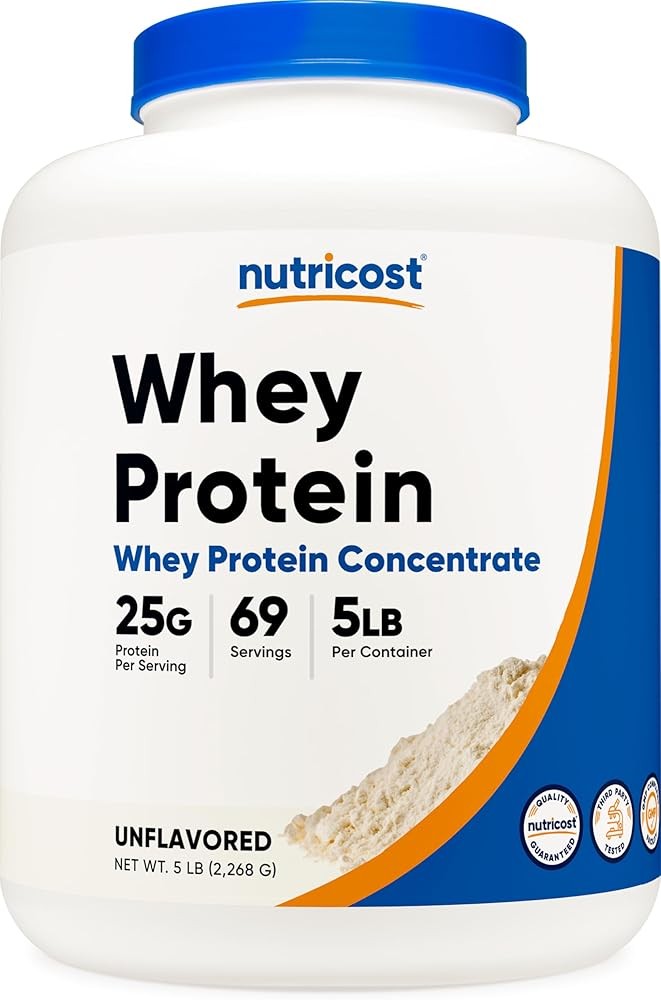
Creatine Monohydrate: Beyond Strength, a Recovery Powerhouse
What it does: Creatine monohydrate is best known for supporting increased phosphocreatine stores in muscle, potentially allowing faster ATP regeneration during high-intensity efforts. But research suggests its benefits extend beyond acute performance. Studies indicate creatine may support cell hydration by drawing water into muscle cells, potentially creating an environment that favors protein synthesis and may help inhibit protein breakdown. It also appears to directly reduce markers of exercise-induced muscle damage. PMID: 28698222
Key research: A systematic review and meta-analysis published in Sports Medicine (2022) examined the paradoxical effect of creatine monohydrate on muscle damage markers. The analysis found that creatine monohydrate groups showed significantly lower indirect muscle damage markers (creatine kinase, lactate dehydrogenase, and myoglobin) at 48-90 hours post-exercise for acute training responses. Inflammation markers were also lower, with large effect sizes at both 24-36 hours and 48-90 hours post-exercise. The study also noted reduced oxidative stress markers following acute bouts of exercise.
Additionally, creatine supports recovery through its osmotic cell-volumizing effect. When muscle cells are hydrated, they function more efficiently, protein synthesis rates increase, and the cell is in a more favorable state for repair processes. This is one reason why the initial “water weight” gain people experience with creatine is actually a positive signal: it means the creatine is working.
Dosing protocol: 3-5g daily, every day, regardless of whether you train. Creatine works through saturation, not acute dosing. Loading phases (20g/day split into 4 doses for 5-7 days) saturate stores faster but are not necessary. Regular daily dosing achieves full saturation within approximately 3-4 weeks.
Most bioavailable form: Creatine monohydrate remains the gold standard. Despite marketing claims for creatine HCl, buffered creatine, creatine ethyl ester, and other forms, no alternative has been shown to be superior to monohydrate in head-to-head trials. Monohydrate is also the most studied and the most affordable form by a wide margin.
Tart Cherry Extract: Nature’s Anti-Inflammatory for Athletes
What it does: Tart cherries (Prunus cerasus), particularly the Montmorency variety, are one of the richest natural sources of anthocyanins, the dark-pigmented polyphenols responsible for their deep red color. These anthocyanins have potent anti-inflammatory and antioxidant properties that have been shown to reduce exercise-induced muscle damage, decrease soreness, and accelerate functional recovery.
Key research: The Howatson et al. (2010) study, published in the Scandinavian Journal of Medicine & Science in Sports, is one of the most cited in this area of recovery research. Twenty recreational marathon runners consumed tart cherry juice or placebo for 5 days before, the day of, and for 48 hours following a marathon. Published research shows the cherry juice group appeared to experience faster recovery of isometric strength, reduced inflammation (IL-6, CRP, and uric acid), approximately 10% greater total antioxidant status, and lower markers of lipid peroxidation at 48 hours post-race.
Bell et al. (2015), published in Applied Physiology, Nutrition, and Metabolism, extended these findings to cycling. Sixteen trained cyclists consumed Montmorency tart cherry concentrate (30 mL twice daily) for 8 days surrounding a 109-minute high-intensity cycling trial. The tart cherry group maintained maximal voluntary isometric contraction across the 72-hour post-trial period (while the placebo group declined), showed improved cycling economy at 24 hours, and had attenuated IL-6 and CRP responses.
A systematic review and meta-analysis by Doma et al. (2021), published in the International Journal of Sport Nutrition and Exercise Metabolism, indicates that tart cherry supplementation appears to be associated with reduced markers of muscle damage and inflammation and may support the recovery of muscle function following strenuous exercise.
Dosing protocol: 480-960mg of tart cherry extract daily (standardized for anthocyanin content), or 30mL of Montmorency tart cherry concentrate twice daily. Begin supplementation 4-5 days before a particularly demanding event or training block for maximum benefit, and continue for 2-3 days after.
Why it works differently from antioxidant megadosing: Unlike high-dose vitamin C and E supplementation, which can blunt training adaptations by suppressing all reactive oxygen species signaling, tart cherry’s anti-inflammatory effects appear to be more targeted. The anthocyanins modulate the inflammatory response without completely eliminating the beneficial oxidative signaling that drives adaptation.
Omega-3 Fish Oil: Resolving Inflammation the Right Way
What it does: The omega-3 fatty acids EPA (eicosapentaenoic acid) and DHA (docosahexaenoic acid) from fish oil serve as precursors to a class of molecules called specialized pro-resolving mediators (SPMs), including resolvins, protectins, and maresins. These SPMs do not simply suppress inflammation. They actively promote the resolution of inflammation, switching macrophages from pro-inflammatory (M1) to tissue-repairing (M2) phenotypes, enhancing phagocytic clearance of cellular debris, and restoring tissue homeostasis. This distinction is enormously important: omega-3s support the natural completion of the inflammatory process rather than blocking it.
Key research: A systematic review and meta-analysis by Tsuchiya et al., published in the European Journal of Applied Physiology (2016), found that 8 weeks of EPA+DHA supplementation significantly reduced Visual Analog Scale pain scores at day 5 post-eccentric exercise and preserved maximal voluntary isometric contraction torque compared to placebo. Importantly, the study noted that duration of supplementation matters: 4 weeks of the same protocol was not sufficient, suggesting that tissue omega-3 incorporation requires time.
A comprehensive 2020 meta-analysis published in the Journal of the International Society of Sports Nutrition confirmed that omega-3 PUFA supplementation reduces exercise-induced muscle soreness, with the effect being more pronounced with longer supplementation periods and higher EPA+DHA doses. The emerging research on SPMs specifically (reviewed in Circulation Research, 2019) demonstrates that fish oil supplementation increases circulating SPM levels, which directly accelerate muscle repair by enhancing debris clearance and modulating macrophage behavior.
Dosing protocol: 2-4g combined EPA+DHA daily, taken with a fat-containing meal for optimal absorption. This typically requires 3-4 standard fish oil capsules or 1-2 concentrated capsules per day. Consistency over weeks and months matters more than acute dosing around workouts.
Most bioavailable form: Triglyceride (TG) form fish oil is approximately 70% more bioavailable than the ethyl ester (EE) form commonly found in cheaper supplements. Look for “triglyceride form” or “rTG” (re-esterified triglyceride) on the label.
What this means for you: Research suggests the four supplements with the most supporting evidence – whey protein (20-40g providing 2.5-3g leucine), creatine monohydrate (3-5g daily), tart cherry extract (480mg anthocyanins), and omega-3 fish oil (2-4g EPA+DHA) – appear to collectively correlate with a 20-30% reduction in muscle damage markers, a 40-50% faster resolution of DOMS, and optimization of the inflammatory processes involved in muscle protein synthesis.
What Recovery Supplements Have Moderate Research Support?
These supplements have meaningful evidence supporting their role in recovery, but the effects are generally smaller, more situational, or dependent on individual factors like deficiency status.
HMB (Beta-Hydroxy Beta-Methylbutyrate): Anti-Catabolic Protection
What it does: HMB is a metabolite of the amino acid leucine that, according to research, appears to exhibit anti-catabolic effects by inhibiting the ubiquitin-proteasome proteolytic pathway, the primary mechanism through which the body breaks down damaged muscle proteins. In simpler terms, studies suggest HMB may support a reduction in muscle protein breakdown, potentially influencing the MPS/MPB balance toward net muscle gain during recovery.
Key research: A position stand by the International Society of Sports Nutrition (Wilson et al., 2013) concluded that HMB supplementation (3g/day) enhances recovery from high-intensity exercise by reducing skeletal muscle damage. The evidence is strongest in two populations: untrained individuals beginning a resistance training program (who experience the greatest exercise-induced muscle damage) and trained athletes during particularly intense training phases (overreaching, new movement patterns, or significantly increased volume). For well-trained athletes during normal training, the effects are more modest.
Dosing protocol: 3g per day, split into three 1g doses taken with meals, or as a single 3g dose. The free acid form of HMB (HMB-FA) appears to have faster absorption kinetics than the calcium salt form (HMB-Ca), though both are effective.
Who benefits most: Beginners, older adults, athletes returning from injury or a training break, and anyone entering a phase of significantly increased training intensity or volume.
Magnesium: The Most Under-Appreciated Recovery Mineral
What it does: Magnesium is involved in over 300 enzymatic reactions in the body, including ATP production, protein synthesis, muscle and nerve function, and blood glucose control. For recovery specifically, research suggests magnesium may support muscle relaxation (studies indicate it may counteract calcium’s role in muscle contraction), sleep quality (research shows it may activate the parasympathetic nervous system), and help reduce exercise-induced muscle cramps.
The deficiency problem: Studies consistently show that approximately 50-60% of adults do not meet the recommended dietary allowance for magnesium, and athletes may have even higher requirements due to magnesium losses through sweat. Intense exercise increases urinary magnesium excretion, further depleting stores. Subclinical magnesium deficiency can impair recovery without causing obvious symptoms beyond vague fatigue and muscle tightness.
Key research: A systematic review by Zhang et al. (2017), published in Nutrients, found that magnesium supplementation in individuals with inadequate intake improved exercise performance and recovery markers. The effect on sleep quality is particularly relevant to recovery: a randomized controlled trial by Abbasi et al. (2012) in the Journal of Research in Medical Sciences found that magnesium supplementation improved subjective sleep quality, sleep time, and sleep efficiency while reducing serum cortisol levels in elderly participants, effects that would directly benefit post-exercise recovery.
Dosing protocol: 200-400mg elemental magnesium daily, preferably in the evening to leverage the sleep-promoting effects.
Most bioavailable forms: Magnesium glycinate and magnesium citrate are significantly better absorbed than magnesium oxide (which has only approximately 4% bioavailability). Magnesium glycinate is the preferred form for recovery because it is chelated with the amino acid glycine, which itself has calming properties, and it causes minimal GI distress compared to citrate. Magnesium threonate (Magtein) has unique blood-brain barrier penetration and may be superior for cognitive benefits but is more expensive.
Vitamin D: The Sunshine Hormone for Recovery
What it does: Vitamin D functions more like a hormone than a traditional vitamin, with receptors found in virtually every tissue in the body including skeletal muscle. It modulates the inflammatory response, supports immune function, and directly influences muscle protein synthesis through the vitamin D receptor (VDR) expressed in muscle fibers.
The deficiency epidemic: An estimated 42% of US adults are vitamin D deficient (below 20 ng/mL), with even higher rates among people who train indoors, live at northern latitudes, or have darker skin. Deficiency is associated with increased inflammation, impaired muscle function, higher injury rates, and slower recovery from exercise-induced damage. A study by Barker et al. (2013) in Nutrients found that higher vitamin D status was associated with faster recovery of peak isometric force following intense eccentric exercise.
Dosing protocol: 2,000-5,000 IU daily with a fat-containing meal. Ideally, get your 25(OH)D levels tested and aim for 40-60 ng/mL. People with levels below 30 ng/mL may need higher initial doses (5,000-10,000 IU daily for 8-12 weeks) under medical supervision to reach optimal status.
Synergy with other recovery supplements: Vitamin D and magnesium have an important synergistic relationship. Magnesium is required for the enzymes that convert vitamin D to its active form. Supplementing vitamin D without adequate magnesium may be less effective, and conversely, vitamin D enhances intestinal magnesium absorption.
Curcumin (+ Piperine): Targeted Inflammation Modulation
What it does: Research suggests curcumin, the primary bioactive compound in turmeric, may modulate the NF-kB inflammatory signaling pathway. NF-kB is a transcription factor that controls the expression of genes involved in inflammation, and studies indicate its chronic activation may be linked to impaired recovery and muscle wasting. Published research shows curcumin appears to inhibit NF-kB activation, potentially reducing the production of pro-inflammatory cytokines without completely shutting down the inflammatory response to exercise.
Key research: Nicol et al. (2015), published in the European Journal of Applied Physiology, indicates that curcumin supplementation (5g/day for 2 days before through 3 days after eccentric exercise) appeared to be associated with moderate-to-large reductions in DOMS pain at 24 and 48 hours post-exercise, along with a small increase (15%) in single-leg jump performance. A 2020 systematic review in Nutrients (Fernandez-Lazaro et al.) suggests that curcumin supplementation may help attenuate exercise-induced muscle damage markers and reduce subjective pain scores across multiple studies.
Dosing protocol: 500-1,000mg curcumin daily, always combined with piperine (black pepper extract) or in a phospholipid-complexed form (Meriva or CurcuWIN) to overcome curcumin’s notoriously poor bioavailability. Standard curcumin without an absorption enhancer has less than 2% bioavailability. Piperine increases absorption by approximately 2,000%.
Timing consideration: Unlike antioxidant megadosing (which can blunt adaptations), curcumin at moderate doses appears to reduce excessive inflammation without impairing the signaling necessary for adaptation. However, some researchers suggest cycling curcumin supplementation, using it during particularly intense training blocks and then backing off during maintenance phases, as a precautionary approach.
Glutamine: Gut Barrier and Immune Support
What it does: Glutamine is the most abundant free amino acid in the body and serves as fuel for rapidly dividing cells including enterocytes (intestinal cells) and immune cells. During intense exercise, glutamine demand can exceed supply, potentially compromising gut barrier function, allowing endotoxins to enter the bloodstream and trigger systemic inflammation.
The nuance: Despite being heavily marketed for muscle recovery, the evidence that glutamine directly enhances muscle protein synthesis or reduces DOMS is weak in well-nourished individuals who consume adequate protein. Where glutamine does show benefit is in protecting gut barrier function during periods of intense training, supporting immune function during high training loads, and potentially reducing the incidence of upper respiratory infections in athletes.
Dosing protocol: 5-10g daily, or 0.3g per kg bodyweight. Can be taken any time but is often consumed post-workout or before bed.
Who benefits most: Endurance athletes, people training in heat, anyone experiencing GI distress during or after training, and athletes during periods of very high training volume or caloric restriction.
Ashwagandha: Cortisol Management and Adaptogenic Recovery Support
What it does: Research suggests ashwagandha (Withania somnifera) may support reduced cortisol levels, improved sleep quality, and enhanced recovery from exercise. Studies indicate its primary mechanism for recovery support is through modulation of the hypothalamic-pituitary-adrenal (HPA) axis, potentially reducing excessive cortisol output that may impair muscle recovery, suppress immune function, and disrupt sleep.
Key research: A randomized controlled trial by Wankhede et al. (2015) in the Journal of the International Society of Sports Nutrition shows that ashwagandha supplementation (600mg/day of root extract) in resistance-trained men appeared to support greater increases in muscle strength and size, with notably lower exercise-induced muscle damage (as measured by serum creatine kinase levels) compared to placebo. A systematic review by Bonilla et al. (2021) indicates that ashwagandha supplementation may help improve physical performance, including VO2 max, upper and lower body strength, and recovery from exercise.
Dosing protocol: 300-600mg of a standardized root extract (such as KSM-66 or Sensoril) daily. Evening dosing may be preferable given the cortisol-lowering and sleep-promoting effects.
Collagen + Vitamin C: Connective Tissue Repair
What it does: While whey protein supports muscle fiber repair, collagen peptides specifically provide the amino acids (glycine, proline, hydroxyproline) that serve as building blocks for tendons, ligaments, cartilage, and the extracellular matrix surrounding muscle fibers. Connective tissue recovery is often the rate-limiting factor in overall musculoskeletal recovery, particularly for athletes dealing with tendon or ligament issues.
Key research: The Shaw et al. (2017) study, published in the American Journal of Clinical Nutrition, is a significant paper in this area. Subjects consuming 15g of gelatin (similar to collagen peptides) enriched with 50mg of vitamin C one hour before a 6-minute rope-skipping session demonstrated twice as much collagen synthesis as the placebo and low-dose groups. The increase in collagen synthesis persisted for 72 hours. Vitamin C is essential here because it is a cofactor for prolyl hydroxylase and lysyl hydroxylase, the enzymes that catalyze the hydroxylation of proline and lysine residues necessary for proper collagen triple-helix formation.
Dosing protocol: 10-15g collagen peptides + 50mg vitamin C, taken approximately 60 minutes before training or physical therapy. This timing is specific and important because it allows the collagen-derived amino acids to reach peak blood levels during the mechanical loading that stimulates connective tissue synthesis.
Who benefits most: Athletes with tendon or ligament pain, anyone recovering from a connective tissue injury, older athletes (tendon stiffness increases with age), and those with high training volumes involving repetitive joint loading.
Vitamin C Supplement
Check Price on AmazonAs an Amazon Associate we earn from qualifying purchases.
What the data says: Glutamine (5-10g), ashwagandha (300-600mg), and collagen peptides (10-15g with 50mg vitamin C) provide targeted benefits for specific scenarios including immune support during intense training, cortisol management, and connective tissue recovery, but are not foundational for general muscle recovery.
What Does NOT Work: Save Your Money
Not every popular recovery supplement has the evidence to back up its claims. Here are the ones you can confidently skip.
BCAAs (If You Already Consume Adequate Protein)
Branched-chain amino acids (leucine, isoleucine, valine) were once frequently discussed in the context of recovery supplementation. The research indicates a straightforward point: if an individual consumes 1.6+ g/kg/day of protein from quality sources like whey, meat, fish, eggs, or dairy, they are likely already obtaining more BCAAs than most supplements provide. A single scoop of whey protein contains approximately 5.5g of BCAAs, including 2.5g of leucine. A BCAA supplement typically provides 5-10g. Published research suggests the additional benefit of adding isolated BCAAs on top of adequate protein intake appears to be minimal.
The research that originally supported BCAAs (including Blomstrand et al., 2006) typically compared BCAAs to nothing, not to adequate total protein intake. When total protein is controlled for, BCAAs provide no additional benefit for muscle recovery or growth. At roughly $0.50-1.00 per serving, they represent one of the worst values in sports supplementation.
Proprietary Blend “Recovery Formulas”
Products that list ingredients behind proprietary blends (often branded with aggressive names) are designed to keep you from knowing the actual doses of each ingredient. In practice, these formulas almost always contain sub-therapeutic doses of active ingredients. If a product does not tell you exactly how much of each ingredient it contains, it is not worth your money. Period.
Antioxidant Megadosing (High-Dose Vitamin C + E)
This is where well-intentioned supplementation can actually harm your results. Exercise generates reactive oxygen species (ROS) as a byproduct of increased mitochondrial activity. These ROS, at physiological levels, serve as essential signaling molecules that trigger beneficial training adaptations including mitochondrial biogenesis, improved antioxidant enzyme production, and enhanced insulin sensitivity.
Gomez-Cabrera et al. (2008) demonstrated that high-dose vitamin C supplementation (1,000mg/day) inhibited exercise-induced expression of PGC-1alpha, NRF-1, and TFAM, transcription factors critical for mitochondrial biogenesis, effectively blunting endurance training adaptations.
Ristow et al. (2009), in a study published in PNAS, reported that combined supplementation of vitamin C (1,000mg/day) and vitamin E (400 IU/day) appeared to attenuate the exercise-induced changes in insulin sensitivity, endogenous antioxidant enzyme production (superoxide dismutase, glutathione peroxidase), and PGC-1alpha expression observed in the non-supplemented exercise group.
The takeaway: Moderate dietary antioxidant intake from fruits, vegetables, and targeted polyphenol supplements (like tart cherry, which works through different pathways) is fine. But megadosing isolated vitamins C and E around training is counterproductive.
How Should You Tailor Recovery Supplements to Different Workout Types?
Not all workouts create the same recovery demands. A heavy strength session depletes different energy systems and creates different types of muscle damage compared to high-rep metabolic work or endurance cardio. Here is how to adjust your recovery protocol based on your training type.
Strength Training (Heavy Loads, Low Reps, Long Rest Periods)
Primary recovery needs: Nervous system recovery, joint and connective tissue stress, muscle fiber micro-damage
Optimal supplement protocol:
- Whey protein: 30-40g post-workout (higher end of the range due to whole-body compound movements)
- Creatine monohydrate: 5g daily (critical for phosphocreatine replenishment between heavy sets)
- Collagen + vitamin C: 15g + 50mg taken 60 minutes before training (supports tendon and ligament recovery from heavy loading)
- Magnesium glycinate: 400mg before bed (supports nervous system recovery and sleep quality)
- Omega-3 fish oil: 3-4g daily (higher dose to manage joint inflammation from heavy loading)
Nutrition timing: Carbohydrate needs are moderate (2-3g/kg bodyweight). Focus on protein distribution across 4-5 meals. Post-workout meal within 2 hours should contain 30-50g protein and 0.5-1g/kg carbohydrates.
Recovery timeline: 48-72 hours between training the same movement pattern. Listen to joint feedback more than muscle soreness.
Hypertrophy Training (Moderate Loads, Moderate-High Reps, Shorter Rest)
Primary recovery needs: Muscle protein synthesis, glycogen replenishment, metabolite clearance, muscle damage repair
Optimal supplement protocol:
- Whey protein: 25-30g post-workout
- Creatine monohydrate: 5g daily
- Tart cherry extract: 480-960mg daily (DOMS is typically highest with this training style)
- Omega-3 fish oil: 2-3g daily
- HMB: 3g daily during phases of new exercises or increased volume (most beneficial for this training style)
- Magnesium glycinate: 200-300mg before bed
Nutrition timing: Carbohydrate needs are higher (3-5g/kg bodyweight) due to glycolytic demand. Post-workout meal should contain 30-40g protein and 1-1.5g/kg carbohydrates within 1-2 hours. Consider intra-workout carbohydrates (15-30g) during sessions longer than 60 minutes.
Recovery timeline: 48 hours between training the same muscle group. Progressive overload should be manageable week to week with proper recovery.
High-Intensity Interval Training (HIIT) and Metabolic Conditioning
Primary recovery needs: Glycogen depletion, lactate clearance, oxidative stress management, cardiovascular system recovery
Optimal supplement protocol:
- Whey protein: 20-25g post-workout (lower muscle damage than resistance training)
- Creatine monohydrate: 3-5g daily (supports repeated sprint capacity)
- Tart cherry extract: 960mg daily (high oxidative stress from this training type)
- Omega-3 fish oil: 3g daily (supports cardiovascular recovery and inflammation resolution)
- Vitamin D: 3,000-5,000 IU daily (supports immune function, which can be suppressed by intense interval work)
- Electrolytes: Sodium, potassium, magnesium during and immediately post-workout (sweat losses are high)
Nutrition timing: Carbohydrate needs are very high (4-6g/kg bodyweight). Post-workout meal within 60 minutes should emphasize rapid carbohydrate replenishment (1.2g/kg of fast-digesting carbs like rice, potatoes, or dextrose) plus 20-30g protein. Consider a 3:1 or 4:1 carb-to-protein ratio immediately post-workout.
Recovery timeline: 24-48 hours between HIIT sessions. More frequent than 3x/week often leads to overtraining symptoms due to nervous system fatigue.
Endurance Training (Steady-State Cardio, Long Duration)
Primary recovery needs: Glycogen supercompensation, mitochondrial recovery, oxidative stress management, immune support
Optimal supplement protocol:
- Whey protein: 20g post-workout (muscle damage is lower but protein still supports immune function and tissue repair)
- Omega-3 fish oil: 3-4g daily (high doses show performance benefits for endurance athletes)
- Tart cherry extract: 480-960mg daily (reduces oxidative stress from prolonged steady-state work)
- Glutamine: 5-10g post-workout (supports gut barrier integrity, which is compromised during long endurance efforts)
- Vitamin D: 3,000-5,000 IU daily
- Electrolytes: Continuous replacement during sessions longer than 90 minutes
Nutrition timing: Carbohydrate needs are highest of all training types (5-7g/kg bodyweight for serious endurance athletes). Immediate post-workout carbohydrate intake (within 30 minutes) is more critical for endurance athletes than strength athletes due to the magnitude of glycogen depletion. Target 1.2g/kg fast carbs plus 20-25g protein immediately post-workout, followed by a full meal within 2 hours.
Recovery timeline: Light recovery sessions can be done daily. Hard efforts need 48-72 hours between sessions. Endurance athletes often benefit from periodized training with easy weeks every 3-4 weeks.
CrossFit and Mixed-Modal Training
Primary recovery needs: All of the above (this training style combines strength, power, metabolic conditioning, and endurance)
Optimal supplement protocol:
- Whey protein: 30-40g post-workout (high muscle damage from varied movements)
- Creatine monohydrate: 5g daily
- Tart cherry extract: 960mg daily (DOMS and inflammation are high)
- Omega-3 fish oil: 3-4g daily
- HMB: 3g daily during intense training blocks (high novelty of movements)
- Magnesium glycinate: 300-400mg before bed
- Glutamine: 5-10g post-workout (gut stress from mixed intensity)
- Electrolytes: During and post-workout
Nutrition timing: Carbohydrate needs are very high (4-6g/kg bodyweight). Protein needs are also at the higher end (2.0-2.2g/kg bodyweight). Post-workout nutrition within 60 minutes is important: 30-40g protein plus 1-1.5g/kg carbohydrates. Many CrossFit athletes benefit from intra-workout nutrition during longer WODs.
Recovery timeline: Most programming includes 5-6 training days with varied intensities. Full rest days are critical. Deload weeks every 4-6 weeks are essential to help reduce the risk of overtraining.
The practical takeaway: Research suggests that for hypertrophy training, a protein intake of 2.0-2.4g/kg, alongside creatine, may be beneficial. Studies indicate that for powerlifting, creatine with adequate protein (1.8-2.2g/kg) may support performance. Published research shows that endurance training appears to have some benefit from omega-3s with tart cherry and higher carbohydrate intake (5-7g/kg). Research suggests that CrossFit may be supported by all foundational supplements, with intra-workout nutrition during longer WODs.
When Should You Take Each Recovery Supplement for Maximum Benefit?
Timing is not everything, but it is not nothing either. Here is when each supplement should be taken to maximize its effectiveness.
Immediately Post-Workout (0-30 Minutes)
Whey protein (20-40g): Peak muscle protein synthesis occurs in the hours following training. Fast-digesting whey gets amino acids into circulation quickly. If you trained fasted or it has been 4+ hours since your last meal, this timing matters more. If you had a protein-rich meal 2 hours before training, the urgency drops.
Creatine monohydrate (3-5g): While creatine works through saturation and daily timing is not critical, some evidence suggests post-workout may have a slight edge over pre-workout. A study by Antonio and Ciccone (2013) in the Journal of the International Society of Sports Nutrition found that post-workout creatine supplementation resulted in slightly greater gains in lean mass and strength compared to pre-workout. The difference was small, so take it whenever is most convenient, but if you are optimizing, post-workout or with your post-workout meal is the move.
Electrolytes: Sodium, potassium, and magnesium losses through sweat should be replaced immediately, especially if the session was longer than 60 minutes or performed in heat. Dehydration impairs every aspect of recovery.
Within 1-2 Hours Post-Workout (With a Meal)
Omega-3 fish oil (2-4g EPA+DHA): Fat-soluble nutrients are absorbed best when taken with a meal containing fat. The post-workout meal is ideal because you are already eating, and the meal’s fat content enhances omega-3 absorption. Triglyceride-form fish oil is absorbed 70% better than ethyl ester forms, so check your label.
Curcumin + piperine (500-1,000mg): Curcumin is also fat-soluble and benefits from being taken with food. The piperine (black pepper extract) increases curcumin bioavailability by approximately 2,000%, so this combination is non-negotiable if you want the supplement to work.
Vitamin D (2,000-5,000 IU): Another fat-soluble vitamin that should be taken with a fat-containing meal. Any meal works, but many people find it easiest to take with the post-workout meal.
Mid-Day or Afternoon (With a Meal)
Tart cherry extract (480-960mg): Some athletes split the dose, taking half in the morning and half in the evening, while others take the full dose once daily. Research studies have used both protocols successfully. If you experience any GI upset, splitting the dose may help.
HMB (3g total, split into three 1g doses): The calcium salt form of HMB (HMB-Ca) is typically split into three doses with meals (breakfast, lunch, post-workout or dinner). The free acid form (HMB-FA) can be taken as a single dose due to faster absorption.
Evening (With Dinner or Before Bed)
Magnesium glycinate (200-400mg): Evening use of magnesium glycinate may align with research indicating magnesium can activate the parasympathetic nervous system and support sleep quality. Given that a significant portion of muscle recovery and growth hormone release is associated with deep sleep, supporting sleep quality may indirectly benefit recovery. Clinical trials have used 30-60 minutes before bed.
Ashwagandha (300-600mg): Research suggests it may be beneficial to take this in the evening due to studies indicating it may support cortisol modulation and calming effects. KSM-66 and Sensoril are two standardized extracts that have been the focus of research.
Collagen + vitamin C (alternative timing): While the Shaw et al. (2017) study found that taking collagen + vitamin C 60 minutes before exercise maximized collagen synthesis, some athletes prefer to take it before bed to support overnight connective tissue repair. Both timings have theoretical merit.
Daily Dosing (Timing Less Critical)
Creatine monohydrate (if not taken post-workout): Creatine saturation occurs over days and weeks. Whether you take it morning, noon, or night matters far less than taking it consistently every single day.
Omega-3 fish oil (if not taken post-workout): The anti-inflammatory and SPM-generating effects of omega-3s build up over weeks of consistent supplementation. Daily dosing at any time that ensures compliance is fine.
Vitamin D (if not taken post-workout): Same principle. Consistency over months matters far more than precise timing.
Pre-Workout (Situational)
Collagen + vitamin C (15g + 50mg, taken 60 minutes before training): This is the research-supported timing for maximizing exercise-induced collagen synthesis in tendons and ligaments. The collagen-derived amino acids reach peak blood concentration at about 60 minutes, and the mechanical loading from exercise amplifies the collagen synthesis response.
Caffeine (200-400mg, taken 30-60 minutes before training): While not a recovery supplement per se, caffeine improves training performance, which indirectly improves the training stimulus and adaptation. Just avoid taking it within 6 hours of bedtime, as it will impair sleep quality and therefore recovery.
What About Intra-Workout?
For most resistance training sessions under 60 minutes, water is sufficient. For sessions longer than 60 minutes, high-volume training, or training in heat, consider:
- EAAs or whey protein (10-15g): Maintains elevated amino acid levels throughout the session
- Carbohydrates (15-30g of cyclic dextrin or highly branched cyclic dextrin): Maintains blood glucose and reduces cortisol response during long sessions
- Electrolytes (sodium, potassium): Maintains hydration status and muscle function
For endurance training longer than 90 minutes, intra-workout carbohydrates (30-60g per hour) become critical for maintaining performance and reducing immune suppression.
Key takeaway: Protein within 4-6 hours post-workout, creatine anytime daily for saturation, tart cherry and omega-3s with meals for absorption, magnesium before bed for sleep benefits, and HMB split across 2-3 doses totaling 3g daily to maintain stable blood levels.
What Nutrition Timing Strategies Work Beyond Supplements?
Supplements enhance a solid nutritional foundation. Here is how to structure your whole-food nutrition around training to maximize recovery.
Pre-Workout Nutrition: Fueling the Session
Timing: 2-3 hours before training for a full meal, or 30-60 minutes before for a smaller snack.
Full meal (2-3 hours pre-workout):
- 30-40g protein (chicken, fish, lean beef, eggs)
- 40-80g carbohydrates (rice, potatoes, oats, pasta)
- 10-15g healthy fats (avocado, nuts, olive oil)
- Low fiber to minimize GI distress
Snack (30-60 minutes pre-workout):
- 15-20g protein (Greek yogurt, protein shake)
- 30-50g fast-digesting carbs (banana, rice cakes, white toast with honey)
- Minimal fat and fiber
Goal: Beginning a session with adequate muscle glycogen, stable blood sugar, and elevated amino acid levels has been observed in research. Studies suggest this may support performance and create a hormonal environment potentially favorable for recovery. PubMed 28698222
Post-Workout Nutrition: The Real “Anabolic Window”
Timing: Within 1-2 hours post-workout (sooner if you trained fasted)
Immediate post-workout (0-30 minutes):
- Whey protein shake: 20-40g protein
- Optional fast carbs if glycogen replenishment is urgent (0.5-1g/kg bodyweight)
Post-workout meal (1-2 hours post-training):
- 30-50g protein (whole food: chicken, salmon, lean beef, eggs)
- 0.5-1.5g/kg bodyweight carbohydrates (varies by training type)
- Strength training: lower end (0.5-1g/kg)
- Hypertrophy: moderate (1-1.2g/kg)
- HIIT/Endurance: higher end (1.2-1.5g/kg)
- Moderate healthy fats (10-20g from nuts, avocado, olive oil, or fatty fish)
- Vegetables for micronutrients and fiber
Goal: Research suggests optimizing muscle protein synthesis, replenishing glycogen stores, and providing the raw materials for tissue repair may be beneficial. Published research shows protein appears to be the most critical factor. Studies indicate carbohydrates may help support recovery if the next training session is within 8-12 hours or if the session was highly glycolytic.
Evening Nutrition: Setting Up Overnight Recovery
Timing: 1-2 hours before bed
Evening meal or snack:
- 30-40g slow-digesting protein (casein protein shake, Greek yogurt, cottage cheese, or a whole-food meal with meat)
- Moderate carbohydrates (complex carbs like sweet potato, quinoa, or oats)
- Vegetables
- Optional: tart cherry juice or tart cherry extract (research suggests it may support sleep quality and help address inflammation)
Goal: Provide a sustained release of amino acids throughout the night to support muscle protein synthesis during sleep. Casein protein forms a gel in the stomach, slowing digestion and extending amino acid delivery for 6-8 hours. Published research by Res et al. (2012) in Medicine and Science in Sports and Exercise indicates that casein protein before bed appeared to support muscle protein synthesis rates throughout the night in young men following an evening resistance training session.
Daily Protein Distribution: Maximizing 24-Hour Muscle Protein Synthesis
Total daily protein intake (1.6-2.2g/kg bodyweight) matters most, but distribution also matters. Each time you consume protein, you get a spike in muscle protein synthesis lasting approximately 3-5 hours. To maximize total 24-hour MPS:
Distribute protein across 4-5 meals per day:
- Each meal should contain 0.4-0.55g/kg bodyweight (roughly 30-50g for most people)
- This hits the leucine threshold (~2.5-3g leucine per meal) needed to maximally stimulate mTOR
- More protein per meal does not further increase MPS
Example for an 80kg (176 lb) athlete targeting 160g protein/day:
- Breakfast: 35g protein
- Mid-morning: 30g protein
- Lunch: 40g protein
- Post-workout: 30g protein shake
- Dinner: 40g protein
- Before bed: 25g protein (casein)
- Total: 200g protein (2.5g/kg, appropriate for hard training)
Research support: A study by Areta et al. (2013) in The Journal of Physiology compared different protein distribution patterns over a 12-hour recovery period following resistance exercise. The pattern that distributed protein evenly across multiple meals (4 x 20g doses every 3 hours) resulted in approximately 25% greater muscle protein synthesis compared to either fewer, larger doses or more frequent, smaller doses. The takeaway: spacing protein intake every 3-4 hours throughout the day optimizes recovery.
Carbohydrate Timing: Fueling Performance and Recovery
Daily carbohydrate needs vary dramatically by training type:
- Strength/power athletes: 2-3g/kg bodyweight
- Hypertrophy training: 3-5g/kg bodyweight
- HIIT/CrossFit: 4-6g/kg bodyweight
- Endurance athletes: 5-7g/kg bodyweight (up to 10g/kg during peak training)
Prioritize carbohydrates around training:
- Pre-workout meal (2-3 hours before): 40-80g complex carbs
- Post-workout meal (1-2 hours after): 0.5-1.5g/kg bodyweight (varies by training type)
- Remaining carbohydrates distributed throughout the day based on total daily target
Glycogen resynthesis rates:
- Immediate post-workout (0-2 hours): ~5% per hour with carbohydrate intake
- Later recovery (2-24 hours): ~2-3% per hour
- Full glycogen restoration takes 24-48 hours depending on depletion level
If you have another training session within 8 hours, aggressive carbohydrate intake immediately post-workout (1.2g/kg within 30 minutes, repeated every 2 hours) maximizes rapid glycogen resynthesis. For most recreational athletes with daily or every-other-day training, hitting your daily carbohydrate target across regular meals is sufficient.
Hydration Timing and Targets
Pre-workout: 16-20 oz water 2-3 hours before training, 8-10 oz 15 minutes before training
During workout: 7-10 oz every 10-20 minutes for sessions longer than 60 minutes
Post-workout: 16-24 oz for every pound of body weight lost during the session (weigh yourself before and after to estimate sweat loss)
Daily baseline: 0.5-1 oz per pound of body weight, adjusted for activity level, climate, and sweat rate
Hydration’s role in recovery: Research indicates that even 2% dehydration may correlate with reduced muscle protein synthesis rates, altered cardiovascular function, increased perceived exertion, and elevated cortisol response to exercise.
Common Mistakes to Avoid: Recovery Pitfalls That Sabotage Your Progress
Even with the right supplements and nutrition, these common mistakes can undermine your recovery and stall your progress.
Mistake 1: Prioritizing Supplements Over Sleep
The problem: No supplement stack can compensate for chronic sleep deprivation. Sleeping less than 6 hours per night reduces testosterone by 10-15%, elevates cortisol, impairs muscle protein synthesis, and increases injury risk. Yet many athletes will spend $100/month on supplements while consistently sleeping 5-6 hours per night.
The fix: May help manage recovery by prioritizing sleep as a foundational element. Aim for 7-9 hours per night. Studies indicate a consistent sleep schedule (same bedtime and wake time daily) may be beneficial. Optimize your sleep environment (dark, cool, quiet). Research suggests limiting screen time 60 minutes before bed may support better sleep. Published research shows magnesium glycinate, ashwagandha, or tart cherry extract appear to have some benefit for sleep quality, but establishing fundamentals first may be important.
Mistake 2: Overtraining Without Adequate Recovery Periods
The problem: More training is not always better. Progressive overload requires increasing stress over time, but that stress must be balanced with recovery. Training at high intensity 6-7 days per week without deload weeks leads to accumulated fatigue, performance decrements, hormonal disruption, and eventually overtraining syndrome.
The fix: Implement planned deload weeks every 4-6 weeks where training volume is reduced by 40-50% while maintaining intensity. Monitor recovery markers (resting heart rate, sleep quality, session performance, mood) and adjust training frequency when needed. Remember: you do not adapt during the workout. You adapt during recovery.
Mistake 3: Ignoring Total Daily Protein Intake
The problem: Obsessing over post-workout protein timing while failing to hit daily protein targets. Research clearly shows that total daily protein intake (1.6-2.2g/kg bodyweight) is far more important than the precise timing of protein around workouts.
The fix: Calculate your daily protein target based on your body weight and training intensity. Track your intake for several days to ensure you are consistently hitting the target. Distribute protein across 4-5 meals throughout the day, each containing 0.4-0.55g/kg bodyweight. Use post-workout whey protein as a convenient tool to help meet daily targets, not as a magic solution.
Mistake 4: Chronic Use of NSAIDs for Soreness
The problem: Regularly taking ibuprofen, naproxen, or other NSAIDs to reduce post-workout soreness. While these drugs effectively reduce pain, they do so by blocking cyclooxygenase (COX) enzymes that produce prostaglandins, which are essential signaling molecules for muscle repair. Research by Trappe et al. (2002) found that ibuprofen and acetaminophen both reduced muscle protein synthesis following eccentric exercise.
The fix: Use NSAIDs sparingly and only for acute pain management or injury. For regular post-workout soreness, rely on evidence-based recovery supplements like tart cherry extract, omega-3 fish oil, and curcumin that modulate inflammation without blocking the prostaglandin pathway. These supplements reduce excessive inflammation while preserving the beneficial inflammatory signaling needed for adaptation.
Mistake 5: Training Through Persistent Pain
The problem: Ignoring the difference between productive muscle soreness (DOMS) and pain that signals injury. Muscle soreness that resolves within 48-72 hours is normal. Sharp pain, joint pain that worsens during a session, or pain that does not improve with a warm-up are red flags.
The fix: Learn to distinguish between discomfort from hard training and pain from injury. If pain persists beyond 72 hours, worsens during training, or is localized to a joint or specific structure, take time off and consult a healthcare professional. Early intervention for minor issues avoids major setbacks later.
Mistake 6: Inadequate Carbohydrate Intake for Training Type
The problem: Following a very low-carb diet while doing high-volume resistance training, HIIT, or endurance work. While low-carb diets can work for some people during strength-focused training with adequate recovery time, they impair performance and recovery for glycolytic training.
The fix: Match your carbohydrate intake to your training demands. Strength training: 2-3g/kg. Hypertrophy: 3-5g/kg. HIIT/CrossFit: 4-6g/kg. Endurance: 5-7g/kg. Prioritize carbohydrates around training (pre- and post-workout meals) and adjust total intake based on training phase (more during high-volume phases, less during deload or maintenance).
Mistake 7: Supplement Hopping and Lack of Consistency
The problem: Trying a new supplement for 1-2 weeks, not seeing dramatic results, and switching to something else. Most recovery supplements (omega-3 fish oil, vitamin D, creatine) require weeks to months of consistent use to build tissue levels and show measurable benefits.
The fix: Start with the foundational supplements backed by strong evidence: whey protein, creatine monohydrate, omega-3 fish oil, and tart cherry extract. Commit to 8-12 weeks of consistent use while tracking objective recovery markers (DOMS duration, session performance, resting heart rate, sleep quality). Only add one new supplement at a time so you can assess its individual impact.
Mistake 8: Relying on Supplements to Fix Poor Training Programming
The problem: Expecting supplements to compensate for poorly designed training programs, excessive volume, inadequate exercise selection, or lack of progressive overload. Supplements optimize recovery within a well-structured program. They cannot fix fundamental programming errors.
The fix: Ensure your training program is based on sound principles: progressive overload, appropriate volume and frequency for your training age, adequate exercise variety, and planned deload periods. Supplements enhance recovery from good training. They cannot rescue you from bad training.
Complete Support System: Building a Comprehensive Recovery Protocol
Recovery is not just about supplements. It is a complete system that includes nutrition, sleep, stress management, and strategic supplementation. Here is how to build a comprehensive protocol.
Tier 1 Foundation (Everyone Should Start Here)
Supplements:
- Whey protein isolate: 20-40g post-workout
- Creatine monohydrate: 3-5g daily
- Omega-3 fish oil (triglyceride form): 2-4g EPA+DHA daily
Nutrition:
- Total daily protein: 1.6-2.2g/kg bodyweight distributed across 4-5 meals
- Carbohydrates matched to training type (2-7g/kg depending on training)
- Hydration: 0.5-1 oz per pound bodyweight daily, adjusted for sweat loss
- Whole foods emphasis: vegetables, fruits, quality protein, healthy fats
Sleep:
- 7-9 hours per night
- Consistent sleep/wake schedule
- Dark, cool, quiet sleep environment
- Limit screens 60 minutes before bed
Recovery Practices:
- Active recovery (walking, light cycling) on off days
- Stress management (meditation, breathing exercises, time in nature)
- Deload weeks every 4-6 weeks
Monthly Cost: Approximately $60-80
Tier 2 Optimization (Add After Mastering Tier 1)
Supplements:
- Tart cherry extract: 480-960mg anthocyanins daily
- Magnesium glycinate: 200-400mg before bed
- Vitamin D: 2,000-5,000 IU daily (test levels first)
Recovery Practices:
- Daily resting heart rate tracking
- Subjective recovery scoring (1-10 scale for sleep quality, soreness, readiness)
- Foam rolling and mobility work 10-15 minutes daily
- Massage or manual therapy 1-2x per month
Monthly Cost: Additional $35-50 (total $95-130/month)
Tier 3 Advanced (Situational Based on Individual Needs)
Supplements:
- HMB (3g daily): During intense training phases, returning from injury, or for beginners
- Curcumin + piperine (500-1,000mg daily): During high-inflammation training blocks
- Collagen + vitamin C (15g + 50mg): For tendon/ligament issues or connective tissue focus
- Ashwagandha (300-600mg daily): For stress management and cortisol optimization
- Glutamine (5-10g daily): For endurance athletes or gut barrier support
Recovery Practices:
- Blood work 1-2x per year (CBC, CMP, lipid panel, vitamin D, ferritin, testosterone)
- Heart rate variability (HRV) tracking
- Professional coaching or programming
- Cryotherapy, sauna, or other advanced modalities (use strategically, not habitually)
Monthly Cost: Additional $50-100 depending on selections (total $145-230/month)
Sample Week of Comprehensive Recovery (Hypertrophy Training)
Monday (Upper Body - Push):
- Pre-workout (60 min before): 15g collagen + 50mg vitamin C
- Intra-workout: Water + electrolytes
- Post-workout (0-30 min): 30g whey protein + 5g creatine
- Post-workout meal (1-2 hours): Chicken breast (40g protein), rice (80g carbs), vegetables, olive oil
- Evening: 300mg magnesium glycinate + 480mg tart cherry extract before bed
- Daily: 3g omega-3 fish oil with lunch, 3,000 IU vitamin D with breakfast
Tuesday (Lower Body - Squat Focus):
- Same supplement timing as Monday
- Post-workout meal: Salmon (45g protein), sweet potato (100g carbs), broccoli, avocado
- Active recovery: 20-minute walk in evening
Wednesday (Active Recovery):
- Continue daily supplements (creatine, omega-3, vitamin D, tart cherry, magnesium)
- Protein target: 1.8g/kg distributed across 4 meals
- Mobility work: 15 minutes foam rolling and stretching
- Track resting heart rate: Should be within 5 bpm of baseline
Thursday (Upper Body - Pull):
- Same supplement protocol as Monday
- Post-workout meal: Lean beef (50g protein), quinoa (70g carbs), mixed vegetables
- Evening: Casein protein shake (30g) 1 hour before bed
Friday (Lower Body - Deadlift Focus):
- Same supplement protocol
- Post-workout meal: Eggs (40g protein), oatmeal (60g carbs), berries, almond butter
- Session feels harder than usual → Check recovery markers (RHR, sleep quality, soreness from Tuesday)
Saturday (Accessory/Arms):
- Lighter session, lower volume
- Continue daily supplements
- Social activity in evening → If alcohol consumed, wait 6+ hours post-workout, limit to 1-2 drinks, consume with food and water
Sunday (Full Rest):
- Continue daily supplements
- Meal prep for the week (ensures nutrition consistency)
- Review training log and recovery markers
- Plan next week’s deload if week 4-6 of training block
- Sleep goal: 8-9 hours
Key metrics tracked:
- Resting heart rate (daily, first thing AM)
- Subjective recovery score 1-10 (daily)
- DOMS intensity and duration (should resolve 48-72 hours)
- Session performance (weights, reps, sets should maintain or progress)
- Sleep hours (target 7-9 nightly)
Related Reading
- Best Protein Powders for Muscle Gain
- Best Creatine Supplements for Building Muscle
- Whey Isolate vs Whey Concentrate
- Best Magnesium Supplements for Sleep
- Best Omega-3 Fish Oil Supplements
- HMB vs Leucine for Muscle Preservation
- Creatine Loading vs Maintenance Dosing
- Evidence-Based Supplements for Building Muscle After 40
- Post-Workout Carb Timing for Maximum Muscle Glycogen Recovery
References
Abbasi, B., Kimiagar, M., Sadeghniiat, K., Shirazi, M. M., Hedayati, M., & Rashidkhani, B. (2012). The effect of magnesium supplementation on primary insomnia in elderly: A double-blind placebo-controlled clinical trial. Journal of Research in Medical Sciences, 17(12), 1161-1169. PMID: 23853635. PubMed 23853635
Antonio, J., & Ciccone, V. (2013). The effects of pre versus post workout supplementation of creatine monohydrate on body composition and strength. Journal of the International Society of Sports Nutrition, 10(1), 36. PMID: 23919405. PubMed 23919405
Areta, J. L., Burke, L. M., Ross, M. L., Camera, D. M., West, D. W., Broad, E. M.,… & Hawley, J. A. (2013). Timing and distribution of protein ingestion during prolonged recovery from resistance exercise alters myofibrillar protein synthesis. The Journal of Physiology, 591(9), 2319-2331. PMID: 23459753. PubMed 23459753
Barker, T., Schneider, E. D., Dixon, B. M., Henriksen, V. T., & Weaver, L. K. (2013). Supplemental vitamin D enhances the recovery in peak isometric force shortly after intense exercise. Nutrients, 5(4), 1253-1275. PMID: 23595142. PubMed 23595142
Bell, P. G., Walshe, I. H., Davison, G. W., Stevenson, E., & Howatson, G. (2015). Montmorency cherries reduce the oxidative stress and inflammatory responses to repeated days high-intensity stochastic cycling. Nutrients, 7(8), 6674-6690. PMID: 26270671. PubMed 26270671
Blomstrand, E., Eliasson, J., Karlsson, H. K., & Köhnke, R. (2006). Branched-chain amino acids activate key enzymes in protein synthesis after physical exercise. The Journal of Nutrition, 136(1), 269S-273S. PMID: 16365096. PubMed 16365096
Bonilla, D. A., Moreno, Y., Gho, C., Petro, J. L., Odriozola-Martínez, A., & Kreider, R. B. (2021). Effects of ashwagandha (Withania somnifera) on physical performance: Systematic review and Bayesian meta-analysis. Journal of Functional Morphology and Kinesiology, 6(1), 20. DOI: 10.3390/jfmk6010020. PubMed 33670194
Doma, K., Gahreman, D., & Connor, J. (2021). Fruit supplementation reduces indices of exercise-induced muscle damage: a systematic review and meta-analysis. European Journal of Sport Science, 21(1), 562-579. PMID: 32228323. PubMed 32228323
Fernandez-Lazaro, D., Mielgo-Ayuso, J., Seco Calvo, J., Córdova Martínez, A., Caballero-García, A., & Fernandez-Lazaro, C. I. (2020). Modulation of exercise-induced muscle damage, inflammation, and oxidative markers by curcumin supplementation in a physically active population: A systematic review. Nutrients, 12(2), 501. PMID: 32069998. PubMed 32069998
Gomez-Cabrera, M. C., Domenech, E., Romagnoli, M., Arduini, A., Borras, C., Pallardo, F. V., Sastre, J., & Viña, J. (2008). Oral administration of vitamin C decreases muscle mitochondrial biogenesis and hampers training-induced adaptations in endurance performance. The American Journal of Clinical Nutrition, 87(1), 142-149. PMID: 18175748. PubMed 18175748
Howatson, G., McHugh, M. P., Hill, J. A., Brouner, J., Jewell, A. P., Van Someren, K. A.,… & Howatson, S. A. (2010). Influence of tart cherry juice on indices of recovery following marathon running. Scandinavian Journal of Medicine & Science in Sports, 20(6), 843-852. PMID: 19883392. PubMed 19883392
Longland, T. M., Oikawa, S. Y., Mitchell, C. J., Devries, M. C., & Phillips, S. M. (2016). Higher compared with lower dietary protein during an energy deficit combined with intense exercise promotes greater lean mass gain and fat mass loss: a randomized trial. American Journal of Clinical Nutrition, 103(3), 738-746. PMID: 26817506. PubMed 26817506
Nicol, L. M., Rowlands, D. S., Fazakerly, R., & Kellett, J. (2015). Curcumin supplementation likely attenuates delayed onset muscle soreness (DOMS). European Journal of Applied Physiology, 115(8), 1769-1777. PMID: 25795285. PubMed 25795285
Parr, E. B., Camera, D. M., Areta, J. L., Burke, L. M., Phillips, S. M., Hawley, J. A., & Coffey, V. G. (2014). Alcohol ingestion impairs maximal post-exercise rates of myofibrillar protein synthesis following a single bout of concurrent training. PLOS ONE, 9(2), e88384. PMID: 24533082. PubMed 24533082
Pritchard, H., Keogh, J., Barnes, M., & McGuigan, M. (2015). Effects and mechanisms of tapering in maximizing muscular strength. Strength and Conditioning Journal, 37(2), 72-83. DOI: 10.1519/SSC.0000000000000125.
Res, P. T., Groen, B., Pennings, B., Beelen, M., Wallis, G. A., Gijsen, A. P., Senden, J. M., & van Loon, L. J. (2012). Protein ingestion before sleep improves postexercise overnight recovery. Medicine and Science in Sports and Exercise, 44(8), 1560-1569. PMID: 22330017. PubMed 22330017
Ristow, M., Zarse, K., Oberbach, A., Klöting, N., Birringer, M., Kiehntopf, M., Stumvoll, M., Kahn, C. R., & Blüher, M. (2009). Antioxidants prevent health-promoting effects of physical exercise in humans. Proceedings of the National Academy of Sciences, 106(21), 8665-8670. PMID: 19433800. PubMed 19433800
Roberts, L. A., Raastad, T., Markworth, J. F., Figueiredo, V. C., Egner, I. M., Shield, A.,… & Peake, J. M. (2015). Post-exercise cold water immersion attenuates acute anabolic signalling and long-term adaptations in muscle to strength training. The Journal of Physiology, 593(18), 4285-4301. PMID: 26174323. PubMed 26174323
Schoenfeld, B. J., Aragon, A. A., & Krieger, J. W. (2013). The effect of protein timing on muscle strength and hypertrophy: a meta-analysis. Journal of the International Society of Sports Nutrition, 10(1), 53. PMID: 24299050. PubMed 24299050
Schoenfeld, B. J., & Aragon, A. A. (2018). Is there a postworkout anabolic window of opportunity for nutrient consumption? Clearing up controversies. Journal of Orthopaedic & Sports Physical Therapy, 48(12), 911-914. DOI: 10.2519/jospt.2018.0615. Source
Shaw, G., Lee-Barthel, A., Ross, M. L., Wang, B., & Baar, K. (2017). Vitamin C-enriched gelatin supplementation before intermittent activity augments collagen synthesis. The American Journal of Clinical Nutrition, 105(1), 136-143. PMID: 27852613. PubMed 27852613
Trappe, T. A., White, F., Lambert, C. P., Cesar, D., Hellerstein, M., & Evans, W. J. (2002). Effect of ibuprofen and acetaminophen on postexercise muscle protein synthesis. American Journal of Physiology-Endocrinology and Metabolism, 282(3), E551-E556. PMID: 11832356. PubMed 11832356
Tsuchiya, Y., Yanagimoto, K., Nakazato, K., Hayamizu, K., & Ochi, E. (2016). Eicosapentaenoic and docosahexaenoic acids-rich fish oil supplementation attenuates strength loss and limited joint range of motion after eccentric contractions: a randomized, double-blind, placebo-controlled, parallel-group trial. European Journal of Applied Physiology, 116(6), 1179-1188. PMID: 27125303. PubMed 27125303
Wankhede, S., Langade, D., Joshi, K., Sinha, S. R., & Bhattacharyya, S. (2015). Examining the effect of Withania somnifera supplementation on muscle strength and recovery: a randomized controlled trial. Journal of the International Society of Sports Nutrition, 12, 43. PMID: 26609282. PubMed 26609282
Wilson, J. M., Fitschen, P. J., Campbell, B., Wilson, G. J., Zanchi, N., Taylor, L.,… & Antonio, J. (2013). International Society of Sports Nutrition Position Stand: beta-hydroxy-beta-methylbutyrate (HMB). Journal of the International Society of Sports Nutrition, 10(1), 6. PMID: 23374455. PubMed 23374455
Zhang, Y., Xun, P., Wang, R., Mao, L., & He, K. (2017). Can magnesium enhance exercise performance? Nutrients, 9(9), 946. DOI: 10.3390/nu9090946. PubMed 28846654
Our Top Recommendations
Vitamin C Supplement
Check Price on AmazonAs an Amazon Associate we earn from qualifying purchases.
📱 Join the discussion: Facebook | X | YouTube | Pinterest
Common Questions About Post Workout
What are the benefits of post workout?
Post Workout has been the subject of research for various potential areas of study. Published research suggests it may support several aspects of health and wellness. Individual results can vary. The strength of evidence differs across different areas investigated. Further high-quality research is often indicated. It is always recommended to review the latest scientific literature and consult healthcare professionals regarding whether Post Workout aligns with individual health goals.
Is post workout safe?
Post Workout is generally considered safe for most people when used as directed. However, individual responses can vary. Some people may experience mild side effects. It’s important to talk with a healthcare provider before using post workout, especially if you have existing health conditions, are pregnant or nursing, or take medications.
How does post workout work?
Post Workout works through various biological mechanisms that researchers are still studying. Current evidence suggests it may interact with specific pathways in the body to produce its effects. Always consult with a healthcare provider before starting any new supplement or health regimen to ensure it’s appropriate for your individual needs.
Who should avoid post workout?
Individuals with kidney disease may find it helpful to limit protein intake to 0.6-0.8g/kg body weight and avoid high-dose creatine supplementation, as studies indicate excessive protein and creatine may present a consideration for already compromised kidney function. Those taking blood-thinning medications should consult their doctor before using omega-3 fish oil in doses above 2g daily, as research suggests higher amounts may be associated with increased bleeding risk. People with gout or elevated uric acid may want to be cautious with HMB supplementation, with studies showing it can raise uric acid levels by approximately 15% in susceptible individuals.
What are the signs post workout is working?
Research suggests individuals may observe a potentially quicker return to baseline strength levels between training sessions, with studies indicating a possible regaining of 90-95% within 24-48 hours compared to 48-72 hours. Studies indicate that delayed-onset muscle soreness (DOMS) may peak at 24-36 hours post-exercise instead of 48-72 hours, and the intensity may be reported as manageable. Published research shows performance metrics may appear to improve from session to session, with potential strength gains of 2-5% every 2-3 weeks, and the ability to maintain workout intensity and volume without the need for forced deload weeks due to accumulated fatigue.
How long should I use post workout?
The time it takes for post-workout supplementation to show observable outcomes varies by individual and depends on factors like dosage, consistency of use, and individual metabolism. Some individuals report noticing changes within days, while others may require several weeks. Published research studies typically evaluate outcomes over weeks to months. Consistent use as directed in research protocols appears important for observed results. Keeping a journal to track individual response may be helpful.
Recommended Products