Best Pre-Workout Supplements for Strength Training
Summarized from peer-reviewed research indexed in PubMed. See citations below.
Pre-workout supplements containing well-researched ingredients may support strength training performance when combined with proper training and nutrition. Research on multi-ingredient pre-workout formulas shows caffeine (3-6 mg/kg body weight) enhances neural drive and reduces perceived effort, creatine monohydrate (5g daily) increases muscle phosphocreatine stores by 20-40% for faster ATP regeneration during high-intensity sets, and beta-alanine (3.2-6.4g daily) raises muscle carnosine levels to buffer hydrogen ions during high-rep work. A systematic review by Jagim et al. (2019) found that most commercial products underdose key ingredients below clinical thresholds, with the top evidence-based pick being Gorilla Mode Pre-Workout at approximately $30-40 per 30-serving container. For budget-conscious lifters, a DIY stack of caffeine anhydrous, creatine monohydrate, and beta-alanine costs $0.15-0.25 per serving while delivering clinically effective doses. Here’s what the published research shows about selecting and using pre-workout supplements for strength training.
Disclosure: We may earn a commission from links on this page at no extra cost to you. Affiliate relationships never influence our ratings. Full policy →


| Feature | Gorilla Mode Pre-Workout | DIY Foundation Stack | Transparent Labs BULK Pre-Workout | Stimulant-Free Formula |
|---|---|---|---|---|
| Caffeine | 200mg | 200-400mg (customizable) | 150mg | 0mg |
| Creatine | 1.5g | 5g | 3g | 5g |
| Beta-Alanine | 3.2g | 3.2g | 2g | 3.2g |
| Citrulline | 2g | 8g (added separately) | 1g | 8g |
| Price/Serving | ~$1.17 | ~$0.15-0.25 | ~$0.67 | ~$0.50 |
| Third-Party Testing | Yes (NSF) | No (individual ingredients vary) | Yes (Informed Choice) | Varies by brand |
| Best For | Convenience + quality assurance | Maximum clinical dosing + cost savings | Protein + performance combo | Evening training sessions |
What Does a Pre-Workout Supplement Actually Do?
Walk into any supplement store or browse any fitness retailer and the pre-workout section will dominate the shelf space. Neon-colored tubs with aggressive branding suggest potential for “explosive energy,” “insane pumps,” and “skin-splitting vascularity.” The marketing is loud. The ingredient labels are often confusing. And the question most serious trainees eventually ask is straightforward: does any of this actually appear to have benefit?
The honest answer is nuanced. Some pre-workout ingredients have decades of rigorous research behind them, with effect sizes that are small but consistent and clinically meaningful when compounded over months and years of training. Others are marketing filler dressed up with impressive-sounding names but zero human performance data. The difference between a well-formulated pre-workout and a glorified caffeine pill with pixie-dusted extras comes down to understanding what each ingredient does, how much you need, and when to take it.
This guide ranks the ten most evidence-based pre-workout ingredients by strength of research, explains the red flags that signal a poorly formulated product, teaches you how to read a supplement label like a researcher, and gives you a practical 30-day protocol for introducing a pre-workout into your training. Every claim is backed by peer-reviewed research, primarily from the International Society of Sports Nutrition (ISSN), PubMed-indexed journals, and systematic reviews or meta-analyses.
If you are building a broader supplementation plan for strength training, this article pairs well with our guides on creatine supplements, protein powder, and post-workout recovery.
Research indicates: Well-formulated pre-workouts containing caffeine (3-6 mg/kg), creatine monohydrate (5g), beta-alanine (3.2-6.4g), and citrulline malate (6-8g) appear to support strength training performance by 5-15% depending on the metric measured, with studies showing the most consistent effects in total training volume and time to exhaustion rather than one-rep max strength.
Watch Our Video: How Do Pre-Workouts Compare?
How Do Pre-Workouts Enhance Physical Performance?
Before diving into individual ingredients, it helps to understand the physiological bottlenecks that limit strength training performance. Every set of heavy squats or bench presses is constrained by a handful of biological systems, and effective pre-workout ingredients target one or more of these systems.
Energy System Limitations
During a heavy set lasting 5-15 seconds, your muscles rely almost exclusively on the phosphocreatine (PCr) system to regenerate adenosine triphosphate (ATP). When phosphocreatine stores are depleted, force output drops sharply. For longer sets lasting 30-90 seconds, anaerobic glycolysis becomes the dominant energy pathway, producing lactate and hydrogen ions that lower intramuscular pH. This acidification is what creates the “burn” that forces you to rack the weight. Pre-workout ingredients like creatine monohydrate address the first bottleneck by increasing phosphocreatine stores, while beta-alanine and sodium bicarbonate address the second by buffering hydrogen ions.
Central Nervous System Fatigue
Your brain communicates with your muscles through motor neurons, and the rate and intensity of neural signaling directly affects force production. During extended training sessions, neurotransmitter levels (particularly dopamine, norepinephrine, and acetylcholine) decline, reducing motor unit recruitment and voluntary activation. This is central fatigue, and it explains why your fifth set of squats feels heavier than your first even though the weight has not changed. Caffeine, L-tyrosine, and alpha-GPC target this system.
Blood Flow and Nutrient Delivery
During resistance exercise, working muscles require dramatically increased blood flow to deliver oxygen, remove metabolic waste products, and supply substrates for energy production. Nitric oxide (NO) is the primary signaling molecule that controls vasodilation. Ingredients like citrulline malate and L-citrulline boost NO production by providing the substrate (arginine) that nitric oxide synthase needs.
Perceived Effort and Pain Tolerance
Research consistently shows that caffeine reduces the rating of perceived exertion (RPE) during exercise, meaning the same absolute workload feels easier (Guest et al., 2021). This is not a trivial effect. When training feels easier, you can push harder, complete more volume, and accumulate more of the mechanical tension that drives hypertrophy.
A well-designed pre-workout addresses multiple bottlenecks simultaneously. A poorly designed one throws 300 mg of caffeine at the central nervous system and ignores everything else. Understanding these systems helps you evaluate any pre-workout product critically.
What this means for you: Research suggests effective pre-workouts appear to address at least three of the four performance areas: phosphocreatine regeneration (studies indicate creatine may increase muscle stores by 20-40%), intramuscular pH buffering (published research shows beta-alanine and sodium bicarbonate may delay acidosis in sets lasting 30 seconds to 12 minutes), central nervous system activation (research indicates caffeine at 3-6 mg/kg may reduce RPE by 5-15%), and nitric oxide-mediated vasodilation (a meta-analysis suggests citrulline malate at 6-8g may improve total repetitions by 6.4%).
Which Pre-Workout Ingredients Have the Strongest Research Support?
Caffeine is the pre-workout ingredient with the strongest research support, backed by hundreds of RCTs and an effective dose of 3-6 mg/kg body weight. ### 1. Caffeine – The Most Studied Ergogenic Aid in Sports Nutrition
Key takeaway: Very Strong (ISSN position stand, hundreds of RCTs) In summary: 3-6 mg/kg body weight (roughly 200-400 mg for most adults) The research verdict: Adenosine receptor antagonism, enhanced neural drive, reduced RPE What the data says: 30-60 minutes to peak blood levels
Caffeine is the undisputed king of pre-workout ingredients, and it has been studied more extensively than any other ergogenic aid in sports nutrition. The ISSN published a dedicated position stand on caffeine and performance (Goldstein et al., 2010), later updated by Guest et al. (2021), concluding that caffeine at 3-6 mg/kg enhances exercise performance across multiple domains including muscular endurance, movement velocity, muscular strength, sprinting, and sport-specific actions.
The primary mechanism is adenosine receptor antagonism. Adenosine accumulates in your brain during waking hours and promotes drowsiness and reduced neural output. Caffeine binds to adenosine receptors without activating them, effectively blocking the “brake pedal” on your central nervous system. The downstream effects include increased dopamine and norepinephrine signaling, enhanced motor unit recruitment, and reduced perception of effort during exercise.
For strength training specifically, the evidence is nuanced. The original 2010 ISSN position stand noted that the literature was “equivocal” for strength-power performance, but the updated 2021 position stand by Guest et al. cited newer research showing small but consistent benefits across strength metrics. A practical interpretation: research suggests caffeine may not substantially increase squat weight, but studies indicate it may allow for 1-2 additional reps per set, and over months of training, that extra volume may be a factor.
Dosing Precision Matters. More is not better. Doses above 9 mg/kg do not further enhance performance and dramatically increase side effects including anxiety, heart palpitations, and gastrointestinal distress (Guest et al., 2021). For a 80 kg (176 lb) individual, the effective range is 240-480 mg. Most commercial pre-workouts contain 150-350 mg per serving.
Tolerance and Cycling. Habitual caffeine consumers may experience reduced ergogenic effects, though the research is mixed. A 2025 study by Fett et al. found that habitual consumption and training status partially influence caffeine’s ergogenic effects. The most practical approach is periodic caffeine reduction (not complete elimination) for 7-10 days every 8-12 weeks if you notice diminished effects. Alternatively, some research suggests that a brief 2-3 day withdrawal period before a key training session can restore caffeine sensitivity.
If you are interested in reducing the jitteriness and anxiety that caffeine can cause without sacrificing its performance benefits, our guide to the caffeine and L-theanine stack covers that synergy in detail.
2. Creatine Monohydrate – The Most Effective Legal Ergogenic Supplement
The practical takeaway: Very Strong (ISSN position stand, 700+ clinical trials) In practice: 3-5 g/day (maintenance), optional 20 g/day loading for 5-7 days Clinical insight: Phosphocreatine resynthesis, ATP regeneration, cell volumization The practical verdict: 5-7 days or 3-4 weeks (maintenance dosing to saturation)
The ISSN position stand on creatine indicates that creatine monohydrate appears to have some benefit for athletes in terms of increasing high-intensity exercise capacity and lean body mass during training (Kreider et al., 2017). This observation is based on the consensus position of the leading international body on sports nutrition, informed by hundreds of randomized controlled trials. It is not a marketing claim from a supplement company.
References
- Kreider, R. B., et al. “International Society of Sports Nutrition position stand: creatine supplementation and exercise.” Journal of the International Society of Sports Nutrition 14.1 (2017): 18. DOI
Creatine works by increasing intramuscular phosphocreatine stores by 20-40%, which allows faster ATP regeneration during high-intensity efforts. For strength training, this translates to more reps per set, better recovery between sets, and greater total training volume. Over weeks and months, that accumulated volume drives greater muscle protein synthesis and hypertrophy.
Important Timing Note: Unlike caffeine, creatine does not need to be taken before a workout to be effective. Its benefits depend on maintaining saturated muscle stores, which requires consistent daily intake, not acute pre-exercise timing. Many pre-workouts include creatine for convenience, but taking it at any time of day produces the same results.
For a deep dive on creatine dosing, loading protocols, and the best products available, see our comprehensive creatine supplements guide.
3. Beta-Alanine – The Intramuscular Buffer
What users report: Strong (ISSN position stand, multiple meta-analyses) The value assessment: 3.2-6.4 g/day, split into 0.8-1.6 g doses Looking ahead: Increases muscle carnosine, buffers hydrogen ions, delays acidosis Our recommendations: 2-4 weeks of daily loading to raise carnosine levels
Beta-alanine is the rate-limiting precursor to carnosine, a dipeptide stored in skeletal muscle that acts as an intramuscular pH buffer. When you perform a high-rep set and feel the intense burning sensation, that is hydrogen ion accumulation lowering intramuscular pH. Carnosine mops up those hydrogen ions, delaying the point at which acidosis forces you to stop.
The ISSN position stand on beta-alanine, authored by Trexler et al. (2015), indicated that daily supplementation with 4-6 g for at least 2-4 weeks appears to support exercise performance, with more pronounced effects observed on exercise bouts lasting 1-4 minutes. A meta-analysis by Saunders et al. (2017) calculated a median improvement of 2.85% in exercise capacity measures; research suggests this may be meaningful for trained athletes who have already optimized easier performance gains. Saunders et al. (2017)
Critical Timing Note: Like creatine, beta-alanine is not an acute pre-workout ingredient. It works by chronically elevating muscle carnosine stores over weeks of daily use. Taking it only on training days, or only before workouts, is less effective than consistent daily dosing. Many pre-workouts include beta-alanine, which is fine for convenience, but you should also supplement on rest days.
The Tingling Sensation. Beta-alanine causes paresthesia, a harmless tingling or prickling sensation in the face, neck, and hands. This is not a sign that the product is “working” or that you took enough. It is simply a sensory nerve activation caused by beta-alanine binding to MrgprD receptors in the skin. Sustained-release formulations or splitting the dose into smaller portions (1.6 g or less) reduces paresthesia without affecting efficacy.
For more on dosing protocols and the best standalone beta-alanine products, see our beta-alanine supplements guide.
4. Citrulline Malate – The Nitric Oxide Precursor
What the evidence tells us: Strong (multiple RCTs, systematic reviews) The data says: 6-8 g of citrulline malate (2:1 ratio) or 3-6 g of pure L-citrulline The science says: Arginine precursor, increases nitric oxide production, enhances blood flow Research summary: 40-60 minutes to peak plasma arginine levels
Citrulline malate has emerged as one of the most reliable pre-workout ingredients for resistance training in the past decade. Unlike L-arginine (which is poorly absorbed orally due to extensive first-pass metabolism in the gut and liver), L-citrulline bypasses intestinal degradation and is efficiently converted to arginine in the kidneys, making it a superior way to elevate plasma arginine and subsequent nitric oxide levels.
Wax et al. (2015) found that 8 g of citrulline malate consumed 60 minutes before resistance exercise was associated with a significant increase in the number of repetitions performed during lower-body exercises compared to placebo. A systematic review and meta-analysis by Trexler et al. (2019) indicates that citrulline malate supplementation at 6-8 g was associated with an approximately 6.4% increase in total repetitions compared to placebo in resistance training protocols.
The practical effect during strength training is twofold. First, improved blood flow to working muscles enhances the “pump,” which is not merely cosmetic but reflects greater nutrient delivery and metabolic waste removal. Second, the reduction in perceived exertion allows trainees to complete more volume before fatigue sets in.
Citrulline Malate vs. Pure L-Citrulline. Citrulline malate is a combination of L-citrulline and malic acid, typically in a 2:1 ratio. Most of the resistance training research used citrulline malate specifically, so 6-8 g of the combined compound is the evidence-based dose. If you use pure L-citrulline, 3-6 g provides the equivalent citrulline content. Our full breakdown is available in the citrulline malate guide.
5. L-Citrulline (Pure Form) – The Arginine Bypass
What matters most: Moderate-Strong (overlapping with citrulline malate research) Our verdict: 3-6 g The takeaway: Converted to arginine in the kidneys, bypassing intestinal and hepatic degradation Study summary: 40-60 minutes
Pure L-citrulline is essentially the active component of citrulline malate without the malic acid. It provides the same arginine-boosting and nitric oxide-enhancing effects. Some supplement manufacturers prefer pure L-citrulline because it allows higher citrulline content per gram of product.
The practical distinction is dosing. Since citrulline malate in a 2:1 ratio is roughly two-thirds citrulline by weight, 8 g of citrulline malate provides approximately 5.3 g of L-citrulline. If you are using a product with pure L-citrulline, 4-6 g provides an equivalent dose. Both forms are well-absorbed and effective, and the choice between them is primarily a matter of which your product contains.
6. Betaine (Trimethylglycine) – The Methyl Donor
Here’s what matters: Moderate (several RCTs, modest effect sizes) Storage essentials: 2.5 g/day What this means for you: Methyl donation, osmolyte function, possible creatine synthesis support In summary: Chronic use (2-4 weeks for full effects)
Betaine, also known as trimethylglycine, functions as an osmolyte (helping cells maintain fluid balance under stress) and as a methyl donor in the conversion of homocysteine to methionine. It may also support endogenous creatine synthesis.
Cholewa et al. (2013) conducted a six-week randomized controlled trial in which experienced strength-trained men used 2.5 g/day of betaine or placebo alongside a periodized resistance training program. The betaine group showed changes in body composition, increases in arm size, and greater bench press work capacity, with a trend toward changes in power output. A subsequent study by Cholewa et al. (2018) in collegiate females showed some similar changes, indicating changes in body composition and increased squat volume. PubMed 23967897
The overall evidence for betaine is promising but less robust than for the top-tier ingredients above. Effect sizes tend to be small, and not all studies show significant benefits. At 2.5 g/day, betaine is inexpensive and well-tolerated, making it a reasonable addition for experienced trainees who have already optimized the higher-evidence ingredients.
7. Alpha-GPC – The Acetylcholine Precursor
The research verdict: Moderate (limited but promising RCTs) What the data says: 300-600 mg The practical takeaway: Increases acetylcholine availability, enhances neuromuscular signaling In practice: 30-60 minutes acute effects
Alpha-glycerylphosphorylcholine (alpha-GPC) is a choline compound that crosses the blood-brain barrier and serves as a precursor to acetylcholine, the neurotransmitter responsible for muscle contraction signaling at the neuromuscular junction.
Bellar et al. (2015) reported that 600 mg/day of alpha-GPC for six days appeared to be associated with a significant increase in isometric mid-thigh pull peak force compared to placebo. The study proposed a mechanism whereby increased bioavailable choline may support acetylcholine synthesis, potentially influencing neural drive to working muscles and rate of force development and power output. PubMed 26582972
A 2024 study found that both 315 mg and 630 mg of alpha-GPC improved cognitive performance in resistance-trained males, supporting its dual role as both a physical and cognitive performance enhancer. This makes alpha-GPC particularly interesting for training sessions that demand high concentration, such as complex Olympic lifts or heavy compound movements requiring precise technique.
The evidence base for alpha-GPC is smaller than for caffeine or creatine, but the mechanistic rationale is strong and the available data is encouraging. It is worth including in a comprehensive pre-workout formula but should not be the cornerstone of your stack.
8. Taurine – The Antioxidant and Cell Volumizer
Evidence Level: Moderate (systematic reviews, mechanistic support) Clinical insight: 1-3 g The practical verdict: Antioxidant, cell volume regulation, calcium handling in muscle fibers Here’s what matters: Acute effects within 60 minutes; chronic benefits with daily use
Taurine is a conditionally essential amino acid found in high concentrations in skeletal muscle, the brain, and the heart. During intense exercise, taurine levels in muscle decrease, and supplementation has been shown to attenuate exercise-induced oxidative damage and support muscle function.
A systematic review by Kurtz et al. (2021) indicates that taurine supplementation appears to support aerobic performance measures, with research suggesting potential benefits for strength and power outcomes as well. Research has shown that taurine supplementation can reduce oxidative stress markers and improve exercise tolerance.
For strength training specifically, taurine’s primary benefits are likely indirect: by reducing oxidative damage and supporting cell volume regulation during intense training, it may enhance recovery between sets and across training sessions. The evidence is not as clear-cut as for caffeine or creatine, but at 1-3 g, taurine is well-tolerated with no known adverse effects and has a reasonable mechanistic basis for inclusion.
9. L-Tyrosine – The Focus Enhancer Under Stress
What users report: Moderate for cognition, weak for direct physical performance The value assessment: 500-2000 mg Looking ahead: Dopamine and norepinephrine precursor, supports catecholamine synthesis under stress Our recommendations: 30-60 minutes
L-tyrosine is the amino acid precursor to the catecholamine neurotransmitters dopamine, norepinephrine, and epinephrine. Its value in a pre-workout context is primarily cognitive rather than directly physical.
A review by Jongkees et al. (2015) concluded that tyrosine supplementation consistently attenuates losses in cognitive function when individuals are exposed to challenging or stressful environments. The effect appears to be state-dependent: tyrosine helps most when cognitive demands are high and catecholamine stores are being depleted, but provides minimal benefit during easy or unstressed conditions.
For strength training, research suggests L-tyrosine may be most beneficial during long, demanding sessions (90+ minutes), training in extreme heat or cold, or periods of sleep deprivation or high life stress. Published research does not indicate it directly increases your bench press max, but studies suggest it may help maintain focus and decision-making quality throughout a session, which may support better training outcomes.
The Gatorade Sports Science Institute review noted that evidence for tyrosine’s direct enhancement of physical exercise performance is minimal, reinforcing that its primary role is cognitive support rather than muscular performance.
10. Sodium Bicarbonate – The Extracellular Buffer
Storage essentials: Strong for specific exercise types, moderate for general strength training What the evidence tells us: 0.2-0.3 g/kg body weight The data says: Increases blood bicarbonate levels, enhances extracellular pH buffering The science says: 60-90 minutes (peak blood bicarbonate)
Sodium bicarbonate (baking soda) is one of the most well-researched buffering agents in sports nutrition. The ISSN published a dedicated position stand (de Oliveira et al., 2022) confirming that 0.2-0.3 g/kg improves performance in high-intensity exercise lasting 30 seconds to 12 minutes.
For strength training specifically, sodium bicarbonate is most beneficial for higher-rep work (sets of 8-15+ repetitions) where lactate accumulation and acidosis limit performance. For low-rep, heavy singles and triples, the phosphocreatine system dominates and pH buffering is less relevant.
The GI Problem. The biggest practical limitation of sodium bicarbonate is gastrointestinal distress. Bloating, nausea, and diarrhea are common at effective doses. Strategies to mitigate this include splitting the dose across multiple smaller servings consumed over 60-90 minutes, taking it with a small carbohydrate-rich meal, or using enteric-coated capsules. Because of these GI issues, sodium bicarbonate is rarely included in commercial pre-workout formulas and is more commonly used as a standalone supplement by athletes who tolerate it well.
What to Avoid: Red Flags in Pre-Workout Supplements
Not all pre-workout products are created equal, and some are outright problematic. Knowing what to avoid is just as important as knowing what to look for.
Proprietary Blends
A proprietary blend lists ingredients without specifying individual amounts, instead showing only the total weight of the blend. This means a product can list “caffeine, creatine, beta-alanine, citrulline” on the label while providing 290 mg of caffeine, 50 mg of creatine, 50 mg of beta-alanine, and 50 mg of citrulline. The creatine, beta-alanine, and citrulline doses would be pharmacologically irrelevant, but the consumer has no way to know.
Jagim et al. (2019) reviewed the top 100 commercially available pre-workout supplements and found that the majority contained individual ingredients at doses below clinically effective thresholds. Proprietary blends were the primary mechanism enabling this practice. Any manufacturer hiding behind a proprietary blend is either underdosing ingredients or does not want you to know what you are actually getting. Either way, avoid them.
DMAA and DMHA (Banned Stimulants)
1,3-dimethylamylamine (DMAA) and its analogue DMHA (octodrine) are potent central nervous system stimulants that have been associated with serious adverse events including cardiac arrest, stroke, and death. The FDA has issued multiple warning letters to manufacturers using these ingredients, and they are banned by WADA, the NCAA, and the US military.
Despite regulatory action, these substances occasionally appear in pre-workout products marketed as “hardcore” or “extreme.” If a product contains DMAA, DMHA, octodrine, 1,3-dimethylbutylamine, or any stimulant you cannot identify, do not use it. The risk-reward calculation is not close.
Excessive Caffeine
The FDA considers 400 mg of caffeine per day safe for most healthy adults. Some pre-workout products contain 350-400 mg per serving, leaving almost no room for caffeine from other sources (coffee, tea, chocolate). Others contain multiple stimulants stacked on top of caffeine, creating a total stimulant load that is difficult to quantify.
If you consume coffee or other caffeinated beverages, factor that into your total daily caffeine intake. A pre-workout with 200 mg of caffeine plus a morning coffee (95 mg) is reasonable. A pre-workout with 400 mg plus coffee puts you above the FDA threshold before lunch.
Artificial Ingredient Controversy
The debate around artificial sweeteners (sucralose, acesulfame-K) and artificial colors in pre-workouts is ongoing. While regulatory agencies consider approved sweeteners safe at current exposure levels, some individuals report gastrointestinal distress from sucralose specifically. If you experience gut issues with a pre-workout, the sweetener system may be the culprit rather than the active ingredients.
Products Without Third-Party Testing
Third-party certifications like NSF Certified for Sport, Informed Sport, and Informed Choice verify that a product contains what the label claims and is free from banned substances. Without this testing, you are trusting the manufacturer’s quality control entirely. For competitive athletes subject to drug testing, third-party certification is non-negotiable. For recreational lifters, it is strongly recommended but not absolutely essential.
Bottom line: Jagim et al. (2019) found that the majority of the top 100 commercially available pre-workouts contained individual ingredients below clinically effective thresholds, with proprietary blends being the primary mechanism enabling underdosing. Avoid products with proprietary blends, banned stimulants (DMAA/DMHA), excessive caffeine (>400mg when combined with daily coffee intake), and those lacking third-party testing certification (NSF Certified for Sport, Informed Sport, or Informed Choice).
What Body Signals Should You Watch For?
Your body provides signals about whether a pre-workout supplement is helping, whether you need one at all, and whether something is wrong. Learning to read these signals is more valuable than any supplement recommendation.
Signs You May Benefit from a Pre-Workout
Persistent low energy during training despite adequate sleep and nutrition. If individuals are consistently sleeping 7-9 hours, consuming sufficient calories and carbohydrates, and still experiencing low energy during workouts, research suggests a well-formulated pre-workout containing caffeine and B-vitamins may support energy levels. However, studies indicate chronic fatigue that does not respond to lifestyle optimization may benefit from medical evaluation, rather than increased stimulant use.
Poor pump and vascularity during training. If you rarely experience the muscle “pump” during resistance training despite adequate hydration and training volume, you may have suboptimal nitric oxide signaling. Citrulline malate at 6-8 g is the most evidence-based intervention for this.
Strength plateau despite consistent progressive overload. If your training program is well-designed and your nutrition is dialed in, but you have stalled on key lifts for 4-6+ weeks, the marginal performance benefit from a pre-workout (particularly creatine if you are not already supplementing) may provide the stimulus to break through.
Mental fog or poor focus during training sessions. If you find your mind wandering during heavy sets or you struggle to maintain the mind-muscle connection, research suggests caffeine combined with L-theanine or L-tyrosine may support focus without the anxious edge.
Signs Your Pre-Workout Is Working
Improved training focus within 30-45 minutes of ingestion. This is the caffeine kicking in. You should notice enhanced alertness and motivation to train without feeling jittery or anxious.
Potential for enhanced muscle contractions and mind-muscle connection. Research suggests that optimizing neurotransmitter support (caffeine, alpha-GPC) may correlate with a heightened awareness of target muscle engagement during exercise. PubMed 26582972
Increased repetitions at a given weight or the same repetitions at a higher weight. This is considered a measurable indicator. Research suggests that consistently achieving 1-2 additional repetitions on working sets compared to a baseline without supplementation may indicate a performance-enhancing effect from the product.
Research suggests potentially faster recovery between sets. If rest periods appear shorter or recovery to full readiness seems to occur more quickly between sets, studies indicate creatine may support phosphocreatine resynthesis. PubMed 28698222
Research suggests potential for improved endurance in higher-rep work. Observations of a delayed onset of the sensation of fatigue during sets of 10-20 repetitions suggest that beta-alanine carnosine buffering may be a factor. PubMed 22270875
Warning Signs That Something Is Wrong
Racing heart or chest tightness. Research indicates mild heart rate elevation from caffeine is commonly observed. A pounding, racing heart or any sensation of chest tightness may warrant further investigation. Studies suggest ceasing exercise and seeking medical attention may be appropriate if these symptoms occur.
Extreme tingling beyond the face and hands. Beta-alanine causes mild paresthesia (tingling) in the face, ears, and hands. This is harmless. If tingling is severe, extends to the torso or legs, or is accompanied by numbness, the product may contain an unidentified ingredient or the dose is inappropriate.
Nausea or vomiting. Mild stomach discomfort can occur with any supplement taken on an empty stomach. Persistent nausea or vomiting suggests either excessive caffeine, poor tolerance to a specific ingredient, or an inappropriate dose.
Insomnia or significantly disrupted sleep. If research suggests taking a pre-workout for an afternoon or evening session interferes with falling asleep at your normal time, the caffeine dose may be too high, individual caffeine metabolism (potentially related to CYP1A2 gene variants) may be slow, or adjusting the training schedule to earlier in the day may be beneficial. Studies indicate sleep is a critical period for recovery, and no pre-workout benefit appears to outweigh the importance of adequate sleep.
Experiences of diminished energy levels 3-4 hours post-workout. Reports of a substantial energy decline may indicate a period of heightened stimulation followed by changes in neurotransmitter activity. Research suggests reducing stimulant intake, rather than increasing it, may be a beneficial approach in these cases.
The Timeline: When Each Ingredient Shows Results
Understanding the timeline of each ingredient may help reduce the risk of premature conclusions about whether a product is working.
- Caffeine: Effects begin within 20 minutes of ingestion, peak at 30-60 minutes, and last 3-6 hours depending on metabolism.
- Citrulline malate: Plasma arginine peaks approximately 40-60 minutes after ingestion. You should notice enhanced pump during the session.
- Creatine monohydrate: With a 20 g/day loading protocol, muscle saturation occurs in 5-7 days. With 3-5 g/day maintenance dosing, saturation takes 3-4 weeks. Do not judge creatine after a single session.
- Beta-alanine: Muscle carnosine levels rise measurably after 2 weeks of daily dosing and continue to increase for up to 12 weeks. The performance benefits emerge gradually.
- Alpha-GPC: Acute cognitive effects may be noticeable within a single session. Sustained power output benefits may require several days of consistent use.
The research indicates: Effective pre-workouts produce measurable effects within 30-60 minutes (caffeine peak concentration, citrulline-derived arginine elevation, enhanced pump), but ingredients like creatine require 5-7 days with loading (20g/day) or 3-4 weeks with maintenance dosing (5g/day) to saturate muscle stores, and beta-alanine needs 2-4 weeks of daily use to raise muscle carnosine levels by 40-80% before performance benefits emerge.
How to Choose a Pre-Workout: A Label Reading Guide
Armed with the knowledge of what works and what to avoid, here is a practical framework for evaluating any pre-workout supplement.
Step 1: Check for Proprietary Blends
Turn the container around and look at the Supplement Facts panel. If you see a “Proprietary Blend” or “Performance Matrix” with a total weight but no individual ingredient amounts, put it back on the shelf. Transparent labeling is the bare minimum.
Step 2: Verify Key Ingredient Doses
Compare the listed doses against the clinically effective thresholds established in the research:
| Ingredient | Minimum Effective Dose | Optimal Dose |
|---|---|---|
| Caffeine | 3 mg/kg (~200 mg) | 3-6 mg/kg (~200-400 mg) |
| Creatine Monohydrate | 3 g/day | 5 g/day |
| Beta-Alanine | 3.2 g/day | 3.2-6.4 g/day |
| Citrulline Malate (2:1) | 6 g | 8 g |
| L-Citrulline (pure) | 3 g | 6 g |
| Betaine | 1.5 g | 2.5 g |
| Alpha-GPC | 300 mg | 600 mg |
| Taurine | 1 g | 2-3 g |
| L-Tyrosine | 500 mg | 1000-2000 mg |
If a product lists these ingredients below the minimum thresholds, it is “pixie-dusting” – including the ingredient for label appeal without providing a physiologically meaningful amount.
Step 3: Look for Third-Party Testing
Check for certification logos from NSF Certified for Sport, Informed Sport, Informed Choice, or USP. These organizations independently verify label accuracy and screen for banned substances and contaminants.
Step 4: Assess the Stimulant Profile
Count the total caffeine content and check for additional stimulants (yohimbine, synephrine, theobromine). If the combined stimulant load is aggressive, start with a half serving to assess tolerance.
Step 5: Consider Your Training Time
If you train in the afternoon or evening, prioritize products with lower caffeine content (150 mg or less) or stimulant-free formulas. Caffeine has a half-life of approximately 5 hours, meaning 200 mg consumed at 4 PM still leaves roughly 100 mg circulating at 9 PM. For evening trainees, a stimulant-free pre-workout built around citrulline, beta-alanine, and creatine can provide meaningful benefits without compromising sleep.
Key takeaway: To choose a pre-workout supplement, research suggests checking the label for transparent ingredient amounts and verifying that key ingredients are present in dosages studied in research, such as at least 3 mg/kg (~200 mg) of caffeine and 3 g/day of creatine monohydrate. Studies indicate these doses align with established thresholds observed in research related to performance.
Which Pre-Workout Products Are Worth Buying?
Based on the criteria above – transparent labeling, clinically dosed key ingredients, and third-party testing – here are pre-workout products worth considering.
Gorilla Mode Pre-Workout - Best Overall Pre-Workout
As an Amazon Associate we earn from qualifying purchases.
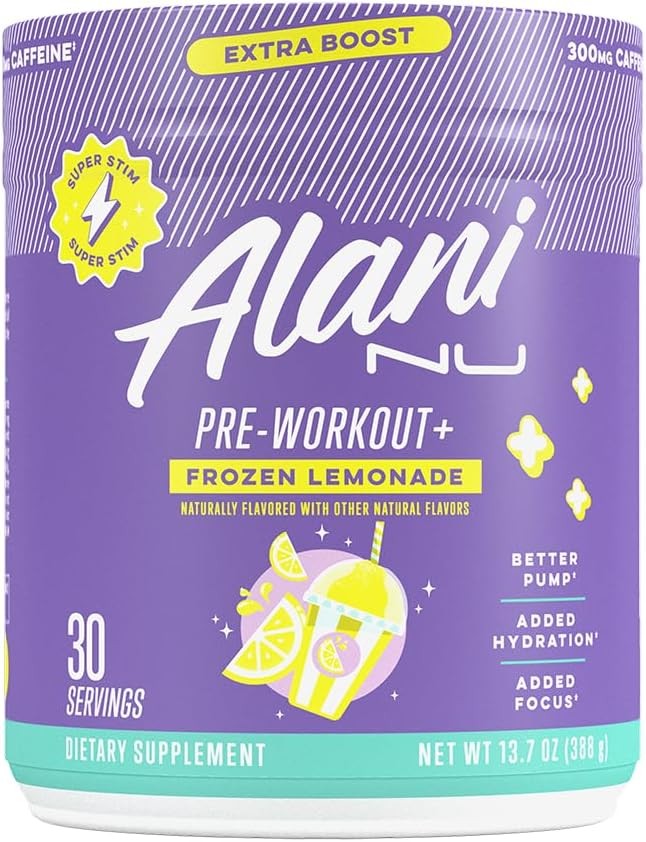
Gorilla Mode Pre-Workout provides a well-rounded formula with transparent dosing. It includes caffeine, beta-alanine, creatine, and citrulline in doses that approach clinically effective thresholds. The brand has a long track record of third-party testing and label accuracy.
Transparent Labs BULK Pre-Workout - Best for Protein-Focused Pre-Training
As an Amazon Associate we earn from qualifying purchases.
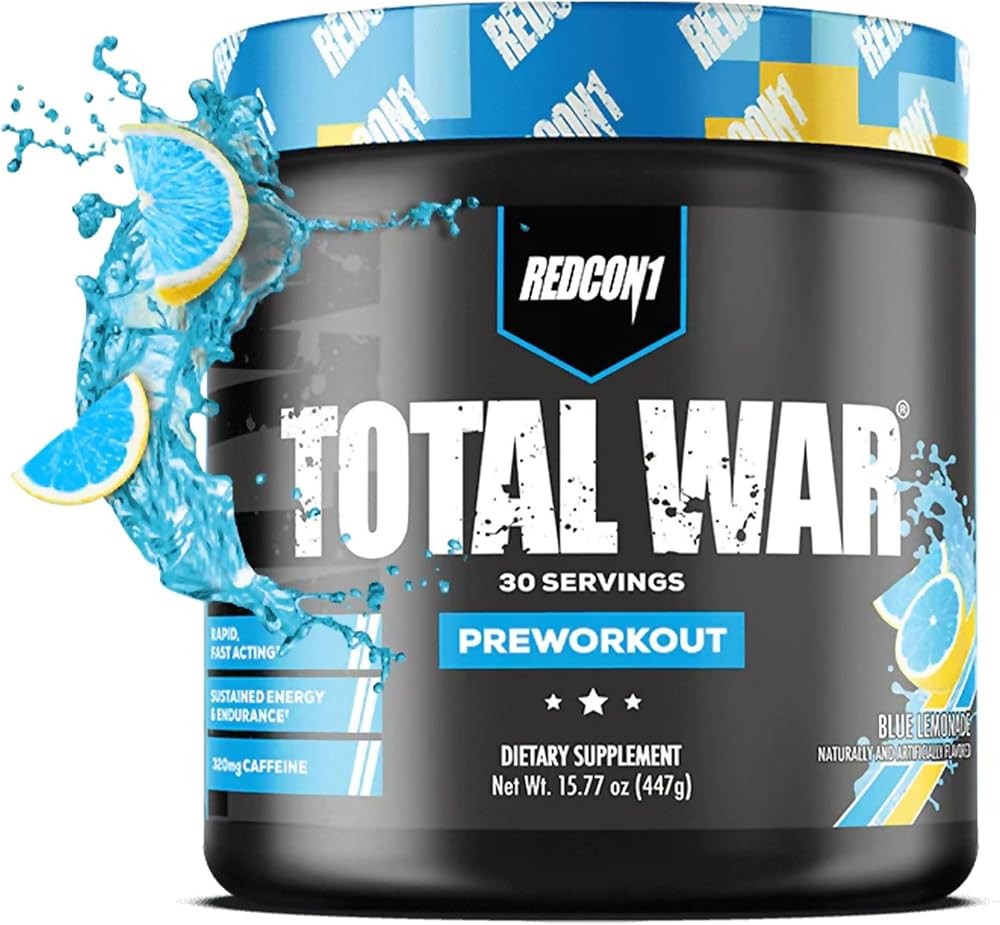
Transparent Labs BULK Pre-Workout takes a different approach by combining protein with performance ingredients. This can be useful for trainees who prefer to consume protein before training (the pre-workout protein window is supported by research for those who train fasted or more than 3-4 hours after a meal) and want the convenience of a single product.
What to Look for Beyond These Picks
No single pre-workout product perfectly optimizes every ingredient. Even well-formulated commercial products often underdose one or two ingredients to keep scoop size manageable. This is why building your own stack (covered in the next section) is an attractive option for serious trainees who want full clinical dosing across the board.
DIY Pre-Workout: Building Your Own Stack
The most cost-effective and precisely dosed approach to pre-workout supplementation is purchasing individual ingredients in bulk and mixing your own. This may help reduce the proprietary blend problem, guarantees clinical dosing, and typically costs 60-70% less per serving than commercial pre-workouts.
The Foundation Stack (Evidence Level: Very Strong)
These three ingredients have the most research support and should form the core of any DIY pre-workout:
- Caffeine anhydrous – 200-400 mg (or use strong black coffee: ~95 mg per 8 oz cup)
- Creatine monohydrate – 5 g
- Beta-alanine – 3.2 g
Estimated cost per serving: $0.15-0.25
The Performance Stack (Adding Moderate-Evidence Ingredients)
Add these to the foundation for enhanced pump, focus, and endurance:
- Citrulline malate (2:1) – 8 g
- Betaine anhydrous – 2.5 g
- L-Theanine – 100-200 mg (specifically to pair with caffeine for smoother energy)
Estimated cost per serving: $0.40-0.60
The Complete Stack (Including All Promising Ingredients)
For the trainee who wants everything evidence-based covered:
- Alpha-GPC – 300-600 mg
- Taurine – 2 g
- L-Tyrosine – 1000 mg
Estimated cost per serving: $0.65-0.90
Practical Tips for DIY Mixing
- Purchase a precision scale that measures to 0.1 g. Scoops are notoriously inaccurate.
- Mix dry ingredients in a shaker bottle with 12-16 oz of water. Citrulline malate can be sour, so adding a squeeze of lemon and a pinch of stevia can improve palatability.
- Store bulk ingredients in cool, dry conditions away from direct sunlight. Creatine monohydrate is remarkably stable, but other ingredients can degrade with heat and moisture.
- Label everything clearly, especially if you have multiple supplement containers. Caffeine powder in particular requires extreme precision because the difference between an effective dose and a dangerous dose is small in powder form. Caffeine capsules are safer for DIY users who are not experienced with powder dosing.
The takeaway: Research suggests a cost-effective pre-workout may be created with a foundation stack of 200-400 mg caffeine anhydrous, 5 g creatine monohydrate, and 3.2 g beta-alanine, potentially costing $0.15-0.25 per serving. Studies indicate additional ingredients like 8 g citrulline malate, 2.5 g betaine anhydrous, and 100-200 mg L-Theanine may support performance.
Pre-Workout Timing: The Optimal Window
Consume your pre-workout supplement 30-60 minutes before exercise to maximize its effects, starting with caffeine at 60 minutes and finishing with a commercial powder at 30 minutes. Timing your pre-workout for maximum effect requires understanding the pharmacokinetics of each ingredient.
The 60-Minute Protocol
For a training session starting at time zero, here is the optimal sequence:
T-60 minutes: Consume caffeine (if using capsules or pills, which take longer to absorb). T-45 minutes: Consume citrulline malate and beta-alanine with 12-16 oz water. T-30 minutes: If using a commercial pre-workout powder (which absorbs faster than capsules due to liquid form), this is the sweet spot. T-0: Begin warm-up. Caffeine should be approaching peak blood levels and citrulline-derived arginine should be rising.
Special Considerations
Fasted Training. If you train fasted, be aware that caffeine on an empty stomach can cause nausea in some individuals. A small pre-workout meal (even just a banana or a handful of crackers) can buffer this effect without compromising the fasted state’s benefits (if that is your goal).
Creatine Timing. As noted earlier, creatine does not need to be timed around workouts. If your pre-workout contains creatine, great. If not, take it whenever is most convenient. Some research (Antonio & Ciccone, 2013) suggests a slight advantage to post-workout creatine intake, but the difference is small enough that consistency of daily use matters far more than timing.
Beta-Alanine Timing. Like creatine, beta-alanine benefits from chronic daily use rather than acute timing. Taking it in your pre-workout is convenient but not physiologically necessary. If the paresthesia (tingling) bothers you during training, taking beta-alanine at a different time of day is perfectly fine.
Evening Training. For sessions after 4 PM, consider using a half dose of caffeine (100-150 mg) or switching to a stimulant-free formula. Caffeine’s half-life of approximately 5 hours means that even a moderate dose in the late afternoon can impair sleep onset and reduce sleep quality. Given that growth hormone secretion peaks during deep sleep and that sleep deprivation impairs muscle protein synthesis, protecting sleep quality should take priority over pre-workout stimulation.
The evidence shows: To get the most out of your pre-workout supplement, take it 30-60 minutes before exercising, with specific ingredients like caffeine taken at 60 minutes and commercial powders at 30 minutes. For example, you can take caffeine at 60 minutes, citrulline malate and beta-alanine at 45 minutes, and a commercial pre-workout powder at 30 minutes before your workout.
Myths About Pre-Workouts Debunked
Myth 1: “The Tingling Means It’s Working”
The tingling sensation (paresthesia) caused by beta-alanine is simply a sensory nerve response to the ingredient binding to MrgprD receptors in the skin. It has zero correlation with the product’s effectiveness. A pre-workout with 0.5 g of beta-alanine (far below the effective dose) will still cause tingling. A pre-workout with no beta-alanine but excellent dosing of caffeine, creatine, and citrulline will produce no tingling but far better performance. Many consumers use tingling as a proxy for potency, which manufacturers exploit by including just enough beta-alanine to trigger paresthesia while underdosing everything else.
Myth 2: “You Need a Pre-Workout to Have a Good Session”
You absolutely do not. Strong black coffee (or caffeine pills), a balanced meal 2-3 hours before training, adequate hydration, and a well-designed program will produce excellent results without any commercial pre-workout product. Pre-workout supplements optimize performance at the margins. They do not transform mediocre training into great training. If your program, nutrition, and sleep are not dialed in, no supplement will compensate. For lifters over 40, our guide on supplements after 40 covers the broader picture of what matters most.
Myth 3: “More Stimulants Equal a Better Workout”
Beyond 6 mg/kg of caffeine, there are no additional ergogenic benefits – only increased side effects (Guest et al., 2021). Adding additional stimulants like yohimbine, synephrine, or high-dose theobromine on top of caffeine does not produce additive performance benefits in the research. What it does produce is elevated heart rate, anxiety, vasoconstriction (the opposite of what you want for blood flow), and in some cases, dangerous cardiovascular stress. There are also diminishing returns with chronic high-stimulant use: tolerance develops, requiring ever-increasing doses to achieve the same subjective effect, which is a recipe for adrenal strain and dependence.
Myth 4: “Pre-Workouts Are Dangerous”
Evidence-based ingredients at research-supported doses are among the most well-studied compounds in sports nutrition. Creatine has been evaluated in over 700 clinical trials with no clinically significant adverse effects in healthy populations (Kreider et al., 2017). Beta-alanine has been evaluated in the ISSN position stand with strong safety data at recommended doses (Trexler et al., 2015). Caffeine at 3-6 mg/kg has decades of safety data in healthy adults (Guest et al., 2021). The danger comes from products containing banned stimulants (DMAA, DMHA), undisclosed ingredients, excessive caffeine, or untested novel compounds. The ingredient itself is not dangerous; the formulation and quality control determine safety.
Myth 5: “You Should Cycle Off All Pre-Workout Ingredients Regularly”
This myth conflates caffeine tolerance with the behavior of other ingredients. Caffeine tolerance is real and well-documented: habitual users may experience reduced ergogenic effects over time, making periodic reduction or brief withdrawal (7-14 days) reasonable. However, creatine and beta-alanine work through chronic saturation of muscle stores, and interrupting supplementation only results in a return to baseline levels with no benefit. The ISSN explicitly states that creatine cycling is unnecessary (Kreider et al., 2017). Similarly, the beta-alanine position stand recommends sustained daily use for continued carnosine elevation (Trexler et al., 2015). The only ingredient in a standard pre-workout that benefits from cycling is caffeine.
Clinical insight: Research suggests that the sensation of tingling is not necessarily indicative of a pre-workout’s effectiveness, and that positive training outcomes may also be achieved with simple strategies like consuming a cup of strong black coffee and a balanced meal. Studies indicate a dose of as little as 0.5g of beta-alanine can still produce tingling, but may coincide with underdosing of other key ingredients.
Who Should (and Should Not) Use Pre-Workouts
Nearly 30% of regular gym-goers use pre-workout supplements, but only a subset of individuals, such as intermediate to advanced trainees, can benefit from their use. ### Good Candidates for Pre-Workout Supplementation
Intermediate to advanced trainees who have already established solid training, nutrition, and sleep habits and are looking for marginal performance gains. If you are consistently training 3-5 days per week, eating adequate protein (1.6-2.2 g/kg/day), sleeping 7-9 hours, and progressively overloading, a pre-workout can provide that extra 5-10% edge.
Early morning trainees who struggle with energy and focus during pre-dawn sessions. Caffeine-based pre-workouts can bridge the gap between waking up and being neurologically ready to train.
Individuals over 40 experiencing age-related declines in energy, recovery, and neuromuscular function. Creatine in particular has robust evidence for benefits in older populations, and caffeine’s focus-enhancing effects become more valuable as sleep quality naturally declines with age. See our guide on supplements for building muscle after 40 for additional context.
Competitive athletes in strength sports (powerlifting, weightlifting, strongman) who are pursuing every legal performance advantage available.
Who Should Avoid or Exercise Caution
Complete beginners (less than 6 months of consistent training). Beginners experience rapid neuromuscular adaptations that produce strength gains without any supplementation. Adding a pre-workout this early introduces an unnecessary variable and can create psychological dependence on supplements before training habits are established.
Individuals with cardiovascular conditions. Caffeine and other stimulants increase heart rate and blood pressure. Anyone with hypertension, arrhythmias, or a history of cardiovascular events should consult a cardiologist before using any stimulant-containing supplement.
Pregnant or breastfeeding women. Caffeine crosses the placenta, and the American College of Obstetricians and Gynecologists recommends limiting caffeine to less than 200 mg/day during pregnancy. Most pre-workout products exceed this threshold.
Individuals on medications with stimulant interactions. As discussed in the FAQ, caffeine interacts with numerous medications. Always disclose supplement use to your prescribing physician.
People with anxiety disorders. High-caffeine pre-workouts can exacerbate anxiety symptoms. If you have an anxiety disorder, consider stimulant-free pre-workouts or use the caffeine + L-theanine combination, which research suggests reduces caffeine-induced anxiety (see our caffeine and L-theanine stack guide).
Evening trainees who are sleep-sensitive. If you train after 5 PM and notice any impact on sleep quality, a stimulant-free formula is the better choice. Sleep is not negotiable.
What this means for you: Research indicates that approximately 30% of regular gym-goers utilize pre-workout supplements, and studies suggest these supplements may offer benefits to a specific subset of individuals, such as intermediate to advanced trainees who have established solid training habits and are seeking potential marginal performance gains. Published research shows these supplements may provide an additional 5-10% effect for those who are consistently training 3-5 days per week and meeting other key criteria.
Your First 30 Days: A Progressive Protocol
If you are new to pre-workout supplementation, jumping straight into a full-dose commercial product is not the optimal approach. This 30-day progressive protocol allows you to assess tolerance, identify ingredient-specific effects, and build up to a complete stack systematically.
Days 1-7: Caffeine Baseline
Start with caffeine alone at a conservative dose of 100-150 mg (roughly 1 cup of coffee) consumed 30-45 minutes before training. Note the effects on energy, focus, heart rate, and any side effects (jitteriness, anxiety, GI distress). If you already consume caffeine daily, you may need 200 mg to notice ergogenic effects. Record your training performance (reps, weight, RPE) as a baseline.
Days 8-14: Add Creatine
Begin daily creatine monohydrate at 5 g/day. This does not need to be taken pre-workout, but adding it to your pre-training drink is convenient. You will not notice performance effects yet, as muscle saturation takes 3-4 weeks at maintenance dosing. What you may notice is a slight increase in body weight (1-3 lbs) from intracellular water retention in muscle cells. This is expected and beneficial.
Days 15-21: Add Citrulline Malate
Add 6-8 g of citrulline malate to your pre-workout, consumed 40-60 minutes before training. You should notice enhanced muscle pump and possibly improved endurance on higher-rep sets. If the sour taste is unpleasant, mixing with a flavored electrolyte powder can help.
Days 22-28: Add Beta-Alanine
Begin daily beta-alanine at 3.2 g, split into two 1.6 g doses if the paresthesia (tingling) is uncomfortable. One dose can go in your pre-workout; the other can be taken at any other time of day. Performance benefits will not be apparent yet, as carnosine loading takes 2-4 weeks, but you are beginning the accumulation process.
Days 29-30: Assess and Optimize
By day 30, you have a solid foundation stack of caffeine, creatine, citrulline malate, and beta-alanine. Compare your training logs from week 1 to week 4. You should see measurable improvements in training volume, potentially in strength, and likely in subjective measures like focus, pump quality, and perceived recovery between sets.
From here, you can optionally layer in betaine, alpha-GPC, L-tyrosine, or taurine based on your individual needs and response. The key principle is systematic addition: introduce one ingredient at a time so you can identify what works for you and what does not.
When to Consider a Commercial Pre-Workout Instead
If the DIY approach sounds tedious, that is fair. A high-quality commercial pre-workout with transparent labeling and clinical dosing provides convenience at a higher per-serving cost. The protocol above still applies conceptually – start with half a serving for the first week to assess caffeine tolerance, then increase to a full serving.
Here’s what matters: To acclimate to pre-workout supplementation, a 30-day progressive protocol is recommended, starting with a caffeine baseline of 100-150 mg for the first 7 days, followed by the addition of 5 g/day of creatine monohydrate from days 8-14. This gradual approach allows individuals to assess tolerance and identify ingredient-specific effects.
The Role of Nutrition: Pre-Workout Supplements Are Not a Replacement
It is worth emphasizing a point that supplement marketing deliberately obscures: no pre-workout product, no matter how perfectly formulated, compensates for poor nutrition. Your pre-workout meal matters more than your pre-workout supplement.
For strength training, a meal consumed 2-3 hours before training should contain:
- Carbohydrates (1-2 g/kg body weight): Glycogen is the primary fuel for resistance training, and starting a session with depleted glycogen stores limits volume and intensity regardless of supplementation.
- Protein (20-40 g): Pre-training amino acid availability supports muscle protein synthesis during and after the session. Our guide to protein powder for muscle gain covers this in detail.
- Moderate fat: Enough for satiety but not so much that it slows gastric emptying and causes discomfort during training.
Adequate hydration is equally critical. Even mild dehydration (2% body mass loss) impairs strength performance. Start your training well-hydrated, sip water during the session, and do not rely on your pre-workout supplement as your primary fluid source.
If you are training fasted (which some people prefer for convenience or because they feel lighter), a pre-workout containing BCAAs or EAAs can provide circulating amino acids to reduce muscle protein breakdown during the session. Our BCAA supplements guide examines the evidence for this approach.
The research verdict: Published research suggests pre-workout supplements are not a substitute for a balanced diet, and studies indicate ensuring a balanced meal 2-3 hours before strength training may be beneficial. Research suggests including 1-2 grams of carbohydrates per kilogram of body weight and 20-40 grams of protein in this meal may support training.
Complete Support System for Strength Training Performance
Pre-workout supplements work best as part of a comprehensive supplementation and nutrition strategy. For maximum strength training results, consider these evidence-based companion products:
Foundation Supplements:
- Best Creatine Supplements for Building Muscle - The most effective legal ergogenic aid for strength training, with 700+ clinical trials supporting 5g daily dosing
- Best Protein Powder for Muscle Gain: Men and Women - Pre-workout protein intake supports amino acid availability during training for those who train fasted
Performance Enhancement:
- Best Beta-Alanine Supplements for Endurance and Performance - Standalone beta-alanine at 3.2-6.4g daily for muscle carnosine loading
- Citrulline Malate for Performance: What the Research Says - Nitric oxide precursor for enhanced pump and blood flow at 6-8g doses
Recovery and Specialized Needs:
- Best Post-Workout Recovery Supplements - Post-training nutrition to maximize the anabolic response to training
- Best BCAA Supplements: Are They Worth It in 2026? - Branched-chain amino acids for fasted training sessions
- Best Supplements for Building Muscle After 40 - Age-specific supplementation strategies for older trainees
Focus and Cognitive Support:
- Caffeine and L-Theanine Stack: The Research Behind the Combo - Reduce caffeine jitters while maintaining ergogenic benefits with 100-200mg L-theanine per 200mg caffeine
Related Reading
- Best Creatine Supplements for Building Muscle
- Best Protein Powder for Muscle Gain: Men and Women
- Best Supplements for Building Muscle After 40
- Best Beta-Alanine Supplements for Endurance and Performance
- Best BCAA Supplements: Are They Worth It in 2026?
- Best Post-Workout Recovery Supplements
- Caffeine and L-Theanine Stack: The Research Behind the Combo
- Citrulline Malate for Performance: What the Research Says
References
Bellar D, LeBlanc NR, Campbell B. “The effect of 6 days of alpha glycerylphosphorylcholine on isometric strength.” Journal of the International Society of Sports Nutrition, 2015;12:42. PubMed | DOI: 10.1186/s12970-015-0103-x
Cholewa JM, Wyszczelska-Rokiel M, Glowacki R, et al. “Effects of betaine on body composition, performance, and homocysteine thiolactone.” Journal of the International Society of Sports Nutrition, 2013;10:39. PubMed | DOI: 10.1186/1550-2783-10-39
Cholewa JM, Hudson A, Cicholski T, et al. “The effects of chronic betaine supplementation on body composition and performance in collegiate females: a double-blind, randomized, placebo controlled trial.” Journal of the International Society of Sports Nutrition, 2018;15:37. PubMed | DOI: 10.1186/s12970-018-0243-x
de Oliveira LF, Saunders B, Yamaguchi G, et al. “International Society of Sports Nutrition position stand: sodium bicarbonate and exercise performance.” Journal of the International Society of Sports Nutrition, 2022;19(1):534-556. PubMed | DOI: 10.1080/15502783.2022.2064005
Fett CA, Aquino NM, Schantz J, et al. “Habitual caffeine consumption and training status affect the ergogenicity of acute caffeine intake on exercise performance.” Journal of the International Society of Sports Nutrition, 2025. PubMed | DOI: 10.1080/15502783.2025.2461217
Goldstein ER, Ziegenfuss T, Kalman D, et al. “International society of sports nutrition position stand: caffeine and performance.” Journal of the International Society of Sports Nutrition, 2010;7:5. PubMed | DOI: 10.1186/1550-2783-7-5
Guest NS, VanDusseldorp TA, Nelson MT, et al. “International society of sports nutrition position stand: caffeine and exercise performance.” Journal of the International Society of Sports Nutrition, 2021;18:1. PubMed | DOI: 10.1186/s12970-020-00383-4
Harty PS, Zabriskie HA, Erickson JL, et al. “Multi-ingredient pre-workout supplements, safety implications, and performance outcomes: a brief review.” Journal of the International Society of Sports Nutrition, 2018;15:41. PubMed | DOI: 10.1186/s12970-018-0247-6
Jagim AR, Harty PS, Camic CL. “Common ingredient profiles of multi-ingredient pre-workout supplements.” Nutrients, 2019;11(2):254. PubMed | DOI: 10.3390/nu11020254
Jongkees BJ, Hommel B, Kuhn S, Colzato LS. “Effect of tyrosine supplementation on clinical and healthy populations under stress or cognitive demands–A review.” Journal of Psychiatric Research, 2015;70:50-57. PubMed | DOI: 10.1016/j.jpsychires.2015.08.014
Kreider RB, Kalman DS, Antonio J, et al. “International Society of Sports Nutrition position stand: safety and efficacy of creatine supplementation in exercise, sport, and medicine.” Journal of the International Society of Sports Nutrition, 2017;14:18. PubMed | DOI: 10.1186/s12970-017-0173-z
Kurtz JA, VanDusseldorp TA, Doyle JA, Otis JS. “Taurine in sports and exercise.” Journal of the International Society of Sports Nutrition, 2021;18:39. PubMed | DOI: 10.1186/s12970-021-00438-0
Saunders B, Elliott-Sale K, Artioli GG, et al. “Beta-alanine supplementation to improve exercise capacity and performance: a systematic review and meta-analysis.” British Journal of Sports Medicine, 2017;51(8):658-669. PubMed | DOI: 10.1136/bjsports-2016-096396
Stratton MT, Siedler MR, Harty PS, et al. “The influence of caffeinated and non-caffeinated multi-ingredient pre-workout supplements on resistance exercise performance and subjective outcomes.” Journal of the International Society of Sports Nutrition, 2022;19(1):126-152. PubMed | DOI: 10.1080/15502783.2022.2060048
Trexler ET, Smith-Ryan AE, Stout JR, et al. “International society of sports nutrition position stand: Beta-Alanine.” Journal of the International Society of Sports Nutrition, 2015;12:30. PubMed | DOI: 10.1186/s12970-015-0090-y
Wax B, Kavazis AN, Luckett W. “Effects of supplemental citrulline-malate ingestion on blood lactate, cardiovascular dynamics, and resistance exercise performance in trained males.” Journal of Dietary Supplements, 2016;13(3):269-282. PubMed | DOI: 10.3109/19390211.2015.1008615
Wax B, Kavazis AN, Weldon K, Sperlak J. “Effects of supplemental citrulline malate ingestion during repeated bouts of lower-body exercise in advanced weightlifters.” Journal of Strength and Conditioning Research, 2015;29(3):786-792. PubMed | DOI: 10.1519/JSC.0000000000000670
Our Top Recommendations
📱 Join the discussion: Facebook | X | YouTube | Pinterest
Where to Buy Quality Supplements
Based on the research discussed in this article, here are some high-quality options:
-
Creatine Supplement
-
L-Theanine Supplement
Frequently Asked Questions
Q: What do pre-workout supplements promise?
A: They promise explosive energy, insane pumps, and skin-splitting vascularity through aggressive marketing. However, the actual effectiveness of these products is nuanced rather than absolute.
Q: Do all pre-workout ingredients work?
A: No, the answer is nuanced as some ingredients have decades of rigorous research while others may not. Only specific ingredients offer small but consistent and clinically meaningful effects.
Q: How do effective pre-workout ingredients perform over time?
A: Their effect sizes are small but become clinically meaningful when compounded over months and years. This long-term consistency is supported by decades of rigorous research for certain ingredients.
Q: What should consumers look for regarding product quality?
A: Consumers should look for top-rated bottles that feature third-party testing and quality certifications. These indicators help distinguish reliable products amidst confusing ingredient labels.
Q: What safety step is recommended before starting a pre-workout?
A: You should always consult your healthcare provider before starting any new supplement. This ensures the product is safe for your specific health situation.
Q: Why are pre-workout ingredient labels often difficult to understand?
A: The labels are often confusing despite the loud marketing claims found on neon-colored tubs. This complexity makes it hard for trainees to determine if the products actually work without further research.
Q: What type of evidence supports the best pre-workout ingredients?
A: The best ingredients are supported by decades of rigorous research and clinical trials. These studies show that while effects may be small, they are consistent and meaningful over time.
Common Questions About Pre Workout
What are the benefits of pre workout?
Pre Workout has been the subject of research investigating various potential areas of interest. Published research suggests it may have some benefit for several aspects of health and wellness. Study outcomes can vary between individuals. The level of evidence differs depending on the specific area investigated. Further high-quality research is often indicated. It is recommended to review the latest scientific literature and consult healthcare professionals to determine if Pre Workout aligns with individual health goals.
Is pre workout safe?
Pre Workout is generally considered safe for most people when used as directed. However, individual responses can vary. Some people may experience mild side effects. It’s important to talk with a healthcare provider before using pre workout, especially if you have existing health conditions, are pregnant or nursing, or take medications.
How does pre workout work?
Pre Workout works through various biological mechanisms that researchers are still studying. Current evidence suggests it may interact with specific pathways in the body to produce its effects. Always consult with a healthcare provider before starting any new supplement or health regimen to ensure it’s appropriate for your individual needs.
Who should avoid pre workout?
Pre Workout is a topic of ongoing research in health and nutrition. Current scientific evidence provides some insights, though more studies are often needed. Individual responses can vary significantly. For personalized advice about whether and how to use pre workout, consult with a qualified healthcare provider who can consider your complete health history and current medications.
What are the signs pre workout is working?
Research suggests a pre-workout’s impact may be observable through measurable performance changes within 30-60 minutes of consumption. Studies indicate caffeine-based pre-workouts may support mental focus and help reduce perceived exertion, research shows beta-alanine may cause harmless tingling in the face and hands, and published research suggests citrulline malate appears to have some benefit in producing a noticeable muscle pump during training. Objective measures reported in studies include completing 1-2 additional reps per set at the same weight, faster recovery between sets, and delayed onset of the burning sensation during high-rep work. Tracking these metrics in a training log may help quantify the supplement’s impact rather than relying on subjective feelings alone.
How long should I use pre workout?
The time it takes for a pre-workout supplement to be observed varies by individual and depends on factors like dosage, consistency of use, and individual metabolism. Some individuals report noticing effects within days, while others may need several weeks. Research studies typically evaluate effects over weeks to months. Consistent use as directed is important for observing potential benefits. Keeping a journal to track individual response may be helpful.
The science says: Pre workout is generally considered safe for most people when used as directed, but it’s still a good idea to talk to a healthcare provider first, especially if you have any health conditions or take medications. The benefits of pre workout can vary from person to person, and more high-quality research is often needed to confirm its effectiveness.
Recommended Products