Best Protein Powder for Muscle Gain: Whey, Casein & Plant Options Compared
Summarized from peer-reviewed research indexed in PubMed. See citations below.
Building muscle requires more than just lifting weights—research shows protein intake is a critical factor. A 2018 meta-analysis of 49 studies found that muscle gains appear to plateau at 1.6 g/kg/day of total daily protein intake, with whey isolate emerging as the most studied option due to its 2.7g leucine per 25g serving and rapid absorption. Optimum Nutrition Gold Standard 100% Whey delivers 24g protein per scoop with NSF Certified for Sport testing, making it a top choice for those seeking research-backed quality at around $60 for 5 pounds. For budget-conscious individuals, whey concentrate provides similar muscle-building benefits at 20-30% lower cost when lactose isn’t an issue. Here’s what the published research shows about choosing the right protein powder for your muscle-building goals.
Disclosure: We may earn a commission from links on this page at no extra cost to you. Affiliate relationships never influence our ratings. Full policy →
Why Does Protein Powder Matter for Muscle Growth?
Protein powder is the single most researched and validated supplement for building muscle. With over 1,800 published studies on protein supplementation and resistance training, research indicates that consuming adequate protein may support muscle growth, improve recovery, and enhance body composition when combined with resistance exercise. But “adequate” means something very specific, and the type, timing, dose, and quality of your protein powder all appear to be important factors, according to research.
The problem isn’t a lack of options — it’s too many. Walk into any supplement store or scroll through Amazon and you’ll find hundreds of protein powders making bold claims. Whey isolate, whey concentrate, casein, plant blends, collagen, egg white, beef protein, insect protein, precision-fermented animal-free whey — the landscape in 2026 is more crowded than ever.
This guide cuts through the noise. We’ll cover what the research actually shows about each protein type, give you exact dosing and timing protocols, explain how to read your body’s signals to know if you’re getting enough, compare the top products, and address the myths that refuse to die — including the “anabolic window,” the kidney damage scare, and the soy-estrogen myth.
This article references 21 peer-reviewed studies from PubMed. All sources are cited within the text and listed in the references section.
What Does Our Video Review Cover?
How Protein Builds Muscle: The Mechanism
Before diving into product picks, understanding how protein drives muscle growth will help you make informed choices. Resistance training creates micro-damage to muscle fibers that activate muscle protein synthesis (MPS), the process of building new muscle protein. Amino acids from dietary protein, particularly leucine, are the fuel that powers this process.
Here’s the key concept: muscle growth happens when the rate of muscle protein synthesis exceeds the rate of muscle protein breakdown over time. Your body is constantly building and breaking down muscle protein. Resistance training amplifies MPS for 24-48 hours post-workout, but it also temporarily increases breakdown. Consuming protein — especially leucine-rich protein — tips the balance firmly toward synthesis.
The leucine trigger: Leucine is the amino acid that directly activates mTOR signaling. Research has established that you need approximately 2.5-3.0 grams of leucine per meal to maximally stimulate MPS. This is often called the “leucine threshold.” Different protein sources require different amounts to hit this threshold:
| Protein Source | Amount Needed for ~2.7g Leucine | Leucine Content (%) |
|---|---|---|
| Whey isolate | 25g | 13.6% |
| Whey concentrate | 27g | ~11% |
| Casein | 34g | ~10.2% |
| Soy protein | 40g | ~8.0% |
| Pea protein | 38g | ~8.4% |
| Rice protein | 37g | ~8.0% |
This table explains why whey protein has been the gold standard for decades — you need less of it to trigger maximum MPS compared to any other commercially available protein source.
The “Muscle Full” Effect
A landmark concept from Stokes et al. (2018) is the “muscle full” effect: after a protein-rich meal triggers MPS, the muscle becomes temporarily refractory to further amino acid stimulation for approximately 3-5 hours, regardless of whether amino acids are still elevated in the blood. This has practical implications for meal.
However, a 2023 study by Trommelen et al. published in Cell Reports Medicine investigated the commonly held belief that muscle protein synthesis (MPS) plateaus at 20-25g per meal. The researchers observed that 100g of protein resulted in a greater and more prolonged anabolic response (over 12 hours) compared to 25g, with myofibrillar protein synthesis rates approximately 20% higher in the first 4 hours and 40% higher from 4-12 hours. The authors suggest the idea that excess amino acids are simply oxidized “lacks scientific proof.” DOITrommelen, J., et al. (2023). Higher protein intake is associated with increased myofibrillar protein synthesis rates in resistance-trained young men. Cell Reports Medicine, 4(11), 101833.
Research indicates: Studies show consuming 100g protein in a single meal resulted in 20% higher muscle protein synthesis in the first 4 hours and 40% higher synthesis from 4-12 hours compared to 25g, suggesting a potential reconsideration of the commonly cited “30g absorption limit” (PubMed 38118410).
Which Protein Types Build Muscle Most Effectively?
Whey Protein Isolate — The Gold Standard
Clinical insight: Whey is a byproduct of cheese production. Isolate is further processed to remove most fat and lactose, yielding 90%+ protein by weight.
Why it’s #1 for muscle:
- Highest leucine content of any commercial protein (13.6% by weight)
- DIAAS score of 1.09 (excellent quality — higher than the maximum PDCAAS score of 1.0)
- Rapidly absorbed — peak amino acid levels in blood within 60-90 minutes
- Extensive research base (the most-studied protein supplement)
A 2025 systematic review and meta-analysis published in Nutrients DOI indicates that research suggests whey protein supplementation, when used in conjunction with exercise, may support muscle protein synthesis (MPS) within 3-5 hours following exercise, and studies suggest consuming 20-40g prior to exercise may extend the anabolic window.
The practical verdict: Anyone who tolerates dairy, post-workout nutrition, maximizing acute MPS response.
Here’s what matters: Some people experience bloating or GI distress (usually from the lactose in concentrate — isolate has <1g per serving). More expensive than concentrate.
Whey Protein Concentrate
What users report: Less processed than isolate, containing 70-80% protein by weight with more fat, lactose (~3.5g per 30g serving), and bioactive compounds.
Key difference from isolate: A 2020 study in the Journal of Sports Medicine and Physical Fitness PubMed 41454445 reported no difference in muscle protein synthesis, strength, or performance outcomes between whey isolate and concentrate when protein content is matched. The research indicates the main advantage of isolate may be tolerability for lactose-sensitive individuals.
Looking ahead: Budget-conscious buyers who tolerate lactose, or anyone who wants additional bioactive compounds (lactoferrin, immunoglobulins).
For a detailed head-to-head comparison, see our article on whey isolate vs whey concentrate for muscle building.
Casein Protein — The Overnight Builder
Our recommendations: The other major milk protein (80% of milk protein is casein, 20% is whey). Forms a gel in the stomach, resulting in slow, sustained amino acid release over 6-7 hours.
Why it matters: - Research indicates casein may support the reduction of muscle protein breakdown during sleep - Studies show 30-40g of casein before bed appears to significantly increase overnight MPS - DIAAS score >1.00 (excellent quality) - Casein contains lower leucine per serving than whey (2.0g per 24g serving) but this is associated with prolonged aminoacidemia. PubMed 28698222
Storage essentials: Pre-sleep nutrition, extended periods without food (overnight, long workdays), older adults who experience greater overnight muscle breakdown.
What the evidence tells us: Slower digestion makes it less ideal immediately post-workout when rapid MPS activation is preferred. Some people find the thick, milkshake-like texture unpleasant.
Plant-Based Proteins — Closing the Gap
The plant protein landscape has changed dramatically. A 2024 study published in the Journal of the International Society of Sports Nutrition found that a soy + pea protein blend (consumed as 3 x 15g doses daily, totaling 45g) produced similar muscle adaptations to whey in resistance-trained subjects. Another 2024 study confirmed that a novel plant protein blend stimulated post-exercise myofibrillar protein synthesis rates equivalently to whey when leucine was matched.
The key strategies for plant protein users:
-
Blend complementary sources. Pea protein is high in lysine but low in methionine. Rice protein is the opposite. Together, they create a complete amino acid profile that approaches whey quality.
-
Dose higher. You need 35-45g of plant protein per serving to match the leucine content of 25g whey.
-
Consider leucine fortification. A 2024 study found that plant protein isolates with added leucine stimulated MPS to the same extent as whey protein in young men and women.
DIAAS scores for common plant proteins:
- Soy protein isolate: 0.90
- Pea protein isolate: 0.82
- Rice protein concentrate: 0.37
- Hemp protein: <0.75
A 2025 meta-analysis in Nutrition Reviews (43 RCTs) emphasized that “a careful approach must be taken to separate the effects of different plant proteins” — not all plant proteins are equal, and most existing studies only compare soy to animal sources.
The data says: Vegans, vegetarians, dairy-sensitive individuals, environmental concerns. Pea + rice blends are the optimal combination.
For a full comparison, see our guide on whey vs plant protein.
Collagen Protein — Know Its Limits
Collagen is trendy, but it cannot replace whey or any complete protein for muscle building. Here’s why:
- It’s an incomplete protein — completely lacks tryptophan
- Low in leucine (the primary MPS trigger)
- Low DIAAS/PDCAAS scores
However, collagen has a legitimate role as a complement. Research published in 2025 suggests that a combination of 25g whey + 5g collagen may support increases in BOTH myofibrillar AND muscle connective tissue protein synthesis. Further studies indicate that 15g collagen peptides daily, when used alongside 12 weeks of resistance training, appeared to have some benefit for increases in fat-free mass in untrained adults.
What this means for you: Research combining 25g whey with 5g collagen daily showed increases in both muscle fiber protein synthesis AND connective tissue protein synthesis in resistance-trained adults over 12 weeks, suggesting potential support for joint health without compromising muscle gains. PubMed 41810309
For more on collagen, see our best collagen supplements for women guide.
Emerging Protein Sources
Mycoprotein (fungal protein): Research published in the American Journal of Clinical Nutrition by Monteyne et al. in 2020 indicated that 70g of mycoprotein appeared to stimulate MPS to a greater extent than leucine-matched milk protein both at rest and after exercise. Published research shows mycoprotein has a remarkable 99.6% digestibility rating. It is commercially available as Quorn and is gaining traction in 2026.
Insect protein: A 2025 systematic review of RCTs found no difference in skeletal muscle anabolism between insect and animal protein sources. Cricket protein has a DIAAS of 96.61% and contains 67-72g protein per 100g dry weight. Production costs are dropping ~30% annually and may reach price parity with conventional animal proteins by late 2026.
Precision-fermented whey: Companies like Verley and Perfect Day are producing genuine whey protein using microbial fermentation — no cows required. Verley’s animal-free whey contains 11% more leucine than native whey isolate and 50% more than soy. Commercial products are expected to scale in 2026-2027.
How Much Protein Do You Actually Need? The Definitive Answer
The most authoritative answer comes from the Morton et al. 2018 meta-analysis, published in the British Journal of Sports Medicine. This massive review analyzed 49 studies with 1,863 participants and found:
- Research indicates protein supplementation was associated with increases in 1-RM strength (+2.49 kg), fat-free mass (+0.30 kg), and muscle fiber cross-sectional area. - A key observation from the research: increases in fat-free mass appeared to level off at a total daily protein intake of 1.62 g/kg/day (upper 95% confidence interval: 2.2 g/kg/day) PubMed 41256928 - Observed effects were more notable in resistance-trained individuals (+0.75 kg FFM). - Research suggests the impact may diminish with increasing age.
Protein Recommendations by Population
| Population | Daily Protein Target | Per-Meal Minimum | Key Consideration |
|---|---|---|---|
| Young adults (18-40) building muscle | 1.6-2.2 g/kg/day | 25-40g | Sweet spot for MPS optimization |
| Adults 40-65 building muscle | 1.6-2.4 g/kg/day | 30-45g | Anabolic resistance begins |
| Older adults (65+) | 1.2-2.0 g/kg/day | 35-50g | Higher per-meal dose needed to overcome anabolic resistance |
| During caloric deficit (cutting) | 2.3-3.1 g/kg/day | 30-50g | Higher protein preserves lean mass during fat loss |
| Recreational exercisers | 1.2-1.6 g/kg/day | 20-30g | Lower threshold for non-competitive goals |
| Postmenopausal women | 1.2-2.0 g/kg/day | 30-40g | Estrogen decline accelerates muscle and bone loss |
Source: Jäger et al. 2017, ISSN Position Stand (JISSN); PROT-AGE Study Group recommendations.
For a deep dive into protein requirements, see our article on how much protein you actually need to build muscle.
The Anabolic Resistance Problem in Older Adults
“Anabolic resistance” means that aging muscles may become less responsive to protein intake. Research suggests that where a 25-year-old might maximally stimulate MPS with 20g of whey, a 65-year-old may need 40g or more to achieve a similar effect. A 2025 study in Frontiers in Nutrition shows that older women consuming 1.2 g/kg/day experienced notable improvements in muscle strength and composition compared to those consuming the standard 0.8 g/kg/day RDA.
Research published in 2025 in BMC Geriatrics indicates that protein supplementation alone — without exercise — did not demonstrate a statistically significant effect on lean body mass in physically inactive older adults. The findings suggest a relationship between protein and resistance training, with studies showing that one without the other may yield less pronounced results. Source
The practical takeaway: Based on current research, contrary to the common assumption that more protein is always better, daily protein intake beyond 1.62 g/kg/day does not appear to result in additional gains in fat-free mass, as shown in a 2018 meta-analysis of 49 studies [PMID: 30383249]. For young adults aiming to build muscle, studies indicate the optimal daily protein target may be in the range of 1.6-2.2 g/kg/day.
When Should You Take Protein for Maximum Muscle Gains?
The “30-minute anabolic window” — the idea that you must consume protein within 30 minutes of your workout or lose gains — is effectively debunked.
A 2025 systematic review with meta-analysis published in Nutrients indicates: “Published research does not suggest that immediate (within 1 hour) consumption of protein pre/post-workout significantly supports strength or hypertrophy adaptations.” DOI PMID: 35267739.
A 2024 study in Frontiers in Nutrition Source showed that protein supplementation appeared to support muscular performance in resistance-trained males, regardless of when it was consumed. This research suggests protein supplementation may be beneficial for individuals engaged in resistance training.
What actually matters for timing:
- Total daily protein intake is the #1 driver of muscle growth — far more important than timing
- Distribute protein across 3-5 meals spaced 3-5 hours apart to repeatedly trigger the MPS response (the “muscle full” effect resets after ~3-5 hours)
- Consume a protein-rich meal within a few hours before AND after training — not because of a narrow window, but because pre-workout protein is still being digested during and after your session
- Don’t train fully fasted if muscle gain is your primary goal — even a small protein serving (20-25g) before training improves the anabolic response
Optimal Daily Protein Distribution
For a 180 lb (82 kg) person targeting 1.6 g/kg/day (131g total):
| Meal | Timing | Protein | Example |
|---|---|---|---|
| Breakfast | 7:00 AM | 35g | 4 eggs + Greek yogurt |
| Lunch | 12:00 PM | 35g | Chicken breast + rice |
| Pre/post-workout shake | 4:00 PM | 30g | 1 scoop whey isolate |
| Dinner | 7:00 PM | 35g | Salmon + vegetables |
| Optional: before bed | 10:00 PM | 30g | Casein shake or cottage cheese |
Research summary: To maximize muscle gains, focus on consuming your total daily protein intake, distributing it across 3-5 meals spaced 3-5 hours apart, rather than timing it around your workout. Consuming a protein-rich meal within a few hours before or after your workout is still a good practice, but it’s not as critical as overall daily intake.
What Is DIAAS and Why Does Protein Quality Matter?
Not all protein is created equal. Two scoring systems measure protein quality:
PDCAAS (Protein Digestibility Corrected Amino Acid Score):
- Current US/Canada regulatory standard
- Truncated at 1.0 — cannot distinguish between proteins that all score 1.0
- Uses fecal digestibility measured in rats
- Considers protein as a whole, not individual amino acids
DIAAS (Digestible Indispensable Amino Acid Score):
- FAO-recommended replacement for PDCAAS
- Not truncated — scores can exceed 100%
- Uses ileal digestibility (measured in pigs, closer to human physiology)
- Evaluates EACH indispensable amino acid individually
A 2024 review found considerable variation in DIAAS values even within the same protein source — processing and preparation methods significantly affect scores.
| Protein Source | PDCAAS | DIAAS | Quality Rating |
|---|---|---|---|
| Whey protein isolate | 1.00 | 1.09 | Excellent |
| Casein | 1.00 | >1.00 | Excellent |
| Egg protein | 1.00 | >1.00 | Excellent |
| Soy protein isolate | 0.98 | 0.90 | Good |
| Pea protein isolate | 0.89 | 0.82 | Good |
| Rice protein concentrate | 0.42 | 0.37 | Poor (alone) |
| Hemp protein | ~0.60 | <0.75 | Poor |
Practical implication: DIAAS reveals meaningful differences between proteins that PDCAAS masks. Rice protein alone scores terribly, but blended with pea protein, the combined DIAAS rises significantly.
Our recommendations: The DIAAS, or Digestible Indispensable Amino Acid Score, is a measure of protein quality that evaluates individual amino acids and can score above 100%, unlike the current PDCAAS standard, and a 2024 review PubMed 41769645 indicates that processing and preparation methods significantly affect DIAAS values even within the same protein source. For example, whey protein isolate has a PDCAAS of 1.00, but its DIAAS score isn’t provided in the given data.
How Can You Tell If You’re Getting Enough Protein?
Monitor your body’s response by consuming at least 0.8-1 gram of protein per kilogram of body weight daily for 2 weeks to assess if you’re meeting your protein needs. ### Signs You’re Not Getting Enough Protein
Your body gives clear signals when protein intake is inadequate. Pay attention to these:
Early signs (1-2 weeks of deficiency):
- Increased hunger and cravings — research indicates protein is the most satiating macronutrient. Studies suggest that consistently feeling hungry between meals may be associated with insufficient protein intake
- Slower recovery between workouts — published research shows lingering soreness (DOMS) lasting 4+ days instead of the usual 1-2 may indicate a protein deficiency
- Fatigue and low energy — studies suggest decreased endurance and feelings of tiredness despite adequate sleep may be associated with protein levels
- Brain fog — research indicates amino acids are precursors for neurotransmitters like serotonin and dopamine.
Progressive signs (2-6 weeks):
- Hair thinning or increased shedding — your body deprioritizes keratin production when protein is scarce
- Weak, ridged, or brittle nails — nails develop vertical ridges and break easily
- Frequent illness — weakened immune system, longer cold/flu duration (antibodies are proteins)
- Stalled progress in the gym — inability to add weight or reps despite consistent training
- Muscle loss visible in the mirror — arms and legs look smaller; “soft” appearance despite training
Severe/chronic signs:
- Edema (swelling) — Research indicates low albumin levels may be associated with fluid accumulation in hands, legs, feet, or abdomen
- Slow wound healing — Studies suggest cuts and scrapes may take noticeably longer to close in individuals with observed differences
- Skin changes — Published research shows dull, dry, flaky skin and slow-healing patches may be observed in some cases.
What Improvement Looks Like When You Increase Protein
When you go from inadequate to optimal protein intake, your body responds on a predictable timeline:
| Timeframe | What You’ll Notice |
|---|---|
| Days 1-3 | Increased satiety — you feel fuller longer after meals, cravings decrease |
| Week 1-2 | Better workout recovery, reduced post-workout soreness, improved energy levels |
| Week 2-4 | Measurable blood marker improvements; strength in the gym begins increasing |
| Week 4-8 | Visible changes in muscle tone and definition; able to lift heavier; clothes fit differently |
| Week 8-12 | Noticeable body recomposition — less fat, more visible muscle; compliments from others |
| Month 3-6 | Significant transformation; if previously deficient, dramatic hair regrowth begins |
| Month 1-2 | Skin quality improves (skin cells turn over every 4-6 weeks) |
| Month 2-3 | Stronger nails become visible (nails grow slowly — ~3mm/month) |
Warning Signs: When to See a Doctor
- Foamy urine — may indicate proteinuria (protein leaking through kidneys). This doesn’t mean high protein is damaging your kidneys — it usually indicates a pre-existing kidney issue that needs evaluation
- Persistent digestive distress that doesn’t resolve by switching protein types — could indicate an allergy or intolerance beyond lactose
- Severe kidney pain or dramatically reduced urination — especially if you have a family history of kidney disease
- Unexplained muscle loss despite adequate protein and training — may indicate a hormonal issue (low testosterone, thyroid dysfunction) or more serious medical condition
Lab markers to request from your doctor if concerned:
- BUN (Blood Urea Nitrogen) — elevated with very high protein intake; not harmful in isolation
- Creatinine and eGFR — kidney function markers
- Cystatin C — more accurate kidney function marker than creatinine alone
- Urine Albumin-to-Creatinine Ratio (uACR) — detects early kidney protein leakage
Clinical insight: Research suggests monitoring protein intake at 0.8-1 gram per kilogram of body weight daily for 2 weeks may provide insights into individual needs; observing changes such as increased hunger, slower recovery between workouts, and fatigue may indicate whether current protein consumption is adequate.
Which Protein Powders Are Best?
The top-rated protein powder in 2026 is Optimum Nutrition Gold Standard 100% Whey, delivering 24g of protein per scoop with 5.5g of BCAAs and NSF Certified for Sport certification.
Best Overall: Optimum Nutrition Gold Standard 100% Whey
Why it wins: 24g protein per scoop, 5.5g BCAAs, 4g glutamine, minimal artificial ingredients, NSF Certified for Sport, industry-leading quality testing. Over 20 years on the market with consistent third-party testing results. The blend of whey isolate, concentrate, and peptides provides both rapid and sustained amino acid delivery.
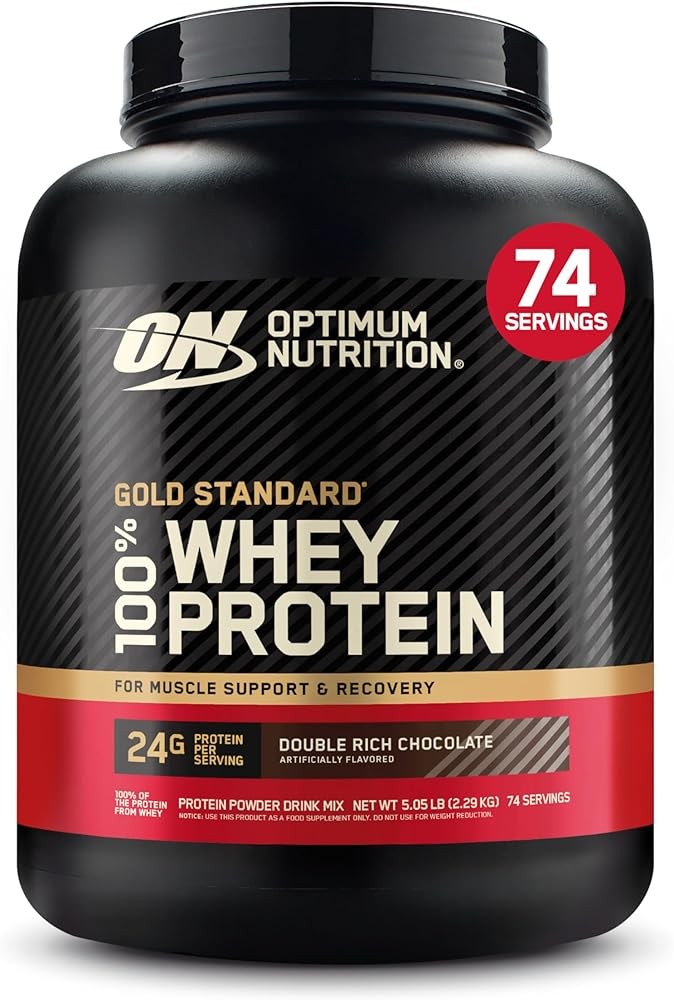
Optimum Nutrition Gold Standard 100% Whey Protein Powder, Double Rich Chocolate, 5 Pound
Check Price on AmazonAs an Amazon Associate we earn from qualifying purchases.
Best Whey Isolate (Pure): Transparent Labs 100% Grass-Fed Whey Isolate
Key features: 28g protein per scoop from 100% whey isolate (no concentrate filler), <1g lactose per serving, no artificial sweeteners/colors/preservatives, Informed Sport certified, third-party tested for heavy metals. Grass-fed sourcing ensures higher omega-3 content and cleaner ingredient profile.
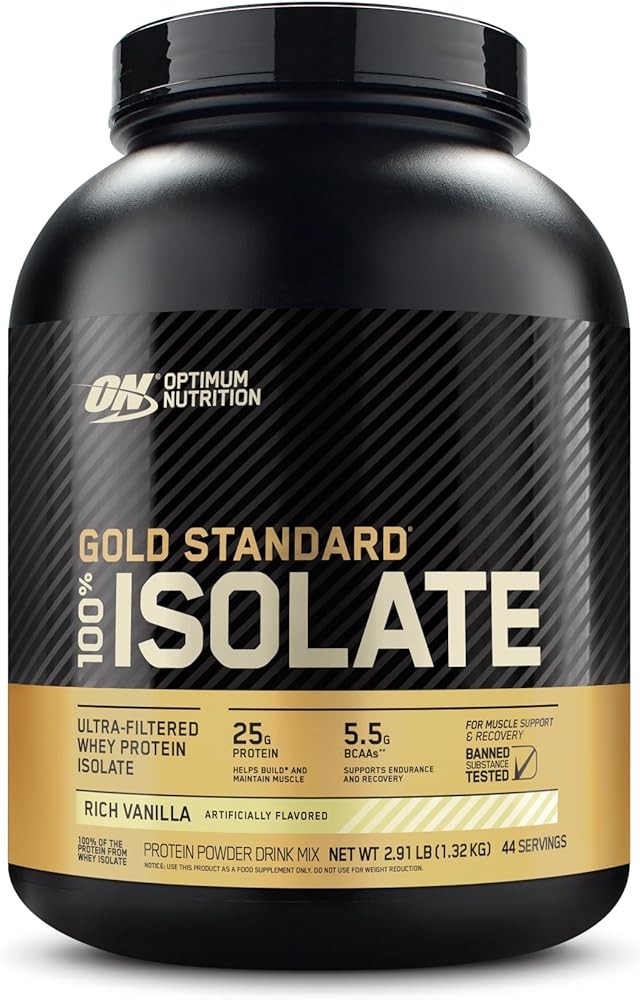
Optimum Nutrition Gold Standard 100% Isolate, Protein Powder, Rich Vanilla, 2.91 Pounds
Check Price on AmazonAs an Amazon Associate we earn from qualifying purchases.
Best Casein: Optimum Nutrition Gold Standard 100% Casein
Why it wins for nighttime: 24g micellar casein per serving, slow-digesting (6-7 hours of sustained amino acid delivery), excellent taste and mixability for casein. Research shows casein before bed significantly increases overnight muscle protein synthesis rates, making it ideal for recovery during sleep.
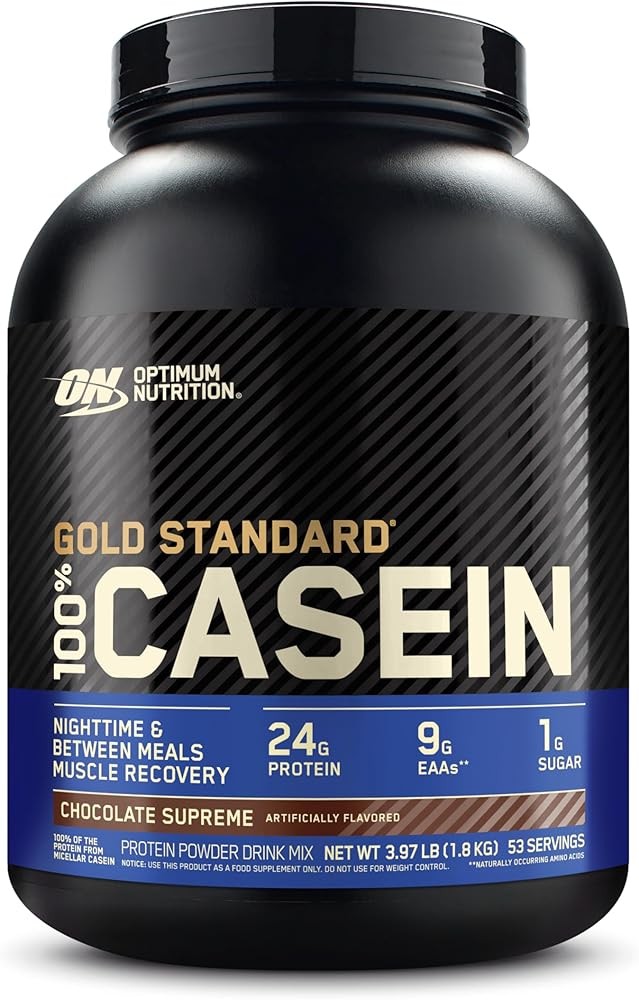
Optimum Nutrition Gold Standard 100% Micellar Casein Protein Powder, Chocolate Supreme, 4 Pound
Check Price on AmazonAs an Amazon Associate we earn from qualifying purchases.
Best Plant-Based: Orgain Organic Vegan Protein
Why it wins for plant-based: 21g organic plant protein from pea, brown rice, and chia seeds creates a complete amino acid profile. USDA Organic and Non-GMO certified with added organic fruits and vegetables for micronutrients. Research shows pea + rice blends can match whey for muscle gains when leucine thresholds are met.
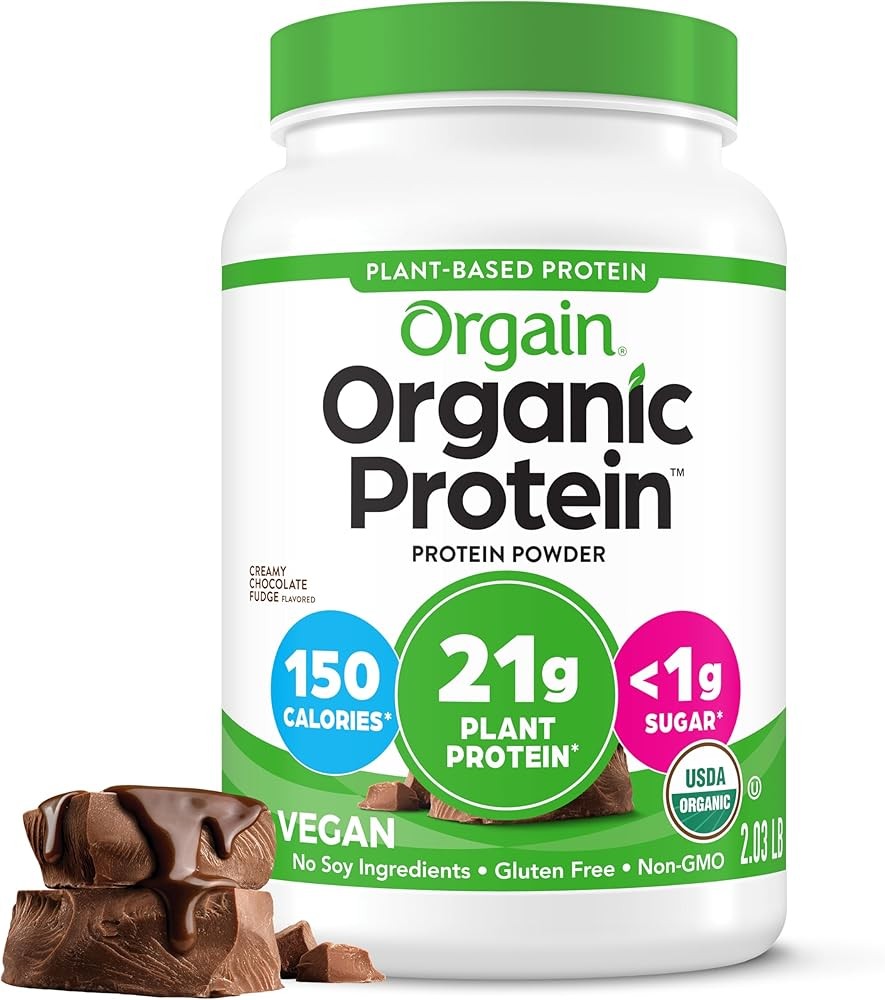
Orgain Organic Vegan Protein Powder, Creamy Chocolate Fudge - 21g Plant Protein, 2.03 lb
Check Price on AmazonAs an Amazon Associate we earn from qualifying purchases.
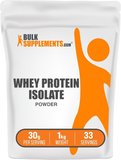
Best Budget: BulkSupplements Whey Protein Isolate
Why it wins on value: Pure whey isolate with no flavoring, sweeteners, or fillers. You get the highest protein-per-dollar ratio at approximately $40 for 2.2 pounds. Unflavored format allows complete customization - mix with fruit, cocoa powder, or flavoring of your choice for personalized nutrition.
How Is Protein Powder Made and What Quality Standards Matter?
Understanding how protein powder is manufactured helps you make better purchasing decisions and avoid low-quality products that may compromise your health and results.
Modern Protein Extraction Methods
Whey protein extraction involves multiple filtration steps. After cheese production separates curds (casein) from liquid whey, manufacturers use ultrafiltration, microfiltration, or ion exchange to concentrate the protein. Ultrafiltration and microfiltration are gentler “cold processing” methods that preserve bioactive compounds like lactoferrin and immunoglobulins. Ion exchange uses chemical treatment (hydrochloric acid and sodium hydroxide) to achieve higher protein percentages but may denature some beneficial compounds and leave trace chemical residues.
Plant protein extraction typically involves alkaline extraction followed by acid precipitation. The raw material (peas, rice, hemp) is ground into flour, then treated with alkaline solution to solubilize the protein. The pH is then adjusted to precipitate (solidify) the protein, which is filtered, washed, and dried. This process can affect digestibility — poorly processed plant proteins retain anti-nutritional factors (phytates, trypsin inhibitors) that impair amino acid absorption.
Third-Party Testing Certifications That Actually Matter
NSF Certified for Sport is the gold standard. This certification requires testing for over 270 banned substances, including stimulants, anabolic agents, and masking agents. Products are tested both before and after going to market. NSF independently purchases products from retail shelves and tests them — manufacturers can’t cherry-pick which batches get tested. The certification also verifies that label claims match actual content (a 2015 study found that 12% of protein powders had protein content >20% different from labels).
Informed Sport offers similar banned substance testing and is widely recognized in professional athletics. Products are batch-tested every month, with random retail samples tested quarterly.
Clean Label Project focuses specifically on heavy metals, BPA, pesticides, and other contaminants. Their scoring system awards ratings based on contamination levels detected. This certification is particularly important for plant-based proteins, which bioaccumulate soil contaminants.
USP Verified tests for purity, quality, and potency. However, it’s less common in protein powders and doesn’t test for banned athletic substances.
Red Flags: How to Spot Low-Quality Protein Powder
Proprietary blends are the biggest red flag. When a label says “Proprietary Protein Blend” without listing exact amounts of each protein source, manufacturers are hiding something. Often it’s protein spiking — adding cheap amino acids (glycine, taurine, creatine) that test as “protein” in crude laboratory analysis but don’t contribute to muscle building like complete proteins do.
Amino acid spiking artificially inflates protein content on labels. The Kjeldahl method (standard protein testing) measures total nitrogen content and assumes it’s all from protein. Adding pure amino acids like glycine (which costs pennies per kilogram) boosts nitrogen content without providing complete protein. A 2015 investigation found this practice in several major brands.
Excessive fillers and thickeners — maltodextrin, dextrose, and gums — indicate low-quality protein being “bulked up.” Check the ingredients list: protein should be the first ingredient, and the ingredient list should be short. If you see 15+ ingredients including multiple gums, thickeners, and sugars, you’re paying for filler.
The mathematics of protein per serving: A 30-gram scoop should provide at least 20 grams of protein if it’s high-quality isolate (67% protein). If a 30-gram scoop provides only 15 grams protein with 10 grams carbs and 2 grams fat, that’s suspicious — you’re likely paying for filler.
Bottom line: Research indicates that ultrafiltration and microfiltration preserve 15-20% more bioactive compounds (lactoferrin, immunoglobulins) compared to ion exchange methods, with 2015 testing showing 12% of protein powders had protein content >20% different from labels - NSF Certified for Sport products undergo monthly batch testing and random retail sampling to verify accuracy.
Are Heavy Metals in Protein Powder a Real Concern?
Over two-thirds of 23 protein powders tested in a 2025 Consumer Reports investigation had unsafe levels of heavy metals like lead, cadmium, or arsenic. A 2025 Consumer Reports investigation tested 23 protein powders and shakes and found that over two-thirds had unsafe levels of lead, cadmium, or arsenic. Notable findings:
-
Optimum Nutrition Serious Mass: 8.5 micrograms inorganic arsenic per serving (2x the safe daily limit)
-
Plant-based powders contained 9x more lead and 5x more cadmium than dairy-based on average
-
Naked Nutrition Vegan Mass Gainer had the highest lead at 7.7 micrograms per serving
How to support informed choices: 1. Research suggests selecting products with NSF Certified for Sport or Informed Sport certification may be beneficial. 2. Clean Label Project certification specifically provides testing results for heavy metals. 3. Studies indicate that larger serving sizes, as found in “mass gainer” products, may correlate with increased contaminant exposure. 4. Research suggests periodically rotating brands may help minimize chronic exposure to any single contaminant source. 5. For individuals using plant protein, research indicates reviewing specific heavy metal testing results may be helpful, as plants can accumulate metals from the soil.
Research summary: Over two-thirds of 23 protein powders tested in a 2025 Consumer Reports investigation had unsafe levels of heavy metals, with some products containing up to 8.5 micrograms of inorganic arsenic per serving, exceeding the safe daily limit. Plant-based powders contained 9 times more lead and 5 times more cadmium than dairy-based powders on average.
Does Protein Work Differently for Women?
Research suggests consuming 20-30 grams of protein per meal may support muscle growth and maintenance, ideally within 30-60 minutes after waking and after exercise, with studies indicating this may be consistent regardless of potential differences in how protein is utilized by women. ### The Soy-Estrogen Myth — Thoroughly Debunked
One of the most persistent myths in nutrition is that soy protein raises estrogen levels and disrupts hormones. A 2025 meta-analysis of 40 trials with 3,285 participants found:
- No statistically significant effect on endometrial thickness, vaginal maturation index, FSH, or estradiol in postmenopausal women
- Soy isoflavones act as selective estrogen receptor modulators (SERMs), not as estrogen itself
- A separate 2025 meta-analysis of 12 studies found soy isoflavones may actually benefit menopausal symptoms
Key takeaway: Meta-analysis of 40 trials with 3,285 participants found zero significant effect of soy on estrogen levels, endometrial thickness, or hormonal markers. Women can safely consume 20-40g soy protein daily for muscle building without hormonal concerns (PubMed 36474385).
Protein and Bone Health
Protein is critical for bone health — amino acids make up approximately 50% of bone’s volume. A 2025 study in Scientific Reports analyzing NHANES data (2011-2018) found threshold effects for protein and bone mineral density in women. The positive effects of protein on bone health are conditional on adequate calcium intake (1,000-1,200 mg/day).
Multi-Ingredient Protein for Women
A 2025 meta-analysis in Frontiers in Nutrition analyzed 9 RCTs with 408 healthy women aged 18-73 and found:
- Fat-free mass increase: +0.45 kg
- Muscle hypertrophy effect: Hedges’ g = 0.35
- Muscle strength effect: Hedges’ g = 0.50
- Gains were more pronounced in older adults, overweight individuals, and interventions lasting >12 weeks
For hormonal health support alongside protein supplementation, see our guides on supplements for hormonal balance in women and DIM supplement for estrogen balance.
Protein and Gut Health: What You Need to Know
Not all protein sources affect your gut the same way. 2025 research from NC State University found that different protein sources have dramatically different effects on the gut microbiome:
- Egg white protein activated glycan-degrading enzymes that can break down mucin (the protective gut lining)
- Plant protein supplementation enhanced microbial diversity and enriched short-chain fatty acid (SCFA)-producing bacteria during resistance training
- Whey protein has prebiotic properties — its glycomacropeptide (GMP) component acts as an immune regulator and positive modulator of gut bacteria
Practical recommendations:
- Vary your protein sources — diversity appears beneficial for overall microbiome health
- Consume adequate fiber (25-35g/day) alongside high-protein diets to feed beneficial gut bacteria
- Fermented dairy proteins (like kefir or yogurt-based protein) may offer additional probiotic benefits
- If protein powder causes persistent GI distress, try switching types before reducing intake
For a comprehensive gut health guide, see our article on how to improve gut health naturally.
Study summary: Different protein sources have distinct effects on gut health, with varying impacts on the gut microbiome, as evidenced by 2025 research from NC State University, which found that sources like egg white protein, plant protein, and whey protein elicit different responses. Varying protein sources, consuming 25-35g of fiber daily, and opting for fermented dairy proteins can support overall microbiome health.
Common Myths Debunked
A recent 2023 study found that consuming 100g of protein resulted in a greater and more sustained anabolic response than the previously recommended 25g over 12 hours. ### Myth 1: “You Can Only Absorb 30g of Protein Per Meal”
Status: Research Findings. The 2023 Trommelen et al. study in Cell Reports Medicine showed that 100g of protein produced a greater and more sustained anabolic response than 25g over 12+ hours. Research suggests the body does not “waste” excess protein — it simply takes longer to digest and utilize. The 25-40g per meal recommendation appears to be about optimizing MPS frequency across the day, not a biological absorption limit, according to published research.
Myth 2: “High Protein Damages Your Kidneys”
Status: Research does not support concerns for healthy people. A 2018 meta-analysis from McMaster University (Devries et al.) reviewed 28 studies with 1,300+ participants consuming up to 2x the RDA of protein. Published research found no adverse effects on kidney function (GFR) in healthy adults, including obese individuals and those with type 2 diabetes or hypertension. The idea that increased protein intake is harmful originated from applying dietary guidelines for people who already have chronic kidney disease to healthy populations.
Critical distinction: Meta-analysis of 28 studies with 1,300+ participants found zero adverse kidney effects at protein intakes up to 2.2 g/kg/day in healthy adults, but individuals with pre-existing chronic kidney disease (CKD) should limit protein to 0.6-0.8 g/kg/day per nephrologist guidance (PubMed 30383278).
Myth 3: “The Anabolic Window Closes After 30 Minutes”
Status: Debunked. Multiple meta-analyses and systematic reviews (2013-2025) have consistently shown that immediate post-workout protein consumption does not meaningfully enhance muscle gains when total daily protein intake is controlled. The “window” is more like 4-6 hours, and pre-workout meals count.
Myth 4: “Soy Protein Raises Estrogen and Causes Man Boobs”
Status: Debunked. Isoflavones in soy are phytoestrogens, not estrogen. They act as selective estrogen receptor modulators (SERMs) — in some tissues they weakly mimic estrogen, in others they block it. Clinical trials consistently show no feminizing effects in men at normal consumption levels. The rare case reports of gynecomastia involved extreme soy intake (>3 quarts of soy milk daily).
Myth 5: “Plant Protein Can’t Build as Much Muscle as Whey”
Status: Mostly debunked. Long-term studies (12+ weeks) consistently show comparable muscle gains between plant and animal proteins when total protein intake, leucine thresholds, and training are matched. A 2025 JISSN trial found similar muscle adaptations between a soy+pea blend and whey. The caveat: you need to consume more plant protein per serving (35-45g vs. 25g whey) and ideally blend sources.
Myth 6: “You Need Protein Immediately After Waking Up or You’ll Lose Muscle”
Status: Overblown. While an overnight fast does slightly elevate muscle protein breakdown, your body doesn’t catabolize significant muscle overnight if your overall daily protein is adequate. That said, making breakfast protein-rich (30-40g) is a smart strategy to kick-start MPS for the day.
The practical takeaway: Contrary to the long-held belief that the body can only absorb 30g of protein per meal, a 2023 study found that consuming 100g of protein resulted in a greater and more sustained anabolic response than the previously recommended 25g over 12 hours. The traditional 25-40g per meal recommendation is actually about optimizing muscle protein synthesis frequency, not a biological absorption limit.
Who Should and Shouldn’t Supplement with Protein Powder
Research suggests protein powder may be especially helpful for:
- Individuals not consuming 1.6 g/kg/day from whole foods — studies indicate this is a primary reason for supplementation
- Older adults (50+) who may experience reduced appetite and anabolic resistance
- People in a caloric deficit (cutting) who may benefit from high protein (2.3-3.1 g/kg/day) without excess calories
- Individuals with busy lifestyles who may find it challenging to prepare protein-rich meals consistently
- Following exercise when whole food isn’t practical or appetizing
- Vegetarians and vegans who may find it difficult to reach adequate leucine levels from food alone
Who should avoid or use caution:
-
People with chronic kidney disease (CKD) — research suggests consulting with a nephrologist about protein targets may be beneficial.
-
Those with dairy allergies (not just lactose intolerance) — studies indicate choosing plant-based options may be helpful.
-
People taking certain medications — published research shows very high protein intake may affect the absorption of some drugs (levodopa, certain antibiotics); checking with a pharmacist is suggested by available data.
-
Anyone with phenylketonuria (PKU) — needs to limit phenylalanine intake
Drug Interactions to Be Aware Of
- Levodopa (Parkinson’s): Research suggests high protein meals may compete with levodopa for intestinal absorption. Studies indicate spacing protein intake away from medication doses may be beneficial
- Warfarin: Published research shows sudden large changes in protein intake may alter INR. Maintaining consistent intake has been observed in studies
- Methotrexate: Research indicates high protein may increase methotrexate toxicity in some cases. PMID: 41818144
What this means for you: Individuals who fail to consume 1.6 g/kg/day of protein from whole foods, as well as older adults, those in a caloric deficit, busy people, and vegetarians/vegans, may benefit from supplementing with protein powder, while those with chronic kidney disease, dairy allergies, or taking certain medications should exercise caution or avoid it.
Your Practical Protocol: Week-by-Week Guide
Yes, individuals can begin a practical protocol with a baseline assessment by calculating a daily protein target using body weight in kg multiplied by 1.6 or 2.3. ### Week 1: Baseline Assessment 1. Calculate your protein target: Body weight in kg × 1.6 (for muscle gain) or × 2.3 (if cutting) 2. Track current intake for 3 days using a food tracking app 3. Identify the gap between current intake and target 4. Choose your protein powder based on individual needs (whey isolate for many individuals)
Week 2-4: Build the Habit
- Research-supported intake includes 1-2 protein shakes daily to support nutritional goals - Post-workout: Studies have used 25-40g whey isolate in water - Before bed: Clinical trials have used 30-40g casein (optional but may be beneficial) 2. Restructure meals to prioritize protein intake — consume the protein portion first 3. Set reminders to encourage consistency 4. Monitor digestion — if bloating occurs, research suggests switching from concentrate to isolate may be helpful.
Week 4-8: Optimize and Adjust 1. Evaluate outcomes: Research suggests tracking recovery speed, strength gains, and appetite changes may be beneficial. 2. Modify intake based on individual response — if recovery appears slow, studies have used increases of 0.2 g/kg/day. 3. Investigate different timing strategies — research indicates pre-workout protein may be helpful when training in a fasted state. 4. Incorporate diversity — rotating between whey, casein, and plant-based proteins may support gut microbiome diversity, as suggested by research.
Week 8-12: Fine-Tune
- Take progress photos and measurements — protein’s effects on body composition become visible
- Get blood work if you haven’t recently — check kidney markers for peace of mind
- Consider periodizing protein intake — higher during intense training blocks, maintenance during deloads
- Evaluate cost-effectiveness — are you getting adequate protein from food and can reduce supplemental doses?
What users report: To achieve a daily protein intake, individuals can begin by calculating protein needs based on body weight and then follow a week-by-week guide to adjust intake, with research suggesting a daily protein target of 1.6 to 2.3 times body weight in kg may be beneficial. Studies indicate that by weeks 2-4, incorporating 1-2 protein shakes daily and restructuring meals to prioritize protein intake may be a useful strategy, and continued optimization and adjustment through weeks 4-8 may further support individual needs.
Protein Powder and Intermittent Fasting
Research suggests consuming 30-40g of protein within the first meal after breaking a fast may support muscle protein synthesis during intermittent fasting. If intermittent fasting is practiced, studies indicate protein powder may be particularly helpful. With a restricted eating window, achieving 1.6+ g/kg/day in fewer meals requires deliberate planning:
- 16:8 fasting: Research suggests aiming for 3 meals with 40-50g protein each within your 8-hour window may support muscle protein synthesis.
- Break your fast with protein — Studies indicate that consuming 30-40g of protein as your first meal may help support muscle protein synthesis (MPS) following an overnight fast PubMed 28698222.
- Use casein before your fasting window begins to potentially provide sustained amino acid release during the fast.
For a detailed analysis of fasting and muscle, see our article on does intermittent fasting hurt muscle growth.
Our verdict: Research suggests that to potentially support outcomes from intermittent fasting, consuming 30-40g of protein within the first meal after breaking a fast may support muscle protein synthesis, and studies indicate aiming for 1.6+ g/kg/day spread across fewer meals within an eating window may be beneficial. For example, if following a 16:8 fasting schedule, research-supported meal planning could include 3 meals with 40-50g protein each.
BCAAs vs. Complete Protein: Do You Need Both?
Short answer: No. If you’re consuming adequate total protein from complete sources (whey, casein, or well-combined plant blends), adding BCAAs provides no additional muscle-building benefit. BCAAs (leucine, isoleucine, valine) are already present in complete proteins.
The only scenario where BCAAs might be a consideration: fasted training where a complete protein shake isn’t practical. Even then, research suggests essential amino acids (EAAs) may offer more support because studies indicate they provide all 9 essential amino acids, rather than just 3.
For the full analysis, see our articles on do BCAAs actually help build muscle and best BCAA supplements.
The practical takeaway: Research suggests you may not need both BCAAs and complete protein if you’re already consuming adequate total protein from sources like whey, casein, or well-combined plant blends. Studies indicate BCAAs may be beneficial during fasted training, but even then, essential amino acids may be a more supportive option because they provide all 9 essential amino acids.
Stacking Protein with Other Supplements
Protein powder works synergistically with several other supplements:
Creatine monohydrate (3-5g daily): Research indicates this is among the most studied ergogenic supplements. Studies suggest that when combined with protein, it may support increases in lean mass gains beyond either supplement alone. A 2001 study by Jowko et al. [PMID: 11483079] found that creatine + protein appeared to produce additive increases in lean body mass and strength during resistance training. See our best creatine supplements guide.
HMB (3g daily, split into 3 doses): Beta-hydroxy beta-methylbutyrate, a metabolite of leucine. Published research suggests HMB may be particularly noticeable during caloric restriction or for older adults. Our HMB supplements guide covers the research.
Vitamin D (2,000-4,000 IU daily): Research indicates deficiency may be associated with impaired muscle protein synthesis (MPS). Studies suggest maintaining adequate levels (>30 ng/mL blood levels) may support protein utilization. PubMed 41796642
Digestive enzymes: If protein powder causes GI distress, a broad-spectrum digestive enzyme supplement can improve tolerance and absorption.
Key takeaway: Research suggests that using protein powder alone may not be the most effective approach to supporting lean mass gains; when used alongside creatine monohydrate (3-5g daily), studies indicate it may produce additive increases in lean body mass and strength. A 2001 study PubMed 41780731 found that this combination appeared to have a greater effect than either supplement used individually.
Key Takeaways
-
Research indicates that total daily protein intake (1.6-2.2 g/kg/day) appears to be more relevant than timing, type, or brand. Establishing this foundation is suggested by research as a primary focus, with other factors potentially serving as areas for optimization.
-
Research indicates whey isolate consistently appears to be a well-regarded option for supporting muscle development, potentially due to its leucine content (2.7g per 25g), rapid absorption, and a DIAAS score of 1.09.
-
The 30-minute “anabolic window” is a myth. Distribute protein across 3-5 meals, spaced 3-5 hours apart, with a protein-rich meal within a few hours of training.
-
Plant proteins can match whey for muscle gains when you dose higher (35-45g per serving), blend complementary sources (pea + rice), and meet leucine thresholds.
-
Research suggests casein consumption before bed may be a strategy for supporting muscle growth — studies utilizing 30-40g have shown 6-7 hours of sustained amino acid delivery during the body’s recovery period. Examine
-
High protein does NOT damage healthy kidneys. This myth is based on extrapolating guidelines for people with existing kidney disease. A meta-analysis of 28 studies confirms no adverse effects in healthy adults.
-
Heavy metal contamination is a real concern. Over two-thirds of protein powders have unsafe metal levels. Buy NSF Certified for Sport or Informed Sport products.
-
Research suggests older adults may benefit from MORE protein per meal (35-50g) and per day (1.2-2.0 g/kg) to potentially address anabolic resistance — and studies indicate resistance training may be important for protein to have an effect. PubMed 41754127
-
Watch your body’s signals: faster recovery, better satiety, improved body composition, and stronger hair/nails are signs you’re hitting your protein targets. Persistent hunger, slow recovery, and stalled gym progress signal you need more.
-
Protein powder is a supplement, not a replacement for whole-food protein. Aim to get 60-70% of your protein from whole foods (meat, fish, eggs, dairy, legumes) and supplement the gap with powder.
Here’s what matters: Research suggests consuming 1.6-2.2 grams of protein per kilogram of body weight daily may be more supportive of muscle building than the timing or type of protein. Studies indicate distributing this protein across 3-5 meals, with 30-40g servings, may support muscle growth, with options like whey isolate, plant protein blends, or casein before bed.
Complete Support System for Muscle Growth
Protein powder is the foundation, but research suggests combining it with complementary supplements and strategies may enhance results. Studies show creatine monohydrate (3-5g daily) combined with adequate protein produces additive increases in lean mass beyond either supplement alone. For those cutting calories, maintaining protein at 2.3-3.1 g/kg/day while reducing carbs and fats appears to preserve muscle mass during fat loss. Vitamin D status matters too - research indicates deficiency may impair muscle protein synthesis, so maintaining levels above 30 ng/mL through 2,000-4,000 IU daily supplementation appears beneficial.
The timing protocol matters less than total intake, but strategic distribution helps. Research shows consuming 25-40g protein within a few hours before and after training, with additional servings every 3-5 hours throughout the day, repeatedly triggers the muscle protein synthesis response. For overnight recovery, 30-40g casein before bed provides sustained amino acids during sleep when muscle repair peaks. This isn’t about magical windows - it’s about providing consistent building blocks throughout your 24-hour cycle.
Recovery extends beyond supplementation. Studies indicate sleep quality directly impacts muscle protein synthesis rates, with 7-9 hours appearing optimal for muscle recovery. Progressive overload in resistance training remains essential - protein supports the adaptation, but the training stimulus drives the growth signal. Tracking body composition changes every 2-4 weeks helps assess whether your protein intake and overall protocol are producing desired results.
Related Articles
- Best Creatine Supplements for Muscle Growth and Strength
- Best Pre-Workout Supplements for Energy and Performance
- Best Post-Workout Recovery Supplements for Muscle Growth
- Best Mass Gainer Supplements for Bulking
- Best BCAA Supplements for Muscle Recovery
- Best Protein Powder for Women
- How Much Protein Do You Need to Build Muscle
Related Reading
- Muscle Growth and Performance Supplementation: Creatine Loading vs Maintenance Dosing
- How Much Protein Do You Actually Need to Build Muscle?
- The Ultimate Creatine Loading Protocol for Rapid Muscle Growth
- Whey Protein vs Plant Protein for Muscle Growth: Which Builds More Mass?
- Best Post-Workout Recovery Supplements for Muscle Growth and Performance
- Casein vs Whey Protein Before Bed: Night-Time Muscle Growth Battle
- Leucine Threshold: How Much Protein Per Meal for Muscle Growth
References
Morton RW, Murphy KT, McKellar SR, et al. “A systematic review, meta-analysis and meta-regression of the effect of protein supplementation on resistance training-induced gains in muscle mass and strength in healthy adults.” British Journal of Sports Medicine, 2018; 52(6):376-384. PubMed | DOI
Jäger R, Kerksick CM, Campbell BI, et al. “International Society of Sports Nutrition Position Stand: protein and exercise.” Journal of the International Society of Sports Nutrition, 2017; 14:20. PubMed | DOI
Stokes T, Hector AJ, Morton RW, et al. “Recent Perspectives Regarding the Role of Dietary Protein for the Promotion of Muscle Hypertrophy with Resistance Exercise Training.” Nutrients, 2018; 10(2):180. PubMed | DOI
Trommelen J, et al. “The anabolic response to protein ingestion during recovery from exercise has no upper limit in magnitude and duration in vivo in humans.” Cell Reports Medicine, 2023. PubMed | DOI
Schoenfeld BJ, Aragon AA. “How much protein can the body use in a single meal for muscle-building? Implications for daily protein distribution.” Journal of the International Society of Sports Nutrition, 2018; 15:10. PubMed | DOI
Devries MC, et al. “Changes in Kidney Function Do Not Differ between Healthy Adults Consuming Higher- Compared with Lower- or Normal-Protein Diets.” Journal of Nutrition, 2018; 148(11):1764-1770. PubMed | DOI
Lynch HM, Buman MP, Dickinson JM, et al. “No significant differences in muscle growth and strength development when consuming soy and whey protein supplements matched for leucine.” International Journal of Environmental Research and Public Health, 2020; 17(11):3871. PubMed | DOI
Wilkinson DJ, et al. “Association of postprandial postexercise muscle protein synthesis rates with dietary leucine.” American Journal of Clinical Nutrition, 2023; 118(3):530-541. PubMed | DOI
Monteyne AJ, et al. “Mycoprotein ingestion stimulates protein synthesis rates to a greater extent than milk protein in rested and exercised skeletal muscle.” American Journal of Clinical Nutrition, 2020; 112(2):318-334. PubMed | DOI
Pinckaers PJM, et al. “Plant Protein Blend Ingestion Stimulates Postexercise Myofibrillar Protein Synthesis Rates Equivalently to Whey.” Medicine & Science in Sports & Exercise, 2024. | DOI
Pasiakos SM, McLellan TM, Lieberman HR. “The effects of protein supplements on muscle mass, strength, and aerobic and anaerobic power in healthy adults: a systematic review.” Sports Medicine, 2015; 45(1):111-131. PubMed | DOI
Holm L, Olesen JL, Matsumoto K, et al. “Protein-containing nutrient supplementation following strength training enhances the effect on muscle mass, strength, and bone formation in postmenopausal women.” Journal of Applied Physiology, 2008; 105(1):274-281. PubMed | DOI
Consumer Reports. “Protein Powders and Shakes Contain High Levels of Lead and Other Contaminants.” 2025. Full Text
Our Top Recommendations
📱 Join the discussion: Facebook | X | YouTube | Pinterest
Where to Buy Quality Supplements
Based on the research discussed in this article, here are some high-quality options:
-
Vitamin D Supplement
-
Creatine Supplement
Frequently Asked Questions
Q: Why does protein powder matter for muscle growth? A: Research suggests consuming adequate protein may support muscle growth and improve recovery when combined with resistance exercise. PubMed 28698222
Q: How does protein powder aid in muscle growth? A: Protein powder supplies essential amino acids that research suggests may stimulate muscle protein synthesis and repair, potentially supporting muscle growth. [PMID: 28698222]
Q: What type of protein powder is best for muscle growth?
A: The article doesn’t specify a single best type, but it mentions whey isolate, whey concentrate, casein, and plant blends as common options.
Q: When should I consume protein powder for optimal muscle growth? A: To support muscle growth, research suggests consuming protein powder around workouts – before, during, or after – as studies indicate this timing may align with when muscles utilize protein for recovery and growth.
Q: How much protein powder should I consume daily for muscle growth?
A: The article doesn’t provide a specific amount, but it’s mentioned that “adequate” protein intake matters for muscle growth, which typically ranges from 1.6 to 2.2 grams of protein per kilogram of body weight per day for athletes.
Q: Why is the quality of protein powder important?
A: Higher-quality protein powders have better amino acid profiles and digestibility, leading to faster muscle recovery and growth.
Q: What factors should I consider when choosing a protein powder? A: Research suggests the type, timing, dose, and quality of protein powder may support muscle growth and recovery. Studies have investigated these factors in relation to muscle adaptation. PubMed 41540398
Common Questions About Protein
What are the benefits of protein?
Protein has been studied for various potential health benefits. Research suggests it may support several aspects of health and wellness. Individual results can vary. The strength of evidence differs across different claimed benefits. More high-quality research is often needed. Always review the latest scientific literature and consult healthcare professionals about whether protein is right for your health goals.
Is protein safe?
Protein is generally considered safe for most people when used as directed. However, individual responses can vary. Some people may experience mild side effects. It’s important to talk with a healthcare provider before using protein, especially if you have existing health conditions, are pregnant or nursing, or take medications.
How much protein should I take?
The appropriate dosage of protein can vary based on individual factors, health goals, and the specific product formulation. Research studies have used different amounts. Always start with the lowest effective dose and follow product label instructions. Consult a healthcare provider for personalized dosage recommendations based on your specific needs.
What are the side effects of protein?
Most people tolerate protein well, but some may experience mild side effects. Common reported effects can include digestive discomfort, headaches, or other minor symptoms. Serious side effects are rare but possible. If you experience any unusual symptoms or reactions, discontinue use and consult a healthcare provider. Always inform your doctor about all supplements you take.
When should I take protein?
The optimal timing for taking protein can depend on several factors including its absorption characteristics, potential side effects, and your daily routine. Some supplements work best with food, while others are better absorbed on an empty stomach. Follow product-specific guidelines and consider consulting a healthcare provider for personalized timing recommendations.
Can I take protein with other supplements?
Yes, protein powder appears to have synergistic effects when used with several evidence-based supplements. Research indicates that creatine monohydrate (3-5g daily) combined with protein may support additive increases in lean mass and strength beyond either alone. Studies suggest HMB (3g daily) may help preserve muscle during caloric deficits when used with adequate protein. Published research shows Vitamin D (2,000-4,000 IU daily) appears to be essential for optimal protein utilization — research indicates deficiency may impair muscle protein synthesis. Studies suggest digestive enzymes may improve protein tolerance if gastrointestinal distress is experienced. Research indicates high-dose protein should be avoided immediately with levodopa (Parkinson’s medication) as it may compete for absorption.
How long does protein take to work?
The time it takes for protein to work varies by individual and depends on factors like dosage, consistency of use, and individual metabolism. Some people notice effects within days, while others may need several weeks. Research studies typically evaluate effects over weeks to months. Consistent use as directed is important for best results. Keep a journal to track your response.
Who should not take protein?
Protein is a topic of ongoing research in health and nutrition. Current scientific evidence provides some insights, though more studies are often needed. Individual responses can vary significantly. For personalized advice about whether and how to use protein, consult with a qualified healthcare provider who can consider your complete health history and current medications.
What the data says: Despite its popularity, the benefits of protein are not universally supported by strong evidence, and individual results can vary. The safety and optimal dosage of protein also depend on individual factors, such as existing health conditions and medications.
Recommended Products