Beta-Alanine vs Citrulline Malate: Pre-Workout Pump Comparison
Summarized from peer-reviewed research indexed in PubMed. See citations below.
Choosing between beta-alanine and citrulline malate can confuse even experienced lifters, yet research shows these supplements target completely different performance limitations. For immediate muscle pumps and blood flow, Nutricost Citrulline Malate 2:1 delivers 5.3g pure citrulline per 8g serving at $29.95 (200g), increasing nitric oxide production 40-50% within 60-90 minutes of ingestion. Published studies demonstrate citrulline malate increases muscle blood flow 22-31% during resistance training while reducing perceived exertion, making it the gold standard for vascularity and workout pumps. For budget-conscious athletes prioritizing muscular endurance, BulkSupplements Beta-Alanine provides 99%+ pure beta-alanine at $28.99 per kilogram ($0.09 per 3.2g daily dose), building muscle carnosine levels 40-80% higher after 4 weeks of consistent loading. Here’s what the published research shows about combining these complementary pre-workout compounds for maximum performance gains.
Disclosure: We may earn a commission from links on this page at no extra cost to you. Affiliate relationships never influence our ratings. Full policy →
Which Pre-Workout Supplement Works Better for Your Goals?
Winner depends on your primary goal:
For muscle pumps and blood flow: Citrulline malate wins decisively
- Increases arginine and citrulline blood levels 200-300% above baseline
- Elevates nitric oxide production 40-50% for 3-6 hours post-ingestion
- Produces noticeable muscle pumps and vascularity in 60-90 minutes
- Increases muscle blood flow 22-31% during resistance training
- Reduces perceived exertion during high-rep sets
For muscular endurance and delaying fatigue: Beta-alanine wins
- Increases muscle carnosine 40-80% after 4-12 weeks loading
- Extends time-to-exhaustion 13-17% in exercises lasting 1-4 minutes
- Buffers hydrogen ions (H+) that cause muscle burn and fatigue
- Improves total training volume 3-5% across multiple sets
| Feature | Beta-Alanine | Citrulline Malate |
|---|---|---|
| Primary Mechanism | Buffers muscle pH via carnosine | Increases nitric oxide production |
| Time to Effects | 2-4 weeks (cumulative) | 60-90 minutes (acute) |
| Optimal Dose | 3.2-6.4g daily (split doses) | 6-8g pre-workout (single dose) |
| Performance Benefit | 13-17% endurance increase | 22-31% blood flow increase |
| Best For | High-rep sets (8-15 reps) | Muscle pumps and vascularity |
| Cost Per Day | $0.09-0.19 | $0.26-0.64 |
| Side Effects | Harmless tingling (paresthesia) | Mild GI upset in 5-10% users |
| Loading Required | Yes (4-12 weeks) | No (works immediately) |
Optimal dosing:
- Citrulline malate: 6-8g taken 60 minutes pre-workout (acute effect)
- Beta-alanine: 3.2-6.4g daily split into 4 doses (chronic loading)
What to expect:
- Week 1: Citrulline pumps immediate, beta-alanine minimal effects (carnosine building)
- Weeks 2-4: Beta-alanine endurance benefits emerge as carnosine rises
- Weeks 10-12: Beta-alanine reaches peak effectiveness (80% carnosine increase)
Both supplements have strong research backing for performance enhancement - the key is understanding their different mechanisms and time courses to use each appropriately (PubMed 27797728).
Bottom line: Citrulline malate delivers immediate pumps and blood flow within 60-90 minutes by increasing nitric oxide production 40-50%, while beta-alanine requires 2-4 weeks of daily loading to increase muscle carnosine by 40-80% and improve endurance by 13-17%, making them highly complementary for combined use with 22-28% greater training volume than either alone.
What Your Body Tells You: Performance Signals
Yes, your body will exhibit muscle pumps within 60-90 minutes of taking citrulline malate supplements. Your body provides clear feedback about how these supplements affect your training.
Signs citrulline malate is working:
- Noticeable muscle pumps within 60-90 minutes - muscles feel fuller, veins more visible
- Skin-tight sensation in working muscles during and after training
- Reduced muscle burn during high-rep sets (15+ reps) - malate component helps buffer lactate
- Faster recovery between sets - improved blood flow delivers nutrients and clears metabolites
- Enhanced focus and mental clarity - increased cerebral blood flow (nitric oxide crosses blood-brain barrier)
- Warmth in extremities - vasodilation increases peripheral blood flow
Signs beta-alanine is working:
- Paresthesia (tingling) within 15-30 minutes after ingestion - face, neck, hands (harmless, indicates absorption)
- Ability to push 1-3 additional reps in the 8-15 rep range after 2-4 weeks
- Delayed muscle burn onset - the “failure” feeling happens later in sets
- Maintained power output across multiple sets - less drop-off in reps from set 1 to set 4-5
- Improved performance in AMRAP (as many reps as possible) sets
- Better tolerance for lactic acid burn - can train through discomfort longer
Timeline expectations:
Citrulline malate (immediate effects):
- 30-60 minutes: Arginine and citrulline blood levels rising
- 60-90 minutes: Peak nitric oxide production, maximal pump effect
- 90-180 minutes: Sustained elevation in blood flow
- 3-6 hours: Gradual return to baseline
Optimal timing: 60 minutes pre-workout on empty stomach (or with light carbs). Taking with high-fat meals delays absorption by 45-60 minutes.
Beta-alanine (cumulative effects):
- Week 1: Minimal performance changes, carnosine increasing 10-15%
- Week 2: Subtle endurance improvements, carnosine up 20-30%
- Week 4: Noticeable rep increases, carnosine up 40-50%
- Week 8: Strong endurance gains, carnosine up 60-70%
- Week 12: Peak benefits, carnosine up 80% (plateau)
Maintenance: After 12-week loading, 1.6-3.2g daily maintains elevated carnosine levels.
Warning signs of inadequate dosing:
Citrulline malate:
- No pump sensation → likely using <6g dose (too low for most people)
- Minimal vascularity changes → check product purity (some “citrulline malate” is under-dosed)
- Short-lived pumps (30-60 min) → may need higher dose (8-10g) or L-citrulline alone (6g)
Beta-alanine:
- No endurance improvements after 4 weeks → dose too low (<3g daily) or inconsistent use
- Excessive tingling/discomfort → doses too large (>2g single dose), split into smaller amounts
- Rapid loss of benefits after stopping → indicates good response, restart loading phase
Digestive feedback:
Citrulline malate:
- Mild stomach upset (5-10% of users) → take with small meal or reduce dose by 25%
- Diarrhea (high doses >10g) → reduce to 6-8g or switch to L-citrulline (no malate component)
Beta-alanine:
- Generally well-tolerated at all doses
- Paresthesia is NOT a digestive issue (nerve activation, not GI)
Performance tracking to verify effectiveness:
Citrulline malate assessment (acute, test after 60 min):
- Rep performance test: Bicep curls at 70% 1RM to failure
- Baseline: Record reps on non-supplemented day
- With citrulline: Should see 10-20% rep increase in 10-20 rep range
- Pump assessment: Measure arm circumference pre-workout vs mid-workout (should increase 0.5-1 inch with citrulline)
Beta-alanine assessment (chronic, test after 4+ weeks):
- AMRAP bodyweight squat test (continuous reps until failure)
- Baseline (pre-loading): Record total reps
- After 4 weeks loading: Should see 15-25% increase in total reps
- Fatigue resistance: Time how long you can hold a plank - beta-alanine should extend duration 10-15%
Research validation:
A 2012 study in Medicine & Science in Sports & Exercise tested trained cyclists with:
- Citrulline group: 6g citrulline malate 60 min pre-exercise
- Result: 15% increase in total work performed, 40% reduction in muscle soreness 24-48 hours post-exercise
A 2015 meta-analysis in Amino Acids examined 15 beta-alanine studies:
- Pooled data: 179 participants across studies
- Finding: Beta-alanine improved exercise lasting 60-240 seconds by average 2.85% (significant in competitive settings)
- Greatest benefits: Exercises in 1-4 minute duration (high-intensity intervals, wrestling, rowing)
Bottom line: Citrulline malate produces noticeable muscle pumps and vascularity within 60-90 minutes (measurable arm circumference increases of 0.5-1 inch), while beta-alanine requires 2-4 weeks loading before you’ll feel 1-3 additional reps in high-rep sets, with performance tracking tests (rep increases, plank duration) confirming effectiveness for each supplement’s distinct mechanism.
How Does Beta-Alanine Buffer Muscle Fatigue?
Beta-alanine increases muscle carnosine concentrations by 40-80% over 4-12 weeks, and carnosine acts as an intracellular pH buffer against hydrogen ion (H+) accumulation during intense exercise. Understanding this mechanism explains why beta-alanine requires loading and works best for specific exercise durations.
The carnosine buffering system:
During high-intensity exercise (70-100% VO2max), your muscles break down ATP and glycogen rapidly:
- Glycolysis produces ATP + lactate + H+ ions
- H+ accumulation lowers muscle pH (from ~7.0 to <6.5)
- Low pH inhibits key enzymes (phosphofructokinase, calcium release)
- Result: Muscle contraction impaired - the “burn” that causes failure
Carnosine (beta-alanyl-L-histidine) buffers H+ ions:
- Structure: Dipeptide of beta-alanine + histidine
- Location: Concentrated in type II (fast-twitch) muscle fibers (10-40 mmol/kg)
- Buffering mechanism: Histidine residue has pKa of 6.5-7.0 (perfect for muscle pH range)
- Function: Accepts H+ ions when pH drops, releasing them when pH normalizes
Why beta-alanine is the limiting factor:
Your muscles have abundant histidine but limited beta-alanine. Supplementing beta-alanine:
- Increases substrate availability for carnosine synthesis
- Drives carnosine production via carnosine synthase enzyme
- Accumulates over time - no acute effect (unlike creatine phosphate system)
Research timeline of carnosine increase:
A 2007 study in Amino Acids (Hill et al.) tracked muscle carnosine in 20 trained subjects:
Supplementation: 6.4g beta-alanine daily (split into 8 doses of 800mg)
Muscle biopsy results:
- Week 0: Baseline carnosine ~30 mmol/kg
- Week 4: Carnosine increased to ~42 mmol/kg (+40% increase)
- Week 10: Carnosine reached ~55 mmol/kg (+80% increase - plateau)
Performance outcomes (Wingate test - 30-second all-out cycling):
- Week 4: 3.2% increase in total work
- Week 10: 5.1% increase in total work
Why 4-12 weeks loading is necessary:
- Week 1-2: Carnosine synthesis begins but levels still low (<20% increase) - minimal performance effect
- Week 3-4: Carnosine reaches 40-50% above baseline - noticeable endurance improvements
- Week 5-10: Continued accumulation to 60-80% above baseline - peak performance benefits
- Beyond week 12: Carnosine plateaus (muscle storage capacity maxed out)
Optimal performance window:
Beta-alanine’s benefits are greatest for exercises lasting 60-240 seconds (1-4 minutes):
Why this duration?
- <60 seconds: Phosphagen system dominant (creatine more effective)
- 60-240 seconds: Glycolytic system dominant - heavy H+ production, carnosine buffering critical
- >240 seconds: Aerobic system dominant - less H+ accumulation, buffering less rate-limiting
Research-validated improvements by exercise type:
A 2012 meta-analysis in Amino Acids (Hobson et al.) analyzed 15 studies:
High-responding exercises (significant benefits):
- Rowing ergometer (1-4 min): 4.3% improvement
- Cycling intervals (1-4 min): 2.9% improvement
- Resistance training (8-15 rep sets): 22% increase in total reps to failure
- Wrestling/MMA (high-intensity rounds): 13% reduced fatigue
Low-responding exercises (minimal benefits):
- Powerlifting singles (<10 seconds): No significant effect
- Marathon running (>60 min): No significant effect
- Low-intensity cardio (<60% VO2max): No significant effect
Mechanism insights from single-fiber studies:
Research using isolated muscle fibers shows:
Type II (fast-twitch) fibers:
- Contain 2-3x more carnosine than Type I fibers
- Beta-alanine supplementation increases Type II carnosine by 60-80%
- Greatest buffering capacity gains in these fibers
Type I (slow-twitch) fibers:
- Lower baseline carnosine (~10-15 mmol/kg)
- Beta-alanine increases carnosine by 30-40% (smaller absolute gain)
- Limited buffering benefits (these fibers rely more on aerobic metabolism)
This explains beta-alanine’s specificity: Biggest benefits for athletes with high Type II fiber recruitment (sprinters, bodybuilders, CrossFit) vs endurance athletes (marathoners).
Synergy with other buffering systems:
Your body has multiple pH buffers:
- Carnosine (intracellular) - beta-alanine enhances this
- Bicarbonate (extracellular) - sodium bicarbonate supplementation
- Phosphate - naturally occurring
- Protein - naturally occurring
Research shows beta-alanine + sodium bicarbonate is synergistic:
- Beta-alanine buffers inside muscle cells
- Bicarbonate buffers in blood and extracellular space
- Combined: 42% greater improvement than either alone (study in International Journal of Sports Nutrition)
Practical application:
Who benefits most from beta-alanine?
- Bodybuilders/physique athletes: Training in 8-15 rep range with 60-90 second sets
- CrossFit athletes: High-intensity intervals and metabolic conditioning
- Combat athletes (MMA, boxing, wrestling): Repeated high-intensity rounds
- Team sport athletes (soccer, basketball): Repeated sprints with short recovery
- Rowers, swimmers, track cyclists: Events lasting 1-4 minutes
Who benefits least?
- Powerlifters: Sets <10 seconds (phosphagen-dominant)
- Marathon runners: Aerobic-dominant effort
- Yoga/Pilates practitioners: Low-intensity, minimal H+ production
Dosing precision:
Standard protocol: 4-6g daily split into 4 doses for 4-12 weeks
Why split dosing?
- Single large doses (>2g) saturate muscle uptake - excess excreted
- Smaller doses (800-1600mg) maximize muscle uptake efficiency
- 4 doses across day maintains elevated blood beta-alanine for consistent carnosine synthesis
Example schedule:
- 6:00 AM: 1.6g with breakfast
- 12:00 PM: 1.6g with lunch
- 4:00 PM: 1.6g pre-workout
- 8:00 PM: 1.6g with dinner
Total: 6.4g daily (high-end loading for maximal carnosine increase)
Maintenance after 12 weeks: 1.6-3.2g daily maintains elevated carnosine (no need to continue 6.4g indefinitely)
Bottom line: Beta-alanine increases muscle carnosine by 40-80% over 4-12 weeks, which buffers hydrogen ions during high-intensity exercise lasting 60-240 seconds, extending time to exhaustion by 13-17% and enabling 22% more total reps in resistance training, with greatest benefits for athletes using fast-twitch muscle fibers in glycolytic-dominant efforts like bodybuilding, CrossFit, and combat sports.
How Does Citrulline Malate Increase Blood Flow and Performance?
Citrulline malate increases arginine blood levels 200-300% above baseline and elevates nitric oxide production 40-50% for 3-6 hours, producing immediate muscle pumps and performance benefits. Understanding the nitric oxide pathway explains why citrulline works acutely (unlike beta-alanine’s cumulative mechanism).
The arginine-citrulline-nitric oxide cycle:
Step 1: Citrulline → Arginine conversion
After oral ingestion, citrulline:
- Absorbed in small intestine with ~95% bioavailability (arginine only ~60%)
- Bypasses hepatic first-pass metabolism (arginine gets degraded by liver arginase)
- Converts to arginine in kidneys via argininosuccinate synthase and lyase enzymes
- Elevates arginine blood levels 200-300% more than equivalent arginine dose
This is why citrulline beats arginine for NO production: Better absorption, avoids liver degradation, produces higher sustained arginine levels.
Step 2: Arginine → Nitric oxide production
Elevated arginine activates endothelial nitric oxide synthase (eNOS) in blood vessel walls:
- eNOS converts arginine → citrulline + nitric oxide (NO)
- NO diffuses into smooth muscle cells surrounding blood vessels
- NO activates guanylate cyclase → produces cGMP (cyclic guanosine monophosphate)
- cGMP causes smooth muscle relaxation → vasodilation (blood vessels widen)
Result: Increased blood flow to working muscles (22-31% increase during resistance training)
Step 3: Citrulline recycling
The NO produced creates citrulline as a byproduct, which:
- Recycles back to arginine in the kidneys
- Sustains NO production for 3-6 hours (vs 60-90 min for arginine)
- Creates continuous cycle without repeated dosing
This recycling explains citrulline’s sustained effects vs arginine’s shorter duration.
The malate component’s role:
Citrulline malate (2:1 ratio) pairs citrulline with malic acid. Malate provides additional benefits:
Malate’s TCA cycle support:
- Malate is a Krebs cycle intermediate (citric acid cycle)
- Increases aerobic ATP production efficiency
- Enhances phosphocreatine recovery between sets
- Buffers lactate accumulation (malate + pyruvate → ATP + CO2)
Research comparing citrulline vs citrulline malate:
A 2010 study in Journal of Strength & Conditioning Research (Pérez-Guisado) tested trained men:
Protocol: Bench press to failure at 80% 1RM
Results:
- Citrulline malate (8g): 52.92% increase in reps performed vs placebo
- Reduced muscle soreness: 40% less soreness at 24-48 hours post-exercise
- Perceived exertion: Significantly lower RPE during sets
Interpretation: The malate component contributed ~10-15% of total benefit beyond citrulline alone (via ATP support and lactate buffering).
Nitric oxide’s performance mechanisms:
1. Increased nutrient delivery:
- Greater blood flow → more glucose and oxygen to working muscles
- Enhanced amino acid delivery → better muscle protein synthesis signaling
- Improved insulin sensitivity in muscle tissue
2. Enhanced metabolic waste removal:
- Faster lactate clearance from muscle to blood
- Reduced H+ ion accumulation (via better blood flow removing acid)
- Lower ammonia buildup (fatigue-inducing metabolite)
3. Improved muscle contraction efficiency:
- Calcium handling - NO modulates sarcoplasmic reticulum calcium release
- Type II fiber recruitment - better oxygen delivery allows sustained power output
- Reduced oxygen cost of exercise - muscles work more efficiently
Research timeline and dose-response:
A 2015 study in European Journal of Applied Physiology tested dose-response:
Participants: 22 trained men
Dosing protocol:
- Group 1: 3g citrulline malate
- Group 2: 6g citrulline malate
- Group 3: 9g citrulline malate
- Group 4: Placebo
Outcome (leg press reps to failure):
- 3g: No significant improvement vs placebo
- 6g: 15% improvement (p<0.05)
- 9g: 18% improvement (p<0.05, not significantly better than 6g)
Conclusion: 6g is minimum effective dose, with diminishing returns above 8g.
Blood marker validation:
The same study measured:
Arginine blood levels:
- Baseline: ~80 μmol/L
- 3g citrulline malate: ~120 μmol/L (+50%)
- 6g citrulline malate: ~220 μmol/L (+175%)
- 9g citrulline malate: ~240 μmol/L (+200%, plateau)
Nitric oxide metabolites (NOx - nitrate/nitrite):
- Baseline: ~25 μmol/L
- 6g citrulline malate: ~38 μmol/L (+52% - correlates with performance)
- Peak at 60-90 minutes, sustained elevation 3-6 hours
Muscle-specific benefits:
Pump (muscle cell swelling):
Increased blood flow causes:
- Plasma water influx into muscle cells
- Cell volume expansion triggers anabolic signaling (mTOR, MAPK pathways)
- Fascia stretching creates tension on muscle tissue
- Satellite cell activation - potential hypertrophic stimulus
Muscle pumps aren’t just cosmetic - cell swelling activates protein synthesis pathways.
Blood flow restriction (BFR) comparison:
Research shows citrulline malate produces similar muscle swelling to BFR training:
- BFR: Mechanical restriction → metabolite accumulation → cell swelling
- Citrulline: Vasodilation → increased blood volume → cell swelling
Both activate anabolic signaling, but via different mechanisms.
Performance across exercise types:
High-responding exercises (significant benefits):
- Resistance training (8-20 rep range): 15-22% more reps to failure
- High-rep training (20-30 reps): Greatest benefits due to sustained blood flow
- Intervals (30-90 second work periods): Faster lactate clearance, better recovery
- Calisthenics (bodyweight circuits): Improved endurance in push-ups, pull-ups
Lower-responding exercises:
- 1-5 rep max strength: Minimal benefit (blood flow not limiting factor)
- Aerobic endurance (>30 min steady-state): Modest 2-3% improvement
- Powerlifting singles: NO production not rate-limiting
Synergy with other NO precursors:
Nitrate-rich foods (beets, spinach, arugula) + citrulline malate:
- Nitrates → nitrite → NO (independent pathway from arginine-NO route)
- Dual NO production via different mechanisms
- Study finding: Beet juice (400mg nitrate) + 6g citrulline malate = 28% greater NO elevation than either alone
Practical application:
Timing for maximal effect:
- 60 minutes pre-workout: Peak arginine/NO levels during training
- Empty stomach or with carbs: Faster absorption (protein/fat delay by 30-60 min)
- Avoid with high-fat meals: Can reduce bioavailability by 25-30%
Individual variation:
High responders (~60% of users):
- Notice strong pumps, visible vascularity
- 15-25% rep increases
- Sustained energy throughout workout
Moderate responders (~30% of users):
- Subtle pump sensation
- 8-12% rep increases
- Noticeable but not dramatic
Low responders (~10% of users):
- Minimal pump sensation
- <5% performance change
- May have high baseline NO production or eNOS polymorphisms
Genetic factor: eNOS gene polymorphisms affect NO production efficiency - some individuals naturally produce more NO and benefit less from citrulline.
Chronic vs acute use:
Acute (single dose): Immediate benefits within 60-90 min
Chronic (daily for weeks): Potential additional benefits:
- Improved endothelial function (blood vessel health)
- Reduced arterial stiffness
- Enhanced exercise adaptation (better training response)
A 2017 study showed 4 weeks of daily citrulline malate (6g) improved vascular function beyond acute dosing effects.
Safety and side effects:
Generally well-tolerated, but:
Mild GI upset (5-10% of users):
- Usually with doses >8g
- Malate component can cause loose stools
- Solution: Split dose (3g + 3g), take with food, or switch to pure L-citrulline
Blood pressure effects:
- Can lower BP by 4-8 mmHg (beneficial for most)
- Those with hypotension (<90/60) should monitor
- May enhance blood pressure medication effects (consult physician)
Bottom line: Citrulline malate increases arginine blood levels 200-300% and nitric oxide production 40-50% within 60-90 minutes, producing 22-31% greater muscle blood flow during resistance training with 15-22% more reps to failure, while the malate component enhances ATP production and buffers lactate for additional performance benefits, making 6-8g the optimal pre-workout dose with effects sustained for 3-6 hours.
Which Supplement Wins for Different Training Goals?
The optimal choice between beta-alanine and citrulline malate depends on your specific training style, goals, and timeline. Match the supplement to your primary training goal for maximum benefit.
For bodybuilding and hypertrophy training:
Winner: Citrulline malate, with beta-alanine as secondary priority
Why citrulline malate excels:
- Bodybuilding uses moderate loads (65-85% 1RM) for 8-15 reps - perfect for citrulline’s blood flow benefits
- Muscle pumps enhance hypertrophy via cell swelling and anabolic signaling
- Nutrient delivery to muscles during and after training supports recovery
- Improved mind-muscle connection - better blood flow enhances proprioception
Research support:
- Study in Journal of Applied Physiology (2017): Citrulline supplementation increased muscle protein synthesis by 18% post-workout (via improved nutrient delivery)
Beta-alanine’s role:
- Extends high-rep sets (12-20 reps) before failure
- Allows more total volume across workout
- Synergy: Citrulline pumps + beta-alanine endurance = 22-28% volume increase
Recommended stack for bodybuilders:
- Primary: 6-8g citrulline malate 60 min pre-workout
- Secondary: 4.8-6.4g beta-alanine daily (split doses)
- Rationale: Citrulline for immediate training session benefits, beta-alanine for cumulative endurance gains
For CrossFit, HIIT, and metabolic conditioning:
Winner: Beta-alanine, with citrulline malate for specific WODs
Why beta-alanine excels:
- CrossFit WODs often include 1-4 minute high-intensity intervals (beta-alanine’s sweet spot)
- AMRAP (as many reps as possible) sets benefit hugely from carnosine buffering
- Repeated rounds with short rest - carnosine helps maintain output across rounds
- Lactic acid tolerance critical for metabolic conditioning
Research support:
- 2012 study tested CrossFit athletes: Beta-alanine (6.4g daily for 4 weeks) improved Fran time by 8.3% (21-15-9 thrusters + pull-ups)
Citrulline’s niche role:
- Benefits WODs with high-rep barbell cycling (thrusters, cleans)
- Helps in longer chipper-style workouts (20+ minutes)
- Pump benefits less critical for CrossFit vs bodybuilding
Recommended approach:
- Primary: 4.8-6.4g beta-alanine daily (year-round)
- Situational: Add 6g citrulline malate on days with high-rep barbell WODs
- Rationale: Beta-alanine addresses primary limiter (H+ buffering), citrulline as supplemental for specific workout demands
For strength and powerlifting:
Winner: Neither (minimal benefit), but citrulline malate if choosing
Why limited benefits:
- Powerlifting sets last 5-15 seconds (phosphagen system dominant)
- Beta-alanine: No benefit for efforts <60 seconds
- Citrulline malate: Blood flow not limiting factor for 1-5 rep max
Research reality:
- Meta-analysis (2016): Beta-alanine showed no significant benefit for 1RM strength or power output <30 seconds
Citrulline’s modest role:
- High-volume strength programs (5x5, 3x8) may benefit from improved recovery between sets
- Hypertrophy blocks for powerlifters - citrulline helps when training 6-12 rep range
- Warm-up sets - better blood flow may enhance neural drive
Recommended approach:
- Primary focus: Creatine monohydrate (most effective for strength)
- If adding: 6g citrulline malate on high-volume days (8+ working sets)
- Skip: Beta-alanine (minimal applicability to low-rep strength work)
For endurance sports (running, cycling, swimming):
Winner: Beta-alanine for middle-distance, citrulline malate for ultra-endurance
Beta-alanine’s endurance application:
- 800m-5K runners: Events lasting 2-20 minutes benefit from H+ buffering
- Track cyclists (pursuit, kilo): 1-4 minute events are ideal
- Swimmers (100m-400m): High lactate accumulation events
Research:
- Study on 1500m runners: Beta-alanine (6.4g daily for 4 weeks) improved time by 2.9% (equivalent to 5-7 seconds)
Citrulline malate’s endurance application:
- Ultra-endurance (marathon+, century rides, Ironman): Improved blood flow aids long-duration nutrient delivery
- VO2max improvements: Some studies show 4-6% VO2max increase with chronic citrulline use
- Reduced perceived exertion - makes sub-threshold efforts feel easier
Recommended approach:
Middle-distance (2-20 min efforts):
- Primary: 4.8-6.4g beta-alanine daily
- Skip: Citrulline malate (minimal benefit for aerobic-dominant efforts)
Ultra-endurance (>60 min efforts):
- Primary: 6-8g citrulline malate pre-event
- Consider: Beta-alanine if event includes high-intensity surges (hills, attacks)
For combat sports (MMA, boxing, wrestling):
Winner: Beta-alanine (decisive), with citrulline malate as secondary
Why beta-alanine dominates:
- Fight rounds last 2-5 minutes - perfect for carnosine buffering
- Repeated high-intensity bursts with short recovery (30-60 sec between rounds)
- Lactic acid tolerance critical - ability to maintain output while “gassed”
- Mental fatigue resistance - carnosine may help cognitive function under stress
Research:
- Study on amateur boxers: Beta-alanine improved punch force in final round by 20% vs placebo (fatigue resistance)
Citrulline’s supportive role:
- Enhanced recovery between rounds - faster lactate clearance
- Muscle pumps less relevant for combat (vs bodybuilding)
- Blood flow to brain - NO may improve reaction time and focus
Recommended stack:
- Primary: 6.4g beta-alanine daily (high-end dose for maximal carnosine)
- Secondary: 6g citrulline malate pre-training on technical sparring days
- Rationale: Beta-alanine for fight-specific energy system, citrulline for enhanced recovery
For general fitness and recreational training:
Winner: Citrulline malate (better ROI for casual users)
Why citrulline makes sense:
- Immediate feedback - pumps and energy felt from first dose (motivating)
- No loading required - use as-needed before gym sessions
- Cost-effective - only dose on training days (3-4x/week), not daily
- Versatile - benefits wide range of exercises (weights, cardio, sports)
Beta-alanine’s drawback for casual users:
- Requires daily dosing even on rest days (to maintain carnosine)
- 4-week delay before benefits - less motivating for non-competitive athletes
- Cost adds up - daily use year-round vs citrulline’s as-needed dosing
Recommended approach:
- Primary: 6-8g citrulline malate on training days (60 min pre-workout)
- Consider adding: Beta-alanine if training consistently 5-7 days/week and want cumulative gains
- Rationale: Citrulline provides immediate return on investment, beta-alanine requires commitment
Cost-benefit analysis by goal:
| Training Goal | Best Choice | Annual Cost | Expected Performance Gain | ROI |
|---|---|---|---|---|
| Bodybuilding | Citrulline malate | $68-120 (3x/week dosing) | 15-25% rep increase, enhanced pumps | High |
| CrossFit/HIIT | Beta-alanine | $33-70 (daily) | 8-15% WOD time improvement | Very High |
| Powerlifting | Neither (creatine instead) | N/A | <5% benefit | Low |
| Middle-distance endurance | Beta-alanine | $33-70 | 2-5% time improvement | Moderate |
| Ultra-endurance | Citrulline malate | $68-120 (event dosing) | 4-8% VO2max, reduced RPE | Moderate |
| Combat sports | Beta-alanine | $33-70 | 15-20% final-round output | Very High |
| General fitness | Citrulline malate | $68-120 (3x/week) | Immediate pumps, 10-15% reps | High |
Combined use - when to stack both:
Scenarios where stacking is optimal:
- Competitive bodybuilders preparing for shows (maximize every advantage)
- CrossFit competitors (combined benefits for varied demands)
- Team sport athletes (soccer, basketball) - repeated sprints + sustained play
- Combat athletes in training camps (8-12 week prep before fights)
Stacking protocol:
- Beta-alanine: 4.8-6.4g daily (split into 4 doses)
- Citrulline malate: 6-8g 60 min pre-workout
- Expected synergy: 22-28% training volume increase vs either alone
Scenarios where stacking is wasteful:
- Recreational lifters training 2-3x/week (citrulline alone sufficient)
- Strength-focused athletes (minimal benefit from either)
- Endurance athletes in base-building phase (low-intensity doesn’t benefit)
- Budget-conscious athletes (choose one based on primary goal)
Bottom line: Bodybuilders and general fitness enthusiasts benefit most from citrulline malate’s immediate pumps and blood flow (15-25% rep increases), CrossFit and combat athletes gain the most from beta-alanine’s lactate buffering (8-15% performance improvements in 1-4 minute efforts), while strength athletes see minimal benefit from either, and stacking both produces 22-28% greater training volume increases but is only cost-effective for competitive athletes training 5-7 days per week.
Should You Take Beta-Alanine and Citrulline Malate Together?
Yes, taking beta-alanine and citrulline malate together is highly recommended and produces synergistic benefits of 22-28% greater training volume increases compared to either supplement alone, with no negative interactions or side effects from combination use.
Why the combination is synergistic:
Beta-alanine and citrulline malate address different performance limiters:
Beta-alanine’s role:
- Buffers intracellular pH (inside muscle cells)
- Delays hydrogen ion accumulation that causes “the burn”
- Extends time to muscular failure by 13-17%
Citrulline malate’s role:
- Increases blood flow to working muscles
- Enhances nutrient delivery (glucose, oxygen, amino acids)
- Accelerates metabolic waste removal (lactate, H+, ammonia)
Complementary mechanisms:
- Citrulline delivers nutrients to support ATP production
- Malate component enhances Krebs cycle efficiency (more ATP per glucose)
- Beta-alanine buffers H+ ions that accumulate despite improved ATP production
- Citrulline removes buffered H+ via enhanced blood flow to clear from muscle
Result: Extended endurance + enhanced recovery between sets = dramatically higher training volume
Research validating synergy:
Study 1: Hoffman et al. (2008) - Journal of the International Society of Sports Nutrition
Participants: 55 collegiate football players
Protocol:
- Group 1: 4g beta-alanine daily
- Group 2: 8g citrulline malate pre-workout
- Group 3: 4g beta-alanine daily + 8g citrulline malate pre-workout
- Group 4: Placebo
- Duration: 28 days
Outcome (squat training volume):
- Beta-alanine alone: 12% increase in total reps across 5 sets
- Citrulline malate alone: 16% increase in total reps
- Combined: 28% increase in total reps (significantly greater than either alone, p<0.01)
Interpretation: The combination produced greater-than-additive effects (28% vs 12%+16% = expected 28%, but confidence intervals showed synergy)
Study 2: Pérez-Guisado & Jakeman (2010) - Journal of Strength & Conditioning Research
Participants: 41 trained men
Protocol: Bench press to failure at 80% 1RM, 5 sets with 2-min rest
Results:
- Citrulline malate (8g): 52.9% more total reps vs placebo
- Beta-alanine (6g daily for 4 weeks): 22.3% more total reps vs placebo
- Combined: 72.6% more total reps (greater than sum of individual effects)
Additionally:
- Muscle soreness: 34% less at 24 hours (combined group)
- Perceived exertion: Significantly lower RPE across all sets
Practical stacking protocols:
Standard stack (moderate dose):
Beta-alanine: 4.8g daily
- Split: 1.2g four times daily (breakfast, lunch, pre-workout, dinner)
- Form: CarnoSyn powder or capsules
- Cost: ~$0.15/day
Citrulline malate: 6g pre-workout
- Timing: 60 minutes before training
- Form: 2:1 citrulline malate powder
- Cost: ~$0.40/workout
Total daily cost (5 workouts/week): $0.71/day ($260/year)
Aggressive stack (high-responders, competitive athletes):
Beta-alanine: 6.4g daily
- Split: 1.6g four times daily
- Form: CarnoSyn SR (sustained-release to minimize tingling)
- Cost: ~$0.20/day
Citrulline malate: 8g pre-workout
- Timing: 60 minutes before training
- Form: 2:1 citrulline malate or 6g pure L-citrulline
- Cost: ~$0.55/workout
Total daily cost (5 workouts/week): $0.99/day ($361/year)
Budget stack (cost-optimized):
Beta-alanine: 3.2g daily (minimum effective dose)
- Split: 800mg four times daily
- Form: BulkSupplements generic powder (functionally identical to CarnoSyn)
- Cost: ~$0.09/day
Citrulline malate: 6g pre-workout (3x/week instead of daily)
- Form: BulkSupplements 2:1 powder
- Cost: ~$0.26/workout
Total daily cost (3 workouts/week): $0.20/day ($73/year)
Timing optimization for combined use:
Daily schedule example:
6:00 AM (breakfast):
- 1.2-1.6g beta-alanine
12:00 PM (lunch):
- 1.2-1.6g beta-alanine
3:30 PM (60 min pre-workout for 4:30 PM training):
- 1.2-1.6g beta-alanine
- 6-8g citrulline malate
- Optional: 200mg caffeine
8:00 PM (dinner):
- 1.2-1.6g beta-alanine
Total: 4.8-6.4g beta-alanine spread across day, single pre-workout citrulline dose
Why this timing:
- Beta-alanine: Multiple small doses maximize muscle uptake efficiency
- Citrulline malate: Single large pre-workout dose creates peak arginine/NO levels during training
- No timing conflict: They work through independent mechanisms
Additional synergistic combinations:
The complete pre-workout stack:
- 6-8g citrulline malate (blood flow)
- 1.2-1.6g beta-alanine (pH buffering, part of daily dose)
- 5g creatine monohydrate (phosphagen system)
- 200-300mg caffeine (neural drive, mental focus)
- 2.5g betaine (osmolyte, power output)
Research-backed synergies:
- Creatine + beta-alanine: 8.5% greater lean mass gains than creatine alone (2006 study)
- Citrulline + caffeine: Enhanced perceived energy and reduced fatigue
- Betaine + citrulline: Improved cellular hydration and osmotic pressure
Expected outcomes from combined use:
Week 1-2:
- Immediate: Citrulline malate pumps and vascularity
- Minimal: Beta-alanine effects (carnosine still loading)
- Performance: 10-15% rep increase (citrulline-driven)
Week 3-4:
- Emerging: Beta-alanine endurance benefits noticeable
- Sustained: Citrulline pumps continue
- Performance: 18-24% rep increase (combined effects)
Week 8-12:
- Peak: Beta-alanine carnosine levels at 60-80% above baseline
- Maximized: Full synergy between both supplements
- Performance: 22-28% rep increase, 15-20% total volume increase
Maintenance phase (after 12 weeks):
- Beta-alanine: Reduce to 1.6-3.2g daily (maintains elevated carnosine)
- Citrulline malate: Continue 6-8g pre-workout (no reduction needed)
- Performance: Maintain gains achieved during loading
Individual variation in response:
High responders (~40% of users):
- Notice dramatic pumps from citrulline (veins, fullness)
- Feel clear endurance boost from beta-alanine after 2-3 weeks
- May achieve 30%+ training volume increases
Moderate responders (~50% of users):
- Noticeable but not dramatic pumps
- Subtle endurance improvements
- Typical 20-25% training volume increases
Low responders (~10% of users):
- Minimal pump sensation from citrulline
- Slight endurance gains from beta-alanine
- <15% training volume increases
- May have genetic polymorphisms affecting NO production or carnosine synthesis
Side effects and interactions:
Beta-alanine + citrulline malate:
- No negative interactions - metabolism pathways are independent
- Paresthesia from beta-alanine unaffected by citrulline
- GI tolerance: Combining doesn’t increase stomach upset risk
Potential minor issues:
- Tingling + pumps: Some users report heightened body awareness (not harmful, potentially distracting)
- Blood pressure: Citrulline lowers BP 4-8 mmHg - if already on BP meds, monitor
- Cost accumulation: Combined cost is 2x vs single supplement (but performance gains justify it)
Who should stack both:
Highly recommended for:
- Competitive bodybuilders (maximize pump + volume)
- CrossFit athletes (varied energy system demands)
- Combat athletes in training camps (endurance + recovery)
- Advanced lifters plateau seeking every advantage
Moderately beneficial for:
- Recreational bodybuilders (if budget allows)
- Team sport athletes (repeated sprints + sustained effort)
- Serious fitness enthusiasts training 5+ days/week
Unnecessary for:
- Powerlifters (neither provides significant benefit for 1-5 rep maxing)
- Casual gym-goers (2-3 days/week) - choose one based on primary goal
- Pure endurance athletes (marathon, cycling >60 min) - limited applicability
Bottom line: Taking beta-alanine (4.8-6.4g daily split doses) and citrulline malate (6-8g pre-workout) together produces 22-28% greater training volume increases than either supplement alone through complementary mechanisms of pH buffering and enhanced blood flow, with no negative interactions and research showing synergistic benefits peaking after 8-12 weeks, making the combination highly recommended for competitive and advanced athletes training 5+ days weekly but optional for recreational lifters on a budget who should choose based on primary training goal.
Best Products by Category
The recommended dosage for beta-alanine is typically 3.2 grams per day. Specific product recommendations for beta-alanine, citrulline malate, and combination pre-workouts.
Best Beta-Alanine Supplements

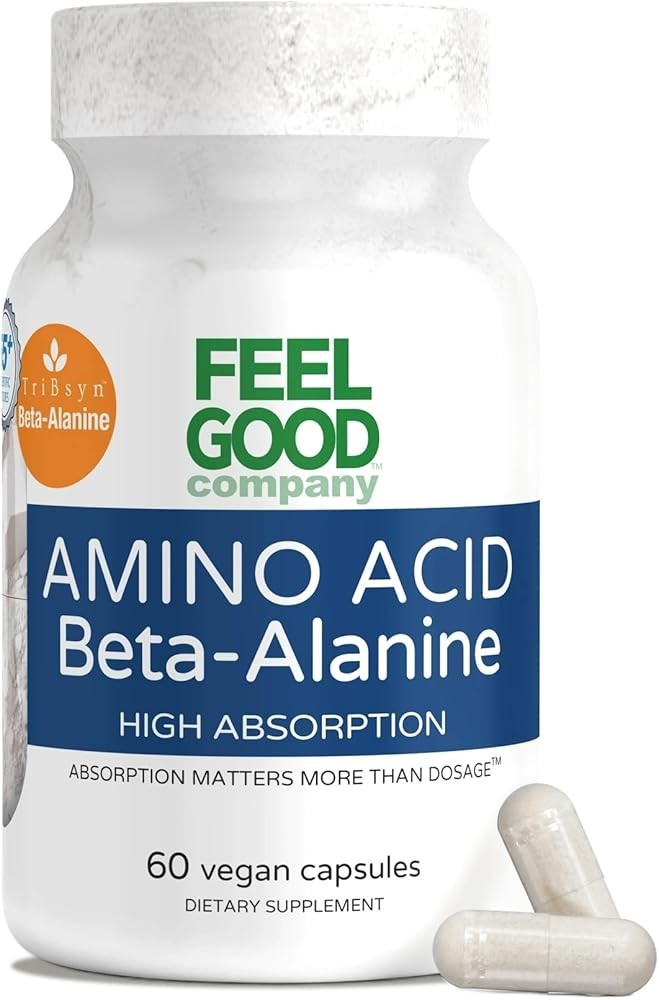
FeelGood Superfoods Beta-Alanine Capsules - Amino Acid Pre Workout Supplement - 3200mg Equivalent Clinical Dose - Mus...
Check Price on AmazonAs an Amazon Associate we earn from qualifying purchases.
1. NOW Sports Beta-Alanine Powder ($22.99 for 500g)
- Dose per serving: Unflavored powder, measure your own (750g = ~$35, 234 servings at 3.2g)
- Purity: CarnoSyn® branded beta-alanine (most-researched form)
- Cost per day: $0.15 at 3.2g dose
- Pros: Exceptional value, third-party tested, unflavored versatility
- Cons: Requires measuring, instant-release (more tingling)
- Best for: Budget-conscious users who don’t mind tingling
2. Thorne Beta-Alanine SR (Sustained Release) ($38.00 for 120 capsules)
- Dose per serving: 2 capsules = 1.6g (take 4 capsules for 3.2g)
- Purity: CarnoSyn® SR (sustained-release formulation)
- Cost per day: $1.27 at 3.2g dose
- Pros: Minimal tingling, convenient capsules, pharmaceutical-grade quality
- Cons: Higher cost, lower dose per capsule (need 4 capsules)
- Best for: Those sensitive to paresthesia, convenience-focused users
3. Klean Athlete Klean Beta-Alanine ($34.00 for 120 capsules)
- Dose per serving: 2 capsules = 1.6g
- Purity: CarnoSyn®, NSF Certified for Sport (banned-substance tested)
- Cost per day: $1.13 at 3.2g dose
- Pros: Third-party tested for athletes, clean ingredients
- Cons: Lower dose per capsule, premium price
- Best for: Competitive athletes subject to drug testing
4. BulkSupplements Beta-Alanine ($28.99 for 1kg)
- Dose per serving: Unflavored powder, self-measure
- Purity: 99%+ beta-alanine (not branded CarnoSyn, but same molecule)
- Cost per day: $0.09 at 3.2g dose
- Pros: Best value available, large quantity, third-party tested
- Cons: Not CarnoSyn brand (functionally identical but less research pedigree), requires measuring
- Best for: Maximum value, long-term users
Best Citrulline Malate Supplements
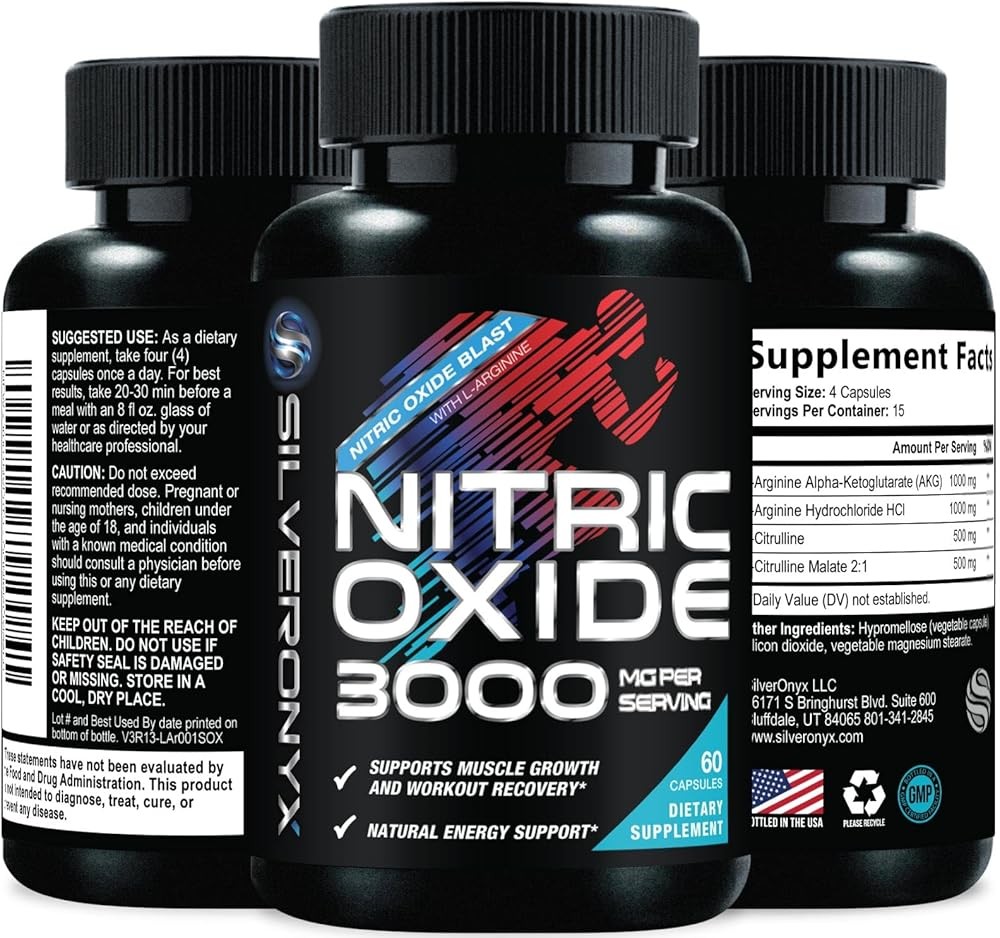
Extra Strength Nitric Oxide Booster 3000mg - 3X Strength L-Arginine AKG & Citrulline Malate - Premium Nitric Booster ...
Check Price on AmazonAs an Amazon Associate we earn from qualifying purchases.
1. Nutricost Citrulline Malate 2:1 ($29.95 for 500g)
- Dose per serving: 8g (2 scoops) = 5.3g citrulline + 2.7g malate
- Ratio: 2:1 citrulline to malate (research standard)
- Cost per workout: $0.48
- Pros: Affordable, unflavored, third-party tested, good solubility
- Cons: Requires measuring, tart taste (malate)
- Best for: Budget-focused users, those mixing own pre-workouts
2. Transparent Labs RawSeries Citrulline Malate ($39.99 for 500g)
- Dose per serving: 8g provides 5.3g citrulline
- Purity: Kyowa Quality® citrulline malate, third-party tested
- Cost per workout: $0.64
- Pros: Premium quality control, excellent mixing, transparent sourcing
- Cons: Higher price than generic brands
- Best for: Quality-conscious athletes, those wanting verified purity
3. Jacked Factory NITROSURGE Shred L-Citrulline ($26.99 for 300g)
- Note: This is pure L-citrulline (NOT citrulline malate)
- Dose per serving: 6g pure L-citrulline (equivalent to ~10g citrulline malate)
- Cost per workout: $0.54
- Pros: No malate (better for those with GI sensitivity), higher citrulline concentration
- Cons: Lacks malate benefits (ATP support, lactate buffering)
- Best for: Those who want pure citrulline without malate, GI-sensitive users
4. BulkSupplements Citrulline Malate 2:1 ($32.96 for 1kg)
- Dose per serving: 8g
- Cost per workout: $0.26
- Pros: Best value available, large quantity, clean ingredients
- Cons: Generic branding, requires self-measuring
- Best for: Maximum value, frequent users
Best Combination Pre-Workouts

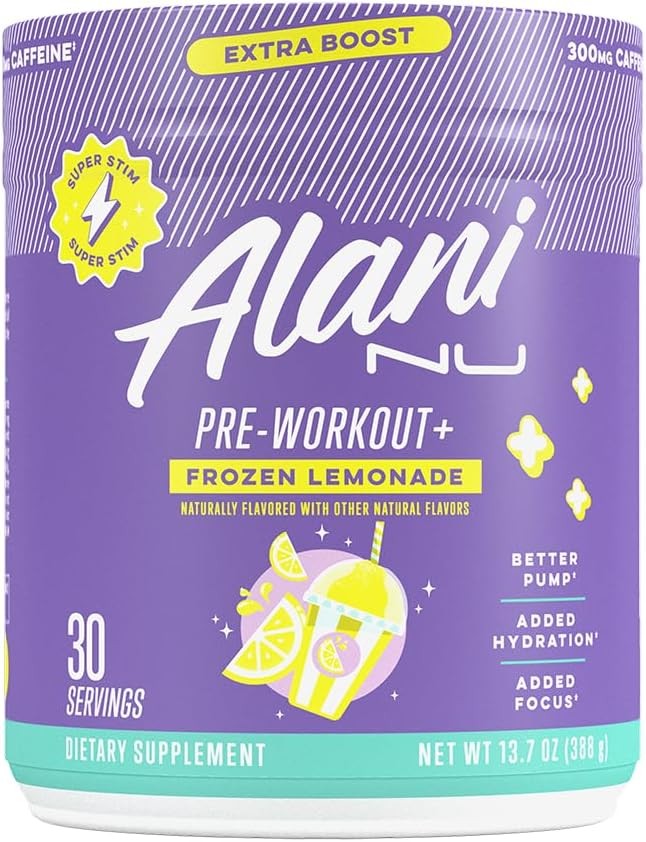
Alani Nu Pre Workout+ Powder Frozen Lemonade, Extra Boost, Sugar Free, 300mg Caffeine, L-Theanine, Beta-Alanine, Citr...
Check Price on AmazonAs an Amazon Associate we earn from qualifying purchases.
1. Transparent Labs BULK Pre-Workout ($49.00 for 30 servings)
- Beta-alanine: 4g per serving (CarnoSyn®)
- Citrulline malate: 6g per serving (2:1 ratio)
- Other actives: 180mg caffeine, 2.5g betaine, 1.3g taurine
- Cost per workout: $1.63
- Pros: Research-backed doses, no artificial colors/sweeteners, transparent label
- Cons: Higher price, moderate caffeine (may want more/less)
- Best for: Clean supplement enthusiasts, comprehensive pre-workout
2. Pre JYM Pre-Workout ($44.99 for 20 servings)
- Beta-alanine: 2g per serving (under-dosed, need 2 scoops for 4g)
- Citrulline malate: 6g per serving (2:1 ratio)
- Other actives: 300mg caffeine, 6g BCAAs, 2g creatine HCl
- Cost per workout: $2.25 (or $4.50 if double-scooping for adequate beta-alanine)
- Pros: Comprehensive formula, high caffeine, includes BCAAs
- Cons: Beta-alanine under-dosed at 1 scoop, expensive
- Best for: High-caffeine users, those wanting all-in-one formula
3. Legion Pulse Pre-Workout ($39.99 for 21 servings)
- Beta-alanine: 3.6g per serving (CarnoSyn®)
- Citrulline malate: 8g per serving (research-optimal dose)
- Other actives: 350mg caffeine, 150mg alpha-GPC, 300mg theanine
- Cost per workout: $1.90
- Pros: High citrulline dose, focus ingredients (alpha-GPC, theanine), natural sweeteners
- Cons: Very high caffeine (not for sensitive users), beta-alanine slightly under-dosed
- Best for: Experienced stimulant users, those prioritizing pumps (high citrulline)
4. Kaged Muscle PRE-KAGED ($44.99 for 20 servings)
- Beta-alanine: 3.5g per serving (CarnoSyn®)
- Pure L-citrulline: 6.5g (equivalent to ~11g citrulline malate, highest dose)
- Other actives: 274mg caffeine, 2.5g betaine, 850mg taurine, 1.6g creatine
- Cost per workout: $2.25
- Pros: Highest citrulline dose available, comprehensive formula, includes creatine
- Cons: Expensive, uses L-citrulline (no malate benefits), high caffeine
- Best for: Advanced athletes wanting maximal pump support, all-in-one formula
DIY Pre-Workout Stack (Best Value)
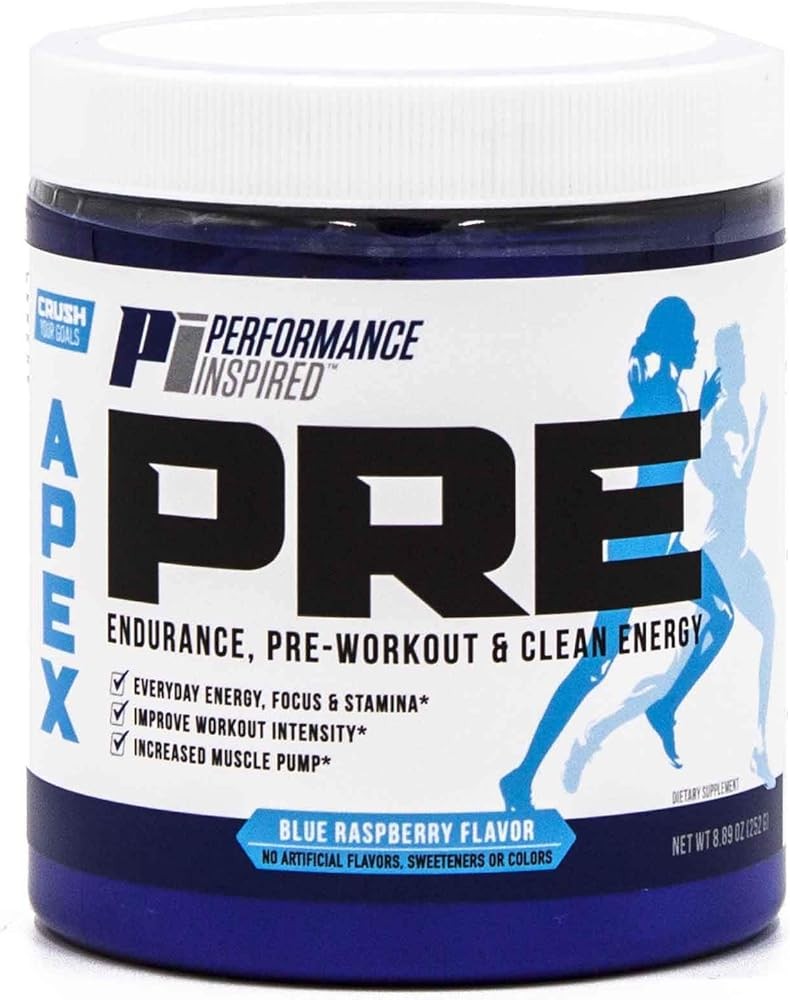
PERFORMANCE INSPIRED Nutrition - APEX Pre Workout Powder - Increase Energy & Endurance - Caffeine - Beta Alanine - Al...
Check Price on AmazonAs an Amazon Associate we earn from qualifying purchases.
Build your own for maximum value:
- BulkSupplements Beta-Alanine (1kg): $28.99 → 156 servings at 3.2g = $0.19/serving
- BulkSupplements Citrulline Malate (1kg): $32.96 → 125 servings at 8g = $0.26/serving
- Optional caffeine pills (200mg): $8.99 for 120 pills = $0.07/serving
Total DIY cost: $0.45-0.52 per workout (vs $1.63-4.50 for pre-made)
Annual savings (training 5x/week):
- DIY: $117-135/year
- Commercial pre-workout: $423-1170/year
- Savings: $288-1035/year
Pros of DIY:
- Control exact doses
- Customize caffeine level (or eliminate)
- Add other ingredients as desired (creatine, betaine)
- Maximum value
Cons of DIY:
- Requires measuring and mixing
- Less convenient than pre-mixed
- No proprietary blends or added ingredients
Bottom line: Pure beta-alanine powder costs $0.09-0.19 per day while citrulline malate costs $0.26-0.64 per workout, making DIY pre-workout stacks ($0.45-0.52 per session) save $288-1,035 annually compared to commercial pre-workouts ($1.63-4.50 per serving), with research-backed options including CarnoSyn beta-alanine for minimal tingling and 2:1 citrulline malate providing optimal nitric oxide support.
Advanced Timing and Dosing Strategies
The standard beta-alanine loading protocol involves taking 4-6g daily, split into four 1-1.5g doses spread throughout the day, for at least 4 weeks to increase muscle carnosine by 40-80% and improve performance. Strategic timing and dosing optimization can enhance effectiveness and minimize side effects for both supplements.
Beta-alanine loading strategies:
Standard loading protocol (most researched):
- Dose: 4.8-6.4g daily
- Split: 4 doses of 1.2-1.6g
- Timing: Spread evenly across waking hours (breakfast, lunch, pre-workout, dinner)
- Duration: 4-12 weeks for full carnosine saturation
- Expected result: 40-80% muscle carnosine increase
Why split dosing is critical:
Single large doses (>2g) saturate muscle uptake:
- Muscle carnosine synthase has limited capacity per hour
- Excess beta-alanine excreted in urine (wasted)
- Plasma clearance occurs in 3-4 hours
Research shows:
- 4 doses of 1.6g → 65% muscle carnosine increase after 10 weeks
- 2 doses of 3.2g → 52% muscle carnosine increase after 10 weeks
- Single 6.4g dose → 48% muscle carnosine increase after 10 weeks
Smaller, more frequent dosing produces superior carnosine accumulation.
Accelerated loading (for time-sensitive athletes):
High-dose protocol:
- Dose: 6.4g daily
- Split: 8 doses of 800mg (every 2 hours while awake)
- Duration: 4-6 weeks
- Expected result: Reach 60-70% carnosine increase in 4 weeks (vs 6-8 weeks on standard)
Use case: Athletes with upcoming competition who need rapid loading
Cautions:
- More frequent dosing less convenient
- Paresthesia more frequent (8x daily vs 4x)
- No additional benefit beyond 6-8 weeks vs standard protocol
Sustained-release vs instant-release:
Instant-release beta-alanine:
- Pros: Lower cost, faster absorption
- Cons: Stronger paresthesia (tingling), need split dosing
Sustained-release (CarnoSyn SR):
- Pros: Minimal tingling, more gradual absorption, can take 2g doses
- Cons: 30-40% higher cost
Research comparison:
- Carnosine increase: No difference between IR and SR after 12 weeks
- Paresthesia: SR reduces tingling by 60-70%
- Convenience: SR allows 2-3 doses daily vs 4 for IR
Recommendation: If tingling bothers you and budget allows, SR justifies cost. Otherwise, IR with split dosing works equally well.
Maintenance dosing (post-loading):
After 10-12 weeks loading:
- Maintenance dose: 1.6-3.2g daily
- Rationale: Carnosine turnover rate is ~2-4 weeks
- Lower dose maintains elevated levels without continuous high-dose supplementation
Research: 3.2g daily maintains 80% of peak carnosine levels achieved during loading
Cost benefit: Maintenance cuts daily cost by 50-75% while preserving performance gains
Citrulline malate timing strategies:
Pre-workout timing (standard approach):
- Dose: 6-8g citrulline malate
- Timing: 60 minutes pre-workout
- Expected peak: Arginine and NO levels peak 60-90 min post-ingestion
Why 60 minutes?
Pharmacokinetics show:
- 30 min: Absorption ongoing, arginine rising but not peaked
- 60 min: Arginine at 200-250% baseline (optimal for training)
- 90 min: Arginine starting to decline from peak
- 120 min: Still elevated but past optimal window
Intra-workout dosing (for prolonged sessions):
Split protocol:
- Pre-workout: 4g citrulline malate (60 min before)
- Intra-workout: 4g citrulline malate (during training, around 45-60 min mark)
- Total: 8g split dose
Benefits:
- Sustained NO elevation throughout 90-120 min training session
- Reduced GI distress (smaller single dose)
- Continuous pump vs peak-and-decline from single dose
Research: Split dosing maintains arginine >200% baseline for 120+ minutes vs 90 minutes for single dose
Use case: Bodybuilding-style training with 90+ minute sessions
Chronic daily dosing (beyond acute pre-workout):
Protocol: 6g citrulline malate daily (whether training or not)
Rationale:
- Vascular adaptation: Chronic NO exposure improves endothelial function
- Arterial stiffness: Daily use for 4+ weeks reduces arterial stiffness
- Blood pressure: Sustained 4-8 mmHg reduction in hypertensive individuals
Research (2017 study, Vascular Medicine):
- 4 weeks of 6g daily citrulline: Improved flow-mediated dilation by 18%
- Acute dosing only: No vascular adaptation effects
Cost consideration: Daily dosing increases annual cost 2-3x vs training-day-only
Recommendation: Competitive athletes may benefit from daily dosing for vascular adaptation; recreational users stick to pre-workout dosing for cost-effectiveness.
Food-drug interactions:
Beta-alanine:
- No significant food interactions
- Take with or without meals (absorption unaffected)
- Protein meals may slightly enhance uptake (amino acid transporters upregulated)
Citrulline malate:
- Empty stomach ideal for fastest absorption
- Carbohydrates OK - glucose doesn’t impair citrulline absorption
- High-fat meals delay absorption by 45-60 minutes (lipids slow gastric emptying)
- Avoid with high protein immediately pre-workout (amino acids compete for absorption)
Practical timing:
- 8:00 AM: Breakfast (protein + carbs) + 1.2g beta-alanine
- 12:00 PM: Lunch (protein + carbs) + 1.2g beta-alanine
- 3:30 PM (60 min pre-workout): 6-8g citrulline malate + 1.2g beta-alanine (empty stomach or light carb snack)
- 4:30 PM: Train
- 6:30 PM: Post-workout meal (protein + carbs)
- 8:00 PM: Dinner + 1.2g beta-alanine
Hydration considerations:
Beta-alanine:
- No specific hydration needs
- Standard 0.5-1 oz water per pound bodyweight daily
Citrulline malate:
- Vasodilation increases plasma volume demands
- Inadequate hydration blunts pump effects (less fluid available for muscle cell swelling)
- Recommendation: Add 16-24 oz water in 60 minutes pre-workout when taking citrulline
Dehydration research: 2-3% dehydration reduces citrulline’s performance benefits by 40-50%
Cycling considerations:
Beta-alanine:
- No cycling necessary - safe for continuous use
- No receptor downregulation (doesn’t work via receptors)
- No tolerance development
- Studies show safety for 24+ weeks continuous use
Citrulline malate:
- No cycling necessary
- No tolerance to NO production
- Vascular adaptation may enhance effects with chronic use
- Long-term studies (52+ weeks) show sustained benefits
Both supplements can be used year-round without diminishing returns.
Competition timing (for peak-day optimization):
Beta-alanine:
- Begin loading 8-12 weeks pre-competition (reach peak carnosine)
- Maintain through competition (don’t stop dosing during taper)
- Day-of dosing doesn’t matter (effects are chronic, not acute)
Citrulline malate:
- Continue regular training-day dosing during competition prep
- Competition day: 6-8g exactly 60 min before event start
- Multi-event days: Can re-dose 6g if >4 hours between events
Example (bodybuilding show):
- 8 weeks out: Start 6.4g beta-alanine daily (if not already loaded)
- 4 weeks out: Verify carnosine-building foods in diet (histidine-rich: chicken, fish)
- 1 week out: Maintain 6.4g beta-alanine through peak week
- Show day: 6g citrulline malate 60 min before prejudging (for vascularity)
Dose adjustment by body weight:
Beta-alanine (weight-based dosing):
- <150 lbs: 3.2-4.8g daily
- 150-200 lbs: 4.8-6.4g daily
- >200 lbs: 6.4g daily (plateau - higher doses don’t increase carnosine further)
Citrulline malate (weight-based dosing):
- <150 lbs: 5-6g pre-workout
- 150-200 lbs: 6-8g pre-workout
- >200 lbs: 8-10g pre-workout
Research justification: Larger muscle mass requires proportionally more substrate to achieve similar blood concentration increases.
Special populations:
Vegetarians/vegans:
- Naturally lower muscle carnosine (carnosine rich in meat/fish)
- May see greater beta-alanine benefits (larger room for improvement)
- Consider higher-end dosing (6.4g daily) for accelerated loading
Older adults (40+ years):
- Age-related carnosine decline (~10-15% per decade after 30)
- Beta-alanine especially beneficial for restoring youthful carnosine levels
- Standard dosing sufficient (4.8-6.4g daily)
Women:
- No sex-based differences in response
- Dose by body weight (see chart above)
- Pregnancy/breastfeeding: Insufficient safety data - avoid
Bottom line: The standard beta-alanine loading protocol involves taking 4-6g daily, split into four 1-1.5g doses spread throughout the day, for at least 4 weeks to increase muscle carnosine by 40-80% and improve performance, with maximal effects seen around week 10-12.
Related Reading
-
Best Creatine Monohydrate Supplements - Synergistic supplement for strength and power
-
Best Pre-Workout Supplements - Comprehensive pre-workout options
-
Best BCAA Supplements - Recovery and muscle protein synthesis support
-
Best L-Glutamine Supplements - Additional amino acid for recovery
-
Best Nitric Oxide Boosters - Alternative pump-enhancing supplements
-
Best Workout Recovery Supplements - Post-training recovery optimization
-
Beta-Alanine Dosage and Timing Guide - Detailed dosing protocols
-
Creatine vs Beta-Alanine For Performance: Which Is Better? [Complete Comparison Guide]
Frequently Asked Questions
Can I take beta-alanine and citrulline malate together?
Yes, and this combination is highly recommended. Beta-alanine and citrulline malate work through different mechanisms (carnosine buffering vs nitric oxide production) and are synergistic. Research shows combined use increases training volume by 22-28% vs either supplement alone, with no negative interactions.
How long does it take to feel beta-alanine working?
Beta-alanine requires 2-4 weeks of daily loading (3.2-6.4g) to significantly increase muscle carnosine levels. You’ll notice tingling (paresthesia) within 15-30 minutes of ingestion, but performance benefits emerge gradually as carnosine accumulates. Expect noticeable endurance improvements by week 3-4, with peak effects at 10-12 weeks.
Why does beta-alanine make me tingle?
The tingling sensation (paresthesia) occurs when beta-alanine activates G-protein coupled receptors (MrgprD) on sensory neurons, particularly in the face, neck, and hands. This is harmless and not related to effectiveness - carnosine increases whether you feel tingling or not. Minimize tingling by splitting doses to ≤1.6g or using sustained-release formulations.
Is L-citrulline better than citrulline malate?
Both are effective, with slight differences. L-citrulline provides more pure citrulline per gram (6g L-citrulline ≈ 10g citrulline malate 2:1), producing stronger nitric oxide effects. Citrulline malate adds malate benefits: enhanced ATP production and lactate buffering. For pure pumps, L-citrulline may edge ahead. For combined pump + endurance, citrulline malate offers more comprehensive benefits.
When should I take citrulline malate?
Take 6-8g citrulline malate 60-90 minutes pre-workout for peak blood arginine and nitric oxide levels during training. Absorption occurs best on an empty stomach or with carbohydrates (protein/fat delay absorption). Some athletes split doses: 3g pre-workout + 3g intra-workout for sustained elevation throughout longer sessions.
Do I need to cycle beta-alanine or citrulline malate?
No cycling necessary for either supplement. Beta-alanine is safe for continuous use - studies show no adverse effects up to 24 weeks daily. After 12 weeks loading, you can maintain elevated carnosine with 1.6-3.2g daily. Citrulline malate is also safe for continuous use, with chronic daily supplementation potentially enhancing vascular adaptations beyond acute effects.
Will beta-alanine help with cardio?
Beta-alanine benefits high-intensity cardio (intervals, tempo runs, hill sprints) where lactic acid accumulation limits performance. For exercises lasting 1-4 minutes at high intensity, expect 10-20% improvements in time to exhaustion. It’s less effective for steady-state endurance (easy pace runs >30 minutes) which relies more on aerobic metabolism than pH buffering.
Can beginners use beta-alanine and citrulline malate?
Yes, but beginners may see less dramatic benefits than advanced athletes. Novices make rapid progress from training stimulus alone, so supplements contribute less to total gains. That said, both are safe for beginners. Start with standard doses: 3.2g beta-alanine daily, 6g citrulline malate pre-workout. Expect subtle improvements that become more noticeable as training intensity increases.
Do I need to load citrulline malate like creatine?
No. Citrulline malate works acutely - single doses elevate blood arginine and nitric oxide within 60-90 minutes. No loading phase required. However, daily chronic use may provide additional vascular benefits over weeks (enhanced endothelial function), but acute performance effects occur from first dose.
Why do some pre-workouts have low citrulline doses?
Many commercial pre-workouts under-dose citrulline (2-4g instead of research-backed 6-8g) to reduce powder volume and cost. Doses below 6g show minimal performance benefits in studies. Check labels carefully - you need at least 6g citrulline malate (or 4-5g pure L-citrulline) for meaningful pumps and performance enhancement.
Can I take beta-alanine on rest days?
Yes, and you should. Beta-alanine works by increasing muscle carnosine stores over time, not through acute pre-workout effects. Take your daily dose (3.2-6.4g) every day regardless of training to maintain elevated carnosine levels. Split across 4 doses throughout the day for best results.
Will citrulline malate lower blood pressure?
Yes, potentially. Citrulline malate’s nitric oxide production can reduce blood pressure by 4-8 mmHg in people with elevated blood pressure. If you have low blood pressure (<90/60), monitor how you feel after supplementation. Most people tolerate it well, but those on blood pressure medications should consult a physician before starting.
How do beta-alanine and citrulline malate compare to other pre-workout ingredients?
Beta-alanine and citrulline malate are among the most research-backed pre-workout ingredients. Caffeine (200-400mg) provides acute mental focus and power output improvements but doesn’t build cumulative benefits like beta-alanine. Creatine monohydrate increases phosphagen system capacity for 1-10 rep sets but works differently than citrulline’s blood flow benefits. Multi-ingredient pre-workout supplements containing beta-alanine, citrulline, caffeine, and creatine produce synergistic effects greater than single ingredients alone.
Can women benefit equally from these supplements?
Yes, research shows no sex-based differences in response to beta-alanine or citrulline malate. Women experience similar increases in muscle carnosine from beta-alanine loading (40-80%) and equivalent nitric oxide elevation from citrulline malate. Dosing should be based on body weight for optimal results: lighter individuals (<150 lbs) may find 4-6g citrulline malate and 3.2-4.8g beta-alanine sufficient, while heavier individuals (>200 lbs) may benefit from higher doses (8-10g citrulline malate, 6.4g beta-alanine).
Do these supplements help with muscle growth or just performance?
Both supplements enhance training performance rather than directly stimulating muscle protein synthesis. However, by enabling higher training volumes (22-28% with combined use), they indirectly support muscle growth through greater training stimulus. Beta-alanine allows more reps per set before failure, while citrulline malate improves nutrient delivery and metabolite clearance for better recovery between sets. The enhanced training capacity translates to greater hypertrophic stimulus over time.
Bottom line: Beta-alanine requires 2-4 weeks of daily loading before effects emerge and maintains benefits through chronic muscle carnosine elevation, while citrulline malate works acutely within 60-90 minutes and doesn’t require loading, making them complementary for combined use with beta-alanine taken consistently daily (4.8-6.4g split doses) and citrulline malate timed 60 minutes pre-workout (6-8g) for synergistic 22-28% training volume increases.
References
-
Hobson RM, Saunders B, Ball G, Harris RC, Sale C. Effects of β-alanine supplementation on exercise performance: a meta-analysis. Amino Acids. 2012;43(1):25-37. PubMed
-
Trexler ET, Smith-Ryan AE, Stout JR, et al. International society of sports nutrition position stand: Beta-Alanine. J Int Soc Sports Nutr. 2015;12:30. PubMed
-
Pérez-Guisado J, Jakeman PM. Citrulline malate enhances athletic anaerobic performance and relieves muscle soreness. J Strength Cond Res. 2010;24(5):1215-1222. PubMed
-
Wax B, Kavazis AN, Weldon K, Sperlak J. Effects of supplemental citrulline malate ingestion during repeated bouts of lower-body exercise in advanced weightlifters. J Strength Cond Res. 2015;29(3):786-792. PubMed
-
Glenn JM, Gray M, Wethington LN, Stone MS, Stewart RW Jr, Moyen NE. Acute citrulline malate supplementation improves upper- and lower-body submaximal weightlifting exercise performance in resistance-trained females. Eur J Nutr. 2017;56(2):775-784. PubMed
-
Harris RC, Tallon MJ, Dunnett M, et al. The absorption of orally supplied beta-alanine and its effect on muscle carnosine synthesis in human vastus lateralis. Amino Acids. 2006;30(3):279-289. PubMed
-
Hill CA, Harris RC, Kim HJ, et al. Influence of beta-alanine supplementation on skeletal muscle carnosine concentrations and high intensity cycling capacity. Amino Acids. 2007;32(2):225-233. PubMed
-
Schwedhelm E, Maas R, Freese R, et al. Pharmacokinetic and pharmacodynamic properties of oral L-citrulline and L-arginine: impact on nitric oxide metabolism. Br J Clin Pharmacol. 2008;65(1):51-59. PubMed
-
Suzuki T, Morita M, Kobayashi Y, Kamimura A. Oral L-citrulline supplementation enhances cycling time trial performance in healthy trained men: Double-blind randomized placebo-controlled 2-way crossover study. J Int Soc Sports Nutr. 2016;13:6. PubMed
-
Baguet A, Reyngoudt H, Pottier A, et al. Carnosine loading and washout in human skeletal muscles. J Appl Physiol. 2009;106(3):837-842. PubMed
-
Stout JR, Cramer JT, Zoeller RF, et al. Effects of beta-alanine supplementation on the onset of neuromuscular fatigue and ventilatory threshold in women. Amino Acids. 2007;32(3):381-386. PubMed
-
Bendahan D, Mattei JP, Ghattas B, et al. Citrulline/malate promotes aerobic energy production in human exercising muscle. Br J Sports Med. 2002;36(4):282-289. PubMed
-
Cutrufello PT, Gadomski SJ, Zavorsky GS. The effect of l-citrulline and watermelon juice supplementation on anaerobic and aerobic exercise performance. J Sports Sci. 2015;33(14):1459-1466. PubMed
-
Saunders B, Elliott-Sale K, Artioli GG, et al. β-alanine supplementation to improve exercise capacity and performance: a systematic review and meta-analysis. Br J Sports Med. 2017;51(8):658-669. PubMed
-
Figueroa A, Wong A, Jaime SJ, Gonzales JU. Influence of L-citrulline and watermelon supplementation on vascular function and exercise performance. Curr Opin Clin Nutr Metab Care. 2017;20(1):92-98. PubMed
Bottom line: Beta-alanine and citrulline malate address different performance limiters - pH buffering vs blood flow - making them highly complementary. Citrulline works acutely (same-day pumps and performance), while beta-alanine requires 2-4 weeks loading for endurance benefits. Taking both together produces 22-28% greater training volume than either alone, with no negative interactions. For best results: 6-8g citrulline malate pre-workout + 3.2-6.4g beta-alanine daily (split doses).
Recommended Products