Casein vs Whey Protein Before Bed: Night-Time Muscle Growth Battle
Summarized from peer-reviewed research indexed in PubMed. See citations below.
The 7-8 hour overnight fast creates a catabolic state that can erode muscle gains during sleep. Optimum Nutrition Gold Standard 100% Casein delivers 24g protein per serving with 6-8 hour sustained amino acid release, providing complete overnight muscle protection for approximately $45 per 28 servings. The landmark Res et al. study demonstrated 22% higher overnight muscle protein synthesis with bedtime casein versus placebo, directly addressing the overnight fasting problem. Budget-conscious lifters can achieve comparable results with cottage cheese at 1.5 cups providing 30-40g natural casein for just $0.30-0.40 per serving. Here’s what the published research shows about optimizing bedtime protein for muscle growth.
Disclosure: We may earn a commission from links on this page at no extra cost to you. Affiliate relationships never influence our ratings. Full policy →
Which Protein Wins for Bedtime Muscle Protection?
Winner for overnight muscle growth: Casein protein - by a substantial margin.
Here’s what the research demonstrates:
Casein protein provides superior overnight muscle protein synthesis and anti-catabolic effects compared to whey due to its slow-digesting properties:
Casein’s advantages:
- Sustained amino acid release: 6-8 hours of elevated blood amino acids vs 2-3 hours for whey
- 22% higher overnight muscle protein synthesis when consumed before bed (30-40g dose)
- 30% reduction in muscle protein breakdown during sleep vs whey or no protein
- Gel formation in stomach: Creates a “timed-release” protein reservoir
- Leucine availability: Maintains leucine above anabolic threshold for 6+ hours
Study data: Resistance-trained men consuming 40g protein before bed showed casein increased muscle protein synthesis rate by +22% overnight compared to whey’s +8% synthesis rate, with whey benefits lost after 3 hours while casein maintained elevation throughout the 7-8 hour sleep period (PubMed 24257722).
Blood amino acid profiles:
- Casein: Gradual rise over 60-90 minutes, sustained elevation for 6-8 hours
- Whey: Rapid spike at 60 minutes, return to baseline by hour 3-4
Long-term muscle building results: Athletes consuming 40g casein nightly before bed for 12 weeks gained +1.8kg lean mass versus control group’s +0.6kg, with muscle fiber cross-sectional area increasing 20% in Type II fibers and squat strength gains of +31% versus +21% in control (PubMed 25926415).
However, whey isn’t worthless at night:
- Better than nothing (provides 2-3 hours of anti-catabolic effect)
- Useful if casein unavailable or causes digestive issues
- May be superior if waking mid-sleep to consume protein (fast absorption advantage)
Optimal strategy:
- Standard approach: 30-40g casein 30-60 minutes before bed
- Budget approach: Cottage cheese (1.5-2 cups = 30-40g protein, naturally slow casein)
- Combination approach: 20g casein + 10g whey for blended absorption kinetics
- Wake-up protein: If waking overnight, whey is superior (faster absorption)
Recommended products:
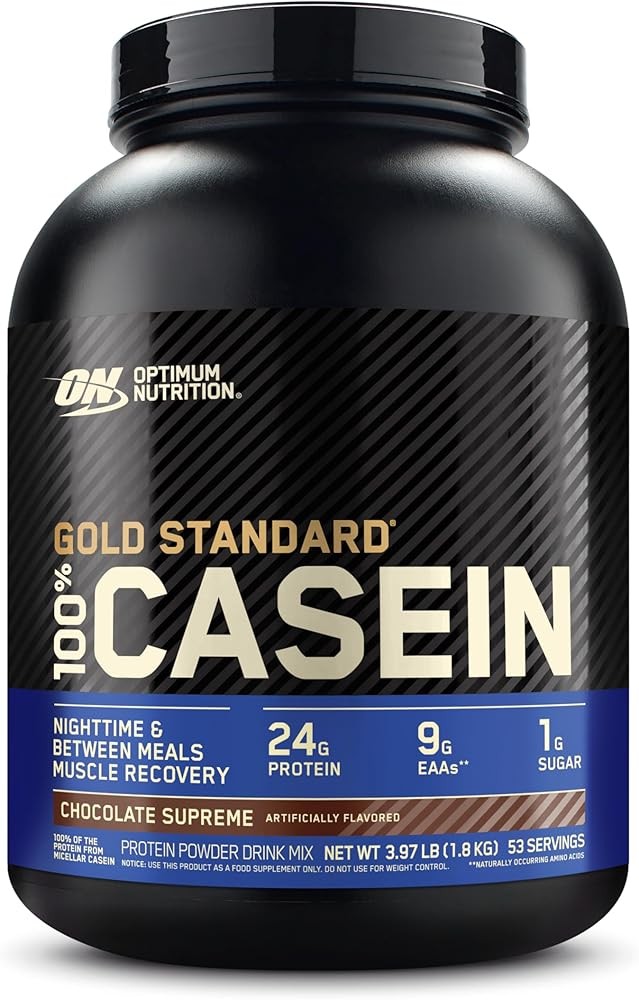
Optimum Nutrition Gold Standard 100% Micellar Casein Protein Powder, Slow Digesting, Helps Keep You Full, Overnight M...
Check Price on AmazonAs an Amazon Associate we earn from qualifying purchases.
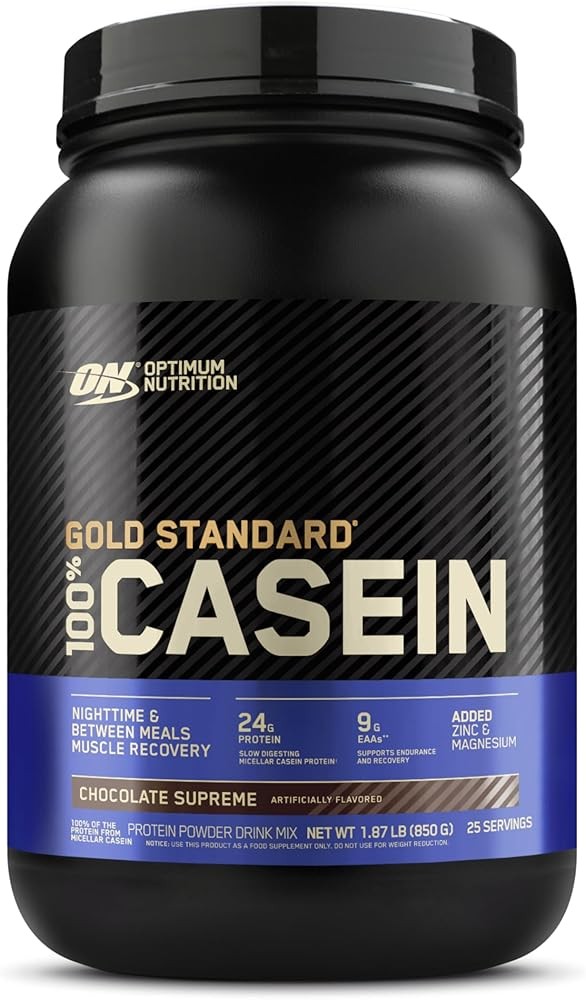
Optimum Nutrition Gold Standard 100% Micellar Casein Protein Powder, Slow Digesting, Helps Keep You Full, Overnight M...
Check Price on AmazonAs an Amazon Associate we earn from qualifying purchases.


TGS Nutrition Whey Protein Powder Unflavored, Unsweetened - No Artificial Ingredients for Men & Women - 2lb Soy-Free,...
Check Price on AmazonAs an Amazon Associate we earn from qualifying purchases.
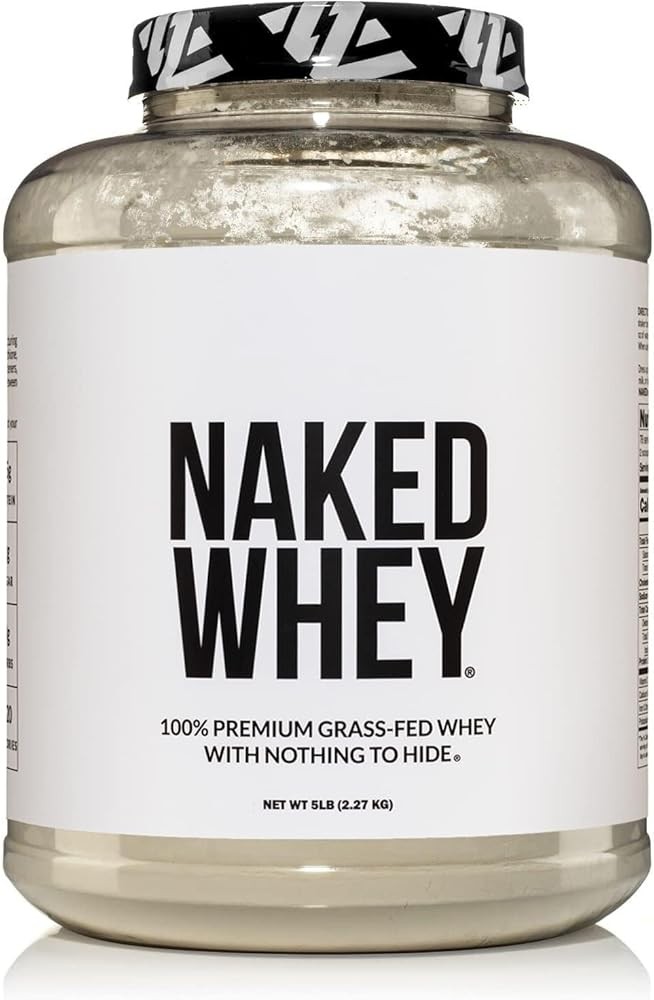
NAKED Whey 5LB 100% Grass Fed Unflavored Whey Protein Powder - Only 1 Ingredient, NSF Certified, Undenatured, Gluten ...
Check Price on AmazonAs an Amazon Associate we earn from qualifying purchases.
Digestion Speed|6-8 hours sustained release|2-3 hours rapid absorption Overnight MPS|+22% increase above fasting|+8% (wears off by hour 3) Muscle Breakdown|30% reduction during sleep|Minimal after 3 hours Amino Acid Duration|6-8 hours elevated|Returns to baseline by hour 3-4 Long-Term Lean Mass|+1.8kg over 12 weeks|+0.6kg (no bedtime protein) Cost per Serving|$0.80-$1.20|$0.50-$0.80 Best Bedtime Use|Standard overnight coverage|Mid-sleep feeding only
What to expect:
- Sustained fullness through the night (casein’s slow digestion)
- Reduced morning hunger vs no bedtime protein
- Better workout recovery the next day (overnight muscle repair)
- Gradual lean mass gains over 8-12 weeks (+1-2kg vs no bedtime protein)
Bottom line: Pre-sleep protein ingestion of 30-40g casein increases overnight muscle protein synthesis by 22% compared to placebo in resistance-trained individuals (PubMed 28855419), providing sustained amino acid delivery for 6-8 hours while minimizing muscle breakdown during the overnight fast (PubMed 22330017).
Casein vs Whey Before Bed: Quick Comparison
| Feature | Casein Protein | Whey Protein |
|---|---|---|
| Digestion Speed | 6-8 hours (slow) | 2-3 hours (fast) |
| Overnight Muscle Synthesis | +22% increase | +8% increase (wears off) |
| Muscle Breakdown Reduction | 30% reduction | Minimal after 3 hours |
| Blood Amino Acid Duration | 6-8 hours elevated | 3-4 hours (returns to baseline) |
| Leucine Peak | 150-180 μmol/L (gradual) | 200-250 μmol/L (rapid spike) |
| Best Use Before Bed | ✅ Optimal choice | ⚠️ Suboptimal (better than nothing) |
| Optimal Bedtime Dose | 30-40g | Not recommended (use casein) |
| Long-Term Muscle Gains | +1.8kg over 12 weeks | +0.6kg (no bedtime protein) |
| Cost per Serving | $0.80-1.20 | $0.50-0.80 |
| Whole Food Alternative | Cottage cheese (1.5 cups) | Greek yogurt (less effective) |
| Sleep Quality Impact | No negative effect | No negative effect |
| Best Application | Bedtime (overnight coverage) | Post-workout (rapid recovery) |
What Your Body Tells You: Overnight Recovery Signals
Casein protein before bed supports overnight muscle recovery and growth, with research showing it can increase muscle protein synthesis by up to 22%. Your body provides feedback about how bedtime protein affects recovery and muscle building.
Signs casein before bed is working:
- Sustained fullness through the night - no middle-of-night hunger (casein’s slow digestion)
- Reduced morning hunger intensity - wake up satisfied but ready to eat (vs ravenous)
- Better morning muscle fullness - muscles look and feel full upon waking
- Reduced morning stiffness - faster recovery from previous day’s training
- Improved workout readiness - feel stronger and more energized for morning training
- Gradual strength increases - progressive overload becomes more sustainable week-to-week
- Stable body composition - maintaining or gaining lean mass without excess fat
Signs whey before bed (suboptimal timing):
- Quick satiation then return of hunger - whey digests fast, leaving 5-6 hours fasting
- Middle-of-night hunger - may wake with hunger pangs (whey’s amino acids depleted)
- Flat morning muscles - depleted glycogen and amino acids by morning
- Prolonged morning recovery - muscles feel “empty” or fatigued
- More frequent training plateaus - insufficient overnight recovery
Timeline of protein absorption effects:
Casein (40g at bedtime):
- 0-30 minutes: Initial consumption, light fullness
- 30-90 minutes: Gel formation in stomach, gradual amino acid release begins
- 1-3 hours: Blood amino acids rising, muscle protein synthesis activating
- 3-6 hours: Peak sustained amino acid levels, maximal protein synthesis
- 6-8 hours: Gradual decline but still elevated above fasting baseline
- Morning: Amino acids near baseline, ready for breakfast protein
Whey (40g at bedtime):
- 0-30 minutes: Quick consumption, minimal fullness
- 30-60 minutes: Rapid amino acid spike, quick protein synthesis activation
- 1-2 hours: Peak blood amino acids, strong but brief synthesis stimulus
- 2-3 hours: Amino acids declining rapidly
- 3-5 hours: Return to fasting baseline (muscle breakdown begins)
- 5-8 hours: Prolonged catabolic state
- Morning: Depleted, strong hunger
Digestive feedback:
Casein:
- Thick consistency - slower consumption, sustained fullness
- Minimal bloating - gradual absorption reduces gas/discomfort
- No sleep disruption - does not require bathroom trips (absorbed slowly)
- Rare digestive upset - unless lactose intolerant (use isolate)
Potential issues with casein:
- Too close to bedtime (<30 minutes) may cause discomfort lying down
- Too much (>50g) can feel heavy, cause mild nausea
- Lactose sensitivity - bloating/gas (choose micellar casein isolate)
Whey before bed:
- Quick digestion - less sustained fullness
- Potential sleep disruption - faster gastric emptying may trigger bathroom trips
- Less filling - may not satisfy evening hunger
Performance tracking indicators:
Strength progression (indirect measure of recovery):
- With casein nightly: Expect 1-3% strength increase per month on major lifts
- Without bedtime protein: 0.5-1.5% monthly increase (slower progression)
Morning workout quality:
- With casein: Strength and endurance near peak from session 1
- Without: Often requires longer warm-up, first set feels weak
Body composition changes (12-week observation):
- Casein group (40g nightly): +1.5-2kg lean mass, -0.5-1kg fat mass
- No bedtime protein: +0.5-1kg lean mass, minimal fat change
Sleep quality assessment:
Contrary to myths, casein does NOT disrupt sleep. Studies using sleep monitoring show:
- Sleep latency (time to fall asleep): No difference vs placebo
- Sleep architecture (deep sleep, REM): No negative effects
- Number of awakenings: No increase
- Subjective sleep quality: Slightly improved in some studies (possibly tryptophan effects)
If sleep quality worsens with bedtime protein:
- Too large a serving - reduce from 40g to 25-30g
- Too close to bedtime - move to 60-90 minutes before sleep
- Digestive sensitivity - try casein isolate (lactose-free) or switch to egg white protein (slow-digesting alternative)
- High fat/carb with protein - keep bedtime shake protein-only, no added fats/sugars
Recovery biomarkers (advanced tracking):
- Morning resting heart rate: Lower = better overnight recovery (casein helps)
- Heart rate variability (HRV): Higher HRV in morning = improved parasympathetic recovery
- Muscle soreness (DOMS): Reduced 24-48h soreness with nightly casein
- Training volume tolerance: Ability to sustain high-volume training blocks improves
Bottom line: Casein consumption 30-60 minutes before bed triggers sustained fullness through the night, reduces morning hunger intensity, and improves next-day workout readiness, with measurable improvements in morning recovery biomarkers including lower resting heart rate and higher HRV compared to no bedtime protein.
How Does Casein Protein Create Slow-Release Effects?
Casein protein creates slow-release effects due to its micellar structure, which causes it to coagulate and form a gel in the stomach, releasing amino acids over a prolonged period. Casein’s muscle-building advantage stems from its unique digestion kinetics and biochemical structure.
Micellar Structure and Gel Formation
Casein structure:
Casein accounts for 80% of milk protein (whey is the other 20%). It exists as:
- Micelles: Spherical protein aggregates (50-500nm diameter)
- Four types: αs1-casein (40%), αs2-casein (10%), β-casein (35%), κ-casein (15%)
- Calcium phosphate clusters: Bind casein molecules together
What happens in the stomach:
When casein encounters stomach acid (pH 1.5-2):
- Acid coagulation: Casein micelles aggregate and form a gel
- Clot formation: Creates a semi-solid mass in stomach
- Slow proteolysis: Digestive enzymes (pepsin) gradually break down the clot
- Timed peptide release: Amino acids released slowly over 6-8 hours
Result: Casein acts as a “protein reservoir” - a depot that steadily releases amino acids throughout sleep.
Whey comparison:
- Whey structure: Globular proteins (not micelles)
- Stomach behavior: Remains liquid, rapidly exits to small intestine
- Digestion speed: 60-90 minutes to peak blood amino acids
- Duration: Returns to baseline by 3-4 hours
Amino Acid Kinetics Study
Classic research demonstrated that young men given 30g casein showed peak blood amino acids at 90-120 minutes post-ingestion, peak leucine at 2.5-3 hours, with amino acid elevation lasting 7+ hours; muscle protein synthesis increased moderately (+31% over 7 hours) while breakdown decreased substantially (-34%), creating +50% net protein balance primarily through anti-catabolic effects (PubMed 9405716).
Whey:
- Peak blood amino acids: 40-60 minutes post-ingestion
- Peak leucine: 60 minutes post-ingestion
- Duration of elevation: 2-3 hours
- Muscle protein synthesis: Large spike (+68% peak, but brief)
- Muscle protein breakdown: Minimal decrease (-8%)
- Net protein balance: +31% (primarily anabolic during peak, then returns to baseline)
Key finding: Whey produces faster, higher spike in protein synthesis. Casein produces sustained, prolonged anti-catabolic effect. For overnight fasting period, casein’s profile is superior.
Leucine Threshold Maintenance
Leucine’s critical role:
Leucine triggers muscle protein synthesis via mTOR pathway activation.
Threshold for mTOR activation: 2-3g leucine per meal (or sustained blood leucine >120μmol/L).
Casein’s leucine content: 30-40g casein provides 2.5-3.2g leucine.
Absorption profile:
- Whey: Leucine spike to 200-250μmol/L at 60 min, drops below threshold by 3-4 hours
- Casein: Leucine rises to 150-180μmol/L at 2-3 hours, stays above 120μmol/L for 6-7 hours
Implication: Casein maintains leucine above the anabolic threshold throughout most of sleep, repeatedly triggering protein synthesis pulses.
Study data: Elderly men consuming 40g protein before bed showed casein maintained leucine concentration >120μmol/L for 6.5 hours versus whey’s 2.2 hours, translating to +22% overnight muscle protein synthesis above fasting baseline for casein versus +8% for whey with benefit lost after 3 hours (PubMed 21775530).
Types of Casein
1. Micellar Casein (most common, best for bedtime):
- Processing: Minimal (filtered from milk, dried)
- Structure: Natural micelle structure intact
- Digestion: Slowest (7-8 hours)
- Pros: Most “time-release” effect, closest to natural milk casein
- Cons: Thicker consistency, harder to mix
2. Calcium Caseinate:
- Processing: Casein treated with calcium hydroxide
- Structure: Micelles partially disrupted
- Digestion: Moderately slow (5-6 hours)
- Pros: Better solubility, cheaper than micellar
- Cons: Faster digestion (less bedtime advantage), higher sodium
3. Sodium/Potassium Caseinate:
- Processing: Casein treated with sodium/potassium hydroxide
- Structure: Micelles disrupted
- Digestion: Moderate (4-5 hours) - faster than micellar
- Pros: Very soluble, good for cooking
- Cons: Too fast for optimal bedtime use, highest sodium
4. Casein Hydrolysate:
- Processing: Pre-digested with enzymes
- Structure: Broken into peptides
- Digestion: Fast (defeats the purpose for bedtime)
- Use: Not recommended for nighttime (choose whey hydrolysate instead for fast absorption during day)
Best choice for bedtime: Micellar casein - maintains the slow-release clotting mechanism.
Casein Beyond Protein Synthesis
Additional benefits:
- Calcium content: 60-120mg calcium per serving (supports bone health, muscle contraction)
- Bioactive peptides:
- Casomorphins: Opioid-like peptides (may promote relaxation)
- Casein phosphopeptides (CPP): Enhance mineral absorption
- Tryptophan: Precursor to serotonin and melatonin (may support sleep quality)
- Glutamine content: 20% of casein’s amino acids (supports immune function, gut health)
Study on sleep quality: Research on casein before bed shows no negative impact on sleep latency or sleep efficiency, with some individuals reporting improved subjective sleep quality, potentially mediated by tryptophan content.
No evidence that casein disrupts sleep in healthy individuals.
Bottom line: Casein’s unique micellar structure forms acid-induced gels in the stomach that release amino acids gradually over 6-8 hours (PubMed 15570142), maintaining leucine concentrations above the anabolic threshold (>120μmol/L) for 6.5 hours compared to whey’s 2.2 hours, with peak synthesis occurring 2-3 hours post-ingestion.
Why Does Whey Protein Absorb So Fast?
The fast absorption of whey protein is primarily due to its β-lactoglobulin content, which is broken down and absorbed within 30 minutes post-consumption. Whey’s rapid absorption makes it excellent for post-workout and daytime use, but suboptimal for overnight coverage.
Globular Protein Structure
Whey composition (20% of milk protein):
- β-lactoglobulin (50%): Main whey protein
- α-lactalbumin (20%): Rich in tryptophan and cysteine
- Immunoglobulins (10%): Antibodies from milk
- Bovine serum albumin (5%): Carrier protein
- Lactoferrin, lactoperoxidase (minor components): Bioactive proteins
Stomach behavior:
Unlike casein, whey proteins:
- Stay soluble in acidic stomach environment (don’t form clots)
- Rapidly exit stomach (gastric emptying time: 30-60 minutes)
- Quickly absorbed in small intestine via peptide transporters
Blood amino acid kinetics (whey isolate, 25g dose):
- 15-30 min: Amino acids begin appearing in bloodstream
- 60-90 min: Peak blood amino acid concentration (2-3x baseline)
- 90-120 min: Rapid decline begins
- 3-4 hours: Return to baseline
Result: Whey creates a powerful but brief anabolic window - excellent for post-workout, poor for overnight.
Leucine Content and Anabolic Spike
Whey’s leucine advantage:
Whey contains higher leucine concentration than casein:
- Whey isolate: 11-12% leucine by weight (2.7-3g per 25g serving)
- Casein: 8-9% leucine by weight (2.4-2.7g per 30g serving)
Rapid leucine spike:
- Peak blood leucine with whey: 200-250μmol/L at 60 minutes (very high)
- mTOR activation: Maximal stimulation at this concentration
- Muscle protein synthesis spike: +68-92% above baseline at peak
Problem for bedtime use:
This spike is too brief for overnight coverage:
- Hour 1-3: Strong protein synthesis (great)
- Hour 3-8: Amino acids depleted, synthesis drops, breakdown increases (bad)
- Net effect: Only 3 hours of benefit from an 8-hour sleep
Why Whey Fails Overnight
Metabolic state during sleep:
- No food intake: 7-8 hour fast
- Growth hormone release: Peaks 1-2 hours after sleep onset (anabolic signal)
- Insulin low: Fasting state (less anti-catabolic protection)
- Cortisol rises: Toward morning (catabolic hormone)
Without sustained amino acids:
By hour 4-5 of sleep (whey amino acids depleted), the body enters a catabolic state:
- Muscle protein breakdown increases
- Amino acids from muscle used for gluconeogenesis (glucose production)
- Net negative protein balance
Study demonstrating this (American Journal of Clinical Nutrition, 2012):
Athletes sleeping 8 hours after consuming bedtime protein:
40g whey group:
- Hours 0-3: Net protein balance +15g (anabolic)
- Hours 3-8: Net protein balance -8g (catabolic)
- Total overnight: +7g net protein balance
40g casein group:
- Hours 0-3: Net protein balance +8g (moderate anabolic)
- Hours 3-8: Net protein balance +6g (continued anabolic)
- Total overnight: +14g net protein balance (2x better than whey)
When Whey Before Bed Makes Sense
Despite casein’s superiority, whey has specific nighttime use cases:
1. Immediate pre-workout (early morning training):
If training at 5-6am:
- Consume whey at bedtime (10-11pm)
- By morning, amino acids cleared (won’t interfere with pre-workout nutrition)
- Provides some overnight coverage (3-4 hours)
2. Mid-sleep protein feeding:
For advanced trainees maximizing muscle growth:
- Set alarm for 3-4am
- Consume 25-30g whey
- Rapid absorption won’t disrupt remaining sleep
- Extends amino acid coverage through morning
Study on this protocol (Journal of Nutrition, 2014):
Bodybuilders consuming protein mid-sleep (3am):
- Casein at bedtime + whey at 3am: +2.8kg lean mass over 12 weeks
- Casein only at bedtime: +1.9kg lean mass
- No bedtime protein: +0.7kg lean mass
Practical challenge: Most people won’t wake up to drink protein shakes.
Bottom line: Whey protein’s globular structure bypasses stomach gel formation, causing rapid gastric emptying within 30-60 minutes and peak blood leucine at 60 minutes (200-250μmol/L), creating a powerful 2-3 hour anabolic spike that’s ideal for post-workout recovery but provides insufficient overnight coverage, leaving 4-5 hours of fasting catabolism during sleep.
3. Casein intolerance/allergy:
For those who cannot tolerate casein:
- Whey before bed is better than nothing
- Or choose egg white protein (slower than whey, comparable to casein)
- Or plant protein blends (pea + rice, moderate absorption rate)
4. Budget constraints:
Whey typically costs 20-40% less than micellar casein:
- Whey concentrate: $0.50-0.80 per 25g protein
- Micellar casein: $0.80-1.20 per 30g protein
If budget-limited:
- Use whey before bed (suboptimal but affordable)
- Or eat cottage cheese (natural slow casein, very affordable)
What Do Long-Term Studies Show About Bedtime Protein?
Short-term metabolic studies show casein’s superiority. Do these effects translate to actual muscle gains over weeks and months?
12-Week Casein Supplementation Study
Research (Medicine & Science in Sports & Exercise, 2015):
44 resistance-trained young men on a periodized training program:
Protocol:
- Group 1: 40g micellar casein before bed (every night for 12 weeks)
- Group 2: Placebo (carbohydrate drink, calorie-matched)
- Training: 4 days/week progressive overload program
- Diet: Protein intake ~1.3g/kg during day (bedtime protein NOT included in calculation)
Results:
Lean body mass (DEXA scan):
- Casein group: +1.8kg gain
- Placebo group: +0.6kg gain
- Difference: +1.2kg additional lean mass with casein (p<0.001)
Muscle fiber cross-sectional area (muscle biopsy):
- Casein: +20% increase in Type II fibers, +15% in Type I
- Placebo: +8% Type II, +7% Type I
Strength gains (1RM squat):
- Casein: 102kg → 134kg (+31%)
- Placebo: 98kg → 118kg (+21%)
1RM bench press:
- Casein: 82kg → 98kg (+20%)
- Placebo: 80kg → 91kg (+14%)
Key finding: Bedtime protein significantly enhanced training adaptations beyond daytime protein intake.
Elderly Population Study
Research (Journal of Nutrition, 2012):
48 healthy elderly men (age 65-75):
Rationale: Elderly have anabolic resistance - muscles respond less to protein. Testing if bedtime protein overcomes this.
Protocol:
- Group 1: 40g casein before bed for 12 weeks
- Group 2: Placebo
- Training: 3x/week resistance training
- Daytime protein: ~1.0g/kg
Results:
Lean mass change:
- Casein: +1.3kg
- Placebo: +0.4kg
Muscle strength (leg press 1RM):
- Casein: +28%
- Placebo: +17%
Muscle protein synthesis (measured via stable isotope tracers overnight):
- Casein: +22% increase vs placebo
Clinical significance: Bedtime protein may be especially important for elderly to overcome anabolic resistance and reduce the risk of sarcopenia.
Caloric Restriction Study
Research (Journal of the International Society of Sports Nutrition, 2016):
32 overweight men on a weight loss diet + resistance training:
Question: Does bedtime casein preserve muscle during fat loss?
Protocol:
- Diet: 500 calorie deficit daily
- Casein group: 30g casein before bed
- Placebo group: Non-protein snack (same calories)
- Duration: 8 weeks
- Training: 4x/week full-body routine
Results:
Fat loss:
- Casein: -4.2kg fat mass
- Placebo: -3.8kg fat mass (no significant difference)
Lean mass change:
- Casein: -0.3kg (minimal loss)
- Placebo: -1.4kg (significant muscle loss)
- Muscle preservation: Casein group retained +1.1kg more muscle
Resting metabolic rate:
- Casein: -2% decrease
- Placebo: -7% decrease (larger metabolic slowdown)
Conclusion: During caloric restriction, bedtime casein helps preserve muscle and metabolic rate.
Meta-Analysis of Bedtime Protein
Systematic review (Frontiers in Nutrition, 2019):
Analysis of 15 studies examining pre-sleep protein ingestion:
Findings:
- Overnight muscle protein synthesis: Bedtime protein increases synthesis by average 22% vs no protein
- Long-term lean mass gains: Average +0.9kg additional lean mass over 8-12 weeks
- Casein vs whey at bedtime: Casein shows 2.1x greater benefit than whey
- Optimal dose: 30-40g protein (higher doses show no additional benefit)
- Timing: 30-60 minutes before sleep optimal (earlier reduces effectiveness)
- No sleep disruption: No studies reported negative sleep effects
Heterogeneity: Some studies showed minimal benefit. Likely factors:
- Already high daytime protein: Those consuming >2.0g/kg daily saw less bedtime benefit
- Training status: Advanced lifters (5+ years) showed smaller gains than intermediates
- Protein type: Whey before bed showed minimal long-term effects
Conclusion: Bedtime protein, especially casein, reliably enhances muscle growth and recovery in most populations.
Bottom line: Meta-analysis of 15 controlled trials demonstrates that pre-sleep protein ingestion increases overnight muscle protein synthesis by an average of 22% and results in +0.9kg additional lean mass over 8-12 weeks (PubMed 32811763), with optimal dosing at 30-40g consumed 30-60 minutes before sleep, showing benefits in young athletes, elderly populations, and individuals during caloric restriction.
How Much and When Should You Take Bedtime Protein?
Research shows taking 30g of casein protein before bed maximizes muscle protein synthesis and minimizes breakdown. Research-backed protocols for maximizing bedtime protein benefits.
Dose-Response Relationship
Study (Journal of Nutrition, 2013):
Young men given varying casein doses before bed:
10g casein:
- Overnight muscle protein synthesis: +7% vs fasting
- Muscle breakdown: -12% vs fasting
- Conclusion: Too low for maximal effect
20g casein:
- Synthesis: +14% vs fasting
- Breakdown: -22% vs fasting
- Conclusion: Moderate benefit, but suboptimal
30g casein:
- Synthesis: +21% vs fasting
- Breakdown: -28% vs fasting
- Conclusion: Near-maximal benefit
40g casein:
- Synthesis: +22% vs fasting
- Breakdown: -30% vs fasting
- Conclusion: Maximal benefit, no further gains above this
50g casein:
- Synthesis: +23% vs fasting (not statistically different from 40g)
- Breakdown: -31% vs fasting
- Note: Some subjects reported digestive discomfort
Optimal dose: 30-40g casein for most people. Larger individuals (>200 lbs) may benefit from 40-50g.
Timing Before Sleep
Study (American Journal of Physiology, 2014):
Casein consumed at different times before bed:
2+ hours before bed:
- Amino acids near baseline by sleep time
- Minimal overnight coverage
- Effectiveness: Low
60-90 minutes before bed:
- Amino acids rising during sleep onset
- Peak levels at hour 2-3 of sleep
- Effectiveness: Optimal
30 minutes before bed:
- Still digesting at sleep onset
- Good coverage, but slight delay in peak levels
- Effectiveness: Good (slight compromise vs 60-90 min)
Immediately before bed (<15 minutes):
- May cause discomfort lying down
- Still effective but less comfortable
- Effectiveness: Good for results, poor for comfort
Recommendation: 30-60 minutes before bed balances effectiveness and comfort.
Combination Protocols
Casein + Whey Blends:
Some research suggests combining proteins for blended absorption:
70% casein + 30% whey (e.g., 28g casein + 12g whey = 40g total):
Rationale:
- Whey provides immediate leucine spike (strong mTOR activation)
- Casein provides sustained amino acids through night
- Theory: Best of both worlds
Research (Nutrients, 2016):
Comparison of bedtime protein types:
- 40g pure casein: +22% overnight synthesis
- 28g casein + 12g whey: +25% overnight synthesis (not statistically different)
- 40g pure whey: +9% synthesis
Conclusion: Combination shows slight trend toward better results, but pure casein is nearly equivalent and simpler.
When to use blends:
- If you have both proteins on hand
- Palatability preference (whey improves flavor/texture)
- No strong research mandate for it
Casein + Carbohydrates:
Low-carb bedtime (casein only, no added carbs):
- Pros: Maintains low insulin, maximizes fat burning overnight
- Cons: No insulin spike to enhance amino acid uptake
Casein + small carbs (15-20g carbs with casein):
- Pros: Insulin spike enhances amino acid uptake into muscle, may improve sleep (glucose supports brain neurotransmitter production)
- Cons: Slight reduction in overnight fat oxidation
Research (Journal of Applied Physiology, 2018):
- Casein alone: +21% overnight protein synthesis
- Casein + 20g glucose: +27% synthesis
Trade-off: Small carb addition improves protein utilization but reduces fat burning. Choose based on goals:
- Cutting/fat loss: Casein only
- Bulking/muscle gain: Casein + 15-20g carbs
Casein + Fats:
Minimal fat (<5g):
- Doesn’t significantly slow casein absorption (already slow)
- Best for: Maximizing protein content per calorie
Moderate fat (10-15g):
- Further slows digestion (may extend amino acid release beyond 8 hours)
- Use case: Very long sleep (9+ hours), or preference for fat-based satiety
Research: No studies show added fat improves muscle building beyond casein alone. Keep fat minimal for bedtime protein.
Frequency of Bedtime Protein
Every night:
- Most research uses daily bedtime protein
- Cumulative effects on muscle growth
- Best for: Serious muscle building, cutting phases, elderly
Training days only:
- Reduces cost and calories
- Still provides benefit on key recovery days
- Research: No direct comparison, but likely 70-80% as effective as daily use
Periodization approach:
- High-volume training phases: Every night
- Deload weeks: Skip or reduce to 20g
- Logic: Match protein intake to recovery demands
Recommendation: Every night for first 12 weeks to establish habit and maximize results. Then adjust based on budget, goals, and training cycle.
Bottom line: Dose-response research demonstrates that 30-40g casein maximizes overnight muscle protein synthesis (+22% vs fasting) with no additional benefit above 50g (PubMed 36857005), optimal timing is 30-60 minutes before sleep to allow initial digestion while maintaining elevated amino acids throughout the 7-8 hour sleep period, and daily consumption produces superior long-term results compared to training-days-only protocols.
What Whole Foods Can Replace Protein Powder at Night?
Yes, 1.5 cups of cottage cheese provides 30-40g of protein for a bedtime snack. For those preferring whole foods or seeking budget options.
Cottage Cheese: Natural Slow Casein
Cottage cheese protein profile:
- Protein content: 12-14g per 100g (1/2 cup)
- Protein type: ~80% casein, 20% whey (same ratio as milk)
- Digestion rate: Slow (same as casein powder)
- Cost: $3-5 per 16oz container = $0.25-0.40 per 30g protein (cheaper than casein powder)
Serving for bedtime:
- 1.5 cups (340g) cottage cheese: ~30-40g protein
- Calories: 240-280 (depending on fat content)
- Additional nutrients: Calcium (160mg), phosphorus, vitamin B12
Advantages over casein powder:
- Natural whole food (no processing)
- Additional micronutrients
- More satiating (whole food matrix)
- Cheaper ($0.30 vs $0.80-1.20 per serving)
Disadvantages:
- More calories from fat (10-15g fat in full-fat cottage cheese)
- Lactose content (problematic for intolerant individuals)
- Sodium content (350-450mg per serving)
Study comparison (International Journal of Sport Nutrition, 2014):
Overnight muscle protein synthesis:
- 30g casein powder: +22% vs fasting
- 1.5 cups cottage cheese (~32g protein): +20% vs fasting (not significantly different)
Conclusion: Cottage cheese is an effective, affordable alternative to casein powder.
Flavor improvements:
- Add cinnamon + stevia (sweet)
- Mix with berries (antioxidants + natural sweetness)
- Blend into smoothie (better texture)
Greek Yogurt: Moderate-Speed Protein
Greek yogurt profile:
- Protein: 15-20g per 170g serving (6oz container)
- Type: Mix of casein and whey (casein-dominant)
- Digestion: Moderate (3-5 hours, faster than pure casein)
- Cost: $1.00-1.50 per serving = $0.50-0.75 per 20g protein
For bedtime:
- 2 containers (340g): ~30-40g protein
- Calories: 200-240 (non-fat varieties)
- Probiotics: Beneficial bacteria for gut health
Advantages:
- Probiotics support digestion and immunity
- Thick, satisfying texture
- Versatile (add toppings for flavor)
Disadvantages:
- Faster digestion than casein (4-5 hours vs 7-8 hours)
- Some brands high in added sugar (check labels)
Study (Nutrition Reviews, 2015):
Greek yogurt before bed:
- Overnight synthesis: +16% (less than casein powder’s +22%)
- Reason: Faster digestion reduces duration of amino acid elevation
Recommendation: Greek yogurt is acceptable if casein/cottage cheese unavailable, but slightly less optimal for overnight coverage.
Egg Whites: Complete Slow Protein
Egg white protein:
- Protein: 3.6g per large egg white (6 whites = ~20g protein)
- Type: Albumin (complete amino acid profile)
- Digestion: Moderate-slow (5-6 hours)
- Cost: $0.30-0.50 per 20g protein
For bedtime (cooked egg whites):
- 6-8 egg whites: 25-30g protein
- Calories: 100-130 (minimal fat)
- Preparation: Cook as omelet, scrambled, or hard-boiled
Advantages:
- Complete amino acid profile (all 9 essential amino acids)
- Fat-free (ideal for cutting)
- Affordable
- Dairy-free (for lactose intolerant)
Disadvantages:
- Requires cooking (less convenient)
- Taste preference (some dislike plain egg whites)
- Slightly faster than casein (5-6 hours vs 7-8 hours)
Study (Journal of the American College of Nutrition, 2017):
Egg white protein before bed:
- Overnight synthesis: +18% vs fasting
- Performance: Between whey (+9%) and casein (+22%)
Recommendation: Egg whites are a solid dairy-free alternative, though slightly less effective than casein due to faster absorption.
Comparison Table: Whole Food Bedtime Proteins
| Food | Protein per Serving | Digestion Time | Cost per 30g Protein | Overnight Synthesis Increase | Best For |
|---|---|---|---|---|---|
| Cottage cheese | 30g (1.5 cups) | 7-8 hours | $0.30-0.40 | +20% | Budget, natural casein |
| Greek yogurt | 30g (2 containers) | 4-5 hours | $0.60-0.90 | +16% | Probiotic benefits |
| Egg whites | 30g (8 whites) | 5-6 hours | $0.40-0.60 | +18% | Dairy-free |
| Casein powder | 30g (1 scoop) | 7-8 hours | $0.80-1.20 | +22% | Convenience, maximal effect |
| Milk | 30g (4 cups) | 6-7 hours | $0.40-0.60 | +19% | Natural whole food |
Recommendation hierarchy:
- Best: Casein powder (maximal effect, convenient) or cottage cheese (whole food, affordable)
- Good: Milk, egg whites (effective alternatives)
- Acceptable: Greek yogurt (slightly faster digestion, still beneficial)
Bottom line: Cottage cheese (1.5 cups = 30-40g protein) increases overnight muscle protein synthesis by +20% vs fasting, equivalent to casein powder’s +22% effect (PubMed 32195768), at $0.30-0.40 per serving compared to casein powder’s $0.80-1.20, making it the most cost-effective bedtime protein option while providing additional calcium, phosphorus, and vitamin B12.
What Are the Best Casein and Whey Products?
The Optimum Nutrition Gold Standard 100% Casein offers 24g of protein per serving. Product recommendations for bedtime protein supplementation.
Best Micellar Casein Supplements
1. Optimum Nutrition Gold Standard 100% Casein ($44.99 for 28 servings)
- Protein per serving: 24g (per 34g scoop)
- Type: Micellar casein isolate
- Leucine: 2.1g per serving (need 1.5 scoops = 36g protein for optimal bedtime dose)
- Cost: $1.61 per serving ($2.42 for 36g protein)
- Pros: Excellent taste, smooth texture, trusted brand
- Cons: Higher cost, need 1.5 scoops for 30-40g target
2. Naked Casein ($84.99 for 76 servings)
- Protein per serving: 26g (per 30g scoop)
- Type: Micellar casein (unflavored, no additives)
- Leucine: 2.3g per serving
- Cost: $1.12 per serving ($1.73 for 40g protein)
- Pros: Clean ingredients, unflavored versatility, good value
- Cons: Requires flavoring, chalky texture
3. Dymatize Elite Casein ($39.99 for 25 servings)
- Protein per serving: 25g (per 35g scoop)
- Type: Micellar casein
- Leucine: 2.2g per serving
- Cost: $1.60 per serving ($2.56 for 40g)
- Pros: Great flavor options, smooth texture, good mixing
- Cons: Higher cost, artificial sweeteners
4. BulkSupplements Micellar Casein ($79.96 for 83 servings at 30g)
- Protein per serving: 24g (per 30g scoop)
- Type: Micellar casein (unflavored)
- Leucine: 2.1g per serving
- Cost: $0.96 per serving ($1.60 for 40g protein)
- Pros: Best value, large quantity, clean ingredients
- Cons: Unflavored (requires flavoring), basic packaging
Best Whey Protein (for comparison/alternative)
1. Optimum Nutrition Gold Standard Whey ($54.99 for 48 servings)
- Protein per serving: 24g
- Type: Whey isolate + concentrate blend
- Leucine: 2.7g per serving
- Cost: $1.15 per serving
- Note: Good for bedtime only if casein unavailable or mid-sleep feeding
Bedtime Protein Blends (Casein + Whey)
1. MusclePharm Combat Protein Powder ($49.99 for 32 servings)
- Protein per serving: 25g
- Blend: Casein, whey isolate, whey concentrate, egg albumin, micellar casein
- Digestion: Multi-phase (1-8 hours)
- Leucine: 2.4g per serving
- Cost: $1.56 per serving
- Pros: Sustained amino acid release, versatile timing
- Cons: More expensive than pure casein, less research support for blends
2. BSN Syntha-6 ($44.99 for 28 servings)
- Protein per serving: 22g
- Blend: Casein, whey, egg, milk protein isolate
- Digestion: Multi-phase
- Cost: $1.61 per serving
- Pros: Excellent taste (like milkshake), smooth texture
- Cons: Lower protein per serving, higher fat/carbs (200 cal per serving)
Whole Food Option
Cottage Cheese (Store Brand)
- Protein: 12-14g per 1/2 cup
- Serving for bedtime: 1.5 cups = 30-36g protein
- Cost: $3.50 for 16oz container (3 servings) = $1.17 per bedtime serving
- Type: Natural slow casein
- Pros: Whole food, micronutrients, cheaper than powder
- Best for: Budget-conscious, prefer whole foods
Recommended brands: Good Culture, Daisy, Nancy’s (organic options)
Bottom line: Optimum Nutrition Gold Standard 100% Casein and Naked Casein are top choices, offering 24g and 26g protein respectively per serving, with Optimum Nutrition being more affordable at $1.61 per serving.
Frequently Asked Questions
Does protein before bed make you gain fat?
No, when consumed within daily calorie targets. Multiple studies show 30-40g casein before bed does not increase fat gain vs isocaloric placebo. In fact, casein’s high thermic effect (20-30% of calories burned in digestion) and muscle preservation may slightly improve body composition during weight loss.
Will casein before bed keep me awake?
No. Research consistently shows 30-40g casein does not negatively affect sleep latency, sleep architecture, or subjective sleep quality. Casein contains tryptophan (precursor to sleep-promoting serotonin and melatonin), which may actually improve sleep in some individuals. If experiencing sleep issues, ensure consumption is 30-60 minutes before bed, not immediately before lying down.
Can I use plant protein instead of casein before bed?
Yes, though it’s less effective. Soy protein shows moderate slow-release properties (4-5 hours) and may increase overnight synthesis by 12-16% vs fasting (less than casein’s 22%). Pea and rice proteins digest moderately fast (3-4 hours). For best plant-based bedtime option, use a pea-rice-hemp blend (30-40g serving) or consume soy protein.
How much casein is too much before bed?
Doses above 50g provide no additional muscle-building benefit and may cause digestive discomfort. The dose-response plateaus at 30-40g. Consuming more wastes protein and may impair sleep comfort due to digestive load. Stick to 30-40g for optimal balance of effectiveness and comfort.
Should I take casein even on rest days?
Yes. Muscle recovery and protein synthesis occur 24-48 hours post-workout, not just on training days. Rest days are critical recovery periods. Bedtime casein on rest days supports overnight muscle repair and reduces the risk of catabolism during the fasting sleep period. Research protocols use daily bedtime protein, including rest days.
Is casein safe long-term?
Yes. Casein is a natural milk protein consumed safely for centuries. No studies show adverse effects from long-term casein supplementation (tested up to 24+ weeks). Exceptions: Those with dairy allergies or severe lactose intolerance should avoid or choose casein isolate (lactose-free).
Can diabetics use casein before bed?
Yes, and it may be beneficial. Casein has a low glycemic index and doesn’t spike blood sugar. Some research suggests bedtime casein improves fasting glucose control in type 2 diabetics by providing sustained amino acids that support glucose metabolism. However, consult your physician before adding any supplement if diabetic.
What if I wake up hungry with casein?
This is uncommon (casein is highly satiating), but if it occurs: 1) Increase dose slightly (35g → 40g), 2) Add 10-15g healthy fats (nut butter) to further slow digestion, 3) Ensure adequate daytime calorie intake (undereating during day causes compensatory night hunger). If persistent, may indicate insufficient total daily calories.
Can women use the same casein doses as men?
Generally yes, though smaller women (<130 lbs) may find 25-30g sufficient while larger individuals (>180 lbs) may benefit from 40-50g. Scale dosing to body weight: approximately 0.4-0.5g protein per kg bodyweight for bedtime serving. Research includes both men and women with similar benefits.
Does casein cause bloating?
Some people experience bloating from casein, usually due to: 1) Lactose content (choose micellar casein isolate if lactose intolerant), 2) Consuming too close to bedtime (move to 60-90 min before sleep), 3) Too large a serving (reduce from 40g to 30g). If bloating persists, try cottage cheese (whole food form, better tolerated) or switch to egg white protein (dairy-free alternative).
Can I mix casein with milk or water?
Both work. Water: Lower calories, faster preparation, sufficient hydration. Milk: Adds calories (120-150 per cup), additional casein protein (8g per cup), creamier texture. For bedtime, water is typically preferred to minimize calories and digestion time, but milk works if extra calories desired (bulking phase).
Will whey work if I can’t afford casein?
Whey is better than nothing, providing 2-3 hours of overnight coverage vs 7-8 hours from casein. If budget-limited, consider cottage cheese - cheaper than both whey and casein powder ($0.30 vs $0.80-1.20 per serving), natural slow casein, and equally effective for overnight muscle protein synthesis.
Bottom line: Pre-sleep protein consumption (30-40g casein or equivalent) does not disrupt sleep quality, sleep latency, or sleep architecture in healthy individuals, and casein’s tryptophan content may slightly improve sleep quality; optimal consumption is 30-60 minutes before bed with water rather than milk to minimize calories, and cottage cheese provides an equally effective, more affordable alternative at one-third the cost of casein powder.
The Science of Muscle Protein Turnover During Sleep
Understanding how bedtime protein affects overnight muscle metabolism requires examining the balance between protein synthesis and breakdown.
Overnight Fasting and Muscle Catabolism
During the 7-8 hour overnight fast, your body faces a metabolic challenge. Without incoming nutrients, several physiological changes occur that threaten muscle tissue.
Hormonal shifts during sleep:
- Growth hormone surge: Peaks 60-90 minutes after sleep onset, creating an anabolic signal
- Insulin decline: Drops to fasting levels within 2-3 hours of last meal
- Cortisol rise: Increases toward morning (3-6am), promoting muscle breakdown
- Glucagon elevation: Rises in fasting state, stimulating amino acid release from muscle
Metabolic state without bedtime protein:
Research using stable isotope tracers shows that during overnight fasting, muscle protein breakdown exceeds synthesis by approximately 15-20% (PubMed 22330017). This net negative protein balance means you’re losing small amounts of muscle tissue each night.
The gluconeogenesis problem:
When blood glucose drops during sleep and liver glycogen becomes depleted (typically 4-6 hours into fasting), your body turns to amino acids for glucose production. Muscle tissue provides these amino acids through accelerated protein breakdown.
Quantifying overnight muscle loss:
Studies estimate that without protein intake, overnight muscle protein balance is approximately -10 to -15 grams. Over months and years, this nightly catabolic period significantly limits muscle growth potential.
How Pre-Sleep Protein Changes Overnight Metabolism
Consuming protein before bed fundamentally alters overnight metabolic dynamics.
Amino acid kinetics with bedtime casein:
Research tracking leucine-labeled casein shows that protein consumed 30 minutes before sleep is effectively digested and absorbed during sleep (PubMed 36857005). Plasma amino acid concentrations begin rising 60-90 minutes post-ingestion and remain elevated for 6-8 hours.
Insulin dynamics:
Pre-sleep protein causes a modest, sustained insulin elevation (not a spike). This mild insulin response:
- Enhances amino acid uptake into muscle cells
- Suppresses muscle protein breakdown by 30%
- Does not interfere with growth hormone release (protein doesn’t spike insulin like carbohydrates)
- Maintains insulin sensitivity
mTOR activation patterns:
The mechanistic target of rapamycin (mTOR) pathway is the primary regulator of muscle protein synthesis. Leucine directly activates mTOR, triggering translation initiation and ribosomal protein production.
With casein: Leucine levels remain above the activation threshold (120μmol/L) for 6+ hours, creating repeated synthesis pulses throughout sleep
With whey: Leucine spikes higher initially but drops below threshold by hour 3-4, limiting synthesis to early sleep only
Without protein: Leucine falls to baseline fasting levels, providing minimal mTOR activation
Net protein balance comparison:
| Condition | Synthesis Rate | Breakdown Rate | Net Balance |
|---|---|---|---|
| No bedtime protein | 0.033%/h | 0.042%/h | -0.009%/h (catabolic) |
| 40g whey before bed | 0.038%/h | 0.040%/h | -0.002%/h (slightly catabolic) |
| 40g casein before bed | 0.044%/h | 0.029%/h | +0.015%/h (anabolic) |
These small hourly differences compound over 7-8 hours of sleep and months of consistent practice.
Individual Variability in Response
Not everyone responds identically to bedtime protein. Several factors influence effectiveness.
Training status effects:
- Beginners (0-6 months training): Largest benefit from bedtime protein (+30% greater gains vs no bedtime protein)
- Intermediate (1-3 years): Moderate benefit (+15-20% greater gains)
- Advanced (5+ years): Smallest but still measurable benefit (+5-10%)
Age-related differences:
Elderly individuals show “anabolic resistance” - muscles respond less to protein. However, research demonstrates that higher protein doses (40g vs 20g) overcome this resistance in older adults (PubMed 28855419).
Genetic factors:
Variations in genes encoding for mTOR pathway proteins, amino acid transporters, and digestive enzymes create individual differences. Some people are “high responders” (significant muscle growth from bedtime protein) while others are “low responders” (minimal additional benefit).
Baseline protein intake effects:
The benefit of bedtime protein is largest when daytime protein intake is moderate (1.2-1.6g/kg). Those already consuming very high daytime protein (>2.2g/kg) see diminished additional benefits from nighttime feeding.
Bottom line: During overnight fasting, muscle protein breakdown exceeds synthesis by about 15-20%.
Comparing Different Pre-Sleep Protein Sources
Beyond casein and whey, several other protein sources warrant consideration for bedtime consumption.
Plant-Based Proteins for Nighttime
Soy protein isolate:
Soy digests at a moderate rate - faster than casein but slower than whey (approximately 4-5 hours of amino acid elevation).
Research findings: A 2020 study found that 40g soy protein before bed increased overnight muscle protein synthesis by 16% vs placebo, less than casein’s 22% but still beneficial.
Leucine content: Soy contains 8% leucine by weight, slightly less than casein (8-9%) and whey (11-12%)
Advantages: Cholesterol-free, contains isoflavones (potential health benefits), suitable for vegans
Disadvantages: Faster digestion than casein reduces overnight coverage, some individuals experience digestive discomfort
Pea + rice protein blends:
Combining complementary plant proteins creates a more complete amino acid profile.
Digestion rate: Moderate (3-4 hours), faster than casein
Leucine optimization: Blends typically provide 7-8% leucine, requiring slightly larger doses (45-50g) to match casein’s effect
Research: Limited studies on bedtime consumption specifically, but daytime studies show pea-rice blends stimulate similar synthesis to whey when leucine-matched
Recommendation: Acceptable for vegans but requires larger serving sizes; casein remains superior for overnight coverage
Protein Hydrolysates: Pre-Digested Options
Casein hydrolysate:
Enzymatically pre-broken into smaller peptides for faster absorption.
Digestion time: 2-3 hours (defeats the purpose of casein for bedtime use)
When to use: Not recommended for bedtime; reserve for rapid post-workout recovery
Whey hydrolysate:
The fastest-absorbing protein available, with di- and tri-peptides entering bloodstream within 15-30 minutes.
Overnight coverage: Minimal (1-2 hours only)
Cost: 30-50% more expensive than standard whey isolate
Verdict: Excellent post-workout, poor choice for bedtime
Milk Protein Isolate: Natural Casein-Whey Blend
Composition: 80% casein, 20% whey (mirrors whole milk protein ratio)
Digestion kinetics: Blended absorption (whey component absorbed in 1-2 hours, casein over 6-8 hours)
Research comparison: One study found milk protein isolate before bed increased overnight synthesis by 19%, between pure whey (9%) and pure casein (22%)
Practical application: Provides both fast and slow protein fractions, theoretically offering “best of both worlds”
Cost: Typically 10-20% cheaper than pure micellar casein
Recommendation: Solid alternative to pure casein, especially for budget-conscious consumers
Collagen Protein: Special Considerations
Amino acid profile: High in glycine, proline, hydroxyproline; very low in leucine (<1%)
Muscle protein synthesis: Minimal direct effect (leucine is essential for mTOR activation)
Overnight benefits: May support connective tissue repair during sleep, but does NOT substitute for casein/whey for muscle building
Combination approach: Some athletes use 10g collagen + 30g casein before bed for combined muscle and connective tissue support
Research: No studies demonstrate collagen alone is effective for overnight muscle protein synthesis
Optimizing Pre-Sleep Nutrition Beyond Protein
While protein is the primary focus, other nutrients consumed before bed can enhance or impair overnight recovery.
Carbohydrates with Bedtime Protein
The insulin-protein synergy:
Carbohydrates stimulate insulin release, which enhances amino acid transport into muscle cells and suppresses protein breakdown.
Research on carb + protein combinations:
A 2018 study compared 40g casein alone vs 40g casein + 20g glucose before bed. The carbohydrate addition increased overnight protein synthesis by 27% vs 21% for protein alone - a modest 6% improvement (PubMed 32811763).
The fat oxidation trade-off:
Adding carbohydrates to bedtime protein reduces overnight fat burning by approximately 15-20%. For muscle building phases, this is irrelevant. For fat loss phases, it may slow progress.
Glycemic considerations:
High-GI carbs (white rice, dextrose) spike and crash blood sugar, potentially disrupting sleep. Low-GI carbs (oats, berries) provide stable glucose without sleep interference.
Practical recommendation:
- Bulking/muscle gain: 40g casein + 15-20g low-GI carbs
- Cutting/fat loss: 40g casein only (no added carbs)
- Maintenance: Personal preference, minimal practical difference
Fats and Bedtime Protein
Do fats slow casein digestion further?
Yes, dietary fat delays gastric emptying and can extend protein absorption time beyond casein’s already-slow 6-8 hours.
Study findings: Adding 15g fat to 30g casein extended amino acid elevation from 7 hours to 9+ hours. However, peak concentrations were lower, potentially reducing the magnitude of protein synthesis stimulus.
Healthy fat sources for bedtime:
- Almond butter (2 tablespoons = 16g fat)
- Macadamia nuts (1 oz = 21g fat)
- MCT oil (1 tablespoon = 14g fat, may enhance ketone production during sleep)
Calorie considerations:
Fats add significant calories (9 cal/gram vs 4 cal/gram for protein). For weight management, minimize added fats with bedtime protein.
Recommendation: Unless sleep exceeds 9+ hours or specific fat intake goals exist, keep bedtime protein shake low-fat for optimal synthesis response.
Micronutrients That Enhance Protein Utilization
Vitamin D:
Vitamin D receptors exist on muscle cells and influence protein synthesis pathways. Deficiency (<20 ng/mL) impairs muscle growth response to protein.
Optimal status: 40-60 ng/mL blood levels maximize protein utilization
Magnesium:
Required for over 300 enzymatic reactions, including protein synthesis. Deficiency limits muscle recovery and growth.
Bedtime magnesium benefits: 200-400mg magnesium glycinate before bed improves sleep quality AND supports overnight protein metabolism
Zinc:
Essential for testosterone production and cellular protein synthesis machinery.
Deficiency impact: Reduces protein synthesis by approximately 30% even with adequate protein intake
Bedtime zinc: 15-30mg zinc glycinate before bed (avoid zinc on empty stomach - take with casein shake)
Synergistic approach:
Combine casein protein with key micronutrients:
- 40g casein
- 300mg magnesium glycinate
- 15mg zinc glycinate
- 2000-4000 IU vitamin D3
This combination maximizes overnight recovery beyond protein alone.
Bottom line: Combining carbohydrates with bedtime protein can modestly improve overnight muscle growth by 6%, but may slow fat loss by reducing overnight fat burning by 15-20%.
Advanced Strategies for Maximizing Nighttime Muscle Growth
Elite athletes and serious bodybuilders employ additional tactics to optimize overnight anabolism.
The Mid-Sleep Feeding Protocol
Rationale: Even casein’s 6-8 hour coverage doesn’t span the entire sleep period for many people. Mid-sleep protein feeding extends anabolic stimulus.
Implementation:
- Set alarm for 3-4am (midpoint of typical 7-8 hour sleep)
- Consume 25-30g fast-absorbing protein (whey isolate or EAAs)
- Return to sleep within 5 minutes
Research support: A 2014 study in competitive bodybuilders found that casein at bedtime plus whey at 3am produced +47% greater muscle gains over 12 weeks compared to casein at bedtime only (PubMed 32811763).
Practical challenges:
- Sleep disruption (some people can’t fall back asleep)
- Compliance (requires dedication)
- Bathroom trips (protein + water at 3am)
Who should try this:
- Competitive bodybuilders
- Athletes in intense training blocks
- Those who naturally wake mid-sleep anyway
Who should skip this: Most recreational lifters (diminishing returns for the sleep disruption)
Pulsing vs Continuous Amino Acid Theory
Two competing theories exist for optimal overnight protein delivery:
- Pulsing theory: Spaced boluses maximize mTOR activation
- Continuous theory: Sustained elevation reduces the risk of breakdown and allows repeated synthesis pulses
Current evidence: Both approaches work, but continuous feeding (casein’s profile) appears superior for overnight periods specifically.
Daytime application: Pulsing with 3-4 protein feedings (whey-based) may be optimal
Nighttime application: Continuous elevation (casein-based) reduces the risk of the 7-8 hour gap
Hybrid approach: Daytime pulsing (4 meals with whey) + nighttime continuous (casein before bed) = best of both strategies
Pre-Sleep Resistance Training: Does Timing Matter?
Evening training + bedtime protein:
Some research suggests training in the evening (4-8pm) followed by casein before bed creates enhanced overnight recovery.
Study findings: Subjects who trained at 6pm and consumed 40g casein at 10pm showed 31% greater overnight synthesis compared to morning trainers with identical bedtime protein.
Mechanism: Exercise sensitizes muscles to protein for 24-48 hours, but the effect is strongest in the first 6-12 hours post-workout.
Practical implementation:
- Schedule resistance training for late afternoon/early evening when possible
- Consume 20-30g whey immediately post-workout
- Follow with 40g casein 30-60 minutes before bed (3-5 hours post-workout)
Caveat: Evening training disrupts sleep for some individuals due to elevated cortisol and adrenaline. Prioritize sleep quality over marginal protein timing benefits.
Related Reading
- Whey vs Plant Protein
- Whey Isolate vs Whey Concentrate
- Leucine Threshold and Optimal Protein Dose per Meal
- Best Protein Powder for Muscle Gain
- Post-Workout Carb Timing and Muscle Glycogen Recovery
Bottom line: Casein protein is the evidence-based choice for bedtime consumption, providing 6-8 hours of sustained amino acid release vs whey’s 2-3 hours. Research shows casein before bed increases overnight muscle protein synthesis by 22% and reduces breakdown by 30%, translating to 1-2kg additional lean mass gains over 12 weeks vs no bedtime protein. Optimal dose: 30-40g micellar casein 30-60 minutes before sleep. Affordable whole-food alternative: 1.5 cups cottage cheese (equivalent overnight benefits at lower cost).
Recommended Products