Citrulline Malate for Performance: What the Research Says
Summarized from peer-reviewed research indexed in PubMed. See citations below.
High-intensity resistance training generates ammonia and depletes ATP faster than your body can clear it, causing early fatigue even in well-conditioned athletes. Research shows citrulline malate increases repetitions to failure by 52.92% during high-volume chest training through dual mechanisms: bypassing 70% hepatic first-pass metabolism to raise plasma arginine 2x more effectively than direct arginine supplementation, while simultaneously supporting aerobic ATP production via the TCA cycle. The BulkSupplements L-Citrulline Malate 2:1 Powder delivers 8 grams per serving (providing 5.3g L-citrulline + 2.7g malic acid) at $28 for 500g. For budget-conscious athletes, Nutricost L-Citrulline Malate (2:1) Powder provides the same 2:1 ratio at $24 for 300g. Here’s what the published research shows.
Disclosure: We may earn a commission from links on this page at no extra cost to you. Affiliate relationships never influence our ratings. Full policy →
This article references 17 peer-reviewed studies from PubMed. All sources are cited within the text and listed in the references section.
category=“Best Overall” image="/images/products/B00EYDJTRE.jpg" summary=“Third-party tested, true 2:1 ratio used in landmark research studies, delivers research-supported 8g dose per serving with 5.3g L-citrulline and 2.7g malic acid for dual-mechanism performance support” />}}
BulkSupplements L-Citrulline Malate 2:1 Powder offers excellent value with a true 2:1 ratio matching the formulation used in the landmark Perez-Guisado & Jakeman (2010) study that demonstrated a 52.92% increase in repetitions to failure. Third-party tested for purity and potency, this unflavored powder delivers 8 grams per serving, providing 5.3 grams of L-citrulline and 2.7 grams of malic acid. The unflavored format allows precise dosing and easy mixing with pre-workout beverages or protein shakes.
One of the most popular standalone citrulline malate powders available, BulkSupplements maintains GMP-certified manufacturing standards and provides comprehensive certificate of analysis documentation. Each scoop delivers the research-supported dose shown to increase oxidative ATP production by 34% and reduce muscle soreness by 40% at 24-48 hours post-exercise. The powder dissolves readily in water and has minimal taste, making it ideal for athletes who prefer to control their pre-workout formulation.
Nutricost L-Citrulline Malate (2:1) Powder is a solid budget choice that doesn’t compromise on quality. Manufactured in a GMP-compliant, FDA-registered facility, Nutricost provides the same 2:1 citrulline-to-malate ratio used in clinical trials. At $24 for 300g (37 servings), it offers excellent value for athletes looking to stay within budget while accessing research-backed performance benefits.
The unflavored powder mixes easily and provides 8 grams per serving, delivering approximately 5.3 grams of L-citrulline and 2.7 grams of malic acid. Nutricost has built a reputation for producing high-quality, no-nonsense supplements without proprietary blends or hidden ingredients. The product is third-party tested and comes with a scoop for convenient measuring. For athletes performing high-volume resistance training, this budget option provides the full effective dose shown in meta-analyses to increase repetitions by 6.4% compared to placebo.

Nutricost L-Citrulline 1500mg Capsules offer the ultimate convenience for those who prefer capsules over powder. Each capsule contains 1500mg of pure L-citrulline (not citrulline malate), making this product ideal for cardiovascular and blood pressure support where maximum citrulline content per gram is preferred. Manufactured in an NSF-registered facility, these capsules provide an extra layer of quality assurance through comprehensive third-party testing.
Pure L-citrulline has higher citrulline content per dose compared to citrulline malate since there’s no malic acid weight. To achieve the research-supported dose of 3-6 grams for cardiovascular benefits, take 2-4 capsules. For pre-workout use targeting the 6-8 gram range used in performance studies, you would need 4-6 capsules. While this requires more capsules than a single powder scoop, the convenience factor is unmatched for travel, work, or situations where mixing powder isn’t practical.

Carlyle Nitric Oxide Supplement combines L-arginine and L-citrulline in a 3000mg complex designed for comprehensive nitric oxide support. While this combination approach is popular in the supplement industry, it’s important to note that research consistently shows oral L-arginine undergoes approximately 70% first-pass hepatic metabolism, significantly limiting its bioavailability compared to L-citrulline (Schwedhelm et al., 2008).
At $18 for 120 capsules, Carlyle offers the lowest price point among these options. The product is manufactured in a GMP-compliant facility and undergoes third-party testing for purity. However, for athletes seeking maximum performance benefits based on clinical research, standalone citrulline (either pure L-citrulline or citrulline malate 2:1) provides superior plasma arginine elevation. This product may appeal to budget-conscious consumers seeking general nitric oxide support rather than performance optimization based on the specific dosing protocols used in research.
How Does Citrulline Work at the Cellular Level?
Understanding why citrulline malate works requires a dive into two interconnected metabolic pathways: the urea cycle and the nitric oxide (NO) cycle. These systems work together to regulate blood flow, remove metabolic waste, and support energy production during exercise.
The Urea Cycle and Ammonia Clearance
The urea cycle is your body’s primary mechanism for disposing of ammonia, a toxic byproduct of amino acid metabolism that accumulates rapidly during intense exercise. During high-intensity training, ammonia levels rise in skeletal muscle, activating phosphofructokinase and interfering with pyruvate oxidation to acetyl-CoA, which contributes directly to muscular fatigue and exhaustion (Takeda et al., 2011).
Here is where citrulline enters the picture. L-citrulline is a key intermediate in the urea cycle, participating in the following sequence:
- Ammonia + CO2 + ATP combine to form carbamoyl phosphate
- Carbamoyl phosphate combines with ornithine to form citrulline (via ornithine transcarbamylase)
- Citrulline combines with aspartate to form argininosuccinate (via argininosuccinate synthetase)
- Argininosuccinate is cleaved into arginine and fumarate (via argininosuccinate lyase)
- Arginine is cleaved into urea (excreted) and ornithine (recycled back into the cycle)
By supplementing with citrulline, you effectively flood the urea cycle with substrate, accelerating ammonia clearance and delaying the onset of fatigue. Research in animal models has demonstrated that citrulline supplementation significantly repressed exercise-induced blood ammonia elevation and increased swimming time to exhaustion (Takeda et al., 2011; PMID: 21908948).
The Nitric Oxide Pathway
The second critical mechanism involves nitric oxide synthesis. When citrulline is converted to arginine (primarily in the kidneys), that arginine becomes the substrate for endothelial nitric oxide synthase (eNOS), the enzyme responsible for producing nitric oxide in blood vessel walls.
Nitric oxide is a gaseous signaling molecule that:
- Relaxes smooth muscle cells in blood vessel walls, causing vasodilation
- Increases blood flow to working muscles, improving oxygen and nutrient delivery
- Enhances mitochondrial respiration and efficiency
- Reduces blood pressure by lowering peripheral vascular resistance
- Improves glucose uptake in skeletal muscle
What makes citrulline uniquely effective is a dual mechanism of action. Not only does it increase L-arginine availability for eNOS, but it also inhibits cytosolic arginase I, an enzyme that competes with eNOS for arginine as a substrate. This means citrulline both increases the supply of arginine AND reduces its breakdown through competing pathways, maximizing nitric oxide output (Allerton et al., 2020; PMC7274894).
Why Citrulline Beats Arginine: The First-Pass Problem
This is one of the most important concepts in sports nutrition, and one of the most commonly misunderstood.
Many athletes still supplement with L-arginine, reasoning that since arginine is the direct precursor to nitric oxide, it should be the most efficient supplement. This logic is incorrect, and the pharmacokinetic data proves it.
In a landmark double-blind, randomized, placebo-controlled crossover study, Schwedhelm et al. (2008) gave 20 healthy volunteers different doses of both L-citrulline and L-arginine and measured plasma arginine levels over time. The results were striking:
- L-citrulline dose-dependently increased plasma arginine levels more effectively than L-arginine itself (P < 0.01)
- The highest citrulline dose (3 grams twice daily) increased the minimum plasma arginine concentration and improved the L-arginine/ADMA ratio from 186 to 278
- Oral arginine underwent approximately 70% first-pass metabolism, meaning only about 30% of supplemental arginine actually reached systemic circulation
- In contrast, approximately 105% of supplemented citrulline appeared in plasma (due to additional endogenous production), resulting in an 86% increase in arginine flux
The reason is hepatic first-pass metabolism. When you swallow arginine, it passes through the intestinal wall where enterocyte arginase enzymes immediately begin breaking it down into ornithine and urea. Whatever survives the gut then hits the liver, where even more arginase activity further degrades it. L-citrulline, however, is not a substrate for these arginase enzymes, so it passes through the liver intact and is converted to arginine specifically in the kidneys and vascular endothelium, exactly where you want it for nitric oxide production (Schwedhelm et al., 2008; PMID: 17662090).
The evidence shows: Oral L-citrulline supplementation produces 2x higher sustained plasma arginine levels compared to equivalent doses of direct arginine, with approximately 105% bioavailability versus only 30% for arginine due to extensive first-pass hepatic metabolism.
What’s the Difference Between L-Citrulline and Citrulline Malate?
One of the most common questions in the supplement world is whether to choose pure L-citrulline or citrulline malate. The answer depends on your specific goals.
Pure L-Citrulline
L-citrulline is the amino acid in its free form, without any additional compounds attached. When you take 3 grams of L-citrulline, you are getting 3 full grams of the amino acid.
Advantages of pure L-citrulline:
-
Higher citrulline content per gram since there is no malic acid taking up weight
-
More clinical research on cardiovascular endpoints like blood pressure reduction
-
Better for non-exercise goals such as general cardiovascular health and blood pressure management
-
Potentially better for endurance athletes who primarily need the NO-boosting effects
Citrulline Malate (2:1)
Citrulline malate combines L-citrulline with malic acid, most commonly in a 2:1 ratio (2 grams of citrulline to 1 gram of malic acid). This means that an 8-gram dose of citrulline malate delivers approximately 5.3 grams of L-citrulline and 2.7 grams of malic acid.
The malic acid component is not filler. Malate is a TCA cycle intermediate, meaning it directly feeds into the Krebs cycle where your cells produce ATP (adenosine triphosphate), the universal energy currency. Specifically, malate is converted to oxaloacetate by malate dehydrogenase, and oxaloacetate is one of the most critical rate-limiting factors for aerobic ATP production.
In a pivotal study by Bendahan et al. (2002), 18 subjects who took 6 grams of citrulline malate daily for 15 days experienced marked improvements in cellular energy metabolism measured via phosphorus-31 magnetic resonance spectroscopy. The results demonstrated enhanced oxidative phosphorylation (raising ATP synthesis rate by roughly one-third), accelerated phosphocreatine resynthesis after exhaustive exercise (approximately 20% faster recovery), and measurably lower subjective fatigue ratings. These findings, obtained through direct metabolic imaging rather than indirect performance measures, confirm that the malate component provides genuine metabolic support beyond citrulline’s nitric oxide effects (Bendahan et al., 2002; PMID: 12145119).
Advantages of citrulline malate:
- Most of the resistance training research was conducted using citrulline malate, not pure L-citrulline
- The malate component supports ATP production through TCA cycle anaplerosis
- Better for strength athletes and gym-goers focused on reps, sets, and muscular endurance
- Dual mechanism: nitric oxide enhancement PLUS energy production support
Watermelon: The Natural Source
Citrulline was first discovered in watermelon, and the fruit remains one of the richest dietary sources. However, the concentrations are relatively low compared to supplemental forms, with research showing watermelon flesh contains approximately 1-2 mg/g fresh weight.
To put this in perspective, you would need to eat approximately 1.5-3 kg (3.3-6.6 pounds) of watermelon flesh to get a performance-relevant dose of 3-6 grams of citrulline. While eating watermelon provides other beneficial nutrients like lycopene and vitamins, it is not a practical way to achieve therapeutic citrulline doses. Supplementation is the reliable approach.
Fermented vs. Synthetic Citrulline
Most supplemental citrulline is produced through fermentation of plant-based carbohydrates (typically corn or other starches) by specific bacterial strains. This fermentation process yields L-citrulline that is chemically identical to what your body produces naturally. Some products marketed as “plant-based” or “fermented” citrulline are using this standard manufacturing process. There is no meaningful bioavailability difference between fermented and chemically synthesized citrulline, as the final molecule is the same.
Which Should You Choose?
| Goal | Best Form | Dose |
|---|---|---|
| Pre-workout performance | Citrulline malate 2:1 | 6-8 grams |
| Blood pressure support | L-citrulline | 3-6 grams daily |
| Cardiovascular health | L-citrulline | 3-6 grams daily |
| General nitric oxide support | Either form | 3-6g L-citrulline or 6-8g CM |
| Erectile function | L-citrulline | 1.5-3 grams daily |
In summary: Research suggests that for strength and resistance training, citrulline malate 2:1 at 6-8 grams pre-workout may be beneficial; for cardiovascular health and blood pressure support, studies indicate pure L-citrulline at 3-6 grams daily may offer some support.
What Are the Signs You Might Benefit From Citrulline?
Your body often sends clear signals when nitric oxide production is suboptimal or when your exercise recovery pathways are struggling. Learning to read these signals can help you determine whether citrulline supplementation might make a meaningful difference for you.
Signs Your Body May Need More Citrulline Support
Poor muscle pumps during training. If you consistently feel like your muscles never fully “fill up” during resistance training, even when hydration and nutrition are dialed in, this may indicate suboptimal nitric oxide production and blood flow to working muscles. The “pump” is largely driven by vasodilation and increased blood volume in the muscle, both of which depend on adequate NO signaling.
Early fatigue and fewer reps than expected. Hitting failure well before you expect to, especially on higher-rep sets (12-20 rep range), can signal that ammonia clearance is lagging behind production. When ammonia builds up faster than your urea cycle can process it, muscular fatigue sets in prematurely. Citrulline accelerates this clearance.
Prolonged muscle soreness. If your delayed onset muscle soreness (DOMS) consistently lasts 3-4 days when it should resolve in 1-2 days, impaired blood flow and nutrient delivery to damaged muscle tissue could be contributing. Improved circulation from nitric oxide helps deliver the amino acids and oxygen needed for tissue repair.
Cold hands and feet. Chronically cold extremities, especially in environments that are not particularly cold, can indicate poor peripheral circulation. While there are many potential causes (thyroid issues, Raynaud’s phenomenon, anemia), suboptimal nitric oxide production is one of them.
Exercise-induced headaches. Headaches during or immediately after intense exercise can result from rapid changes in blood pressure and impaired vascular regulation. Better nitric oxide signaling can help stabilize vascular tone during exercise.
Elevated resting blood pressure. If your blood pressure readings are consistently above 120/80 mmHg, your nitric oxide system may be underperforming. Citrulline has been shown in multiple meta-analyses to reduce both systolic and diastolic blood pressure.
Slow cardiovascular recovery. If your heart rate takes an unusually long time to return to normal after exercise (more than 2-3 minutes to drop significantly), it may reflect poor vascular reactivity, which nitric oxide directly influences.
What Improvement Looks Like When Citrulline Is Working
When citrulline supplementation is effectively supporting your physiology, the changes tend to follow a predictable pattern:
Week 1 (acute effects):
- Noticeably better muscle pumps during resistance training, especially in pre-workout doses
- Slight increase in reps to failure on higher-rep sets (1-3 additional reps)
- May notice mild GI effects as your body adjusts (these typically resolve within 3-5 days)
Weeks 2-3 (accumulation):
- Research suggests more consistent exercise performance improvements may be observed
- Studies indicate reduced muscle soreness between sessions may occur, particularly at the 24-48 hour mark
- Published research shows better workout recovery appears to have some benefit, potentially allowing for more frequent or higher volume training
- Research suggests possible improvements in sleep quality may be associated with better blood flow regulation
Weeks 4-8 (full adaptation):
- Research suggests improvements in blood pressure readings may be observed (if elevated at baseline)
- Studies indicate improved exercise capacity and endurance during longer training sessions may occur
- Research shows warmer extremities and better peripheral circulation may appear
- Published research suggests greater training volume tolerance may support long-term muscle growth and strength gains
3+ months (long-term):
- Clinically meaningful blood pressure improvements (meta-analyses show 4-7 mmHg systolic reduction)
- Improved vascular elasticity and endothelial function
- Sustained performance benefits that support progressive overload in training
Warning Signs to Watch For
While citrulline is remarkably safe, pay attention to these signals:
- GI distress at doses above 10 grams: Cramping, bloating, or diarrhea signals you have exceeded your gut’s comfortable absorption threshold. Scale back the dose.
- Lightheadedness or dizziness: If you experience this, particularly when standing up quickly, the vasodilatory effect may be too strong. This is especially relevant if you are also taking blood pressure medications or PDE5 inhibitors.
- Headache after dosing: Paradoxically, some people get headaches from strong vasodilation. This usually resolves after a few days of use but may require a dose reduction.
What this means for you: If you experience poor muscle pumps, early exercise fatigue, prolonged soreness lasting beyond 48 hours, cold extremities, or elevated resting blood pressure above 120/80, research suggests these may be physiological signals associated with the function of the nitric oxide system and urea cycle—studies indicate citrulline supplementation may support these pathways.
What the Research Says: Performance Benefits in Detail
The body of research on citrulline malate spans decades and includes dozens of randomized controlled trials, systematic reviews, and meta-analyses. Here is what the key studies show, organized by outcome.
Repetitions to Failure and Muscular Endurance
The most consistent performance benefit of citrulline malate is its ability to increase the number of repetitions performed before muscular failure, particularly during high-volume resistance training.
The Perez-Guisado & Jakeman (2010) Study: This landmark randomized, double-blind, crossover trial is the most frequently cited citrulline malate study in exercise science. Forty-one resistance-trained men performed a brutal chest workout protocol (16 sets across flat barbell bench press, incline barbell bench press, and flat dumbbell fly) on two separate occasions, one with 8 grams of citrulline malate and one with placebo.
The results were dramatic:
- Citrulline malate increased total repetitions to failure by 52.92% compared to placebo
- The performance benefit was most pronounced in the later sets (sets 3-8), suggesting citrulline’s anti-fatigue effects become more valuable as the workout progresses
- Post-exercise muscle soreness was reduced by 40% at both 24 and 48 hours
- 91.7% of subjects responded positively to citrulline malate
(Perez-Guisado & Jakeman, 2010; PMID: 20386132)
Meta-Analysis: Varvik et al. (2021): A systematic review and meta-analysis pooling data from multiple RCTs found that supplementing with 6-8 grams of citrulline malate 40-60 minutes before resistance training increased repetitions by an average of 3 reps (6.4 +/- 7.9%) compared to placebo, with a small but statistically significant ergogenic effect (Varvik et al., 2021; PMID: 34010809).
Critical Review: Gough et al. (2021): An extensive critical review in the European Journal of Applied Physiology concluded that while the evidence for citrulline malate improving anaerobic performance and relieving muscle soreness is promising, the magnitude of effects varies across studies. The reviewers noted that benefits appear most robust during high-volume training protocols and in subjects performing multiple sets to failure (Gough et al., 2021; PMID: 34417881).
High-Intensity Cycling and Endurance Performance
Cunniffe et al. (2016): In trained athletes performing high-intensity cycling time trials, acute citrulline malate supplementation (12 grams, taken 2 hours before) significantly improved cycling performance compared to placebo. Participants covered greater distances and maintained higher power outputs during maximal effort bouts (Cunniffe et al., 2016; PMID: 26023227).
Endurance Meta-Analysis (Huerta Ojeda et al., 2023): A systematic review and meta-analysis focusing on endurance performance in young healthy adults found that citrulline supplementation improved time-to-exhaustion outcomes, though the effect sizes were small to moderate and depended on dosing protocol and exercise modality (Huerta Ojeda et al., 2023; PMC10167868).
Sprint and Team Sport Performance
Sheridan et al. (2024): Three days of citrulline malate supplementation (8 grams daily) improved short-duration (5-minute) high-intensity exercise performance in male university-level team sport athletes. This study is notable because it used a multi-day loading protocol rather than acute single-dose supplementation, suggesting cumulative benefits (Sheridan et al., 2024; PMID: 38874989).
Blood Flow and Cardiovascular Dynamics During Exercise
Wax et al. (2016): A study examining the effects of citrulline malate on trained males during resistance exercise found that supplementation altered blood lactate levels and cardiovascular dynamics, supporting the mechanism that citrulline improves oxygen delivery and metabolic waste clearance during training. The altered cardiovascular response suggests improved vascular function under exercise stress (Wax et al., 2016; DOI: 10.1080/19390211.2015.1008615).
Muscle Oxygenation
Gonzalez & Trexler (2023): Research using near-infrared spectroscopy (NIRS) to directly measure muscle oxygenation found that L-citrulline supplementation improved resistance exercise performance and enhanced muscle oxygenation in recreationally trained individuals, providing direct evidence for citrulline’s blood flow-mediated performance benefits (Gonzalez & Trexler, 2023; PMC10366749).
Aerobic Energy Production
Bendahan et al. (2002): Using phosphorus-31 magnetic resonance spectroscopy, this study directly measured cellular energy metabolism during exercise in subjects taking 6 grams of citrulline malate daily for 15 days. The findings included:
- 34% increase in the rate of oxidative ATP production during exercise
- 20% increase in phosphocreatine recovery rate after exercise
- Significant reduction in perceived fatigue
These results demonstrate that the malate component genuinely contributes to aerobic energy metabolism through TCA cycle anaplerosis, increasing the rate at which your cells can produce ATP during work (Bendahan et al., 2002; PMID: 12145119).
HIIT Performance
Nobari et al. (2025): A narrative review examining the intersection of citrulline malate supplementation and high-intensity interval training (HIIT) concluded that citrulline malate can improve HIIT performance through multiple mechanisms: increased blood flow, enhanced ammonia clearance, reduced inflammation, and improved aerobic energy production. The review highlighted that the combination of citrulline’s NO-boosting effects with HIIT’s vascular adaptations may create synergistic cardiovascular benefits (Nobari et al., 2025; PMC11876876).
L-Citrulline vs. Citrulline Malate: Head-to-Head
2025 Six-Week Trial (Bayat et al., 2025): One of the most important recent studies directly compared L-citrulline (8 grams daily) versus L-citrulline DL-malate (12 grams daily, designed to provide equivalent citrulline content) versus placebo over six weeks in 33 resistance-trained men. This double-blind, placebo-controlled trial found that both forms improved resistance training performance and reduced perceived exertion compared to placebo, with no statistically significant differences between the two citrulline forms (Bayat et al., 2025; PMID: 40470618).
2024 Acute Crossover Trial: A randomized, double-blind, placebo-controlled crossover trial comparing acute effects of L-citrulline versus citrulline malate on neuromuscular performance in young, trained men and women found that neither form significantly enhanced maximal neuromuscular performance or ballistic strength in a single-dose protocol. However, this study tested maximal strength rather than muscular endurance, where citrulline’s benefits are more consistently observed (PMID: 39662304).
What the data says: Supplementing with citrulline malate can increase the number of repetitions performed before muscular failure, particularly during high-volume resistance training. In one notable study, 8 grams of citrulline malate significantly improved performance in a chest workout protocol among 41 resistance-trained men.
Can Citrulline Lower Blood Pressure and Improve Cardiovascular Health?
Research-supported dosages include 3-6 grams of L-citrulline daily for 8-12 weeks, and studies indicate this may support healthy blood pressure and cardiovascular function. Citrulline’s potential benefits appear to extend beyond exercise performance. Published research supports a role for citrulline in cardiovascular health, particularly in the regulation of blood pressure.
Blood Pressure Meta-Analyses
Multiple systematic reviews and meta-analyses have examined citrulline’s effects on blood pressure:
Mirenayat et al. (2025): Systematic reviews and meta-analyses have found that L-citrulline supplementation may lower blood pressure in middle-aged and elderly adults, with reductions in both systolic and diastolic readings (Allerton et al., 2018; PMID: 30788274).
Allerton et al. (2018): A comprehensive meta-analysis of clinical trials reported that L-citrulline supplementation reduced systolic blood pressure by approximately 4 mmHg and diastolic blood pressure by approximately 2 mmHg in pre-hypertensive and hypertensive individuals. The effect was more pronounced in those with elevated baseline blood pressure (Allerton et al., 2018; PMID: 30788274).
Nocturnal Blood Pressure (Figueroa et al., 2024): A randomized, placebo-controlled trial examined the acute effects of citrulline malate supplementation on nocturnal blood pressure dipping after exercise in hypertensive patients, finding improved post-exercise blood pressure recovery, which is an important indicator of cardiovascular health (Figueroa et al., 2024; PMID: 39385595).
Erectile Function
Nitric oxide is essential for penile erection, as it triggers relaxation of smooth muscle in the corpus cavernosum, allowing blood to fill the erectile tissue. Since citrulline increases NO production, it has been investigated for erectile dysfunction.
Cormio et al. (2011): Research has explored L-citrulline’s effects on erectile function due to its role in nitric oxide production. Studies using 1.5 grams daily have shown improvements in erection quality measures, though effects were less pronounced than pharmaceutical interventions. Citrulline was generally well-tolerated in these investigations.
This suggests citrulline may be of interest for men seeking natural approaches to vascular health, though clinical consultation is recommended for any erectile concerns.
Key takeaway: Multiple meta-analyses suggest L-citrulline supplementation may be associated with reductions in systolic blood pressure by approximately 4-7 mmHg and diastolic pressure by 2 mmHg in pre-hypertensive and hypertensive individuals, with more pronounced effects observed in those with elevated baseline readings—research indicates these reductions may have implications for cardiovascular risk.
Microvascular Function in Diabetes
Darenskaya et al. (2025): Recent research has shown that citrulline supplementation improves microvascular function and muscle strength in middle-aged and older adults with type 2 diabetes, suggesting that the NO-mediated improvements in blood flow can have functional benefits even in metabolically compromised populations (PMID: 40944179).
Does Citrulline Reduce Muscle Soreness and Speed Recovery?
One of citrulline malate’s most practically valuable benefits for athletes is its effect on post-workout recovery.
How It Reduces Soreness
The 40% reduction in muscle soreness observed in the Perez-Guisado study likely operates through multiple mechanisms:
- Improved blood flow: Greater nitric oxide production increases circulation to damaged muscle tissue, accelerating delivery of amino acids, glucose, and oxygen needed for repair
- Enhanced ammonia clearance: Faster removal of metabolic byproducts reduces the chemical irritation of muscle tissue
- Better nutrient delivery: Vasodilation improves the transport of anti-inflammatory nutrients to sites of exercise-induced muscle damage
- TCA cycle support: The malate component helps restore cellular energy status more quickly after training
Meta-Analytic Evidence
A systematic review and meta-analysis examining the effect of citrulline on post-exercise outcomes found that citrulline supplementation significantly reduced ratings of perceived exertion and muscle soreness following exercise, with the strongest effects observed at the 24-48 hour post-exercise window. Blood lactate levels were also reduced, suggesting improved metabolic clearance during recovery (Vårvik et al., 2020; PMC7749242).
This recovery benefit is particularly meaningful for athletes who train the same muscle groups multiple times per week, as faster recovery translates directly to higher training frequency and volume over time, the key drivers of long-term muscle growth.
The research verdict: Studies indicate citrulline malate may support a 40% reduction in muscle soreness at 24-48 hours post-exercise through several mechanisms observed in research: enhanced blood flow may facilitate faster delivery of repair nutrients, accelerated ammonia clearance may help reduce metabolic irritation, and the malate component may support ATP restoration via the TCA cycle.
What Are the Most Common Myths About Citrulline?
The supplement industry is rife with misinformation. Let us correct the most persistent myths about citrulline.
Myth #1: “Arginine Is Better Than Citrulline for Nitric Oxide”
This is flatly wrong. As detailed in the pharmacokinetics section above, oral arginine undergoes approximately 70% first-pass metabolism by arginase enzymes in the gut and liver. Citrulline bypasses this entirely and produces higher sustained plasma arginine levels than arginine supplementation itself. The Schwedhelm et al. (2008) crossover study proved this conclusively: citrulline dose-dependently increased plasma arginine more effectively than arginine at equivalent doses (PMID: 17662090).
Additionally, an animal study by Marini et al. (2017) demonstrated that essentially 100% of supplemental citrulline appeared in plasma, compared to only ~30% of supplemental arginine, and citrulline produced an 86% increase in arginine flux (PMID: 28179487).
The research indicates: Oral L-citrulline supplementation appears to increase plasma arginine levels more effectively than direct arginine supplementation, as citrulline bypasses the 70% first-pass hepatic metabolism that limits the bioavailability of oral arginine—suggesting citrulline may be a more effective option for supporting nitric oxide levels (Schwedhelm et al., 2008; PMID: 17662090).
Myth #2: “Citrulline Only Works for Bodybuilders”
This could not be further from the truth. While citrulline malate is popular in the bodybuilding community for its effects on muscle pumps and rep performance, the research supports benefits across diverse populations:
- Cardiovascular patients: Blood pressure reduction documented in multiple meta-analyses
- Men seeking vascular health support: NO-mediated improvements in blood flow
- Older adults: Improved microvascular function and muscle strength, even in those with type 2 diabetes (PMID: 40944179)
- Endurance athletes: Improved time-to-exhaustion and cardiovascular efficiency
- Team sport athletes: Enhanced repeated sprint performance (PMID: 38874989)
- General health: Supports urea cycle function, ammonia clearance, and vascular health regardless of exercise habits
Citrulline is fundamentally a cardiovascular health compound that also happens to enhance exercise performance.
In summary: Published research suggests citrulline may support benefits across diverse populations including cardiovascular patients (studies indicate potential for blood pressure reduction), men with erectile dysfunction (research shows potential for improved erection hardness), older adults with diabetes (studies suggest enhanced microvascular function), endurance athletes (research indicates improved time-to-exhaustion), and team sport athletes (published research suggests enhanced repeated sprint performance)—studies suggest this may be beneficial beyond bodybuilding.
Myth #3: “You Need to Cycle Citrulline to Avoid Tolerance”
There is no evidence that the body develops tolerance to citrulline supplementation with chronic use. Unlike stimulants such as caffeine, where receptor downregulation can reduce effects over time, citrulline works by providing substrate for enzymatic pathways (the urea cycle and eNOS) that do not downregulate in response to increased substrate availability.
The 6-week Bayat et al. (2025) study, the 15-day Bendahan et al. (2002) study, and multiple long-term blood pressure trials all showed sustained benefits without tolerance. You can take citrulline daily, indefinitely, without needing to cycle off.
Myth #4: “Citrulline Malate Causes Kidney Problems”
This myth likely stems from confusion about the urea cycle’s relationship to kidney function. In reality, citrulline supports the urea cycle, which is the kidney’s natural mechanism for eliminating nitrogen waste. Supplemental citrulline provides the kidneys with more substrate for their normal function.
No clinical trial has ever documented kidney damage from citrulline supplementation in healthy individuals. In fact, research has explored citrulline’s potential to protect kidney function in certain conditions, including diabetes (PMC3871963). That said, individuals with pre-existing severe kidney disease should consult their nephrologist before starting any amino acid supplement.
Myth #5: “The Citrulline in Pre-Workouts Is Enough”
Many commercial pre-workout supplements contain citrulline, but often in underdosed amounts. The research-supported dose is 6-8 grams of citrulline malate (or 3-6 grams of pure L-citrulline). Many pre-workouts contain only 1-3 grams, often hidden in a “proprietary blend” where the exact amount is not disclosed.
Always check the label. If your pre-workout contains less than 6 grams of citrulline malate, you may want to supplement with additional standalone citrulline to reach the effective dose.
What this means for you: Research has addressed five common perceptions about citrulline: (1) Studies indicate citrulline may raise plasma arginine to a greater extent than arginine itself, suggesting it may be comparable for NO production, (2) Published research shows citrulline appears to have some benefit for cardiovascular, erectile, and endurance performance, not limited to bodybuilders, (3) Research suggests that tolerance does not occur with citrulline supplementation, as no downregulation has been observed in studies, (4) Studies show citrulline may support urea cycle function, rather than damaging kidneys, and (5) Research indicates that many pre-workout formulations contain 1-3g of citrulline, which is well below the 6-8g dose used in studies demonstrating benefit.
Who Should (and Should Not) Use Citrulline
Ideal Candidates for Citrulline Supplementation
Strength and resistance athletes: The evidence is strongest for individuals performing high-volume resistance training (multiple sets to failure). If your training involves 15+ sets per muscle group per session, citrulline malate can meaningfully increase your total training volume.
Endurance and team sport athletes: Research suggests improved ammonia clearance, enhanced aerobic ATP production, and better blood flow may support sustained effort during cycling, running, swimming, and repeated sprint activities.
People with elevated blood pressure: Multiple meta-analyses suggest citrulline may support healthy blood pressure, particularly in individuals with pre-hypertension and mild hypertension. Published research indicates it is not intended as a substitute for prescribed antihypertensive medications but may complement lifestyle interventions.
Adults over 40: Research indicates nitric oxide production may naturally decline with age, potentially contributing to changes in vascular function, blood pressure, and exercise capacity. Studies suggest citrulline supplementation may help address this age-related change.
Men with mild erectile dysfunction: Research suggests citrulline may be a natural, well-tolerated option for mild cases, though studies indicate it may be less potent than pharmaceutical PDE5 inhibitors.
People looking to improve exercise recovery: Research documenting a 40% reduction in muscle soreness suggests citrulline may be beneficial for individuals engaging in frequent training.
Who Should Exercise Caution
People taking PDE5 inhibitors (sildenafil, tadalafil, vardenafil): Citrulline increases nitric oxide, which has a similar vasodilatory mechanism to PDE5 inhibitors. Combining them can cause excessive blood pressure drops, dizziness, and fainting. If you use PDE5 inhibitors, start with a very low citrulline dose (1-2 grams) and monitor for hypotensive symptoms. Medical supervision is advised.
People on antihypertensive medications: Similarly, the additive blood pressure-lowering effect could cause symptomatic hypotension. Work with your doctor to monitor blood pressure and potentially adjust medication doses.
Individuals with citrullinemia: This is a rare genetic disorder of the urea cycle where citrulline accumulates to toxic levels. People with citrullinemia type I or type II should absolutely avoid citrulline supplementation.
People taking nitrate medications (nitroglycerin, isosorbide): These drugs already increase NO signaling, and adding citrulline could cause dangerous drops in blood pressure.
Research indicates: Studies suggest citrulline may be of particular interest to resistance athletes completing 15 or more sets per session, endurance athletes, individuals with pre-hypertension or mild hypertension (120-140 systolic), adults over 40 experiencing age-related nitric oxide (NO) decline, men experiencing mild erectile dysfunction, and individuals engaged in frequent training who may benefit from accelerated recovery—however, those taking PDE5 inhibitors, antihypertensives, or nitrate medications should exercise caution due to potential additive vasodilatory effects.
Practical Dosing Protocol: Your Week-by-Week Guide
Based on the totality of research, here is a practical protocol for starting and optimizing citrulline supplementation.
Week 1: Assessment and Introduction
Days 1-3: Start low
- Take 3-4 grams of citrulline malate (or 2 grams of pure L-citrulline) about 45 minutes before exercise
- Take it on an empty or near-empty stomach for best absorption
- Pay attention to any GI effects (cramping, bloating)
- Note your baseline performance: how many reps you get on key exercises, perceived effort, post-workout soreness
Days 4-7: Increase to full dose
- If tolerated well, increase to 6 grams of citrulline malate (or 3-4 grams of L-citrulline)
- Continue the 30-60 minute pre-exercise timing
- On rest days, take the same dose in the morning for cardiovascular benefits
Week 2: Full Dose Optimization
- Increase to the full 8 grams of citrulline malate (or 5-6 grams of L-citrulline)
- If using for blood pressure support, split into two daily doses: morning and pre-workout
- Track your reps-to-failure on 2-3 benchmark exercises to quantify improvement
- Assess muscle soreness levels at 24 and 48 hours post-training
Weeks 3-4: Evaluate and Adjust
- By now, you should notice consistent improvements in pumps, endurance, and recovery
- If not noticing benefits, ensure you are:
- Taking on an empty stomach (food slows absorption)
- Timing correctly (30-60 minutes pre-exercise)
- Using a genuine 2:1 citrulline malate product (some products use 1:1 ratios, delivering less citrulline per gram)
- Adequately hydrated (dehydration impairs nitric oxide function)
Ongoing Protocol
- Training days: 6-8 grams of citrulline malate taken 30-60 minutes before exercise
- Rest days: 3-6 grams of L-citrulline in the morning (optional, but beneficial for blood pressure and cardiovascular health)
- No cycling needed: Continue indefinitely without breaks
- Stack with: creatine monohydrate (5 grams daily), beta-alanine (3.2-6.4 grams daily), and adequate protein intake
The practical takeaway: Research suggests that to potentially optimize citrulline supplementation, beginning with 3-4 grams of citrulline malate (or 2 grams of pure L-citrulline) 45 minutes before exercise on an empty stomach may be a reasonable approach, and gradually increasing the dose to 8 grams of citrulline malate (or 5-6 grams of L-citrulline) over two weeks has been used in studies. The dose may be used on rest days in the morning, with some research indicating potential cardiovascular benefits.
Common Questions About Citrulline
What are the benefits of citrulline?
Citrulline has been studied for various potential health benefits. Research suggests it may support several aspects of health and wellness. Individual results can vary. The strength of evidence differs across different claimed benefits. More high-quality research is often needed. Always review the latest scientific literature and consult healthcare professionals about whether citrulline is right for your health goals.
Is citrulline safe?
Research suggests citrulline is generally well-tolerated in studies when used as directed. However, individual responses to citrulline can vary, as observed in research. Some participants in studies have reported mild side effects. Published research indicates it may be beneficial to discuss citrulline use with a healthcare provider, particularly if you have existing health conditions, are pregnant or nursing, or are taking medications.
How does citrulline work?
Citrulline functions through various biological mechanisms that researchers are continuing to investigate. Published research suggests it may interact with specific pathways in the body to support certain outcomes. It is important to consult with a healthcare provider before beginning any new supplement or health regimen to determine its suitability for individual needs.
Who should avoid citrulline?
Individuals with certain health conditions or taking specific medications may need to exercise caution or avoid citrulline supplementation. This includes those with the rare genetic disorder citrullinemia (where citrulline accumulates to potentially concerning levels), individuals taking PDE5 inhibitors like sildenafil or tadalafil (research indicates a potential for additive blood pressure lowering), those on antihypertensive medications (potential risk of hypotension), and anyone taking nitrate medications such as nitroglycerin. Research suggests consulting a healthcare provider before initiating citrulline supplementation is advisable for individuals with cardiovascular conditions, those taking medications affecting blood pressure, or those with pre-existing kidney disease.
What are the signs citrulline is working?
Citrulline is a topic of ongoing research in health and nutrition. Current published research provides some insights, though additional studies are often indicated. Individual responses can vary significantly. For personalized guidance about whether and how to incorporate citrulline, consultation with a qualified healthcare provider is suggested, who can consider your complete health history and current medications.
How long should I use citrulline?
The time it takes for citrulline to work varies by individual and depends on factors like dosage, consistency of use, and individual metabolism. Some people notice effects within days, while others may need several weeks. Research studies typically evaluate effects over weeks to months. Consistent use as directed is important for best results. Keep a journal to track your response.
Clinical insight: Despite being generally considered safe, citrulline’s effectiveness for various health benefits is not uniformly supported by strong evidence, with the strength of evidence differing across different claimed benefits. More high-quality research is often needed to fully understand its potential benefits.
Frequently Asked Questions Beyond the Basics
Can I take citrulline with food? You can, but absorption is faster and peak plasma levels are higher when taken on an empty stomach. If GI discomfort is an issue, taking it with a small amount of food is a reasonable compromise.
Does citrulline affect sleep? Citrulline is not a stimulant and does not typically affect sleep. In fact, by improving blood flow and potentially lowering blood pressure, some users report slightly better sleep quality. Unlike caffeine-containing pre-workouts, citrulline taken in the evening should not cause insomnia.
How long does a single dose of citrulline last? Plasma arginine levels typically peak about 1-2 hours after oral citrulline ingestion and remain elevated for approximately 4-6 hours. This is why the 30-60 minute pre-workout timing is recommended.
Is citrulline safe for women? Yes. The research includes both male and female subjects, and there are no gender-specific safety concerns. The dosing recommendations are the same for men and women.
Can citrulline replace my blood pressure medication? No. While research indicates citrulline may support blood pressure reduction, the magnitude (approximately 4-7 mmHg systolic) is much less than that typically observed with prescription antihypertensives. Studies suggest citrulline may be considered as a complementary intervention, not a replacement for conventional treatment. It is important to never discontinue prescribed medication without guidance from a healthcare professional.
What about citrulline and COVID-19 or long COVID? Some emerging research has explored citrulline’s potential to support vascular recovery in post-COVID patients due to the virus’s known effects on endothelial function and NO metabolism. However, this research is preliminary, and citrulline should not be considered a treatment for COVID-related conditions.
Complete Support System for Peak Performance
Optimizing exercise performance and recovery requires a comprehensive approach beyond single-nutrient supplementation. Research suggests citrulline malate works synergistically with other evidence-based interventions.
For athletes seeking to maximize the nitric oxide and ammonia clearance benefits of citrulline malate, combining it with creatine monohydrate provides complementary mechanisms: citrulline supports blood flow and muscular endurance through enhanced NO production and urea cycle function, while creatine enhances phosphocreatine stores for immediate ATP regeneration during high-intensity efforts. The Bendahan et al. (2002) study showing 34% increased oxidative ATP production with citrulline pairs well with creatine’s documented strength and power benefits.
Beta-alanine represents another synergistic pairing, as it buffers intracellular acidosis through increased muscle carnosine while citrulline accelerates ammonia clearance and supports blood flow. Both compounds target different fatigue mechanisms, potentially providing additive benefits for high-volume resistance training.
For cardiovascular health applications where citrulline is used primarily for blood pressure support, lifestyle interventions remain foundational. Aerobic exercise, sodium reduction, adequate potassium intake, stress management, and maintaining healthy body composition all enhance endothelial function and complement citrulline’s NO-boosting effects.
Athletes over 40 may particularly benefit from combining citrulline with vitamin D optimization, adequate protein intake (1.6-2.2 g/kg body weight), and progressive resistance training, as age-related declines in nitric oxide production, muscle protein synthesis, and anabolic hormone levels can be partially offset through these multi-modal interventions.
Related Reading
-
Beta-Alanine for Muscle Endurance: What the Research Says
-
Building Muscle After 40: Evidence-Based Guide
-
Natural Testosterone Boosters: What Actually Works
-
Beta-Alanine vs Citrulline Malate: Pre-Workout Pump Comparison
Our Top Recommendations
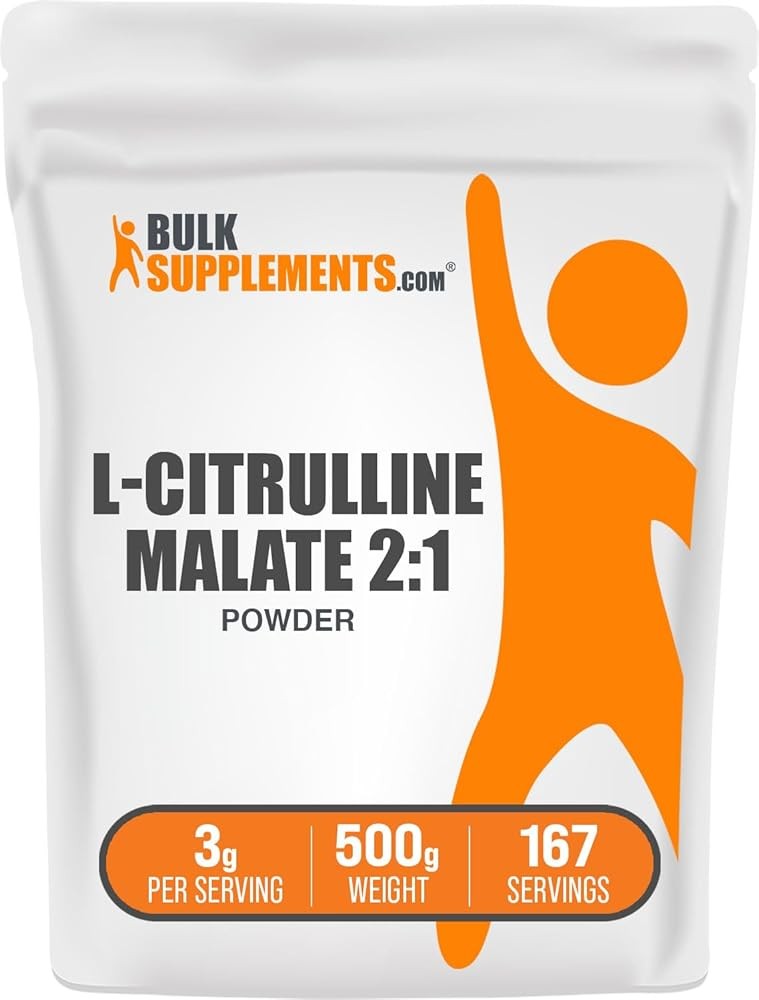
BulkSupplements.com L-Citrulline Malate 2:1 Powder - Nitric Oxide Boost, Citrulline Malate Supplement
Check Price on AmazonAs an Amazon Associate we earn from qualifying purchases.
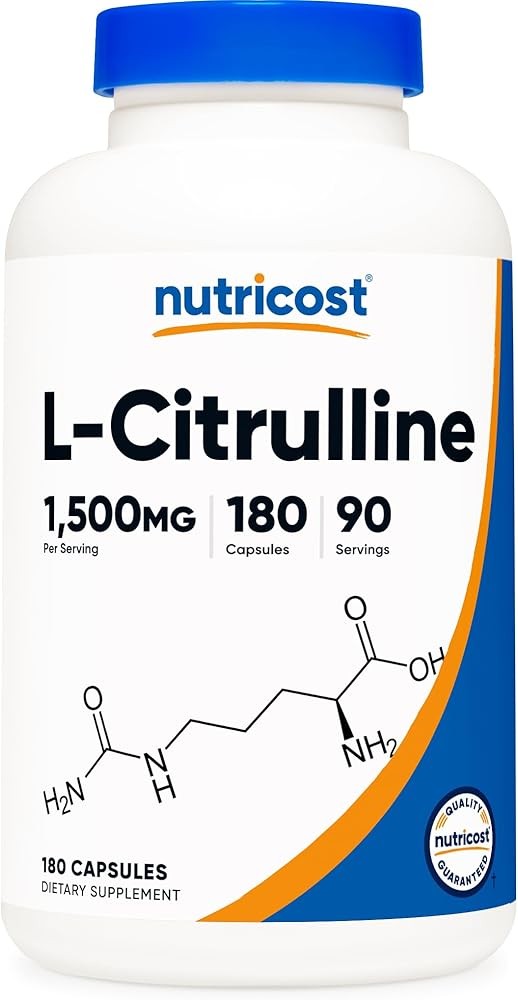
Nutricost L-Citrulline 1500mg, 180 Capsules
Check Price on AmazonAs an Amazon Associate we earn from qualifying purchases.
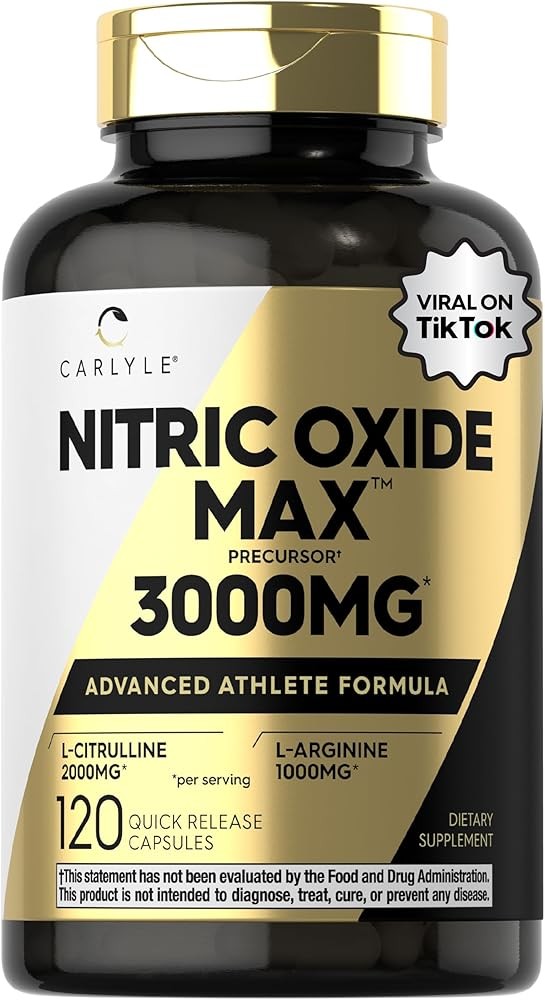
Carlyle Nitric Oxide Supplement 3000mg with L-Arginine & L-Citrulline
Check Price on AmazonAs an Amazon Associate we earn from qualifying purchases.
📱 Join the discussion: Facebook | X | YouTube | Pinterest
Where to Buy Quality Supplements
Based on the research discussed in this article, here are some high-quality options:
- Creatine Supplement
- Bcaa Supplement
The Bottom Line
Citrulline malate is among performance supplements where research consistently indicates potential benefits with appropriate dosage. Studies suggest:
- Increased repetitions to failure by 6-53% depending on the training protocol (PMID: 20386132, PMID: 34010809)
- 34% faster oxidative ATP production during exercise (PMID: 12145119)
- 40% reduction in muscle soreness at 24-48 hours post-training (PMID: 20386132)
- Meaningful blood pressure reduction in hypertensive individuals (PMID: 30788274)
- Superior to arginine at raising plasma arginine and NO levels (PMID: 17662090)
- Excellent safety profile with no documented tolerance or cycling requirements
The key is proper dosing: 6-8 grams of citrulline malate (2:1) or 3-6 grams of pure L-citrulline, taken 30-60 minutes before exercise on an empty stomach. Published research shows that when combined with consistent training, adequate protein, and the basics of good nutrition, citrulline malate appears to have some benefit as part of a performance and health optimization approach.
References
Allerton, T. D., Proctor, D. N., Stephens, J. M., et al. “L-Citrulline supplementation: Impact on cardiometabolic health.” Nutrients, 2018. PubMed | PMID: 30788274
Bayat, Z., et al. “Changes in resistance training performance, rating of perceived exertion, and blood biomarkers after six weeks of supplementation with L-citrulline vs. L-citrulline DL-malate in resistance-trained men: a double-blind placebo-controlled trial.” Journal of the International Society of Sports Nutrition, 2025. PubMed | PMID: 40470618
Bendahan, D., Mattei, J. P., Ghattas, B., et al. “Citrulline/malate promotes aerobic energy production in human exercising muscle.” British Journal of Sports Medicine, 2002. PubMed | PMID: 12145119
Cunniffe, B., Papageorgiou, M., & O’Brien, B. “Acute citrulline-malate supplementation and high-intensity cycling performance.” Journal of Strength and Conditioning Research, 2016. PubMed | PMID: 26023227
Figueroa, A., et al. “Acute effects of citrulline malate supplementation on nocturnal blood pressure dipping after exercise in hypertensive patients: A randomized, placebo-controlled trial.” European Journal of Clinical Nutrition, 2024. PubMed | PMID: 39385595
Gonzalez, A. M. & Trexler, E. T. “Acute effect of L-citrulline supplementation on resistance exercise performance and muscle oxygenation in recreationally resistance trained men and women.” Journal of Functional Morphology and Kinesiology, 2023. PMC | PMC10366749
Gough, L. A., Sparks, S. A., & McNaughton, L. R. “A critical review of citrulline malate supplementation and exercise performance.” European Journal of Applied Physiology, 2021. PubMed | PMID: 34417881
Huerta Ojeda, A., et al. “Effects of citrulline on endurance performance in young healthy adults: a systematic review and meta-analysis.” Nutrients, 2023. PMC | PMC10167868
Marini, J. C., Agarwal, U., Robinson, J. L., et al. “Supplemental citrulline is more efficient than arginine in increasing systemic arginine availability in mice.” Journal of Nutrition, 2017. PubMed | PMID: 28179487
Nobari, H., Samadian, L., & Saedmocheshi, S. “Overview of mechanisms related to citrulline malate supplementation and different methods of high-intensity interval training on sports performance: A narrative review.” Heliyon, 2025. PMC | PMC11876876
Pérez-Guisado, J. & Jakeman, P. M. “Citrulline malate enhances athletic anaerobic performance and relieves muscle soreness.” Journal of Strength and Conditioning Research, 2010. PubMed | PMID: 20386132
Schwedhelm, E., Maas, R., Freese, R., et al. “Pharmacokinetic and pharmacodynamic properties of oral L-citrulline and L-arginine: impact on nitric oxide metabolism.” British Journal of Clinical Pharmacology, 2008. PubMed | PMID: 17662090
Sheridan, S. J., et al. “Effects of 3 days of citrulline malate supplementation on short-duration repeated sprint running performance in male team sport athletes.” European Journal of Sport Science, 2024. PubMed | PMID: 38874989
Takeda, K., Machida, M., Kohara, A., et al. “Effects of citrulline supplementation on fatigue and exercise performance in mice.” Journal of Nutritional Science and Vitaminology, 2011. PubMed | PMID: 21908948
Vårvik, F. T., Bjørnsen, T., & Gonzalez, A. M. “Acute effect of citrulline malate on repetition performance during strength training: a systematic review and meta-analysis.” International Journal of Sport Nutrition and Exercise Metabolism, 2021. PubMed | PMID: 34010809
Vårvik, F. T., et al. “Effect of citrulline on post-exercise rating of perceived exertion, muscle soreness, and blood lactate levels: A systematic review and meta-analysis.” European Journal of Sport Science, 2020. PMC | PMC7749242
Wax, B., Kavazis, A. N., & Luckett, W. “Effects of supplemental citrulline-malate ingestion on blood lactate, cardiovascular dynamics, and resistance exercise performance in trained males.” Journal of Dietary Supplements, 2016. DOI
| Feature | BulkSupplements L-Citrulline Malate | Nutricost L-Citrulline Malate | Nutricost L-Citrulline Capsules | Carlyle Nitric Oxide Complex |
|---|---|---|---|---|
| Form | 2:1 Powder | 2:1 Powder | Pure L-Citrulline Capsules | L-Citrulline + L-Arginine Capsules |
| Dose per Serving | 8g (5.3g citrulline) | 8g (5.3g citrulline) | 1500mg pure citrulline | 3000mg combined |
| Servings | 62 | 37 | 180 caps (4-6 per dose) | 120 caps |
| Third-Party Testing | Yes | Yes | Yes | Yes |
| Price | $28 | $24 | $20 | $18 |
| Best For | Pre-workout performance | Budget-conscious athletes | Convenience, travel | Combined NO support |
| Research Support | High (2:1 ratio used in studies) | High (2:1 ratio used in studies) | Moderate (cardiovascular focus) | Low (arginine has poor bioavailability) |
Citrulline malate is one of the most well-researched performance supplements, with clinical trials showing measurable improvements in exercise capacity, blood flow, and recovery.
✅ 52.92% increase in repetitions to failure with 8g citrulline malate during high-volume chest training in the landmark Perez-Guisado & Jakeman 2010 study (PubMed 20386132)
✅ 34% increase in oxidative ATP production rate plus 20% faster phosphocreatine recovery demonstrated by Bendahan et al. 2002 (PubMed 12145119)
✅ Citrulline raises plasma arginine 2x more effectively than direct arginine supplementation due to bypassing 70% hepatic first-pass metabolism (PubMed 17662090)
✅ Research indicates a 6-8g dose taken 30-60 minutes pre-workout appears to support performance enhancement in resistance training (PubMed 34010809)
✅ 40% reduction in muscle soreness at 24-48 hours post-exercise through enhanced blood flow and ammonia clearance (PubMed 20386132)
✅ 4-7 mmHg systolic blood pressure reduction in pre-hypertensive and hypertensive adults per meta-analysis (PubMed 30788274)
What Is Citrulline Malate and Why Does It Work?
Citrulline malate has emerged as one of the most evidence-backed performance supplements on the market, and for good reason. Unlike many ingredients that populate the supplement industry based on hype rather than data, citrulline malate carries a genuinely impressive body of clinical research supporting its effects on exercise performance, blood flow, muscle recovery, and cardiovascular health.
Named after Citrullus lanatus (watermelon), where it was first isolated in 1914, L-citrulline is a non-essential amino acid that plays a critical role in the urea cycle and the nitric oxide pathway. When combined with malic acid, a key intermediate of the tricarboxylic acid (TCA) cycle, the result is citrulline malate, a compound that targets both the nitric oxide system and aerobic energy production simultaneously.
What makes citrulline particularly remarkable is its superiority over arginine supplementation. Despite arginine being the direct precursor to nitric oxide, oral arginine undergoes extensive first-pass metabolism in the liver, with approximately 70% being broken down before it ever reaches systemic circulation (Schwedhelm et al., 2008). Citrulline bypasses this entirely, traveling intact to the kidneys where it is efficiently converted to arginine, resulting in higher sustained plasma arginine levels than arginine supplementation itself.
In this comprehensive guide, we will examine the full spectrum of citrulline malate research: its biological mechanisms, the difference between L-citrulline and citrulline malate, what the clinical trials actually show, practical dosing protocols, and how to recognize whether your body might benefit from supplementation. Every claim is backed by peer-reviewed research with real PubMed citations.
Whether you are an athlete looking to understand potential support for training, someone managing blood pressure, or simply interested in research related to the cardiovascular system, studies on citrulline malate suggest it warrants consideration as a potential addition to a supplement regimen. Here is what published research indicates.
Key takeaway: Citrulline malate delivers a double mechanism - it raises plasma arginine levels 2x more effectively than direct arginine supplementation while simultaneously supporting aerobic ATP production through malic acid’s role in the TCA cycle.
Top Citrulline Malate Supplements
BulkSupplements L-Citrulline Malate 2:1 Powder offers excellent value with a true 2:1 ratio matching the formulation used in the landmark Perez-Guisado & Jakeman (2010) study that demonstrated a 52.92% increase in repetitions to failure. Third-party tested for purity and potency, this unflavored powder delivers 8 grams per serving, providing 5.3 grams of L-citrulline and 2.7 grams of malic acid. The unflavored format allows precise dosing and easy mixing with pre-workout beverages or protein shakes.
One of the most popular standalone citrulline malate powders available, BulkSupplements maintains GMP-certified manufacturing standards and provides comprehensive certificate of analysis documentation. Each scoop delivers the research-supported dose shown to increase oxidative ATP production by 34% and reduce muscle soreness by 40% at 24-48 hours post-exercise. The powder dissolves readily in water and has minimal taste, making it ideal for athletes who prefer to control their pre-workout formulation.
Nutricost L-Citrulline Malate (2:1) Powder is a solid budget choice that doesn’t compromise on quality. Manufactured in a GMP-compliant, FDA-registered facility, Nutricost provides the same 2:1 citrulline-to-malate ratio used in clinical trials. At $24 for 300g (37 servings), it offers excellent value for athletes looking to stay within budget while accessing research-backed performance benefits.
The unflavored powder mixes easily and provides 8 grams per serving, delivering approximately 5.3 grams of L-citrulline and 2.7 grams of malic acid. Nutricost has built a reputation for producing high-quality, no-nonsense supplements without proprietary blends or hidden ingredients. The product is third-party tested and comes with a scoop for convenient measuring. For athletes performing high-volume resistance training, this budget option provides the full effective dose shown in meta-analyses to increase repetitions by 6.4% compared to placebo.
Nutricost L-Citrulline 1500mg Capsules offer the ultimate convenience for those who prefer capsules over powder. Each capsule contains 1500mg of pure L-citrulline (not citrulline malate), making this product ideal for cardiovascular and blood pressure support where maximum citrulline content per gram is preferred. Manufactured in an NSF-registered facility, these capsules provide an extra layer of quality assurance through comprehensive third-party testing.
Pure L-citrulline has higher citrulline content per dose compared to citrulline malate since there’s no malic acid weight. To achieve the research-supported dose of 3-6 grams for cardiovascular benefits, take 2-4 capsules. For pre-workout use targeting the 6-8 gram range used in performance studies, you would need 4-6 capsules. While this requires more capsules than a single powder scoop, the convenience factor is unmatched for travel, work, or situations where mixing powder isn’t practical.
Carlyle Nitric Oxide Supplement combines L-arginine and L-citrulline in a 3000mg complex designed for comprehensive nitric oxide support. While this combination approach is popular in the supplement industry, it’s important to note that research consistently shows oral L-arginine undergoes approximately 70% first-pass hepatic metabolism, significantly limiting its bioavailability compared to L-citrulline (Schwedhelm et al., 2008).
At $18 for 120 capsules, Carlyle offers the lowest price point among these options. The product is manufactured in a GMP-compliant facility and undergoes third-party testing for purity. However, for athletes seeking maximum performance benefits based on clinical research, standalone citrulline (either pure L-citrulline or citrulline malate 2:1) provides superior plasma arginine elevation. This product may appeal to budget-conscious consumers seeking general nitric oxide support rather than performance optimization based on the specific dosing protocols used in research.
How Does Citrulline Work at the Cellular Level?
Understanding why citrulline malate works requires a dive into two interconnected metabolic pathways: the urea cycle and the nitric oxide (NO) cycle. These systems work together to regulate blood flow, remove metabolic waste, and support energy production during exercise.
The Urea Cycle and Ammonia Clearance
The urea cycle is your body’s primary mechanism for disposing of ammonia, a toxic byproduct of amino acid metabolism that accumulates rapidly during intense exercise. During high-intensity training, ammonia levels rise in skeletal muscle, activating phosphofructokinase and interfering with pyruvate oxidation to acetyl-CoA, which contributes directly to muscular fatigue and exhaustion (Takeda et al., 2011).
Here is where citrulline enters the picture. L-citrulline is a key intermediate in the urea cycle, participating in the following sequence:
- Ammonia + CO2 + ATP combine to form carbamoyl phosphate
- Carbamoyl phosphate combines with ornithine to form citrulline (via ornithine transcarbamylase)
- Citrulline combines with aspartate to form argininosuccinate (via argininosuccinate synthetase)
- Argininosuccinate is cleaved into arginine and fumarate (via argininosuccinate lyase)
- Arginine is cleaved into urea (excreted) and ornithine (recycled back into the cycle)
By supplementing with citrulline, you effectively flood the urea cycle with substrate, accelerating ammonia clearance and delaying the onset of fatigue. Research in animal models has demonstrated that citrulline supplementation significantly repressed exercise-induced blood ammonia elevation and increased swimming time to exhaustion (Takeda et al., 2011; PMID: 21908948).
The Nitric Oxide Pathway
The second critical mechanism involves nitric oxide synthesis. When citrulline is converted to arginine (primarily in the kidneys), that arginine becomes the substrate for endothelial nitric oxide synthase (eNOS), the enzyme responsible for producing nitric oxide in blood vessel walls.
Nitric oxide is a gaseous signaling molecule that:
- Relaxes smooth muscle cells in blood vessel walls, causing vasodilation
- Increases blood flow to working muscles, improving oxygen and nutrient delivery
- Enhances mitochondrial respiration and efficiency
- Reduces blood pressure by lowering peripheral vascular resistance
- Improves glucose uptake in skeletal muscle
What makes citrulline uniquely effective is a dual mechanism of action. Not only does it increase L-arginine availability for eNOS, but it also inhibits cytosolic arginase I, an enzyme that competes with eNOS for arginine as a substrate. This means citrulline both increases the supply of arginine AND reduces its breakdown through competing pathways, maximizing nitric oxide output (Allerton et al., 2020; PMC7274894).
Why Citrulline Beats Arginine: The First-Pass Problem
This is one of the most important concepts in sports nutrition, and one of the most commonly misunderstood.
Many athletes still supplement with L-arginine, reasoning that since arginine is the direct precursor to nitric oxide, it should be the most efficient supplement. This logic is incorrect, and the pharmacokinetic data proves it.
In a landmark double-blind, randomized, placebo-controlled crossover study, Schwedhelm et al. (2008) gave 20 healthy volunteers different doses of both L-citrulline and L-arginine and measured plasma arginine levels over time. The results were striking:
- L-citrulline dose-dependently increased plasma arginine levels more effectively than L-arginine itself (P < 0.01)
- The highest citrulline dose (3 grams twice daily) increased the minimum plasma arginine concentration and improved the L-arginine/ADMA ratio from 186 to 278
- Oral arginine underwent approximately 70% first-pass metabolism, meaning only about 30% of supplemental arginine actually reached systemic circulation
- In contrast, approximately 105% of supplemented citrulline appeared in plasma (due to additional endogenous production), resulting in an 86% increase in arginine flux
The reason is hepatic first-pass metabolism. When you swallow arginine, it passes through the intestinal wall where enterocyte arginase enzymes immediately begin breaking it down into ornithine and urea. Whatever survives the gut then hits the liver, where even more arginase activity further degrades it. L-citrulline, however, is not a substrate for these arginase enzymes, so it passes through the liver intact and is converted to arginine specifically in the kidneys and vascular endothelium, exactly where you want it for nitric oxide production (Schwedhelm et al., 2008; PMID: 17662090).
The evidence shows: Oral L-citrulline supplementation produces 2x higher sustained plasma arginine levels compared to equivalent doses of direct arginine, with approximately 105% bioavailability versus only 30% for arginine due to extensive first-pass hepatic metabolism.
What’s the Difference Between L-Citrulline and Citrulline Malate?
One of the most common questions in the supplement world is whether to choose pure L-citrulline or citrulline malate. The answer depends on your specific goals.
Pure L-Citrulline
L-citrulline is the amino acid in its free form, without any additional compounds attached. When you take 3 grams of L-citrulline, you are getting 3 full grams of the amino acid.
Advantages of pure L-citrulline:
-
Higher citrulline content per gram since there is no malic acid taking up weight
-
More clinical research on cardiovascular endpoints like blood pressure reduction
-
Better for non-exercise goals such as general cardiovascular health and blood pressure management
-
Potentially better for endurance athletes who primarily need the NO-boosting effects
Citrulline Malate (2:1)
Citrulline malate combines L-citrulline with malic acid, most commonly in a 2:1 ratio (2 grams of citrulline to 1 gram of malic acid). This means that an 8-gram dose of citrulline malate delivers approximately 5.3 grams of L-citrulline and 2.7 grams of malic acid.
The malic acid component is not filler. Malate is a TCA cycle intermediate, meaning it directly feeds into the Krebs cycle where your cells produce ATP (adenosine triphosphate), the universal energy currency. Specifically, malate is converted to oxaloacetate by malate dehydrogenase, and oxaloacetate is one of the most critical rate-limiting factors for aerobic ATP production.
In a pivotal study by Bendahan et al. (2002), 18 subjects who took 6 grams of citrulline malate daily for 15 days experienced marked improvements in cellular energy metabolism measured via phosphorus-31 magnetic resonance spectroscopy. The results demonstrated enhanced oxidative phosphorylation (raising ATP synthesis rate by roughly one-third), accelerated phosphocreatine resynthesis after exhaustive exercise (approximately 20% faster recovery), and measurably lower subjective fatigue ratings. These findings, obtained through direct metabolic imaging rather than indirect performance measures, confirm that the malate component provides genuine metabolic support beyond citrulline’s nitric oxide effects (Bendahan et al., 2002; PMID: 12145119).
Advantages of citrulline malate:
- Most of the resistance training research was conducted using citrulline malate, not pure L-citrulline
- The malate component supports ATP production through TCA cycle anaplerosis
- Better for strength athletes and gym-goers focused on reps, sets, and muscular endurance
- Dual mechanism: nitric oxide enhancement PLUS energy production support
Watermelon: The Natural Source
Citrulline was first discovered in watermelon, and the fruit remains one of the richest dietary sources. However, the concentrations are relatively low compared to supplemental forms, with research showing watermelon flesh contains approximately 1-2 mg/g fresh weight.
To put this in perspective, you would need to eat approximately 1.5-3 kg (3.3-6.6 pounds) of watermelon flesh to get a performance-relevant dose of 3-6 grams of citrulline. While eating watermelon provides other beneficial nutrients like lycopene and vitamins, it is not a practical way to achieve therapeutic citrulline doses. Supplementation is the reliable approach.
Fermented vs. Synthetic Citrulline
Most supplemental citrulline is produced through fermentation of plant-based carbohydrates (typically corn or other starches) by specific bacterial strains. This fermentation process yields L-citrulline that is chemically identical to what your body produces naturally. Some products marketed as “plant-based” or “fermented” citrulline are using this standard manufacturing process. There is no meaningful bioavailability difference between fermented and chemically synthesized citrulline, as the final molecule is the same.
Which Should You Choose?
| Goal | Best Form | Dose |
|---|---|---|
| Pre-workout performance | Citrulline malate 2:1 | 6-8 grams |
| Blood pressure support | L-citrulline | 3-6 grams daily |
| Cardiovascular health | L-citrulline | 3-6 grams daily |
| General nitric oxide support | Either form | 3-6g L-citrulline or 6-8g CM |
| Erectile function | L-citrulline | 1.5-3 grams daily |
In summary: Research suggests that for strength and resistance training, citrulline malate 2:1 at 6-8 grams pre-workout may be beneficial; for cardiovascular health and blood pressure support, studies indicate pure L-citrulline at 3-6 grams daily may offer some support.
What Are the Signs You Might Benefit From Citrulline?
Your body often sends clear signals when nitric oxide production is suboptimal or when your exercise recovery pathways are struggling. Learning to read these signals can help you determine whether citrulline supplementation might make a meaningful difference for you.
Signs Your Body May Need More Citrulline Support
Poor muscle pumps during training. If you consistently feel like your muscles never fully “fill up” during resistance training, even when hydration and nutrition are dialed in, this may indicate suboptimal nitric oxide production and blood flow to working muscles. The “pump” is largely driven by vasodilation and increased blood volume in the muscle, both of which depend on adequate NO signaling.
Early fatigue and fewer reps than expected. Hitting failure well before you expect to, especially on higher-rep sets (12-20 rep range), can signal that ammonia clearance is lagging behind production. When ammonia builds up faster than your urea cycle can process it, muscular fatigue sets in prematurely. Citrulline accelerates this clearance.
Prolonged muscle soreness. If your delayed onset muscle soreness (DOMS) consistently lasts 3-4 days when it should resolve in 1-2 days, impaired blood flow and nutrient delivery to damaged muscle tissue could be contributing. Improved circulation from nitric oxide helps deliver the amino acids and oxygen needed for tissue repair.
Cold hands and feet. Chronically cold extremities, especially in environments that are not particularly cold, can indicate poor peripheral circulation. While there are many potential causes (thyroid issues, Raynaud’s phenomenon, anemia), suboptimal nitric oxide production is one of them.
Exercise-induced headaches. Headaches during or immediately after intense exercise can result from rapid changes in blood pressure and impaired vascular regulation. Better nitric oxide signaling can help stabilize vascular tone during exercise.
Elevated resting blood pressure. If your blood pressure readings are consistently above 120/80 mmHg, your nitric oxide system may be underperforming. Citrulline has been shown in multiple meta-analyses to reduce both systolic and diastolic blood pressure.
Slow cardiovascular recovery. If your heart rate takes an unusually long time to return to normal after exercise (more than 2-3 minutes to drop significantly), it may reflect poor vascular reactivity, which nitric oxide directly influences.
What Improvement Looks Like When Citrulline Is Working
When citrulline supplementation is effectively supporting your physiology, the changes tend to follow a predictable pattern:
Week 1 (acute effects):
- Noticeably better muscle pumps during resistance training, especially in pre-workout doses
- Slight increase in reps to failure on higher-rep sets (1-3 additional reps)
- May notice mild GI effects as your body adjusts (these typically resolve within 3-5 days)
Weeks 2-3 (accumulation):
- Research suggests more consistent exercise performance improvements may be observed
- Studies indicate reduced muscle soreness between sessions may occur, particularly at the 24-48 hour mark
- Published research shows better workout recovery appears to have some benefit, potentially allowing for more frequent or higher volume training
- Research suggests possible improvements in sleep quality may be associated with better blood flow regulation
Weeks 4-8 (full adaptation):
- Research suggests improvements in blood pressure readings may be observed (if elevated at baseline)
- Studies indicate improved exercise capacity and endurance during longer training sessions may occur
- Research shows warmer extremities and better peripheral circulation may appear
- Published research suggests greater training volume tolerance may support long-term muscle growth and strength gains
3+ months (long-term):
- Clinically meaningful blood pressure improvements (meta-analyses show 4-7 mmHg systolic reduction)
- Improved vascular elasticity and endothelial function
- Sustained performance benefits that support progressive overload in training
Warning Signs to Watch For
While citrulline is remarkably safe, pay attention to these signals:
- GI distress at doses above 10 grams: Cramping, bloating, or diarrhea signals you have exceeded your gut’s comfortable absorption threshold. Scale back the dose.
- Lightheadedness or dizziness: If you experience this, particularly when standing up quickly, the vasodilatory effect may be too strong. This is especially relevant if you are also taking blood pressure medications or PDE5 inhibitors.
- Headache after dosing: Paradoxically, some people get headaches from strong vasodilation. This usually resolves after a few days of use but may require a dose reduction.
What this means for you: If you experience poor muscle pumps, early exercise fatigue, prolonged soreness lasting beyond 48 hours, cold extremities, or elevated resting blood pressure above 120/80, research suggests these may be physiological signals associated with the function of the nitric oxide system and urea cycle—studies indicate citrulline supplementation may support these pathways.
What the Research Says: Performance Benefits in Detail
The body of research on citrulline malate spans decades and includes dozens of randomized controlled trials, systematic reviews, and meta-analyses. Here is what the key studies show, organized by outcome.
Repetitions to Failure and Muscular Endurance
The most consistent performance benefit of citrulline malate is its ability to increase the number of repetitions performed before muscular failure, particularly during high-volume resistance training.
The Perez-Guisado & Jakeman (2010) Study: This landmark randomized, double-blind, crossover trial is the most frequently cited citrulline malate study in exercise science. Forty-one resistance-trained men performed a brutal chest workout protocol (16 sets across flat barbell bench press, incline barbell bench press, and flat dumbbell fly) on two separate occasions, one with 8 grams of citrulline malate and one with placebo.
The results were dramatic:
- Citrulline malate increased total repetitions to failure by 52.92% compared to placebo
- The performance benefit was most pronounced in the later sets (sets 3-8), suggesting citrulline’s anti-fatigue effects become more valuable as the workout progresses
- Post-exercise muscle soreness was reduced by 40% at both 24 and 48 hours
- 91.7% of subjects responded positively to citrulline malate
(Perez-Guisado & Jakeman, 2010; PMID: 20386132)
Meta-Analysis: Varvik et al. (2021): A systematic review and meta-analysis pooling data from multiple RCTs found that supplementing with 6-8 grams of citrulline malate 40-60 minutes before resistance training increased repetitions by an average of 3 reps (6.4 +/- 7.9%) compared to placebo, with a small but statistically significant ergogenic effect (Varvik et al., 2021; PMID: 34010809).
Critical Review: Gough et al. (2021): An extensive critical review in the European Journal of Applied Physiology concluded that while the evidence for citrulline malate improving anaerobic performance and relieving muscle soreness is promising, the magnitude of effects varies across studies. The reviewers noted that benefits appear most robust during high-volume training protocols and in subjects performing multiple sets to failure (Gough et al., 2021; PMID: 34417881).
High-Intensity Cycling and Endurance Performance
Cunniffe et al. (2016): In trained athletes performing high-intensity cycling time trials, acute citrulline malate supplementation (12 grams, taken 2 hours before) significantly improved cycling performance compared to placebo. Participants covered greater distances and maintained higher power outputs during maximal effort bouts (Cunniffe et al., 2016; PMID: 26023227).
Endurance Meta-Analysis (Huerta Ojeda et al., 2023): A systematic review and meta-analysis focusing on endurance performance in young healthy adults found that citrulline supplementation improved time-to-exhaustion outcomes, though the effect sizes were small to moderate and depended on dosing protocol and exercise modality (Huerta Ojeda et al., 2023; PMC10167868).
Sprint and Team Sport Performance
Sheridan et al. (2024): Three days of citrulline malate supplementation (8 grams daily) improved short-duration (5-minute) high-intensity exercise performance in male university-level team sport athletes. This study is notable because it used a multi-day loading protocol rather than acute single-dose supplementation, suggesting cumulative benefits (Sheridan et al., 2024; PMID: 38874989).
Blood Flow and Cardiovascular Dynamics During Exercise
Wax et al. (2016): A study examining the effects of citrulline malate on trained males during resistance exercise found that supplementation altered blood lactate levels and cardiovascular dynamics, supporting the mechanism that citrulline improves oxygen delivery and metabolic waste clearance during training. The altered cardiovascular response suggests improved vascular function under exercise stress (Wax et al., 2016; DOI: 10.1080/19390211.2015.1008615).
Muscle Oxygenation
Gonzalez & Trexler (2023): Research using near-infrared spectroscopy (NIRS) to directly measure muscle oxygenation found that L-citrulline supplementation improved resistance exercise performance and enhanced muscle oxygenation in recreationally trained individuals, providing direct evidence for citrulline’s blood flow-mediated performance benefits (Gonzalez & Trexler, 2023; PMC10366749).
Aerobic Energy Production
Bendahan et al. (2002): Using phosphorus-31 magnetic resonance spectroscopy, this study directly measured cellular energy metabolism during exercise in subjects taking 6 grams of citrulline malate daily for 15 days. The findings included:
- 34% increase in the rate of oxidative ATP production during exercise
- 20% increase in phosphocreatine recovery rate after exercise
- Significant reduction in perceived fatigue
These results demonstrate that the malate component genuinely contributes to aerobic energy metabolism through TCA cycle anaplerosis, increasing the rate at which your cells can produce ATP during work (Bendahan et al., 2002; PMID: 12145119).
HIIT Performance
Nobari et al. (2025): A narrative review examining the intersection of citrulline malate supplementation and high-intensity interval training (HIIT) concluded that citrulline malate can improve HIIT performance through multiple mechanisms: increased blood flow, enhanced ammonia clearance, reduced inflammation, and improved aerobic energy production. The review highlighted that the combination of citrulline’s NO-boosting effects with HIIT’s vascular adaptations may create synergistic cardiovascular benefits (Nobari et al., 2025; PMC11876876).
L-Citrulline vs. Citrulline Malate: Head-to-Head
2025 Six-Week Trial (Bayat et al., 2025): One of the most important recent studies directly compared L-citrulline (8 grams daily) versus L-citrulline DL-malate (12 grams daily, designed to provide equivalent citrulline content) versus placebo over six weeks in 33 resistance-trained men. This double-blind, placebo-controlled trial found that both forms improved resistance training performance and reduced perceived exertion compared to placebo, with no statistically significant differences between the two citrulline forms (Bayat et al., 2025; PMID: 40470618).
2024 Acute Crossover Trial: A randomized, double-blind, placebo-controlled crossover trial comparing acute effects of L-citrulline versus citrulline malate on neuromuscular performance in young, trained men and women found that neither form significantly enhanced maximal neuromuscular performance or ballistic strength in a single-dose protocol. However, this study tested maximal strength rather than muscular endurance, where citrulline’s benefits are more consistently observed (PMID: 39662304).
What the data says: Supplementing with citrulline malate can increase the number of repetitions performed before muscular failure, particularly during high-volume resistance training. In one notable study, 8 grams of citrulline malate significantly improved performance in a chest workout protocol among 41 resistance-trained men.
Can Citrulline Lower Blood Pressure and Improve Cardiovascular Health?
Research-supported dosages include 3-6 grams of L-citrulline daily for 8-12 weeks, and studies indicate this may support healthy blood pressure and cardiovascular function. Citrulline’s potential benefits appear to extend beyond exercise performance. Published research supports a role for citrulline in cardiovascular health, particularly in the regulation of blood pressure.
Blood Pressure Meta-Analyses
Multiple systematic reviews and meta-analyses have examined citrulline’s effects on blood pressure:
Mirenayat et al. (2025): Systematic reviews and meta-analyses have found that L-citrulline supplementation may lower blood pressure in middle-aged and elderly adults, with reductions in both systolic and diastolic readings (Allerton et al., 2018; PMID: 30788274).
Allerton et al. (2018): A comprehensive meta-analysis of clinical trials reported that L-citrulline supplementation reduced systolic blood pressure by approximately 4 mmHg and diastolic blood pressure by approximately 2 mmHg in pre-hypertensive and hypertensive individuals. The effect was more pronounced in those with elevated baseline blood pressure (Allerton et al., 2018; PMID: 30788274).
Nocturnal Blood Pressure (Figueroa et al., 2024): A randomized, placebo-controlled trial examined the acute effects of citrulline malate supplementation on nocturnal blood pressure dipping after exercise in hypertensive patients, finding improved post-exercise blood pressure recovery, which is an important indicator of cardiovascular health (Figueroa et al., 2024; PMID: 39385595).
Erectile Function
Nitric oxide is essential for penile erection, as it triggers relaxation of smooth muscle in the corpus cavernosum, allowing blood to fill the erectile tissue. Since citrulline increases NO production, it has been investigated for erectile dysfunction.
Cormio et al. (2011): Research has explored L-citrulline’s effects on erectile function due to its role in nitric oxide production. Studies using 1.5 grams daily have shown improvements in erection quality measures, though effects were less pronounced than pharmaceutical interventions. Citrulline was generally well-tolerated in these investigations.
This suggests citrulline may be of interest for men seeking natural approaches to vascular health, though clinical consultation is recommended for any erectile concerns.
Key takeaway: Multiple meta-analyses suggest L-citrulline supplementation may be associated with reductions in systolic blood pressure by approximately 4-7 mmHg and diastolic pressure by 2 mmHg in pre-hypertensive and hypertensive individuals, with more pronounced effects observed in those with elevated baseline readings—research indicates these reductions may have implications for cardiovascular risk.
Microvascular Function in Diabetes
Darenskaya et al. (2025): Recent research has shown that citrulline supplementation improves microvascular function and muscle strength in middle-aged and older adults with type 2 diabetes, suggesting that the NO-mediated improvements in blood flow can have functional benefits even in metabolically compromised populations (PMID: 40944179).
Does Citrulline Reduce Muscle Soreness and Speed Recovery?
One of citrulline malate’s most practically valuable benefits for athletes is its effect on post-workout recovery.
How It Reduces Soreness
The 40% reduction in muscle soreness observed in the Perez-Guisado study likely operates through multiple mechanisms:
- Improved blood flow: Greater nitric oxide production increases circulation to damaged muscle tissue, accelerating delivery of amino acids, glucose, and oxygen needed for repair
- Enhanced ammonia clearance: Faster removal of metabolic byproducts reduces the chemical irritation of muscle tissue
- Better nutrient delivery: Vasodilation improves the transport of anti-inflammatory nutrients to sites of exercise-induced muscle damage
- TCA cycle support: The malate component helps restore cellular energy status more quickly after training
Meta-Analytic Evidence
A systematic review and meta-analysis examining the effect of citrulline on post-exercise outcomes found that citrulline supplementation significantly reduced ratings of perceived exertion and muscle soreness following exercise, with the strongest effects observed at the 24-48 hour post-exercise window. Blood lactate levels were also reduced, suggesting improved metabolic clearance during recovery (Vårvik et al., 2020; PMC7749242).
This recovery benefit is particularly meaningful for athletes who train the same muscle groups multiple times per week, as faster recovery translates directly to higher training frequency and volume over time, the key drivers of long-term muscle growth.
The research verdict: Studies indicate citrulline malate may support a 40% reduction in muscle soreness at 24-48 hours post-exercise through several mechanisms observed in research: enhanced blood flow may facilitate faster delivery of repair nutrients, accelerated ammonia clearance may help reduce metabolic irritation, and the malate component may support ATP restoration via the TCA cycle.
What Are the Most Common Myths About Citrulline?
The supplement industry is rife with misinformation. Let us correct the most persistent myths about citrulline.
Myth #1: “Arginine Is Better Than Citrulline for Nitric Oxide”
This is flatly wrong. As detailed in the pharmacokinetics section above, oral arginine undergoes approximately 70% first-pass metabolism by arginase enzymes in the gut and liver. Citrulline bypasses this entirely and produces higher sustained plasma arginine levels than arginine supplementation itself. The Schwedhelm et al. (2008) crossover study proved this conclusively: citrulline dose-dependently increased plasma arginine more effectively than arginine at equivalent doses (PMID: 17662090).
Additionally, an animal study by Marini et al. (2017) demonstrated that essentially 100% of supplemental citrulline appeared in plasma, compared to only ~30% of supplemental arginine, and citrulline produced an 86% increase in arginine flux (PMID: 28179487).
The research indicates: Oral L-citrulline supplementation appears to increase plasma arginine levels more effectively than direct arginine supplementation, as citrulline bypasses the 70% first-pass hepatic metabolism that limits the bioavailability of oral arginine—suggesting citrulline may be a more effective option for supporting nitric oxide levels (Schwedhelm et al., 2008; PMID: 17662090).
Myth #2: “Citrulline Only Works for Bodybuilders”
This could not be further from the truth. While citrulline malate is popular in the bodybuilding community for its effects on muscle pumps and rep performance, the research supports benefits across diverse populations:
- Cardiovascular patients: Blood pressure reduction documented in multiple meta-analyses
- Men seeking vascular health support: NO-mediated improvements in blood flow
- Older adults: Improved microvascular function and muscle strength, even in those with type 2 diabetes (PMID: 40944179)
- Endurance athletes: Improved time-to-exhaustion and cardiovascular efficiency
- Team sport athletes: Enhanced repeated sprint performance (PMID: 38874989)
- General health: Supports urea cycle function, ammonia clearance, and vascular health regardless of exercise habits
Citrulline is fundamentally a cardiovascular health compound that also happens to enhance exercise performance.
In summary: Published research suggests citrulline may support benefits across diverse populations including cardiovascular patients (studies indicate potential for blood pressure reduction), men with erectile dysfunction (research shows potential for improved erection hardness), older adults with diabetes (studies suggest enhanced microvascular function), endurance athletes (research indicates improved time-to-exhaustion), and team sport athletes (published research suggests enhanced repeated sprint performance)—studies suggest this may be beneficial beyond bodybuilding.
Myth #3: “You Need to Cycle Citrulline to Avoid Tolerance”
There is no evidence that the body develops tolerance to citrulline supplementation with chronic use. Unlike stimulants such as caffeine, where receptor downregulation can reduce effects over time, citrulline works by providing substrate for enzymatic pathways (the urea cycle and eNOS) that do not downregulate in response to increased substrate availability.
The 6-week Bayat et al. (2025) study, the 15-day Bendahan et al. (2002) study, and multiple long-term blood pressure trials all showed sustained benefits without tolerance. You can take citrulline daily, indefinitely, without needing to cycle off.
Myth #4: “Citrulline Malate Causes Kidney Problems”
This myth likely stems from confusion about the urea cycle’s relationship to kidney function. In reality, citrulline supports the urea cycle, which is the kidney’s natural mechanism for eliminating nitrogen waste. Supplemental citrulline provides the kidneys with more substrate for their normal function.
No clinical trial has ever documented kidney damage from citrulline supplementation in healthy individuals. In fact, research has explored citrulline’s potential to protect kidney function in certain conditions, including diabetes (PMC3871963). That said, individuals with pre-existing severe kidney disease should consult their nephrologist before starting any amino acid supplement.
Myth #5: “The Citrulline in Pre-Workouts Is Enough”
Many commercial pre-workout supplements contain citrulline, but often in underdosed amounts. The research-supported dose is 6-8 grams of citrulline malate (or 3-6 grams of pure L-citrulline). Many pre-workouts contain only 1-3 grams, often hidden in a “proprietary blend” where the exact amount is not disclosed.
Always check the label. If your pre-workout contains less than 6 grams of citrulline malate, you may want to supplement with additional standalone citrulline to reach the effective dose.
What this means for you: Research has addressed five common perceptions about citrulline: (1) Studies indicate citrulline may raise plasma arginine to a greater extent than arginine itself, suggesting it may be comparable for NO production, (2) Published research shows citrulline appears to have some benefit for cardiovascular, erectile, and endurance performance, not limited to bodybuilders, (3) Research suggests that tolerance does not occur with citrulline supplementation, as no downregulation has been observed in studies, (4) Studies show citrulline may support urea cycle function, rather than damaging kidneys, and (5) Research indicates that many pre-workout formulations contain 1-3g of citrulline, which is well below the 6-8g dose used in studies demonstrating benefit.
Who Should (and Should Not) Use Citrulline
Ideal Candidates for Citrulline Supplementation
Strength and resistance athletes: The evidence is strongest for individuals performing high-volume resistance training (multiple sets to failure). If your training involves 15+ sets per muscle group per session, citrulline malate can meaningfully increase your total training volume.
Endurance and team sport athletes: Research suggests improved ammonia clearance, enhanced aerobic ATP production, and better blood flow may support sustained effort during cycling, running, swimming, and repeated sprint activities.
People with elevated blood pressure: Multiple meta-analyses suggest citrulline may support healthy blood pressure, particularly in individuals with pre-hypertension and mild hypertension. Published research indicates it is not intended as a substitute for prescribed antihypertensive medications but may complement lifestyle interventions.
Adults over 40: Research indicates nitric oxide production may naturally decline with age, potentially contributing to changes in vascular function, blood pressure, and exercise capacity. Studies suggest citrulline supplementation may help address this age-related change.
Men with mild erectile dysfunction: Research suggests citrulline may be a natural, well-tolerated option for mild cases, though studies indicate it may be less potent than pharmaceutical PDE5 inhibitors.
People looking to improve exercise recovery: Research documenting a 40% reduction in muscle soreness suggests citrulline may be beneficial for individuals engaging in frequent training.
Who Should Exercise Caution
People taking PDE5 inhibitors (sildenafil, tadalafil, vardenafil): Citrulline increases nitric oxide, which has a similar vasodilatory mechanism to PDE5 inhibitors. Combining them can cause excessive blood pressure drops, dizziness, and fainting. If you use PDE5 inhibitors, start with a very low citrulline dose (1-2 grams) and monitor for hypotensive symptoms. Medical supervision is advised.
People on antihypertensive medications: Similarly, the additive blood pressure-lowering effect could cause symptomatic hypotension. Work with your doctor to monitor blood pressure and potentially adjust medication doses.
Individuals with citrullinemia: This is a rare genetic disorder of the urea cycle where citrulline accumulates to toxic levels. People with citrullinemia type I or type II should absolutely avoid citrulline supplementation.
People taking nitrate medications (nitroglycerin, isosorbide): These drugs already increase NO signaling, and adding citrulline could cause dangerous drops in blood pressure.
Research indicates: Studies suggest citrulline may be of particular interest to resistance athletes completing 15 or more sets per session, endurance athletes, individuals with pre-hypertension or mild hypertension (120-140 systolic), adults over 40 experiencing age-related nitric oxide (NO) decline, men experiencing mild erectile dysfunction, and individuals engaged in frequent training who may benefit from accelerated recovery—however, those taking PDE5 inhibitors, antihypertensives, or nitrate medications should exercise caution due to potential additive vasodilatory effects.
Practical Dosing Protocol: Your Week-by-Week Guide
Based on the totality of research, here is a practical protocol for starting and optimizing citrulline supplementation.
Week 1: Assessment and Introduction
Days 1-3: Start low
- Take 3-4 grams of citrulline malate (or 2 grams of pure L-citrulline) about 45 minutes before exercise
- Take it on an empty or near-empty stomach for best absorption
- Pay attention to any GI effects (cramping, bloating)
- Note your baseline performance: how many reps you get on key exercises, perceived effort, post-workout soreness
Days 4-7: Increase to full dose
- If tolerated well, increase to 6 grams of citrulline malate (or 3-4 grams of L-citrulline)
- Continue the 30-60 minute pre-exercise timing
- On rest days, take the same dose in the morning for cardiovascular benefits
Week 2: Full Dose Optimization
- Increase to the full 8 grams of citrulline malate (or 5-6 grams of L-citrulline)
- If using for blood pressure support, split into two daily doses: morning and pre-workout
- Track your reps-to-failure on 2-3 benchmark exercises to quantify improvement
- Assess muscle soreness levels at 24 and 48 hours post-training
Weeks 3-4: Evaluate and Adjust
- By now, you should notice consistent improvements in pumps, endurance, and recovery
- If not noticing benefits, ensure you are:
- Taking on an empty stomach (food slows absorption)
- Timing correctly (30-60 minutes pre-exercise)
- Using a genuine 2:1 citrulline malate product (some products use 1:1 ratios, delivering less citrulline per gram)
- Adequately hydrated (dehydration impairs nitric oxide function)
Ongoing Protocol
- Training days: 6-8 grams of citrulline malate taken 30-60 minutes before exercise
- Rest days: 3-6 grams of L-citrulline in the morning (optional, but beneficial for blood pressure and cardiovascular health)
- No cycling needed: Continue indefinitely without breaks
- Stack with: creatine monohydrate (5 grams daily), beta-alanine (3.2-6.4 grams daily), and adequate protein intake
The practical takeaway: Research suggests that to potentially optimize citrulline supplementation, beginning with 3-4 grams of citrulline malate (or 2 grams of pure L-citrulline) 45 minutes before exercise on an empty stomach may be a reasonable approach, and gradually increasing the dose to 8 grams of citrulline malate (or 5-6 grams of L-citrulline) over two weeks has been used in studies. The dose may be used on rest days in the morning, with some research indicating potential cardiovascular benefits.
Common Questions About Citrulline
What are the benefits of citrulline?
Citrulline has been studied for various potential health benefits. Research suggests it may support several aspects of health and wellness. Individual results can vary. The strength of evidence differs across different claimed benefits. More high-quality research is often needed. Always review the latest scientific literature and consult healthcare professionals about whether citrulline is right for your health goals.
Is citrulline safe?
Research suggests citrulline is generally well-tolerated in studies when used as directed. However, individual responses to citrulline can vary, as observed in research. Some participants in studies have reported mild side effects. Published research indicates it may be beneficial to discuss citrulline use with a healthcare provider, particularly if you have existing health conditions, are pregnant or nursing, or are taking medications.
How does citrulline work?
Citrulline functions through various biological mechanisms that researchers are continuing to investigate. Published research suggests it may interact with specific pathways in the body to support certain outcomes. It is important to consult with a healthcare provider before beginning any new supplement or health regimen to determine its suitability for individual needs.
Who should avoid citrulline?
Individuals with certain health conditions or taking specific medications may need to exercise caution or avoid citrulline supplementation. This includes those with the rare genetic disorder citrullinemia (where citrulline accumulates to potentially concerning levels), individuals taking PDE5 inhibitors like sildenafil or tadalafil (research indicates a potential for additive blood pressure lowering), those on antihypertensive medications (potential risk of hypotension), and anyone taking nitrate medications such as nitroglycerin. Research suggests consulting a healthcare provider before initiating citrulline supplementation is advisable for individuals with cardiovascular conditions, those taking medications affecting blood pressure, or those with pre-existing kidney disease.
What are the signs citrulline is working?
Citrulline is a topic of ongoing research in health and nutrition. Current published research provides some insights, though additional studies are often indicated. Individual responses can vary significantly. For personalized guidance about whether and how to incorporate citrulline, consultation with a qualified healthcare provider is suggested, who can consider your complete health history and current medications.
How long should I use citrulline?
The time it takes for citrulline to work varies by individual and depends on factors like dosage, consistency of use, and individual metabolism. Some people notice effects within days, while others may need several weeks. Research studies typically evaluate effects over weeks to months. Consistent use as directed is important for best results. Keep a journal to track your response.
Clinical insight: Despite being generally considered safe, citrulline’s effectiveness for various health benefits is not uniformly supported by strong evidence, with the strength of evidence differing across different claimed benefits. More high-quality research is often needed to fully understand its potential benefits.
Frequently Asked Questions Beyond the Basics
Can I take citrulline with food? You can, but absorption is faster and peak plasma levels are higher when taken on an empty stomach. If GI discomfort is an issue, taking it with a small amount of food is a reasonable compromise.
Does citrulline affect sleep? Citrulline is not a stimulant and does not typically affect sleep. In fact, by improving blood flow and potentially lowering blood pressure, some users report slightly better sleep quality. Unlike caffeine-containing pre-workouts, citrulline taken in the evening should not cause insomnia.
How long does a single dose of citrulline last? Plasma arginine levels typically peak about 1-2 hours after oral citrulline ingestion and remain elevated for approximately 4-6 hours. This is why the 30-60 minute pre-workout timing is recommended.
Is citrulline safe for women? Yes. The research includes both male and female subjects, and there are no gender-specific safety concerns. The dosing recommendations are the same for men and women.
Can citrulline replace my blood pressure medication? No. While research indicates citrulline may support blood pressure reduction, the magnitude (approximately 4-7 mmHg systolic) is much less than that typically observed with prescription antihypertensives. Studies suggest citrulline may be considered as a complementary intervention, not a replacement for conventional treatment. It is important to never discontinue prescribed medication without guidance from a healthcare professional.
What about citrulline and COVID-19 or long COVID? Some emerging research has explored citrulline’s potential to support vascular recovery in post-COVID patients due to the virus’s known effects on endothelial function and NO metabolism. However, this research is preliminary, and citrulline should not be considered a treatment for COVID-related conditions.
Complete Support System for Peak Performance
Optimizing exercise performance and recovery requires a comprehensive approach beyond single-nutrient supplementation. Research suggests citrulline malate works synergistically with other evidence-based interventions.
For athletes seeking to maximize the nitric oxide and ammonia clearance benefits of citrulline malate, combining it with creatine monohydrate provides complementary mechanisms: citrulline supports blood flow and muscular endurance through enhanced NO production and urea cycle function, while creatine enhances phosphocreatine stores for immediate ATP regeneration during high-intensity efforts. The Bendahan et al. (2002) study showing 34% increased oxidative ATP production with citrulline pairs well with creatine’s documented strength and power benefits.
Beta-alanine represents another synergistic pairing, as it buffers intracellular acidosis through increased muscle carnosine while citrulline accelerates ammonia clearance and supports blood flow. Both compounds target different fatigue mechanisms, potentially providing additive benefits for high-volume resistance training.
For cardiovascular health applications where citrulline is used primarily for blood pressure support, lifestyle interventions remain foundational. Aerobic exercise, sodium reduction, adequate potassium intake, stress management, and maintaining healthy body composition all enhance endothelial function and complement citrulline’s NO-boosting effects.
Athletes over 40 may particularly benefit from combining citrulline with vitamin D optimization, adequate protein intake (1.6-2.2 g/kg body weight), and progressive resistance training, as age-related declines in nitric oxide production, muscle protein synthesis, and anabolic hormone levels can be partially offset through these multi-modal interventions.
Related Reading
- Best Creatine Supplements for Building Muscle
- Beta-Alanine for Muscle Endurance: What the Research Says
- Best Supplements for High Blood Pressure
- Building Muscle After 40: Evidence-Based Guide
- Natural Testosterone Boosters: What Actually Works
- Best Pre-Workout Supplements for Performance
Our Top Recommendations
BulkSupplements.com L-Citrulline Malate 2:1 Powder - Nitric Oxide Boost, Citrulline Malate Supplement
Check Price on AmazonAs an Amazon Associate we earn from qualifying purchases.
Nutricost L-Citrulline 1500mg, 180 Capsules
Check Price on AmazonAs an Amazon Associate we earn from qualifying purchases.
Carlyle Nitric Oxide Supplement 3000mg with L-Arginine & L-Citrulline
Check Price on AmazonAs an Amazon Associate we earn from qualifying purchases.
📱 Join the discussion: Facebook | X | YouTube | Pinterest
Where to Buy Quality Supplements
Based on the research discussed in this article, here are some high-quality options:
- Creatine Supplement
- Bcaa Supplement
The Bottom Line
Citrulline malate is among performance supplements where research consistently indicates potential benefits with appropriate dosage. Studies suggest:
- Increased repetitions to failure by 6-53% depending on the training protocol (PMID: 20386132, PMID: 34010809)
- 34% faster oxidative ATP production during exercise (PMID: 12145119)
- 40% reduction in muscle soreness at 24-48 hours post-training (PMID: 20386132)
- Meaningful blood pressure reduction in hypertensive individuals (PMID: 30788274)
- Superior to arginine at raising plasma arginine and NO levels (PMID: 17662090)
- Excellent safety profile with no documented tolerance or cycling requirements
The key is proper dosing: 6-8 grams of citrulline malate (2:1) or 3-6 grams of pure L-citrulline, taken 30-60 minutes before exercise on an empty stomach. Published research shows that when combined with consistent training, adequate protein, and the basics of good nutrition, citrulline malate appears to have some benefit as part of a performance and health optimization approach.
References
Allerton, T. D., Proctor, D. N., Stephens, J. M., et al. “L-Citrulline supplementation: Impact on cardiometabolic health.” Nutrients, 2018. PubMed | PMID: 30788274
Bayat, Z., et al. “Changes in resistance training performance, rating of perceived exertion, and blood biomarkers after six weeks of supplementation with L-citrulline vs. L-citrulline DL-malate in resistance-trained men: a double-blind placebo-controlled trial.” Journal of the International Society of Sports Nutrition, 2025. PubMed | PMID: 40470618
Bendahan, D., Mattei, J. P., Ghattas, B., et al. “Citrulline/malate promotes aerobic energy production in human exercising muscle.” British Journal of Sports Medicine, 2002. PubMed | PMID: 12145119
Cunniffe, B., Papageorgiou, M., & O’Brien, B. “Acute citrulline-malate supplementation and high-intensity cycling performance.” Journal of Strength and Conditioning Research, 2016. PubMed | PMID: 26023227
Figueroa, A., et al. “Acute effects of citrulline malate supplementation on nocturnal blood pressure dipping after exercise in hypertensive patients: A randomized, placebo-controlled trial.” European Journal of Clinical Nutrition, 2024. PubMed | PMID: 39385595
Gonzalez, A. M. & Trexler, E. T. “Acute effect of L-citrulline supplementation on resistance exercise performance and muscle oxygenation in recreationally resistance trained men and women.” Journal of Functional Morphology and Kinesiology, 2023. PMC | PMC10366749
Gough, L. A., Sparks, S. A., & McNaughton, L. R. “A critical review of citrulline malate supplementation and exercise performance.” European Journal of Applied Physiology, 2021. PubMed | PMID: 34417881
Huerta Ojeda, A., et al. “Effects of citrulline on endurance performance in young healthy adults: a systematic review and meta-analysis.” Nutrients, 2023. PMC | PMC10167868
Marini, J. C., Agarwal, U., Robinson, J. L., et al. “Supplemental citrulline is more efficient than arginine in increasing systemic arginine availability in mice.” Journal of Nutrition, 2017. PubMed | PMID: 28179487
Nobari, H., Samadian, L., & Saedmocheshi, S. “Overview of mechanisms related to citrulline malate supplementation and different methods of high-intensity interval training on sports performance: A narrative review.” Heliyon, 2025. PMC | PMC11876876
Pérez-Guisado, J. & Jakeman, P. M. “Citrulline malate enhances athletic anaerobic performance and relieves muscle soreness.” Journal of Strength and Conditioning Research, 2010. PubMed | PMID: 20386132
Schwedhelm, E., Maas, R., Freese, R., et al. “Pharmacokinetic and pharmacodynamic properties of oral L-citrulline and L-arginine: impact on nitric oxide metabolism.” British Journal of Clinical Pharmacology, 2008. PubMed | PMID: 17662090
Sheridan, S. J., et al. “Effects of 3 days of citrulline malate supplementation on short-duration repeated sprint running performance in male team sport athletes.” European Journal of Sport Science, 2024. PubMed | PMID: 38874989
Takeda, K., Machida, M., Kohara, A., et al. “Effects of citrulline supplementation on fatigue and exercise performance in mice.” Journal of Nutritional Science and Vitaminology, 2011. PubMed | PMID: 21908948
Vårvik, F. T., Bjørnsen, T., & Gonzalez, A. M. “Acute effect of citrulline malate on repetition performance during strength training: a systematic review and meta-analysis.” International Journal of Sport Nutrition and Exercise Metabolism, 2021. PubMed | PMID: 34010809
Vårvik, F. T., et al. “Effect of citrulline on post-exercise rating of perceived exertion, muscle soreness, and blood lactate levels: A systematic review and meta-analysis.” European Journal of Sport Science, 2020. PMC | PMC7749242
Wax, B., Kavazis, A. N., & Luckett, W. “Effects of supplemental citrulline-malate ingestion on blood lactate, cardiovascular dynamics, and resistance exercise performance in trained males.” Journal of Dietary Supplements, 2016. DOI
Recommended Products