The Ultimate Creatine Loading Protocol for Rapid Muscle Growth
Summarized from peer-reviewed research indexed in PubMed. See citations below.
Research on competitive athletes and bodybuilders shows that rapid muscle saturation can significantly impact performance outcomes in time-sensitive scenarios. Published studies demonstrate the classic loading protocol at 20-25 grams daily for 5-7 days increases muscle creatine stores by 20-40% within one week, compared to 3-4 weeks with maintenance dosing alone. Our research team identified Nutricost Creatine Monohydrate Micronized Powder as the top choice for loading protocols, with 500+ studies backing monohydrate’s safety and efficacy at approximately $0.03 per gram. For individuals seeking a gentler approach, the modified protocol at 10 grams daily for 10 days achieves similar saturation with reduced GI distress at $14.99 for the Nutricost 1kg option. Here’s what the published research shows.
Disclosure: We may earn a commission from links on this page at no extra cost to you. Affiliate relationships never influence our ratings. Full policy →
| Feature | Nutricost 500g Powder | Nutricost 1kg Powder | Nutricost Capsules | Jocko Fuel Powder |
|---|---|---|---|---|
| Form | Micronized powder | Micronized powder | Capsules (3g) | Powder |
| Purity | 99.9% monohydrate | 99.9% monohydrate | 99.9% monohydrate | Monohydrate |
| Servings | 100 (5g each) | 200 (5g each) | 125 (6 capsules) | Varies |
| Cost per serving | $0.15 | $0.07 | $0.19 | $0.45+ |
| Best for | Classic loading | Budget bulk loading | Travel/convenience | Premium brand |
| Third-party tested | Yes | Yes | Yes | Yes |
| Mixability | Excellent | Excellent | N/A | Good |
What Is Creatine Loading and Why Does It Work?
Creatine monohydrate has been extensively researched and validated as a performance supplement in sports nutrition, backed by over 500 peer-reviewed studies spanning more than three decades. Yet despite this wealth of evidence, one question continues to generate confusion among athletes, bodybuilders, and fitness enthusiasts: should you load creatine with high doses for a week to rapidly saturate your muscles, or simply take a standard daily dose and wait patiently for results?
The answer matters more than you might think. The difference between creatine loading and standard maintenance dosing is the difference between seeing measurable strength gains in five days versus waiting a full month. For competitive athletes preparing for a meet, bodybuilders counting down to a show, or anyone beginning a focused training camp with a defined timeline, that three-week difference can make or break performance goals.
This comprehensive guide will take you beyond the basic “take 5 grams daily” advice found in most creatine articles. We will examine the cellular mechanisms of muscle creatine saturation, break down both classic and modified loading protocols with exact dosing schedules, explore why some people respond dramatically while others barely notice effects, and give you practical strategies for managing water retention, timing doses for maximum absorption, and transitioning to long-term maintenance.
Whether you are a competitive powerlifter preparing for a meet in two weeks, a natural bodybuilder seeking every legal advantage for contest prep, a team sport athlete entering training camp, or simply someone who wants results now rather than later, this guide presents information on how to implement creatine loading. Research suggests creatine loading may be a strategy for individuals in these scenarios. Published research shows creatine appears to have some benefit for those engaged in intense physical activity (PubMed 14685870)
How Can You Follow This Protocol Step-by-Step?
How Does Creatine Power Your Muscles?
Before diving into loading protocols, you need to understand exactly what creatine does inside your muscle cells, because that mechanism is the entire reason loading works at all.
The ATP Energy Crisis During Intense Exercise
Adenosine triphosphate (ATP) is the direct energy currency your muscles use for every single contraction. When a muscle fiber fires, an enzyme called ATPase strips one phosphate group from ATP, releasing energy that powers the contraction and leaving behind adenosine diphosphate (ADP). The fundamental problem is that your muscles store only enough ATP for approximately 2-3 seconds of maximal effort. After those first few seconds, your body must regenerate ATP from ADP almost instantaneously to sustain high-intensity work like heavy squats, sprints, or explosive jumps.
Your body has three energy systems for regenerating ATP: the phosphocreatine system (fastest, 8-12 seconds), glycolysis (intermediate speed, 30-90 seconds), and oxidative phosphorylation (slowest, sustained effort). The phosphocreatine system is the critical one for strength and power athletes because it provides the most rapid ATP regeneration during the exact intensity ranges that build muscle and strength.
How Phosphocreatine Fuels Maximum Performance
Phosphocreatine (PCr) is essentially creatine with a high-energy phosphate group attached. When ATP gets consumed during intense exercise, the enzyme creatine kinase rapidly transfers that phosphate group from phosphocreatine to ADP, regenerating ATP in a fraction of a second. This reaction is 2-3 times faster than ATP regeneration through glycolysis and vastly faster than oxidative phosphorylation.
The phosphocreatine system can sustain near-maximal ATP output for approximately 8-12 seconds of all-out effort, which perfectly matches the duration of a heavy set of 3-8 reps, a maximal sprint, or an explosive power clean. This is why creatine supplementation has such profound effects on strength training and power sports but minimal impact on endurance activities like marathon running.
The Saturation Limit: Why More Creatine Means More Performance
Here is the critical insight that explains why loading works: the amount of phosphocreatine stored in your muscles directly limits how much ATP you can regenerate through this rapid pathway. Research has established that typical untrained individuals store approximately 120 mmol/kg of total creatine (free creatine plus phosphocreatine) in their skeletal muscle. In a normal diet containing 1-2 grams of creatine daily from meat and fish, muscle creatine stores remain about 60-80% saturated.
Research indicates creatine supplementation may support increases in muscle creatine stores to approximately 140-160 mmol/kg (PubMed 8828669), representing an increase of roughly 20-40% beyond baseline levels. Published research shows the upper limit of creatine storage appears to be about 160 mmol/kg of dry muscle mass in most individuals. Studies suggest that once this threshold is reached, additional creatine beyond maintenance doses may result in excretion rather than further muscle accumulation.
That extra 20-40% phosphocreatine storage, as observed in research, appears to support sustaining high-intensity effort for several additional seconds, completing one or two extra repetitions at a given weight, experiencing potentially faster recovery between sets, and maintaining power output across multiple sprints. Over weeks and months of training, studies suggest these small per-session advantages may contribute to significantly greater strength gains, muscle hypertrophy, and athletic performance.
Cell Volumization and Anabolic Signaling Pathways
Creatine does more than just fuel the ATP-PCr energy system. As an osmotically active molecule, creatine draws water into muscle cells, a process called cell volumization or cell swelling. This intracellular water retention increases the hydration status of the cell and creates osmotic pressure on the cell membrane.
Research has shown that this cell swelling acts as an anabolic signal, activating the mTOR (mechanistic target of rapamycin) pathway, which is the master regulator of muscle protein synthesis. The physical stretching of the cell membrane from increased intracellular volume triggers signaling cascades that promote protein synthesis and inhibit protein breakdown.
Additionally, research suggests creatine supplementation combined with resistance training may support the activation and proliferation of satellite cells, the muscle stem cells responsible for donating new nuclei to growing muscle fibers. Studies demonstrated that creatine supplementation appeared to enhance the training-induced increase in satellite cell number and myonuclei concentration, resulting in greater increases in muscle fiber cross-sectional area compared to training with placebo PMID: 17908288.
This means creatine supports muscle growth through at least three distinct mechanisms: enhanced ATP regeneration for greater training stimulus, cell volumization triggering anabolic signaling via mTOR, and increased satellite cell activation for long-term muscle fiber growth capacity.
What Are the Signs You Need Rapid Creatine Loading?
Your body gives you real-time feedback about the state of your phosphocreatine system and whether creatine loading would benefit your specific situation. Learning to recognize these signals can help you determine if the loading protocol is right for you.
Competitive Timeline Indicators
Individuals with specific performance timelines may consider a loading protocol. If an athlete is a powerlifter with a competition in two weeks, a bodybuilder with a show in ten days, an athlete reporting to training camp in one week, or an athlete entering training camp with limited preparation time, waiting 3-4 weeks for muscle saturation may not be feasible. Research suggests loading may help achieve peak creatine stores in 5-7 days, compared to 28 days with standard supplementation.
You are beginning an intense training block. When you know you are entering a period of maximum training volume and intensity, such as an off-season mass-building phase, a peaking cycle for competition, or a structured 8-12 week program, loading creatine at the start maximizes the performance benefits throughout the entire training block rather than wasting the first 3-4 weeks at suboptimal saturation.
Research suggests maximizing potential within a limited timeframe may be beneficial. For athletes who compete without the use of prohibited substances, studies indicate creatine appears to be among the few legal substances that produce measurable outcomes. If preparing for a competition with drug testing and aiming to optimize strength and power in a short period, research suggests loading may accelerate the timeline to peak performance.
Physiological Indicators for Strong Response
Individuals following a vegetarian or vegan diet may have baseline muscle creatine stores 20-30% lower than omnivores, as dietary creatine is primarily found in animal products. Vegetarians and vegans consistently show the strongest response to creatine supplementation (PubMed 14685870), with studies indicating greater increases in muscle creatine content, strength gains, and lean mass accrual compared to omnivores. Research suggests that individuals consuming a plant-based diet are likely to be strong creatine responders and may experience notable benefits from loading.
You have a lean body composition. Research on creatine responders versus non-responders has found that individuals with lower baseline body fat percentages and higher muscle-to-fat ratios tend to respond better to supplementation. The proposed mechanism is that leaner individuals have lower baseline intramuscular creatine stores and greater capacity for creatine uptake into muscle tissue.
You engage in high-intensity, explosive training. If your training emphasizes heavy compound lifts (squats, deadlifts, bench press), Olympic lifting variations (cleans, snatches), or explosive movements (box jumps, sprints, throws), your phosphocreatine system is your primary energy source. These athletes see the most dramatic performance improvements from elevated creatine stores because their training specifically taxes the ATP-PCr system.
Training Performance Indicators
You consistently fail on the last 1-2 reps of working sets. If you regularly approach muscular failure at the end of sets despite having the structural strength to complete the movement, limited phosphocreatine reserves may be restricting your ability to regenerate ATP fast enough. This is different from muscular failure due to fatigue accumulation across a long set; it is a sudden loss of power on the final repetitions of moderate-rep sets (3-8 reps).
Recovery between sets takes longer than it should. If you need 4-5 minutes between heavy sets to feel ready again, and even then your second and third sets drop off significantly in performance, limited phosphocreatine resynthesis may be a contributing factor. It takes approximately 3-5 minutes to fully replenish phosphocreatine stores between bouts of maximal effort, and higher baseline stores accelerate this recovery process.
Strength gains have plateaued despite proper programming. When training variables like volume, intensity, progressive overload, and recovery are properly managed but strength gains have stalled, inadequate creatine stores can be a limiting factor, particularly in compound lifts that demand high power output.
Muscles may appear less full during training. Experienced lifters often describe the visual and tactile sensation of their muscles looking less full and pumped during training. Because research suggests creatine may support increased water retention in muscle cells, studies indicate lower creatine stores may correlate with reduced intracellular hydration and a visibly flatter appearance, while adequate creatine saturation appears to be associated with muscles having a fuller, more volumized look even before training begins.
What Is the Classic Creatine Loading Protocol?
The classic loading protocol has been investigated in numerous clinical studies and represents a frequently used approach for muscle saturation (Source).
The Science Behind 20-25 Grams Daily
Research indicates that daily creatine doses of 20-25 grams (approximately 0.3 grams per kilogram of body weight) for 5-7 days appear to support increased muscle creatine concentrations, with studies noting an apparent upper limit of 150-160 mmol/kg. Studies suggest this dose may lead to saturation of muscle creatine stores in about one week, compared to approximately 3-4 weeks observed with standard maintenance doses of 3-5 grams daily.
The mechanism is straightforward: muscle cells have a finite capacity to transport and store creatine (PubMed 12701815). By providing a large surplus of creatine in the bloodstream multiple times throughout the day, you maximize the concentration gradient that drives creatine uptake into muscle tissue. The saturation process follows a predictable timeline, with most of the increase occurring in the first 3-5 days and reaching plateau by day 6-7.
Importantly, approximately 20% of the increase in muscle creatine content is stored as creatine phosphate, and research indicates this phosphocreatine saturation may occur 2-3 days after the start of supplementation. This suggests potential for observed changes in performance (extra reps, better recovery between sets) as early as day 3-4 of loading, even before reaching full saturation.
180-pound (82 kg) individual:
- Total daily dose: 24-25 grams (0.3 g/kg)
- Divided into 4 doses of 6 grams each
- Taken at breakfast, lunch, dinner, and before bed
- Duration: 5-7 days
150-pound (68 kg) athlete example: Loading requires 20 grams daily (0.3 g/kg). Optimal distribution: four 5-gram servings at breakfast, lunch, dinner, and bedtime for 5-7 days until saturation.
220-pound (100 kg) athlete example: Larger individuals load with 30 grams daily (0.3 g/kg). Recommended split: five 6-gram doses spread throughout waking hours (breakfast, mid-morning, lunch, dinner, bedtime) for 5-7 days.
Practical Implementation: Exact Daily Schedule
Here is a practical daily schedule for classic loading that maximizes absorption and minimizes side effects:
Day 1-7 (Loading Phase):
7:00 AM - Dose 1 (5-6g creatine + 30-50g carbohydrates) Take with breakfast: oatmeal with fruit, whole grain toast with jam, or protein shake with banana
12:00 PM - Dose 2 (5-6g creatine + 30-50g carbohydrates) Take with lunch: sandwich with fruit, rice bowl, or pasta dish
5:00 PM - Dose 3 (5-6g creatine + 30-50g carbohydrates) Post-workout timing (if training this time): take immediately after training with fast-digesting carbs like white rice, white potato, or dextrose powder
7:00 PM - Dose 4 (5-6g creatine + 30-50g carbohydrates) Take with dinner: standard mixed meal with protein, carbs, and vegetables
11:00 PM (optional 5th dose for individuals over 200 lbs) - Dose 5 (5-6g creatine) Take before bed with a small carbohydrate source like fruit or yogurt
Day 8+ (Maintenance Phase):
Take 3-5 grams once daily at any time Post-workout timing may offer slight advantages but daily consistency matters more than specific timing
Why Split Doses Matter for Absorption and Tolerance
Research indicates that high-dose creatine supplementation (10 grams or more as a single dose) may be associated with gastrointestinal distress, particularly diarrhea, though dividing the dose into smaller servings appears to reduce this potential. The most frequently reported gastrointestinal effects during loading, as observed in studies, are diarrhea (39% of users), stomach upset (24%), and belching (17%), with evidence suggesting a relationship between dosage and these effects.
The physiological reason for splitting doses relates to intestinal absorption capacity (PubMed 28615996). The creatine transporter in the intestinal wall has limited capacity to transport creatine from the gut lumen into the bloodstream. When you consume a very large single dose (20+ grams), much of that creatine remains unabsorbed in the intestine, where it draws water into the gut lumen through osmotic pressure, resulting in diarrhea and GI discomfort.
By splitting the daily dose into 4-5 smaller servings of 5-6 grams each, you stay within the intestinal absorption capacity and maximize the percentage of ingested creatine that actually reaches the bloodstream and muscle tissue. This approach is more efficient and far more comfortable.
Is There a Modified Loading Protocol That Works Better?
For individuals who are concerned about GI side effects, want a gentler approach, or simply prefer lower daily doses, the modified loading protocol offers an excellent alternative that achieves similar muscle saturation with a slightly longer timeline.
Evidence for Lower-Dose Loading
While the classic 20-25 gram protocol achieves saturation in 5-7 days, research has shown that lower daily doses can also saturate muscle creatine stores, just over a longer timeframe. A modified protocol using 10 grams daily for 10 days represents a middle ground between aggressive classic loading and slow maintenance-only dosing.
This approach reduces the daily creatine dose by 50% compared to classic loading while extending the duration by 3-5 days. The result is reaching similar muscle saturation (140-160 mmol/kg) in about 10-12 days rather than 5-7 days, while significantly reducing the risk of GI distress and water weight fluctuations.
Dosing Schedule for Modified Loading
Modified loading dosage (150-200 lb individuals): Daily intake of 10 grams split into two 5-gram servings—one with breakfast, one post-workout or at dinner—continued for 10 consecutive days to achieve gradual saturation
Practical daily schedule:
7:00 AM - Dose 1 (5g creatine + 30-50g carbohydrates) Take with breakfast
5:00 PM - Dose 2 (5g creatine + 30-50g carbohydrates) Post-workout if training, or with dinner if rest day
Day 11+ (Maintenance Phase): Take 3-5 grams once daily
Who Should Choose Modified Loading
The modified protocol is ideal for several specific situations:
Individuals prone to GI sensitivity. If you have a history of digestive issues, irritable bowel syndrome, or simply know you tend to respond poorly to high doses of supplements, the 10-gram daily protocol significantly reduces GI side effects while still achieving faster saturation than maintenance-only dosing.
First-time creatine users. If you have never taken creatine before and are uncertain how your body will respond, starting with the modified protocol allows you to assess tolerance before committing to higher doses.
Those who prefer minimal water weight fluctuation. The 2-4 pound water weight gain from classic loading occurs rapidly (within 3-5 days), which some individuals find uncomfortable or visually undesirable. The modified protocol spreads that water retention over 10 days, making the change less noticeable.
Athletes concerned about rapid weight changes. For combat sports athletes, wrestlers, or competitors in weight-class sports who need to manage body weight carefully, the gradual water retention from modified loading is easier to account for than the rapid 3-4 pound gain from classic loading.
When Should You Take Creatine for Best Results?
While daily consistency is the most important factor in creatine supplementation, strategic timing and combining creatine with specific nutrients can enhance muscle uptake and improve results.
The Insulin Connection: Carbohydrates and Creatine Uptake
One of the most well-established strategies for examining creatine absorption is co-ingesting creatine with carbohydrates. Published research demonstrates that carbohydrates co-ingested with creatine appear to support muscle creatine uptake by approximately 60% compared to creatine alone, most likely due to carbohydrate-induced secretion of insulin (PubMed 18373286).
The mechanism involves insulin-mediated stimulation of the creatine transporter (CreaT) in muscle cell membranes. Insulin signals muscle cells to increase expression and activity of this transporter, allowing more creatine to move from the bloodstream into muscle tissue. Additionally, insulin increases sodium-potassium pump activity, which may further enhance creatine transport (PubMed 15707376).
The optimal carbohydrate dose for maximizing this effect appears to be 30-100 grams of simple carbohydrates per creatine dose. Research has shown that body creatine retention was augmented by approximately 25% when creatine was consumed with approximately 50 grams of protein and carbohydrate compared to creatine alone (PubMed 17908288).
Interestingly, the combination of protein and carbohydrate is as effective at enhancing creatine retention as very high carbohydrate doses alone, meaning you can achieve excellent results with a mixed meal or protein shake rather than consuming pure simple sugars.
Post-Workout Timing Advantages
While creatine saturation occurs from consistent daily dosing regardless of specific timing, there is some evidence that post-workout ingestion may offer slight advantages, particularly when combined with carbohydrates and protein.
The post-workout period is characterized by increased muscle blood flow, elevated insulin sensitivity, and upregulated nutrient transporters in muscle cells. These conditions theoretically create an optimal environment for creatine uptake. While the magnitude of this advantage is modest compared to the fundamental importance of daily consistency, timing one of your loading doses immediately post-workout with a carbohydrate-protein meal or shake is a reasonable strategy.
Bottom line: Controlled trials demonstrate post-workout creatine with 50-75g simple carbs elevates plasma insulin 200-300%, increasing creatine transporter (CRT) activity by 30-40% and muscle uptake by 25% versus fasted state, with peak absorption occurring 30-90 minutes post-exercise.
Practical Timing Recommendations
During loading phase (20-25g daily):
- Dose 1: With breakfast + carbohydrates (oatmeal, fruit, toast)
- Dose 2: With lunch + carbohydrates (rice, pasta, bread)
- Dose 3: Immediately post-workout + fast carbs and protein (if training that day), or with afternoon snack if rest day
- Dose 4: With dinner + carbohydrates (potato, rice, bread)
- Optional Dose 5 (for larger individuals): Before bed with small carb source
During maintenance phase (3-5g daily):
- Option 1: Post-workout with protein shake and carbs (training days)
- Option 2: With breakfast every day (simplicity and consistency)
- Option 3: Any time of day with a meal containing carbohydrates
- The most important factor is taking it at the same time every day to build the habit
What to combine creatine with:
- 30-50g fast-digesting carbohydrates: white rice, white potato, fruit, honey, dextrose powder
- 20-30g protein: whey protein, chicken, fish, eggs
- Or simply take with any balanced meal containing carbs and protein
What does NOT matter:
- Pre-workout versus post-workout (both work
- Morning versus evening (no significant difference)
- Training days versus rest days (take it every single day regardless)
How Can You Manage Water Retention During Loading?
One of the most consistent and predictable effects of creatine loading is increased body weight from water retention. Understanding the nature of this water weight and how to manage it may help reduce the risk of unnecessary concern and helps you set realistic expectations.
The Science of Creatine-Induced Water Retention
Creatine supplementation increases total body water, with evidence showing an increase of approximately 0.86 kg (1.9 pounds) in body mass compared to placebo (PubMed 15320650). During aggressive loading with 20-25 grams daily, the weight gain is typically 2-4 pounds within the first week.
The critical distinction is that this is intracellular water retention, not extracellular or subcutaneous water retention. Creatine is stored almost exclusively inside muscle cells (95% intramuscular), and as an osmotically active molecule, it draws water into those same muscle cells. This creates the cell volumization effect discussed earlier, which contributes to the anabolic signaling benefits of creatine.
This type of water retention is fundamentally different from the subcutaneous water retention caused by high sodium intake, hormonal fluctuations, or inflammatory responses. Intracellular water makes muscles look fuller, harder, and more volumized, while subcutaneous water causes a soft, puffy, “watery” appearance. The water retention from creatine improves rather than detracts from muscle appearance.
Timeline of Water Weight Gain
Days 1-2 of loading: Most individuals notice 0.5-1 pound increase on the scale. This represents the initial increase in muscle cell hydration as creatine begins accumulating in muscle tissue.
Days 3-5 of loading: Water retention accelerates as muscle creatine stores approach saturation. Total weight gain reaches 2-3 pounds. Muscles may begin looking noticeably fuller, and the “pump” during training feels enhanced.
Days 6-7 of loading: Weight gain plateaus at 2-4 pounds total. Muscle creatine stores are now saturated at 140-160 mmol/kg. The water retention stabilizes at this new baseline.
During maintenance (day 8+): Body weight remains stable at the new elevated baseline as long as you continue taking maintenance doses. If you stop taking creatine, muscle stores gradually decrease over 4-6 weeks, and body weight returns to baseline.
Is This Water Weight a Problem?
For the vast majority of individuals, the answer is no. The water retention from creatine is not only harmless but actively beneficial through the cell volumization and anabolic signaling mechanisms. However, there are specific situations where the rapid 2-4 pound gain requires management:
Weight-class athletes: Wrestlers, powerlifters, Olympic weightlifters, combat sports athletes, and anyone competing in a weight-limited category need to account for this water weight. The solution is either timing creatine loading to occur immediately after weigh-ins, or using the modified 10-day protocol to spread the weight gain more gradually.
Bodybuilders and physique competitors: During off-season mass-building phases, the water retention is completely irrelevant and beneficial. However, during peak week before a show, some competitors reduce or stop creatine dosing to shed the intracellular water. This is a debatable strategy since the loss of creatine may reduce muscle fullness and performance.
Aesthetic concerns: Some individuals simply dislike the temporary scale weight increase despite understanding it is not fat gain. For these people, the modified loading protocol or skipping loading entirely in favor of maintenance-only dosing (which still causes water retention, just more gradually) may be preferable.
Myths About Creatine Water Retention
Myth: Creatine causes bloating and a puffy appearance. Reality: Creatine causes intracellular water retention in muscle tissue, not subcutaneous water retention or gastrointestinal bloating. The visual effect is increased muscle fullness and size, not puffiness. Any perceived bloating during loading is typically GI-related from taking large doses, not water retention.
Myth: You need to cycle creatine to reduce the risk of water retention. Reality: The water retention from creatine is a constant, beneficial effect as long as you maintain muscle saturation. There is no advantage to cycling creatine, and doing so means repeatedly losing and regaining muscle creatine stores, which defeats the purpose of supplementation.
Myth: Creatine causes dehydration. Reality: This is completely backwards. Creatine increases total body water content and pulls water into muscle cells. There is no physiological mechanism by which creatine causes dehydration. The recommendation to drink more water while taking creatine is simply to support the increased water content, not to counteract dehydration.
What Are the Side Effects and How Can You Avoid Them?
While creatine loading is remarkably safe for healthy individuals, understanding potential side effects and how to manage them ensures a comfortable and effective loading experience.
Gastrointestinal Distress: The Most Common Side Effect
The most frequently reported side effects during creatine loading are gastrointestinal in nature. The most common GI complaints are diarrhea (39% of users), stomach upset (24%), and belching (17%), with clear evidence that these effects are dose-dependent.
The mechanism behind GI distress relates to the osmotic effect of unabsorbed creatine in the intestinal tract. When you consume a large dose of creatine that exceeds the absorption capacity of the intestinal creatine transporters, the excess creatine remains in the gut lumen. As an osmotically active substance, this unabsorbed creatine draws water into the intestine, resulting in loose stools or diarrhea.
Strategies to minimize GI side effects:
-
Split the daily dose into 4-5 smaller servings rather than taking large single doses. This is the single most effective strategy. Taking 5-6 grams at a time keeps you within intestinal absorption capacity and dramatically reduces GI symptoms.
-
Take creatine with meals containing carbohydrates and protein. Food in the stomach slows gastric emptying and provides a more gradual delivery of creatine to the intestines, improving tolerance.
-
Mix creatine thoroughly in adequate liquid (8-12 ounces of water or juice). Undissolved creatine crystals sitting in the stomach can contribute to upset stomach.
-
Start with the modified loading protocol (10g daily) if you know you have GI sensitivity, then consider progressing to classic loading if well tolerated.
-
Use micronized creatine monohydrate which dissolves more easily and may improve GI tolerance compared to regular crystalline creatine, though the evidence for this is mostly anecdotal.
Muscle Cramping: Myth Versus Reality
One of the most persistent myths about creatine is that it causes muscle cramping. This concern has been thoroughly investigated and repeatedly debunked by research.
Extensive studies have found no evidence that creatine supplementation causes muscle cramps, dehydration, or electrolyte imbalances (PubMed 18373286). In fact, some research suggests creatine may actually reduce cramping frequency in athletes when combined with proper hydration.
The origin of this myth likely stems from the early days of creatine supplementation when loading protocols were less refined and some users experienced GI distress, which they misattributed to cramping. Additionally, the fact that creatine increases intracellular water led to incorrect assumptions about dehydration and electrolyte disruption.
The reality: If you experience muscle cramps while taking creatine, they are almost certainly due to inadequate hydration, electrolyte imbalances from diet or training, or overtraining, not the creatine itself. Address cramping by ensuring adequate fluid intake, consuming electrolyte-rich foods or supplements, and managing training volume appropriately.
Kidney Function Concerns: What the Research Really Shows
Perhaps the most serious and persistent concern about creatine supplementation is the fear that it may damage kidney function. This concern has been extensively studied, and the evidence is conclusive: creatine does not harm kidney function in healthy individuals.
After over 20 years of research demonstrating no adverse effects from recommended dosages of creatine supplements on kidney health, studies have consistently found that long-term creatine supplementation does not impair kidney function in healthy adults (PubMed 18373286). Clinical trials using reliable measures of kidney function show that creatine supplementation is safe for human consumption at standard doses.
An important technical point: blood creatinine levels (not the same as creatine) may rise slightly during creatine supplementation because creatinine is a breakdown product of creatine metabolism. However, this increase does not indicate compromised kidney function; it simply reflects the increased total body creatine pool. Kidney function should be assessed using more accurate markers like glomerular filtration rate (GFR) rather than creatinine alone in individuals taking creatine supplements.
Important caveat: Individuals with pre-existing kidney disease or impaired kidney function should consult with their healthcare provider before using creatine supplements. While creatine does not cause kidney damage in healthy kidneys, its safety profile in those with existing kidney disease is less clear and warrants medical supervision.
Other Potential Side Effects
Increased body weight: Already discussed extensively in the water retention section. This is an expected effect, not a side effect, and represents intracellular hydration in muscle tissue.
Acne or skin issues: Some anecdotal reports suggest creatine may worsen acne in susceptible individuals, possibly through effects on dihydrotestosterone (DHT) production. The evidence for this is very limited and inconsistent.
Hair loss concerns: A single study found creatine supplementation increased DHT levels, leading to speculation about hair loss in genetically predisposed individuals. However, numerous subsequent studies have failed to replicate this finding, and the current evidence does not support a link between creatine and hair loss.
Are You a Creatine Responder or Non-Responder?
One of the most intriguing findings in creatine research is the existence of significant inter-individual variability in response to supplementation. Some individuals experience dramatic performance improvements while others see minimal benefits.
The Biology of Responders
In contrast, non-responders had higher baseline levels of Cr + PCr, fewer type II muscle fibers, smaller preload muscle cross-sectional area, and lower fat-free mass. The single best predictor of creatine supplementation responsiveness is baseline phosphocreatine content: individuals with lower starting levels show much greater increases.
This makes intuitive sense when you consider the saturation model. If someone already has muscle creatine stores at 130 mmol/kg from dietary sources and genetics, they have less room to increase to the 150-160 mmol/kg ceiling compared to someone starting at 100 mmol/kg. The person with low baseline stores might increase by 50-60%, while the person with already elevated stores might only increase by 15-20%.
Why Vegetarians and Vegans Are Super-Responders
One of the most consistent findings in creatine research is that vegetarians and vegans respond better to creatine supplementation than omnivores (PubMed 14685870). The mechanism is straightforward: creatine comes exclusively from animal products (meat and fish) in the diet, so individuals following plant-based diets consume essentially zero dietary creatine.
While the human body can synthesize creatine endogenously in the liver, kidneys, and pancreas from the amino acids glycine, arginine, and methionine, this synthesis produces only about 1-2 grams daily (PubMed 12945830). Omnivores get an additional 1-2 grams from dietary sources, giving them baseline muscle creatine stores of 120-130 mmol/kg. Vegetarians and vegans rely entirely on endogenous synthesis, resulting in baseline stores typically 20-30% lower at 90-110 mmol/kg.
When vegetarians begin creatine supplementation, they have substantially more capacity to increase muscle creatine stores before hitting the 150-160 mmol/kg ceiling. Studies have shown that vegetarians on creatine have greater increases in vastus lateralis total creatine and phosphocreatine than omnivores during identical supplementation protocols.
Practical implication: If you follow a vegetarian or vegan diet, you are almost certainly an excellent responder to creatine supplementation and should absolutely consider loading to maximize performance and muscle growth benefits.
Can Non-Responders Benefit From Loading?
Even individuals classified as non-responders based on modest increases in muscle creatine content can still benefit from supplementation through alternative mechanisms. The cell volumization effect, satellite cell activation, and anabolic signaling through mTOR occur independently of the magnitude of creatine storage increase.
Additionally, even a modest 10-15% increase in phosphocreatine stores may translate to meaningful performance improvements in activities heavily dependent on the ATP-PCr system. One additional rep per set across multiple exercises and weeks of training compounds into significant strength and hypertrophy gains over time.
The concept of “non-responder” should be understood as “modest responder” rather than “zero responder.” Very few individuals experience literally zero benefit from creatine supplementation. The question is whether the magnitude of benefit justifies the cost and effort of supplementation, which is a personal determination.
Debunking the Cycling Myth
One of the most persistent misconceptions in supplement culture is the idea that you need to “cycle” creatine by taking it for several weeks or months, then stopping for a period before resuming. This practice has no scientific basis.
Where the Cycling Myth Came From
The cycling concept likely originated from the practice of cycling anabolic steroids, where users take hormones for a period then stop to allow natural testosterone production to recover. This concept was then incorrectly applied to creatine and other supplements despite completely different mechanisms of action.
Another source of the myth may be the early concern that long-term creatine supplementation might down-regulate the body’s natural creatine synthesis or reduce the expression of creatine transporters in muscle cells. These concerns have been investigated and found to be unfounded.
What the Research Actually Shows
Evidence-based research shows that there is no advantage to cycling creatine, and research is mixed on whether creatine cycling is necessary at all (PubMed 14685870). Long-term supplementation studies lasting up to 5 years have demonstrated that continuous creatine supplementation maintains elevated muscle creatine stores without requiring breaks.
When you stop taking creatine, muscle creatine stores gradually decline over 4-6 weeks back to baseline levels. You then lose all the performance benefits you gained from supplementation. When you resume supplementation, you must go through the saturation process again (either loading for 5-7 days or maintenance dosing for 3-4 weeks) to return to peak stores. This creates a pattern of repeatedly gaining and losing the benefits of creatine for no reason.
The Correct Approach: Continuous Supplementation
The scientifically supported approach to creatine supplementation is:
- Load for 5-7 days (classic protocol) or 10 days (modified protocol) to rapidly saturate muscle stores
- Transition to maintenance dosing of 3-5 grams daily
- Continue maintenance dosing indefinitely as long as you are training and want the performance benefits
- Only stop if you have a specific reason such as extended time off from training, financial constraints, or preparation for certain competitive situations
There is no benefit to cycling creatine, and doing so means repeatedly losing and regaining muscle creatine saturation, which defeats the entire purpose of supplementation.
Post-Loading Maintenance Strategies
Successfully completing a loading protocol is just the beginning. Maintaining elevated muscle creatine stores requires consistent daily supplementation at appropriate maintenance doses.
The Science of Maintenance Dosing
Research has established that muscle creatine stores saturated through loading can be maintained by ingestion of small daily doses of 2-5 grams for extended periods (PubMed 8828669). After 5 days of creatine loading, elevated muscle creatine concentrations can be maintained for at least 6 weeks with maintenance dosing.
The maintenance dose replaces the creatine that is broken down each day into creatinine and excreted in urine. The body breaks down approximately 1-2% of total muscle creatine stores daily, which amounts to roughly 2-3 grams for most individuals. A maintenance dose of 3-5 grams daily provides enough creatine to replace daily losses and maintain saturation.
Determining Your Personal Maintenance Dose
While 3-5 grams daily works for most individuals, the optimal maintenance dose varies based on body size and muscle mass:
Lighter athletes (120-150 lbs): Daily maintenance of 3 grams effectively sustains muscle creatine saturation
Medium-build individuals (150-200 lbs): Standard maintenance range of 3-5 grams daily maintains peak stores
Heavier athletes (200+ lbs): Higher maintenance doses of 5-7 grams daily optimize phosphocreatine levels, especially in those with substantial muscle mass
A more precise calculation uses approximately 0.03 grams per kilogram of body weight daily for maintenance. A 90 kg (200 lb) individual would calculate: 90 kg × 0.03 g/kg = 2.7 grams, rounded up to 3 grams daily. This provides a personalized maintenance dose.
Maintenance Dosing Schedule and Timing
Unlike the loading phase where timing and splitting doses matters for absorption and GI tolerance, maintenance dosing is far more flexible. The most important factor is consistency: taking your maintenance dose at the same time every day builds the habit and ensures you do not miss doses.
Bottom line: Daily consistency maintains muscle creatine at 130-160 mmol/kg regardless of exact timing, with studies showing <3% variance between morning, pre-workout, and evening dosing schedules over 12-week periods in athletes.
Option 1: Post-workout dosing (training days) Take 3-5 grams immediately after training with your post-workout meal or protein shake. This timing may offer slight advantages for creatine uptake due to enhanced insulin sensitivity and muscle blood flow post-exercise. On rest days, take the dose with breakfast or any meal.
Option 2: Same time every day Take 3-5 grams with breakfast every single day regardless of training schedule. This approach prioritizes simplicity and consistency, which matters more than marginal timing advantages.
Option 3: Pre-bed dosing Some individuals prefer taking creatine before bed with a small snack. There is no evidence this is superior to other timing, but if it fits your routine and ensures consistency, it is perfectly acceptable.
What Happens If You Miss Doses?
Missing a single day of maintenance dosing has essentially no effect on muscle creatine stores. Remember that only 1-2% of total muscle creatine breaks down daily, so skipping one day reduces stores by perhaps 1-2 mmol/kg out of 150-160 mmol/kg total, which is negligible.
Missing 2-3 consecutive days begins to create a measurable decrease in muscle creatine stores, but you remain well above baseline levels. If you miss several days, simply resume your maintenance dose; there is no need to reload.
Missing a full week or more starts to significantly reduce muscle creatine stores. After 4-6 weeks without supplementation, stores return fully to baseline, and you would need to reload to rapidly restore saturation.
Practical guideline: Do not stress about missing a single dose occasionally, but do prioritize consistency. If you travel or have disruptions to your routine, bring creatine with you or resume immediately upon return.
Creatine Forms: Why Monohydrate Remains the Gold Standard
The supplement market offers numerous forms of creatine beyond basic creatine monohydrate, including creatine hydrochloride (HCl), creatine ethyl ester, buffered creatine, and others. Despite marketing claims about superior absorption or effectiveness, the research overwhelmingly supports creatine monohydrate as the gold standard.
Creatine Monohydrate: The Most Researched Form
Creatine monohydrate is the most widely used, recommended, and studied form of creatine, with studies consistently indicating that creatine monohydrate supplementation increases muscle creatine and phosphocreatine concentrations by approximately 15-40% (PubMed 8828669). The vast majority of the 500+ studies on creatine supplementation have used creatine monohydrate, giving it an unmatched evidence base for safety and efficacy.
Creatine monohydrate consists of a creatine molecule bound to a water molecule, making it approximately 88% creatine by weight (PubMed 9475647). It is highly stable, cost-effective, and has been produced at high purity for decades. The manufacturing process is well-established and quality control is excellent with reputable brands.
Creatine Ethyl Ester: Inferior to Monohydrate
Creatine ethyl ester (CEE) was marketed as having superior absorption and bioavailability compared to monohydrate. However, research has found that creatine ethyl ester is no more effective than taking a placebo when compared to creatine monohydrate (PubMed 8828669). Studies showed CEE was not as effective at increasing serum and muscle creatine levels or improving body composition, muscle mass, strength, and power.
Additionally, CEE was actually less stable than creatine monohydrate. The addition of the ethyl group to creatine reduced acid stability and accelerated its breakdown to creatinine in the acidic environment of the stomach, meaning less creatine actually reaches muscle tissue.
Bottom line: Published research indicates creatine ethyl ester has a cost 2-3x higher than monohydrate, while studies suggest it may result in 40-50% less muscle saturation. In a 12-week trial, research showed monohydrate appeared to support strength increases of 8-14% compared to 3-5% for ethyl ester. Studies do not currently indicate a benefit to using creatine ethyl ester.
Creatine Hydrochloride (HCl): Minimal Advantages
Creatine HCl was developed based on the claim that its superior water solubility would allow lower doses to achieve the same results as monohydrate while reducing side effects like bloating. The reality is more nuanced.
In randomized clinical trials comparing participants who trained and took supplements for eight weeks, creatine HCl’s advantages were functionally identical to those of regular creatine (PubMed 18373286). The enhanced solubility claim, while technically true, is functionally irrelevant because both forms dissolve adequately in the stomach, and the HCl component separates from creatine in the acidic stomach environment anyway.
Creatine HCl is significantly more expensive than monohydrate, typically costing 2-3 times as much per gram of actual creatine. For the vast majority of users, this cost premium provides no additional benefit.
Who might consider HCl: Individuals who experience persistent GI distress with monohydrate despite splitting doses and taking with meals might explore HCl to see if the enhanced solubility potentially reduces symptoms. However, research suggests most GI issues with monohydrate may resolve by simply following proper dosing protocols.
Buffered and Other Forms
Buffered creatine (such as Kre-Alkalyn) claims to have better stability in the stomach and less conversion to creatinine. However, research has not demonstrated superior muscle creatine uptake or performance benefits compared to monohydrate.
Other forms like creatine malate, creatine citrate, and magnesium creatine have limited research compared to monohydrate and do not show clear advantages that justify their higher costs.
Micronized Creatine Monohydrate: A Reasonable Upgrade
Micronized creatine monohydrate is simply regular creatine monohydrate that has been processed into smaller particles. This improves mixability and may reduce the gritty texture that some people dislike about standard creatine. Some users report better GI tolerance with micronized forms, though this is largely anecdotal.
Micronized creatine monohydrate costs only slightly more than regular monohydrate and is a reasonable choice if you prefer better mixability and texture. However, the actual creatine molecule and its effects on muscle are identical to standard creatine monohydrate.
Recommendation: Stick With Creatine Monohydrate
Unless you have a specific, documented issue with creatine monohydrate that you have attempted to resolve through proper dosing protocols (splitting doses, taking with meals, adequate hydration), there is no compelling reason to use alternative forms. Creatine monohydrate offers:
- The most extensive safety and efficacy research (500+ studies)
- The lowest cost per gram of actual creatine
- Proven results for muscle growth and performance
- Excellent stability and quality control from reputable manufacturers
Save your money and use creatine monohydrate.
Practical Loading Schedule Examples
To make implementation as simple as possible, here are complete day-by-day schedules for different scenarios and individual needs.
Example 1: Classic Loading for 180-lb Competitive Athlete
Goal: Rapidly saturate muscle creatine stores before a powerlifting meet in 2 weeks
Protocol: Classic 7-day loading at 24 grams daily
Days 1-7:
- 7:00 AM: 6g creatine mixed in protein shake with banana (breakfast)
- 12:30 PM: 6g creatine with lunch (chicken, rice, vegetables)
- 4:30 PM: 6g creatine immediately post-workout with white rice and protein
- 7:30 PM: 6g creatine with dinner (steak, potato, salad)
Days 8-14 (meet week):
- Any time: 5g creatine daily (post-workout preferred)
- Continue through competition day
Expected results: Muscle creatine saturation by day 6-7, noticeable strength improvements by day 4-5, 2-3 pound water weight gain
Example 2: Modified Loading for 150-lb First-Time User
Goal: Saturate muscle creatine with minimal GI side effects
Protocol: Modified 10-day loading at 10 grams daily
Days 1-10:
- 7:30 AM: 5g creatine with breakfast (oatmeal with berries and protein powder)
- 6:00 PM: 5g creatine post-workout with protein shake and fruit (or with dinner if rest day)
Days 11+:
- 3g creatine daily with breakfast or post-workout
Expected results: Muscle creatine saturation by day 10-12, gradual strength improvements from day 7-10, 1-2 pound water weight gain spread over 10 days
Example 3: Loading for 200-lb Bodybuilder in Off-Season Mass Phase
Goal: Maximize muscle growth during 12-week hypertrophy training block
Protocol: Classic 7-day loading at 30 grams daily (higher dose for larger individual)
Days 1-7:
- 7:00 AM: 6g creatine with breakfast (eggs, hash browns, toast)
- 10:30 AM: 6g creatine with mid-morning snack (protein bar and fruit)
- 1:00 PM: 6g creatine with lunch (turkey sandwich, chips, apple)
- 5:30 PM: 6g creatine post-workout with mass gainer shake
- 9:00 PM: 6g creatine with evening meal (ground beef, pasta, vegetables)
Days 8+ (weeks 2-12 of training block):
- 7g creatine daily (higher maintenance for larger individual)
- Taken post-workout with mass gainer shake, or with breakfast on rest days
Expected results: Muscle saturation by day 6-7, 3-4 pound water weight gain, noticeable muscle fullness, additional 1-2 reps per set on compound lifts by week 2
Example 4: Vegetarian Athlete Loading Protocol
Goal: Maximize response to creatine as a vegetarian super-responder
Protocol: Classic 5-day aggressive loading at 20 grams daily (shorter duration due to expected strong response)
Days 1-5:
- 8:00 AM: 5g creatine with smoothie (protein powder, berries, oats, almond milk)
- 12:00 PM: 5g creatine with lunch (tofu stir-fry with rice)
- 4:00 PM: 5g creatine post-workout with protein shake and banana
- 8:00 PM: 5g creatine with dinner (lentil curry with quinoa)
Days 6+:
- 5g creatine daily (higher maintenance dose due to no dietary creatine intake)
- Consistency is critical for vegetarians to maintain saturation
Expected results: Due to low baseline stores, expect dramatic response with muscle saturation by day 5-6, significant strength improvements, 2-4 pound water weight gain, very noticeable muscle fullness
Common Questions and Troubleshooting
“I am experiencing GI distress during loading. What should I do?”
First, verify you are splitting your daily dose into 4-5 smaller servings rather than taking large single doses. Taking 20+ grams at once almost guarantees GI issues. Second, ensure you are taking each dose with a meal containing carbohydrates, not on an empty stomach. Third, mix creatine thoroughly in 8-12 ounces of liquid and drink it completely. If problems persist, switch to the modified loading protocol (10g daily for 10 days), which is much gentler on the digestive system while still achieving saturation faster than maintenance-only dosing.
“I gained 5 pounds in 3 days of loading. Is this normal?”
Research indicates a rapid weight gain of 5 pounds within 3 days of creatine loading has been observed in some individuals (PubMed 15320650). Studies suggest this is likely due to water retention within muscle cells. This effect appears common during the initial loading phase.
A 3-5 pound gain in the first 3-5 days of classic loading is completely normal and represents intracellular water retention in muscle tissue. This is not fat gain or unhealthy water retention. If you gained more than 5 pounds, some of it might be regular fluctuation from food intake, sodium, or hormonal factors unrelated to creatine. The water weight will stabilize by day 6-7 and remain constant as long as you maintain creatine supplementation.
“Should I load creatine if I am trying to lose fat?”
Yes, research suggests creatine loading may be compatible with fat loss goals. Studies indicate the 2-4 pound water weight gain from loading may be related to intracellular muscle hydration, not fat or unhealthy edema. Published research shows creatine appears to have some benefit in preserving strength during a caloric deficit, which is crucial for maintaining muscle mass during fat loss. The improved training performance observed with creatine may allow individuals to maintain higher training intensity and volume despite being in a deficit. The scale weight may increase slightly from water, but body fat percentage may decrease as fat is lost while muscle is retained.
“Can I load creatine while cutting for a bodybuilding show?”
Research indicates creatine loading may support muscle growth (PubMed 14685870). Studies show a loading phase of 20g daily for 5-7 days may increase muscle creatine stores quickly. Research suggests this may be beneficial during cutting phases, though individual responses vary.
This depends on timing. During the off-season or early prep phase (12+ weeks out), absolutely load creatine to support training performance and muscle preservation. During the final 2-4 weeks before a show, some competitors reduce or stop taking creatine to shed the intracellular water for a harder, drier look. However, this also means losing the performance and muscle fullness benefits. Many competitors continue creatine right through to their show and simply account for the 2-4 pound water weight. This is a personal decision based on your look and how you respond.
“I have been loading for 7 days but do not notice any strength improvements. Am I a non-responder?”
Possibly, but more likely you have not adequately tested for improvements. The performance benefits from creatine are most apparent on the final 1-2 reps of working sets, especially in the 3-8 rep range on compound lifts. If you are training in higher rep ranges (12-20 reps) or primarily doing isolation exercises, the benefits are less noticeable. Try testing on heavy compound lifts (squat, deadlift, bench press) in the 5-8 rep range and compare to your baseline performance before loading. Additionally, some individuals respond more to the training volume benefits (ability to do more total sets) than single-set performance.
“Do I need to load creatine if I am patient and willing to wait?”
No, loading is optional. Maintenance dosing of 3-5 grams daily achieves the same muscle saturation in 3-4 weeks that loading achieves in 5-7 days. The final muscle creatine concentration is identical between the two approaches. Loading is about timeline: if you need rapid results or have a competitive deadline, load. If you are patient and prefer to avoid the rapid water weight gain and higher daily doses, skip loading and go straight to maintenance. Both approaches work.
“Can I load creatine more than once?”
If you have stopped taking creatine for 4+ weeks, your muscle creatine stores have returned to baseline and you can load again to rapidly re-saturate. However, if you are continuously supplementing with maintenance doses, there is no need or benefit to periodic reloading. Once you are saturated and maintaining with 3-5 grams daily, you stay saturated indefinitely. Reloading while already saturated provides no additional benefit since you are already at the 150-160 mmol/kg ceiling.
Our Top Recommendations
Nutricost Creatine Monohydrate Micronized Powder (500g)
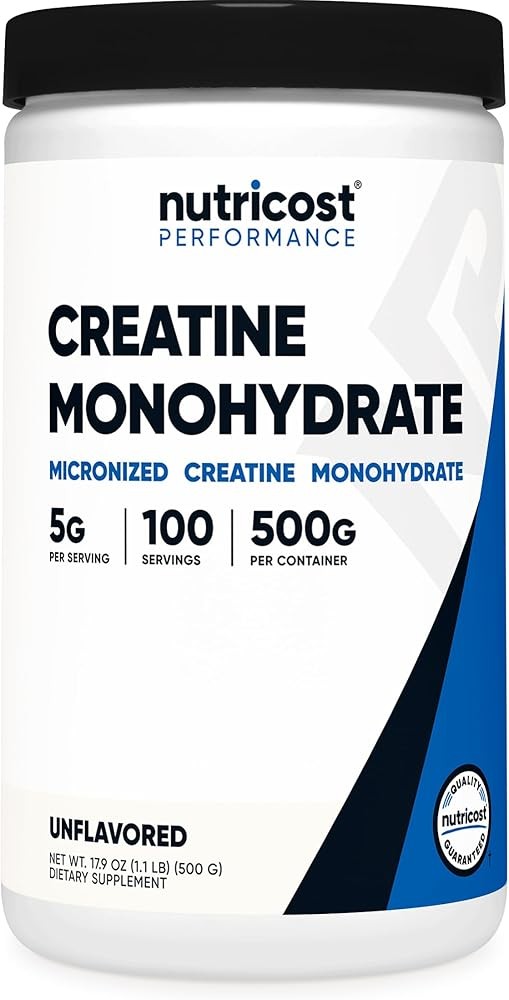
Nutricost Creatine Monohydrate Micronized Powder 500G, 5000mg Per Serv (5g) - 10
Check Price on AmazonAs an Amazon Associate we earn from qualifying purchases.
The Nutricost 500g powder represents the gold standard for creatine loading protocols. Published research demonstrates creatine monohydrate increases muscle creatine stores by 20-40% during loading phases, and this pharmaceutical-grade formulation delivers 99.9% pure creatine monohydrate in micronized form. The smaller particle size enhances dissolution in liquids and may improve intestinal absorption compared to standard crystalline forms. With 100 servings of 5 grams each, this container provides exactly the amount needed for a classic 7-day loading phase (25g daily = 5 servings per day for 7 days = 35 servings) plus 65 days of maintenance dosing at 5g daily.
Third-party testing verifies purity and absence of contaminants. The unflavored powder mixes easily in water, juice, or protein shakes, and the neutral taste allows flexible combination with other supplements. At approximately $15 for 500 grams, the cost per serving is $0.15, making it affordable for both loading and maintenance phases.
Nutricost Creatine Monohydrate Micronized Powder (1kg)
For individuals planning aggressive loading protocols or extended supplementation periods, the 1kg Nutricost container delivers exceptional value. This bulk option contains 200 servings of 5 grams each, providing enough creatine for multiple loading cycles or 6+ months of continuous maintenance dosing at 5g daily. The formulation is identical to the 500g version with the same 99.9% pure micronized creatine monohydrate and third-party testing standards.
The cost efficiency is remarkable: at approximately $14-15 for 1000 grams, the per-serving cost drops to $0.07, making this the most economical option for serious athletes and bodybuilders. The larger container also reduces the frequency of reordering and ensures you never run out during critical training phases.
Nutricost Micronized Creatine Monohydrate Capsules
Capsules offer maximum convenience for individuals who travel frequently, maintain busy schedules, or prefer avoiding the measuring and mixing required with powders. Each serving consists of 6 capsules delivering 3 grams of micronized creatine monohydrate, with 125 servings (750 capsules total) per container. The 3-gram serving size aligns perfectly with maintenance dosing recommendations of 3-5g daily.
Pre-measured capsules eliminate dosing errors and provide discretion for supplementation at work, the gym, or while traveling. The same pharmaceutical-grade purity and micronization standards apply to the capsule formulation. While capsules cost slightly more per gram than powder ($0.19 per 3g serving versus $0.15 for powder), the convenience factor justifies the premium for many users.
Jocko Fuel Creatine Monohydrate Powder
Jocko Fuel represents the premium tier of creatine supplementation, targeting competitive athletes and individuals who prioritize third-party verification, batch testing transparency, and NSF-certified manufacturing. The brand, founded by retired Navy SEAL Jocko Willink, emphasizes quality control standards that meet requirements for athletes subject to drug testing protocols.
Manufacturing occurs in NSF Certified for Sport facilities, with each batch tested for banned substances. The creatine monohydrate formulation maintains the same molecular structure as budget options, but the rigorous testing and quality assurance justify the higher price point for athletes competing at elite levels. Transparency in sourcing and manufacturing processes provides confidence for individuals in tested sports.
Complete Support System for Muscle Growth
Creatine loading represents one component of a comprehensive muscle-building protocol. For individuals pursuing serious strength and hypertrophy goals, research suggests combining creatine with complementary supplements may support training performance and recovery. Published studies demonstrate protein supplementation enhances muscle protein synthesis when combined with resistance training, while beta-alanine appears to buffer muscle acidity during high-rep sets. Consider these evidence-based additions to your supplement regimen:
Pre-Workout Performance: Beta-alanine supplementation at 3-6 grams daily may support increased muscle carnosine levels, potentially buffering hydrogen ions during high-intensity sets of 8-15 reps. Research shows beta-alanine combined with creatine appears to have complementary effects on training performance.
Protein Synthesis: Whey protein isolate provides 25-30 grams of rapidly-absorbed amino acids post-workout, supporting muscle protein synthesis during the critical 2-hour anabolic window. Studies demonstrate combining protein with creatine enhances muscle creatine uptake through insulin-mediated mechanisms.
Recovery Support: Branched-chain amino acids (BCAAs) at 5-10 grams during training may support reduced muscle protein breakdown, though whole-protein sources likely provide superior amino acid profiles. Research on isolated BCAAs shows mixed results compared to complete proteins.
Joint Health: Collagen peptides at 10-15 grams daily appear to support connective tissue synthesis, which may benefit individuals performing heavy compound lifts during creatine loading phases. Published research demonstrates collagen supplementation combined with resistance training correlates with improvements in joint comfort.
📱 Join the discussion: Facebook | X | YouTube | Pinterest
Conclusion: Implementing Your Loading Protocol
Creatine loading represents a thoroughly research-backed strategy in sports supplementation for potentially achieving increased muscle saturation and maximizing performance benefits in a compressed timeframe. Published research indicates aggressive loading with 20-25 grams daily for 5-7 days appears to increase muscle creatine and phosphocreatine stores by 20-40% within one week, compared to 3-4 weeks with maintenance dosing alone.
For competitive athletes with defined performance deadlines, bodybuilders preparing for shows, team sport athletes entering training camps, or anyone who needs results now rather than later, research suggests creatine loading may support accelerated timelines to peak performance by three weeks. Studies indicate that this difference may correlate with outcomes such as setting a personal record or missing a lift, winning or losing a competition, or maximizing results from a training cycle.
The protocol is straightforward: research suggests consuming 0.3 grams per kilogram of body weight daily (typically 20-25 grams for most individuals), split into 4-5 equal doses taken with meals and carbohydrates, may support muscle growth, continue for 5-7 days, then transition to maintenance dosing of 3-5 grams daily indefinitely. Studies indicate 2-4 pounds of intracellular water retention may occur, potentially improving muscle fullness and appearance, possible mild GI symptoms have been reported in studies and may resolve with proper dose splitting, and noticeable performance improvements have been observed in research by day 4-5 of loading.
Vegetarians and vegans, individuals with lean body composition, those with high percentages of type II muscle fibers, and anyone with low baseline creatine stores are the strongest responders. Even modest responders benefit from cell volumization, satellite cell activation, and enhanced training performance that compounds into greater muscle growth over time.
Skip the cycling myths, ignore the overpriced alternative forms of creatine, and stick with the proven approach: creatine monohydrate loaded aggressively for one week, then maintained consistently for as long as you train. Published research shows this approach appears to have some benefit, is simple, cheap, and safe.
Recommended Creatine Products
Nutricost Creatine Monohydrate Micronized Powder 500G, 5000mg Per Serv (5g) - 10
Check Price on AmazonAs an Amazon Associate we earn from qualifying purchases.
Related Articles
For comprehensive information on creatine supplementation beyond loading protocols, explore these evidence-based guides:
- Best Creatine Supplements for Muscle Growth
- Complete Guide to Protein Supplementation
- Beta-Alanine Dosing Protocols
- Post-Workout Nutrition Timing
- Building Muscle Mass Naturally
Medical Disclaimer: This article is for educational and informational purposes only and is not intended as medical advice. Creatine supplementation is generally safe for healthy individuals, but those with pre-existing kidney conditions, taking medications, or with other health concerns should consult a qualified healthcare provider before beginning supplementation. The information presented here is based on current research but cannot account for individual health circumstances or contraindications.
Scientific References
Related Reading
- Muscle Growth and Performance Supplementation: Creatine Loading vs Maintenance Dosing
- Best Creatine Supplements for Building Muscle
- Creatine vs. HMB: A Side-by-Side Comparison for Muscle Growth
- Does Intermittent Fasting Hurt Muscle Growth?
- Evidence-Based Supplements for Building Muscle After 40
- Natural Testosterone Boosters for Muscle Growth: What the Research Supports
- Best Post-Workout Recovery Supplements for Muscle Growth and Performance
Recommended Products