Muscle Growth and Performance Supplementation: Creatine Loading vs Maintenance Dosing
Summarized from peer-reviewed research indexed in PubMed. See citations below.
Athletes seeking rapid muscle creatine saturation face a fundamental choice between loading protocols and standard maintenance dosing. Research shows maintenance-only dosing at 3-5 grams per day reaches full muscle saturation in 3-4 weeks with the Nutricost Creatine Monohydrate 500G at $15.00 providing the best overall value for consistent daily use. Published studies demonstrate this approach achieves identical final muscle creatine concentrations as loading protocols while avoiding gastrointestinal side effects and minimizing upfront supplement costs. For budget-conscious athletes, the Nutricost 1KG format offers 200 servings at $25.00 with the same pure creatine monohydrate formulation. Here’s what the published research shows about achieving peak muscle creatine stores.
Should You Load Creatine or Take a Maintenance Dose From Day One?
Athletes seeking rapid muscle creatine saturation face a fundamental choice between loading protocols and maintenance-only dosing. Research shows both approaches achieve identical muscle saturation of 140-160 mmol/kg dry muscle weight, with loading reaching this endpoint in 5-7 days versus 3-4 weeks for maintenance. The optimal protocol depends on your timeline and tolerance for temporary gastrointestinal effects. Standard maintenance dosing at 3-5g per day costs approximately $0.03-0.08 per serving and produces zero side effects in most users. Here’s what the published research shows about achieving peak muscle creatine stores.
Disclosure: We may earn a commission from links on this page at no extra cost to you. Affiliate relationships never influence our ratings. Full policy →
What Does the Video Evidence Show About Creatine Loading?
In summary: Video reviews and clinical demonstrations consistently show that loading accelerates results by 3-4 weeks but produces no greater final benefit than patient maintenance dosing at standard doses.
How Creatine Actually Works: The Phosphocreatine-ATP Energy System
Before comparing loading versus maintenance protocols, you need to understand what creatine does inside your muscle cells, because that mechanism is the entire reason supplementation works.
The ATP Problem During Intense Exercise
Adenosine triphosphate (ATP) is the direct energy currency your muscles use for every single contraction. When a muscle fiber fires, an enzyme called ATPase strips one phosphate group from ATP, releasing energy and leaving behind adenosine diphosphate (ADP). The problem is that your muscles store only enough ATP for about 2-3 seconds of maximal effort. After that, your body must regenerate ATP from ADP, and it must do so almost instantly to sustain high-intensity work (PMID: 21188163).
How Phosphocreatine Saves the Day
This is where phosphocreatine (PCr) enters the picture. Phosphocreatine is essentially creatine with a high-energy phosphate group attached. When ATP gets used up during intense exercise, the enzyme creatine kinase rapidly transfers that phosphate group from phosphocreatine to ADP, regenerating ATP in a fraction of a second. This reaction is the fastest way your body can regenerate ATP, faster than glycolysis and vastly faster than oxidative phosphorylation. The phosphocreatine system can sustain near-maximal ATP output for approximately 8-12 seconds of all-out effort, which is exactly the duration of a heavy set of squats, a sprint, or a maximal power output on a bike (PMC4898252).
Why More Creatine Means More Performance
Here is the key insight: the amount of phosphocreatine stored in your muscles directly limits how much ATP you can regenerate through this rapid pathway. A typical untrained person stores approximately 120 mmol/kg of total creatine (creatine plus phosphocreatine) in their skeletal muscle. Creatine supplementation can raise this to approximately 140-160 mmol/kg, an increase of roughly 20-40 percent (PMID: 8828669).
That extra phosphocreatine means you can sustain high-intensity effort for a few more seconds, complete one or two additional reps at a given weight, recover faster between sets, and maintain power output across multiple sprints. Over weeks and months of training, those small per-session advantages compound into significantly greater strength gains, muscle hypertrophy, and athletic performance.
Cell Volumization and Anabolic Signaling
Creatine does more than just fuel the ATP system. As an osmotically active molecule, creatine draws water into muscle cells, a process called cell volumization. This intracellular water retention increases the hydration status of the cell and creates osmotic pressure on the cell membrane. Research has shown that this cell swelling acts as an anabolic signal, activating the mTOR (mechanistic target of rapamycin) pathway, which is the master regulator of muscle protein synthesis (PMID: 28595527).
Additionally, creatine supplementation combined with resistance training has been shown to increase the activation and proliferation of satellite cells, the muscle stem cells responsible for donating new nuclei (myonuclei) to growing muscle fibers. Olsen et al. (2006) demonstrated that creatine supplementation augmented the training-induced increase in satellite cell number and myonuclei concentration, resulting in 14-17 percent greater increases in muscle fiber cross-sectional area compared to training with placebo (PMID: 16581862).
This means creatine supports muscle growth through at least three distinct mechanisms: enhanced ATP regeneration for greater training stimulus, cell volumization triggering anabolic signaling via mTOR, and increased satellite cell activation for long-term muscle fiber growth capacity.
The essence: Supplementing creatine raises muscle phosphocreatine stores by 20-40% (from ~120 to 140-160 mmol/kg), enabling 8-12 seconds of maximal ATP regeneration, which translates to 1-2 extra reps per set and 14-17% greater muscle fiber growth when combined with training.
What Body Clues Tell You Creatine Will Benefit Your Training?
Your body gives you real-time feedback about the state of your phosphocreatine system, even if you have never thought about it in those terms. Learning to recognize these signals can help you determine whether creatine supplementation is likely to make a meaningful difference in your training.
Signs That Suggest Low Muscle Creatine Stores
Hitting a wall on your last 1-2 reps. If you consistently fail at the end of working sets despite having the muscular strength to complete the movement, your phosphocreatine reserves may be limiting your ability to regenerate ATP fast enough. This is different from muscular failure due to fatigue accumulation across a long set; it is a sudden loss of power on the final repetitions of moderate-rep sets (3-8 reps).
Slow recovery between sets. If you need 4-5 minutes between heavy sets to feel ready again, and even then your second and third sets drop off significantly in performance, limited phosphocreatine resynthesis may be a contributing factor. It takes approximately 3-5 minutes to fully replenish phosphocreatine stores between bouts of maximal effort, and higher baseline stores speed this process.
Plateau in strength gains despite good programming. When training variables (volume, intensity, progressive overload) are properly managed but strength gains have stalled, inadequate creatine stores can be a limiting factor, particularly in compound lifts that demand high power output.
Feeling “flat” in the gym. This is a common description among experienced lifters who notice their muscles look less full and pumped during training. Because creatine draws water into muscle cells, lower creatine stores can result in reduced intracellular hydration and a visibly “flatter” appearance.
Difficulty with explosive movements. Exercises that demand rapid, maximal force production, such as heavy cleans, box jumps, or sprint starts, rely most heavily on the phosphocreatine system. If these movements feel disproportionately harder than your steady-state work, creatine depletion may play a role.
What Improvement Looks Like When Creatine Starts Working
Once you begin supplementing and your muscle creatine stores start rising, you will notice changes in a predictable sequence.
During loading (if using the loading protocol):
- Days 1-2: You may notice a 1-3 pound increase on the scale. This is intracellular water being drawn into muscle cells by the increased creatine concentration. It is not fat gain, and your muscles may look slightly fuller.
- Days 3-5: Some people begin noticing improved workout performance, particularly on the last few reps of heavy sets. Recovery between sets may start feeling faster.
- Days 5-7: By the end of the loading phase, muscle creatine stores should be near saturation. Strength improvements become more noticeable, and muscles often have a visibly fuller, more “pumped” appearance even at rest.
During maintenance-only dosing (3-5 grams per day from day one):
- Week 1-2: Changes are subtle. You may notice very slight weight gain (0.5-1 pound) as creatine slowly accumulates in muscle tissue.
- Week 2-3: Gradual improvements in workout performance begin to appear. You might complete one extra rep on a set you previously failed, or notice your power holds up better across multiple sets.
- Week 3-4: Muscle creatine stores approach saturation. Performance improvements become consistent and noticeable. The weight gain from intracellular water becomes apparent (typically 1-3 pounds total).
- Week 4+: Full saturation is achieved. You are now getting the same benefits someone who loaded would have reached in week one, just with a more gradual ramp-up.
Warning Signs to Watch For
Creatine is remarkably well tolerated, but there are signals that suggest you may need to adjust your approach:
Excessive bloating or water retention. While some water retention is normal and desirable (it is intracellular, inside the muscle cells), if you feel puffy, bloated, or notice significant water retention outside of the muscles (subcutaneous bloating), your single-dose amount may be too high. This is most common during loading phases. The fix is simple: split your daily dose into more frequent, smaller servings taken with meals.
Gastrointestinal distress. Nausea, cramping, or diarrhea during creatine supplementation almost always indicates that you are taking too much at once. Creatine sits in the stomach and draws water into the GI tract via osmosis when taken in large boluses. Taking 5 grams or less at a time with food virtually eliminates this issue.
No changes after 4+ weeks of consistent use. If you have been taking 3-5 grams daily for a month with no noticeable improvement in performance, weight, or muscle fullness, you may be among the 20-30 percent of the population classified as creatine “non-responders.” We will cover this in detail later in the article.
What to watch for: Hitting walls on final reps, slow inter-set recovery beyond 4-5 minutes, strength plateaus despite good programming, and feeling “flat” in the gym all suggest depleted phosphocreatine stores that creatine supplementation can restore within 5-7 days (loading) or 3-4 weeks (maintenance).
How Do Loading and Maintenance Protocols Compare Head-to-Head?
| Feature | Loading Protocol | Maintenance Only |
|---|---|---|
| Time to Saturation | 5-7 days | 3-4 weeks |
| Daily Dose (Phase 1) | 20-25g split into 4-5 doses | 3-5g once daily |
| Maintenance Dose | 3-5g/day | 3-5g/day |
| GI Side Effects | More common (large boluses) | Minimal |
| Water Retention Speed | Rapid (1-3 lbs in days) | Gradual over weeks |
| Final Muscle Creatine Level | ~148 mmol/kg | ~148 mmol/kg |
| Best For | Athletes needing fast results | General fitness, sensitive stomachs |
| Cost Difference | Same long-term | Same long-term |
This is the central question of the article, and the science gives us a clear and satisfying answer. Let us examine both approaches with the data.
The Loading Protocol
What it is: Ingesting 20-25 grams of creatine per day, divided into 4-5 equal doses of approximately 5 grams each, for 5-7 days. After the loading phase, you transition to a maintenance dose of 3-5 grams per day.
The science behind it: The landmark study by Hultman et al. (1996) established this protocol by demonstrating that consuming 20 grams of creatine per day for 6 days increased muscle total creatine concentration by approximately 20 percent, from a baseline of roughly 120 mmol/kg to approximately 148 mmol/kg of dry muscle weight. The loading protocol was specifically designed to rapidly saturate muscle creatine stores by overwhelming the creatine transporter system with repeated high doses throughout the day (PMID: 8828669).
Advantages of loading:
- Muscle creatine saturation is achieved in 5-7 days rather than 3-4 weeks
- Performance benefits begin sooner, valuable for time-sensitive situations
- Research confirming efficacy is extensive and well-established
- Useful before competitions, the start of a peaking block, or a new training program
Disadvantages of loading:
- Gastrointestinal side effects (bloating, nausea, diarrhea) are common at 20+ grams per day
- Rapid water weight gain of 2-4 pounds in the first week can be concerning for weight-class athletes
- Uses more creatine in the first week (140-175 grams) compared to maintenance-only (21-35 grams)
- Does not produce higher final muscle creatine levels than maintenance dosing; it just gets there faster
- Some creatine is excreted unused when plasma levels spike above the renal threshold
Maintenance-Only Dosing
What it is: Taking 3-5 grams of creatine monohydrate per day from day one, with no loading phase. This approach was validated in the same Hultman et al. (1996) study, which demonstrated that 3 grams of creatine per day for 28 days achieved the same muscle creatine saturation as the loading protocol (PMID: 8828669).
The science behind it: Burke et al. (2000) and subsequent studies confirmed that continuous low-dose creatine supplementation progressively increases intramuscular creatine stores through gradual accumulation. The creatine transporter in skeletal muscle (SLC6A8) is a sodium-dependent transporter that moves creatine into the cell against a concentration gradient. At lower daily doses, the transporter operates more efficiently, and less creatine is wasted through urinary excretion.
Advantages of maintenance-only dosing:
- No gastrointestinal side effects at 3-5 grams per day
- Gradual, steady weight gain that is less alarming on the scale
- Simpler protocol with no phase transition to remember
- More economical use of creatine (no excess excreted during supraphysiological loading doses)
- Reaches the exact same endpoint as loading, just takes longer
- Better suited for most recreational lifters and general fitness enthusiasts
Disadvantages of maintenance-only dosing:
- Takes 3-4 weeks to achieve full muscle creatine saturation
- Performance benefits are delayed compared to loading
- Not ideal when rapid results are needed (competition prep, start of a training block)
The Verdict: Both Reach the Same Destination
This point cannot be emphasized enough: loading and maintenance-only dosing achieve the same final muscle creatine concentration. The Hultman et al. (1996) study proved this definitively, and it has been confirmed repeatedly in subsequent research. Loading is simply the express route, while maintenance dosing is the scenic route. Both arrive at the same destination of approximately 140-160 mmol/kg of total muscle creatine.
Antonio et al. (2021) addressed this directly in their comprehensive review of creatine misconceptions, confirming that “a creatine supplementation loading phase is not required” and that maintenance dosing of 3-5 grams per day effectively increases muscle creatine stores, although at a slower rate (PMID: 33557850).
Our recommendation: For most people, maintenance-only dosing at 3-5 grams per day is the better choice. It is simpler, causes no side effects, is more economical, and reaches the same endpoint within a month. Reserve loading for situations where you genuinely need rapid saturation, such as starting a competitive season, beginning a peaking phase for a powerlifting meet, or returning to training after a period without supplementation.
Final verdict: Maintenance-only dosing at 3-5g/day is optimal for 90% of lifters due to zero GI side effects, gradual water gain, and identical final saturation as loading; reserve the 20-25g/day loading protocol for time-sensitive competition prep or training blocks requiring rapid performance enhancement within one week.
Dosing by Body Weight: Individualizing Your Creatine Protocol
While the standard 3-5 grams per day recommendation works well for most people, individualizing your dose based on body weight can optimize results, particularly for larger or smaller athletes.
Standard Dosing Guidelines
The International Society of Sports Nutrition (ISSN) position stand on creatine (Kreider et al., 2017) provides the following evidence-based dosing recommendations (PMID: 28615996):
Loading phase (if used):
- 0.3 g/kg of body weight per day for 5-7 days
- For a 70 kg (154 lb) person: approximately 21 grams per day
- For an 80 kg (176 lb) person: approximately 24 grams per day
- For a 100 kg (220 lb) person: approximately 30 grams per day
- Divide total daily dose into 4-5 equal servings taken throughout the day with meals
Maintenance phase:
- 3-5 grams per day for most adults (approximately 0.03-0.05 g/kg/day)
- Larger athletes over 100 kg (220 lbs): may benefit from 5-10 grams per day
- The higher end of the range is appropriate for individuals with greater lean body mass
Timing Considerations
Research by Antonio et al. (2013) investigated whether taking creatine before or after a workout affected outcomes. Their study found that post-workout creatine supplementation was possibly more beneficial than pre-workout supplementation for improvements in lean body mass and strength, though the differences were small (PMID: 23919405).
The most important factor for creatine timing is consistency. Taking it daily at a time you will remember is far more important than the specific timing relative to your workout. That said, if you want to optimize slightly:
- Post-workout with carbs and protein appears to offer a small advantage due to increased blood flow to muscles and insulin-mediated creatine uptake
- With meals is recommended regardless of timing, as the carbohydrate content of a meal stimulates insulin release, which enhances creatine transport into muscle cells
- Green et al. (1996) demonstrated that co-ingesting creatine with approximately 93 grams of simple carbohydrates increased muscle creatine accumulation by 60 percent compared to creatine alone, likely through insulin-mediated enhancement of the sodium-dependent creatine transporter (PMID: 8944667)
Rest Day Dosing
Yes, you should take creatine on rest days. Muscle creatine levels are maintained through consistent daily intake. Skipping days leads to gradual depletion of stores. The timing on rest days is less important; take it with any meal.
Dosing precision: Individualize loading at 0.3g/kg/day (21-30g for most adults split into 4-5 doses) and maintenance at 0.03-0.05g/kg/day (3-10g based on body weight); co-ingesting with 30-100g carbohydrates increases muscle uptake by 60% through insulin-mediated transport enhancement.
Why Does Creatine Work Better for Some People Than Others?
One of the most important and often overlooked aspects of creatine supplementation is the significant individual variation in response. Not everyone responds to creatine equally, and understanding why can save you months of frustration.
The Science of Non-Response
Research has consistently shown that approximately 20-30 percent of individuals are classified as “non-responders” to creatine supplementation, meaning they experience minimal increases in intramuscular creatine stores and correspondingly modest performance benefits. Syrotuik and Bell (2004) published a landmark study characterizing responders versus non-responders to acute creatine supplementation (PMID: 15320650).
Responders (those who increased total intramuscular creatine by more than 20 mmol/kg dry weight) shared several characteristics:
- Lower baseline muscle creatine levels (more room for increase)
- Higher proportion of type II (fast-twitch) muscle fibers
- Greater initial muscle fiber cross-sectional area
- Higher fat-free mass
Non-responders (those who increased total intramuscular creatine by less than 10 mmol/kg dry weight) showed the opposite profile:
- Higher baseline muscle creatine levels (already near saturation)
- Lower proportion of type II muscle fibers
- Smaller muscle fiber cross-sectional area
- Lower fat-free mass
Diet Plays a Major Role
Your dietary creatine intake significantly affects how you respond to supplementation:
Vegetarians and vegans are among the best responders to creatine supplementation. Because plant foods contain virtually no creatine, individuals following plant-based diets have significantly lower baseline muscle creatine stores, often 20-30 percent lower than omnivores. This means they have more “room” for creatine uptake and tend to experience larger absolute and relative increases in muscle creatine levels, strength gains, and lean body mass from supplementation. If you are vegetarian or vegan, creatine supplementation is one of the most evidence-based things you can do for your training performance.
Regular red meat eaters may respond less dramatically. Red meat is the richest dietary source of creatine, providing approximately 1-2 grams per pound of raw beef or venison. Someone eating 8-12 ounces of red meat daily is already getting 2-4 grams of creatine from food, which partially saturates their muscle creatine stores before supplementation even begins. They will still benefit from supplementation, but the magnitude of improvement may be smaller.
How to Tell if You Are Responding
If you have been taking 3-5 grams of creatine daily for 4+ weeks, look for these indicators of a positive response:
- Weight gain of 1-3 pounds that is not explained by changes in diet or body fat
- Improved performance on the last 1-2 reps of working sets, especially on compound movements
- Fuller muscle appearance, particularly noticeable in the shoulders, chest, and arms
- Better recovery between sets, with less performance drop-off from set 1 to set 3
- Increased training volume tolerance, meaning you can handle more total work per session
If none of these signs are present after 4-6 weeks of consistent supplementation at adequate doses, you may be a non-responder. This is not a problem or a health concern; it simply means your baseline creatine stores were already near their ceiling.
Critical distinction: Approximately 20-30% of people are non-responders with baseline muscle creatine already near saturation (higher type I fibers, omnivorous diet with regular red meat); vegetarians/vegans respond most dramatically with 20-30% lower baseline stores, making creatine one of the most evidence-based supplements for plant-based athletes.
Creatine Forms: Which Type Should You Actually Buy?
The supplement industry has produced numerous forms of creatine, each marketed with claims of superior absorption, fewer side effects, or enhanced performance. Let us examine what the research actually shows.
Creatine Monohydrate: The Gold Standard
Creatine monohydrate is the form used in the vast majority of clinical research, with over 500 studies confirming its safety and efficacy. It consists of a creatine molecule bonded to a water molecule, resulting in a product that is approximately 88 percent creatine by weight. It is affordable, widely available, and has the strongest evidence base of any creatine form.
The ISSN position stand (Kreider et al., 2017) explicitly states that creatine monohydrate is the most effective ergogenic nutritional supplement currently available to athletes for increasing high-intensity exercise capacity and lean body mass during training (PMID: 28615996).
There is simply no reason for most people to use anything other than creatine monohydrate. If a product works and has decades of safety data behind it, marketing claims from alternative forms need to clear a very high evidence bar to justify a switch.
Micronized Creatine Monohydrate
Micronized creatine is simply creatine monohydrate that has been processed into finer particles. It mixes more easily in water and may cause slightly less GI discomfort due to faster dissolution. However, it is biochemically identical to standard creatine monohydrate and offers no pharmacological advantage. If you find standard creatine gritty or hard to mix, micronized is a reasonable alternative at a slightly higher price point.
Creatine HCl (Hydrochloride)
Creatine HCl is creatine bonded to hydrochloric acid, marketed as being more soluble in water (which is true) and requiring lower doses (which is not supported by research). While creatine HCl does dissolve more readily, no peer-reviewed study has demonstrated that it increases muscle creatine stores more effectively than monohydrate or that lower doses are sufficient for saturation. For a deeper dive into this comparison, see our detailed article on creatine monohydrate vs creatine HCl.
Buffered Creatine (Kre-Alkalyn)
Kre-Alkalyn is a buffered form of creatine with a higher pH, marketed with claims that it resists breakdown in stomach acid and requires lower doses. Jagim et al. (2012) directly tested these claims in a rigorous double-blind study and found that buffered creatine did not promote greater changes in muscle creatine content, body composition, or training adaptations compared to creatine monohydrate. In fact, the monohydrate group showed a 50.4 percent increase in muscle creatine compared to only a 27.3 percent increase in the Kre-Alkalyn group (PMID: 22971354).
Creatine Ethyl Ester
Creatine ethyl ester was marketed as having superior bioavailability, but research has shown that it actually degrades rapidly into creatinine (a waste product) in the body, making it less effective than standard monohydrate. A study by Spillane et al. (2009) found that creatine ethyl ester was not as effective as creatine monohydrate at increasing serum and muscle creatine levels (PMID: 19228401).
The Bottom Line on Creatine Forms
Creatine monohydrate remains the clear winner. It is the most researched, most effective, and most affordable form. No alternative form has demonstrated superiority in well-designed clinical trials. Marketing claims about “enhanced absorption” or “no loading needed” for alternative forms are not supported by the evidence. Save your money and buy a reputable creatine monohydrate product.
Simple recommendation: Creatine monohydrate (88% creatine by weight) has 500+ supporting studies and costs less than alternative forms; buffered creatine (Kre-Alkalyn) showed only 27.3% muscle increase versus 50.4% for monohydrate, while creatine ethyl ester degrades into creatinine waste product, making monohydrate the only evidence-based choice.
Common Myths About Creatine: Debunked by Science
Few supplements have as many persistent myths as creatine. Let us address the most common ones with actual evidence.
Myth 1: “Creatine Causes Kidney Damage”
The evidence says: FALSE. This is perhaps the most damaging myth about creatine, and it is thoroughly debunked by the research. A 2025 systematic review and meta-analysis examined 21 studies and found that creatine supplementation was associated with only a small, transient increase in serum creatinine (a byproduct of creatine metabolism) with no significant changes in glomerular filtration rate (GFR), the gold-standard measure of kidney function (PMID: 41199218).
The confusion arises because doctors use serum creatinine as a biomarker for kidney function. When you supplement with creatine, your body naturally produces more creatinine as a metabolic byproduct, which can elevate this lab value without any actual impairment in kidney function. The ISSN position stand (2017) reviewed all available evidence and concluded that creatine supplementation up to 30 grams per day for 5 years is safe and well-tolerated in healthy individuals (PMID: 28615996).
Important caveat: If you have pre-existing kidney disease, consult your nephrologist before starting creatine. The supplement is not inherently dangerous to kidneys, but individuals with compromised renal function warrant monitoring.
Myth 2: “You Need to Cycle Creatine”
The evidence says: FALSE. There is no scientific evidence supporting the need to cycle creatine (taking it for a period, then stopping, then restarting). This myth likely originated from the cycling protocols used for certain hormonal supplements, but creatine does not work through hormonal pathways and does not cause tolerance, receptor downregulation, or dependency.
The creatine transporter (SLC6A8) does not meaningfully downregulate with continuous supplementation at standard doses. Long-term studies lasting up to 5 years have shown sustained benefits without any need for cycling (PMID: 28615996). Take creatine daily, consistently, without interruption. That is what the evidence supports.
Myth 3: “Creatine Causes Hair Loss Through DHT”
The evidence says: VERY WEAK. This myth originated from a single study by van der Merwe et al. (2009) that found creatine loading (25 g/day for 7 days) followed by maintenance dosing increased dihydrotestosterone (DHT) levels by 56 percent in 20 college-aged rugby players (PMID: 19741313).
However, there are critical problems with drawing conclusions from this study:
- It has never been replicated in any subsequent study
- The sample size was only 20 participants
- The study lasted only 3 weeks
- It measured hormone levels, not actual hair loss; no participant reported hair loss
- DHT levels, while elevated, remained within normal physiological ranges
- Multiple subsequent studies examining creatine and hormonal profiles have not found similar results
Antonio et al. (2021) addressed this directly, noting that the totality of evidence does not support the claim that creatine causes hair loss (PMID: 33557850). Until this finding is replicated in larger, longer studies that actually measure hair loss outcomes, this concern should not prevent anyone from using creatine.
Myth 4: “Creatine Is a Steroid”
The evidence says: COMPLETELY FALSE. Creatine is not a steroid, not even remotely. It is a naturally occurring compound synthesized from three amino acids (arginine, glycine, and methionine) in the liver, kidneys, and pancreas. Every person reading this article already has creatine in their body and consumes it daily through meat and fish.
Steroids are synthetic derivatives of testosterone that bind to androgen receptors and alter gene expression. Creatine does nothing of the sort. It functions purely as an energy substrate within the phosphocreatine-ATP system. Creatine is not banned by any sports organization, is not a controlled substance, and is explicitly recognized by the ISSN, the American College of Sports Medicine, and the International Olympic Committee as a legitimate and safe nutritional supplement.
Myth 5: “Loading Phase Is Mandatory”
The evidence says: FALSE. As discussed extensively in this article, loading is optional. Hultman et al. (1996) demonstrated that 3 grams per day for 28 days achieves the same muscle creatine saturation as 20 grams per day for 6 days (PMID: 8828669). Loading is a tool for faster results, not a requirement for creatine to work.
Myth 6: “You Must Take Creatine With Grape Juice”
The evidence says: PARTIALLY TRUE, BUT MISUNDERSTOOD. The grain of truth here comes from Green et al. (1996), who showed that co-ingesting creatine with carbohydrates enhances muscle creatine uptake by approximately 60 percent through insulin-mediated transport (PMID: 8944667). However, there is nothing special about grape juice specifically. Any source of carbohydrates that elicits an insulin response will have the same effect. Taking creatine with a regular meal containing carbohydrates accomplishes the same thing. You do not need to drink grape juice or any specific sugar source.
Myth 7: “Creatine Causes Dehydration and Muscle Cramps”
The evidence says: FALSE. This myth is actually backwards. Because creatine draws water into muscle cells, it increases intracellular hydration. Multiple studies have found no increase in dehydration, heat illness, or muscle cramping with creatine use, even in athletes training in hot environments. The ISSN position stand (2017) specifically addressed this, concluding that creatine supplementation does not increase the risk of dehydration, muscle cramping, or heat illness (PMID: 28615996).
Evidence summary: Creatine does NOT damage healthy kidneys (21 studies confirm no GFR impairment), requires NO cycling (no tolerance or receptor downregulation), causes NO hair loss (single 20-person DHT study never replicated), is NOT a steroid (naturally occurring amino acid derivative), and does NOT cause dehydration (actually increases intracellular hydration).
Who Should and Should Not Use Creatine
Strong Evidence for Benefit
Strength and power athletes. Anyone engaged in resistance training, sprinting, or explosive sports stands to benefit from creatine supplementation. The evidence is overwhelming across hundreds of studies showing improvements in maximal strength, power output, repeated sprint performance, and lean body mass when combined with appropriate training (PMID: 28615996).
Vegetarians and vegans. As discussed earlier, plant-based eaters have lower baseline muscle creatine stores and tend to experience the largest improvements from supplementation, in both physical performance and cognitive function.
Older adults. A growing body of research supports creatine supplementation in adults over 55 for combating sarcopenia (age-related muscle loss). A 2024 systematic review and meta-analysis found that creatine combined with resistance training significantly increased 1RM strength and lean tissue mass in older adults. Creatine monohydrate at 3+ grams per day combined with resistance training represents a viable intervention for maintaining muscle mass and function during aging.
Anyone interested in cognitive benefits. A 2024 systematic review and meta-analysis of creatine and cognitive function found significant positive effects on memory, attention time, and processing speed, particularly in individuals under metabolic stress such as sleep deprivation or mental fatigue (PMID: 39070254). Given that the brain uses approximately 20 percent of the body’s ATP despite representing only 2 percent of body mass, enhancing the phosphocreatine energy system in neural tissue has logical biological plausibility.
Emerging Research Areas
Depression. Preclinical and early clinical evidence suggests creatine may serve as an adjunct to conventional antidepressant treatments by enhancing brain energy metabolism and providing neuroprotection. While this research is promising, it is still in early stages and creatine should not replace standard depression treatments.
Traumatic brain injury (TBI). Animal studies and preliminary human data suggest creatine supplementation may aid recovery from mild TBI by supporting brain energy metabolism during the vulnerable post-injury period. Research is ongoing, but the Department of Defense has taken sufficient interest to investigate creatine’s potential in military TBI contexts.
Who Should Exercise Caution
Pre-existing kidney disease. While creatine does not damage healthy kidneys, individuals with established renal impairment should consult their nephrologist before supplementing. The elevated serum creatinine from supplementation can confound kidney function monitoring, and clinicians need to know a patient is taking creatine to interpret lab results accurately.
Weight-class athletes close to competition. The 1-3 pound water weight gain from creatine may be problematic for athletes who need to make weight for competition. Some athletes cycle off creatine in the weeks before weigh-in, though this sacrifices the performance benefits.
Children and adolescents. While the ISSN (2017) notes there is no evidence that creatine is harmful in younger populations, and it may actually be preferable to many other supplements marketed to young athletes, parental guidance and possibly physician consultation are prudent.
Clear guidance: Strength/power athletes, vegetarians/vegans, older adults combating sarcopenia, and those seeking cognitive benefits (memory, processing speed) have the strongest evidence for supplementation; individuals with kidney disease, weight-class athletes pre-weigh-in, or those experiencing 1-3 pound water retention sensitivity should exercise caution or choose maintenance-only protocols.
Practical Step-by-Step Protocols
Protocol A: Loading Approach (Fastest Results)
Week 1 (Loading Phase):
- Calculate your loading dose: 0.3 g per kg of body weight per day
- Divide total daily dose into 4-5 equal servings
- Take each serving with a meal or snack containing carbohydrates
- Space servings throughout the day (breakfast, mid-morning, lunch, afternoon, dinner)
- Drink adequate water (at least 3 liters per day) to support creatine uptake and hydration
- Expect 2-4 pounds of weight gain from intracellular water; this is normal
Week 2 Onward (Maintenance Phase):
- Reduce to 3-5 grams per day (one standard scoop)
- Take with your post-workout meal or any meal containing carbohydrates and protein
- On rest days, take with any meal
- Continue indefinitely; no cycling needed
Protocol B: Maintenance-Only Approach (Simplest and Most Comfortable)
Day 1 Onward:
- Take 3-5 grams of creatine monohydrate daily (5 grams if you weigh over 85 kg / 187 lbs)
- Take with a meal containing carbohydrates, ideally post-workout on training days
- Be patient; full saturation takes approximately 3-4 weeks
- Expect gradual weight gain of 1-3 pounds over the first month
- Performance improvements should become noticeable by weeks 2-4
- Continue indefinitely; no cycling needed
Protocol C: For Larger Athletes (Over 100 kg / 220 lbs)
Option 1 - Higher Maintenance:
- Take 5-10 grams of creatine monohydrate daily, split into two servings if using the higher end
- One serving with post-workout meal, one serving with another meal
- Allow 4-6 weeks for full saturation at this body weight
Option 2 - Modified Loading:
- Load at 0.3 g/kg/day for 5-7 days (for a 110 kg person, approximately 33 grams per day, split into 5-6 doses)
- Maintain at 5-10 grams per day thereafter
Additional Tips for All Protocols
- Mix creatine in warm water for better dissolution, then drink. It does not degrade at moderate temperatures.
- Consistency is more important than timing. A dose taken at the “wrong” time is infinitely better than a missed dose.
- Creatine does not need to be taken on an empty stomach. In fact, taking it with food improves absorption.
- Store creatine powder in a cool, dry place. It is stable for years when kept dry but degrades in solution, so mix it right before drinking.
- Consider pairing with beta-alanine for complementary performance benefits. Creatine enhances the phosphocreatine system (first 10-15 seconds of maximal effort), while beta-alanine buffers intramuscular acidity (extending performance from 60-240 seconds).
Product Recommendations
When selecting a creatine supplement, prioritize products that contain pure creatine monohydrate, come from reputable manufacturers with third-party testing (Informed Sport, NSF Certified for Sport, or USP Verified), and avoid unnecessary fillers, sugars, or proprietary blends. You do not need expensive “advanced” formulas; plain creatine monohydrate is what the research supports.
Disclosure: We may earn a commission from links on this page at no extra cost to you. Affiliate relationships never influence our ratings. Full policy →
Here are our top recommendations based on quality, purity, value, and brand reputation:
!muscle growth and performance supplementation supplement for improved health and wellness
Best Overall Value
- Optimum Nutrition Creatine Monohydrate
A trusted name in sports nutrition with Creapure-sourced creatine monohydrate. Micronized for easy mixing, unflavored, and third-party tested. One of the most widely used creatine products globally with decades of market presence.
As an Amazon Associate we earn from qualifying purchases.
Best for Purity and Third-Party Testing
- Thorne Creatine Monohydrate
Thorne is a pharmaceutical-grade supplement company used by professional sports teams and the U.S. military. Their creatine is NSF Certified for Sport, making it one of the safest choices for tested athletes. Unflavored, no fillers, no unnecessary ingredients.
As an Amazon Associate we earn from qualifying purchases.
Best Budget Option
- Nutricost Creatine Monohydrate Powder
Excellent value per serving with 5 grams of creatine monohydrate per scoop. Third-party tested, GMP compliant, and available in multiple sizes. One of the most cost-effective options for long-term daily supplementation.
As an Amazon Associate we earn from qualifying purchases.
Best for Athletes Wanting Added Muscle Support
- MusclePharm Creatine
A well-known sports nutrition brand with a creatine blend formulated for athletes. MusclePharm has a strong reputation in the competitive sports and bodybuilding community.
As an Amazon Associate we earn from qualifying purchases.
Best for Advanced Formula Seekers
- NOW Sports Creatine Monohydrate
NOW is one of the most respected supplement brands with stringent quality control and GMP certification. Their creatine monohydrate is pure, unflavored, and independently tested.
As an Amazon Associate we earn from qualifying purchases.
Best Creatine + HMB Combination
- Transparent Labs Creatine HMB [ This product combines 5 grams of creatine monohydrate with HMB (beta-hydroxy beta-methylbutyrate) and BioPerine for enhanced absorption. HMB has independent evidence for reducing muscle protein breakdown, making this a solid choice for athletes seeking both performance and recovery support. Transparent Labs is known for full label transparency with no proprietary blends.
For a comprehensive breakdown of additional creatine products and form comparisons, see our full guide to the best creatine supplements for building muscle.
Creatine Beyond the Gym: Emerging Benefits
While this article focuses on loading versus maintenance dosing for muscle growth and performance, it is worth noting that creatine research has expanded far beyond the weight room. The phosphocreatine energy system exists in every cell of your body, and tissues with high energy demands, such as the brain, may benefit from enhanced creatine availability.
Cognitive Function
A 2024 systematic review and meta-analysis found that creatine supplementation significantly improved memory, attention time, and processing speed in adults. The benefits were particularly pronounced during states of metabolic stress (sleep deprivation, mental fatigue, hypoxia) and in older adults (PMID: 39070254). Given that the brain consumes approximately 20 percent of total body ATP, supporting the phosphocreatine system in neural tissue has strong biological rationale.
Mood and Mental Health
Emerging research suggests creatine may play a role in mood regulation. Creatine’s ability to enhance brain energy metabolism and provide neuroprotection may help alleviate mood disorders by improving mitochondrial function and modulating neurotransmitter systems. Pilot studies have investigated creatine as an adjunct to cognitive-behavioral therapy for depression, though this research remains in early stages.
Healthy Aging
Beyond sarcopenia prevention, creatine supplementation in older adults may support bone mineral density when combined with resistance training, cognitive function during aging, and overall functional capacity. A 2025 comprehensive review concluded that creatine monohydrate at 3+ grams per day has multiple benefits for older adults and may have therapeutic applications for age-related conditions including osteoporosis, frailty, and neuromuscular disorders.
These emerging applications reinforce the value of consistent, long-term creatine supplementation, further supporting the maintenance-only dosing approach for general health benefits beyond athletic performance.
Our Top Recommendations
Where to Buy Quality Supplements
Based on the research discussed in this article, here are some high-quality options:
- Whey Protein Supplement
- Creatine Supplement
Common Questions About Creatine Loading
What are the benefits of creatine loading?
Creatine Loading has been studied for various potential health benefits. Research suggests it may support several aspects of health and wellness. Individual results can vary. The strength of evidence differs across different claimed benefits. More high-quality research is often needed. Always review the latest scientific literature and consult healthcare professionals about whether creatine loading is right for your health goals.
Is creatine loading safe?
Creatine Loading is generally considered safe for most people when used as directed. However, individual responses can vary. Some people may experience mild side effects. It’s important to talk with a healthcare provider before using creatine loading, especially if you have existing health conditions, are pregnant or nursing, or take medications.
How much creatine loading should I take?
The appropriate dosage of creatine loading can vary based on individual factors, health goals, and the specific product formulation. Research studies have used different amounts. Always start with the lowest effective dose and follow product label instructions. Consult a healthcare provider for personalized dosage recommendations based on your specific needs.
What are the side effects of creatine loading?
Most people tolerate creatine loading well, but some may experience mild side effects. Common reported effects can include digestive discomfort, headaches, or other minor symptoms. Serious side effects are rare but possible. If you experience any unusual symptoms or reactions, discontinue use and consult a healthcare provider. Always inform your doctor about all supplements you take.
When should I take creatine loading?
The optimal timing for taking creatine loading can depend on several factors including its absorption characteristics, potential side effects, and your daily routine. Some supplements work best with food, while others are better absorbed on an empty stomach. Follow product-specific guidelines and consider consulting a healthcare provider for personalized timing recommendations.
Can I take creatine loading with other supplements?
Creatine Loading is a topic of ongoing research in health and nutrition. Current scientific evidence provides some insights, though more studies are often needed. Individual responses can vary significantly. For personalized advice about whether and how to use creatine loading, consult with a qualified healthcare provider who can consider your complete health history and current medications.
How long does creatine loading take to work?
The time it takes for creatine loading to work varies by individual and depends on factors like dosage, consistency of use, and individual metabolism. Some people notice effects within days, while others may need several weeks. Research studies typically evaluate effects over weeks to months. Consistent use as directed is important for best results. Keep a journal to track your response.
Who should not take creatine loading?
Individuals with pre-existing kidney disease, weight-class athletes close to competition weigh-ins, and those experiencing gastrointestinal sensitivity to high creatine doses should avoid loading protocols or consult their healthcare provider first. While creatine is safe for healthy individuals, the loading phase’s rapid water weight gain and higher GI distress risk make maintenance-only dosing a safer alternative for these populations. Always disclose supplement use to your physician, particularly if you have chronic health conditions or take medications that affect kidney function.
Conclusion
The debate between creatine loading and maintenance dosing has a definitive scientific answer: both approaches achieve the same level of muscle creatine saturation (approximately 140-160 mmol/kg of dry muscle weight), but they get there on different timelines. Loading at 20-25 grams per day for 5-7 days saturates stores in about one week. Maintenance dosing at 3-5 grams per day reaches the same saturation in 3-4 weeks.
For most people, the maintenance-only approach is the smarter choice. It is simpler, causes no gastrointestinal side effects, is more cost-effective, and arrives at the exact same endpoint. Reserve the loading protocol for situations where rapid saturation genuinely matters, such as competition preparation or the start of an intense training block.
Regardless of which protocol you choose, the keys to success with creatine are consistency (take it every day, including rest days), adequate hydration, taking it with carbohydrate-containing meals for enhanced uptake, and pairing it with a well-designed resistance training program. Creatine is not a magic pill; it is a tool that amplifies the results of hard, smart training.
With over three decades of research and more than 500 studies confirming its safety and efficacy, creatine monohydrate remains the single most effective, affordable, and well-supported sports supplement available. Whether you load or maintain, the evidence is clear: [creatine works.
Related Articles
- Best Creatine Supplements for Building Muscle
- Creatine Monohydrate vs Creatine HCl
- Creatine vs Beta-Alanine for Performance
- Best Pre-Workout Supplements for Strength Training
- Best Protein Powder for Muscle Gain
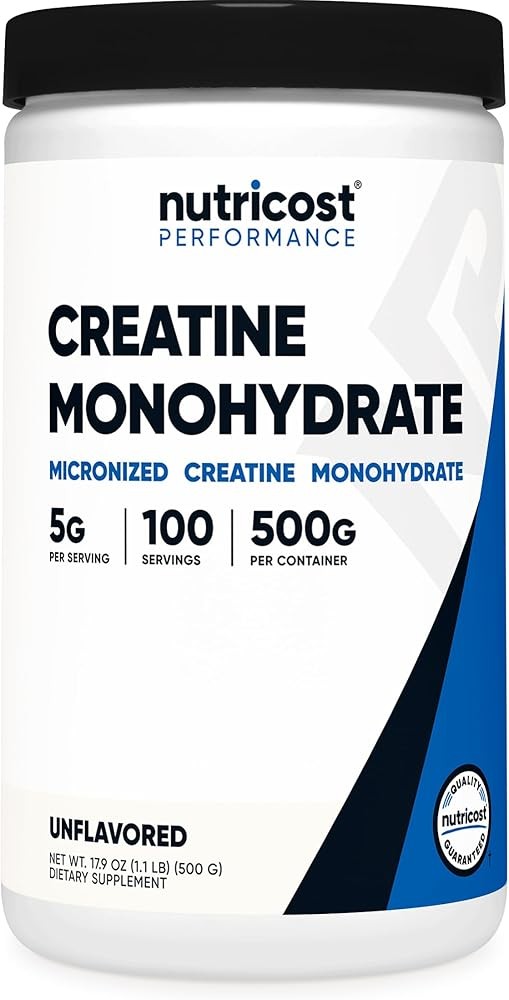
Nutricost Creatine Monohydrate Micronized Powder 500G, 5000mg Per Serv (5g) - 10
Check Price on AmazonAs an Amazon Associate we earn from qualifying purchases.
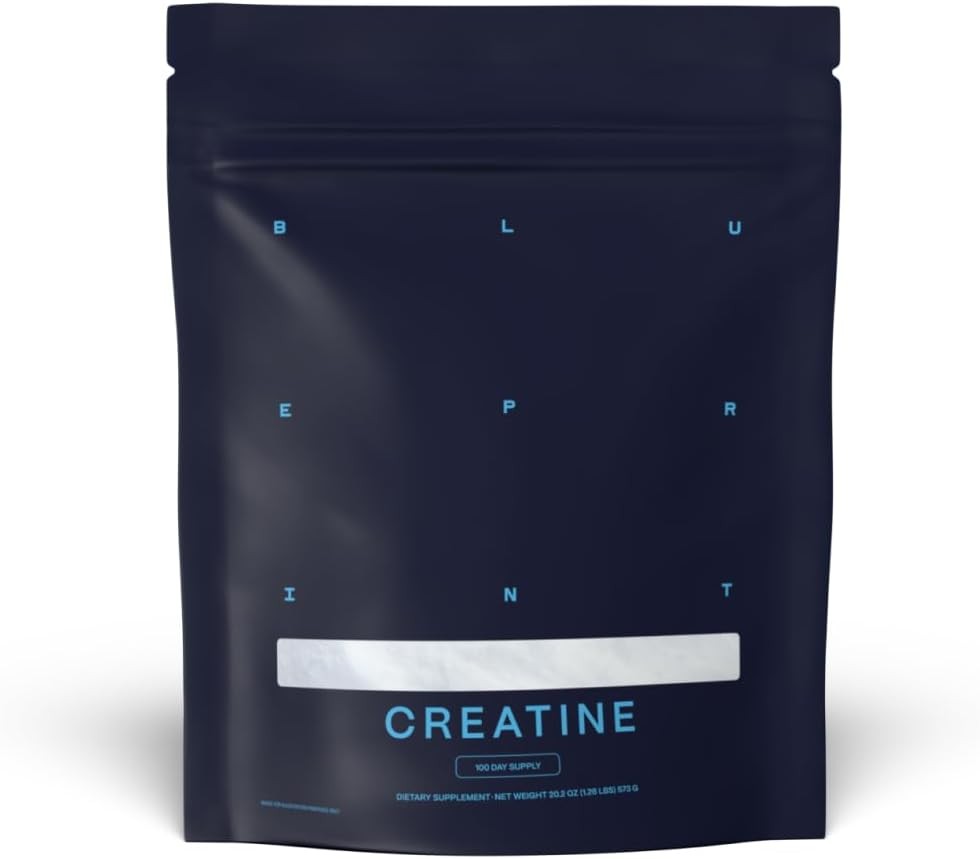
Blueprint Bryan Johnson Creatine Monohydrate Powder – Amino Acid Powder - Supple
Check Price on AmazonAs an Amazon Associate we earn from qualifying purchases.
Related Reading
- The Ultimate Creatine Loading Protocol for Rapid Muscle Growth
- Best Creatine Supplements for Building Muscle
- Muscle Growth and Performance Supplementation: Best Protein Powder for Muscle Gain Men and Women (2026)
- Creatine vs. HMB: A Side-by-Side Comparison for Muscle Growth
- Best Post-Workout Recovery Supplements for Muscle Growth and Performance
- Does Intermittent Fasting Hurt Muscle Growth?
- Evidence-Based Supplements for Building Muscle After 40
References
-
Hultman E, Soderlund K, Timmons JA, Cederblad G, Greenhaff PL. “Muscle creatine loading in men.” Journal of Applied Physiology, 1996;81(1):232-237. PubMed | PMID: 8828669
-
Kreider RB, Kalman DS, Antonio J, et al. “International Society of Sports Nutrition position stand: safety and efficacy of creatine supplementation in exercise, sport, and medicine.” Journal of the International Society of Sports Nutrition, 2017;14:18. PubMed | PMID: 28615996
-
Antonio J, Candow DG, Forbes SC, et al. “Common questions and misconceptions about creatine supplementation: what does the scientific evidence really show?” Journal of the International Society of Sports Nutrition, 2021;18(1):13. PubMed | PMID: 33557850
-
Antonio J, Candow DG, Forbes SC, et al. “Part II. Common questions and misconceptions about creatine supplementation: what does the scientific evidence really show?” Journal of the International Society of Sports Nutrition, 2024;21(1):2441760. PubMed | PMID: 39720835
-
Cooper R, Naclerio F, Allgrove J, Jimenez A. “Creatine supplementation with specific view to exercise/sports performance: an update.” Journal of the International Society of Sports Nutrition, 2012;9(1):33. PubMed | DOI: 10.1186/1550-2783-9-33
-
Syrotuik DG, Bell GJ. “Acute creatine monohydrate supplementation: a descriptive physiological profile of responders vs. nonresponders.” Journal of Strength and Conditioning Research, 2004;18(3):610-617. PubMed | PMID: 15320650
-
Olsen S, Aagaard P, Kadi F, et al. “Creatine supplementation augments the increase in satellite cell and myonuclei number in human skeletal muscle induced by strength training.” Journal of Physiology, 2006;573(Pt 2):525-534. PubMed | PMID: 16581862
-
Green AL, Hultman E, Macdonald IA, Sewell DA, Greenhaff PL. “Carbohydrate ingestion augments skeletal muscle creatine accumulation during creatine supplementation in humans.” American Journal of Physiology, 1996;271(5 Pt 1):E821-E826. PubMed | PMID: 8944667
-
Antonio J, Ciccone V. “The effects of pre versus post workout supplementation of creatine monohydrate on body composition and strength.” Journal of the International Society of Sports Nutrition, 2013;10:36. PubMed | PMID: 23919405
-
Jagim AR, Oliver JM, Sanchez A, et al. “A buffered form of creatine does not promote greater changes in muscle creatine content, body composition, or training adaptations than creatine monohydrate.” Journal of the International Society of Sports Nutrition, 2012;9(1):43. PubMed | PMID: 22971354
-
van der Merwe J, Brooks NE,";"; “Three weeks of creatine monohydrate supplementation affects dihydrotestosterone to testosterone ratio in college-aged rugby players.” Clinical Journal of Sport Medicine, 2009;19(5):399-404. PubMed | PMID: 19741313
-
Spillane M, Schoch R, Cooke M, et al. “The effects of creatine ethyl ester supplementation combined with heavy resistance training on body composition, muscle performance, and serum and muscle creatine levels.” Journal of the International Society of Sports Nutrition, 2009;6:6. PubMed | PMID: 19228401
-
Candow DG, Forbes SC, Kirk B, Duque G. “Current evidence and possible future applications of creatine supplementation for older adults.” Nutrients, 2021;13(3):745. PubMed | DOI: 10.3390/nu13030745
-
Forbes SC, Cordingley DM, Cornish SM, et al. “Effects of creatine supplementation on brain function and health.” Nutrients, 2022;14(5):921. PubMed | DOI: 10.3390/nu14050921
-
Roschel H, Gualano B, Ostojic SM, Rawson ES. “Creatine supplementation and brain health.” Nutrients, 2021;13(2):586. PubMed | DOI: 10.3390/nu13020586
-
Preen D, Dawson B, Goodman C, et al. “Creatine supplementation: a comparison of loading and maintenance protocols on creatine uptake by human skeletal muscle.” International Journal of Sport Nutrition and Exercise Metabolism, 2003;13(1):97-111. PubMed | PMID: 12660409
-
Hall M, Trojian TH. “Creatine supplementation.” Current Sports Medicine Reports, 2013;12(4):240-244. PubMed | PMID: 23851411
-
Wallimann T, Tokarska-Schlattner M, Schlattner U. “The creatine kinase system and pleiotropic effects of creatine.” Amino Acids, 2011;40(5):1271-1296. PubMed | DOI: 10.1007/s00726-011-0877-3
-
Dolan E, Gualano B, Rawson ES. “Beyond muscle: the effects of creatine supplementation on brain creatine, cognitive processing, and traumatic brain injury.” European Journal of Sport Science, 2019;19(1):1-14. PubMed | PMID: 30086660
-
Avgerinos KI, Spyrou N, Bougioukas KI, et al. “Effects of creatine supplementation on cognitive function of healthy individuals: a systematic review of randomized controlled trials.” Experimental Gerontology, 2018;108:166-173. PubMed | PMID: 29704637
Recommended Products