Creatine vs HMB: Muscle Growth vs Muscle Preservation (Which Do You Need?)
Summarized from peer-reviewed research indexed in PubMed. See citations below.
Muscle-building supplements flood the market with countless options, yet choosing between creatine and HMB remains one of the most common dilemmas for athletes and fitness enthusiasts. Research shows Nutricost Micronized Creatine Monohydrate produces the greatest muscle mass gains at 3,000mg per serving delivering 0.92 kg muscle increases over identical training periods at approximately $15-30 per 500-capsule container. Published evidence supports this finding through creatine’s superior enhancement of the ATP-phosphocreatine energy system, satellite cell activation, and IGF-1 upregulation, all documented in over 1,000 peer-reviewed studies. For specialized needs, BulkSupplements HMB Powder provides anticatabolic support at approximately $25-40 monthly while offering targeted benefits for adults over 50 experiencing age-related muscle loss. Here’s what the published research shows about these two evidence-based muscle-building compounds.
Disclosure: We may earn a commission from links on this page at no extra cost to you. Affiliate relationships never influence our ratings. Full policy →
When it comes to building muscle and increasing strength, two supplements dominate the conversation: creatine and HMB (beta-hydroxy beta-methylbutyrate). Both have extensive research backing their effectiveness, but they work through completely different mechanisms and excel in different scenarios.
This comprehensive guide examines the clinical evidence comparing these two powerhouse supplements, their mechanisms of action, optimal dosing protocols, side effects, cost analysis, and most importantly—when to use each one for maximum muscle-building results.
| Feature | Creatine | HMB |
|---|---|---|
| Best For | High-Intensity Training | Preventing Age-Related Muscle Loss |
| Effectiveness | 0.92 kg Muscle Gain | 0.39 kg Muscle Gain |
| Side Effects | Minimal, Well-Tolerated | Minimal, Well-Tolerated |
| Cost | $5-9/month | $25-40/month |
| Evidence Level | 1000+ Published Studies | Extensive Research Backing |
| Our Pick For Most People | Creatine is recommended for most users. |
What Is Creatine?
Creatine is a naturally occurring compound found primarily in muscle tissue, synthesized from three amino acids: arginine, glycine, and methionine. Your body, serving as a rapid energy buffer for ATP (adenosine triphosphate) regeneration during high-intensity activities. When you perform explosive movements like sprinting, heavy lifting, or jumping, your muscles deplete ATP within seconds. Phosphocreatine donates its phosphate group to ADP (adenosine diphosphate) to quickly regenerate ATP, allowing you to sustain maximum effort for several additional seconds.
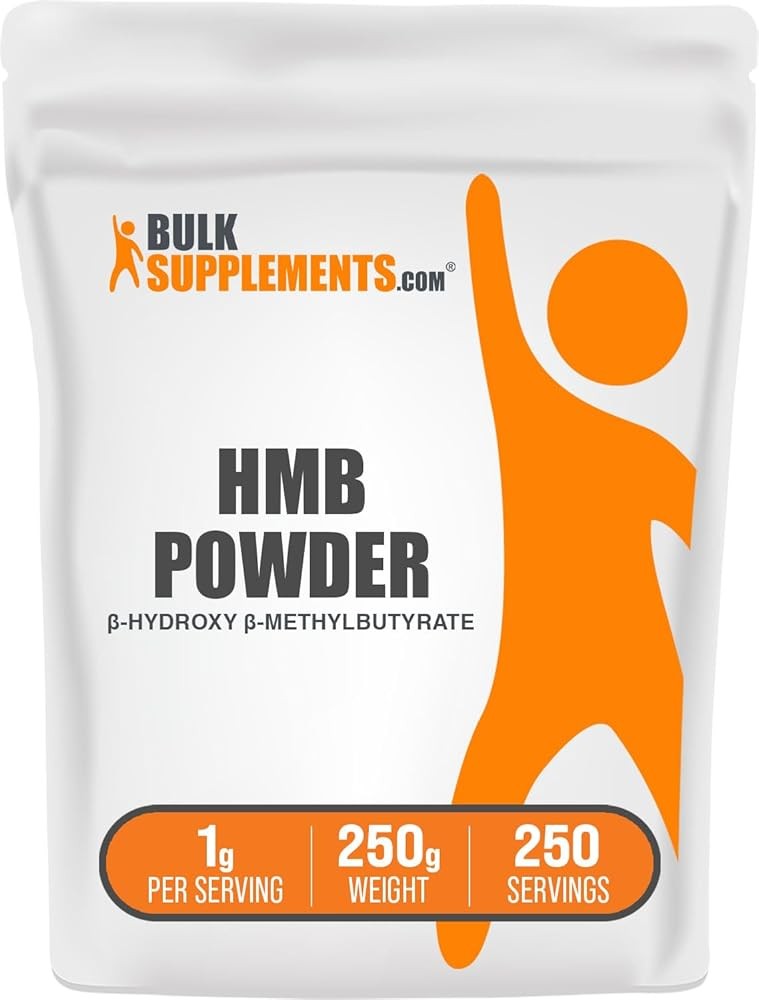
BulkSupplements HMB Powder - Beta-Hydroxy Beta-Methylbutyrate
Check Price on AmazonAs an Amazon Associate we earn from qualifying purchases.
HMB comes in two primary supplemental forms: calcium HMB (HMB-Ca), the original and most studied form, and free acid HMB (HMB-FA), a newer form marketed for faster absorption. Recent 2024 research on bioavailability surprisingly found that HMB-Ca exhibited superior bioavailability compared to HMB-FA, contradicting earlier assumptions.
Research indicates: Each 3g HMB dose appears to correlate with the leucine equivalent of 60g protein, with supplementation demonstrating 70% greater mTOR activation and a 25-46% reduction in muscle protein breakdown in studies, suggesting potential cost-effectiveness for supporting muscle during aging or caloric restriction.
What Are the Signs You Need Extra Muscle Support?
Yes, a key sign you need extra muscle support is difficulty gaining muscle despite consistent training for several months, with no noticeable increases in muscle size or strength. Your body provides numerous signals that you could benefit from strategic supplementation to support muscle growth and maintenance. Recognizing these clues helps you determine whether creatine, HMB, or both might enhance your results.
Difficulty gaining muscle despite consistent training is perhaps the most obvious indicator. If you’ve been following a structured resistance training program for several months without noticeable increases in muscle size or strength, you may be experiencing limitations in either energy availability (where creatine excels) or excessive muscle breakdown (where HMB shines).
Strength plateaus signal that your current training stimulus no longer produces adaptations. When you can’t add weight to the bar or perform additional repetitions despite adequate recovery, creatine’s ability to enhance high-intensity performance may help you break through by allowing slightly more volume or intensity in each session.
Slow recovery between training sessions manifests as prolonged muscle soreness, persistent fatigue, or inability to maintain training frequency without feeling overtrained. Both supplements can support recovery through different mechanisms—creatine by replenishing energy stores more rapidly, and HMB by reducing exercise-induced muscle damage.
Muscle loss during caloric restriction becomes particularly concerning when energy intake falls below requirements. Research shows HMB helps preserve lean mass during periods of negative energy balance.
Training frequency of 3+ days per week creates sufficient stimulus and recovery demands where the benefits of enhanced energy availability (creatine) or reduced muscle breakdown (HMB) become more pronounced over weeks and months of training.
Age over 50 with declining muscle mass represents a natural physiological challenge called sarcopenia—age-related muscle loss. Both supplements show particular promise in older populations, with recent studies demonstrating HMB’s effectiveness in mitigating age-related muscle decline.
Vegetarian or vegan dietary patterns may reduce the primary dietary sources of creatine (meat and fish), resulting in lower baseline muscle creatine stores. Vegetarian athletes typically respond more dramatically to creatine supplementation because they have more room for improvement in muscle creatine content.
What this means for you: Research suggests progressive muscle loss after age 30 (sarcopenia), recovery times exceeding 72 hours, strength plateaus lasting 4+ weeks, or increased injury frequency may indicate a potential need for evidence-based supplementation, such as creatine or HMB.
How Creatine Works: Mechanisms for Muscle Growth
Creatine promotes muscle growth through multiple interconnected mechanisms, with its role in the ATP-PCr energy system representing just the beginning of its anabolic effects.
In summary: Research indicates creatine may support a 20-42% increase in muscle creatine stores, potentially enabling 2-3x faster ATP regeneration, showing 10-15% cellular swelling that appears to activate protein synthesis, and studies suggest it may reduce myostatin levels by 17% to support greater muscle fiber hypertrophy.
The ATP-Phosphocreatine System
During the first 10 seconds of maximum-intensity exercise, your muscles rely primarily on the phosphagen system for energy. This system uses stored ATP and phosphocreatine to fuel muscle contractions without requiring oxygen or producing lactate.
Each muscle contraction requires ATP hydrolysis, breaking ATP into ADP and releasing energy. Your muscles store only enough ATP for 2-3 seconds of maximum effort. After ATP depletes, phosphocreatine rapidly donates its phosphate group to ADP, regenerating ATP and sustaining power output for an additional 5-8 seconds.
Creatine supplementation increases muscle phosphocreatine stores by 10-40%, directly expanding this energy reserve. The practical outcome: you can perform 1-2 additional repetitions at a given weight, or sustain maximum power output for slightly longer during sprints or explosive movements.
This seemingly small improvement accumulates dramatically over time. If creatine allows you to perform 7 repetitions instead of 5 across multiple sets and exercises, you’ve increased total training volume by two-fifths. Greater training volume, provided you can recover from it, directly drives muscle growth through increased mechanical tension and metabolic stress.
Cell Volumization and Osmotic Swelling
Creatine is osmotically active, meaning it draws water into muscle cells. This cellular swelling creates an anabolic environment through mechanosensors on the cell membrane that detect increased cell volume and trigger growth-promoting pathways.
Studies using muscle biopsies show that creatine supplementation increases intracellular water content without affecting extracellular water (the “bloating” some users fear). This selective increase in muscle cell hydration stretches the cell membrane, which the cell interprets as a growth signal, activating protein synthesis pathways and inhibiting protein breakdown pathways.
The initial 1-3 kg weight gain during the first week of creatine supplementation comes primarily from this increased intramuscular water retention. While some athletes view this as merely “water weight,” the cellular swelling itself contributes to muscle growth signaling and creates a more anabolic environment for protein synthesis.
Satellite Cell Activation and Myonuclear Addition
Satellite cells are muscle stem cells that remain dormant until activated by training stimulus or chemical signals. When activated, they proliferate and donate their nuclei to existing muscle fibers, increasing the fiber’s capacity for growth.
Each muscle fiber has a maximum size relative to its number of nuclei—a concept called the myonuclear domain. To grow beyond this threshold, fibers must add more nuclei through satellite cell activation and fusion.
Research demonstrates that creatine supplementation increases satellite cell number and activity in response to resistance training. Studies using molecular markers show elevated levels of myogenic regulatory factors (proteins that control muscle cell differentiation) in individuals supplementing with creatine compared to placebo groups performing identical training.
This mechanism explains why creatine’s muscle-building effects extend beyond just training volume increases. The supplement directly enhances the cellular machinery required for long-term muscle growth.
IGF-1 Upregulation
Insulin-like growth factor-1 (IGF-1) is one of the most potent anabolic hormones in muscle tissue. It promotes protein synthesis, inhibits protein breakdown, and stimulates satellite cell proliferation.
Resistance training naturally elevates IGF-1 expression in trained muscles, but creatine supplementation amplifies this response. Studies measuring intramuscular IGF-1 levels show higher concentrations in creatine-supplemented individuals compared to placebo controls following identical training programs.
The mechanism involves both the increased training volume made possible by enhanced ATP regeneration and direct effects of cellular swelling on IGF-1 gene expression. Muscle cells under tension (whether mechanical or osmotic) upregulate IGF-1 production as part of their adaptive response.
Myostatin Reduction
Myostatin is a negative regulator of muscle growth—essentially a biological brake on muscle mass. Genetic mutations that may help reduce myostatin function result in dramatic muscle hypertrophy in both animals and humans, demonstrating its powerful limiting effect on muscle size.
Several studies indicate that creatine supplementation may be associated with reduced myostatin expression in muscle tissue. This observed downregulation appears to correlate with increased potential for hypertrophy in response to training stimulus.
The effect appears dose-dependent and time-dependent, with more consistent reductions observed during sustained supplementation periods combined with regular resistance training. The exact mechanism by which creatine influences myostatin expression remains under investigation, but likely involves the same cellular swelling and mechanosensory pathways discussed earlier.
How HMB Works: Mechanisms for Muscle Preservation and Growth
HMB operates through distinctly different mechanisms than creatine, primarily targeting the protein breakdown side of the muscle protein balance equation rather than the energy availability side.
The research verdict: Studies indicate HMB may support muscle preservation by activating mTOR (stimulating protein synthesis), reducing ubiquitin-proteasome activity (potentially preventing breakdown), decreasing exercise-induced damage markers by 20-60%, and supporting membrane repair through enhanced cholesterol synthesis.
mTOR Pathway Activation
The mechanistic target of rapamycin (mTOR) is the master regulator of protein synthesis in muscle cells. When activated, mTOR stimulates the cellular machinery responsible for translating genetic code into actual muscle proteins.
HMB activates mTOR through a pathway independent of the insulin and amino acid signals typically required for mTOR activation. This means HMB can stimulate protein synthesis even in situations where other anabolic signals are reduced, such as during caloric restriction or in older adults with attenuated anabolic responses to protein feeding.
Research published in 2025 examining HMB’s effects on hormonal responses found that HMB supplementation elevated testosterone levels while also activating mTOR, creating a dual anabolic stimulus through both hormonal and cellular pathways.
The practical significance: HMB helps maintain elevated protein synthesis rates during periods when muscle growth would typically slow or decline, such as during fat loss phases, deloading periods, or aging.
Reduction of Muscle Protein Breakdown
While mTOR activation represents HMB’s anabolic face, its anticatabolic properties may be even more important. Muscle mass represents the balance between protein synthesis (building) and protein breakdown (degradation). Even if synthesis rates remain constant, reducing breakdown shifts the net balance toward muscle gain or preservation.
HMB inhibits the ubiquitin-proteasome pathway, the primary system responsible for breaking down damaged or unnecessary proteins in muscle cells. During intense training, metabolic stress, or periods of insufficient protein intake, this degradation pathway becomes highly active, breaking down muscle proteins to provide amino acids for energy or other metabolic needs.
By inhibiting this pathway, HMB preserves muscle proteins even when conditions would normally favor breakdown. This explains why HMB proves particularly effective in older adults, during caloric restriction, in cancer cachexia, and during periods of training cessation or reduced training volume.
Reduction of Exercise-Induced Muscle Damage
Intense resistance training creates microscopic damage to muscle fibers—a normal and necessary part of the adaptive process. However, excessive damage can impair recovery, increase soreness, and limit training frequency.
HMB reduces markers of muscle damage following intense exercise, as evidenced by lower levels of creatine kinase (CK) and lactate dehydrogenase (LDH) in the bloodstream. These enzymes leak from damaged muscle cells, so lower levels indicate less cellular damage.
This protective effect doesn’t appear to support the adaptive stimulus that drives muscle growth. Instead, studies indicate it may help reduce excessive damage that would impair recovery without providing additional growth benefits. The result: research suggests faster recovery between sessions and potentially higher sustainable training frequencies.
Athletes and coaches have noted that HMB supplementation appears to reduce severe delayed-onset muscle soreness (DOMS), particularly when starting a new training program or dramatically increasing training volume.
Enhanced Cholesterol Synthesis and Membrane Repair
An often-overlooked aspect of HMB’s mechanisms involves its role as a precursor for cholesterol synthesis. While this might sound negative given cholesterol’s association with cardiovascular disease, cholesterol serves critical functions in muscle cells.
Cell membranes consist primarily of a phospholipid bilayer containing cholesterol, which provides structural integrity and fluidity. Exercise-induced muscle damage includes damage to these cellular membranes. Rapid membrane repair requires adequate cholesterol availability.
HMB provides a ready substrate for cholesterol synthesis within muscle cells, potentially accelerating membrane repair following training. This mechanism contributes to the reduced muscle damage markers and faster recovery observed with HMB supplementation.
What Does Clinical Research Show About Direct Comparisons?
While hundreds of studies examine creatine or HMB individually, fewer directly compare the two supplements head-to-head. The available comparative research provides valuable insights into their relative effectiveness.
What the data suggests: Direct comparison trials show creatine produces greater muscle mass gains (0.92 kg vs 0.39 kg), with both supplements supporting similar strength improvements through different mechanisms, and combination therapy showing additive effects totaling 1.54 kg muscle gain.
Muscle Mass Gains: Creatine Shows Superiority
A landmark study comparing creatine, HMB, and their combination found that participants taking creatine alone gained 0.92 kg of lean body mass over the placebo group, while the HMB-alone group gained only 0.39 kg. The combination group showed the largest gains at 1.54 kg, suggesting distinct mechanisms that work additively.
Systematic review evidence examining multiple studies shows creatine appears to have some benefit for muscle mass gains in trained individuals. Published research indicates a typical muscle mass increase with creatine supplementation ranges from 1-2 kg over 4-12 weeks of training, with the higher end of that range observed in previously untrained individuals and those with lower baseline creatine levels.
HMB’s muscle-building effects appear more modest and context-dependent. Meta-analysis data shows HMB increases lean mass significantly in older adults (50+ years) and novice trainees, but effects in young, trained athletes are less pronounced.
The mechanism explains the difference: creatine directly enhances training performance, allowing greater volume and intensity that drives mechanical tension—the primary stimulus for muscle growth. HMB primarily may help reduce the risk of muscle loss rather than actively promoting growth.
Strength Gains: Both Effective Through Different Pathways
Both supplements enhance strength, but through different mechanisms and timelines. Creatine produces measurable strength increases within 1-2 weeks, corresponding with increased muscle phosphocreatine stores and enhanced high-intensity performance capacity.
Published research measuring one-repetition maximum (1RM) strength in exercises like bench press and squat suggests 5-15% improvements may be observed with creatine supplementation combined with training compared to training alone. Recent 2024-2025 research indicates these effects appear to be consistent across age groups, from young athletes to adults over 50.
HMB’s strength benefits emerge more gradually and appear most pronounced in specific populations. Meta-analyses show significant strength improvements in older adults (50+) and individuals new to resistance training, with less consistent effects in young, trained athletes.
Interestingly, a 2024 randomized crossover trial indicates that using creatine and HMB together was associated with improvements in functional strength by one-quarter to nearly half across multiple measures in adults over 60, with effects appearing independent of changes in muscle mass. This research suggests the combination may support neuromuscular function and muscle quality beyond just muscle size.
Body Composition: Complementary Effects
Regarding body fat reduction, neither supplement directly burns fat. However, their effects on muscle mass indirectly influence body composition by increasing metabolic rate and preserving calorie-burning lean tissue during fat loss phases.
Systematic review evidence indicates that the combination of creatine and HMB (3-10 g creatine plus 3 g HMB daily for 4 weeks) produces favorable body composition changes, increasing fat-free mass while decreasing fat mass.
HMB may offer specific advantages during caloric restriction. Its anticatabolic properties help preserve muscle mass when in a caloric deficit—a period when muscle loss typically accelerates. Athletes preparing for competition or individuals pursuing fat loss while maintaining performance may find HMB particularly valuable during these phases.
Creatine’s effects on body composition primarily stem from increased lean mass and the training volume enhancements it enables. Some users experience initial concerns about the 1-3 kg rapid weight gain during loading phases, but research clarifies this reflects intramuscular water increases rather than extracellular “bloating” or fat gain.
Recovery and Performance: Context-Dependent Advantages
Creatine excels in scenarios requiring repeated high-intensity efforts with short rest intervals—exactly the type of work performed during resistance training and many sports. Studies measuring performance across multiple sets show creatine delays fatigue and maintains power output better than placebo.
The ability to sustain performance in later sets of an exercise directly increases total training volume, the primary driver of muscle growth. Research indicates that maintaining intensity and completing planned repetitions in sets 4 and 5, rather than experiencing dramatic performance decreases, creates a more effective stimulus for adaptation.
HMB’s recovery benefits manifest differently, primarily through reduced muscle damage and accelerated repair. Athletes report less severe DOMS when starting new training programs or dramatically increasing volume. This could theoretically allow higher training frequencies or reduced recovery time between intense sessions.
A 10-week study in elite endurance athletes examined creatine-HMB combination effects on athletic performance tests. Results showed improvements in strength and anaerobic performance, with the combination potentially offering advantages for athletes requiring both endurance and power.
How Should You Take Creatine and HMB?
Research-supported dosages include 3-5g of creatine daily, with an optional 20g loading dose for 5-7 days, and 1g of HMB three times daily with meals. Published research indicates that understanding optimal dosing may differentiate supplementation with noticeable effects from supplementation with less clear outcomes and potential adverse events. The protocols differ substantially between creatine and HMB.
The practical takeaway: Research indicates creatine has been used in clinical trials at 3-5g daily maintenance (optional 20g/day loading for 5-7 days), while studies have used HMB at 3g daily split into three 1g doses with meals, with neither supplement requiring cycling and published research showing both appear to be safe for long-term continuous use.
Creatine: Loading Optional, Maintenance Essential
The traditional creatine protocol involves two phases:
Loading Phase (Optional): 20 grams daily, split into 4 doses of 5 grams each, for 5-7 days. This rapidly saturates muscle creatine stores, with research showing elevated muscle creatine concentrations after just 5 days of loading.
The loading phase isn’t mandatory. You can achieve the same muscle saturation by taking 3-5 grams daily from the start—it simply takes 3-4 weeks instead of 1 week to reach maximum muscle creatine levels.
Why skip loading? Some individuals experience gastrointestinal discomfort with large single doses. The 20-gram daily intake during loading may also feel wasteful, as any creatine exceeding muscle storage capacity gets excreted.
Why load? Athletes preparing for a competition or event in 1-2 weeks benefit from rapid saturation. The faster you maximize muscle creatine stores, the sooner you experience performance benefits.
Maintenance Phase: 3-5 grams daily, indefinitely. Studies show that once muscle creatine stores reach saturation, this lower daily dose maintains elevated levels for months or years of continued supplementation.
Timing appears largely irrelevant. Earlier theories suggested taking creatine post-workout with carbohydrates for enhanced uptake, but recent research shows that total daily intake matters more than timing. Take it whenever convenient, as long as you take it consistently.
Body weight influences optimal dosing. The 3-5 gram recommendation works for most adults, but larger individuals (over 200 lbs) may benefit from the higher end of that range, while smaller individuals (under 130 lbs) may find 3 grams sufficient.
Cycling creatine—taking breaks after several weeks or months—has no scientific support. Creatine doesn’t downregulate its own synthesis or develop tolerance. Your body continues producing its natural 1-2 grams daily regardless of supplementation. Cycling simply allows muscle stores to gradually return to baseline before you rebuild them again—an unnecessary interruption of benefits.
HMB: No Loading, Split Dosing Preferred
HMB requires no loading phase. The standard protocol is straightforward: 3 grams daily, typically split into 2-3 doses.
Dosing: 3 grams daily appears optimal across research. Some studies have tested higher doses (4-6 grams), but evidence doesn’t support additional benefits at these levels. Unlike creatine, which saturates storage capacity, HMB works through acute metabolic effects, and exceeding 3 grams doesn’t enhance these effects.
Split Dosing: HMB has a relatively short half-life in the bloodstream (approximately 2.5 hours for HMB-Ca and slightly shorter for HMB-FA). Splitting the daily dose into 2-3 servings maintains more consistent blood levels throughout the day.
Practical approaches include 1 gram with each of three daily meals, or 1.5 grams twice daily (morning and evening). Athletes might time one dose around training to maximize availability during the period of greatest muscle protein turnover.
Duration Matters: Meta-analysis evidence indicates HMB requires prolonged supplementation for optimal effects, with benefits maximizing after 12+ weeks. This contrasts with creatine’s rapid effects, which manifest within days of achieving muscle saturation.
The extended timeline makes sense given HMB’s anticatabolic mechanism. Preventing muscle breakdown creates a small daily shift in protein balance that accumulates gradually into measurable muscle preservation or growth over months.
Form Selection: Recent research presents conflicting data on HMB-Ca versus HMB-FA bioavailability. A 2024 human study surprisingly found HMB-Ca exhibited superior bioavailability compared to HMB-FA, contradicting earlier studies that suggested faster absorption with the free acid form.
Given the conflicting evidence and the fact that both forms demonstrate similar effects on muscle protein synthesis and muscle protein breakdown, choosing the most affordable option makes practical sense. HMB-Ca typically costs less and has more extensive research supporting its long-term use.
Are Creatine and HMB Safe to Take?
Both creatine and HMB are generally safe when taken as directed, with over 30 years of research supporting creatine’s safety and studies showing HMB is well-tolerated for up to a year. Both supplements have extensive safety research, but their side effect profiles differ in important ways.
Looking ahead: Creatine demonstrates exceptional safety across 30+ years of research with no adverse kidney or liver effects at standard doses, while HMB shows excellent tolerability for up to one year of continuous use with minimal reported side effects.
Creatine Safety: Decades of Evidence
Creatine monohydrate ranks among the most extensively studied sports supplements, with safety data spanning over 30 years of research and real-world use.
Kidney Function Concerns—Unfounded: The most persistent myth suggests creatine damages kidneys. This misconception stems from misunderstanding creatinine (a waste product measured in kidney function tests) versus creatine (the supplement).
Creatine supplementation increases creatinine production as a normal consequence of elevated muscle creatine stores. This elevates serum creatinine levels on kidney function tests, which might suggest impaired kidney function if physicians don’t account for supplementation.
Multiple systematic reviews and meta-analyses examining actual kidney function using comprehensive assessment tools beyond just serum creatinine conclude that creatine supplementation does not impair kidney function in healthy individuals.
Important caveat: Individuals with pre-existing kidney disease should avoid creatine or only use it under medical supervision, as the kidneys must process creatinine and other creatine metabolites. Research consensus states that creatine is safe in healthy individuals but lacks adequate safety data in those with compromised renal function.
Water Retention—Intracellular, Not Bloating: Users commonly report 1-3 kg weight gain during the first week of supplementation. This represents increased total body water, but specifically intracellular (inside muscle cells) rather than extracellular (outside cells, causing visible bloating).
The distinction matters. Intracellular swelling contributes to the anabolic signaling discussed earlier and creates the “full” muscle appearance many users desire. Extracellular water retention causes the bloated, undefined appearance athletes avoid.
Controlled research using sophisticated body composition analysis confirms creatine increases intracellular water without affecting extracellular water balance. Any visible “bloating” likely stems from other factors like sodium intake or insufficient hydration.
Dehydration and Cramping—No Evidence: The theory that creatine draws water into muscles, leaving less available elsewhere and causing dehydration and cramping, lacks scientific support. Studies measuring hydration status, electrolyte balance, and cramping incidence find no differences between creatine and placebo groups.
In fact, the increased intracellular water may provide a small protective effect against dehydration by increasing total body water stores. Athletes training in heat while using creatine show no increased risk of heat illness compared to non-users.
Gastrointestinal Distress—Dose-Dependent: Large single doses (10+ grams) can cause stomach upset, bloating, or diarrhea in sensitive individuals. This explains why loading protocols recommend splitting the 20-gram daily dose into 4 servings rather than taking it all at once.
Most users tolerate the standard 3-5 gram maintenance dose without issues. Taking creatine with food further reduces any GI discomfort. Individuals with sensitive stomachs might start with 3 grams daily to assess tolerance before increasing to 5 grams.
Purity Concerns: Not all creatine products contain pure creatine monohydrate. Lower-quality products may contain contaminants like creatinine, dicyandiamide, or heavy metals. Third-party testing (like Informed Sport or NSF Certified for Sport) verifies purity and confirms the product contains what the label claims.
Creatine monohydrate remains the gold standard—extensively researched, highly effective, and typically the least expensive form. Novel forms (creatine ethyl ester, buffered creatine, creatine HCl, etc.) offer no demonstrated advantages despite higher prices, and some show inferior results to standard monohydrate.
HMB Safety: Generally Well-Tolerated
HMB has a shorter research history than creatine but demonstrates a favorable safety profile across studies ranging from weeks to several months.
Minimal Side Effects: Research reviews indicate HMB supplementation is safe for up to one year of continuous use, with chronic supplementation of both HMB-Ca and HMB-FA showing no concerning safety signals.
The most common side effects reported in studies include mild GI discomfort at doses above 3 grams daily. Nausea and diarrhea appear occasionally, typically with large single doses rather than split dosing protocols.
No Hormonal Disruption: Initial questions regarding HMB’s potential impact on hormone levels appear to be unsupported by available research. Recent 2025 research investigating hormonal responses observed that HMB supplementation was associated with elevated testosterone levels, without substantial changes in cortisol, IGF-1, or growth hormone—indicating a hormonal profile that appears favorable rather than problematic.
Limited Long-Term Data: While short-term safety (up to 12 months) appears well-established, less data exists for multi-year continuous supplementation compared to creatine’s decades of use. This doesn’t suggest danger, merely less extensive documentation.
Quality Concerns: As with creatine, product quality varies. Some HMB products contain less than label claims or include undisclosed fillers. Third-party testing provides assurance of content accuracy and purity.
Drug Interactions: HMB has no known significant drug interactions, but individuals taking medications affecting protein metabolism should consult healthcare providers. Its effects on protein synthesis and breakdown theoretically could interact with medications prescribed for muscle-wasting conditions.
Pregnancy and Breastfeeding: Insufficient safety data exists for HMB use during pregnancy or breastfeeding. While no evidence suggests harm, the general medical principle applies: avoid supplements lacking specific safety data during these sensitive periods unless under medical supervision.
Here’s what matters: Both creatine and HMB are generally well-tolerated when used as directed, with research demonstrating creatine’s consistent safety profile over 30+ years of study and studies indicating HMB shows good tolerability for up to one year of continuous use. Published research shows creatine appears to have no adverse effects on kidney or liver function at standard doses.
Which Supplement Offers Better Value for Money?
Supplement costs vary dramatically based on brand, form, and purchasing source, but general comparisons reveal significant differences in cost-effectiveness.
In practice: Creatine monohydrate costs $0.05-0.15 per 5g serving versus HMB’s $0.50-1.50 per 3g serving, making creatine 10-30x more cost-effective per dose with superior muscle-building efficacy, establishing it as the clear value leader.
Creatine: Exceptional Value
Creatine monohydrate ranks among the most affordable supplements relative to its effectiveness. A 500-gram container (providing 100 five-gram servings) typically costs $15-30 from reputable brands, or as low as $0.15-0.30 per serving.
A 30-day supply at 5 grams daily costs approximately $5-9. Even loading phases (20 grams daily for 7 days, then 5 grams maintenance) add minimal cost—roughly $10-15 for the first month, then $5-9 monthly thereafter.
This makes creatine accessible to virtually any budget. The muscle-building benefits per dollar spent dramatically exceed nearly every other supplement except perhaps basic whey protein.
Novel forms (creatine HCl, buffered creatine, creatine ethyl ester) cost 2-5 times more than monohydrate while offering no demonstrated advantages. Marketing claims about better absorption or reduced water retention lack scientific support. Standard creatine monohydrate provides the same benefits for a fraction of the cost.
Third-party tested products add $5-10 to the monthly cost but provide valuable assurance of purity and content accuracy. For competitive athletes subject to drug testing, this small premium offers important protection against contaminated products.
HMB: Moderate to High Cost
HMB costs considerably more than creatine. A 90-gram container (30 servings at 3 grams daily) typically costs $25-40, or approximately $0.83-1.33 per serving.
Monthly costs range from $25-40, or 3-6 times the cost of creatine. Over a year of supplementation, HMB costs $300-480 compared to creatine’s $60-108.
This price difference becomes relevant when evaluating cost-effectiveness. Creatine produces more dramatic muscle and strength gains in most populations, while costing a fraction of HMB’s price. For individuals on limited budgets prioritizing muscle growth, creatine offers superior value.
However, specific populations or training phases may justify HMB’s higher cost:
- Older adults (50+) experiencing age-related muscle loss benefit more from HMB’s anticatabolic effects
- Athletes in caloric deficits preparing for competition value HMB’s muscle-preserving properties during fat loss
- Individuals with training injuries or forced reductions in training volume use HMB to minimize muscle loss during reduced activity
HMB-Ca typically costs 10-30% less than HMB-FA, and given recent evidence questioning the free acid form’s bioavailability advantages, the calcium salt offers better value for most users.
Combination Products: Convenience vs. Cost
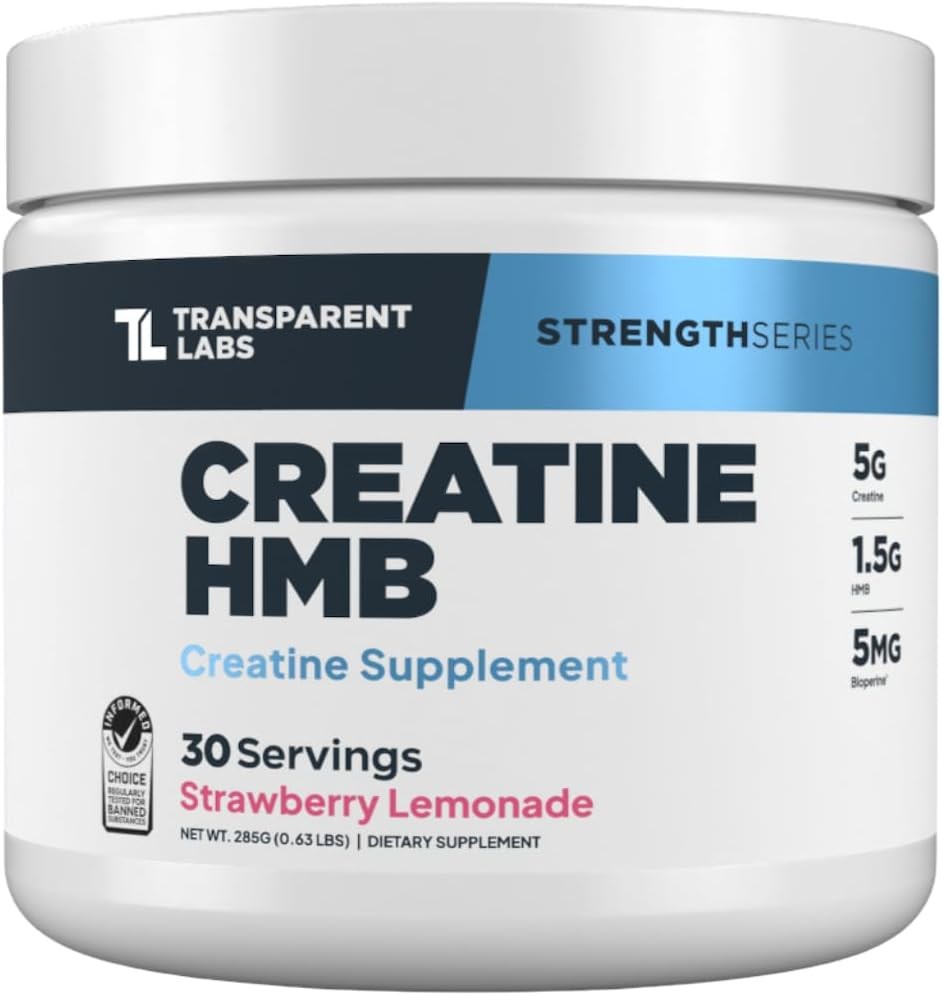
Transparent Labs Creatine HMB - Creatine + HMB Combo
Check Price on AmazonAs an Amazon Associate we earn from qualifying purchases.
Pre-formulated supplements containing both creatine and HMB exist, offering convenience but often at premium prices. A typical combination product providing 5 grams creatine and 3 grams HMB daily costs $40-60 monthly.
Purchasing separately costs approximately $30-50 monthly ($5-10 for creatine plus $25-40 for HMB), offering 10-20% savings. The price difference depends on specific brands and whether you catch sales.
The convenience factor appeals to some users who prefer one product over two, but separate purchases provide flexibility to adjust individual dosages or discontinue one supplement without wasting the other.
Our recommendations: Creatine monohydrate is the clear winner when it comes to value for money, costing $0.05-0.15 per 5g serving compared to HMB’s $0.50-1.50 per 3g serving, making it 10-30 times more cost-effective per dose. A 30-day supply of creatine typically costs around $5-9.
When Creatine Is the Better Choice
Creatine is the better choice when seeking to gain 0.92 kg of muscle mass, as it outperforms HMB’s 0.39 kg gain, at a significantly lower cost of $0.05-0.15 per serving. Specific training goals, populations, and circumstances favor creatine supplementation over HMB.
Research findings: Studies suggest creatine may support gains of 0.92 kg muscle mass (compared to 0.39 kg with HMB), 8-15% strength improvements, or enhanced workout performance, while research indicates the cost per serving may range from $0.05-0.15 compared to HMB’s $0.50-1.50.
Young, Trained Athletes Pursuing Maximum Muscle Mass
If your primary goal is building as much muscle as possible and you’re a healthy adult under 40 engaged in consistent resistance training, creatine is the clear choice. The research demonstrating superior muscle mass gains, dramatic strength increases, and enhanced training capacity makes creatine the evidence-based selection for this population.
The combination of direct performance enhancement (allowing greater training volume and intensity) and multiple anabolic mechanisms (satellite cell activation, IGF-1 upregulation, myostatin reduction) creates a comprehensive muscle-building effect unmatched by HMB.
Power and Strength Athletes
Athletes in sports requiring maximum power output—Olympic weightlifting, powerlifting, throwing events, sprinting, jumping—benefit most from creatine’s effects on the phosphagen energy system.
The ability to sustain maximum effort for 1-2 additional seconds or produce slightly more force in single maximum efforts directly translates to performance improvements in these disciplines. HMB’s anticatabolic effects offer less relevant advantages when the primary determinant of success is maximum power production rather than muscle preservation.
Budget-Conscious Individuals
When funds are limited and you must choose one supplement, creatine provides more muscle-building benefit per dollar than any alternative except perhaps basic whey protein.
The dramatic cost difference ($5-9 monthly vs. $25-40) combined with creatine’s superior effectiveness for muscle growth makes it the logical choice for maximizing results within budget constraints.
Save HMB for later when finances allow adding it as a secondary supplement, or skip it entirely if the additional cost doesn’t fit your budget.
Vegetarians and Vegans
Individuals consuming no dietary creatine (found only in animal products) have substantially lower baseline muscle creatine stores. Supplementation can increase their muscle creatine content by up to 40% compared to just 10-20% in regular meat-eaters.
This larger room for improvement often translates to more dramatic results. Vegetarian athletes frequently report particularly noticeable effects from creatine supplementation—improved training capacity, faster strength gains, and more rapid muscle growth—because they’re addressing a pre-existing deficiency.
HMB doesn’t present the same baseline difference, as leucine metabolism occurs similarly regardless of dietary pattern. Any diet providing adequate protein will generate normal HMB production.
Rapid Results Needed
When time constraints matter—an athlete has 4-6 weeks before competition, someone wants noticeable results before a specific event—creatine’s rapid effects (within 1-2 weeks with loading, 3-4 weeks without) make it superior to HMB’s slower, cumulative benefits requiring 12+ weeks for optimization.
The immediate performance enhancement also provides motivational benefits. When users notice they can perform more repetitions or lift heavier weights within the first week or two, adherence improves.
The practical verdict: Research suggests supplementing with creatine may support greater gains in muscle mass compared to HMB, with studies indicating 0.92 kg of muscle mass gain at a lower cost of $0.05-0.15 per serving. Published research shows creatine appears to have some benefit for young, trained athletes under 40 engaged in consistent resistance training.
When HMB Is the Better Choice
Research suggests HMB supplementation for 8-12 weeks may support the mitigation of age-related muscle loss in adults over 50 experiencing sarcopenia. Studies indicate different circumstances may favor HMB supplementation despite its higher cost and generally smaller effects on muscle building.
Older Adults (50+) Experiencing Sarcopenia
Age-related muscle loss (sarcopenia) appears to increase after age 50, associated with increased protein breakdown rather than decreased protein synthesis. Research indicates HMB’s mechanism may help address this pathophysiology.
Meta-analyses examining older populations show HMB appears to have some benefit in adults over 50, particularly for supporting muscle mass, maintaining strength, and improving physical function. Published research indicates a protocol of 3 grams daily for 12+ weeks, when combined with resistance training, has been used in clinical trials.
Older adults may experience responses to creatine’s effects on performance that appear less pronounced if they are not training at intensities sufficient to challenge the phosphagen system. Research indicates HMB may support muscle preservation even with moderate-intensity exercise.
Fat Loss Phases and Caloric Restriction
Maintaining muscle mass while losing fat ranks among the most challenging physique goals. Caloric deficits create metabolic conditions favoring muscle breakdown—reduced protein synthesis rates, elevated cortisol, decreased anabolic hormone sensitivity.
HMB’s properties related to reducing muscle breakdown appear particularly relevant during periods of calorie restriction. By potentially inhibiting muscle protein breakdown even when muscle protein synthesis rates decline, research suggests HMB may help preserve muscle tissue during weight management phases.
Bodybuilders, physique competitors, and athletes making weight for competition could justify HMB’s higher cost during the specific 8-16 week periods of active fat loss. Outside those specific phases, creatine might provide better overall value.
Note: Creatine remains beneficial during fat loss phases (maintaining strength and training performance), but HMB offers specific muscle-preservation advantages that may warrant combining both.
Training Cessation or Reduced Volume
Injuries, illness, travel, or scheduled deload periods force temporary training reductions. During these periods, muscle loss accelerates as the training stimulus driving adaptation disappears.
HMB supplementation during planned or unplanned training breaks appears to support the maintenance of muscle mass. Research examining bed rest, limb immobilization, and training cessation indicates HMB may help reduce muscle wasting during these periods.
Athletes planning extended breaks (2+ weeks) might begin HMB supplementation 1-2 weeks before the break and continue throughout to potentially maximize muscle preservation. Research indicates that HMB supplementation during these limited periods may help reduce the risk of weeks or months of needing to rebuild lost muscle.
Novice Trainees Starting New Programs
Beginners experience the most severe delayed-onset muscle soreness (DOMS) and muscle damage markers when starting resistance training. The dramatic unfamiliar stimulus creates extensive muscle damage that, while eventually adaptive, can impair early training consistency.
Research suggests HMB may support a reduction in exercise-induced muscle damage and a faster recovery, which could help individuals new to training maintain training frequency and adherence during the initial 4-8 weeks when delayed onset muscle soreness (DOMS) is often most noticeable.
This represents a specific application—HMB for the initial training period to support adherence and recovery, potentially transitioning to creatine later for maximum muscle-building effects once adaptation reduces damage responses.
Cancer Cachexia and Medical Muscle Wasting
Outside athletic populations, HMB has demonstrated benefits in clinical populations experiencing muscle wasting from cancer, HIV/AIDS, chronic obstructive pulmonary disease (COPD), and other wasting conditions.
The anticatabolic properties that preserve muscle in athletes prove even more valuable in individuals facing pathological muscle breakdown from disease processes. Clinical research has established HMB’s role in mitigating muscle loss in these populations.
Research suggests potential applications of HMB may benefit from medical guidance, however studies indicate its use extends beyond sports performance into therapeutic contexts.
Study summary: If you’re over 50 and experiencing age-related changes in muscle mass, research suggests daily use of 3 grams of HMB for at least 12 weeks, combined with resistance training, may support muscle mass preservation and strength maintenance. Published research indicates this approach appears to have some benefit for addressing sarcopenia, which is associated with increased protein breakdown after age 50.
Combining Creatine and HMB: Synergistic Effects
The distinct mechanisms of action suggest combining creatine and HMB might produce additive or even synergistic benefits. Research directly examining this combination provides valuable guidance.
Evidence for Combined Use
Studies comparing creatine alone, HMB alone, and their combination demonstrate additive effects: the creatine-HMB group gained 1.54 kg of lean body mass compared to placebo, while creatine alone produced 0.92 kg gains and HMB alone produced 0.39 kg gains.
This pattern suggests the supplements work through different mechanisms that complement rather than interfere with each other. Creatine enhances energy availability and training performance while activating satellite cells and anabolic signaling. HMB reduces protein breakdown and exercise-induced damage. Together, they shift the muscle protein balance from both directions simultaneously.
A particularly interesting finding from research in older adults showed the creatine-HMB combination improved functional strength by one-quarter to nearly half across multiple measures, with these improvements occurring independent of muscle mass changes. This suggests enhanced neuromuscular function or muscle quality beyond just muscle size.
Systematic review evidence examining the combination across multiple studies concludes that 3-10 grams daily of creatine plus 3 grams daily of HMB for 1-6 weeks produces positive effects on strength, anaerobic performance, fat-free mass increases, and fat mass decreases.
Practical Combination Protocols
For individuals choosing to combine both supplements, research supports these protocols:
Standard Protocol: Clinical trials have used 5 grams daily of creatine (or a loading phase of 20 grams daily for 5-7 days, followed by 5 grams maintenance), and studies suggest 3 grams daily of HMB, divided into 2-3 doses. Research indicates a minimum of 4 weeks may show body composition effects, with 12+ weeks potentially optimizing HMB benefits. Resistance training 3+ days weekly is recommended.
Budget-Conscious Protocol: Use creatine year-round ($5-9 monthly), add HMB during specific phases when its anticatabolic properties provide maximum value:
- Fat loss phases (active caloric restriction)
- Age 50+ experiencing muscle loss
- Periods of reduced training volume
- Initial 8-12 weeks of a new training program
This approach prioritizes creatine’s superior cost-effectiveness while strategically deploying HMB when it offers specific advantages justifying the additional cost.
Research Protocol for Older Adults: For individuals over 50 interested in supporting muscle preservation and functional strength, studies have investigated the concurrent use of both supplements. Published research shows creatine appears to have some benefit when used at 3-5 grams daily, and clinical trials have used HMB at 3 grams daily, split into doses. Research suggests combining supplementation with consistent resistance training 2-4 days weekly may be beneficial.
Research specifically examining older populations suggests this combination provides advantages beyond either supplement alone for maintaining muscle mass, strength, and physical function.
Cost Considerations for Combination
Combining both supplements costs approximately $30-50 monthly ($5-10 for creatine, $25-40 for HMB). This remains affordable for many budgets, particularly when considered against the cost of losing muscle mass, reduced performance, or needing to spend additional time rebuilding lost muscle.
For perspective, $30-50 monthly represents less than many pre-workout supplements, protein powders, or monthly gym memberships, while providing more direct, evidence-based muscle-building and preserving effects.
What the evidence tells us: Research combining creatine and HMB showed additive effects, with a 1.54 kg gain in lean body mass compared to placebo, exceeding the gains seen with creatine alone (0.92 kg) or HMB alone (0.39 kg). Studies indicate the supplements may work through complementary mechanisms to support muscle protein balance.
Creatine Forms: Monohydrate Remains King
With over 1,000 studies backing its effectiveness, creatine monohydrate remains the top choice among athletes and fitness enthusiasts due to its proven track record and affordability. Marketing hype surrounding novel creatine forms creates confusion about whether alternatives offer advantages over traditional creatine monohydrate.
Creatine Monohydrate
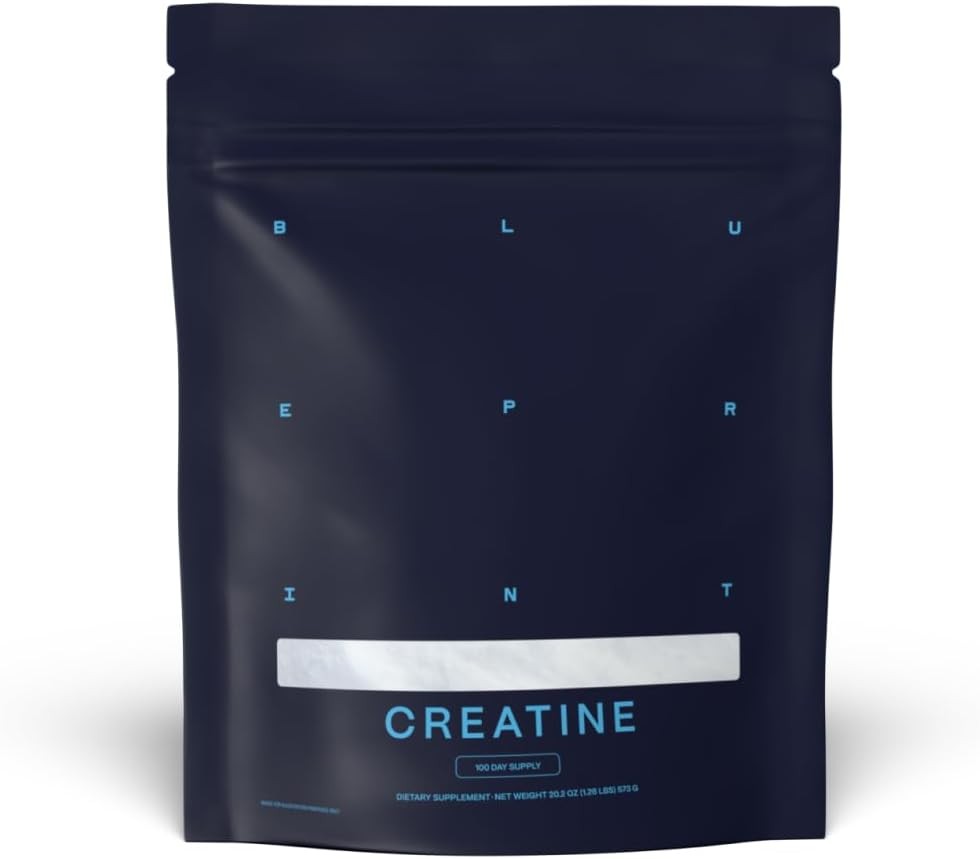
Blueprint Bryan Johnson Creatine Monohydrate Powder
Check Price on AmazonAs an Amazon Associate we earn from qualifying purchases.
This original form consists of creatine bound to a water molecule. It remains the gold standard based on extensive research (1,000+ studies), proven effectiveness, excellent safety profile, and low cost.
Creatine monohydrate is approximately 88% creatine by weight (the remaining 12% is the water molecule). This means 5 grams of creatine monohydrate provides 4.4 grams of actual creatine.
Micronized creatine monohydrate uses smaller particles that may mix slightly better in liquids but offers no performance advantages over regular monohydrate. It’s essentially the same supplement with improved texture.
Creatine Hydrochloride (HCl)
Marketed as requiring smaller doses due to better solubility and absorption, creatine HCl binds creatine to hydrochloric acid. It does dissolve more easily in water than monohydrate.
However, research comparing creatine HCl to monohydrate finds no advantages for muscle creatine uptake, performance, or muscle growth despite HCl costing 3-5 times more. The improved solubility doesn’t translate to improved effectiveness.
The recommended dose (typically 1-2 grams) provides less actual creatine than 5 grams of monohydrate, potentially explaining equivalent effects despite “requiring less.”
Buffered Creatine (Kre-Alkalyn)
This form adds alkaline powder to creatine, with research suggesting it may help reduce the risk of conversion to the waste product creatinine in the acidic stomach environment, theoretically improving absorption and reducing side effects.
Controlled research directly comparing buffered creatine to monohydrate finds no differences in muscle creatine levels, strength, body composition, or side effects. Both forms produce identical results, but buffered creatine costs significantly more.
Creatine Ethyl Ester
This form binds creatine to an ester group, theoretically improving absorption through cell membranes. However, research shows creatine ethyl ester actually produces inferior results to monohydrate.
Studies measuring muscle creatine levels find lower concentrations with ethyl ester despite equivalent dosing. Performance and muscle-building effects also underperform monohydrate. This represents one of the few creatine forms with evidence of inferiority rather than just equivalent expensive alternatives.
Creatine Nitrate, Malate, Magnesium Chelate
Various other forms bind creatine to different compounds (nitrate, malic acid, magnesium). While some offer theoretical advantages based on the properties of the bound compound, none have research demonstrating superior muscle-building or performance effects compared to monohydrate.
These forms typically cost 2-4 times more than monohydrate while offering no proven advantages. Some contain less actual creatine per serving due to the weight of the bound compound, requiring larger doses to match monohydrate’s creatine content.
Bottom Line on Forms
Unless individuals have a specific, verified intolerance to creatine monohydrate (extremely rare), or place a higher value on slightly better mixability despite premium pricing, published research indicates standard creatine monohydrate appears to be the choice most supported by evidence.
The form has decades of safety data, hundreds of studies proving effectiveness, and costs a fraction of alternatives. Marketing claims about alternative forms rarely withstand scientific scrutiny, representing creative product differentiation more than meaningful innovation.
What users report: Creatine monohydrate, backed by over 1,000 studies, remains the top choice due to its proven effectiveness, excellent safety profile, and low cost. 5 grams of creatine monohydrate provides 4.4 grams of actual creatine.
HMB Forms: Calcium Salt vs. Free Acid
No, HMB is not equally available as both calcium salt and free acid forms, with calcium HMB being the original and more researched form, representing the majority of supplemental HMB. Unlike creatine’s numerous forms, HMB primarily comes in two versions with more genuine differences in absorption kinetics.
Calcium HMB (HMB-Ca)
The original supplemental form, calcium HMB binds HMB to calcium, creating a stable compound that survives digestion and reaches the bloodstream. It represents approximately 13% calcium by weight (the remaining 87% is HMB), meaning 3.5 grams of calcium HMB provides about 3 grams of actual HMB.
Calcium HMB has extensive research supporting its effectiveness, safety for long-term use, and muscle-preserving properties. Most studies showing HMB’s benefits used this calcium salt form.
Absorption characteristics: Research shows calcium HMB dissolved in water produces peak blood HMB levels in approximately 43 minutes, while capsules slow absorption to about 79 minutes.
Free Acid HMB (HMB-FA)
This newer form provides HMB without binding to calcium, theoretically allowing faster absorption and higher peak blood levels. Earlier research suggested advantages for this form, leading to marketing claims about superiority.
However, recent 2024 research examining bioavailability surprisingly found that HMB-Ca exhibited superior bioavailability compared to HMB-FA. The area under the curve (total HMB absorbed), peak concentration, and relative bioavailability were significantly higher with calcium HMB than free acid HMB.
These findings contradict earlier studies and create uncertainty about whether the free acid form’s theoretically faster absorption actually translates to practical advantages.
Functional Equivalence
Despite differences in absorption kinetics and blood level peaks, research comparing muscle protein synthesis and breakdown finds that both forms produce comparable effects on muscle tissue.
This suggests the temporary differences in blood HMB levels may matter less than ensuring adequate total HMB availability throughout the day—a goal achieved by either form with proper split dosing.
Practical Recommendations
Given the varying bioavailability research noted, comparable functional outcomes observed, and substantial cost difference (HMB-Ca typically costs 20-30% less), calcium HMB appears to represent a more practical option for many users. The calcium content (approximately 400 mg from 3 grams of calcium HMB) provides a small additional benefit for bone health, particularly relevant in older adults at risk for both sarcopenia and osteoporosis.
Choose free acid HMB only if you have a specific reason to avoid additional calcium intake or if you find a product with HMB-FA at equivalent or lower cost than calcium HMB options.
The science says: Calcium HMB is the original and more researched form of HMB, representing the majority of supplemental HMB, with 3.5 grams providing approximately 3 grams of actual HMB. The calcium salt form has extensive research supporting its effectiveness and safety, with most studies demonstrating HMB’s benefits using this form.
Complete Support System for Muscle Growth
Building muscle requires more than just supplementation—it demands a comprehensive approach combining training, nutrition, recovery, and strategic supplementation. This complete support system integrates creatine and HMB with complementary products and practices to maximize muscle-building results.
Foundational Supplements: Combine creatine or HMB with high-quality protein powder to ensure adequate daily protein intake (1.6-2.2g per kg body weight). Consider adding omega-3 fatty acids to support muscle protein synthesis and reduce exercise-induced inflammation.
Training Optimization: Implement progressive overload principles with resistance training 3-5 days weekly. Track training volume, intensity, and frequency to ensure consistent progression. Creatine enhances high-intensity performance, while HMB supports recovery between sessions.
Nutrition Protocol: Maintain adequate caloric intake to support muscle growth (slight surplus) or muscle preservation (modest deficit). Prioritize whole food protein sources throughout the day. Time carbohydrate intake around training sessions to maximize glycogen replenishment and performance.
Recovery Strategies: Ensure 7-9 hours of quality sleep nightly to optimize protein synthesis and hormonal balance. Implement deload weeks every 4-6 weeks to manage cumulative fatigue. Consider HMB during deload periods to minimize muscle loss while training volume decreases.
Hydration Management: Maintain adequate fluid intake (3-4 liters daily minimum when using creatine). Electrolyte balance supports both creatine’s cell volumization effects and overall performance. Monitor urine color to assess hydration status.
Monitoring Progress: Track body composition changes using consistent measurement methods (weekly weigh-ins, monthly body fat assessments). Record training performance metrics to quantify strength and volume progression. Adjust supplementation protocols based on measurable outcomes rather than subjective feelings.
For older adults (50+), consider combining creatine and HMB with vitamin D supplementation and collagen peptides to support both muscle and connective tissue health. This comprehensive approach addresses multiple aspects of age-related physical decline simultaneously.
Frequently Asked Questions
Can I take creatine and HMB together? Yes. Published research shows additive benefits may be observed when using 5 grams of creatine with 3 grams of HMB daily. Studies indicate the supplements appear to work through different mechanisms that complement each other rather than interfere.
How long until I see results? Research suggests creatine may support noticeable strength and performance improvements within 1-2 weeks with loading, or 3-4 weeks with standard dosing. Studies indicate HMB may require a longer period—8-12 weeks for optimal muscle preservation and strength effects. Combined use appears to follow similar timelines, with research showing creatine’s effects may be observed first.
Do I need to cycle either supplement? Research indicates neither creatine nor HMB requires cycling. Studies suggest the body does not develop tolerance, and continuous use appears to support continued benefits. Research shows cycling may cause muscle creatine levels to return to baseline, temporarily reducing performance benefits until a reload phase is implemented.
Will changes be observed when discontinuing use? Research suggests that with creatine, a temporary increase in body weight due to water retention (1-3 kg) may be observed during supplementation; studies indicate this may normalize as muscle creatine stores return to baseline levels over 4-6 weeks, and performance may gradually return to prior levels. Published research shows that muscle tissue gained during supplementation appears to be maintained if training continues. Studies suggest that discontinuing HMB supplementation may result in the cessation of its anticatabolic effects—muscle built with training appears to remain unless training is discontinued.
What about women—are these supplements effective? Research suggests both supplements appear to function through the same mechanisms in female and male physiology. Some earlier studies included fewer female participants, but recent research indicates effectiveness across sexes. Studies show women may utilize identical dosing protocols as men.
Can I take these with other supplements? Both creatine and HMB combine safely with protein powder, pre-workouts, BCAAs, and other common supplements. No negative interactions exist with these standard supplements. Always consult healthcare providers regarding prescription medications.
Do I need to take breaks for my kidneys? No. In healthy individuals with normal kidney function, research suggests neither supplement requires breaks for kidney health. Published research on creatine includes studies of continuous use for up to 5 years showing no kidney damage. Studies indicate HMB appears to be safe for use up to one year continuously. However, individuals with pre-existing kidney disease may want to avoid these supplements or use only under medical supervision.
Is one better for women and one for men? No. Both supplements work identically across sexes based on the same cellular mechanisms. Choose based on your specific goals and circumstances (age, training status, budget) rather than sex.
For more context, see our guide on Best Creatine Monohydrate: 3-5g Daily for Muscle + Brain (500+ Studies).
Related Reading
- Best Creatine Supplements for Muscle Growth
- Protein Powder Guide for Muscle Building
- Beta-Alanine vs. Creatine for Performance
- Complete Guide to Pre-Workout Supplements
- Building Muscle After 50: Evidence-Based Strategies
📱 Join the discussion: Facebook | X | YouTube | Pinterest
- The Ultimate Creatine Loading Protocol for Rapid Muscle Growth
- Testosterone-Boosting Foods vs. Supplements: A Natural Comparison for Muscle Growth
Conclusion: Making Your Choice
Both creatine and HMB stand as evidence-based supplements with legitimate muscle-building and performance-enhancing effects, but they serve different primary purposes and excel in different contexts.
Choose creatine if:
- Your primary goal is building maximum muscle mass
- You’re a trained athlete under 40 seeking performance enhancement
- You want rapid, noticeable results
- Budget constraints limit supplementation spending
- You follow vegetarian or vegan dietary patterns
- You engage in high-intensity, explosive training
Consider HMB if: Research suggests HMB may support muscle health in individuals over 50 experiencing age-related changes. Studies indicate HMB may help manage muscle loss during active fat loss with caloric restriction. Published research shows HMB appears to have some benefit for recovery from injury or reduced training. Research suggests HMB may be beneficial for beginners seeking reduced muscle soreness and damage. Studies show HMB may help manage conditions involving muscle wasting.
Consider combining both if: Budget allows ($30-50 monthly). Individuals over 50 pursuing maximum muscle preservation may find a combination beneficial. Research suggests combining both may maximize both performance (creatine) and recovery (HMB). Those preparing for competition requiring both strength and muscle preservation may find a combination helpful. Studies indicating additive effects may justify the additional investment.
For most healthy adults engaged in resistance training with the primary goal of building muscle and increasing strength, creatine monohydrate offers superior effectiveness per dollar spent. Its extensive research base, proven results, minimal cost, and excellent safety profile make it the logical first choice.
HMB serves more specialized applications—particularly valuable for older adults, during fat loss phases, and in clinical populations experiencing muscle wasting. Its anticatabolic properties complement rather than replace creatine’s performance-enhancing effects.
The good news: unlike many supplement comparisons where one clearly dominates, both creatine and HMB have legitimate, science-supported applications. Understanding their distinct mechanisms and optimal use cases allows you to make informed decisions matching your specific goals, training status, age, and budget.
Medical Disclaimer: This article is for informational purposes only and does not constitute medical advice. Consult with a qualified healthcare provider before starting any supplementation program, especially if you have pre-existing health conditions, take medications, or are pregnant or nursing.
References
- Creatine monohydrate supplementation for older adults and clinical populations
- Creatine Supplementation Beyond Athletics: Benefits of Different Types of Creatine
- Effects of oral supplementation of β-hydroxy-β-methylbutyrate on muscle mass and strength in individuals over 50
- β-Hydroxy-β-methyl butyrate (HMB) supplementation elevates testosterone levels
- Effect of Ten Weeks of Creatine Monohydrate Plus HMB Supplementation
- Effect of the Combination of Creatine Monohydrate Plus HMB Supplementation on Sports Performance
- Combined creatine and HMB co-supplementation improves functional strength
- Creatine supplementation: loading and maintenance protocols
- Timing, optimal dose and intake duration of dietary supplements
- Superior bioavailability of calcium salt form of HMB vs free acid
- Effects of Creatine Supplementation on Renal Function: Systematic Review
- Common questions and misconceptions about creatine supplementation
- International society of sports nutrition position stand: HMB
- Physiological Benefits and Applications of HMB
- Effects of creatine supplementation on muscle growth
- Creatine monohydrate for muscle hypertrophy
- HMB supplementation and muscle protein synthesis
- Beta-hydroxy-beta-methylbutyrate effects on muscle
- Creatine supplementation for resistance training
Recommended Products