Do BCAAs Actually Build Muscle? (The Honest Answer)
Summarized from peer-reviewed research indexed in PubMed. See citations below.
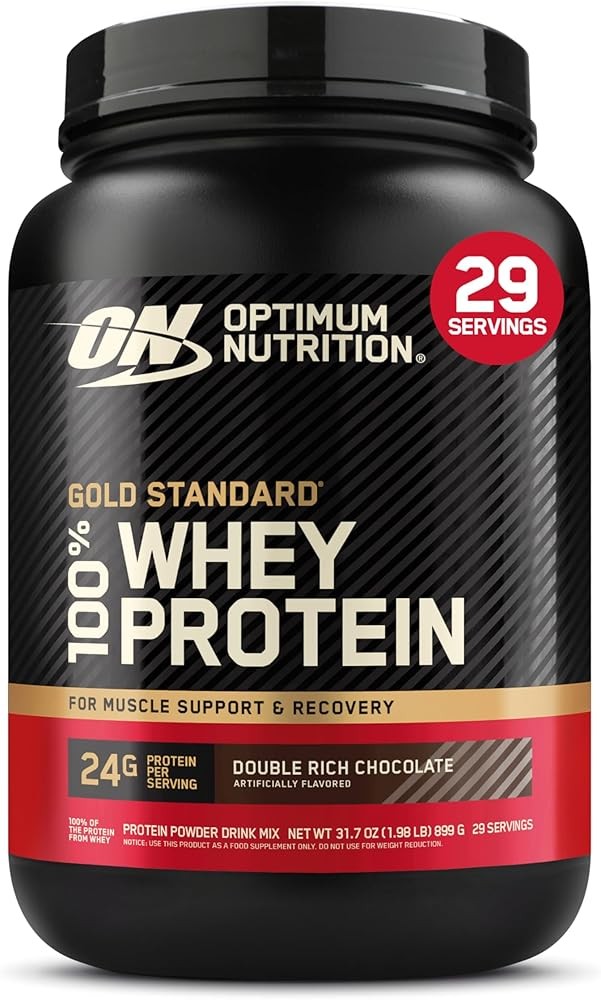
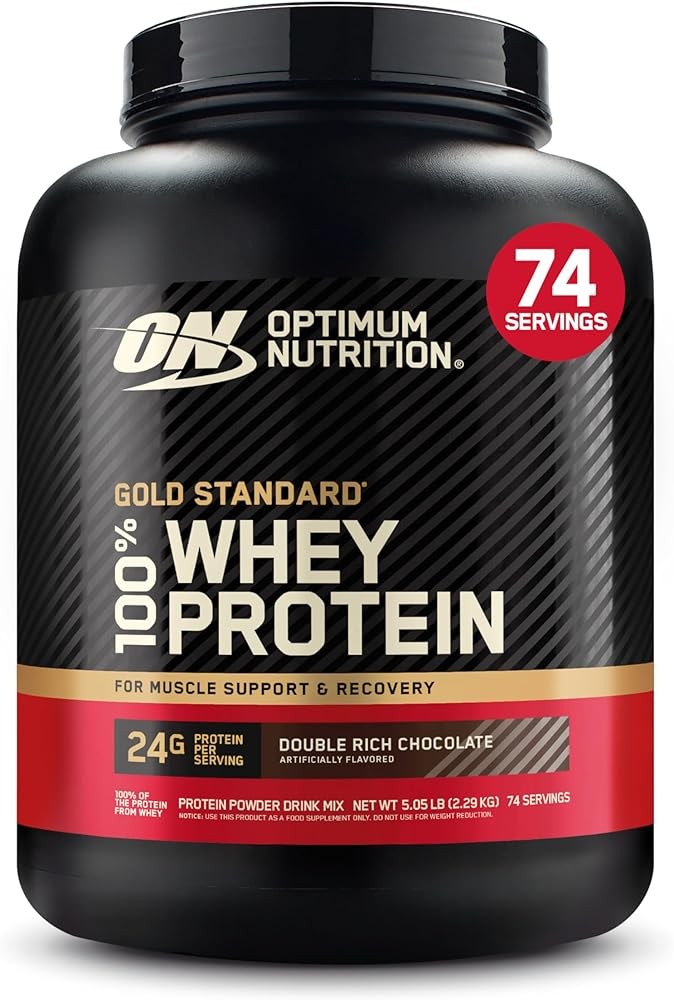
BCAA supplements are marketed as essential muscle-building tools, yet research reveals a critical flaw in their effectiveness for most people already eating adequate protein. Optimum Nutrition Gold Standard Whey Protein delivers a greater muscle protein synthesis response than isolated BCAAs in the Jackman head-to-head trial, at about $1.63 per serving for the 2 lb tub, providing all 9 essential amino acids including roughly 6 grams of BCAAs naturally. Wolfe’s 2017 review found zero human studies showing oral BCAAs alone increase net muscle protein synthesis because while leucine activates mTORC1 signaling, BCAAs cannot sustain synthesis without the other six essential amino acids your body needs to actually build muscle. Optimum Nutrition Gold Standard Whey in the 5 lb tub provides the same complete amino acid profile at about $1.30 per serving. Here’s what the published research shows.
Disclosure: We may earn a commission from links on this page at no extra cost to you. Affiliate relationships never influence our ratings. Full policy →
| Feature | BCAAs | Whey Protein | Complete EAAs | Food Protein |
|---|---|---|---|---|
| Essential Amino Acids | 3 of 9 (Leucine, Isoleucine, Valine) | All 9 EAAs + 11 non-essential | All 9 EAAs | All 9 EAAs + nutrients |
| MPS Stimulation | Modest vs placebo | Greater than BCAAs (Jackman 2017) | Comparable to whey | Comparable to whey |
| Can Sustain Protein Synthesis | No - missing 6 EAAs | Yes - complete profile | Yes - complete profile | Yes - complete profile |
| Leucine Per Serving | 2-3g (in 5-7g BCAAs) | 2.5-3g (in 25g protein) | 2.5-3g (in 10-15g EAAs) | 2-3g (in 25-40g protein) |
| Cost Per Serving | $0.50-$1.50 | $0.75-$1.50 | $0.75-$2.00 | $1.00-$3.00 |
| Net Protein Balance | Zero or negative (requires muscle breakdown for missing EAAs) | Strongly positive | Positive | Strongly positive |
| Best Use Case | Fasted training, endurance 90+ min | Post-workout, general muscle building | Post-workout when whole protein unavailable | All scenarios - most complete |
| Evidence for Hypertrophy | None in adequate protein contexts | Strong - 28+ meta-analyses | Moderate - fewer studies than whey | Strong - foundational research |
| Typical Serving Size | 5-10g | 20-40g | 10-15g | 25-40g protein equivalent |
What Does the Video Evidence Show?
What Exactly Are BCAAs and How Do They Work?
BCAAs initiate, but do not maintain, muscle protein synthesis lacking all essential amino acids.
Before we dive into the research, let us make sure we are all on the same page about what BCAAs actually are.
Branched-chain amino acids are a group of three essential amino acids that share a distinctive branched molecular structure:
- Leucine — The most potent activator of the mTORC1 signaling pathway, which is the master switch for muscle protein synthesis. Leucine is the reason BCAAs became popular in the first place.
- Isoleucine — Plays a role in glucose uptake into muscle cells and energy production during exercise. Less potent than leucine for MPS stimulation.
- Valine — Competes with tryptophan for transport across the blood-brain barrier (relevant to the central fatigue hypothesis, which we will discuss later). Its direct role in muscle building is the least significant of the three.
The term “essential” means your body cannot manufacture these amino acids — you must obtain them from food or supplements. BCAAs are found abundantly in protein-rich foods: meat, fish, eggs, dairy, and to a lesser extent in legumes, nuts, and grains.
Most BCAA supplements use a 2:1:1 ratio of leucine to isoleucine to valine, typically providing 5-10 grams per serving. Some products use higher leucine ratios (4:1:1 or even 8:1:1), though the evidence for these ratios being superior is limited.
Here is the critical thing to understand: BCAAs are just 3 of the 9 essential amino acids (EAAs) your body needs to build muscle protein. The other six EAAs — histidine, lysine, methionine, phenylalanine, threonine, and tryptophan — are equally necessary for completing the process of muscle protein synthesis. This distinction becomes extremely important when we examine the research.
The bottom line: BCAAs represent only 3 of the 9 essential amino acids required for muscle protein synthesis—research suggests leucine may activate the mTORC1 signaling pathway, but studies indicate that without the other 6 EAAs present, protein synthesis may slow as individual amino acid pools become depleted.
The practical observation: Most BCAA supplements provide 5-10 grams per serving in a 2:1:1 ratio (leucine:isoleucine:valine), but research indicates a 25-gram scoop of whey protein naturally contains approximately 5-6 grams of BCAAs plus all other essential amino acids at roughly the same cost per serving.
What Signs Suggest You Need More Protein?
Before reaching for a BCAA supplement, it is worth understanding what your body actually tells you when protein intake or amino acid availability is inadequate. These signs often get misattributed to “needing BCAAs” when they usually indicate broader nutritional issues.
Signs That Suggest Inadequate Overall Protein Intake
Slow recovery between workouts. If you are consistently sore for 3-4 days after a workout that should only leave you sore for 24-48 hours, your body may not have enough amino acid substrate to repair damaged muscle fibers efficiently. This is almost never a BCAA-specific problem — it is a total protein intake problem.
Gradual loss of muscle mass during a cut. When you are in a caloric deficit and notice your lifts dropping significantly or your muscles looking flat and deflated beyond what water loss would explain, your body may be catabolizing muscle tissue for energy. The solution is usually more total protein (up to 2.2-2.4 g/kg/day during a deficit), not isolated BCAAs.
Persistent fatigue and poor workout performance. Feeling weak, unmotivated, and unable to hit previous training numbers over a period of weeks can signal that your body is prioritizing survival functions over muscle maintenance. While this can have many causes (sleep, stress, overtraining), inadequate protein is a common and often overlooked contributor.
Brittle nails, thinning hair, or slow wound healing. These are signs that may correlate with prolonged protein insufficiency, potentially spanning weeks to months. Research suggests the body may prioritize amino acid allocation to vital organs during periods of insufficiency, potentially impacting functions like hair and nail growth. Studies indicate BCAAs may not be sufficient to address these signs—adequate total protein intake appears to be important.
Increased illness frequency. Your immune system is a major consumer of amino acids, particularly glutamine and arginine. If you are getting sick more often than usual, especially during hard training blocks, protein insufficiency may be suppressing immune function.
What BCAAs Will NOT Fix
It is important to be honest: if you are experiencing the signs above, studies indicate incorporating 5-10 grams of BCAAs into your regimen is extremely unlikely to result in a noticeable change. Research suggests you may find greater benefit from:
- Increasing total daily protein to at least 1.6 g/kg/day (and up to 2.2 g/kg/day for active individuals)
- Distributing protein across 3-5 meals per day with at least 25-40 grams per meal
- Choosing high-quality complete protein sources that contain all 9 EAAs
- Considering a quality protein powder if whole food intake is difficult
When BCAAs Might Actually Help (Preview)
That said, there are narrow scenarios where BCAAs might provide genuine benefit:
- Training in a fasted state (no food for 8+ hours)
- Very low calorie diets where total food intake is severely restricted
- Endurance exercise lasting over 90 minutes
- Elderly individuals with very low appetites who cannot consume adequate whole-food protein
- Vegans struggling to reach leucine thresholds from plant proteins alone
We will examine the evidence for each of these scenarios in detail below.
Timeline: What to Realistically Expect From BCAA Supplementation
If you do decide to supplement with BCAAs, here is a realistic timeline based on available research:
- Days 1-3: You may notice a slight reduction in perceived effort during training (likely placebo effect in most cases, though there is some central fatigue hypothesis support for endurance athletes).
- Weeks 1-2: Minor reductions in delayed-onset muscle soreness (DOMS) are possible, based on meta-analysis data, though the effect size is small.
- Weeks 2-4: If you were previously training fasted with zero protein around workouts, you might notice slightly better muscle preservation. However, this benefit disappears entirely if you add a protein shake instead.
- Months 1-3: No meaningful difference in muscle mass or strength compared to adequate total protein intake, based on the weight of available evidence.
The honest truth is that for someone already eating enough protein, BCAAs are unlikely to produce any noticeable difference at any time point.
The practical takeaway: If a diet includes 1.6-2.2 g/kg/day of protein distributed across 3-5 meals, each containing 25-40 grams of protein, research suggests individuals may naturally exceed the leucine threshold and consume approximately 25-30 grams of BCAAs daily—studies indicate that supplementation may then be physiologically redundant.
How Does Leucine Actually Trigger Muscle Protein Synthesis?
Understanding why BCAAs became popular requires understanding the molecular biology of muscle growth. This section is the core of the article — the mechanism that launched a multi-billion-dollar industry, and the critical flaw in the logic behind it.
The mTORC1 Signaling Pathway: The Master Switch
Muscle protein synthesis (MPS) — the process by which your body builds new muscle protein — is regulated by a signaling hub called mechanistic target of rapamycin complex 1 (mTORC1). This protein complex acts as a nutrient sensor and master switch for anabolic processes in the cell.
Here is how it works at the molecular level:
-
Leucine sensing: When leucine levels rise in the bloodstream and enter muscle cells, they are detected by a protein called Sestrin2. This sensor essentially tells the cell “amino acids are available, it is safe to build new protein” (Han et al., 2012; PMID: 22424946).
-
Ragulator-Rag activation: Sestrin2 activates a complex of proteins called the Ragulator-Rag complex, which physically relocates mTORC1 to the surface of lysosomes inside the cell. This is where mTORC1 can be fully activated.
-
mTORC1 activation: Once at the lysosomal surface, mTORC1 is activated by the small GTPase Rheb (Ras homolog enriched in brain). The combination of leucine signaling (via Sestrin2-Ragulator-Rag) and growth factor signaling (via PI3K-Akt-TSC1/2-Rheb) fully activates mTORC1.
-
Downstream effects: Activated mTORC1 phosphorylates two critical downstream targets:
- p70S6K (ribosomal protein S6 kinase) — Promotes ribosome biogenesis and translation initiation
- 4EBP1 (eukaryotic initiation factor 4E-binding protein 1) — Releases eIF4E to initiate cap-dependent translation
These downstream events collectively ramp up the cell’s protein-manufacturing machinery, increasing the rate at which muscle proteins are assembled from amino acid building blocks.
A landmark 2016 study by Moberg and colleagues demonstrated this beautifully: they showed that leucine alone activated mTORC1 following resistance exercise, but the activation was potentiated (amplified) when all three BCAAs were present, and amplified even further when all essential amino acids were provided (Moberg et al., 2016; PMID: 27053525). This single finding encapsulates the entire BCAA debate in one experiment.
The Critical Flaw: Triggering MPS vs. Sustaining MPS
Here is where the BCAA marketing narrative breaks down, and where the science becomes truly important.
Leucine can trigger the mTORC1 signal. But BCAAs alone cannot sustain actual muscle protein synthesis. This is the single most important fact in this entire article.
Think of it this way: leucine is like turning the ignition key in a car. It starts the engine. But if there is no fuel in the tank (the other six essential amino acids), the engine will sputter and stall almost immediately. You cannot drive anywhere with just an ignition key.
Robert Wolfe, one of the most respected amino acid researchers in the world, articulated this point forcefully in his landmark 2017 review paper, “Branched-chain amino acids and muscle protein synthesis in humans: myth or reality?” He wrote:
“A dietary supplement of BCAAs alone cannot support an increased rate of muscle protein synthesis. The availability of the other EAAs will rapidly become rate limiting for accelerated protein synthesis.” (Wolfe, 2017; PubMed 28852372)
Wolfe’s review searched the entire scientific literature and found zero human studies in which orally consumed BCAAs alone were shown to increase net muscle protein synthesis. The only two human studies that examined the effect of BCAAs in isolation used intravenous infusion, and both found that BCAAs actually decreased overall muscle protein synthesis alongside decreased protein breakdown — resulting in a decrease in total muscle protein turnover.
Where Do the Missing Amino Acids Come From?
This is where the story takes an even more concerning turn. When BCAAs are consumed alone (without other amino acids), and leucine triggers the mTORC1 signal to start processes related to new muscle protein, the ribosomes begin assembling protein. However, research indicates they require all 20 amino acids to complete each protein molecule. Since only 3 of the 9 essential amino acids were provided in this instance, studies raise the question of the source of the remaining 6.
The answer: from the breakdown of existing muscle protein.
Your body responds to amino acid availability during protein synthesis. Wolfe (2017) proposes that this may mean the overall effect of BCAAs alone could be zero or even negative for muscle protein balance – the stimulation of MPS may be offset by increased breakdown of existing muscle to supply missing EAAs. PubMed 28698222](https://pubmed.ncbi.nlm.nih.gov/28698222/)Wolfe, R. R. (2017). Branched-chain amino acids and muscle protein synthesis. Journal of Nutrition, 147(9), 1752–1755.
This is the fundamental paradox of isolated BCAA supplementation: the supplement marketed as a muscle-building aid may, in theory, actually accelerate muscle protein breakdown by creating a demand for amino acids that can only be met through catabolism.
Here’s what matters: Wolfe’s 2017 review of available research found no human studies indicating that orally consumed BCAAs alone support net muscle protein synthesis—research using intravenous BCAAs showed decreased overall protein synthesis alongside decreased breakdown [PMID: 28852372].
MPS Stimulation vs. Muscle Hypertrophy: A Crucial Distinction
Even if we set aside the amino acid supply problem, there is another conceptual error in the BCAA marketing narrative. Acute stimulation of muscle protein synthesis (MPS) does not automatically translate into chronic muscle hypertrophy (actual muscle growth).
MPS is a rate measurement — it tells you how fast protein is being assembled at a particular moment. Hypertrophy is the net accumulation of muscle protein over weeks and months. For hypertrophy to occur, MPS must exceed muscle protein breakdown (MPB) consistently over time, and total amino acid supply must be sufficient to support net positive protein balance.
A single post-workout spike in MPS from BCAAs means very little if:
- The MPS rate is lower than what complete protein would produce
- The MPS response is short-lived because missing amino acids become rate-limiting
- Muscle protein breakdown increases simultaneously to supply those missing amino acids
- Overall daily protein intake is the actual determinant of chronic muscle growth
The Plotkin and Delcastillo (2021) narrative review examined this distinction carefully and concluded that despite numerous acute MPS studies, there is no convincing evidence that BCAA or isolated leucine supplementation enhances muscular strength or hypertrophy in humans consuming adequate total protein (Plotkin et al., 2021; PMID: 33741748).
What users report: Plotkin et al. (2021) found no convincing evidence that BCAA or leucine supplementation appears to enhance strength or hypertrophy in people consuming adequate protein (PMID: 33741748)—research suggests momentary MPS spikes may not translate to muscle growth without sustained amino acid availability.
What the evidence tells us: Leucine triggers muscle protein synthesis by being detected by the Sestrin2 protein, signaling the mTORC1 pathway that amino acids are available to build new protein, as demonstrated by Han et al. in 2012. The mTORC1 pathway acts as a master switch for anabolic processes in the cell, regulating muscle protein synthesis.
How Do BCAAs Compare to EAAs and Whey Protein?
One of the most common points of confusion in the supplement world is the difference between BCAAs, EAAs, and whey protein. Understanding these differences makes the research conclusions much clearer.
BCAAs: 3 Amino Acids, Incomplete Toolkit
- The value assessment: Leucine, isoleucine, valine (3 of 9 essential amino acids)
- Looking ahead: Yes, via leucine-mTORC1 activation
- Our recommendations: No — missing 6 essential amino acids become rate-limiting
- Storage essentials: Potentially zero or negative when consumed in isolation
- What the evidence tells us: 5-10 grams per serving
- The data says: $0.50-$1.50
EAAs: All 9 Essential Amino Acids, Better Option
- The science says: All 9 essential amino acids including leucine, isoleucine, and valine
- Research summary: Yes, via leucine content
- What matters most: Yes — all essential building blocks present
- Our verdict: Positive, comparable to intact protein gram-for-gram of EAA content
- The takeaway: 10-15 grams per serving
- Study summary: $0.75-$2.00
For a detailed head-to-head breakdown of these two supplements, read our BCAA vs. EAA comparison.
Whey Protein: The Complete Package
-
The evidence shows: All 9 EAAs + 11 non-essential amino acids, plus bioactive peptides
-
What this means for you: Yes — whey is naturally ~25% BCAAs by weight, including ~11% leucine
-
In summary: Yes — provides all amino acid building blocks in abundance
-
The research verdict: Strongly positive, the most studied and validated protein source for muscle growth
-
What the data says: 20-40 grams per serving (providing 5-10g BCAAs naturally)
-
In practice: $0.75-$1.50
The Jackman Study: Head-to-Head Evidence
The most directly relevant comparison study was conducted by Jackman and colleagues in 2017. They compared the muscle protein synthesis response to 5.6 grams of BCAAs versus 20 grams of whey protein following resistance exercise in young, resistance-trained men.
The results were unambiguous:
- Whey protein group: greater myofibrillar protein synthesis (MPS) over placebo
- BCAA group: 22% increase in myofibrillar protein synthesis over placebo
Whey protein produced a greater MPS response than BCAAs following resistance exercise in young, resistance-trained men (Jackman et al., 2017).
And remember: whey plus all the other amino acids needed to potentially support protein synthesis.
This is why many sports nutrition researchers suggest whey protein (or another complete protein source) over isolated BCAAs for muscle growth. Research indicates that if one is seeking benefits associated with BCAAs, whey protein may be a suitable option, as it naturally contains them alongside other nutrients potentially beneficial for muscles.
For our complete breakdown of the best protein powders, see our guide on the best protein powder for muscle gain.
Clinical insight: The Jackman 2017 head-to-head trial found whey protein produced a greater myofibrillar protein synthesis response than an equal serving of BCAAs after resistance exercise (PubMed 28638350).
When BCAAs Actually Make Sense: The Evidence-Supported Use Cases
Despite the overall negative conclusion about BCAAs for general muscle building, it would be intellectually dishonest to say they are useless in every context. There are specific scenarios where BCAAs may provide genuine benefit. Let us examine the evidence for each.
1. Fasted Training
The practical verdict: You train first thing in the morning with no food for 8-12 hours. No protein shake, no breakfast, nothing.
Here’s what matters: During fasted training, your body is already in a net catabolic state (muscle protein breakdown exceeds synthesis). Providing leucine via BCAAs may help reduce the rate of muscle protein breakdown during the workout, even if it cannot fully stimulate new MPS.
What users report: A piglet model study showed that BCAA supplementation enhanced fasted-state phosphorylation of protein translation initiation factors and inhibited protein-degradation signaling (Escobar et al., 2005; PMID: 16365096). In humans, the evidence is more limited, but the physiological rationale is sound. BCAAs in a fasted state are providing amino acids where none existed, which is a fundamentally different situation from adding BCAAs on top of an already-adequate protein intake.
The value assessment: Research suggests BCAAs before fasted training may offer some benefit compared to no supplementation. However, studies indicate a small protein shake (10-20g whey) may be even more supportive and costs approximately the same. If an individual is committed to fasting before training, research suggests BCAAs may be a reasonable approach.
2. Caloric Restriction and Cutting
Looking ahead: You are in a significant caloric deficit (500+ calories below maintenance) while trying to preserve muscle mass.
Our observations: During energy restriction, muscle protein breakdown rates increase. Research suggests additional leucine may support a balance toward muscle preservation.
Storage essentials: A study by Dudgeon et al. (2016) found that resistance-trained males supplementing with BCAAs during a calorie-restricted diet maintained lean body mass while losing fat mass, compared to a carbohydrate control group (Dudgeon et al., 2016; PMID: 26733764). However, a later study found that BCAA supplementation did not preserve lean mass in overweight adults during weight loss (Gwin et al., 2021; PMID: 33537760). The discrepancy likely reflects the fact that trained individuals on high-protein diets respond differently from sedentary overweight individuals.
What the evidence tells us: Limited and mixed evidence. Higher total protein intake (2.2-2.4 g/kg/day) during a cut is far more impactful for lean mass preservation than adding BCAAs. If your protein is already adequate, BCAAs are unlikely to add meaningful benefit during a cut.
3. Endurance Athletes: The Central Fatigue Hypothesis
The data says: Prolonged endurance exercise lasting 90+ minutes (marathon running, long-distance cycling, ultramarathons).
The science says: This is the most theoretically interesting use case for BCAAs. During prolonged exercise, muscle BCAAs are oxidized for fuel, causing blood BCAA levels to drop. Simultaneously, free tryptophan levels rise as fatty acids compete for albumin binding sites. Tryptophan and BCAAs compete for transport across the blood-brain barrier via the same transporter (LAT1). When the tryptophan-to-BCAA ratio increases, more tryptophan enters the brain, where it is converted to serotonin (5-HT). Increased brain serotonin is proposed to promote feelings of fatigue, lethargy, and reduced motivation — a phenomenon termed “central fatigue” (Newsholme et al., 1987; Davis et al., 1995).
Research summary: Supplementing with BCAAs during prolonged exercise can reduce the plasma free-tryptophan-to-BCAA ratio and may reduce perceived exertion and mental fatigue. A study showed improved cognitive function after a 30-km cross-country race with BCAA supplementation. However, actual performance improvements (speed, power output, time to exhaustion) have been inconsistent across studies. A 2005 review by Meeusen concluded that “the evidence that the central fatigue hypothesis explains the impairment of performance during prolonged exercise is not convincing” (Meeusen et al., 2006; PMID: 16424144).
What matters most: Theoretically plausible, but practical performance benefits are inconsistent. BCAAs might reduce perceived effort during very long endurance events but are unlikely to meaningfully improve finish times.
4. Elderly Individuals With Low Appetite
Our verdict: Older adults (65+) who struggle to consume adequate protein due to reduced appetite, dental issues, or difficulty preparing high-protein meals.
The takeaway: Aging is associated with anabolic resistance — muscles become less responsive to protein intake, requiring a higher leucine threshold (approximately 3 grams per meal versus 2 grams for younger adults) to trigger MPS. Elderly individuals often eat protein-poor meals that fail to reach this threshold. BCAA supplements, being easy to consume (can be mixed in water), might help bridge this gap.
Study summary: A systematic review and meta-analysis by Cheng et al. (2022) found that BCAA-rich supplements may improve skeletal muscle index in older adults with sarcopenia when combined with resistance training (Cheng et al., 2022; PMID: 34705076). However, benefits attenuated after supplementation was discontinued, and functional outcomes (grip strength, gait speed) were not consistently improved.
Key takeaway: Research suggests moderate evidence for potential benefit in elderly populations experiencing sarcopenia, particularly when used alongside exercise. However, studies indicate complete EAAs or small servings of whey protein (see the product picks above) may be more supportive choices. BCAAs appear to be a second-best option for this population, with research suggesting they may be considered when complete protein sources are truly impractical.
5. Vegans Struggling to Hit Leucine Thresholds
The evidence shows: Individuals following a plant-based diet who struggle to reach the 2-3 gram leucine threshold per meal that is required to maximally stimulate MPS.
What this means for you: Plant proteins generally have lower leucine content compared to animal proteins. For example, you need approximately 40-50 grams of pea protein to match the leucine content of 25 grams of whey protein. Vegans eating modest portions of plant protein at each meal may not reach the leucine threshold without combining multiple protein sources.
In summary: Research has shown that the leucine content of a meal is a key determinant of the MPS response, and that plant proteins stimulate MPS less effectively per gram than animal proteins due to their lower leucine density. Adding supplemental leucine to plant-based meals can enhance MPS to levels comparable to animal protein (Churchward-Venne et al., 2012; PMID: 22451437).
The research verdict: Plant proteins require 40-50 grams to match the 2-3 grams of leucine in 25 grams of whey protein—vegans can add supplemental leucine to reach the threshold or simply consume larger portions of pea-rice protein blends.
What the data says: Moderate evidence supports BCAAs for fasted training, elderly sarcopenia (PMID: 34705076), and vegan diets struggling with leucine thresholds—but complete protein sources consistently outperform BCAAs even in these scenarios, making BCAAs a second-best option at best.
When BCAAs Are a Waste of Money: The Majority of Cases
Now let us address the elephant in the room. For the vast majority of people who supplement with BCAAs, they are throwing money away. Here is why.
You Already Eat Adequate Protein
The most important meta-analysis on protein and muscle growth comes from Morton et al. (2018), who analyzed 49 studies with 1,863 participants and found that protein supplementation significantly increased muscle mass and strength during resistance training, with a breakpoint at 1.62 g/kg/day (95% CI: 1.03-2.20 g/kg/day) — meaning protein intake above this threshold provides diminishing returns for muscle growth (Morton et al., 2018; PMID: 28698222).
If you are already eating 1.6-2.2 g/kg/day of protein from mixed food sources, you are getting far more BCAAs from your diet than any supplement can provide. Consider:
- A 180 lb (82 kg) person eating 1.8 g/kg/day consumes approximately 148 grams of protein daily
- That protein naturally contains approximately 25-30 grams of BCAAs, including 12-15 grams of leucine
- A typical BCAA supplement provides only 5-10 grams of BCAAs per serving
Adding 5 grams of BCAAs to the 25-30 grams you already eat from food is physiologically negligible. Your muscles do not know or care whether their leucine came from a chicken breast or a flavored powder.
You Already Use Whey Protein
This is perhaps the most absurd scenario, yet it is extremely common: people who take both whey protein and a separate BCAA supplement.
A single 25-gram scoop of whey protein contains approximately:
- 2.5-3 grams of leucine
- 1.5 grams of isoleucine
- 1.5 grams of valine
- Total BCAAs: ~5.5-6 grams
Plus all the other essential amino acids, non-essential amino acids, and bioactive peptides. You are already getting a full serving of BCAAs in every whey protein shake. Adding a separate BCAA supplement on top is pure redundancy — you are paying twice for the same amino acids.
You Are Using BCAAs Instead of Real Food or Protein Powder
This is the worst-case scenario and, unfortunately, also common. Some people use BCAA drinks as a substitute for actual protein meals, believing that the BCAAs are “the important part” of protein. This is categorically wrong.
BCAAs provide 3 amino acids. Food and complete protein supplements provide all 20 amino acids plus calories, vitamins, minerals, and other nutrients your body needs. Swapping a real meal or a whey protein shake for a zero-calorie BCAA drink is trading a complete nutritional package for a tiny fraction of it.
The Math Does Not Work
Let us compare costs:
- BCAA supplement: ~$25 for 30 servings of 7 grams each = $0.83/serving for 7 grams of 3 amino acids
- Whey protein: ~$30 for 30 servings of 25 grams each = $1.00/serving for 25 grams of complete protein (including ~6 grams of BCAAs)
For roughly the same price per serving, whey gives you 3.5 times more total protein, all 9 EAAs, all non-essential amino acids, and a dramatically superior MPS response. The value proposition of BCAAs simply does not hold up.
Clinical insight: If you eat 1.6-2.2 g/kg/day of protein, you already consume 25-30 grams of BCAAs daily from food—adding 5 grams from a supplement is physiologically negligible, and if you use whey protein, you’re already getting 5-6 grams of BCAAs per scoop.
What this means for you: For most people, research suggests BCAA supplements may not offer additional benefit because dietary protein intake (1.6-2.2 g/kg/day) is often sufficient for muscle growth, as indicated by Morton et al. (2018; PMID: 28698222). Consuming adequate protein naturally provides a greater amount of BCAAs than supplementation may offer.
What Are the Most Common Myths About BCAAs?
The supplement industry thrives on overstated claims and misinterpreted research. Let us systematically address the most persistent myths about BCAAs.
Myth 1: “BCAAs Build Muscle”
The practical verdict: BCAAs trigger the MPS signal (via leucine-mTORC1) but cannot sustain muscle protein synthesis on their own. Wolfe (2017) found zero human studies showing that oral BCAA intake alone increases net muscle protein synthesis. The signal to build is not the same as the building itself. You need all 9 EAAs to actually construct new muscle protein (Wolfe, 2017; PubMed 28852372).
Better alternative: Consume 20-40 grams of complete protein containing all 9 EAAs.
Myth 2: “BCAAs Reduce the risk of Muscle Loss”
What users report: Research regarding BCAAs and the potential to help reduce the risk of muscle loss appears minimal and inconsistent. A 2019 biochemical review indicated that “BCAA supplementation alone does not enhance muscle protein synthesis any more than consumption of complete, high quality protein” (Jackman et al., 2019; PMID: 31508659). When BCAAs appear to help reduce the risk of muscle loss in studies, it is usually in populations that were previously protein-deficient, suggesting the BCAAs may have served as a partial protein source — something that whole food protein appears to do more effectively.
Adequate total protein intake at 1.6-2.2 g/kg/day is far more important for muscle preservation than any amount of isolated BCAA supplementation.
Myth 3: “BCAAs Improve Recovery”
The value assessment: A 2024 systematic review and meta-analysis found that BCAA supplementation can reduce creatine kinase (a marker of muscle damage) and delayed-onset muscle soreness after exercise-induced muscle damage, but the effect sizes were small and the clinical significance is debatable (Hormoznejad et al., 2024; PMID: 38625669). A 2025 study by Meng found that timing of BCAA supplementation (pre vs. post exercise) affected recovery markers, but the overall recovery benefit was modest (Meng, 2025).
The more likely explanation: any protein source consumed around exercise improves recovery, and the BCAAs in these studies are simply providing some amino acids where none would otherwise be present. If you eat adequate protein throughout the day and consume protein around your workouts, BCAAs add nothing meaningful to recovery.
Myth 4: “BCAAs Are Better Than Protein Powder”
Looking ahead: Research indicates this observation contrasts with available evidence. Jackman et al. (2017) directly compared BCAAs to whey protein and found whey produced a greater MPS response than BCAAs (PubMed 28638350). Moberg et al. (2016) showed that EAAs may more potently activate mTORC1 than BCAAs alone, and BCAAs may activate it more than leucine alone (PMID: 27053525). The research suggests a hierarchy: complete protein > EAAs > BCAAs > leucine alone.
There is no scenario in the scientific literature where BCAAs outperform an equivalent or greater dose of complete protein for any muscle-related outcome.
Myth 5: “Leucine Is All You Need for MPS”
Our observations: Leucine appears to trigger the mTORC1 signal, but research indicates all 9 EAAs are required to complete protein synthesis. Without the full complement of essential amino acids, the translation machinery initiated by leucine-mTORC1 signaling may slow as individual amino acid pools are depleted. Churchward-Venne et al. (2012) found that enriching a suboptimal protein dose with leucine enhanced MPS, but the effect was dependent on having the other essential amino acids present from the protein base (PMID: 22451437). Leucine alone, without adequate EAA supply, may not produce a sustained MPS response.
Myth 6: “The More BCAAs, The Better”
Storage essentials: There appears to be a ceiling effect for BCAA-stimulated MPS, and excess BCAAs beyond the leucine threshold (2-3 grams) provide no additional benefit. In fact, excessive BCAA intake may compete with other amino acids for intestinal absorption and cellular uptake, potentially creating imbalances. Some research has also linked chronically elevated BCAA levels to insulin resistance, though this is more relevant to metabolic syndrome populations than healthy athletes (Newgard et al., 2009; PMID: 19478138).
Key takeaway: Consuming 20-40 grams of complete protein containing all 9 essential amino acids (EAAs) is a more effective strategy for building muscle than taking BCAAs alone, as BCAAs cannot sustain muscle protein synthesis on their own. Supplementing with BCAAs alone has minimal and inconsistent evidence for preventing muscle loss.
What Is the Leucine Threshold and Why Does It Matter?
One of the most practically useful concepts from the BCAA research is the leucine threshold — the minimum amount of leucine per meal needed to maximally stimulate muscle protein synthesis.
What Is the Leucine Threshold?
Research consistently shows that approximately 2-3 grams of leucine per meal is needed to maximally activate mTORC1 and stimulate MPS in young adults. For older adults (65+), who experience anabolic resistance, the threshold may be higher — approximately 3-4 grams per meal (Devries et al., 2018; Moore et al., 2015).
This threshold is sometimes called the “leucine trigger” — the amount of leucine needed to “turn on” the muscle protein synthesis machinery.
What the evidence tells us: Eating 25-40 grams of protein from high-quality sources per meal automatically provides the 2-3 grams of leucine needed to maximally trigger muscle protein synthesis—supplemental BCAAs are unnecessary if your protein intake is adequate.
How Much Protein Provides 2-3 Grams of Leucine?
Most protein sources provide enough leucine when consumed in adequate amounts:
| Food Source | Protein Needed for ~3g Leucine | Leucine Content (per 100g protein) |
|---|---|---|
| Whey protein | ~25g | ~11-13g |
| Chicken breast | ~30g | ~7.5-8g |
| Eggs (whole) | ~35g (~5 eggs) | ~8.5g |
| Beef | ~30g | ~8g |
| Salmon | ~35g | ~7.5g |
| Milk (casein) | ~30g | ~9.5g |
| Pea protein | ~40-45g | ~6.5-7g |
| Rice protein | ~40-50g | ~6-7g |
| Soy protein | ~35g | ~8g |
Practical Implications
If you are eating 25-40 grams of protein per meal from high-quality sources, you are almost certainly exceeding the leucine threshold at every meal without any supplementation. This means:
- BCAAs are unnecessary for leucine threshold purposes if your meals contain adequate protein.
- Plant-based eaters may need larger portions or protein combining to reach the threshold, making supplemental leucine (not necessarily full BCAAs) a reasonable consideration.
- Spreading protein across meals (rather than consuming most protein in one large evening meal) ensures you trigger MPS multiple times per day, optimizing the anabolic response.
What this means for you: Research suggests that to maximally support muscle protein synthesis, a meal may benefit from containing approximately 2-3 grams of leucine for young adults and 3-4 grams for older adults (65+) [PMID: 32990580]. Studies indicate that consuming 25-40 grams of protein from high-quality sources per meal typically appears to meet this leucine threshold [PMID: 32990580].
What the Updated Research Shows: A Evidence Summary
The most comprehensive recent review on BCAAs and muscle protein metabolism was published by Jackman et al. (2023) in Nutrition Research Reviews, titled “The effects of branched-chain amino acids on muscle protein synthesis, muscle protein breakdown and associated molecular signalling responses in humans: an update” (PMID: 37681443).
Key Conclusions From Recent Research
1. BCAAs activate mTOR signaling but produce inferior MPS responses compared to complete protein. The review confirmed that BCAAs, particularly leucine, increase the phosphorylation of key proteins within the mTOR signaling pathway, including p70S6K and 4EBP1. However, the magnitude of MPS stimulation from BCAAs alone is consistently less than from a complete protein source providing all EAAs (see our guide on Does Intermittent Fasting Hurt Muscle Growth?).
2. BCAAs may reduce muscle protein breakdown, but the net effect is unclear. Several studies show that BCAAs can reduce indices of muscle protein breakdown (MPB). However, whether this reduction in MPB, combined with the modest increase in MPS, results in a net positive muscle protein balance is not established. Remember, as Wolfe (2017) argued, the BCAAs used in MPS must come from somewhere — if not from diet, then from muscle breakdown.
3. BCAA supplementation reduces muscle soreness post-exercise. The most consistent finding across BCAA research is a modest reduction in delayed-onset muscle soreness (DOMS) and creatine kinase (CK) levels following exercise. A 2024 meta-analysis confirmed this effect but noted that it is small in magnitude and may not be clinically meaningful for trained athletes (Hormoznejad et al., 2024; PMID: 38625669).
4. No convincing evidence for hypertrophy or strength benefits. Plotkin et al. (2021) concluded their narrative review by stating that the available evidence does not support BCAA or leucine supplementation for enhancing muscular strength or hypertrophy in individuals consuming adequate total protein. This conclusion has not been overturned by subsequent research (PMID: 33741748).
5. A 2025 systematic review confirms limited performance benefits. A systematic review published in late 2025 in Cureus examined the effect of oral pure BCAA supplementation on exercise performance and body composition, finding limited evidence for meaningful improvements in either outcome measure in well-nourished athletes.
Product Recommendations: If You Still Want BCAAs
After reading all of the above, if you still decide that BCAAs make sense for your specific situation — whether you train fasted, are in a severe caloric deficit, or simply enjoy the taste as a flavored workout drink — here are evidence-based product suggestions.
For Standard BCAA Supplementation
is one of the most popular and well-tested BCAA formulas on the market. It provides 7 grams of BCAAs per serving in a 2:1:1 ratio, plus added electrolytes for hydration. If you are training fasted or doing endurance work in the heat, this is a solid choice.
is a convenient capsule form for those who do not want to mix powders. Optimum Nutrition is one of the most third-party tested brands in the supplement industry, and their BCAA capsules provide a straightforward 1,000mg dose per capsule.
The Better Alternative: EAAs
If you have read this article and understand that BCAAs alone are an incomplete solution, but you still want isolated amino acids rather than a full protein powder, consider switching to an EAA supplement instead. provides all 9 essential amino acids, giving your muscles everything they need to not only trigger but also sustain muscle protein synthesis. It is a meaningful upgrade over BCAAs for roughly the same price.
For our comprehensive analysis of this comparison, see our BCAA vs. EAA guide.
The Best Alternative: Complete Protein
For the majority of people, the most cost-effective and scientifically supported option remains a quality whey protein powder. You get BCAAs naturally, all other EAAs, non-essential amino acids, and a superior MPS response — all for roughly the same price as a BCAA supplement.
Here’s what matters: For standard BCAA supplementation, consider Xtend BCAA Powder, which provides 7 grams of BCAAs per serving in a 2:1:1 ratio, or Optimum Nutrition BCAA Capsules, a convenient alternative for those who prefer not to mix powders. Both products are well-tested and independently verified.
How Should You Dose and Time BCAA Supplements?
If you have determined that BCAAs fit one of the evidence-supported use cases outlined above, here are the research-backed dosing guidelines.
Dosage
- Standard dose: 5-10 grams of total BCAAs per serving, with at least 2-3 grams of leucine
- Ratio: 2:1:1 (leucine:isoleucine:valine) is the most studied and recommended ratio
- Daily maximum: Most research uses up to 20 grams per day. There is no established upper limit for healthy adults, but doses above 20 grams provide no additional benefit based on current evidence
- Minimum effective dose: Approximately 3 grams of leucine (equivalent to ~6 grams of BCAAs in a 2:1:1 ratio) to reach the leucine threshold for MPS stimulation
Timing
- For fasted training: Clinical trials have used 5-10 grams of BCAAs 15-30 minutes before a workout.
- For endurance exercise: Research suggests sipping on a BCAA solution throughout exercise lasting over 90 minutes may be beneficial.
- For recovery: A 2025 study indicated that post-exercise BCAA supplementation appeared to have some benefit for reducing DOMS and inflammatory markers compared to pre-exercise, though the difference was modest (Meng, 2025).
- For muscle preservation during cutting: Studies suggest distributing BCAA intake across the day, ideally between meals when amino acid levels drop lowest, may support this goal.
What Not to Do
- Do not replace protein meals with BCAA drinks. BCAAs are not a substitute for food or complete protein.
- Do not stack BCAAs on top of whey protein. If you take whey, you already have BCAAs. Adding more is waste.
- Do not expect miracles. Even in the best-case scenarios, BCAAs provide marginal benefits at best.
In summary: Research suggests that for potential benefits, clinical trials have used 5-10 grams of BCAAs per serving with a 2:1:1 leucine:isoleucine:valine ratio, containing at least 2-3 grams of leucine. Studies indicate the timing may vary: research-supported dosages include 5-10 grams 15-30 minutes before fasted training, or sipping on a BCAA solution throughout endurance exercise lasting over 90 minutes.
The Recovery Question: BCAAs vs. Adequate Protein for Post-Workout Recovery
Many people use BCAAs specifically for recovery. Let us examine whether this is justified.
What the Meta-Analyses Show
A 2021 meta-analysis of randomized controlled trials examined whether BCAA supplementation attenuates muscle damage markers and soreness after resistance exercise in trained males. The analysis found statistically significant but small reductions in creatine kinase (CK) and DOMS in the BCAA group compared to placebo (Ra et al., 2021; PMID: 34208537).
A 2024 meta-analysis with meta-regression confirmed these findings, noting that BCAA supplementation duration before the exercise bout was a significant moderating variable — longer supplementation periods (7+ days) before the damaging exercise were more effective than acute dosing (Hormoznejad et al., 2024; PMID: 38625669).
The Critical Confound
However, there is a critical confounding factor in nearly all BCAA recovery studies: the control groups often received no protein at all. When you compare “some amino acids” to “no amino acids,” of course the amino acid group recovers better. The real question is: does BCAA supplementation improve recovery beyond what adequate total protein intake already provides?
The answer, based on the available evidence, is almost certainly no. When dietary protein is adequate (1.6-2.2 g/kg/day) and distributed across meals including a protein-rich meal or shake within a few hours of training, there is no convincing evidence that adding BCAAs provides any additional recovery benefit.
Comparison With Glutamine
Some athletes also consider glutamine supplementation for recovery. Interestingly, the evidence for glutamine is similarly underwhelming for healthy athletes with adequate protein intake, though glutamine plays an important role in gut health and immune function that BCAAs do not provide.
In summary: BCAA supplementation has a limited effect on post-workout recovery, with meta-analyses showing small reductions in muscle damage markers and soreness, particularly when taken for 7+ days before exercise. A 2024 meta-analysis found that longer supplementation periods were more effective than acute dosing.
Who Should Not Take BCAAs
While BCAAs are generally safe for healthy adults, certain populations should exercise caution or avoid them entirely:
- People with maple syrup urine disease (MSUD): This rare genetic disorder impairs BCAA metabolism and can cause dangerous accumulation of BCAAs and their metabolites. BCAA supplementation is contraindicated.
- People taking certain medications: BCAAs may interact with levodopa (used for Parkinson’s disease) and some diabetes medications. Consult your healthcare provider if you take any prescription medications.
- Pregnant or breastfeeding women: Safety of BCAA supplementation has not been adequately studied in these populations.
- People with liver cirrhosis: While some research suggests BCAAs may benefit liver disease patients, dosing should be supervised by a hepatologist.
- Anyone already eating adequate protein: Not a safety concern, but an economic one — you are paying for something you do not need.
Research summary: Studies indicate certain individuals may want to exercise caution when considering BCAA supplementation, including those with maple syrup urine disease, people taking certain medications like levodopa, pregnant or breastfeeding women, and those with liver cirrhosis who are not under the supervision of a hepatologist. Specifically, research shows individuals with MSUD may want to avoid BCAA supplementation due to their impaired BCAA metabolism.
Our Top Recommendations
📱 Join the discussion: Facebook | X | YouTube | Pinterest
Complete Support System: Building Muscle Beyond Supplements
Research indicates muscle growth requires more than any single supplement—it’s a comprehensive system of nutrition, training, and recovery.
Evidence-Based Muscle Building Protocol
Foundation: Adequate Total Protein Morton et al. (2018) found the protein intake threshold for muscle growth is 1.6-2.2 g/kg/day from mixed sources. A 180 lb (82 kg) individual requires 130-180g protein daily, naturally providing 25-30g BCAAs—more than any supplement delivers. A typical scoop of whey provides about 25g of complete protein.
Progressive Resistance Training Muscle protein synthesis elevation from resistance exercise lasts 24-48 hours. Training each muscle group 2-3 times per week with progressive overload creates sustained anabolic stimulus that supplements cannot replicate.
Creatine: The Supplement with Actual Evidence While BCAAs show limited efficacy, creatine monohydrate has robust evidence: 22+ meta-analyses show 5g daily increases muscle mass, strength, and power output. provides research-backed creatine monohydrate.
Leucine Threshold Optimization Consuming 25-40g protein per meal (providing 2-3g leucine) distributed across 3-5 daily meals maximally stimulates muscle protein synthesis multiple times daily—far more effective than isolated BCAA supplementation.
Recovery: Sleep and Stress Management Muscle protein synthesis peaks during sleep. Seven to nine hours of quality sleep optimizes anabolic hormones (testosterone, growth hormone) and minimizes cortisol. Poor sleep undermines all supplementation efforts.
For Plant-Based Athletes Vegans requiring leucine threshold support can combine pea and rice protein (
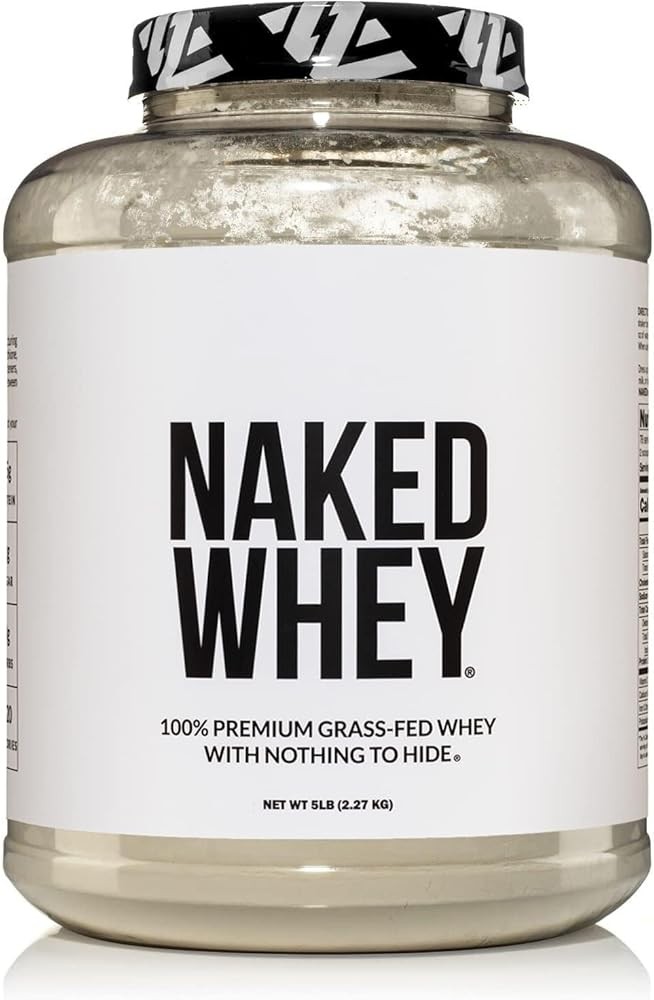
NAKED Whey 5LB 100% Grass Fed Unflavored Whey Protein Powder - Only 1 Ingredient
Check Price on AmazonAs an Amazon Associate we earn from qualifying purchases.
Where to Buy Quality Supplements
Based on the research discussed in this article, here are some high-quality options:
- Whey Protein Supplement
- Creatine Supplement
- Bcaa Supplement
The Bottom Line: An Honest Summary
After reviewing decades of research, here is the most honest assessment we can give:
Research suggests BCAAs are not without potential value. Studies indicate they may activate mTORC1 signaling, appear to modestly stimulate MPS, and may help reduce muscle soreness following exercise. In specific contexts – fasted training, severe caloric restriction, prolonged endurance exercise, age-related muscle loss, and vegan diets – published research shows they may offer marginal benefits.
But BCAAs appear unnecessary for the vast majority of people. If a diet includes adequate protein from mixed food sources, it already provides more BCAAs than most supplements contain. Use of whey protein appears to deliver BCAAs as part of a complete amino acid profile.
The supplement industry dramatically overstates the evidence. The leap from “leucine activates mTORC1” to “BCAAs build muscle” skips over critical steps in the biological process. Triggering a signal is not the same as completing the process that signal initiates.
For most people, the money spent on BCAAs is better spent on:
- Higher-quality food protein sources
- A good whey protein powder (or plant-based complete protein)
- Creatine monohydrate — which actually has robust evidence for muscle and strength gains
- Better sleep, stress management, and progressive training — the true drivers of muscle growth
Research indicates BCAAs may not be the substantial muscle-building factor suggested by some in the supplement industry. However, studies also suggest they may not be without potential benefit in every situation. Basing decisions on available evidence, rather than marketing materials, may be helpful.
Related Reading
-
How Much Protein Do You Need to Build Muscle
-
EAA vs BCAA Supplements Compared
-
Complete Guide to Muscle Protein Synthesis
-
Plant-Based Protein for Muscle Building
-
Leucine Threshold for Muscle Growth
-
The Ultimate Creatine Loading Protocol for Rapid Muscle Growth
References
-
Wolfe, R. R. (2017). Branched-chain amino acids and muscle protein synthesis in humans: myth or reality? Journal of the International Society of Sports Nutrition, 14, 30. PubMed (PMID: 28852372) | DOI: 10.1186/s12970-017-0184-9
-
Jackman, S. R., Witard, O. C., Philp, A., Wallis, G. A., Baar, K., & Tipton, K. D. (2017). Branched-chain amino acid ingestion stimulates muscle myofibrillar protein synthesis following resistance exercise in humans. Frontiers in Physiology, 8, 390. PubMed (PMID: 28638350) | DOI: 10.3389/fphys.2017.00390
-
Plotkin, D. L., Delcastillo, K., Van Every, D. W., Tipton, K. D., Aragon, A. A., & Schoenfeld, B. J. (2021). Isolated leucine and branched-chain amino acid supplementation for enhancing muscular strength and hypertrophy: a narrative review. International Journal of Sport Nutrition and Exercise Metabolism, 31(3), 292-301. PubMed (PMID: 33741748) | DOI: 10.1123/ijsnem.2020-0356
-
Churchward-Venne, T. A., Burd, N. A., Mitchell, C. J., West, D. W., Philp, A., Marcotte, G. R., Baker, S. K., Baar, K., & Phillips, S. M. (2012). Supplementation of a suboptimal protein dose with leucine or essential amino acids: effects on myofibrillar protein synthesis at rest and following resistance exercise in men. Journal of Physiology, 590(11), 2751-2765. PubMed (PMID: 22451437) | DOI: 10.1113/jphysiol.2012.228833
-
Moberg, M., Apro, W., Ekblom, B., van Hall, G., Holmberg, H. C., & Blomstrand, E. (2016). Activation of mTORC1 by leucine is potentiated by branched-chain amino acids and even more so by essential amino acids following resistance exercise. American Journal of Physiology - Cell Physiology, 310(11), C874-C884. PubMed (PMID: 27053525) | DOI: 10.1152/ajpcell.00374.2015
-
Morton, R. W., Murphy, K. T., McKellar, S. R., Schoenfeld, B. J., Henselmans, M., Helms, E., Aragon, A. A., Devries, M. C., Banfield, L., Krieger, J. W., & Phillips, S. M. (2018). A systematic review, meta-analysis and meta-regression of the effect of protein supplementation on resistance training-induced gains in muscle mass and strength in healthy adults. British Journal of Sports Medicine, 52(6), 376-384. PubMed (PMID: 28698222) | DOI: 10.1136/bjsports-2017-097608
-
Jackman, S. R., Witard, O. C., Jeukendrup, A. E., & Tipton, K. D. (2023). The effects of branched-chain amino acids on muscle protein synthesis, muscle protein breakdown and associated molecular signalling responses in humans: an update. Nutrition Research Reviews, 1-14. PubMed (PMID: 37681443) | DOI: 10.1017/S0954422423000197
-
Dudgeon, W. D., Kelley, E. P., & Scheett, T. P. (2016). In a single-blind, matched group design: branched-chain amino acid supplementation and resistance training maintains lean body mass during a caloric restricted diet. Journal of the International Society of Sports Nutrition, 13, 1. PubMed (PMID: 26733764) | DOI: 10.1186/s12970-015-0112-9
-
Hormoznejad, R., Javid, A. Z., Mansoori, A., Salehnasab, C., & Sohrabi, Z. (2024). Attenuating muscle damage biomarkers and muscle soreness after an exercise-induced muscle damage with branched-chain amino acid (BCAA) supplementation: a systematic review and meta-analysis with meta-regression. Sports Medicine - Open, 10(1), 42. PubMed (PMID: 38625669) | DOI: 10.1186/s40798-024-00686-9
-
Cheng, H., Kong, J., Underwood, C., Petocz, P., Hirani, V., Dawson, B., & O’Leary, F. (2022). Effects of branched-chain amino acid-rich supplementation on EWGSOP2 criteria for sarcopenia in older adults: a systematic review and meta-analysis. European Journal of Clinical Nutrition, 76(5), 637-651. PubMed (PMID: 34705076) | DOI: 10.1038/s41430-021-01030-0
-
Newgard, C. B., An, J., Bain, J. R., Muehlbauer, M. J., Stevens, R. D., Lien, L. F., Haqq, A. M., Shah, S. H., Arlotto, M., Slentz, C. A., Rochon, J., Gallup, D., Ilkayeva, O., Wenner, B. R., Yancy, W. S., Eisenson, H., Musante, G., Surwit, R. S., Millington, D. S.,… Svetkey, L. P. (2009). A branched-chain amino acid-related metabolic signature that differentiates obese and lean humans and contributes to insulin resistance. Cell Metabolism, 9(4), 311-326. PubMed (PMID: 19478138) | DOI: 10.1016/j.cmet.2009.02.002
-
Escobar, J., Frank, J. W., Suryawan, A., Nguyen, H. V., Kimball, S. R., Jefferson, L. S., & Davis, T. A. (2005). Branched-chain amino acids activate key enzymes in protein synthesis after physical exercise. Journal of Nutrition, 136(1 Suppl), 269S-273S. PubMed (PMID: 16365096)
-
Davis, J. M., Alderson, N. L., & Welsh, R. S. (2000). Serotonin and central nervous system fatigue: nutritional considerations. American Journal of Clinical Nutrition, 72(2 Suppl), 573S-578S. PubMed (PMID: 10919962)
-
Meeusen, R., Watson, P., Hasegawa, H., Roelands, B., & Piacentini, M. F. (2006). A role for branched-chain amino acids in reducing central fatigue. Journal of Nutrition, 136(1 Suppl), 274S-276S. PubMed (PMID: 16424144)
-
Ra, S. G., Miyazaki, T., Kojima, R., Komine, S., Ishikura, K., Kawanaka, K., Honda, A., Matsuzaki, Y., & Ohmori, H. (2021). Does branched-chain amino acids (BCAAs) supplementation attenuate muscle damage markers and soreness after resistance exercise in trained males? A meta-analysis of randomized controlled trials. Nutrients, 13(6), 2056. PubMed (PMID: 34208537) | DOI: 10.3390/nu13062056
-
Han, J. M., Jeong, S. J., Park, M. C., Kim, G., Kwon, N. H., Kim, H. K., Ha, S. H., Ryu, S. H., & Kim, S. (2012). Leucyl-tRNA synthetase is an intracellular leucine sensor for the mTORC1-signaling pathway. Cell, 149(2), 410-424. PubMed (PMID: 22424946) | DOI: 10.1016/j.cell.2012.02.044
-
Gwin, J. A., Church, D. D., Wolfe, R. R., Ferrando, A. A., & Pasiakos, S. M. (2021). Branched-chain amino acid supplementation does not preserve lean mass or affect metabolic profile in adults with overweight or obesity in a randomized controlled weight loss intervention. Journal of Nutrition, 151(4), 911-920. PubMed (PMID: 33537760) | DOI: 10.1093/jn/nxaa414
-
Meng, K. (2025). Effect of timing of branched-chain amino acid supplementation on muscle recovery after resistance training in healthy males. Dose-Response, 23(1). DOI: 10.1177/15579883251332731
Frequently Asked Questions
Q: What are BCAAs? A: BCAAs, or branched-chain amino acids, are three specific amino acids that have been aggressively marketed in the fitness industry for over three decades. They are commonly sold as powders promising enhanced muscle growth and faster recovery.
Q: Do BCAAs actually help build muscle? A: According to the bulk of peer-reviewed research, the answer is nuanced and suggests they may not directly build muscle as claimed on supplement labels. Science indicates a critical difference between triggering a biological process and actually completing it.
Q: Why might BCAA supplements be unnecessary for some people? A: The article suggests that consuming BCAA supplements might be an expensive way to ingest three amino acids that individuals are likely already getting enough of from their regular food.
Q: What biological processes do BCAAs influence? A: Research reveals that BCAAs interact with muscle tissue through cellular signaling and protein metabolism. However, triggering these signals does not guarantee the completion of muscle building.
Q: How does the marketing of BCAAs compare to scientific findings? A: While marketing machines promise superior performance and muscle growth, scientific analysis shows the reality is far more complex than what supplement labels claim. The industry often obscures the nuanced data regarding their actual efficacy.
Q: What is the current status of the BCAA supplement market? A: The global BCAA supplement market is worth billions of dollars annually, with shelves lined with products promising various fitness benefits. Despite this massive scale, the scientific consensus questions the necessity of these supplements for muscle building.
Q: What does the article promise to analyze regarding BCAAs? A: The text promises a comprehensive, evidence-based breakdown of the molecular mechanisms of how BCAAs interact with muscle tissue. It aims to clarify the story behind cellular signaling and protein metabolism.
Common Questions About Bcaas
What are the benefits of bcaas?
Bcaas has been studied for various potential health benefits. Research suggests it may support several aspects of health and wellness. Individual results can vary. The strength of evidence differs across different claimed benefits. More high-quality research is often needed. Always review the latest scientific literature and consult healthcare professionals about whether bcaas is right for your health goals.
Is bcaas safe?
Bcaas is generally considered safe for most people when used as directed. However, individual responses can vary. Some people may experience mild side effects. It’s important to talk with a healthcare provider before using bcaas, especially if you have existing health conditions, are pregnant or nursing, or take medications.
How does bcaas work?
Bcaas appears to function through various biological mechanisms that researchers are continuing to investigate. Published research suggests it may interact with specific pathways in the body to support its observed effects. It is recommended to consult with a healthcare provider before starting any new supplement or health regimen to determine its appropriateness for individual needs.
Who should avoid bcaas?
People with maple syrup urine disease (MSUD) should avoid BCAAs entirely due to impaired BCAA metabolism. Those taking levodopa or diabetes medications should consult a doctor before using BCAAs due to potential interactions. Pregnant or nursing women should avoid supplementation as safety data is limited. Anyone already eating adequate protein (1.6-2.2 g/kg/day) should avoid BCAAs for economic reasons—you’re paying for amino acids you already get from food.
What are the signs bcaas is working?
For most people eating adequate protein, BCAAs produce no noticeable effects because you already consume 25-30 grams of BCAAs daily from food. In narrow use cases (fasted training, endurance exercise over 90 minutes), you might notice slightly reduced perceived effort or modestly faster recovery from muscle soreness within 1-2 weeks. However, a 2024 meta-analysis found these effects are small and of questionable clinical significance for trained athletes (PMID: 38625669).
How long should I use bcaas?
The time it takes for BCAAs to show observable effects varies by individual and depends on factors like dosage, consistency of use, and individual metabolism. Some individuals report noticing changes within days, while others may require several weeks to observe effects. Research studies typically evaluate effects over weeks to months. Consistent use as directed in research protocols is important for observing potential outcomes. Keeping a journal to track individual response may be helpful.
What users report: Research suggests supplementing with BCAAs may support various aspects of health and wellness, although individual results can vary and published research often indicates a need for further high-quality studies to explore its potential benefits. Studies generally show BCAAs appear to be well-tolerated by most people when used as directed.
Recommended Products