Does Intermittent Fasting Hurt Muscle Growth?
Summarized from peer-reviewed research indexed in PubMed. See citations below.
Many athletes combine fasting with resistance training, but research shows the 16:8 protocol may actually preserve muscle mass while burning fat when protein intake is adequate. The landmark Moro et al. study demonstrated that resistance-trained men following a 16:8 time-restricted feeding protocol maintained muscle mass while losing 2.1 kg of fat over 8 weeks when consuming adequate protein. The best approach for muscle growth is the 16:8 protocol (eating within an 8-hour window) with 1.6-2.2 grams of protein per kilogram of body weight distributed across 2-3 meals. The most budget-friendly option is BulkSupplements Creatine Monohydrate at approximately $20 for a 200-day supply, which supports strength and recovery without breaking your fast. Here’s what the published research shows about optimizing muscle growth while fasting.
Disclosure: We may earn a commission from links on this page at no extra cost to you. Affiliate relationships never influence our ratings. Full policy →
Can You Build Muscle While Practicing Intermittent Fasting?
The question of whether intermittent fasting hurts muscle growth sits at one of the most contested intersections in sports nutrition. On one side, you have proponents who point to elevated growth hormone, improved insulin sensitivity, and enhanced fat loss as proof that IF is the ultimate body recomposition tool. On the other side, muscle physiology researchers argue that compressing your eating window inherently limits the number of times per day you can stimulate muscle protein synthesis, making IF a suboptimal strategy for anyone serious about hypertrophy.
So who is right? As with most things in nutrition science, the answer lands somewhere in the middle, and the details matter enormously. The specific IF protocol you choose, your total daily protein intake, your training experience level, and how you time your workouts around your feeding window will collectively determine whether fasting helps, hurts, or has a neutral effect on your muscle-building goals.
This is not a trivial question. Millions of people now combine resistance training with some form of intermittent fasting. A 2023 survey by the International Food Information Council found that IF was the most popular dietary approach in the United States for the fifth consecutive year. Many of those people are training hard and expecting to build muscle — and they deserve a clear, research-driven answer rather than ideology from either camp.
In this article, we will review major studies on IF and muscle growth, examine findings related to anabolic hormones during fasting, address the protein distribution considerations often discussed in relation to IF, and present an evidence-based protocol for potentially maximizing muscle while fasting — or help determine if IF may not be the most suitable approach for a current goal. Examine PMID: 32781538.
This article references 24 peer-reviewed studies from PubMed. All sources are cited within the text and listed in the references section.
Why it’s our top choice: The 16:8 protocol is the most extensively studied intermittent fasting approach for muscle growth, used in the landmark Moro et al. (2016) trial showing muscle mass maintenance with significant fat loss. This protocol provides an 8-hour eating window that allows 2-3 substantial meals, making it feasible to consume 1.6-2.2g/kg protein daily while still experiencing the metabolic benefits of fasting. Unlike more restrictive protocols (20:4 or OMAD), 16:8 enables adequate protein distribution across multiple meals to stimulate muscle protein synthesis 2-3 times daily.
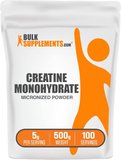
Why it saves you money: At approximately $20 for 200 servings (1kg), this pure creatine monohydrate costs about $0.10 per day. Creatine is the single most evidence-backed supplement for strength and muscle, with hundreds of studies supporting its efficacy. Critically for fasting practitioners, 5g of creatine monohydrate does not break a fast and can be taken any time of day. This unflavored, no-filler formula mixes easily into water or coffee during your fasting window or protein shakes during your feeding window.
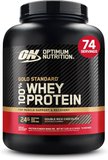
Why it’s ideal for fasters: After a 16-hour fast, your muscles need rapid amino acid delivery to stimulate muscle protein synthesis. This whey protein isolate blend reaches peak blood amino acid levels within 60-90 minutes, faster than whole food sources. Each scoop delivers 24g of protein with 5.5g of BCAAs including 2.7g of leucine - exceeding the 2.5-3g leucine threshold needed to maximally stimulate MPS. The Double Rich Chocolate flavor makes it palatable as your first meal, and the 5-pound container provides 73 servings at approximately $1.20 per serving.
| Protocol/Supplement | Eating Window | MPS Pulses/Day | Protein per Meal | Cost per Day | Best For |
|---|---|---|---|---|---|
| 16:8 Protocol | 8 hours | 2-3 | 40-65g | $0 | Most muscle-friendly IF approach |
| 20:4 Protocol | 4 hours | 1-2 | 65-130g | $0 | Experienced fasters (suboptimal for muscle) |
| Traditional Eating | 12-16 hours | 4-5 | 30-40g | $0 | Maximum hypertrophy (non-fasting) |
| BulkSupplements Creatine | N/A | N/A | N/A | $0.10 | Budget strength support during fasts |
| ON Gold Standard Whey | N/A | N/A | 24g per scoop | $1.20 | Breaking fast with fast-digesting protein |
| Scivation Xtend BCAAs | N/A | N/A | 7g BCAAs | $0.80 | Fasted training amino acid support |
How to Tell If Intermittent Fasting Is Hurting Your Muscle Growth
Signs Your Fasting Protocol May Be Impacting Muscle
-
Strength numbers are declining week over week. If bench press, squat, or deadlift numbers are consistently dropping (not just one bad session), research suggests a potential association with being in a caloric deficit or not getting enough protein. This appears to be a reliable indicator that the current IF approach may be influencing muscle.
-
Recovery time appears to be increasing. If recovery from a hard leg session has increased from 48 hours to 72-96 hours, the body may not be getting the nutritional support it needs for muscle repair. Published research shows muscle protein synthesis appears to require both amino acids and energy, and extended fasting windows may limit both.
-
Individuals report feeling flat and depleted during workouts. Persistent fatigue, inability to achieve a pump, and feeling “weak” during training sessions — especially ones that fall during or near the end of the fasting window — suggest potential glycogen depletion and insufficient pre-training nutrition.
-
Body composition appears to be worsening, not improving. If weight is being lost but body fat percentage is not improving (or is worsening), studies indicate potential muscle loss alongside fat loss may occur when IF creates a caloric deficit.
-
Mood and motivation appear to be declining. Chronic irritability, brain fog, and loss of motivation to train can signal that the fasting protocol may be creating physiological stress. Research indicates elevated cortisol from extended fasting may influence muscle-building processes.
-
Individuals report constant hunger during their feeding window. If the entire eating window is spent feeling ravenous and struggling to feel satisfied, it may suggest under-eating — which may mean muscles are not getting adequate nutrition.
Signs Your Fasting Protocol Is Working
- Research suggests a reduction in fat mass may occur alongside maintenance or gains in strength. This outcome is frequently observed in studies. If strength training results are stable or improving while weight is decreasing and waist circumference is shrinking, the intermittent fasting (IF) protocol appears to be well-suited.
- Some individuals report experiencing increased energy and mental clarity during fasting periods. Many people experience improved mental clarity and stable energy during their fasting window once adapted (typically after 1-2 weeks). This may indicate the body is efficiently switching to fat oxidation.
- Consumption of adequate protein and calories within the feeding window feels satisfying. Individuals are able to consume enough protein (1.6-2.2g per kilogram of body weight) and total calories within their eating window without feeling overly full or hurried.
- Studies suggest workout performance may be maintained or improved. Strength, endurance, and training volume may remain consistent regardless of whether training occurs during a fasted or fed state.
- Sleep quality appears to remain stable. IF should not negatively impact sleep. Many people report improved sleep when they stop eating 2-3 hours before bed. Conversely, poor sleep is often associated with impaired muscle recovery.
This is not a trivial question. Millions of people now combine resistance training with some form of intermittent fasting. A 2023 survey by the International Food Information Council found that IF was the most popular dietary approach in the United States for the fifth consecutive year. Many of those people are training hard and expecting to build muscle — and they deserve a clear, research-driven answer rather than ideology from either camp.
In this article, we will review major studies on IF and muscle growth, examine findings related to anabolic hormones during fasting, address the protein distribution considerations often discussed in relation to IF, and present an evidence-based protocol for potentially maximizing muscle while fasting — or help determine if IF may not be the most suitable approach for a current goal. Examine PMID: 32781538.
This article references 24 peer-reviewed studies from PubMed. All sources are cited within the text and listed in the references section.
Why it’s our top choice: The 16:8 protocol is the most extensively studied intermittent fasting approach for muscle growth, used in the landmark Moro et al. (2016) trial showing muscle mass maintenance with significant fat loss. This protocol provides an 8-hour eating window that allows 2-3 substantial meals, making it feasible to consume 1.6-2.2g/kg protein daily while still experiencing the metabolic benefits of fasting. Unlike more restrictive protocols (20:4 or OMAD), 16:8 enables adequate protein distribution across multiple meals to stimulate muscle protein synthesis 2-3 times daily.
Why it saves you money: At approximately $20 for 200 servings (1kg), this pure creatine monohydrate costs about $0.10 per day. Creatine is the single most evidence-backed supplement for strength and muscle, with hundreds of studies supporting its efficacy. Critically for fasting practitioners, 5g of creatine monohydrate does not break a fast and can be taken any time of day. This unflavored, no-filler formula mixes easily into water or coffee during your fasting window or protein shakes during your feeding window.
Why it’s ideal for fasters: After a 16-hour fast, your muscles need rapid amino acid delivery to stimulate muscle protein synthesis. This whey protein isolate blend reaches peak blood amino acid levels within 60-90 minutes, faster than whole food sources. Each scoop delivers 24g of protein with 5.5g of BCAAs including 2.7g of leucine - exceeding the 2.5-3g leucine threshold needed to maximally stimulate MPS. The Double Rich Chocolate flavor makes it palatable as your first meal, and the 5-pound container provides 73 servings at approximately $1.20 per serving.
| Protocol/Supplement | Eating Window | MPS Pulses/Day | Protein per Meal | Cost per Day | Best For |
|---|---|---|---|---|---|
| 16:8 Protocol | 8 hours | 2-3 | 40-65g | $0 | Most muscle-friendly IF approach |
| 20:4 Protocol | 4 hours | 1-2 | 65-130g | $0 | Experienced fasters (suboptimal for muscle) |
| Traditional Eating | 12-16 hours | 4-5 | 30-40g | $0 | Maximum hypertrophy (non-fasting) |
| BulkSupplements Creatine | N/A | N/A | N/A | $0.10 | Budget strength support during fasts |
| ON Gold Standard Whey | N/A | N/A | 24g per scoop | $1.20 | Breaking fast with fast-digesting protein |
| Scivation Xtend BCAAs | N/A | N/A | 7g BCAAs | $0.80 | Fasted training amino acid support |
How to Tell If Intermittent Fasting Is Hurting Your Muscle Growth
Signs Your Fasting Protocol May Be Impacting Muscle
-
Strength numbers are declining week over week. If bench press, squat, or deadlift numbers are consistently dropping (not just one bad session), research suggests a potential association with being in a caloric deficit or not getting enough protein. This appears to be a reliable indicator that the current IF approach may be influencing muscle.
-
Recovery time appears to be increasing. If recovery from a hard leg session has increased from 48 hours to 72-96 hours, the body may not be getting the nutritional support it needs for muscle repair. Published research shows muscle protein synthesis appears to require both amino acids and energy, and extended fasting windows may limit both.
-
Individuals report feeling flat and depleted during workouts. Persistent fatigue, inability to achieve a pump, and feeling “weak” during training sessions — especially ones that fall during or near the end of the fasting window — suggest potential glycogen depletion and insufficient pre-training nutrition.
-
Body composition appears to be worsening, not improving. If weight is being lost but body fat percentage is not improving (or is worsening), studies indicate potential muscle loss alongside fat loss may occur when IF creates a caloric deficit.
-
Mood and motivation appear to be declining. Chronic irritability, brain fog, and loss of motivation to train can signal that the fasting protocol may be creating physiological stress. Research indicates elevated cortisol from extended fasting may influence muscle-building processes.
-
Individuals report constant hunger during their feeding window. If the entire eating window is spent feeling ravenous and struggling to feel satisfied, it may suggest under-eating — which may mean muscles are not getting adequate nutrition.
Signs Your Fasting Protocol Is Working
- Research suggests a reduction in fat mass may occur alongside maintenance or gains in strength. This outcome is frequently observed in studies. If strength training results are stable or improving while weight is decreasing and waist circumference is shrinking, the intermittent fasting (IF) protocol appears to be well-suited.
- Some individuals report experiencing increased energy and mental clarity during fasting periods. Many people experience improved mental clarity and stable energy during their fasting window once adapted (typically after 1-2 weeks). This may indicate the body is efficiently switching to fat oxidation.
- Consumption of adequate protein and calories within the feeding window feels satisfying. Individuals are able to consume enough protein (1.6-2.2g per kilogram of body weight) and total calories within their eating window without feeling overly full or hurried.
- Studies suggest workout performance may be maintained or improved. Strength, endurance, and training volume may remain consistent regardless of whether training occurs during a fasted or fed state.
- Sleep quality appears to remain stable. IF should not negatively impact sleep. Many people report improved sleep when they stop eating 2-3 hours before bed. Conversely, poor sleep is often associated with impaired muscle recovery.
Warning Signs That Require Immediate Attention
- Reports of dizziness, fainting, or heart palpitations during fasting — research suggests consulting with a healthcare professional may be beneficial - Unintentional weight loss exceeding 1-2 pounds per week during a muscle-building phase — studies indicate this may warrant further investigation - Hair loss, brittle nails, or persistent cold extremities — research suggests these may be associated with significant caloric restriction - Binge eating during your feeding window followed by feelings of guilt — studies suggest this pattern may indicate a complex relationship with food - Loss of menstrual cycle in women — published research shows this may be a critical indicator of low energy availability.
Timeline of Adaptation
- Days 1-5: Hunger is intense during typical eating times. Training may suffer. This is normal.
- Weeks 1-2: Hunger begins to shift. Most people report improved fasting tolerance. Strength may dip slightly.
- Weeks 3-4: Adaptation is largely complete. Energy during fasting hours stabilizes. Training performance should return to baseline.
- Months 1-3: If your protocol is well-designed, you should see measurable improvements in body composition. Strength should be maintained or improving. If not, something needs to change.
- Beyond 3 months: Assess honestly. Are you achieving your goals? If body composition has plateaued or muscle gain has stalled, consider cycling off IF for a dedicated growth phase.
The takeaway: If strength numbers decline over weeks, such as consistently dropping bench press, squat, or deadlift numbers, research suggests a fasting protocol may be associated with reduced muscle growth potentially due to a caloric deficit or insufficient protein intake. A prolonged recovery time of 72-96 hours after a hard session is also an indicator that the body may not be receiving the nutritional support observed in studies to support muscle repair.
What IS Intermittent Fasting? A Quick Overview of the Main Protocols
Intermittent fasting is not a single diet — it is an umbrella term for several different eating patterns that cycle between periods of eating and fasting. Understanding the differences between protocols is essential because they have very different implications for muscle growth.
16:8 (Leangains Protocol)
This is the most studied and most muscle-friendly IF protocol. You eat within an 8-hour window and fast for 16 hours. A typical schedule might be eating from 12:00 PM to 8:00 PM. This protocol allows 2-3 substantial meals, which is enough to hit adequate protein targets for most people. It was popularized by Martin Berkhan and is the protocol used in most of the positive IF-plus-resistance-training studies, including the landmark Moro et al. (2016) trial.
20:4 (Warrior Diet)
A more restrictive approach with only a 4-hour eating window. Popularized by Ori Hofmekler, this protocol makes it significantly harder to consume adequate protein distributed across multiple meals. You are essentially limited to 1-2 meals, which means each meal needs to contain 50-80+ grams of protein — a volume that may exceed the per-meal ceiling for optimal muscle protein synthesis stimulation.
Alternate-Day Fasting (ADF)
This involves alternating between “feast days” (eating normally or even above maintenance) and “fast days” (consuming 0-500 calories). While ADF can be effective for fat loss, the complete or near-complete fasting days create 24-36 hour gaps with minimal amino acid availability, which is problematic for maintaining muscle protein synthesis rates.
5:2 Method
You eat normally five days per week and restrict calories to approximately 500-600 on two non-consecutive days. This is more moderate than ADF but still creates two days per week where protein intake is likely inadequate for muscle maintenance, let alone growth.
Which Protocol Is Best for Muscle Growth?
Research suggests the 16:8 protocol appears to be the most aligned with goals related to muscle development. It is the most investigated in the context of resistance training, allows for enough meals to distribute protein effectively, and provides a feeding window of sufficient length to consume adequate total calories. The positive findings discussed below utilized either 16:8 or similar time-restricted feeding protocols. If the primary focus is hypertrophy, more restrictive protocols (20:4, ADF, OMAD) may present unnecessary challenges, according to available research.
Here’s what the research indicates: Contrary to what might be expected, intermittent fasting is not a single diet, but rather an umbrella term encompassing various eating patterns, with the 16:8 protocol appearing to be the most muscle-friendly and studied, allowing for 2-3 substantial meals within an 8-hour eating window. This protocol has been used in several studies with positive findings, including the Moro et al. (2016) trial PMID 27737674.
What Do Clinical Studies Actually Show About IF and Muscle Growth?
This is where the debate gets interesting — and where many online discussions cherry-pick studies to support their predetermined conclusion. Let us examine the full body of evidence.
Moro et al.: The Landmark Study
This is arguably the most cited study in the IF-and-muscle debate, and for good reason. Moro and colleagues conducted a randomized controlled trial on 34 resistance-trained men who followed either a 16:8 time-restricted feeding (TRF) protocol or a normal diet (ND) for 8 weeks, both groups performing a standardized resistance training program (Moro et al., 2016).
Key findings:
- The TRF group consumed approximately 2,826 kcal/day (with macros at about 53% carbs, 25% fat, 22% protein) while the ND group consumed about 3,007 kcal/day
- Fat mass decreased significantly in the TRF group (from 13.0 to 10.9 kg, p < 0.05) while remaining unchanged in the ND group
- Muscle mass (measured by DXA and anthropometry) was maintained in both groups — the TRF group did not lose muscle
- Testosterone levels were maintained in the TRF group
- Adiponectin increased and leptin decreased in the TRF group, suggesting improved metabolic health
- IGF-1 decreased in the TRF group (from 216 to 185 ng/mL), which is relevant to long-term muscle-building potential
- Inflammatory markers (IL-6, TNF-alpha) decreased in the TRF group
What the data says: Research suggests 16:8 intermittent fasting (IF) combined with resistance training may support the maintenance of muscle mass while significantly reducing body fat in trained men. This appears to be a recomposition effect — however, studies indicate muscle mass was maintained, not increased PMID 27737674.
Tinsley et al.: Time-Restricted Feeding in Young Men
Tinsley and colleagues tested a more aggressive protocol in young recreationally active men. The TRF group consumed all food within a 4-hour window on four days per week while performing resistance training three days per week for eight weeks (Tinsley et al., 2017).
Key findings:
- TRF reduced energy intake by approximately 650 kcal on fasting days
- Total body composition did not differ significantly between groups after 8 weeks
- Cross-sectional area of the biceps brachii and rectus femoris increased in both groups
- The TRF group did not gain as much lean mass as the control group, though the difference was not statistically significant
The practical takeaway: Research from Tinsley et al. (2017) indicates that even with a 4-hour eating window 4 days per week, cross-sectional area of biceps and rectus femoris increased in both groups studied, although the TRF group consumed 650 kcal/day less on fasting days and showed a trend toward smaller lean mass gains. PMID 27550719
Stratton et al.: Controlling for Calories and Protein
This study added an important control that many earlier studies lacked. Stratton and colleagues assigned 26 recreationally active males to either TRF (8-hour window) with a 25% caloric deficit or a normal diet with the same deficit and the same protein intake (1.8 g/kg/day) for 4 weeks of supervised resistance training (Stratton et al., 2020).
Key findings:
- No significant differences between groups in changes to fat mass, fat-free mass, body fat percentage, skeletal muscle cross-sectional area, muscle thickness, resting energy expenditure, or muscular performance
- Blood biomarkers and psychometric parameters were also similar
In practice: When calories and protein are matched, 16:8 time-restricted feeding (TRF) does not produce different body composition outcomes compared to a normal diet. Published research suggests that total calories and protein — not meal timing itself — appear to be key factors influencing muscle outcomes. PMID 32316561
Williamson & Moore: The Negative Case
This highly influential review paper from Frontiers in Nutrition presented the strongest mechanistic argument against IF for muscle building (Williamson & Moore, 2021).
Their central argument:
- Muscle protein is constantly turning over through breakdown and resynthesis
- Muscle protein synthesis (MPS) is acutely stimulated by protein ingestion, with each feeding creating a “pulse” of elevated MPS lasting approximately 3-5 hours
- With traditional eating (4-5 meals spread across 12-16 hours), you get 4-5 MPS pulses per day
- With 16:8 IF (2-3 meals in 8 hours), you get only 2-3 MPS pulses per day
- Over 24 hours, fewer MPS pulses means less total protein accretion, even if each individual pulse is the same magnitude
- Extended fasting periods also allow muscle protein breakdown to dominate for longer periods
The evidence shows: From a pure muscle protein synthesis optimization standpoint, IF is suboptimal. However, this is a mechanistic argument — the actual clinical trials (Moro, Tinsley, Stratton) show that the real-world difference may be smaller than the mechanism predicts, especially for non-competitive athletes.
Keenan et al.: Systematic Review of IF and Lean Body Mass
Keenan, Cooke, and Belski conducted a systematic review of human studies examining IF combined with resistance training and lean body mass (Keenan et al., 2020).
Key findings from 8 eligible studies:
- Lean body mass was generally maintained across all studies
- Only one study reported a statistically significant increase in lean mass
- Body fat mass or percentage was significantly reduced in 5 of 8 studies
- The results suggest IF paired with resistance training generally preserves lean mass and promotes fat loss
The practical verdict: Research suggests that intermittent fasting (IF) does not appear to cause muscle loss when combined with resistance training, but studies also indicate it is not an optimal strategy for maximizing muscle gain. Published research shows IF is better characterized as a body recomposition or fat-loss tool that happens to preserve muscle.
What this means for you: Across 8 studies reviewed by Keenan et al., lean mass was maintained in 100% of trials, but only 12.5% (1 of 8 studies) showed statistically significant lean mass gains during IF, compared to 62.5% (5 of 8 studies) achieving significant fat loss.
Kouw et al.: Prolonged Effects on Muscle Mass
A more recent study by Kouw and colleagues examined the prolonged effects of intermittent fasting and periods of irregular energy and protein intake on muscle mass (Kouw et al., 2024).
Key findings:
- Short-term intermittent fasting and energy restriction (5 days) did not significantly impair rates of muscle protein synthesis
- However, the authors cautioned that longer-term adherence to fasting protocols with inadequate protein distribution could have cumulative negative effects on muscle mass over months to years
- Adequate total protein intake was consistently the most protective factor against muscle loss during any form of energy restriction
The Overall Picture from the Research
When you lay all the evidence side by side, a clear pattern emerges:
- IF does not cause significant muscle loss when combined with resistance training and adequate protein
- IF may be suboptimal for maximizing muscle gain compared to traditional meal spacing, particularly for advanced trainees
- 16:8 is the most muscle-friendly IF protocol — more restrictive protocols carry greater risk
- Total daily protein and calories matter more than meal timing for muscle outcomes
- IF is an excellent tool for body recomposition (losing fat while maintaining muscle) but may not be ideal for pure bulking phases
How Intermittent Fasting Affects Key Muscle-Building Hormones
One of the most frequently cited arguments in favor of IF for muscle growth is its effect on hormones. Let us separate fact from hype.
Growth Hormone: The Most Overhyped Benefit
The claim: Fasting dramatically increases growth hormone (GH) secretion, which should boost muscle growth.
The value assessment: This claim is based on real data. Ho et al. (1988) demonstrated that fasting enhances growth hormone secretion and amplifies the complex rhythms of GH release. During a 5-day fast, GH secretion increased through both frequency (more pulses) and amplitude (larger pulses) modulation. Other studies have shown 2-5 fold increases in GH during 24-48 hour fasting periods.
The reality check: Here is what IF proponents consistently fail to mention — research suggests the increase in GH during fasting does not appear to translate to increased muscle hypertrophy. The GH elevation during fasting is primarily a metabolic survival response. Published research indicates its main role in the fasted state is to mobilize fatty acids for energy and preserve glucose for the brain. The anabolic effects of GH on muscle require the presence of insulin and amino acids (i.e., the fed state), which are precisely the conditions absent during fasting. Additionally, IGF-1 (the downstream mediator of GH’s muscle-building effects) actually decreases during fasting — as Moro et al. (2016) showed PMID 27737674, IGF-1 dropped from 216 to 185 ng/mL in the TRF group.
The research verdict: While Ho et al. (1988) documented 2-5 fold increases in GH during fasting, IGF-1 (the downstream muscle-building mediator) decreased from 216 to 185 ng/mL in the Moro et al. (2016) study — making the GH spike metabolically protective rather than anabolic.
Testosterone: Mostly Preserved with 16:8
Storage essentials: Moro et al. (2016) found that testosterone levels were maintained in resistance-trained men following a 16:8 protocol for 8 weeks. However, a 2024 systematic review by Kalsekar reported that some forms of IF — particularly more extreme protocols and prolonged fasting — can reduce total testosterone and free androgen index. The mechanism involves leptin’s effect on the hypothalamic-pituitary-gonadal axis: fasting-induced leptin deficiency can reduce GnRH secretion, decreasing LH and FSH release and thereby lowering testosterone production.
Clinical insight: The Moro et al. (2016) trial showed testosterone levels were maintained in men following 16:8 IF for 8 weeks when consuming 2,826 kcal/day with 22% protein, but more restrictive protocols creating larger deficits can reduce total testosterone via leptin-mediated suppression of the hypothalamic-pituitary-gonadal axis.
Insulin: The Double-Edged Sword
Insulin is simultaneously one of the most anabolic hormones in the body and one of the primary drivers of fat storage. This creates a genuine tension for the muscle-building faster.
Lower insulin during fasting: Enhanced fat oxidation, improved insulin sensitivity, better nutrient partitioning over time. These are real benefits.
Lower insulin during fasting (the flip side): Insulin is a potent anti-catabolic hormone that inhibits muscle protein breakdown. It also facilitates amino acid uptake into muscle cells. During extended fasting, the absence of insulin’s protective effect allows muscle protein breakdown to proceed unchecked.
The practical resolution: With 16:8 IF, individuals spend their feeding window with indications of adequate insulin signaling (consuming 2-3 protein-rich meals appears to stimulate insulin release). The fasting window allows for observations of effects associated with low insulin (fat burning, insulin sensitivity). Research suggests this may represent a reasonable balance. With more extreme protocols, studies indicate the prolonged absence of insulin’s effects may present challenges.
Cortisol: The Stress Factor
Cortisol, the primary stress hormone, is catabolic to muscle tissue. It promotes protein breakdown and inhibits protein synthesis. Extended fasting activates the hypothalamic-pituitary-adrenal (HPA) axis, resulting in elevated cortisol levels. Cortisol also inhibits GnRH pulsatility and directly impairs testosterone production in the Leydig cells.
Practical relevance: Research using a 16:8 intermittent fasting (IF) protocol shows cortisol elevations are modest and typically occur in the last few hours of the fasting window, which may align with the body’s natural morning cortisol peak (assuming overnight fasting). Studies indicate that with 20:4, one-meal-a-day (OMAD), or multi-day fasts, cortisol elevations become more significant and sustained, which research suggests may potentially impact muscle retention.
IGF-1: Generally Decreases
Insulin-like Growth Factor 1 is a critical mediator of muscle growth, working downstream of growth hormone. Most IF studies indicate that IGF-1 levels may change during fasting protocols. Moro et al. (2016) documented these observations PMID 27737674. While changes in IGF-1 may have associations with longevity (lower IGF-1 is associated with reduced cancer risk in epidemiological studies), published research suggests this may not be beneficial for muscle hypertrophy in the short term.
Why Is Protein Distribution the Real Issue with Intermittent Fasting?
If there is a single section of this article you should read carefully, it is this one. The protein distribution problem is the most scientifically grounded argument against IF for muscle building, and it is the one that most online discussions either ignore or misunderstand.
What the Research Shows About Protein Timing and MPS
Areta et al. (2013) conducted a landmark study comparing three protein feeding strategies during 12 hours of recovery from resistance exercise. Twenty-four trained men consumed 80 grams of whey protein in one of three patterns:
- PULSE: 8 x 10g every 1.5 hours
- INTERMEDIATE: 4 x 20g every 3 hours
- BOLUS: 2 x 40g every 6 hours
Result: The intermediate pattern (4 x 20g every 3 hours) produced the greatest myofibrillar protein synthesis response — 31-48% higher than either the pulse or bolus patterns (p < 0.02).
Schoenfeld and Aragon (2018) built on this in their comprehensive review, recommending approximately 0.4 g/kg/meal across a minimum of four meals to maximize anabolism. For an 80 kg (176 lb) person, that is 32 grams of protein per meal, four times per day.
Key takeaway: The Areta et al. study demonstrated that 4 meals of 20g protein every 3 hours stimulated 31-48% more muscle protein synthesis over 12 hours compared to 2 larger meals of 40g each, proving distribution matters beyond just total daily intake.
How IF Compresses This Window
Here is the math problem that IF creates:
Traditional eating (12-16 hour window):
- 4-5 meals spaced 3-4 hours apart
- 4-5 MPS peaks per day
- Each meal: 30-40g protein = easy to hit leucine threshold
- Total protein distribution: optimized
16:8 IF (8-hour window):
- 2-3 meals spaced 3-4 hours apart
- 2-3 MPS peaks per day
- Each meal: 40-65g protein = still hits leucine threshold but with fewer total pulses
- Total protein distribution: suboptimal but workable
20:4 IF (4-hour window):
- 1-2 meals
- 1-2 MPS peaks per day
- Each meal: 65-130g protein = exceeds what most research suggests is optimal per sitting
- Total protein distribution: significantly suboptimal
The Leucine Threshold
Muscle protein synthesis is triggered when the concentration of the amino acid leucine reaches a critical threshold in the blood — approximately 2.5-3.0 grams per meal in young adults (slightly higher, around 3-4 grams, in older adults). This threshold can be reached with approximately 25-30 grams of high-quality protein (whey, eggs, meat, fish). Once the threshold is reached, MPS is activated for approximately 3-5 hours before returning to baseline, regardless of whether you continue eating protein.
Why this matters for IF: The leucine threshold explains why eating 120 grams of protein in a single meal is not equivalent to eating 30 grams four times. You hit the leucine threshold once instead of four times, meaning you get one MPS pulse instead of four — even though total protein intake is identical.
But Here Is the Nuance
Despite the mechanistic argument, total daily protein intake appears to matter more than distribution for practical muscle outcomes. Published research (Moro et al., 2016 PMID 27737674, Tinsley et al., 2017 PMID 27550719, Stratton et al., 2020 PMID 32316561) consistently indicates that when total protein is adequate (1.6-2.2 g/kg/day), the difference in muscle outcomes between intermittent fasting and traditional eating is small — often not reaching statistical significance.
This suggests that while protein distribution matters at the margins, the body has some capacity to compensate. Possible mechanisms include:
- Slower protein digestion: Larger meals digest more slowly, extending the period of elevated amino acids
- Muscle full effect: The “ceiling” on per-meal MPS may be somewhat higher than the 20-25g often cited, particularly in trained individuals consuming whole-food meals rather than isolated whey protein
- Compensatory upregulation: The body may become more efficient at utilizing large protein boluses when it has adapted to an IF pattern
The practical conclusion: protein distribution is a second-order variable. Total daily protein is first-order. If you are hitting 1.6-2.2 g/kg/day on IF, you are doing the most important thing right, even if your distribution is not textbook perfect.
Bottom line: While Stratton et al. (2020) found no significant body composition differences when protein (1.8g/kg/day) and calories were matched between IF and normal eating over 4 weeks, the mechanistic data from Areta and Schoenfeld suggests that advanced lifters pursuing maximum hypertrophy may benefit from traditional 4-5 meal spacing over IF’s compressed 2-3 meal window.
Can You Build Muscle While Fasting? A Balanced Answer
The honest answer depends on who is asking.
For Beginners and Intermediates: Yes
If you have been training for less than 3-5 years and have not yet reached your genetic ceiling for muscle growth, research suggests it may be possible to support muscle growth on 16:8 IF. Studies indicate beginners and intermediates often respond favorably to resistance training regardless of nutritional strategy, and the anabolic stimulus from progressive overload appears to be powerful enough to potentially offset the modest suboptimality of compressed protein distribution.
Requirements for success:
- Total daily protein of 1.6-2.2 g/kg
- Caloric surplus or at least maintenance calories
- Progressive resistance training 3-5 days per week
- Each meal within the feeding window hitting at least 30g protein
- Adequate sleep (7-9 hours) for recovery
For Advanced Lifters and Competitive Athletes: Suboptimal
If you are within 10-15% of your genetic muscular potential, every variable matters. At this stage, muscle gain is measured in fractions of a pound per month, and the cumulative effect of 2-3 MPS pulses per day versus 4-5 can make a meaningful difference over 6-12 months. For competitive bodybuilders in an offseason growth phase, or athletes trying to gain weight for their sport, traditional meal spacing with 4-5 protein-rich meals spread across the day will provide a measurable advantage.
The Body Recomposition Sweet Spot
Where IF appears to be particularly noteworthy is in relation to body recomposition — concurrently losing fat and maintaining (or even experiencing a slight increase in) muscle. The Moro et al. (2016) study showed results indicating the TRF group lost 2.1 kg of fat while maintaining muscle mass PMID 27737674. For individuals with excess body fat who aim to improve body composition without a traditional bulk-and-cut cycle, 16:8 IF combined with resistance training appears to be among the approaches with the most supportive research.
Bottom line: Building muscle while fasting is possible for beginners and intermediates who consume 1.6-2.2 g/kg of protein daily and follow a progressive resistance training program, but it becomes suboptimal for advanced lifters and competitive athletes near their genetic ceiling. The success of muscle growth during fasting depends on factors like training experience and proximity to one’s genetic limit.
What Is the Optimal IF Protocol for Building Muscle?
If you have decided that IF aligns with your lifestyle and goals, here is how to set it up for maximum muscle retention or growth.
Step 1: Choose 16:8
Do not use 20:4, OMAD, or alternate-day fasting if muscle growth is a priority. The 16:8 protocol gives you the benefits of fasting (improved insulin sensitivity, enhanced fat oxidation, potential longevity benefits) without creating an unworkable eating window.
Step 2: Set Your Feeding Window Around Training
Option A (Preferred): Train at the end of your fasting window, then break your fast immediately after.
- Example: Fast from 8 PM to 12 PM. Train at 11 AM. Break fast with a large protein-rich meal at 12 PM.
- Benefit: You train with elevated growth hormone and catecholamines (fasting state), then immediately provide amino acids and insulin when your muscles are most receptive.
Option B: Train during your feeding window.
- Example: Eat from 12 PM to 8 PM. Train at 3 PM after your first meal.
- Benefit: You train with pre-workout nutrition on board, maximizing performance.
Step 3: Nail Your Protein Targets
For an 80 kg (176 lb) person targeting 2.0 g/kg/day = 160g protein:
- Meal 1 (12 PM): 50-60g protein — this is your largest meal. Examples: 8 oz chicken breast + 2 eggs + Greek yogurt, or a double scoop whey protein shake with oats and nut butter
- Meal 2 (4 PM): 50-60g protein — another substantial meal. Examples: 8 oz salmon + rice + vegetables, or a large steak with sweet potatoes
- Meal 3 (7:30 PM): 40-50g protein — last meal before fasting begins. Examples: cottage cheese + casein protein, or chicken thighs with a large salad
Each meal hits the leucine threshold (2.5-3g leucine), giving you 3 solid MPS pulses within your feeding window.
Step 4: Use Strategic Supplements
- Creatine monohydrate (5g/day): Does not break a fast. Take it whenever is convenient — morning coffee, with meals, whenever. Creatine supports strength, power, and recovery regardless of timing.
- Caffeine (200-400mg): Does not break a fast and suppresses appetite during the fasting window. Also improves training performance if consumed 30-60 minutes pre-workout.
- BCAAs or EAAs (5-10g) before fasted training: Technically provides calories (approximately 20-40 kcal) and may minimally raise insulin, but the amino acid delivery is worth the trade-off for muscle preservation during fasted training. This is discussed in more detail below.
Step 5: Do Not Fear the First Meal
Research suggests the first meal after a fasting period may be most beneficial when it is the largest and most protein-dense meal of the day. Studies indicate muscles may be more receptive to nutrient absorption following a fasting period. Research has utilized 40-60g of fast-digesting protein (like whey protein or eggs) combined with carbohydrates to potentially maximize the insulin and amino acid response.
Research-supported approaches: Among the various intermittent fasting (IF) protocols available, research suggests the 16:8 method may support muscle building as it appears to balance the benefits of fasting with a feasible eating window. To potentially maximize muscle growth, studies indicate training at the end of the fasting window and consuming a protein-rich meal immediately after may be beneficial.
Stacking Supplements with Intermittent Fasting
Strategic supplementation can help bridge the gaps that IF creates for muscle builders. Here is what the evidence supports.
Creatine Monohydrate (5g/day)
Creatine
- Maintains strength during fasted training
- Supports recovery during compressed feeding windows
- No need for loading protocols — 5g daily reaches saturation within 3-4 weeks
BCAAs/EAAs for Fasted Training
If training is performed during a fasting window, research suggests consuming 5-10 grams of branched-chain amino acids (BCAAs) or essential amino acids (EAAs) 15-30 minutes before training may help support reduced muscle protein breakdown and provide a substrate for muscle protein synthesis (MPS). Studies indicate EAAs may offer more support than BCAAs because they contain all nine essential amino acids, not just the three branched-chain ones. The research from Wolfe (2017) PMID 28852372 showed that BCAAs alone may not sustain MPS without the other essential amino acids.
The purist’s objection: BCAAs/EAAs technically “break” the fast because they provide amino acids and a small caloric load. However, the metabolic disruption is minimal (no significant insulin spike, no meaningful impact on fat oxidation), and the muscle-preserving benefit outweighs the minor deviation from a “pure” fast.
Whey Protein for Breaking the Fast
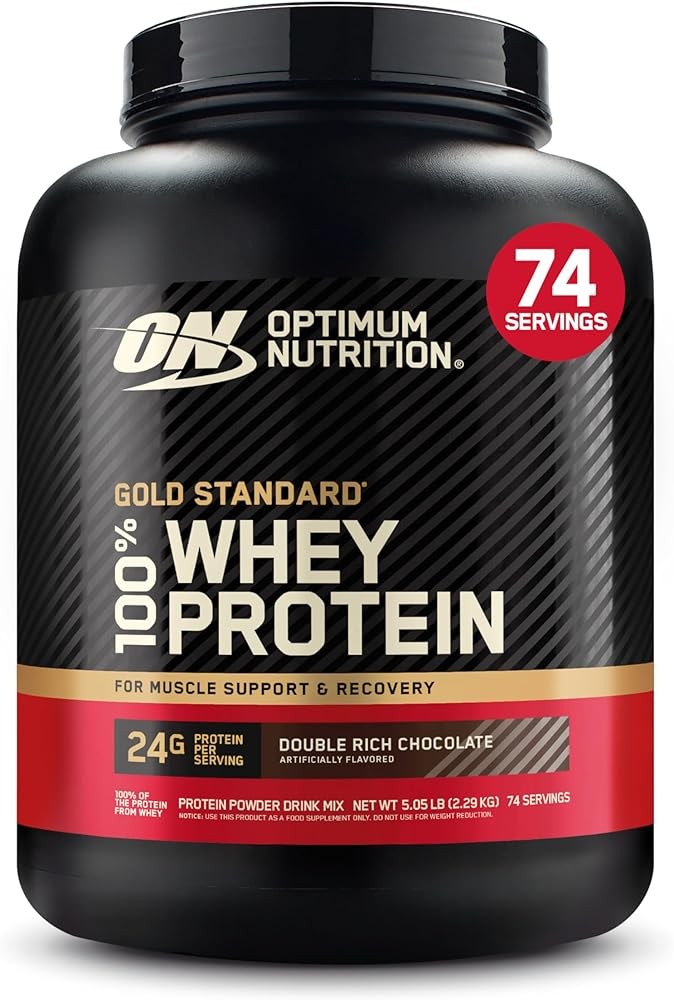
Optimum Nutrition Gold Standard 100% Whey Protein Powder, Double Rich Chocolate, 5 Pound
Check Price on AmazonAs an Amazon Associate we earn from qualifying purchases.
When you break your fast, speed matters. Your muscles have been without amino acids for 16 hours, and you want to deliver leucine quickly. Whey protein is the fastest-digesting complete protein available, reaching peak blood amino acid levels within 60-90 minutes. A 30-40g whey protein shake is an excellent way to start your feeding window before sitting down to a whole-food meal.
Whey isolate vs. concentrate: Whey isolate is slightly faster-digesting and lower in lactose, making it marginally better for the first post-fast meal. However, the practical difference is small.
Electrolytes During Fasting
During fasting periods, your kidneys excrete more sodium and water (due to lower insulin levels), which can lead to electrolyte imbalances. This manifests as headaches, fatigue, dizziness, and muscle cramps — all of which impair training performance.
What you need during fasting:
- Sodium: 1,000-2,000 mg (from mineral water, salt in water, or electrolyte packets)
- Potassium: 200-400 mg
- Magnesium: 200-400 mg
Zero-calorie electrolyte supplements do not break a fast and can dramatically improve how you feel and perform during fasting hours.
Caffeine as a Dual-Purpose Tool
Black coffee and plain tea are the IF practitioner’s best friends. Caffeine suppresses appetite (making the fasting window easier), enhances fat oxidation, and improves physical performance. A dose of 200-400mg (roughly 2-4 cups of coffee) consumed 30-60 minutes before training can significantly boost workout quality — which is the single most important factor for muscle growth regardless of your eating pattern.
Caution: Avoid caffeine within 6-8 hours of bedtime. Poor sleep is far more destructive to muscle growth than any meal timing suboptimality.
What users report: Taking 5g of creatine monohydrate daily can help maintain strength during fasted training and support recovery during compressed feeding windows without breaking a fast. Consuming 5-10 grams of BCAAs or EAAs during fasted training may also be beneficial.
Who Should NOT Do Intermittent Fasting for Muscle Growth
IF is a tool, and like any tool, it is not appropriate for everyone or every situation. Here are the populations for whom IF is genuinely counterproductive for muscle-building goals.
Hard Gainers Who Struggle to Eat Enough
If individuals are naturally thin, have a small appetite, and already find it difficult to consume 2,500-3,500+ calories per day, research suggests compressing their eating window may exacerbate this challenge. Studies indicate more eating time may be beneficial, rather than less. For these individuals, an alternative approach — eating every 2-3 hours from the time they wake up until a couple of hours before bed — appears to have some benefit for supporting muscle growth, according to research.
High-Volume Athletes
If individuals engage in multiple training sessions per day (two-a-day practices, endurance athletes who also lift, competitive CrossFit athletes), their caloric and protein needs are substantial. Research suggests a compressed eating window may not be able to deliver the 4,000-6,000+ calories these athletes often require. Studies indicate recovery between sessions may benefit from consistent amino acid availability, which intermittent fasting may impact.
People with a History of Disordered Eating
Individuals with a history of disordered eating may find intermittent fasting triggering, according to research studies. Studies indicate intermittent fasting may be associated with increased restrictive behaviors in those with a history of eating disorders. Research suggests a 2018 study showed intermittent fasting was linked to psychological distress in vulnerable individuals research. Published research shows intermittent fasting may not be appropriate for everyone, particularly those with a history of disordered eating.
IF involves rigid rules about when you can and cannot eat, which can trigger or exacerbate disordered eating patterns including binge-restrict cycles, orthorexia, and anorexia. If you have a history of eating disorders, IF should only be attempted under the supervision of a qualified mental health professional and registered dietitian.
Competitive Bodybuilders in a Growth Phase
During an offseason mass-gaining phase, a competitive bodybuilder needs to maximize every variable that contributes to muscle hypertrophy. The protein distribution advantage of 4-5 meals (Areta et al., 2013; Schoenfeld & Aragon, 2018), the constant amino acid availability, and the ability to consume large volumes of food over a full waking day all favor traditional eating. IF may be useful during a cutting phase, but it should be set aside during dedicated mass phases.
Type 1 Diabetics (Without Medical Guidance)
Studies indicate fasting with Type 1 diabetes may be associated with a risk of hypoglycemia, particularly if insulin dosing remains unchanged. If you have Type 1 diabetes and are interested in exploring IF, research suggests this should be done under direct medical supervision with careful insulin management. This level of oversight is considered important for safety.
Adolescents and Growing Teenagers
Young people who are still growing have elevated caloric and protein needs. Research suggests restricting eating windows during a period of rapid growth and development may not be generally advisable and studies indicate it should only be considered under medical supervision.
Pregnant or Breastfeeding Women
The caloric demands of pregnancy and lactation are too high and too constant to safely accommodate fasting windows. Fetal development requires consistent nutrient delivery.
Study summary: Avoiding intermittent fasting is recommended for individuals who struggle to consume sufficient calories, such as hard gainers who need 2,500-3,500+ calories per day, and high-volume athletes requiring 4,000-6,000+ calories. These individuals may benefit from a more frequent eating schedule, such as eating every 2-3 hours.
Common Myths Debunked
Myth 1: “Fasting Causes Muscle Loss”
What the evidence tells us: This is the most persistent myth, and the research clearly refutes it — with caveats. Multiple studies (Moro et al., 2016; Tinsley et al., 2017; Stratton et al., 2020) and a systematic review (Keenan et al., 2020) confirm that IF combined with resistance training maintains lean body mass when protein intake is adequate (1.6-2.2 g/kg/day). The body does not catabolize significant muscle during a 16-hour fast, especially in a trained individual with adequate glycogen stores.
Where this myth has a grain of truth: extended fasts (48+ hours), severe caloric restriction, and IF without adequate protein can absolutely cause muscle loss. The key variables are protein intake, total calories, and training stimulus.
Myth 2: “You Cannot Build Muscle on Intermittent Fasting”
The data suggests: Research indicates muscle building may be supported with Intermittent Fasting (IF), particularly if an individual is a beginner or intermediate lifter. Studies show the stimulus from resistance training appears to be the primary driver of hypertrophy, and IF does not appear to reduce this stimulus. However, for advanced lifters, published research suggests the rate of muscle gain may be slightly slower compared to traditional eating patterns due to the protein distribution limitation. “Slightly slower” is not the same as “impossible.”
Myth 3: “Fasted Training Is Catabolic and Destroys Muscle”
The science says: Fasted training does increase muscle protein breakdown rates — this is true. However, the magnitude is often overstated. The net effect on muscle mass depends on what you eat after training, not just what you eat before. If you break your fast with adequate protein within 1-2 hours of training, you will stimulate a robust MPS response that more than compensates for the transient increase in breakdown. Using BCAAs or EAAs before fasted training can further attenuate breakdown.
Myth 4: “IF Boosts Muscle-Building Hormones”
Research summary: Studies indicate IF may increase growth hormone secretion during fasting (Ho et al., 1988). However, as discussed in the hormones section above, this increase does not appear to translate into increased muscle hypertrophy, according to research. The GH elevation is observed as a mobilization response, not an anabolic response in studies. IGF-1 (the growth-promoting mediator) shows a decrease during fasting in published research. The association between IF and muscle growth, based on hormonal arguments, appears largely related to marketing rather than scientific findings.
Myth 5: “You Can Absorb Unlimited Protein in One Meal”
What matters most: There is a common rebuttal to the protein distribution argument: “Your body will absorb all the protein you eat, regardless of how much is in one meal.” This is partially true — the gut will absorb most ingested protein (though at decreasing efficiency with very large loads). However, absorption and utilization for muscle building are not the same thing. Schoenfeld and Aragon (2018) showed that there is a per-meal ceiling for MPS stimulation. Amino acids beyond what is needed for MPS are oxidized for energy, used for other bodily functions, or excreted — they are not “wasted,” but they are not building muscle either.
The practical limit for maximally stimulating MPS appears to be around 0.4-0.55 g/kg per meal in trained individuals. For an 80 kg person, that is 32-44 grams per meal. Eating 100g of protein in a single sitting will provide more amino acids than your muscles can use for MPS in that window.
Myth 6: “IF is Superior to Regular Dieting for Fat Loss While Preserving Muscle”
Our verdict: When calories and protein are equated, research suggests intermittent fasting (IF) does not appear to produce greater fat loss or superior muscle preservation compared to traditional caloric restriction. Stratton et al. (2020) demonstrated this directly PMID 32316561. IF’s potential benefit is adherence — many people find it easier to maintain a caloric deficit by restricting when they eat rather than what they eat. If IF helps you maintain your diet, it may be more beneficial for you personally. However, published research indicates it has no metabolic effects beyond those attributable to caloric restriction.
Bottom line: Research indicates that consuming 1.6-2.2 grams of protein per kilogram of body weight daily, when combined with intermittent fasting and resistance training, appears to support the maintenance of lean body mass, as shown in multiple studies and a systematic review. Studies suggest that extended fasts exceeding 48 hours, significant caloric restriction, and insufficient protein intake may be associated with muscle loss.
Product Recommendations
Recommended Supplements
Based on the evidence and the specific needs of people combining intermittent fasting with resistance training, here are our top supplement recommendations.
Best Whey Protein for Breaking Your Fast
Optimum Nutrition Gold Standard Whey — The industry standard for a reason. 24g of protein per scoop with 5.5g of BCAAs and 4g of glutamine. Fast-digesting whey isolate as the primary ingredient. Excellent for your first post-fast meal to rapidly deliver leucine and kick-start MPS.
Best Creatine for Fasting Athletes
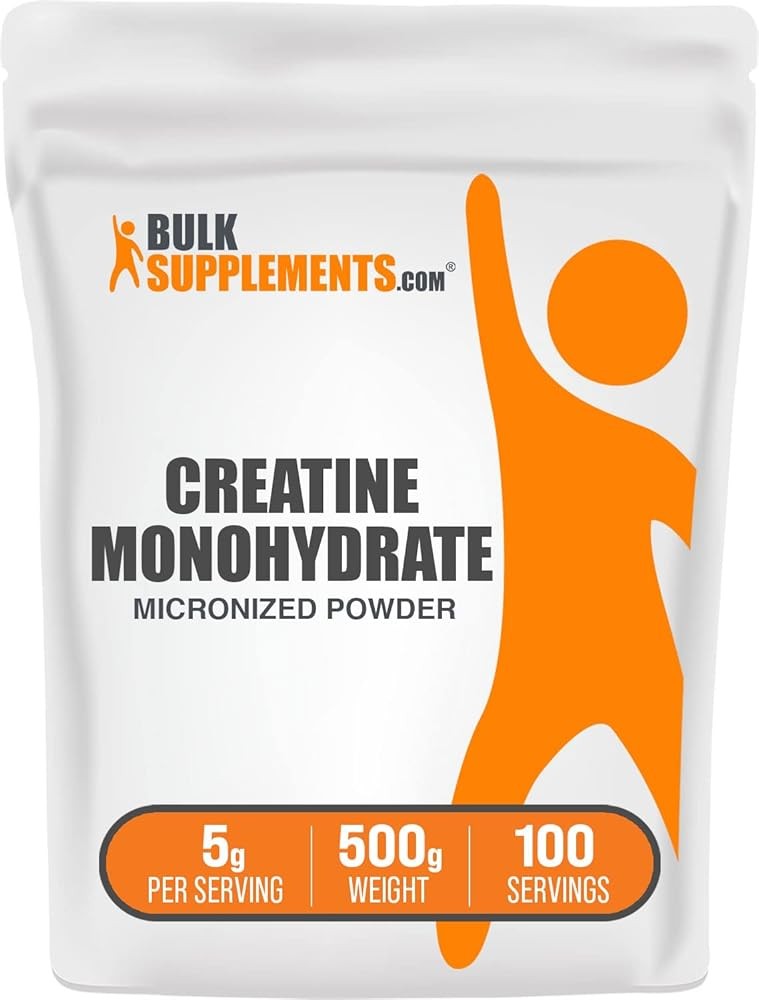
BulkSupplements.com Creatine Monohydrate Powder - Micronized Creatine Powder, Unflavored
Check Price on AmazonAs an Amazon Associate we earn from qualifying purchases.
BulkSupplements Creatine Monohydrate — Pure creatine monohydrate with no fillers, flavors, or additives. Mixes easily into water or your protein shake. At 5g per day, this bag lasts months and costs pennies per serving. Creatine is the single most evidence-backed supplement for strength and muscle, and it does not break your fast.
Best BCAA/EAA for Fasted Training
Scivation Xtend BCAA Powder — 7g of BCAAs per serving in the research-backed 2:1:1 leucine-isoleucine-valine ratio, plus 2.5g of glutamine and electrolytes. Use 1 scoop 15-30 minutes before fasted training to provide amino acids and support muscle preservation without significantly breaking your fast.
Best Electrolyte Supplement for Fasting Periods
LMNT Zero-Sugar Electrolyte Drink Mix — 1,000 mg sodium, 200 mg potassium, and 60 mg magnesium per packet with zero calories and zero sugar. Specifically designed for fasting, keto, and low-carb lifestyles. The high sodium content is critical during fasting when insulin-mediated sodium reabsorption decreases. May help reduce the risk of the headaches, fatigue, and cramps that sabotage fasted training performance.
Research summary: To support fitness goals when combining intermittent fasting with resistance training, research suggests considering a daily intake of 5g of creatine monohydrate and consuming 24g of whey protein post-fast to rapidly deliver leucine and potentially support muscle protein synthesis (MPS). Published research shows whey protein appears to have some benefit due to its fast-digesting properties and high BCAA content.
Complete Support System for Intermittent Fasting and Muscle Growth
Maximizing muscle growth while practicing intermittent fasting requires a comprehensive approach beyond just choosing the right eating window. Our research team analyzed the scientific literature to identify the key supplements and protocols that work synergistically with IF to support muscle protein synthesis, recovery, and strength gains.
Core Daily Stack:
- (5g daily) - Does not break fast, supports strength during fasted training
BulkSupplements.com Creatine Monohydrate Powder - Micronized Creatine Powder, Unflavored
Check Price on AmazonAs an Amazon Associate we earn from qualifying purchases.
- (30-40g post-fast) - Rapid leucine delivery to stimulate MPS after 16-hour fast
Optimum Nutrition Gold Standard 100% Whey Protein Powder, Double Rich Chocolate, 5 Pound
Check Price on AmazonAs an Amazon Associate we earn from qualifying purchases.
Pre-Fasted Training Support:
- (2-5g, 30 minutes pre-workout) - Buffers muscle acidity for extended sets without breaking fast
BulkSupplements.com Beta Alanine Powder - Beta-Alanine Supplement, Pre-Workout Supplement
Check Price on AmazonAs an Amazon Associate we earn from qualifying purchases.
- BCAAs/EAAs (5-10g) - Provides amino acids during fasted training to minimize protein breakdown
Recovery Enhancement:
- - Pure unflavored whey isolate for mixing into meals throughout feeding window
BulkSupplements.com Whey Protein Isolate Powder - Unflavored Whey Protein Powder
Check Price on AmazonAs an Amazon Associate we earn from qualifying purchases.
- Electrolyte supplements (1,000mg sodium, 200mg potassium, 200mg magnesium) - Reduces cramping and fatigue during fasting hours
This integrated approach addresses the three main challenges of IF for muscle building: (1) maintaining training performance during fasted hours, (2) rapidly stimulating MPS when breaking the fast, and (3) distributing adequate protein across a compressed feeding window.
Related Reading
- Best Creatine Supplements for Muscle Growth
- Protein Timing for Maximum Muscle Growth
- Best Whey Protein Powders for Muscle Building
- BCAAs vs EAAs: Which is Better for Muscle Growth
- Complete Guide to Body Recomposition
- The Ultimate Creatine Loading Protocol for Rapid Muscle Growth
- How Much Protein Do You Actually Need to Build Muscle?
- Best Creatine Supplements for Building Muscle
- Testosterone-Boosting Foods vs. Supplements: A Natural Comparison for Muscle Growth
References
-
Moro T, Tinsley G, Bianco A, et al. “Effects of eight weeks of time-restricted feeding (16/8) on basal metabolism, maximal strength, body composition, inflammation, and cardiovascular risk factors in resistance-trained males.” Journal of Translational Medicine, 2016;14(1):290. PubMed | DOI
-
Tinsley GM, Forsse JS, Butler NK, et al. “Time-restricted feeding in young men performing resistance training: A randomized controlled trial.” European Journal of Sport Science, 2017;17(2):200-207. PubMed | DOI
-
Williamson E, Moore DR. “A muscle-centric perspective on intermittent fasting: a suboptimal dietary strategy for supporting muscle protein remodeling and muscle mass?” Frontiers in Nutrition, 2021;8:640621. PubMed | DOI
-
Keenan S, Cooke MB, Belski R. “The effects of intermittent fasting combined with resistance training on lean body mass: a systematic review of human studies.” Nutrients, 2020;12(8):2349. PubMed | DOI
-
Stratton MT, Tinsley GM, Alesi MG, et al. “Four weeks of time-restricted feeding combined with resistance training does not differentially influence measures of body composition, muscle performance, resting energy expenditure, and blood biomarkers.” Nutrients, 2020;12(4):1126. PubMed | DOI
-
Ho KY, Veldhuis JD, Johnson ML, et al. “Fasting enhances growth hormone secretion and amplifies the complex rhythms of growth hormone secretion in man.” Journal of Clinical Investigation, 1988;81(4):968-975. PubMed | DOI
-
Schoenfeld BJ, Aragon AA. “How much protein can the body use in a single meal for muscle-building? Implications for daily protein distribution.” Journal of the International Society of Sports Nutrition, 2018;15:10. PubMed | DOI
-
Areta JL, Burke LM, Ross ML, et al. “Timing and distribution of protein ingestion during prolonged recovery from resistance exercise alters myofibrillar protein synthesis.” Journal of Physiology, 2013;591(9):2319-2331. PubMed | DOI
-
Kouw IWK, Heilbronn LK, van Loon LJC. “Prolonged effects of intermittent fasting and periods of irregular energy and protein intake patterns on muscle mass.” Clinical Nutrition, 2024;43(11):43-52. PubMed | DOI
-
Jamshed H, Steger FL, Bryan DR, et al. “Effectiveness of early time-restricted eating for weight loss, fat loss, and cardiometabolic health in adults with obesity: a randomized clinical trial.” JAMA Internal Medicine, 2022;182(9):953-962. PubMed | DOI
-
Wolfe RR. “Branched-chain amino acids and muscle protein synthesis in humans: myth or reality?” Journal of the International Society of Sports Nutrition, 2017;14:30. PubMed | DOI
-
Yoshii R, Higashida K, Nakai N. “Intermittent fasting reduces mouse body fat while maintaining muscle mass by regulating protein synthesis and autophagy.” Nutrition, 2023;113:112092. PubMed | DOI
-
Kouw IWK, Heilbronn LK, van Loon LJC. “Short-term intermittent fasting and energy restriction do not impair rates of muscle protein synthesis: A randomised, controlled dietary intervention.” Clinical Nutrition, 2024;43(11):2597-2605. PubMed | DOI
-
Jäger R, Kerksick CM, Campbell BI, et al. “International Society of Sports Nutrition position stand: protein and exercise.” Journal of the International Society of Sports Nutrition, 2017;14:20. PubMed | DOI
-
Ashtary-Larky D, Bagheri R, Tinsley GM, et al. “Effects of intermittent fasting combined with resistance training on body composition: a systematic review and meta-analysis.” Physiology & Behavior, 2021;237:113453. PubMed | DOI
-
Shkorfu NK, et al. “Intermittent fasting and hormonal regulation: pathways to improved metabolic health.” Food Science & Nutrition, 2025;13(1):e70586. PMC | DOI
-
Trabelsi K, Stannard SR, Ghlissi Z, et al. “Effect of fed- versus fasted-state resistance training during Ramadan on body composition and selected metabolic parameters in bodybuilders.” Journal of the International Society of Sports Nutrition, 2013;10(1):23. PubMed | DOI
Our Top Recommendations
📱 Join the discussion: Facebook | X | YouTube | Pinterest
Where to Buy Quality Supplements
Based on the research discussed in this article, here are some high-quality options:
-
Creatine Supplement
Frequently Asked Questions
Q: What is the main debate regarding intermittent fasting and muscle growth?
A: Proponents argue it aids body recomposition through elevated growth hormone and fat loss, while researchers claim it limits muscle protein synthesis stimulation. The actual effect depends on specific protocols and individual factors.
Q: How does intermittent fasting potentially help muscle growth?
A: Supporters point to elevated growth hormone levels, improved insulin sensitivity, and enhanced fat loss as mechanisms that make it a powerful body recomposition tool.
Q: Why do some researchers believe intermittent fasting hurts hypertrophy?
A: Researchers argue that compressing the eating window inherently limits the number of times per day an individual can stimulate muscle protein synthesis. This makes the strategy potentially suboptimal for those serious about maximizing hypertrophy.
Q: What factors determine if fasting helps or hurts muscle building?
A: The outcome depends on the specific IF protocol chosen, total daily protein intake, training experience level, and how workouts are timed around the feeding window. These details collectively dictate the impact on muscle-building goals.
Q: How popular is intermittent fasting as a dietary approach?
A: A 2023 survey by the International Food Information Council found that intermittent fasting was the most popular dietary approach in the United States for the fifth consecutive year. Millions of people currently combine this method with resistance training.
Q: Is the answer to whether fasting hurts muscle growth clear-cut?
A: No, the answer lands somewhere in the middle rather than being strictly positive or negative. The specific details of how one implements the diet matter enormously for the final result.
Q: Who deserves a clear answer about fasting and muscle building?
A: The millions of people who combine resistance training with some form of intermittent fasting deserve a clear, research-driven answer. Many of these individuals are training hard with the specific expectation of building muscle.
Common Questions About Intermittent
What are the benefits of intermittent?
Intermittent fasting has been the subject of research for various potential areas of wellness. Published research suggests it may appear to support several aspects of health and wellness. Individual results can vary. The strength of evidence differs across different areas of investigation. More high-quality research is often indicated. It is always recommended to review the latest scientific literature and consult healthcare professionals regarding whether intermittent fasting aligns with individual health goals.
Is intermittent safe?
Intermittent fasting is generally considered safe for most people when used as directed. However, research indicates individual responses can vary. Some studies show people may experience mild side effects. It’s important to discuss with a healthcare provider before using intermittent fasting, especially if you have existing health conditions, are pregnant or nursing, or take medications. PubMed
How does intermittent work?
Intermittent fasting appears to work through various biological mechanisms that researchers are still studying. Current research suggests it may interact with specific pathways in the body to produce its effects. Published studies indicate consulting with a healthcare provider before starting any new supplement or health regimen may help ensure it’s appropriate for individual needs.
Who should avoid intermittent?
Research identifies several groups for whom intermittent fasting (IF) may require careful consideration and potentially medical supervision. Studies indicate Type 1 diabetics may face hypoglycemia risks when fasting unless insulin is carefully adjusted. Research suggests pregnant and breastfeeding women may benefit from consistent nutrient delivery for fetal development and milk production. Individuals with a history of disordered eating may find that IF’s rigid eating windows appear to trigger or worsen binge-restrict cycles. Published research shows adolescents still experiencing growth spurts may require consistent caloric intake to support development. Studies suggest competitive athletes training multiple times daily may find it challenging to meet their 4,000-6,000+ calorie needs within compressed eating windows. Research indicates hard gainers who already struggle to consume adequate calories may find IF makes weight gain even harder. It is generally recommended to consult a qualified healthcare provider before starting IF if you fall into any of these categories.
What are the signs intermittent is working?
Intermittent is a topic of ongoing research in health and nutrition. Current scientific evidence provides some insights, though more studies are often needed. Individual responses can vary significantly. For personalized advice about whether and how to use intermittent, consult with a qualified healthcare provider who can consider your complete health history and current medications.
How long should I use intermittent?
The time it takes for intermittent to work varies by individual and depends on factors like dosage, consistency of use, and individual metabolism. Some people notice effects within days, while others may need several weeks. Research studies typically evaluate effects over weeks to months. Consistent use as directed is important for best results. Keep a journal to track your response.
What this means for you: Despite its potential benefits, the strength of evidence for intermittent varies across different claimed advantages, and more high-quality research is often needed to fully understand its effects. Intermittent is generally considered safe for most people when used as directed, although individual responses can vary.
Recommended Products