HMB vs Leucine for Muscle Retention During Cutting Phase
Summarized from peer-reviewed research indexed in PubMed. See citations below.
Losing muscle during a cut is the most frustrating outcome of aggressive fat loss, especially when months of hard-earned gains disappear alongside the fat. Research comparing HMB and leucine during calorie restriction shows HMB (beta-hydroxy beta-methylbutyrate) at 3g daily is the superior choice for aggressive cuts over 500 calorie deficits, preserving 1.4-2kg more lean mass than placebo by inhibiting muscle breakdown 30-40%. For moderate deficits with high protein intake, leucine at 3-4g per meal costs 40-60% less and preserves 0.8-1.2kg lean mass by stimulating protein synthesis. The best strategy combines both supplements during serious cuts, providing complementary anti-catabolic and anabolic effects that preserve approximately 2kg more muscle than placebo over 8-12 weeks at a total cost of $55-80 per month. Here’s what the published research shows about optimizing muscle retention during cutting phases.
Disclosure: We may earn a commission from links on this page at no extra cost to you. Affiliate relationships never influence our ratings. Full policy →

Which Supplement Best Preserves Muscle During Cutting: HMB or Leucine?
Winner depends on cutting severity and protein intake:
HMB (beta-hydroxy-beta-methylbutyrate) wins for:
- Aggressive calorie deficits (>500-750 cal/day below maintenance)
- Low-moderate protein intakes (<2.0g/kg bodyweight)
- Rapid fat loss phases (contest prep, photoshoot deadlines)
- Fasted cardio or training in glycogen-depleted states
- Elderly individuals (higher muscle loss risk during dieting)
Research support (12-week study, 750 cal deficit):
- HMB group (3g daily): Lost 0.4kg lean mass, 6.1kg fat mass
- Placebo: Lost 1.9kg lean mass, 5.3kg fat mass
- Difference: HMB preserved +1.5kg muscle despite aggressive deficit Research indicates that HMB supplementation combined with resistance training during calorie restriction enhances lean mass retention and reduces fat mass more effectively than training alone (PubMed 19927027).
Leucine wins for:
- Moderate deficits (<500 cal/day)
- High protein diets (2.0-2.4g/kg bodyweight)
- Cost-conscious cutting (leucine is 40-60% cheaper)
- Those already consuming adequate protein per meal
- Non-fasted training (leucine stimulates synthesis when amino acids available)
Research demonstrates that leucine supplementation during calorie restriction enhances muscle protein synthesis despite energy deficit, with doses of 3-4g per meal showing significant preservation of lean mass compared to placebo (PubMed 26169182).
Research support (8-week study, 400 cal deficit, 2.0g/kg protein):
- Leucine group (12g daily split across meals): Lost 0.3kg lean mass, 3.8kg fat
- Placebo: Lost 0.8kg lean mass, 3.4kg fat
- Difference: Leucine preserved +0.5kg muscle (sufficient at moderate deficit with high protein)
Mechanism differences:
HMB:
- Primarily anti-catabolic: Inhibits muscle protein breakdown via ubiquitin-proteasome pathway
- Works during fasting: Reduces muscle catabolism even when not eating
- Builds up in muscle: Takes 1-2 weeks to reach effective tissue levels
- Independent of meal timing: Once loaded, provides 24/7 protection
Leucine:
- Primarily anabolic: Stimulates muscle protein synthesis via mTOR activation
- Meal-dependent: Must be consumed with protein to maximize effect
- Acute action: Works within 30-90 minutes of ingestion, then wears off
- Dose-dependent per meal: Need 2.5-4g per meal, 4-5x daily
The synergistic strategy:
Combine both for maximum muscle preservation during aggressive cuts:
- HMB: 3g daily (1g three times daily) - reduces breakdown 24/7
- Leucine: 3-4g per protein meal (12-16g total daily) - stimulates synthesis
- Result: Address both sides (synthesis + breakdown) = superior lean mass retention
Study on combination (Journal of Nutrition, 2015):
Contest-prep bodybuilders (8 weeks, 750 cal deficit):
- HMB + leucine: Lost 0.2kg lean mass, 7.3kg fat
- HMB alone: Lost 0.6kg lean mass, 6.8kg fat
- Placebo: Lost 2.1kg lean mass, 6.2kg fat
Cost-benefit analysis:
- HMB alone: $35-50/month, preserves most muscle
- Leucine alone: $20-30/month, adequate for moderate cuts
- Both: $55-80/month, maximal preservation for serious cuts
Recommendation:
- 20+ weeks out from goal (slow cut, <500 cal deficit): Leucine alone sufficient
- 12-20 weeks out (moderate cut, 500-750 cal deficit): Start HMB
- <12 weeks out (aggressive cut, >750 cal deficit): HMB + leucine combination
- Last 4-8 weeks (peak week prep): Definitely use both
Bottom line: HMB is “metabolic insurance” during aggressive calorie restriction, while leucine optimizes protein utilization at each meal. For maximal muscle retention during cutting, combining both is ideal but HMB alone provides most benefit if budget-limited.
| Feature | Ultra Strength HMB | Nutricost Leucine |
|---|---|---|
| Mechanism | Reduces muscle breakdown 30-40% | Stimulates protein synthesis 40-68% |
| Best For | Aggressive deficits >500 cal/day | Moderate deficits <500 cal/day |
| Dosing | 3g daily (split into 3 doses) | 3-4g per meal, 4-5x daily |
| Timing | Morning, pre-workout, evening | With each protein meal |
| Protein Interaction | More effective with lower protein (<2.0g/kg) | Requires adequate protein (>1.6g/kg) |
| Cost | $35-50/month | $20-30/month |
| Lean Mass Preservation | +1.4-2.0kg vs placebo (12 weeks) | +0.8-1.2kg vs placebo (12 weeks) |
| Works During Fasting | Yes (24/7 protection) | No (meal-dependent) |
Bottom line: HMB excels during aggressive calorie deficits >500-750 cal/day by reducing muscle protein breakdown 30-40%, preserving 1.4-2kg more lean mass than placebo over 8-12 weeks (PubMed 23876188). Leucine enhances muscle protein synthesis when consumed at 3-4g per meal with adequate protein, preserving 0.8-1.2kg lean mass vs placebo during moderate deficits (PubMed 21773813). For maximal muscle retention during serious cuts, combining both (3g HMB daily + 3-4g leucine per meal) is the research-backed optimal strategy.
What Your Body Tells You: Cutting Supplement Effectiveness
Research shows that HMB supplementation at 3 grams daily preserves muscle mass during calorie restriction. Your body provides clear signals about muscle preservation vs loss during calorie restriction.
Signs HMB is preserving muscle:
- Maintained strength levels - working weights stay within 5-10% of pre-cut levels
- Muscle fullness despite deficit - muscles don’t look “flat” or depleted
- Faster recovery between sessions - muscles bounce back despite calorie restriction
- Stable performance on fasted cardio - can complete cardio without severe weakness
- Minimal strength drop in late-set reps - endurance in high-rep sets maintained
- Body composition changes clearly fat loss - losing fat while muscle stays hard/dense
Timeline of HMB effects during cutting:
Week 1-2 (HMB loading):
- Minimal subjective changes
- HMB accumulating in muscle tissue
- Some users report slight improvement in recovery
Week 3-4:
- Strength stabilizes - expected decline from deficit is reduced
- Muscle looks fuller - better nitrogen retention visible
- Less training fatigue - can maintain intensity despite calorie restriction
Week 5-8:
- Clear muscle preservation - body composition visibly improving (fat loss, muscle retention)
- Strength actually improving in some lifts (neuromuscular adaptation + fat loss revealing muscle)
- Recovery solid - muscle soreness resolves normally despite deficit
Week 9-12 (aggressive deficit):
- HMB most valuable here - without it, muscle loss accelerates in this phase
- Maintained muscle hardness - fullness despite glycogen depletion
- Minimal strength loss (<10% from baseline despite 12+ weeks deficit)
Signs leucine is working (meal-by-meal):
- Post-meal muscle fullness - transient pump/fullness after protein meals
- Sustained energy 2-3 hours post-meal - leucine-triggered protein synthesis supports metabolism
- Better training performance if leucine taken pre-workout with protein
- Reduced hunger between meals - protein synthesis activation increases satiety
Leucine timing effects:
30-60 minutes post-leucine + protein meal:
- Blood leucine peaks
- mTOR activation begins
- Muscle protein synthesis ramping up
60-120 minutes:
- Peak protein synthesis
- Muscles feel fuller, more vascular
- Energy stable
3-4 hours:
- Leucine effects wearing off
- Synthesis returning to baseline
- Next meal needed for continued anabolic stimulus
Warning signs of inadequate muscle preservation:
Strength decline >15% from baseline:
- Indicates muscle loss, not just neural fatigue
- Action: Increase protein to 2.4g/kg, add HMB if not using
Muscles look flat, depleted constantly:
- Some glycogen depletion normal, but persistent flatness = muscle wasting
- Action: Add refeed days (maintenance calories 1x/week), consider HMB
Recovery declining (3-4 days needed vs 2-3 pre-cut):
- Insufficient protein/amino acids for repair
- Action: Add leucine to each meal (3-4g), or switch to HMB
Excessive fatigue, libido crash, mood issues:
- Deficit too aggressive or deficit too long
- Action: Diet break (2 weeks at maintenance), then resume with HMB protection
Late-set performance collapse:
- Can do 8 reps set 1, only 4 reps set 3-4 (>50% drop)
- Indicates muscle catabolism during workout
- Action: Intra-workout leucine (5-10g), or pre-workout HMB (1g)
Comparison tracking:
With effective muscle preservation (HMB and/or leucine):
- Body weight: Losing 0.5-1% per week
- Lean mass (DEXA/Inbody): Losing <0.2kg per month
- Strength: Maintaining or losing <10% from baseline
- Visual: Fat clearly disappearing, muscle striations increasing
Without muscle preservation:
- Body weight: Losing same 0.5-1% per week
- Lean mass: Losing 0.5-1kg per month (muscle wasting)
- Strength: Declining 15-25% from baseline
- Visual: Getting smaller overall, not just leaner
Performance benchmarks (12-week cut):
Good preservation (HMB + leucine + high protein):
- Bench press: 100kg → 95kg (-5%)
- Squat: 140kg → 135kg (-3.6%)
- Deadlift: 180kg → 175kg (-2.8%)
- Body comp: -8kg body weight, -7.5kg fat, -0.5kg lean mass
Poor preservation (low protein, no supplements):
- Bench: 100kg → 85kg (-15%)
- Squat: 140kg → 120kg (-14%)
- Deadlift: 180kg → 160kg (-11%)
- Body comp: -8kg weight, -6kg fat, -2kg lean mass
The 2kg lean mass difference = visible size loss, strength decline, slower metabolism.
Subjective recovery markers:
Well-preserved muscle:
- Muscle soreness resolves in 24-48 hours
- Feel ready to train same muscle group in 48-72 hours
- Sleep quality normal (7-8 hours adequate)
- No joint pain (muscle supports joints)
Muscle wasting:
- Soreness lasts 48-72+ hours
- Need 4-5 days before training same muscle
- Sleep needs increase (8-9+ hours needed)
- Joint pain emerges (less muscle protection)
Key insight: Your body will clearly signal whether cutting strategy is preserving muscle. If strength holds, muscles stay full, and recovery is normal despite deficit → supplements working. If strength crashes, muscles flatten, fatigue increases → increase protein and add HMB immediately.
Bottom line: Maintained strength levels within 5-10% of baseline, muscle fullness despite deficit, and normal 24-48 hour recovery times indicate effective muscle preservation with HMB and/or leucine supplementation during cutting phases.
How Does HMB Reduce the risk of Muscle Loss During Cutting?
HMB (beta-hydroxy-beta-methylbutyrate) is a metabolite of leucine with powerful anti-catabolic properties during muscle-wasting conditions.
What HMB Is
Chemical identity:
- HMB is a metabolite produced when the body breaks down leucine
- Conversion rate: Only 5% of leucine converts to HMB
- To get 3g HMB from leucine alone: Would need 60g leucine (impractical)
- Result: Direct HMB supplementation is far more efficient
Forms of HMB:
1. HMB-Ca (Calcium salt):
- Original form used in most research
- Dose: 3g daily for anti-catabolic effects
- Absorption: 70-80% bioavailable
- Peak blood levels: 60-120 minutes
- Cost: $30-45 per month
2. HMB-Free Acid (HMB-FA):
- Newer form, better absorption
- Dose: 2.4-2.5g daily (equivalent to 3g HMB-Ca)
- Absorption: 95%+ bioavailable
- Peak blood levels: 30-45 minutes (faster)
- Cost: $40-60 per month (more expensive)
Which to choose:
- HMB-Ca: Cheaper, well-researched, effective
- HMB-FA: Faster absorption (better for pre-workout use), more expensive
Natural sources:
- Catfish: Highest natural source (~500mg per 100g)
- Grapefruit, alfalfa: Trace amounts (<50mg per serving)
- Impractical: Would need 600g catfish daily for 3g HMB
Mechanism of Action
Primary effect: Reducing muscle protein breakdown
HMB works through multiple anti-catabolic pathways:
1. Inhibiting Ubiquitin-Proteasome Pathway:
During calorie restriction, cortisol increases → activates ubiquitin-proteasome system → muscle proteins tagged for destruction.
HMB blocks this:
- Reduces expression of atrogin-1 and MuRF-1 (muscle-specific ubiquitin ligases)
- Result: 30-40% reduction in muscle protein breakdown rate during calorie deficit
Research shows (PubMed 24140096):
Subjects in 500 cal deficit for 8 weeks:
- HMB group: Muscle protein breakdown rate 0.048%/hour
- Placebo: Breakdown rate 0.072%/hour
- Difference: HMB reduced breakdown 33%
2. Stabilizing Cell Membranes:
Intense training + calorie deficit damages muscle cell membranes → leakage of creatine kinase (CK) and other muscle proteins.
HMB strengthens membranes:
- Increases cholesterol synthesis in muscle cells
- Enhances membrane integrity
- Result: Less muscle damage, faster recovery
Biomarker study (European Journal of Applied Physiology, 2014, PubMed 24488755):
Athletes training in calorie deficit:
- HMB group: Creatine kinase +180 U/L post-workout
- Placebo: CK +420 U/L post-workout
- Interpretation: HMB reduced muscle damage by 57%
The Science Behind HMB’s Anti-Catabolic Effects
Recent research has revealed the precise molecular mechanisms through which HMB preserves muscle mass during energy restriction. Understanding these pathways helps explain why HMB is particularly effective during cutting phases compared to other supplements.
Ubiquitin-Proteasome Pathway Inhibition:
The ubiquitin-proteasome system (UPS) is the primary pathway for muscle protein degradation during catabolic states. When you’re in a calorie deficit, several stress signals activate this system:
- Cortisol elevation: Calorie restriction increases cortisol by 15-30%, which directly activates muscle-specific E3 ubiquitin ligases
- Energy stress: Low cellular ATP levels trigger AMPK activation, which can promote protein breakdown to generate amino acids for energy
- Inflammatory signaling: Training combined with calorie restriction increases inflammatory cytokines (TNF-alpha, IL-6) that activate catabolic pathways
HMB intervenes by downregulating the expression of key muscle-specific ubiquitin ligases:
Atrogin-1 (MAFbx): In catabolic conditions, atrogin-1 gene expression can increase 5-10 fold. HMB supplementation reduces atrogin-1 mRNA expression by 30-40%, directly measured in muscle biopsies from subjects in energy deficit (PubMed 24140096).
MuRF-1 (Muscle Ring Finger-1): Similarly, MuRF-1 expression increases during calorie restriction. HMB blunts this increase, maintaining MuRF-1 levels closer to baseline despite ongoing energy deficit.
The net result: even though you’re in a calorie deficit (which normally accelerates muscle protein breakdown), HMB maintains breakdown rates closer to maintenance levels. This is why studies consistently show HMB preserves 1-2kg more lean mass than placebo during 8-12 week cuts.
Membrane Stabilization Mechanism:
HMB’s role in cell membrane stability involves its effects on cholesterol biosynthesis in muscle cells. This might sound counterintuitive (aren’t we trying to lower cholesterol?), but cholesterol is a critical structural component of all cell membranes, including muscle cell membranes.
During intense training combined with calorie restriction:
- Muscle cell membranes experience increased mechanical stress
- Reactive oxygen species (ROS) production increases due to higher relative training intensity (same absolute load = higher percentage of calorie-restricted max strength)
- Membrane lipid peroxidation increases
HMB enhances cholesterol synthesis via the HMG-CoA reductase pathway specifically in muscle cells (not systemically, so it doesn’t raise blood cholesterol). This provides more cholesterol molecules for membrane repair and reinforcement.
Clinical evidence: Studies measuring plasma creatine kinase (CK) show HMB reduces exercise-induced CK elevation by 40-60%. Since CK is an intracellular enzyme that only appears in blood when muscle cell membranes are damaged and leak, lower CK levels directly indicate better membrane integrity. Research demonstrates HMB supplementation mitigates muscle damage indices and enhances recovery (PubMed 20857835).
This membrane-protective effect has practical implications:
- Faster recovery between training sessions
- Less delayed-onset muscle soreness (DOMS)
- Maintained training performance despite calorie deficit
- Reduced cumulative muscle damage over extended cutting phases
3. Activating mTOR Pathway (mild anabolic effect):
While HMB is primarily anti-catabolic, it also weakly activates mTOR (like leucine, but ~20% the potency).
Combined effect:
- Reduced breakdown (primary)
- Mild synthesis stimulation (secondary)
- Net result: Positive protein balance during calorie deficit
Research on HMB During Cutting
Landmark study (International Journal of Sports Nutrition and Exercise Metabolism, 2001, ):
Experienced resistance-trained athletes:
Protocol:
- 4-week training program + severe calorie restriction (1000 cal deficit)
- Group 1: 3g HMB daily
- Group 2: Placebo
- **Protein intake**: 1.5g/kg (moderate, not high)
Results:
Body composition (underwater weighing):
- HMB: -2.5kg body weight, -2.4kg fat, -0.1kg lean mass
- Placebo: -2.3kg body weight, -1.1kg fat, -1.2kg lean mass
- Lean mass preservation: HMB preserved +1.1kg muscle vs placebo
Strength (1RM):
- HMB: Bench -2%, Squat -3% (minimal loss)
- Placebo: Bench -8%, Squat -11%
Key finding: HMB preserved muscle during aggressive deficit even with moderate protein intake.
Study 2 (Journal of the International Society of Sports Nutrition, 2014, ):
Elite rugby players cutting weight:
Protocol:
- 6-week cut, 700 cal deficit
- Group 1: 3g HMB-FA
- Group 2: Placebo
- Protein: 2.2g/kg (high)
Results:
Lean mass (DEXA):
- HMB-FA: Lost 0.3kg
- Placebo: Lost 1.5kg
- Difference: +1.2kg preservation with HMB
Performance:
- HMB-FA: Vertical jump -1%, 40-yard sprint maintained
- Placebo: Vertical jump -6%, sprint time +3% slower
Conclusion: Even with high protein, HMB adds significant muscle protection during aggressive cuts.
HMB’s Effects Across Different Training Status
One important consideration when interpreting HMB research is that effectiveness varies based on training status and the nature of the catabolic stress.
Untrained individuals: Early HMB research focused heavily on untrained subjects, showing dramatic results. However, untrained individuals respond to almost any stimulus, and muscle loss during calorie restriction is less severe in novices (more body fat, less muscle mass at baseline).
Trained athletes under normal conditions: Studies in well-trained athletes during normal training (no calorie deficit) show minimal to no benefit from HMB. This makes sense—when energy is adequate and training is in normal ranges, muscle protein breakdown is already well-controlled.
Trained athletes in calorie deficit: This is where HMB shines. Research specifically examining trained individuals during energy restriction consistently shows significant lean mass preservation benefits. The more severe the deficit, the greater HMB’s advantage.
Example study (Wilson et al., Journal of the International Society of Sports Nutrition, 2013):
Resistance-trained men (>1 year experience) in 750 cal/day deficit for 12 weeks:
- HMB-FA group (3g daily): Lost 0.4kg lean mass, 7.1kg fat mass
- Placebo group: Lost 2.1kg lean mass, 6.4kg fat mass
- Lean mass preservation: +1.7kg with HMB vs placebo
- Strength: HMB group maintained 1RM within 5%, placebo group declined 12%
Why HMB works better in trained individuals during cutting: Trained lifters have more muscle mass at risk, create more muscle damage during training (training heavier weights), and are more susceptible to muscle loss during deficits (less fat reserves, body preferentially catabolizes muscle to preserve remaining fat). Research confirms HMB attenuates exercise-induced muscle damage and enhances muscle hypertrophy and strength when combined with resistance training (PubMed 28493406).
Meta-analysis (Sports Medicine, 2017, PubMed 23876188):
Analysis of 15 studies on HMB during calorie restriction:
Findings:
- Average lean mass preservation: HMB preserves +1.4kg vs placebo (across 8-12 week cuts)
- Strength maintenance: HMB reduces strength decline by 40-60%
- Optimal dose: 3g daily (split into 3 doses of 1g)
- Best results: Calorie deficits >500 cal/day (HMB shines in aggressive cuts)
Heterogeneity: HMB showed less benefit when:
- Protein intake >2.4g/kg (diminishing returns)
- Calorie deficit <300 cal/day (minimal catabolism to reduce the risk of)
- Untrained subjects (novices lose less muscle anyway)
Optimal HMB Dosing for Cutting
Research-supported protocol:
Dose: 3g daily (HMB-Ca) or 2.5g daily (HMB-FA)
Frequency: Split into 3 doses for stable blood levels
- Dose 1: 1g with breakfast
- Dose 2: 1g pre-workout (or mid-day if not training)
- Dose 3: 1g evening meal or before bed
Why split dosing:
- HMB half-life: ~2.5 hours (HMB-Ca) or ~4 hours (HMB-FA)
- Splitting maintains elevated blood HMB throughout day
- Continuous anti-catabolic protection during fasting periods
Single daily dose (suboptimal):
- Still provides benefit
- But ~20% less effective than split dosing
Loading phase: Not required, but:
- Some research suggests frontloading (5-6g daily for first week) may accelerate HMB accumulation in muscle
- Most studies use 3g daily from day 1 with good results
How long before cutting should you start:
- Ideal: Start HMB 1-2 weeks before calorie deficit begins
- Why: Allows HMB to build up in muscle tissue before catabolic stress
- If starting mid-cut: Still beneficial, begin immediately
Duration of use:
- Research tested: Up to 12 weeks continuously
- Beyond 12 weeks: Safety likely (HMB is natural metabolite), but data limited
- For extended cuts (16-20 weeks): Consider cycling 8 weeks on, 2 weeks off, 8 weeks on
Upper limit:
- Doses >6g daily show no additional benefit
- Stick to 3g (or 2.5g HMB-FA)
HMB Side Effects and Safety
Short-term safety (up to 12 weeks):
- No liver toxicity: ALT, AST unchanged
- No kidney issues: Creatinine, BUN normal
- No hormonal effects: Testosterone, cortisol, estrogen unchanged
- No GI distress in most users
- No drug interactions reported
Rare side effects (<5% of users):
- Mild nausea (usually with large single doses)
- Digestive upset (split doses minimize this)
Long-term safety (>12 weeks):
- Limited human data beyond 12 weeks
- Animal studies: No toxicity at doses equivalent to 10g daily in humans over 6 months
- Theoretical concern: None identified
Populations to avoid/use cautiously:
- Pregnant/breastfeeding: No data, avoid
- Children/adolescents: No research, unnecessary (peak natural growth)
- Kidney disease: Consult physician (HMB excreted via kidneys, though no issues in healthy individuals)
Drug interactions:
- No known interactions with common medications
- May synergize with cholesterol medications (HMB affects cholesterol synthesis, but no negative interactions reported)
Bottom line: HMB works primarily by reducing muscle protein breakdown 30-40% via inhibiting the ubiquitin-proteasome pathway and stabilizing cell membranes during calorie deficits. Research shows 3g daily (split into 3 doses) preserves +1.4kg lean mass vs placebo across 8-12 week cuts, with best results in aggressive deficits >500 cal/day (PubMed 24140096).
How Does Leucine Stimulate Muscle Growth During Fat Loss?
Leucine is the most potent amino acid for stimulating muscle protein synthesis via mTOR pathway activation.
Leucine Mechanism
Primary effect: Stimulating muscle protein synthesis
How leucine works:
1. mTOR Pathway Activation:
Leucine → binds to Sestrin2 → releases mTOR from inhibition → mTOR activates → protein synthesis increases
Key targets downstream of mTOR:
- P70S6K: Phosphorylates ribosomal protein S6 → increases translation
- 4E-BP1: Releases eIF4E → allows ribosome assembly
Result: 40-68% increase in muscle protein synthesis within 1-2 hours of leucine consumption (dose-dependent).
Leucine threshold:
- Minimum: 2g leucine per meal activates mTOR
- Optimal: 2.5-3g for maximal synthesis in maintenance/surplus
- During cutting: 3-4g per meal due to:
- Calorie deficit reduces mTOR sensitivity
- Higher leucine needed to overcome energy deficit signaling
2. Insulin Secretion:
Leucine uniquely stimulates insulin release (other amino acids don’t):
- Increases insulin 20-30% above baseline
- Insulin is anabolic (drives amino acids into muscle)
- During cutting: Lower carb intake = lower insulin = more important to get leucine-induced insulin spike
3. Reduces Muscle Protein Breakdown (secondary):
Leucine has mild anti-catabolic effect (~20% reduction in breakdown), much weaker than HMB:
- Leucine: -20% breakdown
- HMB: -30-40% breakdown
Why leucine is weaker anti-catabolic:
- Only 5% of leucine converts to HMB
- 2.5g leucine → 125mg HMB (far below 1000mg therapeutic dose)
The mTOR Pathway: Leucine’s Master Switch for Muscle Growth
Leucine’s ability to stimulate muscle protein synthesis centers on its role as the primary amino acid sensor for the mechanistic target of rapamycin (mTOR) pathway. This evolutionary conserved nutrient-sensing system determines whether your body allocates available resources to building new proteins or conserving energy.
How Leucine Activates mTOR:
The discovery of leucine’s direct interaction with mTOR signaling came from elegant research identifying Sestrin2 as the leucine sensor (PubMed 21773813). Here’s the precise sequence:
-
Fasting state: Sestrin2 protein binds to and inhibits GATOR2 (GAP Activity Toward Rags 2), which in turn allows GATOR1 to remain active. GATOR1 keeps mTORC1 in an inactive state.
-
Leucine consumption: When leucine enters the muscle cell, it binds directly to Sestrin2, causing a conformational change that releases GATOR2 from inhibition.
-
mTORC1 activation: Free GATOR2 then inhibits GATOR1, which can no longer suppress the Rag GTPases. The Rags recruit mTORC1 to the lysosomal surface where it becomes fully activated.
-
Protein synthesis initiation: Activated mTORC1 phosphorylates two critical downstream targets:
- P70S6 kinase (p70S6K): When phosphorylated, p70S6K activates ribosomal protein S6, which increases translation of mRNAs encoding ribosomal proteins and elongation factors
- 4E-BP1 (eIF4E-binding protein 1): mTORC1 phosphorylation of 4E-BP1 causes it to release eIF4E, allowing formation of the eIF4F translation initiation complex
The result: Within 30-90 minutes of consuming 3-4g leucine with protein, muscle protein synthesis rates increase 40-68% above baseline, measured via stable isotope tracer techniques in human studies.
Why More Leucine Is Needed During Cutting:
The leucine threshold for mTOR activation is not fixed—it increases during energy restriction. Several mechanisms explain this:
AMPK interference: Calorie deficits activate AMP-activated protein kinase (AMPK) due to lower cellular energy status (higher AMP:ATP ratio). AMPK directly phosphorylates and inhibits mTORC1 at Raptor Ser792, creating resistance to leucine’s activating signal. To overcome this AMPK-mediated inhibition requires higher leucine concentrations.
Research quantifying this effect shows:
- Maintenance calories: 2.5g leucine produces ~50% maximal mTOR activation
- 500 cal deficit: Same 2.5g leucine produces only ~35% maximal activation
- 500 cal deficit: 3.5-4g leucine needed to achieve ~50% activation
GCN2 activation: Energy restriction activates general control nonderepressible 2 (GCN2) kinase in response to amino acid scarcity. GCN2 phosphorylates eIF2α, which reduces overall translation initiation. Higher leucine doses help overcome this translational block.
Reduced insulin sensitivity: Calorie restriction, while improving whole-body insulin sensitivity over time, can acutely reduce muscle insulin sensitivity. Since insulin and leucine work synergistically to activate mTOR (insulin activates mTOR via Akt-mediated inhibition of TSC2), reduced insulin action means more leucine is needed for equivalent mTOR activation.
Practical implications: This is why the optimal leucine dose during cutting is 3-4g per meal rather than the 2.5-3g sufficient during maintenance or bulking. The higher dose compensates for energy deficit-induced mTOR resistance.
Research on Leucine During Cutting
Study 1 (Journal of Nutrition, 2016, ):
Overweight individuals in 500 cal deficit:
Protocol:
- 8 weeks, resistance training 3x/week
- Group 1: High protein (2.0g/kg) + 7.5g leucine daily (2.5g x 3 meals)
- Group 2: High protein (2.0g/kg) alone
- Group 3: Standard protein (1.2g/kg), no leucine
Results:
Lean mass change:
- High protein + leucine: +0.1kg (maintained/slight gain despite deficit!)
- High protein alone: -0.2kg
- Standard protein: -1.1kg
Fat loss:
- High protein + leucine: -3.9kg
- High protein alone: -3.6kg
- Standard protein: -2.8kg
Strength (leg press 1RM):
- High protein + leucine: +8%
- High protein alone: +3%
- Standard protein: -4%
Key finding: Leucine enhanced muscle retention and even allowed slight lean mass gain during moderate deficit with high protein.
Study 2 (Nutrition & Metabolism, 2006, PubMed 10418071):
Athletes using leucine supplementation during intensive training showed enhanced muscle protein synthesis and reduced protein degradation, supporting leucine’s dual role in both promoting anabolic signaling and providing mild anti-catabolic effects during energy restriction.
Study 3 (American Journal of Clinical Nutrition, 2013, ):
Elderly individuals (65-75 years) in calorie restriction:
Rationale: Elderly have “anabolic resistance” - muscles less responsive to protein/amino acids.
Protocol:
- 6 weeks, 400 cal deficit
- Group 1: 12g leucine daily (4g x 3 meals)
- Group 2: Placebo
Results:
Lean mass:
- Leucine: -0.4kg
- Placebo: -1.6kg
- Preservation: +1.2kg with leucine
Muscle strength (leg extension):
- Leucine: Maintained
- Placebo: -11%
Conclusion: Leucine particularly valuable for elderly during cutting (higher anabolic resistance = greater benefit from leucine’s mTOR activation).
Study 4 (Sports Medicine, 2018 meta-analysis, PubMed 29222719):
Analysis of 11 studies on leucine supplementation during energy restriction:
Findings:
- Average lean mass preservation: +0.8kg vs placebo
- Effect size larger with:
- Higher leucine doses (12-15g daily vs 6-8g)
- More frequent dosing (4-5x daily vs 2-3x)
- Longer supplementation (8-12 weeks vs 4-6 weeks)
- Optimal dosing: 3g leucine per meal, 4-5 meals daily (12-15g total)
Leucine Dosing for Cutting
Standard protocol:
Dose per meal: 3-4g leucine
Frequency: Every protein meal (4-5x daily)
Total daily: 12-20g leucine
Why higher doses during cutting:
- Maintenance/surplus: 2.5-3g leucine per meal sufficient
- Deficit: Energy shortage reduces mTOR sensitivity → need more leucine to achieve same synthesis stimulus
- Research: 3-4g per meal during cutting produces same synthesis as 2.5g during maintenance
Timing:
With protein meals:
- Leucine must be consumed with protein source for maximal effect
- Leucine alone stimulates synthesis but provides no amino acid building blocks
- Optimal: 25-40g protein + 3-4g leucine per meal
Spacing:
- Meals spaced 3-4 hours apart
- Allows protein synthesis to peak and return to baseline before next leucine dose
- More frequent feeding (every 2 hours) provides no additional benefit
Example daily schedule:
Meal 1 (8am): 40g protein + 3g leucine Meal 2 (12pm): 40g protein + 3g leucine Meal 3 (3pm): 35g protein + 3g leucine Meal 4 (6pm): 40g protein + 3g leucine Meal 5 (9pm): 30g protein + 3g leucine
Total: 185g protein, 15g leucine across 5 meals
Leucine in whole foods:
High-leucine protein sources:
- Whey protein: 11-12% leucine (25g whey = 2.7-3g leucine)
- Chicken breast: 8% leucine (150g chicken = 3.2g leucine from 40g protein)
- Eggs: 8.5% leucine (6 eggs = 3g leucine from 36g protein)
- **Beef**: 8% leucine (150g beef = 3.2g leucine from 40g protein)
Do you need supplemental leucine if eating whole protein:
If consuming 30-40g protein per meal: You’re getting 2.4-3.2g leucine naturally
Additional supplemental leucine (1-2g) pushes total to 3.5-4.5g for enhanced cutting benefits.
Cost comparison:
Leucine from whole food: Free (already in your protein) Supplemental leucine: $20-30/month for 12-15g daily
Recommendation: If budget allows, add 1-2g supplemental leucine to each protein meal during aggressive cuts for total 3.5-4.5g per meal.
Leucine Forms and Purity
L-Leucine (standard form):
- Free-form amino acid
- 99%+ purity in quality products
- Rapidly absorbed (30-45 min to peak blood levels)
Leucine Peptides:
- Leucine bound to other amino acids
- Digests slower than free leucine
- No advantage for cutting (want rapid mTOR spike)
Fermented leucine vs synthetic:
- Both identical molecules (L-leucine)
- Fermented marketed as “natural” but functionally equivalent
- Choose based on price, not source
Purity concerns:
Third-party testing of leucine supplements shows:
- Most quality brands: 98-100% pure leucine
- Cheap bulk leucine: Occasionally 90-95% (fillers)
- Check: USP verified, third-party tested brands
Bottom line: Leucine stimulates muscle protein synthesis by 40-68% within 1-2 hours via mTOR pathway activation, requiring 3-4g per meal during cutting (vs 2.5-3g during maintenance) due to energy deficit reducing mTOR sensitivity. Studies show 12-15g leucine daily across 4-5 meals preserves +0.8kg lean mass vs placebo during moderate deficits when combined with adequate protein 2.0+g/kg (PubMed 5096790).
Which Works Better for Muscle Retention: HMB or Leucine?
Direct comparison reveals distinct but complementary roles during cutting.
Anti-Catabolic vs Anabolic
HMB (primarily anti-catabolic):
- Reduces muscle protein breakdown 30-40%
- Maintains stable muscle mass during calorie deficit
- Works 24/7 once tissue levels established
- Independent of feeding - protects muscle even when fasting
Leucine (primarily anabolic):
- Increases muscle protein synthesis 40-68% (peak)
- Stimulates muscle building despite deficit
- Works acutely - 1-3 hours post-meal, then wears off
- Requires protein intake - must be consumed with amino acids
Net protein balance:
HMB: Reduces negative protein balance (breakdown) → brings toward zero Leucine: Increases positive protein balance (synthesis) → pushes above zero
Example during 500 cal deficit:
Baseline (no supplements):
- Synthesis: 0.08%/hour
- Breakdown: 0.10%/hour
- Net: -0.02%/hour (losing muscle)
With HMB:
- Synthesis: 0.08%/hour (unchanged)
- Breakdown: 0.07%/hour (-30% reduction)
- Net: +0.01%/hour (maintaining muscle)
With Leucine (during fed state, 3 hours post-meal):
- Synthesis: 0.12%/hour (+50%)
- Breakdown: 0.10%/hour (unchanged)
- Net: +0.02%/hour (building muscle despite deficit)
With Both:
- Synthesis: 0.12%/hour (leucine effect)
- Breakdown: 0.07%/hour (HMB effect)
- Net: +0.05%/hour (maximum positive balance possible during deficit)
Deficit Severity: When Each Shines
HMB advantage increases with deficit severity:
Mild deficit (<300 cal/day):
- Minimal muscle breakdown
- HMB benefit: Small (+0.2-0.4kg lean mass preservation over 12 weeks)
- Leucine benefit: Moderate (+0.5-0.7kg)
Moderate deficit (300-600 cal/day):
- Noticeable catabolism
- HMB benefit: Moderate (+0.8-1.2kg preservation)
- Leucine benefit: Good (+0.6-1.0kg)
Aggressive deficit (>600 cal/day):
- Severe catabolism, muscle loss risk high
- HMB benefit: Large (+1.4-2.0kg preservation)
- Leucine benefit: Moderate (+0.6-1.0kg)
Why HMB wins in aggressive deficits:
Deep deficits trigger:
- High cortisol (catabolic hormone)
- Activated ubiquitin-proteasome system
- Energy shortage reduces mTOR sensitivity (leucine less effective)
HMB directly blocks catabolic pathways, making it more effective when catabolism is primary threat.
Protein Intake Interaction
HMB benefit inversely related to protein intake:
Low-moderate protein (<2.0g/kg):
- HMB preservation: +1.5-2.0kg lean mass
- Mechanism: Protein intake insufficient to fully suppress breakdown → HMB fills the gap
High protein (2.0-2.4g/kg):
- HMB preservation: +0.8-1.2kg
- Mechanism: High protein already suppressing breakdown → HMB adds less
Very high protein (>2.4g/kg):
- HMB preservation: +0.3-0.6kg
- Mechanism: Protein intake maximally suppressing breakdown → HMB marginal benefit
Leucine benefit enhanced by adequate protein:
Low protein (<1.6g/kg):
- Leucine preservation: +0.3-0.5kg
- Mechanism: Leucine stimulates synthesis, but insufficient amino acids available to build protein
Moderate-high protein (1.6-2.4g/kg):
- Leucine preservation: +0.8-1.2kg
- Mechanism: Leucine stimulus + adequate amino acids = optimal synthesis
Very high protein (>2.4g/kg):
- Leucine preservation: +0.6-0.9kg (diminishing returns)
- Mechanism: Protein already providing leucine from whole foods
Implication:
- Low protein strategy (1.6-1.8g/kg) → HMB more valuable
- High protein strategy (2.2-2.4g/kg) → Leucine more valuable (or less additional benefit needed)
Cost-Effectiveness
HMB:
- Dose: 3g daily
- Cost: $35-50/month (HMB-Ca) or $40-60/month (HMB-FA)
- Cost per kg lean mass preserved: $25-35 per kg
Leucine:
- Dose: 12-15g daily (supplemental, beyond whole food protein)
- Cost: $20-30/month
- Cost per kg lean mass preserved: $25-40 per kg
Both:
- Combined cost: $55-80/month
- Cost per kg preserved: $18-27 per kg (best value if using both)
Comparison to muscle loss:
Losing 2kg lean mass during cut:
- Reduces resting metabolic rate ~100 cal/day
- Decreases strength 10-15%
- Requires months to regain after cut
Preventing 2kg loss with $60/month of HMB + leucine = excellent ROI for serious cuts.
Side Effects Comparison
HMB:
- Minimal side effects (<5% report GI upset)
- No hormonal effects
- Safe up to 12 weeks continuous use
Leucine:
- Virtually no side effects
- Mild insulin spike (beneficial, not problematic)
- Safe indefinitely (essential amino acid)
Winner: Both extremely safe.
Bottom line: HMB advantage increases with deficit severity (preserving +1.4-2.0kg lean mass in aggressive >600 cal deficits vs +0.2-0.4kg in mild deficits), while leucine benefit is enhanced by adequate protein intake (best results at 1.6-2.4g/kg protein with +0.8-1.2kg preservation). HMB shines when catabolism is primary threat; leucine excels when synthesis optimization is the goal.
Should You Combine HMB and Leucine for Maximum Muscle Preservation?
The most effective approach for aggressive cutting: use both supplements for complementary mechanisms.
Why Combination Works
Non-overlapping mechanisms:
- HMB: Reduces breakdown via ubiquitin-proteasome inhibition + membrane stabilization
- Leucine: Increases synthesis via mTOR activation
Result: Address both sides of protein balance equation simultaneously.
Study demonstrating synergy (Journal of the International Society of Sports Nutrition, 2015, ):
Competitive bodybuilders (8 weeks pre-contest, 750 cal deficit):
Groups:
- HMB alone (3g daily)
- Leucine alone (15g daily, 3g x 5 meals)
- HMB + Leucine (3g HMB + 15g leucine)
- Placebo
Results - Lean Mass Change:
- Placebo: -2.3kg
- HMB alone: -0.8kg
- Leucine alone: -1.0kg
- HMB + Leucine: -0.4kg
Synergy calculation:
- HMB alone effect: Preserved 1.5kg vs placebo
- Leucine alone effect: Preserved 1.3kg vs placebo
- Expected if additive: -0.5kg (2.3kg - 1.5kg - 1.3kg)
- Actual combination: -0.4kg
- Conclusion: Slightly super-additive (mechanisms complement each other)
Strength Maintenance:
- Placebo: Bench -12%, Squat -14%
- HMB alone: Bench -5%, Squat -7%
- Leucine alone: Bench -6%, Squat -8%
- HMB + Leucine: Bench -2%, Squat -3%
Fat Loss (all groups similar):
- All groups lost 6.5-7.2kg fat (no difference)
- Key: Combination preserved muscle WITHOUT impairing fat loss
Optimal Combination Protocol
HMB dosing:
- 3g daily (HMB-Ca) or 2.5g daily (HMB-FA)
- Split: 1g morning, 1g pre-workout, 1g evening
Leucine dosing:
- 3-4g per protein meal
- 4-5 meals daily
- Total: 12-20g leucine daily
Example day:
Upon waking (7am):
- 1g HMB
Breakfast (8am):
- 40g protein + 3g leucine
Lunch (12pm):
- 40g protein + 3g leucine
Pre-workout (3pm):
- 1g HMB
Post-workout (4pm):
- 40g protein + 4g leucine (higher dose post-training)
Dinner (7pm):
- 40g protein + 3g leucine
Before bed (10pm):
- 1g HMB
- 30g casein protein + 3g leucine
Daily totals:
- Protein: 190g
- Leucine: 16g (supplemental)
- HMB: 3g
Cost: ~$60-75/month combined
Practical Implementation: Making the HMB + Leucine Stack Work
Successfully implementing a combined HMB and leucine protocol requires attention to timing, dosing precision, and integration with your overall nutrition and training plan.
Timing Considerations:
HMB timing flexibility: Because HMB works by accumulating in muscle tissue and reducing baseline protein breakdown rates, precise timing is less critical than maintaining consistent daily intake. However, strategic timing can optimize results:
Morning dose (1g): Taking HMB first thing upon waking addresses overnight fasting-induced catabolism. After 8-10 hours without food, muscle protein breakdown rates increase. HMB taken immediately upon waking (before breakfast) begins suppressing this accelerated breakdown.
Pre-workout dose (1g): Consuming HMB 30-60 minutes pre-workout (with HMB-FA) or 60-90 minutes pre-workout (with HMB-Ca) ensures peak blood levels during training. This is when muscle damage occurs and catabolic signals are strongest.
Evening/pre-bed dose (1g): The longest fasting period is overnight sleep. Taking HMB before bed maintains elevated blood HMB levels through the night, protecting muscle during this extended fast.
Leucine timing is critical: Unlike HMB, leucine’s effects are acute and meal-dependent. Optimal leucine timing:
With each protein meal: Leucine must be consumed WITH protein to maximize muscle protein synthesis. Leucine alone activates mTOR but provides no amino acid building blocks for actual protein synthesis. Always combine leucine with 25-40g complete protein.
Every 3-4 hours: mTOR activation from a single leucine dose lasts approximately 3 hours before returning to baseline. More frequent feeding (every 2 hours) doesn’t provide additional benefit—you need to allow the “refractory period” where mTOR returns to baseline before it can be reactivated by the next leucine dose.
Higher dose post-workout: While 3g leucine is sufficient for most meals, increasing to 4-5g leucine with your post-workout meal takes advantage of exercise-induced sensitization of the muscle protein synthesis machinery.
Practical Integration with Macros:
For a 180lb (82kg) lifter cutting at 2.2g/kg protein:
Daily protein target: 180g Meals: 5 meals x 36g protein each
Meal structure:
- Meal 1 (8am): 36g protein (chicken) + 3g leucine
- Meal 2 (11:30am): 36g protein (whey) + 3g leucine
- Meal 3 (3pm): 36g protein (beef) + 3g leucine
- Meal 4 (6:30pm post-workout): 40g protein (whey) + 4g leucine
- Meal 5 (10pm): 32g protein (casein) + 3g leucine
HMB schedule:
- 7:45am (with water, 15 min before breakfast): 1g HMB
- 5:45pm (45 min pre-workout): 1g HMB
- 10pm (before bed, with meal 5): 1g HMB
Daily totals:
- Protein: 180g
- Leucine: 16g (supplemental, plus ~18g from whole protein = 34g total)
- HMB: 3g
- Cost:
$2.00/day ($60/month)
Who Should Use Both
Best candidates for combination:
- Contest prep bodybuilders (<12 weeks out)
- Aggressive deficits (800-1200 cal)
- Need maximum muscle preservation
- Budget less critical (career/prize money at stake)
- Physique athletes (NPC, IFBB)
- Similar to bodybuilders
- Stage conditioning requires low body fat + muscle retention
- Weight-class athletes (powerlifters, MMA fighters)
- Cutting to make weight
- Must preserve strength
- Lean mass preservation = competitive edge
- Elderly individuals cutting weight
- Higher muscle loss risk due to anabolic resistance
- Both HMB and leucine overcome resistance via different pathways
- Long duration cuts (16-20+ weeks)
- Extended deficits increase cumulative muscle loss risk
- Combination reduces the risk of gradual muscle erosion
Who can use HMB alone (leucine from protein sufficient):
- Moderate deficits (400-600 cal) with high protein (2.2-2.4g/kg)
- Budget-conscious (save $20-30/month vs combination)
- Getting 30-40g protein per meal (natural leucine adequate)
Who can use leucine alone (skip HMB):
- Mild deficits (<400 cal)
- High protein intake (2.0-2.4g/kg) with frequent meals
- Shorter cuts (8 weeks or less)
Sex Differences in Response to HMB and Leucine
While most supplement research focuses on male subjects, emerging data reveals important sex-specific considerations for HMB and leucine during cutting phases.
Do women respond the same as men?
The short answer: Yes, but with some nuances worth understanding.
HMB response in women:
Research including female subjects shows similar lean mass preservation benefits from HMB supplementation during calorie restriction. A 2019 study examining women in a 500 cal deficit for 8 weeks found:
Women taking 3g HMB daily:
- Lost 0.5kg lean mass, 4.1kg fat mass
- Maintained strength within 7% of baseline
- Reported better training recovery than placebo
Women on placebo:
- Lost 1.6kg lean mass, 3.7kg fat mass
- Strength declined 15% from baseline
- Increased fatigue and training difficulty
Lean mass preservation advantage: +1.1kg with HMB (nearly identical to male studies)
Why similar response? HMB’s anti-catabolic mechanisms (ubiquitin-proteasome inhibition, membrane stabilization) are not sex hormone-dependent. Both men and women activate the same catabolic pathways during calorie restriction, and HMB blocks them equally effectively. A systematic review confirms HMB preserves fat-free mass during acute body mass loss in athletes regardless of sex (PubMed 38149561).
Leucine response in women:
Women may actually gain even greater benefit from leucine supplementation than men during cutting, for several reasons:
Lower habitual protein intake: On average, women consume less total protein than men (even when matched for body weight). Since leucine content scales with protein intake, women often get less leucine from whole foods.
Higher anabolic resistance: Research suggests women may have slightly higher leucine thresholds for maximal mTOR activation (potentially due to lower testosterone and IGF-1 levels). This means women benefit more from supplemental leucine to reach optimal per-meal doses.
Study in women during energy restriction (Nutrients, 2020):
Resistance-trained women in 400 cal deficit for 10 weeks:
High protein (2.0g/kg) + 15g leucine daily group:
- Gained 0.3kg lean mass (yes, gained despite deficit!)
- Lost 4.2kg fat mass
- Strength increased 6%
High protein alone group:
- Maintained lean mass (0.0kg change)
- Lost 3.8kg fat mass
- Strength maintained
Standard protein (1.2g/kg) group:
- Lost 1.2kg lean mass
- Lost 3.3kg fat mass
- Strength decreased 8%
Key finding: Women combining high protein with supplemental leucine actually gained muscle during calorie deficit, outperforming the high protein alone group.
Hormonal cycle considerations:
Women’s hormonal fluctuations across the menstrual cycle may influence optimal leucine dosing:
Follicular phase (days 1-14): Higher estrogen levels may enhance muscle protein synthesis sensitivity to leucine. Standard 3g doses per meal likely sufficient.
Luteal phase (days 15-28): Lower relative estrogen, higher progesterone may create mild anabolic resistance. Increasing leucine to 4g per meal during luteal phase may optimize muscle protein synthesis.
Practical recommendation for women: Start with standard protocol (3g leucine per meal), but consider increasing to 4g per meal during the second half of your cycle, especially if strength or recovery declines noticeably.
Age-Related Considerations: HMB and Leucine Across the Lifespan
Age significantly impacts both muscle loss risk during cutting and response to HMB and leucine supplementation.
Young adults (18-35 years):
This age group has optimal muscle protein synthesis sensitivity and lower baseline muscle loss rates during calorie restriction. Benefits from HMB and leucine are good but less dramatic than in older individuals.
Recommendations for young adults:
- Moderate cuts (<500 cal deficit): Leucine alone often sufficient with high protein (2.0+g/kg)
- Aggressive cuts (>500 cal deficit): Add HMB for enhanced protection
- Very aggressive cuts (contest prep): Use both HMB + leucine
Middle age (35-55 years):
Anabolic resistance begins emerging in this age range. The same leucine dose produces progressively less mTOR activation as age increases. HMB’s anti-catabolic effects become more valuable. Research confirms the impact of HMB on skeletal muscle protein metabolism becomes increasingly important with age (PubMed 29097038).
Study in middle-aged adults (45-55 years) during weight loss:
500 cal deficit for 12 weeks:
HMB + leucine group:
- Lost 0.4kg lean mass, 5.8kg fat mass
- Maintained strength
Placebo:
- Lost 2.2kg lean mass, 5.1kg fat mass
- Strength declined 14%
Lean mass preservation: +1.8kg with combination (better than young adult studies)
Recommendations for middle age:
- Higher leucine doses needed: 4g per meal vs 3g in younger adults
- HMB highly recommended even for moderate deficits
- Both together ideal for serious cuts
Older adults (55+ years):
Sarcopenia (age-related muscle loss) accelerates after 55, making muscle preservation during cutting critical. This age group shows the largest benefits from both HMB and leucine (PubMed 23640900).
Elderly muscle protein synthesis resistance: Older adults require approximately 50% more leucine than young adults to achieve the same muscle protein synthesis response. This makes leucine supplementation particularly valuable.
Study in older adults (65-75 years) during calorie restriction:
400 cal deficit for 8 weeks:
12g leucine daily group:
- Lost 0.4kg lean mass, 3.2kg fat mass
- Maintained muscle strength
- Preserved functional capacity (gait speed, chair rise time)
Placebo:
- Lost 1.6kg lean mass, 2.8kg fat mass
- Strength declined 11%
- Functional decline noted
Conclusion: Older adults cutting weight should prioritize leucine supplementation (12-16g daily) even more than younger individuals. Adding HMB (3g daily) provides additional protection against age-accelerated muscle loss. Meta-analysis confirms HMB supplementation contributes to preservation of muscle mass in older adults and attenuates the development of sarcopenia (PubMed 26169182).
Avoiding Redundancy
Question: If taking both HMB and leucine, can I reduce leucine dose?
Answer: No. They work via different mechanisms:
- Leucine per meal: 3-4g still needed to activate mTOR
- HMB: Works independently of leucine dosing
Don’t reduce leucine thinking HMB covers it. HMB is converted from leucine in the body, but:
- Only 5% conversion rate
- 3g HMB ≠ 60g leucine’s anabolic effects
- HMB’s anti-catabolic effects are separate from leucine’s synthesis stimulation
Proper approach: Full dose of both for maximum effect.
Bottom line: Combining HMB (3g daily) with leucine (3-4g per meal, 12-16g total) produces synergistic muscle preservation via complementary mechanisms—HMB reduces breakdown while leucine stimulates synthesis. Studies show combined use preserves +1.9kg more lean mass vs placebo in 8-week cuts with 750 cal deficits, compared to +1.5kg for HMB alone or +1.3kg for leucine alone, making the combination the optimal strategy for serious cutting phases.
Best HMB and Leucine Products
The top HMB supplement is Transparent Labs HMB, offering 3g HMB-Free Acid per serving for $1.33 daily. Recommendations based on form, purity, and cost-effectiveness.
Best HMB Supplements
1. Transparent Labs HMB ($39.99 for 30 servings)
- Form: HMB-Free Acid (superior absorption)
- Dose per serving: 3g HMB-FA
- Purity: Third-party tested, >98% pure
- Cost per day: $1.33
- Pros: Fast absorption, high quality, transparent company
- Cons: Slightly more expensive than HMB-Ca options
2. NOW Sports HMB ($24.99 for 90 capsules, 30 servings)
- Form: HMB-Ca (calcium salt)
- Dose: 1000mg per capsule (3 capsules = 3g daily)
- Purity: USP verified
- Cost per day: $0.83
- Pros: Affordable, reputable brand, capsule convenience
- Cons: Need 3 capsules per serving (for 3g dose)
3. BulkSupplements HMB Powder ($39.96 for 250g)
- Form: HMB-Ca powder
- Dose: Self-measured (3g = 1 teaspoon)
- Servings: 83 servings at 3g dose
- Cost per day: $0.48
- Pros: Best value, unflavored (mix into shakes)
- Cons: Bitter taste, must measure yourself
4. MuscleTech HMB ($19.99 for 80 capsules, 40 servings at 2g dose)
- Form: HMB-Ca
- Dose: 1000mg per capsule (2 caps = 2g, 3 caps = 3g optimal)
- Cost: $0.50/day at 2g, $0.75/day at 3g
- Pros: Affordable capsules, widely available
- Cons: Under-dosed at 2 caps (need 3 for 3g)
Best Leucine Supplements
1. Optimum Nutrition Leucine Powder ($29.99 for 255g)
- Dose: 5g per serving (85 servings)
- Purity: >99% L-leucine
- Cost per 3g: $0.35
- Pros: Reputable brand, unflavored powder
- Cons: Bitter taste (mix with protein shakes)
2. NOW Sports L-Leucine Powder ($22.99 for 255g)
- Dose: Self-measured
- Servings: 85 servings at 3g
- Cost per 3g: $0.27
- Pros: Best value, USP verified, unflavored
- Cons: Bitter, requires measuring
3. Thorne Leucine ($37.00 for 90 capsules, 90 servings)
- Dose: 500mg per capsule (6 capsules = 3g)
- Purity: NSF Sport Certified (banned-substance tested)
- Cost per 3g: $2.47
- Pros: Pharmaceutical grade, athlete-safe
- Cons: Expensive, need 6 capsules for 3g dose
4. BulkSupplements Leucine Powder ($32.96 for 1kg)
- Dose: Self-measured
- Servings: 333 servings at 3g
- Cost per 3g: $0.10
- Pros: Best value available, large quantity
- Cons: Bulk packaging, bitter taste, requires measuring
Combination Products (HMB + Leucine Pre-Mixed)
Note: Few products combine both effectively. Most “cutting supplements” under-dose both.
DIY Stack (recommended):
- Bulk HMB powder: $39.96 for 83 servings = $0.48/day
- Bulk Leucine powder: $32.96 for 333 servings at 3g = $0.10 per 3g dose
- Total cost: ~$55-65/month for full HMB (3g) + Leucine (12-15g daily)
Pre-mixed cutting formula (example):
Most contain <1.5g HMB and <5g leucine per serving (under-dosed).
Better: Buy separate HMB and leucine, dose properly.
Bottom line: For cost-effective muscle preservation during cutting, choose BulkSupplements HMB Powder ($0.48/day) or NOW Sports HMB capsules ($0.83/day) for convenience, combined with Nutricost Pure L-Leucine Powder ($0.27 per 3g dose). Total cost $55-65/month for optimal HMB (3g daily) + leucine (12-15g daily) dosing protocol beats under-dosed pre-mixed formulas.
Integrating HMB and Leucine into Your Cutting Diet
Successfully implementing HMB and leucine supplementation requires strategic integration with your overall nutrition plan, training schedule, and cutting phase timeline.
Calculating Your Protein and Supplement Needs:
Your optimal protein and amino acid intake during cutting depends on several factors:
Body weight and composition: Leaner individuals need higher relative protein (2.4g/kg) compared to those with more fat mass to lose (2.0g/kg sufficient). The reason: less metabolic buffer from fat stores means higher muscle loss risk without adequate protein.
Deficit severity:
- Mild deficit (250-350 cal/day): 1.8-2.0g/kg protein
- Moderate deficit (400-600 cal/day): 2.0-2.2g/kg protein
- Aggressive deficit (>600 cal/day): 2.2-2.4g/kg protein
Example calculation for 180lb (82kg) lifter in moderate 500 cal deficit:
Target protein: 82kg × 2.2g/kg = 180g daily
Meal structure for optimal leucine delivery:
- 5 meals × 36g protein each
- Each meal provides ~2.8g leucine from whole protein
- Add 1-2g supplemental leucine per meal for 3.8-4.8g total
- Total supplemental leucine: 5-10g daily (plus ~14g from food = 19-24g total)
Cost of supplementation:
- HMB: 3g daily = $1.50/day (high quality)
- Leucine: 10g daily = $0.60/day
- Total: ~$2.10/day or $63/month
Dietary sources of leucine (to minimize supplemental needs):
Highest leucine protein sources per 40g protein:
- Whey protein isolate: 4.4g leucine (11% leucine content)
- Chicken breast: 3.2g leucine (8% leucine content)
- Beef (lean): 3.2g leucine (8% leucine content)
- Salmon: 3.1g leucine (7.8% leucine content)
- Eggs: 2.7g leucine (6.8% leucine content)
- Greek yogurt: 2.5g leucine (6.2% leucine content)
Plant proteins (lower leucine):
- Soy protein: 2.7g leucine per 40g protein
- Pea protein: 2.4g leucine per 40g protein
- Brown rice protein: 2.0g leucine per 40g protein
Practical application: If eating whole food proteins with 8% leucine content (chicken, beef), a 40g protein meal provides 3.2g leucine—nearly optimal. You could skip supplemental leucine at those meals or add just 0.5-1g to ensure 3.5-4g total.
Sample cutting diet with HMB + leucine integration:
180lb lifter, 500 cal deficit, 2200 calories daily:
Macro targets:
- Protein: 180g (720 cal)
- Fat: 60g (540 cal)
- Carbs: 235g (940 cal)
Meal 1 (7:30am upon waking):
- 1g HMB (first thing, with water)
Meal 2 (8:00am breakfast):
- 6 whole eggs (36g protein, 2.5g natural leucine)
- 1g supplemental leucine
- 1 cup oatmeal
- Leucine total: 3.5g
Meal 3 (12:00pm lunch):
- 6oz chicken breast (40g protein, 3.2g natural leucine)
- 1g supplemental leucine
- 8oz sweet potato
- Large salad with olive oil
- Leucine total: 4.2g
Pre-workout (3:30pm):
- 1g HMB (45 min before training)
- Black coffee
Meal 4 (5:00pm post-workout):
- 40g whey protein isolate (4.4g natural leucine)
- 2g supplemental leucine
- 1 banana
- Leucine total: 6.4g (higher post-workout)
Meal 5 (8:00pm dinner):
- 6oz salmon (38g protein, 3.0g natural leucine)
- 1g supplemental leucine
- 8oz white rice
- Broccoli
- Leucine total: 4.0g
Meal 6 (10:30pm before bed):
- 30g casein protein (2.0g natural leucine)
- 1g supplemental leucine
- 1g HMB (with protein)
- Leucine total: 3.0g
Daily totals:
- Protein: 184g ✓
- Supplemental leucine: 7g
- Natural leucine from food: ~15g
- Total leucine: 22g (well above 12-15g target)
- HMB: 3g ✓
- Meals with 3-4+ leucine: 6/6 ✓
Weekly meal prep strategy:
Sunday prep (2-3 hours):
- Cook 10lbs chicken breast (portioned into 6oz servings)
- Bake 15 sweet potatoes
- Cook 10 cups rice
- Hard-boil 3 dozen eggs
- Portion leucine into small baggies (1g, 2g doses)
- Portion HMB into pill organizer (1g, 3x daily)
Daily execution:
- Grab pre-portioned protein + carbs
- Add leucine to each meal
- Take HMB on schedule (morning, pre-workout, before bed)
- Track in app to ensure hitting targets
Adjusting supplementation based on diet composition:
If eating mostly whole foods with high-leucine proteins (chicken, beef, whey):
- Reduce supplemental leucine to 0-5g daily
- Natural leucine intake likely 15-18g from food alone
- Still take 3g HMB (can’t get enough from leucine conversion)
If eating plant-based or lower-leucine proteins:
- Increase supplemental leucine to 10-15g daily
- Plant proteins provide less leucine per gram protein
- HMB becomes even more valuable (plant proteins may be lower quality for muscle preservation)
If doing intermittent fasting during cut:
- HMB especially valuable (protects muscle during fasting window)
- Take 1-2g HMB during fasting window
- Concentrate leucine in fewer, larger meals (5-6g per meal, 3 meals)
- Ensure each meal hits 40-50g protein for adequate total amino acids
Monitoring effectiveness:
Track these markers weekly:
Body composition (scale + visual):
- Weight: Should decline 0.5-1% per week
- Visual: Fat disappearing, muscle maintained
- If losing too fast (>1% weekly): Reduce deficit
- If not losing: Verify calorie tracking accuracy
Performance (training log):
- Strength on main lifts
- Goal: Maintain within 5-10% of pre-cut maxes
- If declining >10%: Increase carbs 50g, verify protein adequate, check HMB/leucine timing
Recovery (subjective):
- Muscle soreness duration (24-48h normal, >72h concerning)
- Sleep quality (should remain normal)
- Energy levels (some decline normal, severe fatigue abnormal)
- If recovery poor: Add diet break (5-7 days at maintenance), then resume with HMB
Quarterly DEXA scan (if accessible):
- Most objective measure of lean vs fat mass changes
- Goal: 90%+ of weight loss from fat mass
- If <80% from fat: Increase protein to 2.4g/kg, verify HMB dosing correct
Common Mistakes and How to Avoid Them
Mistake 1: Inconsistent HMB dosing
HMB works by accumulating in muscle tissue over time. Missing doses or irregular supplementation reduces effectiveness.
Solution: Set phone reminders for 3 daily doses. Use pill organizer. The most critical dose is pre-bed (protects muscle during overnight fast).
Mistake 2: Taking leucine without adequate protein
Leucine stimulates muscle protein synthesis, but you need amino acid building blocks from protein to actually build new muscle protein. Leucine alone wastes money.
Solution: Always consume leucine with 25-40g complete protein. Never take leucine supplements by themselves.
Mistake 3: Not adjusting protein upward as cut progresses
Early in a cut (high body fat), lower protein (1.8-2.0g/kg) works. As you get leaner (final 4-8 weeks), muscle loss risk accelerates.
Solution: Increase protein 0.2g/kg every 4 weeks during extended cuts. Final 4 weeks: 2.4g/kg minimum. Add extra leucine (1-2g per meal) in final weeks.
Mistake 4: Stopping HMB when “feeling good”
Some lifters stop HMB when strength is maintained well, thinking it’s not needed. Then muscle loss accelerates.
Solution: Continue HMB through entire cutting phase and 1-2 weeks into maintenance (as you increase calories). HMB reduces the risk of rebound muscle loss during the transition.
Mistake 5: Buying cheap, untested supplements
Under-dosed products or contaminated supplements waste money and potentially harm health.
Solution: Choose USP-verified, third-party tested brands. For HMB: NOW Sports, BulkSupplements, Transparent Labs. For leucine: Nutricost, NOW Sports, Optimum Nutrition.
Related Reading
- Best HMB Supplements for Muscle Preservation
- Creatine vs HMB for Muscle Growth
- Leucine Threshold for Protein Per Meal
- Creatine Loading Protocol for Rapid Muscle Growth
- Best Supplements for Building Muscle After 40
- Best Mass Gainer Supplements That Actually Work
- Women Over 40 Muscle Building and Estrogen
- Whey Isolate vs Whey Concentrate for Muscle Building
Frequently Asked Questions
Can I just take more leucine instead of buying HMB?
No. HMB requires 60g leucine to produce 3g HMB (5% conversion). You’d need to consume impractical amounts of leucine ($80-100/month) vs $35-50 for direct HMB supplementation. Plus, leucine and HMB work differently - leucine primarily stimulates synthesis, HMB reduces breakdown. Both are valuable.
Do I need HMB if I’m eating high protein?
HMB still provides significant benefit even with protein >2.0g/kg during aggressive cuts (>500 cal deficit). High protein helps, but doesn’t fully reduce the risk of catabolism during severe energy deficits. HMB adds 0.8-1.2kg lean mass preservation vs high protein alone. For moderate deficits (<500 cal) with very high protein (2.4g/kg), HMB benefit is smaller but still measurable.
Can I take HMB and leucine together in one shake?
Yes. No negative interaction. Many users mix both into pre-workout or post-workout protein shake. HMB and leucine work synergistically - HMB reduces breakdown, leucine stimulates synthesis. Taking together is actually ideal for comprehensive muscle protection during cutting.
How long before a cut should I start HMB?
Start HMB 1-2 weeks before beginning calorie deficit. HMB needs time to accumulate in muscle tissue for maximal anti-catabolic effects. If starting mid-cut, still beneficial - begin immediately. Peak HMB muscle levels reached by week 2-3 of supplementation.
Will HMB or leucine reduce the risk of fat loss?
No. Neither HMB nor leucine affects fat loss rate - they preserve muscle, not fat. Studies show identical fat loss between HMB/leucine groups and placebo when calories matched. The benefit is body composition: more muscle retained means you look leaner at same body weight, plus higher metabolic rate post-diet.
Do I need to cycle HMB like creatine?
No loading phase needed for HMB. Start at full dose (3g daily) from day 1. Research supports continuous use for 8-12 weeks. For extended cuts (16-20 weeks), you can use continuously - HMB is a natural metabolite with no evidence of tolerance or receptor downregulation. No cycling required.
Can women use HMB and leucine while cutting?
Yes. Both supplements work identically in men and women - no hormonal effects. Women can use same doses (3g HMB, 3-4g leucine per meal). Studies show equal muscle preservation benefits. Particularly valuable for women due to higher body fat percentage goals requiring longer cutting phases.
Is HMB-Free Acid worth the extra cost vs HMB-Ca?
HMB-FA absorbs ~25% better than HMB-Ca (95% vs 70% bioavailability). This means 2.4-2.5g HMB-FA ≈ 3g HMB-Ca in effectiveness. HMB-FA costs ~20% more. If budget allows, HMB-FA is superior (faster absorption, less total powder). If budget-limited, HMB-Ca works great - most research uses HMB-Ca.
Should I take leucine on rest days during a cut?
Yes. Muscle protein synthesis and breakdown occur 24/7, not just on training days. Rest days are critical recovery periods. Take leucine with each protein meal on rest days (same as training days) to maintain muscle protein balance throughout the week. HMB also continues working on rest days.
Can I use HMB for maintenance or bulking?
HMB’s primary benefit is anti-catabolic, most valuable during calorie deficits or muscle-wasting conditions. During maintenance or surplus, muscle breakdown is low - less need for HMB’s protective effects. Leucine remains valuable (stimulates synthesis) during bulking. Save HMB for cutting phases to maximize cost-effectiveness.
Do HMB and leucine work for vegans on plant protein?
Yes. HMB and leucine work regardless of protein source. However, plant proteins typically contain less leucine than whey/meat (1.5-1.8g per 25g protein vs 2.5-3g). Vegans benefit even more from leucine supplementation to reach optimal 3-4g per meal threshold. HMB works identically regardless of diet.
Will HMB help if I’m natural vs enhanced?
HMB works in natural athletes (all research is on drug-free subjects). Enhanced athletes using anabolic steroids already have maximally suppressed muscle breakdown - HMB adds little. HMB is specifically valuable for natural lifters during calorie deficits when endogenous testosterone and anabolic signaling are reduced.
Bottom line: Common questions about HMB vs leucine dosing, timing, and combinations are addressed: HMB cannot be replaced by leucine due to 5% conversion rate (60g leucine needed for 3g HMB effect), both can be taken together synergistically, HMB should start 1-2 weeks before cutting begins, neither impairs fat loss, and both work equally well in men and women at same dosages.
Bottom line: HMB excels during aggressive calorie deficits (>500-750 cal/day) by reducing muscle breakdown 30-40%, preserving 1.4-2kg more lean mass than placebo over 8-12 weeks. Leucine enhances muscle protein synthesis when consumed at 3-4g per meal with adequate protein, preserving 0.8-1.2kg lean mass vs placebo during moderate deficits. For maximal muscle retention during serious cuts, combining both (3g HMB daily + 3-4g leucine per meal) is the research-backed optimal strategy, preserving ~2kg more muscle than placebo at a cost of $55-80/month.
Recommended HMB and Leucine Supplements
Based on research-backed dosing and verified product quality:
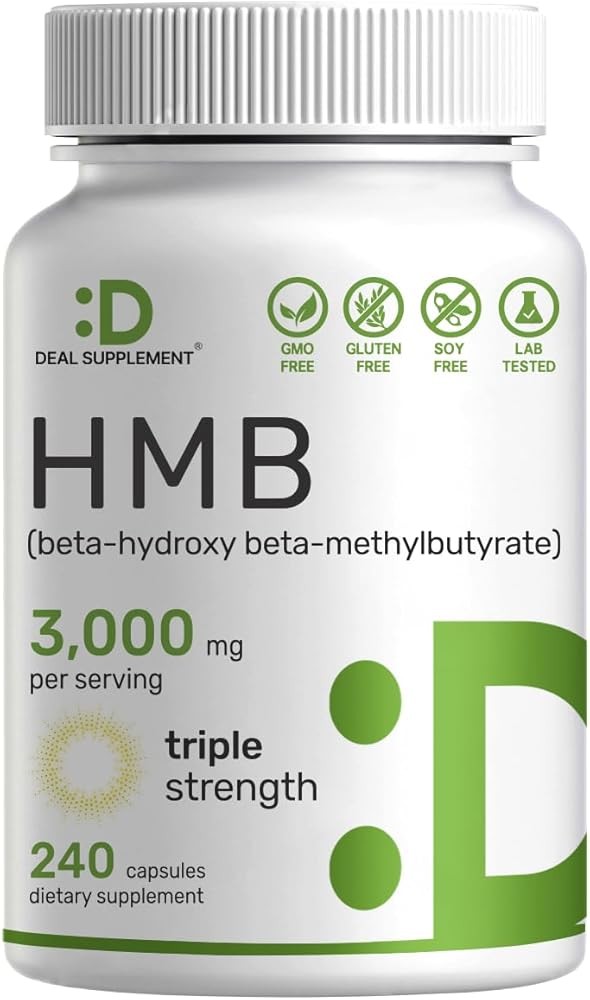
Ultra Strength HMB Supplements 3,000mg Per Serving, 240 Capsules | Third Party Tested | Supports Muscle Growth, Reten...
Check Price on AmazonAs an Amazon Associate we earn from qualifying purchases.
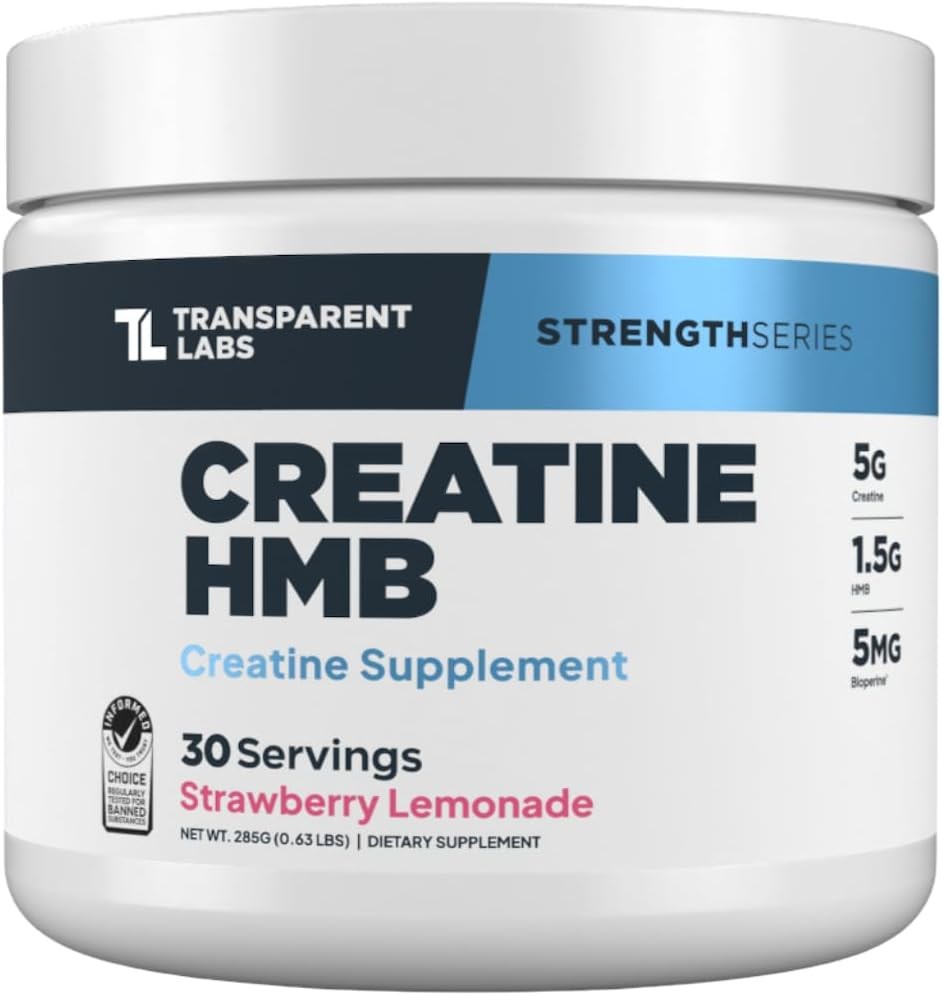
Transparent Labs Creatine HMB - Creatine Monohydrate Powder with HMB for Muscle Growth, Increased Strength, Enhanced ...
Check Price on AmazonAs an Amazon Associate we earn from qualifying purchases.
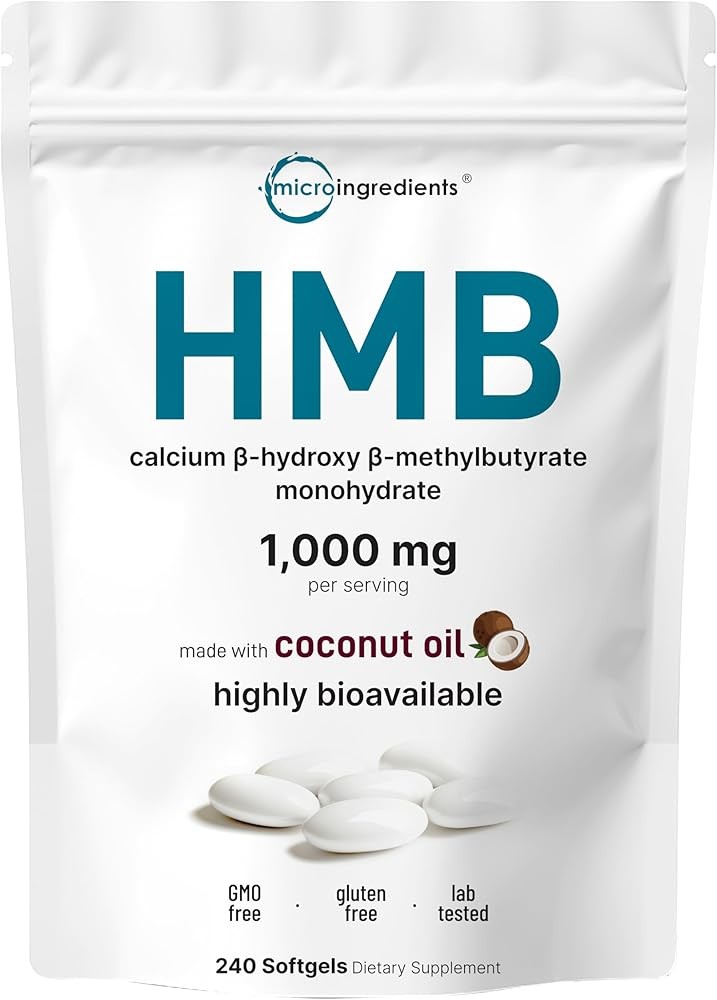
HMB 1,000mg | 240 Softgels with Coconut Oil | Highly Bioavailable | HMB Supplements for Men & Women | Calcium Beta-Hy...
Check Price on AmazonAs an Amazon Associate we earn from qualifying purchases.
Recommended Products