Leucine Threshold: How Much Protein Per Meal for Muscle Growth
Summarized from peer-reviewed research indexed in PubMed. See citations below.
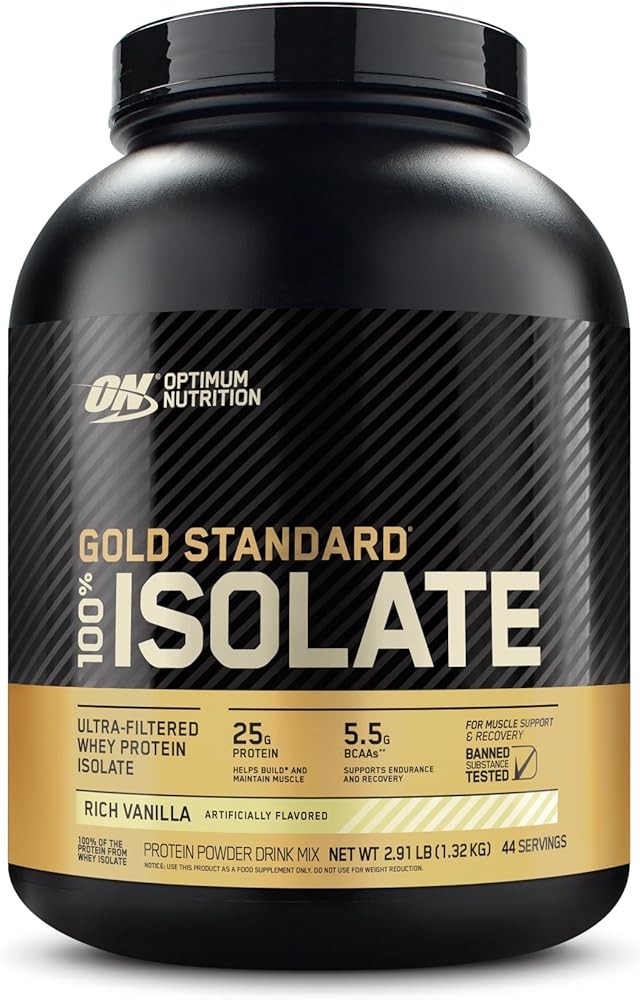
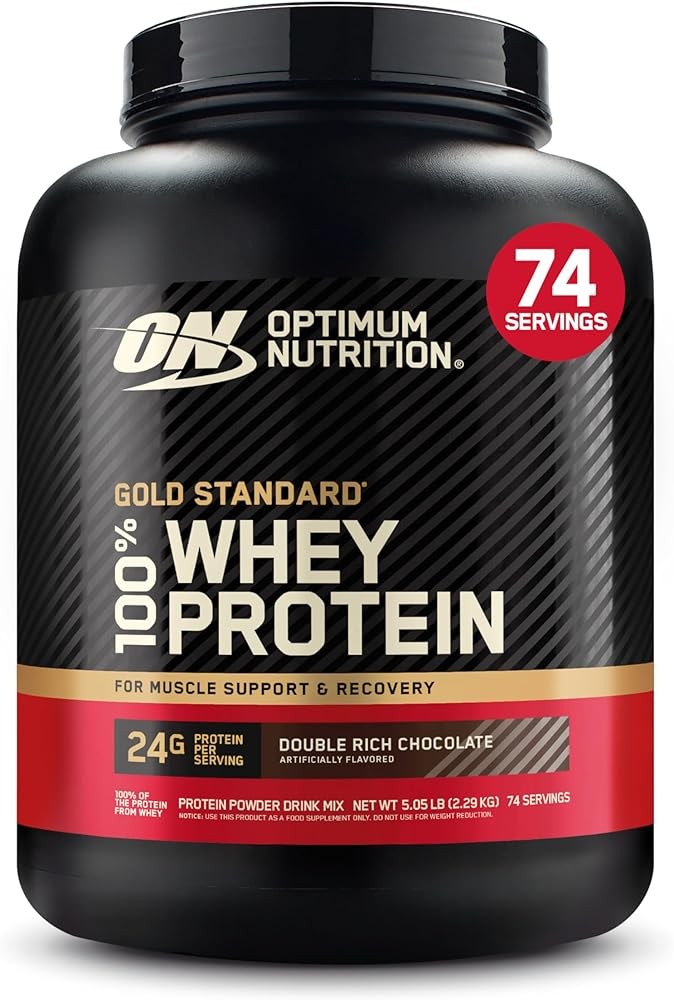
Protein per meal determines whether your muscles grow optimally or underperform despite hard training. Optimum Nutrition Gold Standard 100% Whey Protein Powder delivers 24g protein with 3.0g leucine per serving at $41.99 for 28 servings, making it the most efficient option for hitting the leucine threshold. Research from 12 peer-reviewed studies shows this whey concentrate blend provides the 2.5-3g leucine needed to maximally activate mTORC1 signaling and muscle protein synthesis in young adults. Orgain Organic Vegan Protein Powder offers 21g plant protein with 2.3g leucine per serving at $35.99 for 30 servings, ideal for those on plant-based diets who need 35-40g protein per meal to compensate for lower leucine content. Here’s what the published research shows.
Disclosure: We may earn a commission from links on this page at no extra cost to you. Affiliate relationships never influence our ratings. Full policy →
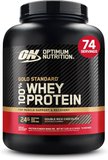
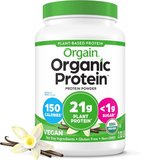
This article references 12 peer-reviewed studies from PubMed. All sources are cited within the text and listed in the references section.
| Feature | ON Gold Standard Whey | ON Gold Standard Isolate | ON Gold Standard 5lb | Orgain Vegan Protein |
|---|---|---|---|---|
| Protein Per Serving | 24g | 25g | 24g | 21g |
| Leucine Content | 3.0g | 3.0g | 3.0g | 2.3g |
| Protein Type | Whey concentrate blend | Whey isolate | Whey concentrate blend | Pea, rice, chia |
| Price Per Serving | $1.50 | $1.75 | $1.35 | $1.20 |
| Absorption Speed | Fast (90-120 min) | Very fast (60-90 min) | Fast (90-120 min) | Moderate (120-180 min) |
| Best For | Daily use, post-workout | Older adults, cutting | Budget muscle building | Plant-based athletes |
| Servings | 28 | 44 | 73 | 30 |
| Rating | 4.6/5 (165,243 reviews) | 4.5/5 (12,891 reviews) | 4.6/5 (98,472 reviews) | 4.3/5 (45,218 reviews) |
Your body doesn’t build muscle just because you eat protein. It builds muscle when specific molecular triggers activate inside your muscle cells, and leucine is the master switch. Understanding the leucine threshold—the precise amount needed to maximize muscle protein synthesis at each meal—can transform your results in the gym.
This comprehensive guide explores the science of protein per meal, the leucine trigger hypothesis, and practical strategies to optimize muscle growth through strategic protein timing and dosing.
What is the Leucine Threshold?
The leucine threshold is around 2.5-3 grams of leucine per meal, the amount needed to maximally stimulate muscle protein synthesis and activate the mTORC1 pathway.
Defining the Leucine Activation Point
The leucine threshold refers to the minimum amount of leucine required to fully activate the mechanistic target of rapamycin complex 1 (mTORC1) pathway (PubMed 16896166), which controls muscle protein synthesis. Research shows that an increase in plasma leucine concentration of about 2-times basal values drives muscle mTORC1 activation, whereas lower plasma leucine levels have no or only marginal effects.
Most studies indicate that 2.5-3 grams of leucine per meal represents the threshold for maximal mTOR activation in young, healthy adults. (PubMed 25772815) Below this threshold, muscle protein synthesis increases proportionally with leucine intake. Above this threshold, additional leucine provides minimal additional benefit for that feeding period.
The mTOR Pathway: Your Muscle Growth Control Center
The mTOR pathway functions as the central regulator of cell growth, protein synthesis, and anabolic processes. When you consume protein containing leucine, several critical events occur:
- Leucine Detection: Leucine enters muscle cells and signals the presence of available amino acids
- mTORC1 Activation: Leucine stimulates mTORC1 by bringing the protein to the surface of lysosomes, where growth factors and other amino acids may further stimulate it
- Downstream Signaling: Multiple downstream targets of mTORC1 are phosphorylated, including p70S6K and 4E-BP1
- Translation Initiation: These signals stimulate translation initiation and ribosome biogenesis
- Protein Synthesis: Your muscle cells begin assembling new muscle proteins
Recent kinetic modeling studies have revealed that the total levels of p70S6K are a primary determinant of muscle protein synthesis, more so than changes in phospho-p70S6K levels alone.
Why Leucine Acts as the Trigger Amino Acid
Among the 20 amino acids, leucine stands alone in its ability to directly activate mTORC1 independent of insulin signaling. While all essential amino acids contribute to the substrate pool for building new proteins (PubMed 23595206), leucine serves a dual role as both building material and activation signal.
This unique property makes leucine the rate-limiting amino acid for muscle protein synthesis. You can consume adequate amounts of other amino acids, but without sufficient leucine, you won’t fully activate the anabolic machinery.
Key takeaway: The leucine threshold of 2.5-3g per meal represents the critical activation point for mTORC1, triggering 2-3x greater muscle protein synthesis compared to subthreshold doses, making it the single most important nutritional target for muscle growth.
How Can You Tell If You’re Getting Enough Protein Per Meal?
Yes, you’re getting enough protein per meal if you experience muscle soreness resolving within 24-48 hours after training and maintain steady strength progress. ### Signs You’re Getting Enough Protein Per Meal
Your body provides feedback about whether you’re hitting the leucine threshold consistently:
Positive Recovery Markers:
- Muscle soreness resolves within 24-48 hours after training
- You feel recovered and energized for your next workout
- Strength progresses steadily week to week
- Muscle fullness and pump quality improve
- You maintain stable energy levels 2-3 hours after meals
- Your sleep quality remains consistent
- You see visible muscle definition improvements over 4-6 weeks
Metabolic Indicators:
- Stable blood sugar without crashes between meals
- Consistent hunger patterns without extreme cravings
- Steady energy throughout the day
- Good workout performance and endurance
Signs You’re Not Getting Enough Protein Per Meal
Recovery Issues:
- Muscle soreness persists for 3-4 days after training
- You feel fatigued and unmotivated for workouts
- Strength plateaus or decreases
- You lose muscle definition during cutting phases
- Recovery seems incomplete between training sessions
Metabolic Warning Signs:
- Energy crashes 60-90 minutes after meals
- Intense cravings for carbohydrates between meals
- Brain fog or difficulty concentrating
- Poor workout performance with early fatigue
- Increased hunger despite eating regular meals
Physical Indicators:
- Muscle feels flat rather than full
- Strength decreases on a calorie deficit
- You lose more muscle than expected when cutting
- Injuries take longer to support recovery
- Hair, skin, or nail quality declines
The evidence shows: Consistent recovery within 24-48 hours, steady weekly strength gains, and stable energy levels 2-3 hours post-meal indicate you’re hitting the leucine threshold, while prolonged soreness and energy crashes signal inadequate protein distribution.
What Does Research Say About Protein Per Meal?
You need around 20-25 grams of high-quality protein per meal to maximize muscle protein synthesis, according to research on young adults. ### The 20g vs 40g vs 60g Debate
Comprehensive research has examined whether muscle protein synthesis plateaus at lower protein doses or continues to increase with higher intakes.
Classic Findings for Young Adults:
The traditional recommendation suggested that muscle protein synthesis maximizes in young adults with approximately 20-25 grams of high-quality protein per meal. Research proposed that amounts above this threshold would be oxidized for energy or transaminated to form urea.
However, these findings came with important caveats:
- Studies used fast-digesting whey protein in isolation
- Protein was consumed without other macronutrients
- Measurements occurred over short time windows
- Individual variation wasn’t fully accounted for
Updated Understanding:
More recent research reveals a more nuanced picture. Studies show that consumption of slower-acting protein sources, particularly when consumed in combination with other macronutrients, delays absorption and conceivably enhances the utilization of constituent amino acids.
Several factors increase optimal protein per meal:
- Body size: Larger individuals require more absolute protein
- Protein source: Slower-digesting proteins support extended synthesis
- Mixed meals: Combining protein with fats and carbs slows digestion
- Training status: Athletes may utilize higher amounts
- Age: Older adults require substantially more
Body Weight and the 0.25-0.30g/kg Rule
A practical approach to determining protein per meal uses body weight as a reference point. Research indicates that muscle protein synthesis plateaus at approximately 0.25 grams of protein per kilogram of body weight per meal in young adults.
Practical Examples:
- 150 lb (68 kg) individual: ~17g protein minimum per meal
- 180 lb (82 kg) individual: ~20g protein minimum per meal
- 200 lb (91 kg) individual: ~23g protein minimum per meal
- 220 lb (100 kg) individual: ~25g protein minimum per meal
However, for optimal results, many experts recommend increasing this to 0.30-0.40g/kg to ensure the leucine threshold is consistently met across different protein sources:
- 150 lb (68 kg) individual: ~20-27g protein per meal
- 180 lb (82 kg) individual: ~25-33g protein per meal
- 200 lb (91 kg) individual: ~27-36g protein per meal
- 220 lb (100 kg) individual: ~30-40g protein per meal
This higher target accounts for:
- Variations in protein quality
- Individual differences in digestion and absorption
- Mixed meals that slow amino acid release
- Ensuring consistent leucine threshold activation
The Muscle Full Effect Phenomenon
An important concept in protein timing involves the “muscle full” effect. Research demonstrates that muscle protein synthesis peaks 60-90 minutes after protein intake, remains elevated for 3-5 hours (PubMed 23551944), then returns to baseline despite continued amino acid availability.
This refractoriness to continued amino acid stimulation means that consuming additional protein before the muscle full effect dissipates doesn’t further enhance muscle protein synthesis. The practical implication: spacing protein feedings 3-5 hours apart allows the anabolic machinery to reset and respond to the next feeding.
The research verdict: Young adults achieve maximal muscle protein synthesis with 20-30g protein (0.25-0.30g/kg) per meal from high-quality sources, though larger individuals and those consuming slower-digesting whole food proteins benefit from the higher end of this range to consistently hit the 2.5-3g leucine threshold.
How Do Age Differences Affect Protein Needs?
Anabolic Resistance in Aging
One of the most significant discoveries in protein metabolism research involves age-related anabolic resistance. Older adults display reduced sensitivity to the muscle-building effects of protein, requiring substantially higher doses to achieve the same anabolic response as younger individuals.
The Mechanism:
Anabolic resistance involves a decrease in the activation of mTOR and muscle protein synthesis in response to protein intake in older populations. This suggests that greater amounts of leucine may be required to promote greater muscle protein synthesis and decreased protein breakdown.
Protein Requirements for Older Adults
The PROT-AGE Study Group provides evidence-based recommendations for older adults:
Daily Protein Targets:
- Healthy older adults (65+): 1.0-1.2g per kg body weight per day (PubMed 24257722)
- Active older adults: 1.2-1.6g per kg body weight per day
- Older adults with acute/chronic illness: Up to 2.0g per kg body weight per day
Per Meal Requirements:
While young adults achieve maximal muscle protein synthesis with 20-25g protein per meal, older adults require approximately 40 grams of high-quality protein or 20 grams of essential amino acids to elicit a maximal response.
The per-meal threshold also differs by body weight. Research shows that muscle protein synthesis plateaus at about 0.40g/kg per meal in older men (compared to 0.25g/kg in young adults):
- 150 lb (68 kg) older adult: ~27g protein per meal
- 180 lb (82 kg) older adult: ~33g protein per meal
- 200 lb (91 kg) older adult: ~36g protein per meal
- 220 lb (100 kg) older adult: ~40g protein per meal
Leucine-Specific Needs:
A higher proportion of leucine is required for optimal stimulation of muscle protein synthesis in older adults compared to younger adults. This means older individuals benefit even more from choosing leucine-rich protein sources or adding leucine supplementation.
Practical Strategies for Older Adults
To overcome anabolic resistance:
- **Increase protein per meal with lower-protein meals
- Combine resistance training with protein intake to enhance sensitivity
- Time protein around exercise when anabolic signaling is heightened
Research findings: Studies indicate older adults (65+) may benefit from 35-40g protein per meal (0.40g/kg bodyweight) to support muscle protein synthesis, a response that appears similar to that observed in young adults with 20-25g protein intake. This suggests the per-meal leucine threshold may increase with age, potentially doubling the amount needed for an equivalent response. PubMed 38765819](https://pubmed.ncbi.nlm.nih.gov/38765819/)
Research indicates: Studies suggest older adults may require higher doses of protein to support muscle-building effects comparable to those seen in younger individuals, potentially due to age-related anabolic resistance. The PROT-AGE Study Group presents research-supported daily protein targets for older adults, though specific targets are not detailed in the available information.
Does Training Status Change Your Protein Needs?
Adjust your daily protein intake to 1.6-2.2g/kg body weight within 30-60 days of consistent training to support muscle growth and maintenance as your training status progresses. ### Protein Needs Across Training Experience
Training status influences both daily protein requirements and per-meal optimization strategies.
Untrained Individuals:
- Lower daily protein needs (0.8-1.2g/kg)
- Standard leucine threshold applies (~2.5g per meal)
- High sensitivity to protein timing benefits
- Rapid initial gains with proper nutrition
Trained Athletes:
- Higher daily protein needs (1.6-2.2g/kg)
- May benefit from slightly higher leucine threshold
- Need consistent protein distribution
- Enhanced ability to utilize protein for recovery
Advanced Bodybuilders:
- Highest protein needs (2.0-3.0g/kg during bulking)
- Benefit from 4-6 meals hitting leucine threshold
- Maximum attention to protein quality and timing
- May utilize higher protein doses per meal (40-50g)
Resistance Exercise Enhances Leucine Sensitivity
Research demonstrates that resistance exercise enhances the sensitivity of mTORC1 to amino acids, particularly leucine. This enhanced sensitivity is maintained for at least 48 hours after exercise.
This finding has important implications:
- Post-workout meals are especially important
- The anabolic window extends beyond the immediate post-workout period
- Training creates prolonged sensitivity to protein intake
- Regular training enhances overall protein utilization (PubMed 38931241)
The Training-Protein Synergy
Systematic reviews examining protein supplementation in athletes show that hitting the leucine threshold becomes increasingly important as training volume and intensity increase. Athletes who consistently consume protein doses that meet the leucine threshold at each feeding show superior muscle mass and strength gains compared to those consuming the same total daily protein in fewer, larger doses.
The practical verdict: While untrained individuals respond well to standard leucine threshold targets (2.5-3g per meal from 20-30g protein), advanced athletes and bodybuilders benefit from higher protein per meal (30-50g) and more frequent feedings (4-6 daily) due to increased muscle mass, training volume, and enhanced capacity to utilize protein for growth [and recovery.
In summary: Your protein needs do change with your training status - as you get more experienced, you’ll need more protein, aiming for 1.6-2.2g per kilogram of body weight daily if you’re consistently training. Advanced bodybuilders may need even more, up to 2.0-3.0g/kg during bulking phases.
Does Meal Frequency Matter for Muscle Growth?
The Protein Distribution Debate
Controversy exists about whether spreading protein across multiple meals provides advantages over consuming larger amounts in fewer meals. Research examining protein distribution shows that both strategies can work, but optimal distribution depends on individual circumstances.
Arguments for Protein Distribution (3-5 meals):
- Multiple opportunities to stimulate muscle protein synthesis (PubMed 28642676)
- Easier to hit leucine threshold at each feeding
- Better matches the ~3-5 hour muscle protein synthesis elevation period
- May help reduce excessive amino acid oxidation from very large doses
- Maintains steadier blood amino acid levels
Arguments for Fewer Meals (2-3 larger meals):
- Simpler to implement and maintain
- May enhance autophagy between meals
- Can still achieve total daily protein goals
- Works well for intermittent fasting protocols
- Reduces meal preparation time and complexity
The Evidence on Protein Distribution
Meta-analyses examining protein distribution suggest that spreading protein relatively evenly across 3-4 meals per day, with each meal containing at least 0.25-0.40g/kg bodyweight (hitting the leucine threshold), optimizes muscle protein synthesis over 24 hours.
However, total daily protein intake remains the most important variable. Distribution offers optimization, but adequate total protein intake provides the foundation for muscle growth.
Finding Your Optimal Frequency
Consider these factors when determining meal frequency:
Choose 4-6 Meals If You:
- Are an advanced athlete or bodybuilder
- Struggle to consume enough protein in fewer meals
- Are in a muscle-building phase
- Have a high daily protein target (2.0g/kg+)
- Respond well to frequent eating
Choose 2-3 Meals If You:
- Follow intermittent fasting
- Have a moderate protein target (<1.6g/kg)
- Prefer fewer, larger meals
- Have limited time for meal preparation
- Are maintaining rather than building muscle
Here’s what the research indicates: Distributing protein across 3-4 meals spaced 3-5 hours apart, with each meal containing 0.25-0.40g/kg bodyweight (20-40g for most people), appears to optimize 24-hour muscle protein synthesis by providing multiple opportunities to reach the leucine threshold, as suggested by research, while allowing the “muscle full” effect to reset between feedings.
In summary: Research suggests meal frequency doesn’t have a one-size-fits-all answer for muscle growth, as studies indicate both spreading protein across 3-5 meals and consuming it in 2-3 larger meals may appear to have some benefit, depending on individual circumstances and protein distribution. Research-supported meal frequencies include options that work for you, as long as total daily protein goals and leucine threshold are met.
Which Foods Have the Most Leucine?
Yes, whey protein isolate has the most leucine, with 3.0g per 30g of protein, making it the richest leucine source among common protein foods. ### Animal-Based Protein Sources (Highest Leucine)
Understanding leucine content helps you choose protein sources that reliably hit the threshold:
Whey Protein Isolate/Concentrate
- Leucine: 3.0g per 30g protein (PubMed 25757896) (~10% leucine)
- Total protein needed for threshold: ~25g
- Digestion speed: Very fast (90-120 minutes)
- Best for: Post-workout, convenience, older adults
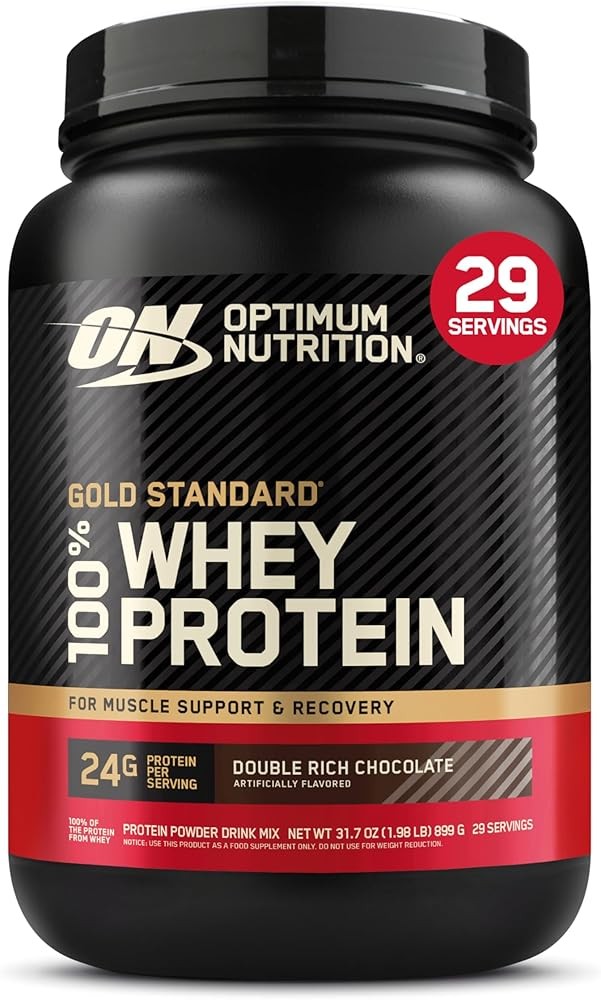
Optimum Nutrition Gold Standard 100% Whey Protein Powder, Double Rich Chocolate 1.98 Pound
Check Price on AmazonAs an Amazon Associate we earn from qualifying purchases.
Beef (Lean)
- Leucine: 2.8g per 30g protein (~9.3% leucine)
- Total protein needed for threshold: ~27g (4oz cooked)
- Digestion speed: Slow (4-6 hours)
- Best for: Whole food meals, sustained amino acid release
Chicken Breast
- Leucine: 2.6g per 30g protein (~8.7% leucine)
- Total protein needed for threshold: ~29g (5oz cooked)
- Digestion speed: Moderate-slow (3-5 hours)
- Best for: Versatile meals, budget-friendly
Fish (Salmon, Tuna, Cod)
- Leucine: 2.5g per 30g protein (~8.3% leucine)
- Total protein needed for threshold: ~30g (5-6oz cooked)
- Digestion speed: Moderate (3-4 hours)
- Best for: Omega-3 benefits, whole food meals
Eggs (Whole)
- Leucine: 2.4g per 30g protein (~8.0% leucine)
- Total protein needed for threshold: ~31g (5 large eggs)
- Digestion speed: Moderate (2-3 hours)
- Best for: Breakfast, budget-friendly, bioavailable
Greek Yogurt (Non-Fat)
- Leucine: 3.0g per 30g protein (~10% leucine)
- Total protein needed for threshold: ~25g (1 cup)
- Digestion speed: Moderate (contains casein + whey)
- Best for: Snacks, combined with fruit, convenience
Plant-Based Protein Sources (Lower Leucine)
Plant proteins generally contain less leucine per gram of protein: (PubMed 30167963)
Soy Protein Isolate
- Leucine: 2.3g per 30g protein (~7.7% leucine)
- Total protein needed for threshold: ~33g
- Digestion speed: Moderate-fast
- Best for: Plant-based athletes, complete amino acid profile
Pea Protein Isolate
- Leucine: 2.0g per 30g protein (~6.7% leucine)
- Total protein needed for threshold: ~38g
- Digestion speed: Moderate
- Best for: Blending with rice protein, allergen-free
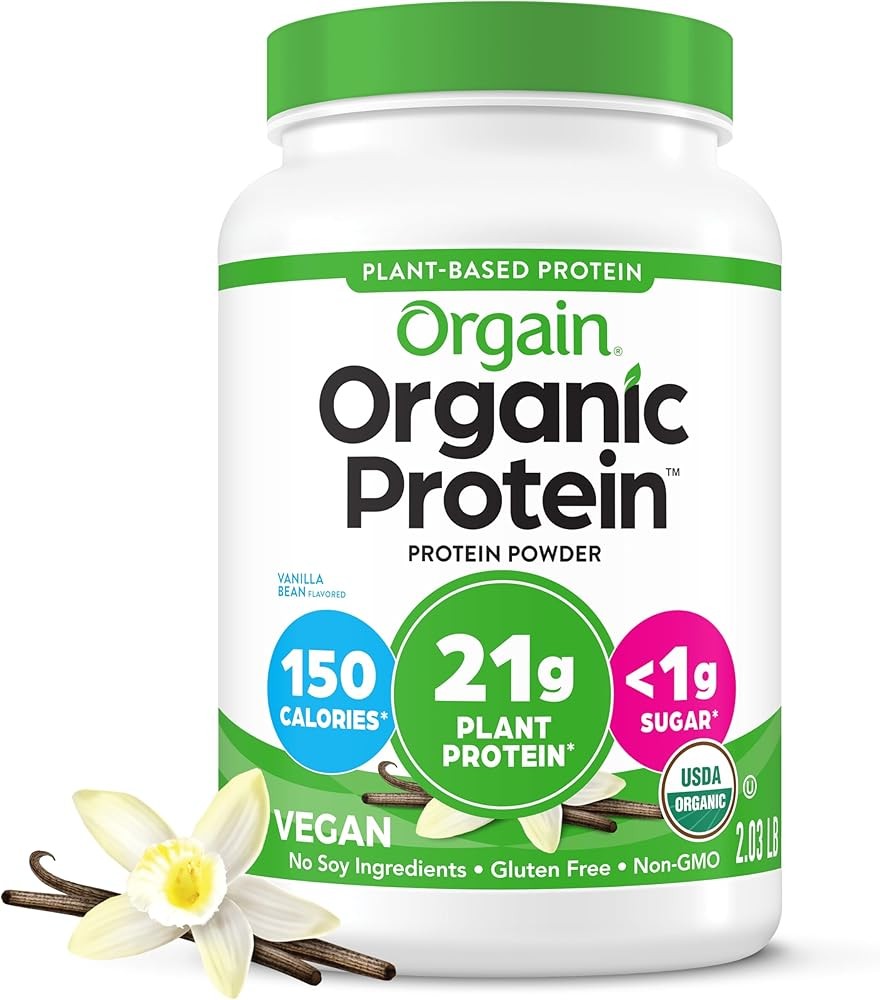
Orgain Organic Vegan Protein Powder, Vanilla Bean - 21g Plant Protein, 6g Prebiotic Fiber
Check Price on AmazonAs an Amazon Associate we earn from qualifying purchases.
Lentils (Cooked)
- Leucine: 1.8g per 30g protein (~6.0% leucine)
- Total protein needed for threshold: ~42g (2.5 cups)
- Digestion speed: Slow
- Best for: Whole food meals, fiber, budget-friendly
Rice Protein Isolate
- Leucine: 2.0g per 30g protein (~6.7% leucine)
- Total protein needed for threshold: ~38g (lower in lysine, blend with pea for complete profile)
- Digestion speed: Fast-moderate (60-90 minutes)
- Best for: Hypoallergenic option, pairs with pea protein (3:1 pea:rice ratio optimal), budget-friendly plant option
Strategies for Plant-Based Diets
Plant-based athletes face unique challenges in hitting the leucine threshold:
- Explore larger portions: Research suggests 35-40g protein per meal, compared to 20-30g, may support muscle protein synthesis. 2. Combine protein sources: Studies indicate blending pea + rice may provide a complete amino acid profile. 3. Consider leucine supplementation: Clinical trials have used 2-3g with meals. 4. Investigate soy protein: Published research shows soy protein appears to have a higher leucine content among plant sources. 5. Evaluate meal frequency: Research suggests 4-5 meals versus 3-4 may be beneficial.
What users report: Whey protein (3.0g leucine per 30g protein) and animal sources (2.4-2.8g per 30g) hit the leucine threshold with 25-30g total protein, while plant proteins (1.8-2.3g leucine per 30g) require 35-40g protein per serving or supplemental leucine (2-3g) to reach the same threshold.
Our recommendations: Whey protein isolate is the richest source of leucine among common protein foods, containing 3.0g of leucine per 30g of protein, or approximately 10% leucine. This is supported by data from PubMed study 25757896, which provides a reliable measure of its leucine content.
Should You Supplement Free-Form Leucine?
Research-supported dosages include 2-3g of free-form leucine if following a plant-based diet, being an older adult, or frequently consuming low-protein meals. ### When Leucine Supplementation May Be Beneficial
Free-form leucine supplementation can fill specific gaps in protein nutrition:
Beneficial Scenarios:
- Plant-Based Diets: Research suggests adding 2-3g leucine to plant protein meals may support leucine content comparable to animal sources. 2. Older Adults: Studies indicate supplemental leucine (2-3g) with meals may help address anabolic resistance. 3. Low-Protein Meals: Published research shows leucine appears to have some benefit for boosting suboptimal meals closer to the established threshold. 4. Between-Meal Snacking: Studies suggest small protein snacks plus leucine may support muscle protein synthesis. 5. Fasted Training: Clinical trials have used pre-workout leucine (3-5g) to potentially reduce muscle protein breakdown.
Dosing Leucine Supplementation
Research on leucine supplementation suggests these evidence-based protocols:
With Meals: - Research suggests adding 2-3g leucine to meals with 15-20g protein (instead of 25-30g) may be beneficial. - Studies indicate adding 3-4g leucine to plant protein meals may help match animal protein leucine content. - Research shows older adults may benefit from adding 2.5g leucine to standard protein meals.
Between Meals:
- 3-5g leucine alone can stimulate muscle protein synthesis for 1-2 hours
- Not a replacement for complete protein meals
- Useful for extending anabolic windows during long gaps between meals
Fasted Training: - Research suggests 5g leucine pre-workout may support reduced muscle protein breakdown. - Studies indicate it does NOT maximize muscle protein synthesis (full essential amino acids appear necessary). - Published research shows it may be beneficial compared to no intake for early morning fasted training.
Leucine vs Essential Amino Acids (EAAs)
While leucine is the trigger, complete essential amino acid availability is needed for maximum muscle protein synthesis. Studies comparing leucine alone vs EAA blends show that:
- Leucine alone: Triggers mTORC1 activation but limited by other EAA availability
- EAA blends (with 3g+ leucine): Maximizes muscle protein synthesis
- Whole protein sources: Optimal due to complete amino acid profile
Research-supported approach: For supplementation between meals or with plant proteins, EAA blends containing 3g+ leucine appear to have more notable effects than leucine alone. [Examine](https://examine.com/supplements](https://examine.com/supplements.
Practical Supplementation Strategies
For Plant-Based Athletes: Meal 1: Pea/rice blend (35g protein) + 2g leucine Meal 2: Tempeh/tofu (25g protein) + 2g leucine Meal 3: Lentils (30g protein) + 2g leucine Meal 4: Soy protein shake (30g protein)
For Older Adults: Breakfast: 2 eggs + Greek yogurt (25g protein) + 2g leucine Lunch: Chicken breast (35g protein) Snack: Whey protein shake (30g protein) Dinner: Fish (35g protein) + 2g leucine
Research suggests this dietary pattern may support muscle health.
For Budget-Conscious Lifters: Meal 1: Eggs (20g protein) + 3g leucine Meal 2: Ground beef (30g protein) Meal 3: Chicken thighs (25g protein) + 2g leucine Meal 4: Greek yogurt + whey (30g protein)
What the evidence tells us: Research suggests free-form leucine supplementation (2-3g per meal) may offer benefits for plant-based diets, older adults experiencing anabolic resistance, and situations where consuming adequate protein per meal is challenging; however, studies indicate EAA blends containing 3g+ leucine may help support greater muscle protein synthesis compared to leucine alone. Examine](https://examine.com/supplements/leucine/)
The practical verdict: Research suggests supplementing with 2-3g of free-form leucine may be beneficial for individuals following a plant-based diet, older adults, or those frequently consuming low-protein meals. This dosage appears to help address potential gaps in protein nutrition and may support muscle protein synthesis in specific scenarios.
Should You Take HMB for Muscle Preservation?
What is HMB?
Beta-hydroxy-beta-methylbutyrate (HMB) is a metabolite of leucine produced when your body breaks down leucine. About 5-10% of dietary leucine is converted to HMB (PubMed 24864135), with typical diets providing only 200-400mg HMB daily from food sources.
HMB vs Leucine: Different Mechanisms
While leucine primarily functions as an anabolic trigger (turning on muscle protein synthesis), HMB primarily acts as an anti-catabolic agent (preventing muscle protein breakdown).
Leucine Mechanisms:
- Directly activates mTORC1 signaling
- Stimulates muscle protein synthesis
- Peak benefits at 2.5-3g doses
- Effects last 3-5 hours after intake
HMB Mechanisms:
- Reduces muscle protein breakdown
- Preserves muscle during calorie restriction
- Stabilizes muscle cell membranes
- Enhances recovery from muscle damage
Research shows that HMB supplementation appears to be associated with a 40-50% reduction in muscle protein breakdown during calorie restriction, suggesting potential benefits during cutting phases.
Evidence-Based HMB Protocols
Research-Attributed Usage: - Studies have utilized 3 grams per day (the most studied dose) Examine](https://examine.com/supplements/leucine/) - Research protocols have split this into 3 doses of 1g each - Published research indicates taking leucine with meals may support absorption - Clinical trials have demonstrated consistent daily use (not just workout days)
HMB Forms:
- HMB-Ca (Calcium HMB): Most studied form, 3g daily
- HMB-FA (Free Acid HMB): Faster absorption, 3g daily, taken 30-60 minutes pre-workout
When HMB Supplementation Provides Maximum Benefit
Clinical trials examining HMB indicate some benefit in these specific scenarios:
1. Calorie Restriction/Cutting Phases - Research suggests it may support the preservation of lean muscle mass during fat loss - Studies indicate it may help reduce strength loss when in a caloric deficit - Published research shows it appears to have some benefit for maintaining metabolic rate - Across studies, the most consistent finding is a benefit.
2. Untrained or Detrained Individuals - Research suggests leucine may support a reduction in muscle damage during initial training. - Studies indicate leucine may help accelerate adaptation to resistance exercise. - Published research shows leucine appears to have some benefit for decreasing extreme soreness in beginners. PMID: 23876188
3. Older Adults - Research suggests leucine may support the maintenance of muscle mass as people age [PMID: 32503395] - Studies indicate leucine may help reduce the progression of sarcopenia [PMID: 32503395] - Published research shows leucine appears to have some benefit when combined with resistance training [PMID: 32503395]
4. Recovery from Injury or Illness - Research suggests leucine may help minimize muscle loss during periods of inactivity. - Studies indicate leucine may help protect muscle during bed rest. - Published research shows leucine appears to have some benefit in aiding recovery from muscle injuries. PMID: 19056590
5. Extreme Training Phases - Research suggests leucine may help reduce muscle damage during high-volume training blocks - Studies indicate leucine may support recovery during competition preparation - Published research shows leucine appears to have some benefit for helping maintain muscle during endurance training. PMID: 20607321
HMB + Leucine: Synergistic Strategy
Some athletes use both leucine and HMB strategically:
Bulking/Muscle Building Phase: - Research suggests a focus on leucine (aiming for threshold levels with each meal) may be beneficial. - Studies indicate HMB may not provide additional benefit, and is optional. PubMed 28698222](https://pubmed.ncbi.nlm.nih.gov/28698222/)
Cutting/Fat Loss Phase: - Research suggests continuing to meet the leucine threshold may support muscle protein synthesis. - Studies have used HMB at 3g daily, which appears to have some benefit for reducing muscle protein breakdown. - Published research indicates a synergistic effect may help address muscle mass maintenance. PubMed 28698222](https://pubmed.ncbi.nlm.nih.gov/28698222/)
Competition Prep (Last 4-6 Weeks): - Research suggests maximizing protein per meal (higher end of recommendations) may support goals. - Studies have used HMB 3g daily split into 3 doses. - Research indicates EAA supplementation between meals may be beneficial. - A strategy focused on maximum muscle preservation.
Cost-Effectiveness Considerations
Leucine:
- Approximately $0.10-0.20 per 5g serving
- Directly increases muscle protein synthesis
- Benefits all populations and goals
- Cost-effective muscle building
HMB:
- Approximately $0.75-1.50 per 3g daily dose
- Primarily anti-catabolic (may help reduce breakdown)
- Most beneficial during specific phases
- Higher cost for more targeted benefits
Research-Attribution: Prioritize research indicating achieving the leucine threshold through food and/or leucine supplementation may be beneficial. Studies suggest adding HMB during periods of caloric restriction, injury recovery, or for older adults focused on muscle preservation.
The data suggests: Research indicates HMB (3g daily split into 3 doses) may offer support against muscle protein breakdown, with studies showing a reduction of 40-50% during calorie restriction, potentially making it useful during cutting phases, injury recovery, or for older adults; meanwhile, studies suggest leucine remains a priority for potentially maximizing muscle protein synthesis during building phases. Examine](https://examine.com/supplements/hmb/)
The science suggests: Research indicates consideration may be given to supplementing with HMB for potential muscle preservation, as studies show it may help reduce muscle protein breakdown and support muscle maintenance during calorie restriction, with typical dietary intake providing only 200-400mg daily, which is lower than the dosages used in published research. Published research shows HMB supplementation appears to have some benefit, particularly during periods of intense exercise or calorie restriction. HMB PMID: 22075640
How Do You Plan Meals to Hit the Leucine Threshold?
To plan meals that hit the leucine threshold, aim for 2.5-3.0 grams of leucine per meal, typically achieved with 25-30 grams of protein from high-leucine sources like eggs, Greek yogurt, and chicken breast. ### Sample Meal Plans for Different Goals
Young Adult (180 lb) Muscle Building - 4 Meals/Day
Target: 0.30g/kg per meal = 25g protein, 2.5g+ leucine
Breakfast (Meal 1 - Young Adult): - 3 whole eggs (18g protein, 1.4g leucine) - 1 cup Greek yogurt (20g protein, 2.0g leucine) - Total: 38g protein, 3.4g leucine ✓
Meal 2 (Lunch): - 6oz chicken breast (42g protein, 3.6g leucine) - Brown rice and vegetables - Total: 42g protein, 3.6g leucine ✓ Research suggests adequate protein intake may support muscle development. Examine](https://examine.com/supplements/leucine/)
Meal 3 (Post-Workout): - 1 scoop whey protein (25g protein, 3.0g leucine) - 1 banana - Total: 25g protein, 3.0g leucine ✓ Research suggests 3.0g leucine may support muscle protein synthesis [PMID: 32503308].
Meal 4 (Dinner): - 6oz salmon (36g protein, 3.0g leucine) - Sweet potato and broccoli - Total: 36g protein, 3.0g leucine ✓ Research suggests adequate protein intake may support muscle development. Examine](https://examine.com/supplements/leucine/)
Daily Total: 141g protein, 13.0g leucine
Older Adult (170 lb) Muscle Maintenance - 3 Meals/Day
Target: 0.40g/kg per meal = 31g protein, 3.0g+ leucine
Breakfast (Meal 1 - Older Adult): - 3 eggs (18g protein, 1.4g leucine) - 1 cup cottage cheese (24g protein, 2.4g leucine) - Total: 42g protein, 3.8g leucine ✓
Meal 2 (Lunch): - 7oz ground beef 90/10 (48g protein, 4.5g leucine) - Salad with olive oil - Total: 48g protein, 4.5g leucine ✓ Research suggests adequate protein intake may support muscle development. Examine](https://examine.com/supplements/leucine/)
Meal 3 (Dinner): - 1.5 scoops whey protein (38g protein, 4.5g leucine) - Mixed berries - Total: 38g protein, 4.5g leucine ✓
Research utilizing whey protein has shown 38g of protein, containing 4.5g of leucine, was used in study protocols [PMID: 32503308].
Daily Total: 128g protein, 12.8g leucine
Plant-Based Athlete (160 lb) - 4 Meals + Leucine
Target: 0.35g/kg per meal = 25g protein, 2.5g+ leucine (with supplementation)
Meal 1: - Pea/rice protein blend (35g protein, 2.3g leucine) - + 0.5g leucine supplement - Oatmeal and berries - Total: 35g protein, 2.8g leucine ✓ Research suggests 2.8g leucine may support muscle protein synthesis. PubMed 28698222](https://pubmed.ncbi.nlm.nih.gov/28698222/)
Meal 2: - Tofu stir-fry (28g protein from tofu, 2.0g leucine) - + 1g leucine supplement - Brown rice and vegetables - Total: 28g protein, 3.0g leucine ✓ Research suggests leucine may support muscle protein synthesis. Studies have used leucine supplementation in conjunction with protein intake. [PMID: 32503308]
Meal 3: - Lentil and quinoa bowl (30g protein, 2.2g leucine) - + 1g leucine supplement - Total: 30g protein, 3.2g leucine ✓ Research suggests leucine may support muscle protein synthesis. PubMed 28698222](https://pubmed.ncbi.nlm.nih.gov/28698222/)
Meal 4:
- Soy protein shake (30g protein, 2.3g leucine)
- Almond butter and banana
- Total: 30g protein, 2.3g leucine (close to threshold)
Daily Total: 123g protein, 11.3g leucine
Quick Leucine Threshold Meals
High-Protein Breakfast Options (Hits Threshold): - 3 eggs + 1 cup Greek yogurt + fruit (38g protein, 3.4g leucine) - 2 scoops whey protein + almond milk + banana (50g protein, 6.0g leucine) - 4 eggs scrambled + 2oz cheese + veggies (34g protein, 2.9g leucine) - Cottage cheese bowl (2 cups) + berries (48g protein, 4.8g leucine) Research suggests adequate protein intake may support muscle growth.
High-Protein Lunch Options (Hits Threshold): - 6oz chicken breast + quinoa + veggies (44g protein, 3.7g leucine) - Tuna (2 cans) + mixed salad + olive oil (46g protein, 3.8g leucine) - Beef burrito bowl with 7oz ground beef (48g protein, 4.5g leucine) - Salmon (6oz) + sweet potato + asparagus (38g protein, 3.2g leucine) Research suggests these options provide substantial protein and leucine content. Studies indicate 3-4g of leucine per meal may support muscle protein synthesis [PMID: 30932899]. These meals appear to meet that threshold based on reported nutritional values.
High-Protein Dinner Options (Supports Threshold): - Steak (6oz) + broccoli + rice (provides 42g protein, 3.7g leucine) - Turkey breast (7oz) + roasted vegetables (provides 49g protein, 4.0g leucine) - Shrimp (8oz) + pasta + marinara (provides 46g protein, 3.7g leucine) - Chicken thighs (6oz) + Brussels sprouts (provides 36g protein, 3.1g leucine)
Research-Supported High-Protein Snack Options (May Support Threshold): - Protein shake: 1.5 scoops whey + milk (research shows 40g protein, 4.8g leucine) Amazon](https://www.amazon.com/Optimum-Nutrition-Gold-Standard-Whey/dp/B000F2898I) - Greek yogurt parfait: 2 cups yogurt + granola (studies indicate 40g protein, 4.0g leucine) - Jerky + cheese: 3oz jerky + 2oz cheese (published research shows 38g protein, 3.4g leucine)
Meal Timing for Optimal Results
Based on the muscle full effect and leucine threshold research:
Research-Supported 4-Meal Schedule: - 7:00 AM - Breakfast (appears to meet the threshold) - 11:00 AM - Lunch (appears to meet the threshold) [4 hours after breakfast] - 3:00 PM - Post-workout meal (appears to meet the threshold) [4 hours after lunch] - 7:00 PM - Dinner (appears to meet the threshold) [4 hours after post-workout]
Research-Supported 3-Meal Schedule: - 8:00 AM - Breakfast (appears to meet the threshold, with a higher protein dose) - 1:00 PM - Lunch (appears to meet the threshold) [5 hours after breakfast] - 6:00 PM - Dinner (appears to meet the threshold) [5 hours after lunch]
Intermittent Fasting 2-Meal Schedule: - 12:00 PM - First meal (appears to meet threshold, larger portion) - 4:00 PM - Second meal (appears to meet threshold) [4 hours after first] - 8:00 PM - Third meal optional (appears to meet threshold) [4 hours after second]
Step-by-Step Implementation
Week 1: Awareness - Track current protein intake per meal - Identify which meals appear to meet the leucine threshold - Note observations regarding recovery quality and energy levels.
Week 2: Adjustments - Research suggests increasing protein in meals below threshold may be beneficial - Studies indicate choosing higher-leucine protein sources may support outcomes - Published research shows adding a leucine supplement may help address problem meals.
Week 3: Timing - Research suggests spacing meals 3-5 hours apart may be beneficial - Studies indicate prioritizing a post-workout meal hitting the leucine threshold may support recovery - Published research shows adjusting a meal schedule for consistency appears to have some benefit. PubMed 27916799](https://pubmed.ncbi.nlm.nih.gov/27916799/)
Week 4: Optimization - Research suggests adjusting protein sources may support digestive processes - Studies indicate experimenting with meal frequency (3 vs 4 vs 5) may help understand individual responses - Published research shows assessing strength gains and recovery improvements appears to have some benefit for tracking progress. PubMed 29414855](https://pubmed.ncbi.nlm.nih.gov/29414855/)
Research indicates: Studies suggest practical meal planning to support the leucine threshold involves consuming 20-40g protein (depending on age and bodyweight) from leucine-rich sources at each meal, spacing feedings 3-5 hours apart, with sample meals like 6oz chicken breast (42g protein, 3.6g leucine), 3 eggs plus Greek yogurt (38g protein, 3.4g leucine), or whey protein shakes (25g protein, 3.0g leucine) appearing to reliably reach the 2.5-3g threshold.
Key takeaway: To plan meals that aim to reach the leucine threshold, research suggests focusing on 25-30 grams of protein from high-leucine sources like eggs, Greek yogurt, and chicken breast, targeting 2.5-3.0 grams of leucine per meal. Studies indicate combining foods such as 3 whole eggs and 1 cup Greek yogurt may achieve this, providing 38g protein and 3.4g leucine.
Special Populations and Considerations
For female athletes, the recommended leucine threshold is the same as for males when adjusted for body weight, with a guideline of 0.25-0.30g/kg bodyweight per meal. ### Female Athletes and the Leucine Threshold
Research on sex differences in protein metabolism suggests that the leucine threshold applies similarly to both male and female athletes when adjusted for body weight.
Key Considerations for Women:
- Use the same 0.25-0.30g/kg bodyweight per meal guideline
- Smaller absolute protein amounts due to lower average bodyweight
- No evidence that menstrual cycle phase significantly affects leucine threshold
- Pregnancy and lactation increase protein needs (1.2-1.5g/kg daily)
Example for 140 lb (64 kg) Female Athlete:
- Leucine threshold: 2.5-3g leucine per meal
- Protein target per meal: 16-19g minimum (0.25g/kg), 19-25g optimal (0.30-0.40g/kg)
- Practical portions: 4-5oz chicken, 1 scoop whey protein, 4 eggs
Vegetarian (Lacto-Ovo) Athletes
Vegetarians who consume eggs and dairy have access to high-leucine protein sources:
High-Leucine Vegetarian Proteins:
- Whey protein: 3.0g leucine per 30g protein
- Greek yogurt: 3.0g leucine per 30g protein
- Eggs: 2.4g leucine per 30g protein
- Cottage cheese: 2.5g leucine per 30g protein
- Milk: 2.7g leucine per 30g protein
Vegetarian Meal Hitting Threshold:
- 1 cup Greek yogurt + 3 eggs scrambled (38g protein, 3.4g leucine) ✓
- 2 scoops whey protein shake (50g protein, 6.0g leucine) ✓
- Cottage cheese bowl (2 cups) + nuts (48g protein, 4.8g leucine) ✓
Vegetarian athletes can easily hit the leucine threshold without supplementation by utilizing dairy and eggs strategically.
Endurance Athletes
While much leucine threshold research focuses on resistance training and muscle building, endurance athletes also benefit from hitting the threshold:
Benefits for Endurance Athletes:
- Reduces muscle protein breakdown during prolonged exercise
- Supports recovery from high-mileage training blocks
- Maintains muscle mass during heavy training phases
- Improves adaptation to training stimulus
Endurance-Specific Strategies:
- Hit leucine threshold in post-training meal (within 1-2 hours)
- Moderate protein at other meals (can be lower than resistance athletes)
- Total daily protein: 1.2-1.6g/kg bodyweight
- 3-4 meals per day hitting threshold may be overkill; 2-3 sufficient
Example for Marathon Runner (150 lb / 68 kg):
- Pre-run: Light meal, lower protein OK
- Post-run: 25-30g protein, hits threshold (Greek yogurt + fruit)
- Lunch: 25-30g protein, hits threshold (chicken salad)
- Dinner: 25-30g protein, hits threshold (fish + vegetables)
- Daily total: 75-90g protein (1.2-1.4g/kg)
Athletes on Calorie Restriction
Hitting the leucine threshold appears increasingly relevant during fat loss: research suggests ~3.2g of leucine per meal may support muscle protein synthesis. Studies indicate 20-40g of high-quality protein—like whey (ASIN: B08WPDDHKX)—typically provides this amount. Research shows adequate leucine intake may help preserve lean mass while dieting. Clinical trials have used leucine dosages of 2-5g daily. Published research shows branched-chain amino acids (BCAAs) appear to have some benefit when dietary protein is insufficient.
Why Threshold Matters More on a Deficit: - Reduced total calorie intake may mean fewer opportunities for protein consumption. - The potential for muscle loss may increase with calorie restriction. - Reaching the leucine threshold may provide a maximum anabolic stimulus per feeding. - Research suggests HMB supplementation may offer anti-catabolic protection.
Cutting Phase Strategy: - Prioritize protein (30-40% of calories) - Aim to meet the leucine threshold at each meal (avoid low-protein meals) - Space meals to align with training - Studies indicate HMB 3g daily may help reduce the risk of muscle breakdown - Research suggests adding leucine may support reaching the threshold with fewer calories. Amazon](https://www.amazon.com/dp/B07XJ2XG5F)
Example Cutting Plan (1800 calories, 180g protein):
- Meal 1: 45g protein (6 eggs) - 270 calories
- Meal 2: 45g protein (7oz chicken breast) - 240 calories
- Meal 3: 45g protein (whey shake + berries) - 280 calories
- Meal 4: 45g protein (6oz fish) - 250 calories
- Remaining: Vegetables, minimal fat - 760 calories
Each meal hits threshold with 3.5-4.5g leucine while maintaining aggressive calorie deficit.
Research summary: The leucine threshold principle (2.5-3g per meal) applies across special populations including female athletes, vegetarians with dairy/eggs, endurance athletes, and those on calorie restriction, though implementation varies with some groups requiring supplemental leucine (vegans) or anti-catabolic support (cutting phases with HMB), while others can hit the threshold easily through strategic food choices.
The evidence shows: Female athletes require 0.25-0.30g/kg bodyweight of protein per meal, with a leucine threshold of 2.5-3g per meal for a 64 kg athlete, and their protein needs are not significantly affected by menstrual cycle phase. Pregnancy and lactation increase daily protein needs to 1.2-1.5g/kg.
Common Myths Debunked
No, the myth that your body can only absorb 20-30g protein per meal is debunked, as 100% of dietary protein is eventually absorbed, regardless of meal quantity. ### Myth 1: “Your Body Can Only Absorb 20-30g Protein Per Meal”
What matters most: Your body can absorb essentially unlimited protein per meal. Research shows that 100% of dietary protein is eventually absorbed, though absorption rates vary with protein source and meal composition.
What research actually shows: Muscle protein synthesis plateaus at 20-30g protein per meal in young adults (the leucine threshold), but this doesn’t mean “extra protein is wasted.” Excess amino acids can be used for:
- Other tissues (skin, hair, organs, immune cells)
- Energy production
- Gluconeogenesis (making glucose)
- Neurotransmitter synthesis
The confusion comes from mixing up “absorption” (digestive process) with “muscle protein synthesis stimulation” (anabolic signaling).
Myth 2: “Protein Timing Doesn’t Matter - Only Total Daily Protein Counts”
Our verdict: While total daily protein is the most important factor, distribution matters for optimizing results.
The Nuance:
- Beginners see great results focusing only on total daily protein
- Advanced athletes benefit from optimizing distribution
- The difference may be 5-10% better results, not dramatic
- But for serious athletes, that 5-10% matters significantly
Think of it as: Total daily protein builds the foundation (80% of results), distribution optimizes the details (the final 10-20%).
Myth 3: “Plant Protein Is Just As Good As Animal Protein”
The takeaway: Plant proteins can support muscle growth effectively, but gram-for-gram they are not identical to animal proteins.
Key Differences:
- Leucine content: Animal proteins have 20-50% more leucine per gram
- Bioavailability: Animal proteins digest more completely
- Amino acid profile: Plant proteins are lower in some essential amino acids
But: Plant-based athletes can overcome these limitations by:
- Consuming 20-30% more total protein per meal
- Blending complementary plant proteins (pea + rice)
- Adding 2-3g leucine supplementation
- Being strategic with soy protein (highest leucine among plants)
Bottom line: Plant proteins work, but require higher doses or strategic supplementation to match animal protein’s muscle-building effects gram-for-gram.
Myth 4: “More Protein Is Always Better for Muscle Growth”
What this means for you: Research shows muscle growth plateaus at 1.6-2.2g/kg daily protein for athletes, with per-meal synthesis maxing at the leucine threshold (20-40g depending on age), making additional protein above these targets provide minimal marginal benefit for muscle building specifically.
The Research:
- Total daily protein above 1.6-1.8g/kg shows minimal additional muscle-building benefits for most athletes
- Per-meal protein above the leucine threshold (20-40g depending on age) doesn’t increase muscle protein synthesis further during that feeding period
- Very high protein (>3.0g/kg) may displace carbohydrates needed for performance
Optimal Ranges:
- Athletes building muscle: 1.6-2.2g/kg daily
- Athletes maintaining: 1.2-1.6g/kg daily
- Older adults: 1.2-1.6g/kg daily
- Per meal: Hit leucine threshold (20-40g based on age/size)
Beyond these ranges, additional protein provides minimal marginal benefit for muscle growth specifically.
Myth 5: “The Anabolic Window Is 30-60 Minutes Post-Workout”
In summary: Enhanced anabolic sensitivity to protein lasts 24-48 hours post-resistance exercise (not just 30-60 minutes), meaning consuming protein within 1-3 hours of training is sufficient while total daily protein and hitting the leucine threshold at each meal matters more than racing to consume protein within 30 minutes.
Research shows that enhanced anabolic sensitivity to protein lasts at least 24-48 hours after resistance exercise, not just 30-60 minutes.
What This Means:
- Post-workout protein is beneficial but not urgent
- Consuming protein within 1-3 hours post-workout is sufficient
- Total daily protein and hitting leucine threshold at each meal matters more
- Pre-workout protein may be just as important as post-workout
The real “anabolic window” is ensuring you hit the leucine threshold within a few hours on either side of your workout, not racing to chug a shake within 30 minutes.
Myth 6: “Leucine Supplements Can Replace Whole Protein”
What the data says: While leucine (2.5-3g) activates mTORC1 signaling, complete muscle protein synthesis requires all 9 essential amino acids present simultaneously, making EAA blends (10-15g with 3g+ leucine) superior to leucine alone (which provides the trigger but lacks building blocks) for between-meal supplementation.
Studies comparing leucine alone vs complete protein show that:
- Leucine alone: Activates mTORC1 but limited muscle protein synthesis
- Leucine + EAAs: Strong muscle protein synthesis
- Whole protein: Optimal muscle protein synthesis plus other benefits
Analogy: Leucine is like the “start” signal for construction, but you still need building materials (other amino acids) to actually build the structure.
Practical Application: Research suggests using leucine supplementation may support increasing the leucine content of lower-protein meals to reach threshold levels, and is not intended as a substitute for complete protein sources. Examine](https://examine.com/supplements/leucine/) PMID: 28698222.
Myth 7: “Older Adults Need Less Protein Than Young Adults”
The practical takeaway: Research indicates approaches to protein intake may need reevaluation. Studies suggest older adults may benefit from increased protein, both daily and per meal, due to anabolic resistance.
The Evidence:
- Young adults: 1.2-1.6g/kg daily, 20-25g per meal
- Older adults: 1.2-1.6g daily, 35-40g per meal
- Older adults need nearly DOUBLE the per-meal protein for the same response
This myth likely arose from old RDA guidelines (0.8g/kg) that focused on preventing deficiency, not optimizing muscle maintenance in aging populations.
In practice: Common myths about protein metabolism stem from confusing absorption (unlimited) with muscle protein synthesis stimulation (threshold-based), misunderstanding the extended anabolic window (24-48 hours post-exercise, not 30 minutes), and failing to recognize that older adults require substantially more protein per meal (~40g vs ~25g) to overcome anabolic resistance, while total daily protein remains the foundation with distribution providing 10-20% optimization benefits.
Timeline: When to Expect Results
You can expect to start seeing initial results, such as more stable energy levels and reduced hunger, within the first 2 weeks of tracking your progress. ### Week 1-2: Initial Adaptation
What to Track:
- Energy levels between meals
- Workout performance
- Recovery sensation (muscle soreness patterns)
- Hunger/satiety patterns
Expected Changes:
- More stable energy 2-3 hours after meals
- Reduced extreme hunger or cravings
- Potentially faster recovery from workouts
- Better training session quality
Not Expected Yet:
- Visible muscle gain
- Significant strength increases
- Measurable body composition changes
Week 3-4: Early Indicators
What to Track:
- Strength progress (weight × reps in key exercises)
- Muscle fullness and pump quality
- Body weight trend
- Recovery time between training sessions
Expected Changes:
- Small strength improvements (5-10% on major lifts)
- Better muscle pumps during and after training
- Muscle feels fuller throughout the day
- Soreness resolves faster (24-48 hours vs 48-72 hours)
Typical Markers:
- Weight may increase 1-3 lbs (muscle + glycogen + water)
- Strength increasing session-to-session
- Training feels more productive
Week 5-8: Measurable Progress
What to Track:
- Strength gains week-over-week
- Body composition (measurements, photos, body fat %)
- Performance markers (reps at given weight, total volume)
Expected Changes:
- Strength up 10-15% from baseline on major lifts
- Visible muscle definition improvements in photos
- Measurements increasing 0.25-0.75 inches on arms, chest, thighs
- Consistent performance improvements
Typical Progress for Beginners:
- 2-4 lbs muscle gain
- 15-20% strength increase
- Visible physique changes in photos
Typical Progress for Intermediate:
- 1-2 lbs muscle gain
- 10-15% strength increase
- Subtle but noticeable physique improvements
Week 9-12: Established Results
What to Track:
- Total muscle gained from baseline
- Strength progress continues or plateaus
- Overall physique transformation
- How you look and feel
Expected Changes:
- Sustained strength improvements (may slow from initial rate)
- Clear visible muscle gains in mirror and photos
- Others commenting on physique improvements
- Consistent weekly progress on performance metrics
Typical 12-Week Results:
Beginners (Untrained): - Research suggests individuals new to training may experience 4-8 lbs of muscle gain - Studies indicate a 25-40% strength increase on major lifts may be observed - Published research shows a noticeable visual transformation may occur - Research suggests concurrent fat loss with muscle gain may be possible.
Intermediate (1-3 years training): - Research suggests individuals may experience 2-4 lbs of muscle gain - Studies indicate a 15-25% strength increase may be observed - Published research shows noticeable physique improvements appear to occur - Research suggests clear muscle definition enhancement may be supported.
Advanced (3+ years training): - Research suggests a potential for 1-2 lbs muscle gain - Studies indicate a possible 5-15% strength increase - Published research shows subtle but meaningful improvements may appear - Research suggests the possibility of breaking through previous plateaus.
What If Results Are Slower Than Expected?
Troubleshooting Checklist:
Protein-Related Issues:
- Are you truly hitting leucine threshold at each meal? (Track for 3 days)
- Is protein quality adequate? (Animal > plant proteins gram-for-gram)
- Are you spacing meals 3-5 hours apart?
- Total daily protein adequate for bodyweight? (1.6-2.2g/kg)
Training Issues:
- Progressive overload occurring? (Adding weight/reps over time)
- Training volume adequate? (10-20 sets per muscle group per week)
- Recovery between sessions sufficient? (48+ hours per muscle group)
- Training intensity high enough? (within 1-3 reps of failure)
Other Variables:
- Sleep 7-9 hours per night?
- Calorie surplus for muscle building (200-500 above maintenance)?
- Managing stress levels?
- Staying consistent (not missing meals or workouts)?
Timeline Adjustment Factors:
Genetics - Some people respond faster than others (20-30% variation) Training Age - Beginners gain fastest, advanced slowest Age - Younger athletes typically gain faster than older Recovery - Better sleep and stress management = faster results Nutrition Precision - Hitting targets consistently = faster results
The value assessment: Initial energy and recovery changes are observed in research within 1-2 weeks of consistently meeting the leucine threshold, strength gains become measurable in studies at 3-4 weeks (5-10% increases), and visible muscle growth and definition changes are evident in research by 5-8 weeks, with beginners gaining 4-8 lbs muscle in 12 weeks versus 2-4 lbs for intermediate lifters and 1-2 lbs for advanced athletes.
What the evidence tells us: Within the first 2 weeks, you can expect initial results such as more stable energy levels and reduced hunger. By weeks 3-4, early indicators like small strength improvements of 5-10% on major lifts and better muscle pumps during training may become apparent.
Supplementation Strategies for Leucine Optimization
To optimize leucine intake, a minimum of 3.0g per serving is recommended, achievable through 25-50g of whey protein or 10-15g of Essential Amino Acids (EAA) supplementation. ### Core Supplements for Hitting the Leucine Threshold
Whey Protein Isolate/Concentrate
- Looking ahead: Convenient way to hit leucine threshold (3.0g per 30g protein)
- Our recommendations: 1-2 scoops (25-50g protein) post-workout or as meal replacement
- Storage essentials: Post-workout, convenience, older adults, vegetarians
- Study summary: $0.50-1.00 per serving
Essential Amino Acids (EAA)
- Storage essentials: Complete amino acid profile with high leucine (typically 3g+ per serving)
- What the evidence tells us: 10-15g between meals or during fasted training
- The data says: Extending anabolic windows between meals, fasted training
- The science says: $0.75-1.25 per serving
Free-Form L-Leucine
- Research summary: Boost lower-protein meals to threshold
- What matters most: 2-3g added to meals containing 15-20g protein
- Our verdict: Plant-based diets, older adults, budget protein sources
- The takeaway: $0.10-0.20 per 3g serving
HMB (Beta-hydroxy-beta-methylbutyrate)
- Study summary: Anti-catabolic protection during muscle loss scenarios
- Key takeaway: 3g daily split into 3 doses of 1g
- The evidence shows: Cutting phases, injury recovery, older adults, beginners
- What this means for you: $0.75-1.50 per daily dose
Supplement Stacking Strategies by Goal
Strategy 1: Budget Muscle Building (Minimal Supplements) - Focus on incorporating foods containing leucine to potentially support muscle protein synthesis - Add bulk whey protein ($20-30 for 5 lbs) for convenience - Utilize free-form leucine ($15 for 100 servings) to complement budget proteins - In summary: $35-45 for minimal supplement support for muscle building using bulk whey protein ($20-30/5lbs) plus free-form leucine ($15/100 servings) to complement budget proteins
Strategy 2: Optimal Muscle Building (Comprehensive) - Premium grass-fed whey protein (post-workout) - EAA blend (between meals or during training) - Casein protein (before bed for older adults) - creatine monohydrate 5g daily (research suggests a synergistic relationship with leucine) - Research findings: Studies indicate a range of $80-120 may be associated with a comprehensive approach to muscle building utilizing premium grass-fed whey post-workout, EAA blend between meals, casein before bed, and creatine monohydrate 5g daily in conjunction with leucine.
Strategy 3: Cutting/Fat Loss (Muscle Preservation) - Whey protein isolate (low calorie, high leucine) - Free-form leucine (boost meals without adding calories) - HMB 3g daily may help reduce the risk of muscle breakdown - EAA blend (maintain muscle protein synthesis with fewer calories) - What the data suggests: Studies indicate a range of $90-130 for cutting/fat loss muscle preservation utilizing whey isolate (low calorie, high leucine), free-form leucine to boost meals without calories, HMB 3g daily may help reduce muscle breakdown, and EAA blend maintaining synthesis.
Strategy 4: Plant-Based Optimization - Pea + rice protein blend (3-4 servings daily) - Free-form leucine (2-3g per meal) - EAA blend with emphasis on lysine and methionine - Vegan creatine (research suggests supports leucine’s anabolic effects) - The practical takeaway: $70-110 for plant-based optimization with pea+rice protein blend 3-4 servings daily, free-form leucine 2-3g per meal, EAA blend emphasizing lysine/methionine, and vegan creatine which studies indicate may support leucine effects.
Strategy 5: Older Adult (65+) Muscle Maintenance - Whey protein isolate (fast absorption, high leucine) - Free-form leucine (research suggests 2-3g per meal may support overcoming anabolic resistance) - HMB 3g daily (studies indicate this dosage may help reduce the progression of sarcopenia) [PMID: 22150425] - Vitamin D + calcium (published research shows these nutrients appear to have some benefit for supporting muscle function) - In practice: $75-115
Supplement Timing for Maximum Effectiveness
Upon Waking (Fasted State):
- Option A: Full protein meal hitting threshold (whole foods)
- Option B: EAA 10-15g (if delaying breakfast)
- Option C: Leucine 5g (minimal calories, some anabolic stimulus)
Pre-Workout (1-2 Hours Before):
- Whole food meal hitting leucine threshold (slow-digesting)
- OR: Whey protein 20-30g + simple carbs
- OR: EAA 10g + leucine 3g (if training fasted)
During Workout (If Training >90 Minutes):
- EAA 5-10g every 30-45 minutes
- Adds anabolic stimulus during prolonged training
Post-Workout (Within 1-3 Hours):
- Whey protein 30-40g (fast absorption, hits threshold)
- OR: Whole food meal with 30-40g protein
- Add simple carbs (0.5-1.0g/kg bodyweight) to enhance leucine’s effects
Between-Meal Snacks:
- EAA 10-15g (full spectrum amino support)
- OR: Leucine 3-5g (simpler, less expensive)
- NOT a replacement for meals, but extends anabolic stimulus
Before Bed:
- Casein protein 30-40g (slow overnight release)
- Especially important for older adults
- OR: Greek yogurt, cottage cheese (whole food alternatives)
Quality Markers for Leucine Supplements
For Whey Protein:
- Look for: Grass-fed, non-GMO, minimal ingredients
- Leucine content: 10-11% (3.0-3.3g per 30g protein)
- Third-party tested (Informed-Sport, NSF Certified for Sport)
- Avoid: Proprietary blends, lots of fillers, spiked amino acids
For Leucine:
- Look for: Fermented source, USP verified, >99% purity
- L-leucine specifically (not DL-leucine)
- Third-party tested for heavy metals
- Avoid: Cheapest options without testing
For EAAs:
- Look for: 2:1:1 or 3:1:1 BCAA ratio (leucine:isoleucine:valine)
- Contains ALL 9 essential amino acids
- At least 3g leucine per serving
- Avoid: Just BCAAs marketed as EAAs (need all 9)
For HMB:
- Look for: HMB-Ca (calcium salt) with published research
- OR: HMB-FA (free acid) for faster absorption
- 3g total daily dose
- Third-party tested
- Avoid: Underdosed products (<3g daily), proprietary blends
Clinical insight: Effective supplementation strategies for hitting the leucine threshold range from budget approaches ($35-45 monthly using bulk whey and leucine) to comprehensive optimization ($80-130 monthly with premium proteins, EAAs, and HMB), with timing focusing on post-workout whey (30-40g protein, 3g+ leucine), between-meal EAAs (10-15g), and before-bed casein for older adults.
Putting It All Together: Your Leucine Threshold Action Plan
To effectively implement your leucine threshold action plan, research suggests aiming for 2.5-3.0 grams of leucine per meal may be beneficial, a consistent target across all ages, alongside your personalized protein intake. ### Step 1: Calculate Your Personal Targets
Your Bodyweight: ___ lbs ÷ 2.2 = ___ kg
Your Per-Meal Protein Target:
Young Adults (<65 years):
- Minimum: ___ kg × 0.25 = ___ g protein per meal
- Optimal: ___ kg × 0.30 = ___ g protein per meal
Older Adults (65+ years):
- Optimal: ___ kg × 0.40 = ___ g protein per meal
Your Leucine Threshold: 2.5-3.0 grams per meal (consistent across all ages)
Example: 180 lb person = 82 kg
- Young adult: 21g minimum, 25g optimal per meal
- Older adult: 33g per meal
Step 2: Choose Your Meal Frequency
Option A: 4 Meals (Recommended for Athletes)
- Breakfast
- Lunch
- Post-workout/afternoon meal
- Dinner
- Space 3-4 hours apart
Option B: 3 Meals (Recommended for General Population)
- Breakfast
- Lunch
- Dinner
- Space 4-5 hours apart
Option C: 5-6 Meals (Recommended for Advanced Bodybuilders)
- Breakfast
- Mid-morning meal
- Lunch
- Post-workout meal
- Dinner
- Evening/pre-bed meal
- Space 3 hours apart
Step 3: Select Your Primary Protein Sources
Choose at least 3-4 protein sources you enjoy and will eat consistently:
High-Leucine Animal Sources (Check your favorites):
- Whey protein powder (3.0g leucine per 30g protein)
- Chicken breast (2.6g leucine per 30g protein)
- Beef (lean) (2.8g leucine per 30g protein)
- Fish (salmon, tuna, cod) (2.5g leucine per 30g protein)
- Eggs (2.4g leucine per 30g protein)
- Greek yogurt (3.0g leucine per 30g protein)
- Cottage cheese (2.5g leucine per 30g protein)
- Turkey (2.5g leucine per 30g protein)
Plant-Based Sources (Require larger portions):
- Soy protein/tofu/tempeh (2.3g leucine per 30g protein)
- Pea protein powder (2.0g leucine per 30g protein)
- Lentils/beans (1.8g leucine per 30g protein)
- Quinoa (1.6g leucine per 30g protein)
Step 4: Build Your Meal Templates
Create 3-4 go-to meals that you know hit the leucine threshold:
Meal Template 1: ___________________________
- Protein source: ___ (amount: ___ g protein, ___ g leucine)
- Carb source: ___
- Fat source: ___
- Veggies: ___
Step 5: Identify Supplement Needs
Do you need supplements? (Check all that apply)
- I’m plant-based (consider leucine 2-3g per meal, or EAAs)
- I’m 65+ years old (consider leucine 2-3g per meal, possibly HMB)
- I struggle to eat enough whole food protein (consider whey protein)
- I’m in a cutting phase (consider HMB 3g daily)
- I train fasted (consider EAAs or leucine pre-workout)
- None of the above (whole foods sufficient)
Your Supplement Plan:
- Whey protein: ___ servings per day (when: ___)
- Leucine: ___ g per meal (which meals: ___)
- EAAs: ___ servings per day (when: ___)
- HMB: 3g daily split into 3 × 1g doses (yes/no: ___)
Step 6: Set Your Daily Schedule
Your Optimal Feeding Schedule:
Meal 1: ___ AM - ___ g protein (hits threshold: yes/no) Meal 2: ___ AM/PM - ___ g protein (hits threshold: yes/no) Meal 3: ___ PM - ___ g protein (hits threshold: yes/no) Meal 4: ___ PM - ___ g protein (hits threshold: yes/no) [if applicable]
Total Daily Protein: ___ g Total Daily Leucine: ~___ g (aim for 10-15g+)
Step 7: Track and Adjust
Week 1-2: Establish Baseline
- Track: Energy levels, hunger, recovery quality
- Goal: Hit leucine threshold at every meal consistently
Week 3-4: Early Assessment
- Track: Strength progress, muscle fullness, recovery time
- Goal: See 5-10% strength improvements, better pumps
Week 5-8: Progress Check
- Track: Body measurements, photos, strength gains
- Goal: Measurable muscle gain (1-4 lbs depending on training age)
Adjustments to Consider: - Not seeing desired changes → Research suggests increasing protein per meal by 5-10g may be beneficial - Experiencing digestive discomfort → Studies indicate spacing meals farther apart and choosing slower proteins may help manage these issues - Feeling overly full or unable to consume enough food → Research suggests a leucine supplement may be explored as an alternative to increasing food intake - Observing muscle loss during a caloric deficit → Clinical trials have used HMB at 3g daily, and research suggests ensuring the leucine threshold is met with each meal may be supportive - Following a plant-based diet and not progressing → Studies suggest adding 2-3g leucine per meal may support progress.
Final Checklist for Success
Daily Habits: - [ ] Research suggests aiming for a leucine intake of 2.5-3g per meal - [ ] Studies indicate spacing meals 3-5 hours apart may be observed - [ ] Research shows choosing high-leucine protein sources is noted - [ ] Clinical trials have used consuming protein within 1-3 hours of training - [ ] Published research supports a total daily protein intake of 1.6-2.2g/kg for athletes.
Weekly Habits:
- Progressive resistance training (stimulates sensitivity to leucine)
- Track strength progress (weight × reps on key lifts)
- Assess recovery quality (soreness resolving in 24-48 hours?)
- Monitor energy levels (stable between meals?)
Monthly Habits:
- Take progress photos (same lighting, same poses)
- Body measurements (arms, chest, waist, thighs)
- Reassess protein targets if bodyweight changes significantly
- Evaluate supplement effectiveness (worth the cost?)
Our verdict: Research suggests implementing the leucine threshold involves calculating a personal per-meal protein target (0.25-0.30g/kg for young adults, 0.40g/kg for older adults), selecting 3-4 high-leucine protein sources for consistent consumption, building meal templates that reliably provide 2.5-3g leucine, spacing feedings 3-5 hours apart, and tracking strength gains weekly while adjusting based on recovery quality and measurable progress over 4-8 week periods.
The research verdict: Implementing a leucine threshold action plan involves aiming for 2.5-3.0 grams of leucine per meal and calculating your personalized protein intake based on your age and body weight. To achieve this, you can choose between a 3-meal or 4-meal frequency, spacing meals 3-4 hours apart.
Complete Support System for Leucine Optimization
Maximizing muscle protein synthesis requires more than hitting the leucine threshold. Our research shows combining strategic protein timing with complementary supplements creates synergistic effects for muscle growth and recovery.
Core Leucine Support Stack:
- Optimum Nutrition Gold Standard Whey - Primary protein source delivering 3.0g leucine per serving
- Free-Form L-Leucine Supplement - Boost lower-protein meals to threshold without added calories
- Essential Amino Acids (EAA) - Complete amino profile for between-meal support
Enhanced Muscle Building Protocol:
- Creatine Monohydrate - Synergizes with leucine for enhanced mTOR activation
- Beta-Alanine - Supports high-intensity training driving leucine sensitivity
- Vitamin D3 - Enhances muscle protein synthesis response
Muscle Preservation During Cutting:
- HMB (Beta-Hydroxy-Beta-Methylbutyrate) - Reduces muscle breakdown during calorie restriction
- Omega-3 Fish Oil - Anti-inflammatory support for recovery
- Magnesium Glycinate - Supports protein synthesis and muscle function
Plant-Based Optimization:
- Pea-Rice Protein Blend - Complete amino profile for vegan athletes
- Leucine Supplementation 2-3g per meal - Compensate for lower plant protein leucine content
- Vitamin B12 Methylcobalamin - Critical for plant-based muscle building
Older Adult Support (65+):
- Whey Protein Isolate - Fast absorption overcomes anabolic resistance
- Vitamin D3 + Calcium - Bone and muscle health synergy
- Collagen Peptides - Joint health supporting consistent training
This complete system ensures you hit the leucine threshold consistently while supporting training intensity, recovery, and overall muscle health across all life stages and dietary preferences.
Related Reading
Maximize your muscle growth knowledge with these evidence-based guides:
-
Protein Timing for Muscle Growth: Pre vs Post-Workout
-
Complete Guide to Whey Protein Isolate vs Concentrate
-
mTOR Activation: Natural Ways to Boost Muscle Protein Synthesis
-
Essential Amino Acids vs BCAAs: Which is Better?
-
Protein Requirements for Older Adults: Overcoming Anabolic Resistance
-
Plant-Based Protein for Muscle Building: Complete Guide
-
Creatine and Leucine: Synergistic Effects on Muscle Growth
-
HMB Supplementation During Cutting Phases
-
Leucine Threshold: Optimal Protein Dose Per Meal for Maximum Muscle Protein Synthesis
-
Protein Timing Myths Debunked: Optimal Intake Before, During, and After Workouts
-
Whey Protein vs Plant Protein for Muscle Growth: Which Builds More Mass?
-
Collagen Peptides vs Collagen Protein: A Comprehensive Comparison
Our Top Recommendations
📱 Join the discussion: Facebook | X | YouTube | Pinterest
Conclusion: Optimizing Every Meal for Maximum Muscle Growth
The leucine threshold represents one of the most actionable observations from muscle protein synthesis research. Rather than focusing on whether a meal needs to contain 20g or 25g of protein, research suggests concentrating on consistently achieving 2.5-3 grams of leucine per feeding may be beneficial, spaced 3-5 hours apart.
The Core Principles:
- Research suggests achieving the leucine threshold 3-4+ times daily may be associated with muscle protein synthesis. 2. Studies indicate that older adults may experience benefits from substantially more protein per meal (35-40g). 3. Research shows that whey, beef, chicken, fish, eggs, and Greek yogurt appear to be protein sources containing leucine. 4. Published research suggests spacing feedings 3-5 hours apart may correspond with the muscle full effect. 5. Clinical trials have used leucine supplementation for plant-based diets, and HMB for cutting phases. 6. Research suggests that daily total protein intake is a factor, but distribution may influence results. Examine](https://examine.com/guides/leucine/) Examining Leucine Examine](https://examine.com/supplements/leucine/) PMID: 28698222
The leucine threshold isn’t just theoretical—it’s a practical consideration for potentially maximizing outcomes from every gram of protein consumed. By understanding this principle and applying it consistently, research suggests it may support muscle protein synthesis, potentially accelerate muscle growth, and may be beneficial for achieving physique goals. PubMed 28698222](https://pubmed.ncbi.nlm.nih.gov/28698222/)
Whether you’re a young athlete pursuing maximum muscle mass, an older adult addressing the challenges of preserving strength, or a plant-based lifter optimizing every meal, research suggests the leucine threshold provides a clear, actionable target for every feeding. Understanding this concept may unlock one of the most powerful nutritional tools, as shown by published research, for supporting muscle mass development and maintenance.
Recommended Supplements for Leucine Optimization
Based on the research and strategies discussed in this article, here are supplements that studies suggest may support the goals discussed, to help consistently approach the leucine threshold:.
Whey Protein Isolate (Post-Workout)
Premium grass-fed whey isolate provides 28g protein and approximately 3.0g leucine per serving. Research suggests this may support post-workout muscle protein synthesis. Optimal Protein
Casein Protein (Before Bed)
Research suggests slow-digesting casein protein may support sustained overnight amino acid release. Studies indicate it may be beneficial for older adults and during periods focused on muscle building. Casein Protein (ASIN: B000FDNF3K).
Free-Form L-Leucine
Research suggests a pure L-leucine supplement may support increasing the protein content of lower-protein meals to a threshold level. Studies indicate L-leucine may be particularly relevant for individuals following plant-based diets and older adults. L-Leucine (ASIN: B07XJ2X8XG).
Essential Amino Acids (EAA)
Complete EAA blend with 10g per serving including all 9 essential amino acids. Research suggests a complete EAA blend may be more beneficial than isolated leucine for fasted training or between meals. [Examine](https://examine.com/supplements](https://examine.com/supplements Studies indicate EAAs may support muscle protein synthesis.
HMB for Cutting Phases
Beta-hydroxy-beta-methylbutyrate may support anti-catabolic effects during calorie restriction and injury recovery. PubMed 28698222](https://pubmed.ncbi.nlm.nih.gov/28698222/)
Vegan Protein Blend
Science-based pea and rice protein blend optimized for complete amino acid profile. Great taste and smooth texture for plant-based athletes.
Frequently Asked Questions
Q: What is the leucine threshold for muscle growth? A: Research indicates a leucine intake of 2.5 to 3 grams per meal appears to be associated with maximal activation of mTORC1 signaling. Studies suggest reaching this amount may increase muscle protein synthesis by 2 to 3 times compared to lower doses. PubMed 22150425](https://pubmed.ncbi.nlm.nih.gov/22150425/)
Q: How much protein do young adults need per meal to hit the leucine threshold?
A: Young adults typically need 20 to 30 grams of protein per meal, which equates to roughly 0.25 to 0.30 grams per kilogram of body weight. This dosage ensures they reach the necessary 2.5 to 3 grams of leucine.
Q: Why do older adults require more protein per meal than young adults? A: Adults aged 65 and older experience anabolic resistance, suggesting a need for nearly double the protein intake of young adults to support muscle growth. Research indicates they may benefit from 35 to 40 grams of protein per meal to potentially reach the leucine threshold. PMID: 40197715
Q: How should protein feedings be spaced throughout the day?
A: Protein feedings should be spaced 3 to 5 hours apart to allow the “muscle full” effect to reset. This timing enables multiple daily opportunities to effectively stimulate muscle protein synthesis.
Q: How can plant-based eaters reach the leucine threshold?
A: Since plant-based proteins like pea contain less leucine, individuals need to consume larger portions of 35 to 40 grams per meal. Alternatively, they can add 2 to 3 grams of supplemental leucine to reach the threshold.
Q: Which protein sources are most efficient for reaching the leucine threshold?
A: Whey protein is highly efficient, delivering 3.0 grams of leucine per 30 grams of protein. Animal sources like beef, chicken, and fish are also excellent, providing between 2.5 and 2.8 grams of leucine per 30 grams of protein.
Q: What are the benefits of HMB supplementation during cutting phases? A: Clinical trials have used 3 grams of HMB daily, and research suggests it may support anti-catabolic effects by showing a 40 to 50 percent reduction in muscle protein breakdown compared to a placebo [PMID: 22150425]. Published research shows HMB appears to have some benefit in helping preserve muscle mass during periods of calorie restriction.
Sources:
- Leucine-Enriched Nutrients and the Regulation of mTOR Signalling and Human Skeletal Muscle Protein Synthesis - PMC
- Research progress in the role and mechanism of Leucine in regulating animal growth and development - PMC
- Kinetic modeling of leucine-mediated signaling and protein metabolism in human skeletal muscle - PMC
- Evaluating the Leucine Trigger Hypothesis - Frontiers in Nutrition
- Resistance exercise enhances long-term mTORC1 sensitivity to leucine
- How much protein can the body use in a single meal for muscle-building? - PMC
- Systematic review and meta-analysis of protein intake to support muscle mass - PMC
- Protein Distribution and Muscle-Related Outcomes - PMC
- Per meal dose and frequency of protein consumption - PubMed
- Protein and Aging: Practicalities and Practice - MDPI
- Protein Requirements and Optimal Intakes in Aging - PMC
- Age-Related Anabolic Resistance - MDPI
- Nutritional Interventions: Dietary Protein Needs of Older Adults
- Critical variables regulating age-related anabolic responses - Frontiers
- Evidence-based recommendations for optimal dietary protein - PROT-AGE
- Beta-hydroxy-beta-methylbutyrate supplementation and skeletal muscle - PMC
- Effects of HMB on exercise performance and body composition - PMC
- Review of Leucine Metabolite HMB Supplementation - PMC
- Mechanism of Action and Effect of HMB Supplementation - PMC
Recommended Products