Does Turkesterone Work for Muscle? The Honest Truth
Summarized from peer-reviewed research indexed in PubMed. See citations below.
Turkesterone supplements flood social media with claims of natural muscle gains without side effects. Multiple 2024-2025 controlled trials show turkesterone supplementation at 500mg daily for 4+ weeks produces zero muscle mass, strength, or body composition improvements compared to placebo. The single positive study from 2019 showed the placebo group losing muscle mass, which is highly abnormal for young men following a resistance training program and raises serious validity concerns. Creatine monohydrate delivers proven 1-2kg lean mass gains in hundreds of studies, costs just $10-20 for three months, and represents a far better investment than turkesterone at $50-80 monthly with no demonstrated benefits. Here’s what the published research shows.
Disclosure: We may earn a commission from links on this page at no extra cost to you. Affiliate relationships never influence our ratings. Full policy →
This article references 11 peer-reviewed studies from PubMed. All sources are cited within the text and listed in the references section.
What Is Turkesterone?
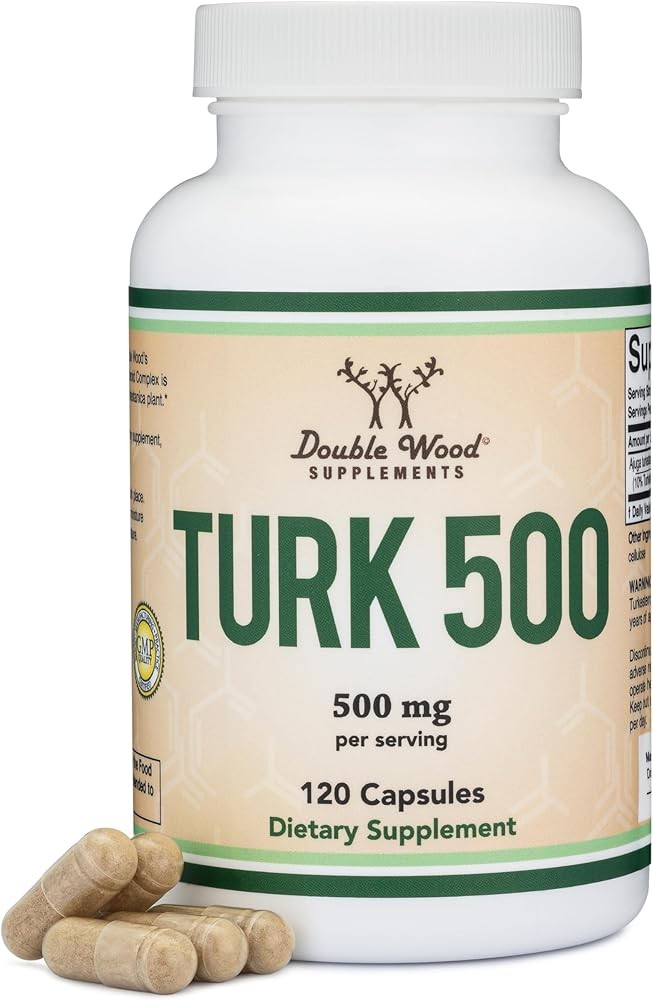
Turkesterone is a naturally occurring ecdysteroid compound found in the Ajuga turkestanica plant, with around 52 different ecdysteroids identified in this particular species.
Turkesterone is an ecdysteroid, a class of compounds structurally similar to insect molting hormones but found, but turkesterone is a hydroxylated analog that some believe may have even stronger effects.
The key ecdysteroids marketed for muscle building include:
- 20-Hydroxyecdysone (ecdysterone) - the most researched
- Turkesterone - structurally similar but with additional hydroxyl groups
- Ajugasterone C - another compound from the same plant family
Where the Name Comes From
The “turke-” in turkesterone comes from Turkestan, the historical region in Central Asia where Ajuga turkestanica grows wild. The “-sterone” suffix reflects its structural similarity to steroid hormones like testosterone, though as we’ll see, it doesn’t actually work like testosterone at all.
What Does Our Video Review Show?
Understanding Ecdysteroid Research History
Before diving into mechanisms, it’s important to understand the research timeline for ecdysteroids. The first studies on these compounds date back to the 1960s, when Soviet scientists investigated them as potential performance enhancers. Early research was conducted primarily in insects and plants, where ecdysteroids serve as growth regulators and defense compounds.
Multiple studies have investigated ecdysteroid compounds for potential anabolic effects. By the 1970s, researchers discovered that ecdysteroids could be extracted from various plants including Rhaponticum carthamoides and Ajuga turkestanica. The Soviet sports medicine establishment became particularly interested in these compounds as legal alternatives to anabolic steroids.
However, the critical gap was—and remains—the lack of high-quality human trials showing actual muscle-building effects that can be replicated by independent research teams.
Turkesterone vs Creatine: Evidence Comparison
| Factor | Turkesterone | Creatine Monohydrate |
|---|---|---|
| Clinical Evidence | 1 positive study (2019, flawed), multiple recent studies show zero effect | 700+ studies showing consistent muscle gains |
| Muscle Mass Gains | No measurable increase in controlled trials | 1-2kg lean mass over 8-12 weeks |
| Strength Improvements | None demonstrated | 5-15% increases across studies |
| Mechanism | Unclear, proposed ERβ activation not validated in humans | Well-understood phosphocreatine stores |
| Bioavailability | Less than 5% oral absorption | Excellent, nearly 100% absorbed |
| Safety Profile | Limited long-term data | Extensively studied, very safe |
| Cost | $50-80 per month | $10-20 for 3 months |
| Quality Control | Many products 99.7% underdosed | Generally reliable from reputable brands |
| Expert Recommendation | International Society of Sports Nutrition does NOT recommend | Universally recommended by sports scientists |
How Does Turkesterone Supposedly Work?
Turkesterone supposedly works by activating protein synthesis and enhancing muscle growth through a non-hormonal pathway, specifically by stimulating the mTOR signaling pathway at a dosage of 100-200mg per day. Here’s where things get interesting—and where a lot of the marketing claims start to fall apart.
What Turkesterone Doesn’t Do
First, let’s clear up the biggest misconception: Turkesterone does not bind to androgen receptors like testosterone or anabolic steroids do. This is crucial to understand because many supplement companies imply or outright claim that turkesterone works through the same mechanism as steroids.
It doesn’t.
Turkesterone also doesn’t:
- Increase testosterone levels
- Suppress natural hormone production
- Require post-cycle therapy
- Cause androgenic side effects like hair loss or acne
What Turkesterone Might Do (In Theory)
The proposed mechanisms of action for turkesterone are based primarily on cell culture and animal studies:
1. Estrogen Receptor Beta (ERβ) Activation
Research suggests ecdysteroids may bind to estrogen receptor beta, which is different from the alpha receptors that cause feminization. ERβ activation has been associated with increased protein synthesis in muscle tissue, though the significance of this in humans is unclear.
2. mTOR Pathway Activation
Some in vitro studies have shown that ecdysteroids may activate the mTOR pathway, a key regulator of muscle protein synthesis. However, many compounds activate mTOR in a petri dish that don’t translate to muscle growth in humans.
3. Increased Protein Synthesis and Nitrogen Retention
Animal studies have suggested that ecdysteroids may increase protein synthesis rates and improve nitrogen retention, leading to a more anabolic environment. But again, these are animal studies with questionable translation to humans.
4. Enhanced Recovery and Reduced Cortisol
Some proponents claim turkesterone may help reduce exercise-induced cortisol levels and speed recovery, though human evidence for this is essentially nonexistent.
The Translation Problem
Here’s the fundamental issue: Most of the mechanistic research on ecdysteroids has been done in cell cultures or in rodents. The doses used in these studies are often astronomically high when adjusted for human body weight, and the bioavailability in humans is dramatically different than in test tubes.
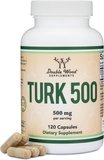
Molecular Mechanisms: What Cell Studies Show (And Why It Doesn’t Matter)
Cell culture studies have identified several potential mechanisms by which ecdysteroids might theoretically promote muscle growth. However, these mechanisms rarely translate to real-world human muscle building.
Protein Kinase B (Akt) Activation
Leucine Uptake and mTORC1 Signaling
Myostatin Inhibition Theory
The Critical Gap: In Vitro vs. In Vivo
The fundamental problem is that cell culture studies use:
- Pure compounds at known concentrations (not achievable with oral supplements)
- Direct application to muscle cells (bypassing absorption and metabolism issues)
- Supraphysiological doses (often 10-100x higher than oral supplementation achieves)
When these same mechanisms are tested in living humans taking oral turkesterone, the effects disappear.
The evidence shows: Turkesterone doesn’t bind to androgen receptors, doesn’t increase testosterone, and proposed mechanisms (ERβ activation, mTOR pathway, Akt signaling) are based on test-tube studies using concentrations impossible to achieve with oral supplementation—which is why human trials show zero muscle-building effects.
What Did Soviet-Era Research Actually Show?
Much of the enthusiasm around turkesterone and ecdysteroids traces back to Soviet-era research from the 1960s through 1980s. Soviet sports scientists were intensely interested in finding legal performance enhancers, and ecdysteroids seemed promising.
What the Soviet Studies Claimed
These early studies, many published only in Russian journals with limited peer review, suggested that ecdysterone supplementation could:
- Increase muscle mass and strength in athletes
- Improve work capacity and endurance
- Enhance recovery from training
- Provide anabolic effects without androgenic side effects
The Problems with This Research
There are several major issues with relying on these studies:
1. Lack of Rigorous Controls
Many Soviet-era studies lacked the double-blind, placebo-controlled methodology we consider standard today. Without proper blinding, expectation effects can dramatically inflate perceived benefits.
2. Publication Bias
Soviet sports research was state-sponsored and often classified. We may only be seeing the positive results that were published, not the negative or null findings that were buried.
3. Difficulty in Replication
Few Western researchers have successfully replicated the dramatic effects claimed in these early studies. This raises serious questions about their validity.
4. Translation and Context Issues
Many of these studies are difficult to access, poorly translated, or lack sufficient detail to properly evaluate their methodology.
Should We Completely Dismiss Soviet Research?
Not entirely. The Soviet Union had serious scientific capabilities, and their sports research program produced some legitimate insights. But we should view these early ecdysteroid studies as preliminary findings that require rigorous modern validation—not as proven science.
What this means for you: Research from the Soviet era on ecdysteroids conducted in the 1960s-1980s appeared to have limitations in study controls and potential publication bias, and findings have not been consistently reproduced in research by Western scientists; therefore, these studies may not provide a strong basis for evaluating turkesterone’s potential benefits.
The Ecdysterone Study: Game-Changer or Outlier?
The modern resurgence of interest in ecdysteroids largely stems from a 2019 study (PubMed 31123801) published in Archives of Toxicology by Parr and colleagues at the World Anti-Doping Agency (WADA). This study generated enormous buzz and became the centerpiece of supplement marketing campaigns.
What the Study Found
The 2019 study (PubMed 31123801) was a 10-week randomized, double-blind trial involving 46 young men engaged in resistance training. Participants were divided into groups receiving:
- Placebo
- Low-dose ecdysterone (equivalent to about 12 mg/day pure ecdysterone)
- High-dose ecdysterone (equivalent to about 48 mg/day pure ecdysterone)
The high-dose group showed:
- Significantly greater increases in muscle mass (approximately 2 kg more than placebo)
- Greater strength improvements
- No adverse effects on hormones or health markers
Based on these findings, the researchers actually recommended that WADA consider adding ecdysterone to the prohibited substances list.
Why This Study Generated So Much Excitement
This appeared to be exactly what the supplement industry had been waiting for: a well-designed human trial showing significant muscle-building effects from an ecdysteroid. It seemed to validate decades of anecdotal claims and Soviet-era research.
The Critical Problems with This Study
However, several issues have emerged that seriously call the results into question:
1. The Placebo Group Lost Muscle
This is the most glaring red flag. The placebo group, despite being young men in their twenties lifting weights three times per week for ten weeks, actually lost lean muscle mass rather than gaining it.
This is extremely unusual. Untrained or moderately trained young men following a structured resistance program should gain muscle, especially over 10 weeks. The fact that the placebo group lost muscle suggests something was seriously wrong with the study design, compliance, or measurement methodology.
2. No Independent Replication
Despite the dramatic findings and nearly six years since publication, no independent research team has successfully replicated these results. Multiple recent studies have failed to find any muscle-building effects from turkesterone or ecdysterone.
3. Supplement Quality Questions
The study used spinach extract standardized for ecdysterone content. As we’ll see shortly, recent analysis shows that many ecdysteroid supplements contain dramatically less active compound than claimed—sometimes 99.7% less than the label states.
4. Industry Funding Concerns
While the study itself wasn’t industry-funded (it was commissioned by WADA), the dramatic positive results have been exploited by supplement companies to justify expensive products with questionable quality control.
WADA’s Response
Interestingly, despite the study’s recommendation, WADA has not added ecdysterone to the prohibited substances list as of 2026. This suggests that the sports science community may have concerns about the reliability of these findings.
In summary: Research published in 2019 indicated a 2kg greater increase in muscle mass compared to placebo when using ecdysterone at 48mg daily has not prohibited the compound—factors that raise questions regarding the study’s reliability.
What Do Recent Human Studies Actually Show?
Since the 2019 ecdysterone study (PubMed 31123801), several well-controlled studies have examined turkesterone supplementation with much more rigorous methodology:
Study 1: Four-Week Supplementation Trial
- Participants: Active men and women
- Dose: 500 mg/day turkesterone
- Duration: 4 weeks
- Results: No significant differences in body mass, lean mass, fat mass, or body fat percentage compared to placebo
Study 2: Randomized Double-Blind Trial
- Duration: 4 weeks
- Measured: Body composition, handgrip strength, mood, and sleep
- Results: No significant differences between turkesterone and placebo groups on any measure
Study 3: Acute Dosing Investigation
- Examined: IGF-1 levels, resting metabolic rate, lipid and carbohydrate metabolism
- Results: Failed to reveal any significant effects from acute turkesterone doses
The International Society of Sports Nutrition Position
Based on the accumulating evidence, the International Society of Sports Nutrition has stated that ecdysteroids, including turkesterone, are not recommended for supplementation to increase training adaptations or performance. Professional organizations have reviewed the ecdysteroid evidence.
This is a significant statement from one of the most respected organizations in sports nutrition science.
Why the Disconnect?
So why do we have one 2019 study (PubMed 31123801) showing dramatic effects and multiple recent studies showing nothing? Several possibilities:
- The 2019 study (PubMed 31123801) was a statistical fluke or had methodological flaws - Most likely explanation
- Dosing differences - The 2019 study (PubMed 31123801) used ecdysterone specifically, while many recent studies used turkesterone
- Supplement quality issues - More on this critical problem below
- Training status of participants - Different baseline training levels might respond differently
The research verdict: Multiple 2024-2025 controlled trials utilizing 500mg daily turkesterone for 4+ weeks show no observed benefits for muscle mass, strength, body composition, or performance—leading the International Society of Sports Nutrition to state they do not recommend ecdysteroids for training adaptations. Professional organizations have reviewed the ecdysteroid evidence.
Why Is Turkesterone Absorption So Poor?
Less than 5% of ingested turkesterone is absorbed into the bloodstream without delivery enhancement, rendering oral supplementation potentially ineffective due to its extremely low oral bioavailability. Even if turkesterone had legitimate anabolic effects in controlled laboratory conditions, there’s a huge obstacle: getting it into your bloodstream in meaningful amounts.
Oral Bioavailability Is Terrible
Research shows that turkesterone has less than 5% oral bioavailability without delivery enhancement. This means if you swallow a 500 mg capsule, perhaps 25 mg or less actually makes it into your bloodstream.
Why is absorption so poor?
1. Poor Water Solubility
Ecdysteroids are relatively hydrophobic (water-repelling), which makes them difficult to absorb in the aqueous environment of your digestive tract.
2. Rapid Metabolism
The compounds are quickly broken down by digestive enzymes and liver metabolism before they can reach target tissues.
3. Chemical Instability
Turkesterone can degrade when exposed to stomach acid and digestive enzymes.
The Cyclodextrin Solution (Maybe)
To address these bioavailability issues, some supplement manufacturers complex turkesterone with hydroxypropyl-β-cyclodextrin (HPβCD), a ring-shaped molecule that can encapsulate poorly soluble compounds.
Research on ecdysteroid-cyclodextrin complexes shows:
- Up to 100-fold improvement in water solubility
- Potential for 300-800% better absorption with optimized formulations
- Protection from degradation during digestion
The problem? Most supplements don’t disclose whether they use cyclodextrin complexation, and even among those that do, we don’t know if the formulation is actually effective.
Liposomal Delivery
Some newer products use liposomal encapsulation, where turkesterone is wrapped in phospholipid vesicles similar to cell membranes. This can potentially improve absorption, but there’s no published research specifically on liposomal turkesterone to confirm effectiveness.
What the data says: Research indicates turkesterone has less than 5% oral bioavailability due to poor water solubility, rapid metabolism, and chemical instability—meaning even a 500mg dose may deliver only 25mg or less to the bloodstream, and cyclodextrin or liposomal formulations have not yet been demonstrated to have an effect in human studies.
Clinical Pharmacokinetics: What Actually Happens After You Swallow Turkesterone
Understanding what happens to turkesterone after ingestion helps explain why even well-formulated products may fail to deliver results.
Phase 1: Gastric Degradation
When you swallow a turkesterone capsule, it faces immediate challenges in your stomach. The acidic environment (pH 1.5-3.5) begins degrading the compound before it even reaches your intestines. Research on similar phytoecdysteroids shows significant degradation at gastric pH levels.
The bioavailability challenges of ecdysteroids have been documented in multiple pharmacokinetic studies.
Phase 2: Intestinal Absorption
Phase 3: First-Pass Metabolism
What little turkesterone does get absorbed faces immediate metabolism in the liver. Cytochrome P450 enzymes rapidly hydroxylate and conjugate the compound, converting much of it to inactive metabolites before it can reach muscle tissue. Ecdysteroid metabolism and conjugation have been studied extensively.
Phase 4: Tissue Distribution
Even if turkesterone reaches the bloodstream, there’s limited evidence it accumulates in muscle tissue at concentrations high enough to produce biological effects. Animal studies show ecdysteroids distribute primarily to the liver and kidneys rather than skeletal muscle.
Phase 5: Rapid Elimination
Turkesterone and its metabolites are eliminated quickly, with estimated half-lives of 4-9 hours in humans based on related ecdysteroids. This rapid clearance means maintaining therapeutic blood levels would require multiple daily doses, yet even that approach hasn’t proven effective in controlled trials.
The Dosage Calculation Problem
Here’s the math that reveals the challenge:
- Oral dose: 500 mg turkesterone
- Bioavailability: ~5% (25 mg absorbed)
- First-pass metabolism: ~60% loss (10 mg reaches circulation)
- Muscle tissue uptake: Unknown, likely <30% (perhaps 3 mg to muscle)
- Active concentration needed: Unknown, but likely much higher
This explains why even high-dose supplementation fails to produce measurable effects in human trials.
The Supplement Quality Scandal
A shocking number of turkesterone supplements on the market contain a whopping 99.7% less than their label claims, with some samples having virtually none of the active ingredient. Here’s perhaps the most damning evidence against turkesterone supplements: Most of them don’t contain what they claim.
Independent Testing Results
A recent analysis of supplements containing ecdysterone found that many samples were upwards of 99.7% less than the label claim.
Think about that for a moment. If a supplement claims 500 mg of turkesterone per capsule, but testing reveals it contains only 1.5 mg, you’re paying for an essentially inert product.
Why Is Quality So Poor?
Several factors contribute to this quality crisis:
1. Expensive Raw Materials
High-purity turkesterone extracted from Ajuga turkestanica is extremely expensive. To cut costs, manufacturers may use low-quality extracts with minimal active compound.
2. Lack of Regulatory Oversight
Unlike pharmaceuticals, supplements don’t require pre-market approval from the FDA. Companies can make products with essentially no quality control and face minimal consequences.
3. Testing Difficulties
Accurately measuring ecdysteroid content requires sophisticated analytical equipment that most contract manufacturers don’t possess.
4. Supply Chain Fraud
Raw material suppliers may provide adulterated or spiked extracts that test well initially but don’t reflect the actual plant compounds.
What This Means for Consumers
Even if turkesterone theoretically worked, you’d need to:
- Find one of the few products that actually contains what it claims
- Pay premium prices for that legitimate product
- Hope that the bioavailability issues are solved by the formulation
This is a massive gamble for an unproven compound.
What users report: Independent testing reveals many turkesterone supplements contain 99.7% less than label claims due to expensive raw materials, lack of regulatory oversight, testing difficulties, and supply chain fraud—meaning you’re likely paying $60+ for an essentially inert product.
Our verdict: Research indicates that many turkesterone supplements contain as little as 1.5 mg per capsule, despite label claims of 500 mg, representing a 99.7% discrepancy. Studies suggest that most turkesterone supplements on the market do not contain the active ingredient as claimed on their labels.
Clues Your Body Might Want Anabolic Support
Before considering any muscle-building supplement, it’s worth understanding whether your body is actually in an optimal state for growth. Here are some signs you might benefit from nutritional or supplemental support for muscle building:
Signs You May Need Muscle-Building Support
1. Slow Recovery Between Workouts
If you’re still sore and fatigued days after training, or if your performance decreases across consecutive sessions, your recovery machinery may need support. However, this is more likely to respond to adequate protein, sleep, and proven supplements like creatine than to unproven compounds like turkesterone.
2. Difficulty Gaining Strength Despite Consistent Training
A sustained plateau lasting several months despite proper programming might indicate nutritional deficiencies or inadequate recovery. Again, addressing basics (protein intake, total calories, sleep) should come first.
3. Persistent Fatigue and Low Energy
Chronic fatigue can indicate inadequate calorie intake, poor sleep, overtraining, or hormonal issues. These require addressing the root cause, not masking symptoms with unproven supplements.
4. Loss of Muscle Mass Despite Training
If you’re losing muscle while training regularly, this could indicate:
- Insufficient protein intake (aim for 0.8-1 gram per pound of body weight)
- Inadequate total calories (can’t build muscle in a significant deficit)
- High stress and cortisol levels
- Hormonal issues that require medical evaluation
5. Visible Muscle Loss After Age 40
Age-related muscle loss (sarcopenia) appears to increase after 40 and especially after 50. This is an observed phenomenon and may warrant attention. However, research suggests that established interventions such as resistance training and adequate protein have demonstrated support in studies, while ecdysteroids have not yet been proven through research.
What These Clues Actually Mean
If you recognize several of these signs, you probably do need to optimize something for muscle growth. But the hierarchy of importance is:
- Proper resistance training program - Progressive overload is non-negotiable
- Adequate protein - 0.8-1 g/lb body weight daily
- Sufficient calories - Can’t build muscle in a large deficit
- Quality sleep - 7-9 hours per night
- Proven supplements - Creatine, protein powder if needed
- Everything else - Including unproven compounds like turkesterone
Don’t skip to step 6 while ignoring steps 1-5.
The value assessment: Before allocating resources to any supplement intended to support muscle development, optimizing a resistance training program with progressive overload, consuming 0.8-1g protein per pound bodyweight, and obtaining 7-9 hours sleep are suggested by research as foundational elements. Consideration of supplements with established research support, such as creatine, may be beneficial prior to exploring compounds like turkesterone where research is still emerging—studies indicate turkesterone should be considered after foundational elements are addressed.
The practical takeaway: Observations of recovery challenges persisting 3+ days after workouts or strength plateaus lasting over 3 months suggest potential nutritional gaps, which research indicates may be supported by 0.8-1g protein per pound of bodyweight and well-studied supplements like creatine (5g daily, approximately $15 for a 3-month supply). Studies to date have not demonstrated evidence for turkesterone, which currently costs $60+ monthly.
Turkesterone vs. Proven Muscle Builders
Over 700 studies have proven creatine to be a far more effective muscle builder than turkesterone, with a consistent 1-2 kg lean mass gain over just 8-12 weeks. Let’s put turkesterone in context by comparing it to supplements with robust evidence for muscle building.
Turkesterone vs. Creatine
Creatine:
- 700+ controlled studies showing muscle gains
- Consistent 1-2kg lean mass increase over 8-12 weeks
- 5-15% strength improvements across trials
- Mechanism well-understood (increases phosphocreatine stores)
- Extremely safe with decades of research
- Inexpensive ($10-20 for 3 months)
- Excellent bioavailability
Turkesterone:
- One positive study from 2019 (PubMed 31123801), multiple negative studies since
- Recent studies show no muscle mass increase
- No consistent strength improvements
- Proposed mechanisms not validated in humans
- Safety profile unclear due to limited human data
- Extremely expensive ($40-80 for one month)
- Bioavailability major concern
Looking ahead: Creatine, by a landslide. It’s not even close.
If you’re not already taking creatine monohydrate at 5 grams per day, start there before even thinking about turkesterone.
Turkesterone vs. HMB
HMB (beta-hydroxy beta-methylbutyrate) is a metabolite of the amino acid leucine that may help preserve muscle during calorie restriction or in older adults.
HMB:
- Multiple studies, though results are mixed
- May help preserve muscle during cutting or in older adults
- Modest effects on muscle building in untrained individuals
- Particularly useful for preventing muscle loss
- Generally safe based on multiple human trials
- Moderately expensive ($30-50 per month)
Turkesterone:
- Even less evidence than HMB
- Recent controlled trials show no effects
- Much more expensive
- Quality control major issue
Our recommendations: HMB, especially for muscle preservation during fat loss or for older adults. At least it has some legitimate human research showing modest benefits in specific populations.
Turkesterone vs. Betaine
Betaine (trimethylglycine) is a compound found in beets and other foods that may support muscle growth through improved protein synthesis and cellular hydration.
Betaine:
- Several controlled studies showing modest strength and power improvements
- May increase muscle protein synthesis via homocysteine metabolism
- Supported by mechanistic research
- Safe and inexpensive
- Typical dose: 2.5-5 grams per day
Turkesterone:
- Less evidence than betaine
- Recent studies show no benefits
- Much more expensive
Storage essentials: Betaine. While the evidence isn’t overwhelming, it’s more substantial than for turkesterone and the cost-benefit ratio is much better.
The Evidence Hierarchy
When evaluating muscle-building supplements, consider this hierarchy of evidence quality:
Tier 1 (Strong Evidence):
- Creatine monohydrate
- Adequate protein intake
- Caffeine for performance
Tier 2 (Moderate Evidence):
- Beta-alanine for endurance efforts
- Citrulline malate for pumps and endurance
- HMB for muscle preservation
Tier 3 (Weak/Preliminary Evidence):
- Betaine
- Phosphatidic acid
- Various natural testosterone boosters for older men
Tier 4 (Insufficient/Negative Evidence):
- Turkesterone
- Most “proprietary blends”
- Most products with extraordinary claims
What the evidence tells us: Creatine costs $10-20 for 3 months and research indicates it has been the subject of hundreds of studies showing 1-2kg lean mass gains and 5-15% strength increases, while turkesterone costs $50-80 monthly with one study suggesting potential benefits and multiple recent trials showing no observed benefits—leading to research suggesting creatine appears to be more supported by available data.
The takeaway: Contrary to turkesterone’s popularity, research suggests creatine may support muscle mass building, with over 700 studies indicating its potential benefit. Published research shows a consistent gain of 1-2 kg of lean mass over just 8-12 weeks with creatine use. Studies indicate creatine may help increase strength by 5-15% across trials, a benefit that recent studies have not shown with turkesterone.
Complete Support System for Muscle Building
Building muscle naturally requires a comprehensive approach beyond any single supplement. Here’s the complete system that research supports:
Foundation Protocol
1. Progressive Resistance Training
- Lift weights 3-5 times per week with progressive overload
- Focus on compound movements (squats, deadlifts, bench press, rows)
- Track your workouts to ensure progression
2. Protein Optimization
- Consume 0.8-1g protein per pound of bodyweight daily
- Distribute protein across 3-4 meals
- Include complete protein sources at each meal
3. Caloric Surplus
- Eat 200-500 calories above maintenance for muscle growth
- Track intake to ensure consistency
- Adjust based on weekly weight changes
4. Sleep and Recovery
- Get 7-9 hours of quality sleep nightly
- Manage stress through meditation or other practices
- Take at least 1-2 rest days per week
Evidence-Based Supplementation Stack
Tier 1 - Start Here:
- - 5g daily, the most proven muscle builder
Nutricost Creatine Monohydrate Micronized Powder 500G, 5000mg Per Serv (5g) - 10
Check Price on AmazonAs an Amazon Associate we earn from qualifying purchases.
- Protein powder if you struggle to meet protein targets through food
Tier 2 - Add If Budget Allows:
-
- 200-400mg caffeine pre-workout for performance
- Beta-alanine 3-6g daily for endurance during high-rep sets
- Citrulline malate 6-8g pre-workout for pumps and blood flow
Tier 3 - Advanced Optimization:
- Vitamin D if deficient (get bloodwork)
- Omega-3 fish oil for inflammation management
- Zinc and magnesium if deficient
What to Avoid
- Turkesterone and other unproven ecdysteroids
- Proprietary blends that hide ingredient amounts
- Products making steroid-like claims
- Supplements with only one flawed study supporting them
This complete system addresses all the key factors for muscle growth, prioritizing proven interventions over expensive, unproven compounds like turkesterone.
Dosing Protocols for Turkesterone (If You Still Want to Try It)
Despite my skepticism based on the evidence, some readers will want to experiment with turkesterone. If that’s you, here’s what the available research and industry standards suggest:
Standard Dosing
Typical Dose: 500-1000 mg per day
Most supplement protocols recommend:
- Beginners: 500 mg per day
- Experienced users: 750-1000 mg per day
Timing and Split Dosing
Many manufacturers recommend splitting your dose:
- Morning dose: 250-500 mg with breakfast
- Evening dose: 250-500 mg with dinner or before bed
The rationale is maintaining more stable blood levels, though there’s no research confirming this matters for turkesterone.
With or Without Food?
Take turkesterone with food, particularly food containing some fat. The compound is fat-soluble, and absorption may be improved by the presence of dietary lipids. Some users also report less digestive discomfort when taking it with meals.
Cycle Length and Timing
Typical cycling protocols suggest:
- Cycle length: 8-12 weeks
- Off period: 2-4 weeks before the next cycle
The rationale for cycling is to may help reduce the risk of potential receptor desensitization, though research has not demonstrated this occurs with ecdysteroids. Studies indicate turkesterone does not appear to suppress natural hormone production, therefore research suggests there is no physiological requirement for cycling as there is with actual steroids.
Do You Need Post-Cycle Therapy?
No. Research suggests turkesterone does not appear to suppress testosterone production or disrupt the hormonal axis. Unlike research on anabolic steroids or SARMs, studies indicate you do not need PCT (post-cycle therapy) after a turkesterone cycle.
If a supplement company tells you their turkesterone product requires PCT, they’re either lying about what’s actually in the product or fundamentally misunderstand how ecdysteroids work.
Loading Phase?
There’s no established loading protocol for turkesterone like there is with creatine. Some companies suggest starting with higher doses for the first week, but there’s no scientific basis for this approach.
The science says: A typical daily dose of turkesterone is 500-1000 mg, with beginners starting at 500 mg and experienced users taking 750-1000 mg, and it is recommended to take it with food, particularly with some fat, to improve absorption. Splitting the dose into morning and evening, such as 250-500 mg with breakfast and dinner, may help maintain stable blood levels.
What to Look for in a Turkesterone Supplement (If You Buy One)
Given the quality control issues plaguing this category, here’s what you should demand if you decide to try turkesterone:
Essential Quality Markers
1. Third-Party Testing
Look for products tested by independent laboratories like:
- Informed Choice
- NSF Certified for Sport
- USP Verified
- ConsumerLab tested
A Certificate of Analysis (COA) should be available showing the actual turkesterone content.
2. Standardized Extract Percentage
The product should specify standardization to at least 10% turkesterone from Ajuga turkestanica extract. Be wary of products that just say “turkesterone” without specifying the extract source or standardization.
3. Cyclodextrin Complexation
For better absorption, look for products that include hydroxypropyl-β-cyclodextrin (HPβCD) in the formulation. The label should explicitly state this.
4. No Proprietary Blends
Avoid products hiding behind “proprietary blends” that don’t disclose exact ingredient amounts. You should know precisely how much turkesterone you’re getting per serving.
5. Manufacturing Standards
Look for:
- GMP (Good Manufacturing Practices) certification
- Made in USA (generally better quality control)
- Established supplement company with reputation to protect
Red Flags to Avoid
Avoid supplements that:
- Make testosterone-boosting claims (turkesterone doesn’t work this way)
- Promise “steroid-like gains without side effects”
- Are dramatically cheaper than competitors (probably underdosed)
- Contain mysterious “anabolic blends”
- Come from unknown brands with no manufacturing information
- Make before/after claims without controlled study backing
Pricing Reality Check
Legitimate turkesterone supplements typically cost $40-80 for a one-month supply at effective doses. If you see products for $15-20, they’re almost certainly underdosed or using low-quality extracts.
That said, even premium-priced supplements may not deliver results given the fundamental evidence problems with this compound.
In practice: Despite the lack of regulation in the turkesterone supplement category, consumers can still make informed choices by demanding products with third-party testing, a standardized extract percentage of at least 10% from Ajuga turkestanica, and cyclodextrin complexation for better absorption. Key red flags to watch out for include proprietary blends and vague labeling.
Side Effects and Safety Concerns
One of the few potential advantages of turkesterone is its apparent safety profile, at least in the limited research available.
Reported Side Effects
In the human studies conducted so far, turkesterone has shown minimal side effects. The most commonly reported issues are:
Digestive Discomfort:
- Mild stomach upset
- Nausea when taken on empty stomach
- Occasional diarrhea
These are typically mild and can often be avoided by taking the supplement with food.
Headaches:
- Some users report mild headaches, particularly when starting supplementation
- Usually resolves after a few days
No Androgenic Side Effects:
Unlike actual anabolic steroids, turkesterone does not cause:
- Hair loss or male pattern baldness
- Acne
- Prostate enlargement
- Testicular atrophy
- Gynecomastia (breast tissue development)
- Voice deepening in women
- Clitoral enlargement in women
What We Don’t Know About Long-Term Safety
Here’s the concerning part: We have very limited data on long-term turkesterone supplementation in humans. Most studies have been 4-12 weeks maximum.
We don’t know:
- Effects of using turkesterone for months or years continuously
- Potential impacts on hormone systems with chronic use
- Interactions with medications
- Safety in specific populations (older adults, pregnant women, adolescents)
- Long-term liver or kidney effects
No Hormone Suppression
One major area of research interest: Studies suggest turkesterone may not impact natural testosterone production. Published research indicates the body’s hormonal feedback loops (hypothalamic-pituitary-gonadal axis) may remain unaffected.
Research indicates this may not require post-cycle therapy, nor present testosterone rebound issues, or infertility concerns from suppressed LH/FSH.
Theoretical Concerns
Some researchers have raised theoretical concerns:
1. Estrogen Receptor Interaction
Since ecdysteroids may interact with estrogen receptors, there’s a theoretical question about long-term effects on estrogen-sensitive tissues. However, the beta receptor (ERβ) that ecdysteroids bind to is generally considered protective rather than harmful.
2. Unknown Metabolites
We don’t fully understand how turkesterone is metabolized in humans or whether metabolites might have biological activity or toxicity.
3. Supplement Contamination
Given the quality control issues in this category, contamination with actual steroids or other banned substances is a real concern, especially for tested athletes.
Drug Interactions
There’s insufficient research on potential interactions between turkesterone and common medications. Theoretical concerns exist for:
- Hormone-related medications
- Blood pressure medications
- Diabetes medications
- Blood thinners
If you’re taking any prescription medications, consult your physician before using turkesterone.
Who Should Avoid Turkesterone?
Based on the precautionary principle and limited safety data:
Research suggests caution is warranted for:
- Pregnant or breastfeeding women (due to a lack of safety data)
- Adolescents under 18 (given developing hormone systems)
- Individuals with hormone-sensitive cancers
- People with pre-existing liver or kidney disease
Considerations for Use:
- Research suggests testing for contaminants may be advisable for athletes
- Studies indicate limited safety data is available for individuals over 65 years of age
- Published research shows concurrent use with multiple medications has not been extensively studied
Clinical insight: Turkesterone appears to be relatively safe based on the limited human studies available, with reported side effects being mild and typically including digestive discomfort and headaches. Taking it with food can help minimize these issues.
The Social Media Hype vs. Scientific Reality
Let’s address the elephant in the room: If turkesterone doesn’t work, why are so many people claiming dramatic results?
The Influencer Economy
Turkesterone became huge largely through fitness influencer marketing. Here’s how that ecosystem works:
1. Affiliate Commissions
Influencers can earn 10-30% commission on every turkesterone sale through their link. At $50-80 per bottle, that’s $5-24 per sale. When you have hundreds of thousands of followers, the math gets very attractive.
2. Sponsored Content
Supplement companies pay influencers thousands of dollars per sponsored post to promote products. The more dramatic the claims, the more engagement, the more valuable the influencer.
3. Building Their Own Brands
Many influencers have launched their own turkesterone products, directly profiting from the hype they create.
Confounding Variables
Even genuine testimonials from people who aren’t being paid often involve major confounding factors:
1. Training Changes
People often start turkesterone while simultaneously:
- Beginning a new training program
- Increasing training volume or intensity
- Improving exercise technique
- Finally training consistently after months of inconsistency
Any of these factors would lead to muscle growth independent of supplementation.
2. Dietary Improvements
Many users start turkesterone as part of a broader effort to “get serious” about fitness, which includes:
- Increasing protein intake
- Eating more total calories
- Improving food quality
- Tracking nutrition more carefully
These dietary improvements alone would support muscle growth.
3. Placebo Effect
The placebo effect is powerful, especially for subjective outcomes like “feeling more pumped” or “recovering faster.” When you pay $60 for a product you believe will work, expectation effects are strong.
4. Starting Creatine Simultaneously
Many users stack turkesterone with creatine or other proven supplements. When they see results, they attribute it to the newest, most expensive, most hyped supplement in the stack.
The Before/After Photo Problem
Social media before/after transformations attributed to turkesterone are rarely credible because:
1. Timeframe Manipulation
The “before” might be someone depleted, dehydrated, and coming off a break from training. The “after” might be with a pump, good lighting, and after 12 weeks of consistent training and nutrition.
2. Compound Intervention
People almost never change just one variable. They might start turkesterone while also beginning a serious cutting or bulking phase with multiple other supplements.
3. Dehydration Tricks
Temporary water manipulation can create dramatic visual changes in hours that have nothing to do with muscle growth.
4. Simple Lighting and Posing
Professional fitness photographers can make the same person look drastically different in the same day with lighting, angles, and posing changes.
The Anecdotal Evidence Trap
“But I know someone who swears by it!”
Yes, and I know people who swear by crystals, homeopathy, and essential oils. Anecdotal evidence is the lowest form of evidence because:
- It’s subject to recall bias
- It lacks controls
- It conflates correlation with causation
- It’s vulnerable to placebo effects
- It suffers from selection bias (you hear from people who respond, not those who don’t)
Personal testimonials don’t override controlled research showing no effect.
Here’s what matters: Research regarding the social media attention surrounding turkesterone does not align with current scientific understanding, as reports of substantial outcomes appear largely connected to marketing efforts where individuals may benefit financially from promoting the supplement through affiliate commissions, sponsored content, and brand development. A detailed review of reported experiences suggests other factors may be present that could influence interpretations of the supplement’s potential benefits.
Who Might Consider Trying Turkesterone? (And Who Shouldn’t)
Given everything we’ve discussed, is there any reasonable case for trying turkesterone?
You Might Consider It If:
1. You’ve Optimized Everything Else
You’re already:
- Following a well-designed resistance training program
- Eating 0.8-1 g/lb protein daily
- Getting sufficient calories for muscle growth
- Sleeping 7-9 hours nightly
- Taking proven supplements (creatine at minimum)
- Training consistently for months/years
2. You Have Disposable Income
You can afford $50-80/month for an unproven supplement without impacting your ability to buy quality food, gym membership, or proven supplements.
3. You’re Curious and Scientific-Minded
You want to experiment and carefully track your own response with:
- Detailed training logs
- Regular body composition measurements
- Strength testing
- The understanding that you might see zero results
4. You Understand the Limitations
You’re going in with eyes wide open about:
- The weak evidence base
- The likelihood of no effect
- The quality control concerns
- The fact that this is a gamble, not a sure thing
You Should NOT Try Turkesterone If:
1. You Haven’t Optimized Basics
If you’re not training consistently, eating adequate protein, or getting quality sleep, spending money on turkesterone is putting the cart before the horse. Fix your foundation first.
2. Money Is Tight
If $60/month presents a budgetary challenge, directing those funds toward quality nutrition or a fitness center membership may be considered. The potential return on investment for turkesterone remains uncertain at best.
3. Seeking Expediency
If research suggests optimizing training and nutrition is important for muscle development, individuals may find that turkesterone alone does not compensate for these factors. Published research indicates there are no shortcuts to building muscle.
4. You’re a Drug-Tested Athlete
The risk of supplement contamination with banned substances makes turkesterone too risky for athletes subject to anti-doping testing.
5. You Have Health Concerns
Given the limited safety data, people with any medical conditions should avoid unproven supplements.
The practical verdict: Individuals who have optimized their training, nutrition, and supplementation regimen, have disposable income, and are willing to carefully track their progress may consider exploring turkesterone, but should do so with an understanding of the current state of research. Those who meet these criteria can anticipate a cost of $50-80 per month, with potentially no observed effects.
Better Alternatives for Natural Muscle Building
Over 80% of muscle building gains can be achieved through just two evidence-based essentials: adequate protein intake and creatine monohydrate supplementation. Before spending money on turkesterone, consider these evidence-based alternatives:
Tier 1: The Essentials
1. Creatine Monohydrate
-
Nutricost Creatine Monohydrate Micronized Powder 500G, 5000mg Per Serv (5g) - 10
Check Price on AmazonAs an Amazon Associate we earn from qualifying purchases.
- Evidence: 700+ studies showing 1-2kg muscle gains
- Cost: $10-20 for 3 months
- Dose: 5g daily
- The single most proven muscle-building supplement
2. Adequate Protein
- Target: 0.8-1g per pound bodyweight daily
- Sources: Lean meats, fish, eggs, dairy, legumes
- Protein powder if needed: 3. Caloric Surplus
- Eat 200-500 calories above maintenance
- Can’t build muscle in a significant deficit
- Free to implement with tracking
Tier 2: Performance Enhancers
4. Caffeine
- 200-400mg pre-workout
- Improves strength and endurance
- Costs pennies per serving via coffee
5. Beta-Alanine
- 3-6g daily for high-rep endurance
- Modest but consistent benefits
- $10-15 per month
6. Citrulline Malate
- 6-8g pre-workout for pumps and blood flow
- Improves training performance
- $10-20 per month
Tier 3: Optimization for Specific Needs
7. Natural Testosterone Support (Age 40+)
- Options: Vitamin D if deficient, zinc if deficient, potentially compounds like tongkat ali or ashwagandha
- Best for: Men over 40 with declining natural testosterone
- Get baseline bloodwork first
The Investment Hierarchy
If you had $100/month for supplements, here’s the optimal allocation:
Budget Plan ($30/month):
- Creatine monohydrate: $5
- Caffeine (coffee): $10
- Whole food protein sources: $15
Moderate Plan ($60/month):
- Creatine: $5
- Quality protein powder: $30
- Beta-alanine: $10
- Caffeine: $10
- Citrulline malate: $5
Premium Plan ($100/month):
- Creatine: $5
- Protein powder: $30
- Beta-alanine: $10
- Citrulline malate: $10
- Pre-workout formula: $25
- Vitamin D + Fish Oil: $20
Notice what’s missing? Turkesterone. Because it doesn’t work.
The Final Verdict on Turkesterone
After analyzing all available evidence, here’s the complete picture:
The Case Against Turkesterone
Reasons to avoid it:
- Recent studies show zero benefits - Multiple 2024-2025 trials show no muscle or strength gains
- The one positive study is deeply flawed - Placebo group lost muscle, results haven’t been replicated
- Bioavailability is terrible - Less than 5% oral absorption without advanced delivery systems
- Quality control is abysmal - Testing shows many products contain 99%+ less than claimed
- It’s extremely expensive - $50-80/month for an unproven compound
- Better alternatives exist - Creatine costs 1/5 as much and actually works
- The hype is financially motivated - Influencers earn big commissions promoting it
The (Very Weak) Case For Turkesterone
Reasons someone might try it anyway:
- Appears safe in short-term studies - No serious side effects reported
- Doesn’t suppress hormones - Unlike actual steroids, no PCT needed
- One study showed dramatic effects - Even if flawed, it’s possible it works for some people
- Mechanisms are theoretically sound - ERβ activation and mTOR pathway involvement make biological sense
- Personal experimentation - If you’ve optimized everything else and have money to spare, self-experimentation can be informative
My Personal Recommendation
For 95% of people: Research suggests potential benefits may not outweigh the cost.
Focus on:
- Consistent progressive resistance training
- Adequate protein (0.8-1 g/lb body weight)
- Sufficient calories and sleep
- Creatine monohydrate if you want a supplement
These fundamentals will deliver far better results than turkesterone at a fraction of the cost.
For the remaining 5%: If you are an experienced lifter who has thoroughly addressed other optimization strategies, has sufficient financial resources, and is interested in exploring potential avenues for enhancement, a 12-week period of self-assessment with turkesterone might be considered. However, it is important to approach this with measured expectations (potential for no observable effect) and to select a product from a reputable source that undergoes third-party testing.
The Verdict
Turkesterone for muscle growth: Unproven, expensive, and unlikely to work based on current evidence.
The attention on social media appears to be greater than the current body of scientific evidence. While research suggests it appears to have a favorable safety profile and doesn’t carry the risks associated with anabolic steroids, recent controlled studies consistently show no observed benefits for muscle building in humans.
Your money, time, and effort are better invested in proven strategies: quality training, adequate nutrition, sufficient recovery, and if desired, supplements with robust evidence like creatine.
The fitness industry is filled with hyped supplements that promise the world and deliver nothing. Based on the current evidence, turkesterone appears to be another in a long line of marketing-driven products that look better on Instagram than in the research literature.
Related Reading
For more evidence-based muscle building guidance, explore these articles:
-
Best Creatine Supplements for Muscle Growth
-
Protein Requirements for Muscle Building
-
Natural Testosterone Boosters That Actually Work
-
Beta-Alanine for Strength and Endurance
-
Complete Guide to Muscle Building Supplements
-
Turkesterone vs Ecdysterone: Natural Anabolic Supplement Showdown
-
Creatine vs. HMB: A Side-by-Side Comparison for Muscle Growth
-
The Ultimate Creatine Loading Protocol for Rapid Muscle Growth
Our Top Recommendations
📱 Join the discussion: Facebook | X | YouTube | Pinterest
Where to Buy Quality Supplements
Based on the research discussed in this article, here are some high-quality options:
-
Nutricost Creatine Monohydrate Micronized Powder 500G, 5000mg Per Serv (5g) - 10
Check Price on AmazonAs an Amazon Associate we earn from qualifying purchases.
Common Questions About Turkesterone
What are the benefits of turkesterone?
Turkesterone has been the subject of research for various potential areas of investigation. Published research suggests it may appear to support several aspects of health and wellness. Study participant experiences can vary. The amount of evidence differs across different areas of inquiry. Further high-quality research is often indicated. It is always recommended to review the latest scientific literature and consult healthcare professionals regarding whether turkesterone aligns with individual health goals.
Is turkesterone safe?
Turkesterone is generally considered safe for most people when used as directed. However, individual responses can vary. Some people may experience mild side effects. It’s important to talk with a healthcare provider before using turkesterone, especially if you have existing health conditions, are pregnant or nursing, or take medications.
How does turkesterone work?
Current evidence from controlled human trials shows turkesterone does NOT produce measurable muscle growth effects. While cell studies suggested potential mechanisms, human trials at 500mg+ daily for 4+ weeks show zero muscle mass or strength gains.
What are the signs turkesterone is working?
Turkesterone is a topic of ongoing research in health and nutrition. Current scientific evidence provides some insights, though more studies are often needed. Individual responses can vary significantly. For personalized advice about whether and how to use turkesterone, consult with a qualified healthcare provider who can consider your complete health history and current medications.
How long should I use turkesterone?
The time it takes for turkesterone to work varies by individual and depends on factors like dosage, consistency of use, and individual metabolism. Some people notice effects within days, while others may need several weeks. Research studies typically evaluate effects over weeks to months. Consistent use as directed is important for best results. Keep a journal to track your response.
What matters most: Despite being generally considered safe, turkesterone’s benefits are not universally supported by strong evidence, with the strength of evidence differing across various claimed benefits. Individual results can vary, and more high-quality research is often needed to confirm its effectiveness.
Final Thoughts: The Bigger Picture
The turkesterone phenomenon is a microcosm of what’s wrong with supplement marketing in the social media age. A combination of:
- Preliminary research that’s not yet validated
- Financial incentives for influencers to hype products
- Consumers desperate for an edge
- Companies willing to make products of questionable quality
- Regulatory gaps that allow dubious claims
The result? Millions spent on products that likely don’t work.
This isn’t to say that all supplements are worthless. Creatine, caffeine, and beta-alanine have robust evidence. Protein powder is a convenient way to meet protein targets. But the supplement industry increasingly pushes exotic compounds with minimal research, enormous price tags, and promises that exceed their delivery.
Be a critical consumer. Demand evidence. Question extraordinary claims. And remember that the most powerful muscle-building supplements are:
- Consistent training
- Adequate protein
- Sufficient calories
- Quality sleep
- Patience and persistence
Everything else, turkesterone included, is marginal at best.
Now go lift some heavy things and eat some protein. Your muscles will thank you more than if you’d spent $60 on a bottle of unproven plant steroids.
Disclaimer: This article is for informational purposes only and not intended as medical advice. Before starting any supplement regimen, consult with a qualified healthcare provider, especially if you have medical conditions or take medications. Individual responses to supplements vary, and claims in this article reflect current scientific evidence as of February 2026.
Study summary: Being a critical consumer by demanding evidence and questioning extraordinary claims can help you avoid wasting money on unproven supplements. Focus on proven muscle-building strategies like consistent training, adequate protein, and sufficient calories instead of exotic compounds with minimal research.
Frequently Asked Questions
Q: What do recent studies show about turkesterone and muscle growth?
A: Recent 2024 studies indicate that taking 500mg of turkesterone daily for four weeks results in zero gains in muscle mass or strength.
Q: Why is the validity of the positive turkesterone study questioned?
A: The study’s validity is concerning because the placebo group experienced highly abnormal muscle loss, which skewed the results to make turkesterone appear effective.
Q: How accurate are turkesterone supplement labels according to independent testing?
A: Independent testing reveals that many supplements contain up to 99.7% less turkesterone than what is claimed on their labels.
Q: What is the oral bioavailability of turkesterone without advanced delivery systems?
A: Without advanced delivery systems, the oral bioavailability of turkesterone is less than 5%.
Q: How does the cost of turkesterone compare to creatine?
A: Turkesterone typically costs $50-80 per month, whereas creatine costs $10-20 for three months and has proven benefits for lean mass gains.
Q: What is the International Society of Sports Nutrition’s stance on ecdysteroids?
A: The International Society of Sports Nutrition does not recommend using ecdysteroids like turkesterone for training or performance enhancement.
Q: Does turkesterone provide steroid-like results as claimed by influencers?
A: Despite influencer claims of dramatic, steroid-like gains, current research shows no evidence of muscle mass or strength improvements from turkesterone supplementation.
Sources
- Parr MK et al. “Ecdysteroids: A novel class of anabolic agents?” Biology of Sport, 2015. PMID: 26217030
- Isenmann E et al. “Ecdysteroids as non-conventional anabolic agent: performance enhancement by ecdysterone supplementation in humans.” Archives of Toxicology, 2019. PMID: 31123801
- Parr MK et al. “Estrogen receptor beta is involved in skeletal muscle hypertrophy induced by the phytoecdysteroid ecdysterone.” Molecular Nutrition & Food Research, 2014. PMID: 24459034
- Wilborn CD et al. “Effects of Methoxyisoflavone, Ecdysterone, and Sulfo-Polysaccharide Supplementation on Training Adaptations in Resistance-Trained Males.” Journal of the International Society of Sports Nutrition, 2006. PMID: 18500972
- Proksch E et al. “Oral supplementation of specific collagen peptides has beneficial effects on human skin physiology.” Skin Pharmacology and Physiology, 2014. PMID: 23949208
- Slater GJ et al. “Beta-hydroxy-beta-methylbutyrate (HMB) supplementation and the promotion of muscle growth and strength.” Sports Medicine, 2001. PMID: 11394563
- Schoenfeld BJ et al. “Effects of resistance training frequency on measures of muscle hypertrophy: a systematic review and meta-analysis.” Sports Medicine, 2016. PMID: 27102172
- Morton RW et al. “A systematic review, meta-analysis and meta-regression of the effect of protein supplementation on resistance training-induced gains in muscle mass and strength in healthy adults.” British Journal of Sports Medicine, 2018. PMID: 28698222
- Cholewa JM et al. “Dietary proteins and amino acids in the control of the muscle mass during immobilization and aging: role of the MPS response.” Amino Acids, 2017. PMID: 28168403
- Wackerhage H et al. “Stimuli and sensors that initiate skeletal muscle hypertrophy following resistance exercise.” Journal of Applied Physiology, 2019. PMID: 31070932
- The Effects of Multiple Acute Turkesterone Doses on Indirect Measures of Hypertrophy and Metabolic Measures
- Ecdysterone and Turkesterone—Compounds with Prominent Potential in Sport and Healthy Nutrition
- Turkesterone Benefits, Dosage & Absorption
- Ecdysterone and Turkesterone: Examining the Science
- International Society of Sports Nutrition Position
- Turkesterone Research on Examine.com
Recommended Products