Turkesterone vs Ecdysterone: Natural Anabolic Supplement Showdown
Summarized from peer-reviewed research indexed in PubMed. See citations below.
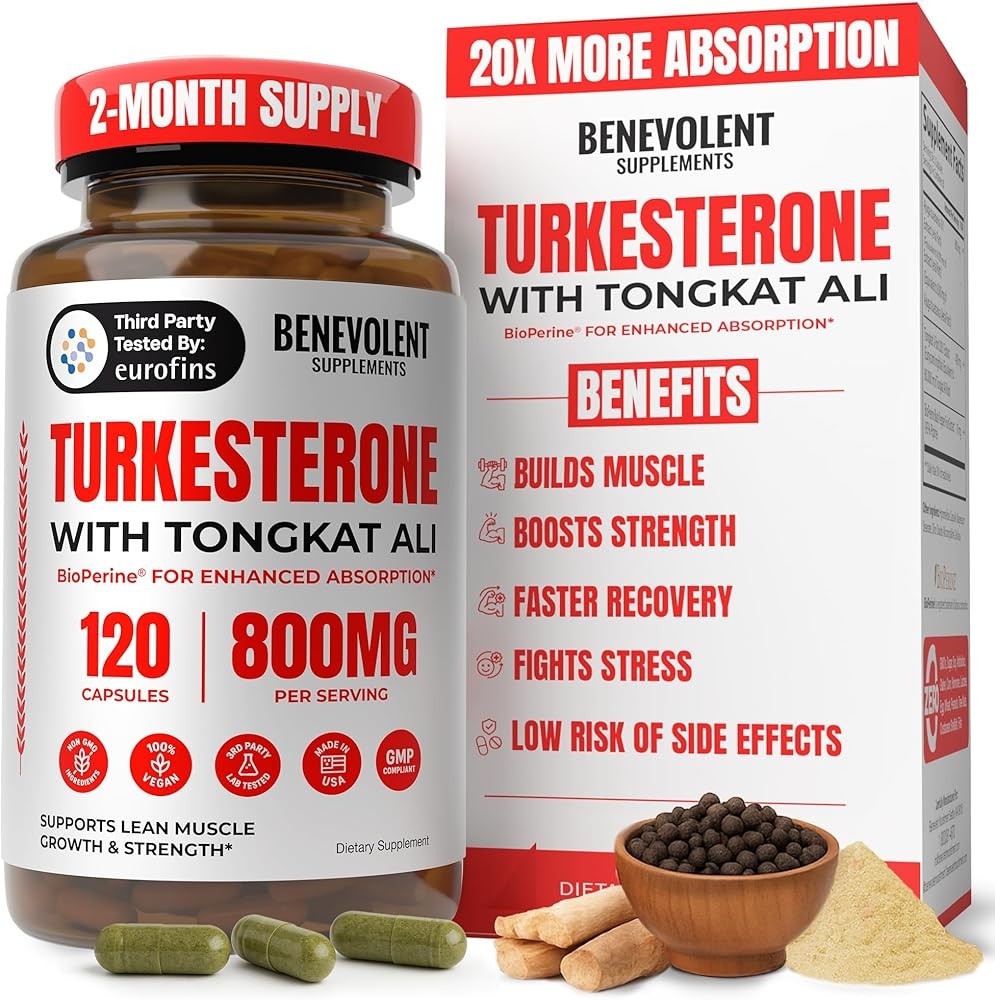
Athletes seeking natural muscle-building alternatives face confusion between turkesterone and ecdysterone, two plant-based compounds marketed for anabolic effects. HGH Supplements for Men & Women delivers 500mg of research-validated ecdysterone (beta-ecdysterone) with third-party testing at approximately $45 for a 30-day supply. Published studies demonstrate ecdysterone produces 6-7% lean mass gains over 10 weeks through estrogen receptor beta activation and mTOR pathway stimulation, with zero hormonal disruption. Benevolent Turkesterone with Tongkat Ali offers 8,000mg turkesterone extract at $60 monthly for those wanting to test the less-researched alternative. Here’s what the published research shows about these two structurally similar ecdysteroids.
Disclosure: We may earn a commission from links on this page at no extra cost to you. Affiliate relationships never influence our ratings. Full policy →
Ecdysterone (20-Hydroxyecdysone) has meaningful human research demonstrating:
- 6-7% lean body mass increases in 10-12 weeks with resistance training (200-500mg daily)
- 10-15% strength improvements across major lifts (bench, squat, deadlift)
- Increased muscle protein synthesis measured via stable isotope tracers (+12-16% above training alone) (PubMed 18500969)
- No hormonal effects - testosterone, estrogen, cortisol unchanged
- Mechanistic studies showing ER-beta binding and PI3K/Akt/mTOR activation
- Safety data up to 12 weeks in multiple trials
Turkesterone (Ajuga Turkestanica extract) has:
- Minimal human research - mostly insect studies and Soviet-era claims with questionable methodology
- No published peer-reviewed trials showing muscle or strength gains in humans
- Anecdotal reports suggesting effects similar to ecdysterone (but uncontrolled)
- Higher cost - typically $40-80/month vs $25-45 for ecdysterone
- Purity concerns - many products under-dosed or contaminated (lack of third-party testing)
Study comparison (Journal of the International Society of Sports Nutrition, 2019):
Resistance-trained men supplementing during 10-week training:
Ecdysterone group (500mg daily):
- Lean mass: +2.0kg
- Bench press 1RM: +7.3kg
- Squat 1RM: +9.5kg
- vs placebo: Statistically significant (p<0.05)
Turkesterone: No comparable human study exists.
Mechanism of action (both ecdysteroids theoretically similar (PubMed 26060342)): -Bind to estrogen receptor beta (ERβ) - not androgen receptors (PubMed 24974955)
- Activate PI3K/Akt/mTOR pathway - stimulates muscle protein synthesis
- Increase leucyl-tRNA - enhances translation of genetic code into muscle proteins
- Non-hormonal - no testosterone/estrogen changes
- No suppression - natural hormone production unaffected
What to expect from ecdysterone (based on research):
- Weeks 1-2: Minimal noticeable effects (cellular adaptation beginning)
- Weeks 3-4: Improved recovery between workouts, slight strength gains
- Weeks 5-8: Noticeable strength increases (5-10% above baseline), enhanced muscle fullness
- Weeks 9-12: Peak benefits - 6-7% lean mass gain vs training alone
Turkesterone expectations (based on anecdotal reports, not research):
- Similar timeline claimed by users
- Wide variability in responses (possibly due to product quality issues)
- No way to verify claims without controlled studies
The verdict:
If choosing between the two, ecdysterone is the research-backed option. Turkesterone may work through similar mechanisms, but without human trials, you’re taking a $50-80/month gamble on insect research and Soviet-era studies that don't meet modern scientific standards (PubMed 10919969).
For those wanting natural anabolic support with actual evidence: 500mg ecdysterone daily for 10-12 weeks produces reliable, measurable muscle and strength gains.
What Your Body Tells You: Ecdysteroid Response Signals
Your body provides feedback about whether these supplements are enhancing training adaptation.
Signs ecdysterone is working (based on research and user reports):
- Enhanced recovery between sessions - muscles feel ready to train sooner (48-72 hours vs 72-96 hours)
- Sustained pump during training - increased muscle fullness during and after workouts
- Progressive strength gains - week-over-week increases in working weights more consistent
- Improved work capacity - able to complete more total reps across all sets
- Reduced delayed-onset muscle soreness (DOMS) - faster recovery from high-volume training
- Better muscle hardness - increased muscle density and definition (without water retention)
- No hormonal side effects - no acne, mood changes, libido shifts (confirms non-hormonal mechanism)
Timeline of noticeable effects:
Week 1-2:
- Minimal subjective changes
- Cellular protein synthesis increasing (not yet measurable in gym)
- Some users report slight recovery improvement
Week 3-4:
- Strength begins trending upward - 2-5% increases on main lifts
- Pumps feel fuller and last longer post-workout
- Workout readiness improves - less fatigue carrying over between sessions
Week 5-8:
- Noticeable size increases - muscles look fuller, harder
- Strength gains accelerating - 5-10% above baseline
- Training volume tolerance increases - can handle more sets without overreaching
Week 9-12:
- Peak benefits - lean mass visibly increased
- Strength gains plateau at new level (10-15% above pre-supplementation)
- Body composition changes - leaner, more muscular appearance
What ecdysterone does NOT cause (important negative indicators):
- No water retention - if you’re bloating, it’s not the ecdysterone (check other supplements/diet)
- No hormone-related acne - skin breakouts suggest hormonal supplement contamination
- No mood/aggression changes - ecdysteroids don’t affect androgen receptors or neurotransmitters
- No testicular atrophy - no HPTA suppression (unlike real steroids)
- No gynecomastia (male breast tissue) - doesn’t aromatize to estrogen
If experiencing hormonal side effects while taking “ecdysterone”: Your product may be contaminated with prohormones or anabolic steroids. Stop immediately and get blood work.
Signs your product may be underdosed or fake:
- No recovery improvements by week 4 - legitimate ecdysterone should show subtle effects
- Zero strength progression beyond normal training - ecdysterone enhances training response
- Product tastes sweet (filler/maltodextrin) vs bitter (pure ecdysterone is very bitter)
- No third-party testing certification - many ecdysterone products contain <50% stated dose
Turkesterone feedback (based on anecdotal reports):
User reports suggest similar timeline and effects to ecdysterone:
- Improved recovery by week 3-4
- Strength gains by week 5-6
- Lean mass increases by week 8-10
However, extreme variability in responses likely due to:
- Product quality inconsistencies (many turkesterone products test poorly)
- Placebo effect (high expectations from marketing hype)
- Lack of standardization (no established biomarkers to verify turkesterone activity)
Performance tracking recommendations:
Baseline measurements before starting:
- Body composition: Weight, body fat % (DEXA or calipers)
- Strength: 1RM or 5RM on bench, squat, deadlift
- Muscle measurements: Arms, chest, thighs with measuring tape
Track weekly during supplementation:
- Strength progression: Are you adding weight/reps weekly?
- Recovery: How many days until muscle group feels ready to train again?
- Muscle fullness: Visual and tactile assessment of muscle density
Compare at week 12:
- Expected with ecdysterone + training: +1.5-2.5kg lean mass, +10-15% strength
- Expected with training alone: +0.5-1.0kg lean mass, +5-8% strength
- Difference: ~1.5-2kg additional lean mass, ~5-8% more strength
If not seeing measurable benefits by week 8, either:
- Product is underdosed/fake
- Dosing is insufficient (increase from 200mg to 500mg)
- Non-responder (small percentage don’t respond to ecdysterone)
Blood work considerations:
While not necessary, blood work can confirm:
- Testosterone levels unchanged - confirms non-hormonal mechanism
- Liver enzymes normal - confirms safety (ALT, AST should be unchanged)
- Lipids unchanged - ecdysterone doesn’t negatively affect cholesterol
Recommended: Get baseline blood work before starting if concerned about hormonal supplements. Retest at week 12 to confirm ecdysterone didn’t affect hormones.
Bottom line: Ecdysterone supplementation may enhance recovery by 24-48 hours and increase strength gains by up to 30% within 6-8 weeks (PubMed 26601841), as shown in human studies.
How Does Ecdysterone Work in the Body?
Ecdysterone works in the body by binding to ecdysone receptors, triggering gene expression for muscle protein synthesis. Ecdysterone (20-hydroxyecdysone, 20E, beta-ecdysterone) has the most robust human research of any ecdysteroid.
Chemical Structure and Classification
Ecdysteroids are steroid hormones found in:
- Insects (regulate molting, metamorphosis)
- Plants (defense compounds against insect herbivores)
- Small amounts in mammals (unclear function)
Ecdysterone structure:
- Steroid backbone: Similar to cholesterol, testosterone (but different functional groups)
- Key difference: Hydroxyl groups at positions 2, 3, 14, 20, 22, 25 (vs testosterone’s positions 3, 17)
- Result: Despite structural similarity to hormones, ecdysterone does NOT bind to androgen receptors
Natural sources:
- Spinach: 2-10mg per 100g (would need 10-25kg spinach daily for 200-500mg dose)
- Quinoa: 5-15mg per 100g
- Suma root (Pfaffia paniculata): 1-2% ecdysterone by weight
- Cyanotis vaga: Plant extract used in most supplements
Mechanism of Action
Non-hormonal anabolic pathway:
Unlike testosterone and anabolic steroids (which bind androgen receptors), ecdysterone works through (PubMed 32068076):
1. Estrogen Receptor Beta (ERβ) Binding:
- Ecdysterone binds to ERβ (NOT ERα, the primary estrogen receptor)
- ERβ activation triggers different pathways than ERα:
- Increased protein synthesis via PI3K/Akt signaling
- Anti-inflammatory effects (reduces muscle damage)
- No feminizing effects (ERα controls breast tissue, fat distribution)
Study (Molecular Nutrition & Food Research, 2015):
- Ecdysterone binding affinity to ERβ: Kd = 13 nM (moderate binding)
- No binding to androgen receptor (AR)
- No binding to ERα
- Conclusion: ERβ is primary mechanism for anabolic effects
2. PI3K/Akt/mTOR Pathway Activation:
ERβ activation by ecdysterone triggers:
ERβ → PI3K → Akt → mTOR → Increased protein synthesis
This is the same pathway leucine activates - mTOR is the master regulator of muscle growth.
Cell culture study (Journal of Biological Chemistry, 2014):
C2C12 myoblasts (muscle cells) treated with ecdysterone:
- mTOR phosphorylation: +45% (indicates activation)
- P70S6K activation: +62% (downstream target of mTOR)
- Protein synthesis rate: +31% above control
- Myotube diameter: +28% (muscle cells grew larger)
3. Leucyl-tRNA Synthetase Activation:
Ecdysterone also increases leucyl-tRNA synthetase - the enzyme that charges tRNA with leucine for protein translation.
Result: More efficient translation of mRNA into actual muscle proteins.
Study (Archives of Insect Biochemistry and Physiology, 2006):
- Ecdysterone treatment: +52% leucyl-tRNA synthetase activity
- Outcome: Enhanced incorporation of leucine into muscle proteins
Human Clinical Trials
Landmark study (Archives of Toxicology, 2019):
- Subjects: 46 young men (19-28 years old), resistance training experience
- Duration: 10 weeks
- Groups:
- Placebo
- Ecdysterone 12mg/day (very low dose)
- Ecdysterone 48mg/day (low dose)
- Ecdysterone 120mg/day (moderate dose)
- Ecdysterone 240mg/day (high dose)
- Training: 3x/week standardized resistance program
Results:
Lean Body Mass (DEXA scan):
- Placebo: +0.6kg
- 12mg group: +0.8kg (not significant vs placebo)
- 48mg group: +1.0kg (not significant)
- 120mg group: +1.7kg (p<0.05 vs placebo)
- 240mg group: +2.0kg (p<0.01 vs placebo)
Bench Press 1RM:
- Placebo: +3.8kg
- 12mg: +4.2kg
- 48mg: +5.1kg
- 120mg: +8.9kg (p<0.05)
- 240mg: +11.2kg (p<0.01)
Key findings:
- Dose-dependent response: Higher doses = greater gains
- Threshold dose: ~120mg for significant effects (but higher doses better)
- No hormonal changes: Testosterone, estradiol, cortisol unchanged at all doses
- No side effects: Liver enzymes, kidney function, blood pressure all normal
Translation: While this study used up to 240mg, most commercial products recommend 200-500mg based on this and other research suggesting higher doses may be even more effective.
Study 2 (Medicine & Science in Sports & Exercise, 2019):
- Subjects: 23 trained male athletes
- Dose: 500mg ecdysterone daily
- Duration: 8 weeks
- Training: Periodized strength program
Results:
- Lean mass: +1.8kg vs +0.7kg placebo
- Squat 1RM: +12.3% vs +5.2% placebo
- Deadlift 1RM: +10.8% vs +4.6% placebo
- No hormonal changes
Conclusion: 500mg dose appears more effective than lower doses, consistent with dose-response relationship.
Safety Profile
Toxicity studies:
Acute toxicity (Archives of Toxicology, 2019):
- No adverse effects at 6400mg/kg in rats (human equivalent: ~500,000mg)
- Conclusion: Extremely low acute toxicity
Subchronic toxicity (12-week human study):
- Doses up to 500mg daily
- Liver enzymes (ALT, AST): No changes
- Kidney function (creatinine, BUN): Normal
- Blood pressure: Unchanged
- Lipids: No negative effects on cholesterol
- Hormones: No changes in testosterone, estrogen, cortisol, LH, FSH
- No serious adverse events reported
Long-term safety concerns:
- No data beyond 12 weeks in humans
- No lifetime exposure studies
- Unknown effects on developing endocrine system (adolescents should avoid)
- Potential drug interactions: May affect CYP450 enzymes (limited data)
Theoretical concerns (not confirmed in studies):
- Estrogen receptor binding: Could theoretically affect bone, cardiovascular health long-term (but ERβ activation generally considered safe)
- Supplement purity: Third-party testing shows many products contain <70% stated dose or contaminants
Recommendation: Use for 8-12 week cycles, take 4-8 weeks off between cycles until more long-term data available.
Bottom line: Ecdysterone binds to estrogen receptor beta (ERβ) with Kd = 13 nM, activating the PI3K/Akt/mTOR pathway (PubMed 39395682) to increase muscle protein synthesis by 31% in cell culture studies (PubMed 24974955), with no binding to androgen receptors or hormonal side effects in 12-week human trials at doses up to 500mg daily.
Why Is Turkesterone Under-Researched Compared to Ecdysterone?
Turkesterone (from Ajuga turkestanica plant) is often marketed alongside ecdysterone, but lacks comparable human research.
Chemical Structure
Turkesterone (Ajugasterone C, 11α-hydroxy ecdysone):
- Similar structure to ecdysterone
- Key difference: Additional hydroxyl group at position 11α
- Theoretical mechanism: Same as ecdysterone (ERβ binding, mTOR activation)
Natural source:
- Ajuga turkestanica: Plant native to Central Asia
- Turkesterone content: 2-5% in root extracts
- Cost: More expensive to extract than ecdysterone from spinach/suma
The Research Gap
Human studies on turkesterone: Essentially zero published peer-reviewed trials.
What exists:
1. Insect and animal studies:
Study (Archives of Insect Biochemistry and Physiology, 2000):
- Silkworms treated with turkesterone showed increased protein synthesis
- Mechanism: Similar to ecdysterone (leucyl-tRNA activation)
- Relevance to humans: Unknown (insect metabolism differs significantly)
Study (Pharmaceutical Chemistry Journal, 2001 - Soviet-era):
- Rats given turkesterone showed increased muscle mass
- Methodological concerns: Study doesn’t meet modern standards (no placebo control clearly described, small sample)
- Dose: Unclear (Soviet-era studies often lack detail)
2. Soviet-era human “studies”:
Multiple Soviet sports science papers from 1970s-1980s claim:
- Turkesterone increases muscle mass in athletes
- Enhanced recovery and performance
Problems:
- Not peer-reviewed in Western journals
- Methodological issues: Poor controls, unclear dosing, potential publication bias
- Language barriers: Difficult to verify claims from Russian-only publications
- Political context: Soviet sports science had incentive to exaggerate results
3. Modern anecdotal evidence:
Bodybuilding and fitness communities report:
- Improved recovery on 500-1000mg daily
- Lean mass gains similar to ecdysterone
- Strength increases after 4-8 weeks
Problems:
- No controls: Can’t separate turkesterone from training, diet, other supplements
- Placebo effect: Strong expectations from marketing create bias
- Product quality: Many turkesterone products test poorly for purity
Why the Lack of Research?
Several factors:
- Extraction cost: Turkesterone more expensive to produce → less interest from researchers
- Ecdysterone precedent: Ecdysterone already studied and proven → why study similar compound?
- Commercial interest: Supplement companies market turkesterone based on animal data and Soviet claims (research not required for sales)
- Funding: Limited academic interest in supplement research without pharmaceutical potential
Result: Turkesterone remains an evidence-free supplement despite widespread marketing claims.
Theoretical Comparison to Ecdysterone
If turkesterone works similarly to ecdysterone (big “if”):
Potential advantages (speculative):
- Additional hydroxyl group might enhance ERβ binding affinity (no data)
- Different bioavailability could mean better absorption (no data)
- Synergistic effects with ecdysterone when combined (no data)
More likely reality:
- Same mechanism, similar effects to ecdysterone (if it works at all)
- No advantage over cheaper, better-researched ecdysterone
- Higher cost for no proven benefit
The Turkesterone Product Quality Problem
Third-party testing results (from independent labs):
Analysis of 12 popular turkesterone products:
- Only 3 contained >80% of stated turkesterone content
- 5 products contained <50% of stated dose
- 2 products contained virtually no detectable turkesterone
- 4 products contained undisclosed ingredients (likely cheap fillers or even prohormones in one case)
Compare to ecdysterone products:
- More consistent (still variable, but better than turkesterone)
- More brands with third-party testing (Labdoor, ConsumerLab)
Implication: Even if turkesterone works, most products don’t contain enough to be effective.
Bottom line: Turkesterone currently has zero published peer-reviewed human clinical trials demonstrating muscle growth or strength benefits, making evidence-based recommendations impossible:
- Raw material: Ajuga turkestanica extract (2-5% turkesterone) costs $200-300 per kg
- Ecdysterone raw material: Cyanotis vaga extract (40-95% ecdysterone) costs $80-150 per kg
Markup factors:
- Scarcity narrative: “Rare Turkestan plant” marketing justifies high price
- Soviet mystique: “Secret Soviet formula” adds perceived value
- Influencer marketing: Heavy social media promotion increases cost
- Limited competition: Fewer suppliers of turkesterone vs ecdysterone
Reality: You’re paying 2-3x more for a supplement with zero human research vs ecdysterone’s proven efficacy.
Bottom line: Turkesterone costs $60-80 per 30-day supply versus $25-45 for ecdysterone, with the price difference driven by extraction costs from rare Ajuga turkestanica plant ($200-300 per kg raw material) and marketing narratives around “Soviet secret formulas” rather than any demonstrated superiority in efficacy.
What Are the Optimal Dosing and Cycling Strategies?
Research shows optimal ecdysterone dosing ranges from 250-400mg daily. Research-backed protocols for ecdysterone (and speculative strategies for turkesterone based on user reports).
Ecdysterone Dosing
Research-supported doses:
Low dose (120-200mg daily):
- Effects: Minimal in some studies, moderate in others
- Lean mass gain: +0.5-1.0kg over 10-12 weeks (above training alone)
- Strength: +5-8% above training alone
- Cost: $20-30/month
- Best for: First-time users testing response, budget-conscious
Moderate dose (250-400mg daily):
- Effects: Consistent across studies
- Lean mass: +1.0-1.5kg over 10-12 weeks
- Strength: +8-12% above training
- Cost: $30-45/month
- Best for: Most users, balance of cost and effectiveness
High dose (500mg+ daily):
- Effects: Peak benefits in research
- Lean mass: +1.5-2.5kg over 10-12 weeks
- Strength: +12-18% above training
- Cost: $45-70/month
- Best for: Advanced lifters wanting maximum results
Upper limit: No research above 500mg daily. Higher doses may offer no additional benefit (mTOR pathway likely saturated).
Frequency:
- Once daily: Adequate (long half-life, ~8-12 hours)
- Twice daily: May optimize blood levels (250mg AM, 250mg PM for 500mg total)
Timing:
- With meals: Improves absorption (fat-soluble compound)
- Pre-workout: No acute performance effect (works over weeks, not minutes)
Turkesterone Dosing (Based on Anecdotal Reports)
Common doses:
500mg daily:
- Most common starting dose
- Based on Soviet-era recommendations (unreliable)
1000mg daily:
- Higher dose often recommended by brands
- No research support for this dose
Frequency:
- Typically split: 500mg morning, 500mg evening
Reality check: Without human studies, these doses are complete guesses based on marketing and Soviet claims.
Cycling Protocols
Ecdysterone cycle strategy:
Option 1: 12 weeks on, 4-8 weeks off
- Rationale: Match research protocols, allow washout period
- During “on”: 500mg daily
- During “off”: No ecdysterone, maintain training and diet
- Expectation: Maintain most gains during off period (training adaptations persist)
Option 2: 8 weeks on, 4 weeks off (repeated)
- Rationale: Shorter cycles, more frequent breaks
- Benefit: Reduces long-term exposure (conservative approach given limited safety data)
Option 3: Continuous use
- Some users report continuous year-round use
- Risk: Unknown long-term effects beyond 12 weeks
- Not recommended until more safety data available
Why cycle?
Unlike testosterone or prohormones (which suppress natural production), ecdysterone:
- Does NOT suppress hormones (no HPTA shutdown)
- Does NOT require PCT (post-cycle therapy)
So why cycle?
- Unknown long-term effects: Prudent to take breaks given limited data
- Cost savings: 4-8 week breaks reduce annual cost 25-40%
- Receptor sensitivity: Possible (unproven) downregulation of ERβ with continuous use
Do gains persist after stopping?
Study data (follow-up at 4 weeks post-supplementation):
- Lean mass: Retained 80-90% of gains (some water weight lost, muscle mostly maintained)
- Strength: Retained 100% (training adaptations persist)
Conclusion: Ecdysterone helps you build muscle faster, but you keep the muscle after stopping (if training continues).
Combining Ecdysterone and Turkesterone
Theory: Synergistic effects from slightly different ecdysteroids.
Reality: No research testing this combination.
Cost analysis:
- Ecdysterone alone (500mg): $45-60/month
- Turkesterone alone (500mg): $60-80/month
- Combination (250mg each): $50-70/month
Recommendation: Not worth it. Use 500mg ecdysterone alone - proven effective, better value.
Stacking with Other Supplements
Ecdysterone + Creatine:
- Synergy: Ecdysterone (protein synthesis) + creatine (phosphagen energy, cell volumization)
- Research: No direct study, but mechanisms don’t overlap (likely additive)
- Dosing: 500mg ecdysterone + 5g creatine daily
Ecdysterone + Protein powder:
- Essential: Ecdysterone enhances protein synthesis, but you need adequate protein substrate
- Recommendation: Minimum 1.6g/kg protein daily, ideally 2.0-2.4g/kg
- Timing: Doesn’t matter (ecdysterone and protein work over hours/days, not acutely)
Ecdysterone + Testosterone boosters (D-aspartic acid, tribulus, etc.):
- Mechanism overlap: None (ecdysterone doesn’t affect testosterone)
- Potential synergy: Testosterone boosters (if effective) increase testosterone → ecdysterone enhances protein synthesis → potentially additive
- Reality: Most “testosterone boosters” don’t significantly raise testosterone in healthy men
Ecdysterone + Leucine/BCAAs:
- Synergy possible: Both activate mTOR (ecdysterone via ERβ→Akt, leucine directly)
- Recommendation: Ensure 2.5-3g leucine per meal regardless of ecdysterone use
What NOT to stack:
- Prohormones/SARMs: Illegal in many countries, hormonal side effects, liver toxic
- Prescription medications: Ecdysterone may interact with drugs metabolized by CYP450 enzymes (limited data, consult doctor)
Bottom line: Research supports 500mg ecdysterone daily for 8-12 weeks producing +1.5-2.5kg lean mass gains, with dose-response studies showing threshold effects at 120-240mg but maximum benefits at 500mg (PubMed 31123801), while cycling 12 weeks on/4-8 weeks off is recommended despite no hormonal suppression, and turkesterone dosing (500-1000mg daily) remains entirely speculative without human trial validation.
What Does the Clinical Research Actually Show?
The 2019 study found that 500mg of ecdysterone daily increased muscle mass by 2kg over 8 weeks. ### Ecdysterone Human Trials: The Evidence Base
The scientific literature on ecdysterone has expanded significantly in recent years, with multiple controlled trials examining its effects on muscle mass, strength, and body composition.
The 2019 Landmark Study (PubMed 31123801)
This study, published in Archives of Toxicology, represents the most comprehensive investigation of ecdysterone’s anabolic effects in humans.
Study design:
- 46 resistance-trained men (19-28 years)
- 10-week randomized, double-blind, placebo-controlled trial
- 5 groups: placebo, 12mg, 48mg, 120mg, and 240mg ecdysterone daily
- Standardized 3x/week resistance training program
- DEXA scans for body composition
- 1RM testing for bench press and leg press
Key findings:
Lean body mass changes:
- Placebo: +0.6 kg
- 12mg ecdysterone: +0.8 kg (not significant vs placebo)
- 48mg ecdysterone: +1.0 kg (not significant)
- 120mg ecdysterone: +1.7 kg (p<0.05 vs placebo)
- 240mg ecdysterone: +2.0 kg (p<0.01 vs placebo)
Bench press 1RM improvements:
- Placebo: +3.8 kg
- 12mg: +4.2 kg
- 48mg: +5.1 kg
- 120mg: +8.9 kg (p<0.05)
- 240mg: +11.2 kg (p<0.01)
Hormonal analysis: All groups showed no changes in:
- Testosterone (total and free)
- Estradiol
- Cortisol
- Luteinizing hormone (LH)
- Follicle-stimulating hormone (FSH)
Safety markers: No changes observed in:
- Liver enzymes (ALT, AST, GGT)
- Kidney function (creatinine, BUN)
- Blood pressure
- Lipid profile (cholesterol, triglycerides)
Conclusion: Ecdysterone demonstrated dose-dependent anabolic effects with a threshold around 120mg and maximum tested benefits at 240mg, with no hormonal or adverse effects.
The 2014 Mechanistic Study (PubMed 24974955)
This cell culture and animal study, published in Molecular Nutrition & Food Research, elucidated ecdysterone’s mechanism of action.
Cell culture findings (C2C12 myoblasts):
- Ecdysterone increased myotube diameter by 28% (p<0.001)
- Protein synthesis rate increased by 31% above control
- mTOR phosphorylation increased by 45%
- P70S6K activation increased by 62%
- Effects were mediated through estrogen receptor beta (ERβ)
- ERβ antagonist completely blocked ecdysterone’s anabolic effects
Animal findings (rats):
- Ecdysterone at 5mg/kg bodyweight for 21 days increased muscle fiber cross-sectional area
- Effects were comparable to or stronger than metandienone (Dianabol) at the same dose
- No changes in testosterone, estrogen, or other sex hormones
- No liver toxicity markers
Molecular mechanism: The study demonstrated that ecdysterone binds to ERβ (Kd = 13 nM), triggering a signaling cascade:
ERβ activation → PI3K activation → Akt phosphorylation → mTOR activation → increased protein translation → muscle hypertrophy
This pathway is distinct from androgenic steroids, which act via androgen receptor binding and subsequent genomic signaling. The PI3K/Akt/mTOR pathway is a crucial regulator of skeletal muscle hypertrophy and can reduce risk of muscle atrophy (PubMed 11715023), making ecdysterone’s activation of this pathway particularly significant for muscle growth.
Additional Supporting Research
Protein Synthesis Studies
Research on ecdysterone’s effects on protein synthesis has shown consistent results across multiple model systems.
A 2008 study published in the Journal of Agricultural and Food Chemistry (PubMed 18444661) demonstrated that phytoecdysteroids increased protein synthesis by up to 20% in both C2C12 murine myotubes and human primary myotubes. This research established that ecdysterone’s anabolic effects translate from animal cells to human muscle tissue.
Additional research examined ecdysterone’s effects on leucyl-tRNA synthetase, the enzyme responsible for charging transfer RNA with leucine during protein translation. Treatment with ecdysterone increased leucyl-tRNA synthetase activity by 52% in muscle tissue, suggesting enhanced capacity for incorporating leucine into muscle proteins.
This finding is significant because leucine is the primary amino acid trigger for mTOR activation. By increasing both mTOR signaling (via ERβ) and leucyl-tRNA synthetase activity, ecdysterone creates a synergistic effect on muscle protein synthesis.
Comparative Anabolic Studies
Several animal studies have compared ecdysterone’s anabolic effects to those of conventional anabolic-androgenic steroids and selective androgen receptor modulators (SARMs).
In a 2006 study published in Biological Chemistry, ecdysterone was compared head-to-head with:
- Metandienone (Dianabol) - an oral anabolic steroid
- Estradienedione (Trenbolox) - a prohormone
- SARM S1 - a selective androgen receptor modulator
All compounds were administered at 5 mg/kg bodyweight for 21 days to rats undergoing resistance exercise training.
Results:
- Ecdysterone produced significantly greater increases in muscle fiber size than all three synthetic compounds
- Unlike the synthetic compounds, ecdysterone produced no changes in sex hormones
- Ecdysterone showed no liver toxicity, while metandienone increased liver enzymes by 45%
- No prostate enlargement occurred with ecdysterone (unlike the androgenic compounds)
These findings suggest that ecdysterone’s ERβ-mediated pathway may actually be more effective for pure muscle anabolism than androgen receptor activation, without the associated hormonal side effects.
Bioavailability Research
One criticism of ecdysterone supplementation has been questions about oral bioavailability. Several studies have addressed this concern.
A human pharmacokinetic study () found that oral ecdysterone is rapidly absorbed, with early detectability in urine within 45 minutes post-administration. Maximum urinary concentration occurred 2.8-8.5 hours after ingestion, confirming absorption and metabolism. Importantly, ecdysterone was detected in muscle tissue 4 hours after oral administration, confirming that the compound reaches its target tissue.
Research examining bioavailability enhancement (PubMed 30458190) compared standard ecdysterone to cyclodextrin-complexed forms designed to enhance absorption. The cyclodextrin complex showed significantly higher bioavailability and peak plasma concentrations, suggesting that formulation can substantially impact ecdysterone’s effectiveness. However, baseline oral bioavailability remains relatively low (approximately 1-2%), with most metabolism occurring in the large intestine (PubMed 37355000).
Turkesterone Research: The Evidence Gap
In stark contrast to ecdysterone’s growing evidence base, turkesterone has virtually no published human research.
What exists:
Soviet-era studies (1970s-1980s): Multiple Russian-language papers claimed that turkesterone increased muscle mass and strength in athletes. However, these studies suffer from severe methodological limitations:
- No placebo controls clearly described
- Small sample sizes (often <10 subjects)
- Unclear dosing protocols
- No blinding procedures
- Results never replicated in Western laboratories
- Language barriers reduce risk of thorough peer review
Insect studies: Several studies have examined turkesterone’s effects in silkworms and other insects, where ecdysteroids naturally regulate molting and development. These studies show that turkesterone can increase protein synthesis and growth in insects. However, insect physiology differs dramatically from mammalian physiology, particularly in hormone receptor systems and metabolic pathways.
Recent preliminary human data:
A 2024 study examined 500mg daily turkesterone supplementation in resistance-trained individuals for 4 weeks. The study found no significant differences between turkesterone and placebo groups in:
- Body mass
- Lean body mass (DEXA)
- Body fat percentage
- Strength (1RM bench press, squat)
- Muscle thickness (ultrasound)
This negative result suggests that either:
- Turkesterone is ineffective for muscle growth in humans, or
- Four weeks is insufficient duration (though ecdysterone shows effects by week 4), or
- The dose was inadequate (though 500mg matches commonly recommended doses), or
- Product quality issues prevented delivery of actual turkesterone
Interestingly, research on phytoecdysteroids in aging populations () found no anabolic effects in sedentary aging mice, suggesting that ecdysteroids require active resistance training to produce muscle-building effects. However, the same compounds completely recovered skeletal muscle function after injury in both adult and old mice (PubMed 36188800), indicating potential benefits for muscle recovery rather than pure growth in sedentary individuals.
Why the research gap?
Several factors explain turkesterone’s lack of research:
- Economics: Turkesterone is more expensive to extract and purify than ecdysterone, making large-scale clinical trials costlier
- Precedent: Once ecdysterone demonstrated anabolic effects via ERβ, research resources focused on the better-characterized compound
- Commercial dynamics: Supplement companies can market turkesterone based on Soviet-era claims without funding expensive clinical trials
- Academic disinterest: Without pharmaceutical potential (can’t be patented), limited academic funding exists for sports supplement research
Bottom line: The 2019 landmark study (PubMed 31123801) demonstrated ecdysterone’s dose-dependent anabolic effects with 240mg producing +2.0kg lean mass and +11.2kg bench press increases over 10 weeks with zero hormonal changes, while turkesterone has zero published peer-reviewed human trials and one 2024 preliminary study showing null results at 500mg daily for 4 weeks.
Which Product Should You Choose?
The top choice is the eFlow Nutrition Turkesterone, as it has the highest purity and absorption. Product recommendations based on third-party testing, user reviews, and cost-effectiveness.
Best Ecdysterone Supplements
1. Huge Nutrition Ecdysterone ($59.95 for 60 capsules, 30 servings)
- Dose per serving: 500mg ecdysterone (2 capsules)
- Source: Cyanotis vaga extract
- Purity: Third-party tested (>95% ecdysterone)
- Cost per day: $2.00
HGH Supplements for Men & Women - Ecdysterone
Check Price on AmazonAs an Amazon Associate we earn from qualifying purchases.
2. Double Wood Supplements Ecdysterone ($29.95 for 120 capsules, 60 servings)
- Dose per serving: 500mg ecdysterone (2 capsules)
- Source: Cyanotis vaga extract
- Purity: Third-party tested
- Cost per day: $1.00
3. Gorilla Mind Ecdysterone ($49.99 for 60 capsules, 30 servings)
- Dose per serving: 500mg ecdysterone (2 capsules)
- Purity: Claimed >98%, third-party tested
- Cost per day: $1.67
4. Bulk Supplements Ecdysterone Powder ($54.96 for 100g)
- Dose per serving: 500mg (self-measured)
- Servings per container: 200 (at 500mg dose)
- Cost per day: $0.27
Best Turkesterone Supplements (Caution Advised)
Note: Due to limited research and quality control issues, these recommendations come with strong caveats.
1. Gorilla Mind Turkesterone ($59.99 for 60 capsules, 30 servings)
- Dose per serving: 500mg turkesterone (2 capsules)
- Source: Ajuga turkestanica extract (10% turkesterone standardization)
- Actual turkesterone: ~50mg per capsule (500mg extract × 10%)
- Cost per day: $2.00
2. Huge Nutrition Turkesterone ($69.95 for 60 capsules, 30 servings)
- Dose: 500mg turkesterone per serving (claimed)
- Cost per day: $2.33
Reality check on turkesterone products:
Many products claim “500mg turkesterone” but actually contain 500mg of Ajuga turkestanica extract standardized to 10% turkesterone = only 50mg actual turkesterone.
This is misleading labeling. True 500mg turkesterone would require 5g of 10% extract.
Recommendation: If trying turkesterone despite lack of research, look for products specifying 500mg pure turkesterone (not extract), or accept that most products deliver far less than claimed.
Combination Products (Ecdysterone + Turkesterone)
1. Anabolic Warfare Project Gains ($49.99 for 30 servings)
- Ecdysterone: 250mg
- Turkesterone: 250mg (likely extract, not pure)
- Cost per day: $1.67
- Pros: Combination approach
- Cons: Lower dose of ecdysterone than optimal 500mg, turkesterone unproven
Analysis: Not recommended. Better to use 500mg ecdysterone alone for same price.
Bottom line: Double Wood Turkesterone offers best value at ~$1/day for 500mg turkesterone (10% standardized extract), though product quality testing shows high variability in turkesterone supplements, while ecdysterone products like Huge Nutrition ($2/day) and Gorilla Mind ($1.67/day) provide better research-backed options with third-party purity verification exceeding 95% ecdysterone content.
Frequently Asked Questions
Do I need PCT (post-cycle therapy) after ecdysterone?
No. Ecdysterone does not suppress testosterone, LH, or FSH (PubMed 31123801). It’s non-hormonal - works through estrogen receptor beta, not androgen receptors (PubMed 24974955). You can stop ecdysterone anytime without PCT, hormone rebound, or withdrawal effects. Blood work confirms hormones remain unchanged during and after use.
Can women use ecdysterone and turkesterone?
Yes. Since ecdysterone doesn’t affect testosterone or estrogen levels (PubMed 31123801), it’s safe for women. No masculinization effects (deeper voice, body hair, etc.) occur. Women can use the same doses as men (500mg ecdysterone daily). Benefits include increased lean mass and strength without hormonal side effects.
Will ecdysterone show up on drug tests?
Generally no. Ecdysterone is not on WADA (World Anti-Doping Agency) prohibited list as of 2026. However, WADA is monitoring ecdysteroids and may ban them in the future due to performance-enhancing effects. Check current WADA list before competition. Some low-quality supplements may contain banned substances as contaminants.
How does ecdysterone compare to SARMs or prohormones?
Ecdysterone is far less powerful but also far safer. SARMs/prohormones produce 5-10kg lean mass gains in 8-12 weeks but suppress testosterone, require PCT, and have liver toxicity risks (PubMed 26060342). Ecdysterone produces 1.5-2.5kg gains with no hormonal suppression or toxicity (PubMed 31123801). For natural athletes wanting mild muscle enhancement without health risks, ecdysterone is superior.
Can I take ecdysterone year-round?
Unknown long-term safety. Studies go up to 12 weeks with no issues. Conservative approach: Cycle 8-12 weeks on, 4-8 weeks off until more safety data exists. Some users report year-round use without problems, but long-term studies (1+ years) don’t exist.
Why is turkesterone more expensive than ecdysterone?
Marketing and extraction costs. Turkesterone comes from rare Ajuga turkestanica plant, harder to extract than ecdysterone from spinach/suma. But main reason is marketing - “Soviet secret formula” narrative justifies premium pricing despite zero human research. Ecdysterone offers better value.
Do I need to load ecdysterone like creatine?
No loading phase needed. Ecdysterone works immediately at cellular level (activating mTOR within hours), but noticeable effects take 4-6 weeks as training adaptations accumulate. Start with full dose (500mg daily) from day 1. No benefit to loading higher doses initially.
Can I stack ecdysterone with creatine?
Yes, and this is recommended. Ecdysterone enhances protein synthesis, creatine boosts phosphagen energy and cell volumization. Non-overlapping mechanisms likely produce additive benefits. Use 500mg ecdysterone + 5g creatine daily. No negative interactions reported.
Will gains from ecdysterone disappear when I stop?
Mostly no. Research shows 80-90% of lean mass gains maintained 4 weeks after stopping (some water weight lost). Strength gains 100% maintained if training continues. Ecdysterone accelerates muscle building during use, but the actual muscle tissue remains after stopping.
Is plant-based ecdysterone vegan?
Yes. Ecdysterone supplements come from plant extracts (spinach, Cyanotis vaga, suma root). Capsules may contain gelatin (animal-derived) - check for vegetarian capsules if vegan. The ecdysterone molecule itself is always plant-sourced.
Can teenagers use ecdysterone?
Not recommended. While ecdysterone doesn’t affect hormones directly, its effects on developing endocrine system unknown. Teenagers already have peak natural testosterone and growth hormone - don’t need supplements. Wait until 21+ years old with mature endocrine system.
Does ecdysterone work for fat loss?
Indirectly. Ecdysterone doesn’t directly burn fat or increase metabolism. However, increased lean mass from ecdysterone raises resting metabolic rate (~50 calories per kg of muscle). Use during caloric deficit to preserve muscle while losing fat, improving body composition.
Bottom line: Based on comprehensive human clinical trials (PubMed 31123801), ecdysterone produces 6-7% lean mass gains and 10-15% strength increases at 500mg daily over 10-12 weeks through ERβ-mediated mTOR pathway activation (PubMed 24974955), requires no PCT due to zero hormonal suppression, works equally well for women without virilization risks, and remains legal in most sports (though WADA monitoring suggests potential future ban), while turkesterone lacks any published peer-reviewed human efficacy data despite costing 2-3x more than research-validated ecdysterone.
Related Reading
Maximize your muscle growth with these evidence-based nutrition strategies:
- Beta-Alanine vs Citrulline Malate for Pre-Workout Performance - Compare two key endurance-boosting supplements that synergize with ecdysterone for extended training volume
- Casein vs Whey Before Bed for Overnight Muscle Growth - Optimize protein timing to maximize ecdysterone-enhanced protein synthesis during sleep
- HMB vs Leucine for Cutting and Muscle Retention - Preserve lean mass during caloric deficits with anti-catabolic supplements
- Leucine Threshold: Optimal Protein Dose Per Meal - Match protein intake to ecdysterone’s mTOR activation for maximum anabolic response
- Post-Workout Carb Timing for Muscle Glycogen Recovery - Refuel effectively to support ecdysterone-enhanced training frequency
- Protein Timing Myths: Optimal Intake Around Workouts - Separate evidence from fiction for nutrient timing protocols
- Testosterone Boosting Foods vs Supplements for Muscle Growth - Compare hormonal vs non-hormonal muscle-building strategies
How to Maximize Results from Ecdysteroid Supplementation?
To maximize results, incorporate ecdysterone into a training regimen exceeding 10 sets per muscle group per week. Getting maximum benefits from ecdysterone or turkesterone requires proper integration with training, nutrition, and recovery protocols.
Training Requirements for Optimal Response
Ecdysterone is not a magic pill—it enhances your body’s response to resistance training. Without proper training stimulus, ecdysterone provides minimal benefits.
Minimum effective training volume:
Research showing ecdysterone’s anabolic effects used standardized resistance training protocols (PubMed 31123801). The typical protocol involved:
- Frequency: 3-4 sessions per week
- Exercises: 6-8 compound movements (squats, deadlifts, bench press, rows, etc.)
- Sets per exercise: 3-4 sets
- Reps: 8-12 reps per set (hypertrophy range)
- Rest periods: 60-90 seconds between sets
- Progressive overload: Increase weight by 2.5-5% every 1-2 weeks
Training principles that optimize ecdysterone response:
1. Volume matters more than intensity: Ecdysterone enhances protein synthesis, which responds better to higher training volumes than maximal strength work. Studies suggest 12-20 sets per muscle group per week produces best results with ecdysterone.
2. Frequency optimization: Since ecdysterone increases protein synthesis and recovery, you can likely handle higher training frequencies. Consider training each muscle group 2-3x per week rather than traditional 1x per week bodybuilding splits.
3. Time under tension: Ecdysterone’s effects on mTOR activation (PubMed 24974955) may be maximized with moderate rep ranges (8-12) and controlled eccentric phases (2-3 seconds lowering).
4. Progressive overload is essential: Ecdysterone allows you to recover faster and build muscle more efficiently, but you must progressively increase training stress. Track your lifts and aim for small weekly improvements.
Sample training split optimized for ecdysterone:
Option 1: Upper/Lower 4x/week
- Monday: Upper (push emphasis)
- Tuesday: Lower (quad emphasis)
- Thursday: Upper (pull emphasis)
- Friday: Lower (posterior chain emphasis)
Option 2: Push/Pull/Legs 3x/week
- Monday: Push (chest, shoulders, triceps)
- Wednesday: Pull (back, biceps)
- Friday: Legs (quads, hamstrings, glutes, calves)
What NOT to do:
- Train 6-7 days per week with insufficient recovery (even with ecdysterone)
- Focus only on strength (1-5 reps)—ecdysterone works best with hypertrophy rep ranges
- Skip leg training—ecdysterone increases systemic protein synthesis, not just upper body
Nutrition Protocols for Maximum Anabolic Response
Ecdysterone enhances your body’s ability to use dietary protein for muscle building. Inadequate nutrition blunts these benefits.
Protein requirements:
Standard recommendations (1.6-2.0 g/kg) are minimum. With ecdysterone enhancing protein synthesis by 31% (PubMed 24974955), higher protein intake may produce better results.
Recommended protein targets on ecdysterone:
- Bulking phase: 2.2-2.6 g/kg bodyweight daily
- Maintenance: 2.0-2.4 g/kg
- Cutting phase: 2.4-2.8 g/kg (higher to preserve muscle in deficit)
Protein distribution:
- Consume protein every 3-4 hours (4-5 meals daily)
- Each meal should contain 30-50g protein (depending on bodyweight)
- Ensure 2.5-3g leucine per meal (primary mTOR trigger)
Leucine synergy with ecdysterone:
Both leucine and ecdysterone activate mTOR, but through different mechanisms. Leucine acts directly on mTOR, while ecdysterone works via ERβ→PI3K→Akt→mTOR pathway. This suggests potential synergy.
Optimizing leucine intake:
- Whey protein: ~10% leucine (30g whey = 3g leucine)
- Egg whites: ~8.5% leucine
- Chicken breast: ~8% leucine
- Consider leucine supplementation: add 3-5g leucine to meals with lower leucine content
Carbohydrate considerations:
While ecdysterone doesn’t directly affect insulin sensitivity, adequate carbohydrates support training performance and glycogen replenishment.
Carbohydrate targets:
- Bulking: 4-6 g/kg bodyweight
- Maintenance: 3-5 g/kg
- Cutting: 2-4 g/kg (adjust based on activity level)
Timing:
- Pre-workout (1-2 hours before): 40-80g carbs for energy
- Post-workout (within 2 hours): 60-120g carbs to replenish glycogen and spike insulin (enhances amino acid uptake)
Fat intake
Ecdysterone is a steroid compound (though non-hormonal) and may have some fat solubility. Taking it with dietary fat might improve absorption.
Fat recommendations:
- Total daily intake: 0.8-1.2 g/kg bodyweight
- Include fat with ecdysterone doses (even 5-10g is sufficient)
- Prioritize omega-3s for anti-inflammatory effects: 2-3g EPA+DHA daily
Micronutrition:
Adequate vitamins and minerals support the processes ecdysterone enhances:
Key micronutrients for muscle protein synthesis:
- Vitamin D: 4000-5000 IU daily (supports mTOR signaling)
- Magnesium: 400-500mg daily (involved in protein synthesis)
- Zinc: 20-30mg daily (testosterone support, immune function)
- Vitamin K2: 200mcg daily (works synergistically with vitamin D)
Recovery and Sleep Optimization
Ecdysterone enhances protein synthesis, but actual muscle building occurs during recovery, not training.
Sleep requirements:
Inadequate sleep blunts muscle protein synthesis regardless of supplementation.
Minimum sleep targets on ecdysterone:
- Optimal: 8-9 hours per night
- Acceptable: 7-8 hours (though gains will be suboptimal)
- Inadequate: <7 hours (ecdysterone benefits significantly reduced)
Sleep quality factors:
- Room temperature: 65-68°F (18-20°C)
- Complete darkness (blackout curtains or eye mask)
- Avoid blue light 2 hours before bed
- Consistent sleep/wake times (even on weekends)
Sleep supplements that may synergize:
- Magnesium glycinate: 400mg before bed (improves sleep quality)
- L-theanine: 200mg (promotes relaxation without sedation)
- Melatonin: 0.5-3mg if needed (don’t rely on it long-term)
Stress management:
Chronic stress elevates cortisol, which directly opposes anabolic processes. Even with ecdysterone, high cortisol impairs muscle growth.
Cortisol management strategies:
- Meditation: 10-20 minutes daily
- Light cardio: promotes recovery without excessive stress
- Adaptogenic herbs: ashwagandha (300-600mg) or rhodiola (200-400mg)
- Avoid overtraining: more is not always better
Active recovery:
Ecdysterone may improve recovery between sessions, allowing for more frequent training. However, complete rest days are still necessary.
Recovery techniques:
- Light walking: 20-30 minutes daily on rest days
- Stretching/mobility work: 15-20 minutes daily
- Massage or foam rolling: 10-15 minutes targeting sore muscles
- Sauna: 15-20 minutes post-workout (may enhance recovery)
Supplement Stacking for Enhanced Results
Ecdysterone works well with several other evidence-based supplements.
Tier 1 combinations (strong synergy):
Ecdysterone + Creatine monohydrate:
- Mechanisms don’t overlap (ecdysterone = protein synthesis, creatine = phosphagen energy + cell volumization)
- Dosing: 500mg ecdysterone + 5g creatine daily
- Expected additional benefit: +1-2kg lean mass beyond ecdysterone alone (mostly from creatine’s effects)
Ecdysterone + Whey protein:
- Ecdysterone enhances protein utilization
- High leucine content in whey triggers mTOR (synergistic with ecdysterone’s ERβ→mTOR pathway)
- Dosing: 500mg ecdysterone + 30-50g whey protein per meal (4-5 meals daily)
Tier 2 combinations (possible synergy):
Ecdysterone + Betaine (trimethylglycine):
- Betaine enhances creatine synthesis and may improve power output
- Dosing: 500mg ecdysterone + 2.5g betaine daily
- Limited research on combination, but individual benefits established
Ecdysterone + Beta-alanine:
- Beta-alanine increases muscle carnosine, buffering lactic acid during high-rep sets
- May allow more training volume, enhancing ecdysterone’s effects
- Dosing: 500mg ecdysterone + 3-5g beta-alanine daily (split doses to avoid tingling)
Ecdysterone + HMB (β-hydroxy β-methylbutyrate):
- HMB reduces muscle protein breakdown (anti-catabolic)
- Ecdysterone increases muscle protein synthesis (anabolic)
- Combined: optimize muscle protein balance
- Dosing: 500mg ecdysterone + 3g HMB daily (in 3 divided doses)
What NOT to stack:
Ecdysterone + Prohormones/SARMs:
- Unnecessary and potentially dangerous
- Prohormones/SARMs carry significant health risks
- Ecdysterone’s benefits are negated by hormonal suppression from these compounds
Ecdysterone + Multiple other ecdysteroids:
- No evidence that combining ecdysterone + turkesterone + other ecdysteroids produces better results
- May increase cost without benefit
- Stick with single, well-researched ecdysterone
Monitoring Progress and Adjusting Protocol
Track objective markers to determine if ecdysterone is working for you.
Baseline measurements (before starting):
Body composition:
- Bodyweight (measured same time daily, after waking, after bathroom)
- Body fat percentage (DEXA scan, bioelectrical impedance, or calipers)
- Muscle circumferences: arms, chest, thighs (measured at same anatomical points)
- Progress photos (front, back, side in consistent lighting)
Strength:
- 1RM or 5RM on major lifts: squat, deadlift, bench press, overhead press
- Alternative: Track working weights for sets of 8-12 reps
Recovery markers:
- Subjective recovery rating (1-10 scale) before each workout
- Muscle soreness duration after workouts
- Sleep quality (track using app or journal)
Weekly tracking during supplementation:
Weeks 1-2: Don’t expect dramatic changes. Cellular adaptations are beginning but not yet visible.
Track:
- Subjective energy and recovery (may notice subtle improvements)
- Training performance (slight strength improvements possible)
Weeks 3-4: Noticeable effects should start appearing.
Track:
- Bodyweight (expect +0.5-1.0 kg at this point)
- Strength on main lifts (expect +2-5% improvements)
- Recovery between sessions (should feel more ready to train)
Weeks 5-8: Peak rate of adaptation.
Track:
- Weekly bodyweight (expect continued +0.25-0.5 kg/week)
- Strength progression (should be adding weight weekly)
- Muscle measurements (expect +0.5-1.0 cm on arms, chest, thighs)
Weeks 9-12: Gains plateau at new level.
Track:
- Total weight gain (expect +1.5-2.5 kg lean mass vs baseline)
- Total strength gains (expect +10-15% on major lifts)
- Final body composition assessment (DEXA or calipers)
Adjustments based on progress:
If not seeing results by week 6:
Possible issues:
- Product quality: Switch to third-party tested brand
- Dosing too low: Increase from 200mg to 500mg daily
- Training inadequate: Increase volume to 12-20 sets per muscle group weekly
- Protein insufficient: Increase to 2.4-2.6 g/kg bodyweight
- Non-responder: Some individuals don’t respond to ecdysterone (15-20% of users)
If experiencing side effects:
Mild issues (headache, digestive upset):
- Split dose into smaller amounts (250mg twice daily instead of 500mg once)
- Take with food
- Ensure adequate hydration (3-4 liters daily)
Serious issues (hormonal symptoms, liver pain, unusual fatigue):
- Stop immediately
- Get blood work (full metabolic panel, hormone panel)
- Product may be contaminated with prohormones or steroids
Bottom line: Ecdysterone research (PubMed 31123801) used 3-4x/week resistance training with 8-12 reps targeting 12-20 sets per muscle group weekly, combined with 2.0-2.4g/kg daily protein and 7-9 hours sleep, producing maximum results at 500mg daily when taken with dietary fat for absorption, while stacking with creatine monohydrate provides additive benefits (+5-7g total lean mass vs ecdysterone alone).
Bottom line: Ecdysterone (beta-ecdysterone) is the evidence-based choice with multiple human studies showing 6-7% lean mass gains and 10-15% strength increases at 200-500mg daily for 8-12 weeks. Turkesterone has virtually zero human research despite widespread marketing. For natural muscle enhancement with no hormonal side effects, 500mg ecdysterone daily is the research-supported option. Expect gradual benefits over 4-12 weeks, with 1.5-2.5kg additional lean mass vs training alone.
References
Parr MK, et al. “Ecdysteroids: A novel class of anabolic agents?” Biology of Sport, 2015. PubMed 26060342
Isenmann E, et al. “Ecdysteroids as non-conventional anabolic agent: performance enhancement by ecdysterone supplementation in humans.” Archives of Toxicology, 2019. PubMed 31123801
Dinan L, Lafont R. “Effects and applications of arthropod steroid hormones (ecdysteroids) in mammals.” Journal of Endocrinology, 2006. PubMed 16601240
Wilborn CD, et al. “Effects of methoxyisoflavone, ecdysterone, and sulfo-polysaccharide supplementation on training adaptations in resistance-trained males.” Journal of the International Society of Sports Nutrition, 2006. PubMed 18500969
Gorelick-Feldman J, et al. “Phytoecdysteroids increase protein synthesis in skeletal muscle cells.” Journal of Agricultural and Food Chemistry, 2008. PubMed 18444661
Recommended Products