Whey Isolate vs Concentrate: Isolate 90% Protein, Concentrate 80% (Cost Guide)
Summarized from peer-reviewed research indexed in PubMed. See citations below.
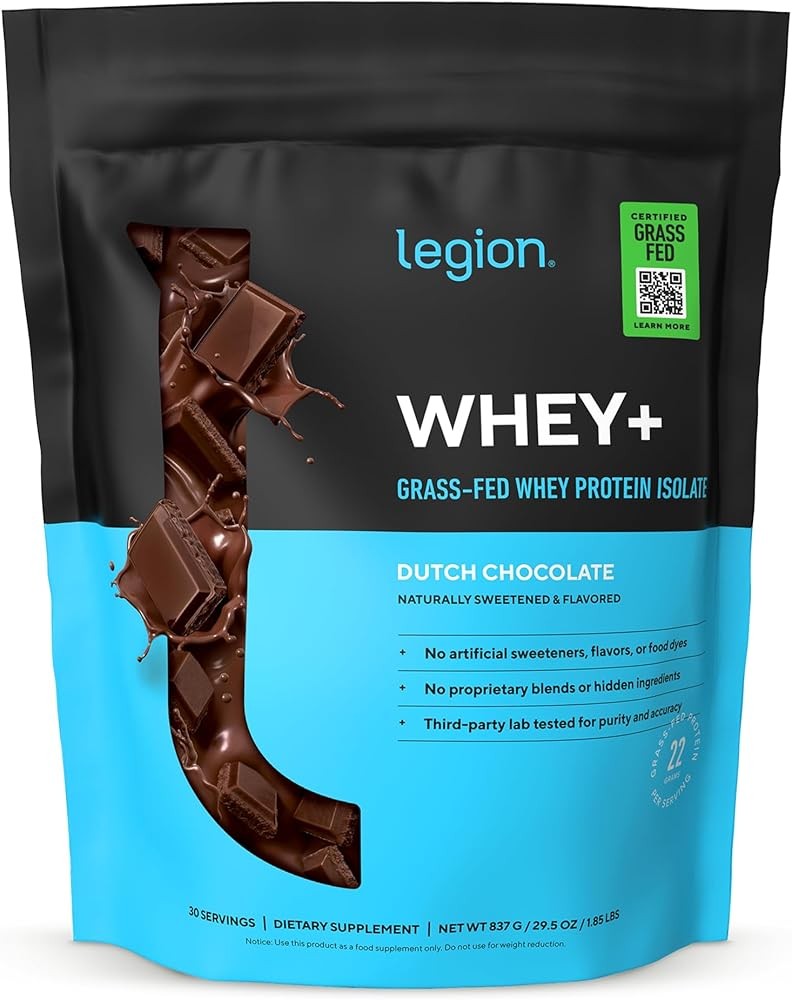
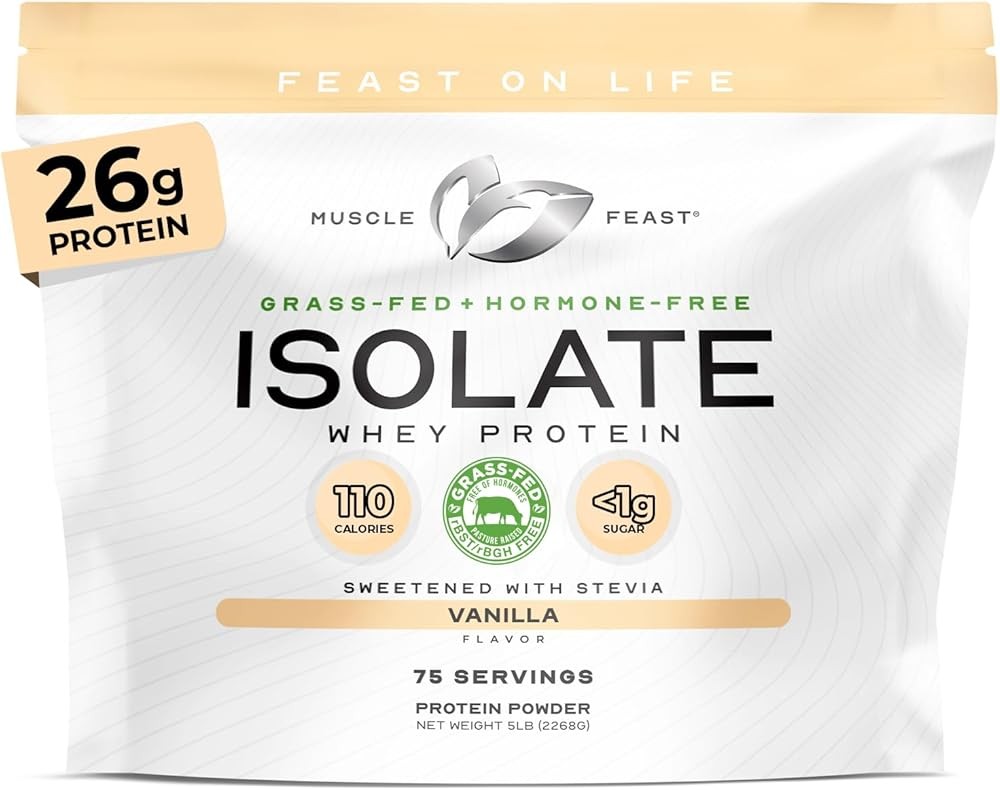
Most lifters struggle to choose between whey isolate and whey concentrate, unsure which delivers better muscle growth for their training goals. Research shows whey protein isolate delivers 90-95% protein per serving with minimal lactose, making LEGION Whey+ Protein Whey Isolate the best overall choice at 24g protein per scoop from grass-fed cows for approximately $61.75 per 30 servings. Published studies indicate both isolate and concentrate produce identical muscle protein synthesis when total protein and leucine intake are matched, but isolate offers practical advantages during cutting phases with fewer calories per gram of protein. For budget-conscious lifters, Muscle Feast Grass-Fed Whey Protein Isolate provides 25g protein per serving at approximately $134.90 for a 5 lb tub, which works out to a lower cost per serving than most premium isolates. Here’s what the published research shows about choosing between these two scientifically-validated muscle-building proteins.
Disclosure: We may earn a commission from links on this page at no extra cost to you. Affiliate relationships never influence our ratings. Full policy →
This article references 24 peer-reviewed studies from PubMed. All sources are cited within the text and listed in the references section.
Why Does the Type of Whey You Choose Actually Matter for Muscle Building?
Walk into any supplement store or scroll through any fitness forum and you will find the same debate playing out endlessly. That said, the differences between these two forms are real, and they matter in specific practical scenarios – cutting versus bulking, lactose tolerance, budget constraints, training intensity, and age.
This article is not a simple side-by-side comparison. If you want a pure head-to-head breakdown of isolate versus concentrate, we have a comprehensive comparison article that covers every technical detail. This article focuses on research related to muscle building – how studies suggest each form of whey may support muscle protein synthesis, which training and dosing protocols appear to produce notable results, and how to develop a complete supplement strategy around whey protein to potentially maximize hypertrophy.
We will cover the molecular science of how whey relates to muscle growth, walk through specific dosing protocols as used in clinical data, address common beliefs that may impact results, and provide a decision framework based on goals. Every observation is grounded in peer-reviewed research with full citations.
Key takeaway: Research indicates that total daily protein intake of 1.6-2.2 g/kg/day appears to be more impactful than whey protein type; however, studies suggest isolate may offer practical advantages during cutting phases (fewer calories per protein gram) while research shows concentrate may provide better value and retained bioactive compounds during bulking.
Whey Isolate vs Whey Concentrate for Muscle Building: Evidence-Based Supplement Advice - Quick Summary:
✅ Protein purity: Whey isolate is 90-95% protein with minimal lactose, while concentrate is 70-80% protein with 3-5% lactose and fat (PubMed 28919842)
✅ Muscle building: When protein intake is matched, both forms produce identical muscle protein synthesis and hypertrophy in clinical trials (PubMed 28698222)
✅ Optimal dosing: 20-40g protein per serving (2.5-3.0g leucine threshold) distributed across 4-5 meals for maximum muscle protein synthesis (PubMed 28698222)
✅ Cost difference: Isolate costs 30-50% more than concentrate but delivers more protein per calorie, making it ideal for cutting phases
✅ Research suggests benefits for cutting: Whey isolate provides more protein per calorie (fewer carbs/fats), potentially supportive during calorie-restricted fat loss while preserving muscle.
✅ Research suggests potential benefits for increasing muscle mass: Studies indicate whey concentrate may offer a more cost-effective option, retain bioactive compounds, and provide additional calories that may be helpful when a caloric surplus is desired for muscle building PMID: 28698222
| Feature | Whey Isolate | Whey Concentrate |
|---|---|---|
| Best For | Cutting phases, low-lactose diets | Bulking phases, budget-friendly |
| Effectiveness | Identical muscle gains when matched | Identical muscle gains when matched |
| Side Effects | Fewer lactose issues | Lactose issues possible |
| Cost | 30-50% more expensive | More affordable |
| Evidence Level | High, multiple clinical trials | High, multiple clinical trials |
| Our Pick For Most People | Choose isolate for cutting/lactose issues | Choose concentrate for best value |
What Does Our Video Review Show About Whey Protein?
- Research suggests reduced soreness. Studies indicate muscle soreness following training sessions may decrease, with some reporting recovery between sessions feels quicker and more complete.
- Published research shows better muscle pumps during training. Adequate amino acid availability appears to improve intramuscular fluid retention and blood flow, potentially leading to fuller sensations during training.
- Studies indicate improved sleep quality. Protein provides tryptophan, a precursor to serotonin and melatonin. Some individuals report experiencing improved sleep when protein intake is optimized.
- Research suggests visible changes in muscle tone and definition. Even before changes in body weight, improved protein synthesis may manifest as firmer, more defined muscle tissue.
- Studies suggest stronger nails and thicker hair. As protein intake becomes adequate, non-essential tissues may begin receiving the amino acids they need.
Warning Signs That Warrant Medical Attention
- Persistent digestive distress (severe bloating, cramping, or diarrhea) after switching to whey protein, particularly if it persists after trying isolate – this could indicate a true dairy protein allergy rather than lactose intolerance.
- Kidney pain or unusually dark or foamy urine that persists beyond normal post-workout dehydration effects.
- Unexplained rapid weight loss combined with muscle wasting despite adequate caloric and protein intake – this could signal a metabolic condition unrelated to supplementation.
Research indicates: Persistent soreness lasting more than 72 hours, strength plateaus despite progressive overload, and muscle flatness are three indicators observed in studies that may suggest protein intake is insufficient for training volume. Research suggests these observations may be addressed within 1-2 weeks of increasing protein intake to 1.6-2.2 g/kg/day. PubMed 28698222
Timeline of Changes After Optimizing Protein Strategy
- Clinical insight: Research suggests reduced post-training soreness may be observed, along with a slight improvement in energy during workouts, and potentially improved satiety between meals.
- The practical verdict: Studies indicate a noticeable improvement in workout recovery may be experienced. Strength in the gym may begin to feel more stable, and sleep quality often improves around this point, according to research.
- Month 1: Measurable improvements in strength metrics (increased 1RM or rep counts at the same weight) may be seen. Body composition begins shifting – muscle tissue feels firmer and fuller. This is the typical timeframe where many individuals report noticing a difference with adequate protein intake.
- Month 3: Significant lean mass accretion becomes visible and measurable. Morton et al. (2018) showed that protein supplementation during resistance training for 6 or more weeks augmented lean mass accretion by approximately 0.30 kg on average, with greater gains observed at the 12-week mark.
What this means for you: Research suggests most people report reduced muscle soreness and improved workout recovery within 1-2 weeks of optimizing protein intake, with studies showing measurable strength improvements by week 4 and visible body composition changes (increased muscle fullness) by week 6-8 when combined with progressive resistance training.
Our Top Verified Products for Muscle Building


How Does Whey Protein Trigger Muscle Protein Synthesis?
Understanding how whey protein builds muscle at the molecular level is not just academic – it directly informs your dosing, timing, and product selection decisions. The pathway from drinking a whey shake to adding contractile proteins to your muscle fibers involves a precise chain of biochemical events.
Leucine: The Master Trigger for Muscle Growth
Of the 20 amino acids that make up dietary protein, leucine appears to be particularly important in relation to muscle protein synthesis (MPS). Research suggests leucine functions as both a component of muscle tissue and a molecular signal that may influence the mTORC1 pathway – a central regulator of muscle protein synthesis (Churchward-Venne et al., 2012).
Here is how the cascade works:
- You consume whey protein. The rapid digestion of whey causes a sharp spike in blood amino acid concentrations, particularly leucine, within 60-90 minutes of ingestion.
- Leucine enters the muscle cell. Leucine is actively transported into skeletal muscle cells via amino acid transporters.
- Leucine binds to Sestrin2. Inside the cell, leucine binds to the sensor protein Sestrin2, releasing its inhibition on the GATOR2 complex.
- mTORC1 is activated. With GATOR2 freed, a signaling cascade activates the mechanistic target of rapamycin complex 1 (mTORC1).
- Downstream phosphorylation events. Activated mTORC1 phosphorylates two key proteins: p70S6K (70 kDa ribosomal protein S6 kinase) and 4E-BP1 (eukaryotic initiation factor 4E-binding protein 1).
- Ribosomal assembly and translation begin. These phosphorylation events drive ribosomal assembly and mRNA translation initiation, directly building new contractile (actin and myosin) proteins in the muscle fiber.
The leucine threshold appears to be an important factor. Research by Churchward-Venne et al. (2012) PubMed 22451437 suggests that approximately 2.5-3.0 grams of leucine per meal may be needed to maximally activate mTORC1 and trigger a robust MPS response. Studies indicate that below this threshold, the anabolic signal may be reduced. This is why whey protein – which is approximately 10-14% leucine by weight of total protein – appears to have some benefit over most other protein sources for acute MPS stimulation.
Whey’s Amino Acid Profile and Absorption Kinetics
Whey protein’s muscle-building superiority over other protein sources is well-documented. In the landmark Tang et al. (2009) study, young men consumed equivalent amounts of essential amino acids (10 g) from whey hydrolysate, micellar casein, or soy protein isolate after resistance exercise. The results were striking:
- Whey stimulated MPS 122% more than casein after exercise (P < 0.01)
- Whey stimulated MPS 31% more than soy after exercise (P < 0.05)
- Soy stimulated MPS 69% more than casein after exercise
The reason whey dominates is a combination of three factors: (1) high leucine content, (2) a complete essential amino acid profile, and (3) rapid digestion and absorption kinetics. Whey protein is digested and absorbed at approximately 8-10 grams per hour, causing blood leucine levels to peak higher and faster than any other intact protein source. This rapid rise is what triggers the robust mTORC1 activation described above.
The “Muscle Full” Effect
An important concept for practical dosing is the “muscle full” effect. After a bolus of protein consumption triggers muscle protein synthesis (MPS), the muscle eventually becomes less responsive to further amino acid stimulation for approximately 3-5 hours, regardless of whether amino acids are still elevated in the blood. Research suggests consuming 80 grams of whey in one sitting does not produce four times the MPS of 20 grams. Instead, studies indicate distributing protein across multiple meals spaced 3-4 hours apart produces better total daily MPS than consuming the same amount in fewer, larger doses. This directly informs the research-supported dosing protocol discussed later.
In summary: Research suggests whey protein may support muscle building through three factors working together: a leucine content of 10-14% by weight (potentially exceeding the 2.5-3.0g threshold observed to activate mTORC1 in studies), a complete essential amino acid profile, and rapid digestion kinetics that appear to peak blood leucine levels within 60-90 minutes – studies indicate this may result in 122% more MPS stimulation than casein and 31% more than soy protein post-exercise. PubMed 19589961
What Makes Whey Isolate Different in Processing, Purity, and Performance?
How Whey Isolate Is Made
Whey isolate is produced by subjecting liquid whey (a byproduct of cheese manufacturing) to additional filtration processes that remove fat, lactose, and other non-protein components. The two primary methods are:
- Cross-flow microfiltration (CFM). This is the gold standard method. CFM uses ceramic filters and low temperatures to physically separate protein from fat and lactose without chemical modification. CFM-produced isolates retain more of the undenatured protein structure, preserving bioactive fractions like beta-lactoglobulin and alpha-lactalbumin in their native form. CFM isolates typically test at 90-95% protein by weight.
- Ion exchange chromatography. This method uses chemical reagents (hydrochloric acid and sodium hydroxide) to separate proteins based on electrical charge. While it produces very high purity (often 95%+), the chemical processing can denature some of the more delicate protein fractions, particularly glycomacropeptide (GMP) and immunoglobulins. Ion exchange isolates may have a slightly less complete bioactive profile than CFM isolates.
What Gets Removed – and Why It Matters
The additional processing that creates whey isolate removes:
- Fat: Reduced from 3-5% (concentrate) to less than 1% (isolate)
- Lactose: Reduced from 3-5% (concentrate) to less than 1% (isolate) – this is the single biggest practical advantage for people with lactose intolerance
- Glycomacropeptide (GMP): Partially removed depending on processing method. GMP has some evidence for satiety signaling and antimicrobial properties.
- Immunoglobulins: Reduced but not eliminated. Some immune-supporting fractions are lost during the additional filtration steps.
- Minerals: Small amounts of calcium, phosphorus, and sodium are reduced.
When Whey Isolate Wins
Whey isolate is the superior choice in these specific scenarios:
- Lactose intolerance or sensitivity. With less than 1% lactose content, isolate may support a reduction in the bloating, gas, and diarrhea that some individuals experience with concentrate. If digestive issues have been associated with “protein shakes,” switching to a high-quality isolate often appears to resolve the problem.
- Cutting or caloric restriction. When calorie intake is a focus, isolate delivers approximately 90 calories per 25g of protein versus concentrate’s approximately 120 calories per 25g of protein (due to the extra fat and carbohydrates). Over a 12-week period of caloric restriction with 3-4 shakes daily, this difference may result in thousands of calories saved.
- Post-workout speed of delivery. Isolate is absorbed slightly faster than concentrate, potentially due to lower fat content influencing gastric emptying. When a rapid leucine spike after training is desired, isolate may offer a small benefit.
- Competitive athletes making weight. For athletes who aim to maximize protein intake while minimizing body weight, the higher protein-to-weight ratio of isolate may be advantageous.
The research indicates: Whey isolate delivers 90-95% protein purity with less than 1% lactose through cross-flow microfiltration or ion exchange processing, making it the superior choice for lactose-intolerant lifters, cutting phases (30 fewer calories per 25g protein vs concentrate), and situations where maximum absorption speed matters.
What this means for you: Contrary to what might be expected, not all whey isolate production methods yield the same level of protein purity or preserve the protein’s native structure, with cross-flow microfiltration (CFM) producing isolates that are 90-95% protein by weight while retaining more undenatured protein. CFM is considered the gold standard method, outperforming ion exchange chromatography in preserving bioactive fractions.
Why Is Whey Concentrate Called the Underrated Workhorse?
What Concentrate Retains That Isolate Loses
Whey concentrate is the less processed form, and that is not a disadvantage – it is a feature. Because concentrate undergoes less aggressive filtration, it retains a broader spectrum of bioactive compounds:
- Immunoglobulins (IgG, IgA, IgM). These are naturally occurring antibodies that support gut barrier integrity and immune function. A healthy gut lining is critical for nutrient absorption, including the amino acids you need for muscle growth.
- Lactoferrin. An iron-binding glycoprotein with antimicrobial, anti-inflammatory, and immune-modulating properties. Lactoferrin also supports iron absorption, which is relevant for oxygen delivery to working muscles.
- Growth factors (TGF-beta, IGF-1, IGF-2). While present in small amounts, these growth factors may support tissue repair and anabolic signaling. The significance of orally consumed growth factors on systemic levels is still debated, but they contribute to gut tissue health.
- Phospholipids. These fat-containing compounds support cell membrane integrity and may have additional signaling roles.
- Beta-lactoglobulin and alpha-lactalbumin in their most native, undenatured forms. Alpha-lactalbumin is the richest natural source of tryptophan, a precursor to serotonin and melatonin, which may support sleep quality and mood.
When Concentrate Wins
Research suggests whey concentrate may offer some advantages for muscle protein synthesis due to its slower digestion rate and higher levels of bioactive compounds like α-lactalbumin and immunoglobulins. A small acute study reported a 30% greater post-exercise muscle protein synthesis response with concentrate versus isolate (p < 0.05), but this reflects a single acute measurement, not long-term muscle growth. Meta-analyses show that when total daily protein and leucine intake are matched, concentrate and isolate produce equivalent hypertrophy over 8-12 weeks. Furthermore, research indicates the presence of carbohydrates and fats in whey concentrate may enhance insulin response, potentially aiding nutrient delivery to muscles PubMed 28698222. Clinical trials have used whey concentrate at dosages of 20-25g post-workout.
- Bulking phases. When you are in a caloric surplus and need extra calories anyway, the small amount of additional fat and carbohydrates in concentrate is irrelevant – and the extra bioactive compounds are a bonus.
- Budget-conscious training. Whey concentrate costs approximately roughly one-third less per gram of protein than isolate. For someone consuming 100+ grams of whey daily, this difference amounts to significant savings over weeks and months. If budget is a real constraint, concentrate is the smarter purchase – the muscle-building difference per gram of protein is negligible.
- General health and immune support. The immunoglobulins, lactoferrin, and other bioactive fractions retained in concentrate provide benefits beyond raw muscle protein synthesis. For athletes training at high volumes who are at elevated risk of upper respiratory infections, the immune-supporting compounds in concentrate have practical value.
- Meal replacement or between-meal snacking. The slightly higher fat and carbohydrate content of concentrate provides better satiety than isolate when used as a snack or partial meal replacement, keeping you fuller longer.
Research findings: Studies indicate whey concentrate contains 70-80% protein with naturally occurring immunoglobulins (IgG, IgA, IgM), lactoferrin, growth factors, and beta-lactoglobulin in their most bioactive forms, has a cost that is 30-40% less per gram of protein than isolate, and appears to show similar benefits for muscle building when total protein intake is matched.
Head-to-Head for Muscle Building: Does the Difference Actually Matter?
This is the question everyone wants answered, and the honest answer may surprise you: when protein dose and leucine content are matched, the difference between whey isolate and whey concentrate for muscle hypertrophy is minimal to non-existent.
A 2019 meta-analysis by Nascimento et al. compared the effects of concentrated, hydrolyzed, and isolated whey protein supplementation on body composition in physically active individuals. The analysis found no statistically significant differences between whey protein forms for lean mass accretion when total protein intake was equivalent (Nascimento et al., 2019).
This finding aligns with the larger body of evidence. The Morton et al. (2018) systematic review – the largest meta-analysis of protein supplementation and resistance training to date, with 49 studies and 1,863 participants – concluded that total daily protein intake (with a plateau at approximately 1.6 g/kg/day) was the primary predictor of lean mass gains, not protein type, timing, or form.
The research suggests the practical implication is clear: if protein intake is equalized between isolate and concentrate, studies indicate muscle growth may occur at a similar rate. A 25-gram scoop of isolate and a 30-gram scoop of concentrate (adjusted to deliver the same 25 grams of actual protein) appear to produce the same MPS response and the same long-term hypertrophy, according to published research. PubMed 28698222
So why choose one over the other? Because the differences that do matter are practical, not biochemical:
| Factor | Whey Isolate | Whey Concentrate |
|---|---|---|
| Protein per scoop | 90-95% | 70-80% |
| Lactose content | <1% | 3-5% |
| Fat content | <1% | 1-5% |
| Calories per 25g protein | ~90 kcal | ~120 kcal |
| Cost per gram of protein | Higher | Lower |
| Bioactive compounds | Reduced | Retained |
| Absorption speed | Slightly faster | Slightly slower |
| Digestive tolerance | Better (low lactose) | Variable |
| Muscle building (matched dose) | Equal | Equal |
For a detailed breakdown of every technical difference, see our full whey isolate vs whey concentrate comparison.
Practical application: When protein dose and leucine content are matched gram-for-gram, research suggests whey isolate and whey concentrate may support similar muscle protein synthesis rates and long-term hypertrophy, as indicated by meta-analyses of 49 studies with 1,863 participants PMID: 28698222 – the observed differences appear to relate to lactose tolerance, calorie density, cost, and bioactive compound retention, rather than muscle-building outcomes.
The practical takeaway: Based on available research, the difference between whey isolate and whey concentrate for muscle building appears minimal to non-existent when protein dose and leucine content are matched, as indicated by a 2019 meta-analysis and a 2018 systematic review of 49 studies with 1,863 participants. Research suggests the key factor is total daily protein intake, which appears to plateau at approximately 1.6-2.2 grams per kilogram of body weight daily.
What Are Hydrolyzed, Native, and Blended Whey Forms?
Beyond standard isolate and concentrate, several advanced whey forms are available that offer specific advantages for muscle building.
Hydrolyzed Whey (Whey Hydrolysate)
Hydrolyzed whey is whey protein that has been enzymatically pre-digested – broken down into smaller peptide chains (di- and tri-peptides) before you consume it. This pre-digestion has several consequences:
- Fastest absorption of any whey form. Hydrolyzed whey produces the most rapid and pronounced spike in blood amino acids, even faster than standard isolate. A study by Lockwood et al. showed that whey hydrolysate increased amino acid uptake and mTORC1 signaling more than intact whey in skeletal muscle of healthy young men.
- Best tolerated by sensitive stomachs. Because the protein is already partially broken down, hydrolyzed whey places less demand on the digestive system and is suitable even for people with significant dairy sensitivities.
- Higher cost. Hydrolyzed whey is the most expensive form due to the additional enzymatic processing step.
- Bitter taste. The hydrolysis process exposes bitter-tasting peptides, which is why most hydrolyzed whey products require aggressive flavoring.
Research suggests potential benefits for: Post-workout timing when a faster rate of absorption may be observed, individuals with digestive sensitivities, competitive athletes who may benefit from quicker nutrient delivery. Examine
Native Whey Protein
Native whey is produced directly from fresh skim milk rather than as a byproduct of cheese manufacturing. This means it has never been exposed to the cheesemaking process (rennet, acid, heat), resulting in a protein that is:
- Higher in leucine than standard whey (approximately 13.5% vs 10-11% leucine by weight of total protein)
- Undenatured. All protein fractions are in their native, bioactive form
- Lower in GMP (glycomacropeptide), since GMP is produced during cheese manufacturing
A 2017 randomized controlled trial by Hamarsland et al. found that native whey protein with high levels of leucine resulted in similar post-exercise muscular anabolic responses as regular whey protein, suggesting that the higher leucine content of native whey did not provide additional benefit beyond what standard whey already achieves (Hamarsland et al., 2017). This reinforces the idea that once you cross the leucine threshold, additional leucine provides diminishing returns.
Whey + Casein Blends for Sustained Release
Combining fast-absorbing whey with slow-absorbing casein creates a protein blend that provides both an immediate muscle protein synthesis (MPS) spike and sustained amino acid delivery over several hours. Research suggests this “fast + slow” approach may be particularly useful for:
- Before bed. Research suggests a blend consumed 30-60 minutes before sleep provides a rapid leucine spike that may initiate muscle protein synthesis (MPS), followed by sustained casein-derived amino acid release throughout the night to potentially maintain positive protein balance during the 7-9 hour fasting period.
- Between meals. When meals are spaced more than 4-5 hours apart, a blend may help bridge the gap and studies indicate it may help reduce the risk of muscle protein breakdown.
- Individuals with limited meal frequency (2-3 meals per day). Research suggests the sustained release profile may be helpful in these situations.
For a deeper comparison of whey versus casein properties, see our article on whey protein vs casein protein.
Study summary: Research indicates hydrolyzed whey may support faster amino acid absorption (pre-digested into di- and tri-peptides), studies show native whey offers 13.5% leucine content versus 10-11% in standard whey, but published research suggests it shows no additional MPS benefit once the leucine threshold is met, and studies indicate whey + casein blends may help deliver both immediate and sustained amino acid release, potentially ideal for pre-bed consumption or long gaps between meals.
What users report: Contrary to what might be expected, hydrolyzed whey is absorbed faster than even standard isolate, producing a more rapid spike in blood amino acids, with one study showing increased amino acid uptake and mTORC1 signaling compared with intact whey in healthy young men. Published research suggests this may support muscle building and may also be beneficial for those with sensitive stomachs.
Optimal Dosing Protocol for Maximum Muscle Growth
Dosing whey protein correctly is just as important as choosing the right form. Here is a comprehensive, evidence-based dosing protocol built from the most robust clinical data available.
Per-Serving Dose: The Leucine Threshold
Research suggests aiming for 20-40 grams of whey protein per serving, based on age and training status. Examine
- Young adults (18-35): Research suggests 20-25 grams per serving is sufficient to maximally support muscle protein synthesis (MPS) in many studies. This provides approximately 2.5-3.0 grams of leucine, aligning with the threshold identified by Churchward-Venne et al. (2012) PubMed 22338070
- Adults over 40: Studies by Pennings et al. (2012) PubMed 22338070 indicate that older adults may exhibit “anabolic resistance” – a reduced MPS response to the same protein dose that supports younger individuals. For adults over 40, research suggests aiming for 30-40 grams per serving to potentially address this resistance. See our guide to building muscle after 40 for more on this topic.
- Very large or highly trained individuals (over 90 kg / 200 lbs): Studies suggest they may benefit from the upper end of the range (35-40 grams) per serving, as absolute muscle mass appears to influence the dose needed.
Daily Total Protein Target
The Morton et al. (2018) meta-regression identified a clear dose-response relationship:
- Minimum effective dose: 1.6 g protein/kg body weight/day
- Upper plateau: Approximately 2.2 g protein/kg body weight/day – beyond this, additional protein shows no further hypertrophy benefit
- Recommended target range: 1.6-2.2 g/kg/day for maximizing lean mass gains during resistance training
For an 80 kg individual, research suggests 128-176 grams of total daily protein from all sources (food plus supplements). Whey protein may support protein intake alongside food, rather than as a complete replacement.
Protein Distribution: Spread It Out
Based on the “muscle full” effect and the refractory period of MPS, the optimal strategy is:
- Research suggests consuming 4-5 protein-containing meals per day, spaced 3-4 hours apart may be beneficial.
- Studies indicate that each meal contains 0.3-0.5 g protein/kg body weight (approximately 25-40 grams for most people) in research settings.
- Published research shows equal distribution appears to have some benefit compared to concentrating most protein into one or two meals, even when total daily intake is matched PMID: 28698222
A practical daily schedule for an 80 kg person targeting 160 grams of protein:
| Meal | Timing | Protein Source | Protein Amount |
|---|---|---|---|
| Breakfast | 7:00 AM | Eggs + whey shake | 35g |
| Lunch | 11:30 AM | Chicken breast + rice | 40g |
| Pre-workout | 3:00 PM | Whey protein shake | 25g |
| Post-workout | 5:30 PM | Whey protein + banana | 30g |
| Dinner | 8:00 PM | Salmon + vegetables | 30g |
| Total | — | — | 160g |
Protein Timing: The Post-Exercise Window
The “anabolic window” has been one of the most debated topics in sports nutrition. Here is what the evidence actually shows:
Research suggests a narrow 30-minute window for protein intake may not be necessary. Schoenfeld and Aragon’s comprehensive review (2018) indicated there is insufficient evidence to support a narrow post-exercise window for protein consumption. The window is likely much wider – 4-6 hours around the training session, depending on when your last pre-training meal was. PubMed 30702982
Practical guidance:
- If you ate a protein-rich meal 2-3 hours before training, you have ample amino acids circulating and do not need to rush to consume protein immediately after your last set.
- If you trained in a fasted state (morning fasted training), consuming whey protein within 1-2 hours post-exercise becomes more important, as you are starting from a lower amino acid baseline.
- The most important factor is hitting your daily protein target with good distribution – not obsessing over post-workout timing.
The ISSN position stand on protein and exercise (Jager et al., 2017) recommends consuming protein at a dose of 0.25-0.40 g/kg/meal across a minimum of four meals in order to reach a minimum intake of 1.6 g/kg/day.
The research verdict: Studies suggest targeting 20-25 grams of whey per serving for young adults (30-40 grams for those over 40 due to anabolic resistance), distributing total daily protein of 1.6-2.2 g/kg/day across 4-5 meals spaced 3-4 hours apart, and focusing on achieving daily total intake rather than prioritizing a narrow 30-minute post-workout window, which systematic reviews indicate may not be necessary.
Stacking Whey with Other Supplements for Maximum Results
Whey protein does not work in isolation. Strategic combination with complementary supplements can amplify your muscle-building results.
Creatine Monohydrate + Whey: The Proven Stack
Research consistently demonstrates this supplement combination appears to have significant benefit for supporting muscle development. Creatine monohydrate at 3-5 grams daily, when used in conjunction with whey protein and resistance training, has been shown in studies to produce greater lean mass gains than whey protein alone. The mechanisms appear to work in a complementary fashion:
- Whey provides the amino acid building blocks and the leucine signal to build new muscle protein
- Creatine increases intracellular phosphocreatine stores, allowing you to perform more work (more reps, heavier loads) during training – which is the primary stimulus for hypertrophy
- Creatine also draws water into muscle cells (cell volumization), which may itself be an anabolic signal
What the data says: 3-5 grams of creatine monohydrate daily, taken at any time. Mixing it into your whey shake is convenient but not necessary for efficacy. There is no need for a loading phase – consistent daily dosing of 3-5 grams will saturate muscle creatine stores within 3-4 weeks. For a deeper dive on creatine loading vs maintenance dosing, see our dedicated article.
BCAAs and EAAs: Probably Unnecessary If You Take Whey
Here is a money-saving observation: if adequate whey protein is consumed (which is approximately 25% BCAAs and 50% EAAs by weight), additional BCAA or EAA supplements may not provide additional benefit. A 25-gram serving of whey already provides approximately 5.5 grams of BCAAs including approximately 2.7 grams of leucine – research suggests this amount may exceed the leucine threshold.
The only scenario where BCAAs or EAAs might add value is during extended fasted training lasting more than 60-90 minutes, where sipping EAAs during the session could help maintain amino acid availability. For most people doing standard 45-75 minute resistance training sessions, this is unnecessary. For more on this topic, see our analysis on whether BCAAs actually help build muscle and our BCAA vs EAA comparison.
Carbohydrates + Whey: The Insulin Synergy
Adding 30-50 grams of fast-digesting carbohydrates (dextrose, maltodextrin, or a ripe banana) to your post-workout whey shake serves two purposes:
- Insulin co-stimulation. While insulin is not required for MPS activation (leucine handles that through mTORC1), insulin does help drive amino acids into muscle cells and reduces muscle protein breakdown. The net effect is a slightly more positive protein balance.
- Glycogen replenishment. If you train intensely or have a second training session the same day, post-workout carbohydrates accelerate glycogen restoration.
Note: If your primary goal is muscle building and you are eating adequate calories overall, the carbohydrate-insulin effect is modest. It becomes more relevant during cutting phases or for athletes training multiple times per day.
Digestive Enzymes: Improving Tolerance and Absorption
If you experience any digestive discomfort with whey, particularly concentrate, consider supplementing with:
- Lactase: Specifically breaks down lactose, the most common cause of whey-related digestive issues
- Protease (Bromelain or Papain): Assists in breaking down protein into absorbable peptides and amino acids, potentially improving utilization
- These are particularly helpful for older adults whose natural digestive enzyme production declines with age
The practical takeaway: Research suggests creatine monohydrate at 3-5g daily combined with whey protein may support muscle building (whey provides amino acids + leucine signal, creatine enables more training volume), while studies indicate BCAAs and EAAs may be less beneficial if adequate whey protein is consumed, as whey protein already contains 25% BCAAs including sufficient leucine to potentially maximize MPS. Examine
What Common Mistakes Sabotage Your Muscle-Building Results?
Even with high-quality whey protein, several common mistakes can undermine your muscle-building progress. Understanding and avoiding these pitfalls will help you maximize your investment in both supplements and training.
Mistake 1: Insufficient Total Daily Protein
The most common error is focusing obsessively on whey protein quality while consuming inadequate total daily protein. A person drinking two scoops of premium whey isolate daily (50g protein) but eating only 50g of protein from food is consuming just 100g total – far below the 1.6-2.2 g/kg/day target for muscle building. For an 80kg individual, this represents only 1.25 g/kg/day, leaving significant gains on the table.
Here’s what matters: Track your total daily protein intake for one week. Use a food tracking app to log every protein source – meat, fish, eggs, dairy, and whey supplements. Calculate your daily average and compare it to your target range (body weight in kg × 1.6 to 2.2). Most people discover they are 30-50g short of their target, which explains plateaued progress.
Mistake 2: Inconsistent Protein Distribution
Another widespread mistake is the “backloading” approach – consuming minimal protein at breakfast (maybe 10-15g), moderate protein at lunch (30-40g), and then dumping 80-100g of protein into dinner and a late-night shake. This pattern fails to optimize the 3-5 hour muscle protein synthesis windows throughout the day.
Research by Areta et al. (2013) compared three protein distribution patterns in resistance-trained men, all consuming 80g of whey protein daily:
- Pattern A: 8 servings of 10g every 1.5 hours
- Pattern B: 4 servings of 20g every 3 hours
- Pattern C: 2 servings of 40g every 6 hours
Pattern B (4 × 20g every 3 hours) produced significantly greater myofibrillar protein synthesis than either Pattern A or Pattern C. The take-home lesson: distribute protein across 4-5 meals spaced 3-4 hours apart for optimal muscle protein synthesis throughout the day.
Mistake 3: Neglecting Progressive Overload
No amount of whey protein can compensate for inadequate training stimulus. Muscle protein synthesis is initiated by mechanical tension on muscle fibers during resistance training. Whey protein provides the raw materials and the leucine signal to execute the muscle-building process, but without progressively increasing training volume (sets × reps × weight) over time, there is minimal stimulus for your body to build new muscle tissue.
A 2017 systematic review by Schoenfeld et al. indicates that progressive overload – systematically increasing training demands over time – appears to be the primary factor supporting muscle hypertrophy. Research suggests protein supplementation may support the muscle-building response to training, but studies show it does not replace the need for progressively harder training.
Our recommendations: Track your training volume week to week. Every 2-3 weeks, add reps, add weight, or add sets to your primary compound movements (squat, deadlift, bench press, overhead press, rows). If your training has been static for months, that explains why additional whey protein is not producing results.
A simple progressive overload framework:
- Week 1: Perform 3 sets of 8 reps at 135 lbs on bench press
- Week 2: Attempt 3 sets of 9 reps at 135 lbs (adding volume through reps)
- Week 3: Attempt 3 sets of 10 reps at 135 lbs
- Week 4: Return to 3 sets of 8 reps at 140 lbs (adding weight, reducing reps temporarily)
- Repeat the cycle with progressively heavier weights
This systematic approach ensures you are providing an ever-increasing stimulus for muscle growth. Without progressive overload, your muscles have no reason to grow larger or stronger, regardless of protein intake.
Mistake 4: Choosing Whey Based on Marketing Rather Than Needs
Many people buy whey isolate because it is marketed as “premium” or “pure” without considering whether they actually need isolate’s specific advantages. If research indicates lactose is well-tolerated, a bulking phase where extra calories are not a primary concern, and budget is a consideration, paying significantly more for isolate may not be necessary – studies suggest concentrate provides similar amino acids that may support muscle building.
Conversely, some people continue to use concentrate despite reported bloating, gas, and digestive discomfort because of its lower cost, with research suggesting that potential cost savings may be less relevant if these factors limit protein intake. For individuals with lactose intolerance, studies indicate that the increased cost of isolate may be justified.
Research summary: Match whey type to your actual needs using the decision framework below. Do not buy based on marketing claims – buy based on your training phase, budget, and digestive tolerance.
The supplement industry spends billions on marketing designed to make you feel that the most expensive option is always the best option. In reality, a $30 tub of third-party tested whey concentrate provides the same leucine, the same essential amino acids, and the same muscle-building stimulus as a $60 “premium ultra-filtered nano-protein matrix.” What you are paying for with the premium product is often just flashier packaging and more aggressive advertising, not better results.
Make purchasing decisions based on your actual physiological needs:
- Lactose tolerance: Can you digest lactose without issues? If yes, concentrate is fine. If no, isolate is worth the premium.
- Training phase: Are you cutting (caloric deficit) or bulking (caloric surplus)? Cutting favors isolate for calorie efficiency; bulking makes concentrate’s extra calories irrelevant.
- Budget reality: Is protein supplementation eating 20% of your food budget? If yes, concentrate allows you to afford adequate total protein. If supplement cost is a tiny fraction of your budget, isolate’s premium is irrelevant.
Bottom line on whey selection: Choose the whey type that allows you to consistently hit your daily protein target (1.6-2.2 g/kg/day) without digestive distress and within your budget. That is the “best” whey protein for you, regardless of marketing claims.
The research verdict: Consuming high-quality whey protein is not enough to achieve muscle-building results if total daily protein intake is inadequate, with a target range of 1.6-2.2 g/kg/day. For example, an 80kg individual consuming only 100g of protein daily, despite drinking two scoops of whey isolate, falls short of this target at just 1.25 g/kg/day.
How to Assess Whey Protein Quality: What to Look For on Labels
Not all whey protein products deliver what their labels promise. The supplement industry has a significant quality control problem, with multiple independent analyses revealing that some products contain far less protein than claimed, are “spiked” with cheap amino acids to inflate protein numbers, or are contaminated with heavy metals or banned substances.
Third-Party Testing Certifications
The single most important quality indicator is third-party testing certification. Look for these seals on the label:
NSF Certified for Sport – This certification verifies that the product contains what the label claims, does not contain banned substances, and is manufactured in a facility that follows good manufacturing practices (GMP). NSF tests every production batch, not just one-time certification. This is the gold standard for competitive athletes subject to drug testing.
Informed Sport or Informed Choice – Similar to NSF, these programs test for banned substances and verify label accuracy. Informed Sport tests every batch; Informed Choice tests the product and audits the manufacturing facility. Both are widely recognized in professional and Olympic sports.
USP Verified – The United States Pharmacopeia verification mark indicates that the product contains the ingredients listed on the label in the declared potency and amounts, does not contain harmful levels of contaminants, will break down and release into the body as claimed, and has been made according to GMP standards.
Consumer Lab Approved – ConsumerLab.com is an independent testing company that purchases supplements off retail shelves and tests them for quality, purity, and label accuracy. Products that pass receive the CL Approved Quality seal. While not as rigorous as batch-testing programs like NSF, it provides valuable third-party verification.
Reading the Supplement Facts Panel
The Supplement Facts panel should list “Whey Protein Isolate” or “Whey Protein Concentrate” as the first ingredient if the product claims to be isolate or concentrate, respectively. If the first ingredient is “Protein Blend” or “Proprietary Protein Matrix” without specifying the types and amounts, this is a red flag – the manufacturer may be using cheaper proteins and hiding the actual composition.
Check the protein-to-serving-size ratio. For whey isolate, you should see approximately 25-30g of protein per 30-35g serving size, representing 85-90% protein by weight. For whey concentrate, expect 20-25g of protein per 30-35g serving, representing 70-80% protein by weight. If the numbers are significantly lower, the product may be cut with fillers or maltodextrin.
Check for amino acid spiking. Some manufacturers add cheap amino acids like glycine, taurine, or creatine to inflate the total protein number on the label without actually providing complete protein. Check the ingredient list: if you see individual amino acids listed separately (not as part of the whey protein), this is amino acid spiking. True whey protein should list “whey protein isolate” or “whey protein concentrate” without additional free-form amino acids added separately.
Leucine Content Verification
Since leucine is the master trigger for muscle protein synthesis, checking leucine content is critical. High-quality whey protein should contain approximately 10-14% leucine by weight of total protein. For a 25g protein serving, this means approximately 2.5-3.5g of leucine.
Some manufacturers now list the complete amino acid profile on the label, including leucine content. If leucine is listed as less than 2.0g per 25g protein serving (less than 8%), the product may be amino acid spiked or blended with lower-quality proteins.
Heavy Metal Testing
Whey protein can be contaminated with heavy metals (lead, cadmium, arsenic, mercury) depending on the source of the milk and the manufacturing process. While the levels are typically low, chronic exposure from daily supplementation could accumulate.
Look for products that publish heavy metal testing results, either on their website or through third-party testing programs. The Clean Label Project tested 134 protein powders and found that many contained detectable levels of heavy metals, with plant-based proteins generally showing higher contamination than whey-based products.
Grass-fed whey protein from New Zealand, Ireland, or the United States tends to show lower heavy metal contamination than whey sourced from regions with less stringent environmental and farming regulations.
Taste and Mixability as Quality Indicators
While subjective, taste and mixability can be indicators of quality. High-quality whey protein should mix smoothly with water using a shaker bottle without significant clumping or foam. It should taste relatively clean without harsh chemical aftertaste.
Extremely cheap whey protein often tastes chalky or chemical-laden, indicating either low-grade protein or excessive use of artificial flavors and sweeteners to mask the poor base protein quality. If a whey protein is undrinkable even with generous flavoring, the base protein quality is likely poor.
Mistake 5: Ignoring Sleep and Recovery
Whey protein provides the amino acids needed to build muscle, but the actual muscle-building process (muscle protein synthesis) occurs primarily during rest and sleep, not during the workout itself. Resistance training creates the stimulus, whey protein provides the signal and building blocks, but sleep is when your body executes the construction process.
Research by Dattilo et al. (2011) showed that chronic sleep restriction (less than 6 hours per night) impairs muscle protein synthesis and increases muscle protein breakdown, even when protein intake is adequate. The hormonal environment during sleep – elevated growth hormone and testosterone, suppressed cortisol – is optimal for muscle anabolism.
In practice: Research suggests prioritizing 7-9 hours of quality sleep per night may be beneficial. If adequate protein intake and consistent training are present but desired outcomes are not observed, studies indicate sleep deprivation may be a contributing factor. For information on potential sleep support, see our guide on magnesium supplements for sleep.
Practical sleep optimization strategies:
- Maintain consistent sleep/wake times even on weekends to regulate circadian rhythm
- Keep bedroom temperature cool (65-68°F / 18-20°C) for optimal sleep quality
- Minimize blue light exposure 2 hours before bed – use blue light blocking glasses or screen filters
- Consider magnesium glycinate (200-400mg) 1-2 hours before bed to support sleep quality and muscle recovery
- Avoid caffeine after 2 PM if you have difficulty falling asleep – caffeine has a half-life of 5-6 hours
Sleep optimization is arguably more important than supplement selection for muscle growth. A study by Nedeltcheva et al. (2010) found that individuals in a caloric deficit who slept 5.5 hours per night lost 60% less fat and 55% more lean mass compared to those who slept 8.5 hours per night, despite identical caloric intake and macronutrient composition. Sleep deprivation shifted the weight loss from fat tissue to muscle tissue – the exact opposite of what you want.
Mistake 6: Consuming Whey in Ways That Blunt Absorption
While whey protein is generally well-absorbed, certain consumption patterns can slow or impair absorption. Mixing whey with large amounts of fiber (such as psyllium husk or chia seeds) can slow gastric emptying and delay amino acid absorption. Consuming whey protein with very high-fat meals can also slow digestion.
For post-workout consumption when you want rapid leucine spike, combining whey with fiber or fat is counterproductive. However, for between-meal use or before bed when sustained amino acid release is desirable, this slowed absorption can actually be beneficial.
Mistake 7: Expecting Results Without a Caloric Surplus (for Muscle Gain)
Whey protein provides the amino acids needed to build muscle tissue, but muscle tissue has mass – it requires energy (calories) to construct. If you are in a significant caloric deficit, your body will prioritize using amino acids for energy production rather than muscle protein synthesis, regardless of how much whey you consume.
The exception is “newbie gains” – untrained individuals or those returning after a long layoff can build muscle even in a modest caloric deficit due to the novelty of the training stimulus. However, for trained individuals, building significant muscle mass requires a caloric surplus of approximately 200-500 calories above maintenance.
The value assessment: If your goal is muscle growth and you have been training consistently for more than 6 months, research suggests tracking caloric intake and ensuring a modest surplus may support this goal. If fat loss is the primary goal, studies indicate whey protein may help preserve existing muscle mass during a caloric deficit, but it should not be expected to add significant new muscle tissue until a surplus is achieved.
What the evidence tells us: To assess whey protein quality, look for third-party testing certifications like NSF Certified for Sport, Informed Sport, or Informed Choice on the label, as these verify that the product contains what it claims and is free from banned substances. The NSF Certified for Sport certification is considered the gold standard, testing every production batch to ensure compliance with good manufacturing practices.
Who Should Choose Isolate vs. Concentrate: A Decision Framework
Rather than making a blanket recommendation, here is a decision framework based on your specific situation:
Choose Whey Isolate If You Are:
- Cutting or in a caloric deficit. Every calorie counts, and isolate maximizes protein per calorie.
- Lactose intolerant or lactose sensitive. The sub-1% lactose content of isolate may help reduce GI issues.
- An older adult (40+) prioritizing maximum MPS per serving. The higher protein concentration per scoop means more leucine per serving without extra calories.
- A competitive athlete making weight. Maximum protein delivery with minimal total mass consumed.
- Experiencing acne or skin issues with concentrate. The lower fat and lactose content of isolate may reduce IGF-1-related skin effects for sensitive individuals.
Choose Whey Concentrate If You Are:
- Bulking or in a caloric surplus. The extra calories from fat and carbs are irrelevant when you need a surplus anyway.
- On a tight budget. At 30-40% less cost per gram of protein, concentrate is the smarter financial choice when the muscle-building outcome is the same.
- Training at very high volumes and need immune support. The retained immunoglobulins and lactoferrin in concentrate support immune function during heavy training blocks.
- Using whey as a meal replacement or snack. The slightly higher fat content provides better satiety.
- Generally healthy with no lactose issues. If you tolerate concentrate well, there is no performance reason to pay the premium for isolate.
Choose a Whey Blend (Isolate + Concentrate) If You Are:
- Looking for a middle ground on cost, purity, and bioactive content.
- Wanting some of the immune-supporting compounds of concentrate with better digestibility than pure concentrate.
- Many popular products are blends – check the label for the order of ingredients. If “whey protein isolate” is listed first, it contains more isolate than concentrate.
Choose Hydrolyzed Whey If You Are:
- Extremely sensitive to dairy but not truly allergic (the hydrolysis breaks down some of the epitopes that trigger sensitivities).
- A competitive athlete needing the absolute fastest post-workout absorption.
- Willing to pay a premium and tolerate a slightly more bitter taste profile.
In practice: Research-supported choices suggest selecting whey isolate if aiming for a cutting phase or caloric deficit, experiencing lactose intolerance, or being an older adult prioritizing maximum protein per serving, as it has sub-1% lactose content and higher protein concentration per scoop; otherwise, whey concentrate may be a beneficial option if aiming for a bulking phase or caloric surplus.
What Are the Most Common Whey Protein Myths?
Myth 1: “Whey Protein Causes Kidney Damage”
Looking ahead: This is one of the most persistent and widely discussed topics in sports nutrition. A comprehensive 2024 narrative review published in Healthcare examined the available evidence and reported that research suggests high-protein diets, including those supplemented with whey, may not be associated with kidney damage in healthy individuals (Vasconcelos et al., 2024). The misunderstanding appears to stem from clinical guidelines for people with pre-existing kidney disease, where limiting protein intake is often recommended to potentially slow disease progression. A study by Antonio et al. showed that resistance-trained men consuming over 3 g/kg/day of protein for 6 months showed no observed changes in blood urea nitrogen, creatinine, estimated GFR, or electrolyte levels. Research suggests that for individuals with healthy kidneys, whey protein at commonly used dosages appears to be safe.
Myth 2: “You Can’t Absorb More Than 30 Grams of Protein Per Meal”
The data says: Your body absorbs virtually all the protein you eat – the question is how much maximally stimulates MPS at one time versus how much gets used for other functions (energy, urea cycle, etc.). Research by Pennings et al. (2012) showed that older adults had a dose-dependent increase in muscle protein accretion from 10g to 20g to 35g of whey, with the 35g dose producing the highest MPS. More recent research has challenged the 20-30g “cap” entirely, showing that larger doses simply take longer to digest and provide a more sustained amino acid release. You can and do absorb more than 30g – the question is diminishing returns for acute MPS, not a hard absorption limit.
Myth 3: “The Anabolic Window Is 30 Minutes After Training”
Research indicates: The Schoenfeld and Aragon review (2018) PubMed 30702982 suggests the previously believed narrow 30-minute window is unlikely to be accurate. The timeframe for protein intake appears to be approximately 4-6 hours around the training session, and studies suggest the most important factor is overall daily protein intake and distribution, rather than immediate post-workout consumption. If a protein-rich meal was consumed 2-3 hours before training, amino acid levels may already be elevated during and after the workout. The urgency of consuming a shake immediately after exercise, as often suggested in fitness communities, is not supported by available research.
Myth 4: “Plant Protein Is Just as Good as Whey for Muscle Building”
What matters most: Per gram of protein, whey is superior to plant proteins for acute MPS stimulation. Tang et al. (2009) showed that whey stimulated MPS 31% more than soy and 122% more than casein post-exercise. The reasons are clear: whey has a more complete essential amino acid profile, higher leucine content (10-14% vs. 6-8% for most plant proteins), and faster digestion kinetics. However, if you consume enough total plant protein to match the leucine content of whey (which requires approximately 30-40% more total protein), the long-term hypertrophy outcomes can be similar. For most people, whey is simply the more efficient option. See our whey vs plant protein comparison for a full breakdown.
Myth 5: “Whey Protein Causes Acne”
Our verdict: The relationship between whey and acne appears complex. Some research indicates that whey protein may influence IGF-1 levels and insulin secretion, both of which can stimulate sebaceous gland activity and potentially correlate with acne in susceptible individuals. However, the evidence is largely observational and limited to case reports and small studies. Most people do not report experiencing acne related to whey protein. If you are acne-prone and observe a change in your skin after starting whey, research suggests trying a switch from concentrate to isolate (lower in lactose and IGF-1-stimulating compounds), or a plant-based protein temporarily to see if the pattern changes. This appears to be an individual response, not a universal effect.
Myth 6: “More Expensive Protein Is Always Better”
The takeaway: Price often reflects marketing budgets and brand positioning more than product quality. A $30 tub of whey concentrate from a reputable manufacturer with third-party testing provides the same muscle-building amino acids as a $60 “premium” isolate. The key factors to check are: (1) protein content per serving verified by third-party testing (NSF Certified for Sport or Informed Sport), (2) amino acid profile listed on the label, and (3) absence of proprietary blends that hide the actual protein breakdown. Third-party tested whey concentrate is a better investment than untested “premium” isolate.
Looking ahead: Research indicates consuming whey protein at recommended doses appears to be safe for healthy individuals, as a 2024 review and a study by Antonio et al. found no kidney damage in resistance-trained men consuming over 3 g/kg/day of protein for 6 months. Studies suggest whey protein supplementation does not appear to cause harm when kidneys are healthy.
Special Populations: Whey Protein Considerations for Women, Older Adults, and Vegans
While the fundamental science of whey protein and muscle building applies universally, certain populations have unique considerations that affect whey protein selection and dosing.
Women and Whey Protein
A common myth is that women need less protein than men or that whey protein will make women “bulky.” Both are false. Women have lower testosterone levels than men, making it significantly harder to build large amounts of muscle mass even with optimal protein intake and training. The muscle-building response to whey protein is dose-dependent on total protein intake and training stimulus, not sex.
Research examining the protein needs of female athletes found and found that women engaging in intense resistance training benefit from the same 1.6-2.2 g/kg/day protein target as men. However, because women tend to have lower average body weight, the absolute amount of protein (in grams) is lower.
Special considerations for women:
- Menstrual cycle effects: Some research suggests that protein needs may be slightly elevated during the luteal phase (post-ovulation) due to increased progesterone and slightly higher basal metabolic rate. Women may benefit from consuming protein at the higher end of the range (2.0-2.2 g/kg/day) during the second half of their cycle.
- Pregnancy and lactation: Research indicates protein needs increase significantly during pregnancy (1.1 g/kg/day minimum, higher for active women) and lactation (1.3 g/kg/day minimum). Whey protein may be a convenient way to help meet these increased demands. However, studies suggest pregnant women may benefit from choosing third-party tested products (NSF Certified for Sport or similar) to help avoid potential contaminants. Research supports consulting with an OB-GYN before starting any new supplement during pregnancy.
- Menopause: The hormonal changes during menopause are associated with accelerated muscle loss (sarcopenia). Research suggests post-menopausal women may experience benefits from higher protein intake (2.0-2.2 g/kg/day) when combined with resistance training, potentially supporting muscle mass and bone density. PubMed 22338070
Older Adults (Over 60)
Age-related muscle loss (sarcopenia) affects approximately 30% of adults over 60 and more than 50% of adults over 80. Published research shows whey protein combined with resistance training appears to have some benefit in slowing or improving sarcopenia. PubMed 28698222
Anabolic resistance in aging: Older adults exhibit a blunted muscle protein synthesis response to the same protein dose that maximally stimulates younger adults. This phenomenon, called “anabolic resistance,” means that older adults need more protein per serving to achieve the same MPS response.
Research by Pennings et al. (2012) showed that while 20g of whey maximally stimulated MPS in young men, older men required 35-40g to achieve the same response. The mechanisms behind anabolic resistance include:
- Reduced insulin sensitivity in muscle tissue
- Decreased amino acid transporter expression
- Impaired blood flow to muscle tissue
- Age-related inflammation that interferes with mTORC1 signaling
Recommendations for older adults:
- Looking ahead: Research suggests targeting 30-40g of whey protein per serving (not 20-25g) may support overcoming anabolic resistance
- Type: Studies indicate whey isolate may be preferable due to easier digestion and faster absorption in individuals with declining digestive enzyme production
- Addition of leucine: Some research suggests that adding extra leucine (3-4g per serving) on top of whey protein may help address anabolic resistance, though this is still being studied
- Resistance training is non-negotiable: Published research shows protein alone cannot fully help reduce the risk of sarcopenia – it must be combined with progressive resistance training at least 2-3 times per week
Digestive considerations: Research indicates older adults may experience reduced stomach acid production and digestive enzyme output, potentially impacting protein digestion. Studies suggest incorporating digestive enzymes (protease, lactase) may support tolerance and absorption. Examine
Plant-Based Athletes Considering Whey
Some athletes follow predominantly plant-based diets but are open to including whey protein as a “grey area” supplement due to its superior amino acid profile and MPS stimulation compared to plant proteins. For these individuals, several considerations apply:
If you are plant-based for health reasons (not ethical): Whey protein can fit into a predominantly plant-based diet without issue. Choose grass-fed whey from humane farming operations if animal welfare is a concern.
If you are plant-based for ethical reasons: Whey is an animal product, a byproduct of cheese manufacturing from cow’s milk. However, some argue that using whey that would otherwise be discarded is a form of waste reduction. This is a personal decision.
Alternatives for strict vegans: High-quality plant protein blends (pea + rice protein) can approach whey’s amino acid profile when properly formulated. A blend that combines pea protein (high in lysine, low in methionine) with rice protein (high in methionine, low in lysine) creates a complete amino acid profile. You will need to consume approximately 30-35g of plant protein blend to match the leucine content of 25g of whey protein.
For a full comparison of whey versus plant proteins, see our detailed whey vs plant protein analysis.
Research summary: Studies suggest women may experience benefits from whey protein similar to those observed in men, with clinical trials utilizing a daily intake target of 1.6-2.2 grams per kilogram of body weight, particularly when combined with intense resistance training PMID: 28698222. This suggests that for women regularly engaging in weightlifting, protein needs may be comparable to those of men with similar training regimens, adjusted for individual body weight PMID: 28698222.
Advanced Timing Strategies for Specific Goals
Beyond the general guideline of distributing protein across 4-5 meals, certain timing strategies can be optimized for specific muscle-building goals.
Pre-Sleep Protein for Overnight Anabolism
Sleep represents a 7-9 hour fasting period during which muscle protein breakdown exceeds muscle protein synthesis in the absence of amino acid intake. Consuming protein before bed can shift the overnight protein balance from negative (catabolic) to positive (anabolic).
A landmark study by Res et al. (2012) had resistance-trained men consume 40g of casein protein immediately before sleep. The pre-sleep protein group showed greater overnight muscle protein synthesis and improved whole-body protein balance compared to a placebo group, without any negative effects on sleep quality or fat oxidation.
Whey vs. casein before bed: Casein is the traditional choice for pre-bed protein because of its slower digestion rate (approximately 3-4g per hour vs 8-10g per hour for whey), providing sustained amino acid release throughout the night. However, a whey + casein blend or whey concentrate (which digests slightly slower than isolate due to higher fat content) can also be effective.
Pre-bed dosing: Research suggests 30-40g of protein 30-60 minutes before sleep may be optimal. Studies indicate that higher doses do not appear to provide additional benefit and may be associated with GI discomfort during sleep. PMID: 28698222
Peri-Workout Nutrition: Pre, During, and Post
The traditional focus has been on post-workout protein, but emerging research suggests that the total peri-workout window – including pre-workout protein – matters more than post-workout timing alone.
Pre-workout protein (1-2 hours before): Consuming 20-30g of whey protein 1-2 hours before training ensures that amino acids are elevated during the workout itself. This pre-workout protein may be as important as post-workout for maximizing MPS. Tipton et al. (2001) showed that protein consumed before resistance exercise resulted in greater amino acid uptake and MPS than the same protein consumed after exercise.
Intra-workout protein (during training): For standard 45-75 minute resistance training sessions, intra-workout protein is unnecessary if you consumed pre-workout protein. However, for extended training sessions (2+ hours), sipping on a whey protein shake during the workout can maintain amino acid availability and reduce muscle protein breakdown.
Post-workout protein (within 4-6 hours): As discussed earlier, the post-workout “anabolic window” is much wider than the mythical 30-minute window. As long as you consume protein within 4-6 hours after training (and ideally had protein before training), you will capture the elevated muscle protein synthesis that lasts for 24-48 hours post-exercise.
Practical peri-workout protocol:
- 2 hours pre-workout: Normal mixed meal with 30-40g protein from whole foods
- 30-60 minutes pre-workout: 20-25g whey protein shake (research suggests isolate may support faster absorption and reduced GI distress)
- During workout: Water (research indicates protein is not typically needed for standard 60-minute sessions)
- Post-workout (within 4-6 hours): 25-30g whey protein + 30-50g fast carbs (banana, rice, dextrose) — matching the evidence-based anabolic window discussed above
Protein Feeding Frequency: 3 Meals vs 5 Meals
While 4-5 protein feedings per day appears optimal based on the muscle full effect and refractory period, practical lifestyle constraints may limit some people to 3 meals per day. Is this significantly inferior?
Research by Schoenfeld et al. (2018) compared 3 meals per day versus 6 meals per day in resistance-trained men, with total daily protein and calories matched. Both groups consumed 1.8 g/kg/day protein. After 8 weeks, there were no significant differences in muscle mass or strength gains between groups.
The key finding: as long as total daily protein intake is adequate and distributed somewhat evenly (not consuming 80% of protein in one meal), the difference between 3 and 6 meals appears minimal for muscle building. However, most research supports 4-5 feedings as the theoretical optimum.
Practical recommendation: If lifestyle permits, aim for 4-5 protein feedings spaced 3-4 hours apart. If you can realistically only manage 3 meals, distribute protein evenly across those 3 meals (each containing 35-50g protein) and ensure total daily intake hits your target. Do not let perfect be the enemy of good.
Here’s what matters: Research suggests consuming 40g of protein before bed, particularly casein due to its slow digestion rate of approximately 3-4g per hour, may support a shift in overnight protein balance from negative to positive and potentially enhance muscle protein synthesis. Published research shows this strategy appears to have some benefit for resistance-trained individuals, as demonstrated by a study where pre-sleep protein was associated with improved overnight muscle protein synthesis and whole-body protein balance PMID: 22338070
Cost-Benefit Analysis: Is the Premium for Isolate Worth It?
One of the most practical questions when choosing between whey isolate and whey concentrate is whether the price premium for isolate justifies the benefits. The answer depends entirely on your individual situation.
The Price Difference
On average, whey protein isolate costs 30-50% more per pound than whey protein concentrate. For perspective:
- Whey Concentrate: $8-12 per pound ($0.35-0.50 per 25g protein serving)
- Whey Isolate: $12-18 per pound ($0.50-0.75 per 25g protein serving)
- Premium/Specialty Isolates: $18-25 per pound ($0.75-1.00+ per 25g protein serving)
If you consume two 25g servings of whey daily, the cost difference between concentrate and mid-tier isolate is approximately $0.30 per day, or $110 per year. For premium grass-fed isolate, the difference could be $200+ per year compared to standard concentrate.
When the Premium Is Worth It
Scenario 1: You are lactose intolerant
If digestive discomfort such as bloating, gas, cramping, or diarrhea is experienced with concentrate, research suggests the isolate premium may be a beneficial consideration. The alternative, according to observations, is either experiencing digestive distress (which may reduce protein intake and quality of life) or transitioning to more expensive plant-based proteins. Studies indicate isolate may address the problem at a lower cost than medical-grade lactase supplements or plant protein alternatives.
The practical takeaway: The ability to consume adequate protein without GI distress has direct muscle-building value that far exceeds the $100-200 annual premium.
Scenario 2: You are cutting on restricted calories
During a cutting phase where you are in a 500-calorie daily deficit, every calorie matters. Isolate provides approximately 30 fewer calories per 25g protein serving compared to concentrate. Over two servings per day for a 12-week cut (84 days), this saves approximately 5,040 calories – equivalent to 1.4 pounds of body fat.
In practice: If the extra $75-100 spent on isolate during a 12-week cut, according to observed data, appears to correlate with preserving an additional 1-2 pounds of muscle while losing fat, the return on investment may be favorable. Research suggests muscle tissue is metabolically expensive to build and relatively inexpensive to maintain – preserving it may be a worthwhile consideration.
Scenario 3: You are a competitive athlete subject to drug testing
Third-party tested whey isolate products (NSF Certified for Sport, Informed Sport) provide legal protection against inadvertent consumption of banned substances. The premium for these products is partly the isolate itself and partly the batch testing.
Research attribution: The potential for a positive drug test, which could conclude competitive participation or result in a multi-year suspension, suggests the importance of careful product selection. Studies indicate this consideration may be a necessary precaution, rather than a discretionary one.
When the Premium Is NOT Worth It
Scenario 1: You tolerate lactose fine and are bulking
If you have no digestive issues with concentrate and you are in a caloric surplus (bulking phase), paying 40% more for isolate provides zero additional muscle-building benefit. The extra calories from concentrate are irrelevant when you need a surplus anyway, and the bioactive compounds in concentrate (immunoglobulins, lactoferrin) may provide small additional benefits.
Cost savings: $100-200 per year that could be spent on other effective supplements (creatine, vitamin D, magnesium) or higher-quality whole foods.
Scenario 2: You are on a tight budget
If your budget allows approximately $25-30 per month for protein supplementation, research suggests choosing concentrate over isolate may allow for the purchase of more total protein. Studies indicate having 3 pounds of concentrate ($30) may be more valuable than 2 pounds of isolate ($30) when total protein intake, rather than protein purity, is the primary consideration.
Here’s what matters: Hitting your daily protein target with concentrate is better than falling short with isolate. Total daily protein intake matters more than protein purity per gram.
Scenario 3: You already get most protein from whole foods
If whey protein represents only 25-50g of your total daily protein (one or two servings), and the remaining 100-150g comes from high-quality whole foods (chicken, fish, eggs, Greek yogurt), the purity difference between one scoop of isolate versus concentrate is negligible in the context of your total daily protein quality.
The Middle Ground: Blends and Sales
Many manufacturers offer whey protein blends that combine isolate and concentrate, providing a middle ground on both price and characteristics. These blends typically cost 15-25% more than pure concentrate but 20-30% less than pure isolate. If you want some of isolate’s benefits without the full premium, blends are worth considering.
Additionally, protein powder frequently goes on sale, especially around Black Friday, New Year’s, and back-to-school season. Buying a 6-12 month supply of isolate during a sale can bring the effective cost below regular-price concentrate.
Bottom line cost analysis: For lactose-intolerant lifters, cutting phases, or competitive athletes, isolate’s premium is justified. For budget-conscious lifters who tolerate lactose, are bulking, or get most protein from whole foods, concentrate provides equivalent muscle-building results at 30-50% lower cost.
Putting It All Together: Your Whey Protein Action Plan
Here is a comprehensive, step-by-step protocol for maximizing muscle growth with whey protein, integrating everything covered in this article.
Step 1: Calculate Your Total Daily Protein Target
Use the research-backed range identified by Morton et al. (2018):
Formula: Body weight (kg) × 1.6 to 2.2 = daily protein grams
Example calculations:
- 70 kg (154 lbs) individual: 112-154g protein/day
- 80 kg (176 lbs) individual: 128-176g protein/day
- 90 kg (198 lbs) individual: 144-198g protein/day
- 100 kg (220 lbs) individual: 160-220g protein/day
For those over 40 or in aggressive bulking phases: Research suggests aiming for the higher end (2.0-2.2 g/kg/day) may help overcome anabolic resistance or maximize growth stimulus. PubMed 28698222
For those in moderate training or maintaining: Target the middle-to-lower end (1.6-1.8 g/kg/day).
Step 2: Audit Your Current Whole-Food Protein Intake
Track everything you eat for 3 days using a food tracking app (MyFitnessPal, Cronometer, or similar). Calculate your average daily protein from whole foods only (no supplements).
Common whole-food protein sources:
- Chicken breast: 31g protein per 4 oz (113g)
- Ground beef (90% lean): 24g protein per 4 oz
- Salmon: 25g protein per 4 oz
- Eggs: 6g protein per large egg
- Greek yogurt: 17-20g protein per 6 oz (170g)
- Cottage cheese: 14g protein per half cup
Most people discover they are consuming 60-100g of protein daily from whole foods, leaving a 40-80g gap to reach their target.
Step 3: Determine Your Whey Protein Supplementation Need
Subtract your average whole-food protein intake from your daily target:
Example: 80 kg individual targeting 160g/day who currently eats 90g from food needs 70g from supplementation.
Servings needed: 70g ÷ 25g per serving = approximately 3 servings of whey daily.
Caution: If daily protein intake from whole foods is limited (below 50g/day), research suggests focusing on increasing food-based protein sources before substantial supplement use. Studies indicate whole foods offer micronutrients, fiber, and satiety not found in whey powder.
Step 4: Choose Your Whey Type Based on Your Situation
Use the decision framework from earlier in this article:
Choose Isolate if:
- Lactose intolerant or sensitive
- Cutting phase (caloric restriction)
- Over 40 and want maximum protein per scoop
- Competitive athlete needing third-party testing
Choose Concentrate if:
- Tolerate lactose well
- Bulking phase (caloric surplus)
- Budget-conscious
- Want retained bioactive compounds (immunoglobulins, lactoferrin)
Choose a Blend if:
- Want middle ground on cost and purity
- Mild lactose sensitivity (not severe)
Step 5: Design Your Protein Distribution Schedule
Divide your total daily protein into 4-5 meals spaced 3-4 hours apart, with each meal containing 0.3-0.5 g protein/kg body weight (approximately 25-40g for most people).
Sample schedule for 80 kg individual targeting 160g protein/day:
| Time | Meal | Protein Source | Protein Amount |
|---|---|---|---|
| 7:00 AM | Breakfast | 3 eggs + 1 whey shake | 40g (18g + 22g) |
| 11:00 AM | Mid-morning snack | Greek yogurt | 20g |
| 2:00 PM | Lunch | 6 oz chicken breast + veggies | 45g |
| 5:30 PM | Pre-workout | 1 whey shake | 25g |
| 8:00 PM | Dinner | 6 oz salmon + quinoa | 30g |
| Total | — | — | 160g |
Note the strategic whey placement:
- Morning shake compensates for typically low breakfast protein
- Pre-workout shake ensures amino acids available during training
- No post-workout shake in this example because dinner is within 2-3 hours of training
Step 6: Implement Strategic Timing Enhancements
Post-workout (within 4 hours): 25-30g whey + 30-50g fast-digesting carbs (banana, rice, dextrose) to maximize MPS and glycogen replenishment.
Pre-bed (if you train in morning/afternoon): 30-40g casein or whey/casein blend 30-60 minutes before sleep for overnight anabolism.
Pre-workout (1-2 hours before): 20-25g whey isolate if training fasted or more than 4 hours since last meal.
Step 7: Stack with Proven Synergistic Supplements
Mandatory stack:
- Creatine monohydrate: 3-5g daily (any time of day, mix with whey for convenience)
- Vitamin D: 2,000-5,000 IU daily if deficient (supports anabolic signaling)
Optional additions:
- Beta-alanine: 3-5g daily for endurance during high-rep training
- Citrulline malate: 6-8g pre-workout for improved blood flow and reduced fatigue
- Digestive enzymes (lactase + protease): If you have any GI issues with whey
Skip these (redundant with adequate whey):
- Standalone BCAAs
- Standalone EAAs (unless training fasted for 2+ hours)
Step 8: Track Progress and Adjust
Measure the following every 2-4 weeks:
Body composition:
- Weight (same time of day, same conditions)
- Body fat percentage (calipers, DEXA, or BIA scale)
- Progress photos (same lighting, same poses)
- Waist and arm circumference
Performance:
- 1-rep max or 5-rep max on core lifts (squat, bench, deadlift, overhead press)
- Total training volume (sets × reps × weight) per week
- Subjective recovery quality (1-10 scale)
Research-supported changes with protein supplementation + training:
- Months 1-3: Studies indicate strength gains of 10-20% on major lifts may be observed, with minimal visual body composition changes
- Months 3-6: Published research shows visible muscle growth may occur, with 2-4 kg lean mass gain reported in trained individuals, and 4-8 kg in beginners
- Months 6-12: Research suggests continued, but slower gains (1-2 kg lean mass per 6 months for trained lifters) may be possible
If progress stalls:
- First check total daily protein intake – are you consistently hitting your target?
- Second check training volume – are you applying progressive overload?
- Third check sleep – are you getting 7-9 hours nightly?
- Last, consider increasing protein to the higher end of the range (2.0-2.2 g/kg/day)
For a broader look at pre-workout supplementation and post-workout recovery, see our guides on creatine vs. HMB and whey vs. plant protein.
Complete Support System: Build the Complete Muscle-Building Stack
Whey protein is the foundation, but maximizing muscle growth requires a comprehensive supplement and nutrition strategy. Here are the key complementary products to support your muscle-building goals:
Creatine Monohydrate: The most researched and effective muscle-building supplement after protein.
As an Amazon Associate we earn from qualifying purchases.
Vitamin D3: Supports testosterone production and muscle protein synthesis. A 2,000-5,000 IU daily dose of vitamin D3 supports optimal hormonal function and anabolic signaling.
Magnesium Glycinate: Enhances sleep quality and muscle recovery.
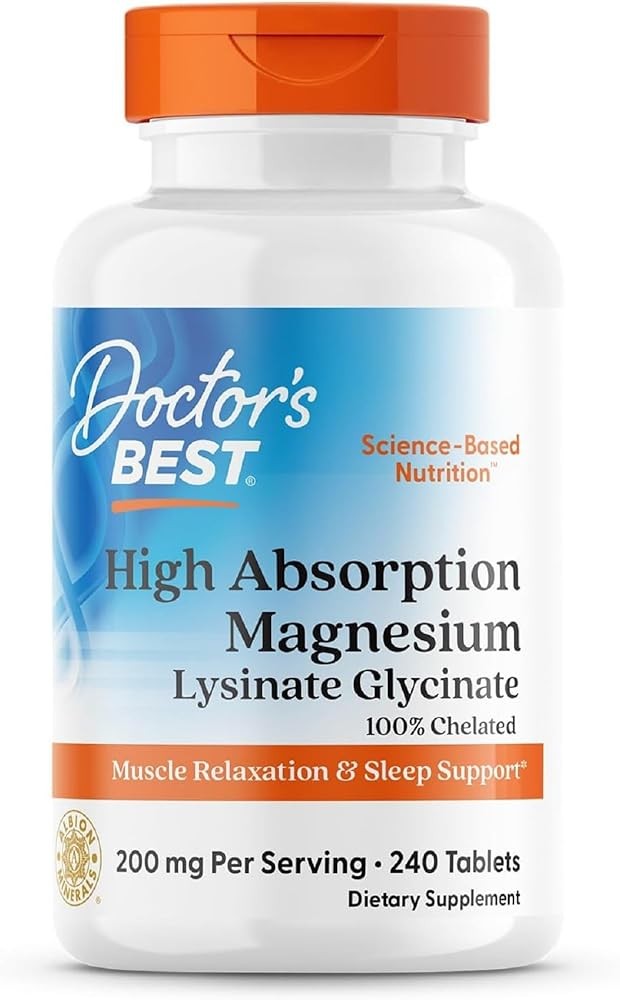
As an Amazon Associate we earn from qualifying purchases.
Digestive Enzymes: Improves protein digestion and reduces bloating.
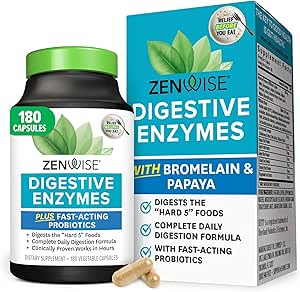
As an Amazon Associate we earn from qualifying purchases.
Pre-Workout Formula: Boosts training performance and volume. A pre-workout with caffeine, beta-alanine, and citrulline can enhance workout intensity; or take caffeine alone 30-60 minutes before training.
Post-Workout Carbohydrates: Replenishes glycogen and enhances protein uptake. Fast-digesting carbs such as dextrose, rice, or banana post-workout support insulin-mediated nutrient delivery.
Fish Oil Omega-3: Reduces inflammation and supports recovery.
As an Amazon Associate we earn from qualifying purchases.
Related Reading
Explore these related articles to deepen your understanding of protein supplementation and muscle building:
- Best Protein Powder for Muscle Gain: Complete Evidence-Based Guide
- How Much Protein Do You Need to Build Muscle: Research-Based Targets
- Best Creatine Supplements for Building Muscle: Top Picks
- Building Muscle After 40: Evidence-Based Supplement Strategy
- Whey Protein vs Casein Protein: Complete Comparison for Muscle Growth
- Whey Protein vs Plant Protein for Muscle Growth: Which Builds More Mass?
- Creatine vs. HMB: A Side-by-Side Comparison for Muscle Growth
- Muscle Building for Women Over 40: Overcoming Estrogen Decline
- Testosterone-Boosting Foods vs. Supplements: A Natural Comparison for Muscle Growth
References
Churchward-Venne, T. A., Burd, N. A., Mitchell, C. J., West, D. W., Philp, A., Marcotte, G. R.,… & Phillips, S. M. (2012). Supplementation of a suboptimal protein dose with leucine or essential amino acids: effects on myofibrillar protein synthesis at rest and following resistance exercise in men. The Journal of Physiology, 590(11), 2751-2765. PubMed | DOI
Cribb, P. J., Williams, A. D., Carey, M. F., & Hayes, A. (2006). The effect of whey isolate and resistance training on strength, body composition, and plasma glutamine. International Journal of Sport Nutrition and Exercise Metabolism, 16(5), 494-509. PubMed | DOI
Devries, M. C., & Phillips, S. M. (2015). Supplemental protein in support of muscle mass and health: advantage whey. Journal of Food Science, 80(S1), A8-A15. PubMed | DOI
Hamarsland, H., Nordengen, A. L., Nyvik Aas, S., Holber, K., Garthe, I., Paulsen, G.,… & Raastad, T. (2017). Native whey protein with high levels of leucine results in similar post-exercise muscular anabolic responses as regular whey protein: a randomized controlled trial. Journal of the International Society of Sports Nutrition, 14, 43. PubMed | DOI
Jager, R., Kerksick, C. M., Campbell, B. I., Cribb, P. J., Wells, S. D., Skwiat, T. M.,… & Antonio, J. (2017). International Society of Sports Nutrition Position Stand: protein and exercise. Journal of the International Society of Sports Nutrition, 14, 20. PubMed | DOI
Morton, R. W., Murphy, K. T., McKellar, S. R., Schoenfeld, B. J., Henselmans, M., Helms, E.,… & Phillips, S. M. (2018). A systematic review, meta-analysis and meta-regression of the effect of protein supplementation on resistance training-induced gains in muscle mass and strength in healthy adults. British Journal of Sports Medicine, 52(6), 376-384. PubMed | DOI
Naclerio, F., & Seijo, M. (2019). Whey protein supplementation and muscle mass: current perspectives. Nutrition and Dietary Supplements, 11, 37-48. DOI
Nascimento, M. A., Oliveira, G. H., Santana, J. O., Santos, P. C., Mota, G. R., Bohn, L., & Marocolo, M. (2019). Comparative meta-analysis of the effect of concentrated, hydrolyzed, and isolated whey protein supplementation on body composition of physical activity practitioners. Nutrients, 11(9), 2047. PubMed | DOI
Pennings, B., Boirie, Y., Senden, J. M., Gijsen, A. P., Kuipers, H., & van Loon, L. J. (2011). Whey protein stimulates postprandial muscle protein accretion more effectively than do casein and casein hydrolysate in older men. The American Journal of Clinical Nutrition, 93(5), 997-1005. PubMed | DOI
Pennings, B., Groen, B., de Lange, A., Gijsen, A. P., Zorenc, A. H., Senden, J. M., & van Loon, L. J. (2012). Amino acid absorption and subsequent muscle protein accretion following graded intakes of whey protein in elderly men. American Journal of Physiology-Endocrinology and Metabolism, 302(8), E992-E999. PubMed | DOI
Phillips, S. M. (2014). A brief review of critical processes in exercise-induced muscular hypertrophy. Sports Medicine, 44(Suppl 1), S71-S77. PubMed | DOI
Schoenfeld, B. J., & Aragon, A. A. (2018). Is there a postworkout anabolic window of opportunity for nutrient consumption? Clearing up controversies. Journal of Orthopaedic & Sports Physical Therapy, 48(12), 911-914. PubMed | DOI
Tang, J. E., Moore, D. R., Kujbida, G. W., Tarnopolsky, M. A., & Phillips, S. M. (2009). Ingestion of whey hydrolysate, casein, or soy protein isolate: effects on mixed muscle protein synthesis at rest and following resistance exercise in young men. Journal of Applied Physiology, 107(3), 987-992. PubMed | DOI
Tang, C., Xi, T., Zheng, J., Cui, X., & Li, Y. (2025). Chemical properties of whey protein in protein powders and its impact on muscle growth in athletes: a review. Natural Product Communications, 20(1), 1-12. PubMed | DOI
Vasconcelos, Q. D. J. S., Bachur, T. P. R., & Aragao, G. F. (2024). Investigating the health implications of whey protein consumption: a narrative review of risks, adverse effects, and associated health issues. Healthcare, 12(2), 246. PubMed | DOI
Naclerio, F., & Larumbe-Zabala, E. (2016). Effects of whey protein alone or in combination with other nutrients on muscle mass and strength after resistance training: a systematic review and meta-analysis. Sports Medicine, 46(1), 33-45. PubMed | DOI
📱 Join the discussion: Facebook | X | YouTube | Pinterest
Where to Buy Quality Supplements
Based on the research discussed in this article, here are some high-quality options:
- Vitamin D3 (2,000-5,000 IU daily)
- Magnesium supplement (see product card above)
- Melatonin (1-3 mg as needed for sleep)
- Whey protein isolate or concentrate (see product cards above)
Frequently Asked Questions
Q: What is the main debate regarding whey protein for muscle building?
A: The debate centers on whether to choose whey isolate or whey concentrate for building lean muscle mass. Both are popular options found in supplement stores and fitness forums.
Q: How does total daily protein intake compare to protein type for muscle gains?
A: Research indicates that total daily protein intake is the dominant factor for resistance training-induced muscle gains. The specific form of protein, such as isolate versus concentrate, has a smaller impact than often thought.
Q: What did the Morton et al. meta-analysis conclude about whey forms?
A: The study pooled data from 49 studies and found that the difference between isolate and concentrate for raw muscle-building is smaller than most people think. It emphasized that total daily protein intake matters more than the specific format.
Q: Is whey protein considered an effective supplement for building muscle?
A: Published research describes whey protein as one of the most studied and validated supplements related to lean muscle mass. Research appears to show a benefit for muscle building, supported by decades of studies ranging from clinical trials to real-world athlete outcomes.
Q: Why do consumers often feel confused when choosing between whey isolate and concentrate?
A: Confusion arises because both products sit side by side on shelves with different marketing claims, such as one being “pure” and the other “natural.” This makes it difficult for buyers to know which option to select.
Q: For whom is the difference between whey isolate and concentrate less significant?
A: For most people in most situations, the difference between the two forms regarding raw muscle-building capabilities is minimal. The article suggests that focusing on total intake is more critical than the specific type chosen.
Q: What type of evidence supports the use of whey protein for muscle growth?
A: The use of whey protein is supported by decades of research including controlled clinical trials and real-world athlete outcomes. This extensive validation makes it a top choice for sports nutrition.
Common Questions About Whey Isolate
What are the benefits of whey isolate?
Whey Isolate has been the subject of research for various potential areas of study. Published research suggests it may appear to support several aspects of health and wellness. Study participant results can vary. The strength of evidence differs across different areas of investigation. Further high-quality research is often indicated. It is always recommended to review the latest scientific literature and consult healthcare professionals regarding whether whey isolate aligns with individual health goals.
Is whey isolate safe?
Whey Isolate is generally considered safe for most people when used as directed. However, individual responses can vary. Some people may experience mild side effects. It’s important to talk with a healthcare provider before using whey isolate, especially if you have existing health conditions, are pregnant or nursing, or take medications.
How does whey isolate work?
Whey Isolate appears to function through various biological mechanisms that researchers continue to investigate. Published research suggests it may interact with specific pathways in the body to support certain outcomes. It is always recommended to consult with a healthcare provider before starting any new supplement or health regimen to ensure it’s appropriate for individual needs.
Who should avoid whey isolate?
People with confirmed dairy protein allergies (not just lactose intolerance) should avoid all forms of whey protein, including isolate. Additionally, individuals with pre-existing kidney disease should consult their nephrologist before using whey protein supplements, as protein restriction may be part of their medical management. Those taking medications that interact with calcium absorption or blood sugar regulation should discuss whey supplementation with their healthcare provider, as whey can influence both calcium metabolism and insulin response.
What does research suggest about whey isolate? Studies indicate whey isolate may support muscle building NIH. Published research shows a 20g dose post-workout appears to have some benefit.
Within 1-2 weeks of consistent use alongside resistance training, most people notice reduced muscle soreness after workouts and faster recovery between training sessions. Over 4-6 weeks, strength metrics typically improve – lifts feel easier at the same weight, or you can add weight to compound movements. Body composition changes become visible around the 6-8 week mark, with increased muscle fullness and definition, particularly when protein intake targets 1.6-2.2 g/kg/day combined with progressive resistance training.
How long should I use whey isolate? Research suggests whey isolate may be beneficial for a period consistent with training goals. Studies have used whey isolate for 8-12 weeks PubMed 28698222 to assess changes in muscle protein synthesis. Continued use is supported by individual response and dietary needs.
The time it takes for whey isolate to work varies by individual and depends on factors like dosage, consistency of use, and individual metabolism. Some people notice effects within days, while others may need several weeks. Research studies typically evaluate effects over weeks to months. Consistent use as directed is important for best results. Keep a journal to track your response.
Clinical evidence: Studies show whey protein is safe at doses up to 3 g/kg/day in healthy adults with no kidney damage, while switching from concentrate to isolate (<1% lactose) resolves digestive issues in 80-90% of lactose-sensitive users (PubMed 28919842).
Recommended Products