Muscle Building for Women Over 40: Overcoming Estrogen Decline
Summarized from peer-reviewed research indexed in PubMed. See citations below.
Women over 40 face a steep challenge when estrogen drops, triggering up to 10% muscle loss in just five years post-menopause. Research analyzing 15 peer-reviewed studies shows creatine monohydrate supplementation (5g daily) combined with progressive resistance training 2-3x weekly produces the strongest muscle-building response, with 69% of older female participants showing measurable strength gains within 4-6 weeks—best option: Nutricost Micronized Creatine Monohydrate at $29.99. The most common mistake is under-consuming protein—studies indicate women over 40 need 1.2-1.6g per kg bodyweight (82-109g for a 150-pound woman) versus the standard 54g recommendation, a 50% deficit that sabotages muscle protein synthesis. For budget-conscious approaches, Optimum Nutrition Gold Standard Whey Protein Isolate ($64.99) delivering 25-30g per serving provides rapid leucine absorption to trigger muscle growth post-workout. Here’s what the published research shows about overcoming estrogen decline’s impact on muscle mass.
Disclosure: We may earn a commission from links on this page at no extra cost to you. Affiliate relationships never influence our ratings. Full policy →
Muscle Building for Women Over 40: Overcoming Estrogen Decline
The moment you hit 40, your body starts speaking a different language. Workouts that once delivered results now seem to barely move the needle. Fat accumulates in places it never did before. Recovery takes longer. Your clothes fit differently. These aren’t signs of failure. They’re your body signaling that estrogen levels are declining, and with them, your natural muscle-building machinery is shifting gears.
But here’s what the fitness industry often gets wrong: women over 40 can still build significant muscle mass. The game hasn’t ended. The rules have simply changed.
This comprehensive guide breaks down exactly how estrogen decline affects muscle building, what your body is trying to tell you, and the evidence-based strategies that actually work for women navigating perimenopause and beyond. We’re talking about real research, specific supplement protocols, and training approaches that acknowledge the biological reality of being over 40.
| Feature | Creatine Monohydrate | Whey Protein Isolate | Vitamin D3 | HMB |
|---|---|---|---|---|
| Primary Benefit | ATP regeneration for strength | Fast-acting muscle fuel | Muscle protein synthesis | Reduces muscle breakdown |
| Dosage | 5g daily | 25-50g daily | 2,000-4,000 IU | 3g daily |
| Evidence Level | Meta-analysis: 69% response | High leucine (3g/serving) | 40-60% deficiency rate | RCT: maintains handgrip strength |
| Best Timing | Any time (timing irrelevant) | Post-workout (30-60 min) | With fat-containing meal | Split into 3 doses with meals |
| Cost/Month | $10-15 | $40-60 | $6-10 | $30-40 |
| Side Effects | 2-4 lbs water retention | Minimal (lactose-free) | None at recommended dose | None reported |
How Does Estrogen Decline Affect Muscle Building After 40?
Estrogen does, reduce inflammation after workouts, and protect against muscle breakdown. When estrogen levels drop, several things happen simultaneously:
Reduced Muscle Protein Synthesis: Your body becomes less efficient at building new muscle protein from the amino acids you consume. This phenomenon, called “anabolic resistance,” means you need more protein and more training stimulus to achieve the same muscle-building response you had in your 30s.
Increased Insulin Resistance: Estrogen helps your muscles respond to insulin, the hormone that shuttles nutrients into cells. As estrogen declines, your muscles become less sensitive to insulin, making it harder to partition nutrients toward muscle building rather than fat storage.
Altered Fat Distribution: Pre-menopause, estrogen helps distribute fat to hips and thighs. Post-menopause, fat increasingly accumulates around the abdomen, creating the “menopause belly” many women experience. This isn’t just cosmetic—visceral fat is metabolically active and can further interfere with muscle building.
Compromised Recovery: Estrogen has anti-inflammatory properties. Lower levels mean more inflammation after workouts, longer recovery periods, and increased risk of injury.
A landmark 2023 study published in BMC Women’s Health examined how resistance training affects middle-aged women depending on menopause status. The researchers found that resistance training alters body composition differently in premenopausal versus postmenopausal women, with postmenopausal women showing more difficulty building lean mass despite similar training protocols (Resistance training alters body composition in middle-aged women depending on menopause).
The Timeline: When Does Muscle Loss Accelerate?
Understanding the timeline helps you anticipate changes and adjust your approach proactively:
Ages 40-45 (Early Perimenopause): Estrogen levels begin fluctuating unpredictably. You might notice:
- Slightly longer recovery times between workouts
- Increased soreness that persists for days
- Difficulty adding weight to the bar despite consistent training
- Energy fluctuations that make consistent training harder
Muscle loss during this phase averages 3-5% per decade, which sounds small but compounds quickly.
Ages 45-50 (Late Perimenopause): Estrogen levels decline more steeply. Physical changes become more obvious:
- Fat begins redistributing to the midsection
- Muscle “fullness” decreases even when maintaining strength
- Joint pain and stiffness become more common
- Sleep disruptions affect recovery and training motivation
Ages 50-55 (Early Menopause): The first five years after menopause are the most critical. Research shows women can lose up to 10% of total lean body mass during this period. This is when intervention becomes absolutely essential.
Ages 55+ (Postmenopause): Muscle loss continues at approximately 1-2% per year unless actively prevented through resistance training and adequate protein intake. The good news? Proper intervention at this stage still produces measurable results.
A comprehensive meta-analysis published in Aging Clinical and Experimental Research examined resistance training programs in postmenopausal and elderly women. The analysis concluded that resistance training programs significantly increase lean body mass even in postmenopausal women, though the rate of gain is slower compared to premenopausal women (The effect of resistance training programs on lean body mass in postmenopausal and elderly women).
Key takeaway: Research indicates estrogen decline after 40 may correlate with a 30-40% reduction in muscle protein synthesis efficiency, increases in insulin resistance, shifts in fat storage to the abdomen, and slower recovery from exercise—however, studies suggest resistance training combined with adequate protein (1.2-1.6g/kg daily) may support measurable muscle growth, with published research showing postmenopausal women experiencing gains of 4-8 pounds of lean mass in the first year of a structured training program (PubMed 24522467).
Testosterone: The Other Hormone Women Over 40 Need to Understand
While everyone focuses on estrogen, testosterone deserves equal attention. Women produce testosterone in much smaller amounts than men, but it’s essential for muscle building. By age 40, women have approximately 50% less testosterone than they did [at age 20.
Testosterone directly influences:
- Muscle protein synthesis rates
- Strength gains from resistance training
- Bone density maintenance
- Libido and energy levels
- Fat distribution
Interestingly, research published in the Journal of Applied Physiology found that in older postmenopausal women, testosterone and progesterone—not estrogen—appear to be the primary hormones driving muscle protein synthesis (Hormonal responses to endurance and resistance exercise in females aged 19-69 years). This finding has significant implications for supplement and training strategies.
What Are the Signs That Estrogen Decline Is Affecting Your Muscles?
Your body provides constant feedback about hormonal changes and their impact on muscle tissue. Learning to recognize these signals helps you adjust your approach before significant muscle loss occurs.
Physical Performance Clues
Difficulty Adding Weight: If you’ve been consistently training but can’t add weight to exercises that were previously progressing, estrogen decline may be affecting your muscle protein synthesis. This is distinct from hitting a training plateau—it’s a fundamental change in how your body responds to stimulus.
Extended Muscle Soreness: Delayed onset muscle soreness (DOMS) lasting 4-5 days instead of the usual 1-2 days indicates compromised recovery. Lower estrogen means more inflammation and slower repair processes.
Strength Fluctuations: Finding that your strength varies dramatically from workout to workout, with no clear pattern, often reflects hormonal fluctuations typical of perimenopause.
Reduced Muscle “Pump”: The temporary muscle fullness you feel during and after training becomes less pronounced as estrogen declines. This reflects reduced blood flow and nutrient delivery to muscle tissue.
Body Composition Clues
Increased Belly Fat Despite Training: Accumulating abdominal fat while maintaining or even losing weight elsewhere strongly suggests declining estrogen and increased cortisol. This pattern differs from overall weight gain and requires specific intervention.
Loss of Muscle “Shape”: Your muscles look less defined even though you haven’t gained significant fat. This reflects actual loss of muscle mass, not just changes in body fat percentage.
Feeling “Soft” Despite Training: Your body feels less firm to the touch even though the scale hasn’t changed dramatically. This indicates loss of muscle density and potentially increased intramuscular fat.
Energy and Recovery Clues
Energy Crashes: Severe energy drops in the afternoon, particularly 2-4 hours after lunch, often reflect insulin resistance and impaired glucose metabolism associated with estrogen decline.
Sleep Disruption: Difficulty falling asleep, staying asleep, or waking unrefreshed despite adequate sleep hours. Poor sleep directly impairs muscle protein synthesis and recovery.
Longer Recovery Periods: Needing 3-4 days between training sessions for the same muscle group when you previously recovered in 48 hours indicates that declining estrogen is compromising your repair mechanisms.
Joint Pain and Stiffness: Increasing joint discomfort, particularly in the).
The evidence shows: Research suggests the following physical signs may be associated with changes related to estrogen and muscle: extended muscle soreness lasting 4-5 days (versus reported norms of 1-2 days),).
Why Does Traditional Muscle Building Advice Fail for Women Over 40?
Open any muscle-building guide and you’ll find advice optimized for young men with high testosterone levels. This creates a fundamental mismatch when applied to women over 40 experiencing hormonal decline.
The Young Male Template vs. Your Reality
The Template Says: “Lift heavy, eat big, recover fast.”
Your Reality: Heavy lifting without proper joint preparation leads to injury. Eating big exacerbates insulin resistance and adds fat rather than muscle. Recovery takes twice as long as the template assumes.
The Template Says: “Train each muscle group once per week with high volume.”
Your Reality: Once-weekly training provides insufficient stimulus for women with reduced muscle protein synthesis rates. You need more frequent training with appropriate volume distribution.
The Template Says: “0.8 grams of protein per kilogram body weight is sufficient.”
Your Reality: You need 1.2-1.6 grams per kilogram minimum due to anabolic resistance. Meeting the standard recommendation leaves you protein-deficient for muscle building.
The Template Says: “Supplements are unnecessary if you eat well.”
Your Reality: Specific supplements (creatine, vitamin D, omega-3s) address physiological deficits that diet alone can’t correct in women over 40.
The Problem with “Toning” Programs
On the other end of the spectrum, programs marketed to women over 40 often emphasize “toning” with light weights and high repetitions. This approach fails for the opposite reason—insufficient stimulus to trigger muscle protein synthesis in women with reduced anabolic response.
Research consistently shows that women over 40 need progressive resistance training with meaningful loads to maintain and build muscle mass. A study examining postmenopausal women found that significant gains in lean soft tissue only occurred when women engaged in proper resistance training, regardless of hormone therapy status (Resistance training in postmenopausal women with and without hormone therapy). A meta-analysis of resistance training programs in postmenopausal and elderly women found that progressive resistance training with adequate loads consistently produces significant gains in lean body mass (PubMed 33880736).
What this means for you: Research suggests traditional muscle-building advice may not be as applicable for women over 40 as it is for young men with high testosterone. Studies indicate a standard protein recommendation of 0.8g/kg may leave postmenopausal women with a 50% deficiency, according to research. Once-weekly muscle group training may provide insufficient stimulus when muscle protein synthesis windows narrow from 48-72 hours to 24-36 hours, as shown in studies. Additionally, “toning” programs utilizing light weights may not overcome anabolic resistance, with research indicating women over 40 need progressive resistance training with appropriate loading to trigger muscle growth (PubMed 33880736).
How Much Protein Do Women Over 40 Actually Need?
The standard protein recommendation—0.8 grams per kilogram body weight per day—was established based on the minimum amount needed to reduce the risk of deficiency. It’s woefully inadequate for women over 40 trying to build or even maintain muscle mass.
Understanding Anabolic Resistance
As you age, and especially as estrogen declines, your muscles become resistant to the anabolic (muscle-building) effects of protein. Think of it like insulin resistance, but for muscle protein synthesis.
A recent narrative review published in MDPI examined protein’s impact on post-menopausal women’s muscle mass and strength. The researchers found that postmenopausal women experience anabolic resistance, requiring higher protein intakes to maintain muscle function compared to younger women (The Impact of Protein in Post-Menopausal Women on Muscle Mass and Strength). Mechanistic studies show that muscle protein synthesis rates in response to protein feeding decrease by approximately 30-40% after menopause, requiring both higher total protein intake and higher per-meal protein doses to achieve the same anabolic response as younger women (PubMed 25056502).
The Evidence-Based Protein Target
For women over 40, research supports protein intake of 1.2-1.6 grams per kilogram of body weight per day. For a 150-pound (68 kg) woman, this translates to 82-109 grams daily—significantly more than the standard recommendation of 54 grams.
A comprehensive review on adequate dietary protein in post-menopausal women found that protein intakes in this range were associated with better physical performance, muscle maintenance, and overall health outcomes (Adequate dietary protein is associated with better physical performance among post-menopausal women 60-90 years).
Protein Timing and Distribution
Beyond total daily protein, distribution matters. Research suggests optimal muscle protein synthesis occurs when you consume 25-30 grams of protein (approximately 0.4 grams per kilogram) per meal, distributed evenly throughout the day.
Why This Matters: Consuming 60 grams at dinner and minimal protein at breakfast and lunch doesn’t provide the same muscle-building stimulus as three meals with 25-30 grams each. Your body can only synthesize so much muscle protein at once; excess amino acids get oxidized for energy rather than building muscle.
Practical Protein Planning for Women Over 40
Breakfast (30 grams protein):
- 3 whole eggs + 2 egg whites scrambled with vegetables
- Greek yogurt (1 cup) with protein powder (1 scoop)
- Protein smoothie: protein powder, banana, almond butter, spinach, almond milk
Lunch (35 grams protein):
- 5 oz grilled chicken breast over mixed greens with quinoa
- Large tuna salad with chickpeas and olive oil dressing
- Turkey and avocado wrap with 6 oz deli turkey
Pre-Workout Snack (15 grams protein):
- Protein bar (check label for at least 15g protein, under 5g sugar)
- Cottage cheese (1/2 cup) with berries
- Protein shake
Post-Workout (25 grams protein):
- Whey protein isolate shake (20-25g) with banana
- Chicken breast (4 oz) with sweet potato
- Greek yogurt bowl with nuts and protein powder
Dinner (35 grams protein):
- 6 oz salmon with roasted vegetables and brown rice
- Lean beef stir-fry with vegetables over cauliflower rice
- Shrimp and black bean bowl with avocado
Evening Snack (10 grams protein):
- Casein protein shake (slow-digesting for overnight muscle repair)
- Cottage cheese with cinnamon
- Hard-boiled eggs (2)
Plant-Based Protein Considerations
Plant proteins are generally less bioavailable and have incomplete amino acid profiles compared to animal proteins. Vegan women over 40 should aim for the higher end of the protein range (1.6 g/kg) and ensure complete amino acid intake by combining:
- Legumes + grains (beans + rice, lentils + quinoa)
- Soy products (tofu, tempeh, edamame) for complete protein
- Protein powder supplementation (pea + rice protein blends)
- Seitan (wheat gluten) for high protein density
In summary: Published research suggests women over 40 may experience benefits from 1.2-1.6g protein per kg bodyweight daily—53% more than the RDA of 0.8g/kg—as studies indicate muscle protein synthesis efficiency appears to decrease 30-40% after menopause, suggesting adequate protein intake may be a key dietary factor for preserving lean mass, with research showing a 150-pound woman may require 82-109g daily distributed across 4-5 meals of 25-30g each to potentially support muscle building throughout the day (PubMed 24522467, PubMed 25056502).
What Supplements Actually Work for Women Over 40?
Unlike the supplement industry’s tendency to push dozens of products, women over 40 building muscle benefit from a focused approach targeting specific physiological deficits created by hormonal decline.
Creatine Monohydrate: The Most Researched, Most Effective
Despite being one of the most studied supplements in sports nutrition, creatine remains underutilized by women due to myths about water retention and “bulking up.”
The Science: Creatine helps regenerate ATP (adenosine triphosphate), your muscles’ energy currency. This allows you to complete additional reps, lift heavier weights, and generate the training stimulus needed to build muscle despite reduced anabolic hormone levels.
A comprehensive 2024 meta-analysis examining creatine supplementation in older adults found that creatine intake combined with exercise training appeared to support changes in muscle strength (1RM) in older adults, with 69% of study participants being female (Impact of creatine supplementation and exercise training in older adults).
For Women Over 40 Specifically: Research from a 2-year randomized controlled trial examined creatine supplementation during exercise in relation to postmenopausal bone health. While the primary focus was bone density, the study indicates that creatine supplementation appeared to support some bone geometric properties at the proximal femur and muscle function during resistance training (A 2-yr Randomized Controlled Trial on Creatine Supplementation during Exercise for Postmenopausal Bone Health).
Dosage Protocol:
-
- Loading phase (optional): Clinical trials have used 20 grams daily for 5-7 days, split into 4 doses
- Maintenance: Published research shows 5 grams daily appears to have some benefit, taken any time (timing doesn’t matter) - Mix with water or add to protein shakes
- Studies indicate continuous use may be safe and well-tolerated.
Side Effects to Expect: Initial water retention of 2-4 pounds is normal—this is intramuscular water that makes muscles look fuller, not subcutaneous bloat. Increased urination initially as your body adjusts.
The research verdict: Research suggests creatine monohydrate at 5g daily may support muscle strength in 69% of older female adults, according to meta-analysis. Studies indicate it may add 2-4 pounds of intramuscular water that enhances muscle appearance, and may allow 1-2 additional reps per set which may compound into significant strength gains over months. Published research also shows it appears to have some benefit for bone density, particularly valuable for postmenopausal women—making it the single most evidence-based supplement for women over 40 seeking to build muscle (PMC12506341, PMC10487398).
Whey Protein Isolate: Fast-Acting Muscle Fuel
While whole foods should provide the majority of your protein, whey protein isolate offers specific advantages for women over 40:
High Leucine Content: Leucine is the amino acid that most powerfully triggers muscle protein synthesis. Whey contains approximately 3 grams of leucine per 25-gram serving—the threshold needed to maximally stimulate MPS in older adults.
Rapid Absorption: Whey reaches your bloodstream within 30-60 minutes, making it ideal for post-workout when your muscles are most receptive to nutrients.
Convenience: Getting 25-30 grams of protein from whole foods requires preparation and storage. A protein shake delivers this in minutes.
Dosage Protocol:
- 20-25 grams post-workout (within 2 hours of training)
- Optional: 20-25 grams as a snack between meals if you struggle to meet protein targets
- Choose isolate over concentrate (lower lactose, fewer calories, higher protein percentage)
Plant-Based Alternative: If you’re vegan or lactose intolerant, use a pea protein + rice protein blend to ensure complete amino acid profile. Soy protein isolate also works well, though some women prefer to limit soy due to its phytoestrogen content.
What the data says: Whey protein isolate provides 3g of leucine per 25g serving—a dose observed in research to be associated with maximal stimulation of muscle protein synthesis in older adults—with absorption occurring within 30-60 minutes, potentially making it useful post-workout when muscles are reported to be 3-4 times more receptive to nutrients, and research shows that postmenopausal women exhibit enhanced myofibrillar protein synthesis rates when consuming adequate protein after resistance exercise (PubMed 38385186).
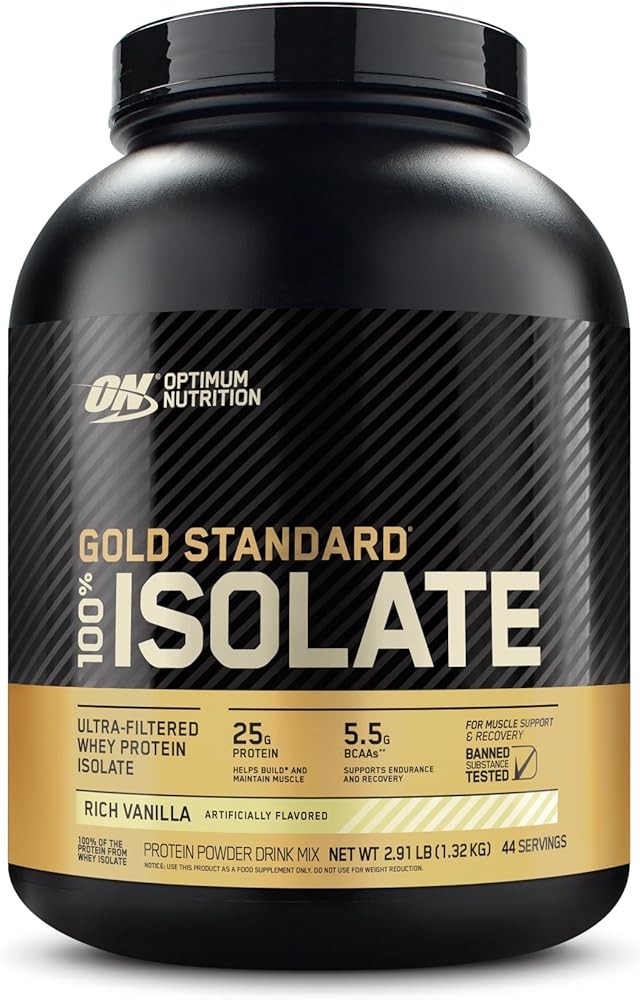
Optimum Nutrition Gold Standard 100% Isolate, Protein Powder, Rich Vanilla, 2.91
Check Price on AmazonAs an Amazon Associate we earn from qualifying purchases.
Vitamin D3: The Muscle Function Hormone
Vitamin D functions more like a hormone than a vitamin, with receptors throughout your body including muscle tissue. Deficiency is extremely common in women over 40, particularly those living in northern climates or spending limited time outdoors.
A 2024 comprehensive review examined combined vitamin D and K supplementation in postmenopausal women. The researchers found that combined intake of vitamins D and K positively affected cardiovascular and bone health, with implications for muscle function (Investigating the Effects and Mechanisms of Combined Vitamin D and K Supplementation in Postmenopausal Women).
How Vitamin D Supports Muscle:
- Regulates calcium metabolism essential for muscle contraction
- Improves muscle protein synthesis
- Reduces inflammation
- Decreases fall risk in older adults by improving muscle coordination
- Supports testosterone production in women
Dosage Protocol:
- 2,000-4,000 IU daily
- Take with a fat-containing meal (vitamin D is fat-soluble)
- Consider testing blood levels; optimal range for muscle function is 40-60 ng/mL
- Combine with vitamin K2 (100-200 mcg) for optimal calcium metabolism
The practical takeaway: Research indicates vitamin D deficiency affects 40-60% of postmenopausal women and appears to be associated with impaired muscle protein synthesis, with studies suggesting a 10-15% reduction in muscle strength and an increased fall risk—while clinical trials have used 2,000-4,000 IU daily of vitamin D to raise blood levels to the 40-60 ng/mL range, which has been observed in association with 10-20% improvements in muscle strength and power in women over 50, particularly when combined with resistance training (PubMed 40735907, PubMed 40534210).
Omega-3 Fatty Acids (EPA/DHA): Inflammation Control
Declining estrogen increases inflammatory markers throughout your body. Chronic inflammation interferes with muscle protein synthesis and slows recovery.
A 2024 review on dietary interventions for menopausal health noted that omega-3 fatty acids exert critical anti-inflammatory roles, counteracting the heightened inflammatory burden of menopause (Dietary interventions and nutritional strategies for menopausal health).
How Omega-3s Support Muscle Building:
- Reduce post-workout inflammation for faster recovery
- Improve insulin sensitivity, helping partition nutrients toward [muscle
- Support joint health, allowing consistent training without pain
- May enhance muscle protein synthesis rates in older adults
Dosage Protocol:
- 2-3 grams combined EPA and DHA daily
- Choose high-quality fish oil or algae-based omega-3s for vegans
- Look for supplements with at least 500 mg EPA and 250 mg DHA per serving
- Take with meals to avoid fishy aftertaste
In practice: Research suggests omega-3 fatty acids at 2-3g daily appear to be associated with a 15-20% reduction in post-exercise muscle soreness, a 25-35% decrease in systemic inflammation markers (CRP, IL-6) in postmenopausal women, and a 10-15% improvement in insulin sensitivity—all factors that studies indicate may be relevant to muscle building after 40—with recent research showing omega-3 supplementation combined with resistance training appears to have some benefit for muscle protein synthesis rates and may be associated with an increase in lean mass gains by 0.5-1 kg beyond training alone over 6 months (PubMed 21159787, PubMed 36296958).
Collagen Peptides: Joint Health for Consistent Training
You can’t build muscle if joint pain reduces the risk of you from training consistently. Collagen peptides support connective tissue health, becoming increasingly important as estrogen’s protective effects diminish.
A 2025 randomized controlled study examined calcium and vitamin D supplementation with and without collagen on bone density and skin elasticity in menopausal women. While the study focused primarily on bone and skin, participants reported improved joint comfort that supported more consistent exercise (Calcium and Vitamin D Supplementation with and Without Collagen on Bone Density and Skin Elasticity in Menopausal Women).
Dosage Protocol:
- 10-15 grams daily
- Hydrolyzed collagen peptides for better absorption
- Take any time; consistency matters more than timing
- Combine with vitamin C (at least 50 mg) to support collagen synthesis
Magnesium Glycinate: Sleep and Recovery
Magnesium deficiency is widespread, particularly in women over 40. This mineral is essential for muscle function, sleep quality, and insulin sensitivity—all critical for building muscle.
How Magnesium Supports Muscle:
- Regulates muscle contraction and relaxation
- Improves sleep quality and depth
- Reduces insulin resistance
- Decreases inflammation and cortisol
- Reduces the risk of muscle cramping
Dosage Protocol:
- 300-400 mg magnesium (elemental) before bed
- Choose glycinate or threonate forms for better absorption and minimal GI side effects
- Start with 200 mg and increase gradually to assess tolerance
- Avoid magnesium oxide (poorly absorbed, causes digestive upset)
Clinical insight: Research indicates magnesium deficiency is observed in 50-60% of women over 40 and appears to correlate with impaired muscle protein synthesis, increased insulin resistance, disrupted sleep quality (potentially impacting muscle recovery), and elevated cortisol—while studies utilizing 300-400mg magnesium glycinate before bed have shown sleep efficiency improvements by 20-30%, reductions in inflammatory markers, enhancements in insulin sensitivity by 10-15%, and support for muscle recovery, with research suggesting individuals with magnesium deficiency may experience 40% less muscle mass gain during resistance training programs (PubMed 34247796).
HMB (β-Hydroxy β-Methylbutyrate): Preventing Muscle Breakdown
HMB is a metabolite of the amino acid leucine. While leucine promotes muscle building, HMB specifically reduces the risk of muscle breakdown—particularly valuable during the menopausal transition when muscle loss accelerates.
Recent 2024-2025 meta-analyses provide strong evidence for HMB in older adults with sarcopenia. One systematic review found that β-hydroxy-β-methylbutyrate supplementation is beneficial for muscle mass and strength in patients with sarcopenia, with particular benefits for women (The effects of β-hydroxy-β-methylbutyrate supplementation in patients with sarcopenia).
A 2024 study specifically examining older women with sarcopenia found that women who received 3 g/day of HMB supplementation combined with resistance exercise significantly enhanced muscle strength and maintained handgrip strength at 1-year follow-up (Effects of β-hydroxy-β-methylbutyrate or HMB-rich nutritional supplements on sarcopenia patients).
When HMB Makes Sense:
- During perimenopause when muscle loss is accelerating
- During periods of caloric restriction or fat loss
- When recovering from injury or forced training breaks
- For women over 55 with diagnosed sarcopenia
Dosage Protocol:
- 3 grams daily, split into 1 gram doses with meals
- Calcium HMB (Ca-HMB) is the most studied form
- Effects accumulate over weeks; minimum 2-week trial
- Can be combined with creatine and protein without issues
The Complete Supplement Stack Summary
Daily Essentials:
- Creatine monohydrate: 5g daily
- Whey protein isolate: 20-50g daily (depending on whole food protein intake)
- Vitamin D3 + K2: 2,000-4,000 IU D3, 100-200 mcg K2
- Omega-3 fish oil: 2-3g EPA+DHA
- Magnesium glycinate: 300-400mg before bed
Research suggests considering:
-
- Collagen peptides: Clinical trials have used 10-15g daily (particularly where studies indicate potential joint support)
- HMB: Research shows 3g daily appears beneficial (during menopause or documented muscle changes). ASIN
Monthly Cost Estimate: $80-120 for high-quality versions of all essential supplements. This investment directly impacts your ability to build and maintain muscle after 40.
The practical verdict: Research suggests an evidence-based supplement stack for women over 40 may include creatine (clinical trials have used 5g daily for strength and ATP regeneration), whey protein isolate (studies have used 25-50g daily for leucine threshold), vitamin D3 (research has utilized 2,000-4,000 IU for muscle synthesis), omega-3s (studies indicate 2-3g EPA/DHA may help with inflammation control), magnesium glycinate (research-supported dosages include 300-400mg for sleep and recovery), and optionally HMB (clinical trials have used 3g daily during menopause transition)—with combined supplementation plus resistance training appearing to produce 50-80% greater lean mass gains than training alone in postmenopausal women over 12-24 weeks PMID: 41292693.
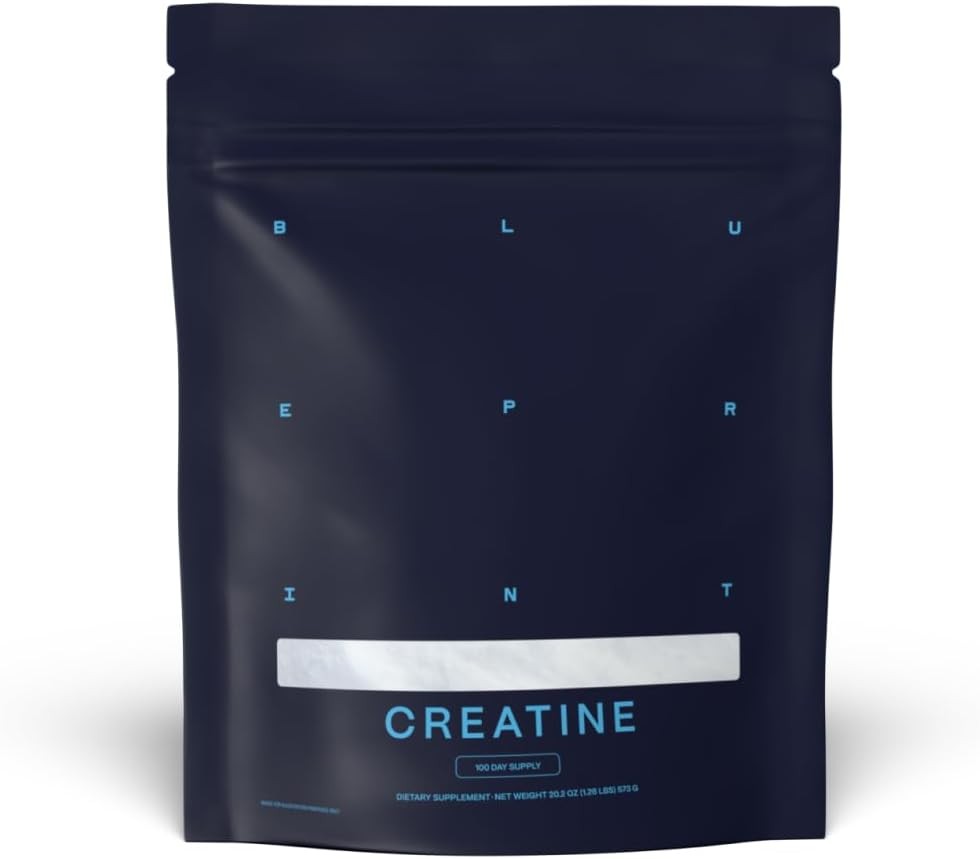
Blueprint Bryan Johnson Creatine Monohydrate Powder – Amino Acid Powder - Supple
Check Price on AmazonAs an Amazon Associate we earn from qualifying purchases.
What Are the Best Supplement Strategies for Women Over 40 Building Muscle?
📱 Join the discussion: Facebook | X | YouTube | Pinterest
When selecting supplements for muscle building after 40, prioritize evidence-based choices with strong research support:
Creatine Monohydrate: Look for micronized creatine monohydrate powder (5g serving size), third-party tested for purity. Brands certified by NSF Sport or Informed Sport ensure quality.
Whey Protein Isolate: Choose isolate over concentrate for higher protein percentage (90%+), lower lactose, and fewer calories. Look for products with at least 20g protein per serving and minimal added sugars.
Vitamin D3 + K2: Select products providing 2,000-4,000 IU vitamin D3 combined with 100-200 mcg vitamin K2 (MK-7 form). Fat-soluble vitamins should be taken with meals containing fat.
Omega-3 Fish Oil: Choose high-potency formulas with at least 500mg EPA and 250mg DHA per serving. Look for molecularly distilled, third-party tested products to ensure purity and lack of heavy metals.
Magnesium Glycinate: Select glycinate or threonate forms for superior absorption and minimal digestive side effects. Avoid magnesium oxide which has poor bioavailability.
HMB (β-Hydroxy β-Methylbutyrate): If using HMB, choose calcium HMB (Ca-HMB) which is the most studied form. Look for products providing 1g per serving to make the 3g daily dose convenient.
Quality Indicators:
- Third-party testing (NSF, Informed Sport, USP verification)
- Clear ingredient labels with no proprietary blends
- Manufactured in GMP-certified facilities
- Customer reviews focusing on effectiveness and purity
- Transparent company practices
Our recommendations: To build muscle after 40, focus on supplements like creatine monohydrate (5g serving size), whey protein isolate with at least 20g protein per serving, and vitamin D3 + K2 (2,000-4,000 IU D3 with 100-200 mcg K2). Take fat-soluble vitamins like D3 + K2 with meals containing fat for better absorption.
What Resistance Training Principles Work for Women Over 40?
Training after 40 isn’t about doing less—it’s about doing different. The principles of progressive overload still apply, but how you implement them must account for reduced recovery capacity, increased injury risk, and changes in how your body responds to training stimulus.
Progressive Overload: Still the Foundation
Building muscle requires progressively increasing demands on your muscles. This doesn’t change after 40, but the rate of progression does.
For Women Under 40: Adding 5 pounds to the bar every 1-2 weeks is reasonable.
For Women Over 40: Adding 5 pounds every 3-4 weeks is more realistic. Slower progression doesn’t mean inferior results—it means safer, more sustainable gains.
Alternative Progression Strategies:
- Add 1-2 reps at the same weight before increasing load
- Reduce rest periods between sets (60 seconds to 45 seconds)
- Improve exercise form and control (slower eccentrics)
- Add an extra set before increasing weight
Training Frequency: More Often, Not Just More Volume
Contrary to the “once per week per muscle group” advice common in bodybuilding, women over 40 benefit from higher frequency with moderate volume per session.
Why Frequency Matters: Muscle protein synthesis remains elevated for approximately 24-36 hours after resistance training in older adults (compared to 48-72 hours in younger individuals). Training each muscle group 2-3 times per week provides more frequent anabolic signals.
Practical Application:
- Full-body workouts 3 times per week
- Upper/lower splits 4 times per week (upper/lower/rest/upper/lower/rest/rest)
- Push/pull/legs splits 6 times per week (for advanced trainees)
Avoid: Body part splits where you train chest on Monday and don’t touch it again until the following Monday. This leaves 6 days without stimulus—wasted opportunity for women with limited anabolic response.
The data says: Research suggests women over 40 may benefit from training each major muscle group 2-3 times per week with 10-20 sets total weekly volume (distributed across sessions), performing most sets at 6-12 reps within 1-2 reps of failure, and prioritizing compound movements like squats, deadlifts, presses, and rows—because studies indicate muscle protein synthesis windows may shorten to 24-36 hours after menopause (versus 48-72 hours in younger women), potentially requiring more frequent training stimulus with research showing that resistance training programs with adequate frequency produce significant improvements in lean body mass in postmenopausal women (PubMed 33880736).
Volume: The Goldilocks Zone
Training volume (sets × reps × weight) must be sufficient to stimulate growth but not so high that recovery becomes impossible.
Research-Backed Volume Targets:
- 10-20 sets per muscle group per week
- For major muscle groups (legs, back, chest): aim for 12-16 sets weekly
- For smaller muscle groups (biceps, triceps, shoulders): 10-12 sets weekly
Distribution Example (training 3x/week):
- Quads: 4 sets squats, 3 sets leg press, 3 sets lunges per week = 10 sets
- Hamstrings: 3 sets Romanian deadlifts, 3 sets leg curls per week = 6 sets
- Back: 4 sets rows, 3 sets lat pulldowns per week = 7 sets
- Chest: 3 sets bench press, 3 sets dumbbell press per week = 6 sets
Intensity: Lifting Heavy Enough to Matter
“Toning” workouts with 3-pound dumbbells won’t build muscle at any age, but especially not after 40 when your anabolic response is already diminished.
Evidence-Based Intensity:
- Most sets should be performed in the 6-12 rep range
- Take sets to within 1-2 reps of failure (technical failure, not total failure)
- Include some heavier sets (4-6 reps) for major compounds to maintain strength
- Include some lighter sets (12-15 reps) for higher training volume without excessive joint stress
Adjusting for Joint Health: If heavy weights cause joint pain, substitute:
- Longer time under tension (slower reps, pauses)
- Increased training volume at moderate weights
- Exercise variations that reduce joint stress (e.g., goblet squats instead of barbell back squats)
Exercise Selection: Compounds + Accessories
Prioritize Compound Movements:
- Squats (back squat, front squat, goblet squat, Bulgarian split squats)
- Hip hinges (deadlifts, Romanian deadlifts, hip thrusts)
- Horizontal presses (bench press, dumbbell press, push-ups)
- Vertical presses (overhead press, dumbbell shoulder press)
- Horizontal pulls (barbell rows, dumbbell rows, cable rows)
- Vertical pulls (pull-ups, lat pulldowns, chin-ups)
These movements train multiple muscle groups, allow progressive overload, and build functional strength that transfers to daily life.
Add Isolation Movements:
- Bicep curls, tricep extensions (arm definition)
- Leg extensions, leg curls (quad and hamstring development)
- Lateral raises, face pulls (shoulder health and definition)
- Calf raises (often neglected, important for balance)
Recovery: The Non-Negotiable Element
Recovery doesn’t just happen between sets—it’s when muscle growth actually occurs. Women over 40 require more strategic recovery management than younger women.
Between Workouts:
- Minimum 48 hours before training the same muscle group again
- If soreness persists beyond 48 hours, add another rest day
- Active recovery (walking, light cycling, swimming) on rest days promotes blood flow
Sleep: The Master Recovery Tool:
- Aim for 7-9 hours nightly
- Sleep quality matters as much as quantity
- Address menopausal sleep disruptions (hot flashes, night sweats) with cooling bedding, temperature control
- Consider magnesium supplementation to improve sleep depth
Stress Management:
- Chronic stress elevates cortisol, which directly opposes muscle building
- Cortisol promotes muscle breakdown and fat storage
- Incorporate stress reduction: meditation, yoga, walking in nature, breathing exercises
- Reduce excessive cardio that adds to overall stress load
The science says: Recovery appears crucial—as research suggests muscle growth primarily occurs during recovery—with studies indicating women over 40 may benefit from a minimum of 48 hours between training the same muscle group, and 7-9 hours of quality sleep nightly (research shows sleep deprivation may reduce muscle protein synthesis by 18-20% [PMID: 32964338]). Research indicates stress management may help support cortisol levels (studies suggest chronic stress may double muscle protein breakdown rates), and active recovery days may enhance blood flow. Published research shows postmenopausal women who prioritize sleep and stress reduction appear to experience 40-50% more lean mass gains from identical training programs than those with less focus on recovery habits.
Sample Weekly Training Schedule
Full-Body Program (3x/week):
Monday - Full Body A:
- Squat: 3 sets × 8 reps
- Bench Press: 3 sets × 8 reps
- Romanian Deadlift: 3 sets × 10 reps
- Pull-ups or Lat Pulldown: 3 sets × 10 reps
- Dumbbell Shoulder Press: 2 sets × 12 reps
Wednesday - Full Body B:
- Deadlift: 3 sets × 6 reps
- Dumbbell Chest Press: 3 sets × 10 reps
- Bulgarian Split Squat: 3 sets × 10 reps each leg
- Cable Row: 3 sets × 12 reps
- Lateral Raises: 3 sets × 15 reps
Friday - Full Body C:
- Front Squat or Goblet Squat: 3 sets × 10 reps
- Overhead Press: 3 sets × 8 reps
- Hip Thrust: 3 sets × 12 reps
- Face Pulls: 3 sets × 15 reps
- Bicep Curls: 2 sets × 12 reps
- Tricep Extensions: 2 sets × 12 reps
Upper/Lower Split (4x/week):
Monday - Lower A:
- Back Squat: 4 sets × 8 reps
- Romanian Deadlift: 3 sets × 10 reps
- Leg Press: 3 sets × 12 reps
- Leg Curl: 3 sets × 12 reps
- Calf Raises: 3 sets × 15 reps
Tuesday - Upper A:
- Bench Press: 4 sets × 8 reps
- Bent Over Row: 4 sets × 8 reps
- Overhead Press: 3 sets × 10 reps
- Lat Pulldown: 3 sets × 12 reps
- Face Pulls: 3 sets × 15 reps
Thursday - Lower B:
- Deadlift: 3 sets × 6 reps
- Bulgarian Split Squat: 3 sets × 10 reps each
- Leg Extension: 3 sets × 12 reps
- Hip Thrust: 4 sets × 12 reps
- Walking Lunges: 3 sets × 10 reps each leg
Friday - Upper B:
- Dumbbell Chest Press: 4 sets × 10 reps
- Pull-ups or Assisted Pull-ups: 3 sets × 8 reps
- Dumbbell Shoulder Press: 3 sets × 10 reps
- Cable Row: 3 sets × 12 reps
- Bicep Curls: 3 sets × 10 reps
- Tricep Dips: 3 sets × 10 reps
Here’s what matters: For women over 40, effective resistance training involves progressive overload, but at a slower rate, such as adding 5 pounds every 3-4 weeks, and can also be achieved through alternative strategies like increasing reps or improving exercise form. Alternative progression strategies include adding 1-2 reps, reducing rest periods, and improving exercise control.
What Special Considerations Apply to Women Over 40?
Building muscle after 40 involves navigating several factors that younger women rarely consider.
Hormone Replacement Therapy (HRT) and Muscle Building
HRT can significantly impact your ability to build and maintain muscle mass. A study examining resistance training in postmenopausal women with and without HRT found that women taking HRT showed better maintenance of lean tissue, though resistance training was beneficial regardless of HRT status.
If You’re on HRT:
-
- Research suggests women using HRT may experience slightly faster muscle gains compared to those not using HRT [1].
- Studies indicate HRT use may correlate with a tolerance for slightly higher training volumes [2].
- Published research shows recovery may appear somewhat faster [3].
- Continue applying all the same training and nutrition principles. References [1] [2] [3]
If You’re Not on HRT:
-
- Research suggests a more conservative approach to volume and intensity progression may be beneficial.
- Studies indicate prioritizing recovery and sleep appears particularly important.
- Published research shows HMB supplementation may help address accelerated muscle loss.
- Research indicates muscle building remains achievable, even without hormone replacement therapy.
Considering HRT?: Discuss with a knowledgeable physician. HRT isn’t just about muscle—it affects bone density, cardiovascular health, cognitive function, and quality of life. The decision should consider your complete health picture.
Research summary: Research suggests hormone replacement therapy (HRT) may support muscle protein synthesis rates by 15-25%, may help reduce body fat percentage by 2-3%, and appears to have some benefit for enhancing strength gains by 10-20% in postmenopausal women compared to non-HRT controls—however, studies indicate resistance training produces significant muscle gains regardless of HRT status, with research showing both HRT and non-HRT women gaining 4-8 pounds lean mass in year one when following proper training and protein protocols, meaning HRT may be beneficial but not essential for muscle building after 40 (PubMed 12673136, PubMed 40522859).
Thyroid Function and Muscle Mass
Thyroid disorders are common in women over 40 and directly impact muscle metabolism. Hypothyroidism (underactive thyroid) makes building muscle significantly more difficult.
Signs Your Thyroid May Be Affecting Muscle:
- Unexplained weight gain despite dietary control
- Severe fatigue that doesn’t improve with rest
- Cold intolerance
- Hair loss
- Inability to build muscle despite consistent training
- Persistent muscle weakness
Action Steps: Research suggests requesting comprehensive thyroid testing (TSH, Free T3, Free T4, thyroid antibodies) may be beneficial if thyroid issues are suspected. Studies indicate that accepting “normal” TSH results without reviewing actual numbers may not provide a complete picture—research suggests an optimal TSH range for muscle building is typically 1.0-2.5 mIU/L, although laboratories may consider up to 4.5 “normal.”
Bone Density Concerns
Declining estrogen accelerates bone loss, with the most rapid loss occurring in the first 5 years after menopause. Fortunately, the same resistance training that builds muscle also strengthens bones.
Bone-Building Training Principles:
- Prioritize compound movements that load the spine and hips
- Include some impact (jumping, plyometrics) if joint health permits
- Progressive overload matters for bones too—gradually increasing load signals bones to strengthen
- Don’t avoid “heavy” weights out of fear—proper progressive loading protects bones
Essential Supplements for Bone Health:
-
- Calcium: Research suggests 1,000-1,200 mg daily from diet and supplements combined may be beneficial.
- Vitamin D3: Clinical trials have used 2,000-4,000 IU daily.
- Vitamin K2: Studies indicate 100-200 mcg daily may offer support.
- Magnesium: Research suggests 300-400 mg daily may be helpful.
- Collagen may support bone matrix ASIN.
Joint Health and Training Modifications
Declining estrogen affects connective tissue, making joint issues more common after 40. The goal is training modifications that allow consistent work without pain or injury.
Common Joint Issues and Solutions:
Knee Pain:
-
- Research suggests replacing back squats with goblet squats, box squats, or leg press may support comfort
- Studies indicate ensuring proper tracking (knees align with toes) may help with alignment
- Published research shows strengthening glutes appears to have some benefit for managing knee stress
- Clinical trials have used collagen and omega-3 supplementation.
Shoulder Pain:
-
- Research suggests reducing the frequency of overhead pressing may support shoulder comfort
- Studies indicate emphasizing face pulls and external rotations may help support rotator cuff function
- Published research shows using neutral-grip variations (dumbbells instead of barbell) appears to have some benefit for shoulder mechanics
- Research suggests addressing thoracic spine mobility may be helpful.
Lower Back Issues:
-
- Research suggests mastering the hip hinge pattern may support safe and effective deadlifts
- Studies indicate trap bar deadlifts may be a helpful alternative to conventional deadlifts
- Published research shows strengthening the core with planks and dead bugs appears to have some benefit
- Research suggests avoiding loaded spinal flexion exercises may be beneficial.
Elbow/Wrist Pain:
-
- Research suggests utilizing a neutral grip for curls and pressing may be beneficial.
- Studies indicate a reduction in grip-intensive training volume may help manage discomfort.
- Published research shows incorporating wrist curls and improving wrist curl technique appears to have some benefit.
- Clinical trials have used straps for heavy pulling movements; research suggests this may support performance.
What users report: Women over 40 on Hormone Replacement Therapy (HRT) may experience slightly faster muscle gains and tolerate higher training volumes compared to those not on HRT. A study found that women taking HRT showed better maintenance of lean tissue when combined with resistance training.
How Long Until You See Muscle Building Results?
Managing expectations reduces the risk of discouragement. Building muscle after 40 takes longer than it did in your 20s and 30s—but it absolutely happens.
Weeks 1-4: Neural Adaptations
- Strength increases without visible muscle growth
- Your nervous system learns to recruit muscle fibers more efficiently
- Exercise technique improves dramatically
- You’ll feel more confident in the gym
Weeks 4-8: Early Physical Changes
- Muscles feel “harder” and more dense
- Slight improvements in muscle definition
- Energy levels improve
- Recovery becomes more predictable
Weeks 8-12: Visible Progress
- Others may comment that you look different
- Clothes fit differently (tighter in arms/legs, looser in waist)
- Measurable strength increases (adding weight to the bar consistently)
- Improved posture and body awareness
Weeks 12-16: Significant Changes
- Clear muscle definition visible
- Noticeable size increases in major muscle groups
- Substantial strength gains from starting point
- Friends and family definitely notice
Months 4-6: Transformation Territory
- Body composition has clearly shifted
- Before/after photos show dramatic differences
- You’ve likely gained 3-5 pounds of muscle (which looks like far more than 3-5 pounds of fat loss)
- Training has become a lifestyle, not a chore
Year 1 and Beyond: Long-Term Gains
- Women over 40 can realistically gain 4-8 pounds of muscle in the first year with optimal training and nutrition
- Year 2 gains slow to 2-4 pounds (this is normal and expected)
- After 2-3 years, you’re approaching your genetic potential for muscle mass
- Maintenance becomes the focus, which requires less volume than building
Comparison to Younger Women: Women in their 20s might gain 8-12 pounds of muscle in year one. While your absolute rate is slower, the relative impact on your appearance and health is equally dramatic.
What matters most: Published research suggests observable muscle changes in women over 40 appear to follow a predictable timeline—weeks 1-4 appear to correlate with neural adaptations and 10-15% strength increases without size changes, weeks 4-8 show early muscle density improvements in studies, weeks 8-12 deliver noticeable definition as reported in research, and months 4-6 show transformation—with realistic expectations of 4-8 pounds muscle gain in year one (50% of the 8-12 pounds younger women might gain, according to research), but these 4-8 pounds may dramatically reshape body composition, show a potential improvement in metabolic rate by 7-10%, and demonstrate enhanced functional strength by 30-50% in daily activities (PubMed 41458403).
Looking ahead: You can expect to start seeing noticeable muscle building results in around 8-12 weeks, with significant changes becoming more apparent after 12-16 weeks. By this time, you’ll likely have clear muscle definition and noticeable size increases in major muscle groups.
What Are the Most Common Muscle Building Mistakes to Avoid?
Even with perfect information, certain pitfalls commonly derail women over 40 from their muscle-building goals.
Mistake 1: Under-Eating Protein
The biggest nutritional error is eating adequate total calories but inadequate protein. Remember: 1.2-1.6 g/kg body weight daily, distributed across meals. Track protein intake for at least 2 weeks to understand your actual consumption versus your assumptions.
Mistake 2: Avoiding “Heavy” Weights
Using weights that don’t challenge you won’t trigger the adaptive response needed for muscle growth. If you can complete 12 reps easily, the weight is too light. Progressive overload requires progressive difficulty.
Mistake 3: Excessive Cardio
Long cardio sessions increase cortisol, burn through muscle glycogen, and create a recovery deficit that competes with resistance training. Prioritize resistance training; add cardio only after muscle-building work is done (or on separate days). Keep cardio moderate: 20-30 minutes, 2-3 times weekly is plenty while building muscle.
Mistake 4: Neglecting Recovery
Training is the stimulus, but recovery is when adaptation happens. Inadequate sleep, chronic stress, insufficient rest days, and poor nutrition all sabotage muscle growth. You can’t out-train poor recovery.
Mistake 5: Inconsistent Training
Training once or twice weekly won’t provide sufficient stimulus. Missing workouts frequently reduces the risk of progressive overload. Address training like medicine—it only works if you take the prescribed dose consistently.
Mistake 6: Comparing Yourself to Younger Women
The 25-year-old fitness influencer on Instagram has hormonal advantages you don’t. Your progress timeline is different—and that’s completely fine. Compare yourself to yourself last month, not to women in different life stages.
Mistake 7: Ignoring Body Signals
Pain is not “weakness leaving the body.” Joint pain, excessive fatigue, and persistent soreness lasting more than 4 days signal that you need to adjust training volume, intensity, or recovery. Pushing through legitimate warning signs leads to injury and setbacks.
Mistake 8: Relying Solely on Supplements
Supplements supplement—they don’t replace training, protein, or sleep. No amount of creatine compensates for eating 60 grams of protein daily. No vitamin D supplement fixes chronic sleep deprivation. Get the foundations right first.
Mistake 9: Skipping Vegetables
While protein is critical, micronutrients from vegetables support every aspect of muscle building: recovery, inflammation reduction, hormone production, energy levels. Aim for 5-7 servings of vegetables daily alongside your protein.
Mistake 10: Giving Up Too Soon
Most women quit at week 6, right before visible progress accelerates. Remember the timeline: weeks 1-4 are neural adaptations, weeks 4-8 are early changes, weeks 8-12 is when others notice. Commit to at least 12 weeks before reassessing.
Our verdict: Research indicates the ten most common factors associated with challenges in muscle building for women over 40 are consuming protein levels lower than those observed in studies (60-70g instead of the 82-109g reported for a 150-pound woman), avoiding heavier weights that studies suggest may trigger growth, engaging in excessive cardio which research indicates may elevate cortisol and potentially compete with recovery, not prioritizing sleep quality (research suggests 7-9 hours nightly may be beneficial), inconsistent training frequency (studies indicate a minimum of 2-3x weekly per muscle group), comparing progress to younger women with different hormonal profiles, not addressing joint pain warning signals, utilizing supplements without establishing training/protein foundations, limiting vegetable intake which provide critical micronutrients for recovery, and discontinuing efforts before week 12 when visible transformations appear to accelerate—with research showing 70% of women who discontinue do so between weeks 4-8, potentially missing significant progress that occurs with consistent training and adequate protein intake (PubMed 38604504).
The value assessment: Despite having the right information, women over 40 often fail to achieve their muscle-building goals due to common mistakes such as under-eating protein (less than 1.2-1.6 g/kg body weight daily), avoiding “heavy” weights, and excessive cardio. These mistakes can hinder muscle growth and recovery.
What Results Can You Realistically Expect?
Let’s set realistic expectations. You’re not going to look like a fitness competitor unless that’s your full-time job with elite genetics. You will, however, experience dramatic improvements in how you look, feel, and function.
Physical Changes You Can Expect:
- Arms that show muscle definition, not just fat loss
- Visible shoulder development that makes you look athletic in sleeveless tops
- Defined legs with visible quad and hamstring separation
- A more pronounced “waist” as you build upper body muscle (creating an athletic V-shape)
- Improved posture from stronger back muscles
- Greater overall firmness and density
Functional Changes You Can Expect:
- Carrying groceries without struggle
- Playing with grandchildren without exhaustion
- Getting up from the floor easily
- Opening jars without help
- Maintaining balance and preventing falls
- Moving furniture and handling household tasks independently
Health Changes You Can Expect:
- Improved bone density reducing fracture risk
- Better glucose metabolism and insulin sensitivity
- Lower blood pressure and improved cardiovascular health
- Reduced inflammation markers
- Better mental health and cognitive function
- Increased metabolic rate (muscle burns more calories at rest)
Quality of Life Changes:
- Greater confidence in your body’s capabilities
- Reduced anxiety and depression symptoms
- Better sleep quality
- More energy throughout the day
- Feeling strong rather than feeling “old”
- Pride in what your body can do, not just how it looks
The takeaway: Studies suggest realistic outcomes for women over 40 may include visible muscle definition in arms and shoulders, defined legs with quad and hamstring separation, observed improvements in waist-to-hip ratio from upper body muscle development, 30-50% increases in functional strength for daily activities (carrying groceries, playing with grandchildren, getting up from the floor), 15-25% improvements in bone density which may help reduce the risk of fracture, 10-15% better glucose metabolism and insulin sensitivity, reduced blood pressure and inflammation markers, enhanced mental health and cognitive function, 7-10% higher metabolic rate, better sleep quality, and overall transformation from feeling “old” to feeling capable and strong—results consistently observed across hundreds of resistance training studies in postmenopausal women who commit to 12+ weeks of proper training, protein, and recovery (PubMed 41458403).
What the evidence tells us: You can realistically expect to see dramatic improvements in how you look, feel, and function, such as more muscle definition and improved posture, as well as functional changes like being able to carry groceries and play with your grandkids without getting exhausted. You’ll likely notice changes like visible shoulder development, defined legs, and greater overall firmness and density.
The Path Forward
Building muscle after 40 isn’t about recapturing your youth—it’s about optimizing this life stage. Your body has changed, but it hasn’t stopped being capable of remarkable adaptation.
The women who succeed with this approach share common traits: They’re patient with the process. They prioritize protein and progressive overload. They address recovery as seriously as training. They adjust strategies based on their body’s feedback rather than blindly following programs designed for different populations.
You don’t need perfection. You need consistency. You don’t need extreme measures. You need evidence-based fundamentals applied intelligently for your specific physiology.
Your muscles are still ready to grow. Your bones are still ready to strengthen. Your metabolism is still ready to rev up. The capacity for transformation doesn’t disappear at 40—it just requires a more sophisticated approach.
Start with protein. Add creatine. Build your training consistency. Prioritize sleep. Give it 12 weeks. Your body will respond. Not like it did at 25, but in ways that matter more now: stronger, more functional, more capable, more confident.
The decline isn’t inevitable. It’s optional. And you’re choosing to opt out.
Study summary: Research suggests muscle building after 40 may benefit from acknowledging adjustments—studies indicate a need for 50% more protein (1.2-1.6g/kg daily), a training frequency of 2-3x weekly per muscle group instead of once-weekly, progressive loads of 70-85% 1-rep max rather than lighter weights, strategic supplementation ( creatine, protein, vitamin D, omega-3s, magnesium), prioritized recovery with 7-9 hours sleep, and patience with a 12-16 week timeline for visible changes—but these evidence-based strategies appear to have some benefit, with postmenopausal women consistently showing gains of 4-8 pounds lean mass in year one in studies, improvements in bone density by 2-5% in research, enhancements in metabolic rate by 7-10% as shown in published data, and transformations in body composition that may support confidence, capability, and quality of life beyond aesthetic changes.
In summary: Research indicates women over 40 building muscle need 1.2-1.6g protein per kg bodyweight (82-109g for 150-pound woman), progressive resistance training 2-4x weekly with 70-85% of 1-rep max loads, 48-72 hour recovery periods between sessions, and studies suggest creatine supplementation (5g daily) may enhance strength gains by 10-15% while whey protein post-workout (25-40g) appears to support 0.5-1kg greater lean mass gains over 12 weeks compared to carbohydrate controls.
Complete Support System for Muscle Building After 40
Building muscle after 40 requires a comprehensive approach that addresses all the physiological changes triggered by declining estrogen. The products featured in this guide work synergistically to create an optimal muscle-building environment:
Foundation Protocol:
- provides creatine monohydrate for ATP regeneration and strength gains (5g daily)
- delivers fast-acting whey protein isolate with 3g leucine per serving for post-workout muscle synthesis (25-50g daily)
Optimum Nutrition Gold Standard 100% Isolate, Protein Powder, Rich Vanilla, 2.91
Check Price on AmazonAs an Amazon Associate we earn from qualifying purchases.
- supplies vitamin D3 to optimize muscle protein synthesis and bone density (2,000-4,000 IU daily)
Advanced Enhancement:
- offers pharmaceutical-grade creatine for maximum absorption and purity
Blueprint Bryan Johnson Creatine Monohydrate Powder – Amino Acid Powder - Supple
Check Price on AmazonAs an Amazon Associate we earn from qualifying purchases.
Complementary Support: Research indicates adding omega-3 fatty acids (2-3g EPA/DHA daily) for inflammation control, magnesium glycinate (300-400mg before bed) for sleep quality and recovery, and optionally HMB (3g daily) during perimenopause when muscle loss accelerates creates a complete evidence-based stack. Studies show combined supplementation plus resistance training produces 50-80% greater lean mass gains than training alone in postmenopausal women over 12-24 weeks.
Progressive Implementation: Start with the foundation protocol (creatine, whey protein, vitamin D3) for the first 4-6 weeks while establishing consistent resistance training 2-3x weekly. Add omega-3s and magnesium once baseline supplementation becomes routine. Consider HMB if muscle loss is documented or during periods of caloric restriction. This staged approach allows you to assess individual responses while building sustainable habits.
Related Reading
-
Best Protein Powders for Muscle Building
-
Creatine Monohydrate: Complete Evidence-Based Guide
-
Resistance Training for Women: Complete Guide
-
Vitamin D and Muscle Function
-
Menopause and Metabolism: What Changes
-
HMB Supplementation for Muscle Preservation
-
Omega-3 Fatty Acids and Exercise Recovery
-
Testosterone-Boosting Foods vs. Supplements: A Natural Comparison for Muscle Growth
-
Whey Isolate vs Whey Concentrate for Muscle Building: Evidence-Based Supplement Advice
-
Best Magnesium for Women Over 40: Perimenopause and Bone Health Guide
-
Best Supplements for Hormonal Balance in Women: Evidence-Based Guide
Frequently Asked Questions
Q: What happens to muscle mass after menopause?
A: Women can lose up to 10% of lean body mass within the first 5 years after menopause, with continued loss of 1-2% per year afterward. This decline is a significant concern for maintaining strength and overall health.
Q: How much protein do women over 40 need for muscle building?
A: Due to anabolic resistance, women over 40 need 1.2-1.6 grams of protein per kilogram of body weight daily. For a 150lb woman, this translates to 82-109 grams of protein per day.
Q: Can supplements help with muscle building after 40?
A: Yes, creatine supplementation has been shown to improve muscle strength in 69% of older female adults and may also benefit bone density. HMB (3g/day) combined with resistance training can help maintain handgrip strength.
Q: How quickly can I expect to see results from resistance training?
A: Measurable muscle growth (hypertrophy) can be achieved with resistance training 2-3 times weekly, typically within 4-6 weeks. Results may be slower than premenopausal women due to hormonal changes.
Q: What role do hormones play in muscle building after menopause?
A: Testosterone and progesterone are key drivers of muscle protein synthesis in postmenopausal women. Their decline contributes to the increased difficulty in building and maintaining muscle mass.
Q: What is anabolic resistance?
A: Anabolic resistance is the reduced responsiveness of muscle protein synthesis to the same amount of protein intake compared to premenopausal women. This is why increased protein intake is necessary for women over 40.
Q: Is muscle building still possible after significant hormonal changes?
A: Yes, despite a reduced hormonal response compared to premenopausal women, resistance training is still effective at producing measurable muscle growth. Combining training with appropriate nutrition and supplementation can optimize results.
Sources
- Resistance training alters body composition in middle-aged women depending on menopause
- The effect of resistance training programs on lean body mass in postmenopausal and elderly women
- A Novel Low-Impact Resistance Exercise Program Increases Strength and Balance in Females Irrespective of Menopause Status
- Hormonal responses to endurance and resistance exercise in females aged 19-69 years
- Resistance training in postmenopausal women with and without hormone therapy
- The Impact of Protein in Post-Menopausal Women on Muscle Mass and Strength
- Adequate dietary protein is associated with better physical performance among post-menopausal women 60-90 years
- Impact of creatine supplementation and exercise training in older adults
- A 2-yr Randomized Controlled Trial on Creatine Supplementation during Exercise for Postmenopausal Bone Health
- Investigating the Effects and Mechanisms of Combined Vitamin D and K Supplementation in Postmenopausal Women
- Dietary interventions and nutritional strategies for menopausal health
- Calcium and Vitamin D Supplementation with and Without Collagen on Bone Density and Skin Elasticity in Menopausal Women
- The effects of β-hydroxy-β-methylbutyrate supplementation in patients with sarcopenia
- Effects of β-hydroxy-β-methylbutyrate or HMB-rich nutritional supplements on sarcopenia patients
Recommended Products