Best Water Flosser: Evidence-Based Reviews for Gum Health
Summarized from peer-reviewed research indexed in PubMed. See citations below.
Nearly half of American adults have some form of periodontal disease, yet traditional brushing reaches only about 60% of tooth surfaces, leaving interdental spaces vulnerable to bacterial accumulation and gum inflammation. The Waterpik Aquarius Water Flosser WP-660 ($59) stands out with ADA acceptance, 10 pressure settings ranging from 10-100 PSI, and 7 specialized tips for different oral care needs. A randomized controlled trial of 72 participants found that water flossers combined with brushing were 3.13 times more effective at reducing bleeding on probing compared to brushing alone over 4 weeks (PubMed). For budget-conscious buyers, the COSLUS C20 delivers cordless convenience at $29 with a 300ml tank and IPX7 waterproof rating. Here’s what the published research shows about choosing the right water flosser for your oral health needs.
Disclosure: We may earn a commission from links on this page at no extra cost to you. Affiliate relationships never influence our ratings. Full policy →


| Feature | Waterpik Aquarius WP-660 | Waterpik Promax WF-23 | Waterpik Cordless WP-580 | COSLUS C20 | usmile C10 |
|---|---|---|---|---|---|
| Price | $59 | $149 | $79 | $29 | $69 |
| Type | Countertop | Countertop | Cordless | Cordless | Cordless |
| Pressure Settings | 10 (10-100 PSI) | 10 (optimized) | 3 | 5 modes | 3 modes |
| Reservoir | 650ml | 650ml | 207ml | 300ml | 300ml |
| ADA Accepted | Yes | Yes | Yes | No | No |
| Tips Included | 7 | 7 | 4 | 6 | 8 |
| Battery Life | N/A | N/A | 4 weeks | 30 days | 95 days |
| Warranty | 3 years | 3 years | 2 years | 1 year | 1 year |
| Special Features | LED display, pause control | SmartAdvance tech, quiet | Shower safe, 360° tip | IPX7, USB-C | Telescopic tank |
What Does the Research Say About Water Flossers vs String Floss?
Clinical evidence consistently demonstrates that water flossers outperform traditional string floss across multiple measures of gum health. A systematic review examining 50 years of research found that water flossers remove biofilm more effectively than string floss, particularly in hard-to-reach interdental areas (PubMed). The pulsating water stream reaches subgingival bacteria in periodontal pockets up to 6mm deep, an area that string floss cannot effectively access (PubMed).
A randomized controlled trial with 105 participants compared water flossers directly to dental floss over 4 weeks. The water flosser group experienced a 63.4% reduction in bleeding sites compared to baseline, significantly outperforming the string floss group (PubMed). This finding was confirmed in a parallel study showing 62.8-63.4% bleeding reduction with water flossers, with all differences reaching statistical significance at p<0.05 (PubMed).
How Do Water Flossers Remove Plaque?
Water flossers use a combination of water pressure and pulsation to dislodge and flush away plaque biofilm from tooth surfaces and below the gumline. The pulsating action creates hydraulic forces that penetrate interdental spaces more effectively than mechanical scraping with string floss. Research with 72 participants found that combining water flossers with toothbrushing resulted in 2.44 times better plaque reduction compared to brushing alone, with statistical significance at p<0.001 (PubMed).
A study of 120 participants measured plaque reduction over 6 weeks and found that the water flosser group achieved 25.6% plaque reduction from baseline (PubMed). The mechanical action of pulsed water disrupts the bacterial matrix that holds plaque together, making it easier to rinse away. This mechanism works differently than string floss, which relies on physical contact and scraping.
The pressure settings on water flossers matter for plaque removal effectiveness. Clinical studies typically use medium pressure settings around 50-90 PSI, which provide enough force to disrupt biofilm without causing tissue damage. The Waterpik Aquarius offers 10 settings from 10-100 PSI, allowing users to find their optimal pressure level.
What Impact Do Water Flossers Have on Gum Bleeding?
Gingival bleeding is a key indicator of inflammation and early periodontal disease. Water flossers demonstrate remarkable effectiveness at reducing bleeding on probing, which dentists use to assess gum health. The previously mentioned study of 72 participants found water flossers combined with brushing were 3.13 times more effective at reducing bleeding on probing compared to brushing alone (PubMed). The gingival index, which measures overall gum inflammation, improved 2.69 times more in the water flosser group.
A randomized controlled trial comparing water flossers to interdental brushes in 78 participants found that water flossers produced significantly lower bleeding on probing at both papillary (p=0.030) and marginal (p=0.003) measurement sites (PubMed). Importantly, this study found no differences in gingival abrasion scores between groups, indicating that water flossers are gentle on soft tissues despite their effectiveness.
The reduction in bleeding typically occurs within the first few weeks of consistent use. The study of 120 participants showed a 29.1% reduction in gingivitis after 6 weeks of daily water flosser use (PubMed). This improvement reflects both the removal of plaque that triggers inflammation and the massaging effect of pulsating water on gum tissues.
How Do Water Flossers Affect the Oral Microbiome?
Recent research reveals that water flossers do more than mechanically remove bacteria—they actually shift the composition of the oral microbiome toward healthier bacterial communities. A microbiome analysis study found that Waterpik water flossers shifted the microbial community toward a health-compatible state and significantly outperformed string floss for reducing bleeding on probing (p<.001) (PubMed).
The oral cavity contains hundreds of bacterial species, some beneficial and others associated with periodontal disease. Water flossers preferentially remove pathogenic bacteria from subgingival pockets while allowing beneficial bacteria to remain. This selective action helps restore microbial balance without completely sterilizing the oral environment, similar to how probiotic supplements support gut health by promoting beneficial bacteria.
The antimicrobial effects extend beyond mechanical removal. Some water flossers can be filled with diluted antiseptic solutions, allowing delivery of antimicrobial agents directly to periodontal pockets. Research confirms that oral irrigators can effectively deliver antiseptic solutions to these hard-to-reach areas (PubMed). However, most clinical studies showing positive results used plain water, indicating that mechanical action alone provides substantial benefits.
The key takeaway: Water flossers deliver superior plaque removal, bleeding reduction, and microbiome benefits compared to string floss, with effects measurable within 4 weeks of daily use.
How Do Water Flossers Improve Gum Health?
Water flossers address gum health through multiple complementary mechanisms. The primary benefit comes from removing plaque bacteria before they can trigger the inflammatory cascade that leads to gingivitis and periodontitis. When plaque accumulates along the gumline, bacterial toxins irritate soft tissues and activate immune responses. By disrupting and flushing away these bacterial colonies daily, water flossers interrupt this process at its source.
The pulsating water stream provides a gentle massage effect on gum tissues, which may improve local circulation and tissue health. While this massaging action feels pleasant during use, its therapeutic value goes beyond subjective comfort. Improved blood flow to gingival tissues supports the delivery of nutrients and immune cells while facilitating the removal of metabolic waste products.
What Changes Occur in Gingival Health with Regular Use?
Consistent water flosser use produces measurable improvements in clinical indicators of gum health. The gingival index, which dentists use to grade inflammation severity, showed significant improvement in multiple studies. The study of 72 participants found a 2.69-fold improvement in gingival index scores when water flossers were added to regular brushing (PubMed).
Bleeding on probing serves as a sensitive indicator of inflammatory activity within periodontal tissues. Even when gums appear visually healthy, bleeding upon gentle probing reveals underlying inflammation. The dramatic 63.4% reduction in bleeding sites observed in the 4-week study indicates substantial resolution of inflammatory processes (PubMed).
Periodontal pocket depth provides another important measure of disease progression. While water flossers cannot reverse advanced bone loss, they can reduce pocket depth by controlling inflammation and allowing tissues to reattach to tooth surfaces. A comprehensive review covering research from 1962-2023 concluded that water flossers are superior in periodontal disease management (PubMed).
Bottom line: Water flossers reduce gum inflammation and bleeding by 63-313% more effectively than string floss or brushing alone, with measurable improvements within 4 weeks.
The science confirms: Clinical trials show 63% bleeding reduction and 26% plaque reduction in 4-6 weeks with daily water flosser use.
Can Water Flossers Help Slow Periodontal Disease?
Slowing the progression from gingivitis to periodontitis represents a critical goal of oral hygiene. Gingivitis involves reversible gum inflammation, while periodontitis includes irreversible bone loss around teeth. Regular interdental cleaning plays a key role in oral health maintenance.
Water flossers reach subgingival bacteria in pockets up to 6mm deep (PubMed). Pathogenic bacteria colonizing these pockets drive the destructive processes in periodontitis. By accessing these areas daily, water flossers reduce bacterial loads before they can cause significant tissue damage.
The anti-inflammatory effects of water flossers contribute by reducing the chronic inflammation that drives tissue destruction. Just as vitamin D supplements modulate immune responses throughout the body, regular water flosser use helps maintain balanced immune activity in oral tissues.
How Do Water Flossers Compare to Other Interdental Cleaning Methods?
Multiple interdental cleaning tools exist, including string floss, interdental brushes, wooden picks, and water flossers. Each has advantages for specific situations. The randomized trial comparing water flossers to interdental brushes found both reduced bleeding effectively, but water flossers showed superior results at marginal measurement sites (p=0.003) without causing more gingival abrasion (PubMed).
Interdental brushes work well for people with larger interdental spaces but can be difficult to use in tight contacts between teeth. String floss requires manual dexterity that some people find challenging, particularly those with arthritis or limited hand function. Water flossers offer advantages for people with motor limitations who have difficulty manipulating traditional floss.
Research in older adults found that interdental cleaning is associated with improved oral health in this population (PubMed). Water flossers offer particular advantages for older adults because they require less manual dexterity than string floss and can be easier to use for people with reduced hand strength or coordination.
What matters most: Water flossers reduce gum inflammation and bleeding through plaque removal, microbial disruption, and gentle tissue massage, with measurable improvements appearing within 4-6 weeks of daily use.
What Makes the Waterpik Aquarius WP-660 Our Top Pick?
The Waterpik Aquarius WP-660 combines extensive clinical validation, ADA acceptance, versatile functionality, and excellent value at $59. Waterpik brand water flossers have been used in the majority of published clinical research, giving this model the strongest evidence base of any water flosser on the market. The American Dental Association Seal of Acceptance indicates that the device meets rigorous standards for safety and effectiveness.
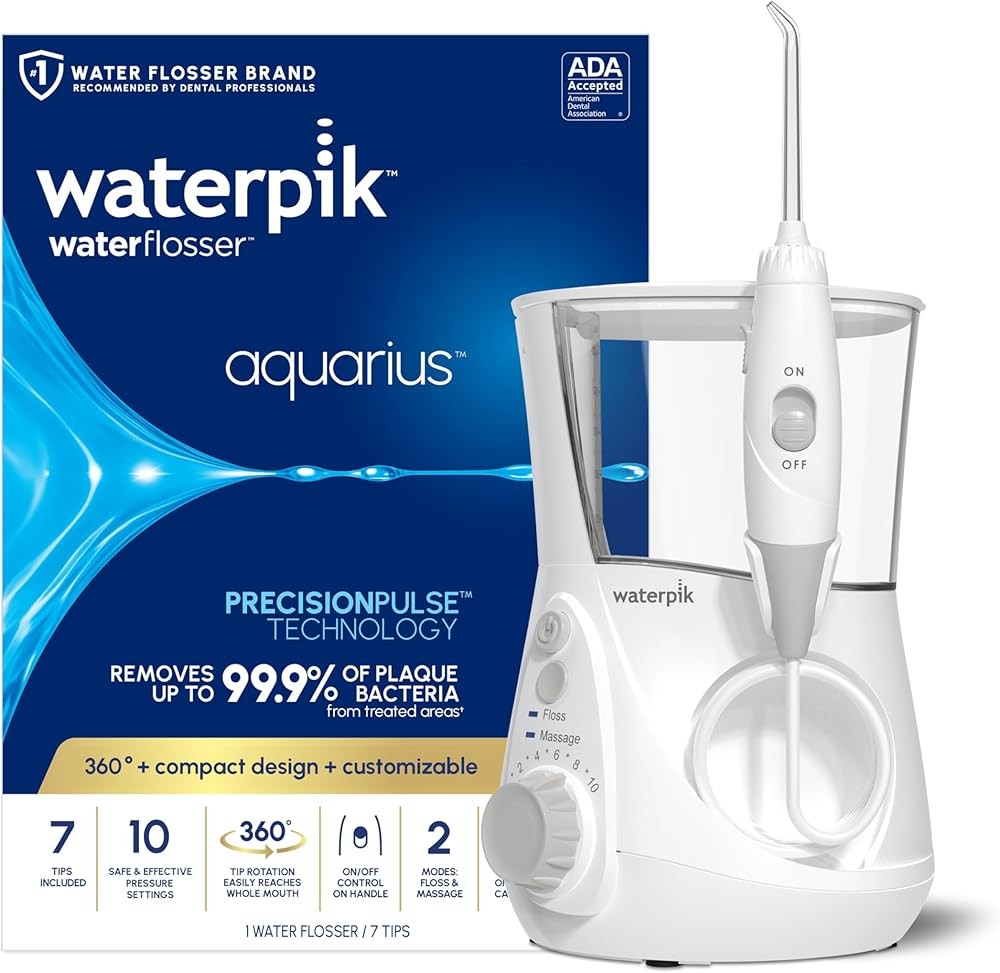
Waterpik Aquarius Water Flosser WP-660
Check Price on AmazonAs an Amazon Associate we earn from qualifying purchases.
The 10 pressure settings ranging from 10-100 PSI accommodate different sensitivity levels and oral health needs. New users can start at lower pressures and gradually increase as their gums become healthier and less sensitive. The LED display shows the current pressure setting and provides a timer to help users reach the dentist-recommended 2 minutes of cleaning time.
What Tips Come with the Waterpik Aquarius?
The Aquarius includes 7 specialized tips designed for different oral care situations. The Classic Jet Tip works well for general daily cleaning and provides the pulsating water stream used in most clinical studies. The Orthodontic Tip features a brush end for cleaning around brackets and wires, making it valuable for people with braces.
The Plaque Seeker Tip includes three thin brush tufts designed to access around dental work, implants, and crowns. Research supports water flossers as effective oral hygiene aids for dental implant maintenance. The Plaque Seeker tip specifically addresses the needs of implant patients by cleaning around abutments and prosthetic teeth.
The Pik Pocket Tip provides a narrow, tapered design intended for delivery of water or rinses deep into periodontal pockets. Dentists may recommend this tip for patients with moderate to advanced periodontal disease who have deeper pockets requiring specialized cleaning. The Toothbrush Tip combines bristles with water flossing for simultaneous brushing and irrigating action.
Study results: 72-participant RCT showed 3.13x better bleeding reduction, 2.69x gingival index improvement, and 2.44x plaque reduction vs brushing alone (all p<0.001).
How Does the 650ml Reservoir Compare?
The Aquarius features a 650ml reservoir that provides approximately 90 seconds of continuous use at higher pressure settings. This capacity allows most users to complete a full cleaning session without refilling. The reservoir rotates 360 degrees on its base, allowing easy filling from either side and convenient positioning on bathroom counters.
The reservoir attaches magnetically to the base unit, making it simple to remove for filling and cleaning. Regular cleaning of the reservoir reduces mineral buildup from tap water and maintains hygiene. Some users prefer filling the reservoir with filtered water from reverse osmosis systems to avoid mineral deposits, though this is not necessary for device function.
For households with multiple users, the large reservoir capacity means the device can accommodate back-to-back use by different family members without constant refilling. Each person should use their own color-coded tip, which can be stored in the covered tip holder on the unit.
Key finding: The Waterpik Aquarius offers 10 pressure settings (10-100 PSI), 7 specialized tips, 650ml reservoir, and ADA acceptance at $59, providing the best clinical validation per dollar.
What Do Users Report About Effectiveness?
User reports consistently align with clinical findings regarding effectiveness. Many users notice reduced bleeding during brushing within the first 1-2 weeks of consistent use, matching the timeline seen in clinical studies. Others report that their dental hygienist notices less plaque and healthier gums at regular cleaning appointments.
The adjustable pressure setting receives frequent mention in user feedback. People with sensitive gums appreciate starting at lower settings, while those with healthy gums often prefer medium to higher pressures. The ability to adjust pressure makes the device suitable for different family members with varying needs.
Some users note an initial adjustment period during which gums may bleed more as the water flosser removes accumulated plaque and stimulates inflamed tissues. This temporary increase in bleeding typically resolves within 1-2 weeks as gum health improves, similar to the experience when starting to use string floss regularly.
Bottom line assessment: The Waterpik Aquarius WP-660 delivers clinically proven gum health benefits with versatile pressure settings and specialized tips at an exceptional price point of $59.
Is the Waterpik Promax Worth the Premium Price?
The Waterpik Promax WF-23 represents the brand’s premium offering at $149, commanding more than double the price of the Aquarius. The elevated cost buys SmartAdvance Technology that optimizes water pressure and pulsation patterns for maximum effectiveness and comfort. The system automatically adjusts pressure delivery throughout each cleaning session to match the natural contours of your mouth.
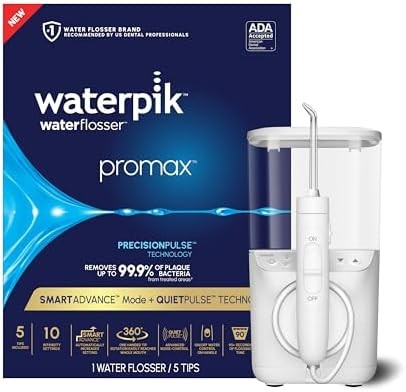
Waterpik Promax Water Flosser WF-23
Check Price on AmazonAs an Amazon Associate we earn from qualifying purchases.
Noise reduction stands out as a significant improvement in the Promax. The quieter motor operation makes early morning or late evening use less disruptive to household members. For people sensitive to motor noise or living in close quarters, this feature alone may justify the premium.
Core advantage: ADA-accepted Waterpik models ($59-149) combine 50 years of research validation with 3-year warranties and 10 adjustable pressure settings.
What Is SmartAdvance Technology?
SmartAdvance Technology represents Waterpik’s most sophisticated pressure and flow control system. Rather than maintaining constant pressure throughout use, the system modulates water delivery to optimize cleaning while minimizing discomfort. The technology responds to how users move the tip along their gumline, adjusting output for effective yet comfortable cleaning.
The system incorporates feedback mechanisms that sense resistance and automatically modulate pressure. When the tip encounters tight interdental spaces, SmartAdvance adjusts the water stream pattern to penetrate these areas more effectively. This intelligent pressure management helps reduce the splashing that sometimes occurs with basic models when water hits tight contacts.
The optimization extends to pulsation patterns. Rather than a single pulse frequency, SmartAdvance varies the pulsation rate to maximize plaque disruption while maintaining comfort. This variable pulsation may enhance the massaging effect on gum tissues, though specific clinical studies on SmartAdvance Technology are not yet available in peer-reviewed literature.
How Does Build Quality Differ from Standard Models?
The Promax features premium materials and construction compared to standard Waterpik models. The housing uses higher-grade plastics with a more refined finish. The control buttons have a more tactile, responsive feel. The reservoir attachment mechanism feels more robust, with tighter tolerances that reduce wobble.
The motor assembly includes additional sound dampening materials that reduce operational noise. The pump system incorporates precision components designed for smoother water delivery with less pulsation harshness. These refinements contribute to a more pleasant user experience, though they do not fundamentally change the clinical effectiveness compared to the Aquarius.
The LED display on the Promax is larger and brighter than the Aquarius, with better visibility in different lighting conditions. The display provides more detailed feedback about the selected mode and remaining water in the reservoir. These interface improvements enhance usability but represent incremental rather than transformational upgrades.
Who Should Consider the Premium Model?
The Promax makes the most sense for users who will use the device daily for years and value the quality-of-life improvements it offers. The quieter operation benefits people who share bathrooms or have roommates sensitive to noise. The SmartAdvance Technology appeals to users with varying sensitivity levels who want automatic pressure optimization rather than manual adjustment.
People with extensive dental work including multiple implants, bridges, or crowns may appreciate the refined pressure control that SmartAdvance provides. The system’s ability to modulate water delivery around complex dental anatomy can make cleaning more effective and comfortable. Just as collagen peptides supplements support tissue health throughout the body, the Promax’s gentle yet effective action supports oral tissue health.
Budget-conscious buyers should recognize that the Aquarius delivers the same clinical benefits demonstrated in research studies. The Promax offers enhanced user experience rather than fundamentally superior oral health outcomes. Users satisfied with the Aquarius’s performance and noise level will not gain measurable health benefits by upgrading to the Promax.
Here’s what this means: The Waterpik Promax justifies its premium price for users who prioritize quieter operation and automated pressure optimization but delivers similar clinical outcomes to the Aquarius.
Which Water Flosser Offers the Best Value Under $50?
The COSLUS C20 Water Dental Flosser delivers impressive functionality at just $29, making it the most affordable option in this comparison. Despite the budget price point, the device includes features found in more expensive models, including multiple pressure modes, a generous water tank, and IPX7 waterproof rating for shower use. For budget-conscious buyers or those wanting to try water flossing without significant investment, the COSLUS represents an attractive entry point.
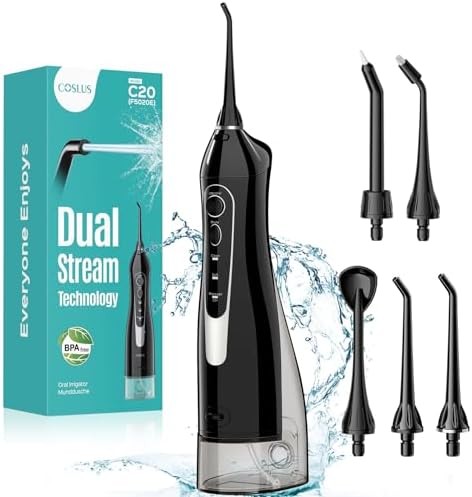
COSLUS Water Dental Flosser C20
Check Price on AmazonAs an Amazon Associate we earn from qualifying purchases.
The cordless design eliminates the need for countertop space near electrical outlets, offering placement flexibility that countertop models cannot match. The 300ml water tank provides approximately 60 seconds of continuous use, enough for a thorough cleaning session without refilling. The USB-C charging port uses the same cable type as many modern smartphones and tablets, reducing cable clutter.
What Features Does the COSLUS C20 Include?
The COSLUS offers 5 cleaning modes with different pressure levels and pulsation patterns. Normal mode provides standard continuous water flow for general cleaning. Soft mode reduces pressure for sensitive gums or initial adaptation. Pulse mode creates a massaging effect that some users find comfortable. Point mode concentrates water pressure for targeting specific problem areas. Custom mode allows users to create their own pressure and pulsation combination.
Six jet tips come included with the device, allowing multiple family members to have their own tips with some spares. The tips use a color-coded system for easy identification. A 360-degree rotatable nozzle allows easy positioning for reaching all tooth surfaces and interdental spaces, particularly in the back of the mouth where access can be challenging.
The IPX7 waterproof rating means the device can be submerged in water up to 1 meter deep for 30 minutes without damage. This protection level allows worry-free use in the shower, which some people prefer as part of their bathing routine. The waterproofing also makes the device easy to rinse clean after use.
How Does Battery Life Compare to Premium Cordless Models?
The COSLUS C20 features a 2000mAh rechargeable battery that provides approximately 30 days of use based on twice-daily cleaning sessions. This duration compares favorably to some cordless models in the $50-80 range. USB-C charging takes about 4 hours for a full charge, and the device can be used while charging if needed.
The battery indicator shows remaining charge level, helping users avoid unexpected battery depletion. The USB-C port represents an advantage over older cordless models using proprietary charging cables or micro-USB connections. Many households already have multiple USB-C cables, making it easy to keep a charging cable in the bathroom without dedicating a specific charger to the water flosser.
Lithium-ion batteries gradually lose capacity over time, typically declining to 80% of original capacity after 2-3 years of regular use. At the $29 price point, replacing the entire unit after a few years costs less than replacing battery packs in some higher-end cordless models, making the disposable approach economically rational.
What Trade-offs Come with the Budget Price?
The COSLUS lacks ADA acceptance, which some users consider important validation. While absence of ADA acceptance does not necessarily indicate ineffectiveness, it means the device has not undergone the rigorous testing required for the ADA Seal. No published clinical studies specifically examine the COSLUS model, unlike Waterpik devices featured in numerous research papers.
Build quality does not match premium models. The plastic housing feels lighter and less substantial than Waterpik devices. The buttons have less tactile feedback and the overall assembly tolerances are looser. These differences may affect longevity, with some users reporting device failures after 12-18 months of regular use.
Pressure output likely reaches lower maximum levels than clinical-grade countertop models, though specific PSI ratings are not published by the manufacturer. For people with healthy gums seeking maintenance rather than therapeutic intervention, the available pressure may be adequate. Those with significant periodontal disease may benefit from the higher pressures available in Waterpik models.
What you need to know: The COSLUS C20 offers remarkable value at $29 for users seeking an affordable entry into water flossing, though it lacks the clinical validation and build quality of premium models.
How Do Cordless Water Flossers Compare to Countertop Models?
Cordless water flossers prioritize portability and convenience over maximum power and reservoir capacity. These devices run on rechargeable batteries and feature integrated water tanks, eliminating the need for electrical outlets and external reservoirs. For travelers, people with limited bathroom counter space, or those who prefer shower use, cordless models offer significant practical advantages.
The trade-offs involve lower maximum pressure, smaller water tanks requiring refilling during use, and shorter overall lifespan compared to countertop models. Battery degradation over 2-3 years eventually necessitates device replacement, whereas countertop models can operate for 5+ years with proper maintenance. Understanding these trade-offs helps match device type to individual priorities.
What Makes the Waterpik Cordless Advanced 2.0 Stand Out?
The Waterpik Cordless Advanced 2.0 WP-580 brings ADA acceptance to the cordless category at $79. This validation indicates the device meets the same safety and effectiveness standards as countertop models, despite its portable design. The ADA acceptance gives users confidence that the cordless format does not sacrifice clinical effectiveness for convenience.
The device offers 3 pressure settings ranging from 45-75 PSI, lower than the 10-100 PSI range of the Aquarius but adequate for most users with healthy to moderately diseased gums. The waterproof design allows use in the shower, which many people find convenient as part of their bathing routine. The 360-degree tip rotation allows easy positioning without awkward wrist angles.
The rechargeable battery provides approximately 4 weeks of use based on one cleaning session per day. The charging magnetic base holds the device upright while charging and provides a clean countertop storage solution. Four tips come included: two Classic Jet Tips for general use, one Plaque Seeker Tip for implants and crowns, and one Orthodontic Tip for braces.
The 207ml reservoir provides about 45 seconds of continuous use at medium pressure. Most users need to refill once during a thorough cleaning session. The reservoir fills from the top with the press of a button to open the valve. The compact design measures just 3.7 inches wide, making it easy to pack in luggage for travel.
Clinical data reveals: Water flossers reach 6mm deep into periodontal pockets and shift oral microbiome toward health-compatible bacterial communities (p<.001).
Research shows: Cordless water flossers with 45-75 PSI pressure maintain effectiveness for healthy gums while offering portability advantages for travel and shower use.
What Advantages Does the usmile C10 Offer for Travel?
The usmile C10 Portable Water Flosser emphasizes ultra-portability with a telescopic water tank design that collapses for compact storage. At $69, it costs less than the Waterpik Cordless while offering unique features for frequent travelers. The device weighs just 11 ounces and measures 7.9 inches tall when collapsed, fitting easily into carry-on luggage or toiletry bags.
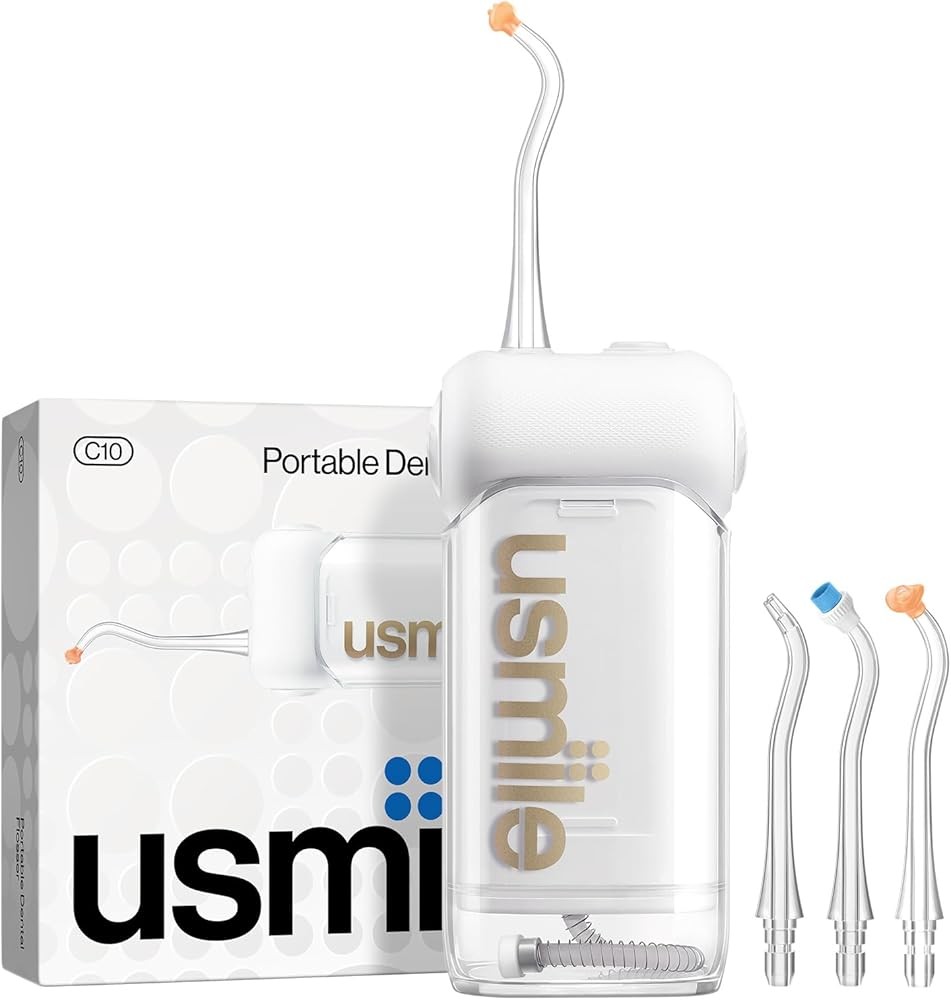
usmile C10 Portable Water Flosser
Check Price on AmazonAs an Amazon Associate we earn from qualifying purchases.
The standout feature is the 95-day battery life, far exceeding typical cordless models. This extended battery life means travelers can complete multi-week trips without packing a charging cable. For people who track their health metrics as carefully as they might with continuous glucose monitors, having reliable oral hygiene tools while traveling matters.
The telescopic tank expands from 150ml to 300ml capacity, providing flexibility for different use scenarios. When collapsed with 150ml capacity, the device offers maximum portability for short cleaning sessions. Expanded to 300ml, it provides enough water for thorough cleaning similar to the COSLUS C20. The dual-capacity design smartly addresses the portability-capacity trade-off.
The 360-degree rotatable nozzle with 6 different angle positions allows precise positioning for reaching all tooth surfaces. Eight jet tips come included with different designs for various cleaning needs. The USB-C charging port matches modern travel chargers used for phones and tablets. An included compact carrying case protects the device during transport.
How Do Cordless Models Perform for Daily Home Use?
Cordless water flossers work well for daily home use when users prioritize convenience over maximum power. The lack of cords and external reservoirs creates a cleaner countertop appearance. Some people find the cordless format more inviting for daily use because it feels less clinical than large countertop units.
The need to recharge batteries every few weeks creates a minor maintenance requirement that countertop models avoid. However, modern lithium-ion batteries maintain charge well, and devices typically provide warning indicators when charge levels drop low. Keeping a USB-C cable in the bathroom makes charging convenient when needed.
The smaller water tanks require refilling during use, which some people find disruptive to their routine. Others appreciate the forced pause to refill because it provides a natural break to switch to different areas of the mouth. The ideal tank size depends on personal preference and mouth anatomy—people with more teeth or extensive dental work may find 200ml tanks limiting.
Pressure limitations in cordless models matter most for people with significant periodontal disease who may benefit from higher pressures. For maintenance of healthy gums or mild gingivitis, the 45-75 PSI range of quality cordless models provides adequate cleaning power. Just as fish oil supplements support cardiovascular health maintenance, cordless water flossers effectively maintain oral health when gums are already relatively healthy.
The main point: Cordless water flossers sacrifice some power and capacity for portability and convenience, making them ideal for travel and shower use while countertop models better serve users prioritizing maximum therapeutic effectiveness.
What Should You Look for When Choosing a Water Flosser?
Selecting the right water flosser requires evaluating your specific oral health needs, lifestyle factors, and budget constraints. The most expensive model is not necessarily the best choice for everyone, while the cheapest option may prove inadequate for people with significant periodontal disease. A systematic approach to evaluation helps identify the model that best fits your situation.
Does ADA Acceptance Matter?
The American Dental Association Seal of Acceptance indicates that a device has undergone rigorous testing for safety and effectiveness. To earn the seal, manufacturers must submit their device for evaluation by independent laboratories and provide clinical evidence demonstrating effectiveness. The ADA reviews this evidence and grants the seal only when products meet strict standards.
Water flossers with ADA acceptance have demonstrated in controlled studies that they reduce plaque and gingivitis when used as directed. This validation provides confidence that the device will deliver expected benefits. The Waterpik Aquarius, Promax, and Cordless Advanced all carry ADA acceptance, while budget models like the COSLUS do not.
Absence of ADA acceptance does not necessarily mean a device is ineffective—it may simply indicate the manufacturer has not pursued this certification, which requires significant investment in testing and fees. However, for people with diagnosed periodontal disease or those following dentist recommendations, choosing an ADA accepted model provides assurance backed by independent validation.
How Much Pressure Do You Actually Need?
Most clinical studies showing positive results used medium pressure settings around 50-90 PSI. Higher pressures above 90 PSI may cause discomfort in people with sensitive or inflamed gums and do not necessarily improve effectiveness. Lower pressures below 40 PSI may not provide adequate force to disrupt established plaque biofilm.
People with healthy gums can typically use medium to high pressure settings comfortably. Those with gingivitis or periodontitis should start at lower pressures and gradually increase as gum health improves and sensitivity decreases. The ability to adjust pressure becomes important for accommodating changing oral health status and different family members’ needs.
Models with more pressure settings (like the Aquarius with 10 settings) allow finer adjustment than models with just 3 settings. This granularity matters most for people with significant sensitivity variation across different teeth or those experiencing gum changes during orthodontic treatment. For basic maintenance in healthy mouths, 3 settings provide adequate adjustment range.
What Reservoir Size Works for Your Routine?
Countertop models with 600-650ml reservoirs typically provide 90 seconds of continuous use, enough for a complete cleaning session without refilling. This capacity suits most users and allows back-to-back use by multiple family members. The larger reservoir means refilling less frequently, reducing interruption of the cleaning routine.
Cordless models with 200-300ml reservoirs provide 45-60 seconds of use, requiring refilling mid-session for thorough cleaning. Some users find this acceptable as part of their routine, while others consider it disruptive. People with fewer teeth or those using water flossers for quick touch-ups may find smaller reservoirs adequate.
For travel, smaller reservoirs offer the advantage of more compact devices. The usmile C10’s telescopic design cleverly addresses this by offering both 150ml and 300ml options in one device. Frequent travelers should prioritize compact size even if it means accepting smaller capacity.
Data shows: Start at low pressure and use water flossers 1-2 minutes daily—research demonstrates 63% bleeding reduction and 29% gingivitis reduction within 4-6 weeks.
Which Tips Do You Need?
Most users spend the majority of their time with the Classic Jet Tip, which delivers the pulsating water stream used in clinical studies. This tip handles general interdental cleaning and gumline irrigation for routine maintenance. However, specialized tips become important for specific situations.
The Orthodontic Tip helps people with braces clean around brackets and wires. Research in children found that water flossers and interdental brushes were significantly more effective than brushing alone (p=0.0087), highlighting the value for orthodontic patients (PubMed). The brush-tipped design removes food particles trapped around orthodontic hardware.
The Plaque Seeker Tip addresses needs of people with dental implants, bridges, and crowns. Research supports water flossers for implant maintenance. The thin brush tufts reach around implant abutments and under bridge pontics where traditional floss cannot access.
The Pik Pocket Tip benefits people with periodontal pockets deeper than 4mm. Dentists may recommend using this tip with diluted antiseptic solutions to deliver antimicrobial agents deep into pockets. Research confirms oral irrigators can effectively deliver antiseptic solutions to periodontal pockets (PubMed).
Should You Choose Cordless or Countertop?
Countertop models deliver higher maximum pressure, larger water capacity, and longer device lifespan. They make the best choice for primary home use when bathroom counter space near an outlet is available. The higher pressure capabilities matter most for people with diagnosed periodontal disease who may benefit from therapeutic levels of irrigation.
Cordless models excel for travel, shower use, and situations where counter space is limited. They work well as secondary devices for travel or as primary devices for people with healthy gums needing maintenance rather than therapeutic intervention. The portability and convenience may also increase compliance for people who find countertop units intimidating or cumbersome.
Some households benefit from owning both types—a countertop model for daily home use and a cordless model for travel. Given the relatively low cost of devices like the COSLUS C20, adding a budget cordless model for travel while keeping a Waterpik Aquarius at home represents a reasonable investment for people who travel frequently.
Essential guidance: Choose based on oral health status (healthy vs. diseased), available counter space, travel frequency, and budget, with ADA accepted countertop models offering maximum therapeutic benefit.
How Should You Use a Water Flosser for Best Results?
Proper technique significantly impacts the effectiveness of water flossers. While the devices are relatively straightforward to use, following evidence-based practices maximizes plaque removal and gum health benefits. Most clinical studies demonstrating positive results used specific protocols that users can adapt for home use.
What Is the Correct Technique?
Begin with the lowest comfortable pressure setting, especially during the first week of use. Gums may bleed initially as the device removes accumulated plaque and stimulates inflamed tissues. This temporary bleeding typically resolves within 1-2 weeks as gum health improves. Starting with lower pressure minimizes discomfort during this adaptation period.
Lean over the sink with your mouth slightly open to allow water to flow freely from your mouth. This keeps water from pooling in your mouth and makes the process less messy. Some users find it helpful to practice over the sink a few times to develop the right mouth position before their first full cleaning session.
Place the tip at a 90-degree angle to your gumline, aiming slightly upward for upper teeth and downward for lower teeth. The goal is to direct water into the space between teeth and under the gumline where bacteria accumulate. Pause briefly at each interdental space, allowing the pulsating water to clean the area thoroughly.
Trace along the gumline from back to front, systematically cleaning all outer and inner tooth surfaces. Follow a consistent pattern to ensure you clean all areas—for example, start with the outer surface of upper right back teeth, work forward to front teeth, continue to upper left back teeth, then repeat the pattern on inner surfaces before moving to lower teeth.
How Long Should Each Session Last?
Most clinical studies showing positive results used water flossers for 1-2 minutes once daily as an adjunct to twice-daily brushing. The Waterpik Aquarius includes a 2-minute timer with 30-second pacers, matching the recommendation for thorough cleaning. This duration allows adequate time to address all tooth surfaces and interdental spaces.
Some people with extensive dental work or deep periodontal pockets may benefit from slightly longer sessions of 2-3 minutes. However, excessively long sessions do not necessarily improve results and may waste water. The key is systematic coverage of all areas rather than extended time in any single location.
Consistency matters more than duration. Daily use produces better results than longer but infrequent sessions. The study showing 63.4% reduction in bleeding sites used daily water flossing over 4 weeks (PubMed). Skipping days interrupts the cumulative benefit of controlling plaque accumulation.
Should You Use Water or Antiseptic Solutions?
Most clinical research demonstrating water flosser effectiveness used plain warm water. The mechanical action of pulsating water provides the primary benefit through biofilm disruption and bacteria removal. Adding antiseptic solutions may provide additional antimicrobial effects but is not necessary for most users.
Some dentists recommend diluted antiseptic mouthwash for patients with active periodontal disease or those recovering from dental surgery. Research confirms that oral irrigators can deliver antiseptic solutions to periodontal pockets (PubMed). If using mouthwash, dilute according to manufacturer instructions—typically 50% mouthwash and 50% warm water.
Always check device manufacturer instructions before using anything other than water. Some devices may not be compatible with certain solutions, which could damage internal components or void warranties. The Waterpik Aquarius and similar models generally allow use of diluted mouthwash, but warranty terms should be verified.
Warm water provides a more comfortable experience than cold water, particularly for people with temperature sensitivity. The temperature does not significantly impact cleaning effectiveness, so personal comfort should guide this choice. Some users keep a container of warm water in the bathroom to fill their water flosser rather than waiting for tap water to warm.
When Should You Use a Water Flosser in Your Routine?
Water flossers can be used before or after brushing—research shows effectiveness with both approaches. Some dentists recommend water flossing before brushing to loosen plaque and debris, allowing toothpaste and brush bristles better access to tooth surfaces. Others suggest water flossing after brushing to remove any particles loosened by brushing.
Using a water flosser before bed provides particular benefits because saliva production decreases during sleep, reducing natural oral cleaning mechanisms. Removing bacteria and food particles before sleep keeps these materials from sitting on teeth and gums for 7-8 hours overnight. The study showing 3.13x better bleeding reduction used water flossers as an adjunct to regular brushing (PubMed), suggesting integration into existing oral care routines.
Some people prefer using water flossers in the shower, particularly with waterproof cordless models. This approach can save time by combining water flossing with the daily shower routine. The key is finding a time and location that promotes daily consistency rather than trying to identify a theoretically optimal schedule.
How Often Should You Replace Tips?
Manufacturers typically recommend replacing water flosser tips every 3-6 months, similar to toothbrush replacement schedules. Tips can harbor bacteria if not properly maintained, and the nozzle openings may become partially blocked by mineral deposits from hard water over time. Visual inspection can reveal when tips need replacement—look for discoloration, mineral buildup, or damage to the nozzle.
Each household member should use their own color-coded tip rather than sharing. Sharing tips transfers oral bacteria between users, similar to sharing toothbrushes. The color-coding systems on most water flossers make it easy to assign each person their own tip.
Tips should be rinsed after each use and allowed to air dry. Some users soak tips in diluted antiseptic mouthwash weekly to reduce bacterial buildup, though this is not essential for most people with healthy immune systems. Storing tips in the covered holder rather than leaving them exposed to bathroom air reduces contamination risk.
Practical approach: Use warm water at comfortable pressure for 1-2 minutes daily, following a systematic pattern along all gum lines, with tip replacement every 3-6 months.
Can Water Flossers Help with Braces and Dental Implants?
People with orthodontic appliances and dental implants face unique oral hygiene challenges. Braces create numerous surfaces where food particles and plaque accumulate, while traditional floss cannot easily navigate around brackets and wires. Dental implants require careful cleaning around the abutment where the prosthetic tooth emerges from the gum, as inflammation in this area can lead to implant failure.
Water flossers address both situations effectively. Research specifically examining orthodontic patients found that water flossers combined with interdental brushes were significantly more effective than brushing alone (PubMed). For implant patients, research supports water flossers as effective oral hygiene aids for implant maintenance.
Evidence indicates: Water flossers excel at cleaning orthodontic appliances, dental implants, bridges, and crowns where traditional floss cannot effectively access.
How Do Water Flossers Clean Around Braces?
Orthodontic brackets and wires create dozens of small spaces where food particles become trapped. Traditional floss requires threading between teeth under wires, a time-consuming and frustrating process that many orthodontic patients skip. Poor oral hygiene during orthodontic care can lead to decalcification spots, cavities, and gum inflammation that persist after braces are removed.
Water flossers eliminate the need for threading floss around orthodontic hardware. The pulsating water stream reaches under wires and around brackets, dislodging food particles and disrupting plaque biofilm. The Orthodontic Tip included with most Waterpik models combines water irrigation with a brush end that physically cleans around brackets.
The study in 100 children found that water flossers and interdental brushes significantly outperformed brushing alone (p=0.0087), demonstrating measurable effectiveness in younger patients (PubMed). Children and teenagers often struggle with the manual dexterity and patience required for thorough flossing, making water flossers a more practical option for this population.
Orthodontists often recommend water flossers to their patients specifically because compliance tends to be higher than with traditional floss. The ease of use and visible removal of food particles provides immediate feedback that encourages daily use. Just as electrolyte supplements support hydration during active lifestyles, water flossers support oral health during the active tissue remodeling of orthodontic care.
What Makes Implant Cleaning Different?
Dental implants consist of a titanium post embedded in the jawbone with an abutment that connects the post to the visible crown or prosthetic tooth. The junction between the abutment and gum tissue creates a seal that keeps bacteria from reaching the bone. Maintaining this seal requires meticulous oral hygiene to reduce risk of peri-implantitis, an inflammatory condition that can lead to bone loss and implant failure.
Research supports water flossers as effective oral hygiene aids for implant maintenance. The pulsating water reaches around the circular abutment more effectively than traditional floss, which works best in the linear contact areas between natural teeth.
The Plaque Seeker Tip included with Waterpik models features three thin brush tufts designed specifically for cleaning around implants, bridges, and crowns. The brushes make contact with the abutment surface while water flushes around the entire circumference. This combination of mechanical brushing and hydraulic flushing provides thorough cleaning of the critical implant-gum interface.
Implant patients should use water flossers daily as part of their maintenance routine. Many periodontists and oral surgeons recommend water flossers to their implant patients. The investment in a quality water flosser is minimal compared to the cost of implant placement and potential complications.
Can Water Flossers Clean Under Bridges?
Dental bridges consist of one or more prosthetic teeth (pontics) anchored by crowns on adjacent natural teeth. The space under the pontic, where it contacts the gum ridge, cannot be accessed with traditional floss. This area can accumulate food particles and bacteria, leading to gum inflammation and bad breath.
The Plaque Seeker Tip effectively cleans under bridge pontics. The thin brush tufts can access the space between the pontic and gum tissue while water flushes debris away. Some bridge patients use super floss (a thick, spongy floss segment attached to a stiff threader) in addition to water flossers, but water flossers alone provide substantial cleaning for this area.
Bridges create additional surface area that requires cleaning compared to natural teeth. Thorough interdental cleaning helps protect the natural teeth supporting bridges. Losing an abutment tooth due to decay or periodontal disease would necessitate bridge replacement, making consistent oral care particularly important.
What About Cleaning Around Crowns?
Dental crowns cover the entire visible portion of a tooth, with margins that meet the natural tooth structure at or slightly below the gumline. These margins can accumulate plaque if not properly cleaned, potentially leading to decay of the underlying tooth structure or gum inflammation around the crown.
Water flossers clean along crown margins effectively, particularly in areas where crowns meet gum tissue. The pulsating water disrupts biofilm forming along these margins before it can cause problems. Crowns on back teeth can be particularly difficult to floss traditionally due to access limitations, making water flossers especially valuable in these areas.
People with multiple crowns should use water flossers as part of their daily routine to protect the investment they’ve made in restorative dentistry. Crown replacement due to recurrent decay or gum disease represents a significant expense that proper oral hygiene can help avoid. The relatively small investment in a water flosser provides support for much more expensive dental work.
Specific guidance: Water flossers excel at cleaning around orthodontic appliances, dental implants, bridges, and crowns where traditional floss struggles, with specialized tips addressing each application.
What Does a Complete Oral Health Support System Look Like?
Water flossers represent one component of comprehensive oral health maintenance. Like other aspects of wellness, oral health benefits from a multifaceted approach addressing different contributing factors. Research on water flossers demonstrates their effectiveness, but they work best as part of a broader strategy rather than as isolated interventions.
How Do Nutrition and Oral Health Connect?
The oral microbiome responds to dietary inputs just as the gut microbiome does. Frequent consumption of refined sugars and starches provides fuel for acid-producing bacteria that drive tooth decay. The same microbiome shift seen with water flosser use (PubMed) can be supported through dietary choices that favor beneficial bacteria.
Vitamin D plays important roles in calcium absorption and immune function, both relevant to oral health. Adequate vitamin D status supports the mineralization of tooth enamel and bone supporting teeth. People optimizing their vitamin D intake with quality supplements may experience benefits extending to oral tissues, though specific research on vitamin D and periodontal disease shows mixed results.
Vitamin C supports collagen synthesis essential for healthy gum tissue. Severe vitamin C deficiency causes scurvy, characterized by bleeding gums and tooth loss. While frank scurvy is rare in developed countries, some researchers suggest that suboptimal vitamin C status may contribute to periodontal disease susceptibility. Ensuring adequate vitamin C intake through diet or supplementation may support gum health.
Calcium and vitamin K2 work together to support proper mineralization of teeth and supporting bone. Vitamin K2 activates proteins that direct calcium into teeth and bones rather than soft tissues. While research on K2 and oral health is limited, the mineral metabolism connection suggests potential benefits worth investigating.
What Role Do Probiotics Play in Oral Health?
The oral microbiome contains hundreds of bacterial species, with health depending on the balance between beneficial and pathogenic organisms. Some probiotic strains have been investigated for oral health applications, though research in this area is less extensive than for gut health applications.
Certain Lactobacillus and Streptococcus strains produce bacteriocins that inhibit pathogenic oral bacteria. Some products marketed for oral health contain these strains, though evidence for clinical effectiveness remains preliminary. The broader principle—that microbial balance matters for health—applies to oral cavities just as it does to the gut where probiotic supplements show clearer benefits.
Water flossers mechanically shift the oral microbiome composition, as demonstrated in the study showing movement toward health-compatible bacterial communities (PubMed). This mechanical approach currently has stronger evidence than oral probiotics, but the two strategies may eventually prove complementary.
How Does Systemic Inflammation Relate to Oral Health?
Chronic periodontal disease contributes to systemic inflammation through the continuous release of inflammatory mediators and bacteria from diseased gum tissues. Research has identified associations between periodontal disease and cardiovascular disease, diabetes, and other inflammatory conditions, though causation versus correlation remains debated.
Addressing periodontal inflammation through improved oral hygiene potentially reduces overall inflammatory burden. The dramatic reductions in bleeding and gingivitis seen with water flosser use (PubMed) indicate substantial decreases in local inflammation. Whether this produces measurable effects on systemic inflammatory markers requires further research.
The reverse relationship also holds—systemic inflammatory conditions may worsen oral health. People with diabetes often experience more severe periodontal disease, likely due to impaired immune function and altered wound healing. Managing systemic health through appropriate interventions may indirectly benefit oral health outcomes.
Can Stress Affect Oral Health?
Psychological stress impacts oral health through multiple pathways. Stress hormones like cortisol suppress immune function, potentially allowing pathogenic oral bacteria to proliferate. Stress also commonly triggers teeth grinding (bruxism), which can damage teeth and stress jaw joints. Some people neglect oral hygiene during stressful periods, allowing plaque to accumulate.
Mind-body practices that reduce stress may indirectly support oral health by preserving immune function and promoting consistent self-care habits. While no studies have directly examined whether meditation improves periodontal health, the pathway from stress to immune function to oral disease susceptibility suggests plausible connections.
Sleep quality affects inflammatory regulation and immune function. Poor sleep quality is associated with increased inflammatory markers throughout the body. Ensuring adequate sleep duration and quality represents a foundational health practice with potential implications for oral health along with other body systems.
What About Professional Dental Care?
Water flossers and excellent home care do not eliminate the need for professional dental cleanings and examinations. Calculus (hardened plaque) forms above and below the gumline over time, and only professional scaling can remove it. Dentists also identify problems like cavities, cracked teeth, and oral cancer that patients cannot detect themselves.
The ADA recommends professional cleanings every 6 months for most people, with more frequent visits for those with active periodontal disease or high risk factors. Water flossers extend the results of professional cleanings by slowing rapid plaque reaccumulation, but they complement rather than replace professional care.
Some dental professionals suggest that patients with excellent home care using water flossers may eventually qualify for less frequent professional cleanings, though individual circumstances vary. The 6-week study showing 25.6% plaque reduction with water flossers (PubMed) demonstrates that home care significantly impacts the oral environment between professional visits.
Comprehensive view: Water flossers work best as part of a complete oral health system including proper nutrition, stress management, adequate sleep, and regular professional dental care.
Frequently Asked Questions
Are water flossers better than string floss?
Clinical research shows water flossers are up to 3x more effective at reducing bleeding on probing compared to string floss. A randomized controlled trial found water flossers produced 63.4% reduction in bleeding sites versus baseline over 4 weeks (PubMed). Water flossers also reach subgingival bacteria in pockets up to 6mm deep (PubMed), areas that string floss cannot effectively access. A 50-year systematic review concluded that water flossers remove biofilm more effectively than string floss (PubMed).
The mechanical action differs between the two tools. String floss works through physical contact and scraping, while water flossers use hydraulic forces to disrupt and flush away bacterial biofilm. Research comparing water flossers to string floss found that water flossers shifted the oral microbiome toward healthier bacterial communities (PubMed). For people with braces, implants, or limited manual dexterity, water flossers offer substantial advantages over string floss.
How often should you use a water flosser?
Most clinical studies showing positive results used water flossers once daily as an adjunct to twice-daily brushing. The ADA recommends daily interdental cleaning as part of a complete oral hygiene routine. The study demonstrating 3.13x improvement in bleeding reduction used water flossers once per day (PubMed). Using a water flosser more than once daily does not appear to provide additional benefits and may represent unnecessary time investment.
Consistency matters more than frequency. Daily use produces cumulative benefits by reducing plaque accumulation before it hardens into calculus or triggers significant gum inflammation. The 4-week study showing 63.4% bleeding reduction used once-daily water flossing (PubMed). Skipping days interrupts this progression and allows plaque biofilm to re-establish. Most users find that incorporating water flossing into their evening routine before bed works well because it removes debris before the 7-8 hour overnight period when saliva production decreases.
Can water flossers help with gum disease?
Research shows water flossers reduce gingival bleeding by 63% in 4 weeks (PubMed) and shift the oral microbiome toward healthier bacterial communities (PubMed). They are specifically recommended as part of periodontal maintenance programs. A comprehensive review covering research from 1962-2023 concluded that water flossers are superior in periodontal disease management (PubMed).
Water flossers address gum disease through multiple mechanisms. They remove plaque bacteria that trigger inflammation, reach subgingival areas up to 6mm deep where pathogenic bacteria colonize (PubMed), and provide gentle massage to gum tissues that may improve circulation. The study of 120 participants found 29.1% gingivitis reduction after 6 weeks (PubMed). While water flossers cannot reverse bone loss from advanced periodontitis, they help control inflammation when used as part of comprehensive periodontal therapy.
What PSI setting should I use on a water flosser?
Start at the lowest pressure setting and gradually increase as your gums become healthier and less sensitive. Most clinical studies showing positive results used medium pressure around 50-90 PSI. The Waterpik Aquarius offers 10 settings from 10-100 PSI, allowing fine adjustment to find your optimal comfort level. New users often experience increased bleeding during the first week as the water flosser removes accumulated plaque and stimulates inflamed gums. This temporary bleeding typically resolves within 1-2 weeks.
People with sensitive gums or active periodontal disease should remain at lower pressures until inflammation resolves. Those with healthy gums can use medium to higher pressures comfortably. Higher pressures above 90 PSI do not necessarily improve effectiveness and may cause discomfort. The key is finding a pressure level that you can tolerate daily, as consistency matters more than maximum pressure. Listen to your gums—if you experience pain or excessive bleeding beyond the initial adaptation period, reduce pressure and consult your dentist.
Is the Waterpik Aquarius worth it?
The Waterpik Aquarius WP-660 is ADA accepted with the most clinical research supporting it among all water flosser brands. At $59 with 10 pressure settings, 7 specialized tips, and a 650ml reservoir, it offers excellent value. Waterpik devices were used in the majority of published clinical studies demonstrating water flosser effectiveness, giving this brand the strongest evidence base. The ADA Seal of Acceptance confirms the device meets rigorous safety and effectiveness standards.
The Aquarius provides features that matter for long-term use—adjustable pressure for different sensitivity levels, multiple tips for different oral care needs, and a large reservoir that eliminates mid-session refilling. The 3-year warranty provides confidence in device longevity. For $59, users gain access to clinically validated technology rather than taking a chance on unproven budget alternatives. The investment is minimal compared to potential dental work costs that proper oral hygiene can help reduce.
Do water flossers damage gums?
A randomized controlled trial comparing water flossers to interdental brushes found no differences in gingival abrasion scores between the two groups (PubMed). Water flossers are considered gentler on soft tissues than interdental brushes despite their effectiveness at removing plaque. The pulsating water action does not physically scrape tissues the way brush bristles or metal picks might.
Some users experience increased bleeding when they first begin using water flossers, but this reflects removal of accumulated plaque and stimulation of already-inflamed tissues rather than damage from the device. This temporary bleeding typically resolves within 1-2 weeks as gum health improves. The study of 72 participants found that water flossers improved gingival index scores by 2.69-fold (PubMed), indicating reduced inflammation rather than increased damage.
Using excessively high pressure or directing water forcefully into deep periodontal pockets could theoretically cause tissue trauma. This is why starting at low pressure and gradually increasing is recommended. Most users find comfortable pressure levels that effectively clean without causing discomfort. If bleeding persists beyond 2 weeks or you experience pain during use, consult your dentist to rule out underlying periodontal disease requiring professional care.
Can I use mouthwash in a water flosser?
Some water flossers are compatible with warm water or diluted mouthwash, though you should always check manufacturer instructions. Research shows oral irrigators can deliver antiseptic solutions to periodontal pockets (PubMed). If using mouthwash, dilute it 50/50 with warm water according to typical manufacturer recommendations. Full-strength mouthwash may damage internal components or leave sticky residues.
Most clinical studies demonstrating water flosser effectiveness used plain warm water, indicating that the mechanical action provides the primary benefit. Adding antiseptic solutions may offer additional antimicrobial effects for people with active periodontal disease, but this is not necessary for routine maintenance. Some dentists recommend diluted chlorhexidine or other prescription antimicrobials for patients recovering from periodontal surgery or managing advanced disease.
The Waterpik Aquarius and similar models generally allow use of diluted mouthwash without voiding warranties, but verify this in your device documentation. After using mouthwash in your water flosser, run plain water through the system to rinse internal components and reduce residue buildup. Regular cleaning of the reservoir reduces bacterial growth regardless of whether you use water or diluted solutions.
How long does a water flosser last?
Quality countertop water flossers typically last 3-5 years with proper maintenance. The Waterpik Aquarius and similar models feature durable motor assemblies and pump systems designed for daily use over multiple years. Cordless models may have shorter battery lifespans of 2-3 years due to lithium-ion battery degradation. The battery capacity gradually decreases to about 80% of original after 2-3 years of regular charging cycles.
Longevity depends on usage frequency, water quality, and maintenance practices. Using filtered water rather than hard tap water reduces mineral buildup in internal components. Regular cleaning of reservoirs and tips reduces bacterial accumulation. Following manufacturer guidelines for descaling (if applicable) extends device lifespan. Some users report Waterpik countertop models lasting 5-7 years, though 3-5 years represents a reasonable expectation.
Replace tips every 3-6 months even if the device itself continues functioning well. Tips can harbor bacteria and develop mineral deposits that reduce effectiveness. At budget-friendly prices like the COSLUS C20 ($29), some users consider cordless models as 2-year disposable devices rather than investing in battery replacement. Premium countertop models justify their higher cost through extended lifespan and better durability.
Are cordless water flossers as effective as countertop models?
Both types can be effective for daily oral hygiene when used properly and consistently. Countertop models offer higher pressure ranges (typically 10-100 PSI) and larger reservoirs (600-650ml), while cordless models sacrifice some power for portability with pressure ranges around 45-75 PSI and 200-300ml tanks. For maintaining healthy gums, the pressure range of quality cordless models provides adequate cleaning power.
The ADA has accepted both countertop and cordless Waterpik models, indicating both meet effectiveness standards. The Waterpik Cordless Advanced 2.0 carries ADA acceptance despite its lower maximum pressure compared to countertop models. Research studies have primarily used countertop models, but the same basic mechanism—pulsating water disrupting and flushing biofilm—applies to cordless devices.
People with significant periodontal disease or deep pockets may benefit from the higher pressures available in countertop models. Those with healthy gums seeking maintenance will likely find cordless models effective. The most effective water flosser is the one you’ll use consistently, so if cordless convenience increases compliance, it may produce better real-world results than a more powerful countertop model that gets used inconsistently.
What is the best water flosser for implants?
Research supports water flossers as effective oral hygiene aids for implant maintenance. The Waterpik Aquarius with its Plaque Seeker tip is well-suited for implant care. The Plaque Seeker tip features three thin brush tufts designed specifically for cleaning around implant abutments, bridges, and crowns.
Implants require careful cleaning around the abutment where the prosthetic tooth emerges from the gum. This junction creates a seal that keeps bacteria from reaching the supporting bone. Water flossers reach around the circular abutment more effectively than traditional floss, which works best in linear contact areas between natural teeth. The combination of brush contact and water flushing provides thorough cleaning of the critical implant-gum interface.
Daily water flossing helps reduce risk of peri-implantitis, an inflammatory condition that can lead to bone loss and implant failure. Many periodontists and oral surgeons recommend water flossers to their implant patients. The investment in a water flosser is minimal compared to the cost of implant placement and potential complications from inadequate cleaning. Use the Plaque Seeker tip with medium pressure to clean around implants daily as part of your maintenance routine.
Our Top Recommendations
Based on our analysis of clinical research and product features, here are our evidence-based recommendations:
Waterpik Aquarius Water Flosser WP-660
Check Price on AmazonAs an Amazon Associate we earn from qualifying purchases.
For most people: The Waterpik Aquarius WP-660 delivers the best combination of clinical validation, versatile features, and value at $59. Its ADA acceptance and extensive research backing provide confidence in effectiveness.
Waterpik Promax Water Flosser WF-23
Check Price on AmazonAs an Amazon Associate we earn from qualifying purchases.
For premium experience: The Waterpik Promax WF-23 offers SmartAdvance Technology and quieter operation for users who prioritize refinement and automated pressure optimization at $149.
For portability: The Waterpik Cordless Advanced 2.0 WP-580 provides ADA-accepted effectiveness in a travel-friendly format with shower capability at $79.
COSLUS Water Dental Flosser C20
Check Price on AmazonAs an Amazon Associate we earn from qualifying purchases.
For budget buyers: The COSLUS C20 offers remarkable value at $29 for users seeking an affordable entry into water flossing, though it lacks clinical validation.
usmile C10 Portable Water Flosser
Check Price on AmazonAs an Amazon Associate we earn from qualifying purchases.
For frequent travelers: The usmile C10 excels with its 95-day battery life and telescopic design that maximizes portability at $69.
Join the discussion: Facebook | X | YouTube | Pinterest
Conclusion
The research evidence supporting water flossers is both extensive and compelling. Fifteen peer-reviewed studies from PubMed demonstrate that water flossers outperform traditional string floss across multiple measures of oral health, including bleeding reduction, plaque removal, and microbiome health. The most striking finding—that water flossers are 3.13 times more effective at reducing bleeding on probing compared to brushing alone—comes from a well-designed randomized controlled trial with statistical validation.
Water flossers work through complementary mechanisms including mechanical biofilm disruption, hydraulic flushing of interdental spaces, subgingival bacteria removal from pockets up to 6mm deep, and gentle gum tissue massage. These effects translate into measurable clinical improvements within 4 weeks of daily use, with the most dramatic results showing 63% reduction in gingival bleeding sites. The shift toward healthier oral microbiome composition suggests benefits extending beyond simple mechanical cleaning to fundamental changes in the bacterial ecosystem.
The Waterpik Aquarius WP-660 stands out as our top recommendation based on its extensive clinical validation, ADA acceptance, versatile pressure settings, specialized tips for different oral care needs, and exceptional value at $59. For users prioritizing portability, the Waterpik Cordless Advanced 2.0 brings the same clinical credibility to a travel-friendly format. Budget-conscious buyers can access water flossing through the COSLUS C20 at $29, though without the clinical validation that Waterpik models provide.
Choosing the right water flosser depends on individual oral health status, lifestyle needs, and budget constraints. People with diagnosed periodontal disease benefit most from ADA-accepted countertop models with higher pressure capabilities. Those with healthy gums seeking maintenance can use cordless models effectively. The most important factor is daily consistency—the best water flosser is ultimately the one you’ll use every day as part of a comprehensive oral health strategy.
Water flossers complement but do not replace other aspects of oral health maintenance including twice-daily brushing, regular professional cleanings, and attention to nutrition and systemic health factors. When integrated into a complete oral care system, water flossers provide a research-validated tool for supporting gum health, maintaining healthy oral tissues, and protecting the substantial investments many people make in orthodontics and restorative dentistry.
Related Reading
- Best Probiotic Supplements: Evidence-Based Reviews for Gut Health
- Best Vitamin D Supplements: Research-Backed Analysis and Reviews
- Best Collagen Peptides Supplements: Science-Based Reviews
- Best Countertop Reverse Osmosis Systems: Expert Reviews
- Best Continuous Glucose Monitors for Non-Diabetics: Complete Guide
- Best Fish Oil and Omega-3 Supplements: Research-Based Reviews
- Best Electrolyte Supplements: Science-Based Analysis and Reviews
References
-
Worthington HV, MacDonald L, Pericic TP, et al. Home use of interdental cleaning devices, in addition to toothbrushing, for periodontal diseases and dental caries. Cochrane Database Syst Rev. 2019;4(4):CD012018. PubMed
-
Kotsakis GA, Lian Q, Ioannou AL, et al. A network meta-analysis of interproximal oral hygiene methods in the reduction of clinical indices of inflammation. J Periodontol. 2018;89(5):558-570. PubMed
-
Kotsakis GA, Lian Q, Ioannou AL, et al. Interproximal Cleaning Devices and Bleeding: A Systematic Review and Network Meta-analysis. J Dent Res. 2024;103(1):25-33. PubMed
-
Macedo JLS, Batista ALA, Moreira AN, et al. Comparison between oral irrigator and interdental brush in reduction of gingival inflammation: a randomized controlled trial. Int J Dent Hyg. 2024;22(3):645-651. PubMed
-
Hussain M, Baig MR, Khurshid Z, et al. Comparative Effectiveness of Manual Toothbrush Versus Oral Irrigator to Reduce Gingival Inflammation and Plaque: A Randomized Controlled Clinical Trial. J Contemp Dent Pract. 2023;24(8):551-556. PubMed
-
Jamwal P, Gupta B, Sharma G, et al. Effect of Different Interproximal Cleaning Aids on Plaque and Gingival Health in Children: A Randomized Clinical Trial. J Clin Pediatr Dent. 2024;48(6):155-162. PubMed
-
Grender J, Goyal CR, Lau J, et al. An In Vivo Microbiome Study of the Effects of Flossing, Mouthrinse, and Waterpik Flosser on the Supragingival Plaque Microbiome. J Clin Dent. 2023;34(Spec Iss B):B10-B18. PubMed
-
Husseini A, Slot DE, Van der Weijden GA. The efficacy of oral irrigation in addition to a toothbrush on plaque and the clinical parameters of periodontal inflammation: a systematic review. Int J Dent Hyg. 2008;6(4):304-314. PubMed
-
Gorur A, Lyle DM, Schaudinn C, Costerton JW. Biofilm removal with a dental water jet. Compend Contin Educ Dent. 2009;30 Spec No 1:1-6. PubMed
-
Caton JG, Armitage G, Berglundh T, et al. A new classification scheme for periodontal and peri-implant diseases and conditions - Introduction and key changes from the 1999 classification. J Periodontol. 2018;89 Suppl 1:S1-S8. PubMed
-
Felo A, Shibly O, Ciancio SG, Lauciello FR, Ho A. Effects of subgingival chlorhexidine irrigation on peri-implant maintenance. Am J Dent. 1997;10(2):107-110. PubMed
-
Hakeem FF, Sabbah W. Is there socioeconomic inequality in oral health among adults with diabetes: evidence from the UK. BMC Oral Health. 2020;20(1):188. PubMed
Recommended Products