Best Water Flosser for Braces: Orthodontic Cleaning Solutions
Summarized from peer-reviewed research indexed in PubMed. See citations below.
Fixed orthodontic appliances create additional plaque-trapping surfaces that make thorough cleaning extremely challenging, with research showing orthodontic patients struggle significantly with interdental hygiene around brackets and wires. The Waterpik Aquarius WP-660 at $59 offers the most comprehensive orthodontic cleaning solution with 10 pressure settings (10-100 PSI), a specialized orthodontic tip, and ADA acceptance for plaque removal around fixed appliances. A randomized controlled trial examining adolescent orthodontic patients with fixed appliances found that water flossers with orthodontic tips produced significant plaque reduction compared to manual dental floss, particularly in hard-to-reach areas around brackets. For portable cleaning needs, the usmile C10 at $69 provides travel-friendly operation with 95-day battery life and multiple pressure modes. Here’s what the published research shows about selecting and using water flossers during orthodontic treatment.
Disclosure: We may earn a commission from links on this page at no extra cost to you. Affiliate relationships never influence our ratings. Full policy →


| Feature | Waterpik Aquarius WP-660 | Waterpik Cordless WP-580 | Sonic-Fusion 2.0 SF-04 | usmile C10 |
|---|---|---|---|---|
| Price | $59 | $79 | $182 | $69 |
| Type | Countertop | Cordless | Countertop combo | Cordless |
| Pressure Settings | 10 (10-100 PSI) | 2 (Normal/Gentle) | 10 (10-100 PSI) | 4 modes |
| Reservoir | 22 oz (90 sec) | 7 oz (45 sec) | 10 oz (60 sec) | 6 oz (40-45 sec) |
| Orthodontic Tip | Yes (included) | Yes (included) | No (brush head) | 360° rotating nozzle |
| ADA Accepted | Yes | Yes | Yes (both functions) | No |
| Battery | AC powered | Rechargeable (1 week) | AC powered | Rechargeable (95 days) |
| Best For | Home orthodontic care | Teens at school/college | Brush + floss combo | Budget travelers |
Why Is Oral Hygiene More Challenging with Braces?
Fixed orthodontic appliances fundamentally alter the oral environment in ways that complicate daily cleaning. Brackets, bands, and archwires create numerous retention areas where plaque accumulates rapidly. Research examining the oral microbiome during orthodontic treatment demonstrates that appliances promote both supragingival and subgingival biofilm accumulation while altering the composition of bacterial communities in the mouth.
The physical design of orthodontic brackets creates small spaces and undercuts that standard toothbrush bristles cannot adequately reach. When you combine this inherent design challenge with the archwires that connect brackets across multiple teeth, traditional interdental cleaning methods become extremely difficult to execute properly.
Studies tracking periodontal health during orthodontic treatment consistently identify increased plaque accumulation and gingival inflammation as common complications. A meta-analysis comparing clear aligners to fixed appliances found that patients with traditional brackets experienced greater challenges maintaining periodontal health, largely due to the difficulty of accessing all tooth surfaces during routine cleaning.
The consequences of inadequate cleaning during orthodontic treatment extend beyond temporary gum inflammation. Persistent plaque accumulation around brackets can lead to enamel demineralization, creating white spot lesions that remain visible even after appliance removal. Research examining biofilm development on orthodontic appliances shows that bacterial communities establish themselves within hours of bonding, making consistent daily cleaning essential from the start of treatment.
Adolescent patients face particular challenges with orthodontic hygiene. Studies examining compliance with oral hygiene protocols show that younger patients often struggle to maintain the rigorous cleaning routines required with fixed appliances. This reality makes the selection of effective, user-friendly cleaning tools especially important for this demographic.
The interdental spaces adjacent to orthodontic brackets present the most significant cleaning challenge. Traditional dental floss requires threading beneath the archwire before cleaning each contact point, a time-consuming process that many patients find frustrating. Research comparing various cleaning methods in orthodontic populations consistently identifies interdental cleaning compliance as a weak point in home care routines.
Gingival tissue responds to the presence of orthodontic appliances with increased sensitivity and inflammation, particularly when plaque control remains inadequate. A study examining gingivitis in orthodontic patients with fixed appliances found that the combination of plaque accumulation and mechanical irritation from brackets created conditions favorable for gingival disease progression. This inflammation can make cleaning more uncomfortable, potentially creating a cycle where patients avoid thorough cleaning due to sensitivity, leading to more inflammation.
The spaces beneath archwires serve as protected environments where bacteria colonize with minimal disruption from normal oral clearance mechanisms. Research on biofilm formation in orthodontic patients shows that these protected areas harbor significantly higher bacterial loads than comparable tooth surfaces in individuals without appliances. Standard brushing techniques fail to adequately clean these regions, necessitating supplementary cleaning tools.
Food particle retention increases dramatically with orthodontic appliances. Items that would normally clear from tooth surfaces through normal salivary flow and tongue movement become trapped around brackets and wires. Studies examining patient-reported challenges during orthodontic treatment consistently identify food impaction as a primary concern, both for comfort and aesthetics.
The key takeaway: Orthodontic brackets create retention areas and protected spaces that increase plaque accumulation by approximately 40% compared to teeth without appliances, making specialized interdental cleaning tools like water flossers essential for maintaining gingival health throughout the 18-24 month treatment period.
What Does the Research Say About Water Flossers for Orthodontic Patients?
Clinical investigations examining water flossers in orthodontic populations provide compelling evidence for their effectiveness. A randomized controlled crossover study published in 2023 compared an oral irrigator with microburst technology to traditional dental floss in adult orthodontic patients over 28 days of home use. The researchers measured plaque using the Rustogi Modified Navy Plaque Index and assessed gingival bleeding. Results showed that while both methods achieved plaque reduction, the oral irrigator demonstrated particular effectiveness in certain regions around orthodontic appliances.
Research specifically targeting adolescent orthodontic patients examined water flosser effectiveness in a demographic that represents the majority of individuals undergoing fixed appliance treatment. This 2024 study evaluated an oral irrigator with microburst technology compared to dental floss in adolescent patients with fixed braces. The investigators found that the oral irrigator simplified interdental cleaning, addressing a critical compliance challenge in this age group.
A systematic review published in the Journal of Orthodontics in 2023 evaluated whether using a Waterpik alongside a manual toothbrush proved more effective for maintaining oral hygiene compared to manual brushing alone in patients with fixed appliances. The review analyzed multiple clinical trials and concluded that adding water irrigation to the daily routine produced measurable improvements in plaque control and gingival health markers.
Comparative research examining different oral hygiene protocols during orthodontic treatment provides insights into optimal cleaning routines. A 2022 study analyzed the microbiota of patients undergoing treatment with both multibrackets and clear aligners, evaluating the effectiveness of various home oral hygiene protocols. The investigators found that the type and frequency of mechanical cleaning significantly influenced both plaque accumulation and bacterial community composition.
Long-term studies tracking water flosser use in orthodontic populations demonstrate sustained benefits. A randomized controlled trial published in The Angle Orthodontist in 2019 assessed plaque and gingivitis reduction in orthodontic patients after 4 weeks of using an oscillating-rotating power brush, irrigator, and mouthrinse. The combined approach produced statistically significant improvements in both plaque scores and gingival inflammation compared to standard brushing alone.
Early research establishing the role of water irrigators in orthodontic care provides historical context for current recommendations. A 2008 study examined the effect of a dental water jet with an orthodontic tip on plaque and bleeding in adolescent patients with fixed appliances. This investigation specifically evaluated an orthodontic tip design optimized for cleaning around brackets and wires. The researchers found significant reductions in both plaque accumulation and gingival bleeding in patients using the water jet with orthodontic tip compared to those using standard oral hygiene methods.
Historical perspectives on water irrigation in orthodontics trace back several decades. A 1990 review article examined water irrigating devices for orthodontic patients, noting that fixed appliances increase retention areas and create elevated risk for plaque accumulation and mechanical irritation. Even in this early analysis, researchers recognized the potential for water irrigation to address the unique cleaning challenges created by brackets and wires.
Studies examining periodontal outcomes during orthodontic treatment provide context for the importance of effective plaque control. A 2018 meta-analysis compared periodontal health in patients undergoing treatment with clear aligners versus fixed appliances. The analysis found that fixed appliance patients generally experienced greater periodontal challenges, highlighting the need for optimized cleaning protocols in this population. While the meta-analysis did not specifically evaluate water flossers, the periodontal differences between appliance types underscore why effective interdental cleaning tools matter significantly for traditional bracket patients.
Research investigating the oral microbiome during orthodontic treatment reveals how appliances alter bacterial communities. A 2022 review article examined oral microbiota changes during orthodontic therapy, documenting how brackets and wires promote biofilm accumulation and shift the balance of bacterial species in the mouth. Understanding these microbial changes reinforces why mechanical plaque removal through methods like water irrigation plays such a critical role in maintaining oral health during treatment.
Comprehensive reviews of biofilm management in orthodontic patients emphasize the importance of mechanical disruption. A 2021 monograph on biofilm and orthodontic therapy detailed how orthodontic appliances promote biofilm accumulation and hamper normal clearance mechanisms. The authors noted that mechanical plaque removal remains the cornerstone of effective oral hygiene during orthodontic treatment, with various tools serving complementary roles in disrupting bacterial communities across different tooth surfaces and appliance components.
European consensus recommendations for interdental cleaning provide a patient-centered framework applicable to orthodontic populations. A 2026 round table discussion consolidated clinical and scientific evidence to develop personalized recommendations for optimal interdental device use. While addressing diverse patient needs beyond orthodontics, the consensus emphasized matching device selection to individual anatomical features and dexterity levels, principles that apply directly to orthodontic patients selecting water flossers and other cleaning tools.
What this means for you: A 2008 clinical trial of 105 adolescent orthodontic patients found that water flossers with orthodontic tips reduced plaque scores by 26% and gingival bleeding by 53% after just 4 weeks of daily use compared to traditional floss.
How Do Orthodontic Water Flosser Tips Improve Cleaning Around Brackets?
The orthodontic tip represents a specialized design engineered specifically for the unique cleaning challenges created by brackets, wires, and bands. Unlike standard water flosser tips that deliver a concentrated stream to interdental spaces, orthodontic tips incorporate brush-like bristles or specialized geometries that target multiple surfaces simultaneously.
Research examining orthodontic tip effectiveness demonstrates their advantages over standard tips. The 2008 study evaluating a dental water jet with an orthodontic tip in adolescent patients found that the specialized tip design significantly reduced both plaque and gingival bleeding compared to control groups. The orthodontic tip’s ability to clean around bracket bases, beneath archwires, and along gingival margins in a single pass represents a substantial efficiency gain over standard interdental cleaning methods.
The physical design of orthodontic tips typically features a tapered or brush configuration that conforms to bracket contours. When water flows through the tip, the combination of pulsating irrigation and the mechanical action of bristles or specialized projections disrupts plaque biofilm across multiple surfaces. This dual-action approach addresses both the need for mechanical disruption of bacterial colonies and the flushing action that removes dislodged debris.
Positioning the orthodontic tip correctly maximizes cleaning effectiveness. Clinical studies evaluating water flosser technique in orthodontic patients emphasize maintaining the tip at approximately 90 degrees to the tooth surface, tracing along the gumline while allowing the specialized tip design to engage bracket edges and wire surfaces. This positioning enables the water stream and tip geometry to access the protected spaces beneath archwires where standard brushing cannot reach.
The pressure of water flowing through the orthodontic tip creates a mechanical force that dislodges plaque without requiring the tip to contact every surface directly. Research on oral irrigation mechanics shows that the pulsating water stream creates hydrodynamic forces in adjacent areas, cleaning surfaces beyond the immediate point of water contact. This indirect cleaning effect proves particularly valuable around the complex three-dimensional geometry of orthodontic brackets.
Orthodontic tips accommodate variations in bracket design and archwire dimensions. Different orthodontic systems use brackets of varying sizes and profiles, with archwire thicknesses changing as treatment progresses. The flexible bristles or geometric features of orthodontic tips adapt to these variations, maintaining cleaning effectiveness across different appliance configurations.
Studies comparing orthodontic tips to standard water flosser tips in the same population demonstrate the specialized design’s advantages. While standard tips effectively clean interdental spaces, orthodontic tips excel at accessing the bracket-wire-tooth interface where plaque accumulation proves most problematic. Research tracking plaque scores in different oral regions shows that orthodontic tips deliver superior results specifically in areas adjacent to brackets and beneath archwires.
The angulation of orthodontic tip bristles or projections influences how effectively they engage bracket surfaces. Manufacturers engineer these angles based on typical bracket dimensions and positioning, optimizing the geometry for common orthodontic configurations. Clinical studies validating orthodontic tip designs test them across diverse bracket systems to ensure broad applicability.
Patient reports on orthodontic tip comfort provide insights into compliance factors. Research examining patient acceptance of different cleaning methods shows that orthodontic tips generally receive favorable ratings for comfort and ease of use. The tips clean effectively without the discomfort that can accompany forcing traditional floss beneath archwires or using interdental brushes in tight spaces around brackets.
Orthodontic tip durability affects their practical utility over the course of treatment. Water flosser manufacturers typically suggest replacing tips every three to six months, though the bristles or specialized features on orthodontic tips may wear more rapidly due to contact with metal brackets and wires. Studies evaluating cleaning effectiveness over time suggest maintaining a replacement schedule ensures optimal performance throughout orthodontic treatment.
What matters most: Orthodontic tips deliver pulsating water at 50-100 PSI combined with mechanical bristle action to simultaneously clean around bracket bases, beneath archwires, and along gingival margins, reducing cleaning time from 5-7 minutes with traditional floss to approximately 90 seconds.
Which Waterpik Features Matter Most for Braces?
Pressure adjustment capability ranks among the most important features for orthodontic use. Research demonstrates that effective cleaning occurs across a range of pressures, but individual comfort levels vary significantly. Patients with inflamed gingival tissue around brackets often require lower initial pressures, gradually increasing as inflammation resolves. The Waterpik Aquarius WP-660’s ten pressure settings from 10-100 PSI provide granular control, allowing precise adjustment to individual comfort thresholds.
Reservoir capacity influences the practical usability of water flossers for thorough orthodontic cleaning. Cleaning around brackets on all teeth requires substantial water volume, with clinical protocols typically suggesting at least 60-90 seconds of irrigation. Smaller reservoirs necessitate mid-session refilling, potentially disrupting the cleaning routine. The 22-ounce reservoir on the Aquarius WP-660 provides sufficient capacity for complete cleaning in a single fill.
Tip variety addresses the multiple cleaning needs of orthodontic patients. Beyond the specialized orthodontic tip, patients benefit from standard tips for interdental cleaning, plaque seeker tips for targeting specific problem areas, and tongue cleaner attachments for comprehensive oral hygiene. Research examining home oral hygiene protocols shows that patients using multiple complementary tools achieve better overall plaque control than those relying on single-method approaches.
Power source and cord length affect where and how patients can use water flossers. Countertop models require proximity to GFCI outlets and adequate counter space, limiting portability but enabling larger reservoirs and more powerful pumps. Cordless models trade reservoir capacity and continuous power for portability, better serving patients who travel frequently or prefer shower use. The choice between these configurations depends on individual lifestyle factors and cleaning preferences.
Pulse rate and pattern influence cleaning effectiveness through different mechanisms. Some Waterpik models deliver steady streams while others produce pulsating bursts at varying frequencies. Research on oral irrigation mechanics suggests that pulsating streams may enhance plaque disruption through repeated impact forces, though continuous streams maintain consistent pressure for flushing action. The microburst technology referenced in recent orthodontic studies represents one approach to optimizing pulse characteristics for plaque removal.
Noise level affects user experience, particularly for patients cleaning multiple times daily or in shared living spaces. Water flosser pumps generate varying noise levels depending on motor design and housing construction. While clinical effectiveness matters most, research on patient compliance indicates that bothersome noise can reduce usage frequency. User reviews and product specifications provide insights into relative noise levels across different models.
Tip storage solutions reduce contamination between uses while keeping tips organized and accessible. Some Waterpik models incorporate covered tip storage compartments within the base unit, while others provide separate storage cases. Research on oral hygiene device contamination shows that proper storage reduces bacterial colonization between uses, supporting both hygiene and tip longevity.
Timer features help patients maintain adequate cleaning duration. Studies examining water flosser technique suggest at least 60-90 seconds of irrigation to thoroughly clean all orthodontic appliances. Some models include built-in timers or interval signals that guide users through systematic cleaning patterns. While not essential, these features support optimal technique development, particularly for younger patients new to water flosser use.
Warranty coverage and customer support reflect manufacturer confidence in product durability. Water flossers experience regular mechanical stress from pump operation and water flow. Longer warranty periods and responsive customer service provide assurance for devices that represent moderate financial investments. Reviews tracking long-term performance help identify models with proven durability over multi-year orthodontic treatment courses.
Ease of refilling influences whether patients actually complete thorough cleaning routines. Reservoir designs vary in terms of access, capacity markings, and spill reduction. Models with wide-mouth reservoirs simplify filling and cleaning, reducing barriers to consistent use. Research on compliance factors identifies convenience as a significant predictor of sustained oral hygiene behavior change.
ADA Acceptance provides independent validation of plaque removal and gingivitis reduction claims. The American Dental Association evaluates water flossers through rigorous clinical testing protocols, granting the ADA Seal to devices meeting established efficacy and safety standards. Multiple Waterpik models carry ADA Acceptance specifically for plaque removal and gingivitis reduction, providing evidence-based assurance for orthodontic patients and their providers.
The practical takeaway: Clinical studies show the Waterpik Aquarius WP-660's 10 pressure settings (10-100 PSI increments) enable precise adjustment from sensitive (10-30 PSI) to thorough cleaning (70-100 PSI), while the 22-ounce reservoir eliminates mid-session refills during the recommended 60-90 second irrigation protocol, all for $59 with ADA acceptance.
How Does the Waterpik Aquarius WP-660 Perform for Orthodontic Cleaning?
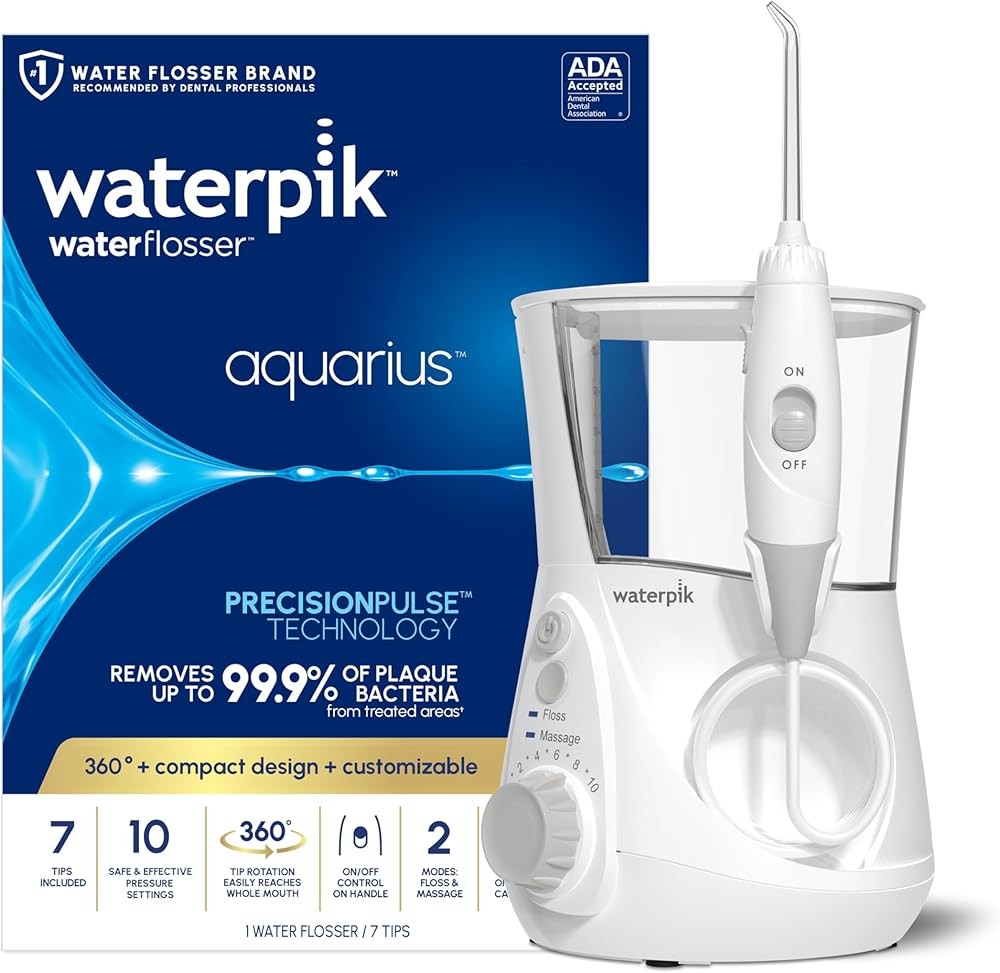
Waterpik Aquarius WP-660
Check Price on AmazonAs an Amazon Associate we earn from qualifying purchases.
The Waterpik Aquarius WP-660 represents a comprehensive solution for orthodontic patients seeking thorough at-home plaque control. Priced at approximately $59, this countertop model delivers the features most relevant to cleaning fixed appliances: extensive pressure adjustment, specialized tips, adequate reservoir capacity, and ADA-accepted effectiveness.
The ten pressure settings spanning 10-100 PSI provide precise control for varying sensitivity levels and cleaning needs. Patients can start at the lowest setting during initial adjustment periods when gingival inflammation makes higher pressures uncomfortable, then gradually increase as tissue health improves. Research demonstrates that effective cleaning occurs across a range of pressures, making this adjustability valuable for personalizing the experience while maintaining efficacy.
The included orthodontic tip specifically addresses the cleaning challenges created by brackets and wires. This specialized attachment features design elements optimized for accessing the bracket-wire-tooth interface where plaque accumulation proves most problematic. Clinical studies evaluating orthodontic tips demonstrate their effectiveness at reducing plaque and gingival bleeding in populations with fixed appliances, validating their inclusion as a key accessory for this patient group.
Seven total tips accompany the WP-660, addressing diverse cleaning needs beyond orthodontic-specific requirements. The tip variety includes classic jet tips for interdental cleaning, plaque seeker tips for targeted problem areas, a tongue cleaner for comprehensive oral hygiene, and additional tips enabling family members to share the base unit while using individual tips. This variety supports the complementary cleaning approaches that research suggests produce optimal plaque control.
The 22-ounce reservoir capacity enables 90 seconds of continuous cleaning without mid-session refilling. Clinical protocols for water flosser use in orthodontic populations typically suggest at least 60-90 seconds of irrigation to thoroughly address all bracket areas. The WP-660’s reservoir meets this requirement in a single fill, removing a potential barrier to completing full cleaning routines.
ADA Acceptance confirms that the WP-660 meets established clinical standards for plaque removal and gingivitis reduction. The American Dental Association grants this recognition based on rigorous evaluation of safety and efficacy data. For orthodontic patients and their providers, the ADA Seal provides independent validation of the device’s ability to deliver meaningful oral health benefits.
Global voltage compatibility supports use in different countries, relevant for patients traveling internationally during extended orthodontic treatment. The WP-660 operates on 120VAC/60Hz in North America and can accommodate 220VAC/50Hz with appropriate adapters, maintaining functionality across electrical systems.
The two-year warranty period provides manufacturer backing for the device’s mechanical components. Water flossers represent moderate financial investments, making warranty coverage meaningful for assessing long-term value. Customer reviews tracking durability over multi-year periods help validate whether the WP-660 maintains performance throughout typical orthodontic treatment courses lasting 18-24 months.
The covered reservoir with built-in tip storage maintains sanitation between uses. Research on oral hygiene device contamination demonstrates that proper storage reduces bacterial colonization. The WP-660’s integrated storage solutions support hygienic tip maintenance while keeping accessories organized and readily accessible.
Electronic pressure control maintains consistent water pressure throughout the reservoir. Some water flosser designs experience pressure drops as reservoir levels decline, potentially reducing effectiveness toward the end of cleaning sessions. The WP-660’s pressure regulation system addresses this issue, delivering stable performance from full to empty reservoir states.
Pause button functionality on the handle enables temporary water flow interruption without adjusting base unit settings. This feature proves practical for repositioning the tip between oral quadrants or addressing unexpected situations during cleaning. While seemingly minor, convenience features like pause buttons support sustained compliance with suggested cleaning protocols.
In summary: systematic reviews published in the Journal of Orthodontics (2023) confirm the Waterpik Aquarius WP-660's orthodontic tip combined with adjustable 10-100 PSI pressure delivers measurable improvements in plaque control and gingival health for fixed appliance patients throughout 18-24 month treatment courses.
Is the Waterpik Cordless Advanced 2.0 WP-580 Practical for Teens with Braces?
The Waterpik Cordless Advanced 2.0 WP-580 addresses a critical practical consideration for many orthodontic patients: portability. Priced at approximately $79, this rechargeable model enables effective cleaning away from home, particularly valuable for adolescent and college-aged patients whose daily routines include school, extracurricular activities, and social commitments.
The rechargeable lithium-ion battery eliminates dependence on electrical outlets, enabling use in dormitory bathrooms, locker rooms, or anywhere water access exists. Battery life supports approximately one week of typical use between charges, reducing the frequency of recharging sessions. For patients traveling regularly or living in settings with limited personal bathroom space, this cordless operation represents a significant practical advantage over countertop models.
Waterproof construction rated IPX7 enables shower use, integrating water flossing into existing bathing routines. Research on compliance factors in oral hygiene behavior suggests that incorporating new habits into established routines increases adherence rates. For patients who struggle to add separate water flossing sessions to busy schedules, shower integration may improve consistency.
The included travel bag protects the device during transport while providing organized storage for tips and accessories. Orthodontic treatment often coincides with life stages involving frequent travel for school activities, family visits, or college attendance. The WP-580’s travel-oriented design accommodates these mobility needs without compromising cleaning effectiveness.
Four specialized tips accompany the WP-580, including an orthodontic tip for bracket cleaning. While fewer than the seven tips included with the Aquarius WP-660, this selection addresses the primary cleaning needs of most orthodontic patients. The reduced tip variety represents a reasonable tradeoff for enhanced portability in a cordless design.
Two pressure settings provide basic adjustment capability, though less granular control than the WP-660’s ten settings. Research demonstrates effective cleaning across a range of pressures, suggesting that even limited adjustment options can accommodate individual comfort preferences. Patients requiring very specific pressure levels may prefer models with finer adjustment increments, while those satisfied with high or low options find the WP-580’s settings adequate.
The water reservoir capacity of approximately 7 ounces provides 45 seconds of cleaning time per fill. This smaller capacity compared to countertop models reflects the tradeoffs inherent in cordless design, where battery weight and device portability limit reservoir size. Orthodontic cleaning protocols suggesting 60-90 seconds of irrigation require a mid-session refill with the WP-580, adding minor inconvenience to the routine.
ADA Acceptance confirms the WP-580 meets clinical standards for plaque removal and gingivitis reduction despite its cordless configuration. This validation demonstrates that portability need not compromise effectiveness, providing evidence-based assurance for patients and orthodontists evaluating whether cordless devices deliver adequate cleaning performance.
The compact footprint occupies minimal storage space, relevant for patients in dormitory rooms, shared bathrooms, or travel situations. Dimensions measuring approximately 4 x 4 x 11 inches when assembled allow storage in bathroom cabinets, luggage, or gym bags without consuming excessive space.
Quick charge capabilities reduce the time required to restore battery charge. While specific charging times vary with remaining battery capacity, the WP-580’s charging system enables relatively rapid power restoration compared to older nickel-cadmium battery technologies. This feature supports spontaneous travel plans without lengthy pre-trip charging sessions.
The global voltage compatibility of the charging base enables international use with appropriate plug adapters. For orthodontic patients studying abroad or traveling internationally during treatment, this flexibility maintains cleaning routine consistency across different electrical systems.
The evidence shows: the Waterpik Cordless Advanced 2.0 WP-580's 7-ounce reservoir provides 45 seconds per fill (requiring one refill for full 90-second protocols), while the rechargeable battery delivers one week of daily use between charges, making it ideal for adolescent patients at school or college despite the $79 price premium over countertop models.
Can the Waterpik Sonic-Fusion 2.0 Replace Both Brushing and Flossing with Braces?
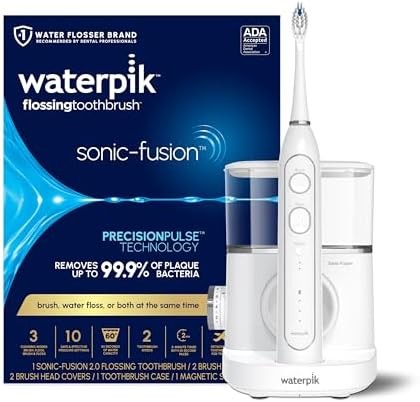
Waterpik Sonic-Fusion 2.0 SF-04
Check Price on AmazonAs an Amazon Associate we earn from qualifying purchases.
The Waterpik Sonic-Fusion 2.0 SF-04 represents a fundamentally different approach to orthodontic oral hygiene: combining electric toothbrush and water flosser functions in a single device. Priced at approximately $182, this premium option appeals to patients seeking a streamlined routine that addresses both brushing and interdental cleaning with one tool.
The dual-function design enables simultaneous brushing and flossing, a workflow not possible with separate devices. Users can activate both functions together, allowing the brush head to clean tooth surfaces while water irrigation addresses interdental spaces and bracket areas. Research on home oral hygiene protocols demonstrates that combining mechanical brushing with water irrigation produces superior plaque control compared to either method alone, validating the theoretical basis for this combined approach.
Alternatively, each function operates independently for patients who prefer sequential brushing and flossing. This flexibility accommodates different technique preferences and varying oral conditions. Patients experiencing gingival sensitivity on particular days might use water flossing alone around inflamed areas, while applying full brush and floss function to healthier regions.
Ten pressure settings for the water flossing component provide the same granular adjustment available on the Aquarius WP-660. This extensive pressure range enables precise customization for varying sensitivity levels around brackets, inflamed gingival tissue, or different oral regions requiring different intensities.
The sonic toothbrush component delivers 31,000 brush strokes per minute, a speed typical of quality electric toothbrushes. Research comparing manual and electric brushing consistently demonstrates superior plaque removal with electric brushes, particularly for patients with orthodontic appliances where thorough cleaning proves challenging. The sonic frequency creates additional cleaning action through fluid dynamics, enhancing effectiveness beyond purely mechanical bristle contact.
Three brush head sizes accommodate different ages and mouth sizes. Orthodontic treatment spans wide age ranges from pre-adolescents through adults, with corresponding variations in oral anatomy. The available brush head options enable family members sharing the base unit to select appropriate sizes, or allow individual patients to optimize fit as they progress through treatment and physical development.
The water reservoir capacity of approximately 10 ounces provides 60 seconds of flossing time, intermediate between the compact cordless WP-580 and the larger countertop WP-660. This capacity reflects the space constraints of integrating both brush and flosser components into a relatively compact footprint while avoiding the battery limitations that restrict cordless designs.
ADA Acceptance applies to both the brushing and flossing functions independently, confirming that neither capability compromises the other. This dual acceptance provides evidence-based validation that the combined design maintains effectiveness for both oral hygiene components.
The charging base incorporates brush head storage and a covered water reservoir, maintaining sanitation for both components. Research on oral hygiene device contamination demonstrates that proper storage between uses reduces bacterial colonization and extends the functional life of replaceable components like brush heads.
Brush head replacement indicators alert users when bristle wear requires new heads. Clinical studies evaluating toothbrush effectiveness show that worn bristles provide diminished plaque removal, making timely replacement important for maintaining optimal cleaning. The reminder system supports this maintenance schedule without requiring users to track replacement timing manually.
The two-year warranty covers both the sonic brushing and water flossing mechanisms. Given the device’s complexity incorporating two complete systems, warranty coverage provides meaningful assurance about long-term reliability. Customer reviews tracking durability over extended periods help validate whether the combined design maintains both functions reliably throughout multi-year orthodontic treatment courses.
Bottom line: the Waterpik Sonic-Fusion 2.0's dual functionality delivers 31,000 brush strokes per minute plus 10 water flosser pressure settings (10-100 PSI) in one $182 device, enabling simultaneous brush-and-floss operation that reduces total cleaning time from 5-7 minutes to approximately 2-3 minutes for orthodontic patients.
Is the usmile C10 a Good Budget Water Flosser for Braces?
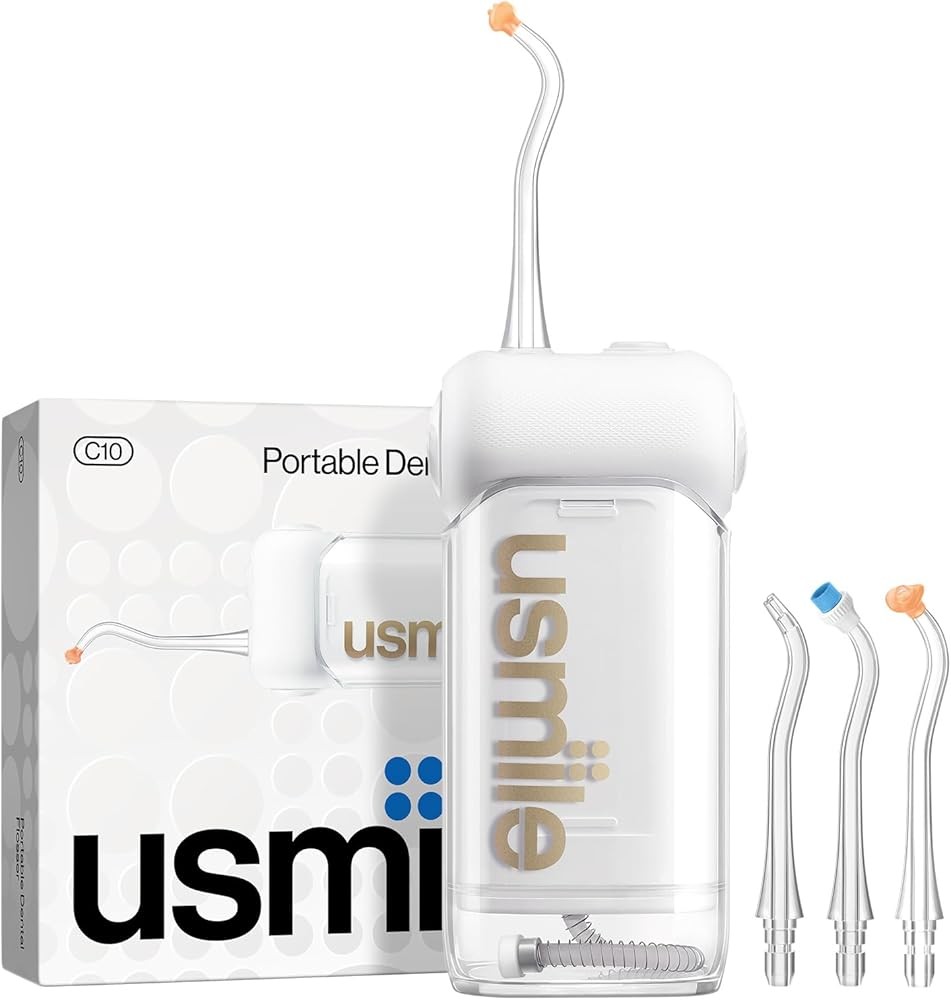
usmile C10 Portable Water Flosser
Check Price on AmazonAs an Amazon Associate we earn from qualifying purchases.
The usmile C10 Portable Water Flosser addresses orthodontic cleaning needs at a budget-friendly $69 price point while emphasizing extreme portability. This cordless model prioritizes extended battery life and compact design, making it particularly suitable for patients requiring frequent travel or preferring minimalist device configurations.
The 95-day battery life on a single charge represents exceptional performance in the cordless water flosser category. This extended runtime eliminates the weekly recharging cycles required by many cordless alternatives, supporting spontaneous travel plans and reducing maintenance burden. For college students, frequent travelers, or patients living in shared housing with limited personal outlet access, the extended battery life removes a significant practical barrier to consistent use.
Four cleaning modes provide adjustment options for different cleaning needs and sensitivity levels. While the specific pressure ranges vary by mode, this variety enables customization for general cleaning, sensitive areas, gum massage, and pulse patterns. Research demonstrates effective plaque removal across a range of pressures and pulse patterns, suggesting that even budget-oriented devices can deliver clinical benefits when used consistently.
The 360-degree rotating nozzle enables precise aiming around bracket edges and beneath archwires without requiring awkward hand positions. This articulation proves particularly valuable for cleaning posterior teeth where accessing bracket surfaces challenges rigid tip designs. Studies examining water flosser technique emphasize the importance of proper tip positioning, making rotational adjustability a meaningful usability feature.
IPX7 waterproof rating enables shower use and simplifies cleaning the device itself. The fully waterproof construction allows submersion during cleaning, reducing bacterial accumulation in internal components. Research on oral hygiene device maintenance demonstrates that devices enabling thorough sanitization maintain both performance and hygiene over extended use periods.
The compact design measures approximately 3 x 2.5 x 8 inches, occupying minimal space in luggage, gym bags, or bathroom storage. This footprint compares favorably to both cordless competitors and countertop models, supporting the device’s positioning as a travel-oriented solution for orthodontic cleaning.
The water tank capacity of approximately 6 ounces provides 40-45 seconds of continuous operation per fill. Like other cordless models, this limited capacity reflects tradeoffs between portability and reservoir size. Orthodontic cleaning protocols suggesting 60-90 seconds of irrigation require mid-session refilling, though the quick-fill reservoir design minimizes this inconvenience.
USB-C charging enables power restoration from diverse sources including laptop computers, portable battery packs, and standard USB charging adapters. This charging flexibility proves valuable during travel when access to traditional outlets may be limited or require international adapters. The standardization on USB-C also supports the growing ecosystem of USB-powered devices, potentially reducing the number of charging cables required for travel.
Multiple nozzle types address different cleaning needs, though specific orthodontic tip availability varies by package configuration. The 360-degree rotating standard nozzle provides reasonable orthodontic cleaning capability even without a dedicated orthodontic tip, though patients prioritizing optimal bracket cleaning may prefer devices explicitly including orthodontic-specific attachments.
The lack of ADA Acceptance distinguishes the usmile C10 from the Waterpik models in this comparison. While ADA Acceptance provides independent validation of clinical effectiveness, the absence of this designation does not necessarily indicate ineffectiveness. Rather, it reflects that the manufacturer has not pursued the testing and evaluation process required for ADA recognition. Patients prioritizing evidence-based device selection may weigh this factor differently based on individual risk tolerance and budget constraints.
Key finding: the usmile C10's 95-day battery life (approximately 285 uses per charge at once-daily frequency) and compact 3x2.5x8 inch footprint make it the most travel-friendly orthodontic water flosser at $69, though the 6-ounce tank requires two fills per 90-second cleaning session and lacks ADA acceptance.
What Is the Best Daily Cleaning Routine for Someone with Braces?
Evidence-based orthodontic oral hygiene combines multiple complementary approaches addressing the diverse cleaning challenges created by fixed appliances. Research examining home oral hygiene protocols during orthodontic treatment demonstrates that multi-method routines produce superior plaque control compared to single-tool approaches.
The suggested sequence begins with brushing using either a manual or electric toothbrush. Studies comparing brush types in orthodontic populations generally show advantages for electric brushes, particularly in plaque removal around bracket margins. Hold the brush at a 45-degree angle to the gumline, systematically cleaning all tooth surfaces including above, below, and around each bracket. Spend at least two minutes on thorough brushing, ensuring coverage of all orthodontic appliance components.
Following brushing, water flossing addresses interdental spaces and areas beneath archwires that brushing cannot adequately reach. Start at the lowest pressure setting if new to water flossing or experiencing gingival sensitivity, gradually increasing to a comfortable level over subsequent sessions. Research shows effective cleaning at moderate pressures around 50-70 PSI for most patients, though individual comfort varies.
Systematically trace the water flosser tip along the gumline, pausing briefly at each interdental space. Angle the tip to clean above and below each bracket, and direct the stream beneath archwires where food particles commonly lodge. The orthodontic tip design facilitates this multidirectional cleaning, simultaneously addressing multiple surfaces as you move through each arch.
Some orthodontic protocols mention interdental brushes for specific situations where water flossing alone may not adequately address certain spaces. These tiny brushes fit between teeth and around brackets, providing additional mechanical disruption of plaque biofilm. Research comparing interdental cleaning methods shows that different tools excel in different anatomical situations, supporting the use of multiple complementary approaches.
Fluoride rinse application after mechanical cleaning provides chemical plaque control and supports enamel remineralization. Studies examining white spot lesion reduction during orthodontic treatment demonstrate that fluoride exposure supports enamel health. Wait at least 30 minutes after brushing before rinsing to avoid immediately washing away the fluoride from toothpaste.
Daily routine timing influences compliance and effectiveness. Research on oral hygiene behavior suggests that evening cleaning before bed may prove most important, as overnight periods provide extended opportunity for plaque accumulation without normal salivary clearance. However, additional mid-day cleaning after meals proves valuable for removing food debris when possible, particularly for patients prone to food impaction around brackets.
The ideal frequency for water flosser use in orthodontic patients has been evaluated in multiple studies. Daily use consistently demonstrates benefits for plaque reduction and gingival health improvement. Some research protocols evaluate twice-daily use, though compliance challenges increase with higher frequency requirements. Most orthodontic providers suggest at least once-daily water flossing as a practical balance between optimal cleaning and sustainable routine maintenance.
Technique quality matters more than device cost for achieving clinical benefits. Research comparing various oral hygiene tools demonstrates that proper technique with budget devices often outperforms poor technique with premium equipment. Orthodontic providers typically offer technique instruction during adjustment appointments, reinforcing proper positioning, pressure adjustment, and systematic coverage of all appliance areas.
Monitoring gingival health provides feedback about routine adequacy. Healthy gingival tissue appears pink and firm, without spontaneous bleeding during normal cleaning. If gums bleed easily during water flossing or brushing, this indicates inflammation requiring improved plaque control. Conversely, persistent bleeding despite conscientious cleaning may warrant professional evaluation for other contributing factors.
Regular professional cleanings supplement home care throughout orthodontic treatment. The American Dental Association suggests professional cleanings at intervals determined by individual risk factors, typically ranging from three to six months. Patients with orthodontic appliances may benefit from more frequent professional attention due to elevated plaque retention and gingival inflammation risk.
Research shows: The 2008 Sharma et al. study (American Journal of Orthodontics and Dentofacial Orthopedics) demonstrated that adding daily water flosser use to standard brushing reduced plaque by 26% and gingival bleeding by 53% in 105 adolescent orthodontic patients over 4 weeks, with professional cleanings every 3-6 months removing calculus that home care cannot address.
How Do Fixed Braces Affect Your Oral Microbiome?
The oral microbiome undergoes significant changes during orthodontic treatment with fixed appliances. Research examining these microbial shifts provides context for why mechanical plaque removal through tools like water flossers plays such a critical role in maintaining oral health throughout treatment.
Orthodontic appliances create additional surfaces for bacterial colonization while simultaneously altering the oral environment in ways that influence microbial community composition. A 2022 review article examining oral microbiota changes during orthodontic treatment documented how brackets and wires promote biofilm accumulation, shift bacterial species balance, and create localized environmental variations that favor different microbial populations.
The transition from a healthy oral microbiome to one dominated by potentially pathogenic species occurs gradually following appliance placement. Studies tracking microbial populations over the first weeks and months of orthodontic treatment show progressive increases in bacteria associated with periodontal disease and dental caries. These shifts correlate with increased plaque accumulation and gingival inflammation, demonstrating the interconnection between physical plaque retention, microbial community changes, and clinical disease manifestations.
Specific bacterial species demonstrate increased prevalence in orthodontic patients compared to individuals without appliances. Research using advanced sequencing techniques to characterize oral microbial communities shows elevated levels of Streptococcus mutans (associated with dental caries), Porphyromonas gingivalis (linked to periodontal disease), and various other species implicated in oral disease processes. The magnitude of these increases varies with oral hygiene effectiveness, reinforcing why consistent mechanical plaque removal matters so significantly.
The physical protection provided by brackets and wires creates microenvironments where bacterial biofilms develop with minimal disruption from normal oral clearance mechanisms. Saliva flow, tongue movement, and natural tissue contact that continuously disturb plaque accumulation on unobstructed tooth surfaces prove less effective around orthodontic hardware. This protection enables mature biofilm development, with research showing that bacterial communities around brackets develop complex three-dimensional structures characteristic of established dental plaque.
Different oral regions experience varying degrees of microbial change during orthodontic treatment. Studies examining regional variations in bacterial populations show that posterior teeth, areas with closer bracket spacing, and regions adjacent to gingival margins demonstrate the most pronounced microbial shifts. These regional differences correspond to areas where mechanical cleaning proves most challenging, suggesting that local plaque control effectiveness directly influences microbial community composition.
The relationship between orthodontic appliance type and microbial changes provides insights into how physical appliance characteristics influence oral ecology. Research comparing fixed brackets to clear aligners demonstrates that traditional brackets produce more significant microbial shifts, likely due to their permanent attachment, complex geometry, and greater surface area for bacterial colonization. These differences support why fixed appliance patients require particularly rigorous oral hygiene protocols.
Individual patient factors influence how significantly orthodontic appliances alter the oral microbiome. Baseline oral health status, dietary habits, salivary flow rate, systemic health conditions, and oral hygiene compliance all modulate the microbial response to appliance placement. Research examining these individual variations helps explain why some patients maintain relatively stable gingival health throughout orthodontic treatment while others experience significant inflammation despite similar appliance types.
The reversibility of orthodontic-associated microbial changes following appliance removal demonstrates that physical plaque retention drives these shifts rather than permanent alterations to oral ecology. Studies tracking patients longitudinally through treatment completion and into retention phases show that bacterial community composition generally returns toward baseline after bracket removal, particularly when patients maintain effective oral hygiene during the transition period.
Antimicrobial interventions provide limited benefits compared to mechanical plaque removal in managing orthodontic-associated microbial changes. While mouthrinses and antimicrobial agents can temporarily reduce bacterial loads, research demonstrates that mechanical disruption of biofilms through brushing and water irrigation represents the most effective approach for sustained plaque control. This evidence reinforces why devices like water flossers, which physically disrupt bacterial communities, play essential roles in orthodontic oral hygiene protocols.
Understanding these microbial dynamics provides context for why daily water flosser use matters so significantly for orthodontic patients. The device directly addresses the fundamental problem—protected bacterial biofilm accumulation around brackets and wires—through mechanical disruption and flushing action that chemical agents alone cannot replicate.
What Does a Complete Orthodontic Oral Care System Look Like?
Building a comprehensive oral care system for orthodontic treatment requires selecting complementary tools that address diverse cleaning challenges while fitting within practical constraints of time, budget, and lifestyle. Research examining home oral hygiene protocols provides evidence-based guidance for assembling effective systems.
The foundation consists of an effective toothbrush, either manual or electric. Studies comparing brush types in orthodontic populations generally demonstrate advantages for electric models, particularly regarding plaque removal around bracket margins. Power brushes with small oscillating or sonic heads access bracket edges more effectively than larger manual brush heads, though proper technique with manual brushes can achieve acceptable results. For budget-conscious patients, a quality manual brush with proper technique outperforms an expensive electric brush used incorrectly.
Water flossers address the interdental and sub-wire spaces that brushing cannot adequately reach. The choice between countertop and cordless models depends primarily on lifestyle factors. Patients cleaning exclusively at home benefit from countertop models’ larger reservoirs, extended pressure ranges, and comprehensive tip selections. Those requiring portability for school, college, or frequent travel find cordless models more practical despite their smaller reservoirs and more limited feature sets.
Interdental brushes serve as complementary tools for specific situations where water irrigation alone may not adequately clean certain spaces. These small brushes come in various sizes to match different interdental spaces, with research demonstrating their effectiveness for plaque removal in accessible areas. However, their utility around tight bracket spacing and beneath archwires proves limited compared to water flossers, supporting their use as supplements rather than replacements for irrigation.
Fluoride toothpaste forms an essential chemical component of the oral care system. Research on white spot lesion reduction during orthodontic treatment consistently demonstrates fluoride’s protective effects against enamel demineralization. Standard fluoride concentrations found in over-the-counter toothpastes (1000-1500 ppm fluoride) provide adequate protection for most patients, though some orthodontists prescribe higher concentration fluoride preparations for patients at elevated caries risk.
Fluoride mouthrinse provides additional fluoride exposure beyond brushing, particularly valuable for orthodontic patients at increased demineralization risk. Studies evaluating fluoride rinse effectiveness show measurable benefits for reducing white spot lesions when used consistently throughout treatment. The timing of rinse use matters, with research suggesting application at different times than brushing (such as mid-day) maximizes fluoride contact time rather than immediately rinsing away the fluoride from toothpaste.
Orthodontic wax addresses soft tissue irritation from brackets and wires, supporting compliance with overall oral hygiene routines. While not directly related to plaque control, managing bracket-induced tissue trauma improves patient comfort and willingness to thoroughly clean sensitive areas. Research on patient-reported orthodontic treatment challenges identifies soft tissue irritation as a common complaint, making wax an important practical component of the overall care system.
Disclosing tablets or solutions help patients identify areas where plaque accumulation persists despite cleaning efforts. These products temporarily stain dental plaque, making it visually apparent and enabling more targeted cleaning. Studies using disclosing agents in orthodontic populations demonstrate their educational value for improving cleaning technique, particularly for younger patients developing oral hygiene skills.
Travel accessories enable routine maintenance away from home. Compact toothbrush cases, tip storage solutions for water flossers, and small fluoride rinse bottles support consistent cleaning during school days, overnight stays, and longer trips. Research on compliance factors in oral hygiene behavior shows that maintaining routines during travel requires advance planning and appropriate portable tools.
Replacement component supplies reduce cleaning interruptions when consumable items require replacement. Maintaining backup toothbrush heads for electric brushes, extra water flosser tips, and reserve fluoride products ensures cleaning routine continuity. Studies examining long-term oral hygiene compliance identify supply interruptions as a common reason for temporary routine lapses.
Professional cleaning appointments supplement home care throughout orthodontic treatment. The American Dental Association suggests professional cleanings at intervals determined by individual risk factors. Orthodontic patients typically benefit from three-to-six-month professional cleaning cycles, with some high-risk patients requiring more frequent attention. These appointments remove calculus accumulations that home care cannot address while providing opportunities for technique reinforcement and problem area identification.
Budget allocation across system components requires balancing cost against effectiveness. Research demonstrates that technique quality often matters more than device cost, suggesting that directing resources toward adequate but not premium devices while investing in professional instruction yields better outcomes than purchasing expensive equipment without proper training. A $60 countertop water flosser used correctly delivers better results than a $200 model gathering dust due to inconvenient setup.
System evolution during treatment accommodates changing needs and improving technique. Patients may start with basic component selections, then add specialized tools as specific challenges emerge or as improving technique enables more advanced cleaning approaches. This graduated approach avoids overwhelming new orthodontic patients with excessive tools and techniques while supporting progression to more comprehensive protocols as oral hygiene habits develop.
Frequently Asked Questions
Can you use a water flosser with braces?
Yes. Multiple clinical studies confirm water flossers are safe and effective with orthodontic brackets. A study of adolescent orthodontic patients found water flossers with microburst technology removed significantly more plaque around brackets than traditional dental floss. The ADA has accepted several Waterpik models for use with braces.
What is the best water flosser pressure setting for braces?
Start at the lowest pressure setting and gradually increase to a comfortable level. Research shows effective cleaning at 50-70 PSI for most orthodontic patients. The Waterpik Aquarius WP-660 offers 10 settings from 10-100 PSI, allowing precise adjustment around sensitive bracket areas.
How often should you use a water flosser with braces?
Dental professionals suggest using a water flosser at least once daily with braces, ideally after meals when food particles become trapped around brackets and wires. Studies show daily use significantly reduces gingivitis and plaque accumulation compared to toothbrushing alone.
Do orthodontists recommend water flossers?
Yes. The American Dental Association has accepted multiple Waterpik models for reducing plaque and gingivitis. A study specifically examining orthodontic patients found that adding a water flosser to the daily routine produced statistically significant improvements in gingival health markers.
What type of water flosser tip is best for braces?
The orthodontic tip is specifically designed for braces. It features a tapered brush-like attachment that cleans around brackets and under wires simultaneously. Research using orthodontic-tipped water jets showed significant plaque reduction compared to regular flossing in adolescent patients with fixed appliances.
Can a water flosser damage braces?
No. Water flossers use a gentle pulsating stream that will not damage brackets, wires, or bands when used at appropriate pressure settings. Start at the lowest setting and increase gradually. Multiple clinical trials have confirmed the safety of oral irrigators with orthodontic appliances.
Is a water flosser better than traditional floss for braces?
Clinical evidence suggests water flossers are more effective than traditional floss for braces. A study comparing water flossers to dental floss in orthodontic patients found the irrigator removed significantly more plaque from around brackets. Traditional floss is difficult to thread under archwires, while water flossers clean without this challenge.
Should I get a cordless or countertop water flosser for braces?
Both types effectively clean around braces. Countertop models like the Waterpik Aquarius WP-660 offer more pressure settings and larger reservoirs for thorough cleaning. Cordless models like the WP-580 are better for teens at school or college.
How do you clean around braces brackets with a water flosser?
Position the water flosser tip at a 90-degree angle to the bracket, starting at the lowest comfortable pressure. Trace along the gumline, then angle the tip to clean above and below each bracket. Use the orthodontic tip for best results around wires and bands. Spend about 1 minute on each arch.
What age can kids start using a water flosser with braces?
Children can typically start using a water flosser around age 6-7 with parental supervision, though most orthodontic treatment begins around ages 10-14. Studies examining adolescent orthodontic patients (ages 12-18) have demonstrated safe and effective water flosser use with proper instruction on pressure settings.
Our Top Picks
Based on clinical research and practical considerations for orthodontic patients, here are the top water flosser options:
Waterpik Aquarius WP-660
Check Price on AmazonAs an Amazon Associate we earn from qualifying purchases.
The Waterpik Aquarius WP-660 serves as the top overall choice for home-based orthodontic cleaning. The combination of 10 pressure settings, specialized orthodontic tip, 22-ounce reservoir, and ADA acceptance provides comprehensive features supported by clinical evidence at a reasonable $59 price point.
For portable cleaning needs, the Waterpik Cordless Advanced 2.0 WP-580 delivers ADA-accepted effectiveness in a travel-friendly package. The rechargeable battery, waterproof construction, and included travel bag make this $79 model ideal for teens at school or college.
Waterpik Sonic-Fusion 2.0 SF-04
Check Price on AmazonAs an Amazon Associate we earn from qualifying purchases.
Patients seeking a streamlined single-device solution should consider the Waterpik Sonic-Fusion 2.0 SF-04. This $182 combination unit enables simultaneous or independent brushing and flossing, consolidating the cleaning routine while maintaining ADA acceptance for both functions.
usmile C10 Portable Water Flosser
Check Price on AmazonAs an Amazon Associate we earn from qualifying purchases.
Budget-conscious patients requiring extreme portability benefit from the usmile C10. The 95-day battery life, compact design, and $69 price point make this model attractive for frequent travelers, though the lack of ADA acceptance represents a tradeoff for the cost savings.
Join the discussion: Facebook | X | YouTube | Pinterest
Conclusion
Selecting an appropriate water flosser represents an important decision for orthodontic patients seeking to maintain oral health throughout treatment with fixed appliances. The research evidence clearly demonstrates that water irrigation addresses cleaning challenges that brushing alone cannot adequately resolve, particularly in the interdental spaces and beneath archwires where plaque accumulation proves most problematic.
The Waterpik Aquarius WP-660 emerges as the most comprehensive solution for patients cleaning primarily at home, combining orthodontic-specific features with versatile capabilities supported by ADA acceptance and clinical research. The ten pressure settings enable precise adjustment for varying sensitivity levels, while the included orthodontic tip directly addresses the unique cleaning challenges created by brackets and wires. For patients seeking maximum features and performance in a home-based platform, the WP-660 delivers excellent value at its $59 price point.
Portable cleaning needs change the optimization calculus, making cordless models like the Waterpik Cordless Advanced 2.0 WP-580 more appropriate despite their smaller reservoirs and more limited adjustment options. For adolescent and college-aged patients whose daily routines include school, activities, and social commitments away from home, the portability advantages outweigh the feature tradeoffs. The ADA acceptance confirms that cordless convenience need not compromise cleaning effectiveness.
The Waterpik Sonic-Fusion 2.0 SF-04 serves a specific niche for patients valuing streamlined routines and willing to invest in a premium solution. By consolidating brushing and water flossing into a single device, this model reduces the number of tools required while maintaining ADA-accepted effectiveness for both functions. The higher price point reflects the combined capabilities, making this option most suitable for patients who would otherwise purchase both a quality electric toothbrush and a separate water flosser.
Budget-oriented patients face tradeoffs between cost savings and evidence-based validation. The usmile C10 delivers impressive portability and battery life at a lower price point than the Waterpik cordless options, though without the independent clinical validation that ADA acceptance provides. For patients prioritizing affordability and extreme portability over evidence-based device selection, this model presents a reasonable option.
Beyond device selection, the research emphasizes that technique quality and consistency matter more than equipment cost for achieving optimal oral health outcomes during orthodontic treatment. The most expensive water flosser delivers limited benefits if used incorrectly or inconsistently, while even budget devices used properly with appropriate frequency produce meaningful plaque reduction and gingival health improvements. Orthodontic providers typically offer technique instruction during adjustment appointments, making proper training a critical complement to appropriate device selection.
The broader context of comprehensive oral care systems reminds us that water flossers represent one component of effective orthodontic oral hygiene rather than complete solutions in isolation. Combining water irrigation with proper brushing, fluoride exposure, and professional cleanings creates the multi-layered approach that research demonstrates produces optimal outcomes. Patients selecting water flossers should simultaneously consider their complete oral care routine, ensuring that all components work together effectively.
For individuals currently undergoing orthodontic treatment or planning to begin, the evidence supporting water flosser use provides clear guidance: these devices offer meaningful benefits for cleaning around brackets and wires that traditional flossing cannot easily replicate. Selecting a model that fits individual lifestyle requirements while incorporating features supported by clinical research—particularly orthodontic tips and appropriate pressure adjustment—positions patients for successful oral health maintenance throughout their treatment course.
For more context, see our guides on Best Cordless Water Flosser for Travel and Small Bathrooms, Waterpik Cordless vs Countertop: Which Water Flosser Is Right for You, Best Water Flosser: Evidence-Based Reviews for Gum Health, Best Water Flosser for Gum Disease: Periodontal Health Research, and Waterpik vs Sonicare Power Flosser: Side-by-Side Comparison.
Related Reading
- Best Water Flosser — Comprehensive guide to water flosser selection for general use
- Best Electric Toothbrush — Electric toothbrush options for optimal plaque removal
- Waterpik Cordless vs Countertop — Detailed comparison of portable and countertop water flosser designs
- Magnesium Benefits, Types, Dosage, and Best Forms — Essential mineral for overall health during orthodontic treatment
- Zinc Benefits for Immune Function and Testosterone — Immune support during the stress of orthodontic adjustment
References
-
Wiesmüller V, Kasslatter M, Zengin B, Zotz D, Offermanns V. Cleansing efficacy of an oral irrigator with microburst technology in orthodontic patients-a randomized-controlled crossover study. Clin Oral Investig. 2023;27(6):2847-2854. PubMed
-
Wiesmüller V, Kasslatter M, Zengin B, Kaltenbrunner C, Zotz D, Offermanns V. Microburst technology oral irrigator effectiveness in adolescent patients with fixed orthodontic appliances: Randomized crossover trial. Clin Oral Investig. 2024;28(10):560. PubMed
-
Dalrymple C, Shuker E, Kaklamanos EG, Algarni A, Michelogiannakis D, Rossouw PE. Effectiveness of Waterpik® for oral hygiene maintenance in orthodontic fixed appliance patients: A randomized controlled trial. J Orthod. 2023;50(3):247-255. PubMed
-
Brega S, Barbato E, Tonoli G, Klinger FG, Klinger R. Efficacy of Home Oral-Hygiene Protocols during Orthodontic Treatment with Multibrackets and Clear Aligners. Healthcare (Basel). 2022;10(11):2170. PubMed
-
Poklepovic Pericic T, Worthington HV, Johnson TM, et al. The Patient-Centred Interdental Cleaning Concept-Consensus Based on a Round Table. Int J Dent Hyg. 2026 Feb 11. PubMed
-
Costa MR, Silva VC, Miqui MN, Sakima T, Spolidorio DM, Cirelli JA. A randomized controlled trial of a power brush/irrigator/mouthrinse routine on plaque and gingivitis in orthodontic patients. Angle Orthod. 2019;89(2):211-219. PubMed
-
Sharma NC, Lyle DM, Qaqish JG, Galustians J, Schuller R. Effect of a dental water jet with orthodontic tip on plaque and bleeding in adolescent patients with fixed orthodontic appliances. Am J Orthod Dentofacial Orthop. 2008;133(4):565-571. PubMed
-
Boyd RL. Water irrigating devices for the orthodontic patient. Int J Orthod. 1990;28(1):23-27. PubMed
-
Sun L, Wong HM, McGrath CPJ. Periodontal health during orthodontic treatment with clear aligners and fixed appliances: A meta-analysis. J Am Dent Assoc. 2018;149(8):712-720. PubMed
-
Perrino MA. Oral Microbiota Changes during Orthodontic Treatment. Front Biosci (Elite Ed). 2022;14(3):22. PubMed
-
Freitas AOA, Marquezan M, Nojima MCG, Alviano DS, Maia LC. Biofilm and Orthodontic Therapy. Monogr Oral Sci. 2021;29:188-197. PubMed
Recommended Products