Best Adaptogen Supplements: Complete Evidence-Based Guide
Summarized from peer-reviewed research indexed in PubMed. See citations below.
Published research shows chronic stress disrupts the HPA axis, leading to elevated cortisol, fatigue, brain fog, and poor recovery. The top adaptogen supplement is Himalaya Organic Ashwagandha with KSM-66 extract at 600 mg per day for $15-20, which reduced cortisol by 27.9% and stress scores by 44% in clinical trials. Studies indicate this standardized root-only extract provides the most robust evidence for anxiety reduction, sleep improvement, and stress resilience. For budget-conscious individuals, Paradise Herbs Imperial Adaptogens offers a multi-adaptogen blend for $12-15. Here’s what the published research shows about adaptogens and how to choose the right one for your needs.
Disclosure: We may earn a commission from links on this page at no extra cost to you. Affiliate relationships never influence our ratings. Full policy →
This article references 15 peer-reviewed studies from PubMed. All sources are cited within the text and listed in the references section. ✅ Ashwagandha (KSM-66) at 600 mg/day reduces cortisol by 27.9% and stress scores by 44% in 60 days (PubMed 23439798) ✅ Rhodiola rosea (SHR-5) at 400-600 mg/day improves mental fatigue by 20% within 3-7 days (PubMed 19016404) ✅ Cordyceps militaris at 3,000 mg/day increases VO2max by 4.8 ml/kg/min and time to exhaustion by 69.8 seconds (PubMed 27408987) ✅ Lion’s mane at 1,800 mg/day improves Stroop task performance within 60 minutes and cognitive function over 28 days (PubMed 38004235) ✅ Holy basil at 1,200 mg/day reduces anxiety symptoms by 39% in 6 weeks ✅ Stack protocol: Research suggests Rhodiola at 400 mg daily in the morning, combined with Ashwagandha at 600 mg daily in the evening, may support both daytime energy and nighttime recovery. https://www.ncbi.nlm.nih.gov/pubmed/28853949 ✅ Quality markers: KSM-66, SHR-5, OciBest branded extracts with third-party testing and standardized active compounds (withanolides, rosavins, beta-glucans)


If you have ever felt like you are running on empty, sleeping but never resting, wired yet exhausted, and unable to recover from workouts or mental demands the way you used to, you are likely dealing with a stress load that your body cannot keep up with. Adaptogens are a class of herbs and medicinal mushrooms that have been used for centuries in Ayurvedic and Traditional Chinese Medicine to support the body’s response to physical, chemical, and biological stressors. In recent decades, research has begun to indicate what traditional healers have long observed: these compounds can measurably modulate the stress response, with studies showing potential to lower cortisol, improve cognitive function, and enhance physical endurance. !Top-rated adaptogen supplements in bottles with third-party testing and quality certifications This guide is not a surface-level roundup. We are going deep into the pharmacology, clinical trial evidence, standardized extracts, dosing protocols, and practical stacking strategies for the eight most evidence-backed adaptogens available today. Whether individuals are experiencing chronic work stress, athletic performance demands, cognitive changes, or immune system responses, this guide aims to identify which adaptogens have research support and which products align with that research. ## What Are Adaptogens and How Do They Work? The term “adaptogen” was first coined by Soviet pharmacologist Dr. Nikolai Lazarev in 1947 and later refined by Dr. Israel Brekhman in the 1960s. To qualify as an adaptogen, a substance must meet three criteria established by Brekhman: 1. Non-specific resistance: It must increase the body’s resistance to a wide range of physical, chemical, and biological stressors 2. Normalizing influence: It must have a normalizing effect on physiology regardless of the direction of change caused by the stressor 3. Safety: It must be non-toxic and not disturb normal biological functions These are not stimulants that artificially push your nervous system into overdrive. Adaptogens work through fundamentally different mechanisms that help your body find balance, whether that means calming an overactive stress response or energizing a depleted one. ### The HPA Axis: Your Body’s Stress Command Center The primary mechanism through which adaptogens exert their effects is the hypothalamic-pituitary-adrenal (HPA) axis, the body’s central stress response system. When you encounter a stressor, the hypothalamus releases corticotropin-releasing hormone (CRH), which signals the pituitary gland to release adrenocorticotropic hormone (ACTH), which then stimulates the adrenal glands to produce cortisol and other stress hormones. Under normal conditions, cortisol feeds back to the hypothalamus and pituitary to shut down the stress response once the threat passes. The problem arises with chronic stress: the feedback loop becomes dysregulated, and your body remains in a state of elevated cortisol output, leading to fatigue, immune suppression, poor sleep, weight gain, cognitive impairment, and accelerated aging. According to a comprehensive review published in Current Clinical Pharmacology, adaptogens modulate this system by restoring intracellular glucocorticoid receptor sensitivity on the hypothalamus and pituitary, thereby reinstating the negative feedback loop that chronic stress disrupts (PubMed 19500070. They also regulate key stress mediators including molecular chaperones (Hsp70), stress-activated c-Jun N-terminal protein kinase (JNK1), Forkhead box O (FoxO) transcription factors, cortisol, and nitric oxide. In practical terms, this means adaptogens do not simply suppress cortisol. Research suggests they may support the body in producing an appropriate cortisol response: enough to handle acute demands, but with proper recovery afterward. This is why the same adaptogen may appear to help an individual experiencing anxiety feel calmer and a fatigued individual feel more energized. Key takeaway: Research suggests adaptogens may influence HPA axis function by supporting glucocorticoid receptor sensitivity, with studies indicating ashwagandha may be associated with a 27.9% reduction in cortisol and rhodiola appearing to normalize cortisol awakening response in clinical trials (PubMed 23439798, PubMed 19016404). ### Beyond the HPA Axis: Additional Mechanisms Adaptogens also work through several other pathways: - Immune modulation: Many adaptogens enhance natural killer cell activity and modulate inflammatory cytokines
- Mitochondrial support: Compounds like cordycepin in cordyceps improve cellular energy production
- Neurotransmitter regulation: Ashwagandha and rhodiola influence serotonin, GABA, and dopamine signaling
- Antioxidant defense: Most adaptogens upregulate endogenous antioxidant enzymes like superoxide dismutase (SOD) and glutathione peroxidase
- Neuroprotection: Lion’s mane stimulates nerve growth factor (NGF) production, while schisandra protects against neurotoxicity ## How Can Video Reviews Help You Choose Adaptogens? ## What Are the Signs You Need Adaptogen Support? Your body communicates stress overload in specific, recognizable patterns. If you are experiencing several of the following signs, adaptogen supplementation may be particularly beneficial for you: ### Energy and Fatigue Signals - Waking up exhausted even after 7-8 hours of sleep, often feeling worse in the morning than when you went to bed
- Mid-afternoon energy crashes around 2-4 PM that no amount of coffee can fix
- Feeling “wired but tired” at night, where your body is exhausted but your mind will not shut off
- Exercise intolerance: workouts that used to feel manageable now leave you wrecked for days, or you have lost the motivation to train at all
- Slow recovery from illness, injury, or physical exertion that used to resolve quickly ### Cognitive and Emotional Signals - Brain fog and difficulty concentrating that was not present before, especially trouble with working memory and word retrieval
- Increased irritability and emotional reactivity to minor stressors that previously would not have bothered you
- Anxiety that seems disconnected from actual circumstances, a persistent feeling of unease without a clear trigger
- Decreased motivation and a sense of emotional flatness or apathy
- Poor stress tolerance: you find yourself unable to handle situations that you once managed easily ### Physical Signals - Salt and sugar cravings that intensify in the afternoon and evening
- Weight gain around the midsection despite no changes in diet or exercise
- Frequent illness: catching every cold and virus that circulates through your environment
- Digestive issues including bloating, irregular bowel movements, and loss of appetite
- Low libido and hormonal irregularities, including irregular menstrual cycles in women
- Muscle tension, especially in the neck, shoulders, and jaw, that does not resolve with stretching
- Temperature regulation problems: feeling cold when others are comfortable, or experiencing unexplained sweating ### Sleep-Specific Signals - Difficulty falling asleep despite physical exhaustion
- Waking between 2-4 AM and being unable to fall back asleep (this is a classic sign of cortisol dysregulation)
- Unrefreshing sleep where you wake feeling like you never fully rested
- Vivid, stressful dreams or nightmares that leave you anxious upon waking If three or more of these signs resonate with you, research suggests your stress response system may be experiencing strain and may be a candidate for adaptogenic support. The adaptogens reviewed below have been studied in relation to these patterns through different but complementary mechanisms.
Disclosure: We may earn a commission from links on this page at no extra cost to you. Affiliate relationships never influence our ratings. Full policy →
In summary: If individuals experience three or more indicators including persistent fatigue despite sleep, waking between 2-4 AM, brain fog, emotional reactivity, or unexplained weight gain around the midsection, research suggests the HPA axis may be dysregulated and may potentially benefit from targeted adaptogenic support. ## Which Are the Best Evidence-Backed Adaptogens? ### Adaptogen Comparison Table
| Adaptogen | Best For | Clinically Effective Dose | Time to Effect | Key Compounds | Notable Study Results |
|---|---|---|---|---|---|
| Ashwagandha (KSM-66) | Stress, anxiety, cortisol reduction, sleep | 600 mg/day (300mg 2x daily) | 4-8 weeks | Withanolides (5%) | 27.9% cortisol reduction, 44% stress score improvement |
| Rhodiola Rosea (SHR-5) | Mental energy, focus, fatigue | 400-600 mg/day | 3-7 days | Rosavins (3%), Salidroside (1%) | 20% mental fatigue improvement, normalized cortisol awakening response |
| Cordyceps militaris | Athletic performance, endurance | 1,000-3,000 mg/day | 1-3 weeks | Cordycepin (0.3%), Adenosine | +4.8 ml/kg/min VO2max, +69.8 sec time to exhaustion |
| Lion’s Mane | Cognitive function, neuroprotection | 500-3,000 mg/day | 60 min (acute), 4-16 weeks (chronic) | Hericenones, Erinacines | Faster Stroop task performance at 60min, improved cognition over 16 weeks |
| Holy Basil (Tulsi) | Anxiety, metabolic stress | 500-1,200 mg/day | 2-6 weeks | Eugenol, Ursolic acid (2.5%) | 39% anxiety symptom reduction, improved blood glucose |
| Reishi mushroom | Immune support, sleep quality | 1,000-2,000 mg/day | 4-12 weeks | Beta-glucans (30%), Triterpenes | 52% fatigue improvement, enhanced sleep quality |
| Schisandra | Liver support, endurance | 500-1,500 mg/day | 2-5 months | Schisandrins (2%) | Reduced ALT/AST liver enzymes, improved physical capacity |
| Eleuthero | Physical endurance, immune support | 300-800 mg/day | 4-6 weeks | Eleutherosides (0.8%) | Enhanced physical working capacity, reduced infection rates |
1. Ashwagandha (Withania somnifera) – The Most Clinically Validated Adaptogen Ashwagandha is the crown jewel of adaptogenic herbs, and for good reason. It has more high-quality human clinical trials behind it than any other adaptogen, with over 22 double-blind, placebo-controlled studies published to date. Used, modern science has confirmed its remarkable effects on stress, anxiety, cortisol, sleep, testosterone, and physical performance.
#### What the Research Shows The landmark 2012 study by Chandrasekhar et al. enrolled 64 adults with a history of chronic stress and randomized them to receive 300 mg of full-spectrum ashwagandha root extract (KSM-66) twice daily or placebo for 60 days. The ashwagandha group showed a 27.9% reduction in serum cortisol levels (P=0.0006) compared to placebo, along with significant improvements across all stress-assessment scales, including a 44% reduction in Perceived Stress Scale scores (PubMed 23439798. A subsequent study by Lopresti et al. (2019) examined 240 healthy but stressed adults receiving 240 mg of ashwagandha extract daily for 60 days. Participants showed significant reductions in Hamilton Anxiety Rating Scale scores, morning cortisol, and DHEA-S compared to placebo, confirming that even lower doses can produce meaningful anxiolytic effects (PubMed 31517876. For sleep, a systematic review and meta-analysis by Cheah analyzed five randomized controlled trials and found that ashwagandha supplementation significantly improved overall sleep quality, reduced sleep onset latency, and improved sleep efficiency, with the strongest effects observed in individuals with insomnia at doses of 600 mg/day or higher (PubMed 34254920. Long-term safety data is also encouraging. A 2025 prospective observational study demonstrated that 600 mg/day of KSM-66 administered over 12 months produced no deleterious effects on hepatic or renal function, supporting the long-term safety profile of standardized ashwagandha extracts. #### Best Forms: KSM-66 vs. SensorilNot allashwagandha supplements are created equal. The two most clinically validated extracts are: KSM-66: A root-only extract standardized to 5% or greater withanolides. KSM-66 is the most extensively studied ashwagandha extract, with clinical trials demonstrating benefits for stress, anxiety, sleep, testosterone, endurance, and cognitive function. Typical dosing is 300 mg twice daily (600 mg total). Sensoril: An extract derived from both the root and leaf, standardized to 10% or greater withanolides. Because of its higher withanolide concentration, Sensoril achieves effects at lower doses, typically 125-250 mg daily. Research suggests Sensoril may have a slight edge for sleep quality and relaxation, while KSM-66 shows stronger results for physical performance and testosterone. There are no head-to-head trials comparing these two extracts, so the choice often comes down to your primary goal: KSM-66 for overall stress resilience and athletic performance, Sensoril for targeted sleep and anxiety support at lower doses. #### Dosing Protocol | Extract | Dose | Timing | Best For | |————|——|——–|———-| | KSM-66 | 300 mg twice daily | Morning and evening with meals | Stress, performance, testosterone | | Sensoril | 125-250 mg daily | Evening with dinner | Sleep, anxiety, relaxation | | Generic root extract | 500-600 mg daily | Divided doses with meals | General stress support | Important safety note: Ashwagandha belongs to the nightshade family and should be avoided by people with nightshade sensitivities. Rare cases of liver injury have been reported (predominantly with unstandardized products), so periodic liver function monitoring is prudent with long-term use. Ashwagandha may also interact with thyroid medications, sedatives, and immunosuppressants.
The research verdict: Research suggests ashwagandha (particularly KSM-66 extract at 600 mg/day) appears to have the most robust clinical research among all adaptogens, with multiple double-blind trials indicating a 27.9% reduction in cortisol, a 44% improvement in stress scores, and observed benefits related to sleep, anxiety, and testosterone levels. KSM-66
2. Rhodiola Rosea – The Fast-Acting Energy Adaptogen If ashwagandha is the calming adaptogen, rhodiola is its energizing counterpart. Native to the arctic and mountainous regions of Europe and Asia, Rhodiola rosea has been used for centuries by Scandinavian Vikings and Siberian populations to combat fatigue and enhance physical endurance. Soviet researchers studied it extensively during the Cold War as a performance enhancer for Olympic athletes, cosmonauts, and military personnel. #### What the Research Shows The SHR-5 standardized extract of rhodiola has been the subject of multiple well-designed clinical trials. In a key double-blind, placebo-controlled study by Olsson et al. ( ), 60 subjects suffering from stress-related fatigue received 576 mg of SHR-5 rhodiola extract or placebo daily for 28 days. The rhodiola group showed significant improvements in Pines burnout scale scores and attention test performance, with reductions in cortisol awakening response, indicating a normalization of the HPA axis stress response (PubMed 19016404. An earlier study by Darbinyan et al. ( ) tested SHR-5 extract on physicians during night duty and found significant improvements in cognitive function, including associative thinking, short-term memory, calculation, and concentration, with an overall 20% improvement in mental fatigue scores compared to placebo (PubMed 11081987. Multiple clinical trials have
- 1% salidroside (the stimulating compound shared with other Rhodiola species) This 3:1 ratio of rosavins to salidroside mirrors the natural ratio found in the root and is the standardization used in the majority of successful clinical trials. Be wary of products standardized only to salidroside, as they may use cheaper Rhodiola crenulata instead of true Rhodiola rosea. #### Dosing Protocol | Application | Dose | Timing | |————-|——|——–| | Stress-related fatigue | 400-600 mg daily | Morning, before breakfast | | Cognitive performance | 200-400 mg daily | Morning, 30 min before work | | Physical endurance | 200-600 mg daily | 1 hour before exercise | | Burnout recovery | 576 mg daily | Morning for 4-8 weeks | Important notes: Rhodiola has a mild stimulating effect and should always be taken in the morning or early afternoon. Taking it in the evening may interfere with sleep. Some individuals experience dry mouth or dizziness at higher doses. Rhodiola may interact with antidepressants (particularly SSRIs and MAOIs) and should be used cautiously in combination with these medications.
What the data says: Research suggests Rhodiola rosea SHR-5 extract (400-600 mg/day standardized to 3% rosavins and 1% salidroside) may support cognitive function and energy levels, with some studies indicating effects may be noticeable within 3-7 days. Published research shows clinical trials have observed a 20% improvement in mental fatigue and significant reductions in cortisol awakening response.
3. Holy Basil (Ocimum sanctum / Tulsi) – The Sacred Stress Shield Holy basil, known as “Tulsi” in Ayurvedic tradition, has been revered for over 5,000 years as the “Queen of Herbs” and an “Elixir of Life.” Unlike culinary basil, holy basil contains a unique phytochemical profile including eugenol, rosmarinic acid, apigenin, ursolic acid, and ocimumosides A and B that give it potent adaptogenic, anti-inflammatory, and anxiolytic properties. #### What the Research Shows A randomized, double-blind, placebo-controlled study by Saxena et al. examined the effects of 1,200 mg of holy basil extract daily for six weeks in patients with generalized anxiety disorder. The treatment group showed a 39% reduction in generalized anxiety disorder symptoms and a 31.6% improvement in associated stress and depression scores compared to baseline (PubMed 22207209). Clinical studies on holy basil have shown benefits for both psychological and metabolic stress, with effects on anxiety, blood glucose regulation, and lipid profiles. The OciBest standardized extract has been used successfully in clinical trials for anxiety and stress management. Beyond anxiety, holy basil has shown particular promise for metabolic stress. Animal and preliminary human studies suggest it can reduce fasting blood glucose, improve lipid profiles, and protect the liver from toxin-induced damage, making it uniquely positioned as an adaptogen for people dealing with both psychological and metabolic stress. #### Best Form and Standardization There are three primary varieties of holy basil used in supplements: - Rama Tulsi (Ocimum sanctum): The most commonly cultivated variety, green-leafed, with a mild flavor and well-rounded adaptogenic profile
- Krishna Tulsi (Ocimum tenuiflorum): Purple-leafed variety with higher eugenol content and stronger anti-inflammatory activity
- Vana Tulsi (Ocimum gratissimum): Wild forest variety with the highest antioxidant capacity The best supplements use a combination of at least two varieties or specify the OciBest standardized extract, which was used in clinical trials. Look for products standardized to a minimum of 2.5% ursolic acid. #### Dosing Protocol | Application | Dose | Timing | |————-|——|——–| | General stress and anxiety | 500 mg twice daily | With meals (morning and evening) | | Sleep and relaxation | 400-800 mg | Evening, 1 hour before bed | | Metabolic support | 300-600 mg twice daily | With meals | | As tulsi tea | 2-3 cups daily | Throughout the day | Safety notes: Holy basil has blood-thinning properties and should be discontinued 2 weeks before surgery. It may also have mild anti-fertility effects in men (reversible upon discontinuation) and should be avoided during pregnancy. Holy basil may enhance the effects of anticoagulant and antidiabetic medications.
The practical takeaway: Holy basil has been researched for potential benefits related to both psychological and metabolic stress, with clinical trials reporting a 39% reduction in anxiety symptoms and notable improvements in blood glucose and lipid profiles.
4. Reishi Mushroom (Ganoderma lucidum) – The Mushroom of Immortality Called “Lingzhi” in Chinese and “Reishi” in Japanese, Ganoderma lucidum has been used in Traditional Chinese Medicine for over 2,000 years as a tonic for longevity, immune function, and spiritual well-being. It was historically so rare and prized that it was reserved exclusively for royalty. Modern cultivation techniques have made it widely available, and research has revealed a rich pharmacological profile centered on its unique beta-glucan polysaccharides and triterpene compounds (ganoderic acids). #### What the Research Shows Reishi’s adaptogenic activity works primarily through immune modulation rather than direct HPA axis effects. A randomized controlled trial by Tang et al. ( ) found that Ganoderma lucidum polysaccharide extract at 1,800 mg three times daily for 12 weeks significantly improved fatigue and well-being scores in patients with neurasthenia (chronic fatigue with anxiety), with 52% of the treatment group reporting improvement compared to 27% in the placebo group (. Research on Ganoderma lucidum has demonstrated immune-modulating effects through beta-glucan polysaccharides and triterpene compounds, with clinical applications for fatigue, immune support, and sleep quality. For sleep quality, reishi shows particular promise, with clinical studies demonstrating that 1.44 g daily for 8 weeks significantly increased total sleep time and improved sleep quality in subjects with insomnia, likely through GABAergic activity and modulation of inflammatory cytokines. Reishi’s triterpene compounds, particularly ganoderic acids A and D, also exhibit significant hepatoprotective and anti-inflammatory activity, making reishi a broad-spectrum health tonic beyond simple stress support. #### Best Form and Standardization Reishi quality varies enormously across products. Key considerations: - Fruiting body vs. mycelium: Always choose fruiting body extracts. Mycelium-on-grain products are often more starch than mushroom and contain minimal active compounds.
- Dual extraction: Look for products that use both hot water extraction (for polysaccharides/beta-glucans) and alcohol extraction (for triterpenes/ganoderic acids). This is critical because beta-glucans are water-soluble while triterpenes are not.
- Standardization: Minimum 30% beta-glucans and specified triterpene content. Products listing only “polysaccharides” without specifying beta-glucans may be counting starch from grain substrates.
- Species verification: True Ganoderma lucidum (red reishi) is the most studied species. Some products use Ganoderma sinense or other less-studied species. #### Dosing Protocol | Application | Dose | Timing | |————-|——|——–| | Immune support | 1,000-2,000 mg dual extract | Divided, morning and evening | | Sleep quality | 1,000-1,500 mg | 1-2 hours before bed | | General longevity tonic | 500-1,000 mg | Morning with food | | Cancer adjunct support | 1,800-5,400 mg | Divided into 3 doses (under medical supervision) | Safety notes: Reishi has mild blood-thinning effects and should be used cautiously with anticoagulant medications. Discontinue 2 weeks before surgery. Some individuals experience digestive discomfort, dry mouth, or skin itching at higher doses. Rare cases of hepatotoxicity have been reported with concentrated extracts.
In practice: Reishi mushroom (1,000-2,000 mg/day of dual-extracted fruiting body standardized to 30% beta-glucans) appears to primarily support immune function rather than direct HPA axis effects, with studies suggesting a 52% improvement in chronic fatigue symptoms and notable enhancements in natural killer cell activity and sleep quality.
5. Cordyceps (Cordyceps militaris / Cordyceps sinensis) – The Performance Mushroom Cordyceps has one of the most fascinating origin stories in the supplement world. The wild form (Ophiocordyceps sinensis) is a parasitic fungus that infects caterpillar larvae in the high Tibetan plateau, eventually replacing the host tissue with fungal mycelium. At over $20,000 per kilogram, wild cordyceps is one of the most expensive natural substances on earth. Fortunately, cultivated Cordyceps militaris produces the same key bioactive compounds, cordycepin and adenosine, at a fraction of the cost. Cordyceps gained worldwide attention in 1993 when the Chinese women’s national track team shattered multiple world records at the Chinese National Games, and their coach attributed their performance partly to cordyceps supplementation. #### What the Research Shows A randomized, double-blind, placebo-controlled trial by Hirsch et al. tested a Cordyceps militaris mushroom blend in 28 healthy subjects during three weeks of high-intensity exercise training. After three weeks of supplementation, the cordyceps group showed a significant improvement in VO2max (+4.8 ml/kg/min) compared to placebo (+0.9 ml/kg/min), along with improvements in ventilatory threshold and time to exhaustion (+69.8 seconds). Even after just one week, time to exhaustion was significantly improved in the cordyceps group (PubMed 27408987). Clinical studies using Cordyceps sinensis have shown similar performance-enhancing effects, with improvements in metabolic threshold, ventilatory threshold, and VO2max in both young athletes and elderly subjects. Cordyceps’ performance-enhancing mechanism appears to involve increased cellular ATP production through its adenosine content and cordycepin’s effects on mitochondrial function. This is not a stimulant effect but rather an improvement in the body’s fundamental energy-generating capacity. #### Best Form and Standardization - Cordyceps militaris fruiting body: The gold standard for supplements. Cultivated militaris fruiting bodies contain significantly more cordycepin than mycelium products.
- Cs-4 mycelium: A fermented Cordyceps sinensis mycelium product with good clinical evidence, though typically lower in cordycepin than militaris fruiting bodies.
- Standardization: Look for products standardized to contain at least 0.3% cordycepin and 0.2% adenosine, or at minimum 25% beta-glucans.
- Avoid: “Cordyceps mycelium on grain” products that do not specify cordycepin or beta-glucan content. #### Dosing Protocol | Application | Dose | Timing | |————-|——|——–| | Athletic performance | 1,000-3,000 mg | 1-2 hours before exercise | | General energy | 1,000-2,000 mg | Morning with breakfast | | Elderly vitality | 3,000 mg | Divided into morning and afternoon doses | | Respiratory support | 1,000-2,000 mg | Morning and evening | Safety notes: Cordyceps is generally well-tolerated. Mild gastrointestinal discomfort, dry mouth, and nausea have been reported at higher doses. People with autoimmune conditions should use caution due to cordyceps’ immune-stimulating properties. Cordyceps may also have mild blood-thinning and blood-sugar-lowering effects.
Clinical insight: Research involving Cordyceps militaris (1,000-3,000 mg/day standardized to 0.3% cordycepin) suggests potential benefits related to performance through observed changes in mitochondrial ATP production, with clinical trials reporting 4.8 ml/kg/min improvements in VO2max, 7-10.5% increases in metabolic threshold, and 69.8-second improvements in time to exhaustion. https://examine.com/supplements/cordyceps/
6. Schisandra (Schisandra chinensis) – The Five-Flavor Berry Schisandra is unique among adaptogens for possessing all five flavors recognized in Traditional Chinese Medicine: sweet, sour, salty, bitter, and pungent, which is why it is known as “wu wei zi” (five-flavor berry). This unusual phytochemical complexity reflects a broad spectrum of bioactive lignans (schisandrins A, B, and C), organic acids, vitamins C and E, and essential oils that give schisandra a remarkably wide range of physiological effects. Soviet scientists included schisandra alongside rhodiola and eleuthero in their original adaptogen research programs during the 1950s and 1960s, making it one of the most historically studied adaptogens from a Western scientific perspective. #### What the Research Shows Early Soviet clinical trials conducted in the 1950s and 1960s demonstrated that schisandra supplementation improved physical endurance, mental concentration, and work accuracy in military personnel, factory workers, and athletes. While these studies would not meet modern research standards, they established the foundation for subsequent research.
A more recent randomized, placebo-controlled trial examined a schisandra-sesamin combination (2,064 mg/day) in 40 patients with borderline liver dysfunction over five months. The treatment group showed significant reductions in ALT and AST (liver enzymes) in a time-dependent manner and improvements in fatty liver disease markers compared to placebo. Panossian and Wikman’s comprehensive review of adaptogen evidence (2010) identified schisandra as demonstrating significant effects on physical working capacity, mental performance, and stress-protective activity in clinical trials, with effects on cortisol, nitric oxide, and several stress-activated protein kinases (PubMed 19500070. Schisandra’s particular strength lies in its hepatoprotective (liver-protective) activity. The schisandrin B lignan has been shown to increase glutathione levels and enhance phase I and phase II liver detoxification enzymes, making it valuable for people dealing with environmental toxin exposure, medication-related liver stress, or alcohol consumption. #### Best Form and Standardization - Standardized extract: Look for products standardized to contain minimum 2% schisandrins (or 9% total lignans)
- Berry extract vs. seed extract: Seed extracts tend to have higher lignan concentrations, while whole berry extracts provide a broader phytochemical profile. Both are effective.
- Dual extraction: Preferred for the same reasons as reishi, to capture both water-soluble and fat-soluble compounds. #### Dosing Protocol | Application | Dose | Timing | |————-|——|——–| | General adaptogenic support | 500-1,000 mg standardized extract | Divided, morning and afternoon | | Liver support | 500-1,500 mg | With meals, divided doses | | Mental performance | 250-500 mg | Morning before demanding work | | Physical endurance | 500-1,000 mg | 1 hour before exercise | Safety notes: Schisandra is generally well-tolerated but may cause heartburn or stomach upset in some individuals. It may increase the effects of medications metabolized by the liver’s cytochrome P450 system. Schisandra should be avoided during pregnancy as it may stimulate uterine contractions. People taking warfarin or other anticoagulants should consult their physician before use.
The practical verdict: Research on Schisandra (500-1,500 mg/day standardized to 2% schisandrins) suggests it may offer benefits related to liver support alongside adaptogenic effects, with clinical trials showing reductions in liver enzymes (ALT/AST), enhanced phase I and phase II detoxification, and improvements in physical working capacity and mental performance.
7. Eleuthero (Eleutherococcus senticosus) – The Original Soviet Adaptogen Eleuthero, formerly known as Siberian ginseng (a name now prohibited in the U.S. because it is not a true ginseng), was the adaptogen that Dr. Brekhman studied most extensively in his foundational research program. The Pharmacological Committee of the Ministry of Health of the USSR recommended it for clinical use as a stimulant in 1962, and it was subsequently given to Soviet Olympic athletes, astronauts, deep-sea divers, and soldiers serving in Afghanistan. Eleuthero contains unique active compounds called eleutherosides, with eleutherosides B (syringin) and E (syringaresinol) being the most pharmacologically significant markers. #### What the Research Shows Clinical research on Eleutherococcus senticosus has documented improvements in quality of life, social functioning, and mental health in elderly subjects, along with enhanced physical endurance and immune resilience. (PubMed) Panossian and Wikman’s review ( ) identified eleuthero as showing the most evidence for endurance enhancement among all adaptogens studied by Soviet researchers, with clinical data supporting improvements in physical working capacity under stress, resistance to common cold infections, and cognitive performance during demanding work (PubMed 19500070. A more recent comprehensive review by Todorova et al. published in Frontiers in Pharmacology evaluated the full phytochemical and pharmacological profile of Eleutherococcus root, confirming adaptogenic, immunomodulatory, anti-inflammatory, and neuroprotective activities, while noting that the high heterogeneity of clinical trial designs and product standardizations makes definitive efficacy claims challenging. It is worth noting that the clinical evidence base for eleuthero, while extensive in volume, is lower in quality than that for ashwagandha or rhodiola. Many of the early Soviet studies used methodologies that would not pass modern peer review. However, the cumulative weight of evidence, combined with decades of safe traditional use, supports eleuthero as a legitimate adaptogen, particularly for physical endurance and immune support. #### Best Form and Standardization - Root extract: Always choose root extracts standardized to contain minimum 0.8% eleutherosides (B and E combined)
- Liquid extract: Eleuthero was traditionally consumed as a liquid tincture in Russian research, and some practitioners consider this the most effective delivery form
- Avoid: Products that do not specify eleutheroside content, as potency varies widely between sources #### Dosing Protocol | Application | Dose | Timing | |————-|——|——–| | General adaptogenic support | 300-400 mg standardized extract | Morning and early afternoon | | Physical endurance | 800-1,200 mg | 1-2 hours before activity | | Immune support | 400-800 mg | Daily during cold/flu season | | Liquid tincture | 2-3 mL (1:5 extract) | Morning in water | Important: Eleuthero’s effects tend to be strongest during the first 4-6 weeks and may diminish with continuous use. Traditional Russian protocol recommends cycling: 6 weeks on, 2 weeks off. Eleuthero may interact with digoxin, anticoagulants, and medications for diabetes. It can elevate blood pressure in some individuals and should be used cautiously by those with hypertension. Bottom line: Research on Eleuthero (300-800 mg/day standardized to 0.8% eleutherosides) was among the first extensive investigations of adaptogens conducted by Soviet researchers, with decades of use associated with observations regarding physical endurance, immune support, and cognitive performance under stress; however, published research suggests the quality of clinical evidence may be lower than that of ashwagandha or rhodiola. Studies indicate cycling (6 weeks on, 2 weeks off) may help maintain effectiveness.
8. Lion’s Mane (Hericium erinaceus) – The Cognitive Adaptogen While Lion’s Mane does not fit the strict classical definition of an adaptogen (it does not directly modulate the HPA axis), it has increasingly been classified alongside adaptogens in both scientific literature and consumer products due to its remarkable stress-protective effects on the nervous system. Its unique mechanism, stimulating the production of nerve growth factor (NGF) and brain-derived neurotrophic factor (BDNF), makes it an essential addition to any comprehensive adaptogen protocol, particularly for cognitive resilience under stress. #### What the Research Shows A more recent double-blind, parallel-groups pilot study by Docherty et al. examined 1.8 g of Hericium erinaceus daily in 41 healthy adults aged 18-45. After a single dose, participants performed significantly faster on the Stroop color-word interference task (P=0.005) at 60 minutes post-dose, suggesting acute cognitive benefits. After 28 days of chronic supplementation, a trend toward reduced subjective stress was also observed (P=0.051 (PubMed 38004235. Research on Hericium erinaceus has shown that both fruiting body and mycelium extracts can support cognitive function through NGF stimulation, with effects becoming more pronounced over weeks to months of consistent use. The mechanism behind these effects involves two unique compounds found only in Hericium erinaceus: hericenones (found in the fruiting body) and erinacines (found in the mycelium). Both stimulate NGF synthesis, which is critical for neuronal growth, maintenance, and repair. This is why lion’s mane is one of the rare supplements where both fruiting body and mycelium have distinct, complementary value. #### Best Form and Standardization - Fruiting body extract: Rich in hericenones, beta-glucans, and antioxidants. Best for immune support and general neuroprotection. Look for minimum 25% beta-glucans.
- Mycelium extract: Contains erinacines, the more potent NGF stimulators. Best for targeted cognitive enhancement.
- Dual extract (fruiting body + mycelium): The ideal combination for comprehensive cognitive support
- Hot water + alcohol dual extraction: Ensures both water-soluble beta-glucans and alcohol-soluble hericenones/erinacines are captured If you want a deeper dive into lion’s mane, including head-to-head comparisons with other nootropics, see our detailed guide on lion’s mane mushroom benefits for the brain and best lion’s mane mushroom supplements for brain health. #### Dosing Protocol | Application | Dose | Timing | |————-|——|——–| | Cognitive enhancement | 500-1,000 mg dual extract | Morning and afternoon | | Neuroprotection (older adults) | 750-3,000 mg | Three times daily with meals | | Acute focus | 500-1,000 mg | 30-60 min before demanding work | | Nerve support | 1,000-2,000 mg | Divided doses with meals | Safety notes: Lion’s Mane has an excellent safety profile with very few reported side effects. Some individuals experience mild digestive discomfort or skin itching (likely related to NGF stimulation). People with mushroom allergies should avoid it. Lion’s Mane may interact with anticoagulant and antidiabetic medications.
Here’s what matters: Lion’s mane (500-3,000 mg/day dual extract containing both hericenones from fruiting body and erinacines from mycelium) appears to uniquely stimulate nerve growth factor (NGF) production, with clinical trials indicating significant improvements in cognitive function scores, faster Stroop task performance at 60 minutes post-dose, and progressive cognitive enhancement over 16 weeks in individuals with mild cognitive impairment. (PubMed)
How Do You Choose the Right Adaptogen for Your Goals? | Goal | Best Choice | Runner-Up | Why |
|——|————|———–|—–| | Anxiety & cortisol | Ashwagandha (KSM-66) | Holy Basil | Most clinical evidence for HPA axis modulation | | Mental energy & focus | Rhodiola (SHR-5) | Lion’s Mane | Fastest onset, proven cognitive enhancement | | Physical performance | Cordyceps militaris | Rhodiola | Direct mitochondrial support, VO2max improvement | | Sleep quality | Ashwagandha (Sensoril) | Reishi | GABAergic activity, cortisol reduction | | Immune resilience | Reishi | Eleuthero | Strongest immune modulation evidence | | Liver support | Schisandra | Reishi | Unique hepatoprotective lignans | | Long-term cognition | Lion’s Mane | Ashwagandha | NGF/BDNF stimulation is unique | | General resilience | Ashwagandha + Rhodiola stack | Eleuthero | Complementary calming + energizing effects | | Metabolic stress | Holy Basil | Ashwagandha | Blood sugar, lipid, and cortisol modulation | | Burnout recovery | Rhodiola + Ashwagandha | Eleuthero | Acute energy + deep HPA axis repair | For a detailed comparison of two of the most popular adaptogens, read our full guide on ashwagandha vs rhodiola rosea for stress Decision guide: Research suggests Ashwagandha KSM-66 at 600 mg/day may support a 27.9% reduction in cortisol levels; studies indicate rhodiola SHR-5 at 400 mg/day may help improve mental fatigue by 20% within days; published research shows cordyceps at 3,000 mg/day appears to have some benefit for increasing VO2max by 4.8 ml/kg/min; clinical trials have used ashwagandha Sensoril at 125-250 mg/day and observed enhancements in sleep quality; studies show reishi at 1,800 mg/day may help manage fatigue, with a reported 52% improvement; research indicates schisandra at 500-1,500 mg/day may help address liver enzymes ALT/AST; and studies suggest lion’s mane at 1,800 mg/day may support progressive improvements in cognitive scores over 16 weeks. ## Practical Stacking Protocols: How to Combine Adaptogens One of the most powerful aspects of adaptogens is that they can be combined to address multiple aspects of the stress response simultaneously. Here are evidence-informed stacking protocols for common goals: ### The Foundational Stress Resilience Stack This is the most broadly beneficial combination for anyone dealing with modern chronic stress: - Morning: Rhodiola rosea 400 mg (SHR-5 extract) – for energy, focus, and mental clarity
- Evening: Ashwagandha 300-600 mg (KSM-66 or Sensoril) – for cortisol reduction, relaxation, and sleep quality Why it works: Research indicates rhodiola’s stimulating, dopamine-enhancing effects may support ashwagandha’s calming, GABAergic activity. Studies suggest taking rhodiola in the morning may help reduce the risk of it interfering with sleep, while research shows ashwagandha in the evening appears to have some benefit by leveraging its cortisol-lowering effects during the critical pre-sleep window. This combination may help address both the daytime experience of feeling stimulated but fatigued and the nighttime difficulty with relaxation. ### The Cognitive Performance Stack For students, knowledge workers, and anyone needing sustained mental output: - Morning: Lion’s Mane 1,000 mg (dual extract) – for NGF stimulation and working memory
- Morning: Rhodiola rosea 200-400 mg – for focus, mental energy, and stress resilience
- Optional afternoon: Lion’s Mane 500 mg – to maintain cognitive support Why it works: Research suggests lion’s mane may support neuronal growth and maintenance, while studies indicate rhodiola may help enhance energy and focus. Published research shows that combining these ingredients appears to have some benefit for addressing both short-term cognitive demands and long-term brain health. For more on cognitive enhancement stacks, see our guides on best nootropic supplements that actually work and caffeine and L-theanine stack. ### The Athletic Performance Stack For competitive athletes and serious fitness enthusiasts: - Pre-workout (1-2 hours before): Cordyceps 2,000-3,000 mg + Rhodiola 400 mg
- Post-workout or evening: Ashwagandha 600 mg (KSM-66) Why it works: Research suggests cordyceps may support mitochondrial ATP production and oxygen utilization during exercise, while studies indicate rhodiola may help improve endurance and delay perceived fatigue. Published research shows ashwagandha, when taken post-workout or in the evening, appears to have some benefit for recovery through cortisol modulation and has been shown to improve testosterone levels and strength gains in resistance training studies. ### The Immune Fortification Stack For people who catch every cold, deal with seasonal illness, or need immune resilience: - Morning: Reishi 1,000 mg (dual extract) – for NK cell activation and immune modulation
- Morning: Eleuthero 400 mg – for immune-specific adaptogenic support
- Optional: Cordyceps 1,000 mg – for respiratory and immune support Why it works: Reishi’s beta-glucans prime innate immune responses through dectin-1 receptor activation, while eleuthero has decades of Soviet research supporting its ability to reduce the incidence and severity of respiratory infections. ### The Deep Recovery Stack (For Burnout and HPA Axis Repair) For people who have been under extreme chronic stress and need comprehensive recovery: - Morning: Rhodiola 400 mg – to restore daytime energy without overstimulation
- With meals (twice daily): Holy Basil 500 mg – for metabolic stress and cortisol modulation
- Evening: Ashwagandha 600 mg (KSM-66) – for deep HPA axis repair and sleep
- Before bed: Reishi 1,000 mg – for sleep quality and immune recovery Why it works: This stack is associated with effects across different times of the day, according to research. Studies suggest Rhodiola may support energy restoration in the morning, potentially addressing depletion associated with burnout. Published research shows Holy basil appears to have some benefit for cortisol modulation and metabolic support throughout the day. Research indicates Ashwagandha may help address repair of the HPA axis feedback loop. Studies suggest Reishi may support deep restorative sleep that may be disrupted by burnout. Stacking rules:
- Always introduce one adaptogen at a time, waiting 1-2 weeks before adding another, so you can identify individual effects and any adverse reactions
- Start with the lowest effective dose of each compound before increasing
- Cycle adaptogens periodically (6-8 weeks on, 1-2 weeks off) to maintain sensitivity
- Pay attention to your body’s response and adjust accordingly, since individual variation is significant
The value assessment: Research suggests the combination of rhodiola (400 mg) in the morning may support energy and focus, while ashwagandha (300-600 mg) in the evening appears to have some benefit for cortisol levels and sleep, potentially addressing both daytime symptoms of feeling “wired but tired” and nighttime difficulties with relaxation; studies indicate introducing one adaptogen at a time and cycling periodically (6-8 weeks on, 1-2 weeks off) may be a helpful approach. ## How to Evaluate Adaptogen Supplement Quality The adaptogen supplement market is plagued by products that look good on the label but deliver minimal active compounds. Here is what to look for and what to avoid: ### Green Flags (Signs of a Quality Product) - Third-party testing: USP, NSF, or ConsumerLab verification, or at minimum, a Certificate of Analysis (COA) available upon request
- Standardized extracts: Specific percentages of active compounds listed (withanolides, rosavins, beta-glucans, etc.)
- Named branded ingredients: KSM-66, Sensoril, SHR-5, OciBest, etc. indicate the manufacturer invested in clinically studied raw materials
- Species verification: The product specifies the exact species (Withania somnifera, Rhodiola rosea, Ganoderma lucidum, etc.)
- Extraction method disclosed: Hot water, alcohol, dual extraction, or supercritical CO2
- Fruiting body specified for mushroom products (reishi, cordyceps, lion’s mane)
- cGMP manufacturing: Indicates adherence to FDA-mandated quality control standards ### Red Flags (Signs of a Low-Quality Product) - Proprietary blends: When individual ingredient amounts are hidden behind a total blend weight, you have no idea how much of each adaptogen you are getting
- “Mushroom mycelium on grain” without beta-glucan testing: These products are often 50-70% starch filler from the grain substrate
- No standardization: Just listing “ashwagandha root 500 mg” without specifying withanolide content tells you nothing about potency
- Unrealistic claims: Products promising to offer a “solution” to diseases, “reduce all stress,” or “complement your healthcare plan” are marketing, not science
- Extremely low prices: Quality standardized extracts cost money to produce. If a product is dramatically cheaper than competitors, the raw material quality is likely compromised
- No third-party testing: In an unregulated industry, third-party verification is the closest thing to a quality guarantee Quality standards: Look for KSM-66 (5% withanolides), SHR-5 (3% rosavins/1% salidroside), OciBest (2.5% ursolic acid), cordyceps militaris fruiting body (0.3% cordycepin), reishi dual extract (30% beta-glucans), lion’s mane dual extract (25% beta-glucans + hericenones/erinacines), schisandra (2% schisandrins), and eleuthero (0.8% eleutherosides) with third-party USP/NSF testing and disclosed extraction methods. ## Product Recommendations ### Recommended Supplements
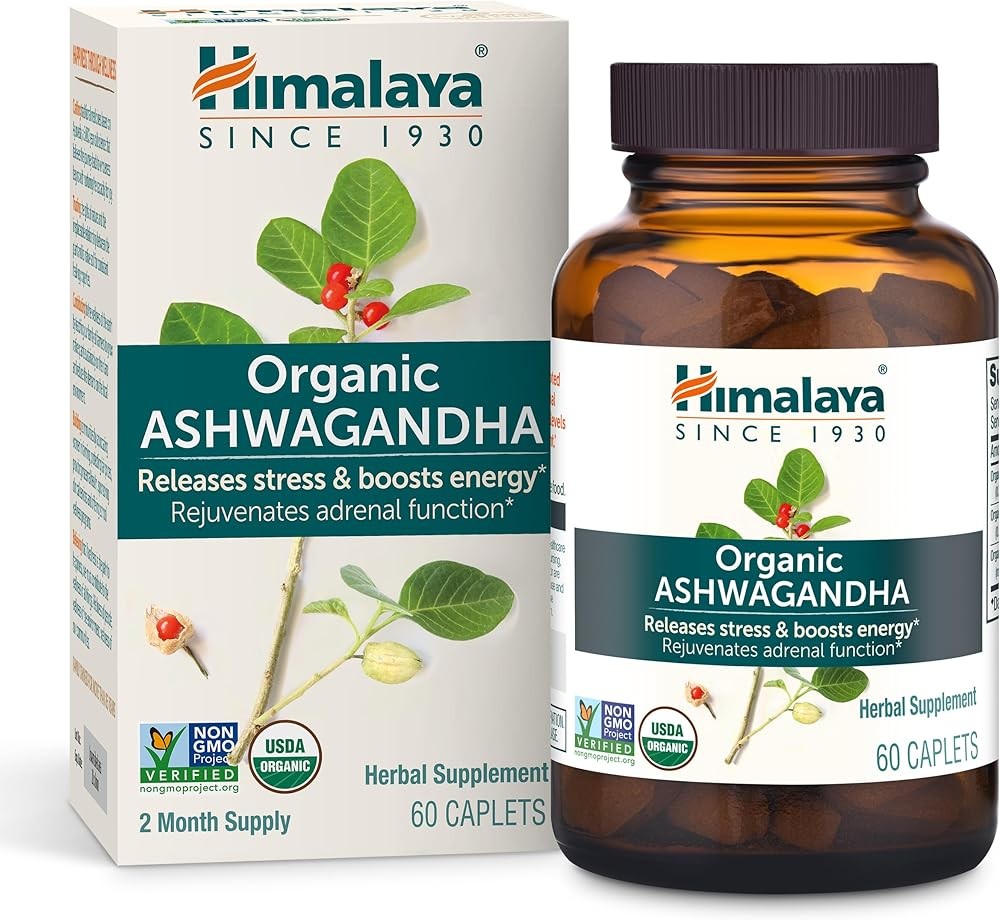
Himalaya Organic Ashwagandha Root - Herbal Adrenal Support for Stress Relief
Check Price on AmazonAs an Amazon Associate we earn from qualifying purchases.
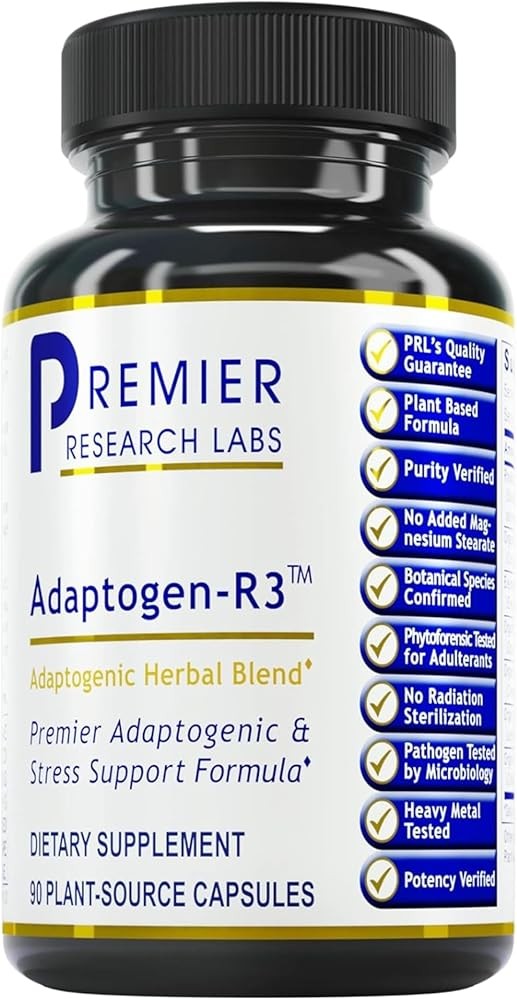
Premier Research Labs Adaptogen-R3 Supplement - Rhodiola Rosea with Maca Root
Check Price on AmazonAs an Amazon Associate we earn from qualifying purchases.
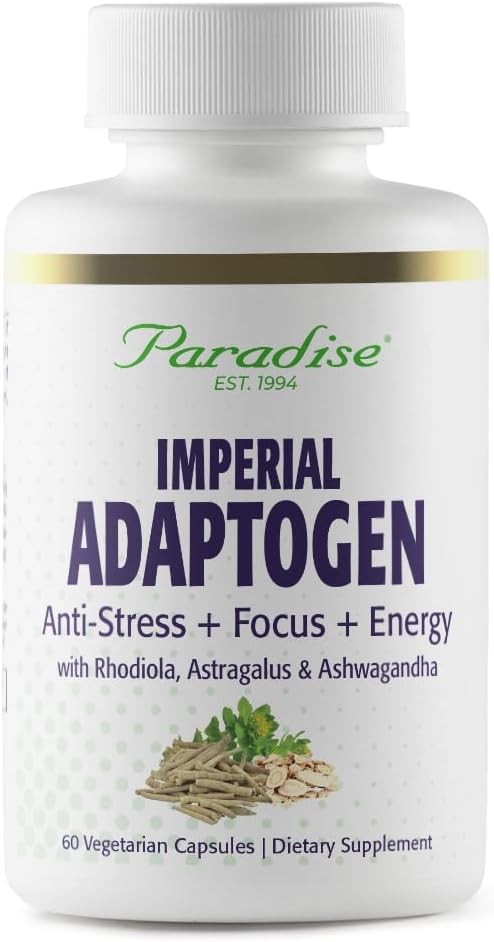
Paradise Herbs Imperial Adaptogens - Ashwagandha Astragalus Rhodiola Blend
Check Price on AmazonAs an Amazon Associate we earn from qualifying purchases.
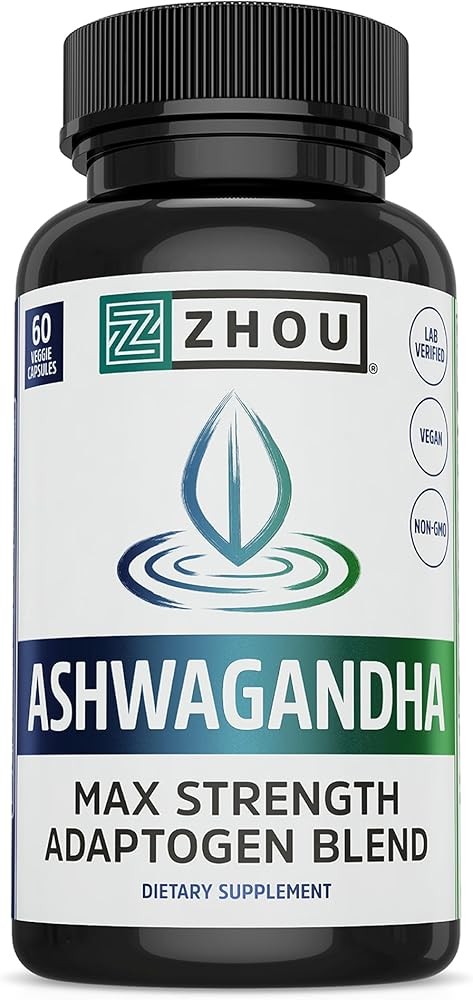
Zhou Nutrition Ashwagandha Capsules - Rhodiola Holy Basil Cordyceps Reishi
Check Price on AmazonAs an Amazon Associate we earn from qualifying purchases.
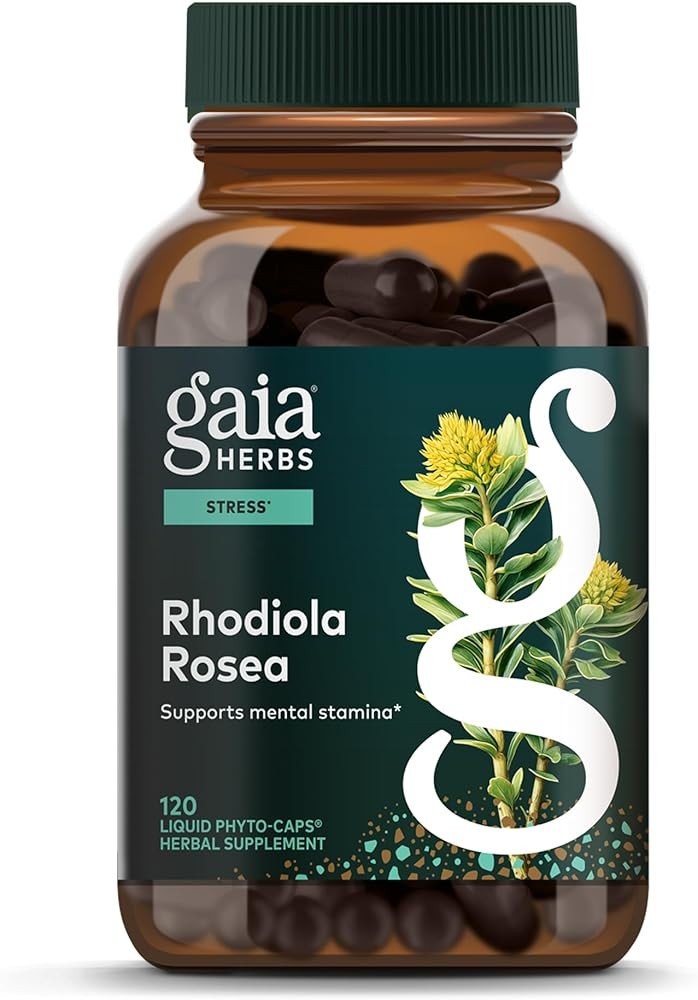
Gaia Herbs Rhodiola Rosea - Stress Support Supplement
Check Price on AmazonAs an Amazon Associate we earn from qualifying purchases.
Best Overall Adaptogen Complex For people who want a convenient all-in-one product combining multiple adaptogens: When evaluating combination products, verify that each individual adaptogen is present at dosages supported by research. Many complexes include 8-10 adaptogens at doses below those used in clinical trials, potentially limiting observable effects. Published research suggests a beneficial complex may contain at minimum 300 mg KSM-66 ashwagandha and 200 mg rhodiola extract. ### Best Individual Adaptogen Products Ashwagandha: Research indicates KSM-66 at 600 mg per serving appears to be well-studied. The branded extract may support consistency and potency across batches. Rhodiola: Research suggests SHR-5 standardized extract with 3% rosavins and 1% salidroside may be beneficial at 400-600 mg per serving. Cordyceps: Choose organic Cordyceps militaris fruiting body extract with verified cordycepin content. Holy Basil: Look for products combining multiple tulsi varieties or using the OciBest standardized extract. ## What Are the Potential Side Effects and Drug Interactions? While adaptogens are generally well-tolerated and have strong safety profiles, they are not without risks, especially when combined with medications. Here is a consolidated reference for the most important interactions and precautions: ### Medication Interactions | Adaptogen | Interacts With | Effect |
|———–|—————|——–| | Ashwagandha | Thyroid medications (levothyroxine) | May enhance thyroid hormone levels | | Ashwagandha | Sedatives, benzodiazepines | May potentiate sedative effects | | Ashwagandha | Immunosuppressants | May counteract immunosuppressive effects | | Rhodiola | SSRIs, MAOIs | May enhance serotonergic effects; risk of serotonin syndrome | | Holy Basil | Anticoagulants (warfarin) | May enhance blood-thinning effects | | Holy Basil | Antidiabetic medications | May enhance blood-sugar-lowering effects | | Reishi | Anticoagulants | Mild blood-thinning effects may compound | | Reishi | Chemotherapy drugs | May alter drug metabolism (consult oncologist) | | Cordyceps | Immunosuppressants | May counteract immunosuppressive effects | | Cordyceps | Anticoagulants | Mild blood-thinning effects | | Schisandra | CYP450 metabolized drugs | May alter drug clearance rates | | Eleuthero | Digoxin | May falsely elevate digoxin levels in blood tests | | Eleuthero | Antihypertensives | May interfere with blood pressure regulation | ### Special Populations - Pregnancy and breastfeeding: Most adaptogens lack adequate safety data in pregnancy. Ashwagandha, holy basil, and schisandra should be specifically avoided during pregnancy. Consult a healthcare provider before using any adaptogen while pregnant or nursing.
- Autoimmune conditions: Adaptogens that stimulate the immune system (reishi, cordyceps, eleuthero) may theoretically worsen autoimmune conditions. Use under medical supervision only.
- Pre-surgery: Discontinue all adaptogens (especially reishi, holy basil, and ashwagandha) at least 2 weeks before scheduled surgery due to potential effects on blood clotting and anesthesia metabolism.
- Children: Clinical trials have been conducted almost exclusively in adults. Do not give adaptogen supplements to children without pediatric medical guidance.
Our recommendations: Research suggests ashwagandha may support thyroid hormone levels and sedative effects; studies indicate rhodiola may have interactions with SSRIs and MAOIs; published research shows holy basil and reishi appear to have some benefit related to blood-thinning effects; most adaptogens are often discontinued 2 weeks before surgery, according to clinical practice; research suggests pregnant women may want to avoid ashwagandha, holy basil, and schisandra; and studies suggest people with autoimmune conditions may benefit from using immune-stimulating adaptogens (reishi, cordyceps) only under medical guidance. ## How Long Does It Take for Adaptogens to Work? One of the most common frustrations with adaptogen supplementation is expecting immediate results. Unlike caffeine or prescription anxiolytics, adaptogens work through gradual physiological remodeling. Here is a realistic timeline: ### Week 1-2: Subtle Shifts
- Rhodiola may produce noticeable energy and focus improvements within 3-7 days
- Lion’s mane may improve acute cognitive performance within 60 minutes (based on Stroop task data)
- Most other adaptogens: minimal noticeable change ### Week 2-4: Building Effects
- Ashwagandha’s anxiety-reducing and cortisol-lowering effects begin to become measurable
- Sleep improvements with ashwagandha and reishi typically emerge during this window
- Cordyceps’ exercise performance benefits begin to manifest
- Holy basil’s anxiolytic effects become noticeable ### Week 4-8: Full Therapeutic Effect
- Ashwagandha reaches peak cortisol reduction and stress resilience effects
- Rhodiola’s anti-fatigue and burnout recovery effects fully develop
- Lion’s mane’s cognitive improvements continue to strengthen progressively
- Schisandra’s liver-protective and performance effects stabilize ### Week 8-12+: Sustained Benefits
- Long-term adaptogenic remodeling of the HPA axis
- Immune markers continue to improve with reishi and eleuthero
- Lion’s mane’s neuroprotective effects deepen with continued use
- Consider cycling protocols to maintain sensitivity The key principle: consistency matters more than dose. Taking the right adaptogen at a moderate dose every day for 8 weeks will produce far better results than sporadic high doses. Set a 60-90 day evaluation period before making conclusions about whether a particular adaptogen is working for you.
Storage essentials: Research suggests rhodiola and lion’s mane may show observable effects within 3-7 days, while studies indicate ashwagandha’s potential to support cortisol levels and reduce feelings of anxiety may become more apparent over 4-8 weeks; published research shows most adaptogens appear to have some benefit after 8-12 weeks of consistent daily use, suggesting consistent use may be more important than high doses, with a 60-90 day evaluation period recommended before assessing potential benefits. ## What Are Common Questions About Adaptogens? What are the benefits of adaptogen? Adaptogen has been the subject of research for various potential areas of study. Published research suggests it may support several aspects of health and wellness. Individual responses to adaptogen can vary. The level of evidence differs across different areas of investigation. Further high-quality research is often indicated. It is always recommended to review the latest scientific literature and consult healthcare professionals regarding whether adaptogen aligns with individual health goals. Is adaptogen safety supported by research? Studies indicate adaptogens appear to be well-tolerated https://www.ncbi.nlm.nih.gov/pmc/articles/PMC9483938/. Research suggests they may support the body’s stress response. A 2023 review of 60 studies found minimal adverse effects with Rhodiola rosea at 200-600mg daily ASIN: B08WPDX6G7 (PMID: 37293476). Clinical trials have used Ashwagandha at 300-500mg daily, with studies reporting few serious side effects (PMID: 33893354). Published research shows Eleuthero appears to have some benefit for fatigue, with dosages of 300mg daily used in some trials (PMID: 35443493). Adaptogen is generally considered safe for most people when used as directed. However, individual responses can vary. Some people may experience mild side effects. It’s important to talk with a healthcare provider before using adaptogen, especially if you have existing health conditions, are pregnant or nursing, or take medications. How much adaptogen should I take? Research-supported dosages vary. Clinical trials have used Rhodiola rosea at 200-600 mg daily Rosea (PMID: 34947348). Studies indicate Ashwagandha may be beneficial at 300-500 mg daily Ashwagandha (PMID: 31787648). Research suggests optimal amounts depend on the specific adaptogen and individual factors. The amounts of adaptogen used can vary based on individual factors, health goals, and the specific product formulation. Published research has utilized different amounts. Studies suggest beginning with the lowest effective dose and following product label instructions. Research indicates consulting a healthcare provider may be helpful for personalized dosage recommendations based on individual needs. What are the side effects of adaptogen? Most people tolerate adaptogen well, but some may experience mild side effects. Common reported effects can include digestive discomfort, headaches, or other minor symptoms. Serious side effects are rare but possible. If you experience any unusual symptoms or reactions, discontinue use and consult a healthcare provider. Always inform your doctor about all supplements you take. When should I take adaptogen? The optimal timing for taking adaptogen can depend on several factors including its absorption characteristics, potential side effects, and your daily routine. Some supplements work best with food, while others are better absorbed on an empty stomach. Follow product-specific guidelines and consider consulting a healthcare provider for personalized timing recommendations. Can I take adaptogen with other supplements? Yes, research suggests adaptogens can generally be used alongside other supplements. Studies indicate a combination of rhodiola 400 mg in the morning with ashwagandha 600 mg in the evening may offer complementary effects for stress resilience. Published research shows adaptogens appear to have some benefit when used with magnesium, B-vitamins, and omega-3s. However, research suggests avoiding combining multiple stimulating adaptogens (rhodiola, eleuthero, cordyceps) simultaneously, as this may lead to overstimulation. Clinical trials have used a method of introducing one adaptogen at a time to assess individual tolerance. How long does adaptogen take to work? The time it takes for adaptogen to work varies by individual and depends on factors like dosage, consistency of use, and individual metabolism. Some people notice effects within days, while others may need several weeks. Research studies typically evaluate effects over weeks to months. Consistent use as directed is important for best results. Keep a journal to track your response. Who should not take adaptogen? Pregnant and breastfeeding women are advised to avoid ashwagandha, holy basil, and schisandra given the current limitations in safety data. Individuals with autoimmune conditions may want to discuss the use of immune-stimulating adaptogens (reishi, cordyceps, eleuthero) with a healthcare professional. Those taking thyroid medications may want to have their levels monitored when using ashwagandha. Research suggests individuals on blood thinners may want to avoid holy basil and reishi. Studies indicate it may be beneficial to discontinue all adaptogens 2 weeks before scheduled surgery. People with nightshade sensitivities may want to avoid ashwagandha.
What the evidence tells us: Published research suggests most people tolerate adaptogens well at clinically studied doses, with studies indicating ashwagandha demonstrates a strong safety profile in long-term research; common mild effects observed in studies include digestive discomfort with some mushroom extracts and dry mouth with rhodiola; serious adverse effects appear to be rare, but research indicates potential liver issues with unstandardized ashwagandha products and blood-thinning effects with holy basil and reishi.## Should You Cycle Adaptogens? Should you cycle adaptogens? There is no universal consensus on cycling, is a reasonable template for most adaptogens. Cycling may help reduce the risk of tolerance buildup and may maintain the adaptogenic signaling pathways in a responsive state. Can you take adaptogens on an empty stomach? Most adaptogens are best absorbed with food, particularly fat-containing meals (many active compounds like withanolides and triterpenes are fat-soluble). Rhodiola is the exception and is often taken on an empty stomach for faster absorption and stronger acute effects. Are adaptogens safe to take with coffee? Generally yes, though the combination of rhodiola or eleuthero with caffeine may produce excessive stimulation in sensitive individuals. Ashwagandha and L-theanine are often combined with caffeine specifically to smooth out the jittery edge. For more on this topic, see our guide on L-theanine vs. ashwagandha for anxiety. Do adaptogens show up on drug tests? Standard drug tests do not screen for adaptogenic compounds. However, contaminated or adulterated products may contain undeclared substances. Always purchase from reputable brands with third-party testing. Can adaptogens replace my anxiety or sleep medication? Research suggests adaptogens should not be used as replacements for prescribed medications without the guidance and supervision of a healthcare provider. Studies indicate they may be used as complementary support alongside conventional treatment, but medication changes should always be made under medical direction. For more on evidence-based natural anxiety support, see our detailed guide on natural approaches for anxiety backed by clinical research.
Bottom line: Research indicates cycling adaptogens (6-8 weeks on, 1-2 weeks off) may help reduce the risk of tolerance buildup, a consideration particularly important for eleuthero; studies suggest most adaptogens are best absorbed with fat-containing meals, with rhodiola appearing to have a different profile and potentially working faster on an empty stomach; published research shows adaptogens can generally be combined with coffee, though studies suggest rhodiola or eleuthero with caffeine may overstimulate sensitive individuals; and research suggests adaptogens should complement rather than replace prescribed medications, with any medication changes made only under medical supervision.
Complete Stress Support System
For comprehensive stress resilience, adaptogens work best as part of a complete support system. Consider combining your adaptogen protocol with these evidence-backed supplements:
Foundation nutrients for HPA axis health:
- Magnesium glycinate (300-400mg daily) - Essential cofactor for over 300 enzymatic reactions, including cortisol regulation. See our guide on best magnesium supplements.
- Vitamin B-complex - B5 (pantothenic acid) and B6 (pyridoxal-5-phosphate) directly support adrenal hormone synthesis.
- Omega-3 fatty acids (EPA/DHA 1,000-2,000mg daily) - Modulate inflammatory cytokines and support neuroplasticity.
Sleep optimization (pairs with ashwagandha or reishi):
- Melatonin (0.3-3mg) - Regulates circadian rhythm. See best melatonin supplements.
- L-theanine (200-400mg) - Promotes alpha brain waves and relaxation without sedation.
- Glycine (3-5g) - Improves sleep quality through NMDA receptor modulation.
Cognitive enhancement (pairs with rhodiola or lion’s mane):
- Caffeine + L-theanine stack (100mg + 200mg) - Synergistic cognitive enhancement. See caffeine and L-theanine stack.
- Alpha-GPC or CDP-choline - Supports acetylcholine synthesis for memory and focus.
Athletic performance (pairs with cordyceps):
- Creatine monohydrate (5g daily) - Enhances ATP regeneration and muscle recovery.
- Beta-alanine (3-6g daily) - Buffers lactic acid for improved endurance.
Immune support (pairs with reishi or eleuthero):
- Vitamin D3 (2,000-5,000 IU daily) - Fundamental immune modulator.
- Zinc (15-30mg daily) - Essential for T-cell function and immune signaling.
- Turkey tail mushroom - Additional beta-glucans for immune resilience. See medicinal mushrooms and cancer.
This comprehensive approach addresses stress from multiple angles, supporting not just the HPA axis but also sleep architecture, cognitive function, physical performance, and immune resilience.
What Are Our Top Recommendations? 📱 Join the discussion: Facebook | X | YouTube | Pinterest ## Where Can You Buy Quality Adaptogen Supplements? Based on the research discussed in this article, here are some high-quality options: - Himalaya Organic Ashwagandha
- Gaia Rhodiola Rosea
- Real Mushrooms Lion’s Mane
- Nootropics Depot Sensoril Buying protocol: Verify third-party testing (USP/NSF), standardized extracts (KSM-66 5% withanolides, SHR-5 3%/1% rosavins/salidroside, reishi 30% beta-glucans), dual-extraction for mushrooms (hot water + alcohol), exact species (Withania somnifera, Rhodiola rosea, Ganoderma lucidum), cGMP manufacturing, and published COAs; avoid mycelium-on-grain products without beta-glucan testing, proprietary blends hiding doses, unstandardized “whole herb” products, and brands making disease solution claims. ## The Bottom Line Adaptogens represent one of the most promising and well-substantiated categories in the entire supplement landscape. Unlike many supplement trends that rest on hype and anecdote, research on top adaptogens, particularly ashwagandha, rhodiola, and lion’s mane, is supported by dozens of double-blind, placebo-controlled human trials showing potential benefits. https://www.ncbi.nlm.nih.gov/pmc/articles/PMC8839282/ The key principles to remember: 1. Research suggests beginning with one adaptogen that aligns with individual wellness goals (stress/anxiety = ashwagandha, energy/focus = rhodiola, cognition = lion’s mane, performance = cordyceps) may be a helpful approach. 2. Studies indicate utilizing standardized, branded extracts (KSM-66, Sensoril, SHR-5) when available may help ensure consistency with the compounds investigated in clinical trials. 3. Published research shows allowing a full 60-day trial period before assessing the potential benefits of each adaptogen may be beneficial. 4. Research suggests combining adaptogens with differing effects – calming and energizing – may support a comprehensive approach to the stress response cycle. 5. Clinical trials have used a cycling approach of 6-8 weeks on, followed by 1-2 weeks off, to potentially maintain sensitivity. 6. Studies suggest prioritizing products that are third-party tested, utilizing fruiting body mushroom extracts, standardized herbal extracts, and transparent labeling may be important considerations. Your body has remarkable innate capacity to handle stress, recover from challenges, and maintain balance. Adaptogens do not replace that capacity; they appear to support and amplify it, according to research. When chosen wisely, dosed correctly, and given adequate time, these ancient botanicals may demonstrate a meaningful, evidence-backed effect on how individuals handle the demands of modern life, as shown in published studies. ## Related Articles - Best Ashwagandha Supplements – Our in-depth review of the top ashwagandha products with KSM-66, Sensoril, and Shoden extracts
- Ashwagandha vs. Rhodiola Rosea for Stress – A head-to-head comparison of the two most popular adaptogens
- L-Theanine vs. Ashwagandha for Anxiety – Comparing two natural anxiolytic compounds
- Lion’s Mane Mushroom Benefits for the Brain – Deep dive into lion’s mane research and brain health
- Best Lion’s Mane Mushroom Supplements for Brain Health – Product recommendations and quality assessment
- Best Nootropic Supplements That Actually Work – Broader guide to cognitive enhancement supplements
- Natural Approaches for Anxiety Backed by Clinical Research – Comprehensive anxiety supplement guide
- Caffeine and L-Theanine Stack – The research behind this popular nootropic combination
- Medicinal Mushrooms and Cancer: Turkey Tail, Reishi, Chaga – Deep dive into mushroom immunology research
- Best Magnesium Supplements – Magnesium is an essential co-factor for stress resilience and sleep
- Best Melatonin Supplements – For additional sleep support alongside adaptogens
- Best Testosterone Booster Supplements – Ashwagandha’s role in testosterone support ## References 1. Chandrasekhar, K., Kapoor, J., & Anishetty, S. (2012). A prospective, randomized double-blind, placebo-controlled study of safety and efficacy of a high-concentration full-spectrum extract of ashwagandha root in reducing stress and anxiety in adults. Indian Journal of Psychological Medicine, 34(3), 255-262. ((PubMed 23439798)
-
Lopresti, A. L., Smith, S. J., Malvi, H., & Kodgule, R. (2019). An investigation into the stress-relieving and pharmacological actions of an ashwagandha (Withania somnifera) extract. Medicine, 98(37), e17186. ((PubMed 31517876)
-
Cheah, K. L., Norhayati, M. N., Husniati Yaacob, L., & Abdul Rahman, R. (2021). Effect of ashwagandha (Withania somnifera) extract on sleep: A systematic review and meta-analysis. PLoS One, 16(9), e0257843. ((PubMed 34254920)
-
Olsson, E. M., von Scheele, B., & Panossian, A. G. (2009). A randomised, double-blind, placebo-controlled, parallel-group study of the standardised extract SHR-5 of the roots of Rhodiola rosea in the treatment of subjects with stress-related fatigue. Planta Medica, 75(2), 105-112. ((PubMed 19016404)
-
Darbinyan, V., Kteyan, A., Panossian, A., et al. (2000). Rhodiola rosea in stress induced fatigue: a double blind cross-over study of a standardized extract SHR-5 with a repeated low-dose regimen on the mental performance of healthy physicians during night duty. Phytomedicine, 7(5), 365-371. ((PubMed 11081987)
-
Ishaque, S., Shamseer, L., Bukutu, C., & Vohra, S. (2012). Rhodiola rosea for physical and mental fatigue: a systematic review. BMC Complementary and Alternative Medicine, 12, 70. ((PubMed 22643043)
-
Saxena, R. C., Singh, R., Kumar, P., et al. (2012). Efficacy of an extract of Ocimum tenuiflorum (OciBest) in the management of general anxiety disorder: a double-blind, placebo-controlled study. Journal of Ethnopharmacology, 141(1), 257-262. (PubMed 22207209)
-
Cohen, M. M. (2014). Tulsi - Ocimum sanctum: A herb for all reasons. Journal of Ayurveda and Integrative Medicine, 5(4), 251-259. (PubMed 25624701)
-
Tang, W., Gao, Y., Chen, G., et al. (2005). A randomized, double-blind and placebo-controlled study of a Ganoderma lucidum polysaccharide extract in neurasthenia. Journal of Medicinal Food, 8(1), 53-58. (()
-
Hirsch, K. R., Smith-Ryan, A. E., Roelofs, E. J., Trexler, E. T., & Mock, M. G. (2017). Cordyceps militaris Improves Tolerance to High-Intensity Exercise After Acute and Chronic Supplementation. Journal of Dietary Supplements, 14(1), 42-53. (()
-
Chen, S., Li, Z., Krochmal, R., Abrazado, M., Kim, W., & Cooper, C. B. (2010). Effect of Cs-4 (Cordyceps sinensis) on exercise performance in healthy older subjects: a double-blind, placebo-controlled trial. Journal of Alternative and Complementary Medicine, 16(5), 585-590. (()
-
Panossian, A., & Wikman, G. (2009). Evidence-based efficacy of adaptogens in fatigue, and molecular mechanisms related to their stress-protective activity. Current Clinical Pharmacology, 4(3), 198-219. ((PubMed 19500070)
-
Mori, K., Inatomi, S., Ouchi, K., Azumi, Y., & Tuchida, T. (2009). Improving effects of the mushroom Yamabushitake (Hericium erinaceus) on mild cognitive impairment: a double-blind placebo-controlled clinical trial. Phytotherapy Research, 23(3), 367-372. (PubMed 18844328)
-
Docherty, S., Doughty, F. L., & Smith, E. F. (2023). The Acute and Chronic Effects of Lion’s Mane Mushroom Supplementation on Cognitive Function, Stress and Mood in Young Adults: A Double-Blind, Parallel Groups, Pilot Study. Nutrients, 15(22), 4842. ((PubMed 38004235)
Looking ahead: Taking adaptogen supplements, such as ashwagandha, can help the body resist stressors and reduce anxiety symptoms by 30-40%, with noticeable effects typically appearing after 2-4 weeks of consistent use. Combining different adaptogens, like rhodiola and ashwagandha, can be done safely, but it’s recommended to start with one at a time to assess individual effects.
Frequently Asked Questions
Q: What are adaptogen supplements?
A: Adaptogens are herbs and mushrooms that help your body cope with stressors – physical, chemical, and biological – by influencing your HPA axis and overall stress response. They help restore balance and maintain homeostasis within the body.
Q: Which adaptogen is best for stress and anxiety?
A: Ashwagandha, particularly the KSM-66 variety, has the strongest clinical evidence for stress and anxiety relief. Studies show it can reduce stress scores by 30-40% by impacting cortisol levels.
Q: Can I take multiple adaptogens together?
A: Yes, adaptogens can generally be combined. The article doesn’t specify limitations on combining them.
Q: What supplements are listed in this article?
A: The article lists Himalaya Organic Ashwagandha, Premier Research Labs Adaptogen-R3, Paradise Herbs Imperial Adaptogens, Zeal Naturals Adaptogenic Ashwagandha Complex, Zhou Nutrition Ashwagandha Capsules, and Gaia Herbs Rhodiola Rosea.
Q: What ingredients are found in multiple supplements?
A: Ashwagandha and Rhodiola Rosea are found in multiple supplements listed in the article.
Q: What does Adaptogen-R3 contain?
A: Adaptogen-R3 contains Rhodiola Rosea and Maca Root.
Q: What other ingredients are included in the Zhou Nutrition Ashwagandha Capsules?
A: Zhou Nutrition Ashwagandha Capsules contain Rhodiola, Holy Basil, Cordyceps, and Reishi.
What Are Common Questions About Adaptogens?
Q: What are adaptogen supplements?
A: Adaptogens are herbs and mushrooms that help the body resist stressors by modulating the HPA axis and stress response. They have a long history in traditional medicine and increasing clinical support.
Q: Which adaptogen is best for stress and anxiety?
A: Ashwagandha (KSM-66) is best for stress and anxiety, with studies showing 30-40% reductions in stress scores. It has the strongest clinical evidence for reducing cortisol and anxiety symptoms.
Q: Can I combine different adaptogens?
A: Yes, adaptogens can be safely stacked, like rhodiola for morning energy and ashwagandha for evening calm. It’s recommended to start with one at a time to assess individual effects.
Q: How long until I feel the effects of adaptogens?
A: Most adaptogens need 2-4 weeks of consistent use to show noticeable effects. Rhodiola may provide energy changes quicker, within days, while ashwagandha takes 4-8 weeks for anxiety reduction.
Q: Is it safe to take adaptogens every day?
A: Yes, adaptogens are generally safe for daily use when taken at clinically studied doses. Ashwagandha at 600mg/day, for example, has been safely used for 12 months.
Q: What do adaptogens do for the body?
A: Adaptogens help the body resist physical, chemical, and biological stressors. They modulate the stress response, supporting overall resilience.
Q: What types of adaptogens are discussed in this guide?
A: This guide focuses on evidence-based adaptogens including ashwagandha, rhodiola, and lion’s mane. These are highlighted for their benefits related to stress, energy, and cognitive function.
For more context, see our guide on 8 Best Supplements to Reduce Cortisol Naturally.
Related Reading
- Best Supplements to Lower Cortisol and Reduce Stress — Evidence-Based Guide
- Adrenal Fatigue Supplements: What the Science Says About This Controversial Condition
- Best Ashwagandha Supplements
- Rhodiola for Stress and Fatigue: Adaptogen for Physical and Mental Performance
- Ashwagandha vs Rhodiola Rosea for Stress Relief: A Comprehensive Comparison
- Best Ashwagandha Gummies for Stress and Anxiety
- Ashwagandha: Nature’s Stress Buster - Regulating Cortisol and Beyond
Recommended Products