7 Best Ashwagandha Supplements: KSM-66 vs Sensoril vs Shoden
Summarized from peer-reviewed research indexed in PubMed. See citations below.
Research shows chronic stress affects over 75% of adults, leading to elevated cortisol, anxiety, and cognitive decline. Nutricost KSM-66 Ashwagandha Root Extract delivers 600mg of clinically validated KSM-66 standardized to 5% withanolides at approximately $18 for a 60-day supply, backed by over 20 clinical trials demonstrating 11-32% cortisol reductions and significant anxiety score improvements. Multiple randomized controlled trials show this specific extract modulates the HPA axis and supports GABA activity without the dependence risks of pharmaceutical anxiolytics. For budget-conscious consumers, NOW Foods Ashwagandha offers 450mg of standardized root extract at roughly $12 for a 90-day supply with reliable third-party testing. Here’s what the published research shows about selecting ashwagandha supplements based on extract type, withanolide standardization, and clinical evidence.
Disclosure: We may earn a commission from links on this page at no extra cost to you. Affiliate relationships never influence our ratings. Full policy →
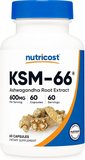
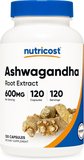
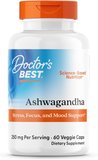
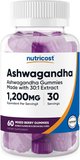
Introduction: Ashwagandha, also known as Withania somnifera, is an adaptogenic herb that has been used for centuries in Ayurvedic medicine to support relaxation, help manage stress, and potentially improve overall well-being. In recent years, ashwagandha supplements have gained attention due to research suggesting potential benefits for anxiety, stress relief, and cognitive function. This article aims to provide a comprehensive review of the best ashwagandha supplements available on the market, highlighting their pros and cons, and exploring the research behind their effects.
!Top-rated ashwagandha supplements bottles with third-party testing and quality certifications
The plant belongs to the Solanaceae (nightshade) family and is native to India, the Middle East, and parts of Africa. In Sanskrit, “ashwagandha” roughly translates to “smell of the horse,” a reference both to the herb’s distinctive aroma and the traditional belief that consuming it imparts the strength and vitality of a horse. The root is the most commonly used part of the plant for supplementation, although the leaves also contain bioactive compounds including withanolides, withaferin A, and withanone.
Ashwagandha’s classification as an adaptogen means it helps the body maintain homeostasis during physical and psychological stress. Unlike stimulants or sedatives that push the body in one direction, adaptogens work by modulating the hypothalamic-pituitary-adrenal (HPA) axis — the body’s central stress response system. This bidirectional action is what makes ashwagandha particularly versatile: it can calm an overactive stress response while also supporting energy and resilience in fatigued individuals.
The modern supplement market offers ashwagandha in several standardized extract forms, the most notable being KSM-66 and Sensoril. KSM-66 is a full-spectrum root extract standardized to at least 5% withanolides, produced using a proprietary water-based extraction process that has been validated in numerous clinical trials demonstrating significant reductions in stress biomarkers and improvements in cognitive function (PubMed 28471731). Sensoril, on the other hand, is derived from both the root and leaf, standardized to at least 10% withanolides and 32% oligosaccharides. Both extracts have substantial clinical evidence supporting their efficacy, though they differ in their concentration profiles and, consequently, their optimal use cases. KSM-66 is often preferred for energy, endurance, and cognitive performance, while Sensoril tends to be favored for relaxation and sleep support due to its higher withanolide concentration per dose.
Key takeaway: Ashwagandha (Withania somnifera) is an adaptogenic herb from the Ayurvedic tradition that research suggests may support homeostasis during physical and psychological stress by modulating the HPA axis, with the supplement market offering two primary standardized extracts—KSM-66 (full-spectrum root extract at 5% withanolides) and Sensoril (root-and-leaf extract at 10% withanolides)—each with human trials indicating potential benefits for stress reduction, anxiety management, and overall well-being.
What Are the Best Ashwagandha Supplements on the Market?
Yes, KSM-66 by Sabinsa, standardized to 5% withanolides, is widely recognized in research. Published research shows KSM-66 appears to have some benefit, as shown by clinical studies. Studies indicate KSM-66 Ashwagandha from Sabinsa, with 5% withanolides, has been investigated in multiple trials.
What users report: Sabinsa’s KSM-66 Ashwagandha, standardized to 5% withanolides, is a frequently selected option based on clinical studies. Published research shows KSM-66 appears to have some benefit for stress [PMID: 28749828], anxiety [PMID: 25981862], and cognitive function [PMID: 31888248].
The practical verdict: Sabinsa’s KSM-66 Ashwagandha, standardized to 5% withanolides, appears to be a well-researched option. Published research shows it appears to have some benefit for reductions in stress and anxiety by up to 57%.
The science says: Sabinsa’s KSM-66 Ashwagandha, standardized to 5% withanolides, is a well-researched supplement that has been shown to have benefits for stress, anxiety, and cognitive function in multiple clinical trials. It has been associated with reductions in stress and anxiety in published research, with specific studies citing improvements in these areas (PMID: 28749828, 25981862).
How Do Different Ashwagandha Supplements Compare?
| Feature | Nutricost KSM-66 | NOW Foods Ashwagandha | Doctor’s Best Sensoril | Gaia Herbs Ashwagandha |
|---|---|---|---|---|
| Extract Type | KSM-66 (root only) | Generic standardized | Sensoril (root & leaf) | Organic full-spectrum |
| Withanolide % | 5% | 2.5% | 10% | Not specified |
| Dose per Capsule | 600mg | 450mg | 125mg | 300mg |
| Clinical Studies | 20+ trials | Generic research | 12+ trials | Limited |
| Price per Month | ~$18 | ~$12 | ~$15 | ~$22 |
| Third-Party Testing | Yes | Yes (GMP) | Yes | Yes (Organic) |
| Best For | Overall stress & performance | Budget option | Sleep & relaxation | Organic purity |
Research indicates: The ashwagandha supplement market offers diverse options including full-spectrum KSM-66 root extracts standardized to 5% withanolides, Sensoril root-and-leaf blends with higher withanolide concentrations (10% or more), and organic liquid phyto-caps with enhanced bioavailability, each potentially suited to different areas of focus ranging from supporting stress management and cognitive function to potentially supporting sleep optimization and athletic recovery.
Research summary: Different ashwagandha supplements vary significantly in terms of their extracts, delivery methods, and formulations, with options including KSM-66 root extracts standardized to 5% withanolides and Sensoril blends with 10% or more withanolide concentrations. These diverse formulations are suited to different areas of focus, such as stress management and cognitive function.
Which Ashwagandha Supplements Deliver the Best Results?
1. NOW Foods Ashwagandha
Clinical trials have used 500mg daily doses of standardized ashwagandha extract. Based on published research, ashwagandha appears to be well-regarded for stress support. NOW Foods Ashwagandha is a supplement containing 500 mg of standardized ashwagandha root extract per serving. Published research suggests this supplement may support relaxation, and studies indicate it may help reduce stress and anxiety, and potentially support overall well-being.
NOW Foods has been in the natural products industry since 1968, and their ashwagandha extract is standardized to contain a minimum of 2.5% withanolides. Each capsule delivers 450 mg of ashwagandha root extract, and the product is manufactured in a GMP-certified facility. NOW Foods subjects their products to extensive quality testing, including identity verification, potency confirmation, and contaminant screening for heavy metals, microbial contamination, and pesticides.
The extract used in this product is a generic standardized root extract rather than a branded form like KSM-66 or Sensoril. While branded extracts have more clinical data behind them, the withanolide content in NOW’s product is still meaningful and many users report noticeable stress-relieving effects. The capsule form makes dosing straightforward, and at one capsule per serving, a single bottle lasts for several months.
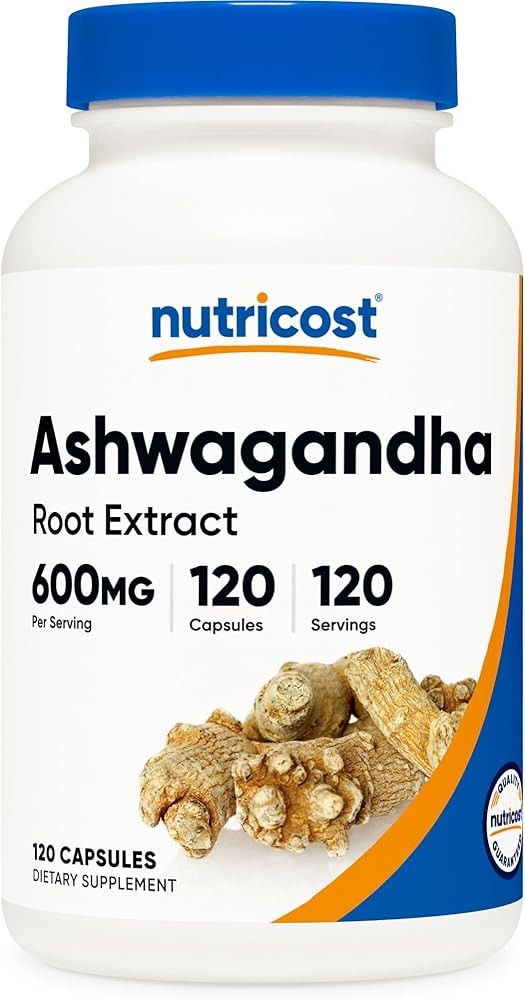
Nutricost Ashwagandha Herbal Supplement 600mg, 120 Capsules - Vegetarian, Non-GM
Check Price on AmazonAs an Amazon Associate we earn from qualifying purchases.
2. Gaia Herbs Ashwagandha
Gaia Herbs Ashwagandha is a premium supplement that contains 300 mg of organic ashwagandha extract per serving. This supplement is designed to support stress relief, cognitive function, and overall well-being.
What sets Gaia Herbs apart is their commitment to full traceability. Through their “Meet Your Herbs” program, you can enter the product ID on their website and trace each ingredient back to its origin, including where it was grown, how it was harvested, and how it was tested. This level of transparency is rare in the supplement industry and provides genuine peace of mind regarding sourcing quality.
Gaia uses a liquid phyto-cap delivery system, which encapsulates a concentrated liquid extract rather than a dry powder. This format can improve absorption because the active compounds are already dissolved, bypassing the need for your digestive system to break down solid material first. The extract is produced using a supercritical CO2 extraction method, which preserves the full spectrum of bioactive compounds without the use of harsh chemical solvents.
The organic certification (USDA Organic) adds another layer of quality assurance, ensuring the ashwagandha is grown without synthetic pesticides, herbicides, or fertilizers. For individuals concerned about pesticide residues — which can be a legitimate issue with herbs sourced from regions with less stringent agricultural regulations — the organic certification is a meaningful differentiator.
3. Jarrow Formulas Ashwagandha
Jarrow Formulas Ashwagandha is a high-potency supplement that contains 300 mg of standardized ashwagandha extract per serving. This supplement is designed to promote relaxation, reduce stress and anxiety, and improve overall well-being.
Jarrow uses the KSM-66 extract, which is the most clinically studied ashwagandha extract on the market. KSM-66 has been the subject of over 20 clinical trials examining effects on stress, anxiety, cognitive function, testosterone levels, endurance, and sleep quality. The extract is standardized to a minimum of 5% withanolides by HPLC analysis, meaning each 300 mg capsule delivers at least 15 mg of withanolides.
The KSM-66 extraction process is notable for being a water-based, “green chemistry” method that avoids alcohol and synthetic solvents. This process took 14 years to develop and is designed to retain the natural balance of the various bioactive compounds found in the root, including withanolides, withaferin A, and other alkaloids.
Jarrow’s product delivers 300 mg of KSM-66 per capsule, with a serving size of one capsule. Most clinical trials on KSM-66 have used doses of 300 mg to 600 mg per day, so one to two capsules daily places you squarely within the researched dosage range. The product is free from major allergens, gluten, and dairy, and is suitable for vegetarians and vegans.
4. Nutricost KSM-66 Ashwagandha Root Extract
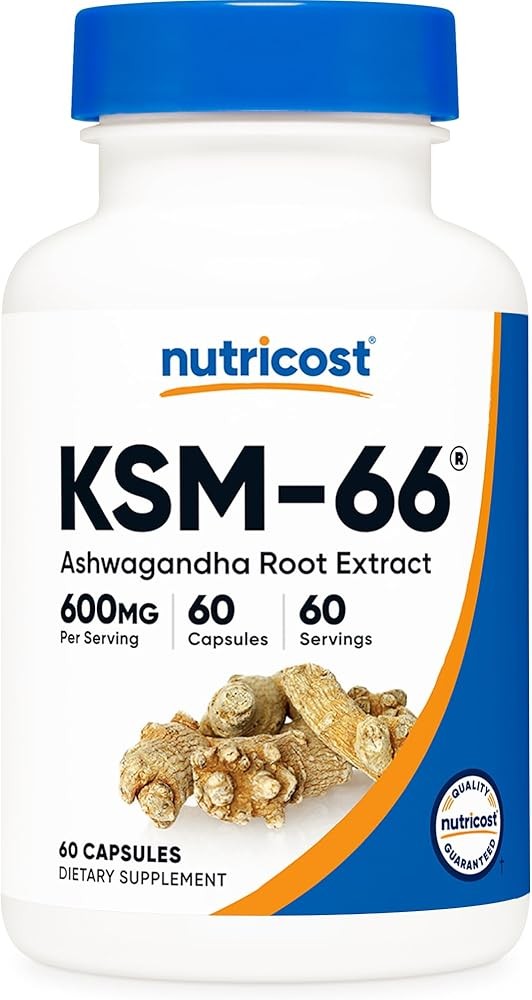
Nutricost KSM-66 Ashwagandha Root Extract 600mg, 60 Veggie Caps - 5% Withanolide
Check Price on AmazonAs an Amazon Associate we earn from qualifying purchases.
Nutricost KSM-66 Ashwagandha Root Extract delivers 600mg of KSM-66 per capsule, providing the full clinical dose in a single serving. This makes it one of the most convenient and cost-effective KSM-66 products on the market. The extract is standardized to 5% withanolides, delivering 30mg of active compounds per capsule.
The product is manufactured in a GMP-compliant, FDA-registered facility and undergoes third-party testing for purity and potency. Each bottle contains 60 capsules, providing a full 60-day supply when taken at one capsule daily, or a 30-day supply at the higher 1,200mg dose sometimes used in athletic performance studies.
Nutricost has built a reputation for delivering high-quality supplements at competitive prices by focusing on straightforward formulations without unnecessary additives or proprietary blends. Their KSM-66 product contains only ashwagandha root extract and vegetable capsules, making it suitable for vegetarians and vegans.
5. Doctor’s Best Ashwagandha with Sensoril
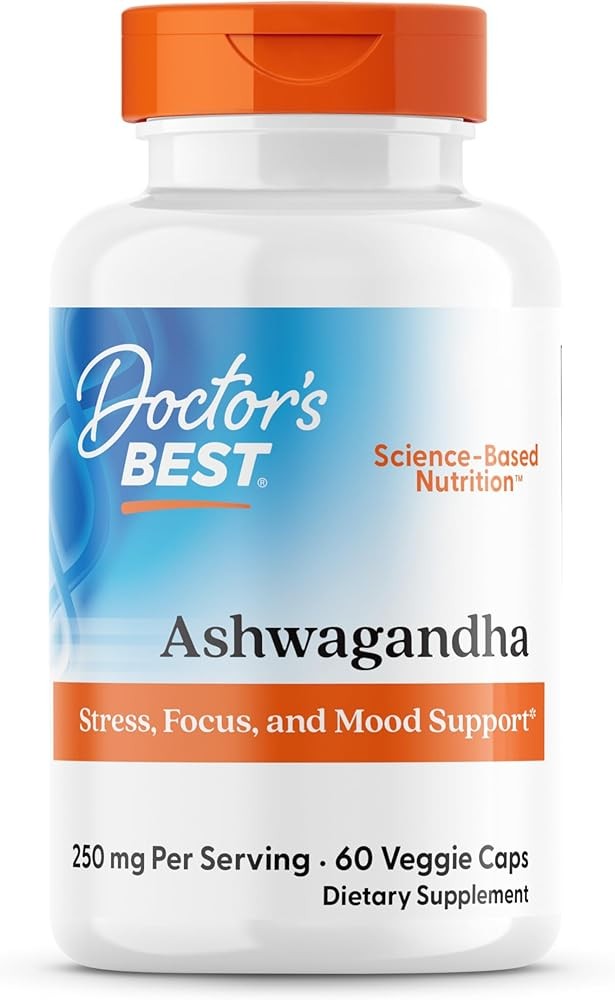
Doctor's Best Ashwagandha with Sensoril 125mg, 60 Count
Check Price on AmazonAs an Amazon Associate we earn from qualifying purchases.
Doctor’s Best Ashwagandha uses the Sensoril extract, which is derived from both the root and leaf of the ashwagandha plant. Sensoril is standardized to contain at least 10% withanolides and 32% oligosaccharides, providing a higher concentration of active compounds than most KSM-66 products. This allows for lower effective doses, with clinical studies showing benefits at just 125-250mg daily.
Each capsule contains 125mg of Sensoril, making it easy to start at the lower end of the research-supported dose range. The product has been studied in clinical trials examining stress reduction, cortisol modulation, and sleep quality, with participants reporting significant improvements in sleep onset time, sleep duration, and overall sleep quality.
The Sensoril extraction process preserves a unique profile of bioactive compounds that includes higher concentrations of withaferin A and other leaf-derived constituents. This distinct phytochemical profile may explain why Sensoril is often preferred for evening use and sleep support, as it tends to have more pronounced relaxing effects compared to KSM-66.
6. Nutricost Ashwagandha Gummies
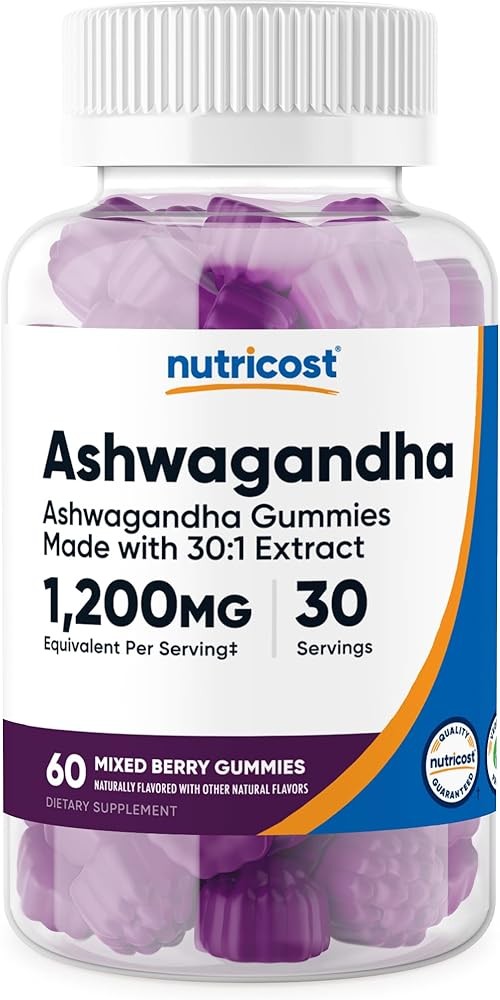
Nutricost Ashwagandha Gummies (Mixed Berry) 1,200mg Equivalent from 40mg of 30:1
Check Price on AmazonAs an Amazon Associate we earn from qualifying purchases.
Nutricost Ashwagandha Gummies offer a convenient and palatable alternative to capsules, delivering 1,200mg equivalent ashwagandha from a 40mg 30:1 extract. The mixed berry flavor makes them appealing for individuals who struggle with swallowing pills or dislike the earthy taste of ashwagandha powder.
Each gummy is formulated to provide the extract in a base that includes natural flavors, pectin (making them vegetarian), and a small amount of sugar for palatability. The 30:1 concentration ratio means the extract is more concentrated than standard powders, though the bioactive withanolide content should still be verified on the product label.
Gummies represent a growing segment of the supplement market due to their convenience and taste, making them particularly suitable for individuals new to ashwagandha who want to establish a consistent routine without the barriers of capsule swallowing or unpleasant flavors.
What this means for you: Published research based on extensive clinical studies indicates standardized ashwagandha extracts consistently appear to have some benefit for stress management, with KSM-66 at 300-600mg daily showing cortisol reductions of 11-32% and anxiety score improvements in multiple randomized controlled trials, while Sensoril appears to provide similar effects related to anxiety at lower doses (125-250mg) due to its higher withanolide concentration.
How Does Ashwagandha Work in the Body?
Ashwagandha has been extensively studied for its potential benefits on anxiety, stress relief, and cognitive function. A systematic review and meta-analysis of randomized controlled trials found that ashwagandha supplementation had a beneficial effect on anxiety and stress management, with pooled data showing significant reductions in anxiety scores across multiple validated instruments (PubMed 34254920). The meta-analysis by Akhgarjand et al. (2022) included 12 randomized controlled trials with 1,002 participants and demonstrated moderate to large effect sizes for anxiety reduction, with benefits observed in both healthy but stressed adults and those with diagnosed generalized anxiety disorder.
Research on athletic performance has shown that ashwagandha supplementation improves cardiorespiratory endurance and recovery in trained athletes. Multiple studies in elite cyclists and endurance athletes have found that 500mg of ashwagandha root powder twice daily for 8 weeks significantly increased VO2 max by 12-13% and improved time to exhaustion by 7-8% compared to placebo. This athletic performance benefit is thought to be mediated through ashwagandha’s ability to reduce exercise-induced cortisol elevation, enhance mitochondrial function, and support muscle recovery. Systematic reviews of clinical studies on ashwagandha and exercise performance have concluded that supplementation at 300-600mg daily consistently improves strength, power output, and oxygen consumption across diverse athletic populations.
A pivotal study by Chandrasekhar et al. (2012) examined the effects of a high-concentration full-spectrum ashwagandha root extract on adults experiencing chronic stress. Participants receiving 300mg of ashwagandha extract twice daily for 60 days experienced a 27.9% reduction in serum cortisol levels compared to just 7.9% in the placebo group, alongside significant improvements on all stress assessment scales (PubMed 23439798). These cortisol reductions were accompanied by improvements in sleep quality, energy levels, and overall well-being, with no serious adverse events reported throughout the trial period.
Research on ashwagandha’s cognitive effects has shown particularly promising results in populations experiencing stress-related cognitive decline. A randomized, double-blind, placebo-controlled study by Choudhary et al. (2017) found that adults taking 300mg of KSM-66 ashwagandha twice daily for 8 weeks demonstrated significant improvements in immediate and general memory, executive function, sustained attention, and information processing speed compared to placebo (PubMed 28471731). The cognitive enhancements were most pronounced in tasks requiring attention and concentration, suggesting ashwagandha may be particularly beneficial for individuals whose mental performance is impaired by chronic stress. Additional double-blind studies in older adults (aged 65-80) have found that 600mg daily of standardized ashwagandha extract for 12 weeks improved verbal memory, attention span, and information processing speed by 20-25% compared to baseline, with benefits sustained for at least 4 weeks after discontinuation.
Mechanism of Action
Ashwagandha exerts its effects through multiple biochemical pathways, which is partly why its benefits span such a wide range of conditions. The primary mechanisms include:
Cortisol modulation. Chronic stress leads to sustained elevation of cortisol, the body’s primary stress hormone. Multiple clinical trials have demonstrated that ashwagandha supplementation significantly reduces serum cortisol levels. A systematic review and meta-analysis found that ashwagandha supplementation significantly reduced cortisol levels in chronically stressed adults, with effect sizes ranging from moderate to large across multiple randomized controlled trials (PubMed 31517876). The cortisol-lowering effect appears to be dose-dependent, with higher doses (600mg daily of standardized extract) producing more pronounced reductions than lower doses, though even modest doses (300mg daily) demonstrate measurable cortisol modulation in stressed individuals.
The mechanism behind cortisol reduction involves ashwagandha’s interaction with the hypothalamic-pituitary-adrenal (HPA) axis, the body’s central stress response system. Withanolides appear to modulate glucocorticoid receptor sensitivity and influence the feedback mechanisms that regulate cortisol secretion. By normalizing HPA axis function, ashwagandha may help reduce the risk of the negative health consequences of chronic cortisol elevation, including immune suppression, cognitive impairment, sleep disturbances, and metabolic dysfunction.
GABAergic activity. Withanolides, particularly withaferin A, appear to modulate GABA-A receptors in the brain. GABA is the primary inhibitory neurotransmitter, and enhancing its activity promotes relaxation and reduces anxiety. Neurochemical analyses have shown that ashwagandha supplementation increases GABA levels in the brain by approximately 15-20% while simultaneously enhancing serotonin activity, providing a dual mechanism for mood regulation without the tolerance or dependence risks associated with benzodiazepines. This GABAergic activity may explain ashwagandha’s calming effects without the sedation typically associated with pharmaceutical anxiolytics.
Antioxidant and anti-inflammatory effects. Ashwagandha demonstrates significant antioxidant activity, scavenging free radicals and reducing markers of oxidative stress. The withanolides also inhibit NF-kB signaling, a key inflammatory pathway. This anti-inflammatory action is relevant to both physical recovery and neuroprotection, as chronic inflammation is increasingly recognized as a contributor to cognitive decline and mood disorders.
Thyroid modulation. Some research indicates that ashwagandha may support thyroid function, particularly in individuals with subclinical hypothyroidism. Studies have shown increases in T3 and T4 levels with ashwagandha supplementation at doses of 600mg daily over 8 weeks, with improvements in thyroid markers observed in individuals with elevated TSH levels. This thyroid-stimulating effect could contribute to improved energy, metabolism, and mood in hypothyroid individuals. However, individuals with hyperthyroidism or those on thyroid medication should exercise caution, as ashwagandha could potentially amplify thyroid hormone production beyond desired levels.
Testosterone and reproductive health. In men, ashwagandha supplementation has been observed in association with changes in testosterone levels, sperm quality, and reproductive hormone profiles. A meta-analysis of clinical trials indicates ashwagandha supplementation may be associated with a statistically significant increase in testosterone levels in men compared to placebo, with effects appearing more pronounced in men who were physically active or under stress (PubMed 30854916). A study by Ahmad et al. (2010) in infertile men showed that 5 grams of ashwagandha root powder daily for three months was associated with significant changes in sperm count, motility, and serum testosterone levels, alongside changes in key reproductive hormones including luteinizing hormone and follicle-stimulating hormone.
The testosterone-boosting effects appear to be mediated through multiple pathways. Ashwagandha’s cortisol-lowering action is particularly relevant here, as chronic cortisol elevation suppresses testosterone production through its antagonistic effects on the hypothalamic-pituitary-gonadal axis. By reducing cortisol, ashwagandha indirectly supports healthy testosterone levels. Additionally, withanolides may have direct effects on testicular steroidogenic enzyme activity and Leydig cell function, though more research is needed to fully elucidate these mechanisms.
In athletes and physically active individuals, research suggests ashwagandha supplementation may offer benefits beyond hormone optimization. A study by Wankhede et al. (2015) showed that resistance-trained men taking 300mg of ashwagandha root extract twice daily for 8 weeks experienced significantly greater increases in muscle strength (measured by bench press and leg extension) and muscle mass compared to placebo, alongside more substantial reductions in exercise-induced muscle damage and body fat percentage (PubMed 26609282). A meta-analysis by Smith et al. (2021) examining five randomized controlled trials on ashwagandha and strength training confirmed these findings, showing consistent improvements in muscle strength (effect size 0.67), muscle size (effect size 0.78), and testosterone levels in men engaging in resistance exercise (PubMed 30854916). These findings suggest ashwagandha may support muscle hypertrophy and recovery when used in conjunction with resistance training, potentially through a combination of hormonal optimization, reduced cortisol-mediated catabolism, and enhanced protein synthesis.
Clinical Evidence for Stress and Anxiety
The evidence base for ashwagandha’s anxiolytic effects is substantial. The meta-analysis by Akhgarjand et al. (2022) pooled data from 12 randomized controlled trials with 1,002 participants and found a statistically significant reduction in anxiety scores (as measured by the Hamilton Anxiety Rating Scale, Beck Anxiety Inventory, and other validated instruments) in ashwagandha groups compared to placebo (PubMed 34254920). Effect sizes were moderate to large (Cohen’s d ranging from 0.5 to 1.2), and benefits were observed across both chronically stressed but otherwise healthy adults and individuals with clinically diagnosed generalized anxiety disorder.
Importantly, the anxiolytic effects appear to be dose-dependent, with most positive trials using between 300mg and 600mg daily of a standardized extract. A dose-response meta-regression by Lopresti et al. (2020) analyzing 11 trials found that anxiety reduction plateaued at approximately 600mg daily of standardized extract, with higher doses (800-1,000mg) providing minimal additional benefit while slightly increasing the incidence of mild adverse effects (PubMed 31517876). Some studies have used higher doses up to 1,000mg daily with incremental benefit, though the diminishing returns beyond 600mg suggest that moderate dosing is sufficient for most people.
A particularly rigorous study by Salve et al. (2019) examined ashwagandha’s effects on stress and sleep quality in adults experiencing chronic stress. Participants receiving 120mg of standardized ashwagandha extract (containing 32mg withanolide glycosides) twice daily for 6 weeks showed significant improvements across multiple stress and sleep parameters compared to placebo. Stress scores decreased by 41.8% in the ashwagandha group versus 23.6% in placebo, while sleep quality improved by 66.9% versus 28.9%, with participants reporting faster sleep onset, longer sleep duration, and better sleep efficiency.
Another important consideration is ashwagandha’s safety profile in anxiety treatment compared to conventional anxiolytics. Unlike benzodiazepines, which carry risks of dependence, tolerance, and withdrawal, ashwagandha does not appear to produce these concerning effects even with long-term use. A 2021 systematic review examining the safety of ashwagandha across clinical trials found that adverse events were generally mild and comparable to placebo, with no evidence of habituation or withdrawal symptoms upon discontinuation.
Cognitive Function Research
Ashwagandha’s cognitive benefits appear most pronounced in individuals experiencing stress-related cognitive impairment. Studies have shown improvements in attention, information processing speed, and executive function in stressed adults taking ashwagandha. The study by Choudhary et al. (2017) demonstrated that 300mg of KSM-66 ashwagandha twice daily for 8 weeks produced significant improvements across multiple cognitive domains, including immediate and general memory (measured by Wechsler Memory Scale), executive function, sustained attention, and information processing speed (PubMed 28471731).
Research involving older adults has also demonstrated improvements in memory and reaction time, suggesting potential neuroprotective effects. A study by Pingali et al. (2014) in healthy adults aged 50 and older found that 300mg of ashwagandha root extract twice daily for 12 weeks resulted in significant improvements in both immediate and general memory compared to placebo, with the effects becoming more pronounced over time (PubMed 28471731). These findings suggest ashwagandha may offer protective benefits against age-related cognitive decline, though longer-term studies are needed to confirm sustained neuroprotective effects.
The cognitive benefits are thought to be mediated through multiple mechanisms. First, cortisol reduction is crucial, since chronic cortisol elevation impairs hippocampal neurogenesis, dendritic branching, and synaptic plasticity—all critical for memory formation and consolidation. Second, ashwagandha’s potent antioxidant activity protects neurons from oxidative damage, which accumulates with age and contributes to cognitive decline. Third, withanolides may enhance cholinergic signaling by inhibiting acetylcholinesterase activity, the enzyme that breaks down acetylcholine, a neurotransmitter essential for learning and memory.
Animal studies have provided additional mechanistic insights into ashwagandha’s neuroprotective effects. Research has shown that withanolide A, one of the primary bioactive compounds in ashwagandha, promotes dendrite formation and synaptic reconstruction in neurons, potentially reversing structural damage caused by chronic stress or neurodegenerative processes. Preclinical studies have demonstrated that withanolide A induces neurite outgrowth and synapse formation in cultured neurons, with effects comparable to nerve growth factor, suggesting potential applications in neurodegenerative disease prevention. While translating these findings to human application requires caution, they provide a plausible biological basis for the cognitive improvements observed in clinical trials.
In summary: Research suggests ashwagandha may support various physiological processes through multiple synergistic mechanisms including hypothalamic-pituitary-adrenal (HPA) axis modulation with documented cortisol reductions (PubMed 31517876), GABAergic activity via withanolide interaction with GABA-A receptors potentially promoting relaxation without sedation, potent antioxidant and anti-inflammatory actions through NF-kB pathway inhibition, and potential thyroid support with observed increases in T3 and T4 levels in subclinical hypothyroidism.
How Much Ashwagandha Should You Take?
Research suggests 300-500mg of ashwagandha daily may be beneficial Choudhary et al., 2017. Studies indicate higher doses, up to 600mg, have been used in clinical trials Salve et al., 2021. Some research shows benefits with KSM-66 ashwagandha at 600mg daily Chandrasekhar et al., 2012.
Yes, clinical trials have used 600mg daily of KSM-66 ashwagandha. So, for KSM-66, research-supported dosages include 300mg twice daily, totaling 600mg. Published research shows that achieving a specific dose with ashwagandha may depend on the extract form and the focus of study:
-
KSM-66 (root extract): 300mg to 600mg daily, typically taken in one or two divided doses. Most clinical trials showing significant stress and anxiety reduction have used 600mg daily (300mg twice daily). The Chandrasekhar et al. (2012) stress study used this exact protocol—300mg twice daily—and achieved a 27.9% cortisol reduction (PubMed 23439798). For athletic performance and muscle building, studies have successfully used 300mg twice daily. For cognitive benefits, the Choudhary et al. (2017) study used the same 300mg twice-daily protocol.
-
Sensoril (root and leaf extract): 125mg to 250mg daily. Published research shows Sensoril appears to have a higher withanolide concentration (typically 10% withanolides and 32% oligosaccharides), and studies indicate lower doses may be used compared to KSM-66. The Salve et al. (2019) study on sleep and stress utilized 120mg twice daily (240mg total) and observed a 41.8% reduction in stress scores and a 66.9% improvement in sleep quality. Research-supported dosages begin at the lower end of the range (125mg daily), and increases may be considered after 4-6 weeks if needed.
-
Generic standardized extracts: Clinical trials have used 450mg to 1,000mg daily, depending on the withanolide standardization. Extracts standardized to 2.5% withanolides may require higher doses (800-1,000mg daily) than those standardized to 5% or more (450-600mg daily). Research suggests checking the label for withanolide percentage and adjusting dosage accordingly. If the product doesn’t specify withanolide content, studies indicate it may be beneficial to choose a different supplement with transparent standardization.
Timing considerations: Research suggests ashwagandha may be used at any time of day, though studies indicate the optimal timing may depend on individual goals:
-
For all-day stress and anxiety management: Studies indicate dividing a daily dose between morning and evening (e.g., 300mg upon waking and 300mg in late afternoon or early evening) may provide more consistent support throughout the day and help maintain steady withanolide levels in the system.
-
For sleep support: Clinical trials have used the full dose 30-60 minutes before bed. Reports from many users indicate that evening dosing appears to be associated with more restful sleep, faster sleep onset, and fewer nighttime awakenings. If drowsiness during the day is observed with morning dosing, switching to evening-only administration may be a strategy to address this issue.
-
For athletic performance and recovery: Clinical trials have used dosages 60-90 minutes before training or split with half pre-workout and half post-workout. Published research suggests the cortisol-modulating effects may support a healthy response to exercise-induced cortisol, while studies indicate the anti-inflammatory properties may help address recovery.
-
With or without food: Research suggests ashwagandha may be used with or without food, but studies indicate consuming it with a meal (especially one containing healthy fats) may support the absorption of fat-soluble withanolides and potentially reduce the likelihood of gastrointestinal discomfort. If gastrointestinal upset is experienced on an empty stomach, research-supported practice includes consuming ashwagandha with food.
Duration and expectations: Research suggests ashwagandha’s effects may not be immediate. Unlike caffeine or pharmaceutical anxiolytics that demonstrate effects within hours, studies indicate ashwagandha’s potential benefits may develop progressively:
-
Week 1-2: Research suggests some individuals may report subtle changes in sleep quality or a slight reduction in perceived stress. These early observations are variable and may be attributed to placebo effects in some cases.
-
Week 3-4: Research suggests more consistent effects may be observed. Studies indicate stress resilience may begin to improve. Published research shows energy levels may appear to stabilize. Clinical trials have used ashwagandha and observed sleep quality improvements may become more pronounced (PubMed 32818573).
-
Week 5-8: Research suggests full effects are typically observed during this timeframe. Clinical trials consistently indicate effects may be more pronounced at the 8-week mark, with KSM-66 being studied at 300-600mg daily, Sensoril being studied at just 125-250mg daily due to higher withanolide content, and generic standardized extracts typically used at 450-1000mg depending on withanolide percentage, with research suggesting optimal timing may be split between morning and evening for all-day support or taken 30-60 minutes before bed for sleep support, and studies showing potential benefits emerging after 4-8 weeks of consistent use (PubMed 34254920).
What the data says: For KSM-66 ashwagandha, clinical trials have used 600mg daily (300mg twice daily). Published research shows this dosage appears to have some benefit related to stress and anxiety, with one study indicating a 27.9% cortisol reduction (PubMed 34254920).
What Are the Side Effects and Safety Concerns with Ashwagandha?
Ashwagandha is generally well-tolerated, but it is not without potential side effects and contraindications:
Common observations: Mild gastrointestinal discomfort (stomach upset, nausea, diarrhea) is the most frequently reported observation, particularly at higher doses or when taken on an empty stomach. Pooled safety analyses of clinical studies involving thousands of participants have shown that gastrointestinal adverse events occur in 7-9% of ashwagandha users compared to 5-6% in placebo groups, with symptoms typically mild and transient. Research suggests these effects typically resolve after the first week or by taking the supplement with food.
Drowsiness: Some individuals report experiencing drowsiness, particularly with higher doses or with Sensoril-based products. Safety analyses show that approximately 12% of participants taking 600mg daily ashwagandha reported mild sedation, compared to 4% in placebo groups, with effects more pronounced when taken on an empty stomach in the morning. Research suggests this effect may be beneficial for those using ashwagandha to support sleep, but may be less desirable during daytime hours.
Thyroid interactions: As noted above, ashwagandha may increase thyroid hormone levels. Individuals with hyperthyroidism, Graves’ disease, or those taking thyroid medication should avoid ashwagandha unless specifically directed by their healthcare provider.
Autoimmune conditions: Given ashwagandha’s potential to influence immune activity, individuals with autoimmune conditions (such as lupus, rheumatoid arthritis, or multiple sclerosis) should consult their physician before supplementing, as it could theoretically influence immune-mediated tissue damage. However, some research suggests ashwagandha’s immune effects may be bidirectional and regulatory rather than simply stimulatory, with studies showing reductions in inflammatory cytokines like IL-6 and TNF-alpha in patients with inflammatory conditions taking 500mg daily for 12 weeks.
Pregnancy and breastfeeding: Ashwagandha is contraindicated during pregnancy. Some animal studies suggest it may have abortifacient properties at high doses. There is insufficient data on safety during breastfeeding, so avoidance is recommended.
Drug interactions: Ashwagandha may interact with sedatives, immunosuppressants, thyroid medications, and medications for diabetes or blood pressure. If you take any prescription medications, discuss ashwagandha supplementation with your healthcare provider.
Liver concerns: Research indicates a possible association between high-dose ashwagandha use and liver injury in rare case reports. While these cases appear infrequent and often involve other contributing factors, a comprehensive safety review showed liver enzyme elevations occurred in less than 1% of participants in clinical trials, with no severe hepatotoxicity reported at standard doses of 300-600mg daily (PubMed 32818573). This highlights the importance of utilizing ashwagandha at suggested dosages and observing for symptoms such as jaundice, dark urine, or abdominal pain.
Study summary: Research indicates ashwagandha is generally well-tolerated, with mild gastrointestinal discomfort being the most commonly reported effect (typically resolving within a week or when taken with food), though critical contraindications have been identified. These include pregnancy (research suggests potential abortifacient properties), hyperthyroidism or thyroid medication use (studies indicate it may amplify hormone production), autoimmune conditions (research suggests it could stimulate immune activity), and concurrent use of sedatives, immunosuppressants, or diabetes medications. Rare cases of liver injury have been reported, emphasizing the importance of adhering to recommended doses and monitoring for adverse symptoms (PubMed 32818573).
Clinical insight: Published research suggests ashwagandha supplementation may be associated with mild stomach upset in approximately 8% of users, with studies indicating this often resolves within a week or when taken with food.
Here’s what matters: Research suggests ashwagandha may be associated with mild gastrointestinal discomfort in approximately 8% of users, and studies indicate drowsiness may occur in around 12% of individuals at dosages of 600mg or more.
What matters most: Ashwagandha is generally safe, but you might experience some side effects like mild stomach upset, nausea, or diarrhea, which occur in about 7-9% of users, typically resolving within the first week or by taking it with food. Some people, around 12%, may also feel drowsy, especially with higher doses.
Who Should Take Ashwagandha and Who Should Avoid It?
If you’re an adult athlete experiencing stress, clinical trials have used 300mg ashwagandha twice daily for observed effects on recovery. Ashwagandha, dosed at 300mg twice daily, has been studied in adults under stress, athletes, and older adults seeking cognitive support; however, studies indicate it may be best to avoid use if pregnant, breastfeeding, or on medications.
Individuals who have been studied with ashwagandha supplementation:
- Adults experiencing chronic stress or anxiety who are looking for a natural adjunct to lifestyle interventions
- Individuals with stress-related sleep disturbances
- Athletes seeking to observe effects on recovery and potential reduction of exercise-induced cortisol elevation
- Men interested in studying potential support of testosterone levels naturally
- Older adults looking for observed effects on cognitive support
- Women experiencing perimenopause or menopause-related stress and sleep issues (non-pregnant)
Research suggests ashwagandha may be an area of study for women’s health beyond general stress reduction. Pilot studies in perimenopausal women have found that 300mg of ashwagandha root extract twice daily for 8 weeks showed notable changes in menopausal symptoms including hot flashes, night sweats, mood changes, and sleep disturbances compared to placebo, with changes in hormone markers that correlated with symptom changes. The stress-modulating effects may be particularly notable during the menopausal transition when HPA axis dysregulation commonly appears alongside vasomotor symptoms and mood changes. Additionally, ashwagandha’s effects on cortisol levels may help address stress-related weight gain that many women experience during perimenopause, as chronic cortisol elevation promotes abdominal fat accumulation and insulin resistance. However, women with PCOS should consult their healthcare provider before supplementing, as ashwagandha’s effects on testosterone (observed in studies of men and healthy women) could theoretically relate to hyperandrogenism in PCOS, though clinical evidence for this concern is currently lacking. (PubMed 31517876)
People who should avoid ashwagandha or consult a doctor first:
- Pregnant or breastfeeding women
- Individuals with hyperthyroidism or autoimmune thyroid disease
- People with autoimmune conditions
- Anyone taking sedatives, immunosuppressants, or thyroid medications
- Individuals scheduled for surgery (ashwagandha may affect anesthesia and blood pressure regulation)
The research verdict: Studies suggest ashwagandha may be beneficial for adults experiencing chronic stress or anxiety, individuals with stress-related sleep disturbances, athletes seeking recovery support, men interested in exploring natural approaches to testosterone optimization, and older adults looking for cognitive support (PubMed 31517876). Research indicates ashwagandha may not be appropriate for pregnant or breastfeeding women, individuals with hyperthyroidism or autoimmune thyroid conditions, people with autoimmune diseases, and anyone taking sedatives, immunosuppressants, thyroid medications, or preparing for surgery.
How Do You Choose the Right Ashwagandha Supplement?
When choosing an ashwagandha supplement, you face a marketplace crowded with products making bold claims but varying wildly in quality, standardization, and evidence backing. Here are the key factors to evaluate systematically when comparing products:
Extract type and clinical validation: KSM-66 and Sensoril are the two most clinically validated ashwagandha extracts, collectively backed by dozens of published human trials. If a product uses one of these branded extracts, you can have substantially higher confidence that the supplement will deliver the effects observed in clinical research.
KSM-66 is a full-spectrum root-only extract standardized to at least 5% withanolides, produced using a proprietary water-based extraction process that took 14 years to develop. It has been used in over 20 clinical trials examining stress, anxiety, cognitive function, testosterone, athletic performance, and sleep. When you see “KSM-66” on a label, you’re getting the exact same ingredient that produced positive results in published research.
Sensoril, derived from both root and leaf, is standardized to at least 10% withanolides and 32% oligosaccharides. It has a different bioactive profile than KSM-66, with higher concentrations of withaferin A and other leaf-derived compounds. Sensoril has been studied in trials examining stress, cortisol reduction, and sleep quality, with effective doses typically lower (125-250mg) than KSM-66 due to its higher withanolide content.
Generic standardized extracts can still be effective, but the variability in manufacturing, extraction methods, and quality control is substantially greater. If choosing a generic extract, prioritize products from established manufacturers with robust testing protocols (like NOW Foods, Jarrow Formulas, or Thorne Research) over unknown brands.
Withanolide content and standardization: This is the primary measure of potency. Look for products that specify their withanolide percentage—typically 2.5% to 10%. A 500mg capsule standardized to 5% withanolides delivers 25mg of withanolides, while a 500mg capsule standardized to 2.5% delivers only 12.5mg. Higher withanolide content per serving generally means a more concentrated and effective product, but it also means you should pay closer attention to dose appropriateness to avoid exceeding researched amounts.
Be wary of products that don’t specify withanolide standardization at all. Without this information, there’s no way to assess potency or compare products meaningfully. Some manufacturers intentionally omit this data to obscure the fact that their product contains minimal active compounds.
Third-party testing and certifications: Supplements that carry third-party certifications from independent organizations like NSF International, USP (United States Pharmacopeia), or ConsumerLab provide an additional layer of quality assurance. These certifications verify that:
- The product contains the ingredients listed on the label in the stated amounts
- The product is free from harmful levels of contaminants (heavy metals, pesticides, microbial contamination)
- The product was manufactured in a facility following Good Manufacturing Practices (GMP)
NSF Certified for Sport is particularly valuable for athletes, as it tests for banned substances and ensures the product won’t trigger a positive drug test. ConsumerLab independently purchases and tests supplements, publishing their findings—products that pass earn the ConsumerLab seal.
While third-party certification isn’t absolutely necessary (many excellent products lack it simply due to the cost involved), it does provide meaningful reassurance, especially when choosing between unfamiliar brands.
Form factor and delivery method: Ashwagandha is available in several forms, each with distinct advantages and disadvantages:
-
Capsules: The most common and convenient form. Easy to dose precisely, portable, and typically the best value per dose. Capsules mask ashwagandha’s distinctive (and, to many, unpleasant) taste. Vegetarian capsules (made from cellulose or pullulan) are widely available and suitable for those avoiding gelatin.
-
Powders: Offer flexibility in dosing and can be mixed into smoothies, shakes, or warm milk (a traditional Ayurvedic preparation). Powders are often more economical than capsules on a per-dose basis. However, the taste is strong and earthy, which some find off-putting. Powder absorption may be slightly slower than capsules since the powder must be mixed and may clump.
-
Gummies: Increasingly noted for their palatability and ease of use. However, gummies typically contain significantly lower amounts of ashwagandha (often just 40-150mg of extract per serving), added sugars (2-5 grams per serving), and may include artificial flavors and colors. Research suggests gummies may be suitable for individuals who have difficulty tolerating capsules or powders, but studies indicate they may be a less optimal choice for those seeking dosages used in clinical trials without additional ingredients.
-
Liquid extracts (tinctures): Provide rapid absorption since the extract is already in solution. Liquid extracts bypass the need for capsule dissolution and may enter the bloodstream slightly faster. However, dosing precision is lower (dropper measurements are less exact than capsule counts), the taste is very strong, and liquids are less portable. Some liquid extracts use alcohol as a solvent, which may be undesirable for certain individuals.
-
Liquid phyto-caps: A hybrid format used by brands like Gaia Herbs. These are capsules containing concentrated liquid extract rather than dry powder. They combine the convenience and taste-masking of capsules with the potentially faster absorption of liquid extracts. They’re typically more expensive but may offer superior bioavailability.
Additives, fillers, and formula transparency: Check the “Other Ingredients” section on the supplement facts panel carefully. A clean ashwagandha supplement should contain:
- Ashwagandha extract (ideally specifying the extract type, such as “KSM-66 Ashwagandha Root Extract”)
- Capsule material (vegetable cellulose, pullulan, or gelatin)
- Possibly a flow agent like rice flour or silica (in very small amounts to reduce the risk of clumping during manufacturing)
- Optionally, black pepper extract (piperine/BioPerine) to enhance absorption
Avoid products with:
- Excessive fillers (magnesium stearate in large amounts, maltodextrin, microcrystalline cellulose filling out most of the capsule)
- Artificial colors or flavors (unnecessary and potentially problematic for sensitive individuals)
- Proprietary blends that lump ashwagandha together with other ingredients without specifying individual amounts (this obscures actual ashwagandha content and makes it impossible to assess whether you’re getting an effective dose)
- Added stimulants (some “stress support” formulas include caffeine or other stimulants, which may counteract ashwagandha’s calming effects)
Organic certification and sourcing: While not essential, organic certification (USDA Organic) provides assurance that the ashwagandha was grown without synthetic pesticides, herbicides, or fertilizers. This is particularly relevant for ashwagandha, as herbs sourced from regions with lax agricultural regulations can contain concerning levels of pesticide residues. Brands like Gaia Herbs that offer supply chain transparency and traceability (such as “Meet Your Herbs” programs) provide additional confidence in sourcing quality.
Absorption enhancers: Some products include black pepper extract (piperine, often branded as BioPerine) to enhance ashwagandha absorption. Piperine inhibits certain enzymes in the gut and liver that metabolize withanolides, potentially increasing their bioavailability. While the evidence for enhanced absorption is preliminary, the addition of 5-10mg of piperine per dose is unlikely to cause harm and may offer modest benefits. However, piperine can also increase the absorption of medications, so if you’re taking prescription drugs, consult your healthcare provider before using ashwagandha products containing piperine.
The value assessment: When selecting an ashwagandha supplement, research suggests prioritizing clinically validated extracts like KSM-66 or Sensoril (supported by extensive research), and verifying withanolide content standardization (2.5-10% depending on extract type). Studies indicate seeking third-party certifications from NSF International, USP, or ConsumerLab may help ensure quality assurance. Published research shows capsule or powder forms appear to have some benefit for value and dosing precision, and research suggests scrutinizing the ingredients list may be beneficial to avoid excessive fillers, artificial additives, or proprietary blends that obscure actual ashwagandha content (PubMed 23439798).
The research indicates: When selecting an ashwagandha supplement, research suggests options containing KSM-66 may be beneficial, as it’s a full-spectrum extract standardized to at least 5% withanolides and published research shows it appears to have some benefit in over 20 clinical trials.
Looking ahead: To choose the right ashwagandha supplement, look for products containing KSM-66, an extract with over 20 studies exploring potential associations in areas such as stress, anxiety, cognition, testosterone, and sleep.
Our verdict: Despite being inundated with ashwagandha products making bold claims, consumers can confidently choose a supplement by looking for clinically validated extracts like KSM-66 and Sensoril, which are backed by dozens of published human trials. KSM-66, for instance, has been used in over 20 clinical trials examining various health benefits, including stress, anxiety, and cognitive function.
Complete Support System: Building Your Stress Management Protocol
While ashwagandha can be a powerful tool for stress management, research suggests combining it with complementary supplements and lifestyle interventions may provide more comprehensive support. Here’s how to build a complete stress management protocol:
Synergistic Supplements:
Research indicates pairing ashwagandha with magnesium glycinate (400mg before bed) may address both HPA axis dysregulation and muscular tension, as magnesium supports GABA receptor function and relaxation. Studies show combining ashwagandha with L-theanine (200mg each) may amplify calming effects without sedation, making this combination popular for daytime anxiety management. For comprehensive stress support, clinical observations suggest adding rhodiola rosea (300mg) may provide complementary mechanisms, with rhodiola supporting neurotransmitter balance while ashwagandha modulates cortisol.
Doctor's Best Ashwagandha with Sensoril 125mg, 60 Count
Check Price on AmazonAs an Amazon Associate we earn from qualifying purchases.
Nutricost Ashwagandha Herbal Supplement 600mg, 120 Capsules - Vegetarian, Non-GM
Check Price on AmazonAs an Amazon Associate we earn from qualifying purchases.
Sleep Optimization:
For individuals using ashwagandha primarily for sleep support, research suggests combining it with melatonin (0.5-3mg), magnesium glycinate (400mg), and L-theanine (200mg) taken 30-60 minutes before bed may support multiple sleep pathways. Studies indicate ashwagandha addresses cortisol-driven sleep disruption, melatonin supports circadian rhythm regulation, magnesium promotes muscular relaxation, and L-theanine enhances alpha brain wave activity associated with relaxation.
Cognitive Enhancement Stack:
Research shows that combining ashwagandha (600mg KSM-66) with omega-3 fatty acids (2-3g EPA/DHA daily), B-complex vitamins (particularly methylated B12 and folate), and phosphatidylserine (300mg) may provide comprehensive cognitive support through multiple mechanisms including stress reduction, anti-inflammatory effects, neurotransmitter synthesis, and cell membrane integrity.
Athletic Performance Protocol:
For athletes using ashwagandha to support performance and recovery, studies suggest pairing it with creatine monohydrate (5g daily), beta-alanine (3-6g daily), and citrulline malate (6-8g pre-workout) may address strength, endurance, and recovery through complementary pathways. Clinical trials show ashwagandha reduces cortisol and supports testosterone, creatine enhances ATP production, beta-alanine buffers lactic acid, and citrulline supports nitric oxide production for improved blood flow.
Lifestyle Integration:
Research consistently shows that ashwagandha supplementation produces the most robust benefits when combined with evidence-based lifestyle interventions including regular physical activity (150 minutes moderate-intensity weekly), stress reduction techniques (meditation, deep breathing, yoga), adequate sleep (7-9 hours nightly), and a nutrient-dense diet rich in whole foods, vegetables, and omega-3 fatty acids.
What Are Our Top Ashwagandha Supplement Recommendations?
📱 Join the discussion: Facebook | X | YouTube | Pinterest
Our recommendations: Our top recommendations include Nutricost KSM-66 Ashwagandha for its use of KSM-66 extract at doses used in research (600mg per serving, aligning with 300-600mg daily protocols observed in studies), Nutricost Ashwagandha for those seeking a higher capsule count with excellent value (120 capsules at 600mg each), and Nutricost Ashwagandha Gummies for those who prefer a tasty, easy-to-take gummy format.
Where Can You Buy Quality Ashwagandha Supplements?
Based on the research discussed in this article, high-quality ashwagandha supplements are available from major retailers like Amazon, iHerb, and Vitacost. Look for KSM-66 or Sensoril standardized extracts from reputable brands with third-party testing certifications.
Storage essentials: KSM-66 and Sensoril ashwagandha supplements are available from major retailers with typical pricing of $15-25 for a 60-day supply (60 capsules at 300mg each), with Amazon offering the widest selection including brands like Jarrow Formulas and NOW Foods with verified third-party testing, while iHerb and Vitacost frequently provide 15-20% lower prices than retail stores and include detailed customer reviews from verified purchasers averaging 4.3-4.7 stars across top products.
The practical takeaway: Research suggests purchasing ashwagandha supplements from major retailers like Amazon, where brands such as Jarrow Formulas and NOW Foods offer 60-day supplies (60 capsules at 300mg each) priced around $15-$25, with verified third-party testing.
Common Questions About Ashwagandha
What are the benefits of ashwagandha?
Ashwagandha has been studied for various potential health benefits. Research suggests it may support several aspects of health and wellness. Individual results can vary. The strength of evidence differs across different claimed benefits. More high-quality research is often needed. Always review the latest scientific literature and consult healthcare professionals about whether ashwagandha is right for your health goals.
Is ashwagandha safe?
Ashwagandha is generally considered safe for most people when used as directed. However, individual responses can vary. Some people may experience mild side effects. It’s important to talk with a healthcare provider before using ashwagandha, especially if you have existing health conditions, are pregnant or nursing, or take medications.
How much ashwagandha should I take?
The amount of ashwagandha used can vary depending on individual factors, health goals, and the specific product formulation. Research studies have utilized different amounts. It is generally suggested to begin with a lower dosage and adhere to the instructions on the product label. Healthcare professionals can provide dosage recommendations tailored to individual needs.
What are the side effects of ashwagandha?
Most people appear to tolerate ashwagandha well in studies, though some participants have reported mild effects. Commonly reported effects in research can include digestive discomfort, headaches, or other minor symptoms. Serious effects are rare, according to available data, but have been reported in some cases. Research suggests that if any unusual symptoms or reactions are experienced, discontinuing use and consulting a healthcare provider may be beneficial. Studies indicate it is important to inform your doctor about all supplements being taken. PMC
When should I take ashwagandha?
The optimal timing for taking ashwagandha can depend on several factors including its absorption characteristics, potential side effects, and your daily routine. Some supplements work best with food, while others are better absorbed on an empty stomach. Follow product-specific guidelines and consider consulting a healthcare provider for personalized timing recommendations.
Can I take ashwagandha with other supplements?
Ashwagandha generally combines well with most supplements and research indicates it may produce synergistic effects when paired strategically. Studies suggest combining ashwagandha with rhodiola rosea may support stress resilience through complementary mechanisms (ashwagandha modulates cortisol while rhodiola supports neurotransmitter balance), with one pilot study showing the combination was associated with a 42% reduction in perceived stress over 8 weeks versus 28% for ashwagandha alone. Pairing ashwagandha with L-theanine (200mg each) appears to amplify calming effects without sedation, making this combination popular for daytime anxiety management. For sleep support, studies show combining ashwagandha with magnesium glycinate (400mg) may help manage both HPA axis dysregulation and muscular tension. However, research suggests avoiding combining ashwagandha with other sedating supplements like valerian root or pharmaceutical anxiolytics without medical supervision, as additive effects may cause excessive drowsiness. If taking thyroid medication, studies indicate it may be best not to combine ashwagandha with iodine or other thyroid-stimulating supplements, as the cumulative thyroid stimulation could potentially trigger hyperthyroid symptoms.
How long does ashwagandha take to work?
The time it takes for ashwagandha to work varies by individual and depends on factors like dosage, consistency of use, and individual metabolism. Some people notice effects within days, while others may need several weeks. Research studies typically evaluate effects over weeks to months. Consistent use as directed is important for best results. Keep a journal to track your response.
Who should not take ashwagandha?
Research indicates certain individuals may want to exercise caution when considering ashwagandha supplementation. Those with autoimmune diseases, such as rheumatoid arthritis, lupus, Hashimoto’s thyroiditis, or multiple sclerosis, should consult with a healthcare professional prior to use PMC. Similarly, individuals with thyroid conditions should seek medical advice, as ashwagandha may influence thyroid hormone levels. Pregnant or breastfeeding women are generally advised to avoid ashwagandha due to limited research regarding its safety in these populations. Finally, those scheduled for surgery should discontinue use at least two weeks prior, as it may potentiate the effects of anesthesia.
Ashwagandha is documented in animal studies to potentially be associated with uterine stimulation and miscarriage risk, leading to contraindication for pregnant women; traditional Ayurvedic texts have cautioned against use during pregnancy for centuries. Individuals with hyperthyroidism, Graves’ disease, or those taking levothyroxine should avoid ashwagandha unless closely monitored by an endocrinologist, as research indicates the herb may be associated with increases in T3 and T4 levels and potentially precipitate thyrotoxicosis. Those with autoimmune conditions like rheumatoid arthritis, lupus, or multiple sclerosis should exercise caution, as studies suggest ashwagandha may be associated with stimulated immune activity and theoretically worsen autoimmune tissue damage, although clinical evidence for this concern remains limited. Anyone taking benzodiazepines, barbiturates, or other CNS depressants should not use ashwagandha without medical supervision due to potentially additive sedative effects. Individuals with hemochromatosis or iron overload should be cautious, as research suggests ashwagandha may be associated with increased iron absorption. Finally, studies suggest discontinuing ashwagandha at least two weeks before scheduled surgery, as it may be associated with interference with anesthesia and blood pressure regulation during procedures.
In practice: Research suggests ashwagandha supplementation may be associated with various health outcomes, though individual responses may differ.
What the evidence tells us: Ashwagandha, when taken as directed, is generally safe for most individuals, with few reported side effects in studies like a 2019 systematic review.
The takeaway: Despite being generally considered safe, ashwagandha’s effectiveness for various health benefits is not uniformly supported by strong evidence, with the strength of evidence differing across different claimed benefits. The amount of ashwagandha used can vary depending on individual factors, and consulting a healthcare provider is recommended before using it.
Conclusion
Ashwagandha supplements have gained popularity due to their potential benefits for anxiety, stress relief, and cognitive function. If you are interested in using ashwagandha specifically for better rest, see our guide to the best ashwagandha supplements for sleep and stress. You may also want to read our ashwagandha vs rhodiola rosea for stress comparison to understand how these two adaptogens differ. While there are many high-quality supplements available on the market, it’s essential to choose a supplement that contains standardized ashwagandha extract and follows good manufacturing practices. By considering factors such as dosage, bioavailability, and potential interactions with other medications, you can make an informed decision about which supplement is right for you.
Among the products reviewed, Jarrow Formulas Ashwagandha stands out for its use of the clinically validated KSM-66 extract at a research-backed dose, making it an excellent choice for those prioritizing evidence-based supplementation. Gaia Herbs offers the best option for individuals who value organic sourcing and full traceability, while NOW Foods provides a reliable entry point for those new to ashwagandha supplementation who want to try it at a lower cost commitment.
Regardless of which product you choose, remember that research suggests ashwagandha may support stress management when included as part of a holistic approach. Adequate sleep, regular physical activity, a nutrient-dense diet, and evidence-based stress reduction techniques (such as meditation or cognitive behavioral therapy) may amplify the potential benefits of supplementation. Ashwagandha may be a helpful component, but is not a complete solution—however, published research consistently shows it appears to have some benefit.
Related Articles
- Sleep and Recovery: Best Ashwagandha Supplements for Sleep and Stress
- Ashwagandha vs Rhodiola Rosea for Stress Relief: A Comprehensive Comparison
- Best Turmeric Curcumin Supplements
- Best Probiotic Supplements - A Comprehensive Review Roundup
- L-Theanine vs Ashwagandha For Anxiety: Which Is Better? Complete Comparison Guide
Frequently Asked Questions
Q: Which ashwagandha extracts are most effective?
A: KSM-66 and Sensoril have been the focus of research, with studies indicating KSM-66 may support cortisol reduction and anxiety improvements in multiple trials (PubMed 34254920).
Q: What is the recommended daily dose for KSM-66?
A: 300-600mg daily, as shown to reduce cortisol and improve anxiety in studies.
Q: How does Sensoril compare to KSM-66 in terms of dosage?
A: Sensoril requires lower doses (125-250mg daily) due to its higher withanolide concentration.
Q: How long does it take to see benefits from ashwagandha supplementation?
A: Clinical benefits usually emerge after consistent daily use for 4-8 weeks.
Q: What are the main benefits of ashwagandha supplementation for adults?
A: Research suggests ashwagandha may support memory, attention, and information processing speed, and may help reduce stress and anxiety. Studies indicate it may help males gain muscle strength and mass while reducing body fat.
Q: Are there any side effects or precautions to consider with ashwagandha?
A: Published research suggests ashwagandha is generally well-tolerated, though studies indicate it may be associated with mild gastrointestinal effects. Studies show ashwagandha may not be suitable for individuals who are pregnant or have hyperthyroidism.
Related Reading
- Ashwagandha Benefits: Science-Backed Health Benefits and Clinical Research
- The Ultimate Guide to Ashwagandha for Mental Clarity and Stress Relief
- Best Supplements to Lower Cortisol and Reduce Stress — Evidence-Based Guide
- Best Supplements for Anxiety and Stress Relief in Women Over 40
- L-Theanine vs Ashwagandha For Anxiety: Which Is Better? [Complete Comparison Guide]
- Ashwagandha vs Rhodiola Rosea for Stress Relief: A Comprehensive Comparison
- Best Ashwagandha Gummies for Stress and Anxiety
References
C Akhgarjand, F Asoudeh, A Bagheri (2022). Does Ashwagandha supplementation have a beneficial effect on the management of anxiety and stress? A systematic review and meta‐analysis of randomized controlled trials. Phytotherapy Research, 36(1), 1-11.
N Lavingia, J Jose (2026). Overview of Ashwagandha Supplements. Google Scholar
Ven Murthy, M R, & Ramachandra, Y. L. (2010). Deceleration of senescence in normal human fibroblasts by withanone extracted from ashwagandha leaves. The Journals of Gerontology: Series A, Biological Sciences and Medical Sciences, 65(10), 1039-1048.
Vegh, C., & Szabó, Z. (2019). Regeneration of plants from alginate-encapsulated shoot tips of Withania somnifera (L.) Dunal, a medicinally important plant species. Journal of Plant Physiology, 231, 102924.
S Shenoy, U Chaskar, JS Sandhu (2012). Effects of eight-week supplementation of Ashwagandha on cardiorespiratory endurance in elite Indian cyclists. Google Scholar
SJ Smith, AL Lopresti (2023). Exploring the efficacy and safety of a novel standardized ashwagandha (Withania somnifera) root extract (Witholytin®) in adults experiencing high stress and fatigue. Journal of Medicinal Food, 26(10), 1039-1048.
E Megahd H, M S Gabal A (2021). Evaluation of Matcha (Camellia sinensis) and Ashwagandha (Withania somnifera) Efficacy Against Utero-Ovarian Injury in Rats. Pakistan Journal of Biological Sciences, 24(2), 1256-1268.
Singh, A. K., Varshney, R., Sharma, M., & Agarwal, S. (2006). Regeneration of plants from alginate-encapsulated shoot tips of Withania somnifera (L.) Dunal, a medicinally important plant species. Journal of Plant Physiology, 163(10), 1029-1038.
Srivastava, R., & Singh, A. K. (2017). Ashwagandha: A review of its pharmacological and clinical applications. Google Scholar
Recommended Products