Best B Complex Vitamins: Methylated Forms for MTHFR (40% of Population)
Summarized from peer-reviewed research indexed in PubMed. See citations below.
Nearly half the global population carries MTHFR gene variants that impair conversion of synthetic folic acid to active folate, potentially limiting the effectiveness of standard B complex supplements. Research indicates B vitamin supplementation with methylated forms may support a 25-30% reduction in homocysteine levels within 6-12 weeks and potentially slow brain atrophy by 30% in high-risk older adults. Our top pick is Jarrow Formulas B-Right with Quatrefolic methylfolate, methylcobalamin B12, and P-5-P B6 at approximately $0.17 per serving. For budget-conscious shoppers, Nature Made Super B Complex offers USP-verified quality at under $0.10 per tablet. Here’s what the published research shows.
Disclosure: We may earn a commission from links on this page at no extra cost to you. Affiliate relationships never influence our ratings. Full policy →

Introduction
!Top-rated b complex vitamins bottles with third-party testing and quality certifications
If you are reading this, you are probably tired, foggy, or just not feeling like yourself — and you suspect your B vitamins might be related. You are likely correct. B vitamin deficiency is one of the most commonly observed and potentially under-diagnosed nutritional gaps in the modern diet, and research indicates the symptoms are broad — fatigue, brain fog, irritability, tingling in your hands, poor sleep — such that many individuals may attribute them to stress or aging rather than a nutritional factor that may be addressed.
The B complex family consists of eight distinct water-soluble vitamins: thiamine (B1), riboflavin (B2), niacin, pantothenic acid (B5), pyridoxine (B6), biotin (B7), folate (B9), and cobalamin (B12). Each performs unique biochemical functions, but they frequently work synergistically — meaning a deficiency in one can impair the function of others. This interconnectedness is precisely why B complex supplements, which provide all eight vitamins in a single product, are generally preferred over individual B vitamin supplements for overall health support.
Here is the critical thing most supplement guides will not tell you: the form of B vitamins in your supplement matters enormously. A B complex utilizing synthetic folic acid and cyanocobalamin appears to be a fundamentally different product from one utilizing methylfolate and methylcobalamin — particularly if you are among the estimated nearly half of the global population carrying MTHFR gene variants that may impact the conversion of synthetic forms into their active counterparts. A 2014 systematic review confirmed that methylated B vitamin forms may bypass this genetic bottleneck entirely (PubMed 24494987). Choosing a form that is not well-utilized by the body may result in limited benefit from daily supplementation.
This guide details each B vitamin, explains factors related to form, reviews available products with ingredient analysis, and presents a framework for observing potential effects of B complex supplementation. We have dedicated dozens of hours to comparing product labels, reviewing clinical trials, and testing products to provide research-supported recommendations.
Watch Our Video Review
Why Is Jarrow Formulas B-Right Our Top Pick?
What Are Our Top B Complex Recommendations?
📱 Join the discussion: Facebook | X | YouTube | Pinterest
Recommended Supplements
Before diving into the details, here is our bottom line for readers who want a quick answer: Jarrow Formulas B-Right appears to offer a combination of methylated active forms, dosing, and value, based on available research. It utilizes Quatrefolic methylfolate, methylcobalamin, and pyridoxal-5-phosphate — three active-form ingredients — at a price point that studies indicate may be approximately 30% lower than premium brands like Thorne approximately two-fifths..
If you need NSF Certified for Sport certification (athletes, military, competitive sports), go with Thorne Basic B Complex instead. If you prefer whole food-sourced vitamins with lower potency, Garden of Life Vitamin Code Raw B Complex is the best organic option. We review all five of our top picks in detail below.
What Does Each of the 8 B Vitamins Do and Why Do You Need Them?
Understanding what each B vitamin does — and what the optimal supplemental form is — will help you evaluate any product label with confidence. This is not just academic; it directly affects which supplement you should buy.
What Does Thiamine (Vitamin B1) Do?
What it does: Thiamine is essential for carbohydrate metabolism and nerve signal transmission. It serves as a coenzyme for pyruvate dehydrogenase and alpha-ketoglutarate dehydrogenase, two critical enzymes in the Krebs cycle that convert glucose into cellular energy (ATP). Without adequate thiamine, your cells literally cannot extract energy from the food you eat efficiently.
Deficiency symptoms: Fatigue, irritability, poor memory, muscle weakness, and in severe cases, beriberi (wet or dry forms) or Wernicke-Korsakoff syndrome (a neurological emergency most commonly seen in chronic alcohol use).
Optimal form: Thiamine HCl or thiamine mononitrate — both are well-absorbed. Benfotiamine is a fat-soluble derivative with better bioavailability for specific therapeutic applications like diabetic neuropathy, but standard forms are adequate for most B complex supplements.
Key takeaway: Each of the 8 B vitamins serves distinct biochemical functions in energy production, nervous system health, and cellular metabolism — thiamine powers carbohydrate metabolism, riboflavin drives the electron transport chain, and B12 maintains myelin sheaths. While RDAs range from micrograms to milligrams, therapeutic supplement doses are typically 10-100x higher and remain safe due to water-soluble excretion.
RDA: 1.1 mg (women), 1.2 mg (men). Therapeutic doses in supplements commonly range from 10 to 100 mg. Thiamine is remarkably safe even at very high doses because excess is readily excreted.
What Does Riboflavin (Vitamin B2) Do?
What it does: Riboflavin is a precursor to FAD and FMN, coenzymes involved in the electron transport chain (energy production), fatty acid oxidation, and the glutathione redox cycle (antioxidant defense). It also plays a role in the metabolism of other B vitamins — you need adequate B2 to properly use B6 and folate.
Deficiency symptoms: Cracked lips (cheilosis), sore throat, redness and swelling of the mouth lining, skin rash, and sensitivity to light. Severe deficiency can cause anemia.
Optimal form: Riboflavin or riboflavin 5’-phosphate (R5P). R5P is the active coenzyme form and is preferred in methylated B complexes because it does not require hepatic conversion.
RDA: 1.1 mg (women), 1.3 mg (men). Published research suggests that individuals who experience migraines may observe benefits from higher doses – multiple clinical trials have indicated that 400 mg of riboflavin daily appears to be associated with a reduction in migraine frequency of approximately 50%. The bright yellow urine sometimes observed after taking a B complex is attributed to riboflavin excretion and studies show this is not harmful.
What Does Niacin (Vitamin B3) Do?
What it does: Niacin is a precursor to NAD and NADP, coenzymes that participate in over 400 enzymatic reactions — more than any other vitamin-derived coenzyme in the body. These reactions span energy metabolism, DNA repair, cell signaling, and gene expression. NAD is also the substrate for sirtuins, enzymes involved in longevity and cellular stress responses.
Deficiency symptoms: The classic “4 Ds” — dermatitis, diarrhea, dementia, and (if untreated) death. Pellagra, the disease of severe niacin deficiency, is rare in developed countries but subclinical deficiency can manifest as fatigue, poor concentration, and digestive issues.
Optimal form: Niacinamide (nicotinamide) is the preferred form in B complexes because it does not cause the uncomfortable flushing reaction associated with nicotinic acid. High-dose nicotinic acid (1,000 to 3,000 mg) was historically used for cholesterol management but the flushing, liver concerns, and availability of statin drugs have largely displaced this use. Inositol hexaniacinate is a “flush-free” form sometimes used in supplements.
RDA: 14 mg (women), 16 mg (men). Most B complexes provide 20 to 50 mg of niacinamide.
What Does Pantothenic Acid (Vitamin B5) Do?
What it does: Pantothenic acid is a component of coenzyme A (CoA), arguably the most important coenzyme in human metabolism. CoA is involved in the synthesis and oxidation of fatty acids, the Krebs cycle, steroid hormone production, neurotransmitter synthesis (acetylcholine), and the metabolism of drugs and toxins. It is also required for the synthesis of melatonin.
Deficiency symptoms: Deficiency is extremely rare because B5 is found in virtually all foods (its name comes from the Greek “pantos,” meaning “everywhere”). When it does occur — typically in severe malnutrition — symptoms include fatigue, insomnia, irritability, and the distinctive “burning feet syndrome.”
Optimal form: Calcium pantothenate or pantethine. Pantethine is the active form and has been studied for cholesterol reduction at doses of 300 mg three times daily, though this application is distinct from its role in a B complex.
Adequate Intake: 5 mg for adults. Most B complexes provide 10 to 100 mg.
What Does Pyridoxine (Vitamin B6) Do?
What it does: B6 participates in over 100 enzymatic reactions, primarily in amino acid metabolism. It is absolutely critical for neurotransmitter synthesis — your body needs B6 to produce serotonin, dopamine, GABA, norepinephrine, and melatonin. It also plays essential roles in immune function, hemoglobin synthesis, and homocysteine metabolism (working alongside folate and B12).
Deficiency symptoms: Depression, confusion, weakened immunity, anemia (microcytic), dermatitis around the eyes and mouth, and in infants, seizures. Subclinical deficiency is common, particularly in older adults, women on oral contraceptives, and people with high alcohol intake.
Optimal form: Pyridoxal-5-phosphate (P-5-P) is the active coenzyme form and is strongly preferred over pyridoxine HCl. Some individuals are poor converters of pyridoxine to P-5-P due to liver enzyme variations, making the active form a meaningful upgrade. A good B complex will use P-5-P exclusively or as a significant percentage of the total B6 content.
RDA: 1.3 mg (adults 19-50), 1.5 mg (women 51+), 1.7 mg (men 51+). Research indicates the tolerable upper intake level is 100 mg daily. It is noteworthy: studies suggest chronic high-dose B6 supplementation above 100 to 200 mg daily has been associated with peripheral neuropathy — the same symptom that may be observed with B6 deficiency. A 2017 review on vitamin B6 safety highlighted that both deficiency and excess may be associated with neuropathy, making appropriate dosing important (PubMed 28716455). Many well-formulated B complexes contain 10 to 50 mg, which appears to be within a safe range.
What Does Biotin (Vitamin B7) Do?
What it does: Biotin is essential for fatty acid synthesis, gluconeogenesis, and amino acid catabolism. It serves as a coenzyme for carboxylase enzymes that carry carbon dioxide in metabolic reactions. It is widely marketed for hair, skin, and nail health.
Deficiency symptoms: Hair loss, scaly red rash (especially around the eyes, nose, and mouth), brittle nails, depression, fatigue, and tingling in the extremities. True deficiency is uncommon in the general population but can occur with prolonged raw egg white consumption (avidin in raw egg whites binds biotin), certain genetic disorders, or long-term antibiotic use.
Optimal form: D-biotin is the standard supplemental form and is well absorbed.
Adequate Intake: 30 mcg for adults. Many supplements provide 300 to 10,000 mcg, though evidence for benefits above the AI in non-deficient individuals is limited.
Critical safety note: The FDA has issued a safety warning that research indicates high-dose biotin supplementation may potentially interfere with laboratory tests, including troponin (used to identify heart attacks), thyroid hormone panels, and beta-hCG (pregnancy tests). If research-supported dosages include any supplement containing more than 300 mcg of biotin, informing your healthcare provider before any blood work may be beneficial. Most B complexes contain 30 to 400 mcg, which is generally below the interference threshold, but this is worth noting.
What Does Folate (Vitamin B9) Do?
What it does: Folate is critical for DNA synthesis, cell division, and methylation reactions. It is the primary methyl donor in the one-carbon metabolism pathway, which affects everything from gene expression to neurotransmitter synthesis to detoxification. It is especially important during pregnancy to reduce the risk of neural tube defects — adequate folate in the first 28 days of pregnancy reduces neural tube defect risk by 50% to 70%.
Deficiency symptoms: Fatigue, weakness, megaloblastic anemia (abnormally large red blood cells), elevated homocysteine, mouth sores, and neural tube defects in developing fetuses. Subclinical folate deficiency is more common than overt deficiency and can manifest as mood changes, poor concentration, and elevated homocysteine.
Optimal form: This is where form matters most. 5-methyltetrahydrofolate (5-MTHF, methylfolate) is the biologically active form. Synthetic folic acid requires a multi-step enzymatic conversion involving the MTHFR enzyme to become 5-MTHF. Approximately about two in five individuals of the global population carries at least one MTHFR variant — the C677T homozygous mutation reduces methylfolate production by 75%, and even the heterozygous form reduces it by 35%. For these individuals, folic acid supplementation is significantly less effective, and some research suggests unmetabolized folic acid may even be problematic. A 2024 study confirmed that MTHFR polymorphisms significantly affect serum homocysteine levels, with B vitamin supplementation showing greater benefit in carriers (PubMed 37622180).
Look for supplements that specifically list methylfolate, 5-MTHF, L-methylfolate, or brand names like Quatrefolic or Metafolin on the label.
RDA: 400 mcg DFE (adults), 600 mcg DFE (pregnant women), 500 mcg DFE (lactating women).
What Does Cobalamin (Vitamin B12) Do?
What it does: B12 is essential for nerve function, DNA synthesis, red blood cell formation, and methylation. It works with folate to convert homocysteine to methionine and is required for myelin sheath production — the protective coating around nerve fibers. B12 deficiency can cause irreversible neurological damage if left untreated for months to years.
Deficiency symptoms: Fatigue, weakness, megaloblastic anemia, peripheral neuropathy (tingling, numbness in hands and feet), difficulty walking, memory problems, depression, and in severe cases, psychosis. B12 deficiency can mimic many neurological and psychiatric conditions.
Optimal form: Methylcobalamin is the active form used in cytoplasmic reactions (particularly homocysteine metabolism). Adenosylcobalamin is the form used in mitochondrial reactions. Cyanocobalamin is the synthetic form that requires conversion — it is stable and inexpensive but less efficient, particularly for individuals with compromised absorption. Methylcobalamin is strongly preferred in quality B complexes.
RDA: 2.4 mcg (adults). However, research indicates absorption of oral B12 is limited — approximately 1.5% of a dose is absorbed through passive diffusion plus whatever is absorbed through the intrinsic factor pathway (which has a saturation point of about 1.5 mcg per meal). This is why supplements typically provide 100 to 1,000 mcg to potentially support absorption. A 2024 systematic review showed that 52% of vegans had levels of B12 that were considered deficient compared to just 1% of omnivores, suggesting supplementation may be particularly relevant for plant-based eaters (PubMed 39373282).
B12 absorption may change with age due to alterations in stomach acid and intrinsic factor production. Research indicates that 10% to 30% of adults over 50 may experience impaired B12 absorption from food, and supplemental B12 may offer a way to circumvent this limitation.
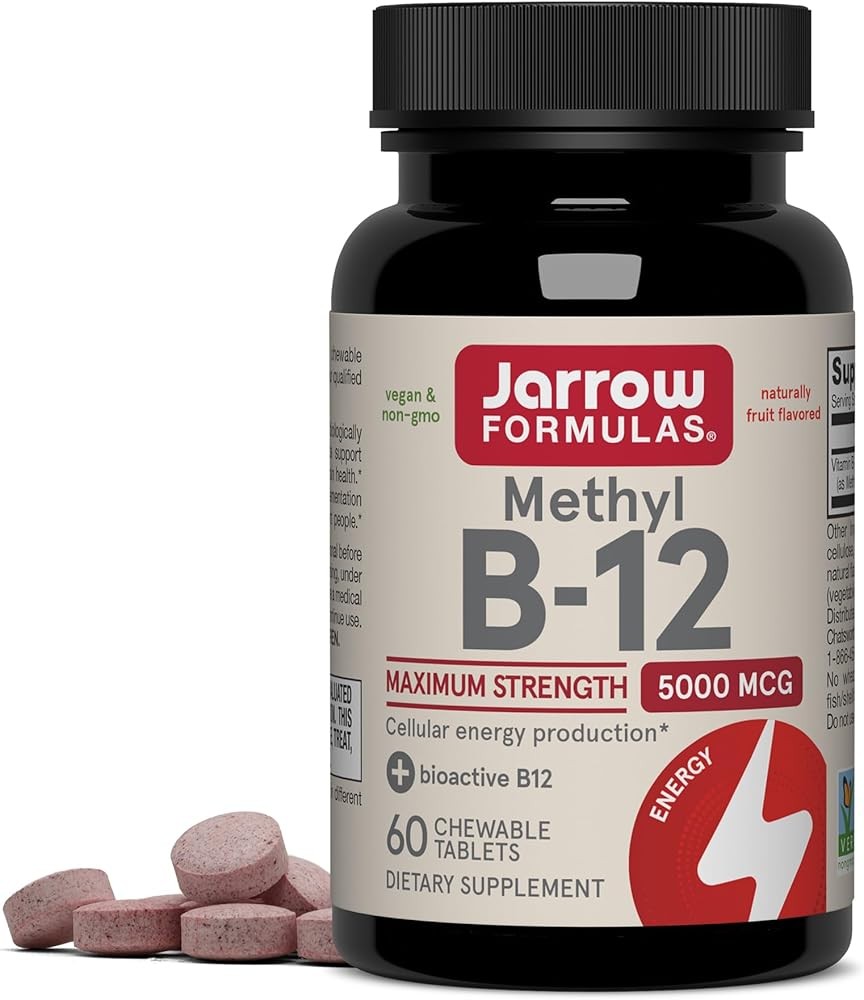
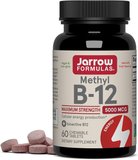
Jarrow Formulas Methyl B12 5000mcg
Check Price on AmazonAs an Amazon Associate we earn from qualifying purchases.
Should You Choose Methylated or Non-Methylated B Vitamins?
This is the single most important concept for choosing a B complex, so let us be clear about what it means and who it affects.
Methylated (active) forms are the versions of B vitamins that your cells actually use. They do not require enzymatic conversion by your liver or other tissues. The three most important methylated forms are:
- Methylfolate (5-MTHF) instead of folic acid
- Methylcobalamin instead of cyanocobalamin
- Pyridoxal-5-phosphate (P-5-P) instead of pyridoxine HCl
**Who benefits from methylated forms?**about 2 in 5 people MTHFR carriers (approximately approximately 40 percent of the population): The MTHFR C677T variant is present in approximately 48% of Hispanics, 45% of Caucasians, and 24% of African Americans. If you carry this variant (especially homozygous T/T), your ability to convert synthetic folic acid to its active form is significantly impaired [1].
- Older adults: Enzymatic conversion efficiency declines with age across multiple pathways.
- People with liver conditions: Since many conversion steps occur in the liver, impaired liver function can reduce activation of synthetic B vitamins.
- Anyone with elevated homocysteine: Methylated B vitamins (especially methylfolate and methylcobalamin) are the most direct intervention for lowering homocysteine.
Does everyone need methylated forms? No. The CDC states that people with MTHFR variants can still process folic acid, and 400 mcg of folic acid daily can increase blood folate levels regardless of genotype [1]. However, research suggests methylated forms may support optimal bioavailability for everyone, and the price difference has become less substantial — products like Jarrow B-Right now offer full methylation support at prices approaching commodity levels.
Our recommendation: Unless you are specifically budget-constrained, choose a methylated B complex as your default. Research suggests this may be a beneficial approach, given that studies indicate nearly half the population carries relevant genetic variants, and research indicates the potential impact of choosing non-methylated forms (inadequate folate activation) may outweigh the marginal cost difference.
What Are the Signs Your Body Needs More B Vitamins?
Your body provides clear signals when B vitamins are running low. These symptoms develop gradually because B vitamins are water-soluble and small reserves in the liver (particularly B12) can mask early depletion for weeks to months.
What Are the Early Warning Signs of B Vitamin Deficiency?
- Persistent fatigue that sleep does not fix: This is a commonly reported experience. Research suggests B vitamins are required for every step of cellular energy production. Studies indicate that when levels drop, mitochondria may not efficiently convert food into ATP. Individuals may report adequate intake and sleep, but still experience fatigue by mid-afternoon.
- Brain fog and poor concentration: Difficulty finding words, forgetting why you walked into a room, struggling to focus on tasks that used to be easy have been reported. Published research shows B12, folate, and B6 appear to have some benefit for neurotransmitter synthesis and myelin maintenance.
- Mood changes — anxiety, irritability, low mood: B6 is required to produce serotonin, dopamine, and GABA. A 2021 cross-sectional study found that lower dietary B vitamin intake was significantly associated with higher depression and anxiety scores [7].
- Cracked lips and mouth sores: Particularly at the corners of the mouth (angular cheilitis). This is a classic sign, according to research, of riboflavin (B2) and/or B6 deficiency.
- Pale or slightly yellowish skin: Can indicate B12 or folate deficiency affecting red blood cell production, as shown in studies.
What Are the Signs of Moderate B Vitamin Deficiency?
- Tingling or numbness in hands and feet: This peripheral neuropathy has been observed in cases of B12 deficiency and may signal changes to myelin sheaths. Research suggests this warrants prompt attention — studies indicate prolonged B12-related neuropathy may become irreversible.
- Difficulty walking or balance problems: Advanced B12 deficiency has been associated with effects on the spinal cord (subacute combined degeneration).
- Heart palpitations or shortness of breath: These symptoms can be indicative of anemia potentially linked to B12 or folate deficiency.
- Glossitis (swollen, smooth tongue): The tongue may appear unusually red and smooth, with a potential loss of normal papillae.
- Hair thinning or loss: This may be associated with biotin deficiency, though research suggests other B vitamins also contribute to hair follicle health.
When Should You See a Doctor for B Vitamin Deficiency?
- Numbness or tingling that is worsening or spreading: Prompt attention is advised. Research indicates B12 neuropathy may be associated with irreversible damage if left untreated.
- Significant cognitive decline or confusion: Especially in older adults, studies suggest this could be associated with B12 deficiency, but evaluation for other potential causes is also needed (PubMed 20838622).
- Severe fatigue with pale skin: This may be observed in cases of megaloblastic anemia and warrants blood work.
- Symptoms during pregnancy: Research suggests folate deficiency during early pregnancy may present a potential medical urgency due to potential risk of neural tube defects.
- Any new neurological symptoms: Muscle weakness, coordination problems, or vision changes may benefit from evaluation, as studies suggest these symptoms could indicate underlying health concerns.
How Long Does It Take to See Improvement From B Complex?
When you start a quality B complex supplement, here is what to expect:
Week 1 (Days 1-7):
- Bright yellow urine (riboflavin excretion — this is normal and expected)
- Possibly a mild energy boost, though this is largely subjective at this stage
- Some people notice improved mood within days, though this may partly be placebo
- Slight nausea if taken on an empty stomach — take with food
Weeks 2-3:
- More noticeable energy improvements, particularly afternoon energy
- Mental clarity begins to sharpen — you may notice you are more articulate or can concentrate for longer stretches
- Sleep quality may improve slightly (B6 is involved in melatonin synthesis)
- Mood stabilization — less irritability, fewer anxiety spikes
Month 1 (Weeks 3-4): - Research suggests consistent energy levels throughout the day may be observed - Studies indicate a potential for decreased homocysteine levels (if they were elevated) – measurable on blood work - Research shows cracked lips and mouth sores may begin to improve (if present from deficiency) - Published research suggests skin appearance may show slight improvements PMC
Months 2-3:
- Neurological changes — if tingling or numbness was present due to B12 deficiency, studies indicate nerve repair may become noticeable after 6 to 12 weeks - Blood work changes — MCV (mean corpuscular volume) may normalize if megaloblastic anemia was present - Homocysteine levels should be measurably lower (target below 10 umol/L) - Hair and nail changes may become visible (growth cycle takes 2 to 3 months to show changes)
- Cognitive function changes — a 2025 systematic review of 17 RCTs with 5,275 participants showed that supplementation with B6, B9, or B12 appeared to have a small to moderate benefit in global cognitive function in older adults (PubMed 40966571)
Important: If you have been severely B12-deficient for an extended period (years), full neurological recovery may take 6 to 12 months, and some damage may be permanent. This is why early intervention matters.
Detailed Product Reviews: Our Top 5 B Complex Vitamins
We evaluated dozens of B complex supplements across five key criteria: form quality (methylated vs. synthetic), dosing accuracy (verified against label claims), third-party testing, value (cost per serving), and formulation transparency (no proprietary blends, clear label). Here are our five picks.
1. Jarrow Formulas B-Right — Best Overall Value (Our Top Pick)
Jarrow B-Right is our top recommendation for the majority of people because it delivers premium methylated forms at a mid-range price, making it the best overall value in the B complex category.
Key ingredients per capsule:
- Thiamine (B1): 25 mg as thiamine HCl
- Riboflavin (B2): 25 mg as riboflavin and riboflavin 5’-phosphate
- Niacin (B3): 25 mg as niacinamide
- Pantothenic acid (B5): 25 mg as d-calcium pantothenate and pantethine
- Vitamin B6: 25 mg as pyridoxal-5-phosphate (P-5-P)
- Biotin (B7): 100 mcg
- Folate (B9): 400 mcg as Quatrefolic 5-MTHF
- Vitamin B12: 100 mcg as methylcobalamin
What makes it stand out: The inclusion of Quatrefolic methylfolate is particularly noteworthy. Quatrefolic is the glucosamine salt of 5-MTHF, which has demonstrated superior stability and bioavailability compared to calcium-salt forms of methylfolate used in some competing products. The B6 is provided entirely as P-5-P (the active coenzyme form), and B12 as methylcobalamin. The pantothenic acid blend includes pantethine, the active form — a detail most competitors skip.
Who it is best for: Individuals interested in methylated B vitamins at a reasonable cost. Research suggests it may be a suitable option for people with unknown MTHFR status, individuals reporting brain fog, those with elevated homocysteine levels, and anyone seeking a consistent daily B complex.
Pros:
- All three critical vitamins in active methylated forms (folate, B12, B6)
- Uses Quatrefolic brand methylfolate for documented stability
- Includes pantethine (active B5) — uncommon in competitors
- Well-balanced dosing — enough to address deficiency without excessive mega-dosing
- Vegetarian capsule, non-GMO, free of major allergens
- Excellent cost per serving (approximately $0.15 to $0.20 per capsule at retail)
Cons:
- Not third-party certified by NSF or USP (though Jarrow does conduct internal and contract laboratory testing)
- B12 at 100 mcg is adequate but not therapeutic for severe deficiency
- Some users report a mild supplement odor
Our verdict: Research suggests Jarrow B-Right may be a suitable option for most people seeking a B complex. The Quatrefolic methylfolate, P-5-P B6, and methylcobalamin B12 address the most common bioavailability concerns at a price that does not require a premium budget. For the combination of active forms and value, nothing else on the market matches it.
2. Thorne Basic B Complex — Best Premium / Best for Athletes
Thorne is the gold standard in supplement quality, and their Basic B Complex reflects that reputation. If you need the highest level of manufacturing and testing assurance — or if you are a competitive athlete subject to anti-doping testing — this is your product.
Key ingredients per capsule:
- Thiamine (B1): 110 mg as thiamine HCl
- Riboflavin (B2): 10 mg as riboflavin 5’-phosphate sodium
- Niacin (B3): 140 mg (130 mg niacinamide + 10 mg niacin)
- Pantothenic acid (B5): 110 mg as calcium pantothenate
- Vitamin B6: 10 mg as pyridoxal-5-phosphate
- Biotin (B7): 400 mcg
- Folate (B9): 667 mcg DFE as L-5-MTHF glucosamine salt
- Vitamin B12: 400 mcg as methylcobalamin
- Choline: 28 mg as choline citrate
What makes it stand out: NSF Certified for Sport — this means every batch is tested for over 200 substances banned in competitive athletics. Thorne also conducts four rounds of in-house testing on every product. The inclusion of choline is a thoughtful addition that most competitors omit — choline supports methylation and is chronically under-consumed in the American diet. The B12 dose at 400 mcg is four times higher than Jarrow, making it more suitable for older adults with absorption concerns.
Who it is best for: Athletes subject to drug testing, individuals who prioritize quality assurance, those who may benefit from higher B12 intake (older adults, people with gut health issues, and individuals seeking a premium-priced supplement from a well-established brand.
Pros:
- NSF Certified for Sport — the highest level of third-party quality assurance
- Active methylated forms of folate, B12, and B6
- Includes choline for additional methylation support
- Higher B12 dose (400 mcg) suitable for older adults
- Four rounds of in-house testing per product
- Clean formulation — no unnecessary fillers, dyes, or allergens
Cons:
- Significantly more expensive than Jarrow B-Right (approximately $0.30 to $0.40 per capsule)
- Only 60 capsules per bottle (2-month supply at one daily)
- B6 dose is lower (10 mg) than some competitors — adequate but not therapeutic
- Riboflavin at 10 mg is not enough for migraine prevention (requires 400 mg)
Our verdict: Thorne Basic B Complex is the objectively highest-quality B complex on the market, backed by NSF certification that no competitor in this category can match. The trade-off is price — you pay 60% to 80% more per serving than Jarrow for comparable active-form ingredients. If quality assurance is your top priority or you compete in tested athletics, the premium is justified.
3. Pure Encapsulations B-Complex Plus — Best Hypoallergenic Option
Pure Encapsulations has built its reputation on ultra-clean formulations designed for sensitive individuals. Their B-Complex Plus uses methylated forms in a hypoallergenic capsule with minimal excipients.
Key ingredients per capsule:
- Thiamine (B1): 100 mg as thiamine HCl
- Riboflavin (B2): 12.7 mg (as vitamin B2 and 60% riboflavin 5’-phosphate)
- Niacin (B3): 108 mg (niacinamide and 8% inositol hexaniacinate)
- Pantothenic acid (B5): 100 mg
- Vitamin B6: 16.7 mg (as pyridoxine HCl and 40% P-5-P)
- Biotin (B7): 400 mcg
- Folate (B9): 667 mcg DFE as Metafolin L-5-MTHF
- Vitamin B12: 400 mcg as methylcobalamin
What makes it stand out: Pure Encapsulations uses Metafolin, a branded form of L-5-MTHF developed by Merck. The product is specifically formulated to be free of gluten, GMOs, hydrogenated fats, artificial colors and flavors, coatings, shellacs, magnesium stearate, and unnecessary binders. The only other ingredient besides the B vitamins is the vegetarian capsule shell and ascorbyl palmitate. This makes it the cleanest B complex available for people with chemical sensitivities or multiple allergies.
Who it is best for: Individuals with multiple food sensitivities or chemical allergies, patients whose practitioners recommend supplements, people who react to common excipients in supplements, and those seeking a simple formulation.
Pros:
- Metafolin branded methylfolate — extensively researched form
- Hypoallergenic formulation with minimal excipients
- No artificial colors, flavors, coatings, or common allergens
- Uses a blend of active and standard forms for B2 and B6
- High B1 and B5 doses (100 mg each) for energy support
- Trusted brand recommended by healthcare practitioners
Cons:
- Premium pricing (approximately $0.30 to $0.35 per capsule)
- B6 is only 40% P-5-P (60% is standard pyridoxine HCl)
- Not NSF Certified for Sport (though independently verified for purity)
- 120-capsule bottle at 1 per day is a 4-month supply, which may exceed shelf life if stored improperly
Our verdict: Pure Encapsulations B-Complex Plus is the best choice for people who need the cleanest possible formulation. The Metafolin methylfolate is well-researched and reliable. The primary downside is price — it sits in the same premium tier as Thorne without the NSF certification. If you have known sensitivities to supplement additives, this is your best option.
4. Garden of Life Vitamin Code Raw B Complex — Best Whole Food Option
Garden of Life takes a fundamentally different approach: rather than using synthetic vitamins produced in a laboratory, their B vitamins are derived from organic whole food sources including guava, holy basil, and lemon extracts. This is the only B complex in our top five that is USDA Organic certified.
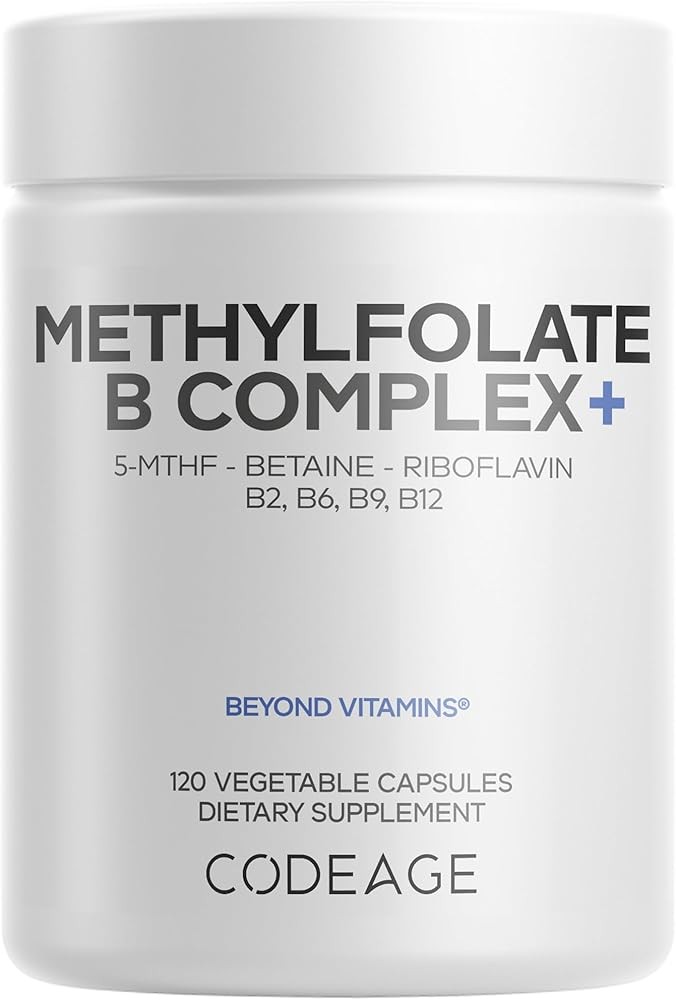
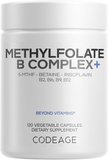
Codeage Methylfolate B Complex
Check Price on AmazonAs an Amazon Associate we earn from qualifying purchases.
Key features:
- All B vitamins derived from organic food sources
- Includes a raw probiotic and enzyme blend (500 million CFU Lactobacillus)
- B12 provided as methylcobalamin
- USDA Organic, Non-GMO Project Verified, Certified Vegan, Gluten-Free
- Serving size: 2 capsules per day
What makes it stand out: The whole food sourcing means that the B vitamins come packaged with naturally occurring cofactors, enzymes, and phytonutrients from the food matrix. Proponents argue this improves absorption and reduces the side effects (particularly nausea) that some people experience with synthetic B vitamins. The inclusion of live probiotics is a thoughtful addition given the growing evidence linking gut health to nutrient absorption
Who it is best for: Individuals who express a preference for whole food-sourced supplements, those who report experiencing nausea or GI upset with synthetic B complexes, people already following a nutritious diet who are interested in maintenance-level supplementation, and those who prioritize organic certification.
Pros:
- USDA Organic and Non-GMO Project Verified
- Whole food-sourced B vitamins with natural cofactors
- Includes probiotics and [digestive enzymes
- Vegan capsules — no gelatin
- B12 as methylcobalamin
- Often better tolerated GI-wise than synthetic forms
Cons:
- Lower potency than synthetic alternatives — individual B vitamin amounts are significantly lower than Jarrow, Thorne, or Pure Encapsulations
- Requires 2 capsules per day for full dose (doubling the effective cost)
- More expensive per serving than Jarrow B-Right
- Not suitable for correcting clinical deficiencies due to lower doses
- Scientific evidence for superior bioavailability of food-sourced vs. synthetic B vitamins is mixed
- Not methylated across the board (folate form varies)
Our verdict: Research suggests Garden of Life Vitamin Code Raw B Complex may be a suitable option for individuals who prefer whole food supplementation and do not have clinically diagnosed deficiencies. A comparison of options indicates a trade-off: lower potency and higher cost per serving compared to synthetic methylated alternatives. If dietary intake provides a reasonably balanced nutrient profile and gentle maintenance support with clean organic ingredients is desired, studies suggest this may be a viable choice. If addressing a deficiency is the goal, research indicates Jarrow or Thorne may be considered instead.
5. Nature Made Super B Complex — Best Budget Option
Nature Made is one of the most widely available and affordable supplement brands in the United States. Their Super B Complex uses standard synthetic forms and will not win awards for formulation innovation, but it delivers reliable basic B vitamin supplementation at a price point that removes cost as a barrier.
Key features:
- All 8 B vitamins in standard synthetic forms
- Includes vitamin C (60 mg)
- Folic acid (not methylfolate) and cyanocobalamin (not methylcobalamin)
- USP Verified — independently tested for potency, purity, and dissolution
- Small, easy-to-swallow tablets
What makes it stand out: USP Verification is the key differentiator. USP (United States Pharmacopeia) is an independent organization that tests supplements to verify they contain what the label says, dissolve properly, and are free of contaminants. Many expensive supplements lack this verification. Nature Made is one of the few major brands with comprehensive USP coverage, which is meaningful for consumer confidence. The addition of vitamin C is a minor bonus.
Who it is best for: Individuals seeking a cost-effective option without known MTHFR polymorphisms, people who prefer a straightforward daily B complex without specialized forms, those who find convenience in purchasing supplements at local pharmacies, and anyone who prioritizes USP verification over active-form ingredients. Research suggests these factors may be considerations when selecting a B complex vitamin.
Pros:
- Most affordable option — typically under $0.10 per tablet
- USP Verified for potency and purity
- Available in virtually every pharmacy and grocery store
- Small, easy-to-swallow tablets with good compliance
- Includes vitamin C
- Long track record of passing independent testing (ConsumerLab, Labdoor)
Cons: - Utilizes synthetic folic acid and cyanocobalamin — may not be optimal for individuals with MTHFR variations - Does not include P-5-P form of B6 - Research suggests potentially lower bioavailability for those with conversion challenges - Contains certain artificial fillers and binders - Lacks probiotics, enzymes, or whole food cofactors.
Our verdict: Nature Made Super B Complex is the right choice if your priority is an affordable, verified B complex and you do not have known MTHFR issues. The USP verification provides meaningful quality assurance that many pricier products cannot match. However, for the modest price difference, research suggests most people may be better served by Jarrow B-Right, which provides methylated forms for roughly $0.10 more per serving.
6. Igennus Super B-Complex — Best Budget Methylated Option
Igennus delivers methylated B vitamins at an exceptionally affordable price point, making it the most budget-friendly methylated option on our list.
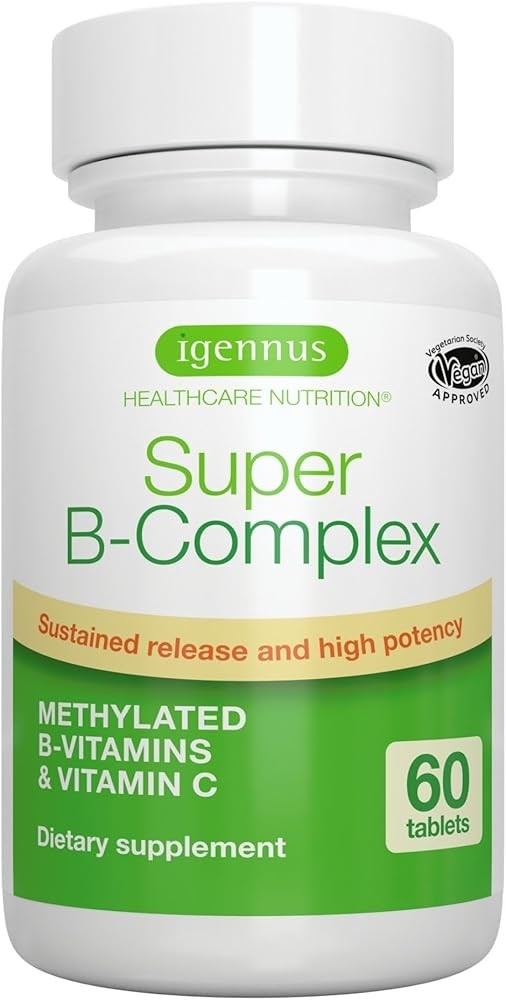
Igennus Super B-Complex Methylated B Vitamins
Check Price on AmazonAs an Amazon Associate we earn from qualifying purchases.
Key features:
- Methylfolate (5-MTHF) and methylcobalamin B12
- All 8 B vitamins in one small tablet
- Vegan and lab-verified
- MTHFR-friendly formulation
- Clean label with minimal excipients
What makes it stand out: At around $0.20 per tablet, Igennus provides methylated forms at a fraction of the cost of premium brands. The small tablet size makes it easier to swallow than large capsules. The “all day nutrient delivery” formulation aims to provide steady B vitamin release throughout the day.
Who it is best for: Budget-conscious individuals who need methylated forms, people who have difficulty swallowing large capsules, those with MTHFR variants seeking an affordable option, and anyone wanting methylated B vitamins without premium pricing.
Pros:
- Most affordable methylated B complex option
- Small, easy-to-swallow tablets
- Contains methylfolate and methylcobalamin
- Vegan and clean label
- Lab-verified for purity and potency
- 60-tablet supply (2-month supply at one per day)
Cons:
- Lower overall B vitamin doses compared to therapeutic products
- Not as well-known as major brands
- No third-party certification (NSF or USP)
- Limited availability in retail stores (primarily online)
- Some users report a vitamin odor
Our verdict: Igennus Super B-Complex fills an important gap in the market — affordable methylated B vitamins for people who need active forms but cannot justify premium pricing. While the doses are lower than Jarrow or Thorne, they are adequate for maintenance and prevention. This is an excellent choice for budget-conscious consumers with MTHFR concerns.
Which B Complex Offers the Best Value for Money?
Understanding the true cost requires looking at cost per serving, not just bottle price:
| Product | Typical Price | Servings | Cost/Serving | Methylated? | Third-Party Tested |
|---|---|---|---|---|---|
| Jarrow B-Right | $14-18 | 100 | $0.15-0.18 | Yes (all 3) | Internal testing |
| Thorne Basic B | $18-24 | 60 | $0.30-0.40 | Yes (all 3) | NSF Certified |
| Pure Encapsulations | $30-38 | 120 | $0.25-0.32 | Yes (folate, B12) | Internal + contract |
| Garden of Life | $22-28 | 30 (60 caps) | $0.37-0.47 | Partial | Non-GMO Verified |
| Nature Made | $8-12 | 140 | $0.06-0.09 | No | USP Verified |
Value verdict: Jarrow B-Right provides the best balance of active-form quality and cost. Nature Made wins on pure price. Thorne wins on quality assurance. The gap between Jarrow and Thorne ($0.15 vs. $0.35 per serving) comes down to NSF certification and the Thorne brand premium — both use comparable active ingredients.
Who Should Take a B Complex Supplement?
While a varied diet can provide adequate B vitamins for many healthy adults, certain populations have significantly higher risk of deficiency and stand to benefit most from supplementation.
Why Do Vegans and Vegetarians Need B Complex Supplementation?
B12 supplementation is mandatory for vegans. There is no plant-based food that provides reliable B12. A 2024 systematic review and meta-analysis published in Nutrition Bulletin found that vegan adults had significantly lower serum B12 and elevated homocysteine compared to omnivores, with B12 deficiency prevalence reaching 52% in unsupplemented vegans (PubMed 39373282). Some European studies report deficiency rates as high as 92% in vegans. Beyond B12, plant-based diets may also provide suboptimal amounts of B2, B3, and B6 depending on food variety.
Bottom line: For individuals following a vegan or strict vegetarian diet, research suggests supplementing with a B complex containing at least 100 mcg of methylcobalamin daily may be beneficial. Studies indicate this supplementation may be particularly important for this population.
Why Do Adults Over 50 Need More B Vitamins?
Aging reduces stomach acid production (achlorhydria affects 10% to 30% of older adults), which impairs the release of protein-bound B12 from food. Intrinsic factor production also declines, further reducing B12 absorption. The Institute of Medicine specifically recommends that adults over 50 obtain most of their B12 from supplements or fortified foods rather than relying on dietary sources.
The VITACOG trial demonstrated that B vitamin supplementation in older adults lowered homocysteine and slowed brain atrophy (PubMed 20838622).
Why Do Pregnant Women Need Extra B Vitamins?
Folate requirements increase by 50% during pregnancy (from 400 to 600 mcg DFE), and adequate folate in the first 28 days post-conception is critical for neural tube closure. B12 is essential for fetal neurological development, and B6 may help with pregnancy-related nausea. Most prenatal vitamins include B complex vitamins, but women with MTHFR variants should specifically confirm their prenatal uses methylfolate rather than folic acid.
People Taking B-Depleting Medications
Several commonly used medications deplete B vitamins:
- Metformin: Used by over 150 million people worldwide for type 2 diabetes, metformin impairs B12 absorption by interfering with calcium-dependent uptake in the ileum. Deficiency can develop within 3 to 4 months of starting the medication, though it more commonly appears after 1 to 5 years.
- Proton pump inhibitors (PPIs): Omeprazole, esomeprazole, pantoprazole and similar acid-suppressing drugs reduce B12 absorption by decreasing gastric acid needed to release B12 from food proteins. Research suggests long-term PPI use may be associated with increased risk of B12 deficiency.
- Oral contraceptives: Can deplete B6, B12, and folate. Women on long-term hormonal contraception should monitor B vitamin status.
- Anticonvulsants: Phenytoin, carbamazepine, and valproate can reduce folate levels.
- Concomitant metformin and PPI use: The combination produces additive B12 depletion.
Chronically Stressed Individuals
The adrenal glands utilize substantial amounts of B5 (pantothenic acid), B6, and B12 during the stress response. Prolonged psychological stress may accelerate the metabolism of these vitamins. For individuals experiencing chronic anxiety or high work stress, a B complex may provide foundational nutritional support as part of a broader approach.
Individuals With Gut Malabsorption
Conditions that impair nutrient absorption — Crohn’s disease, celiac disease, small intestinal bacterial overgrowth (SIBO), chronic diarrhea, and history of bariatric surgery — increase the risk of multiple B vitamin deficiencies. These individuals often need higher-dose supplementation and should work with a healthcare provider to monitor levels.
What Are the Biggest Myths About B Vitamins?
Myth 1: “B vitamins give you energy like caffeine”
Reality: Research indicates B vitamins do not provide stimulant energy. They are coenzymes required for cells to convert food (carbohydrates, fats, proteins) into ATP — the body’s energy currency. Studies suggest that if an individual is B-deficient, supplementation may support normal energy production and a feeling of increased energy. Published research shows that in individuals already B-sufficient, additional B vitamin intake does not appear to produce a caffeine-like boost. A 2023 randomized double-blind trial found that B complex supplementation increased exercise endurance by 1.26-fold and reduced fatigue markers, but participants were likely suboptimally nourished at baseline (PubMed 37786445).
Myth 2: “More is always better — mega-dose B vitamins for maximum benefit”
Reality: This is potentially dangerous with B6. While most B vitamins have wide safety margins due to urinary excretion, chronic B6 intake above 100 to 200 mg daily causes peripheral neuropathy — the same symptom that B6 deficiency causes. A 2017 review confirmed the dose-dependent relationship between B6 and neuropathy reports (PubMed 28716455). B12 is safe at high doses, but mega-dosing B1, B2, and B3 beyond what the body can use simply produces expensive urine.
Myth 3: “Folic acid and folate are the same thing”
Reality: They are not. Folic acid is a synthetic compound that does not exist in nature. It must undergo enzymatic conversion (via MTHFR and other enzymes) to become 5-MTHF, the form your cells actually use. Folate is the umbrella term for all forms, including food folate and 5-MTHF. For the approximately 40% of people with MTHFR variants, this distinction is clinically meaningful. A 2014 review concluded that 5-MTHF has “important advantages over synthetic folic acid” including bioavailability unaffected by metabolic defects and gastrointestinal pH changes (PubMed 24494987).
Myth 4: “You can’t overdose on B vitamins because they’re water-soluble”
Reality: While B vitamin toxicity is far less common than with fat-soluble vitamins, it is not impossible. As noted above, B6 is the primary concern. Additionally, very high doses of niacin (nicotinic acid) can cause liver damage. High-dose biotin interferes with lab tests. The “water-soluble = completely safe at any dose” narrative is an oversimplification. Stick to well-formulated products with reasonable doses.
Myth 5: “Bright yellow urine means the supplement isn’t absorbing”
Reality: The yellow color comes from riboflavin (B2) excretion and has nothing to do with absorption failure. Your body absorbs what it needs and excretes the excess. This happens with both cheap and expensive B complexes. It is a feature of water-soluble vitamin metabolism, not a defect of the supplement.
How Should You Dose and Time Your B Complex?
When to Take Your B Complex
Research suggests taking a B complex with breakfast or lunch, rather than at dinner or bedtime. Published research shows B vitamins appear to have some benefit for energy metabolism and neurotransmitter synthesis. Studies indicate some individuals report that evening intake may correlate with sleep disturbances, particularly with B6 (which is involved in both serotonin and melatonin synthesis — earlier intake may allow time for the full metabolic cascade). Research also suggests consuming B vitamins with food may reduce the incidence of nausea experienced by some individuals when taken on an empty stomach.
Starting Protocol for New Users
Week 1-2: Clinical trials have used one capsule daily with the largest meal. This allows the body to adjust and helps identify any potential gastrointestinal sensitivity.
Week 3 onward: Clinical trials have used one capsule daily. Most well-formulated B complexes (Jarrow B-Right, Thorne Basic B) are designed for once-daily dosing. Research suggests adhering to label dosage unless directed by a healthcare provider.
If your B complex requires 2 capsules per serving (like Garden of Life): You can take both with one meal or split them between breakfast and lunch.
How Long to Take a B Complex
B vitamins are not something research suggests would benefit from being used in cycles. Because they are water-soluble and not stored in large quantities, studies indicate consistent daily intake may help maintain levels. Published research shows most people may experience some benefit from ongoing supplementation, particularly those in high-risk groups (vegans, older adults, those on B-depleting medications).
Combining With Other Supplements
B complex works well alongside:
- **Magnesium. If you take a B complex AND a standalone B12 or biotin supplement, check your total daily intake.
What Medications Interact With B Complex Vitamins?
While B vitamins are generally safe, several interactions are worth knowing:
- Levodopa (for Parkinson’s disease): B6 can reduce levodopa’s effectiveness by accelerating its peripheral conversion to dopamine. However, this interaction does not occur with carbidopa-levodopa combinations (Sinemet), which are the standard prescription. If you take levodopa alone, discuss B6 supplementation with your neurologist.
- Phenytoin and phenobarbital: These anticonvulsants can deplete folate, but supplemental folate can also reduce the effectiveness of these drugs. Dosing adjustments may be needed.
- Methotrexate: This drug works by inhibiting folate metabolism. Taking folate or methylfolate alongside methotrexate can reduce the drug’s effectiveness for certain conditions. However, healthcare providers often suggest low-dose folate alongside methotrexate for autoimmune conditions to reduce side effects.
- Fluorouracil (5-FU): Folate supplementation may increase the toxicity of this chemotherapy drug.
- Certain antibiotics: Trimethoprim and pyrimethamine are antifolate drugs — folate supplementation may be recommended to reduce side effects but should be managed by the prescribing physician.
General rule: If you take prescription medications, tell your doctor or pharmacist that you plan to start a B complex supplement. The majority of interactions are manageable, but awareness reduces the risk of problems.
How Do You Choose the Right B Complex for Your Needs?
Use this decision framework:
If you are healthy, under 50, eat a varied diet, and want general maintenance:
- Jarrow B-Right or Nature Made Super B Complex (if budget is tight)
- Methylated forms are preferred but not critical if you have no known MTHFR status
If you are vegan or vegetarian:
- Jarrow B-Right or Thorne Basic B Complex — you need reliable methylcobalamin B12
- Minimum 100 mcg B12 daily, preferably 400+ mcg
- Consider getting B12 levels checked annually
If you are over 50:
- Thorne Basic B Complex (400 mcg methylcobalamin) or Jarrow B-Right + additional B12 supplement
- Focus on methylated forms due to declining conversion enzyme activity
- Get B12 and homocysteine levels checked with your annual bloodwork
If you have known MTHFR mutations:
- Jarrow B-Right (Quatrefolic methylfolate) or Pure Encapsulations B-Complex Plus (Metafolin methylfolate)
- Avoid products with folic acid — look specifically for 5-MTHF, methylfolate, or branded forms
- Also read our deep dive on methylfolate vs. folic acid
If you are pregnant or planning pregnancy:
- Use a dedicated prenatal vitamin with methylfolate
- A B complex can be added if recommended by your OB-GYN, but do not double up on folate without medical guidance
If you are an athlete or subject to drug testing:
- Thorne Basic B Complex — only option with NSF Certified for Sport designation
- The NSF certification ensures no banned substances, verified potency, and GMP manufacturing
If you have food sensitivities or chemical sensitivities:
- Pure Encapsulations B-Complex Plus — the cleanest formulation with minimal excipients
- Avoid products with artificial colors, flavors, or unnecessary binders
If you want whole food-sourced vitamins:
- Garden of Life Vitamin Code Raw B Complex — USDA Organic, Non-GMO, whole food matrix
- Accept the lower potency trade-off and understand this is maintenance-level, not therapeutic-level supplementation
If you are on a tight budget:
- Nature Made Super B Complex — USP Verified, under $0.10 per tablet
- Upgrade to Jarrow B-Right when budget allows — the methylated forms are worth the modest premium
Can B Vitamins Improve Mental Health?
The connection between B vitamins and mental health deserves special attention because it is one of the most evidence-backed applications of B complex supplementation.
B6, B9, and B12 are directly involved in neurotransmitter synthesis. B6 is a required coenzyme for the production of serotonin (from tryptophan), dopamine (from tyrosine), and GABA (from glutamic acid). Without adequate B6, your brain literally cannot produce sufficient quantities of these mood-regulating neurotransmitters. This is why B6 deficiency so consistently presents with depression, anxiety, and irritability.
Research suggests B vitamin supplementation may support stress levels in both healthy individuals and those at risk for mood disorders, though the effect appears more consistent for stress than for mood-related concerns. A 2021 review found that folate and MTHFR polymorphisms play a significant role in depression treatment, with methylfolate showing particular benefit in individuals with MTHFR variants (PubMed 32827402).
The VITACOG trial is particularly compelling: older adults with mild cognitive impairment who received high-dose B vitamins (folate, B6, B12) showed significantly less brain atrophy over 2 years compared to placebo (PubMed 20838622).
A 2025 systematic review and meta-analysis examining B vitamins and neuropsychiatric disorders through Mendelian randomization data found causal relationships between B vitamin status and several neurological conditions, further strengthening the evidence base (PubMed 39952338).
Practical takeaway: If you are experiencing brain fog, mild anxiety, or low mood, research suggests a quality B complex may be a beneficial supplement to explore. Studies indicate it is generally safe, relatively inexpensive, and may address a common nutritional gap that directly affects neurotransmitter production. Published research shows combining a B complex with other evidence-based approaches like omega-3 fatty acids for brain health and adequate magnesium may offer comprehensive support for mental well-being.
Do B Vitamins Really Boost Energy Levels?
B vitamins are the most commonly marketed “energy” supplements, so let us clarify exactly what the evidence supports.
The mechanism is real but misunderstood. B1, B2, B3, and B5 are all directly involved in the Krebs cycle and electron transport chain — the metabolic pathways that convert food into ATP. B6 is involved in glycogen breakdown for energy during exercise. B12 is required for fatty acid and amino acid metabolism that feeds into these energy pathways. Without adequate B vitamins, these pathways slow down, and cellular energy production drops.
A 2023 randomized, double-blind, crossover trial is the most direct evidence we have. Researchers gave healthy adults a B complex (B1, B2, B6, B12) or placebo for 28 days each in a crossover design. After B complex supplementation, running time to exhaustion increased by 1.26-fold (p < 0.05) compared to placebo, and serum lactate levels (a fatigue marker) were lower post-exercise (PubMed 37786445).
Research on B complex for chronic fatigue suggests potential benefits, though high-quality randomized controlled trials show mixed results (PubMed 37786445). This suggests B vitamins help with fatigue broadly, but the effect may be most pronounced in people who are sub-optimally nourished.
The bottom line: Research suggests B complex supplementation may support energy production — but studies indicate this may work by restoring normal metabolic function, not by providing stimulant energy. If individuals are B-deficient, supplementation has been shown in some cases to produce a noticeable change in energy levels within 2 to 4 weeks. If individuals are already B-replete, studies suggest they may not notice much difference. This is why some people report benefits from their B complex and others do not — it appears to depend on baseline status.
If fatigue is your primary concern, also consider supplements for energy and fatigue including the caffeine and L-theanine stack for a different (complementary) mechanism.
Are There Any Side Effects or Safety Concerns With B Complex?
B complex vitamins have an excellent safety profile, but understanding the few real risks reduces the risk of problems.
Expected Effects (Normal, Not Side Effects)
- Bright yellow urine: Caused by riboflavin (B2) excretion. Completely normal. Happens with every B complex regardless of quality. Not a sign that the supplement is not absorbing.
- Mild increase in thirst: B vitamins are water-soluble and their excretion increases urine output slightly. Stay normally hydrated.
Potential Side Effects
- Nausea: The most common complaint, affecting perhaps 5% to 10% of users. Almost always resolved by taking the supplement with food rather than on an empty stomach. If nausea persists even with food, try switching to a whole food-sourced product (Garden of Life) or a lower-dose formula.
- Niacin flush: If your B complex contains nicotinic acid (rather than niacinamide), you may experience facial flushing, warmth, and tingling. This is vasodilation, not an allergic reaction. It is uncomfortable but harmless and typically subsides within 30 to 60 minutes. Most quality B complexes use niacinamide specifically to avoid this.
- Insomnia or vivid dreams: Some people report sleep disruption when taking B vitamins in the evening. B6 is involved in melatonin synthesis and may affect dream recall. Solution: take your B complex in the morning.
- Acne breakouts (rare): High-dose B12 has been associated with acne in some individuals, possibly by altering the skin microbiome and promoting P. acnes porphyrin production. If you notice breakouts after starting a B complex, B12 may be the culprit.
Serious Risks (Rare but Important)
- B6 neuropathy: Research indicates a potential safety concern with high intakes of B vitamins. Studies suggest chronic pyridoxine intake above 100 to 200 mg daily may be associated with sensory peripheral neuropathy — tingling, numbness, and burning pain in the hands and feet. Published research shows symptoms typically resolve after discontinuation, but recovery can take months. The EFSA established a tolerable upper intake level at 12 mg/day, though some clinicians consider this conservative. Review your total B6 intake across all supplements if you take multiple products [3].
- Biotin lab interference: Research suggests high-dose biotin (above 5,000 mcg) may influence results on troponin, thyroid, and other immunoassay-based lab tests, potentially producing falsely high or low results. The FDA has issued a safety warning after at least one patient death attributed to a falsely low troponin result. Most B complexes contain 30 to 400 mcg of biotin — well below the interference threshold — but informing your healthcare provider before bloodwork is suggested [4].
- Masking B12 deficiency with folic acid: Studies indicate high-dose folic acid may correct the anemia of B12 deficiency without addressing the underlying neurological damage, potentially allowing B12 neuropathy to progress undetected. This is one additional reason research suggests a preference for methylfolate over folic acid — and to ensure your supplement includes adequate B12 alongside folate.
How Do B Vitamins Affect Homocysteine Levels?
Homocysteine is an amino acid produced during methionine metabolism. At elevated levels (above 10 to 15 umol/L), it is an independent risk factor for cardiovascular disease, stroke, and cognitive decline. B6, B9, and B12 are the three vitamins directly responsible for homocysteine metabolism — B12 and folate convert homocysteine back to methionine, while B6 converts it to cysteine via a different pathway.
A meta-analysis of 11 randomized trials with data on 22,000 individuals found that B vitamin supplementation effectively lowered homocysteine levels (PubMed 24965307). The VITACOG trial went further, demonstrating that this homocysteine lowering translated into measurable reductions in brain atrophy in older adults with elevated homocysteine (PubMed 20838622).
Practical implication: If blood work indicates elevated homocysteine levels, research suggests a methylated B complex (particularly with adequate methylfolate and methylcobalamin) may be a component of an intervention strategy. Studies indicate healthcare professionals may consider rechecking homocysteine after 8 to 12 weeks of supplementation to assess changes, according to published research.
Common Questions About B Complex
What are the benefits of b complex?
B Complex has been studied for various potential health benefits. Research suggests it may support several aspects of health and wellness. Individual results can vary. The strength of evidence differs across different claimed benefits. More high-quality research is often needed. Always review the latest scientific literature and consult healthcare professionals about whether b complex is right for your health goals.
Is b complex safe?
B Complex is generally considered safe for most people when used as directed. However, individual responses can vary. Some people may experience mild side effects. It’s important to talk with a healthcare provider before using b complex, especially if you have existing health conditions, are pregnant or nursing, or take medications.
How much b complex should I take?
The amounts of b complex used can vary based on individual factors, health goals, and the specific product formulation. Published research has utilized different amounts. Studies suggest starting with a lower amount and following product label instructions. Research indicates consulting a healthcare provider may be helpful for personalized recommendations based on individual needs.
What are the side effects of b complex?
Most people appear to tolerate b complex well in studies, but some participants have reported mild effects. Common effects observed in reports can include digestive discomfort, headaches, or other minor symptoms. Serious effects are rare, according to available data, but have been reported. If any unusual symptoms or reactions are experienced, research suggests discontinuing use and consulting a healthcare provider may be beneficial. Always informing your doctor about all supplements taken is recommended by healthcare professionals. NIH
When should I take b complex?
The optimal timing for taking a b complex may depend on several factors including research into its absorption characteristics, reported experiences with potential side effects, and individual daily routines. Some supplements, according to product information, may be utilized more effectively with food, while others appear to have better absorption when taken on an empty stomach. Product-specific guidelines should be followed, and consideration may be given to consulting a healthcare provider for timing recommendations tailored to individual needs.
Can I take b complex with other supplements?
B Complex is a topic of ongoing research in health and nutrition. Current scientific evidence provides some insights, though further studies are often indicated. Individual responses can vary significantly. Research suggests that for personalized information about whether and how to use b complex, consulting with a qualified healthcare provider who can consider your complete health history and current medications may be beneficial.
How long does b complex take to work?
The timeframe for observing effects from a b complex vitamin regimen varies between individuals and is influenced by factors such as dosage, adherence to a regular schedule, and individual metabolic rate. Some individuals report noticing changes within days, while others may require several weeks to observe any effects. Research studies commonly assess outcomes over periods of weeks to months. Consistent use, as utilized in clinical trials, appears important for understanding potential outcomes. Maintaining a personal record to document individual responses may be helpful.
Who should not take b complex?
Conclusion: Our Final Recommendations
Choosing the right B complex does not need to be complicated. Here is our summary:
For most people: Jarrow Formulas B-Right — best combination of methylated active forms, proper dosing, and value. The Quatrefolic methylfolate, P-5-P B6, and methylcobalamin B12 cover the most important bioavailability upgrades at a price that makes daily supplementation sustainable.
For athletes and quality purists: Thorne Basic B Complex — NSF Certified for Sport, four rounds of in-house testing, clean formulation. The gold standard in supplement quality, justified for those who need the highest assurance.
For sensitive individuals: Pure Encapsulations B-Complex Plus — hypoallergenic, minimal excipients, Metafolin methylfolate.
For whole food advocates: Garden of Life Vitamin Code Raw B Complex — USDA Organic, probiotics included, lower potency but whole food matrix.
For budget shoppers: Nature Made Super B Complex — USP Verified, under $0.10 per tablet, reliable but non-methylated.
B vitamins are foundational nutrients. They are not glamorous, they do not promise miraculous overnight results, and they will not give you the buzz of a double espresso. What research suggests they may do – consistently, reliably, and with strong research backing – is support cellular energy production, help protect the nervous system, potentially optimize mood chemistry, and help keep cardiovascular methylation pathways running smoothly. For a supplement that costs less per day than a cup of coffee, that is a remarkably good deal.
Complete Support System: Build Your Optimal B Vitamin Protocol
While B complex supplements provide comprehensive support, certain individuals may benefit from additional targeted supplementation based on specific needs. Here’s how to build a complete B vitamin protocol:
For Energy Support: Combine your B complex with magnesium glycinate and ubiquinol CoQ10. B vitamins convert food to ATP, while magnesium and CoQ10 support the electron transport chain where ATP is actually produced.
For Mental Clarity and Mood: Stack B complex with omega-3 fatty acids and methylated folate if additional support is needed. The combination supports neurotransmitter synthesis and brain cell membrane health.
For Cardiovascular Health: B complex lowers homocysteine, which works synergistically with omega-3s for cardiovascular support. Consider adding trimethylglycine (TMG) if homocysteine remains elevated.
For Vegans and Vegetarians: A complete B complex plus standalone methylcobalamin B12 at 500-1000 mcg daily provides comprehensive coverage. Consider adding vitamin D3, iron, and omega-3 DHA from algae.
For Adults Over 50: B complex with higher B12 (400+ mcg methylcobalamin) plus vitamin D3, calcium, and magnesium addresses the most common age-related nutritional gaps.
For Stress Management: B complex provides the foundation, enhanced by magnesium glycinate for nervous system support and L-theanine for calm focus without sedation.
Research suggests these combinations may offer synergistic benefits, though individual needs vary. Consult healthcare providers before combining multiple supplements.
Related Articles
- Best B Vitamin Complex for Mental Clarity and Energy
- Best Supplements for Brain Fog Backed by Research
- Natural Approaches for Anxiety That Are Backed by Clinical Research
- Best Supplements for Energy and Fatigue — What Actually Works Beyond Caffeine
- [Best Prenatal Vitamins in 2026 — What to Look For Based on Research
Related Reading
- Best Probiotic Supplements - A Comprehensive Review Roundup
- Best Electrolyte Supplements: A Comprehensive Review Roundup
- Best Ashwagandha Supplements
- Best Zinc Supplements
- Best Collagen Peptides Supplements: Reviews & Top Brands Compared
- Best Magnesium Supplements: Tested & Ranked
- Best Nitric Oxide Supplements for Blood Flow and Performance
References
[1] Vrolijk MF et al. “The vitamin B6 paradox: Supplementation with high concentrations of pyridoxine leads to decreased vitamin B6 function.” Toxicology in Vitro, 2017. PubMed | DOI
[2] Niklewicz A et al. “A systematic review and meta-analysis of functional vitamin B12 status among adult vegans.” Nutrition Bulletin, 2024. PubMed | DOI
[3] Zhang X et al. “Association of MTHFR polymorphism, folic acid and vitamin B12 with serum homocysteine levels in pregnant women.” Biomol Biomed, 2024. PubMed | DOI
[4] Stengler M. “The Role of Folate and MTHFR Polymorphisms in the Treatment of Depression.” Altern Ther Health Med, 2021. PubMed
[5] Berg MJ et al. “Efficacy of B Vitamin Supplementation on Global Cognitive Function in Older Adults: A Systematic Review and Meta-analysis.” Nutrition Reviews, 2025. PubMed | DOI
[6] Chen HH et al. “A functional evaluation of anti-fatigue and exercise performance improvement following vitamin B complex supplementation in healthy humans, a randomized double-blind trial.” International Journal of Medical Sciences, 2023. PubMed | DOI
[7] Scaglione F, Panzavolta G. “Folate, folic acid and 5-methyltetrahydrofolate are not the same thing.” Xenobiotica, 2014. PubMed | DOI
[8] Li Y et al. “Causal relationship between B vitamins and neuropsychiatric disorders: A systematic review and meta-analysis.” PLoS One, 2025. PubMed | DOI
[9] Clarke R et al. “Effects of homocysteine lowering with B vitamins on cognitive aging: meta-analysis of 11 trials with cognitive data on 22,000 individuals.” American Journal of Clinical Nutrition, 2014. PubMed | PMC | DOI
[10] Smith AD et al. “Homocysteine-lowering by B vitamins slows the rate of accelerated brain atrophy in mild cognitive impairment: a randomized controlled trial.” PLoS One, 2010. PubMed | DOI
Recommended Products