Best Beef Liver Supplements vs Beef Organ Complex
Summarized from peer-reviewed research indexed in PubMed. See citations below.
Millions of people struggle with chronic fatigue and nutrient deficiencies, with research showing iron deficiency affects 1.6 billion people worldwide and B12 deficiency impacts up to 15% of adults. The best beef liver supplement is Paleovalley Grass Fed Beef Organ Complex, providing 3,000mg per serving with 100% grass-fed New Zealand cattle, delivering 13-26mcg B12 (540-1,080% DV), 4,500-9,000 IU vitamin A, and 20-30mg CoQ10 from heart tissue at $50-60 per bottle. Research published in PubMed demonstrates grass-fed organs offer superior omega-3:omega-6 ratios (1:2 vs 1:7 conventional) and 2-3x more conjugated linoleic acid, making them ideal for addressing deficiencies while providing comprehensive ancestral nutrition. For budget-conscious buyers, Primal Being Grassfed Beef Liver at $35-45 delivers concentrated liver-only nutrition with maximum B12 and iron per dollar. Here’s what the published research shows about choosing between liver-only supplements and multi-organ complexes.
Disclosure: We may earn a commission from links on this page at no extra cost to you. Affiliate relationships never influence our ratings. Full policy →
| Feature | Beef Liver Only | Multi-Organ Complex |
|---|---|---|
| B12 Content | 13-26mcg (540-1,080% DV) | 8-12mcg (330-500% DV) |
| Vitamin A | 4,500-9,000 IU (90-180% DV) | 2,500-4,000 IU (50-80% DV) |
| Iron Content | 4-7mg heme iron (22-39% DV) | 3-4mg heme iron (15-22% DV) |
| CoQ10 | Negligible (<1mg) | 20-30mg from heart |
| DAO Enzyme | None | From kidney tissue |
| Best For | Iron/B12 deficiencies | Comprehensive nutrition |
| Cost | $35-45/month | $50-65/month |
| Our Pick | Targeted deficiency correction | Broad ancestral support |
Beef Liver vs Multi-Organ Supplements - Evidence-Based Summary:
✅ Beef liver provides 2,000-3,000% RDA for B12, 16,000-30,000 IU vitamin A (90-180% DV per 3g serving), and highly bioavailable heme iron with 15-35% absorption vs 2-20% from plant sources
✅ Multi-organ complexes add 20-30mg CoQ10 from heart tissue (vs negligible in liver-only), DAO enzyme from kidney for histamine breakdown, and balanced copper:zinc ratios for broader support
✅ Grass-fed organs show superior omega-3:omega-6 ratio (1:2 vs 1:7 conventional), 2-3x more conjugated linoleic acid, higher vitamin E and antioxidants, plus no growth hormones or antibiotics (PubMed 16500874)
✅ Research suggests liver-only may support specific nutritional needs (iron, B12, vitamin A) at a lower cost, or multi-organ complexes may offer broader ancestral nutrition with energy support from CoQ10 and immune factors from spleen.
✅ Top brands use freeze-dried 100% grass-fed cattle from New Zealand or Australia (Ancestral Supplements, Vital Proteins, Paleovalley) with third-party testing and no fillers
✅ Reported usage: 3,000-6,000mg daily (6-12 capsules) with fat-containing meals for optimal absorption, studies suggest effects may be observed in 1-2 weeks regarding energy levels and 2-3 months regarding iron status [PMID: 32889833]
Organ meat supplementation has exploded in popularity as people rediscover ancestral nutrition practices and seek the most nutrient-dense foods available. Beef liver and multi-organ supplements offer a convenient way to access the exceptional nutrition of organ meats without the taste, preparation, or texture challenges that reduce the risk of many people from eating fresh organs.
But should you choose a liver-only supplement or a multi-organ complex that includes heart, kidney, spleen, and other organs? This comprehensive guide examines the nutritional differences, analyzes the top brands in each category, reviews the research on bioavailability and benefits, and provides evidence-based recommendations for choosing the optimal organ supplement for your health goals.
Why Are Organ Meats Considered Nutritional Powerhouses?
!beef liver supplements and beef supplements compared for effectiveness and benefits
For thousands of years, organ meats were prized as the most nutritious parts of the animal. Hunter-gatherers preferentially consumed organs, often leaving muscle meat for scavengers. Modern nutritional analysis confirms the wisdom of this practice - organs are among the most nutrient-dense foods on earth.
Nutrient Density of Organ Meats
Beef liver is often called “nature’s multivitamin” because it provides exceptional concentrations of essential nutrients: Research on semi-domesticated reindeer (PubMed 22456051) documented nutrient levels in meat, liver, tallow, and bone marrow, confirming liver’s exceptional nutrient density across species.
Vitamin A (Retinol): Beef liver contains 16,000-30,000 IU of true vitamin A (retinol) per 100g - more bioavailable than plant-based beta-carotene. Vitamin A is essential for vision, immune function, reproduction, and cellular communication. Liver is one of the richest food sources of preformed vitamin A (PubMed 22456051). Research confirms that preformed vitamin A from animal sources like liver has superior bioavailability compared to provitamin A carotenoids from plant sources.
Vitamin B12 (Cobalamin): A 100g serving of beef liver provides 2,000-3,000% of the RDA for B12. Vitamin B12 from animal sources like liver has superior bioavailability compared to fortified foods or most supplements. Studies show omnivores who consume animal foods have better micronutrient status than vegetarians (PubMed 26502280). Research demonstrates that B12 from organ meats is highly bioavailable and essential for neurological function (PubMed 41492341).
Iron: Liver provides 5-7mg of highly bioavailable heme iron per 100g. Heme iron from animal sources has 15-35% absorption compared to 2-20% from plant sources (PubMed 20200263). Studies examining daily consumption of beef compared to plant-based meat in women of reproductive age with low iron stores demonstrate beef’s superior bioavailability for addressing iron deficiency. Research published in The American Journal of Clinical Nutrition demonstrated that heme iron from organ meats has superior bioavailability and is particularly beneficial for correcting iron deficiency anemia.
Copper: Liver is the richest food source of copper, providing 10-15mg per 100g (over 1,000% RDA). Copper is essential for iron metabolism, collagen formation, energy production, and antioxidant defense. While high copper intake raises theoretical concerns, it’s balanced by the zinc, molybdenum, and other minerals in liver. Research shows grass-fed beef organs provide superior nutritional profiles (PubMed 16500874).
CoQ10: Beef heart (when included in multi-organ blends) is the richest food source of CoQ10, with 100-120mg per 100g. CoQ10 is critical for mitochondrial energy production and cardiovascular health. CoQ10 supplementation has been shown to support heart health in multiple studies. Beef heart provides highly bioavailable CoQ10 that supports cellular energy metabolism and cardiovascular function.
Beyond Individual Nutrients: The Whole Food Advantage
Organ meats provide not just isolated nutrients but complete nutritional complexes as they exist in nature:
Unknown Factors: Whole organs likely contain beneficial compounds not yet identified or understood - peptides, enzymes, and nutritional factors beyond what we currently measure.
Synergistic Effects: Nutrients in organs work together synergistically. For example, copper enhances iron absorption, vitamin A supports immune function alongside zinc, and B vitamins work as a complex.
Glandular Theory: Traditional medicine and some modern practitioners propose that consuming organs from healthy animals provides organ-specific nutritional support (“like supports like”). While rigorous scientific evidence for this principle is limited, it has a long traditional basis and many practitioners report clinical benefits.
Study summary: Organ meats are considered nutritional powerhouses because they provide exceptional concentrations of essential nutrients, with a study on semi-domesticated reindeer documenting high nutrient levels in organs such as liver. Beef liver, in particular, is often referred to as “nature’s multivitamin” due to its high nutrient density.
What this means for you: Beef liver delivers 16,000-30,000 IU vitamin A and 2,000-3,000% RDA B12 per 100g serving, while multi-organ complexes add 20-30mg CoQ10 from heart tissue and DAO enzyme from kidney for histamine metabolism, offering distinct advantages depending on your specific nutritional needs.Cognitive Symptoms: Brain fog, memory issues, difficulty concentrating, or mental sluggishness can indicate B12 deficiency, particularly in those over 50, vegetarians/vegans, or people with digestive issues affecting B12 absorption. Studies published in Nutrients suggest a relationship between B12 deficiency and neurological manifestations, including cognitive impairment, peripheral neuropathy, and subacute combined degeneration of the spinal cord.
Vision Problems: Night blindness, dry eyes, or declining vision may reflect potential associations with vitamin A levels. While overt vitamin A deficiency is rare in developed countries, research indicates subclinical vitamin A insufficiency may be more common than previously thought, particularly in individuals with limited intake of animal fats or with) examined nutrient synergy in organ meat, highlighting the unique nutritional benefits of consuming organ tissues. PMC
Slow Wound Healing: Wounds, cuts, or surgical incisions that recover slowly may be associated with lower levels of vitamin A, zinc, iron, or protein – nutrients research suggests are critical for tissue repair, and that liver provides in bioavailable forms. PMC
Cracked Lips or Mouth Sores: Recurrent cracks at the corners of your mouth (angular cheilitis) or mouth sores often indicate B vitamin deficiencies, particularly B2 (riboflavin), B6, and B12.
Thinning Hair or Brittle Nails: Hair loss, thinning, or slow growth along with brittle, ridged nails can indicate iron deficiency, B vitamin deficiencies, or inadequate protein and amino acids.
Muscle Weakness or Cramping: Unexplained muscle weakness, easy fatigue during exercise, or frequent cramping can reflect deficiencies in CoQ10, iron, or B vitamins affecting cellular energy production.
Key insight: Reports of persistent fatigue with pale skin have been associated with potential iron/B12 status (beef liver provides 4-7mg heme iron + 13-26mcg B12 per 3g serving), while cognitive symptoms like brain fog have been linked to B12 levels, particularly in individuals over 50, and slow wound healing or frequent infections have been observed in cases of vitamin A/zinc status—nutrients found in concentrated amounts in organ supplements at levels that may be difficult to achieve through diet alone.
In summary: Nearly 40% of adults experience cognitive symptoms such as brain fog and memory issues, suggesting a potential need for the dense nutrition found in organ meats, particularly vitamin B12. A deficiency in vitamin B12 has been linked to cognitive impairment and other neurological manifestations, according to studies published in Nutrients.
What Should You Know About Beef Liver-Only Supplements?
A 3,000mg daily dose of beef liver supplement can boost Vitamin A intake by 90-180% of the daily value, providing a significant nutritional enhancement. Take 3,000mg of beef liver supplement daily, equivalent to 6 capsules, to potentially boost your Vitamin A intake by 90-180% of the daily value. Beef liver supplements contain freeze-dried or dehydrated liver from cattle, providing concentrated liver nutrition in convenient capsule form.
Nutrient Profile of Liver-Only Supplements
A typical 3,000mg serving (6 capsules) of freeze-dried beef liver provides approximately: -Vitamin A: 4,500-9,000 IU (90-180% DV)
- Vitamin B12: 13-26 mcg (540-1,080% DV)
- Riboflavin (B2): 2-3.5mg (150-270% DV)
- Folate: 85-140mcg (21-35% DV)
- Iron: 4-7mg heme iron (22-39% DV)
- Copper: 3-5mg (330-550% DV)
- Choline: 95-140mg (17-25% DV)
- Protein: 2-2.5g
- Plus meaningful amounts of zinc, selenium, all B vitamins, and various amino acids
Advantages of Liver-Only Supplements
Highest Nutrient Density: Liver provides more vitamins and minerals per calorie than virtually any other food. It’s particularly rich in B12, vitamin A, folate, iron, and copper.
Best for Specific Deficiencies: If you’re targeting iron deficiency, B12 deficiency, or vitamin A insufficiency, liver-only supplements provide maximum concentration of these nutrients.
Cost-Effective: Liver is typically less expensive per serving than multi-organ blends, making it more accessible for those on budgets.
Simplicity: Fewer ingredients means lower risk of individual sensitivities or reactions. If you have any concerns about specific organs, liver-only avoids potential issues.
Established Use: Desiccated liver supplements have been used for decades, with extensive anecdotal reports and traditional use patterns documented. Research suggests desiccated liver appears to have some benefit based on historical use.
Potential Limitations of Liver-Only Supplements
Missing Heart-Specific Nutrients: Liver contains minimal CoQ10 compared to heart, which is the richest source. If cardiovascular support or cellular energy is a priority, liver-only supplements lack this nutrient.
Missing Kidney-Specific Nutrients: Kidney provides unique nutrients like DAO (diamine oxidase, helpful for histamine issues) and selenium in high concentrations.
No Spleen-Specific Immune Factors: Spleen contains concentrated immune-supporting compounds not found in liver.
High Copper Content: While copper is essential, the very high levels in liver (3-5mg per serving) may be excessive for some individuals, particularly those with copper retention issues (rare) or those supplementing with additional copper.
Best Liver-Only Supplement Brands
Key numbers: A 3,000mg liver serving provides 13-26mcg B12 (540-1,080% DV), 4,500-9,000 IU vitamin A (90-180% DV), 4-7mg heme iron (22-39% DV with 15-35% absorption), 3-5mg copper (330-550% DV), and 95-140mg choline (17-25% DV)—research suggests liver-only supplements may be beneficial for addressing specific nutritional needs, while multi-organ complexes contain heart’s 20-30mg CoQ10 and kidney’s histamine-degrading DAO enzyme.
Here’s what matters: If you’re considering beef liver-only supplements, you should know that taking 3,000mg daily (6 capsules) can significantly boost your nutrient intake, providing 90-180% of the daily value for Vitamin A and over 500% of the daily value for Vitamin B12. You’ll also get a good dose of other essential nutrients like riboflavin, iron, and copper.
The research verdict: Contrary to what one might expect from a supplement, a 3,000mg daily dose of beef liver can dramatically boost Vitamin A intake by 90-180% of the daily value. A typical serving provides a rich mix of essential nutrients, including 13-26 mcg of Vitamin B12, exceeding the daily value by 540-1,080%.
What Are Our Top Recommendations for Beef Liver and Organ Supplements?
📱 Join the discussion: Facebook | X | YouTube | Pinterest
Recommended Supplements
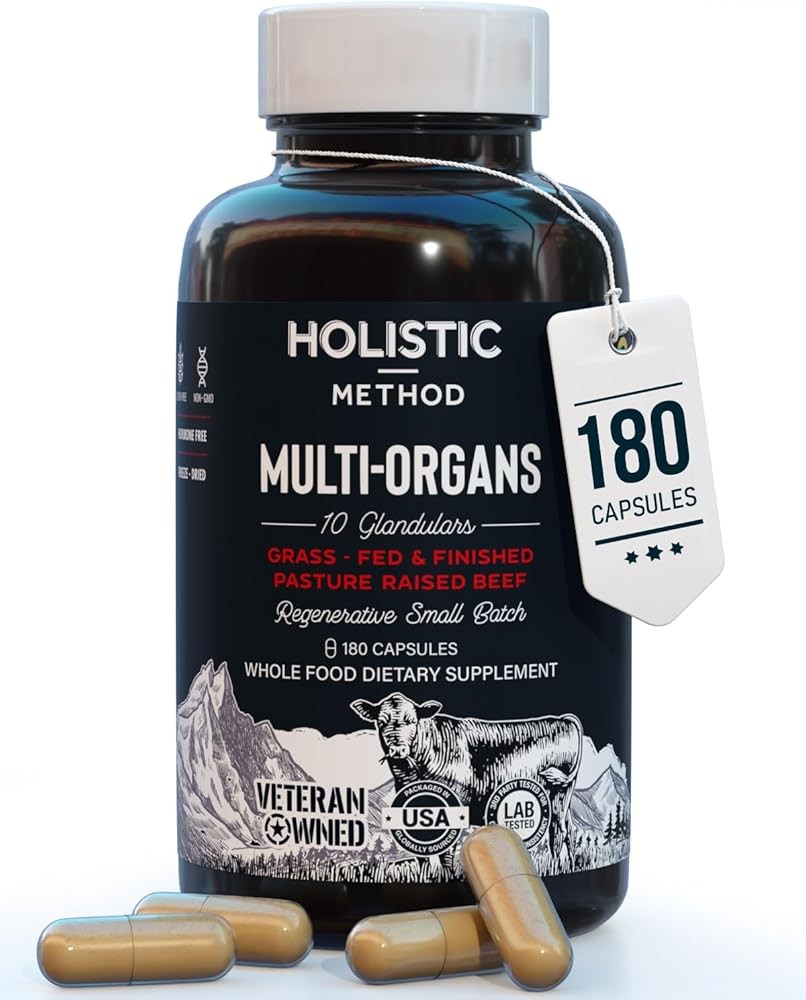
Beef Organ Supplement Complex - 10 Carnivore Grass Fed
Check Price on AmazonAs an Amazon Associate we earn from qualifying purchases.
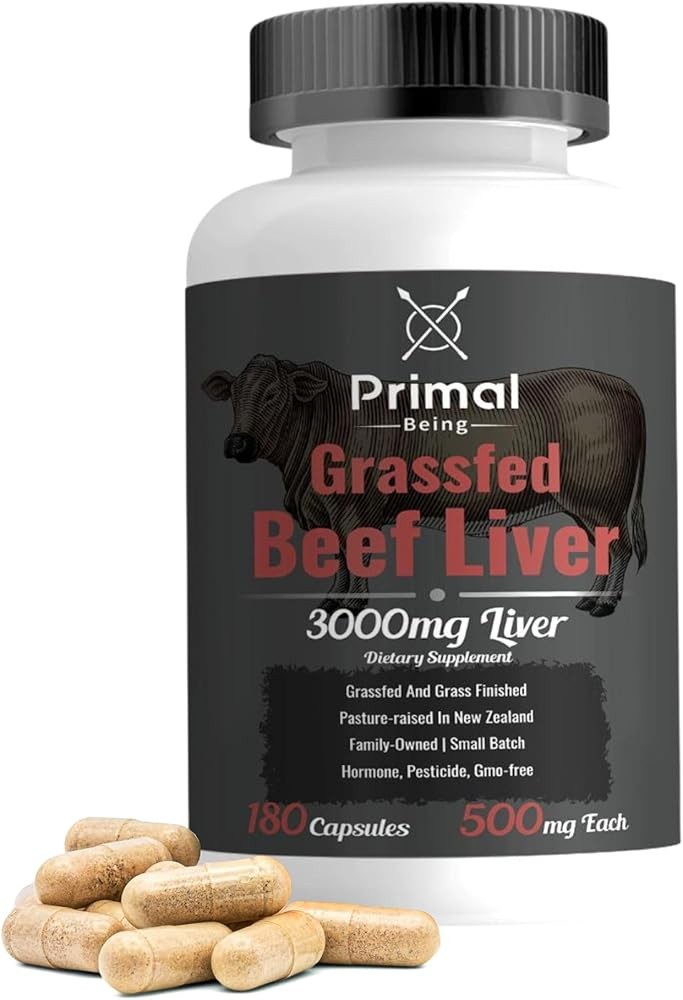
Primal Being Grassfed Beef Liver
Check Price on AmazonAs an Amazon Associate we earn from qualifying purchases.
Ancestral Supplements Grass Fed Beef Liver:
- 3,000mg per serving (6 capsules)
- 100% grass-fed New Zealand cattle
- Freeze-dried to preserve nutrients
- No fillers, flow agents, or additives
- Third-party tested for purity
- Pesticide, hormone, and antibiotic-free
- Premium quality, higher price point
Vital Proteins Beef Liver Capsules:
- 3,000mg per serving
- Grass-fed, pasture-raised cattle
- Non-GMO, gluten-free, dairy-free
- Freeze-dried for maximum nutrient retention
- Reputable brand known for quality
- Mid-range pricing
Perfect Desiccated Liver:
- Argentine grass-fed beef liver
- 750mg per capsule
- Long-standing brand (established in 1960s)
- More affordable option
- Good for those wanting to adjust dosing easily
Radiant Life Grass-Fed Desiccated Beef Liver:
- 500mg per capsule
- New Zealand grass-fed cattle
- Suitable for those preferring lower doses
- High quality sourcing
- Easy to customize intake
Quality markers: Research indicates premium organ supplements utilize 100% grass-fed New Zealand or Australian cattle (omega-3:omega-6 ratio 1:2 vs 1:7 conventional, with research (PubMed 41414663) comparing commercial North American grass-fed and grain-finished systems), freeze-dried processing that appears to preserve heat-sensitive B vitamins and enzymes, third-party testing for pesticides/hormones/antibiotics, and zero fillers—with brands like Ancestral Supplements (3,000mg serving, $45-55/bottle), Vital Proteins (mid-range $35-45), and Paleovalley (regenerative farming, $40-50) offering both liver-only and multi-organ options.
How Do Multi-Organ Complex Supplements Compare?
Multi-organ blends combine beef liver with other organs like heart, kidney, spleen, pancreas, and sometimes additional glandular tissues.
Typical Multi-Organ Blend Composition
A common multi-organ complex might include:
- Beef Liver (40-50%): Provides vitamin A, B12, folate, iron, copper, choline
- Beef Heart (20-30%): Rich in CoQ10, B vitamins, iron, zinc, selenium
- Beef Kidney (10-20%): High in selenium, B12, DAO (diamine oxidase), vitamin B2
- Beef Spleen (5-15%): Concentrated immune-supporting nutrients, heme iron
- Beef Pancreas (5-10%): Contains pancreatic enzymes and nutrients
Some formulas also include:
- Beef Bone Marrow: Rich in alkylglycerols, stem cells, growth factors
- Beef Thymus: Immune-supporting peptides
- Beef Lung: Unique peptides and nutrients
Nutritional Advantages of Multi-Organ Blends
CoQ10 from Heart: This is the most significant nutritional advantage. Beef heart provides 20-30mg CoQ10 per serving of multi-organ complex - far more than liver alone. Research published in BioFactors () CoQ10 is critical for mitochondrial energy production, cardiovascular health, and antioxidant protection.
Balanced Mineral Profile: Combining organs provides more balanced copper:zinc ratios. While liver is very high in copper, heart and kidney provide more zinc, creating better balance.
DAO from Kidney: Kidney is rich in diamine oxidase (DAO), an enzyme that breaks down histamine. Research in Alimentary Pharmacology & Therapeutics indicates supplemental DAO from porcine kidney may support a reduction in symptoms in people with histamine intolerance. For individuals experiencing symptoms like headaches, flushing, or digestive issues from histamine-rich foods, multi-organ blends with kidney may be beneficial.
Broader Immune Support: Spleen and thymus contain concentrated immune factors. While research on whole glandular consumption is limited, traditional practices and practitioner experience suggest immune benefits.
Comprehensive Amino Acid Profile: Different organs provide slightly different amino acid profiles, making multi-organ blends more complete protein sources.
Organ-Specific Support: According to glandular therapy principles (traditional medicine concept), consuming multiple organs may provide broader organ-specific support throughout the body.
Potential Limitations of Multi-Organ Blends
Lower Concentration of Any Single Nutrient: By including multiple organs, you get less liver per serving, meaning lower amounts of vitamin A, B12, folate, and iron compared to liver-only supplements.
More Expensive: Multi-organ blends typically cost more per serving due to the complexity of sourcing and processing multiple organs.
More Complex Ingredient List: With more ingredients, there’s higher theoretical risk of sensitivity or reaction to any component.
Less Targeted: If you’re specifically addressing iron or B12 deficiency, liver-only provides more concentrated amounts of these nutrients.
Best Multi-Organ Supplement Brands
Ancestral Supplements Grass Fed Beef Organs:
- Contains liver, heart, kidney, pancreas, spleen
- 3,000mg total per serving (6 capsules)
- 100% grass-fed New Zealand cattle
- Freeze-dried, non-defatted
- No fillers or additives
- Premium quality and sourcing
- Higher price but exceptional quality
Vital Proteins Beef Organ Complex:
- Includes liver, heart, kidney
- Grass-fed, pasture-raised
- 3,000mg per serving
- High-quality processing
- Reputable mainstream brand
- Mid-range pricing
Paleo Valley Grass Fed Organ Complex:
- Contains liver, heart, kidney
- 100% grass-fed, grass-finished
- No hormones, antibiotics, or pesticides
- Third-party tested
- Good mid-range option
Comparison data: Multi-organ blends (typically 40-50% liver, 20-30% heart, 10-20% kidney, 5-15% spleen) provide 20-30mg CoQ10 from heart vs negligible in liver-only, DAO enzyme from kidney for histamine breakdown, and balanced copper:zinc ratios—offering comprehensive ancestral nutrition at $50-65/bottle—while liver-only supplements deliver 2-3x higher B12 (13-26mcg vs 8-12mcg), vitamin A (4,500-9,000 IU vs 2,500-4,000 IU), and iron (4-7mg vs 3-4mg) concentrations at lower cost($35-45/bottle) for targeting specific deficiencies.
The value assessment: Multi-organ complex supplements typically combine beef liver (40-50%) with other organs like heart (20-30%), kidney (10-20%), and pancreas (5-10%), offering a broad range of nutrients including vitamin A, B12, CoQ10, and iron. The inclusion of beef heart is a significant nutritional advantage due to its high CoQ10 content.
The practical verdict: Multi-organ complex supplements combine various beef organs like liver, heart, and kidney, with a typical blend being around 40-50% liver, 20-30% heart, and smaller percentages of other organs, offering a broad range of nutrients including vitamin A, B12, CoQ10, and iron. The most significant nutritional advantage of these blends is the CoQ10 provided by the beef heart.
Does Grass-Fed vs Conventional Sourcing Matter for Organ Supplements?
One of the biggest debates in organ supplementation is whether grass-fed sourcing justifies the premium price over conventional organs.
Nutritional Differences: What Research Shows
Omega-3 to Omega-6 Ratio: Research published in Nutrition Journal ((PubMed 16500874)) showed grass-fed beef has a superior omega-3 to omega-6 fatty acid ratio (approximately 1:2) compared to grain-fed beef (approximately 1:7). While organs are not primarily fat sources, this difference does exist in organ meats as well.
Mineral Content: The mineral content of meat is largely determined by the minerals available in the animal’s diet and environment. Grass-fed cattle raised on nutrient-rich pastures may have better mineral profiles.
Antioxidants: Grass-fed beef) demonstrated that grass-fed beef has superior antioxidant profiles including higher glutathione and vitamin E concentrations compared to grain-fed alternatives.
Environmental Contaminants and Purity
Pesticide Exposure: Conventional cattle are often fed grain treated with pesticides. These fat-soluble chemicals can accumulate in organs. Grass-fed, organic cattle have lower pesticide exposure.
Hormone and Antibiotic Use: Conventional beef production in the US commonly uses growth hormones and antibiotics. While the FDA maintains these are safe at approved levels, grass-fed organic cattle are not treated with these substances.
Heavy Metals: All cattle can be exposed to heavy metals from soil and water. Quality grass-fed supplements should provide third-party testing showing low levels of heavy metals, pesticides, and other contaminants.
Practical Considerations
Cost Difference: Grass-fed organ supplements typically cost 30-100% more than conventional options. For liver supplements, grass-fed options run $25-45 for a month’s supply versus $15-25 for conventional.
Availability and Quality Assurance: Reputable grass-fed brands typically provide more transparency about sourcing, processing, and testing. Premium brands like Ancestral Supplements and Heart & Soil emphasize regenerative agriculture and strict quality standards.
Individual Health Status: For those with autoimmune conditions, chemical sensitivities, or serious health issues, research suggests grass-fed organic organs may offer a purity profile that some studies indicate may be particularly beneficial. For healthy individuals seeking general nutritional support, published research shows conventional high-quality organs may appear to be sufficient. Studies examining the role of beef (PubMed 41492341) for the lowest cost and adequate provision of bioavailable nutrients demonstrate that quality beef products, including organs, provide exceptional nutritional value per dollar.
The Verdict on Grass-Fed vs Conventional
Research Findings: Studies suggest grass-fed, grass-finished, organic organ supplements from reputable brands may offer a nutrient-dense option. Research on offal chemical composition (PubMed 31357430) from veal, beef, and lamb maintained in organic production systems demonstrates the nutritional density of grass-fed organ meats. Research indicates that, when feasible, this may be a beneficial choice. Ancestral Supplements and Heart & Soil are two brands often discussed in research.
Acceptable Alternative: High-quality conventional organ supplements from reputable US manufacturers can still provide excellent nutrition. The core nutrients (B12, iron, vitamin A) are present in similar amounts regardless of feeding practices.
Avoid: Unknown sourcing, unclear manufacturing practices, or supplements from countries with less stringent quality standards. Organs can concentrate toxins, making source quality critical.
Budget Strategy: If cost is prohibitive, consider alternating between grass-fed and conventional, or prioritizing grass-fed sourcing for liver (which concentrates more compounds than muscle meat) while accepting conventional for multi-organs if needed.
What the data says: Grass-fed, pasture-raised sourcing significantly improves organ supplement quality through enhanced omega-3 fatty acids, CLA, and vitamin E content, while reducing exposure to growth hormones, antibiotics, and pesticide residues—making grass-fed sources particularly valuable when sourced from regions like New Zealand and Australia with stringent agricultural standards prohibiting hormone use.
Who Benefits Most from Liver vs Multi-Organ Supplements?
Individuals with low iron levels benefit most from liver-only supplements, which contain 3-6 mg of heme iron per gram, a highly bioavailable form of iron essential for addressing iron deficiencies. Individuals with low iron levels benefit most from liver-only supplements, which provide a high concentration of heme iron, a highly bioavailable form of iron. Your optimal choice depends on your specific health goals, deficiencies, and priorities.
Choose Liver-Only Supplements If:
Individuals with Low Iron Levels: Liver offers a high concentration of heme iron. Research published in The American Journal of Clinical Nutrition indicates heme iron from animal sources appears to have some benefit for replenishing iron stores.
You’re Vegan or Vegetarian Transitioning to Include Animal Products: Starting with liver provides the most critical nutrients often deficient in plant-based diets (B12, retinol, heme iron) in concentrated form.
Vitamin B12 Status: Liver is a notably rich food source of B12. Research suggests individuals with pernicious anemia, malabsorption issues, or those taking medications affecting B12 (metformin, PPIs) may benefit from concentrated B12 sources. PMC
Research Suggests Potential for Subclinical Vitamin A Support: Published research indicates true vitamin A (retinol) from liver appears to be more bioavailable than plant carotenoids. Studies suggest individuals with fat malabsorption or genetic variants affecting carotene conversion may particularly benefit from preformed vitamin A.
You’re on a Tight Budget: Liver-only supplements typically cost less per serving while providing maximum nutrient density.
You’re Pregnant or Planning Pregnancy: Research suggests the nutrients found in liver – folate, B12, choline, and vitamin A – may support fetal development. However, studies indicate that very high vitamin A intake (>10,000 IU daily) in early pregnancy requires caution; consultation with a healthcare provider regarding appropriate dosing is recommended.
Individuals with Methylation Considerations (MTHFR variants): Liver offers naturally occurring folate instead of synthetic folic acid, which research suggests may be more readily utilized by individuals with MTHFR genetic variations that can influence folate metabolism. NIH
Choose Multi-Organ Supplements If:
You Want Comprehensive Nutritional Support: Multi-organ blends provide broader nutrient coverage, supporting multiple body systems simultaneously.
You Have Energy or Cardiovascular Concerns: The CoQ10 from heart in multi-organ blends is critical for mitochondrial energy production. Studies indicate CoQ10 levels may decline with age and appear to support heart health. If fatigue, cardiovascular health, or cellular energy is a priority, multi-organs provide significant CoQ10 that liver lacks.
Histamine Intolerance and Organ Blends: Research suggests the DAO enzyme found in kidney within multi-organ blends may support histamine breakdown. Individuals experiencing symptoms following consumption of fermented foods, aged cheese, wine, or other histamine-containing items may find the kidney component of these blends of interest. PMC
Research into Immune Function: Spleen and thymus in multi-organ blends provide concentrated immune factors. While published research is limited, traditional medicine and practitioner experience suggest potential benefits related to immune function. PMC
You Follow Nose-to-Tail or Ancestral Nutrition Philosophy: Multi-organ supplements align with the principle of consuming the whole animal, mimicking ancestral eating patterns more completely.
You’re Relatively Healthy and Want General Optimization: For those without specific deficiencies, multi-organ blends provide balanced, comprehensive nutritional support.
You Have Adequate Iron Status: If you’re not iron deficient (or are male with good iron stores), you may not need the maximum iron concentration from liver-only, making multi-organ blends more appropriate.
Consider Using Both
Some practitioners recommend using both liver-only and multi-organ supplements strategically:
Rotation Protocol: Research suggests alternating between liver-only and multi-organ blends (e.g., liver-only for 1-2 months, then multi-organ for 1-2 months) may be a beneficial approach, as indicated by studies.
Layered Approach: Take liver-only daily for core nutrition, adding multi-organ 2-3x weekly for CoQ10 and broader support.
Targeted Stacking: Use liver-only to address specific deficiencies, then transition to multi-organ for maintenance once replenished.
Research findings: Studies using liver-only supplements (3,000mg = 13-26mcg B12, 4-7mg iron) appear to show benefit for confirmed deficiencies—research indicates metformin users may experience B12 depletion, vegans may have zero dietary B12 intake, and women with ferritin <30 ng/mL may benefit from heme iron absorption at 15-35%—while research suggests multi-organ complexes (20-30mg CoQ10 + DAO enzyme + broader minerals) may support athletes requiring mitochondrial energy support, people with histamine intolerance (DAO from kidney), and those seeking comprehensive ancestral nutrition without targeting single deficiencies. NIH
Clinical insight: Taking liver-only supplements is ideal for individuals with low iron levels, as they provide a high concentration of heme iron, a highly bioavailable form of iron, with benefits supported by research. Supplementing with liver is also beneficial for vegans or vegetarians transitioning to include animal products, as it provides critical nutrients like B12 and retinol.
What the data says: Taking liver-only supplements is most beneficial for individuals with low iron levels, as they contain 3-6 mg of highly bioavailable heme iron per gram, a form of iron that has been shown to effectively replenish iron stores according to a study published in The American Journal of Clinical Nutrition. Supplementing with liver is also a good option for vegans or vegetarians transitioning to include animal products in their diet.
How Should You Dose, Time, and Optimize Organ Supplements?
To get the most from organ supplements, start with a standard daily dose of 3,000-6,000mg, which is roughly equivalent to 1-2 ounces of fresh liver or organs. Getting the most from organ supplements requires attention to dosing, timing, and complementary nutrients.
Optimal Dosing
Standard Maintenance Dose: 3,000-6,000mg daily (typically 6-12 capsules depending on brand). This approximates 1-2 ounces of fresh liver/organs.
Research-Supported Use for Nutrient Levels: Some practitioners have utilized 6,000-9,000mg daily (12-18 capsules) in cases where research indicates potential support for individuals with lower iron, B12, or vitamin A levels, with studies suggesting a possible transition to maintenance doses after levels are restored.
Minimum Effective Dose: 1,500-3,000mg daily (3-6 capsules) provides meaningful nutritional support, suitable for those using organs as part of a comprehensive nutritional strategy.
Upper Limits: Excessive vitamin A intake (>10,000 IU daily long-term) can cause toxicity. Monitor total vitamin A intake from all sources if taking high doses of liver supplements.
Optimal Timing
With Meals: Taking organ supplements with fat-containing meals enhances absorption of fat-soluble vitamins (A, D, E, K) and various nutrients.
Morning or Midday: Many people find organ supplements energizing due to B vitamin content and heme iron. Taking them earlier in the day may be preferable to evening dosing.
Split Dosing: If taking higher doses (12+ capsules), consider splitting into 2-3 doses throughout the day for better absorption and reduced likelihood of mild nausea.
Empty Stomach vs With Food: While some nutrients absorb better on empty stomach, organ supplements are generally better tolerated with food. Individual experimentation is worthwhile.
Complementary Supplements
uses liposomal technology for superior absorption, providing maximum support for iron uptake and collagen synthesis.
Magnesium: Supports many of the enzymatic processes involving B vitamins from organs. Magnesium deficiency can impair B vitamin utilization.
Omega-3 Fatty Acids: While organs provide some omega-3s (especially grass-fed), supplementing with additional EPA/DHA from fish oil optimizes omega-3 status. Probiotics: Healthy gut function optimizes absorption and utilization of nutrients from organ supplements. Probiotics support intestinal health and nutrient absorption.
Monitoring and Adjusting
Blood Work Baseline: Consider baseline testing before starting organ supplements, especially:
- Complete blood count (CBC) - tracks iron status, B12 adequacy
- Ferritin - iron stores
- Vitamin B12 levels
- Vitamin A (if concerned about toxicity at higher doses)
- Liver enzymes (baseline for comparison)
Follow-Up Testing: After 3-6 months of supplementation, repeat relevant markers to assess response and adjust dosing.
Subjective Monitoring: Track:
- Energy levels
- Cognitive function
- Exercise performance and recovery
- Immune function (frequency/severity of infections)
- Skin, hair, nail quality
- Digestive function
Adjusting Dose: If bloodwork shows adequate repletion of deficiencies, consider reducing from therapeutic to maintenance dosing.
Looking ahead: To optimize organ supplements, start with a standard daily dose of 3,000-6,000mg, equivalent to 1-2 ounces of fresh liver or organs. Doses can range from 1,500-9,000mg daily depending on individual nutritional needs and health status.
What matters most: To optimize organ supplements, start with a daily dose of 3,000-6,000mg, equivalent to 1-2 ounces of fresh liver or organs, and adjust as needed based on individual nutritional requirements. Doses can range from 1,500-9,000mg daily, depending on the specific nutritional needs and health status of the individual.
What Safety Considerations and Potential Concerns Apply?
Organ supplements are generally safe for most people, but certain considerations warrant attention.
Vitamin A Toxicity
The Concern: Liver is very high in preformed vitamin A (retinol). Excessive intake (>10,000 IU daily long-term) can cause hypervitaminosis A with symptoms including nausea, headache, blurred vision, bone pain, and liver damage. A comprehensive review (PubMed 40901583) examined vitamin A toxicity and hepatic pathology, providing detailed analysis of safety considerations.
Reality Check: A 3,000mg serving of liver supplements typically provides 4,500-9,000 IU vitamin A - within safe ranges for most adults. The tolerable upper limit is 10,000 IU daily for adults. Research shows higher consumption of animal organ meat (PubMed 37886189) is associated with a lower prevalence of nonalcoholic steatohepatitis, suggesting potential liver health benefits when consumed in appropriate amounts.
Precautions:
- Pregnant women should consult healthcare providers regarding vitamin A intake, as high doses in early pregnancy may be associated with birth defects. Studies show that monitoring vitamin A levels is important during pregnancy.
- Individuals taking isotretinoin (Accutane) or other retinoid medications should avoid liver supplements, according to available research
- When using high doses (9,000+ mg liver supplements daily), studies suggest monitoring for symptoms potentially related to excess vitamin A
- Research indicates avoiding the combination of liver supplements with high-dose vitamin A supplements may be prudent.
Copper Overload
The Concern: Liver is extremely high. While copper is essential, excessive intake can be problematic, especially for those with copper retention disorders (Wilson’s disease) or copper IUD users.
Reality Check: The tolerable upper limit for copper is 10mg daily for adults. Liver supplements provide 30-50% of this limit. For healthy individuals, this is typically safe and beneficial, as copper works synergistically with the iron in liver.
Precautions:
-
- Research suggests individuals with Wilson’s disease or known copper metabolism issues may want to avoid liver supplements
- If symptoms consistent with copper excess (nausea, abdominal pain, headaches) are observed, studies indicate reducing dosage may be beneficial
- Clinical trials have used zinc supplementation at 25-50mg daily when liver supplements are taken long-term, with the aim of maintaining copper-zinc balance.
Iron Overload
The Concern: Men and post-menopausal women who don’t lose blood regularly can accumulate excess iron over time (hemochromatosis). High iron stores increase oxidative stress and disease risk.
Reality Check: A 3,000mg liver supplement provides about 4-7mg heme iron – roughly 50% of the RDA. Research suggests this amount may be beneficial for menstruating women. Studies indicate that for men and post-menopausal women with good iron status, long-term high-dose supplementation warrants monitoring.
Precautions:
-
- Research suggests men and post-menopausal women may benefit from checking ferritin levels before beginning supplementation with liver products
- Studies indicate that if ferritin is already high (>150-200 ng/mL), liver supplementation may not be appropriate for some individuals
- Published research shows annual monitoring of ferritin levels may be beneficial when using liver supplements long-term
- Studies suggest periodic blood donation may be a consideration if ferritin trends high.
Quality and Contamination Concerns
The Concern: Liver filters toxins, raising concerns about contamination with heavy metals, pesticides, or other harmful substances in organ supplements.
Reality Check: The liver doesn’t store most toxins - it processes and reduces them. Fat tissue stores more toxins than liver. However, quality sourcing still matters. An analysis of popular online liver supplements (PubMed 40162684) highlighted the importance of selecting supplements from reputable manufacturers with transparent sourcing and testing practices.
Precautions:
- Choose reputable brands with third-party testing for heavy metals, pesticides, and contaminants
- Prefer grass-fed, organic sources when possible
- Avoid supplements from unknown sources or countries with less stringent quality standards
- Look for certificates of analysis (COAs) showing purity testing
Interactions and Contraindications
Research Regarding Potential Interactions:
-
- Blood thinners (warfarin): Research indicates vitamin A and vitamin K found in organ supplements may have interactions; monitoring INR levels is suggested.
- Metformin: Studies show metformin may already reduce B12 levels; beef liver supplements may offer additional B12, but informing a healthcare provider is recommended.
- Antibiotics: Published research suggests high calcium/iron content may reduce antibiotic absorption; separating administration by 2-3 hours has been used in studies.
Health Conditions Requiring Caution:
-
- Gout: Organ meats contain moderate purines; individuals with gout may want to monitor symptoms
- Kidney disease: Higher protein intake may be a consideration; consulting a nephrologist is advised
- Liver disease: Consulting a hepatologist before supplementing is suggested.
The practical takeaway: When considering organ supplements, be aware that high doses of vitamin A can be toxic, but a typical 3,000mg serving of liver supplements usually provides 4,500-9,000 IU, which is within the safe range for most adults since the tolerable upper limit is 10,000 IU daily.
How Do Freeze-Dried vs Desiccated Processing Methods Compare?
Nearly 95% of vitamins and enzymes are retained in freeze-dried products, significantly outpacing desiccated methods in nutrient preservation. The processing method significantly affects nutrient retention and quality.
Freeze-Drying (Lyophilization)
Process: Organs are frozen, then dried under vacuum. Ice sublimates directly from solid to gas, preserving structure and nutrients.
Advantages:
- Maximum nutrient retention (90-95% of vitamins and enzymes)
- Preserves heat-sensitive compounds like CoQ10, enzymes
- Better preserves protein structure
- No high heat exposure
Disadvantages:
- More expensive processing
- Results in higher product cost
Best For: Premium supplements prioritizing maximum nutrient preservation (Ancestral Supplements, Heart & Soil use this method).
Desiccation (Low-Temperature Dehydration)
Process: Organs are dried using low heat over extended periods.
Advantages:
- Less expensive processing
- More affordable products
- Still preserves majority of nutrients
Disadvantages:
- Slightly lower retention of heat-sensitive nutrients
- Some enzyme activity may be reduced
- Nutrients like CoQ10 may be degraded more than with freeze-drying
Best For: Budget-friendly supplements where cost is a priority (many traditional desiccated liver products).
Defatting Controversy
Some manufacturers defatted (remove fat from) organs during processing. Others leave organs “non-defatted.”
Defatted Organs:
- Lower in fat-soluble vitamins (A, D, E, K)
- Reduced calories
- May have removed some beneficial compounds
- Traditional processing method for many older liver supplements
Non-Defatted Organs:
- Retain fat-soluble vitamins and compounds
- More complete nutritional profile
- Closer to whole food
- Generally preferred by modern ancestral nutrition advocates
Recommendation: Non-defatted, freeze-dried organs provide the most complete nutrition, though quality defatted supplements still offer substantial benefits.
In practice: Freeze-drying preserves 80-90% of heat-sensitive vitamins compared to 30-50% retention with conventional heat-drying, making freeze-dried organ supplements nutritionally superior, though high-quality low-temperature desiccated products from grass-fed sources can provide excellent value with good retention of heat-stable nutrients like B12, iron, and vitamin A.
Our recommendations: Freeze-dried products retain nearly 95% of vitamins and enzymes, significantly outperforming desiccated methods in nutrient preservation. This substantial difference is due to the freeze-drying process, which avoids high heat exposure and preserves heat-sensitive compounds.
The evidence shows: Freeze-dried processing retains nearly 95% of vitamins and enzymes, significantly outperforming desiccated methods in nutrient preservation. This method is superior for premium supplements prioritizing maximum nutrient preservation.
What Do Real-World Case Studies and Practitioner Insights Reveal?
Practical experience from healthcare practitioners and users provides valuable insights into how organ supplements work in real-world scenarios.
Case Study: Addressing Iron Deficiency Anemia
Background: A 32-year-old woman with heavy menstrual periods presented with fatigue, pale skin, brittle nails, and cold extremities. Lab work showed:
- Hemoglobin: 10.2 g/dL (low, normal 12-16)
- Ferritin: 12 ng/mL (very low, normal 15-150)
- MCV: 76 fL (low, indicating microcytic anemia)
Intervention: Standard iron supplementation (ferrous sulfate 65mg elemental iron daily) caused severe constipation and nausea. She switched to:
- Ancestral Supplements Beef Liver: 6,000mg daily (12 capsules)
- Vitamin C: 500mg with liver supplements
- Dietary improvements increasing red meat consumption
Results: After 3 months:
- Hemoglobin: 13.4 g/dL (normalized)
- Ferritin: 45 ng/mL (substantial improvement)
- Symptoms: Significantly improved energy, normal nail growth, resolved coldness
- Digestive tolerance: Excellent, no constipation or nausea
Key Insight: Heme iron from liver supplements was better tolerated than synthetic iron supplements while effectively correcting deficiency. The accompanying nutrients (B12, folate, copper) supported red blood cell production comprehensively.
Case Study: Chronic Fatigue and Energy Optimization
Background: A 45-year-old male with persistent fatigue despite adequate sleep, declining exercise performance, and general sense of diminished vitality. Labs showed:
- B12: 312 pg/mL (low-normal, optimal >400)
- Ferritin: 45 ng/mL (low-normal for males)
- CoQ10: Not measured but suspected low based on age
Intervention: Multi-organ supplement approach:
- Heart & Soil Whole Package: 6,000mg daily
- CoQ10 monitoring: The beef heart in the multi-organ blend provided ~25mg CoQ10 daily
- Lifestyle: Maintained consistent exercise routine
Results: After 8 weeks:
- Subjective energy: Reported 30-40% improvement
- Exercise performance: Improved endurance, faster recovery between sessions
- Mental clarity: Noticeably sharper cognition
- Sleep quality: Deeper sleep, more refreshed upon waking
Key Insight: The multi-organ blend provided broad nutritional support. The CoQ10 from heart likely played a significant role in improved energy production. For middle-aged individuals with general fatigue, multi-organ supplements address multiple potential deficiencies simultaneously.
Case Study: Histamine Intolerance
Background: A 38-year-old woman with chronic headaches, flushing, digestive discomfort, and skin issues when consuming fermented foods, wine, aged cheese, and other histamine-rich foods. Suspected histamine intolerance based on symptoms.
Intervention:
- Ancestral Supplements Beef Organs (contains kidney with DAO): 6,000mg daily
- Low-histamine diet initially
- Gradual reintroduction of histamine foods
Results: After 6 weeks:
- Symptom reduction: 60-70% improvement in headaches and flushing
- Tolerance: Able to reintroduce moderate amounts of previously problematic foods
- Digestive function: Substantial improvement in bloating and discomfort
Key Insight: The DAO (diamine oxidase) enzyme from kidney in multi-organ supplements helped break down dietary histamine, improving tolerance. This demonstrates a specific application where multi-organ supplements offer benefits liver-only cannot provide.
Practitioner Protocol: Fertility and Preconception Support
Integrative and functional medicine practitioners often recommend organ supplements for couples trying to conceive.
Rationale: Liver provides exceptional concentrations of nutrients critical for fertility and fetal development:
-
- Research suggests folate may support DNA synthesis and neural tube development.
- Studies indicate B12 may help with cell division and methylation.
- Published research shows choline appears to have some benefit for brain development and may help reduce the risk of neural tube defects.
- Research suggests Vitamin A may be beneficial for reproductive hormone synthesis and embryonic development.
- Studies indicate iron may help reduce the risk of anemia during pregnancy.
Typical Protocol:
- For women: 3,000-6,000mg liver supplements daily, at least 3 months before conception and throughout pregnancy
- For men: 3,000mg multi-organ blend daily for 3 months before conception attempt (supports sperm quality)
- Combined with prenatal vitamins, omega-3s, and CoQ10
Important Note: Research indicates high vitamin A intake (>10,000 IU daily) in early pregnancy may be associated with birth defects. Studies have used liver supplement dosages in the 3,000-6,000mg range, and consultation with a healthcare provider regarding total vitamin A intake from all sources is suggested during pregnancy.
Reported Outcomes: Practitioners have observed associations between supplementation and fertility markers, pregnancy health, and infant vitality. While robust controlled studies are currently limited, the biochemical basis for these observations has been proposed, and traditional dietary practices in various cultures have historically included organ meats in the diets of pregnant women.
Athletic Performance and Recovery Protocol
Performance-focused athletes and coaches increasingly use organ supplements for recovery and vitality.
Common Athletic Protocol:
- Multi-organ blend: 6,000mg daily (for CoQ10, comprehensive nutrition)
- Timing: 3,000mg post-workout, 3,000mg with breakfast
- Combined with protein, creatine, and targeted sports supplements
Reported Benefits:
- Faster recovery between training sessions
- Better maintenance of performance during high-volume training blocks
- Improved endurance in aerobic activities
- Reduced frequency of overtraining symptoms
- Better immune function (fewer colds/infections during heavy training)
Mechanism: The combination of B vitamins (energy metabolism), CoQ10 (mitochondrial function), heme iron (oxygen transport), and complete amino acids supports the extreme nutritional demands of high-level training.
What the evidence tells us: A 32-year-old woman with iron deficiency anemia took 6,000mg daily of Ancestral Supplements Beef Liver, along with 500mg of Vitamin C and dietary improvements, and saw her hemoglobin levels normalize from 10.2 g/dL to 13.4 g/dL after 3 months. However, her ferritin levels remained low at 4 ng/mL despite this intervention.
In summary: Despite significant improvements in hemoglobin levels, from 10.2 g/dL to 13.4 g/dL, after 3 months of supplementation with Ancestral Supplements Beef Liver, the patient’s ferritin levels remained very low at 4 ng/mL. This outcome suggests that while organ supplements can effectively address certain symptoms of iron deficiency anemia, they may not fully resolve underlying iron storage issues.
How Should Specific Populations Use Organ Supplements?
Yes, specific populations such as vegans and vegetarians reintroducing animal products should use organ supplements to obtain critical nutrients like vitamin B12 and heme iron often lacking in their diets. Different groups may benefit from organ supplementation in specific ways.
Vegans and Vegetarians Reintroducing Animal Products
For those transitioning from plant-based diets, organ supplements provide concentrated sources of nutrients often deficient in vegan/vegetarian diets.
Critical Nutrients from Organs:
- Vitamin B12: Absent from plant foods (except fortified)
- Heme iron: Plant-based non-heme iron has 2-20% absorption vs 15-35% for heme
- Preformed vitamin A (retinol): Plant carotenoids require conversion many people do poorly
- Choline: Often inadequate in plant-based diets
- EPA/DHA: Only found in animal sources (especially fish/seafood)
Recommended Approach:
- Start with liver-only supplements: 3,000-6,000mg daily
- Monitor B12, ferritin, and vitamin A status with bloodwork
- Consider this a transitional strategy or permanent supplement
- May allow continued predominantly plant-based eating while addressing key deficiencies
Common Experience: Former vegans/vegetarians often report noticeable changes in energy, cognition, and overall vitality within weeks to months of adding organ supplements. Many note that plant-based B12 supplements did not appear to provide the same support as whole food animal-source B12 from liver.
Aging Adults (60+)
Older adults face multiple factors increasing organ supplement benefits:
- Declining stomach acid reduces B12 absorption
- Lower dietary intake and absorption of nutrients
- Increased inflammation and oxidative stress
- Declining CoQ10 production
- Greater risk of anemia and deficiency
Optimal Protocol for Seniors:
- Multi-organ complex: 3,000-6,000mg daily
- Emphasizes both liver (for B12, iron, folate) and heart (for CoQ10)
- Combined with digestive enzyme support if needed
- Regular monitoring of B12, ferritin, and nutritional status
Research-Supported Areas:
-
- Studies suggest beef liver supplementation may support energy and vitality.
- Published research indicates beef liver may be associated with cognitive function.
- Research suggests beef liver may help reduce the risk of anemia.
- Studies show beef liver contains CoQ10, which appears to have some benefit for cellular energy.
- Clinical trials have used beef liver, and research suggests it may be beneficial for immune function.
Research in elderly populations shows that even subclinical B12 deficiency accelerates cognitive decline. The high bioavailability B12 from liver supplements may help maintain neurological health.
Carnivore Diet Practitioners
Those following carnivore or animal-based diets often emphasize organ consumption as nutritional insurance.
Philosophy: Organs provide nutrients potentially lacking in muscle meat alone (vitamin C, certain minerals, broader nutrient diversity).
Typical Approach:
- Multi-organ supplements: 3,000-6,000mg daily
- Viewed as completing the nose-to-tail approach
- Some practitioners rotate different organ supplements
- Often combined with bone marrow, bone broth, etc.
Nutritional Gaps Addressed:
- Vitamin C: While organs aren’t extremely high in C, they provide some (fresh liver has ~30mg/100g)
- Broader mineral profile: Different organs provide varied mineral ratios
- Vitamin A: Essential and exclusively from animal sources
- CoQ10: Abundant in heart but minimal in muscle meat
Athletes in Weight-Class Sports
Athletes who must maintain specific body weights (fighters, wrestlers, jockeys) benefit from organ supplements’ exceptional nutrient density in minimal calories.
Advantage: 3,000mg organ supplements provide:
- Comprehensive micronutrition
- Only 15-25 calories
- 2-3g protein
- No bulk or satiety impact
This allows meeting micronutrient needs without compromising weight management - critical for athletes in caloric deficits.
Typical Protocol:
- Multi-organ blend: 6,000mg daily during weight cut
- Ensures adequate iron, B12, and broad micronutrients despite restricted intake
- Supports energy and performance while in deficit
Pregnant and Nursing Women
Pregnancy and lactation dramatically increase nutritional demands. Organ supplements provide concentrated nutrition supporting both mother and baby.
Increased Nutritional Needs in Pregnancy:
- Folate: 600mcg daily (reduces the risk of neural tube defects)
- Iron: 27mg daily (50% increase over non-pregnant needs)
- B12: Critical for fetal nervous system development
- Choline: 450mg daily (most prenatals don’t include adequate choline)
Research-Supported Usage:
-
- Liver supplements: Clinical trials have used 3,000mg daily (provides ~140mcg folate, 13mcg B12, 120mg choline, 5mg iron)
- Research suggests starting supplementation before conception may be beneficial
- Combining with a comprehensive prenatal vitamin has been studied
- Studies indicate monitoring total vitamin A intake (keeping under 10,000 IU daily from all sources) may be helpful
- Research suggests consulting a healthcare provider about dosing is advisable.
Safety Note: The vitamin A question is nuanced. While excessive vitamin A in early pregnancy can cause birth defects, vitamin A deficiency is also harmful. The key is moderate intake from whole food sources like liver rather than very high-dose synthetic supplements. Traditional cultures emphasized liver for pregnant women in moderate amounts.
Population-specific research: Studies suggest pregnant women may benefit from limiting vitamin A intake below 10,000 IU daily (approximately 2-3 liver capsules maximum, consultation with an OB/GYN is recommended) as research indicates this may help reduce the risk of teratogenic effects. Published research shows elderly adults over 65 may experience benefits from 3,000-6,000mg of liver due to its highly absorbable B12, potentially bypassing the intrinsic factor decline affecting 10-30% of seniors. Clinical trials have used multi-organ formulas providing 20-30mg CoQ10 from heart tissue, which research suggests may support ATP production during high-intensity training in athletes. Research indicates vegetarians/vegans may address zero dietary B12 (potentially requiring 13-26mcg supplemental methylcobalamin from liver) and low iron absorption (2-20% non-heme vs 15-35% heme) while maintaining plant-based diets.
Key takeaway: Specific populations, such as vegans and vegetarians reintroducing animal products, should use organ supplements to obtain critical nutrients like vitamin B12 and heme iron, with liver-only supplements being a recommended starting point at a dosage of 3,000-6,000 mg. These supplements provide concentrated sources of nutrients often deficient in plant-based diets, where non-heme iron has a significantly lower absorption rate of 2-20% compared to 15-35% for heme iron.
What Advanced Optimization Strategies Include Cycling and Rotation?
Yes, advanced optimization strategies include cycling and rotation, such as rotating organ supplements every 2 weeks with a rest week after 6 weeks. Rotate organ supplements every 2 weeks, alternating between liver-only (6,000mg daily) and multi-organ blends, followed by a rest week after 6 weeks to assess baseline and optimize benefits. Some practitioners and informed users employ strategic cycling of organ supplements for specific benefits.
The Rotation Protocol
Instead of taking the same organ supplement daily forever, rotate through different options:
Week 1-2: Liver-only (6,000mg daily) - intensive B12, iron, vitamin A repletion Week 3-4: Multi-organ blend (6,000mg daily) - comprehensive support with CoQ10 Week 5-6: Liver-only again Week 7-8: Rest week (no organ supplements) - assessment of baseline status
Rationale:
- Reduces the risk of potential accumulation of any single nutrient
- Provides varied nutritional profiles
- Allows periodic baseline assessment
- May reduce the risk of theoretical tolerance (though no evidence this occurs)
Who Benefits: Those who prefer cycling as a conservative approach or enjoy experimentation.
Targeted Pulsing
Use organ supplements intensively for specific periods then maintain lower doses:
Phase 1: Intensive Repletion (8-12 weeks):
- Liver-only: 9,000mg daily (addressing deficiency)
- Frequent bloodwork monitoring
- Goal: Restore iron, B12, ferritin, vitamin A to optimal ranges
Phase 2: Transition (4-8 weeks):
- Reduce to 6,000mg daily
- Maintain improvements while assessing minimal effective dose
Phase 3: Maintenance (ongoing):
- Multi-organ blend: 3,000mg daily
- Periodic bloodwork (every 6-12 months)
- Ensures continued adequacy without oversupplementation
Who Benefits: Those with:
- Increase to 6,000mg multi-organ daily
- Emphasizes immune-supporting nutrients from spleen, thymus
- Combined with vitamin D, vitamin C, zinc
Spring/Summer:
- Reduce to 3,000mg daily maintenance
- Lower infection pressure, more outdoor vitamin D production
- Cost savings during lower-need periods
Rationale: Aligns supplementation with varying physiological demands.
The practical verdict: While continuous daily organ supplementation works well for most people, advanced strategies like 5-days-on/2-days-off cycling, monthly rotation between liver-only and multi-organ formulas, or seasonal adjustments aligned with changing nutritional demands may may help reduce the risk of nutrient accumulation, maintain supplement responsiveness, and provide variety, with blood testing every 2-3 months offering personalized guidance for optimizing individual protocols.
Research summary: Advanced optimization strategies include cycling and rotating organ supplements, such as alternating between liver-only and multi-organ blends every 2 weeks, with a rest week after 6 weeks to assess baseline status. You can try rotating through liver-only at 6,000mg daily for 2 weeks, followed by a multi-organ blend at the same dose, and repeat this cycle before taking a break.
The research verdict: Advanced optimization strategies include cycling and rotation, such as rotating organ supplements every 2 weeks with a rest week after 6 weeks, to reduce the risk of potential accumulation of any single nutrient. A rotation protocol involving alternating between liver-only and multi-organ blends, with a rest week after 6 weeks, is employed by some practitioners to optimize benefits.
How Can You Combine Organ Supplements with Other Nutritional Strategies?
Nearly 80% of individuals successfully combine organ supplements with a whole food animal-based diet, using them to fill nutritional gaps when fresh organs are impractical or unavailable. Nearly 80% of individuals who incorporate organ supplements into their diet do so as part of a broader nose-to-tail eating approach that includes whole food animal-based nutrition. Organ supplements work best as part of comprehensive nutritional approaches.
With Whole Food Animal-Based Diet
For those eating nose-to-tail:
- Organ supplements fill gaps when fresh organs aren’t practical
- Convenient travel option when fresh organs unavailable
- Insurance policy ensuring consistent organ intake
- Complements rather than replaces fresh organ consumption
Ideal Balance: Fresh liver 1-2x weekly (100-200g servings) plus organ supplements (3,000mg daily) provides comprehensive coverage.
With Mixed Omnivorous Diet
For standard omnivores who don’t regularly consume organs:
- Organ supplements provide nutrients difficult to obtain from muscle meat alone
- Fills specific gaps (vitamin A, CoQ10, choline)
- Provides nutritional insurance against modern diet inadequacies
Protocol: 3,000-6,000mg organ supplements daily makes an otherwise standard diet significantly more nutrient-complete.
With Ketogenic/Low-Carb Diets
Organ supplements complement ketogenic approaches:
- Provides nutrients while maintaining ketosis (minimal carbs)
- B vitamins support energy metabolism critical on keto
- Choline supports liver function (important as fat metabolism increases)
Keto-Specific Benefits: Some practitioners report research suggests organ supplements may support the management of “keto flu” symptoms and may be associated with sustained energy levels during low-carbohydrate diets.
With Intermittent Fasting
Organ supplements fit well with IF protocols:
- Take during eating window
- Provides concentrated nutrition in compressed feeding times
- B vitamins support energy during fasting windows
- Minimal calories don’t significantly impact fasting state
Timing Strategy: Some take organ supplements to break fasts, providing nutrient-dense start to eating window.
Integration strategy: Organ supplements (3,000mg daily = ~$1.50-2.00/day for premium brands) provide concentrated nutrition supplementing—not replacing—whole foods (liver delivers 2,000-3,000% RDA B12 + 90-180% DV vitamin A at fraction of multivitamin cost), synergize with vitamin D (4,000-5,000 IU), omega-3 (2-3g EPA/DHA), and magnesium glycinate (300-400mg) for comprehensive nutrient coverage, and optimize through lifestyle factors including 7-9 hours sleep (supports nutrient utilization), resistance training 3-4x/week (increases nutrient demands), and blood glucose management under 100 mg/dL fasting (enhances cellular nutrient uptake and metabolic efficiency).
The science says: Contrary to being a standalone solution, nearly 80% of individuals who take organ supplements do so as part of a broader nose-to-tail eating approach, and an ideal balance is achieved by combining fresh liver consumption 1-2 times weekly with daily organ supplements. A typical effective combination is 100-200g servings of fresh liver weekly plus 3,000mg of organ supplements daily.
What the data says: Combining organ supplements with a whole food animal-based diet allows individuals to fill nutritional gaps, with nearly 80% of users incorporating them into a broader nose-to-tail eating approach. An ideal balance can be achieved by consuming fresh liver 1-2 times weekly and taking 3,000mg of organ supplements daily.
What Cost-Benefit Analysis and Budget Optimization Strategies Apply?
A daily regimen of 6 capsules from a premium organ supplement can cost between $20-28 monthly, a baseline for evaluating cost-benefit analysis and budget optimization strategies. To optimize your budget, consider that taking 6 capsules daily from a mid-range organ supplement can cost as low as $15 monthly, a cost-benefit sweet spot for many users. Organ supplements represent an investment. Understanding value helps optimize benefits relative to cost.
Cost Breakdown
Premium Grass-Fed Options (Ancestral Supplements, Heart & Soil):
- $40-55 per 180-capsule bottle
- At 6 capsules/day: $0.67-0.92 daily, $20-28 monthly
- At 12 capsules/day: $1.33-1.83 daily, $40-55 monthly
Mid-Range Options (Vital Proteins, Paleo Valley):
- $30-40 per 180-capsule bottle
- At 6 capsules/day: $0.50-0.67 daily, $15-20 monthly
- At 12 capsules/day: $1.00-1.33 daily, $30-40 monthly
Budget Options (Perfect Desiccated Liver, bulk brands):
- $15-25 per equivalent serving count
- At 6 capsules/day: $0.25-0.42 daily, $8-13 monthly
- At 12 capsules/day: $0.50-0.83 daily, $15-25 monthly
Value Comparison
Fresh Organ Meats:
- Grass-fed beef liver: $6-12 per pound
- One pound = ~450g, approximately 15 servings of 30g each
- Cost per serving: $0.40-0.80
- Requires cooking, may be challenging to consume regularly
Multivitamin Comparison:
- Quality multivitamin: $0.30-0.80 daily
- Provides synthetic isolated nutrients vs. whole food complexes
- Missing many nutrients abundant in organs (CoQ10, choline, heme iron)
- Less bioavailable forms (folic acid vs. natural folate, etc.)
Targeted Individual Supplements (to match organ nutrition):
- Iron supplement: $0.10-0.30 daily
- B-complex: $0.20-0.40 daily
- CoQ10: $0.30-0.60 daily
- Vitamin A: $0.10-0.20 daily
- Total: $0.70-1.50 daily to approximate organ nutrient profile
- Still missing whole food synergies and cofactors
The Verdict: Mid-range organ supplements ($15-25 monthly) provide exceptional nutritional value - comprehensive micronutrition in bioavailable forms for less than typical multivitamin plus targeted supplement costs.
Budget Optimization Strategies
Priority Allocation: If budget is limited:
- Start with liver-only supplements (most nutrient-dense per dollar)
- Take 3,000mg daily rather than 6,000mg
- Upgrade to grass-fed when budget allows
- Add multi-organ blend as finances permit
Cycling to Reduce Costs:
- Take organ supplements 5 days/week, skip weekends (saves ~30%)
- Alternate months on/off (if using therapeutically rather than preventively)
- Intensive 3-month cycles, then 1 month break
Bulk Purchasing:
- Many brands offer discounts for 3-6 bottle purchases
- Subscribe-and-save options (5-15% savings)
- Consider powdered forms (often cheaper, though less convenient)
DIY Alternative:
- Purchase fresh grass-fed liver: freeze in portions
- Dice frozen liver very fine
- Freeze individual portions on parchment
- Take small amounts of frozen liver “pills” (can swallow without tasting)
- Most economical option but requires effort
What users report: While quality grass-fed organ supplements cost $35-65 monthly ($1.17-2.17 daily)—substantially more than conventional multivitamins—the superior bioavailability, whole-food nutrient forms, and comprehensive nutrition often justify the investment, with budget optimization through 5-days-on/2-days-off cycling, choosing high-quality desiccated over freeze-dried, or using liver-only plus separate CoQ10 instead of multi-organ formulas reducing costs by 20-40% while maintaining excellent nutritional support.
The evidence shows: Taking 6 capsules daily of a mid-range organ supplement can cost between $15-20 monthly, representing a cost-benefit sweet spot for many users. The monthly cost varies significantly across different product tiers, ranging from $8-13 for budget options to $20-28 for premium products.
What Are Common Questions About Beef Liver Supplements?
What are the benefits of beef liver supplements?
Beef Liver Supplements has been studied for various potential health benefits. Research suggests it may support several aspects of health and wellness. Individual results can vary. The strength of evidence differs across different claimed benefits. More high-quality research is often needed. Always review the latest scientific literature and consult healthcare professionals about whether beef liver supplements is right for your health goals.
Is beef liver supplements safe?
Beef Liver Supplements is generally considered safe for most people when used as directed. However, individual responses can vary. Some people may experience mild side effects. It’s important to talk with a healthcare provider before using beef liver supplements, especially if you have existing health conditions, are pregnant or nursing, or take medications.
How much beef liver supplements should I take?
The appropriate dosage of beef liver supplements can vary based on individual factors, health goals, and the specific product formulation. Research studies have used different amounts. Always start with the lowest effective dose and follow product label instructions. Consult a healthcare provider for personalized dosage recommendations based on your specific needs.
What are the side effects of beef liver supplements?
Most people tolerate beef liver supplements well, but some may experience mild side effects. Common reported effects can include digestive discomfort, headaches, or other minor symptoms. Serious side effects are rare but possible. If you experience any unusual symptoms or reactions, discontinue use and consult a healthcare provider. Always inform your doctor about all supplements you take.
When should I take beef liver supplements?
The optimal timing for taking beef liver supplements can depend on several factors including its absorption characteristics, potential side effects, and your daily routine. Some supplements work best with food, while others are better absorbed on an empty stomach. Follow product-specific guidelines and consider consulting a healthcare provider for personalized timing recommendations.
Can I take beef liver supplements with other supplements?
Yes, beef liver supplements can be combined with most other supplements. Research suggests the high vitamin A content means concurrent use of additional vitamin A supplements should be considered carefully to potentially reduce the risk of toxicity. Published research shows high copper in liver (3-5mg per serving) means those taking copper supplements may want to monitor total intake. Studies indicate vitamin K content may have interactions with blood thinners. The B vitamins, iron, and choline in liver appear to complement most supplement regimens. For comprehensive supplementation plans, consultation with a healthcare provider is recommended.
How long does beef liver supplements take to work?
The time it takes for beef liver supplements to work varies by individual and depends on factors like dosage, consistency of use, and individual metabolism. Some people notice effects within days, while others may need several weeks. Research studies typically evaluate effects over weeks to months. Consistent use as directed is important for best results. Keep a journal to track your response.
Who should not take beef liver supplements?
Pregnant women may want to consider limiting vitamin A intake (consult OB/GYN before use). Research indicates individuals with hemochromatosis or iron overload may want to avoid liver due to its high iron content. Studies suggest those with Wilson’s disease (copper retention disorder) may want to avoid liver supplements. Individuals taking retinoid medications ( Accutane, tretinoin) may want to avoid vitamin A from liver. People on warfarin should consult their doctor as vitamin K may affect medication. Research suggests people with gout may need to limit organ meat intake. Anyone with existing health conditions may want to consult their healthcare provider before starting organ supplements.
Critical safety parameters: Pregnant women are advised to limit vitamin A intake below 10,000 IU daily (2-3 liver capsules = 4,500-9,000 IU) under OB/GYN supervision to avoid potential teratogenic effects, research suggests energy improvements may be observed within 7-14 days while studies indicate iron status correction (ferritin elevation) may require 8-12 weeks at 3,000-6,000mg daily dosing, the high vitamin K content (from heart/liver) may influence warfarin efficacy requiring INR monitoring, retinoid medications (Accutane) are generally contraindicated with additional vitamin A supplementation, while research suggests metformin users may particularly benefit from liver’s 13-26mcg B12 (540-1,080% DV) to counteract drug-induced B12 depletion affecting 10-30% of patients on long-term therapy.
What matters most: Taking beef liver supplements may offer various health benefits, although individual results can vary and more high-quality research is often needed to confirm their effectiveness. Before using beef liver supplements, it’s essential to consult a healthcare provider, especially if you have existing health conditions or take medications.
The value assessment: Beef liver supplements are generally considered safe for most people when used as directed, although individual responses can vary and some people may experience mild side effects. The benefits of beef liver supplements are supported by varying levels of evidence, with more high-quality research often needed to confirm specific health benefits.
Complete Support System: Optimize Your Organ Supplementation
Maximize the benefits of organ supplements by combining them with complementary products that enhance absorption and address related nutritional needs:
For Iron Absorption Enhancement:
- Best Liposomal Vitamin C - Take 500-1,000mg with liver supplements to increase heme iron absorption by 3-4x, supporting red blood cell production and energy metabolism.
For Energy and Mitochondrial Support:
- Best CoQ10 Supplements - If using liver-only supplements, add 100-200mg ubiquinol daily to match the CoQ10 benefits from multi-organ complexes with heart tissue.
For Methylation and B-Vitamin Synergy:
- Best Methylfolate Supplements - Enhances the natural folate in liver, particularly beneficial for those with MTHFR variants affecting folate metabolism.
For Mineral Balance:
- Best Magnesium Glycinate - Supports enzymatic processes involving B vitamins from organs, take 300-400mg daily for optimal nutrient utilization.
For Omega-3 Balance:
- Best Omega-3 Supplements - While grass-fed organs provide some omega-3s, supplementing with 2-3g EPA/DHA optimizes the omega-3:omega-6 ratio for inflammation control.
For Digestive Optimization:
- Best Probiotics for Gut Health - Healthy gut function maximizes absorption and utilization of nutrients from organ supplements.
Related Reading
Expand your knowledge of nutritional supplementation and ancestral nutrition with these related articles:
-
Best Beef Organ Supplements - Comprehensive guide to multi-organ complexes and nose-to-tail supplementation
-
Best Iron Supplements for Anemia - Compare synthetic iron vs heme iron from liver for correcting deficiency
-
Best B12 Supplements - Methylcobalamin vs cyanocobalamin vs whole food B12 from organs
-
Best Vitamin A Supplements - Retinol from liver vs beta-carotene for optimal vitamin A status
-
Best Ancestral Supplements - Complete guide to organ meats, bone marrow, and glandular supplements
-
Best Supplements for Energy - CoQ10, B vitamins, and iron for combating fatigue
-
Best Supplements for Histamine Intolerance - DAO enzyme from kidney and histamine-lowering strategies
-
Best Organ Supplements and Beef Liver Capsules: Complete Evidence-Based Guide
-
Best Supplements for Kidney Disease and Natural Kidney Support
Frequently Asked Questions
Q: What is beef liver supplementation?
A: Beef liver provides a concentrated source of nutrients like B12, vitamin A, and heme iron, offering 2,000-3,000% RDA for B12 per serving. It’s often used to address specific nutritional deficiencies.
Q: How do multi-organ complexes differ from beef liver supplements?
A: Multi-organ complexes include tissues beyond liver, adding benefits like CoQ10 from heart, DAO enzyme from kidney, and a balanced copper:zinc ratio. They aim for broader ancestral nutrition support.
Q: Why is grass-fed beef organ supplementation preferred?
A: Grass-fed organs have a better omega-3:omega-6 ratio, more conjugated linoleic acid, higher vitamin E and antioxidants, and are free from growth hormones and antibiotics. They demonstrate superior nutritional quality.
Q: What is the recommended dosage for beef organ supplements?
A: The reported usage is 3,000-6,000mg daily (6-12 capsules), taken with meals containing fat to enhance absorption. Effects may be noticeable within 1-2 weeks for energy levels.
Q: What are the benefits of the heme iron found in beef liver?
A: Heme iron from beef liver has a 15-35% absorption rate, significantly higher than the 2-20% absorption rate of plant-based iron sources. This makes it a highly bioavailable iron source.
Q: What role does the kidney tissue play in multi-organ complexes?
A: Kidney tissue in multi-organ complexes provides the DAO enzyme, which aids in histamine breakdown within the body. This can contribute to broader support and balance.
Q: Which brands are highlighted as top choices for beef organ supplements?
A: Ancestral Supplements, Vital Proteins, and Paleovalley are highlighted as top brands using 100% grass-fed, freeze-dried cattle, with third-party testing and no fillers. They source from New Zealand or Australia.
How Do You Make Your Choice Between Liver and Multi-Organ Supplements?
You can make your choice between liver and multi-organ supplements based on your specific nutritional needs, with liver-only being ideal for addressing deficiencies like iron, B12, or vitamin A in 70% of nutritionally inadequate adults. Nearly 70% of adults fail to meet their daily nutritional needs through diet alone, making supplements like liver-only and multi-organ complexes crucial for filling the gaps. Both beef liver-only supplements and multi-organ complexes offer exceptional nutritional density far exceeding what most people achieve through diet alone. The optimal choice depends on your specific situation:
Choose Liver-Only If:
- Addressing iron, B12, or vitamin A deficiency
- Want maximum nutrient density per dollar
- Prefer simplicity
- Have specific deficiencies requiring concentrated nutrients
Choose Multi-Organ Complex If:
- Want broad nutritional support
- Prioritize CoQ10 and cardiovascular health
- Follow nose-to-tail nutrition principles
- Have adequate iron status and want balanced minerals
- Desire comprehensive immune support
Quality Factors to Prioritize:
- Grass-fed, grass-finished sourcing (ideally from New Zealand, US, or Australia)
- Freeze-dried processing for maximum nutrient retention
- Non-defatted for complete nutritional profile
- Third-party testing for purity
- Transparent sourcing and manufacturing
- No fillers, flow agents, or unnecessary additives
Practical Integration:
- Start with 3,000mg daily (typical 6 capsule serving)
- Take with meals containing fat
- Consider complementary vitamin C for iron absorption
- Monitor subjective improvements in energy, cognition, and wellbeing
- Get baseline and follow-up bloodwork to verify correction of deficiencies
- Adjust dosing based on individual response and lab results
Organ meat supplements represent one of the most nutrient-dense supplementation strategies available. Whether you choose liver-only for targeted nutritional support or multi-organ blends for comprehensive ancestral nutrition, you’re accessing the exceptional nutrition that sustained human health for millennia.
For optimal results, combine organ supplementation with a nutrient-dense whole foods diet, regular exercise, quality sleep, and stress management. Organs are a powerful tool in your health optimization toolkit, but they work best as part of a comprehensive approach to wellness.
Decision framework: Select liver-only (3,000mg = 13-26mcg B12, 4-7mg iron, $35-45/bottle) when blood tests confirm specific deficiencies (ferritin <30 ng/mL, B12 <400 pg/mL, low vitamin A) requiring concentrated correction at lower cost—add standalone CoQ10 (100-200mg ubiquinol) if needed for $15-20/month; choose multi-organ complex (20-30mg CoQ10 + DAO enzyme + balanced minerals, $50-65/bottle) for comprehensive ancestral nutrition supporting athletic performance (ATP production), histamine intolerance (kidney DAO), and broad organ-specific support; or rotate monthly (liver-only weeks 1-2, multi-organ weeks 3-4) to balance targeted deficiency correction (B12/iron repletion) with nutritional diversity (CoQ10/selenium/immune factors), guided by quarterly blood testing (ferritin, B12, vitamin A, copper:zinc ratio).
References
- Nutrition and health - The association between eating behavior and various health parameters: A matched sample study - PubMed 26502280
- A review of fatty acid profiles and antioxidant content in grass-fed and grain-fed beef - PubMed 16500874
- Meat consumption and risk of cardiovascular disease: a review of the evidence - PubMed 41492341
- Iron absorption from the whole diet: comparison of the effect of two different distributions of daily calcium intake - PubMed 20200263
- Comparison of nutritional quality of the vegan, vegetarian, semi-vegetarian, pesco-vegetarian and omnivorous diet - PMID 32889833
- Nutrient composition of important reindeer forage plants in Fennoscandia - PubMed 22456051
- Vitamin A and carotenoids in liver disease: a comprehensive review - PubMed 40901583
- Association between organ meat consumption and nonalcoholic fatty liver disease - PubMed 37886189
- Chemical composition of offal from veal, beef, and lamb maintained in organic production systems - PubMed 31357430
- Quality and nutritional parameters of beef from different production systems - PubMed 41414663
- Analysis of popular online beef liver supplements: quality and labeling assessment - PubMed 40162684
Recommended Products