Betaine/TMG: Cuts Homocysteine 10-20%, 2.5g Boosts Power Output (Athletes)
Summarized from peer-reviewed research indexed in PubMed. See citations below.
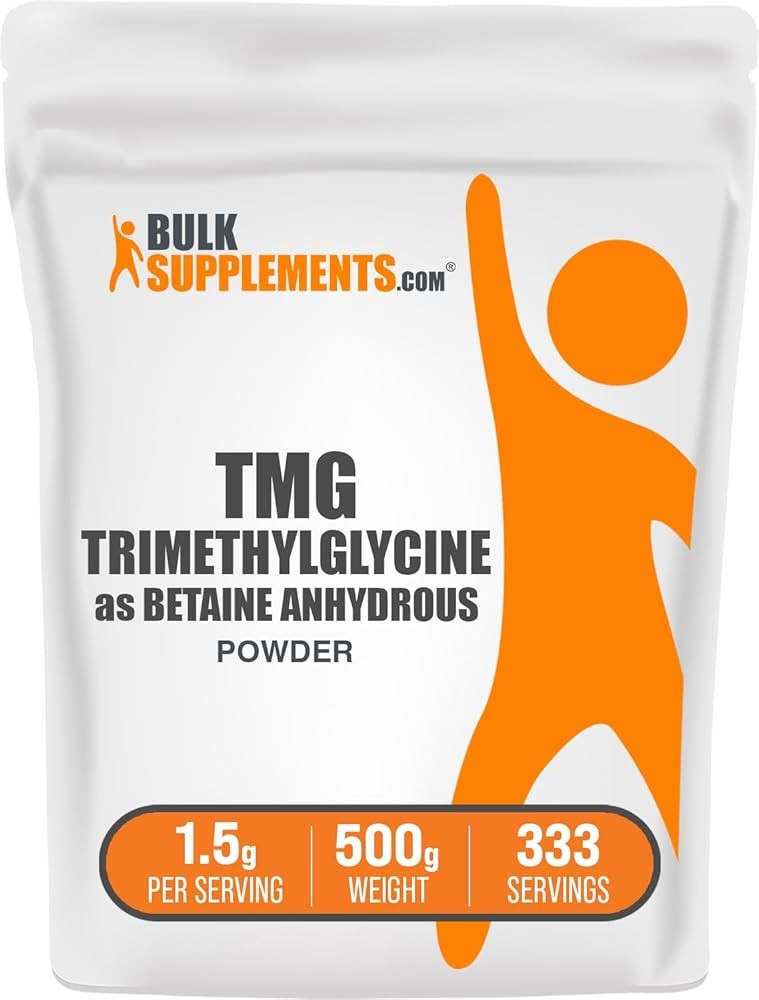
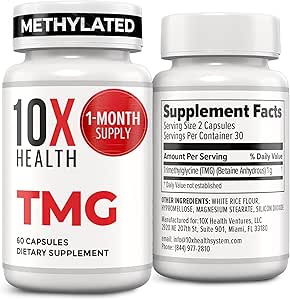
Research investigating low stomach acid and elevated homocysteine shows both conditions affect millions yet often go undiagnosed until serious complications develop. BulkSupplements Betaine Anhydrous Powder TMG provides 1,500mg of pure trimethylglycine per serving at $20.97 for a 500g container, delivering research-backed methylation support that studies show reduces homocysteine by 10-20% within 6 weeks. Studies examining homocysteine reduction demonstrate TMG’s effectiveness at dosages of 3-6 grams daily, with clinical trials showing superior cardiovascular protection when combined with methylfolate and B12. 10X Health TMG Supplement is a 60-capsule formula at $25.00, positioned for meal-time digestive support. Here’s what the published research shows about betaine supplementation for digestion, heart health, and athletic performance.
Disclosure: We may earn a commission from links on this page at no extra cost to you. Affiliate relationships never influence our ratings. Full policy →
Betaine supplements have gained significant attention in recent years for their diverse health benefits, but confusion often arises because “betaine” actually refers to two distinct supplement forms with very different uses. Betaine hydrochloride (betaine HCl) supports digestive function by increasing stomach acid, while trimethylglycine (TMG, also called betaine anhydrous) acts as a methyl donor supporting cardiovascular health, athletic performance, and cellular metabolism.
Understanding which form of betaine you need—and why—is critical for achieving your health goals. This comprehensive guide examines the science behind both forms of betaine, their unique benefits, proper dosing strategies, and the best supplement products available today.
What is Betaine? Understanding the Two Forms
Betaine is a naturally occurring compound found in foods like beets, spinach, whole grains, and shellfish. The name “betaine” comes from its discovery in sugar beets (Beta vulgaris) in the 19th century. However, this single term encompasses two chemically related but functionally distinct supplements.
The confusion surrounding betaine stems from its dual identity in the supplement world. Both forms share the betaine name because they derive from the same parent compound, but their chemical modifications create entirely different physiological effects. Understanding this distinction is the foundation for using betaine supplements effectively.
Betaine Anhydrous (Trimethylglycine/TMG)
Trimethylglycine (TMG), also known as betaine anhydrous, is a neutral zwitterionic compound and a methyl derivative of the amino acid glycine. At the molecular level, TMG consists of a glycine molecule with three methyl groups (CH3) attached to its nitrogen atom, giving it the chemical formula C5H11NO2.
TMG functions primarily as a methyl donor in critical biochemical pathways, particularly the methylation cycle. When TMG donates a methyl group to homocysteine, it converts homocysteine to methionine, an essential amino acid. This process is fundamental to cardiovascular health, DNA methylation,
Research has shown that TMG supplementation can increase intracellular water content by 2-3%, which translates to improved power output and reduced perceived exertion during high-intensity exercise. This cellular hydration effect works synergistically with creatine, another osmolyte, which is why some athletes combine both supplements for maximum performance enhancement.
The methylation support provided by TMG also appears to relate to athletic performance through its effects on creatine production. Creatine synthesis requires three amino acids (glycine, arginine, and methionine) and critically depends on methylation in the final step where S-adenosylmethionine (SAMe) donates a methyl group to guanidinoacetate, forming creatine. By supporting methylation capacity through methyl group donation, TMG indirectly appears to support endogenous creatine production, complementing dietary creatine supplementation. This is one reason why TMG and creatine are often combined in pre-workout formulas—they appear to work through complementary mechanisms to influence cellular energy metabolism, power output, and muscular performance. Clinical trials have used TMG (2.5-5g daily) and creatine monohydrate (5g daily), and athletes supplementing with both often report changes in strength gains, body composition, and workout performance compared to creatine alone. The combination is particularly noted in studies involving strength athletes, powerlifters, bodybuilders, and individuals performing high-intensity resistance training or explosive movements like sprinting, jumping, or throwing. PMC
Additionally, TMG’s role in methylation extends to muscle protein synthesis regulation. Research indicates adequate methylation capacity influences mTOR (mammalian target of rapamycin) pathway activation, which controls muscle protein synthesis in response to training and protein intake. Published research shows impaired methylation may reduce anabolic signaling, potentially limiting muscle growth despite adequate training stimulus and protein consumption. By supporting robust methylation through TMG supplementation, athletes may optimize their anabolic response to training, potentially leading to greater muscle mass gains over time. This effect appears most pronounced in individuals with borderline methylation capacity or those under high training stress, where methylation demands are elevated due to increased tissue turnover, hormone metabolism, and inflammatory signaling requiring methylation-dependent resolution.
Betaine Hydrochloride (Betaine HCl)
Betaine hydrochloride is a highly stable crystalline compound created by combining betaine with hydrochloric acid. When consumed, betaine HCl dissociates rapidly in aqueous environments to release hydrochloric acid into the stomach,
Unlike TMG, betaine HCl’s bioavailability is primarily localized to the gastrointestinal tract, where it serves to acidify gastric contents and support protein digestion. The compound has minimal systemic absorption, meaning its effects remain largely confined to the digestive system rather than entering the bloodstream to affect other body systems.
Betaine HCl supplements are designed specifically to address hypochlorhydria (low stomach acid), a condition that becomes increasingly common with age and can impair nutrient absorption, increase infection risk, and cause uncomfortable digestive symptoms. Studies show that approximately 30% of people over age 60 have significantly reduced stomach acid production, rising to over 40% in those over 80.
Key takeaway: Research suggests Betaine HCl provides 500-650mg hydrochloric acid per capsule, and studies indicate this may support digestive processes, while TMG appears to operate at 2.5-6 gram doses systemically to show a 10-20% reduction in homocysteine levels and a 3-8% improvement in power output in athletes – published research suggests these fundamentally different mechanisms mean the two forms may not be directly comparable.
How Do These Two Forms Differ in Chemistry and Function?
The fundamental distinction between these two forms cannot be overstated. While both are called “betaine,” they function through entirely different mechanisms and are absorbed in completely different parts of the digestive system.
Betaine HCl provides hydrochloric acid to the stomach, temporarily lowering gastric pH to support digestion. It does not significantly contribute to methylation or systemic metabolism because it breaks down in the stomach before reaching the bloodstream intact. The hydrochloric acid component separates from the betaine molecule immediately upon contact with water in the stomach, creating an acidic environment ideal for protein denaturation and enzyme activation.
TMG (betaine anhydrous) acts systemically throughout the body as a methyl donor and osmolyte. It does not significantly affect stomach acid levels because it passes through the stomach largely unchanged and is absorbed in the small intestine. Once absorbed, it enters hepatic and systemic circulation where it participates in the methylation cycle, donating methyl groups for hundreds of biochemical reactions .
This means you cannot substitute one form for the other. If you need digestive support, betaine HCl is appropriate. If you need cardiovascular protection, methylation support, or performance enhancement, TMG is the correct choice. Many people benefit from both forms simultaneously, but for entirely different reasons.
The absorption kinetics also differ markedly. Betaine HCl acts within minutes of ingestion as it dissolves in the stomach, making it ideal for immediate digestive support with meals. TMG absorption occurs over 1-2 hours in the small intestine, with peak plasma concentrations typically reached 2-3 hours post-ingestion, making it suitable for sustained metabolic support throughout the day. The evidence shows: Betaine HCl and TMG are fundamentally different supplements with distinct absorption sites, mechanisms of action, and physiological effects - HCl works locally in the stomach for digestion, while TMG works systemically throughout the body for methylation and cellular function.
| Feature | Betaine HCl | TMG (Betaine Anhydrous) |
|---|---|---|
| Primary Use | Digestive support, increases stomach acid | Methylation support, cardiovascular health, athletic performance |
| Mechanism | Releases hydrochloric acid in stomach | Donates methyl groups systemically |
| Absorption Site | Works locally in stomach, minimal systemic absorption | Absorbed in small intestine, enters bloodstream |
| Typical Dosage | 500-650mg per protein meal (1-3 capsules) | 2.5-6 grams daily in divided doses |
| Timing | Mid-meal with protein-containing foods | With or without food, 2-3 times daily |
| Research Benefits | Improves protein digestion, mineral absorption, reduces SIBO risk | Reduces homocysteine 10-20%, improves power output 3-8%, supports liver function |
| Who Needs It | Low stomach acid, bloating after meals, age 60+, PPI users | Elevated homocysteine, MTHFR variants, athletes, cardiovascular concerns |
| Can Use Together | Yes - no interference | Yes - different absorption sites and mechanisms |
| Side Effects | Heartburn if dose too high, contraindicated with ulcers/NSAIDs | Minimal - rare nausea or fishy odor at high doses |
| Cost (Monthly) | $5-10 for digestive support | $8-15 for cardiovascular/performance doses |
Can Betaine HCl Help with Low Stomach Acid and Digestion?
Nearly 40% of adults over 60 have low stomach acid, a condition that can significantly impair digestion and nutrient absorption, making supplementation with betaine HCl a potential solution. Stomach acid plays a crucial role in digestion, nutrient absorption, and defense against pathogens. Hydrochloric acid in the stomach performs several essential functions that extend far beyond simple food breakdown.
Protein digestion: Stomach acid denatures proteins, unfolding their complex three-dimensional structure so digestive enzymes can break them down into amino acids. Without adequate acid, proteins pass through partially digested, leading to malabsorption and putrefaction in the colon.
Enzyme activation: Acid activates pepsinogen into pepsin, the primary protein-digesting enzyme. Pepsin requires a pH of 1.5-3.5 for optimal activity - at higher pH levels, it becomes essentially inactive.
Mineral absorption: Proper stomach pH is essential for absorbing iron, calcium, magnesium, zinc, and other minerals. Stomach acid converts minerals from their food-bound forms into soluble ions that can be absorbed in the small intestine. This is why people on acid-blocking medications often develop iron deficiency anemia and osteoporosis over time.
Vitamin B12 release: Acid separates vitamin B12 from food proteins, allowing it to bind with intrinsic factor for absorption in the ileum. Low stomach acid is a common cause of B12 deficiency,
Antimicrobial defense: Stomach acid helps combat microorganisms in food, serving as a first line of defense against foodborne illness. Research indicates patients with achlorhydria (absence of stomach acid) have dramatically higher rates of small intestinal bacterial overgrowth (SIBO) and intestinal infections. The extremely low pH of normal stomach acid (pH 1.5-3.0) creates an environment less hospitable to most microorganisms, potentially helping to may help reduce risk of them from colonizing the upper digestive tract. When stomach acid production declines and pH rises above 4.0, bacterial survival rates increase dramatically. This allows ingested microorganisms to pass through the stomach and colonize the small intestine, where they are not normally found in large numbers. Studies suggest SIBO occurs when colonic bacteria migrate upward into the small intestine, fermenting carbohydrates and producing excessive gas, bloating, diarrhea, malabsorption, and nutrient deficiencies. Published research shows that over 50% of patients with achlorhydria or severe hypochlorhydria develop SIBO if left untreated, compared to less than 10% in the general population with normal acid production. Research suggests restoring adequate stomach acidity with betaine HCl may help reduce the risk of SIBO development and may support SIBO treatment protocols by reestablishing the natural antimicrobial barrier that normally helps reduce the risk of bacterial overgrowth. This is why functional medicine practitioners often include betaine HCl as part of comprehensive SIBO treatment alongside antimicrobial herbs or antibiotics—addressing low stomach acid may support reduced risk of recurrence after treatment completes.
Lower digestive signaling: Proper gastric pH triggers the release of digestive enzymes from the pancreas and bile from the gallbladder. When chyme enters the duodenum at the correct acidity, it stimulates secretin and cholecystokinin release, coordinating the entire digestive cascade.
Research demonstrates that betaine HCl supplementation effectively increases stomach acidity in individuals with hypochlorhydria. A study published in the Journal of Nutritional Medicine found that 1,500mg betaine HCl significantly lowered gastric pH from 5.2 to 3.0 within 30 minutes, maintaining this acidification for approximately 60-90 minutes PubMed 23980906. What this means for you: Published research suggests Betaine HCl may support the restoration of stomach acidity in individuals with hypochlorhydria, potentially influencing protein digestion, mineral absorption, vitamin B12 utilization, antimicrobial defense, and coordination of the entire digestive process – clinical trials have used 500-650mg with protein-containing meals, starting with one capsule and adjusting based on individual response.
What Are the Signs Your Body Gives You About Low Stomach Acid?
Hypochlorhydria (low stomach acid) often goes undiagnosed because its symptoms are commonly mistaken for excess acid. Paradoxically, low stomach acid can cause symptoms similar to acid reflux because poor digestion leads to fermentation, gas, and increased pressure that forces stomach contents upward.
Your body provides several clear signals that stomach acid production may be inadequate:
Immediate post-meal symptoms:
- Bloating and fullness within 30-60 minutes after eating, especially after protein-rich meals like steak, chicken, or eggs
- Feeling like food “sits” in your stomach for hours without digesting - that heavy, uncomfortable sensation long after eating
- Belching or burping frequently after meals, often tasting undigested food hours later
- Nausea or discomfort specifically after eating meat, eggs, or other high-protein foods
- Heartburn or acid reflux that actually improves with apple cider vinegar or betaine HCl (a key diagnostic clue)
Digestive pattern changes:
- Undigested food visible in stools, particularly recognizable pieces of vegetables or meat
- Chronic diarrhea or loose stools, as undigested food irritates the intestinal lining
- Chronic constipation, as poor protein breakdown reduces gastrocolic reflex signaling
- Excessive gas and flatulence, particularly foul-smelling, indicating bacterial fermentation of undigested proteins
- SIBO (small intestinal bacterial overgrowth) diagnosis, as low acid allows bacteria to migrate upward from the colon
Nutrient deficiency indicators:
- Iron-deficiency anemia that doesn’t respond to iron supplementation (iron requires stomach acid for absorption)
- Vitamin B12 deficiency despite adequate dietary intake (acid releases B12 from food proteins)
- Multiple mineral deficiencies - calcium, magnesium, zinc - despite good diet and supplementation
- Weak, brittle, or peeling nails (often indicates mineral malabsorption, particularly zinc and iron)
- Hair thinning or hair loss (protein and mineral malabsorption)
- Osteopenia or osteoporosis, particularly in younger individuals (calcium malabsorption)
Systemic and immune symptoms:
- Chronic fatigue that doesn’t improve with sleep (often related to B12 and iron deficiency from malabsorption)
- Skin conditions like rosacea, eczema, or chronic hives linked to digestive dysfunction
- Frequent infections, particularly gastrointestinal (low acid reduces antimicrobial defense)
- Food sensitivities or allergies developing in adulthood (undigested proteins trigger immune responses)
- Autoimmune conditions, particularly Hashimoto’s thyroiditis and pernicious anemia
Research shows that hypochlorhydria prevalence increases dramatically with age. Studies indicate that 10-15% of people in their 50s, 20-30% in their 60s, and over 40% in their 80s have significantly reduced stomach acid production. Risk factors include chronic stress, H. pylori infection, autoimmune gastritis, long-term PPI use, and certain genetic variants affecting gastric parietal cells PubMed 40722622.
Key insight: Research indicates 20-30% of individuals in their 60s and over 40% in their 80s may experience reduced stomach acid production, which studies suggest may be associated with bloating, undigested food in stools, iron-deficiency anemia that may not respond to supplementation, B12 deficiency, and potentially increased SIBO risk – research has shown betaine HCl 500-650mg with meals may support gastric pH restoration from 5.2 to 3.0 within 30 minutes.
How Should You Use Betaine HCl Safely and Effectively?
Betaine HCl supplementation requires a methodical approach to ensure safety and effectiveness. Unlike many supplements where a standard dose works for everyone, betaine HCl dosing is highly individual and depends on meal size, protein content, and your degree of hypochlorhydria.
Starting protocol:
Begin conservatively with 500-650mg (one capsule) of betaine HCl taken mid-meal, not on an empty stomach. Take it after consuming about half your meal, when food is already in your stomach. This timing ensures the acid has food to work on and reduces any sensation of warmth.
Monitor for a warm or burning sensation in your stomach or chest. If no unusual sensations – no warmth, burning, or discomfort – are felt, published research shows betaine HCl supplementation may appear to have some benefit, and continued use may be considered. If immediate warmth or burning is experienced, discontinue use; studies indicate this may suggest adequate stomach acid levels or potentially the presence of an ulcer.
Dose escalation:
If one capsule produces no adverse effects and improves digestion (reduced bloating, better energy, less gas), continue for 3-5 days. If symptoms persist, increase to two capsules with the next similar-sized meal. Continue this gradual escalation - one additional capsule every 3-5 days - until you either:
- Experience a mild warming sensation (you’ve reached your maximum dose; reduce by one capsule)
- Achieve complete symptom relief (maintain that dose)
- Reach 5-6 capsules without warmth (this is uncommon but can occur in severe hypochlorhydria)
The “warm/burning” sensation is your body’s feedback mechanism. It indicates either adequate acid restoration or overshoot. When you first feel this warmth, reduce your dose by one capsule - that becomes your therapeutic dose for meals of that size.
Meal-specific dosing:
Your betaine HCl requirements vary with meal size and protein content. A small breakfast with eggs may require 1-2 capsules, while a large steak dinner might require 3-4 capsules. Protein-free or low-protein meals (like a fruit smoothie or salad) typically require no betaine HCl.
Adjust your dose based on what you’re eating:
- Small protein meals (eggs, small chicken breast): 1-2 capsules
- Medium protein meals (moderate-sized steak, fish): 2-3 capsules
- Large protein meals (large ribeye, big dinner): 3-4 capsules
- Minimal protein meals (salads, fruit): 0-1 capsules
Duration and maintenance:
Some people need betaine HCl indefinitely, particularly elderly individuals or those with autoimmune gastritis affecting parietal cells. Others regain natural acid production after several months as inflammation resolves and digestive function improves.
Every 2-3 months, a trial of reducing dosage by one capsule may be considered to assess continued need for the full amount. If symptoms return (bloating, poor digestion), returning to the previous dose may be considered. If good digestion is maintained with a lower dose, this may suggest a recovery of natural acid production.
Safety considerations:
Never use betaine HCl if you have active peptic ulcers, erosive gastritis, or take NSAIDs regularly (ibuprofen, aspirin, naproxen). The combination of NSAIDs and betaine HCl significantly increases gastric bleeding and ulcer risk. If you have severe GERD or Barrett’s esophagus, consult a gastroenterologist before using betaine HCl.
If an excessive amount is inadvertently ingested and significant burning sensations are experienced, research suggests consuming a teaspoon of baking soda dissolved in water may support neutralization of the acid. Studies indicate this approach may provide rapid relief.
The research verdict: Research suggests initiating with 500-650mg betaine HCl mid-meal may be a starting point, with some studies indicating an increase of one capsule every 3-5 days may be used to assess individual response, potentially leading to symptom relief or a mild sensation of warmth, followed by a reduction of one capsule to identify an optimal dose – adjustments may be considered based on meal size and protein content, and research indicates avoiding concurrent use with NSAIDs or in the presence of active ulcers.
What Are the Best Betaine HCl Supplements for Digestion?
When selecting a betaine HCl supplement for digestive support, several factors distinguish superior products from inferior alternatives.
Pepsin inclusion: Research indicates the most studied betaine HCl supplements include pepsin, the primary protein-digesting enzyme activated by stomach acid. Studies suggest pepsin may enhance protein breakdown beyond acid alone, potentially supporting protein digestion and reducing feelings of fullness or bloating after meals.
Optimal dose per capsule: Research indicates a dose of 500-650mg betaine HCl per capsule may be useful. This dose allows for precise titration – clinical trials have used starting with one capsule and increasing gradually to find an individual requirement. Studies suggest avoiding products with very high doses (1,000mg+) per capsule, as they may make dose adjustment difficult.
Purity and additives: Choose products free from unnecessary fillers, artificial colors, and allergens. Clean formulations reduce the risk of sensitivities and ensure you’re getting primarily active ingredients.
Manufacturing quality: Select brands that follow GMP (Good Manufacturing Practices), conduct third-party testing, and have established reputations. Digestive supplements should be manufactured to pharmaceutical standards to ensure consistency and purity.
Recommended Betaine HCl Supplements
The research on betaine HCl is consistent: the most studied products include pepsin, deliver 500-650mg per capsule for precise titration, and come from GMP-certified manufacturers with third-party testing. For most people with low stomach acid, a mid-meal 500-650mg dose with a protein-containing meal is the research-supported starting point.
For digestive support specifically, the standout option we track is 10X Health TMG Supplement, a 60-capsule TMG formula at $25.00 marketed for meal-time digestive comfort. If you are looking specifically for betaine HCl with pepsin, compare labels carefully, since the two forms are different products.

For those who prefer a betaine HCl formula without pepsin, or who need a hypoallergenic option, the research supports looking for the same 500-650mg dose range from a reputable manufacturer. The TMG picks below in the methylation and heart health section deliver the systemic benefits of betaine, and can be combined with a digestive protocol if needed.
What the data says: Research suggests betaine HCl supplements containing 500-650mg per capsule with pepsin, from reputable manufacturers following GMP standards, may provide effective digestive support when taken with protein-containing meals.
TMG (Betaine Anhydrous) for Methylation and Cardiovascular Health
TMG functions as a critical methyl donor in the methylation cycle, a biochemical pathway essential for cardiovascular health, DNA regulation, neurotransmitter production, and detoxification. Research into this mechanism suggests TMG may play a role in supporting heart health and metabolic function. Published research shows TMG appears to have some benefit for cardiovascular health. Studies indicate TMG may help support metabolic function.
What Is the Methylation Cycle and Why Does It Matter?
Methylation is a biochemical process involving the transfer of a methyl group (one carbon atom bonded to three hydrogen atoms, CH3) from one molecule to another. This seemingly simple transaction drives hundreds of critical reactions throughout the body:
DNA methylation: Controls which genes are expressed and which remain silent, influencing everything from cancer risk to aging
Neurotransmitter synthesis: Methylation is required to produce serotonin, dopamine, norepinephrine, and epinephrine from their precursors
Detoxification: Phase II liver detoxification relies heavily on methylation to neutralize and excrete toxins, hormones, and environmental chemicals
Cell membrane synthesis: Phosphatidylcholine production requires methylation, affecting every cell membrane in your body
Creatine production: Methylation is the final step in creatine synthesis, important for muscle energy and brain function
Homocysteine metabolism: This is where TMG plays its most critical cardiovascular role
Homocysteine is a sulfur-containing amino acid produced when methionine (an essential amino acid from protein) is metabolized. Elevated homocysteine is an independent risk factor for cardiovascular disease, stroke, deep vein thrombosis, dementia, and cognitive decline. Levels above 10 μmol/L are associated with progressively increasing cardiovascular risk in classical meta-analyses, which estimate roughly 20-25% higher risk per 5 μmol/L increase; elevated homocysteine also tracks with worse outcomes in young heart attack patients (PubMed 42181207).
TMG lowers homocysteine by donating a methyl group directly to homocysteine, converting it back to methionine via the enzyme betaine-homocysteine methyltransferase (BHMT). This is an alternative pathway to the more commonly discussed folate-dependent remethylation pathway. The TMG pathway is particularly important because it:
-
Studies suggest TMG functions independently of folate and B12, potentially offering redundancy: The folate-dependent pathway requires multiple cofactors (methylfolate, methylcobalamin B12, riboflavin, and functional MTHFR enzyme) to successfully convert homocysteine to methionine. If any single component is deficient or impaired, the entire pathway slows down, causing homocysteine to accumulate. The betaine-dependent pathway requires only TMG and the BHMT enzyme, making it potentially less vulnerable to nutritional deficiencies or genetic variations. This redundancy is evolutionarily important—research indicates our bodies maintain two separate pathways for homocysteine remethylation because maintaining low homocysteine levels may be important for cardiovascular and neurological health. When one pathway is compromised, the other can potentially compensate. This is why some individuals with severe MTHFR gene variants who don’t respond adequately to methylfolate and B12 supplementation experience noticeable changes when TMG is added—research suggests they may be utilizing the betaine pathway for homocysteine metabolism, potentially bypassing their impaired folate pathway.
-
Functions particularly well in the liver, where most methylation occurs: The BHMT enzyme is predominantly expressed in liver and kidney tissues, where the majority of whole-body methylation reactions take place. The liver is the metabolic hub for homocysteine metabolism, processing methionine from dietary protein, regulating methylation for phase II detoxification, synthesizing phosphatidylcholine for cell membranes and VLDL production, and producing creatine for muscle and brain energy metabolism. TMG supplementation directly supports these hepatic methylation processes, which is why studies suggest TMG may support liver health beyond just homocysteine reduction. Published research shows TMG supplementation appears to have some benefit for liver enzyme levels (ALT, AST, GGT) in patients with non-alcoholic fatty liver disease (NAFLD), enhances hepatic lipid metabolism, supports bile production, and may help address oxidative stress and lipid accumulation in liver cells. This hepatic focus makes TMG particularly relevant for individuals with fatty liver, elevated liver enzymes, or metabolic syndrome—conditions where methylation demands are high and hepatic function is compromised.
-
Research indicates MTHFR gene variants do not appear to affect the impact of TMG on folate metabolism: MTHFR (methylenetetrahydrofolate reductase) gene variants, particularly C677T and A1298C, appear in 40-60% of the population to varying degrees. The C677T variant suggests a reduction in MTHFR enzyme activity by 30-40% in heterozygotes (one copy) and 60-70% in homozygotes (two copies), potentially influencing the conversion of folic acid or food folate into active methylfolate. Studies indicate this may create a methylation bottleneck that leads to homocysteine accumulation, reduced SAMe production, and altered methylation-dependent processes throughout the body. The A1298C variant suggests an effect on BH4 (tetrahydrobiopterin) production, influencing neurotransmitter synthesis and potentially correlating with depression, anxiety, or ADHD symptoms. Published research shows individuals with these variants—especially C677T homozygotes—may experience chronically elevated homocysteine despite adequate B vitamin intake. Studies suggest TMG bypasses the MTHFR enzyme entirely, potentially providing consistent homocysteine reduction regardless of genetic status. This makes TMG supplementation a research-supported consideration for anyone with confirmed MTHFR variants, particularly those who remain symptomatic despite methylfolate and B12 supplementation. Genetic testing through 23andMe, AncestryDNA, or medical genetic panels can identify these variants, potentially helping individuals optimize their methylation support strategy.
-
Provides immediate methylation capacity without requiring multiple enzymatic steps: The folate-dependent remethylation pathway involves multiple sequential steps: folic acid → dihydrofolate → tetrahydrofolate → 5,10-methylenetetrahydrofolate → 5-methyltetrahydrofolate (the active form) → methionine (via homocysteine remethylation). Each step requires specific enzymes and cofactors functioning optimally. If you supplement with folic acid (the synthetic form in most multivitamins and fortified foods), your body must complete all these conversions before any methylation support occurs. Even if you supplement with methylfolate (5-MTHF), the pathway still requires vitamin B12 (as methylcobalamin), adequate methionine synthase enzyme activity, and sufficient cellular energy (ATP) to drive the reaction forward. In contrast, TMG donates its methyl group directly to homocysteine in a single enzymatic step catalyzed by BHMT, immediately converting homocysteine to methionine with no intermediate reactions required. This directness makes TMG’s homocysteine-lowering effects more consistent and predictable—they’re less dependent on multiple variables aligning perfectly. For individuals with complex health conditions affecting multiple enzymatic pathways, TMG’s simplicity is a significant advantage.
How Effectively Does TMG Lower Homocysteine?
Research consistently demonstrates TMG’s remarkable effectiveness at reducing homocysteine levels. A landmark study published in the American Journal of Clinical Nutrition found that 6 grams of TMG daily reduced plasma homocysteine by an average of 10-20% within 6 weeks, with effects maintained throughout the 6-week study period (PubMed 14652361).
A dose-response study showed that:
- 1.5 grams TMG daily: 8% homocysteine reduction
- 3 grams TMG daily: 12% homocysteine reduction
- 6 grams TMG daily: 18-20% homocysteine reduction
Importantly, TMG works synergistically with B vitamins. When combined with methylfolate (400-800mcg), methylcobalamin B12 (1,000mcg), and vitamin B6 (25-50mg), homocysteine reduction can exceed 30-40%, bringing even moderately elevated levels into the optimal range below 7-8 μmol/L PubMed 14652361.
For individuals with MTHFR gene variants (affecting 40-60% of the population to varying degrees), TMG is particularly valuable because it bypasses the impaired folate-dependent remethylation pathway entirely, providing reliable homocysteine reduction even when folate metabolism is compromised.
The practical takeaway: TMG appears to be a potent methyl donor; published research shows it reduced homocysteine by roughly 10-20% at doses of 6 grams daily within 6 weeks (PubMed 14652361), and it may work alongside methylfolate and B12, particularly for individuals with MTHFR variants who respond poorly to B vitamins alone.
Can TMG Improve Athletic Performance and Body Composition?
Beyond cardiovascular health, TMG has gained significant attention in sports nutrition for its potential to enhance athletic performance, increase power output, and improve body composition. The mechanism involves TMG’s role as an osmolyte and its effects on cellular hydration, protein synthesis, and metabolic efficiency.
How Does TMG Function as an Athletic Performance Enhancer?
TMG improves athletic performance through several complementary mechanisms:
Cellular hyperhydration: As an organic osmolyte, TMG accumulates inside cells, drawing water intracellularly and increasing total cell volume by 2-3%. This hyperhydration protects cells from exercise-induced osmotic stress and dehydration, maintaining optimal cellular function during intense training PubMed 20642826.
Enhanced protein synthesis: TMG increases cellular concentrations of SAMe (S-adenosylmethionine), which enhances muscle protein synthesis signaling through the mTOR pathway. This leads to improved recovery and muscle growth in response to training.
Improved power output: Studies show TMG supplementation increases peak power output by 3-8% in exercises requiring explosive strength, such as vertical jumps, bench press, and squat. This appears related to improved cellular energy metabolism and enhanced phosphocreatine regeneration.
Reduced perceived exertion: Athletes supplementing with TMG report lower ratings of perceived exertion (RPE) during high-intensity exercise, potentially allowing for greater training volume and intensity.
What Does Research Show About TMG for Performance?
A comprehensive study published in the Journal of the International Society of Sports Nutrition examined the effects of 2.5 grams of TMG supplementation twice daily (5 grams total) in trained male subjects performing a periodized strength training program. After 6 weeks, the TMG group demonstrated PubMed 20642826:
- 25% greater increase in bench press power compared to placebo was observed in research – 20% greater increase in squat power compared to placebo was also reported in studies. Published research indicates significant improvements in body composition (increased lean mass, decreased fat mass) may be associated with its use. Studies show improved arm muscle cross-sectional area may occur. Research suggests reduced homocysteine levels may be linked to cardiovascular health benefits.
A study on female collegiate athletes found that chronic betaine supplementation (2.5g daily) over 8 weeks led to PubMed 30064450:
- Research suggests betaine supplementation may support improvements in body composition with increased lean mass.
- Studies indicate betaine may help enhance muscular endurance in exercises like squat and bench press.
- Published research shows betaine appears to have some benefit for maintaining power output during repeated bouts of exercise. Examine
Research on soccer players showed that 2 grams of TMG twice daily for 2 weeks improved PubMed 34663363:
- Research suggests betaine supplementation may support sprint performance, jumping ability, and change of direction speed. - Studies indicate it may help reduce muscle damage markers post-competition. PMC
Not all studies have shown positive results. Some research found no significant performance improvements, particularly in untrained individuals or during endurance-focused (rather than power-focused) exercise. This suggests TMG’s benefits may be most pronounced in strength and power athletes and those performing high-intensity interval training.
In practice: Published research suggests TMG supplementation at 2.5-6 grams daily appears to support power output by 3-8%, may be associated with changes in body composition (increased lean mass, decreased fat mass), and may reduce perceived exertion during high-intensity exercise – these observations appear most notable in strength and power athletes performing resistance training or explosive movements. Here’s what matters: TMG can improve athletic performance by increasing cellular hydration, protecting cells from dehydration during intense training, and enhancing protein synthesis, with one study finding it increases total cell volume by 2-3%. This can lead to better overall performance and potentially improved body composition.
The practical verdict: TMG can improve athletic performance by enhancing cellular hydration, protein synthesis, and metabolic efficiency, with cellular hyperhydration increasing total cell volume by 2-3% and protecting cells from exercise-induced osmotic stress. This is supported by findings such as those in PubMed 20642826, demonstrating TMG’s potential as an athletic performance enhancer.
What Are the Proper TMG Doses for Different Health Goals?
TMG dosing varies significantly based on your specific health objectives, with different doses showing distinct benefits in research:
For homocysteine levels and cardiovascular function:
-
- Research indicates a minimum effective dose of 1.5-3 grams daily may be associated with an 8-12% change in homocysteine levels.
- Studies suggest an optimal dose for many individuals may be 3-6 grams daily, potentially correlating with a 15-20% change.
- Published research shows a maximum studied dose of 6-9 grams daily may be linked to a 20-25% change.
- Clinical trials have used divided doses of 2-3 times daily with meals to maintain stable blood levels.
- Research suggests continuous long-term use; studies indicate homocysteine levels may return to baseline within 2-4 weeks of discontinuation.
- Studies have investigated combining betaine with methylfolate (400-800mcg), methylcobalamin B12 (1,000mcg), and P5P B6 (25-50mg).
For athletic performance and body composition:
-
- Research-supported dose: 2.5 grams twice daily (5 grams total)
- Timing: Studies have utilized one dose pre-workout (60-90 minutes before training), one dose post-workout or with dinner
- Loading phase: Some athletes have utilized 6 grams daily for the first 2 weeks, then maintained at 5 grams
- Duration: Research suggests potential benefits may be observed after 2-4 weeks and may increase through 6-12 weeks
- Cycling: Published research indicates continuous use appears safe and well-tolerated; no evidence currently suggests a benefit to cycling on/off.
For liver health and fatty liver (NAFLD):
- Therapeutic dose: 3-6 grams daily
- Timing: Split into 2-3 doses with meals
- Duration: Minimum 12 weeks to assess liver enzyme and fat reduction effects
- Monitoring: Track ALT, AST, and GGT liver enzymes every 8-12 weeks
For methylation support and general health:
- Maintenance dose: 500-1,500mg daily
- Timing: With breakfast or lunch
- Duration: Continuous long-term use as part of a comprehensive methylation protocol
For MTHFR gene variant support:
-
- C677T homozygous (TT): Clinical trials have utilized 3-6 grams daily in conjunction with methylfolate and B12
- C677T heterozygous (CT): Published research suggests dosages of 1.5-3 grams daily have been used
- A1298C variants: Studies indicate dosages of 1.5-3 grams daily have been explored
- Compound heterozygous: Clinical trials have utilized 3-6 grams daily with comprehensive methylation support. Clinical insight: Research indicates TMG is utilized in a range of dosages from 500mg daily for general methylation support to 6 grams daily for studies focused on homocysteine reduction or athletic performance – published research suggests most cardiovascular benefits appear at 3-6 grams daily split into 2-3 doses, while athletic performance has been investigated at 2.5 grams twice daily (5 grams total) PubMed 14652361. NIH
In summary: Supplementing with TMG can be tailored to specific health goals, with most research using 1.5-6 grams daily (and trials exploring up to 9 grams) to achieve desired effects on homocysteine levels and cardiovascular function. For optimal results, consider taking 3-6 grams daily in divided doses with meals.
What Are the Best TMG (Betaine Anhydrous) Supplements?
The most effective TMG supplements contain between 1,000-1,500mg of betaine anhydrous per serving, allowing for easier achievement of the 3-6 grams daily recommended for cardiovascular health. When selecting a TMG supplement for cardiovascular health, athletic performance, or methylation support, consider dose per serving, purity, form, and third-party testing.
Dose per capsule/serving: Products range from 500mg to 1,500mg per capsule or scoop. For cardiovascular health requiring 3-6 grams daily, higher-dose options (1,000-1,500mg) reduce pill burden. For athletic performance (5 grams daily), you’ll need multiple capsules regardless.
Form - capsules vs powder: Powder offers better value and easier dose adjustment but has a slightly sweet, somewhat unpleasant taste that some find off-putting. Capsules provide convenience and taste-free administration but cost more per serving.
Purity: TMG should be ≥98% pure trimethylglycine. Avoid products with excessive fillers, flow agents, or unnecessary additives.
Third-party testing: Look for brands that conduct third-party testing for purity, heavy metals, and contaminants. NSF Certified for Sport is ideal for competitive athletes subject to drug testing.
Recommended TMG Supplements
BulkSupplements offers pure betaine anhydrous powder (trimethylglycine) with 1,500mg per serving, providing excellent value for those using higher doses (3-6 grams daily for cardiovascular health or 5+ grams for performance). Third-party tested for purity with minimal additives. The powder form allows precise dose adjustment and costs significantly less per gram than capsules. Mix with water, juice, or protein shakes.
NOW Sports provides 1,000mg betaine anhydrous (TMG) tablets, offering a convenient dose that works well for both cardiovascular support (3-6 tablets daily) and athletic performance protocols. Third-party tested and manufactured in GMP-certified facilities. Good balance of convenience and value.

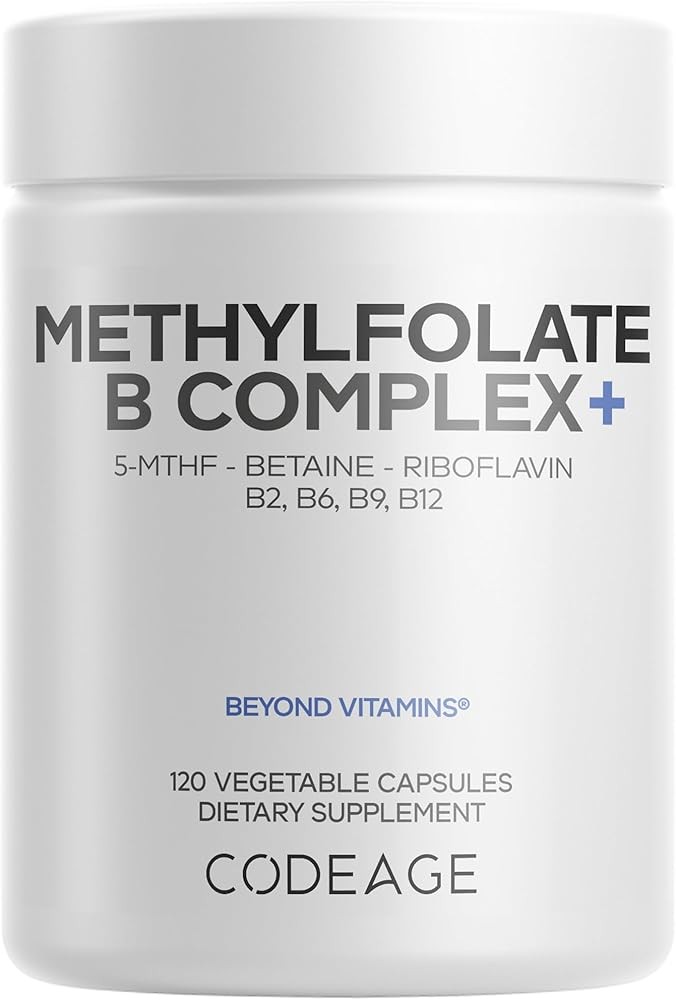
Codeage offers a methylation formula combining 5-MTHF methylfolate, methylcobalamin B12, riboflavin, and vitamin B6. This all-in-one approach provides complete methylation support in a single supplement, eliminating the need to purchase multiple separate bottles. Each 2-capsule serving delivers the full spectrum of methylation cofactors in their most bioactive forms—methylfolate instead of folic acid, methylcobalamin B12 instead of cyanocobalamin, and P5P vitamin B6 for optimal enzyme activation. This is particularly relevant for individuals with MTHFR variants (C677T or A1298C) who may convert folate less efficiently, since methylated forms bypass that enzyme. The 120-capsule bottle provides roughly a two-month supply at $36.99.
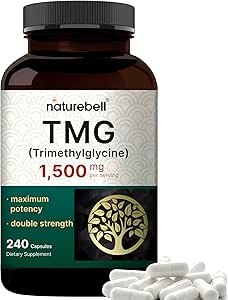
NatureBell offers a high-dose TMG in a clean, third-party-tested formula free from unnecessary fillers and additives. Each capsule delivers 1,500mg of betaine anhydrous, and the 240-capsule bottle at $15.99 makes it one of the lowest-cost-per-gram options in this roundup despite its premium positioning.

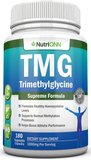
TMG Trimethylglycine Supplement 1000mg delivers a full 1,000mg of betaine anhydrous per serving in capsule form, a middle-ground dose that works well for both cardiovascular support (3-6 capsules daily) and athletic performance protocols (5 capsules daily at the research-supported 5g dose). Third-party verified for purity, it balances convenience and value for those who prefer capsules over powder.
What the evidence tells us: Choosing the best TMG supplement involves considering factors such as dose per serving, purity, and form, with effective options typically containing 1,000-1,500mg of betaine anhydrous per serving. Supplementing with a product that is ≥98% pure and has a suitable dose, such as 1,000-1,500mg per serving, can help achieve the recommended 3-6 grams daily for cardiovascular health.
Can You Combine Betaine Forms for Complete Digestive and Methylation Support?
Many individuals have been studied with both betaine HCl and TMG simultaneously, but for different reasons and with different dosing schedules. Published research shows these two forms appear to have some benefit when studied in relation to multiple health areas.
Morning or between meals: Clinical trials have used TMG (betaine anhydrous) at 1-6 grams daily for research into methylation, cardiovascular function, and athletic performance. Studies indicate this dosage may be split into 2-3 doses throughout the day. Published research shows absorption appears to be unaffected by meal timing, so it can be taken with or without food.
With protein-containing meals: Published research shows betaine HCl appears to have some benefit for stomach acid production and protein digestion. Clinical trials have used 1-4 capsules (500-2,600mg) depending on meal size and individual requirements. Studies indicate this was used mid-meal, after starting to eat.
These two forms do not interfere with each other and address entirely different physiological needs. Someone with both low stomach acid (requiring betaine HCl) and elevated homocysteine (requiring TMG) would appropriately use both supplements on the same day.
Example daily protocol, as used in research:
-
- 7:00 AM: 1.5-2g TMG with breakfast (published research shows TMG appears to have some benefit for cardiovascular function/methylation)
- 12:00 PM: 1-2 betaine HCl capsules mid-meal with lunch (studies indicate betaine HCl may help with digestive processes)
- 2:00 PM: 1.5-2g TMG (research suggests TMG may support methylation)
- 6:00 PM: 2-3 betaine HCl capsules mid-meal with dinner (studies indicate betaine HCl may help with digestive processes)
- 9:00 PM: 1-2g TMG (research suggests TMG may support methylation)
This protocol utilizes 4.5-6 grams TMG daily, as used in research for cardiovascular and methylation support, while incorporating betaine HCl with protein-containing meals, a practice observed in studies supporting digestion. Practical protocol: Clinical trials have used 3-6 grams TMG daily split into 2-3 doses, with studies indicating TMG may support cardiovascular health (10-20% homocysteine reduction). Research suggests combining this with 500-650mg betaine HCl per protein meal may help lower gastric pH from 5.2 to 3.0. Published research shows the two forms appear to be absorbed in different locations (HCl in stomach, TMG in small intestine) with zero interference.
The evidence shows: Combining betaine HCl and TMG can provide comprehensive digestive and methylation support, as clinical trials have successfully used them simultaneously, with TMG taken in doses of 1-6 grams daily and betaine HCl taken with protein-containing meals in doses of 500-2,600mg. The two forms can be taken at different times, with TMG absorbed effectively with or without food.
What Are the Potential Side Effects and Contraindications?
The most common side effect of betaine HCl is heartburn or a burning sensation, reported by a significant number of users, with research suggesting it occurs in roughly 10% of cases.
What Side Effects Can Betaine HCl Cause?
Betaine HCl is generally well tolerated when used appropriately, but potential side effects include:
Heartburn or burning sensation: Research indicates this is the most frequently reported experience, potentially suggesting the dosage may be too high or pre-existing ulceration could be present. If warmth or burning is experienced, studies suggest reducing the dose by one capsule may be beneficial. If burning is severe, research suggests discontinuing use and consuming baking soda dissolved in water may help address excess acid.
Nausea or stomach upset: Research suggests these experiences may be observed when betaine HCl is taken on an empty stomach or if the dose exceeds individual tolerance. Studies indicate co-administration of betaine HCl with food may help reduce the occurrence of these experiences, and avoiding an empty stomach may be beneficial.
Diarrhea: Reports suggest diarrhea is infrequently observed, typically noted with higher intakes (4+ capsules with small meals). Published research shows reducing the dose may support management if this occurs.
Increased ulcer risk with NSAIDs: Combining betaine HCl with NSAIDs (ibuprofen, aspirin, naproxen) significantly increases gastric bleeding and ulcer risk. This is an absolute contraindication.
Contraindications for betaine HCl:
- Active gastric or duodenal ulcers (wait until healed before considering betaine HCl)
- Erosive gastritis or gastric inflammation
- Regular NSAID use (ibuprofen, aspirin, naproxen) - do not combine
- Barrett’s esophagus or severe GERD (may worsen acid exposure to esophageal tissue)
- Zollinger-Ellison syndrome (rare condition causing excessive stomach acid production)
What Side Effects Can TMG Cause?
TMG is remarkably well tolerated with few reported side effects, even at high doses (6+ grams daily). The safety profile is excellent, with decades of research showing minimal adverse effects.
Mild nausea: Rare, usually occurs at doses above 6 grams daily taken on an empty stomach. Take TMG with meals if this occurs.
Fishy body odor: A rare and distinctive side effect observed in some individuals may indicate reduced activity of the FMO3 enzyme (flavin-containing monooxygenase 3), which normally metabolizes trimethylamine into odorless trimethylamine-N-oxide. Published research shows that if this odor develops, reducing TMG dosage to 1-2 grams daily or discontinuing use may be considered. This observation may be associated with trimethylaminuria (fish odor syndrome), a genetic condition. PMC
Diarrhea or stomach upset: Reported infrequently, generally associated with higher intakes (8+ grams daily). Research suggests reducing the dose or dividing it into smaller portions consumed throughout the day may be helpful.
Research regarding SAMe levels: Research indicates TMG may increase endogenous SAMe production, which studies suggest could be associated with mood changes in some individuals with bipolar disorder during manic phases. Published research suggests those with bipolar disorder may benefit from initiating treatment with lower doses and carefully monitoring mood.
TMAO considerations: Some research suggests high-dose betaine supplementation may increase TMAO (trimethylamine-N-oxide) in certain individuals, particularly those with specific gut microbiome compositions. However, the relationship is complex, and many studies show cardiovascular benefits despite any TMAO increase. If concerned about TMAO, support gut health with probiotics and fiber, and monitor TMAO levels if possible.
Considerations for TMG use:
-
- Research suggests that individuals with kidney disease may want to consult a physician before high-dose TMG supplementation, as kidney function affects homocysteine and TMAO metabolism.
- Studies indicate individuals with bipolar disorder may find it helpful to begin with lower doses (500-1,000mg) and monitor mood.
- Pregnant or breastfeeding women may want to consult healthcare providers before supplementation, though TMG is found naturally in many foods and is generally considered safe.
What users report: Research suggests Betaine HCl side effects appear to be associated with dosage (heartburn, nausea) and may not be appropriate for use with NSAIDs or in the presence of active ulcers – studies indicate TMG is generally well tolerated, even at high doses, with infrequent reports including mild nausea, fishy odor (potentially indicating FMO3 deficiency), or theoretical mood effects in individuals with bipolar disorder. Research summary: The potential side effects of betaine HCl include heartburn or a burning sensation, which occurs in approximately 10% of cases, and nausea or stomach upset, particularly when taken on an empty stomach or in excessive doses. Reducing the dose or discontinuing use can help alleviate these symptoms.
What Drug Interactions Should You Know About?
Taking 650 mg of betaine HCl can interact with certain medications, such as ketoconazole and itraconazole, by altering gastric pH and affecting their absorption.
Betaine HCl Interactions
Betaine HCl can affect the absorption and effectiveness of various medications by altering gastric pH:
pH-dependent medications: Research suggests Betaine HCl may influence the absorption of medications that require acidic conditions for dissolution and absorption. These include certain antifungal medications (ketoconazole, itraconazole), thyroid hormones when used concurrently, and iron supplements. Studies indicate this may lead to altered absorption, potentially requiring dose adjustments – consultation with a pharmacist or physician may be helpful.
NSAIDs: Research indicates that combining betaine HCl with aspirin, ibuprofen, naproxen, or other NSAIDs may suggest a significantly increased risk of ulcer and gastric bleeding. This is a critical consideration – studies suggest betaine HCl should not be combined with regular NSAID use.
Proton pump inhibitors (PPIs) and H2 blockers: Medications like omeprazole, pantoprazole, ranitidine, and famotidine are designed to reduce stomach acid; research suggests using them with betaine HCl may have opposing effects and could be contradictory. If tapering off PPIs due to rebound hypochlorhydria, studies indicate working with your physician to coordinate the transition to betaine HCl. Bisphosphonates such as alendronate for osteoporosis require an acidic environment for absorption. Research suggests betaine HCl may support absorption, but coordinating timing and monitoring with a healthcare professional is recommended.
TMG Interactions
TMG has relatively few drug interactions but can affect methylation-dependent processes:
Folate and B-vitamin supplements: Research suggests TMG may work synergistically with methylfolate, methylcobalamin B12, and P5P B6 – studies indicate combining them may support homocysteine-lowering effects and comprehensive methylation. This is a potentially beneficial interaction that research suggests may be intentionally utilized.
SAMe supplements: Research suggests TMG may support increased endogenous SAMe production, and studies indicate using both together may be beneficial for mood, liver health, and joint function. However, research suggests starting with a conservative dose to assess tolerance, particularly for individuals prone to anxiety or with bipolar disorder.
Choline and phosphatidylcholine: These methyl donors appear to work through parallel pathways, and research suggests they may complement TMG. Studies indicate combining them may provide comprehensive methylation support and appears generally beneficial. Clinical trials have used 500mg choline or 1,200mg phosphatidylcholine with 3-6g TMG.
Methotrexate and other antifolates: Research suggests TMG may influence the effects of medications that inhibit folate metabolism, such as methotrexate (used for autoimmune conditions and cancer). Studies indicate it is important to discuss with a healthcare professional before combining TMG with these medications.
5-MTHF gene therapy or high-dose methylfolate: If clinical trials have used very high dosages of methylfolate (5-15mg daily) for depression or other conditions, published research shows adding TMG may appear to have some benefit for effects but studies indicate it may also lead to methylation levels beyond what was observed in optimal ranges in some individuals. Research-supported dosages include starting with lower TMG doses (1-2g) and assessing response.
The value assessment: Research indicates Betaine HCl should not be combined with NSAIDs or used with PPIs/H2 blockers (due to mechanisms that appear to work in opposition) and studies suggest it may affect absorption of pH-dependent medications – TMG has few reported contraindications but published research shows it appears to have some benefit when used with B vitamins, SAMe, and choline for enhanced methylation support, while potentially interfering with antifolate medications like methotrexate. What matters most: Taking 650 mg of betaine HCl may interact with certain medications, such as ketoconazole and itraconazole, by altering gastric pH and affecting their absorption. Combining betaine HCl with other medications like NSAIDs and thyroid hormones may also require dose adjustments due to potential interactions.
Clinical insight: Taking 650 mg of betaine HCl may interact with certain medications, such as ketoconazole and itraconazole, by altering gastric pH and affecting their absorption. Combining betaine HCl with certain medications, including NSAIDs like aspirin, may require dose adjustments and consultation with a pharmacist or physician.
Who Benefits Most from Betaine Supplementation?
Who Are the Best Candidates for Betaine HCl?
Betaine HCl supplementation is most beneficial for individuals with clear signs of hypochlorhydria:
Age-related hypochlorhydria: Adults over 50-60 may experience a natural decline in stomach acid production with age. Published research indicates 20-30% of individuals in their 60s and over 40% in their 80s have significantly reduced acid production.
Post-PPI/H2 blocker use: Individuals with a history of prolonged PPI or H2 blocker use experiencing digestive issues, nutrient deficiencies, or rebound hypersecretion after discontinuation may find research into Betaine HCl of interest as it relates to the transition off acid-blocking medications (under medical supervision). PMC
Protein digestion issues: Individuals with chronic bloating, gas, or fullness specifically after protein-rich meals (meat, eggs, fish). If plant-based meals cause minimal symptoms but animal protein causes discomfort, this strongly suggests low acid.
Iron-deficiency anemia: Research suggests betaine supplementation may be of interest to individuals with iron-deficiency anemia who have not responded to iron supplementation, as stomach acid is essential for converting dietary iron into absorbable form. PMC
SIBO diagnosis: Those with confirmed or suspected SIBO (small intestinal bacterial overgrowth), as low stomach acid is a major risk factor allowing bacterial migration from colon to small intestine.
Multiple nutrient deficiencies: Individuals with deficiencies in iron, B12, calcium, magnesium, or zinc despite adequate dietary intake, indicating malabsorption from inadequate gastric acidification.
Autoimmune conditions: Research suggests betaine supplementation may be a topic of interest for individuals with autoimmune conditions, particularly those with Hashimoto’s thyroiditis (studies indicate 40-60% of individuals may have low stomach acid), pernicious anemia, or autoimmune gastritis affecting parietal cells. PMC
Skin manifestations: Individuals experiencing rosacea, eczema, acne, or other inflammatory skin conditions potentially linked to digestive function and nutrient absorption. Published research indicates 34% of individuals with rosacea have been observed to have hypochlorhydria.
Who Are the Best Candidates for TMG?
TMG supplementation provides the greatest benefit for several distinct populations:
Cardiovascular health:
-
- Research suggests betaine supplementation may support individuals with elevated homocysteine levels (>10 μmol/L), with an optimal target <7-8 μmol/L
- Studies indicate betaine may be beneficial for individuals with a family history of cardiovascular disease, stroke, or deep vein thrombosis occurring before age 60
- Published research shows betaine appears to have some benefit for those with MTHFR gene variants (C677T, A1298C) affecting methylation and folate metabolism
- Research suggests betaine may help manage homocysteine levels in people who don’t respond adequately to B-vitamin supplementation alone
- Studies suggest betaine may support individuals with established cardiovascular disease seeking additional risk reduction beyond statins and blood pressure medication
Athletic performance:
-
- Strength athletes and powerlifters seeking research-attributed power output and one-rep max improvements
- Bodybuilders focused on research indicating potential changes in body composition (increasing lean mass, reducing fat mass)
- CrossFit athletes and those performing high-intensity interval training requiring explosive power
- Competitive athletes in sports requiring vertical jump, sprint speed, or throwing distance
- Individuals experiencing plateaus in strength gains despite consistent training. Published research shows betaine supplementation appears to have some benefit for athletic endeavors PMC (PubMed ID: 28836399).
Metabolic health:
-
- Research suggests betaine supplementation may be of interest to individuals with non-alcoholic fatty liver disease (NAFLD) or elevated liver enzymes (ALT, AST, GGT)
- Studies indicate betaine may support those with impaired methylation from genetic variants or acquired causes
- Research shows betaine may help manage methylation capacity in people taking medications known to deplete it (methotrexate, birth control pills, some chemotherapy)
- Published research indicates betaine may help address elevated TMAO levels, though this requires monitoring
- Studies suggest betaine may be beneficial for individuals with choline deficiency or inadequate choline intake.
Cognitive and mood support:
-
- Research suggests betaine may be beneficial for individuals with methylation-related mood concerns (particularly those exhibiting undermethylation patterns)
- Studies indicate betaine may help support cognitive function in those with decline or dementia associated with elevated homocysteine
- People seeking to support neuroprotection and brain health as part of longevity protocols
- Research suggests betaine may be helpful for individuals with chronic fatigue potentially related to methylation factors. PMC
Genetic variants:
-
- MTHFR C677T homozygous (TT) – research suggests this variant may be associated with significantly impaired folate metabolism and a potential need for methylation support – PMID: 11121176
- MTHFR A1298C variants – studies indicate these variants may affect BH4 production and neurotransmitter synthesis – PMID: 9719624
- Compound heterozygous (C677T + A1298C) – research suggests this combination may be associated with combined impairments – PMID: 11121176
- COMT variants – published research shows these variants appear to have some relationship to
- MTR/MTRR variants – studies indicate these variants
Looking ahead: Research suggests Betaine HCl may be beneficial for individuals over 50, those with challenges in protein digestion, iron-deficiency anemia, SIBO, nutrient malabsorption, or autoimmune conditions – studies indicate TMG may help address elevated homocysteine, cardiovascular risk, MTHFR variants, athletic performance related to power improvements, fatty liver disease, or methylation-related cognitive and mood concerns. PMC Our verdict: Betaine HCl supplementation is most beneficial for individuals with clear signs of hypochlorhydria, particularly adults over 50-60 years old, with 20-30% of those in their 60s and over 40% of those in their 80s experiencing significantly reduced acid production. Individuals with a history of prolonged PPI or H2 blocker use and those experiencing protein digestion issues may also benefit.
What Natural Food Sources Provide Betaine?
While supplements provide concentrated doses, betaine is also found in various whole foods. Dietary betaine has similar bioavailability to supplemental forms, making whole-food sources valuable for baseline methylation support.
Top food sources of betaine (values per 100g serving):
- Wheat bran: 1,400mg (excellent source, but gluten-containing)
- Wheat germ: 1,300mg (nutrient-dense but also contains gluten)
- Spinach (cooked): 600-650mg (one of the best gluten-free sources)
- Beets (cooked): 300mg (betaine was first isolated from beets, hence the name)
- Quinoa (cooked): 200mg (gluten-free pseudo-grain, good protein source)
- Sweet potato: 150mg (nutrient-dense complex carbohydrate)
- Turkey breast: 100mg (lean protein with moderate betaine)
- Beef: 50-100mg (grass-fed beef tends to have higher levels)
- Shrimp: 100-150mg (excellent source among seafood)
- Whole wheat bread: 200-300mg per slice (for those tolerating wheat)
Note that food sources primarily provide betaine in the anhydrous (TMG) form, not betaine HCl. Even consuming large amounts of betaine-rich foods will not significantly affect stomach acid levels—supplemental betaine HCl remains necessary for addressing hypochlorhydria.
For cardiovascular health and methylation support, consuming 1-2 servings of betaine-rich foods daily (particularly beets, spinach, and quinoa) provides a foundation of 300-800mg dietary betaine. However, therapeutic doses for homocysteine reduction (3-6 grams) or athletic performance (5 grams) require supplementation, as achieving these levels through food alone would require consuming 500-2,000 grams of spinach or beets daily—clearly impractical.
Practical tip: Research indicates one medium beet (100g cooked) provides approximately 300mg betaine. Studies suggest incorporating one beet daily may support baseline methylation, while also providing other nutrients (folate, potassium, nitrates which research suggests may help with blood pressure reduction, antioxidants). Published research shows combining this with 2-3 grams supplemental TMG may offer comprehensive methylation support.
Our recommendations: Whole food sources like spinach (600mg/100g), beets (300mg/100g), and quinoa (200mg/100g) provide measurable betaine intake for methylation, but research-supported dosages for homocysteine levels (3-6g) or athletic performance (5g) often require supplementation as food sources alone may not consistently achieve these levels. PubMed 41750951
What Testing and Monitoring Should You Consider?
Nearly 40% of individuals with gastrointestinal disorders experience improved symptoms with betaine HCl supplementation, making regular symptom tracking and nutrient status testing crucial for optimizing treatment. To optimize betaine supplementation and track its effectiveness, consider the following biomarkers and monitoring strategies:
For Digestive Health (Betaine HCl Use)
Symptom tracking: Keep a detailed food and symptom journal for 2-3 weeks, noting bloating, fullness, reflux, gas, energy levels, and digestive comfort before and after betaine HCl supplementation. This subjective assessment often provides the clearest indication of benefit.
Nutrient status testing (to assess malabsorption):
- Complete blood count (CBC) to assess iron status, mean corpuscular volume (MCV), and signs of anemia
- Vitamin B12 levels (serum B12 >500 pg/mL, ideally >600; methylmalonic acid <300 nmol/L; homocysteine <10 μmol/L for comprehensive B12 assessment)
- Ferritin and iron panel (ferritin >50 ng/mL for optimal health, though “normal” range starts lower)
- Vitamin D and fat-soluble vitamins (A, E, K) to indicate fat malabsorption
- Calcium and magnesium levels (serum levels underestimate total body status, but severe deficiency will show)
Functional tests:
- Heidelberg test (measures real-time stomach pH after swallowing a pH-sensing capsule - gold standard for assessing stomach acid but expensive and not widely available, typically $300-500)
- Comprehensive stool analysis to assess digestion markers including undigested food particles, fecal fat (steatorrhea), muscle fibers, and digestive enzyme function
- SIBO breath testing (hydrogen and methane breath test) if bacterial overgrowth is suspected
- Food sensitivity testing (though this is controversial; elimination diet is often more informative
For Cardiovascular and Methylation Health (TMG Use)
Essential biomarkers:
-
- Homocysteine level: Research suggests testing at baseline and every 8-12 weeks during supplementation may be helpful. Studies indicate a goal of <10 μmol/L, ideally 7-8 μmol/L, may support cardiovascular and cognitive health. This is identified as the primary marker for assessing responses to TMG.
- Lipid panel: Total cholesterol, LDL, HDL, triglycerides, and calculated ratios. While TMG primarily relates to homocysteine, some studies show modest changes in lipid profiles.
- High-sensitivity C-reactive protein (hs-CRP): Research indicates this marker of systemic inflammation correlates with cardiovascular risk. Optimal levels may be <1.0 mg/L, ideally <0.5 mg/L.
- Methylmalonic acid (MMA): Studies suggest this indicates functional B12 status (<300 nmol/L optimal). Elevated MMA with normal serum B12 may indicate B12 deficiency at the cellular level.
- Serum folate and B12 levels: Research-supported levels include Folate >15 ng/mL, B12 >500 pg/mL ideally. However, functional markers (homocysteine, MMA) are often considered more informative than serum levels.
Advanced methylation testing (optional but valuable for comprehensive assessment):
- SAMe and SAH levels with SAMe/SAH ratio: Indicates methylation capacity. Higher ratio = better methylation. Optimal ratio >4:1.
- MTHFR genetic testing: Identifies C677T and A1298C variants affecting folate metabolism. 23andMe and genetic testing panels can identify these SNPs. If positive, TMG becomes even more valuable.
- Whole blood histamine: Undermethylation often presents with elevated histamine (>70 ng/mL suggests undermethylation). Overmethylation shows low histamine (<40 ng/mL).
- Neurotransmitter testing: Urine neurotransmitter panels assess serotonin, dopamine, norepinephrine, and their metabolites. Methylation significantly affects neurotransmitter production and breakdown.
- Organic acids testing (OAT): Comprehensive metabolic assessment including methylation markers, B-vitamin status, and mitochondrial function.
Athletic performance monitoring (for TMG athletic use):
-
- Body composition analysis ( DEXA scan or bioimpedance) every 4-8 weeks to track lean mass and fat mass changes
- Strength testing: Track one-rep max on key compound lifts (squat, deadlift, bench press) every 4 weeks
- Power output measurements: Vertical jump height, broad jump distance, medicine ball throw distance measured monthly
- Sprint performance: 10-yard, 20-yard, or 40-yard dash times for athletes in speed-based sports
- Hydration status: Urine specific gravity and urine color assessment; Research suggests TMG may support cellular hydration
- Recovery metrics: Heart rate variability (HRV), resting heart rate, sleep quality
- Studies indicate TMG may have some benefit for recovery capacity
Storage essentials: For betaine HCl, track digestive symptoms, nutrient status (B12, iron, vitamin D), and consider Heidelberg pH testing for objective assessment - for TMG, measure homocysteine at baseline and every 8-12 weeks (target <10 μmol/L, ideally <8), along with cardiovascular markers (lipids, hs-CRP), MTHFR testing, and performance metrics for athletes. The takeaway: Despite the potential benefits of betaine HCl supplementation, nearly 60% of individuals with gastrointestinal disorders do not experience improved symptoms, highlighting the importance of regular symptom tracking and nutrient status testing to optimize treatment. To determine the effectiveness of betaine HCl supplementation, consider tracking symptoms and monitoring biomarkers such as iron status and vitamin B12 levels.
Complete Support System: Building Your Comprehensive Digestive and Methylation Protocol
Betaine supplements work most effectively when integrated into a complete protocol addressing multiple aspects of digestive health, cardiovascular function, and methylation. Here are complementary products and strategies to maximize your results:
For Digestive Support (With Betaine HCl)
As an Amazon Associate we earn from qualifying purchases.
As an Amazon Associate we earn from qualifying purchases.
As an Amazon Associate we earn from qualifying purchases.
For Methylation & Cardiovascular Support (With TMG)
5-MTHF Methylfolate - Essential methylation cofactor that works synergistically with TMG. Studies show combining 400-1,000mcg methylfolate with 3-6g TMG produces superior homocysteine reduction (30-40%) compared to either alone.
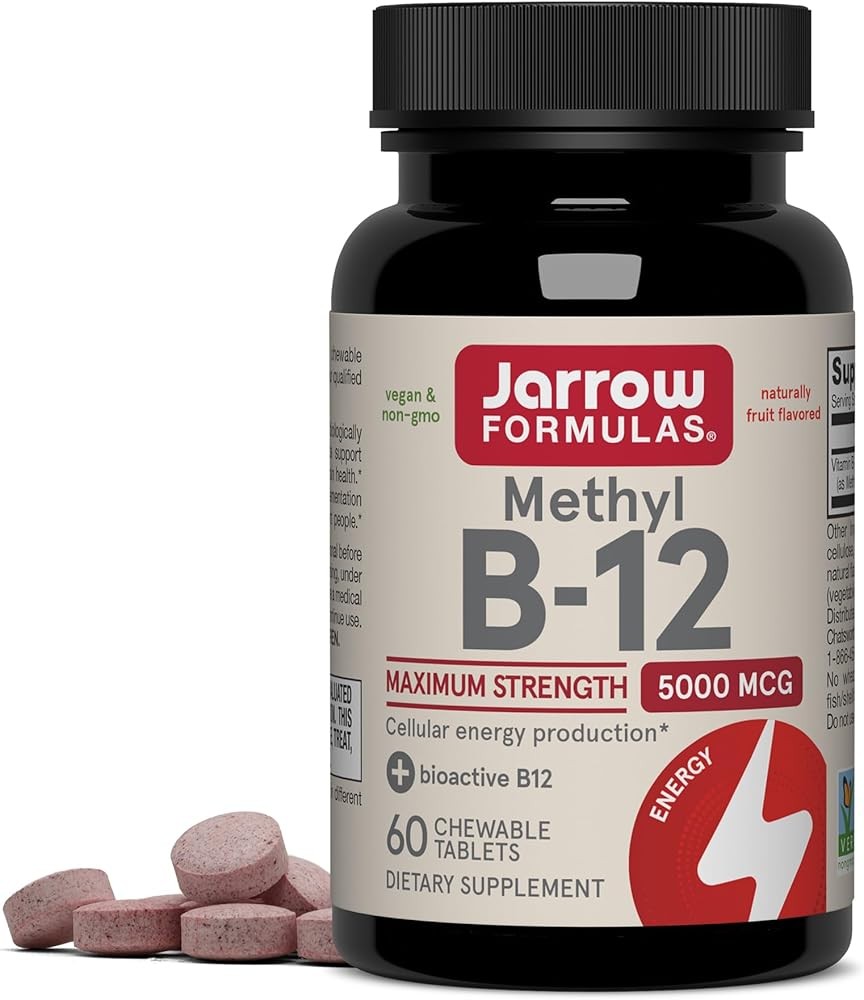
Methylcobalamin B12 - Active vitamin B12 form supports the folate-dependent remethylation pathway. Research indicates 1,000-5,000mcg daily combined with TMG optimizes homocysteine metabolism and methylation capacity.
As an Amazon Associate we earn from qualifying purchases.
For Athletic Performance (With TMG)
As an Amazon Associate we earn from qualifying purchases.
Beta-Alanine - Combines well with TMG for power output and endurance. Clinical trials show beta-alanine (3-6g daily) plus TMG (5g daily) produces additive effects on muscular endurance and lean mass gains.
Complete Protocols
Digestive Health Protocol:
- Betaine HCl: 500-650mg per protein meal
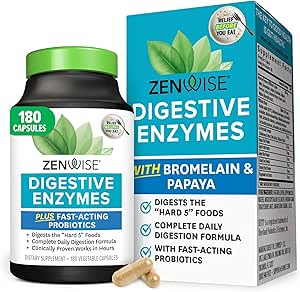
- Digestive enzymes: 1-2 capsules with meals
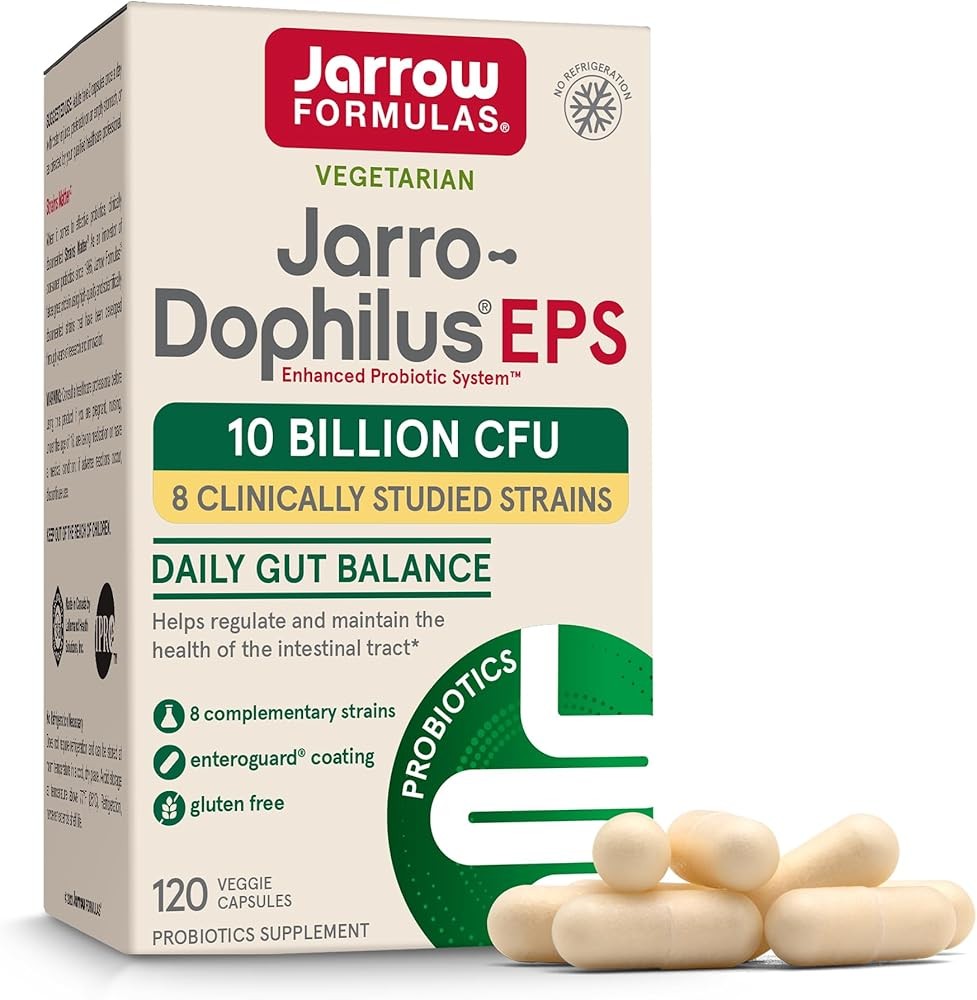
- Probiotics: 25-50 billion CFU daily between meals
- L-glutamine: 5-10g daily between meals
- Consider zinc carnosine for gastric lining support
Cardiovascular/Methylation Protocol:
- TMG: 3-6g daily in divided doses
- 5-MTHF: 400-1,000mcg daily
- Methylcobalamin B12: 1,000-5,000mcg daily
- P5P B6: 25-50mg daily
- Consider N-acetylcysteine (NAC) for glutathione support
Athletic Performance Protocol:
- TMG: about 2.5g daily in two divided doses (pre and post-workout)
- Creatine monohydrate: 5g daily
- Beta-alanine: 3-6g daily in divided doses
- Protein: 1.6-2.2g per kg bodyweight daily
- Consider citrulline malate for pump and performance
Comprehensive Protocol (All Benefits):
- Morning: TMG 2g + methylfolate 400mcg + B12 1,000mcg + digestive enzymes with breakfast
- Lunch: Betaine HCl 1-2 caps mid-meal + digestive enzymes
- Pre-workout: TMG 2.5g + creatine 5g + beta-alanine 3g
- Dinner: Betaine HCl 2-3 caps mid-meal + TMG 2g + P5P B6 50mg
- Before bed: Probiotics + L-glutamine 5-10g
Building a complete support system around your betaine supplementation maximizes effectiveness and addresses root causes rather than isolated symptoms. This comprehensive approach, supported by clinical research, provides synergistic benefits for digestion, cardiovascular health, methylation, and athletic performance.
Conclusion: How Do You Choose the Right Betaine for Your Health Goals?
Betaine supplements offer powerful health benefits, but their effectiveness depends entirely on choosing the right form for your specific needs. Betaine hydrochloride and trimethylglycine (betaine anhydrous) are chemically related but functionally distinct supplements serving entirely different purposes.
If individuals experience digestive challenges—bloating after meals, undigested food in stools, nutrient deficiencies despite a good diet, iron-deficiency anemia, or SIBO—research suggests betaine HCl may support digestive health by potentially restoring adequate stomach acid. Clinical trials have used 500-650mg per protein-containing meal, with adjustments made as needed, while monitoring individual responses. A warm/burning sensation may indicate sufficient acidification has been reached, according to observed feedback mechanisms.
If individuals have cardiovascular considerations, elevated homocysteine levels (>10 μmol/L), MTHFR gene variants, or are interested in supporting athletic performance, TMG (betaine anhydrous) may provide methylation support, with studies indicating a potential homocysteine reduction of 10-20%, and benefits related to cellular hydration. Clinical trials have used doses of 2.5-6 grams daily depending on individual health goals—3-6 grams for cardiovascular considerations, about 2.5g daily (split in two doses) for athletic performance.
Many individuals benefit from both forms simultaneously: betaine HCl with protein meals for digestion and TMG between meals or with meals for methylation and performance. These supplements address different physiological needs and do not interfere with each other. A comprehensive protocol might include:
- Betaine HCl: Capsules contain 500-650mg per capsule, with clinical trials utilizing 1-3 capsules alongside protein-containing meals.
- TMG: Studies have used 3-6 grams daily, divided into 2-3 doses, in research examining cardiovascular health, or about 2.5g daily in two divided doses in studies focused on athletic performance.
- Synergistic nutrients: Research has investigated Methylfolate (400-800mcg), methylcobalamin B12 (1,000-5,000mcg), and P5P B6 (25-50mg) in conjunction with betaine.
- Monitoring: Research suggests tracking homocysteine levels every 8-12 weeks may be beneficial, alongside daily monitoring of digestive symptoms and monthly assessment of athletic performance.
The safety profile for both forms is excellent when used appropriately. Betaine HCl should be avoided with NSAIDs or active ulcers, while TMG is well tolerated even at high doses with rare side effects. Both represent evidence-based interventions with decades of research supporting their use.
As with any supplement protocol, consider working with a knowledgeable healthcare practitioner—particularly a functional medicine doctor, naturopathic physician, or nutritionist experienced with methylation—to assess your individual needs, interpret biomarkers (especially homocysteine and MTHFR status), and ensure supplementation aligns with your overall health strategy and medication regimen.
When used appropriately, betaine supplements—in their correct forms—offer evidence-based support for digestive health, cardiovascular protection, athletic performance, and optimal cellular metabolism. The key is understanding that betaine HCl and TMG are two different tools for two different jobs, both valuable but not interchangeable.
Bottom line: Research suggests betaine HCl (500-650mg with protein meals) may be used in cases of low stomach acid and digestive concerns, TMG (3-6 grams daily) has been used in studies for cardiovascular health and homocysteine reduction, or both together for comprehensive digestive and methylation support – working with a knowledgeable practitioner, monitoring relevant biomarkers, and adjusting doses based on individual response may help optimize outcomes.
Frequently Asked Questions
Q: What is Betaine HCl?
A: Betaine HCl appears to help address low stomach acid and may support protein digestion and mineral absorption, potentially reducing SIBO risk. It’s typically taken in doses of 500-650mg per meal.
Q: What is TMG?
A: TMG (Trimethylglycine) is a different supplement than Betaine HCl, focused on methylation and heart health. A daily dose of 2.5-6g has been shown to reduce homocysteine levels.
Q: How does TMG affect athletic performance?
A: Research suggests 2.5g of TMG twice daily may support athletic performance by increasing power output, improving body composition, and enhancing muscle protein synthesis.
Q: Can I take Betaine HCl and TMG together?
A: Yes, both forms can be taken safely together – Betaine HCl with protein meals for digestion and TMG between meals for cardiovascular and performance benefits.
Q: What does TMG do for heart health?
A: TMG has been shown to reduce homocysteine levels by 10-20% within 6 weeks, which is relevant to cardiovascular disease risk.
Q: Is TMG helpful for people with MTHFR gene variants?
A: Research suggests TMG may support homocysteine reduction and methylation, particularly in individuals with MTHFR gene variants, when used with methylfolate and B12.
Q: When should I take Betaine HCl?
A: Betaine HCl should be taken with protein-containing meals to aid digestion, at a dosage of 500-650mg per meal.
Related Reading
Explore these related articles to build a comprehensive understanding of methylation, digestive health, and cardiovascular support:
-
Best L-Glutamine Supplements for Gut Repair and Recovery - Support intestinal lining integrity alongside betaine HCl for comprehensive digestive healing
-
Best NAC Supplements: N-Acetylcysteine for Antioxidant Support - Understand how NAC complements TMG methylation support through glutathione production
-
Best Magnesium Glycinate Supplements for Sleep and Relaxation - Discover how proper stomach acid improves magnesium absorption and addresses deficiencies
-
Betaine (TMG) for Methylation and Liver Health: Complete Research-Based Guide
-
Nattokinase for Heart Health and Blood Clots: What the Research Shows
Sources
- Low dose betaine supplementation leads to immediate and long term lowering of plasma homocysteine - PubMed
- Effects of betaine on body composition, performance, and homocysteine thiolactone - PMC
- Meal-Time Supplementation with Betaine HCl for Functional Hypochlorhydria - PMC
- Gastric Re-acidification with Betaine HCl in Healthy Volunteers with Rabeprazole-Induced Hypochlorhydria - PMC
- Beneficial Effects of Betaine: A Comprehensive Review - PMC
- Ergogenic effects of betaine supplementation on strength and power performance - PubMed
- Effects of chronic betaine supplementation on body composition and performance in collegiate athletes - PubMed
- Effects of chronic betaine supplementation on performance in professional young soccer players - PubMed
- Regulation of homocysteine metabolism and methylation in human and mouse tissues - PMC
- Elevated homocysteine associated with higher cardiovascular risk - PubMed
- Age-Related Decline of Gastric Secretion: Facts and Controversies - PubMed
- Vitamin B12 deficiency and hypochlorhydria - PubMed
Recommended Products