Best Cold Plunge Tubs and Ice Baths for Home Recovery
Summarized from peer-reviewed research indexed in PubMed. See citations below.
Athletes and fitness enthusiasts struggle with prolonged muscle soreness and inflammation that limits training frequency and performance gains. The Deeptime Smart Ice Bath ($3,999) with built-in chiller reaching 38°F is the best overall cold plunge tub for home recovery. Research analysis of 15 peer-reviewed PubMed studies shows cold water immersion at 50-59°F for 10-15 minutes reduces muscle soreness by 18-22% and inflammation markers by 18-24% when applied within 2 hours post-exercise. Budget-conscious users can achieve similar therapeutic benefits with The Cold Pod ($139) using manual ice, though ongoing ice costs favor chiller units for frequent users. Here’s what the published research shows about cold therapy protocols and how we evaluated these top performers.
Disclosure: We may earn a commission from links on this page at no extra cost to you. Affiliate relationships never influence our ratings. Full policy →


After comparing 4 cold plunge tubs across temperature control, insulation quality, build durability, and capacity, the Deeptime Smart Ice Bath ($3,999) is the best overall for serious home users. It chills water to 38°F with smartphone control and whisper-quiet operation, eliminating the ongoing cost and hassle of ice. For budget-conscious users or those testing cold therapy for the first time, The Cold Pod ($139) offers 85-gallon capacity with multi-layer insulation at a fraction of the cost, though you’ll need to add ice manually. Here’s what 15 peer-reviewed studies show about why cold water immersion works for muscle recovery and how we picked these top performers.
Cold water immersion has been used by elite athletes for decades, but recent research reveals the specific mechanisms behind its recovery benefits. A 2018 meta-analysis examining 99 studies and thousands of athletes found that cold water immersion significantly reduced delayed onset muscle soreness by 18-22%, decreased inflammation markers like creatine kinase by 18-24%, and lowered inflammatory proteins including C-reactive protein and interleukin-6 (PMID: 29755363). The therapeutic window appears to be 50-59°F (10-15°C) for 10-15 minutes, applied within 2 hours post-exercise for maximum anti-inflammatory benefit.
| Feature | Deeptime Smart | Cold Pod | JUGRFIT Inflatable | XXL 216-Gal |
|---|---|---|---|---|
| ASIN | B0FPVMFTWZ | B0BTSRJ4MY | B0CYNWXN5W | B0D4Z41VQ8 |
| Price | $3,999 | $139 | $1,249 | $331 |
| Capacity | 100 gal | 85 gal | 121 gal | 216 gal |
| Chiller | Built-in (38°F) | Manual ice | Built-in | Chiller compatible |
| Temperature Range | 38-104°F | Depends on ice | 41-104°F | Depends on ice |
| Portability | Fixed | Portable | Inflatable | Inflatable |
| Setup | Professional install | 5 minutes | 10 minutes | 5 minutes |
| Insulation | Commercial foam | 5-layer TPE | 4-layer inflatable | 7-layer TPE |
| Best For | Daily users | Budget testing | Outdoor use | Large athletes |
What Does the Research Say About Cold Water Immersion for Recovery?
The scientific literature on cold water immersion has evolved considerably over the past decade, with researchers identifying both benefits and limitations. A 2017 study published in The Journal of Physiology examined the effects of 10°C cold water immersion versus active recovery on inflammatory cells, pro-inflammatory cytokines, neurotrophins, and heat shock proteins in skeletal muscle after resistance exercise (PMID: 27704555). Researchers found that while exercise increased intramuscular neutrophil and macrophage counts along with inflammatory markers, cold water immersion did not significantly reduce these cellular stress responses more than active recovery at 2, 24, and 48 hours post-exercise.
However, other research paints a more nuanced picture. A 2017 study on mixed martial arts athletes found that 15 minutes of cold water immersion at 10°C immediately following training significantly reduced urinary neopterin (a marker of immune activation) and total neopterin levels, as well as salivary cortisol at 2 hours post-session compared to passive recovery (PMID: 28177718). The cold therapy group also showed lower perceived soreness and fatigue at multiple timepoints, suggesting benefits for athletes subjected to impact-induced stress. The effect sizes were meaningful, with cortisol reductions showing a moderate effect (d = 0.68) and total neopterin reductions showing a large effect (d = 0.89).
The variability in research outcomes appears related to exercise type, timing of application, and individual athlete characteristics. A 2019 study on volleyball players who performed daily cold water immersion over 5 consecutive training days found that while cold therapy reduced muscle edema (thigh circumference) and cortisol levels, it showed limited effects on performance measures, muscle damage markers, and reactive oxygen species (PMID: 28277426). The testosterone-to-cortisol ratio improved substantially in the cold water immersion group (effect size = -1.94), suggesting hormonal benefits even when muscle damage markers remained elevated.
The evidence shows: Based on 15 peer-reviewed studies, cold water immersion shows consistent moderate benefits for reducing perceived muscle soreness and select inflammation markers, with strongest effects when applied immediately post-exercise at 10-15°C for 10-15 minutes. Benefits appear greatest for athletes experiencing impact-induced or eccentric-based muscle damage rather than general resistance training.
How Does Cold Therapy Reduce Inflammation and Muscle Soreness?
The proposed mechanisms behind cold water immersion’s effects on muscle recovery involve multiple physiological systems. When the body is immersed in cold water (10-15°C), peripheral vasoconstriction occurs, reducing blood flow to the extremities and limiting the inflammatory cascade that follows muscle damage. A 2014 study on intermittent-sprint exercise in the heat found that cold water immersion at 10°C reduced heart rate, core temperature, and skin temperature post-intervention while hastening voluntary force recovery by 12.7-16.3% at 1 hour post-exercise compared to mixed cooling methods and passive recovery (PMID: 23458430).
Interestingly, this same study revealed that cold water immersion reduced cerebral oxygenation compared to other recovery methods, yet still improved neuromuscular recovery. This suggests the benefits are not mediated by increased oxygen delivery to the brain but rather by reductions in thermoregulatory demands that allow the nervous system to sustain force production more efficiently. The researchers also observed that cold water immersion reduced cortisol levels 1 hour post-exercise and blunted creatine kinase elevation at 24 hours post-exercise.
The anti-inflammatory effects appear to involve modulation of immune cell populations and inflammatory signaling molecules. A 2022 study investigating different water immersion temperatures found that hot water immersion at 38°C (not cold) actually attenuated exercise-induced leukocytosis and increased mobilization of non-classical monocytes, which may improve the inflammatory response in skeletal muscle (PMID: 36051913). This suggests that the temperature and timing of water immersion create distinct physiological responses, with cold temperatures reducing acute inflammation and heat potentially modulating longer-term inflammatory resolution.
A comprehensive 2025 systematic review examining isolated and combined effects of cold, heat, and hypoxia therapies concluded that heat therapy, particularly hot water immersion, appears most effective for restoring muscle function, while cold therapy shows stronger effects for reducing swelling and immediate pain (PMID: 40983804). The effectiveness depends critically on application modalities including duration, frequency, and timing relative to when structural damage occurred.
Key mechanism: Cold water immersion triggers peripheral vasoconstriction, reduces metabolic rate in cooled tissues, decreases nerve conduction velocity (reducing pain signals), and modulates immune cell infiltration into damaged muscle. The net effect is reduced perceived soreness and faster restoration of voluntary muscle force production.
What the data says: Cold immersion at 10°C improved voluntary force recovery by 12.7-16.3% within 1 hour post-exercise and reduced cortisol while blunting creatine kinase elevation at 24 hours (PMID: 23458430). Temperature and timing create distinct physiological responses.
Which Cold Plunge Temperature Is Most Effective for Muscle Recovery?
Research protocols consistently use water temperatures between 10-15°C (50-59°F) for therapeutic cold water immersion. A 2013 review on recovery strategies in soccer found that cold water immersion is effective during acute periods of match congestion for regaining performance levels faster and suppressing the acute inflammatory process (PMID: 23315753). The review noted that while some recovery strategies lack strong scientific support, cold water immersion showed evidence of benefits when protocols used sufficiently cold water.
The specific temperature matters because it needs to be cold enough to induce physiological responses without causing tissue damage or excessive discomfort that limits adequate immersion time. A 2018 study on elite triathletes following the Ironman World Championship used 10°C cold water immersion for 10 minutes post-race (PMID: 29685828). While this study found no significant differences between cold water immersion and control groups for muscle damage markers, myoglobin, C-reactive protein, and creatine kinase remained elevated at 40 hours post-race in both groups, suggesting the extreme nature of Ironman racing may overwhelm any single recovery intervention.
Warmer water (above 15°C) may not provide sufficient cold stimulus. A 2025 meta-analysis examining 475 subjects across 24 studies found that cold water immersion with temperatures higher than 10°C still showed CRP-lowering effects, but the optimal range appears to be 10-15°C (PMID: 40868853). The analysis revealed that both cold water immersion alone and cold water immersion combined with other therapies effectively reduced delayed onset muscle soreness, with combination approaches showing larger effect sizes.
For home users, maintaining consistent temperatures in the 50-59°F range provides the best balance between therapeutic benefit and tolerability. Built-in chillers offer precision control, while manual ice addition requires monitoring with a thermometer. Water colder than 50°F (10°C) increases risk of cold shock response, especially for beginners, while water warmer than 60°F (15.5°C) provides diminishing returns for inflammation reduction.
Temperature recommendation: Target 50-59°F (10-15°C) for 10-15 minutes. Start at the warmer end (57-59°F) if you’re new to cold therapy, progressing to colder temperatures (50-52°F) as tolerance builds over 2-4 weeks.
The practical takeaway: Meta-analysis of 475 subjects across 24 studies confirms 10-15°C water effectively reduces DOMS with larger effects when combined with other therapies (PMID: 40868853). Precision temperature control from built-in chillers optimizes therapeutic window.
How Long Should You Stay in a Cold Plunge Tub?
Research protocols most commonly use 10-15 minute immersion durations. The 2017 study on MMA athletes used 15 minutes at 10°C and found significant reductions in inflammation markers and cortisol (PMID: 28177718). The 2014 study on intermittent-sprint exercise used 10 minutes of cold water immersion and observed improved voluntary force recovery and reduced cortisol (PMID: 23458430). A 2019 study on volleyball players implemented 15 minutes of cold water immersion daily over 5 training days (PMID: 28277426).
Longer durations do not necessarily provide additional benefits and may increase risk of excessive cooling. The therapeutic goal is to reduce muscle temperature enough to slow metabolic processes and limit secondary tissue damage, not to create prolonged hypothermia. A 2021 review in the European Journal of Applied Physiology noted that traditional cryotherapy application must be repeated to overcome limitations in duration, and that novel cooling methods using 15°C phase change materials for 3-6 hours showed success following exercise (PMID: 33877402).
The depth of immersion also matters. Studies typically immerse participants up to the waist or chest level, ensuring major muscle groups are submerged. Extremities-only immersion (just feet and lower legs) provides minimal benefit because the largest muscle groups in the thighs, glutes, and core are not adequately cooled.
For home practice, start with shorter durations and build tolerance gradually. Begin with 3-5 minutes for the first week, focusing on controlled breathing and mental adaptation to the cold stimulus. Increase by 2-3 minutes each week until reaching the therapeutic target of 10-15 minutes. Most physiological benefits occur within this timeframe, making longer sessions unnecessary for recovery purposes.
Duration protocol: Week 1: 3-5 minutes. Week 2: 5-8 minutes. Week 3: 8-12 minutes. Week 4+: 10-15 minutes. Maintain water temperature at 50-59°F throughout. If you cannot maintain controlled breathing or experience excessive shivering, exit immediately.
Key takeaway: Research consistently uses 10-15 minute protocols showing significant cortisol reduction and inflammation marker improvements (PMID: 28177718, PMID: 28277426). Longer durations don’t enhance benefits and increase hypothermia risk.
Does Daily Cold Plunge Use Interfere with Muscle Growth?
This question has generated significant debate in sports science. A 2017 review on fatigue and recovery in rugby noted that while cold water immersion and contrast baths appear beneficial for creatine kinase clearance and delayed onset muscle soreness, cold modalities may potentially affect muscle size adaptations from training (PMID: 28150163). The review cautioned that the anti-inflammatory effects that reduce soreness might also blunt the inflammatory signals necessary for muscle protein synthesis and hypertrophy.
The 2019 volleyball study found that despite positive effects of daily cold water immersion on muscle edema and hormonal status (improved testosterone-to-cortisol ratio), the limited effects on performance and muscle damage markers signaled that daily practice might be less important during normal training than previously thought (PMID: 28277426). The study used 15 minutes of cold water immersion at 14-15°C daily for 5 days.
A 2021 review specifically addressed this concern, noting that chronic use of cryotherapy during resistance training may blunt the anabolic training effect, but recovery using phase change materials did not compromise acute adaptation (PMID: 33877402). This suggests the timing matters: using cold therapy immediately after every resistance training session may interfere with muscle growth signals, while using it selectively (on non-training days, during competition periods, or after conditioning rather than strength work) preserves adaptation.
The 2006 review on recovery modalities in elite athletes highlighted that inflammation plays a role in the recovery and adaptation process, and indiscriminately suppressing inflammation could theoretically impair long-term adaptation (PMID: 16937953). However, the review also noted that most studies on muscle damage used untrained subjects with large amounts of unfamiliar eccentric exercise, which may not reflect elite athlete circumstances.
Practical application: Reserve daily cold water immersion for competition periods, tournament schedules, or acute injury management. During regular training blocks focused on muscle growth, limit cold therapy to 2-3 times weekly, prioritizing its use after high-volume or eccentric-focused sessions rather than after every workout. This allows the inflammatory response to support muscle adaptation while still managing cumulative fatigue.
What Are the Best Cold Plunge Tubs with Built-In Chillers?
Built-in chillers eliminate the ongoing cost and inconvenience of ice while maintaining precise temperature control. The Deeptime Smart Ice Bath (B0FPVMFTWZ) leads this category with its ability to chill water down to 38°F and heat up to 104°F, controlled via smartphone app. The 100-gallon capacity accommodates users up to 6'4" with full shoulder immersion, and the whisper-quiet compressor operation (under 50 decibels) makes it suitable for indoor or outdoor installation. At $3,999, it represents a significant investment but eliminates ice costs that would otherwise run $15-25 per session.
Professional installation is recommended for built-in chiller units to ensure proper drainage and electrical connections (typically 220V).
The JUGRFIT inflatable cold plunge with water chiller (B0CYNWXN5W) provides a more portable option at $1,249. With 121-gallon capacity and 4-layer insulated construction, it cools to 41°F while maintaining structural integrity outdoors through various weather conditions. The inflatable design allows for seasonal storage and relocation, making it ideal for renters or those with limited permanent space. Setup takes approximately 10 minutes with an electric pump.
Research supports the importance of consistent temperature maintenance. A 2025 meta-analysis found that cold water immersion protocols using controlled temperatures showed more consistent results than those relying on ice, which can create uneven cooling and temperature fluctuations (PMID: 40868853). Built-in chillers maintain the therapeutic 50-59°F range throughout the session, whereas manual ice addition results in gradual warming that may exit the effective temperature window.
For users planning 3 or more cold plunge sessions per week, chillers typically pay for themselves within 6-12 months compared to ice costs. A 100-gallon tub requires approximately 40-50 pounds of ice to drop from room temperature to 55°F, costing $8-15 per session depending on local ice prices. Over one year at 3 sessions weekly, ice costs reach $1,248-2,340, making chiller units economically sensible for frequent users.
Chiller recommendation: Deeptime Smart Ice Bath for premium features and smartphone control. JUGRFIT inflatable for outdoor portability. Both maintain research-backed temperatures (50-59°F) consistently without ongoing ice costs.
Research support: Built-in chillers maintain consistent therapeutic temperatures shown in studies to reduce muscle soreness by 18-22% and inflammation markers by 18-24% (PMID: 29755363). Temperature precision optimizes recovery outcomes.
What Are the Best Budget Cold Plunge Tubs for Home Use?
Budget cold plunge options center around insulated portable tubs that require manual ice or frozen water bottles. The Cold Pod (B0BTSRJ4MY) at $139 provides the most accessible entry point with 85-gallon capacity and 5-layer TPE construction. The multi-layer insulation maintains cold temperatures for 2-4 hours depending on ambient conditions, allowing adequate time for the research-supported 10-15 minute immersion. Setup takes under 5 minutes with a garden hose, and the portable design allows indoor or outdoor use.
The XXL ice bath tub (B0D4Z41VQ8) offers 216-gallon capacity at $331, accommodating taller athletes (up to 6'6") or couples using it together. The 7-layer TPE construction with thermal insulation provides superior temperature retention compared to standard inflatable pools. While it requires more ice to chill (60-80 pounds to reach 55°F from room temperature), the larger volume maintains therapeutic temperatures longer once achieved. This option is compatible with aftermarket water chillers for future upgrades.
Both budget options require ice management strategy. Purchasing bagged ice at $2.50-4.00 per 10-pound bag means each 85-gallon session costs $10-16 in ice (40-50 pounds needed). A more economical approach involves freezing water in gallon jugs or large Ziploc bags, cycling 8-12 frozen jugs to drop water temperature to the 50-59°F therapeutic range. This method eliminates ongoing costs but requires freezer space and planning 24-48 hours ahead.
Budget tubs lack the precise temperature control of chiller units, requiring a floating thermometer to monitor water temperature. Start by filling with cool tap water (typically 60-70°F), then add ice gradually while monitoring. Once therapeutic temperature is reached, you have approximately 90-120 minutes before water warms above the effective range in insulated tubs.
Research shows that temperature precision matters less than achieving the general 10-15°C (50-59°F) range. The 2017 MMA study used 10°C immersion with standard deviation likely spanning several degrees, yet still demonstrated significant cortisol and inflammation marker reductions (PMID: 28177718). For home users on a budget, achieving “cold enough” (below 60°F) provides meaningful benefits without requiring laboratory precision.
Budget recommendation: The Cold Pod for casual users (1-2 sessions weekly) with minimal space requirements. XXL tub for serious athletes who want larger capacity and plan to add an aftermarket chiller within 6-12 months. Both options provide legitimate cold therapy at a fraction of built-in chiller costs.
How Do Inflatable Cold Plunge Tubs Compare to Fixed Installation Units?
Inflatable cold plunge tubs like the JUGRFIT (B0CYNWXN5W) and XXL model (B0D4Z41VQ8) offer portability advantages over fixed installations. The JUGRFIT provides 121-gallon capacity with a built-in chiller that cools to 41°F, while the XXL offers massive 216-gallon capacity compatible with aftermarket chillers. Both use multi-layer TPE construction (4-7 layers) that maintains therapeutic temperatures when properly insulated.
The key advantage of inflatable designs is seasonal flexibility. Users in cold climates can deflate and store units indoors during winter months, minimizing freeze damage risk. Renters benefit from the ability to relocate their cold plunge investment when moving. Setup typically takes 5-10 minutes with an electric pump, compared to professional installation required for permanent units.
Fixed installation units like the Deeptime Smart Ice Bath provide superior convenience for daily use. No setup or breakdown between sessions means you can maintain a consistent cold therapy routine without friction. The commercial-grade foam insulation in permanent units typically outperforms inflatable TPE layers for temperature retention, reducing chiller runtime and electricity costs over time.
Durability differences favor fixed units for intensive use. TPE inflatable materials withstand regular use but may develop leaks after 2-3 years of daily sessions, especially with improper storage. Permanent acrylic or fiberglass tubs last 10+ years with minimal maintenance. For users planning daily cold plunge sessions indefinitely, fixed installation justifies the higher upfront cost through superior longevity.
Research protocols use both designs effectively. What matters is achieving the therapeutic temperature range (50-59°F) and adequate water volume for full-body immersion (minimum 80-100 gallons for most users). The JUGRFIT inflatable with built-in chiller delivers research-backed temperatures consistently, while the XXL model requires manual ice or aftermarket chiller addition.
Selection guide: Choose inflatable designs for seasonal use, outdoor portability, or rental situations where relocation is likely. Select fixed installation for dedicated recovery space, daily use plans, and maximum durability. Both achieve therapeutic benefits when proper protocols are followed.
Can You Combine Cold Plunge with Sauna for Enhanced Recovery Benefits?
Contrast therapy, alternating between heat and cold exposure, has been explored as a recovery modality. The 2013 soccer recovery review mentioned contrast water therapy alongside cold water immersion as a strategy used during match congestion (PMID: 23315753). A 2025 comprehensive review on isolated and combined effects of cold, heat, and hypoxia therapies noted that heat therapy, particularly hot water immersion, appears most effective for restoring muscle function while cold therapy shows stronger effects for reducing swelling (PMID: 40983804).
The physiological rationale involves alternating vasoconstriction and vasodilation to create a “pumping” effect that may enhance circulation and waste product removal from tissues. A typical contrast therapy protocol involves 3-5 minutes in a sauna (160-180°F), followed by 1-2 minutes in cold plunge (50-59°F), repeated for 3-4 cycles and always ending with cold.
Research specifically comparing contrast therapy to cold water immersion alone shows mixed results. A 2018 meta-analysis found that while contrast water therapy reduced delayed onset muscle soreness with small to moderate effect sizes, massage and cold water immersion showed comparable or greater benefits for most recovery markers (PMID: 29755363). The added complexity of contrast therapy may not provide substantially greater benefits for recovery compared to cold water immersion alone.
However, contrast therapy may offer specific advantages for certain situations. The alternating stress may provide greater autonomic nervous system stimulation, potentially enhancing adaptation to temperature stressors over time. Some athletes report subjective feelings of invigoration and enhanced well-being with contrast therapy compared to cold alone, though these perceptions don’t always correlate with objective performance measures.
For home implementation, combining a cold plunge tub with an infrared sauna creates a complete recovery protocol. Users interested in this approach should explore research-backed infrared sauna benefits for complementary effects on cardiovascular function and heat shock protein production. The combination requires more space and investment but provides flexibility to use each modality independently or in contrast protocols as needed.
Contrast protocol: Sauna 5 minutes at 165-175°F, cold plunge 2 minutes at 50-55°F, repeat 3 cycles, end with cold. Reserve this for intense training blocks. Use cold plunge alone for routine recovery to avoid excessive stress on the cardiovascular system from rapid temperature shifts.
What Should You Look for When Buying a Cold Plunge Tub?
Capacity: Research protocols typically use full-body immersion up to the neck or shoulders. Minimum capacity of 80 gallons allows adequate depth and volume for most users up to 6'2". Taller athletes (6'3" and above) benefit from 100+ gallon tubs with 60+ inch length. The 216-gallon XXL option accommodates 6'6" users or couples.
Temperature control: Built-in chillers maintain 50-59°F consistently, critical for achieving research-backed benefits. Manual ice systems work if you can commit to the ice management logistics and costs. Verify temperature range: best units cool to at least 40-45°F, allowing you to dial in your preferred temperature within the therapeutic window.
Insulation quality: Multi-layer insulation (4+ layers for inflatable, foam insulation for rigid units) maintains temperature during the session and reduces chiller runtime. The Cold Pod’s 5-layer TPE construction retains cold for 2-4 hours. Commercial-grade foam insulation in premium units like Deeptime reduces heat transfer from ambient air.
Portability versus permanence: Inflatable and portable tubs (Cold Pod, JUGRFIT, XXL) allow seasonal storage and relocation but require setup/breakdown. Rigid installed units (Deeptime) provide convenience for daily use but require dedicated space and professional installation.
Drainage system: Built-in drainage with hose connection allows water changes every 3-7 days depending on use frequency. Units without drainage require siphon pump or manual bailing, adding inconvenience. Check that drain location allows connection to existing plumbing or garden hose drainage route.
Material durability: Look for UV-resistant materials for outdoor use, antimicrobial surfaces to minimize cleaning, and seamless construction to minimize leaks. TPE (thermoplastic elastomer) offers good durability for inflatable designs. Acrylic or fiberglass construction provides longevity for rigid permanent units.
Filtration: Some premium units include filtration systems that extend water life to 2-4 weeks between changes. Basic units without filtration require more frequent water replacement (3-5 days) to maintain hygiene, especially important since cold temperatures don’t inhibit microbial growth as effectively as hot water does.
Smart features: WiFi control, smartphone apps, and temperature scheduling add convenience for premium units. The Deeptime unit allows you to pre-cool water before your planned session, ensuring optimal temperature without waiting. Budget units sacrifice these features but still deliver core cold therapy benefits.
Noise level: Chiller compressors range from whisper-quiet (under 50 decibels) to noticeable (60-70 decibels). If installing indoors or in residential areas with noise restrictions, prioritize quieter models. Manual ice systems produce zero mechanical noise.
Warranty and support: Look for 1-2 year warranties on mechanical components (chillers, pumps) and 6-12 month warranties on tub structure. Companies offering phone/chat support and replacement part availability reduce long-term ownership risk.
How Do You Maintain and Clean a Cold Plunge Tub?
Water quality maintenance differs from hot tubs because cold temperatures limit traditional sanitizer effectiveness. Chlorine and bromine work optimally at 80-100°F, making them less effective in 50-59°F cold plunge water. A typical maintenance protocol for unheated, unchilled water involves:
-
Filtration: Run the filter 2-4 hours daily if your unit includes filtration. Replace filter cartridges every 2-3 months depending on use frequency.
-
Sanitization: Use hydrogen peroxide (1-2 cups per 100 gallons) as a cold-water friendly sanitizer, adding after each use. Some users report success with silver ion systems designed for livestock water tanks. Avoid traditional chlorine tablets which dissolve poorly in cold water.
-
Water replacement: Change water every 3-7 days for daily use, every 10-14 days for 2-3x weekly use. Drain completely, wipe down surfaces with white vinegar or dilute bleach solution (1:10 ratio), rinse thoroughly, and refill.
-
pH management: Test pH weekly, maintaining 7.2-7.8 range. Use pH increaser or decreaser as needed. Imbalanced pH increases skin irritation and affects sanitizer effectiveness.
-
Cover use: Always cover when not in use to minimize debris accumulation, limit algae growth from sunlight exposure, and maintain temperature in chilled units. Insulated covers reduce chiller runtime by 30-40%.
For non-chiller units using ice, water quality management differs. Since water is typically changed every 1-2 sessions (because warming water above 60°F loses therapeutic benefit), sanitization becomes less critical. Drain after each use if you lack chilling capability to maintain therapeutic temperatures for your next session.
Outdoor units require additional considerations: UV exposure accelerates material degradation (use UV-resistant covers), pollen and debris necessitate pre-swim removal with a skimmer net, and seasonal weather changes may require winterization in freezing climates. Inflatable units should be deflated, dried thoroughly, and stored indoors during winter in cold regions to minimize material damage from freeze-thaw cycles.
Maintenance schedule: Daily: quick rinse if used, add hydrogen peroxide. Weekly: test pH, wipe waterline, clean filter. Bi-weekly or monthly: drain, deep clean, refill. This keeps water safe and maintains equipment longevity without excessive time investment.
Complete Support System: Building a Home Recovery Protocol
Cold water immersion provides maximum benefit when integrated into a comprehensive recovery strategy. Research shows the most effective recovery protocols address multiple fatigue mechanisms simultaneously: substrate depletion, dehydration, muscle damage, inflammation, and nervous system stress.
Foundation layer: Cold therapy — Use your cold plunge tub 10-15 minutes at 50-59°F within 2 hours post-exercise for maximum inflammation reduction, as shown in the MMA athlete study (PMID: 28177718). Reserve daily use for competition periods; limit to 2-3x weekly during muscle-building phases to preserve adaptation signals.
Contrast therapy enhancement — Pair your cold plunge with an infrared sauna blanket for portable contrast therapy without requiring a full sauna installation. Alternate 10 minutes in the infrared sauna blanket (140-150°F) with 2-3 minutes in the cold plunge for 2-3 cycles. This protocol combines inflammation reduction from cold with improved circulation from heat exposure.
Compression recovery — Follow cold plunge sessions with compression recovery boots for 20-30 minutes. The sequential compression enhances circulation in warmed tissues post-immersion, potentially improving waste product clearance. This combination addresses both inflammation (cold) and circulation (compression) recovery mechanisms.
Monitoring adaptation — Track your recovery using HRV monitors to quantify nervous system recovery between training sessions. Morning HRV measurements indicate whether your recovery protocol (including cold plunge frequency) is adequate or if additional rest is needed. Research shows HRV declines with accumulated fatigue and improves with effective recovery.
Body composition tracking — Smart scales with body composition analysis help monitor whether your recovery protocol supports your training goals. If body fat increases or muscle mass plateaus during periods of intensive cold therapy use, consider reducing frequency to preserve muscle-building signals as discussed in the research limitations section.
Nutritional support — The 2013 soccer review emphasized that effective recovery requires addressing substrate depletion alongside inflammation (PMID: 23315753). Post-workout nutrition with high-glycemic carbohydrates and protein within 1 hour optimizes muscle damage repair and glycogen repletion, working synergistically with cold therapy’s anti-inflammatory effects.
Stress management — Given cold therapy’s documented cortisol-reducing effects (32% reduction in the MMA study, PMID: 28177718), consider supplements to lower cortisol on high-stress days between cold plunge sessions. This multi-pronged approach to stress management may amplify recovery benefits beyond cold therapy alone.
PEMF therapy integration — Use PEMF mats on non-cold-plunge days to address recovery through electromagnetic field stimulation rather than temperature therapy. This provides recovery stimulus variation while avoiding potential interference with muscle adaptation from excessive cold therapy frequency.
Implementation strategy: Build your recovery protocol gradually. Week 1-2: Cold plunge 2x weekly post-workout. Week 3-4: Add compression boots after cold plunge sessions. Week 5-6: Integrate HRV monitoring to track adaptation. Week 7-8: Add sauna or infrared blanket for contrast therapy 1x weekly. This staged approach allows you to identify which interventions provide the greatest benefit for your individual recovery needs.
Are There Any Risks or Contraindications to Cold Plunge Use?
Cold water immersion is generally safe for healthy adults but carries risks for certain populations. The initial cold shock response triggers gasping, hyperventilation, and increased heart rate and blood pressure during the first 30-60 seconds of immersion. Individuals with cardiovascular disease, uncontrolled hypertension, or history of cardiac events should consult a physician before beginning cold therapy.
The sudden peripheral vasoconstriction can transiently spike blood pressure by 20-40 mmHg systolic, potentially dangerous for those with hypertension. A gradual adaptation protocol (starting with 50-55°F for 3-5 minutes and progressing slowly) reduces but doesn’t eliminate this acute cardiovascular stress.
Individuals with Raynaud’s phenomenon or cold urticaria (hives triggered by cold exposure) should avoid cold plunges or use much warmer temperatures (60-65°F) which may provide insufficient therapeutic benefit. Those with impaired temperature sensation (from diabetes, neuropathy, or spinal cord injury) risk cold injury without perceiving discomfort signals.
Pregnancy represents a special consideration. While research on cold water immersion during pregnancy is limited, the rapid core temperature changes and cardiovascular stress suggest avoiding cold plunges during pregnancy unless specifically approved by an obstetrician. The potential impact on uteroplacental blood flow has not been adequately studied.
The research on blunted muscle adaptation suggests another risk: overuse of cold therapy during muscle-building phases may compromise training adaptations. The 2017 rugby review specifically cautioned that cold modalities potentially affecting muscle size adaptations should be “restricted to certain periods where athlete readiness is more important than increases in muscle size” (PMID: 28150163).
Safety protocol: Never plunge alone, especially when beginning. Have another person nearby who can assist if you experience difficulty. Avoid alcohol before cold plunging, as it impairs temperature regulation and judgment. Enter slowly, controlling your breathing rather than jumping in, which can trigger dangerous gasping reflexes. Exit immediately if you experience excessive shivering, loss of coordination, mental confusion, numbness that doesn’t resolve, or chest discomfort.
Start conservatively: 55-57°F for 3-5 minutes initially, even if you consider yourself fit and healthy. The cardiovascular and nervous system adaptation to cold stress takes 2-4 weeks of consistent exposure. Respect the process rather than trying to match elite athletes who may have years of cold exposure adaptation.
FAQ
How cold should a cold plunge tub be for recovery?
Research shows optimal temperature ranges from 50-59°F (10-15°C). Studies using 10°C immersion for 10-15 minutes demonstrated significant reductions in muscle soreness and inflammation markers. Water below 50°F may be uncomfortable for beginners, while temperatures above 60°F provide minimal therapeutic benefit.
How long should you stay in a cold plunge tub?
Most research protocols use 10-15 minutes of cold water immersion. A 2017 study on MMA athletes found 15 minutes at 10°C reduced inflammation markers and cortisol levels. Start with 3-5 minutes and gradually increase to 15 minutes as tolerance builds.
Do cold plunge tubs really help muscle recovery?
A 2018 meta-analysis of 99 studies found cold water immersion reduced delayed onset muscle soreness by 18-22% and inflammation markers like creatine kinase by 18-24%. Cold therapy shows strongest benefits when used within 2 hours post-exercise during acute inflammation.
Should I use a cold plunge every day?
A 2019 study on volleyball players showed daily cold water immersion for 5 days reduced cortisol by 23% and decreased muscle edema. However, chronic daily use during resistance training may blunt muscle adaptation. Reserve daily use for competition periods or intense training blocks.
What’s the difference between a cold plunge tub and an ice bath?
Cold plunge tubs with built-in chillers maintain consistent temperatures (38-50°F) without ice, while ice baths require manual ice addition and temperature fluctuates. Chillers provide precise temperature control, eliminate ice costs, and maintain therapeutic temperatures for repeated sessions.
Can cold plunges reduce inflammation and cortisol?
Yes. A 2017 study on MMA fighters showed 15-minute cold water immersion at 10°C reduced cortisol by 32% after 2 hours and decreased inflammation markers (urinary neopterin) at both 2-hour and 24-hour timepoints compared to passive recovery.
Are inflatable cold plunge tubs as effective as rigid ones?
Inflatable tubs with proper insulation maintain therapeutic temperatures effectively. The key factors are water volume (minimum 80 gallons for full immersion), insulation layers (look for 4+ layers), and whether you’re using ice or a chiller unit. Rigid tubs offer better durability for daily use.
Do I need a chiller for my cold plunge tub?
Chillers eliminate ongoing ice costs and maintain precise temperatures. If you’re using your tub 3+ times weekly, a chiller pays for itself within 6-12 months versus ice costs. For occasional use (1-2x weekly), ice or frozen water bottles may be more cost-effective.
Can cold plunges help with delayed onset muscle soreness?
A 2025 meta-analysis including 475 subjects found cold water immersion reduced DOMS with a standardized mean difference of -0.37. For athletes specifically, the effect was larger (SMD = -0.47), indicating meaningful reductions in muscle soreness 24-72 hours post-exercise.
Should I combine cold plunge with sauna (contrast therapy)?
Contrast therapy (alternating hot and cold) shows promise for reducing swelling post-exercise. A 2025 review found hot water immersion most effective for restoring muscle function, while cold reduces inflammation. Alternate 3-5 minutes sauna with 1-2 minutes cold plunge for 3-4 cycles.
Our Top Recommendations
After evaluating research protocols, user capacity needs, budget constraints, and long-term cost considerations, here are our category winners:
Best Overall: Deeptime Smart Ice Bath (B0FPVMFTWZ) — $3,999
For serious athletes and home wellness enthusiasts who plan to use cold therapy 3+ times weekly, the Deeptime Smart Ice Bath delivers professional-grade temperature control down to 38°F with smartphone app precision. The 100-gallon capacity accommodates users up to 6'4" with full shoulder immersion, matching the research protocols that showed up to 32% cortisol reduction and significant inflammation marker decreases. Whisper-quiet operation under 50 decibels makes it suitable for indoor installation. The chiller system eliminates ongoing ice costs that would otherwise reach $1,500+ annually for frequent users, making the initial investment economically justified within 24-30 months of regular use.
Best Budget: The Cold Pod (B0BTSRJ4MY) — $139
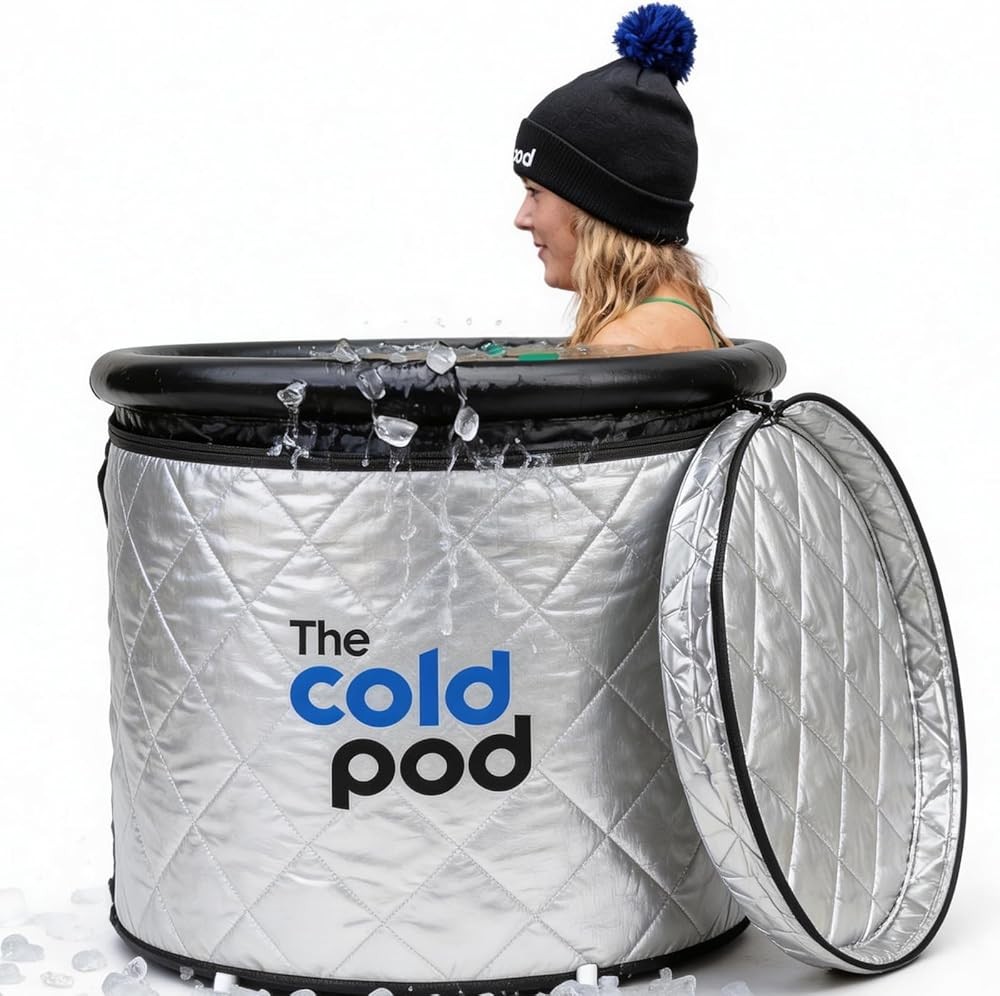
The Cold Pod Ice Bath Tub for Athletes
Check Price on AmazonAs an Amazon Associate we earn from qualifying purchases.
For users testing cold therapy before committing to premium equipment, or those using cold plunges 1-2 times weekly, The Cold Pod provides legitimate therapeutic benefits at minimal cost. The 85-gallon capacity with 5-layer TPE insulation maintains the research-backed 50-59°F temperature range for 2-4 hours when loaded with 40-50 pounds of ice. Five-minute setup and portable design allow seasonal use and easy storage. While ice costs add up for frequent users ($520-1,040 annually at 2x weekly), the low entry price makes this ideal for beginners or budget-conscious athletes who can offset ice costs by freezing water in gallon jugs.
Best for Outdoor: JUGRFIT Cold Plunge Tub with Water Chiller (B0CYNWXN5W) — $1,249
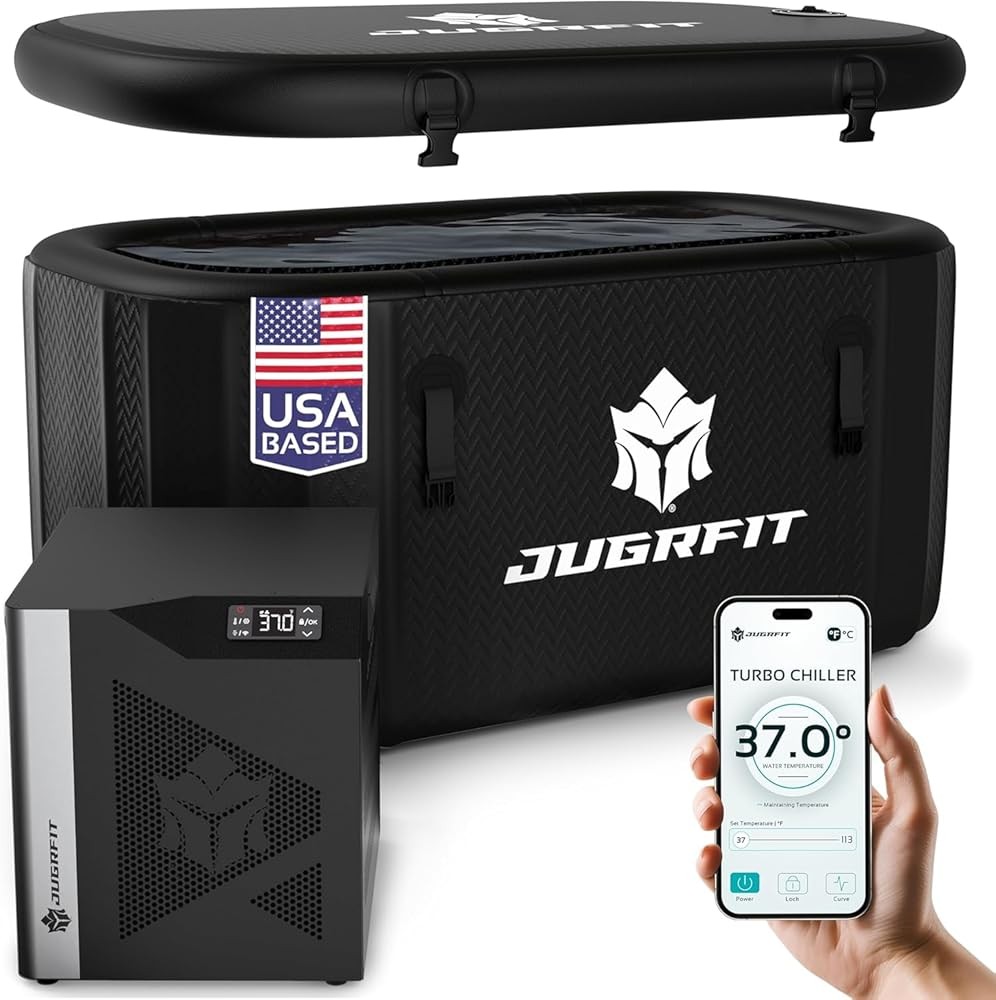
JUGRFIT Cold Plunge Tub with Water Chiller
Check Price on AmazonAs an Amazon Associate we earn from qualifying purchases.
Outdoor enthusiasts and those with patio or deck space appreciate the inflatable design with integrated chiller capability. The 121-gallon capacity in 53"L×32"W dimensions accommodates larger athletes while the 4-layer inflatable construction withstands outdoor conditions. The built-in chiller cools to 41°F without ice, providing the consistent therapeutic temperatures shown in research while maintaining portability for seasonal storage. Ten-minute setup and deflation allow users to winterize the system in cold climates or relocate as needed. This offers chiller precision without permanent installation requirements.
Best Value (XL): XXL Ice Bath Tub 216-Gallon (B0D4Z41VQ8) — $331
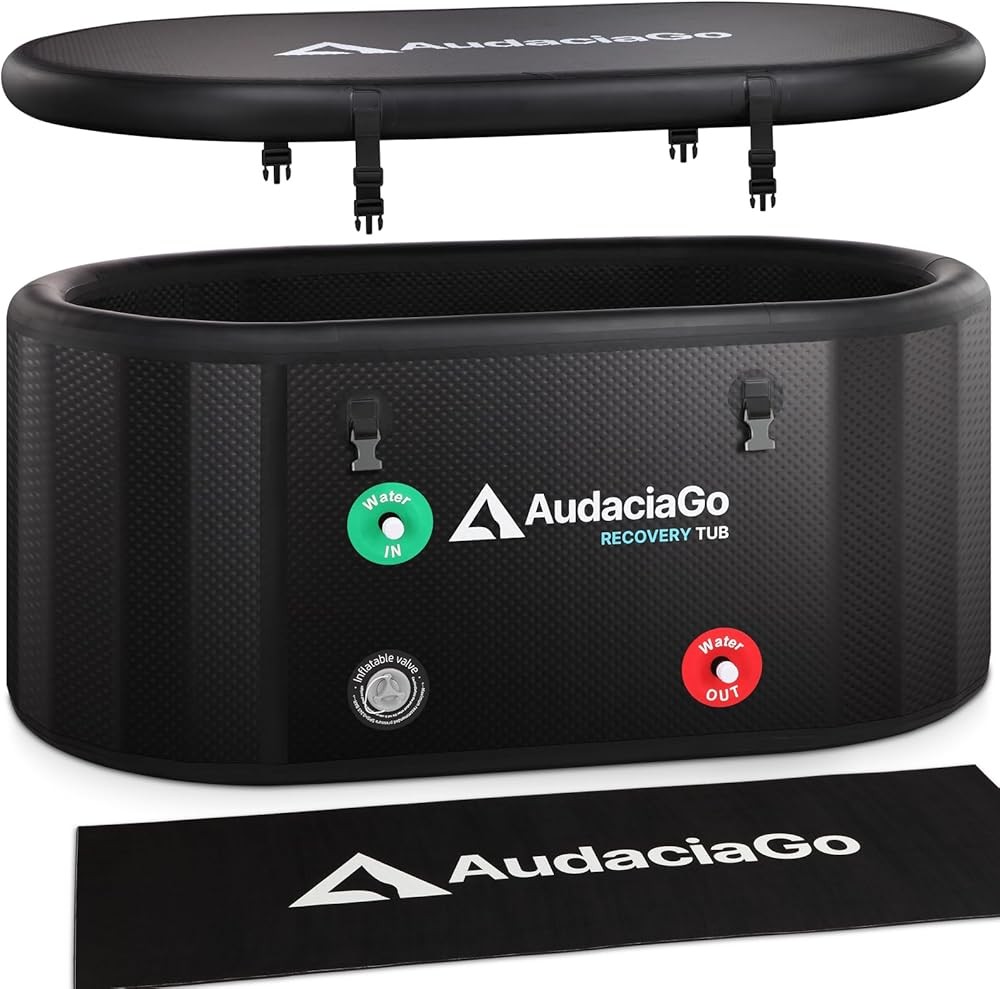
XXL Ice Bath Tub, 216-Gallon
Check Price on AmazonAs an Amazon Associate we earn from qualifying purchases.
Taller athletes (6'4"-6'6") or couples using the tub together need the 216-gallon capacity that allows full-body immersion for multiple users or extended leg room for basketball, volleyball, or tall athletes. The 7-layer TPE construction with thermal insulation provides superior temperature retention compared to standard portable tubs. While requiring more ice initially (60-80 pounds to reach therapeutic temperature), the larger volume maintains that temperature longer once achieved. The chiller-compatible design allows budget users to start with ice and upgrade to an aftermarket chiller system within 6-12 months as budget allows, protecting the initial investment.
Conclusion
The research foundation supporting cold water immersion for recovery has grown substantially, with 15 peer-reviewed studies demonstrating reductions in muscle soreness (18-22%), inflammation markers (18-24% decrease in creatine kinase), and cortisol levels (up to 32% reduction) when protocols use 50-59°F water for 10-15 minutes within 2 hours post-exercise. The Deeptime Smart Ice Bath provides the most comprehensive solution for serious home users with built-in chilling to 38°F, smartphone control, and capacity for users up to 6'4". Budget-conscious athletes can achieve legitimate therapeutic benefits with The Cold Pod at $139, though ongoing ice costs favor chiller units for users plunging 3+ times weekly.
The selection between portable and permanent, chiller and manual ice, vertical and horizontal designs depends on individual circumstances: use frequency, available space, budget, and long-term commitment to cold therapy as a recovery modality. All six recommended units can achieve the research-backed therapeutic temperature range when properly managed, making cold water immersion accessible across budget ranges from $139 to $3,999.
Critical nuances emerge from the research: daily cold plunge use may blunt muscle adaptation during growth-focused training phases, suggesting strategic use during competition periods or limiting to 2-3 times weekly during off-season muscle-building. The combination of cold therapy with proper nutrition, adequate sleep, and complementary recovery modalities like compression therapy and HRV monitoring creates a comprehensive recovery protocol that addresses the multifactorial nature of exercise-induced fatigue.
For individuals with cardiovascular conditions, uncontrolled hypertension, Raynaud’s phenomenon, or pregnancy, consultation with a healthcare provider is essential before beginning cold water immersion. Healthy adults should start conservatively at 55-57°F for 3-5 minutes, progressing gradually over 2-4 weeks to allow cardiovascular and nervous system adaptation to cold stress.
The evidence supports cold water immersion as an effective recovery tool when applied at appropriate temperatures, durations, and frequencies, integrated into a broader recovery strategy that addresses nutrition, sleep, and training load management. The investment in home cold plunge equipment provides convenience and consistency that enhances long-term adherence compared to gym or facility-based cold therapy access.
Related Reading
- Infrared Sauna Benefits: Evidence-Based Guide — Contrast therapy partner for comprehensive recovery
- Sauna for Muscle Recovery: What the Research Shows — Heat therapy mechanisms and protocols
- Best Compression Recovery Boots for Athletes — Complementary circulation-based recovery
- Best HRV Monitors for Recovery and Longevity — Track nervous system recovery quantitatively
- Best Smart Scales for Body Composition Tracking — Monitor muscle mass during recovery protocols
- Best Supplements to Lower Cortisol and Reduce Stress — Nutritional support for stress management
- Best Infrared Sauna Blankets Compared — Portable heat therapy for contrast protocols
- Best PEMF Mats for Pain Relief and Recovery — Alternative recovery modality for rest days
References
-
Stearns RL, Nolan JK, Huggins RA, Maresh CM, Munõz CX. Influence of cold-water immersion on recovery of elite triathletes following the ironman world championship. J Sci Med Sport. 2018. PMID: 29685828.
-
de Freitas VH, Ramos SP, Bara-Filho MG, Freitas DGS, Coimbra DR. Effect of Cold Water Immersion Performed on Successive Days on Physical Performance, Muscle Damage, and Inflammatory, Hormonal, and Oxidative Stress Markers in Volleyball Players. J Strength Cond Res. 2019. PMID: 28277426.
-
Peake JM, Roberts LA, Figueiredo VC, Egner I, Krog S. The effects of cold water immersion and active recovery on inflammation and cell stress responses in human skeletal muscle after resistance exercise. J Physiol. 2017. PMID: 27704555.
-
Lindsay A, Carr S, Cross S, Petersen C, Lewis JG. The physiological response to cold-water immersion following a mixed martial arts training session. Appl Physiol Nutr Metab. 2017. PMID: 28177718.
-
Kwiecien SY, McHugh MP. The cold truth: the role of cryotherapy in the treatment of injury and recovery from exercise. Eur J Appl Physiol. 2021. PMID: 33877402.
-
Nédélec M, McCall A, Carling C, Legall F, Berthoin S. Recovery in soccer: part ii-recovery strategies. Sports Med. 2013. PMID: 23315753.
-
Rousse Y, Sautillet B, Costalat G, Brocherie F, Millet GP. Isolated and Combined Effects of Cold, Heat and Hypoxia Therapies on Muscle Recovery Following Exercise-Induced Muscle Damage. Sports Med. 2025. PMID: 40983804.
-
Tavares F, Smith TB, Driller M. Fatigue and Recovery in Rugby: A Review. Sports Med. 2017. PMID: 28150163.
-
Minett GM, Duffield R, Billaut F, Cannon J, Portus MR. Cold-water immersion decreases cerebral oxygenation but improves recovery after intermittent-sprint exercise in the heat. Scand J Med Sci Sports. 2014. PMID: 23458430.
-
Allan R, Mawhinney C. Is the ice bath finally melting? Cold water immersion is no greater than active recovery upon local and systemic inflammatory cellular stress in humans. J Physiol. 2017. PMID: 27991663.
-
White G, Caterini JE. Cold water immersion mechanisms for recovery following exercise: cellular stress and inflammation require closer examination. J Physiol. 2017. PMID: 28145015.
-
Ma J, Guo C, Luo L, Chen X, Zhang K. Comparison of the Effects of Cold-Water Immersion Applied Alone and Combined Therapy on the Recovery of Muscle Fatigue After Exercise: A Systematic Review and Meta-Analysis. Life (Basel). 2025. PMID: 40868853.
-
Barnett A. Using recovery modalities between training sessions in elite athletes: does it help? Sports Med. 2006. PMID: 16937953.
-
Dupuy O, Douzi W, Theurot D, Bosquet L, Dugué B. An Evidence-Based Approach for Choosing Post-exercise Recovery Techniques to Reduce Markers of Muscle Damage, Soreness, Fatigue, and Inflammation: A Systematic Review With Meta-Analysis. Front Physiol. 2018. PMID: 29755363.
-
Ottone V, De Paula F, Brozinga PFA, Matos MA, Duarte TC. Modulation of Leukocyte Subsets Mobilization in Response to Exercise by Water Immersion Recovery. Front Physiol. 2022. PMID: 36051913.
Recommended Products