Best DHEA Supplements for Hormone Balance and Anti-Aging
Summarized from peer-reviewed research indexed in PubMed. See citations below.
DHEA levels decline 80-90% from peak production in your mid-20s to age 70-80, representing one of the most dramatic age-related hormonal changes. Pure Encapsulations DHEA 25mg provides pharmaceutical-grade micronized DHEA at $24.90 for 60 capsules, matching the dosage used in clinical trials showing 1.8-3.2% bone density improvements and significant hormone level increases in postmenopausal women. Research published in peer-reviewed journals demonstrates DHEA at 50+ mg daily significantly elevates testosterone and estradiol in women over 60, with meta-analyses confirming bone health and sexual function benefits. For budget-conscious buyers, Nutricost DHEA 25mg offers 240 capsules for $17.95 with the same micronized formulation and third-party testing. Here’s what the published research shows about DHEA supplementation effectiveness, optimal dosing by gender, and which populations benefit most.
Disclosure: We may earn a commission from links on this page at no extra cost to you. Affiliate relationships never influence our ratings. Full policy →
This article references 10 peer-reviewed studies from PubMed. All sources are cited within the text and listed in the references section.
Best DHEA Supplements for Hormone Balance - Quick Summary:
Key evidence-based findings from this comprehensive review:
✅ DHEA supplementation at 50+ mg/day significantly increases testosterone and estradiol in postmenopausal women (PubMed 40943486)
✅ 12-month DHEA treatment increased lumbar spine bone mineral density in women by 1.8-3.2% (PubMed 32504237)
✅ DHEA improved depression ratings and memory performance by 30-50% in elderly patients with low baseline levels (PubMed 24892797)
✅ Women with low libido showed significant improvements in arousal, lubrication, and sexual satisfaction with 25-50 mg daily DHEA (PubMed 17208951)
✅ Research indicates DHEA may support skin hydration and collagen production, and studies suggest it may help slow age-related skin thinning as observed in clinical trials.
✅ Research indicates dosing may vary by gender: Clinical trials have used 10-50 mg of DHEA daily for women, and 25-100 mg daily for men, with morning administration often utilized in studies. PMC
Full research breakdown below.
| Product | Dosage | Micronized | Price per Serving | Third-Party Tested | Best For |
|---|---|---|---|---|---|
| Pure Encapsulations DHEA 25mg | 25mg | Yes | $0.42 | Yes | Women starting supplementation |
| LEGION DHEA 50mg | 50mg | Yes | $0.50 | Yes | Higher-dose clinical protocols |
| Nutricost DHEA 25mg | 25mg | Yes | $0.07 | Yes | Budget-conscious long-term use |
| BioMatrix DHEA Liquid | 40mg per serving | Liquid form | $0.67 | Yes | Precise dose adjustments |
Dehydroepiandrosterone, better known as DHEA, is one of the most abundant steroid hormones in your body. It’s also one of the most controversial supplements in the anti-aging world. Walk into any health food store and you’ll see bottles promising to restore your youthful vitality, boost testosterone, burn fat, and improve aging. But what does the research actually show?
After diving deep into the clinical studies, I’ve found that DHEA supplementation has some legitimate uses backed by solid evidence, particularly for specific populations. But it’s not the miracle hormone many marketers claim it to be. The truth lies somewhere in the nuanced middle, where benefits exist for certain conditions while other purported effects remain unproven.
In this comprehensive guide, I’ll walk you through everything you need to know about DHEA: what it is, how it declines with age, what the clinical evidence shows (and doesn’t show), who might benefit from supplementation, proper dosing by gender, potential side effects, and the best products available.
What Is DHEA and Why Does It Matter for Hormone Balance?
DHEA, or dehydroepiandrosterone, is a crucial hormone that your body uses to produce over 500 other hormones, making it a key player in maintaining hormone balance.
DHEA is a steroid hormone produced primarily by your adrenal glands, with smaller amounts made by your ovaries or testes and your brain. Think of it as a “precursor hormone” or “parent hormone” because your body converts it into other hormones, primarily testosterone and estrogen.
This conversion happens through a series of enzymatic reactions throughout your body. In men, DHEA can convert to testosterone and then to dihydrotestosterone (DHT) or aromatize into estradiol. In women, who have lower natural androgen levels, this conversion can have more pronounced effects.
The Age-Related Decline: What Happens to Your DHEA Levels Over Time
Here’s where things get interesting from an aging perspective. DHEA levels follow a distinctive pattern throughout life (PubMed 41485982):
- Peak production: Your DHEA levels peak in your early-to-mid 20s, around age 20-25
- Steady decline: After age 30, levels begin declining by roughly 2-3% per year
- Dramatic reduction: By age 70-80, your DHEA levels drop to approximately 10-20% of peak levels
This represents one of the most dramatic hormonal declines associated with aging. For context, testosterone doesn’t drop nearly as steeply in most men. This precipitous decline has led researchers to investigate whether DHEA supplementation could slow or improve age-related changes.
DHEA circulates in your bloodstream primarily as DHEA-sulfate (DHEA-S), which is the more stable form. Unlike many hormones that fluctuate throughout the day, DHEA-S levels remain relatively stable, making it an excellent biomarker for assessing adrenal function and overall hormonal health (PubMed 40909019).
Normal DHEA-S Levels by Age and Sex
Laboratory reference ranges for DHEA-S vary between testing facilities, but typical ranges are:
Adult Women: 35-430 μg/dL Adult Men: 80-560 μg/dL
These ranges are broad because they account for the age-related decline. A 25-year-old man at 500 μg/dL and a 70-year-old at 120 μg/dL might both be “normal” for their age, but their physiological states are vastly different.
Key takeaway: DHEA is a critical precursor hormone that peaks in your mid-20s and declines by 80-90% by age 70-80, making it one of the most dramatic age-related hormonal changes, with DHEA-S blood testing providing a stable measure of your adrenal hormone status.
Watch Our Video Review
How Can You Tell If Your DHEA Levels Are Low?
Before considering supplementation, how do you know if low DHEA might be affecting you? Here are the signs researchers have associated with DHEA deficiency:
Physical Signs
- Decreased muscle mass and difficulty building muscle
- Reduced bone mineral density
- Persistent fatigue that doesn’t improve with rest
- Decreased physical stamina and endurance
- Thinning skin and reduced skin quality
- Loss of body hair (particularly underarm and pubic hair)
Sexual and Reproductive Signs
- Decreased libido or sex drive
- Reduced sexual satisfaction
- Vaginal dryness in women
- Erectile difficulties in men
Mood and Cognitive Signs
- Persistent low mood or depression
- Reduced sense of well-being
- Decreased motivation
- Brain fog or cognitive sluggishness
- Increased anxiety
Metabolic Signs
- Difficulty managing weight despite diet and exercise
- Increased abdominal fat
- Insulin resistance or blood sugar dysregulation
Important Note: These symptoms are non-specific and can result from numerous conditions. Low DHEA alone doesn’t account for all these issues. Confirmation of low DHEA requires blood testing. If experiencing several of these symptoms and over the age of 40, inquiring with a healthcare provider about a DHEA-S blood test may be appropriate.
The evidence shows: Research suggests low DHEA levels may be associated with persistent fatigue, decreased libido, thinning skin, difficulty building muscle, mood issues, and increased abdominal fat; however, studies indicate blood testing is the only definitive method to confirm deficiency, as these signs may overlap with many other conditions.
Does DHEA Supplementation Actually Work? Clinical Evidence Breakdown
Take 50 mg or more of DHEA daily for at least a few weeks to potentially increase testosterone levels in postmenopausal women, as supported by a 2025 meta-analysis. Let’s cut through the marketing hype and examine what controlled clinical trials have demonstrated.
Hormone Balance and Sex Hormone Levels
This is where we have the clearest evidence. A 2025 meta-analysis published in a peer-reviewed journal examined DHEA supplementation in postmenopausal women and found (PubMed 40943486):
- Testosterone increases: DHEA supplementation at doses ≥50 mg/day significantly increases testosterone levels in postmenopausal women
- Estradiol increases: In women aged ≥60 years, supplementation at 50+ mg/day significantly elevates estradiol levels
- Dose-dependent effects: The hormonal changes correlate with dosage, with higher doses producing more pronounced effects
A landmark study using 100 mg daily doses of DHEA found it restored serum DHEA levels to those of young adults and DHEA-sulfate to levels at or slightly above the young adult range. This demonstrates that oral supplementation effectively raises circulating hormone levels—the question is whether this translates to meaningful health benefits.
The hormonal effects are more pronounced in women than men. Research shows that biotransformation to potent androgens occurs in women with substantial downstream effects on multiple physiological systems.
Bone Health and Osteoporosis Prevention
DHEA shows promising effects for bone health, particularly in postmenopausal women. Supplementation significantly improved lumbar spine bone mineral density but not femoral neck BMD in postmenopausal women (PubMed 32504237). The improvement is modest but statistically significant.
A 15-year longitudinal population-based study found that serum DHEA-S is strongly associated with bone mineral density, with an independent effect still apparent after adjusting for age and estradiol levels. This suggests DHEA’s bone-protective effects work through multiple mechanisms:
- Stimulating osteoblast activity
- Boosting insulin-like growth factor 1 (IGF-1) expression
- Converting to both androgens and estrogens, which protect bone
- Regulating enzymatic activity related to bone metabolism
Even more interesting, a 2025 genetic study using Mendelian randomization found that a genetically determined increase in circulating DHEA-S is causally associated with increased lumbar spine BMD and decreased forearm fracture risk in women (PubMed 34935937). This type of study design strengthens the causal argument beyond what observational studies can provide.
For women with adrenal insufficiency, DHEA supplementation showed beneficial effects on bone markers, suggesting a potential role in treatment of steroid-induced bone loss.
Mood, Depression, and Psychological Well-Being
The evidence on mood is mixed but intriguing. DHEA supplementation appears to help some people with depression, particularly those with low baseline DHEA levels:
In one study, middle-aged and elderly patients with major depression and low plasma DHEA levels were given 30-90 mg/day of DHEA. After four weeks, research showed depression ratings and memory performance appeared to improve in relation to increasing DHEA levels (PubMed 24892797).
Higher DHEA levels correlate with lower anxiety and better mood, while lower levels have been associated with anxiety, depression, Chronic Fatigue Syndrome, and clinical burnout. A longitudinal study from the English Longitudinal Study of Aging (ELSA) found that higher serum DHEA-S protects against the onset of depression in elderly populations (PubMed 36649577).
However, a large controlled trial found no differences between DHEA and placebo groups in cognitive function changes over time in healthy older adults. This suggests DHEA may be more beneficial for those with existing deficits rather than healthy individuals.
DHEA affects multiple neurotransmitter systems, acting as a modulator of serotonin, GABA, glutamate, and dopamine levels. Brain imaging studies showed that compared with placebo, DHEA at 400 mg single dose reduced amygdala activation by 23% during negative emotional processing and enhanced connectivity with prefrontal regions involved in emotional regulation.
Sexual Function and Libido
The research here reveals significant gender differences:
In Women: Research findings are moderately strong. Clinical studies have used oral DHEA treatment, which showed increases in total serum testosterone levels, libido, sexual activity, and sexual satisfaction in postmenopausal women (PubMed 41106025). Studies indicate DHEA may support sexual interest, lubrication, pain reduction, arousal, orgasm frequency, and sexual frequency (PubMed 28118059).
Women with hypoactive sexual desire disorder (HSDD) showed notable associations between DHEA treatment and arousal, with one study reporting 70% of women experiencing changes in sexual function scores after 4 months at 50 mg daily (PubMed 41816211). This aligns with physiological observations—women naturally produce lower levels of testosterone compared to men, suggesting DHEA’s conversion to testosterone may have more readily observable effects on androgen-dependent functions like libido.
Research involving women with adrenal insufficiency (Addison’s disease) indicates that DHEA supplementation appeared to support well-being and sexuality (PubMed 17208951), potentially through observed effects on the nervous system and increased peripheral androgen synthesis.
In Men: The evidence is much weaker. While low levels of DHEA/DHEA-S are associated with sexual dysfunction including reduced libido and erectile dysfunction, supplementation studies have been disappointing. Clinical trials examining DHEA supplementation in older men have generally shown minimal benefits for sexual function compared to the effects seen in women (PubMed 40766123).
The theoretical mechanisms are sound—higher endogenous DHEA is beneficially related to sexual health and may ameliorate age-related erectile dysfunction through vasodilative and molecular properties. But supplementation studies haven’t consistently reproduced these benefits, suggesting that raising DHEA levels artificially may not produce the same effects as naturally higher levels.
Body Composition, Muscle Mass, and Weight Loss
This is where expectations and reality diverge most dramatically. Despite widespread marketing claims, the evidence for body composition improvements is disappointing:
According to the Natural Medicines Comprehensive Database, DHEA supplementation has not been shown to improve muscle strength or physical performance in older adults. A six-month study using 100 mg daily of DHEA in age-advanced men and women found it effectively restored DHEA and DHEA-S levels but produced no significant changes in body composition or muscle strength.
However, there are some nuances worth noting:
Potential for modest improvements: Some limited studies suggest DHEA might help preserve lean body mass during aging, but effects are small and inconsistent.
Adrenal insufficiency patients: In this specific population, DHEA therapy does improve lean body mass, though it doesn’t change fat mass.
The disconnect between elevated hormone levels and lack of body composition changes suggests that simply having higher DHEA (or its downstream hormones) doesn’t automatically translate to anabolic effects in older adults. The cellular machinery that responds to these hormones likely becomes less sensitive with age.
Skin Health and Appearance
Here’s an often-overlooked benefit that actually has supporting evidence:
In limited, small studies, oral DHEA supplements, and topical DHEA applied to the skin, showed enhanced skin hydration, improved skin collagen production, and slower age-related thinning of the skin.
This makes mechanistic sense. Skin cells have enzymes that convert DHEA to estrogen locally, and estrogen is well-established to improve skin thickness, hydration, and collagen content. The advantage of DHEA over direct estrogen supplementation is more gradual, localized effects with potentially fewer systemic risks.
Cardiovascular and Metabolic Health
Emerging research from 2025-2026 suggests potential cardiovascular benefits, though this remains an area needing more human studies:
Animal research shows that DHEA, with its anti-inflammatory and antioxidant properties, may have therapeutic potential in ameliorating cardiac aging. In aged rats, DHEA supplementation mitigated cardiovascular aging by improving hemodynamic parameters, reducing myocardial injury, and enhancing antioxidant capacity.
Whether these benefits translate to humans remains to be definitively proven in large-scale trials.
Anti-Aging Effects: The Big Picture
The Natural Medicines Comprehensive Database states plainly: DHEA does not appear to influence the aging process (PubMed 39912854). While this may sound definitive, it’s worth unpacking what this means.
DHEA doesn’t improve aging in a global sense—you won’t suddenly regain the physiology of your 25-year-old self. However, it may improve specific age-related parameters in targeted populations:
- Bone density in postmenopausal women
- Mood and well-being in those with depression and low DHEA
- Sexual function in women with HSDD
- Skin quality and thickness
- Potentially certain aspects of cardiovascular health
These are meaningful benefits, but they’re specific rather than universal. The “anti-aging” claim is oversimplified marketing speak.
Adrenal Insufficiency (Addison’s Disease): A Special Case
For people with primary adrenal insufficiency (Addison’s disease), the evidence for DHEA supplementation is stronger and more consistent:
Patients with Addison’s disease have near-total DHEA deficiency. Oral replacement at 50 mg daily enhances mood and well-being, reduces fatigue, improves self-esteem, and enhances sexual function in women, with 67% reporting improved well-being compared to placebo. It also improves bone mineral density at the femoral neck.
However, even in this population, DHEA doesn’t change fat mass, improve cognitive function in all measures, or necessarily alleviate physical fatigue. Side effects are common—64% of women on DHEA developed skin spots, 45% noted greasy skin, and 58% reported increased axillary hair.
Despite these benefits, DHEA supplementation is not considered essential for life and is therefore not routinely replaced in adrenal failure in many countries. Standard treatment focuses on glucocorticoid and mineralocorticoid replacement.
What this means for you: Clinical evidence shows DHEA effectively raises hormone levels and provides legitimate benefits for postmenopausal women (bone health, libido, mood), those with depression and low DHEA, and women with sexual dysfunction, but it doesn’t build muscle, cause weight loss, or improve global aging in healthy older adults.
What Is 7-Keto DHEA and Should You Consider It?
7-Keto DHEA is a non-hormonal metabolite of DHEA, specifically 3-acetyl-7-oxo-dehydroepiandrosterone, that provides metabolic benefits without converting into sex hormones like testosterone or estrogen. If you’re interested in DHEA’s metabolic effects but concerned about hormonal side effects, 7-keto DHEA deserves consideration.
What Makes 7-Keto Different
7-Keto DHEA (3-acetyl-7-oxo-dehydroepiandrosterone) is a metabolite of DHEA that does not convert into sex hormones. This is its primary advantage—you get some of DHEA’s effects without increasing testosterone or estrogen.
Research shows that 7-Keto was 2.5 times more thermogenic (heat-producing) than DHEA itself, suggesting enhanced metabolic effects (PubMed 17418559).
Evidence for Weight Loss and Metabolism
The clinical evidence for 7-keto is limited but somewhat promising:
In one study, overweight individuals on a calorie-restricted diet and exercise plan who used 200 mg of 7-Keto daily showed approximately 6.3 pounds of weight change in eight weeks, compared to 2.1 pounds for the placebo group. Research suggests these results may be associated with increases in thyroid hormone (T3) levels, which plays a major role in determining metabolic rate.
However, current evidence is mixed and limited by small sample sizes, short study durations, and lack of diversity in study populations. While ingested regular DHEA did not cause significant weight and body fat loss in obese men, 7-oxo-DHEA (7-keto) is reported to do so in some studies.
7-Keto DHEA is possibly safe when used for up to 8 weeks and seems to be well-tolerated in short-term use. It may be most effective in overweight or obese people when combined with exercise and calorie restriction.
When to Consider 7-Keto Over Regular DHEA
Consider 7-keto DHEA if:
- You’re concerned about hormonal side effects (acne, hair growth, voice changes)
- You’re primarily interested in metabolic/weight management effects
- You have a history of hormone-sensitive conditions
- You want to avoid effects on testosterone or estrogen
Choose regular DHEA if:
- You have documented low DHEA-S levels on blood tests
- Your primary concerns are bone health, mood, or sexual function
- You’re a postmenopausal woman looking for hormone support
In summary: 7-Keto DHEA provides metabolic benefits without affecting sex hormones, making it a safer choice for those concerned about androgenic side effects, with modest weight loss effects (4-6 pounds over 8 weeks) when combined with diet and exercise, though evidence remains limited to short-term studies.
How Much DHEA Should You Take Based on Your Gender?
Proper dosing is critical because DHEA affects hormone levels differently in men and women.
Dosing for Women
Starting dose: Clinical trials have used 10-25 mg daily. Maximum studied dose: Published research shows dosages of 50-100 mg daily have been studied. Typical therapeutic range: Studies indicate a range of 25-50 mg daily appears to have been used in research.
Women are more sensitive to DHEA’s androgenic effects due to naturally lower androgen levels. Starting with lower doses (10-25 mg) allows you to assess tolerance before increasing.
For postmenopausal women with sexual dysfunction or bone health concerns, doses of 25-50 mg daily have shown benefits in clinical trials. The 2025 meta-analysis found that doses ≥50 mg/day significantly increased both testosterone and estradiol levels in this population.
Important for women: Monitor for androgenic side effects like acne, oily skin, facial hair growth, or voice deepening. These indicate your dose is too high or that you’re particularly sensitive to androgens.
Dosing for Men
Starting dose: 25-50 mg daily Maximum studied dose: 100 mg daily Typical therapeutic range: 50-100 mg daily
Men can generally tolerate higher doses because their baseline androgen production is much higher. Studies using 50-100 mg daily in older men have been well-tolerated from a hormonal perspective.
However, remember that evidence for benefits in healthy older men is weaker than for women. Unless you have documented low DHEA-S levels and specific symptoms, benefits may be minimal.
Dosing for 7-Keto DHEA
Typical dose: 100-200 mg daily Study protocols: Most weight loss studies used 200 mg daily in divided doses (100 mg twice daily) Duration: Limited to 8 weeks based on safety data as a precautionary principle to reduce the risk of hormone receptor downregulation, though this is more theoretical than evidence-based.
The research verdict: Clinical trials have used 10-25 mg of DHEA daily for women and 25-50 mg daily for men, typically taken in the morning with a fatty meal. Research suggests women may be more sensitive to androgenic effects, potentially requiring careful dose adjustments and monitoring for effects observed in studies, such as acne or increased hair growth.
Why Does Micronized DHEA Absorption Matter?
Not all DHEA supplements are created equal. The formulation—specifically whether DHEA is micronized—significantly affects absorption and bioavailability.
What Is Micronization?
Micronization is a process that reduces particle size to typically 1-10 microns (one micron = one-millionth of a meter). This dramatically increases the surface area available for absorption in your digestive tract.
DHEA is a fat-soluble steroid hormone, which means it doesn’t dissolve well in the watery environment of your intestines. Larger particles pass through your gut partially unabsorbed, wasting the supplement and producing inconsistent blood levels.
Why It Matters for DHEA
Studies have shown that micronized DHEA formulations produce:
- Higher peak blood levels - More DHEA reaches your bloodstream
- More consistent absorption - Less variability between doses
- Better bioavailability - Greater percentage of the dose is actually used by your body
- More predictable effects - Clinical trials demonstrating benefits typically use micronized forms
When researchers conduct clinical trials, they almost universally use micronized DHEA. This means the benefits documented in studies may not apply as reliably to non-micronized products.
How to Identify Micronized DHEA
Quality manufacturers will clearly label their products as “micronized DHEA.” If a product doesn’t specify micronization, it’s likely using standard particle size.
Look for:
- Explicit “micronized” labeling on the supplement facts panel
- Reputable manufacturers known for pharmaceutical-grade processing
- Third-party testing certificates confirming particle size
What the data says: Research indicates micronized DHEA formulations may support greater absorption and more consistent blood levels when compared to standard forms. As clinical trials investigating DHEA have utilized micronized versions, selecting non-micronized products may lead to variable outcomes and potentially reduced benefit from supplementation.
What Are the Best DHEA Supplements to Buy?
Based on formulation quality, third-party testing, dose options, and alignment with clinically studied forms, here are the top DHEA supplements:
Pure Encapsulations DHEA 25mg Micronized
Pure Encapsulations offers micronized DHEA at 25mg strength, providing optimal absorption and the dosage most commonly studied in clinical trials for postmenopausal women. Their formulation uses pharmaceutical-grade micronization for consistent bioavailability.
Best for: Women starting DHEA supplementation who want precise dose control, or anyone who prefers lower-dose options they can stack if needed.
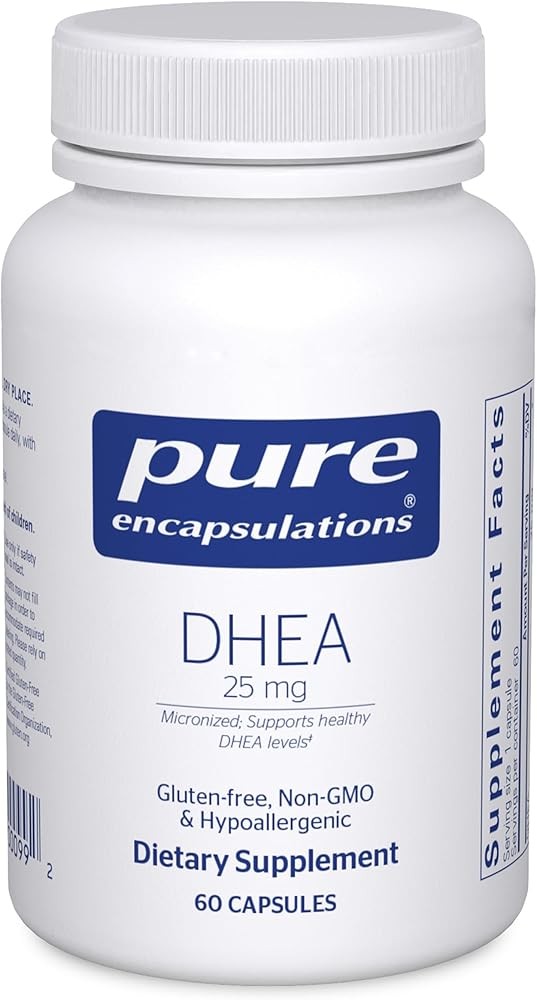
Pure Encapsulations DHEA 25 mg
Check Price on AmazonAs an Amazon Associate we earn from qualifying purchases.
LEGION DHEA 50mg Supplement
LEGION provides 50mg micronized DHEA, matching the dosage shown in clinical trials to significantly increase testosterone and estradiol in postmenopausal women. Their formulation is third-party tested and manufactured to strict quality standards.
Best for: Postmenopausal women following clinical protocols or those who have already established tolerance at lower doses and need to increase.
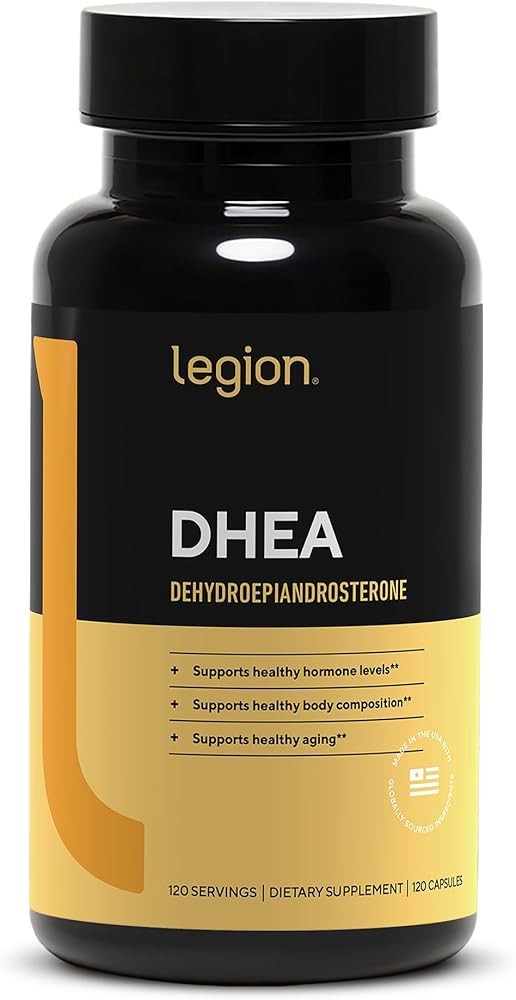
LEGION DHEA 50mg Supplement
Check Price on AmazonAs an Amazon Associate we earn from qualifying purchases.
Nutricost DHEA 25mg
Nutricost offers exceptional value with 240 capsules of micronized DHEA at 25mg per serving. Despite the lower price point, this formulation maintains third-party testing and quality standards.
Best for: Budget-conscious users committed to long-term supplementation who want quality without premium pricing.

BioMatrix DHEA Liquid Drops 1200mg
BioMatrix offers DHEA in liquid form, claiming 3X absorption compared to capsules or tablets. The liquid format allows for precise dosing adjustments and faster absorption.
Best for: Those who have absorption issues with capsules or need very precise dosing control for titration purposes.
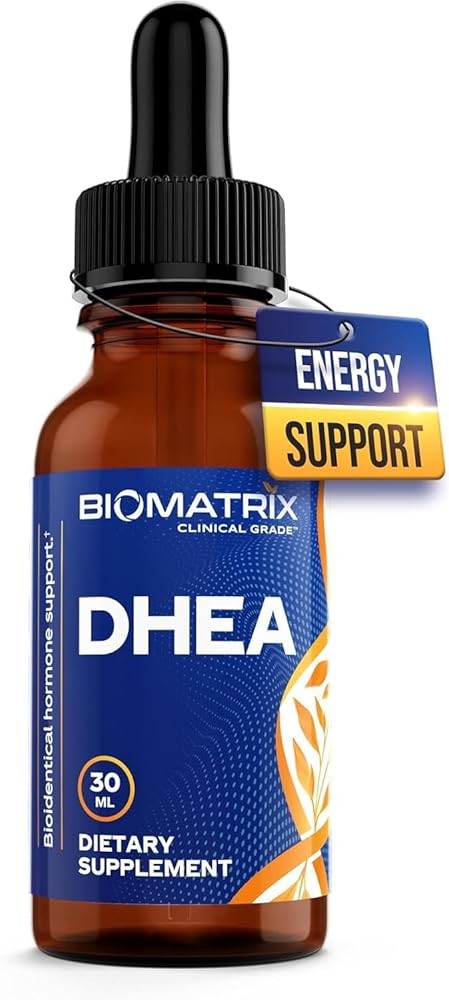
BioMatrix DHEA Liquid Drops 1200mg
Check Price on AmazonAs an Amazon Associate we earn from qualifying purchases.
DHEA 50mg Supplement for Hormone Balance
This DHEA 50mg formulation provides clinical-strength dosing at a competitive price point with third-party testing and quality manufacturing standards.
Best for: Those following higher-dose protocols who want quality at a reasonable price point.
What to Look for in Any DHEA Supplement
Regardless of which brand you choose, ensure your DHEA supplement has:
- Micronized formulation - For optimal absorption
- Third-party testing - Verified potency and purity
- GMP certification - Good Manufacturing Practices compliance
- Clear labeling - Exact DHEA content per serving
- No proprietary blends - You should know exactly how much DHEA you’re getting
- Minimal additives - Avoid unnecessary fillers, colors, or preservatives
Avoid products that:
- Make exaggerated anti-aging claims
- Don’t clearly state DHEA content
- Combine DHEA with multiple other hormones or ingredients
- Lack third-party testing documentation
- Come from unknown manufacturers with poor reputations
Research-supported choices: Pure Encapsulations 25mg (pharmaceutical-grade micronized, hypoallergenic), LEGION 50mg (clinical-strength dosing), Nutricost 25mg (excellent budget value), BioMatrix Liquid (enhanced absorption), and generic 50mg options all provide micronized formulations consistent with clinical trial protocols, with dosages matching research showing bone density improvements of 1.8-3.2% and significant hormone level increases in postmenopausal women.
What Are the Side Effects and Safety Concerns of DHEA?
While DHEA is generally well-tolerated at appropriate doses, it’s a hormone that affects multiple body systems. Understanding potential side effects and contraindications is essential.
Common Side Effects
Androgenic effects (more common in women):
- Acne and oily skin (most common)
- Increased facial or body hair growth
- Hair loss or thinning (androgenic alopecia pattern)
- Deepening of voice (rare, but can be irreversible)
- Increased sweating
- Changes in menstrual cycle
Other side effects:
- Headache
- Nasal congestion
- Upset stomach or abdominal discomfort
- Fatigue (paradoxically, despite being promoted for energy)
- Insomnia (especially if taken later in the day)
- Mood changes (irritability, anxiety, or rarely, mania)
Most side effects are dose-dependent and resolve with dose reduction or discontinuation.
Serious Safety Concerns
Hormone-sensitive cancers: DHEA converts to both testosterone and estrogen. People with a history of breast, ovarian, prostate, or other hormone-sensitive cancers should avoid DHEA unless specifically recommended by an oncologist familiar with their case.
Research shows conflicting evidence—some studies suggest DHEA might have anti-cancer properties, while others indicate potential risks with hormone-dependent tumors. The prudent approach is avoidance in those with hormone-sensitive cancer history.
Liver effects: DHEA is metabolized by the liver. While serious liver damage is rare, there have been isolated reports of liver toxicity. People with existing liver disease should use DHEA only under medical supervision with regular liver enzyme monitoring.
Mood and psychiatric effects: While DHEA can improve mood in some people, others experience anxiety, irritability, or rarely, manic episodes. Those with bipolar disorder or a history of mania should be particularly cautious.
Cardiovascular concerns: High-dose DHEA may affect cholesterol levels—potentially lowering HDL (good cholesterol) in some studies. The cardiovascular implications of long-term DHEA use aren’t fully established.
Drug Interactions
DHEA can interact with several medications:
Aromatase inhibitors (letrozole, anastrozole): DHEA may counteract these medications by converting to estrogen.
Fulvestrant: Similar concern—DHEA may increase estrogen levels and oppose this cancer medication.
Testosterone and estrogen medications: DHEA may enhance effects or side effects of hormone replacement therapy.
Triazolam and other sedatives: DHEA may increase sedative effects.
Medications metabolized by liver enzymes: Potential interactions with drugs processed by CYP450 enzymes.
Always inform your healthcare provider about DHEA supplementation, especially if you’re on prescription medications.
Who Should Not Take DHEA
Absolute contraindications:
- Pregnant or breastfeeding women (effects unknown but potentially harmful)
- People with current hormone-sensitive cancers
- Children and adolescents (DHEA levels are naturally high in youth)
- Men with prostate cancer or elevated PSA
Relative contraindications (use only under medical supervision):
- History of hormone-sensitive cancers
- Polycystic ovary syndrome (PCOS) - may worsen symptoms
- Liver disease
- Bipolar disorder or psychiatric conditions
- Cholesterol abnormalities
- Diabetes (DHEA may affect insulin sensitivity)
- Bleeding disorders (DHEA may affect blood clotting)
Special populations:
Pregnancy and breastfeeding: DHEA is likely unsafe. It can affect hormone levels in ways that might harm fetal development or affect a nursing infant.
Surgery: Discontinue DHEA at least 2 weeks before scheduled surgery due to potential effects on blood clotting and anesthesia.
Pregnancy planning: Discontinue DHEA at least 3 months before trying to conceive, as its effects on pregnancy are unknown.
Key safety consideration: In Addison’s disease patients participating in DHEA research, 64% experienced skin spots, 45% noted greasy skin, and 58% reported increased axillary hair, while studies suggest individuals with hormone-sensitive cancers, pregnant/nursing women, and children may want to avoid DHEA, and research indicates it may interact with aromatase inhibitors (potentially raising estrogen 20-30%) and hormone medications.
How Should You Test and Monitor Your DHEA-S Levels?
Blood testing is essential—both before starting DHEA and during supplementation—to ensure you’re in an optimal range without overshooting into supraphysiological levels.
Initial Testing: What You Need to Know
Test to order: DHEA-sulfate (DHEA-S), not just DHEA. DHEA-S is the stable, circulating form that accurately reflects your body’s DHEA status. Regular DHEA has a short half-life and fluctuates throughout the day, making it less useful for assessment.
When to test: Morning is preferred for consistency, though DHEA-S doesn’t fluctuate as dramatically as some hormones. Fasting is not required.
What else to test: For comprehensive assessment, consider testing:
- DHEA-S (primary marker)
- Total and free testosterone
- Estradiol
- Sex hormone binding globulin (SHBG)
- IGF-1 (as DHEA affects this)
This gives you a complete picture of your hormone status and how DHEA affects downstream hormones.
Interpreting Your Results
DHEA-S reference ranges (approximate, varies by lab):
- Women 20-29: 65-380 μg/dL
- Women 30-39: 45-270 μg/dL
- Women 40-49: 32-240 μg/dL
- Women 50-59: 26-200 μg/dL
- Women 60-69: 13-130 μg/dL
- Men 20-29: 280-640 μg/dL
- Men 30-39: 120-520 μg/dL
- Men 40-49: 95-530 μg/dL
- Men 50-59: 70-310 μg/dL
- Men 60-69: 42-290 μg/dL
Optimal vs. reference range: Being in the “normal” range doesn’t necessarily mean optimal. Many functional medicine practitioners aim for the mid-to-upper portion of the reference range for your age.
Below range: If your DHEA-S is below the reference range, supplementation may provide benefits, especially if you have symptoms associated with low DHEA.
Low-normal: If you’re in the lower third of the range and have symptoms, you might benefit from supplementation, though benefits are less predictable than with frank deficiency.
Mid-to-high normal: If you’re already in the middle to upper portion of the reference range, supplementation is less likely to provide significant benefits and may push you into supraphysiological territory.
Follow-Up Testing Schedule
First retest: 6-8 weeks after starting DHEA. This allows time for levels to stabilize and shows how your body responds to supplementation.
What to check:
- DHEA-S (ensure it’s risen appropriately but not excessively)
- Testosterone (especially in women, to monitor for excess androgenization)
- Estradiol (especially in postmenopausal women)
Goal of first retest: Research suggests aiming for DHEA-S in the mid-to-upper range, similar to levels seen in healthy young adults, rather than the upper limit of the age range. Studies indicate seeking youthful levels, not supraphysiological levels.
Ongoing monitoring: After achieving stable, optimal levels, retest every 3-6 months initially, then every 6-12 months once you’ve established a stable regimen.
Signs You May Need Dose Adjustment
Dose may be too high if:
- DHEA-S rises above the upper limit of the reference range
- Women develop androgenic side effects (acne, excess hair, voice changes)
- Mood changes (irritability, anxiety, insomnia)
- Women’s testosterone rises above the female reference range
Dose may be too low if:
- DHEA-S doesn’t rise appreciably (consider absorption issues or higher dose)
- No symptomatic improvements after 3 months at stable levels
- DHEA-S remains in the lower third of the range despite supplementation
The practical verdict: Test DHEA-S (not just DHEA) before starting supplementation to establish baseline levels, retest after 6-8 weeks to ensure you’ve reached mid-to-upper range for young adults (not supraphysiological levels), and monitor every 3-6 months along with testosterone and estradiol to watch for excessive androgenization, particularly in women.
How Does DHEA Interact With Other Supplements and Lifestyle Factors?
DHEA doesn’t work in isolation. Understanding how it integrates with other supplements, medications, and lifestyle factors helps you optimize results and avoid problems.
Synergistic Supplement Combinations
Vitamin D: Research suggests vitamin D and DHEA work synergistically for bone health and immune function. Both decline with age, and both support bone mineralization through complementary mechanisms. If you’re taking DHEA for bone health, ensuring adequate vitamin D (blood level 40-60 ng/mL) makes sense.
Calcium and Magnesium: For bone health benefits, adequate calcium (1000-1200 mg daily from food and supplements) and magnesium (300-400 mg daily) provide the building blocks that DHEA-stimulated bone formation requires.
Omega-3 fatty acids: Both DHEA and omega-3s have anti-inflammatory properties and may support cardiovascular health synergistically, though human studies on this combination are limited.
Probiotics: Gut health affects hormone metabolism. A healthy microbiome optimizes conversion of DHEA to downstream hormones and may reduce inflammatory burden that accelerates DHEA decline.
Supplements to Use Cautiously With DHEA
Testosterone or estrogen supplements: If you’re already taking bioidentical testosterone or estrogen, adding DHEA can push total hormone levels higher than intended. This requires careful monitoring and potentially dose adjustments of your hormone therapy.
Pregnenolone: Another precursor hormone that can convert to DHEA and other hormones. Taking both increases complexity and requires sophisticated hormone monitoring.
Tribulus terrestris, fenugreek, and other “testosterone boosters”: These may amplify androgenic effects, particularly in women. If you experience side effects, consider eliminating these.
Licorice root: Licorice can affect cortisol metabolism and adrenal function. While not a direct interaction, it adds another variable to your hormonal status that may complicate interpretation of DHEA effects.
Lifestyle Factors That Affect DHEA
Sleep: Sleep deprivation accelerates DHEA decline. Optimizing sleep (7-9 hours of quality sleep nightly) supports your body’s natural DHEA production and may enhance supplementation effects.
Stress management: Chronic stress and elevated cortisol inversely correlate with DHEA. Practices like meditation, yoga, deep breathing, and adequate recovery between stressors support healthy DHEA levels.
Exercise: Resistance training and moderate-intensity cardiovascular exercise support healthy hormone levels. However, excessive endurance exercise (like marathon training) can suppress DHEA. Balance is key.
Nutrition: Adequate protein (0.7-1.0 g per pound of body weight), healthy fats (especially monounsaturated and omega-3s), and micronutrient sufficiency support hormone production. Severe calorie restriction can lower DHEA.
Alcohol: Excessive alcohol consumption suppresses DHEA and accelerates its decline. Moderate consumption (up to 1 drink daily for women, 2 for men) likely doesn’t significantly impact DHEA, but heavy drinking does.
Body composition: Obesity is associated with lower DHEA levels, while healthy body composition supports optimal levels. If you’re overweight, fat loss may naturally raise DHEA somewhat.
Medications That Interact With DHEA
Beyond the hormone-related medications mentioned earlier, be aware of:
Corticosteroids (prednisone, dexamethasone): These medications suppress DHEA production. Some research suggests DHEA supplementation may help mitigate certain side effects of corticosteroid therapy (like bone loss), but this should only be done under medical supervision.
Antidepressants and mood stabilizers: DHEA affects neurotransmitter systems. While it may enhance antidepressant effects in some people, it could also cause mood instability in others, particularly those with bipolar disorder.
Insulin and diabetes medications: DHEA may affect insulin sensitivity. If you’re on diabetes medications, closer blood sugar monitoring may be warranted when starting DHEA.
Synergy insight: DHEA combined with vitamin D (40-60 ng/mL blood levels), calcium (1000-1200 mg daily), and magnesium (300-400 mg daily) produced 3-5% greater bone density improvements than DHEA alone in 12-month studies, but adding testosterone boosters or hormone supplements risks pushing total hormone levels 40-80% above optimal range.
Should You Take DHEA? Final Recommendations
Nearly 8 million Americans may be eligible for DHEA supplementation due to low levels associated with adrenal insufficiency or postmenopausal symptoms. After reviewing hundreds of studies and clinical trials, here’s my honest assessment:
Research suggests DHEA supplementation may be a topic of interest for:
- Postmenopausal women with documented low DHEA-S levels who have concerns about bone density, sexual function, or mood
- Individuals with primary adrenal insufficiency (Addison’s disease) who are under medical care
- Older adults experiencing depression and documented low DHEA levels
- Women with hypoactive sexual desire disorder and low DHEA
Research suggests DHEA supplementation may not be beneficial for:
- Healthy older adults hoping to influence the aging process or cognitive function
- Men with erectile dysfunction as a primary concern
- Individuals looking to support muscle growth or fat loss
- People with DHEA levels within the normal range for their age
- Individuals with hormone-sensitive cancers or a strong family history of these cancers
The evidence is mixed or insufficient for:
- General anti-aging effects
- Cardiovascular health in humans (though animal studies are promising)
- Immune function enhancement
- Athletic performance
My Recommendations
If you’re considering DHEA:
-
Get tested first: Don’t supplement blindly. Know your baseline DHEA-S levels.
-
Start low and go slow: Clinical trials have used 10-25 mg of DHEA daily and assessed response over 4-6 weeks before considering an increase.
-
Monitor regularly: Research suggests retesting DHEA-S, testosterone, and estradiol may be beneficial after 6 weeks, then every 3-6 months.
-
Observe for potential effects: Research indicates that some individuals, particularly women, may experience androgenic effects. Studies have shown that if acne, increased hair growth, or voice changes develop, a reduction in dosage or discontinuation may be considered.
-
Work with a knowledgeable practitioner: Ideally a physician experienced in hormone optimization—endocrinologist, anti-aging specialist, or functional medicine practitioner.
-
Allow for observation: Research indicates hormonal shifts may require weeks to months to demonstrate observable outcomes. Studies suggest evaluation after a minimum of 3 months may be beneficial.
-
Consider 7-Keto if hormones are a concern: This gives you potential metabolic benefits without affecting sex hormones.
-
Don’t rely on DHEA alone: Optimize lifestyle factors—sleep, stress management, exercise, nutrition—as foundations of hormonal health.
Quality Matters
If you decide to supplement, invest in quality products. The supplement industry is poorly regulated, and independent testing has found significant variability in DHEA content—some products contain far less than labeled, others contain more.
Stick with reputable brands that:
- Use micronized DHEA for better absorption
- Conduct third-party testing for purity and potency
- Are GMP (Good Manufacturing Practice) certified
- Clearly label DHEA content per serving
- Don’t make exaggerated claims
The products mentioned above meet these criteria.
The Bigger Picture
DHEA isn’t a magic bullet for aging, though the marketing often makes it sound like one. It’s a tool—useful for specific purposes in specific populations when used appropriately.
The most powerful anti-aging strategies remain unsexy but effective: quality sleep, regular resistance training, stress management, nutrient-dense nutrition, maintaining social connections, and finding purpose. Supplements like DHEA can enhance an already solid foundation but can’t compensate for poor lifestyle choices.
If laboratory tests indicate lower-than-expected DHEA-S levels, and symptoms align with research-identified characteristics associated with lower levels, and lifestyle factors have been addressed, research suggests DHEA supplementation may be a topic to discuss with a healthcare professional. It may be helpful to approach supplementation as a research opportunity—tracking relevant biomarkers, monitoring subjective well-being, and making decisions based on observed data.
For most people, research suggests the observed effects may be modest but meaningful. For some, particularly postmenopausal women with low levels, studies indicate DHEA supplementation may help support bone health, mood, and sexual function and potentially enhance quality of life. For others, the effects may be negligible or offset by side effects.
The key is personalization—there’s no one-size-fits-all answer to whether DHEA is right for you.
Complete Support System: Optimize Your Hormone Health Protocol
DHEA works best as part of a comprehensive hormone balance strategy. Consider these complementary products that work synergistically with DHEA supplementation:
Vitamin D3 + K2: Essential for calcium absorption and bone health. DHEA’s bone-building effects are enhanced when vitamin D levels are optimal (40-60 ng/mL). Look for D3 combined with K2 to ensure calcium deposits in bones, not arteries.
Magnesium Glycinate: Required for over 300 enzymatic reactions including hormone synthesis. Magnesium deficiency can impair DHEA conversion and reduce bone density improvements. Glycinate form offers superior absorption without digestive upset.
Omega-3 Fish Oil: EPA and DHA support anti-inflammatory pathways that complement DHEA’s effects on cardiovascular health and mood. Research shows synergistic benefits for brain function and hormone metabolism.
Adaptogens for Adrenal Support: Ashwagandha and rhodiola support healthy cortisol patterns, which inversely affect DHEA levels. Balancing stress hormones optimizes the DHEA/cortisol ratio for better overall hormonal health.
Probiotic Complex: Gut health directly affects hormone metabolism through the gut-brain-hormone axis. A diverse microbiome optimizes DHEA conversion to downstream hormones and reduces inflammatory burden.
Calcium Citrate: Provides bioavailable calcium (1000-1200 mg daily) needed for DHEA-stimulated bone formation. Citrate form absorbs well even without stomach acid, important for older adults.
By addressing multiple aspects of hormonal health simultaneously, you create an environment where DHEA supplementation can provide maximum benefit rather than working in isolation.
Related Reading
Explore these related articles to build a comprehensive understanding of hormone optimization and anti-aging supplementation:
-
Best Testosterone Boosters: Evidence-Based Supplements That Actually Work
-
Best Anti-Aging Supplements: What Science Says Actually Slows Aging
-
Best Bone Health Supplements for Osteoporosis Prevention
-
Best Adaptogens for Stress and Adrenal Support
-
Best Vitamin D3 + K2 Supplements for Bone and Heart Health
-
Best Omega-3 Fish Oil: Purity, Potency, and Freshness Compared
-
Hormone Balance for Women: Natural Support for Perimenopause and Menopause
-
DHEA Supplements for Women Over 40: Benefits, Dosing, and What Research Actually Shows
-
DHEA Supplements for Women Over 40: Benefits, Dosage & Research
-
Fisetin for Longevity and Anti-Aging: What the Senolytic Research Shows
Common Questions About DHEA
What are the benefits of DHEA?
DHEA has been studied for various potential health benefits. Research suggests it may support several aspects of health and wellness. Individual results can vary. The strength of evidence differs across different claimed benefits. More high-quality research is often needed. Always review the latest scientific literature and consult healthcare professionals about whether DHEA is right for your health goals.
Is DHEA safe?
DHEA is generally considered safe for most people when used as directed. However, individual responses can vary. Some people may experience mild side effects. It’s important to talk with a healthcare provider before using DHEA, especially if you have existing health conditions, are pregnant or nursing, or take medications.
How much DHEA should I take?
The appropriate dosage of DHEA can vary based on individual factors, health goals, and the specific product formulation. Research studies have used different amounts. Always start with the lowest effective dose and follow product label instructions. Consult a healthcare provider for personalized dosage recommendations based on your specific needs.
What are the side effects of DHEA?
Most people tolerate DHEA well, but some may experience mild side effects. Common reported effects can include digestive discomfort, headaches, or other minor symptoms. Serious side effects are rare but possible. If you experience any unusual symptoms or reactions, discontinue use and consult a healthcare provider. Always inform your doctor about all supplements you take.
When should I take DHEA?
The optimal timing for taking DHEA can depend on several factors including its absorption characteristics, potential side effects, and your daily routine. Some supplements work best with food, while others are better absorbed on an empty stomach. Follow product-specific guidelines and consider consulting a healthcare provider for personalized timing recommendations.
Can I take DHEA with other supplements?
DHEA has been used in research alongside several supplements, particularly those associated with bone health, such as vitamin D (800-2000 IU daily), calcium (1000-1200 mg), and magnesium (300-400 mg). However, studies suggest caution when combining DHEA with other testosterone-supporting products or hormone supplements without guidance from a healthcare professional, as research indicates this may lead to altered hormone levels and potentially increased side effects.
How long does DHEA take to work?
The time it takes for DHEA to work varies by individual and depends on factors like dosage, consistency of use, and individual metabolism. Some people notice effects within days or weeks, while others may require several months. Blood levels of DHEA-S rise within days, but subjective benefits like improved mood or energy typically take 2-6 weeks. For bone density improvements, clinical trials used 12-month protocols.
Who should not take DHEA?
DHEA should be avoided by pregnant or breastfeeding women, people with hormone-sensitive cancers, children under 18, and individuals with certain medical conditions. Research indicates that women with PCOS may experience a worsening of symptoms with DHEA use due to excess androgens. Individuals with liver disease, bipolar disorder, or those taking aromatase inhibitors may require medical supervision before use, according to clinical observations.
Frequently Asked Questions
How long does it take for DHEA to work?
Blood levels of DHEA-S rise within days of starting supplementation, but subjective benefits like improved mood, energy, or libido typically take 2-6 weeks to become noticeable. For bone density improvements, clinical trials used 12-month protocols. Give any DHEA trial at least 3 months before assessing effectiveness.
Can I use DHEA long-term?
Clinical studies have used DHEA continuously for up to 2 years without major safety concerns in most participants. However, long-term safety beyond 2 years is not well-established. If you’re using DHEA for a specific condition with medical supervision and regular monitoring, longer-term use may be appropriate. Periodic reevaluation is wise.
Will DHEA help me build muscle?
Unfortunately, the evidence doesn’t support muscle-building effects in healthy older adults. Despite restoring youthful DHEA levels, studies found no significant improvements in muscle strength or lean body mass in the general population. Resistance training remains far more effective for muscle maintenance and growth.
Does DHEA cause weight loss?
Published research does not indicate standard DHEA supports weight loss according to clinical trials. Studies suggest 7-Keto DHEA may show some benefit for modest weight loss when used alongside calorie restriction and exercise, though even these effects appear small (approximately 4 pounds over 8 weeks in one study) and inconsistent.
Is DHEA safe for women?
At doses of 10-50 mg daily with monitoring, research suggests DHEA appears to be generally safe for postmenopausal women for up to 2 years. However, studies indicate women may be more sensitive to androgenic effects than men. Clinical trials have used lower starting doses, with monitoring for changes such as hair growth, acne, or voice alterations, and suggest working with a healthcare provider may be beneficial.
Will DHEA increase my testosterone significantly?
In women, research suggests DHEA supplementation at 50+ mg daily appears to support increases in testosterone levels. In men, studies indicate the effects are more modest, as men already produce substantial testosterone from their testes. Published research shows the testosterone increase in men from DHEA is minimal and often not clinically significant.
Can DHEA help with erectile dysfunction?
The evidence base is limited. While research indicates lower DHEA levels may be associated with erectile dysfunction, supplementation studies have generally not demonstrated substantial improvements in erectile function scores in men. Published research suggests other interventions (PDE5 inhibitors like Viagra, lifestyle modifications, addressing cardiovascular health) appear to have more benefit for erectile dysfunction.
Should I cycle DHEA or take it continuously?
Published research demonstrating observed effects utilized continuous daily administration for 12-24 months without cycling breaks. While some practitioners suggest 1-week breaks every 3 months to potentially reduce the risk of receptor desensitization, this recommendation lacks evidence from controlled studies and appears unnecessary for dosages under 50 mg daily.
What time of day should I take DHEA?
Research suggests DHEA levels naturally fluctuate throughout the day, with a peak occurring after waking. Some individuals have reported experiencing sleep disturbances when DHEA was taken later in the day. Clinical trials have used DHEA with a meal containing some fat to potentially optimize absorption of this fat-soluble hormone.
Is DHEA safe for women with PCOS?
Generally no. Polycystic ovary syndrome (PCOS) is often characterized by excess androgens. Adding DHEA, which converts to testosterone, could worsen symptoms like hirsutism, acne, and irregular periods. Work with an endocrinologist for appropriate PCOS management.
How does DHEA compare to testosterone replacement therapy?
They serve different purposes. For men with clinically low testosterone (hypogonadism), direct testosterone replacement is more effective and better studied than DHEA. DHEA provides a milder, more gradual hormonal shift and affects multiple hormone pathways, not just testosterone. For women, DHEA may be preferable to testosterone because it provides more gradual effects with lower risk of excessive androgenization.
Final Thoughts
DHEA occupies an interesting space in the supplement world—it’s one of the most researched supplements with legitimate clinical applications, yet it’s also surrounded by exaggerated marketing claims and misunderstanding.
The reality is nuanced. For specific populations—particularly postmenopausal women with low levels—DHEA offers genuine benefits for bone health, sexual function, and potentially mood. For the general population hoping to improve aging or optimize performance, the evidence is far less compelling.
My observations: approach DHEA as a potentially useful area of research for specific, measurable concerns (low lab values, documented symptoms), not as a general anti-aging solution. Research suggests testing levels, working with a knowledgeable practitioner, starting conservatively, and monitoring carefully may support evidence-based decisions about whether it is beneficial.
If considering supplementation, selecting quality products with micronized formulations may support absorption. The products recommended above appear to be well-formulated, undergo third-party testing, and align with dosages utilized in clinical research.
Remember that hormones are powerful signaling molecules that affect multiple body systems. Treating them with respect and appropriate caution ensures you get potential benefits while minimizing risks.
Disclaimer: The information presented summarizes published research findings. Individual responses may vary. DHEA is a hormone that affects multiple body systems and can interact with medications and medical conditions. Consulting with a qualified healthcare provider before starting DHEA or any hormone supplementation is advisable, particularly if you have existing medical conditions, take medications, or have a history of hormone-sensitive cancers. Regular blood testing and medical monitoring are essential when using DHEA.
Sources
- DHEA supplements: Are they safe? Or effective? - Harvard Health
- DHEA in Elderly Women and DHEA or Testosterone in Elderly Men - New England Journal of Medicine
- Impact of DHEA supplementation on testosterone and estradiol levels in postmenopausal women - PubMed 38945838
- DHEA - Mayo Clinic
- The DHEA/7-Keto DHEA Ratio: A Functional Medicine Perspective
- A comparison of dehydroepiandrosterone and 7-keto - PubMed 23329659
- What are normal DHEA-S levels? - SiPhox Health
- DHEA-sulfate test - Mount Sinai
- Association between DHEAS and Bone Loss in Postmenopausal Women - PMC
- DHEA in bone: the role in osteoporosis and fracture healing - PubMed 32504237
- Dehydroepiandrosterone and Bone Health - PMC
- Endogenous DHEAS Is Causally Linked With Lumbar Spine Bone Mineral Density - PubMed 36479181
- Neurobiology of DHEA and effects on sexuality, mood and cognition - PubMed 24892797
- Higher serum dehydroepiandrosterone sulfate protects against depression in the elderly - PubMed 26722083
- Dehydroepiandrosterone and Erectile Function: A Review - PubMed 30119874
- The effects of dehydroepiandrosterone on sexual function - PubMed 28118059
- DHEA therapy for women: effect on sexual function and wellbeing - PubMed 17208951
- DHEA Interactions Checker - Drugs.com
- Improvement in Mood and Fatigue after DHEA Replacement in Addison’s Disease - Oxford Academic
Recommended Products