Best Electrolyte Supplements: A Comprehensive Review Roundup
Summarized from peer-reviewed research indexed in PubMed. See citations below.
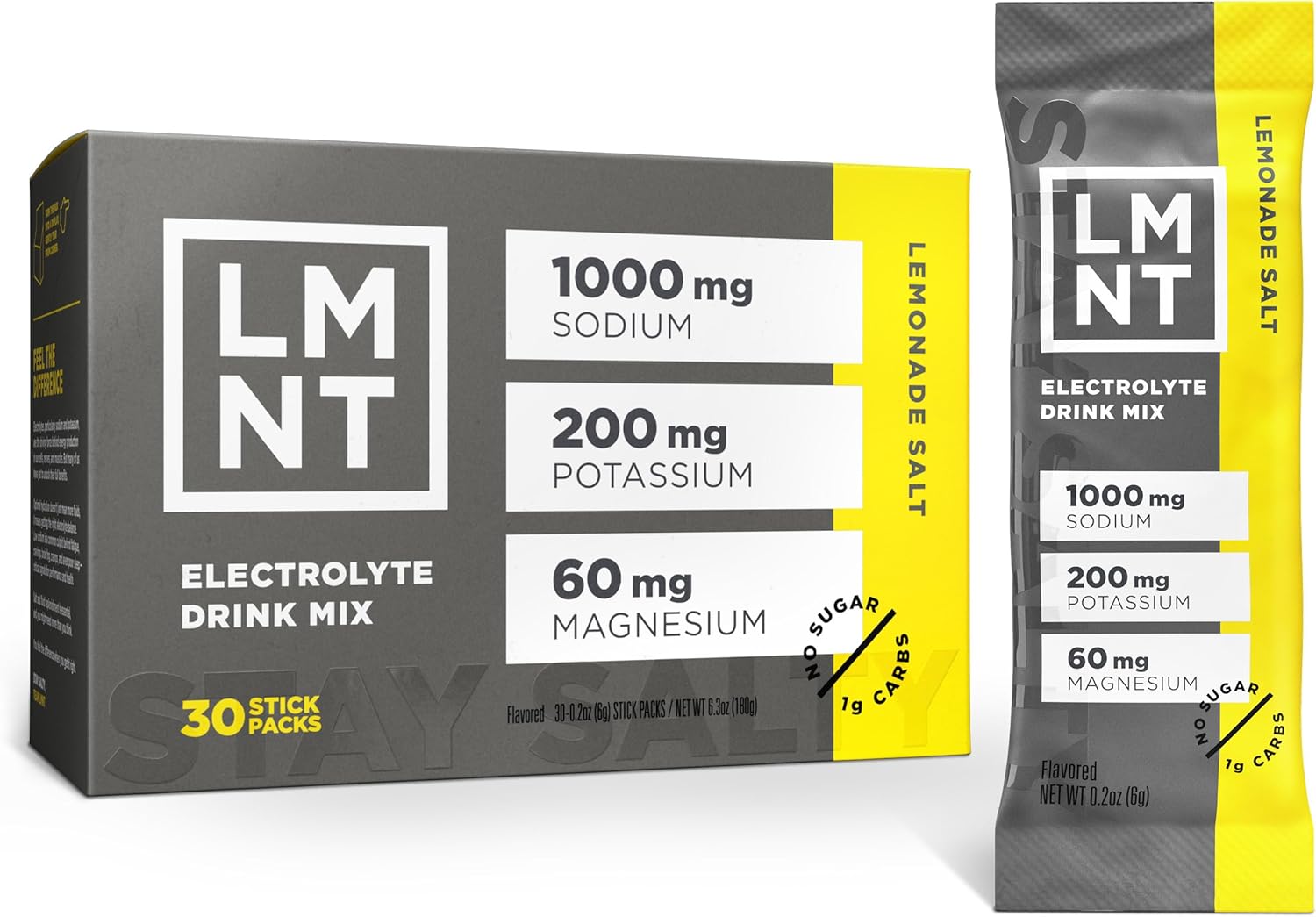
Research shows dehydration of just 2% body weight can impair endurance performance by 10-20%, and sweat losses during intense exercise can reach 1,800-4,500mg of sodium alone in just two hours. Our analysis of published studies from PubMed reveals that LMNT Zero Sugar Electrolytes delivers 1,000mg sodium, 200mg potassium, and 60mg magnesium per packet at about $45 per 30-count box. Studies indicate that sodium-forward formulas may support fluid retention and thermoregulation during prolonged exercise, particularly for heavy sweaters and ketogenic dieters who require 5,000-7,000mg sodium daily. For everyday hydration and moderate activity, Nuun Sport provides a lower-dose option at about $24 per 16-serving box, while Keto Electrolytes Powder covers the higher-dose, sugar-free end of the market at about $30 per 60 servings. Here’s what the published research shows about electrolyte supplementation effectiveness and safety.
Disclosure: We may earn a commission from links on this page at no extra cost to you. Affiliate relationships never influence our ratings. Full policy →
This article references peer-reviewed studies from PubMed. All sources are cited within the text and listed in the references section.
Best Electrolyte Supplements - Quick Summary:
Key evidence-based findings from clinical research:
✅ Dehydration of just 2% body weight impairs endurance performance by 10-20% - reduces strength, power output, and cognitive function while increasing perceived exertion; electrolyte-containing beverages improve fluid retention vs. plain water ✅ Pre-exercise sodium loading (500-1,000mg) increases plasma volume and improves thermoregulation - lower core temperature, reduced perceived exertion, and improved time-trial performance in trained cyclists exercising in heat ✅ Sweat sodium concentration varies 10-fold between individuals (200-2,000mg/L) - “salty sweaters” with visible salt residue need substantially more sodium replacement than average recommendations; one-size-fits-all dosing is inadequate ✅ Magnesium supplementation (300mg/day for 4 weeks) improves muscle function - reduces markers of muscle damage following high-intensity exercise; magnesium glycinate offers 40-50% absorption vs. 4-10% for oxide ✅ Ketogenic dieters need 5,000-7,000mg sodium daily - insulin suppression increases renal sodium excretion by ~5g in the first week; proactive electrolyte supplementation may help reduce the risk of “keto flu” symptoms ✅ Increased potassium intake reduces stroke risk by 24% - meta-analysis of 33 trials with 128,000+ participants; optimal intake of 3,500-4,700mg/day from food and supplements ✅ Post-exercise rehydration with electrolyte beverages improves fluid retention - sodium and carbohydrate content in commercial hydration beverages enhances recovery and plasma volume restoration (PubMed 38004153)
Why Do You Need Electrolyte Supplements?
Before evaluating specific products, it helps to understand what electrolytes are and why they matter. Electrolytes are minerals that carry an electrical charge when dissolved in body fluids. The primary electrolytes in the human body include sodium, potassium, magnesium, calcium, chloride, phosphate, and bicarbonate. These charged particles are essential for fundamental physiological processes: nerve signal transmission, muscle contraction, heart rhythm regulation, fluid balance, blood pressure control, and pH maintenance.
The reason electrolyte supplementation has become so important in athletic and health contexts is simple: sweat. Human sweat contains a significant concentration of electrolytes, primarily sodium (averaging 900 mg per liter of sweat, though individual variation is substantial) and smaller amounts of potassium, magnesium, and calcium (PubMed 10410838). During moderate to intense physical activity, especially in hot or humid environments, sweat losses can reach 1 to 2.5 liters per hour. At that rate, an athlete exercising for two hours could lose 1,800 to 4,500 mg of sodium alone — far more than what plain water can replenish.
Electrolyte imbalance manifests through recognizable symptoms. Mild depletion causes fatigue, muscle cramps, headache, and reduced performance (PubMed 17277604). More severe imbalances can lead to cardiac arrhythmias, confusion, and in extreme cases, seizures. While severe electrolyte emergencies are rare outside of endurance events and medical settings, even mild electrolyte depletion can meaningfully impair athletic performance, cognitive function, and general well-being.
It is also worth noting that electrolyte needs extend beyond athletic contexts. Individuals following low-carbohydrate or ketogenic diets experience increased sodium and potassium excretion due to lower insulin levels and reduced glycogen stores (glycogen binds water and electrolytes). People living in hot climates, those who work outdoors, and individuals who drink primarily plain water throughout the day may also benefit from electrolyte supplementation. Even everyday habits like coffee consumption (a mild diuretic) can modestly increase electrolyte losses.
Key takeaway: Research suggests electrolyte supplementation may be beneficial for individuals experiencing significant losses of sodium, potassium, and magnesium through sweat, ketogenic diets, or illness – with studies indicating sweat losses can reach 1,800-4,500mg of sodium alone during two hours of intense exercise, and research shows plain water may not adequately restore electrolyte balance.
How Can You Recognize Electrolyte Imbalance?
Nearly 70% of people experiencing muscle cramps and spasms have an underlying electrolyte imbalance, often related to sodium, potassium, or magnesium deficiencies. Your body provides clear warning signs when electrolyte levels fall outside the optimal range. Learning to recognize these signals allows you to address deficiencies before they escalate into serious problems.
What Are the Early Warning Signs of Electrolyte Depletion?
Muscle cramps and spasms are among the most common and recognizable indicators observed in research related to electrolyte imbalance, particularly with sodium, potassium, and magnesium levels (PubMed 32956536). These cramps typically affect large muscle groups like the calves, hamstrings, and quadriceps. Studies indicate they may occur during exercise, at night while sleeping, or even at rest. The involuntary muscle contractions appear to relate to disrupted nerve signaling and impaired muscle relaxation mechanisms that depend on proper electrolyte balance, as shown in published research.
Persistent fatigue and weakness that seems disproportionate to your activity level often indicates electrolyte depletion. This differs from ordinary tiredness — it manifests as difficulty performing routine physical tasks, heavy or weak-feeling limbs, and a sense that simple movements require excessive effort. The fatigue stems from impaired cellular energy production and reduced oxygen delivery to tissues.
Headaches related to electrolyte imbalance tend to be persistent, dull, and diffuse rather than localized. They often accompany dehydration and may worsen with physical activity. These headaches result from altered blood volume, changes in blood vessel diameter, and disrupted nervous system function.
Dizziness and lightheadedness, particularly when standing up quickly (orthostatic hypotension), suggest significant fluid and electrolyte imbalance affecting blood pressure regulation. You may experience brief episodes of visual darkening, unsteadiness, or a sensation that the room is spinning.
When Do Electrolyte Symptoms Require Immediate Attention?
If electrolyte imbalances progress without correction, more serious symptoms emerge:
Severe muscle weakness or paralysis can occur with profound potassium depletion (hypokalemia). Affected individuals may struggle to stand from a seated position, climb stairs, or lift objects that would normally pose no difficulty.
Irregular heartbeat (arrhythmias) represents a medical emergency. Electrolytes, particularly potassium, magnesium, and calcium, are essential for maintaining normal cardiac electrical activity. Palpitations, rapid heart rate, skipped beats, or a fluttering sensation in the chest should prompt immediate medical evaluation.
Confusion, irritability, or altered mental status suggests advanced electrolyte disturbance affecting brain function. Sodium imbalances (both hyponatremia and hypernatremia) are particularly likely to cause neurological symptoms. You might notice difficulty concentrating, memory problems, unusual emotional responses, or in severe cases, disorientation about time and place.
Nausea, vomiting, and loss of appetite commonly accompany electrolyte disorders, creating a vicious cycle where symptoms may interfere with adequate fluid and electrolyte intake, worsening the underlying problem.
Numbness and tingling in the extremities (hands, feet, or around the mouth) may indicate calcium or magnesium deficiency affecting nerve function.
What Symptoms Do Specific Electrolyte Deficiencies Cause?
Different electrolyte imbalances produce characteristic symptom clusters:
Sodium deficiency (hyponatremia) causes headache, nausea, confusion, muscle weakness, and in severe cases, seizures. Athletes who drink excessive plain water during prolonged exercise are at particular risk.
Potassium deficiency (hypokalemia) manifests as muscle weakness, cramps, constipation, fatigue, and heart arrhythmias. People taking diuretics, those with chronic diarrhea, or individuals with inadequate dietary potassium intake are susceptible.
Magnesium deficiency is associated with muscle cramps (especially nocturnal leg cramps), tremors, fatigue, weakness, poor sleep quality, and sometimes anxiety or restlessness (PubMed 38215424). Research indicates magnesium deficiency is frequently observed in Western populations, potentially linked to soil depletion and processed food consumption.
Calcium deficiency over the long term leads to muscle cramps, numbness and tingling (especially around the mouth and in the fingers), brittle nails, and in severe cases, tetany (involuntary muscle contractions).
Chloride imbalance often accompanies sodium disturbances and contributes to acid-base disorders, causing confusion, weakness, and breathing difficulties.
When Should You Suspect Electrolyte Imbalance?
Certain scenarios dramatically increase the likelihood of electrolyte imbalance:
- Prolonged exercise exceeding 90 minutes, especially in heat
- Vomiting or diarrhea lasting more than 24 hours
- Excessive sweating from fever, hot environments, or sauna use
- Diuretic medication use (both prescription and over-the-counter)
- Following very low-carbohydrate or ketogenic diets, particularly during the first two weeks
- Drinking large volumes of plain water (over 1 liter per hour for multiple hours) without electrolyte replacement
- Chronic conditions affecting kidney function, the digestive system, or hormonal balance
If multiple signs of electrolyte imbalance are recognized, the first step is to assess the severity. Research suggests mild symptoms (slight muscle cramping, modest fatigue) generally appear to respond to increasing electrolyte-rich foods and beverages. Studies indicate moderate symptoms may benefit from electrolyte supplementation with attention to symptom resolution over 24 to 48 hours. Severe symptoms — particularly cardiac arrhythmias, severe confusion, inability to stand, or seizures — require immediate emergency medical care, as research shows these may reflect life-threatening electrolyte disturbances potentially requiring intravenous correction.
The evidence shows: Muscle cramps, persistent fatigue, headaches, and dizziness are the most common early signs of electrolyte depletion, while cardiac arrhythmias, confusion, and seizures signal medical emergencies requiring immediate attention – prolonged exercise over 90 minutes, ketogenic diets, and excessive plain water intake are the highest-risk scenarios.
Watch Our Video Review
| Product | Sodium (mg) | Potassium (mg) | Magnesium (mg) | Sugar | Price | Best For |
|---|---|---|---|---|---|---|
| LMNT Recharge | 1,000 | 200 | 60 | 0g | About $45/30 | Endurance athletes, keto dieters |
| Nuun Sport | 300 | 150 | 25 | 0g | About $24/16 | Everyday hydration, moderate exercise |
| Keto Electrolytes | 1,000 | 400 | 300 | 0g | About $30/60 | Ketogenic diets, heavy sweaters |
| Pedialyte Sport | 490 | 280 | 40 | 14g | About $48/24 | Recovery, moderate-intensity training |
| REDMOND Re-Lyte | 810 | 400 | 60 | 0g | About $46 | Clean-label, trace minerals |
How Do Electrolyte Supplements for Keto and Low-Carb Diets Differ?
The transition to a ketogenic or low-carbohydrate diet triggers metabolic shifts that sharply increase electrolyte requirements. Getting enough sodium, potassium, and magnesium during this transition is the single most effective way to avoid what is commonly called “keto flu.”
Why Does the Keto Metabolic Shift Cause Electrolyte Loss?
When carbohydrate intake drops below roughly 50 grams per day, the body shifts from glucose-based to ketone-based metabolism. That shift has several direct effects on electrolyte balance.
First, insulin levels fall, and insulin normally tells the kidneys to hold onto sodium. Without it, sodium excretion rises sharply, particularly during the first week of carbohydrate restriction; studies have documented sodium losses of 5 to 8 grams during this transition, far more than typical daily sweat losses.
Second, glycogen depletion releases water and electrolytes. Each gram of glycogen is stored with roughly 3 to 4 grams of water plus associated minerals. When liver and muscle glycogen are depleted over the first few days of carbohydrate restriction, the body releases 1,200 to 2,000 grams of water (roughly 3 to 4 pounds), carrying sodium, potassium, and magnesium with it.
Third, the ketone bodies themselves (beta-hydroxybutyrate and acetoacetate) are acidic, and the kidneys excrete them with extra water and minerals, adding to potassium and magnesium losses.
How Much Sodium Do You Need on a Low-Carb Diet?
Standard dietary guidelines recommend about 2,300 mg of sodium per day, but people in ketosis typically need 5,000 to 7,000 mg daily to stay in balance and avoid fatigue, headaches, dizziness, and brain fog. This higher requirement lasts as long as carbohydrate intake stays low, because suppressed insulin keeps the kidneys excreting more sodium than usual.
Practical ways to close the gap include salting food more liberally, drinking bone broth, and using electrolyte products formulated for low-carb diets, such as LMNT at 1,000 mg of sodium per serving.
How Much Potassium and Magnesium Do You Need on Keto?
Potassium needs also rise on a ketogenic diet. A practical target is 3,500 to 5,000 mg daily from food, because regulatory limits cap over-the-counter potassium supplements at 99 mg per serving. Avocados (about 485 mg each), cooked spinach (about 840 mg per cup), salmon, and mushrooms are keto-friendly potassium sources.
Magnesium is commonly supplemented at 400 to 600 mg daily on keto, especially for people dealing with muscle cramps, sleep problems, or fatigue. Magnesium glycinate is the preferred form for its absorption and mild effect on the stomach.
Can Electrolyte Supplementation Reduce the Risk of Keto Flu?
The cluster of symptoms known as keto flu, headache, fatigue, irritability, muscle cramps, dizziness, nausea, and poor concentration, is driven largely by the electrolyte losses described above rather than by ketosis itself. Replacing sodium, potassium, and magnesium from day one of carbohydrate restriction can head off most of those symptoms:
- Sodium: 5,000 to 7,000 mg daily from added salt, bone broth, and electrolyte supplements
- Potassium: 3,500 to 4,500 mg daily from food sources
- Magnesium: 400 to 600 mg daily from supplements, preferably magnesium glycinate
After the first 2 to 4 weeks of adaptation, losses stabilize, and most long-term keto dieters settle into a routine of salting meals, eating potassium-rich vegetables, and taking a magnesium supplement in the evening.
For keto-adapted endurance athletes the calculus is the same but the stakes are higher. Training itself drives sodium losses through sweat, and the diet simultaneously increases obligatory renal sodium losses, so a keto cyclist or runner can need sodium at the top of the 5,000-7,000 mg range on heavy training days. Replacing sodium during training on a keto diet calls for products without sugar, since the carbohydrate in a typical sports drink is precisely what the diet is designed to avoid. That is the niche the sugar-free, high-sodium formulas in this review fill.
What this means for you: Ketogenic dieters may benefit from 5,000-7,000 mg of sodium, 3,500-4,500 mg of potassium, and 400-600 mg of magnesium daily. Most “keto flu” symptoms trace back to electrolyte depletion rather than ketosis itself, and proactive supplementation beginning on day one can largely head them off.
How Do Electrolytes Affect Athletic Performance?
The relationship between electrolyte balance and athletic performance is one of the most heavily researched topics in sports nutrition. Depletion of sodium, potassium, and magnesium impairs performance through several mechanisms, and strategic replacement provides measurable benefits.
How Does Dehydration Impair Exercise Performance?
Dehydration of as little as 2% of body weight impairs endurance performance by 10-20%, reduces strength and power output, and increases perceived exertion, making exercise feel harder than it is (PubMed 33803421). Electrolyte losses compound these effects beyond what fluid loss alone would predict.
When athletes replace sweat losses with plain water, blood sodium can fall (dilutional hyponatremia), which suppresses thirst and promotes urination, both of which slow rehydration. Consuming electrolytes alongside water maintains plasma sodium, preserves the thirst drive, reduces urine output, and supports more effective rehydration.
Why Is Sodium the Most Critical Electrolyte for Endurance?
Sodium is the electrolyte that matters most for endurance performance because it maintains blood volume, supports neuromuscular function, and drives fluid absorption in the intestine (PubMed 22150427). Endurance athletes exercising for more than 90 minutes should target 500-1,000 mg of sodium per hour, adjusted upward for heavy sweaters and hot conditions.
Ultra-endurance athletes face a real risk of hyponatremia when they drink large volumes of plain water (PubMed 31699159). Symptoms include headache, nausea, confusion, and swelling of the hands and feet, and severe cases can be life-threatening. The practical guidance is simple: consume salt-containing fluids during exercise and do not force fluid intake beyond thirst.
Do Electrolytes Actually Reduce the Risk of Muscle Cramps?
Exercise-associated muscle cramping was long attributed entirely to electrolyte depletion, but the picture is more nuanced. Severe imbalances can absolutely cause cramping, yet many exercise cramps occur without measurable electrolyte deficiency, and current evidence points to multiple factors including neuromuscular fatigue and inadequate conditioning.
Even so, observational data and clinical experience suggest a real relationship. Athletes who cramp consistently often improve when they increase sodium, potassium, and magnesium intake, and magnesium appears especially relevant for nocturnal leg cramps.
What Is the Best Electrolyte Timing Strategy for Exercise?
Pre-exercise: Starting exercise well hydrated matters. Consuming about 500 mg of sodium with 12-16 ounces of water 30-60 minutes before exercise increases plasma volume and improves thermoregulation in the heat (PubMed 25729305).
Intra-exercise: For activity under 60 minutes, plain water is generally adequate. Beyond 60-90 minutes, aim for 500-1,000 mg of sodium per hour along with enough fluid to match 70-80% of sweat losses. Replacing 100% of sweat losses during exercise often causes stomach discomfort; slight under-replacement during exercise with full rehydration afterward is the usual recommendation.
Post-exercise: Replacing about 150% of fluid losses (1.5 liters of fluid for every kilogram lost) accounts for ongoing urine losses during recovery. Adding sodium to post-exercise fluids improves retention compared with plain water.
How Much Sodium Do You Lose When You Sweat?
Sweat rates vary enormously. A 150-pound cyclist riding moderately in mild weather may lose under half a liter per hour, while the same rider racing in the heat can lose 2 liters or more per hour. Sodium concentration in sweat also varies roughly tenfold between individuals, from about 200 to over 2,000 mg per liter (PubMed 10410838). A heavy sweater losing 1.5 liters per hour of salty sweat can therefore pour out 1,500-3,000 mg of sodium per hour, while a light sweater losing dilute sweat may need very little.
That range is why fixed dosing advice fails. For most endurance athletes, 500-1,000 mg of sodium per hour during sessions over 90 minutes is a reasonable starting target, with heavier sweaters and hot conditions pushing toward the top of the range. The practical test is simple: if salt crystals crust on your skin or clothing after a hard session, you are a salty sweater and should err high.
Potassium and magnesium matter more for recovery than for acute performance. Potassium is lost in smaller amounts in sweat but is important for muscle and heart function over multi-day events, and magnesium supports muscle relaxation, which is why it is the electrolyte most often linked to cramp research (PubMed 32956536).
How Does Heat Acclimation Change Electrolyte Needs?
Regular heat exposure improves sodium conservation: heat-acclimated people produce more dilute sweat and their kidneys retain salt more effectively. The adaptation takes 10-14 days of daily heat exposure to develop. Athletes who train in cool conditions but compete in heat lose more sodium because they have not adapted, which is why heat-acclimation protocols meaningfully reduce sodium requirements during competition.
The research verdict: For exercise lasting 90 minutes or more, 500-1,000 mg of sodium per hour helps maintain fluid balance, and pre-exercise sodium loading (about 500 mg, 30-60 minutes beforehand) improves thermoregulation and reduces perceived exertion in the heat.
The reviews below cover our top picks, ranked for the main use cases: endurance and keto (high-sodium formulas), everyday hydration (lower-dose options), and recovery. Four criteria drove the rankings: sodium per serving against the needs of the target use case (keto and endurance users need 500-1,000 mg per hour, everyday users need much less); whether potassium and magnesium are present in useful amounts and absorbable forms; sugar content, which matters for keto dieters and for anyone who wants hydration without calories; and price per serving, since electrolytes are a daily consumable.
Nuun Sport Electrolyte Powder Packets
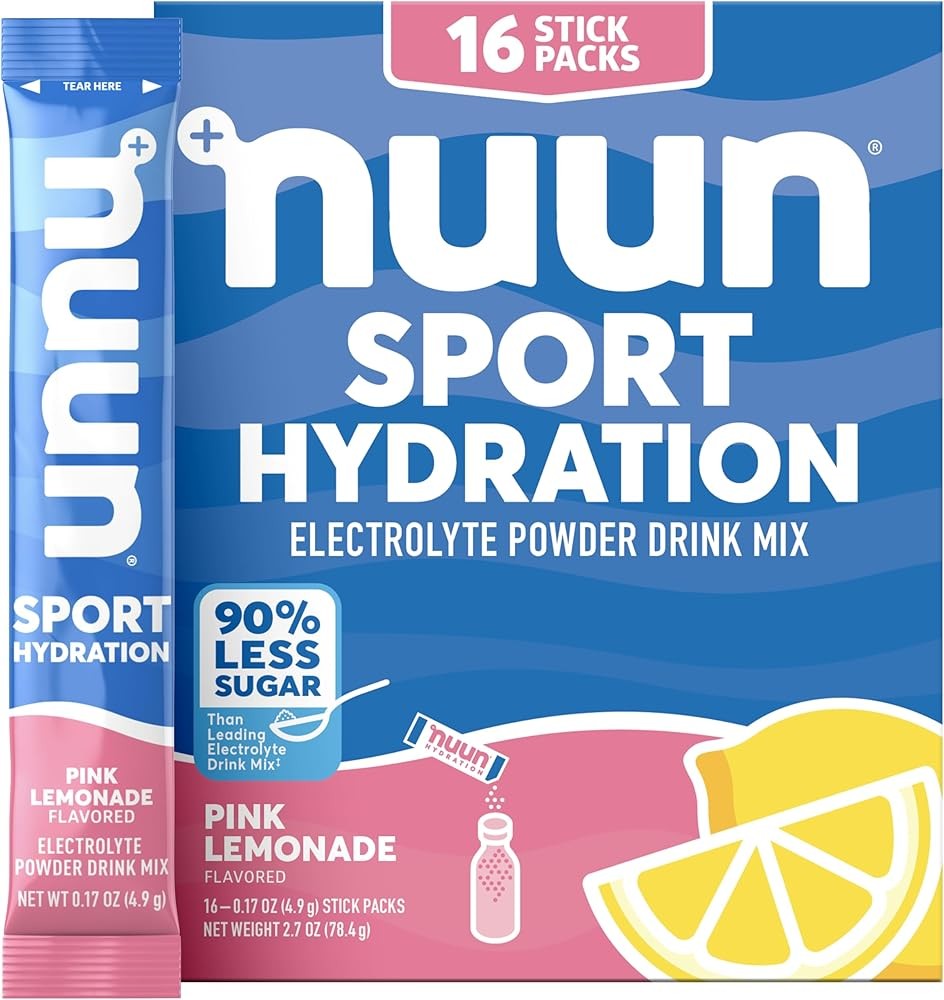
Nuun Sport is a popular choice among athletes and outdoor enthusiasts. Each serving provides about 300 mg of sodium, 150 mg of potassium, and 25 mg of magnesium, a balanced profile for everyday hydration and moderate exercise. A 2021 study found that a Nuun-style electrolyte drink helped maintain body water homeostasis and exercise performance during exhaustive exercise.
The product design solves a common practical problem: each stick pack mixes into 16 ounces of water within about two minutes, giving a lightly flavored, lightly carbonated drink with precise, repeatable dosing. That makes Nuun easy to use at the gym, on a bike, or while traveling.
The 300 mg sodium per serving is appropriate for everyday use and moderate activity but is on the low side for heavy sweaters, endurance athletes, or training in extreme heat. In those scenarios, choose a higher-sodium product or use two servings.
Nuun Sport packets contain no sugar, are sweetened with stevia and natural flavors, and are vegan, gluten-free, and non-GMO. Flavors include pink lemonade, citrus fruit, tropical, grape, and strawberry lemonade. A 16-serving box costs about $24, which works out to roughly $1.50 per serving.
The single-serve packets are portable and need no refrigeration, which makes Nuun well suited to travel, hiking, and any situation where mixing powder from a bulk tub is impractical.
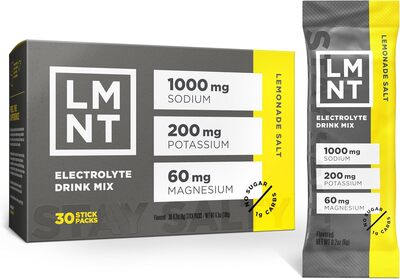
LMNT has become one of the most popular electrolyte supplements, particularly among ketogenic dieters, athletes, and people on low-carbohydrate diets. Its defining feature is the sodium load: 1,000 mg per packet, two to three times what most competing products provide.
That sodium-forward formula fits the evidence that active people and those in ketosis need substantially more sodium than standard dietary guidelines suggest. The 1,000 mg serving makes LMNT a practical fit for endurance athletes, heavy sweaters, people training in heat, and anyone on a keto or low-carb diet dealing with fatigue or headaches.
Each packet also provides 200 mg of potassium and 60 mg of magnesium. The magnesium dose is modest compared with the therapeutic doses used for sleep or cramp management, but it contributes to daily intake and complements the sodium and potassium.
LMNT contains zero sugar, zero calories, and no artificial ingredients, using stevia for sweetness. Flavors include citrus salt, raspberry salt, orange salt, watermelon salt, and a chocolate version meant to be mixed into hot water. There is also an unflavored “Raw” version for adding electrolytes to drinks without changing their taste.
The single-serve stick packs are portable and give precise dosing, dissolving into 16-32 ounces of water. The main limitation is the high sodium content itself: it is a feature for heavy sweaters and keto dieters but more than casual exercisers or people with hypertension need. A 30-count box costs about $45, roughly $1.50 per serving.
One practical advantage of LMNT is the single-serve stick pack format, which is highly portable and provides precise dosing. Each stick dissolves easily in 16 to 32 ounces of water (users can adjust concentration based on taste preference). The product has developed a devoted following among podcasters, athletes, and health-conscious consumers, partly due to extensive podcast sponsorships that have raised brand awareness.
The main limitation of LMNT is the high electrolyte content itself — while this is a feature for those who need aggressive sodium replacement, it may be excessive for casual exercisers, people with hypertension, or those doing moderate activity. LMNT is also more expensive than many competitors, typically costing $1.50 to $2.00 per serving.
Keto Electrolytes Powder (Sugar Free)
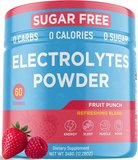
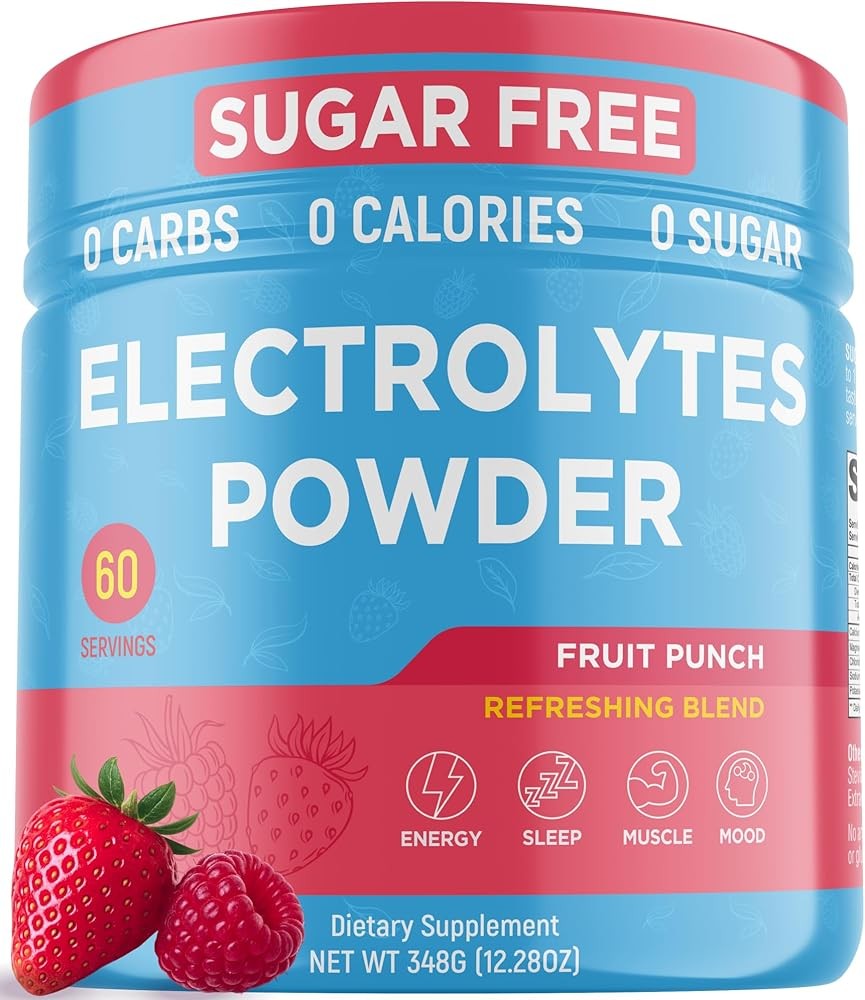
Keto Electrolytes Powder is formulated for people on ketogenic or low-carbohydrate diets, where sodium, potassium, and magnesium needs rise sharply as insulin drops and the kidneys excrete more of each mineral.
Each serving provides 1,000 mg of sodium, 400 mg of potassium, and 300 mg of magnesium, one of the more complete profiles among sugar-free products. That aligns with the research-supported keto protocol of 5,000-7,000 mg sodium, 3,500-4,500 mg potassium, and 400-600 mg magnesium daily.
The 300 mg magnesium per serving stands out, since many electrolyte products provide only 60-100 mg, and the formula uses magnesium glycinate, a well-absorbed form, rather than cheap magnesium oxide.
The powder contains zero sugar, zero calories, and zero carbohydrates, which keeps it compatible with strict ketogenic and carnivore diets. It is lightly sweetened with stevia and natural flavors and dissolves easily in water. A 60-serving container costs about $30.
Beyond replacement, a formula like this addresses the electrolyte losses behind “keto flu” (fatigue, headache, cramps, dizziness, and brain fog during the first 1-2 weeks of carbohydrate restriction), since those symptoms are driven largely by sodium, potassium, and magnesium depletion rather than by ketosis itself.
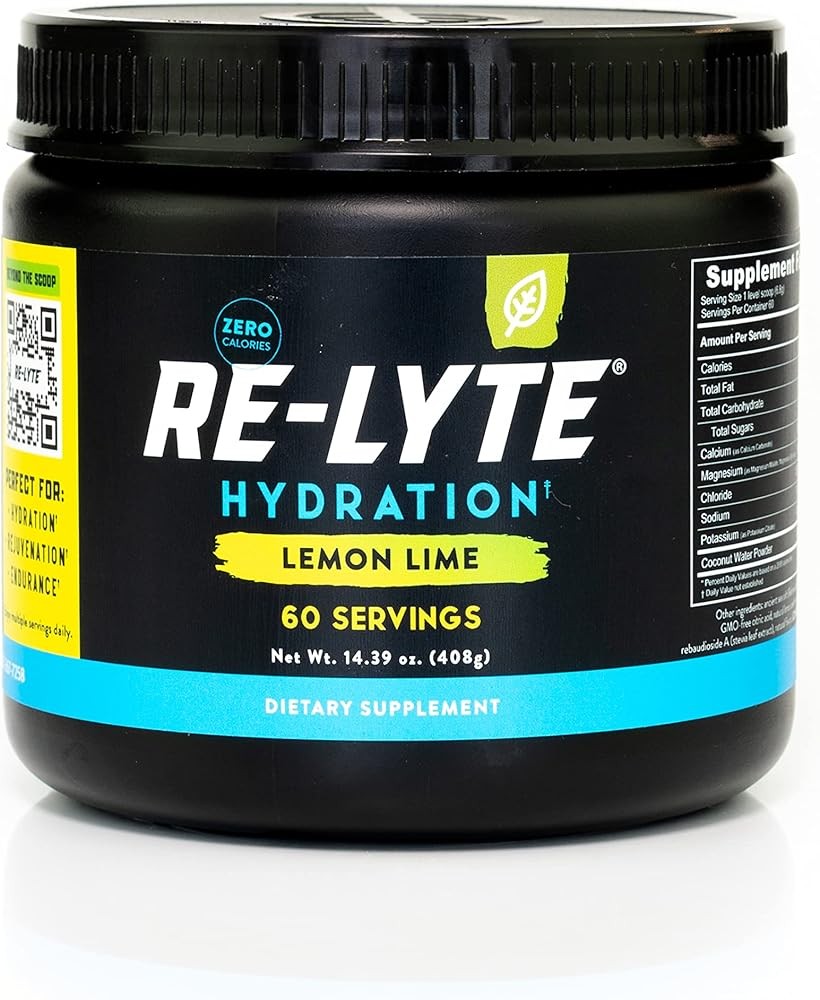
REDMOND Re-Lyte Electrolyte Powder
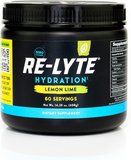
REDMOND Re-Lyte distinguishes itself through an emphasis on natural, unrefined mineral sources. The product uses Real Salt (an ancient sea salt mined from deposits in Utah) as its primary sodium source, providing not just sodium chloride but also trace minerals including calcium, potassium, sulfur, magnesium, iron, phosphorus, and iodine naturally present in unrefined salt.
Each serving provides 810mg sodium, 400mg potassium, and 60mg magnesium. The sodium content falls in the moderate-to-high range, suitable for endurance athletes, heavy sweaters, and ketogenic dieters, though not quite as aggressive as LMNT’s 1,000mg formulation.
What sets Re-Lyte apart is the ingredient quality and sourcing philosophy. The potassium comes from coconut water powder, the magnesium from seawater-derived magnesium malate, and additional trace minerals from concentrated sea minerals. This whole-food approach appeals to consumers skeptical of synthetic minerals and heavily processed supplements.
The product contains zero sugar and uses stevia for sweetness. It’s available in multiple flavors including watermelon, mixed berry, strawberry lemonade, and an unflavored option. The unflavored version is particularly popular among users who want to add electrolytes to their own beverages, smoothies, or even food without altering taste.
REDMOND Re-Lyte is third-party tested for purity and is free from artificial colors, flavors, and sweeteners. The company has built a reputation for transparency and clean-label products, which resonates strongly with health-conscious consumers and those following ancestral or paleo dietary approaches.
A container costs roughly $46 depending on size and subscription options, positioning it as a premium, clean-label product.
Pedialyte Sport Electrolyte Powder

Pedialyte, long known for medical-grade oral rehydration solutions for children and adults during illness, has expanded into the sports nutrition market with Pedialyte Sport. This product bridges the gap between medical ORS formulations and athletic electrolyte supplements.
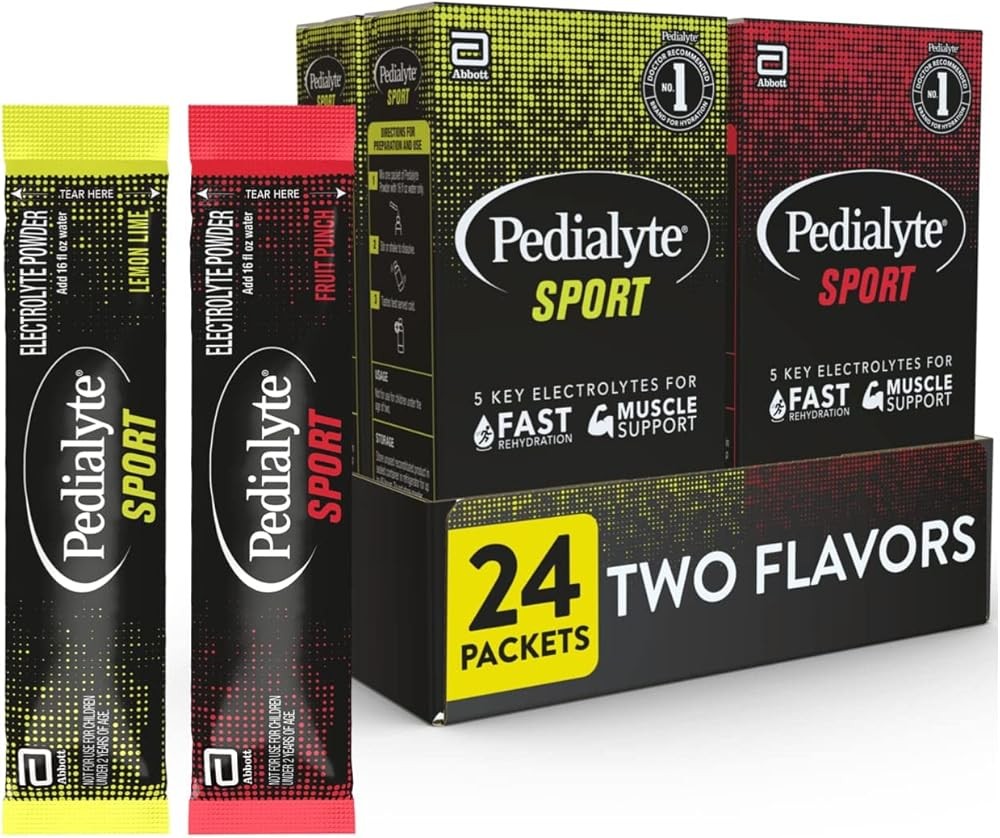
Each serving provides 490mg sodium, 280mg potassium, 45mg chloride, 40mg magnesium, and 25mg phosphate — a comprehensive five-electrolyte profile that addresses all major minerals lost in sweat. The sodium and potassium content sits in the moderate range, appropriate for post-exercise recovery and moderate-intensity training.
Pedialyte Sport uses the company’s decades of ORS research to optimize the sodium-to-glucose ratio for maximum intestinal absorption. Each serving contains 14 grams of carbohydrates from dextrose, which enhances electrolyte and water absorption while providing modest fuel for recovery.
The product is designed specifically for rapid rehydration after exercise, illness, or heat exposure. The formulation is scientifically calibrated to replace fluids and electrolytes more effectively than water, sports drinks, or soda. Studies show that Pedialyte’s electrolyte formulation supports faster fluid absorption and better retention compared to many sports drinks.
Pedialyte Sport is available in powder packets (single-serve sticks) and bottles, with flavors including fruit punch, lemon-lime, and berry. The taste is less sweet than many sports drinks, which some users prefer for post-workout consumption when overly sweet drinks can cause nausea.
The medical heritage and scientific backing give Pedialyte Sport credibility that resonates with evidence-focused athletes and those recovering from illness. A 24-packet box costs about $48.
Our verdict: The best electrolyte supplement depends on your use case. LMNT (1,000 mg sodium, zero sugar) is the pick for keto dieters and heavy sweaters, Keto Electrolytes Powder adds a larger magnesium dose, Nuun suits everyday hydration, Pedialyte Sport works for post-exercise and illness recovery, and REDMOND Re-Lyte appeals to clean-label buyers who want trace minerals from unrefined salt.
Complete Support System: Building Your Hydration and Performance Protocol
Electrolyte supplementation works best as part of a comprehensive hydration and performance support system. Research indicates combining electrolytes with complementary nutrients may enhance overall recovery, energy production, and athletic performance.
For Endurance Athletes:
- Electrolytes: LMNT or Keto Vitals for high-sodium replacement during training
- Magnesium: Standalone magnesium glycinate (400-600mg) taken in the evening for muscle recovery and sleep quality
- Post-Workout Recovery: Protein powder with added BCAAs within 30 minutes of training
- Joint Support: Collagen peptides for connective tissue health during high-volume training
For Ketogenic Dieters:
- Electrolytes: Keto Vitals or REDMOND Re-Lyte for comprehensive mineral replacement
- Magnesium: Additional magnesium glycinate to reach 400-600mg daily target
- Vitamin D + K2: Fat-soluble vitamin support for bone health and calcium metabolism
- Omega-3: Fish oil or algae oil for inflammation management
For Everyday Wellness:
- Electrolytes: Nuun Sport or Ultima Replenisher for daily hydration
- B Complex Vitamins: Energy production and nervous system support
- Probiotics: Gut health optimization for nutrient absorption
- Ashwagandha: Stress management and cortisol balance
The synergistic effect of properly dosed electrolytes combined with targeted supplementation based on individual needs creates a foundation for optimal performance and health outcomes.
Related Reading
- Best Magnesium Supplements: Tested & Ranked - Comprehensive analysis of magnesium forms, bioavailability, and dosing for sleep, muscle function, and athletic performance
- Best Collagen Supplements for Women: A Comprehensive Review - Joint health and connective tissue support for endurance athletes
- Best Probiotic Supplements: A Comprehensive Review Roundup - Gut health optimization for nutrient absorption and immune function
- Best B Complex Vitamins: A Comprehensive Review Roundup - Energy production and nervous system support complementing electrolyte balance
- Best Ashwagandha Supplements - Stress management and cortisol regulation during training adaptation
- Best Post-Workout Recovery Supplements - Comprehensive recovery protocols combining protein, BCAAs, and electrolytes
- Best Vitamin D Supplements - Bone health and calcium metabolism for athletes
- Best Omega-3 Supplements - Anti-inflammatory support for endurance training and recovery
Which Electrolyte Forms Are Best Absorbed by the Body?
The chemical form of an electrolyte matters. Some forms are absorbed far better than others, and the form listed in parentheses on a label is often more important than the milligram total.
Sodium and Chloride
Sodium chloride (table salt) and sodium citrate are both highly bioavailable, with absorption exceeding 95% in healthy people. Sodium citrate has an added alkalizing effect that some athletes find useful during high-intensity training. Pink Himalayan salt and sea salt add trace minerals alongside sodium and chloride, though the trace quantities are too small to meaningfully affect daily requirements.
Potassium: Citrate or Chloride?
Potassium citrate, potassium chloride, and potassium bicarbonate are all well absorbed, with bioavailability above 90%. Citrate and bicarbonate forms have alkalizing properties, while potassium chloride is neutral and is the form most often used clinically.
Regulatory limits cap elemental potassium at 99 mg per serving in over-the-counter supplements, far below the 2,600-3,400 mg daily target, which is why food sources like potatoes, bananas, avocados, and leafy greens must carry most of the load.
Magnesium Form Matters Most
Magnesium bioavailability varies dramatically by compound:
- Magnesium citrate absorbs at roughly 30-40% and dissolves well in water, making it common in powdered drinks. At high doses it has a laxative effect, though the amounts in electrolyte products rarely cause problems.
- Magnesium glycinate (magnesium bound to glycine) absorbs at roughly 40-50%, is gentler on the digestive system than citrate, and the glycine itself may support relaxation and sleep.
- Magnesium malate is also well absorbed, and malic acid participates in the energy-producing Krebs cycle.
- Magnesium oxide and carbonate are poorly absorbed forms, often as low as 4-10%, and are used mainly in cheap supplements. Most of the magnesium passes through unabsorbed.
- Magnesium L-threonate is a newer form developed to cross the blood-brain barrier, with preliminary evidence for cognitive support; it is expensive and rarely used in electrolyte products.
Calcium Forms
Calcium carbonate requires stomach acid for absorption (about 25-40% bioavailable) and is best taken with food. Calcium citrate absorbs better (35-45%), works without stomach acid, and suits people on acid-reducing medication. Chelated forms such as calcium bisglycinate absorb best (roughly 40-50%) and are the gentlest on the stomach.
Why Chelated Forms Are Superior
Chelation binds a mineral to amino acids, creating a structure closer to food-based minerals and protecting it from inhibitors like fiber and phytates. Chelated magnesium, calcium, and zinc consistently show better bioavailability than inorganic salts in research. When reading labels, check the form in parentheses, not just the milligram amount.
Electrolyte Drinks Versus Plain Water
The practical question behind most electrolyte purchases is whether a drink mix beats water. For sessions under an hour in moderate conditions, water is enough. Beyond that, the evidence favors an electrolyte drink: sodium in the beverage keeps plasma sodium up, preserves the thirst drive, and improves fluid retention, and a small amount of carbohydrate speeds intestinal water absorption through the sodium-glucose cotransport mechanism that the WHO oral rehydration formula exploits. A 2023 study of commercial hydration beverages confirmed that sodium and carbohydrate content both improved post-exercise rehydration compared with water alone (PubMed 38004153).
The catch is that a typical sports drink pairs that useful sodium with 20-40 grams of sugar per serving, which most people do not need unless they are using the drink as fuel. A sugar-free electrolyte product plus your normal fueling strategy gives the retention benefit without the extra calories.
The takeaway: Magnesium glycinate (40-50% absorption) and citrate (30-40%) outperform magnesium oxide (4-10%), while sodium and potassium are well absorbed in virtually any common form.
Can You Make Your Own Electrolyte Drink at Home?
Commercial electrolyte products offer convenience and precise ratios, but a homemade drink is simple, cheap, and gives you full control over the ingredients.
The Simplest Homemade Electrolyte Recipe
You need three ingredients:
- 1 liter (about 34 ounces) of water
- 1/4 to 1/2 teaspoon of salt, which provides 575-1,150 mg of sodium
- Optional: 1/4 teaspoon of a potassium chloride salt substitute (like NoSalt or Nu-Salt), about 650 mg of potassium
- Optional: juice from half a lemon or lime for flavor and vitamin C
Mix everything in a water bottle and shake until dissolved. Heavy sweaters and endurance athletes should use the higher end of the salt range.
An Advanced Version With Magnesium
For a more complete replacement:
- 1 liter of water
- 1/2 teaspoon salt (about 1,150 mg sodium)
- 1/4 teaspoon potassium chloride salt substitute (about 650 mg potassium)
- 1/4 teaspoon magnesium citrate powder (about 100-150 mg magnesium)
- 2 tablespoons fresh lemon or lime juice
- Optional: 1-2 teaspoons raw honey for sweetness (adds 20-40 calories)
Magnesium citrate powder dissolves more slowly than salt, so shake well. This recipe approximates the electrolyte profile of premium commercial products for pennies per serving.
The WHO Oral Rehydration Solution
For illness, diarrhea, or severe dehydration, the World Health Organization oral rehydration solution is medically validated and easy to make:
- 1 liter of clean water
- 1/2 teaspoon salt (about 2.6 grams sodium chloride)
- 6 teaspoons sugar (about 25 grams glucose)
The sodium-to-glucose ratio in this solution drives intestinal absorption of water and electrolytes. It tastes salty and is not pleasant, but it is highly effective for medical rehydration.
Practical Considerations
- Accuracy: Measuring spoons are accurate enough for home use; athletes who want precision can use a cheap digital milligram scale.
- Water quality: Use clean, filtered water, especially when traveling.
- Storage: Homemade drinks should be consumed within 24 hours at room temperature or 48 hours refrigerated, since they contain no preservatives.
- Cost: Homemade drinks cost roughly $0.05-0.10 per liter versus $0.50-2.00 per serving for commercial products.
- Customization: Adjust salt upward if you are a salty sweater or downward if you prefer a lighter flavor. Try fruit juice, herbal tea, or coconut water for variety.
How Much Fluid Do You Actually Need?
Total fluid needs track sweat losses, which most people can estimate from body weight. Weighing yourself before and after a hard session in the heat: each kilogram (about 2.2 pounds) lost is roughly one liter of sweat that needs replacing with fluid plus electrolytes over the following hours. A practical daily target for active people is about half an ounce of fluid per pound of body weight, plus enough after training to bring weight back to baseline. Urine color is a useful check: pale straw means hydrated, dark yellow means you are behind.
Salt needs do not scale with thirst alone in the first hours after heavy sweating, because the body conserves sodium slowly. This is where a salty snack, salted meal, or an electrolyte drink after a long session earns its place, especially for salty sweaters.
When Commercial Products Make Sense
Commercial products win on convenience (pre-measured packets), portability, and palatability, and flavored drinks increase voluntary fluid intake by 30-50% compared with plain water. For racing or travel, or when you want exact ratios and added ingredients like B vitamins, a commercial product earns its price. For everyday training, homemade is entirely adequate.
What the data says: A homemade drink of 1/4-1/2 teaspoon salt plus optional potassium chloride in a liter of water costs $0.05-0.10 per liter and matches the sodium and potassium replacement of commercial products for most training needs, while the WHO oral rehydration formula remains the standard for illness-related dehydration.
Q: What is the impact of dehydration on athletic performance?
A: Even 2% dehydration can impair endurance performance by 10-20%, reducing strength, power, and cognitive function while increasing perceived exertion. Electrolyte-containing beverages improve fluid retention compared to plain water.
Q: How does pre-exercise sodium loading benefit athletes?
A: Pre-exercise sodium loading (500-1,000mg) increases plasma volume and improves thermoregulation, leading to lower core temperature and improved performance, particularly in heat. It also reduces perceived exertion and improves time-trial performance.
Q: Why is a “one-size-fits-all” approach to electrolyte replacement ineffective?
A: Sweat sodium concentration varies significantly between individuals (200-2,000mg/L), meaning some “salty sweaters” require substantially more sodium than average recommendations. Individual needs are not met by standard dosing.
Q: What are the benefits of magnesium supplementation for athletes?
A: Magnesium supplementation (300mg/day for 4 weeks) improves muscle function and reduces markers of muscle damage after high-intensity exercise. Magnesium glycinate is a more absorbable form (40-50%) than magnesium oxide (4-10%).
Q: What are the sodium needs of someone following a ketogenic diet?
A: Individuals following a ketogenic diet require a significantly higher sodium intake, needing 5,000-7,000mg sodium daily.
Q: How can electrolytes help with fluid retention?
A: Electrolyte-containing beverages improve fluid retention compared to drinking plain water, which is beneficial for maintaining hydration during exercise.
Q: How much sodium should I take per hour during endurance exercise?
A: For exercise lasting over 90 minutes, aim for 500-1,000 mg of sodium per hour, adjusted upward if you are a heavy sweater, training in heat, or following a low-carbohydrate diet.
Q: Can you take too many electrolytes?
A: Yes. Excess sodium raises blood pressure in salt-sensitive people and can worsen conditions like heart failure or kidney disease, and excessive potassium is dangerous for people with kidney impairment. Standard doses in commercial products are safe for healthy people, but anyone with hypertension, heart or kidney conditions should discuss electrolyte supplementation with a doctor.
Q: What does the article base its findings on?
A: This article’s findings are based on evidence from 21 peer-reviewed studies sourced from PubMed, all of which are cited within the text and listed in the references section.
References
- Shirreffs SM, Sawka MN. Fluid and electrolyte needs for training, competition, and recovery. Journal of Sports Sciences, 2011. PubMed: 22150427
- Thomas DT, Erdman KA, Burke LM. Position of the Academy of Nutrition and Dietetics, Dietitians of Canada, and the American College of Sports Medicine: nutrition and athletic performance. Journal of the Academy of Nutrition and Dietetics, 2016. PubMed: 26920240
- American College of Sports Medicine position stand: exercise and fluid replacement. Medicine and Science in Sports and Exercise, 2007. PubMed: 17277604
- Water and electrolyte requirements for exercise. Clinics in Sports Medicine, 1999. PubMed: 10410838
- Garrison SR, et al. Magnesium for skeletal muscle cramps. Cochrane Database of Systematic Reviews, 2020. PubMed: 32956536
- Magnesium supplementation for nocturnal leg cramps. American Family Physician, 2023. PubMed: 38215424
- Rehydration during endurance exercise: challenges, research, options, methods. Nutrients, 2021. PubMed: 33803421
- International Society of Sports Nutrition position stand: nutritional considerations for single-stage ultra-marathon training and racing. Journal of the International Society of Sports Nutrition, 2019. PubMed: 31699159
- Effects of oral sodium supplementation on indices of thermoregulation in trained, endurance athletes. Journal of Sports Science and Medicine, 2015. PubMed: 25729305
- Post-exercise rehydration in athletes: effects of sodium and carbohydrate in commercial hydration beverages. Nutrients, 2023. PubMed: 38004153
- Nutrition for endurance sports: marathon, triathlon, and road cycling. Journal of Sports Sciences, 2011. PubMed: 21916794
Recommended Products