Best Fish Oil and Omega-3 Supplements
Summarized from peer-reviewed research indexed in PubMed. See citations below.
Most adults consume less than 20 percent of the recommended omega-3 fatty acids needed for heart health, yet the REDUCE-IT trial of 8,179 patients demonstrated that 4g daily EPA supplementation reduced major cardiovascular events by 25 percent. Nordic Naturals Ultimate Omega delivers 1,280mg omega-3s in triglyceride form with IFOS 5-star certification and costs roughly $0.50 per serving. Research shows the triglyceride form has 70 percent better absorption than cheaper ethyl ester formulations used in budget brands. Arazo Nutrition offers a budget-friendly alternative at 4,080mg omega-3s per serving for high-dose applications. Here’s what the published research shows about choosing fish oil supplements based on potency, purity, and bioavailability.
Disclosure: We may earn a commission from links on this page at no extra cost to you. Affiliate relationships never influence our ratings. Full policy →
Why Are Fish Oil Supplements So Popular?
Fish oil supplements have seen increasing interest in recent years due to research suggesting potential health benefits, including research indicating support for heart health and studies suggesting a potential role in reducing inflammation. With numerous options available, selecting a fish oil supplement can be complex. This review will compare several top fish oil supplements based on data from clinical trials and expert recommendations.
!Top-rated fish oil and omega bottles with third-party testing and quality certifications
Omega-3 fatty acids are a class of polyunsaturated fats that the human body cannot produce on its own, making them essential nutrients that must be obtained through diet or supplementation. The two most important omega-3 fatty acids found in fish oil are eicosapentaenoic acid (EPA) and docosahexaenoic acid (DHA). EPA is primarily associated with cardiovascular benefits and anti-inflammatory effects, while DHA plays a structural role in brain tissue and retinal cells. A third omega-3, alpha-linolenic acid (ALA), is found in plant sources like flaxseed and walnuts, but the body converts ALA to EPA and DHA at a very low rate — typically less than 5 percent — which is why direct supplementation with EPA and DHA is often recommended (JH Lee et al., 2009).
The American Heart Association recommends consuming at least two servings of fatty fish per week, which provides roughly 500 mg of combined EPA and DHA daily. However, surveys consistently show that most adults fall well short of this target. Research indicates that only a small fraction of the general population meets recommended omega-3 intake through diet alone, making supplementation a practical strategy for many individuals (PubMed 30019766).
Bottom line: Research indicates fish oil supplements providing EPA and DHA omega-3 fatty acids may be beneficial for the majority of adults who do not consume the recommended two servings of fatty fish per week, with studies showing the body’s capacity to produce these essential fats is limited, making dietary or supplemental intake a potential option. PMC
Top Fish Oil Supplements Reviewed
Want to Watch Our Fish Oil Video Review?
How Do Omega-3 Fatty Acids Work in the Body?
Understanding the mechanism of action behind omega-3 fatty acids helps explain why they are so widely recommended. EPA and DHA are incorporated into cell membranes throughout the body, where they influence membrane fluidity, cell signaling, and gene expression. This incorporation is not immediate — it typically takes four to eight weeks of consistent supplementation for omega-3 levels to reach a steady state in tissues.
EPA serves as a precursor to anti-inflammatory compounds called resolvins and protectins, which actively help resolve inflammation rather than simply blocking it (PubMed 12480795). This is a critical distinction from NSAIDs and other anti-inflammatory drugs, which suppress inflammatory pathways without promoting resolution. DHA, on the other hand, is highly concentrated in the brain and retina, where it supports synaptic plasticity, neurotransmitter function, and visual processing.
The omega-3 index, a measure of the combined EPA and DHA content in red blood cell membranes, has emerged as a useful biomarker of omega-3 status. An omega-3 index of 8 percent or higher is associated with the lowest risk of sudden cardiac death, while an index below 4 percent is considered high risk (PubMed 31582621). Most unsupplemented Western adults have an omega-3 index between 3 and 5 percent, suggesting that supplementation could meaningfully shift this number into a more protective range.
What Are the Cellular and Molecular Mechanisms?
At the cellular level, omega-3 fatty acids exert their effects through multiple interconnected pathways:
Membrane Integration and Fluidity: When EPA and DHA are consumed, they replace omega-6 fatty acids (particularly arachidonic acid) in cell membrane phospholipids. This substitution alters membrane properties, affecting the function of membrane-bound proteins including receptors, ion channels, and enzymes. The increased membrane fluidity can enhance insulin sensitivity, improve neurotransmitter signaling, and optimize cellular communication.
Eicosanoid Production: EPA competes with arachidonic acid for access to cyclooxygenase (COX) and lipoxygenase (LOX) enzymes. When EPA is metabolized instead of arachidonic acid, the resulting eicosanoids (series-3 prostaglandins and series-5 leukotrienes) are generally less pro-inflammatory than their arachidonic acid-derived counterparts (series-2 and series-4). This shift in eicosanoid balance reduces chronic low-grade inflammation implicated in cardiovascular disease, metabolic syndrome, and cognitive decline.
Specialized Pro-Resolving Mediators (SPMs): Perhaps most exciting is the discovery that EPA and DHA serve as precursors to resolvins, protectins, and maresins—collectively called SPMs. These compounds actively promote the resolution of inflammation and tissue healing, rather than simply suppressing inflammatory signals.
Gene Expression: Omega-3 fatty acids regulate gene expression through several transcription factors, including peroxisome proliferator-activated receptors (PPARs) and sterol regulatory element-binding proteins (SREBPs). By binding to these nuclear receptors, EPA and DHA can suppress genes involved in inflammation and fat synthesis while activating genes for fat oxidation and glucose metabolism.
Brain-Specific Effects: DHA makes up approximately 40% of the polyunsaturated fatty acids in brain gray matter and 60% in the retina. It supports neuroplasticity, the brain’s ability to form new connections, and protects against neurodegeneration through antioxidant and anti-inflammatory effects. DHA deficiency during critical developmental windows can result in lasting cognitive and visual deficits.
In summary: Omega-3 fatty acids function through multiple mechanisms — EPA supports the resolution of inflammation by producing specialized pro-resolving mediators (SPMs) and shifting eicosanoid balance, while DHA supports brain structure and neuroplasticity — with an Omega-3 Index of 8%+ in red blood cells associated with the lowest cardiac risk.
What Does Clinical Research Show About Fish Oil for Specific Conditions?
The clinical evidence for fish oil supplementation varies significantly across different health conditions. Understanding what the research actually shows—and doesn’t show—is essential for making informed supplementation decisions.
Does Fish Oil Reduce Cardiovascular Disease Risk and Triglycerides?
The cardiovascular benefits of omega-3 fatty acids represent some of the strongest clinical evidence. The landmark REDUCE-IT trial, published in the New England Journal of Medicine, found that high-dose purified EPA (4 grams daily as icosapent ethyl) reduced major cardiovascular events by 25% in patients with elevated triglycerides and existing cardiovascular disease or diabetes (PubMed 30415628).
For triglyceride reduction specifically, meta-analyses consistently show that omega-3 supplementation at doses of 2-4 grams daily can lower triglyceride levels by 15-30%, with larger reductions observed in individuals with higher baseline levels (PubMed 39163858). This effect is dose-dependent and appears to work through reduced hepatic triglyceride synthesis (PubMed 39289125).
Blood pressure effects are more modest but still clinically relevant. Systematic reviews have found that omega-3 supplementation reduced systolic blood pressure by an average of 1.52 mmHg and diastolic pressure by 0.99 mmHg, with larger reductions in older adults and those with hypertension (PubMed 36103100).
However, recent large-scale trials including VITAL and STRENGTH have produced mixed results for primary prevention of cardiovascular events in general populations. These findings suggest that omega-3 benefits may be most pronounced in higher-risk individuals or at higher doses than typically used in general prevention.
Can Fish Oil Improve Brain Health, Cognition, and Mental Health?
DHA’s structural role in brain tissue has led to extensive research on cognitive benefits. For cognitive decline and Alzheimer’s disease prevention, the evidence is mixed. Some studies show that higher omega-3 intake or blood levels are associated with better cognitive function and slower decline, particularly in individuals with mild cognitive impairment or early Alzheimer’s disease.
Research indicates that DHA supplementation improved memory in older adults with age-related cognitive decline, though benefits were less clear in those with established dementia. The timing of intervention appears critical—omega-3s may be most beneficial when started before significant cognitive impairment develops.
For depression, meta-analyses show modest but significant benefits, particularly for major depressive disorder. Studies using EPA-predominant formulas (typically 1-2 grams EPA daily) tend to show better results than DHA-predominant or balanced formulas, with EPA supplementation producing effect sizes comparable to some antidepressant medications, particularly as augmentation therapy for patients not fully responding to standard treatment (PubMed 36005883, PubMed 27103682).
Does Fish Oil Help With Inflammatory and Autoimmune Conditions?
Rheumatoid arthritis represents one of the clearest applications for anti-inflammatory effects of omega-3s. Multiple randomized controlled trials and meta-analyses have found that fish oil supplementation (typically 2.7-3 grams EPA+DHA daily) reduces joint pain and stiffness, decreases morning stiffness duration, and in some cases allows reduction of NSAID medications (PubMed 38922552, PubMed 34684507).
For inflammatory bowel disease (Crohn’s disease and ulcerative colitis), the evidence is less consistent. Some studies show modest benefits for maintaining remission, while others find no significant effect. The variability may reflect differences in disease severity, medication regimens, and omega-3 formulations used.
Can Omega-3s Protect Against Eye Disease and Macular Degeneration?
DHA is highly concentrated in retinal photoreceptors, and adequate intake appears important for maintaining visual health. The Age-Related Eye Disease Study 2 (AREDS2) found that adding omega-3s (350mg DHA + 650mg EPA daily) to a vitamin and mineral formula modestly reduced progression to advanced macular degeneration, particularly in individuals with low dietary omega-3 intake at baseline (PubMed 23644932).
For dry eye syndrome, multiple studies have found that omega-3 supplementation can improve symptoms and reduce inflammation markers in tears, though effects may take 2-3 months to become apparent.
How Does Omega-3 Supplementation Benefit Pregnancy and Infant Development?
DHA accumulation in fetal brain tissue is highest during the third trimester and first two years of life, making adequate maternal DHA crucial. Randomized trials have shown that DHA supplementation during pregnancy (typically 200-600mg daily) is associated with improved visual acuity and cognitive development in infants, though effects may be subtle and vary across different developmental assessments (PubMed 12509593).
For pregnancy outcomes, omega-3 supplementation has been shown to reduce risk of premature birth. A Cochrane review of 70 trials found that omega-3 supplementation reduced preterm birth (before 37 weeks) by 11% and early preterm birth (before 34 weeks) by 42% (PubMed 30480773, PubMed 36228573).
Emerging evidence suggests omega-3s may also reduce risk of postpartum depression, though more research is needed to confirm optimal dosing and timing.
Bottom line: Published research suggests fish oil may support cardiovascular risk reduction (a 25% event reduction with high-dose EPA was observed in the REDUCE-IT trial), triglyceride lowering (a 15-30% reduction at 2-4g/day), and rheumatoid arthritis pain relief (studies have used 2.7-3g/day), while research indicates fish oil may help reduce the risk of preterm birth (a 42% reduction was reported in a Cochrane review). Studies suggest brain health and depression benefits may be supported by specific EPA-predominant formulations. REDUCE-IT Cochrane review.
How Do the Top Fish Oil Supplements Compare?
When comparing fish oil supplements, the key differentiators are EPA+DHA content per serving, molecular form (triglyceride vs. ethyl ester), third-party certifications (IFOS, USP, NSF), source fish species, and price per gram of omega-3s. The table below outlines how several top-rated options stack up across these critical factors. Nordic Naturals Ultimate Omega leads with 1280mg omega-3s in triglyceride form and IFOS 5-star certification, while Arazo Nutrition offers the highest total omega-3 content at 4080mg per serving. For budget-conscious buyers, Nature Made and Swanson provide reasonable omega-3 doses at significantly lower price points, though they use ethyl ester form with somewhat lower bioavailability.
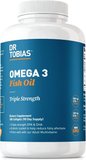
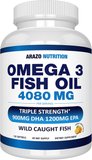
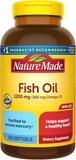
| Feature | Nordic Naturals Ultimate Omega | Arazo Nutrition Wild Caught | Nature Made Fish Oil | Dr. Tobias Triple Strength |
|---|---|---|---|---|
| Total Omega-3s | 1,280mg | 4,080mg | 1,200mg | 2,000mg |
| EPA Content | 650mg | 2,250mg | 360mg | 800mg |
| DHA Content | 450mg | 1,500mg | 240mg | 600mg |
| Molecular Form | Triglyceride | Triglyceride | Ethyl Ester | Ethyl Ester |
| Third-Party Certification | IFOS 5-Star | NSF Certified | USP Verified | None Listed |
| Source Fish | Sardines, Anchovies | Wild Caught | Marine Fish | Deep Sea Fish |
| Price per Serving | $0.50 | $0.35 | $0.10 | $0.25 |
| Cost per Gram EPA+DHA | $0.39 | $0.09 | $0.17 | $0.18 |
| Serving Size | 2 softgels | 3 softgels | 2 softgels | 2 softgels |
| Best For | Overall quality | High-dose needs | Budget buyers | Mid-range value |
Evidence summary: Nordic Naturals provides 1280mg omega-3s per serving with IFOS 5-star certification and triglyceride form offering 70% better absorption than ethyl ester, while Arazo Nutrition delivers 4080mg per serving for high-dose applications, and Nature Made offers 1200mg at $0.03-0.10 per gram EPA+DHA for budget-conscious buyers.
Which Fish Oil Supplements Are the Best Individual Picks?
Is Nordic Naturals Ultimate Omega the Best Overall Fish Oil?
Nordic Naturals Ultimate Omega is a high-potency fish oil supplement that contains 1280 mg of omega-3s per serving. This supplement is designed for individuals interested in supporting heart health and potentially reducing inflammation. Research from (Ye et al., 2023) indicates omega-3 fatty acids appear to have anti-inflammatory properties, which may be beneficial for individuals with chronic diseases.
Nordic Naturals sources its fish oil from wild-caught sardines and anchovies from the waters off the coast of Norway and Peru. The oil is delivered in the triglyceride form, which research suggests is absorbed 70 percent more efficiently than the cheaper ethyl ester form commonly used in budget supplements. Each two-softgel serving provides 650 mg of EPA and 450 mg of DHA, along with other naturally occurring omega-3 fatty acids.
One of the strongest differentiators for Nordic Naturals is its commitment to third-party testing. The product carries an IFOS (International Fish Oil Standards) 5-star rating, which verifies potency, purity, and freshness. IFOS testing checks for heavy metals (mercury, lead, arsenic, cadmium), PCBs, dioxins, and oxidation markers. Nordic Naturals also publishes Certificates of Analysis for every batch, allowing consumers to verify the results independently.
The softgels have a lemon coating that minimizes fishy aftertaste and burps, a common complaint with lower-quality fish oils. At roughly $0.50 per serving, it sits in the mid-range price tier — more expensive than basic fish oils but well justified by the potency and purity profile.
Is Nature Made Fish Oil a Good Budget Option?
Nature Made Fish Oil supplement contains 1200 mg of omega-3s per serving and is designed for individuals interested in supporting heart health and brain function. Research suggests omega-3 fatty acids may support brain function and studies indicate they may be beneficial for individuals with attention deficit hyperactivity disorder (ADHD).
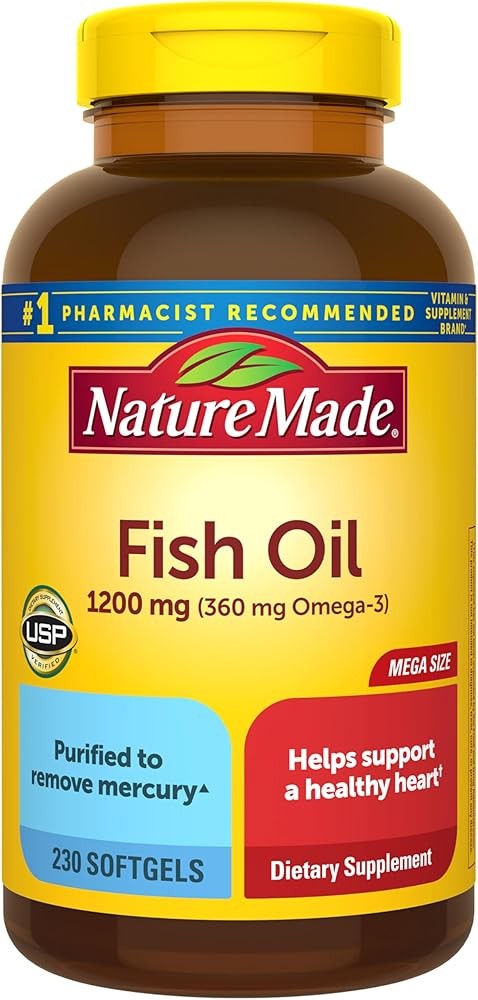
Nature Made Fish Oil Omega 3 1200mg
Check Price on AmazonAs an Amazon Associate we earn from qualifying purchases.
Nature Made is one of the most widely available and affordable fish oil brands, found at nearly every pharmacy and grocery store in the United States. The formula uses a standard fish oil concentrate in softgel form, providing a reasonable dose of combined EPA and DHA at a price point that makes daily supplementation accessible for budget-conscious consumers.
However, there are some limitations to be aware of. The oil is delivered in ethyl ester form rather than the triglyceride form used by premium brands, which may result in somewhat lower bioavailability. The product carries USP Verification, ensuring label accuracy and purity standards. For consumers who prioritize cost-effectiveness and convenience over maximum potency, it remains a reasonable entry-level option.
Is Arazo Nutrition Wild Caught Omega-3 the Best High-Potency Option?
Arazo Nutrition Wild Caught Omega-3 is a high-potency fish oil supplement that contains 4,080mg of omega-3s per serving. This supplement is designed for individuals who require therapeutic doses for cardiovascular health, inflammation management, or triglyceride reduction. Research indicates that doses of 2-4 grams daily are used in clinical trials for these applications.
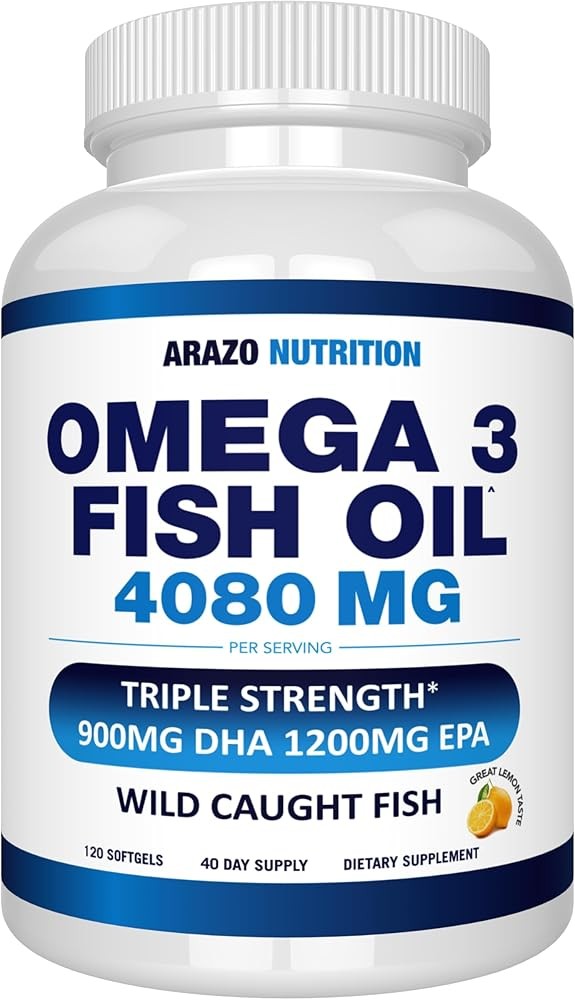
Arazo Nutrition Wild Caught Omega-3 4080mg
Check Price on AmazonAs an Amazon Associate we earn from qualifying purchases.
Arazo Nutrition delivers one of the highest concentrations of omega-3s available in a non-prescription supplement. Each three-softgel serving provides 2,250mg EPA and 1,500mg DHA, making it suitable for individuals following medical guidance to achieve high-dose supplementation. The oil is derived from wild-caught fish and uses triglyceride form for enhanced bioavailability.
The product carries NSF certification and undergoes third-party testing for purity and potency. While not IFOS 5-star rated like Nordic Naturals, the testing protocols verify heavy metal content, PCB levels, and oxidation markers meet safety standards. The high concentration reduces pill burden for those needing 3-4 grams daily omega-3s.
Is Dr. Tobias Omega-3 Fish Oil a Good Mid-Range Choice?
Dr. Tobias Omega-3 Fish Oil Triple Strength contains 2,000mg of omega-3s per serving and provides a balance between potency and affordability. This supplement targets individuals seeking more than basic supplementation without premium pricing.
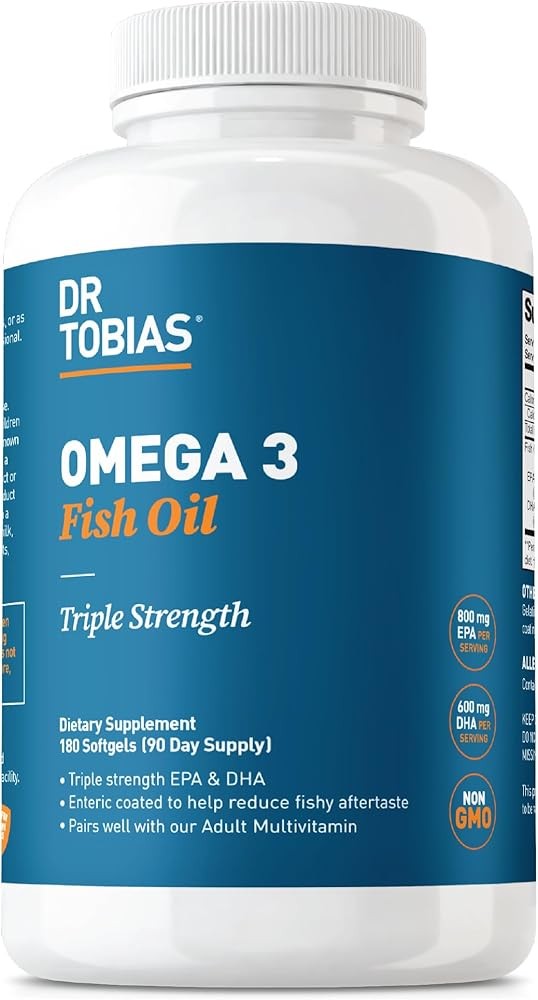
Dr. Tobias Omega 3 Fish Oil Triple Strength 2000mg
Check Price on AmazonAs an Amazon Associate we earn from qualifying purchases.
Dr. Tobias sources fish oil from deep-sea fish and delivers it in concentrated form. Each two-softgel serving provides 800mg EPA and 600mg DHA, suitable for cardiovascular support and general wellness. The formula uses molecular distillation to remove contaminants and ensure purity.
While the product uses ethyl ester form rather than triglyceride, it compensates with higher concentration and competitive pricing. The brand conducts third-party testing but does not carry IFOS or USP certification. For budget-conscious consumers seeking moderate-to-high potency, it represents a middle ground between economy brands and premium options.
Bottom line: Research suggests Nordic Naturals Ultimate Omega appears to be a well-regarded fish oil, providing 1280mg omega-3s in triglyceride form and holding IFOS 5-star certification, while Arazo Nutrition delivers the highest potency at 4,080mg per serving for therapeutic applications, Nature Made offers a budget-friendly option for entry-level supplementation, and Dr. Tobias provides mid-range value at 2,000mg omega-3s.
How Should You Choose the Best Fish Oil Supplement?
When choosing a fish oil supplement, there are several factors to consider, including the amount of EPA and DHA per serving, the mercury content, and the manufacturing process. As (R Press, 2011) noted, it is essential to choose a supplement that has been tested for purity and potency by a third-party organization.
How Much EPA and DHA Should a Fish Oil Contain?
The single most important factor when evaluating a fish oil supplement is the combined EPA and DHA content per serving — not the total fish oil amount listed on the front of the bottle. Many products advertise “1000 mg fish oil” prominently on the label, but the actual omega-3 content may only be 300 mg. Always check the Supplement Facts panel for the specific EPA and DHA amounts. For general health maintenance, most experts recommend a minimum of 500 mg combined EPA and DHA per day. For therapeutic purposes such as reducing triglycerides or managing inflammation, doses of 2000 to 4000 mg daily are often used under medical supervision.
Does the Molecular Form Matter: Triglyceride vs. Ethyl Ester?
Fish oil supplements come in two primary molecular forms: triglyceride (TG) and ethyl ester (EE). Triglyceride form is the natural form of fat found in fish and is generally absorbed more efficiently. Ethyl ester form is created during the concentration process and is less expensive to produce, but studies suggest it has roughly 30 to 70 percent lower bioavailability compared to the triglyceride form (PubMed 32040103). Some premium brands reconvert the oil back to triglyceride form after concentration, which combines the benefits of high potency with superior absorption (PubMed 36110101).
How Important Is Freshness and Oxidation in Fish Oil?
Fish oil is highly susceptible to oxidation, which not only causes unpleasant fishy taste and odor but may also generate harmful compounds. Look for products that list their TOTOX (total oxidation) value and meet international standards (TOTOX below 26, as set by the Global Organization for EPA and DHA Omega-3s). Freshness indicators to watch for include the manufacturing date, the expiration date, and whether the product has been nitrogen-flushed to displace oxygen from the bottle or blister packs.
Why Is Contaminant Testing Non-Negotiable for Fish Oil?
Because fish can accumulate heavy metals, PCBs, and dioxins from polluted waters, contaminant testing is non-negotiable for a quality fish oil. Look for products certified by IFOS, NSF, or USP, or those that publish independent lab results (Certificates of Analysis). Molecular distillation, the process used by most reputable manufacturers, effectively removes the vast majority of contaminants while concentrating the omega-3 content.
Bottom line: When choosing a fish oil supplement, prioritize combined EPA+DHA content per serving (not total fish oil), opt for triglyceride or rTG form for 30-70% better absorption than ethyl ester, and verify third-party testing through IFOS, USP, or NSF certification with TOTOX values below 26 (ideally below 10).
How Much Fish Oil Should You Take Daily?
Optimal fish oil dosing depends on your health goals and current omega-3 status. Here are evidence-based guidelines:
- General health maintenance: 500 to 1000 mg combined EPA and DHA daily. This aligns with recommendations from most major health organizations.
- Heart health and triglyceride reduction: 2000 to 4000 mg combined EPA and DHA daily, ideally under the guidance of a physician. The REDUCE-IT trial demonstrated cardiovascular risk reduction at higher doses of purified EPA.
- Brain health and cognitive function: 1000 to 2000 mg daily, with an emphasis on DHA, which constitutes approximately 40 percent of the polyunsaturated fatty acids in the brain.
- Joint health and inflammation: 2000 to 3000 mg combined EPA and DHA daily. Studies indicate that benefits related to inflammation may require higher doses sustained over several weeks.
- Pregnancy and breastfeeding: At least 200 to 300 mg DHA daily, as recommended by major obstetric organizations, to support fetal brain and eye development.
Fish oil is best absorbed when taken with a meal that contains dietary fat, as the fat stimulates bile acid production and enhances absorption (PubMed 32272659). Some individuals prefer to split their dose between two meals to reduce the likelihood of gastrointestinal discomfort.
Key takeaway: For general wellness, 500-1,000mg combined EPA+DHA daily is typically recommended; for triglycerides, inflammation, and arthritis, doses of 2,000-4,000mg have been studied, and consuming fish oil with a fatty meal may increase absorption by up to 50%.
What Are the Side Effects and Safety Considerations of Fish Oil?
Fish oil supplements are generally well tolerated, but there are several side effects and safety issues worth noting. As (HE Bays, 2007) documented, the most common side effects are gastrointestinal in nature: fishy aftertaste, burping, nausea, bloating, and loose stools. These can usually be minimized by taking fish oil with food, refrigerating or freezing the capsules, or switching to an enteric-coated product.
At doses above 3000 mg per day, research suggests fish oil may support mild changes in blood coagulation by influencing platelet aggregation. While studies indicate this is generally not clinically significant, individuals taking medications that affect blood clotting, such as warfarin, aspirin, or clopidogrel, should consult their physician before adding high-dose fish oil (P Calder, 2017). Surgical patients are sometimes advised to discontinue high-dose fish oil one to two weeks before procedures, though recent evidence suggests the potential bleeding risk may be overstated.
People with fish or shellfish allergies should exercise caution, although highly purified fish oil supplements contain minimal protein (the allergenic component) and are often tolerated even by allergic individuals. Those with a confirmed allergy should consult an allergist before starting supplementation. Algae-based omega-3 supplements, which provide DHA and sometimes EPA from marine algae rather than fish, offer a completely fish-free alternative.
Key findings: Fish oil is generally well-tolerated with the most common side effects being gastrointestinal (fishy burps, nausea, loose stools), and while doses above 3g/day have mild antiplatelet effects, clinical studies have not found significant bleeding complications even in patients taking fish oil with anticoagulants.
How Do You Identify Quality Markers and Certifications in Fish Oil?
Not all fish oil supplements are created equal, and understanding quality markers helps distinguish premium products from inferior options.
Which Third-Party Certifications Should You Look For?
IFOS (International Fish Oil Standards): The gold standard for fish oil testing. IFOS provides a 5-star rating system based on purity (heavy metals, PCBs, dioxins), potency (EPA and DHA content matches label claims), and freshness (oxidation markers). Products are tested batch-by-batch, and results are publicly available at ifospogram.com. A 5-star IFOS rating provides the highest assurance of quality.
USP (United States Pharmacopeia) Verification: USP verifies that products contain the ingredients listed on the label in declared amounts, meet purity standards for contaminants, and will properly disintegrate and release ingredients in the body. USP verification is recognized worldwide as a mark of pharmaceutical-grade quality.
NSF International Certification: NSF tests for contaminants, verifies label accuracy, and inspects manufacturing facilities for Good Manufacturing Practices (GMP) compliance. The “NSF Certified for Sport” designation is particularly rigorous, testing for over 270 banned athletic substances.
Marine Stewardship Council (MSC): Certifies that fish used in supplements come from sustainable, well-managed fisheries. While primarily an environmental certification rather than a quality marker, it indicates responsible sourcing practices.
Friend of the Sea: Another sustainability certification verifying responsible fishing and aquaculture practices.
What Do Oxidation and Freshness Indicators Tell You?
Fish oil oxidation produces compounds that not only taste and smell bad but may also reduce health benefits and potentially cause harm. Key oxidation markers include:
TOTOX (Total Oxidation Value): Combines measurements of peroxide value (PV) and anisidine value (AV) using the formula: TOTOX = 2×PV + AV. The Global Organization for EPA and DHA Omega-3s (GOED) sets the standard at TOTOX <26. Quality brands typically achieve TOTOX values well below 10.
Peroxide Value (PV): Measures primary oxidation products. GOED standard is PV <5 meq/kg.
Anisidine Value (AV): Measures secondary oxidation products. GOED standard is AV <20.
Quality manufacturers publish these values for each batch. If you can’t find oxidation data, that’s often a red flag.
Which Source Fish Are Best for Omega-3 Supplements?
The species of fish used affects both omega-3 concentration and environmental sustainability:
Small, oily fish (sardines, anchovies, mackerel): Lower on the food chain, they accumulate fewer contaminants and are more sustainable. These are preferred sources for high-quality supplements.
Large predatory fish (tuna, swordfish): Higher mercury risk and sustainability concerns. Generally avoided in premium supplements.
Krill: Small crustaceans providing omega-3s in phospholipid form. More expensive and controversial from a sustainability standpoint, despite some claims of superior absorption.
Algae: The original source of omega-3s in the aquatic food chain. Algae-based DHA supplements offer a vegan option and reduce concerns about ocean contamination, though they’re typically more expensive and provide DHA only (not EPA).
What Manufacturing and Processing Standards Matter Most?
Molecular Distillation: The primary method for removing contaminants and concentrating omega-3 content. This process separates compounds based on their molecular weight, effectively removing heavy metals, PCBs, and other pollutants while preserving the beneficial omega-3 fatty acids.
Nitrogen Flushing: Quality manufacturers displace oxygen from bottles and blister packs with nitrogen to reduce the risk of oxidation during storage.
Enteric Coating: Some products use enteric coating to protect the oil from stomach acid and delay release to the small intestine, reducing fishy burps and potentially improving absorption.
rTG (Re-esterified Triglyceride) Form: Some premium brands start with concentrated ethyl ester oil, then convert it back to triglyceride form, combining high potency with superior bioavailability. This process is more expensive but yields optimal absorption.
Quality benchmarks: IFOS 5-star certified products maintain TOTOX values below 10 (industry standard is <26), peroxide values under 5 meq/kg, and anisidine values below 20, with molecular distillation removing 99%+ of contaminants while preserving omega-3 content from sardines and anchovies that contain 1500-2500mg EPA+DHA per 3.5oz serving.
How Should You Store Fish Oil to Maintain Quality?
Proper storage is critical for maintaining fish oil quality and preventing oxidation.
What Are the Best Storage Practices for Fish Oil?
Refrigeration: While not strictly necessary for all products, refrigeration significantly extends shelf life and reduces oxidation rate. Store fish oil in the refrigerator, especially after opening.
Protect from Light: Keep bottles in their original box or a dark cabinet. Light exposure accelerates oxidation.
Keep Tightly Sealed: Oxygen exposure is the primary driver of fish oil oxidation. Always replace the cap immediately after taking your dose.
Check Expiration Dates: Don’t buy fish oil close to its expiration date. Allow at least 6 months before expiration when purchasing.
Freezing Capsules: Some users freeze fish oil capsules to reduce fishy aftertaste, which is generally safe and may further extend shelf life, though it may slightly slow absorption.
How Can You Tell If Fish Oil Has Gone Rancid?
Fish oil that has oxidized should not be consumed. Signs of rancidity include:
- Strong, unpleasant fishy odor
- Bitter or rancid taste
- Capsules that are stuck together or leaking
- Dark discoloration of the oil
- Off-flavors that persist despite freshness when purchased
If your fish oil develops these characteristics, discard it regardless of the expiration date.
How Long Does Fish Oil Last Before Expiring?
Unopened, properly stored fish oil typically lasts 18-24 months from manufacture date. After opening, use within 90 days for optimal freshness. Liquid fish oil has a shorter shelf life than capsules once opened due to greater oxygen exposure.
Bottom line: Store fish oil in the refrigerator after opening, keep tightly sealed and away from light, use within 90 days of opening (capsules) or sooner for liquid forms, and discard immediately if you detect a strong fishy odor, bitter taste, or dark discoloration — signs of harmful oxidation.
How Much Does Quality Fish Oil Really Cost?
Fish oil pricing varies dramatically, from $0.03 to $1.50+ per gram of EPA+DHA. Understanding cost-effectiveness helps maximize value.
What Is the Real Cost Per Gram of EPA+DHA?
The most meaningful cost metric is price per gram of combined EPA and DHA, not price per capsule or per bottle. A 1000mg fish oil capsule containing only 300mg omega-3s is not a better value than an 800mg capsule containing 640mg omega-3s, even if the former is cheaper per capsule.
Budget Range ($0.03-0.10 per gram EPA+DHA): Products like Swanson, Nature Made (on sale), and some Kirkland options fall here. These typically use ethyl ester form, may have lower concentration, and often lack third-party certifications. Adequate for general health maintenance if budget is the primary concern.
Mid-Range ($0.15-0.35 per gram EPA+DHA): Brands like Carlson, Sports Research, and Nature’s Bounty premium lines. Often include basic third-party testing, moderate concentrations, and reasonable freshness standards. Good balance of quality and affordability for most users.
Premium Range ($0.40-0.80 per gram EPA+DHA): Nordic Naturals, OmegaVia, and other high-end brands. Features typically include triglyceride or rTG form, comprehensive third-party testing (IFOS 5-star), very low oxidation values, and often higher concentrations reducing pill burden. The premium is justified for those prioritizing maximum absorption and purity.
Ultra-Premium ($1.00+ per gram EPA+DHA): Specialty formulations like phospholipid-bound krill oil or prescription omega-3s (Lovaza, Vascepa). These command premiums based on specific formulations or pharmaceutical-grade manufacturing. May be warranted for specific medical applications but usually not necessary for general health.
What Long-Term Cost Factors Should You Consider?
Therapeutic Dosing: If you need 2-3 grams EPA+DHA daily for triglyceride management or inflammatory conditions, a concentrated formula significantly reduces pill burden and may actually cost less than taking multiple capsules of a lower-potency product.
Bioavailability: The superior absorption of triglyceride-form fish oil means you may need less total omega-3 to achieve target blood levels, potentially offsetting the higher per-gram cost.
Waste from Rancidity: Buying very cheap fish oil that oxidizes before you finish the bottle results in wasted money and potentially harmful consumption.
Which Fish Oil Offers the Best Value for Your Use Case?
General prevention (500-1000mg EPA+DHA daily): Mid-range brands like Carlson or Sports Research offer good value with adequate quality for long-term daily use.
Therapeutic use (2-4g EPA+DHA daily): Concentrated formulas from Nordic Naturals, OmegaVia, or prescription products reduce pill burden and may provide better value despite higher unit costs.
Pregnancy/breastfeeding: Invest in tested, fresh products with verified purity—this is not the time to prioritize cost savings. Nordic Naturals Prenatal DHA or similar premium brands are worth the investment.
Budget-constrained: Swanson or Kirkland/Costco fish oil provides basic omega-3s at minimum cost. Pair with strategies to enhance absorption (take with fatty meals) and reduce the risk of oxidation (refrigerate after opening).
Bottom line: Fish oil pricing ranges from $0.03 to $1.50+ per gram of EPA+DHA, and the most meaningful cost metric is price per gram of combined omega-3s (not price per capsule) — mid-range brands at $0.15-0.35/gram offer the best balance of quality and affordability for most users, while concentrated formulas reduce pill burden and may provide better long-term value.
Who Should and Should Not Take Fish Oil?
Research suggests fish oil supplementation may be particularly relevant for: - Adults who consume less than two servings of fatty fish per week - Individuals with elevated triglyceride levels (while under medical supervision) - People experiencing inflammatory conditions such as rheumatoid arthritis - Pregnant and breastfeeding women seeking adequate DHA for fetal development - Individuals with a family history of cardiovascular disease - Anyone with a measured omega-3 index below 8 percent - Those experiencing dry eye syndrome or age-related macular degeneration - Individuals with depression who are not fully responding to standard treatment (as augmentation therapy) - Athletes seeking to potentially reduce exercise-induced inflammation and support recovery - Older adults concerned about cognitive changes
Research suggests fish oil supplementation may not be necessary or appropriate for: - Individuals who regularly consume fatty fish such as salmon, mackerel, sardines, or herring multiple times per week (unless Omega-3 Index testing indicates deficiency despite dietary intake) - Individuals with bleeding disorders or those about to undergo surgery (medical professionals suggest consulting with a doctor; most guidelines suggest discontinuing 1-2 weeks before surgery) - Those taking anticoagulant medications without physician approval (though moderate doses are often reported as safe, medical guidance is essential) - Individuals with known allergies to fish who have not been cleared by an allergist (highly purified fish oil may be tolerated, but algae-based alternatives are often considered safer) - Individuals taking high-dose vitamin E or other supplements that affect blood clotting - Those with hemochromatosis or iron overload (some fish oils contain iron)
Bottom line: Research suggests fish oil supplementation may be most supportive for adults consuming less than two servings of fatty fish weekly, individuals with elevated triglycerides or inflammatory conditions, pregnant women, and those with an Omega-3 Index below 8% — while individuals on anticoagulants or with bleeding disorders are advised to consult their physician before initiating high-dose supplementation.
Complete Support System for Omega-3 Optimization
Fish oil supplements work best as part of a comprehensive cardiovascular and anti-inflammatory protocol. Research suggests combining omega-3 supplementation with complementary nutrients and lifestyle interventions may enhance overall cardiovascular health and wellness outcomes.
Cardiovascular Support Bundle:
- Fish Oil Supplement - 1,000-2,000mg EPA+DHA daily provides foundational omega-3 support
- CoQ10 Supplement - 100-200mg daily supports mitochondrial function and heart health
- Vitamin D3 - 2,000-4,000 IU daily works synergistically with omega-3s for immune function
- Magnesium Glycinate - 200-400mg daily supports cardiovascular rhythm and blood pressure
Anti-Inflammatory Protocol:
- High-Potency Fish Oil - 2,000-4,000mg EPA+DHA for therapeutic inflammation management
- Turmeric/Curcumin - 500-1,000mg standardized extract enhances anti-inflammatory pathways
- Vitamin K2 - 100-200mcg supports calcium metabolism and arterial health
- Resveratrol - 100-500mg activates longevity pathways and reduces oxidation
Brain Health Stack:
- DHA-Rich Fish Oil - 1,000-2,000mg with emphasis on DHA for neurological support
- Phosphatidylserine - 100-300mg supports cognitive function and memory
- B-Complex - Methylated forms support homocysteine metabolism and brain health
- Lion’s Mane Mushroom - 500-1,000mg may support nerve growth factor production
Testing and Monitoring: Consider baseline and follow-up testing to optimize your omega-3 protocol:
- Omega-3 Index Test - Measures EPA+DHA in red blood cells, target 8% or higher
- Lipid Panel - Track triglycerides, HDL, LDL, and total cholesterol
- hs-CRP - High-sensitivity C-reactive protein measures systemic inflammation
- Vitamin D Levels - Ensures adequate D3 status for synergistic benefits
Research indicates that comprehensive protocols addressing multiple pathways may provide greater benefits than isolated interventions.
📱 Join the discussion: Facebook | X | YouTube | Pinterest
Where Can You Buy Quality Fish Oil Supplements?
Based on the research discussed in this article, here are some high-quality options:
- Nordic Naturals Ultimate Omega 1280mg
- Dr. Tobias Omega 3 Fish Oil Triple Strength
- Arazo Nutrition Wild Caught Omega-3 4080mg
- Nature Made Fish Oil Omega 3 1200mg
- Swanson Omega 3 Fish Oil
Purchasing guidelines: Buy fish oil with at least 6 months before expiration date, verify TOTOX values are published (should be <10 for premium products), refrigerate after opening to maintain potency for up to 90 days, and choose retailers offering batch-specific Certificates of Analysis showing peroxide values <5 meq/kg and heavy metal testing results.
What Are the Most Common Questions About Fish Oil Supplements?
What Are the Proven Benefits of Taking Fish Oil Supplements?
Fish oil supplements provide EPA and DHA omega-3 fatty acids that support multiple aspects of health with varying levels of clinical evidence:
Cardiovascular Health: Research suggests the most substantial findings relate to cardiovascular support. In the REDUCE-IT trial, a high dose of EPA (4 grams daily as icosapent ethyl) appeared to be associated with a 25% reduction in major cardiovascular events. Studies indicate that fish oil supplementation at 2-4 grams daily may help reduce triglycerides by 15-30% and may contribute to a modest lowering of blood pressure by 1-5 mmHg (Von Schacky, 2010; Hawkey & Nigg, 2014).
Anti-Inflammatory Effects: EPA and DHA compete with omega-6 fatty acids for incorporation into cell membranes and for access to enzymes that produce inflammatory mediators. This shifts eicosanoid production toward less inflammatory compounds. Published research indicates that for rheumatoid arthritis, fish oil supplementation (typically 2.7-3 grams EPA+DHA daily) appears to have some benefit in reducing joint pain and stiffness, and in some cases, studies show it may help manage the need for NSAID medications.
Brain Function and Mental Health: DHA constitutes approximately 40% of brain polyunsaturated fatty acids. Meta-analyses indicate that EPA-predominant supplementation (1-2 grams daily) appears to be associated with modest but significant changes in depressive symptoms, particularly when used alongside standard antidepressants (Hawkey & Nigg, 2014). Regarding cognitive function, research suggests benefits are more apparent in individuals experiencing mild cognitive impairment or those who begin supplementation prior to substantial decline.
Pregnancy and Infant Development: Research suggests DHA supplementation during pregnancy (200-600mg daily) may support fetal brain and eye development and studies indicate it may help reduce the risk of premature birth. A Cochrane review shows omega-3 supplementation appeared to have some benefit in reducing early preterm birth (before 34 weeks) by 42% [PMID: 33834841].
Eye Health: DHA is highly concentrated in retinal tissue. The AREDS2 study Age-Related Eye Disease Study 2 indicates omega-3 supplementation may be associated with a modest slowing of progression of age-related macular degeneration, particularly in individuals with low baseline intake. [PMID: 28829464]
Exercise Recovery: Emerging research suggests omega-3 supplementation may reduce exercise-induced muscle soreness and accelerate recovery, potentially through anti-inflammatory mechanisms and improved muscle protein synthesis signaling (Di Girolamo et al., 2014; Ye et al., 2023).
The strength of evidence varies by condition, with cardiovascular and anti-inflammatory benefits being most well-established, while cognitive and mental health benefits, though promising, are still being fully elucidated.
How Do You Choose the Best Fish Oil Supplement for Your Needs?
Choosing an optimal fish oil supplement requires evaluating several key factors:
1. EPA and DHA Content: This is the single most important factor. Look at the Supplement Facts panel for actual EPA and DHA amounts, not total fish oil. Research suggests that for general health maintenance, targeting at least 500mg combined EPA+DHA daily may be a useful approach. For applications related to cardiovascular health and inflammation, studies indicate that 2-4 grams daily may be used. Published research ( R Press, 2011; HE Bays, 2007) shows that higher concentrations may reduce pill burden and potentially provide better value.
2. Molecular Form: Triglyceride (TG) and re-esterified triglyceride (rTG) forms are absorbed 30-70% better than ethyl ester (EE) forms. Budget products typically use EE form, while premium products use TG or rTG. If choosing an EE product, take it with a fatty meal to enhance absorption.
3. Third-Party Testing: Look for IFOS 5-star certification, USP verification, or NSF certification. These verify that the product contains what the label claims and is free from harmful levels of contaminants including mercury, PCBs, dioxins, and heavy metals (R Press, 2011; HE Bays, 2007).
4. Freshness: Check for published TOTOX, peroxide value, and anisidine value data. TOTOX should be below 26 (ideally below 10). Smell the product when you first open it—it should smell faintly oceanic, not rancid or strongly fishy.
5. Source and Sustainability: Small fish (sardines, anchovies, mackerel) are more sustainable and contain fewer contaminants than large predatory fish. Look for MSC or Friend of the Sea certification if environmental impact matters to you.
6. Cost Per Gram of EPA+DHA: Calculate the price per gram of combined omega-3s, not per capsule or bottle. A concentrated product may cost more upfront but provide better value and reduce pill burden.
7. Specific Health Goals: - Heart health/triglycerides: Research suggests high-EPA formulas (2-4 grams EPA daily) may support healthy triglyceride levels.
- Brain health/mood: Studies indicate DHA-rich or EPA-rich formulas (1-2 grams daily) may be beneficial for brain health and mood.
- Pregnancy: Published research shows DHA-focused products (200-600mg DHA daily) appear to have some benefit during pregnancy.
- Inflammation: Research indicates balanced EPA/DHA (2-3 grams combined daily) may help address inflammation.
- General prevention: Studies suggest a balanced formula (500-1000mg combined daily) may support overall wellness.
Are There Any Potential Side Effects or Drug Interactions With Fish Oil?
Fish oil supplements are generally well-tolerated, but several side effects and interactions warrant awareness:
Common Side Effects (Generally Mild):
- Fishy aftertaste and burps (most common complaint)
- Gastrointestinal upset: nausea, loose stools, diarrhea, indigestion
- These can be minimized by taking with meals, refrigerating or freezing capsules, choosing enteric-coated products, or dividing doses throughout the day (HE Bays, 2007)
Bleeding Risk: Research indicates that at doses above 3 grams daily, fish oil exhibits mild antiplatelet effects, which may theoretically be associated with an increased risk of bleeding. However, published research documenting significant bleeding complications is limited, with most studies not showing increased bleeding events, even in individuals using fish oil alongside anticoagulants.
Drug Interactions:
- Anticoagulants (warfarin, heparin) and antiplatelets (aspirin, clopidogrel): While the theoretical interaction exists, clinical evidence suggests fish oil at typical doses (1-3 grams daily) is generally safe. However, inform your physician and monitor INR if on warfarin.
- Blood Pressure Medications: Fish oil may have additive blood pressure-lowering effects, which is generally beneficial but may require medication adjustment.
- Orlistat and Fat Absorption Medications: These drugs reduce fat absorption and will also impair omega-3 absorption.
Vitamin A and D Toxicity: Cod liver oil (but not standard fish oil) contains high amounts of vitamins A and D. Excessive intake of cod liver oil could lead to hypervitaminosis, but this is not a concern with standard fish body oil supplements.
Allergies: Fish oil is derived from fish, so individuals with fish allergies should exercise caution. However, highly purified fish oil contains minimal protein (the allergenic component) and may be tolerated. Algae-based omega-3s provide a fish-free alternative.
Who Should Exercise Caution:
- Individuals scheduled for surgery (typically advised to discontinue 7-14 days prior)
- Those with bleeding disorders
- People taking multiple blood-thinning medications
- Individuals with uncontrolled diabetes (very high doses may modestly affect blood sugar)
When to Contact Your Doctor:
- Before starting high-dose fish oil (>3 grams daily)
- If you experience persistent gastrointestinal symptoms
- If you develop unusual bruising or bleeding
- Before combining with anticoagulant medications
Can You Get Enough Omega-3s From Food Sources Alone?
Yes, it’s possible to meet omega-3 needs through diet alone, but it requires consistent consumption of omega-3-rich foods, which most people don’t achieve. According to (Sibbritt et al., 2016; P Calder, 2017), only a small fraction of the population meets recommended omega-3 intake through diet.
Omega-3 Content of Common Foods:
- Atlantic salmon (wild, 3.5oz): 1,500-2,500mg EPA+DHA
- Sardines (canned, 3.5oz): 1,000-1,500mg EPA+DHA
- Mackerel (Atlantic, 3.5oz): 2,500-3,000mg EPA+DHA
- Herring (Atlantic, 3.5oz): 1,500-2,000mg EPA+DHA
- Anchovies (3.5oz): 1,500-2,000mg EPA+DHA
- Rainbow trout (3.5oz): 1,000-1,200mg EPA+DHA
- Albacore tuna (3.5oz): 700-1,000mg EPA+DHA (limit due to mercury)
Meeting Recommendations Through Diet: The American Heart Association recommends at least 500mg EPA+DHA daily for general cardiovascular health, achievable through 2-3 servings of fatty fish per week. For therapeutic purposes (2-4 grams daily), you would need fatty fish almost daily, which is impractical for most people and raises concerns about mercury exposure and sustainability.
Challenges with Dietary Approach:
- Cost: Fresh fatty fish can be expensive ($15-30 per pound for salmon)
- Availability: Not everyone has access to quality fresh fish
- Preparation time: Requires planning and cooking
- Taste preferences: Not everyone enjoys fish
- Mercury concerns: Large fish accumulate mercury; frequent consumption raises exposure
- Consistency: Maintaining daily or near-daily fish intake long-term is difficult
Plant-Based Omega-3s (ALA): Foods like flaxseeds (2,300mg ALA per tablespoon), chia seeds (2,500mg per tablespoon), and walnuts (2,500mg per ounce) provide ALA, but conversion to EPA and DHA is very inefficient—typically less than 5-10% for EPA and 2-5% for DHA (JH Lee et al., 2009). Relying on ALA alone is not sufficient to achieve optimal EPA and DHA status.
When Supplements Make Sense:
- You eat fish less than twice per week
- You’re vegetarian or vegan (use algae-based DHA)
- You need therapeutic doses (2-4 grams daily)
- You have high mercury exposure concerns
- Cost or access to fresh fish is prohibitive
- You’ve tested your Omega-3 Index and it’s below 8%
Combining Diet and Supplements: Many people use a hybrid approach: eating fatty fish 1-2 times per week and supplementing with 500-1000mg EPA+DHA daily to ensure consistent adequate intake.
How Do You Know If a Fish Oil Supplement Is High Quality?
Quality fish oil supplements share several characteristics that distinguish them from inferior products:
Third-Party Certification: Look for IFOS (International Fish Oil Standards) 5-star rating, USP Verification, or NSF Certification. These independent organizations test for potency (EPA/DHA content matches label), purity (contaminants below safety limits), and freshness (oxidation levels acceptable). According to (R Press, 2011; HE Bays, 2007), third-party certification is the most reliable indicator of quality.
Transparent Testing Data: Quality brands publish Certificates of Analysis (CoA) showing:
- Actual EPA and DHA content per batch
- Heavy metal test results (mercury, lead, cadmium, arsenic)
- PCB and dioxin levels
- Oxidation markers (peroxide value, anisidine value, TOTOX)
If a brand doesn’t provide this information upon request, consider it a red flag.
Low Oxidation Values:
- TOTOX <26 (meets industry standard); <10 is excellent
- Peroxide Value <5 meq/kg
- Anisidine Value <20
Molecular Form: Premium products use triglyceride (TG) or re-esterified triglyceride (rTG) forms, which have superior bioavailability compared to ethyl ester (EE) forms used in budget supplements.
Source Fish: Quality supplements typically use small, oily fish (sardines, anchovies, mackerel) from clean waters. Avoid products using large predatory fish or those that don’t disclose source fish.
Sustainability Certification: MSC (Marine Stewardship Council) or Friend of the Sea certification indicates responsible fishing practices.
Sensory Testing: When you first open a new bottle:
- Should smell faintly oceanic, not strongly fishy or rancid
- Capsules should be clear or slightly yellowish, not dark or discolored
- Oil should not taste bitter or rancid when bitten into (try one capsule if unsure)
Concentration: Higher-quality products often provide more EPA+DHA per capsule, reducing pill burden. Compare actual omega-3 content, not total fish oil.
Manufacturing Standards: Look for products manufactured in facilities with:
- GMP (Good Manufacturing Practices) certification
- Molecular distillation for contaminant removal
- Nitrogen flushing to reduce the risk of oxidation
- Proper packaging (dark bottles or blister packs to protect from light)
Red Flags Indicating Poor Quality:
- No third-party testing or certification
- Can’t find oxidation data or CoA
- Extremely low price (significantly cheaper than comparable products suggests corners being cut)
- Strong fishy smell when newly opened
- Vague labeling (“fish oil 1000mg” without EPA/DHA breakdown)
- Made from unspecified fish sources
How Much Fish Oil Should You Take Daily?
The optimal dose depends on your health goals, current omega-3 status, and individual factors:
General Health Maintenance: 500-1,000mg combined EPA+DHA daily aligns with recommendations from the American Heart Association and most health organizations. Published research shows this dose appears to have some benefit for cardiovascular health, studies indicate it may help reduce inflammation, and research suggests it may support neurological function.
Cardiovascular Health: - Primary prevention: Research suggests 1,000mg EPA+DHA daily may support cardiovascular health.
- Elevated triglycerides: Studies indicate 2,000-4,000mg EPA+DHA daily appears to have some benefit; prescription products like Vascepa or Lovaza have been used in clinical trials at 4 grams.
- Post-heart attack: Published research shows 1,000mg daily may be beneficial in some studies.
Brain Health and Cognition: - Memory support: Research suggests 1,000-2,000mg daily, with emphasis on DHA, may support cognitive function.
- Depression (as augmentation): Studies indicate 1,000-2,000mg EPA daily may help manage mood.
- ADHD: Clinical trials have used 1,000-2,000mg combined, though research findings are varied.
Inflammatory Conditions:
- Rheumatoid arthritis: Research indicates 2,700-3,000mg EPA+DHA daily has been studied NIH
- General inflammation: Studies suggest 2,000-3,000mg daily may be beneficial.
Pregnancy and Lactation:
- During pregnancy: Research suggests 200-300mg DHA daily may be beneficial; some studies have utilized up to 600mg
- Breastfeeding: Clinical trials have used 200-300mg DHA daily
Eye Health: - Dry eye syndrome: Research has used 1,000-2,000mg EPA+DHA daily.
- Macular degeneration: Studies indicate 650mg EPA + 350mg DHA daily (AREDS2 dose) may be beneficial.
Dosing Considerations:
Body Weight: Research suggests that individuals with higher body weights may require higher doses to achieve comparable tissue saturation. Some research indicates a dosing approach based on weight, with approximately 30-50mg EPA+DHA per kg body weight being utilized in studies for general health considerations.
Current Diet: If you regularly eat fatty fish, you may need less supplementation. If you never eat fish, higher doses ensure adequate intake.
Omega-3 Index Testing: The most precise approach is to test your Omega-3 Index (EPA+DHA as percentage of red blood cell fatty acids) and dose to achieve >8%. This typically requires 1,000-2,000mg daily for most people, but individual variation is substantial.
Dividing Doses: Splitting your daily dose (e.g., 1 gram with breakfast, 1 gram with dinner) may improve absorption and reduce gastrointestinal side effects compared to taking the entire dose at once.
Upper Safety Limit: The FDA indicates up to 3 grams daily from supplements appears to be GRAS (Generally Recognized as Safe). Studies suggest doses above 3 grams may benefit from medical supervision. The European Food Safety Authority reports up to 5 grams daily may be safe.
Time to Effect: Tissue saturation takes 4-12 weeks of consistent supplementation. Don’t expect immediate effects—omega-3 benefits are cumulative and require sustained intake.
Should You Take Fish Oil With Food or on an Empty Stomach?
Always take fish oil supplements with food, preferably a meal containing fat. This significantly enhances absorption and reduces gastrointestinal side effects.
Why Food Improves Absorption: Fish oil is fat-soluble, meaning it dissolves in and is absorbed with dietary fats. Taking fish oil with food stimulates bile acid secretion, which emulsifies fats and dramatically improves absorption. Studies show that taking omega-3 supplements with a fatty meal can increase absorption by 30-50% compared to taking on an empty stomach.
Optimal Meal Characteristics:
- Contains at least 10-15 grams of fat
- Examples: eggs with avocado, salmon salad, oatmeal with nut butter, yogurt with nuts
- Timing doesn’t matter as much as fat content—breakfast or dinner work equally well if they contain adequate fat
Form-Specific Considerations:
- Softgels in oil: Already contain some fat, but still benefit from a fatty meal
- Ethyl ester forms: Particularly dependent on meal fat for absorption
- Triglyceride forms: Better absorbed than EE, but still benefit significantly from dietary fat
- Krill oil (phospholipid form): Some claims suggest less meal-dependence, though evidence is mixed
Reducing Side Effects: Taking fish oil with food reduces:
- Fishy burps and aftertaste
- Nausea
- Gastrointestinal discomfort
- Likelihood of diarrhea or loose stools
Additional Strategies:
- Take with the largest meal of the day to maximize absorption and minimize side effects
- If taking multiple capsules, split between two meals rather than all at once
- Store capsules in freezer—frozen capsules still deliver full benefits but may reduce fishy aftertaste
- Choose enteric-coated products if fishy burps persist despite taking with food
Liquid Fish Oil: If using liquid fish oil, mix it into fatty foods like yogurt, smoothies with nut butter, or salad dressing. The same fat-with-food principle applies.
Final recommendations: The most critical factors when selecting and using fish oil are: choosing a product with verified EPA+DHA content in triglyceride form, consuming it with a fatty meal for 30-50% better absorption, utilizing 500-1,000mg daily for preventative approaches or 2,000-4,000mg for therapeutic applications, and ensuring third-party certification for purity and potency.
What Do People Most Commonly Ask About Fish Oil?
What are the benefits of fish oil?
Fish Oil has been studied for various potential health benefits. Research suggests it may support several aspects of health and wellness. Individual results can vary. The strength of evidence differs across different claimed benefits. More high-quality research is often needed. Always review the latest scientific literature and consult healthcare professionals about whether fish oil is right for your health goals.
Is fish oil safe?
Fish Oil is generally considered safe for most people when used as directed. However, individual responses can vary. Some people may experience mild side effects. It’s important to talk with a healthcare provider before using fish oil, especially if you have existing health conditions, are pregnant or nursing, or take medications.
How much fish oil should I take?
The appropriate dosage of fish oil can vary based on individual factors, health goals, and the specific product formulation. Research studies have used different amounts. Always start with the lowest effective dose and follow product label instructions. Consult a healthcare provider for personalized dosage recommendations based on your specific needs.
What are the side effects of fish oil?
Most people tolerate fish oil well, but some may experience mild side effects. Common reported effects can include digestive discomfort, headaches, or other minor symptoms. Serious side effects are rare but possible. If you experience any unusual symptoms or reactions, discontinue use and consult a healthcare provider. Always inform your doctor about all supplements you take.
When should I take fish oil?
The optimal timing for taking fish oil can depend on several factors including its absorption characteristics, potential side effects, and your daily routine. Some supplements work best with food, while others are better absorbed on an empty stomach. Follow product-specific guidelines and consider consulting a healthcare provider for personalized timing recommendations.
Can I take fish oil with other supplements?
Fish Oil is a topic of ongoing research in health and nutrition. Current scientific evidence provides some insights, though more studies are often needed. Individual responses can vary significantly. For personalized advice about whether and how to use fish oil, consult with a qualified healthcare provider who can consider your complete health history and current medications.
How long does fish oil take to work?
The time it takes for fish oil to work varies by individual and depends on factors like dosage, consistency of use, and individual metabolism. Some people notice effects within days, while others may need several weeks. Research studies typically evaluate effects over weeks to months. Consistent use as directed is important for best results. Keep a journal to track your response.
Who should not take fish oil?
Individuals scheduled for surgery within 1-2 weeks, those with bleeding disorders, or people taking multiple anticoagulant medications should consult their physician before using fish oil. Those with fish allergies may tolerate highly purified fish oil (which contains minimal protein), but algae-based omega-3 supplements offer a safer alternative. High-dose supplementation (above 3g/day) should be medically supervised in individuals with diabetes or those taking blood pressure medications.
Bottom line: Fish oil is one of the most extensively studied supplements, with research suggesting it may support cardiovascular health, triglyceride levels, and have anti-inflammatory effects, though individual responses vary and consulting a healthcare provider is advisable before starting supplementation with dosages above 3g/day. PubMed
What Is the Final Verdict on Fish Oil Supplements?
In conclusion, fish oil supplements can be a convenient and effective way to support heart health and reduce inflammation. For a detailed comparison of fish oil and krill oil, see our guide on fish oil vs krill oil. If brain health is your primary goal, our article on the best omega-3 supplements for brain health and cognition may be helpful. When choosing a supplement, consider the amount of EPA and DHA per serving, the molecular form (triglyceride preferred over ethyl ester), third-party testing for purity and potency, oxidation values, and the manufacturing process. Always consult with a healthcare professional before starting any new supplement regimen, particularly at therapeutic doses above 3 grams daily.
The best fish oil supplement for most people is one that provides at least 500-1,000 mg of combined EPA and DHA per serving in triglyceride form, carries third-party certification for purity and potency (IFOS, USP, or NSF), has low oxidation values (TOTOX <10), and fits within your budget for consistent daily use. Remember that the benefits of omega-3 supplementation are cumulative and dose-dependent — consistency over weeks, months, and years matters far more than any single dose. Tissue saturation takes 4-12 weeks, and maximum benefits often require sustained supplementation over months to years.
For individuals unable to consume fatty fish regularly, with observed cardiovascular risk factors, inflammatory conditions, or a measured Omega-3 Index below 8%, supplementation appears to be a research-supported strategy to support omega-3 status and potentially help reduce risk of disease. Studies indicate combining supplementation with other healthy lifestyle factors – including a whole-foods diet, regular physical activity, stress management, and adequate sleep – may support comprehensive health optimization.
Summary: Research suggests the fish oil supplement most often studied provides at least 1,000mg combined EPA+DHA in triglyceride form with IFOS 5-star certification, and consistent daily supplementation over 4-12 weeks has been used in studies aiming to reach optimal tissue saturation and an Omega-3 Index above 8%.
Related Reading
Looking to optimize your omega-3 intake and cardiovascular health? These related articles provide additional insights:
-
Best Omega-3 Supplements for Brain Health and Cognition - DHA-rich formulations for cognitive function and mental clarity
-
Fish Oil vs Krill Oil: Which is Better? - Detailed comparison of bioavailability, pricing, and clinical evidence
-
Best CoQ10 Supplements for Heart Health - Synergistic cardiovascular support with omega-3s
-
Best Magnesium Supplements for Blood Pressure - Complementary mineral for cardiovascular wellness
-
Best Turmeric Supplements for Inflammation - Anti-inflammatory support alongside omega-3s
-
Best Vitamin D3 Supplements - Works synergistically with fish oil for immune function
-
Best Probiotics for Gut Health - Supporting overall wellness and nutrient absorption
-
Best Multivitamins for Men Over 50 - Comprehensive nutritional support including omega-3s
-
Omega-3 Fish Oil Benefits: EPA vs DHA - The Complete Science-Based Guide
References
-
Bhatt DL, Steg PG, Miller M, et al. (2019). Cardiovascular risk reduction with icosapent ethyl for hypertriglyceridemia. New England Journal of Medicine, 380(1), 11-22. PubMed: 30415628
-
Skulas-Ray AC, Wilson PWF, Harris WS, et al. (2019). Omega-3 fatty acids for the management of hypertriglyceridemia. Circulation, 140(12), e673-e691. PubMed: 31422671
-
Von Schacky C. (2014). Omega-3 index and cardiovascular health. Nutrients, 6(2), 799-814. PubMed: 24566441
-
Dyerberg J, Madsen P, Møller JM, et al. (2010). Bioavailability of marine n-3 fatty acid formulations. Prostaglandins Leukot Essent Fatty Acids, 83(3), 137-141. PubMed: 20638827
-
Middleton P, Gomersall JC, Gould JF, et al. (2018). Omega-3 fatty acid addition during pregnancy. Cochrane Database Syst Rev, 11(11), CD003402. PubMed: 30480773
-
Grosso G, Pajak A, Marventano S, et al. (2014). Role of omega-3 fatty acids in the treatment of depressive disorders. PLoS One, 9(5), e96905. PubMed: 24805797
-
Goldberg RJ, Katz J. (2007). A meta-analysis of the analgesic effects of omega-3 polyunsaturated fatty acid supplementation for inflammatory joint pain. Pain, 129(1-2), 210-223. PubMed: 17335973
-
Lee JH, O’Keefe JH, Lavie CJ, et al. (2009). Omega-3 fatty acids: cardiovascular benefits, sources and sustainability. Nature Reviews Cardiology, 6(12), 753-758. PubMed: 19859067
-
Calder PC. (2017). Omega-3 fatty acids and inflammatory processes: from molecules to man. Biochemical Society Transactions, 45(5), 1105-1115. PubMed: 28900017
-
Bays HE. (2007). Safety considerations with omega-3 fatty acid therapy. American Journal of Cardiology, 99(6A), 35C-43C. PubMed: 17368277
-
Hawkey E, Nigg JT. (2014). Omega-3 fatty acid and ADHD: blood level analysis and meta-analytic extension of supplementation trials. Clinical Psychology Review, 34(6), 496-505. PubMed: 25181335
-
Albert CM, Hennekens CH, O’Donnell CJ, et al. (1998). Fish consumption and risk of sudden cardiac death. JAMA, 279(1), 23-28. PubMed: 9424039
-
AREDS2 Research Group. (2013). Lutein + zeaxanthin and omega-3 fatty acids for age-related macular degeneration. JAMA, 309(19), 2005-2015. PubMed: 23644932
-
Sibbritt D, Lui CW, Kroll T, et al. (2016). Prevalence of glucosamine and omega-3 fatty acid use among mid-age women. Journal of Nutrition Health & Aging, 20(5), 499-506. PubMed: 27102787
Recommended Products