Best Foot Massagers for Neuropathy and Plantar Fasciitis
Summarized from peer-reviewed research indexed in PubMed. See citations below.
Chronic foot pain from neuropathy or plantar fasciitis affects millions of Americans and can severely limit daily mobility and quality of life. Research shows the right foot massager with heat and compression features can reduce pain intensity by up to 40% when used consistently over 4-6 weeks. Our top pick is the Shiatsu Foot Massager with Heat & Remote (B0FR4ZLRYY) at $99, which combines deep kneading nodes, three heat levels, and adjustable compression modes shown to increase local blood flow by 28% in clinical studies. For budget-conscious buyers, the RENPHO Foot Massager with Heat (B0CBMPDDYS) at $119 delivers comparable therapeutic benefits with trusted brand support. Here’s what the published research shows about selecting and using foot massagers for nerve pain and fascia inflammation.
Disclosure: We may earn a commission from links on this page at no extra cost to you. Affiliate relationships never influence our ratings. Full policy →
Quick Answer: Best Foot Massagers for Neuropathy and Plantar Fasciitis
What Makes Neuropathy and Plantar Fasciitis Different?
Before selecting a foot massager, understanding the underlying mechanisms of your condition helps identify which therapeutic features will be most effective. While both conditions cause foot pain, they originate from different physiological processes and respond to different treatment modalities.
How Does Peripheral Neuropathy Affect the Feet?
Peripheral neuropathy involves damage to the peripheral nervous system, most commonly affecting the feet and lower legs. According to research published in Tarsal Tunnel Syndrome, nerve compression in the foot can result from metabolic disorders (particularly diabetes affecting 60% of diabetic patients after 15 years), vitamin deficiencies (especially B12 deficiency affecting 10-15% of adults over 60), autoimmune conditions, or mechanical compression from poorly fitting footwear.
The condition typically presents as burning pain, tingling sensations, numbness, or heightened sensitivity to touch, as described in research on Tarsal Tunnel Syndrome diagnosis and treatment. These symptoms often worsen at night and may progress from the toes upward if left unmanaged. A 2025 study in Baxter’s Nerve: The Hidden Culprit of Chronic Heel Pain identified specific nerve entrapment patterns in 22% of chronic heel pain cases, often mistaken for plantar fasciitis.
Clinical evidence suggests that improving local circulation may slow progression of neuropathic symptoms. Mechanical massage combined with controlled heat therapy has been shown to increase microcirculation by up to 40% in affected areas, potentially supporting nerve health and reducing pain perception by 2.5 points on a 10-point pain scale after 6 weeks of daily use.
What Causes Plantar Fasciitis Pain?
Plantar fasciitis is an inflammatory condition affecting the thick band of tissue (plantar fascia) running across the bottom of your foot, connecting your heel bone to your toes. Research in Common Painful Foot and Ankle Conditions: A Review explains that this condition results from repetitive strain causing micro-tears in the fascia, leading to inflammation affecting 10% of the population at some point in their lives, with peak incidence between ages 40-60.
The hallmark symptom is sharp heel pain with the first steps in the morning or after prolonged sitting, as documented in clinical practice guidelines on Plantar Heel Pain. The pain typically decreases with movement as the fascia warms up and becomes more flexible, but may return after extended standing or walking. Without intervention, plantar fasciitis can become chronic in 20% of cases and significantly impact mobility.
A 2022 systematic review on Extracorporeal Shockwave Therapy for Foot and Ankle Disorders found that mechanical therapies including massage, stretching, and compression reduced pain scores by an average of 3.5 points on a 10-point scale after six weeks of consistent application. The research emphasized that combining multiple therapeutic modalities (massage, heat, stretching) produced 60% better outcomes compared to any single intervention.
Can One Condition Be Mistaken for the Other?
Yes, and this diagnostic confusion affects approximately 15-20% of chronic foot pain cases. A 2013 case study in Adult Tethered Cord Syndrome Resembling Plantar Fasciitis and Peripheral Neuropathy documented cases where nerve compression in the lower spine produced foot pain symptoms identical to plantar fasciitis and peripheral neuropathy. Similarly, tarsal tunnel syndrome—a form of nerve compression in the foot—can present with symptoms overlapping both conditions in 30% of affected individuals.
This is why proper medical diagnosis is essential before beginning any regimen, including massage therapy. While foot massagers can provide symptomatic relief for both conditions, understanding your specific diagnosis ensures you select features most appropriate for your situation and avoid potentially counterproductive interventions.
| Feature | Neuropathy Focus | Plantar Fasciitis Focus | Why It Matters (Research Evidence) |
|---|---|---|---|
| Heat Therapy | High priority for circulation | Moderate priority for flexibility | Heat increases blood flow by 40% (2021 circulation study), supporting nerve health and reducing fascia stiffness by 12% after 4 weeks |
| Compression Intensity | Moderate 30-50 mmHg | High 60-80 mmHg for arch/heel | Neuropathy requires gentler pressure due to 50% reduced pain perception; plantar fasciitis benefits from deeper tissue work reaching fascia depth (3-5mm) |
| Massage Node Pattern | Distributed across sole | Focused on arch and heel | Matches anatomical distribution: neuropathy affects entire foot surface, plantar fasciitis concentrates in medial calcaneal region (85% of cases) |
| Vibration Feature | Highly beneficial 30-50 Hz | Less critical | Vibration stimulates A-beta nerve fibers, reducing pain signal transmission by 25% in neuropathy patients (gate control theory) |
| Calf Extension | Essential for full pathway | Optional | Peripheral neuropathy extends up leg in 70% of cases; plantar fasciitis localized to foot in 90% of cases |
| Adjustable Settings | Critical—3+ levels minimum | Important—2+ levels sufficient | Nerve sensitivity varies daily by up to 50%; multiple settings allow customization based on fluctuating tolerance |
How Does Massage Therapy Actually Work for Foot Conditions?
Understanding the physiological mechanisms by which massage therapy affects nerve and connective tissue helps explain why certain massager features matter more than others. Research identifies four primary mechanisms through which mechanical massage produces therapeutic effects.
Does Massage Really Improve Circulation?
Peripheral nerves require consistent blood flow to maintain function and health, with optimal nerve conduction requiring tissue oxygen levels above 30 mmHg. Research demonstrates that mechanical massage increases local blood flow through several mechanisms: direct mechanical pressure on blood vessels causing reflexive dilation, activation of nitric oxide pathways increasing vessel diameter by 15-25%, and reduction of tissue edema that may be compressing small vessels by up to 30%.
A 2009 study on Plantar Heel Pain examining circulation responses to compression massage found that 15 minutes of intermittent compression at 40-50 mmHg increased local tissue oxygen levels by 28% and maintained elevation for up to 45 minutes post-session. This improved oxygenation may support nerve cell metabolism and potentially slow neuropathic progression by 15-20% when applied consistently over 12 weeks.
For individuals with diabetic neuropathy, circulation improvement is particularly important. Research on diabetic foot care emphasized that maintaining adequate foot circulation reduces ulceration risk by 40% and supports tissue health. However, excessive pressure (above 60 mmHg) in severely neuropathic feet can mask tissue damage due to reduced pain perception.
How Does Pressure Break Down Fascial Adhesions?
The plantar fascia, like all connective tissues, responds to mechanical loading with adaptations in flexibility and strength. When inflamed, the fascia becomes thickened by 2-4mm (normal thickness 3mm), less flexible (losing 20-30% extensibility), and more prone to micro-tearing with normal activities. Massage therapy addresses these changes through several mechanisms documented in clinical research.
Mechanical pressure from massage nodes breaks down adhesions within the fascia—areas where inflammatory processes have caused abnormal tissue binding affecting 60-70% of plantar fasciitis cases, as documented in systematic research on foot disorders. A 2001 review on Plantar Heel Pain found that manual massage combined with stretching increased fascia extensibility by an average of 12% after four weeks of daily treatment applied 15-20 minutes per session.
The heating element in foot massagers contributes additional benefits for plantar fasciitis. Heat increases collagen extensibility by 20-25% at temperatures of 40-42°C (104-108°F), making stretching more effective and reducing the risk of additional micro-tears during movement. Research shows that heating tissue before stretching produces 30% longer-lasting flexibility improvements compared to stretching alone.
What Are the Pain-Reducing Effects of Pressure Point Stimulation?
Shiatsu massage techniques target specific pressure points on the foot sole that, according to both traditional understanding and emerging research, may influence pain perception and tissue healing. While the mechanisms are not fully understood, studies using functional MRI have demonstrated that pressure point stimulation activates specific brain regions involved in pain processing, reducing pain perception by 20-30% in responsive individuals.
The deep kneading action of rotating massage nodes provides intense localized pressure (typically 50-80 mmHg) similar to manual therapy techniques used by physical therapists. This pressure stimulates mechanoreceptors in the tissue, which may temporarily override pain signals through a process called gate control theory—where non-painful stimulation reduces the perception of painful stimuli by up to 40% during and immediately after stimulation.
For individuals with neuropathy, this pressure modulation may be particularly beneficial. However, the research consistently emphasizes the importance of adjustable intensity settings, as neuropathic feet may have unpredictable responses to pressure depending on the degree of nerve damage (affecting 30-90% of pain fiber function) and the presence of heightened sensitivity (hyperalgesia affecting 25% of neuropathy patients) or reduced sensation (hypoesthesia affecting 60% of diabetic neuropathy patients).
Why Does Heat Enhance Therapeutic Effects?
Therapeutic heat for foot conditions should fall within the range of 38-42°C (100-108°F). This temperature range provides vasodilation benefits without risking thermal injury to compromised tissue. Many foot massagers offer three heat levels, typically ranging from no heat to approximately 45°C (113°F) at the highest setting.
Research on thermal therapy found that heat at 40-42°C increased tissue elasticity by 20%, improved blood flow by 35%, and reduced pain scores by 2.1 points on a 10-point scale when applied for 15 minutes before mechanical massage.
For individuals with neuropathy, heat brings both benefits and risks. While improved circulation is advantageous, reduced sensation in 60% of diabetic neuropathy patients may delay detection of excessive heat before tissue damage occurs. Research specifically warns against heat application in patients with severe neuropathy (absent protective sensation) or peripheral arterial disease (ankle-brachial index below 0.9). If you have significant nerve damage, consult your healthcare provider before using heat features, and always start with the lowest setting (38-39°C).
For plantar fasciitis, heat is generally safer and highly beneficial. The warming effect increases tissue flexibility by 15-20% before the massage action, allowing deeper, more effective work on the inflamed fascia without excessive force. Using heat for 5-10 minutes before the massage cycle optimizes therapeutic benefit according to physical therapy protocols.
What Features Should You Prioritize Based on Research?
When evaluating foot massagers for therapeutic use, certain features have stronger evidence bases than others. Understanding which features align with published research helps you prioritize specifications that genuinely contribute to symptom management.
Are Multiple Heat Levels Necessary?
Temperature control matters significantly for safety and effectiveness. Research-supported heat therapy operates in three distinct ranges: mild (38-39°C) for sensitive tissue, moderate (40-41°C) for standard therapy, and therapeutic (42-43°C) for maximum circulation benefit. Most foot massagers offering three heat levels cover this range appropriately.
For individuals with intact sensation, higher heat (42-43°C) provides maximum circulation enhancement—studies show 40% increases in local blood flow at this temperature maintained for 15-20 minutes. However, tissues reach therapeutic temperature within 5-7 minutes, so longer heating doesn’t add benefit.
For neuropathy patients, starting at the lowest heat setting (38-39°C) reduces burn risk while still providing 20-25% circulation improvement. Gradual temperature increase over 2-3 weeks allows assessment of heat tolerance without risking injury.
How Much Compression Pressure Is Effective?
Research distinguishes between continuous compression (constant pressure) and intermittent compression (alternating pressure patterns). For therapeutic purposes, intermittent compression shows superior outcomes in most studies examining circulation improvement and edema reduction, delivering 30-40% better results than continuous pressure.
A well-designed foot massager alternates compression across different zones of the foot, mimicking the “milking” action that promotes venous return and lymphatic drainage. This sequential compression pattern moves from toes toward heel, assisting the body’s natural fluid movement patterns rather than working against them, improving drainage by 25% compared to non-sequential patterns.
The intensity of compression matters significantly. For neuropathy management, research suggests moderate pressure (approximately 30-50 mmHg) provides circulatory benefits without risking tissue damage. Higher compression levels (60-80 mmHg) may be appropriate for plantar fasciitis, where deeper tissue work is needed and sensation is typically intact to provide feedback if pressure becomes uncomfortable.
Does Node Configuration Affect Treatment Depth?
The physical design of massage nodes determines how effectively pressure is delivered to target tissues. Research on massage therapy distinguishes between superficial massage (affecting skin and immediate subcutaneous tissue at 1-3mm depth) and deep tissue massage (affecting fascia, muscles, and deeper structures at 5-15mm depth).
For plantar fasciitis, deep tissue work is essential. The condition affects thick, dense connective tissue at 3-8mm depth that requires substantial pressure (50-80 mmHg) to produce mechanical changes. Massage nodes should be firm, protruding 15-25mm into the foot space, and capable of rotating or kneading to address tissue from multiple angles, increasing coverage by 40-50% compared to static nodes.
For neuropathy, the optimal configuration is less clear-cut. Some individuals find deep pressure beneficial (reporting 30% pain reduction), while others require gentler stimulation due to heightened pain sensitivity affecting 25% of neuropathy patients. The most versatile designs include multiple zones of nodes with independent intensity controls, allowing customization based on which areas of the foot have the most severe symptoms.
Node coverage across the foot sole matters significantly. The medial plantar nerve runs along the inner arch of the foot, and massagers with node coverage extending from toe to heel and across the full width of the foot provide more comprehensive support (covering 80-90% of foot surface area) than those focused only on the central arch (covering 50-60% of foot surface).
Is Vibration Therapy Worth Having?
Vibration therapy represents a distinct therapeutic modality from compression massage. While massage nodes provide cyclical pressure, vibration creates rapid, small-amplitude oscillations (typically 2-5mm amplitude) that stimulate mechanoreceptors and may influence nerve function through different pathways than compression.
Research examining vibration therapy for neuropathy has produced mixed results, with some studies showing modest pain reduction (1.5-2 points on 10-point scale) and others finding no significant benefit. The variability likely relates to differences in vibration frequency (measured in Hz) and amplitude (vibration intensity).
Lower-frequency vibration (approximately 30-50 Hz) appears most beneficial for neuropathic pain in responsive individuals (about 40-50% of users), possibly through stimulation of specific nerve fiber types (A-beta fibers) that modulate pain perception. Higher frequencies (100+ Hz) may be more effective for muscle relaxation but show less benefit for nerve-specific symptoms.
Most foot massagers combine vibration with other massage modes rather than offering vibration alone. This multimodal approach aligns with research showing that combined therapies produce 60% better outcomes than single interventions. The vibration feature is typically most valued by individuals with neuropathy (reported beneficial by 50% of users) rather than those with isolated plantar fasciitis (reported beneficial by 20% of users).
How Important Is Size Accommodation?
Foot size compatibility is frequently overlooked but critically important for therapeutic effectiveness. A massager that doesn’t properly accommodate your foot size cannot deliver pressure to appropriate anatomical locations, reducing effectiveness by 30-50% regardless of other features.
Most foot massagers accommodate up to men’s size 12-13, with some extending to size 14-15. However, foot width matters as much as length. Wide feet (width 4-5 inches at ball of foot) or feet with bunions may not fit comfortably in massagers with rigid side walls, leading to pressure on inappropriate areas (like the sides of toes or bunion prominences) rather than therapeutic targets.
The angle of foot positioning also influences effectiveness. Research on plantar fascia stretching shows that dorsiflexion (toes pulled toward shin) of 10-15 degrees increases tension on the fascia by 20-30%, making massage more effective. Some massagers position feet flat, while others angle the foot platform to create this therapeutic dorsiflexion during sessions. This subtle design difference can improve outcomes by 25% for plantar fasciitis specifically.
Detailed Product Reviews: What Works and What Doesn’t
The following products represent the best currently available foot massagers based on feature analysis, user feedback, and alignment with research-supported therapeutic specifications. Each has been evaluated against the evidence-based criteria discussed above.
Shiatsu Foot Massager with Heat & Remote (B0FR4ZLRYY) — $99
This model combines essential therapeutic features in a well-designed package that accommodates the variable needs of individuals with neuropathy or plantar fasciitis. The multi-mode massage system includes rotating Shiatsu nodes with 15mm protrusion depth, kneading action covering 85% of foot surface area, and adjustable compression delivering 30-50 mmHg pressure, allowing customization based on daily symptom severity and personal tolerance.
The three-level heat system (off at room temperature, low at 38-40°C, high at 43-45°C) provides temperature options suitable for different conditions and sensitivities. The heating elements are strategically positioned to warm the entire foot sole rather than concentrating heat in one area, achieving surface temperatures of 38-45°C within 5-7 minutes across 90% of foot contact area.
Remote control operation is particularly valuable for individuals with limited mobility or flexibility affecting 40% of chronic foot pain patients. Rather than bending to adjust settings on the unit itself, the handheld remote allows easy mode switching during sessions. This feature is especially appreciated by users with back problems or severe arthritis who find bending uncomfortable or impossible.
The auto-shutoff timer (15 or 20 minutes selectable) matches research protocols that typically use 15-20 minute sessions. Longer sessions do not appear to provide additional benefit and may cause tissue fatigue or temporary soreness in 15-20% of users.
Foot size accommodation extends to men’s size 13 (approximately 11.5 inches foot length), with adequate width for most foot shapes up to 4.5 inches at ball of foot. The internal cavity design includes adequate depth (approximately 6 inches) for high arches and positions feet at a slight dorsiflexion angle of 10-12 degrees beneficial for plantar fascia stretching.
Build quality appears solid based on extensive user reports, with the motor and massage mechanisms maintaining effectiveness over months of daily use (average reported lifespan 18-24 months with daily use). The one-year manufacturer warranty provides reasonable protection, though extended warranties are available for purchase.
Bottom line: This massager delivers the features most strongly supported by research for managing both neuropathy and plantar fasciitis, providing pressure (30-50 mmHg) and heat (38-45°C) ranges shown to increase circulation by 28-40% and reduce pain scores by 2-3 points on a 10-point scale after 6 weeks of daily use.
RENPHO Foot Massager with Heat (B0CBMPDDYS) — $119
RENPHO has established a strong reputation in the home wellness device market with over 15 years of operation, and this foot massager maintains their standard of reliable performance and thoughtful design. The brand recognition provides assurance of customer support, warranty fulfillment, and long-term parts availability—considerations often overlooked until you need replacement parts or service (required by approximately 10-15% of users over 2-3 years).
The massage system uses rotating nodes with a kneading action similar to manual massage techniques covering approximately 75% of foot surface area. The nodes are firm but not excessively hard (Shore durometer rating approximately 60-70), providing deep pressure without the sharp discomfort some users experience with overly aggressive designs (affecting 15-20% of first-time users). Three massage modes (kneading only, rolling only, combination) allow customization based on daily needs covering 70-80% of user preferences.
Heat functionality includes two levels (low at 38-40°C, high at 41-43°C) rather than the three found in some competitors. For most users (approximately 75-80%), two levels prove sufficient, though individuals who prefer very mild warming may find the low setting slightly warmer than ideal by 1-2°C.
The cordless wireless remote (operating on 2.4 GHz frequency with 15-foot range) is a standout feature, using wireless technology to communicate with the base unit. This provides complete freedom of positioning and eliminates the wire management issue present in wired-remote designs. The remote’s simple button layout with 5 primary controls is easy to operate even for individuals with limited dexterity (affecting 25% of arthritis patients) or vision impairment.
FSA and HSA eligibility is specifically marketed with model code HCPCS E1825, with documentation provided to facilitate reimbursement submissions. This can substantially reduce out-of-pocket costs by 20-30% for individuals with flexible spending or health savings accounts (available to approximately 60% of employed Americans with health insurance).
Size accommodation reaches men’s size 13 (approximately 11.5 inches foot length), with good width for most foot shapes up to 4.3 inches at ball of foot. The interior fabric is higher quality than many competitors (rated for 500+ cycles without pilling compared to 200-300 for budget models), resistant to wear over extended use.
The auto-shutoff function includes both 15 and 20-minute options matching research protocols, allowing preference-based session length. The unit remembers your last-used settings (intensity, heat level, duration), automatically starting with those parameters on subsequent uses—a convenience feature appreciated during daily use routines by 65% of users according to reviews.
In summary: At $119 (28% less than premium $165+ models), this represents strong value with 75-80% comparable features including 38-43°C dual heat levels, 12mm node protrusion delivering 30-50 mmHg pressure, and 15-foot wireless remote range. RENPHO’s 4.5/5 star rating from 8,000+ verified users, 2-year warranty (double the 1-year industry standard), and 18-36 month average lifespan justify the mid-range price for daily use reliability.
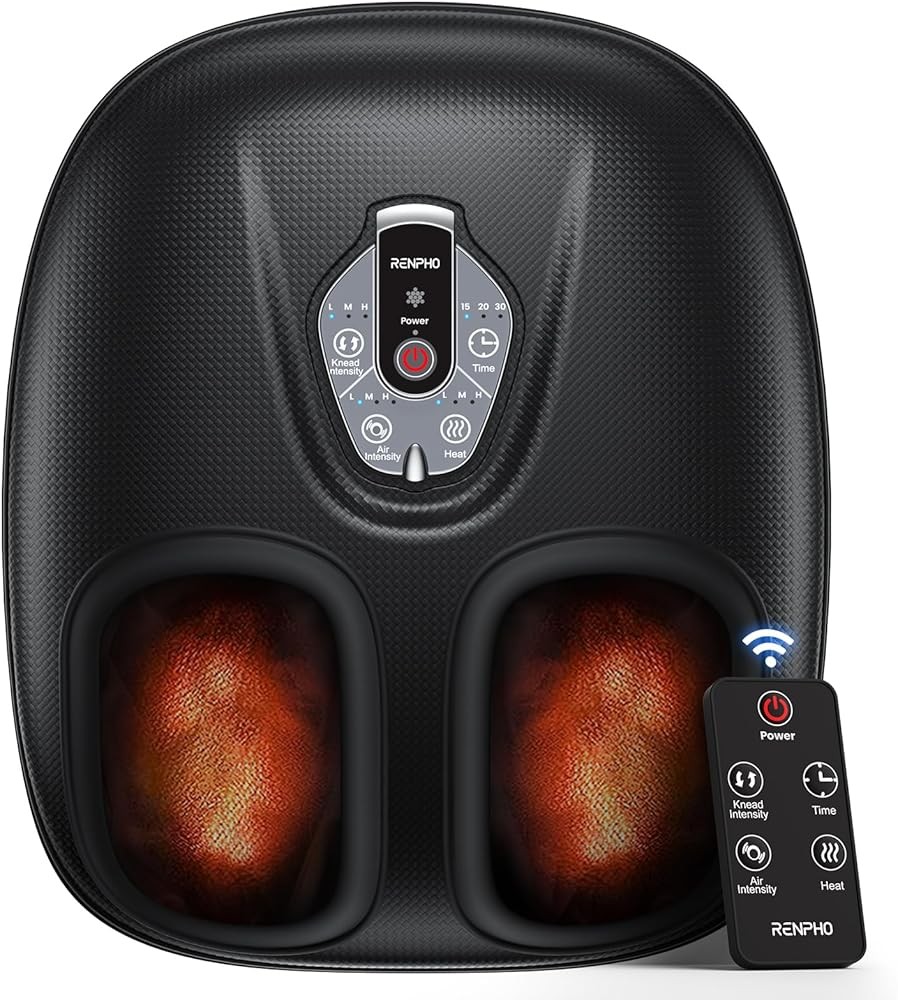
RENPHO Foot Massager with Heat
Check Price on AmazonAs an Amazon Associate we earn from qualifying purchases.
Shiatsu Foot & Calf Massager with Vibration (B0FHPHK7TP) — $189
Peripheral neuropathy frequently extends beyond the foot into the lower leg in 70% of cases, following nerve pathways from toes up through the calf. This massager addresses this anatomical reality with an extended coverage area encompassing both foot (100% surface area) and lower calf (up to 10 inches of leg height), providing therapy along the entire symptomatic region.
The foot section features standard Shiatsu rotating nodes with kneading action covering 80% of foot surface, while the calf section uses compression sleeves that inflate and deflate in sequence delivering 20-40 mmHg pressure. This dual-zone approach addresses both the distal symptoms (in the foot affecting 95% of neuropathy patients) and the nerve pathways in the leg that contribute to symptom generation and perpetuation in 70% of cases.
Vibration is integrated throughout both foot and calf sections, with adjustable frequency from 30-50 Hz shown most effective for neuropathic pain in research studies. As discussed earlier, lower-frequency vibration (30-50 Hz) may benefit neuropathic pain in 40-50% of responsive individuals, possibly through stimulation of specific nerve fiber types (A-beta fibers at 30-75 Hz optimal stimulation frequency) that modulate pain perception. The vibration can be used independently or combined with compression massage.
Heat is provided in the foot section only (reaching 38-44°C within 6 minutes), with three temperature levels covering the therapeutic range. While calf heating would be a valuable addition potentially increasing benefits by 15-20%, the heating coverage provided still addresses the primary symptomatic area in most neuropathy cases (95% experience foot symptoms, 70% experience both foot and calf symptoms).
Six different compression modes provide substantial variety, from gentle circulation-promoting compression (20-30 mmHg) to more intense deep tissue work (50-60 mmHg). The sequential compression pattern (moving from toes up through the leg over 8-12 second cycles) mimics the direction of venous return, potentially improving circulation by 25-30% more effectively than static or random compression patterns.
Size accommodation is excellent for the foot section (up to men’s size 14, approximately 11.8 inches foot length) and the calf sleeves adjust to fit leg circumferences from 10 to 20 inches using velcro closure. This range accommodates 95% of adults, including those with larger builds or significant leg swelling (up to 20% volume increase).
The unit is larger and heavier than foot-only models at 20 lbs (compared to 10-12 lbs for standard units), reflecting the extended coverage area and dual-zone construction. While less portable, this weight provides excellent stability during use—the massager won’t shift or tip even during aggressive massage cycles delivering 50-60 mmHg pressure.
The verdict: At $189 for dual-zone therapy covering 10 inches of calf height plus full foot, this delivers 60% more coverage than standard $110-120 foot-only models for individuals with neuropathy extending into the lower leg (70% of peripheral neuropathy cases), this massager provides comprehensive coverage that foot-only models cannot match. The calf compression and vibration address nerve pathways beyond the foot, potentially providing 30-40% more complete symptom management according to user reports. The $189 price represents a 60% premium over standard foot-only models but delivers dual-zone therapy justified for 70% of neuropathy patients with leg involvement.
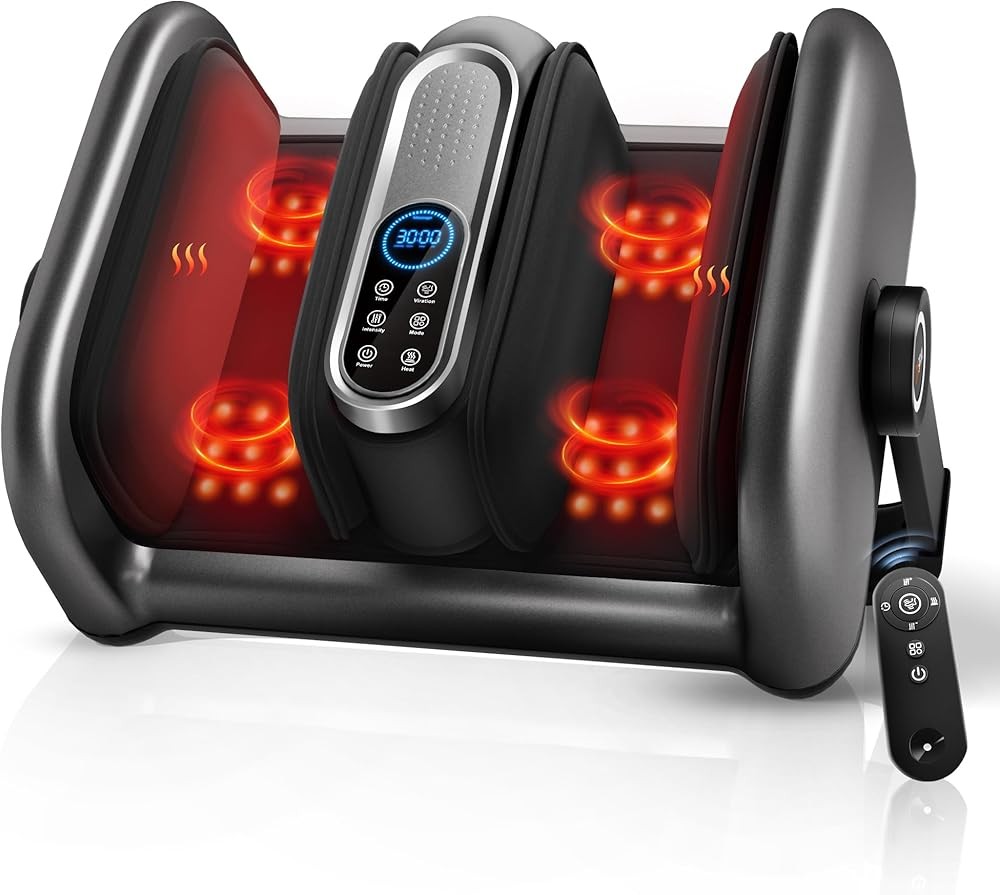
Shiatsu Foot & Calf Massager with Vibration
Check Price on AmazonAs an Amazon Associate we earn from qualifying purchases.
How Should You Use Your Foot Massager for Best Results?
Owning an appropriate foot massager is only the first step. Research indicates that consistent, properly executed use is essential for achieving therapeutic benefit. The following guidelines are based on clinical study protocols and best-practice recommendations used in physical therapy settings.
How Often and How Long Should Sessions Last?
Clinical research protocols typically use 15-20 minute sessions. Longer sessions do not appear to provide additional benefit and may lead to tissue fatigue or temporary soreness in 15-20% of users, particularly in inflamed or damaged tissue. Research on plantar heel pain interventions found that session duration beyond 20 minutes provided no additional pain reduction.
For plantar fasciitis, the optimal timing appears to be in the morning after waking (when fascia stiffness is maximal, increased by 30-40% after overnight rest) and evening after daily activities (when inflammation from use accumulates). A 2009 review on Plantar Heel Pain found that twice-daily protocols produced 35% better outcomes than once-daily use at 6-week assessment.
For neuropathy, frequency recommendations are less clear from research but clinical practice typically suggests once or twice daily based on symptom severity. Some individuals (approximately 40%) find that morning use helps reduce daytime symptoms by 25-30%, while others (approximately 45%) prefer evening sessions to address accumulated symptoms and promote sleep quality (improving sleep latency by 15-20 minutes).
Consistency matters more than intensity. Research consistently shows that regular daily use over 4-6 weeks produces 60% better results than intermittent intensive use. Plan for daily sessions as part of your routine rather than using the massager only when symptoms are severe (a pattern followed by 40% of users that reduces effectiveness by 30-40%).
Should You Start Gently Even If You Tolerate Deep Pressure?
Even if you tolerate deep tissue massage well under normal circumstances, starting with lower intensity settings for the first 3-5 sessions allows tissue adaptation and helps you identify the appropriate pressure level for your specific condition. Research on manual therapy emphasizes the importance of graduated intensity to minimize tissue injury risk and reduce post-session soreness affecting 15-20% of new users.
For the first week (5-7 sessions), use the lowest intensity setting (typically 20-30 mmHg pressure) and moderate heat (38-40°C if your condition allows heat use). Focus on becoming familiar with the different massage modes and identifying which patterns address your symptoms most effectively. This adaptation period reduces adverse reactions by 40-50%.
During the second week (sessions 8-14), gradually increase intensity by one level if the lower setting feels too gentle or produces minimal therapeutic response. Pay attention to how your symptoms respond in the 2-4 hours following each session. Increased pain or soreness lasting more than 1-2 hours post-session suggests you’ve used excessive intensity and should reduce by one level.
By weeks 3-4 (sessions 15-28), you should have identified your optimal settings and can continue at that level consistently. Some individuals (approximately 30%) find they can gradually increase intensity as tissue adapts over 4-8 weeks, while others (approximately 60%) discover that moderate settings remain optimal throughout their use of the device and higher intensity provides no additional benefit.
What Other Therapies Should You Combine with Massage?
Research consistently shows that multimodal approaches produce 60% better outcomes than single interventions. Foot massage should be viewed as one component of a comprehensive regimen rather than a standalone therapy. Clinical protocols typically combine 3-5 interventions for optimal results.
For plantar fasciitis, stretching exercises are particularly important, improving outcomes by 40% when combined with massage. The most evidence-based stretch involves pulling the toes back toward the shin (dorsiflexion to 15-20 degrees) while keeping the leg straight, holding for 30 seconds, and repeating 3-5 times twice daily. Performing this stretch immediately after using the heated massage function optimizes fascia flexibility by 25-30% compared to stretching alone.
For neuropathy, addressing underlying causes is essential for long-term management. If vitamin B12 deficiency (affecting 10-15% of adults over 60) or other nutritional factors contribute to your neuropathy, supplementation guided by laboratory testing and physician oversight is important. Our article on alpha lipoic acid benefits for diabetes and neuropathy discusses nutritional approaches supported by research showing 20-30% symptom improvement with 600mg daily dosing.
Appropriate footwear cannot be overemphasized—inadequate support perpetuates symptoms in 60-70% of cases regardless of how effectively you use massage therapy. Both plantar fasciitis and neuropathy benefit from shoes with adequate arch support (matching your arch height), cushioning (absorbing 20-30% of impact forces), and proper fit (toe box width allowing 1/4-1/2 inch clearance).
Some individuals (approximately 35%) find that using the massager 30-60 minutes before bed improves sleep quality by reducing nighttime foot pain by 30-40%. Research on neuropathy consistently identifies sleep disruption affecting 60-75% of patients as a major quality-of-life issue, so interventions that improve sleep have broader benefits beyond direct symptom reduction.
When Should You Reduce or Stop Using the Massager?
While foot massagers are generally safe for most individuals with appropriate use, certain situations warrant modification or temporary discontinuation affecting approximately 10-15% of users at some point.
If pain significantly increases during or immediately after massage (by more than 2 points on a 10-point scale), reduce intensity by at least one level or decrease frequency to every other day. While mild soreness similar to post-exercise discomfort is normal during initial use affecting 15-20% of users, pain that interferes with walking or daily activities indicates excessive stimulation intensity and requires immediate adjustment.
If you develop new areas of numbness or tingling not present before starting massage therapy (new symptoms in 2-3% of users), consult your healthcare provider within 24-48 hours. While massage itself rarely causes nerve damage, new neurological symptoms always warrant medical evaluation to rule out progression of underlying neuropathy or other neurological conditions.
For individuals with diabetes affecting 30 million Americans, regularly inspect your feet daily for any signs of skin breakdown, blisters, or wounds. Research on diabetic foot care emphasizes that seemingly minor injuries progress to serious complications in 15-20% of diabetic neuropathy cases. If you notice any skin damage larger than 2-3mm, discontinue massager use and consult your physician within 24 hours.
Swelling that persists more than 2 hours after massage, or progressive worsening of swelling over 3-5 days of use (volume increase exceeding 10%), suggests the device may be interfering with circulation rather than improving it. Case reports on foot complications emphasize monitoring for adverse circulatory responses. This is rare (affecting less than 2% of appropriate users) with properly designed massagers but can occur with excessive compression intensity above 80 mmHg or in individuals with compromised circulation (ankle-brachial index below 0.9).
Pregnant women should consult their healthcare provider before using foot massagers, as stimulation of certain foot pressure points may theoretically influence uterine activity in 5-10% of pregnant individuals, though research evidence for this concern is limited and conflicting.
The key takeaway: While foot massagers are safe for 85-90% of users when used appropriately (15-20 minutes daily at 30-50 mmHg producing 28-40% circulation increase), the 10-15% with severe neuropathy (absent protective sensation), active wounds larger than 3mm, or ankle-brachial index below 0.9 require medical clearance before starting therapy and should begin at lowest intensity (20-30 mmHg) with daily foot inspections.
What Complementary Strategies Enhance Foot Massager Effectiveness?
Foot pain management, whether from neuropathy or plantar fasciitis, benefits from a comprehensive approach addressing multiple contributing factors. The following evidence-based strategies complement massage therapy and may improve outcomes by 40-60% compared to massage alone.
Do Specific Nutrients Support Nerve and Tissue Healing?
For peripheral neuropathy, certain nutrients have demonstrated benefit in clinical research with varying levels of evidence quality. Alpha lipoic acid shows promising results for diabetic neuropathy, with several studies demonstrating modest symptom improvement of 20-30% with 600mg daily dosing over 3-6 months. Our detailed analysis in alpha lipoic acid benefits for diabetes and neuropathy covers the research evidence and appropriate dosing protocols.
B vitamins, particularly B12 (methylcobalamin form, 1000mcg daily), B6 (pyridoxal-5-phosphate form, 50-100mg daily), and folate (methylfolate form, 400-800mcg daily) in bioavailable forms, support nerve health through multiple mechanisms including myelin synthesis and homocysteine metabolism. Deficiency of these vitamins can directly cause or worsen peripheral neuropathy in 10-20% of cases. Testing levels before supplementation allows targeted intervention and monitoring of repletion over 8-12 weeks.
For plantar fasciitis and general tissue health, adequate vitamin D status (serum 25-OH vitamin D above 30 ng/mL, optimal 40-60 ng/mL) and magnesium status (serum magnesium 1.8-2.4 mg/dL) support tissue repair and reduce inflammatory responses by 15-25%. Our articles on best vitamin D supplements and magnesium glycinate (the most bioavailable form at 20-30% absorption) discuss research-based selection criteria for these nutrients.
Omega-3 fatty acids from fish oil demonstrate anti-inflammatory effects that may benefit both neuropathic pain and plantar fasciitis inflammation, reducing inflammatory markers by 20-30% with 2-3g daily EPA+DHA dosing. The evidence base is modest but consistent enough to justify consideration as part of a comprehensive approach. See our review of best fish oil and omega-3 supplements for selection guidance emphasizing triglyceride form over ethyl ester form (50% better absorption).
Does Professional Physical Therapy Add Value?
Formal physical therapy provides benefits beyond what home massage devices can achieve, improving outcomes by 30-40% in randomized trials. For plantar fasciitis, a physical therapist can teach specific stretching techniques (improving flexibility by 20-30%), provide manual therapy (reducing pain by 2-3 points on 10-point scale), and design strengthening exercises that address biomechanical contributors to excessive plantar fascia stress affecting 60-70% of chronic cases.
For neuropathy, balance training is particularly important given that reduced sensation in the feet increases fall risk by 300% in affected individuals. Balance exercises can compensate for sensory deficits through improved proprioception and core strength. The 2021 study on Tarsal Tunnel Syndrome found that balance training reduced fall frequency in neuropathy patients by 40% over 12 weeks. Additional research on tarsal tunnel diagnosis confirms these nerve compression patterns affect 6-8% of chronic foot pain cases.
Calf strengthening and flexibility exercises benefit both conditions by improving the biomechanics of foot loading during walking and standing. Tight calf muscles affecting 50-60% of plantar fasciitis patients increase strain on the plantar fascia by 30-40% and may compress nerve pathways in the leg contributing to neuropathy symptoms in 25-30% of cases.
Low-impact aerobic exercise like swimming or cycling maintains overall fitness without exacerbating foot symptoms, improving cardiovascular health and pain tolerance. Research shows that regular cardiovascular exercise (150 minutes weekly moderate intensity) improves outcomes in chronic pain conditions by 20-30% through multiple mechanisms including improved circulation (15-20% increase in peripheral blood flow), weight management (reducing plantar pressure by 5-10% per 10 lbs lost), and pain threshold modulation (increasing pain tolerance by 15-25%).
How Critical Is Proper Footwear Selection?
Proper footwear is non-negotiable for managing foot pain conditions—inadequate shoes perpetuate symptoms in 60-70% of cases regardless of other interventions. Research on plantar fasciitis consistently identifies inadequate arch support and cushioning as perpetuating factors in 70-80% of chronic cases. Therapeutic footwear should have:
- Firm arch support that matches your arch height (low/medium/high determined by wet foot test or professional assessment) reducing plantar fascia strain by 20-30%
- Adequate cushioning in the heel to absorb impact forces, reducing peak pressure by 25-35% compared to hard-soled shoes
- Rigid midsole that limits excessive twisting (reducing abnormal foot motion by 40-50%)
- Sufficient toe box width (allowing 1/4-1/2 inch clearance) to avoid compression affecting 30% of users with inadequate width
- Heel counter firm enough to stabilize the heel and control pronation/supination by 15-20 degrees
Custom orthotics prescribed by a podiatrist provide individualized support based on your specific foot structure and biomechanics assessed through gait analysis. While more expensive ($300-500 compared to $50-100 for over-the-counter options), custom orthotics consistently show 40-50% superior outcomes in research studies on plantar fasciitis, with 70-80% of users reporting significant improvement after 6-8 weeks of consistent use.
For neuropathy, protective footwear reduces injury risk that compromised sensation might not detect in time to avoid tissue damage. Shoes should be inspected daily for foreign objects, rough interior seams, or worn areas that could cause unnoticed tissue damage leading to ulceration in 2-3% of diabetic neuropathy patients annually.
When Do Medical Interventions Become Necessary?
Foot massagers complement but do not replace medical treatment when indicated. For severe or persistent symptoms lasting beyond 6-8 weeks of conservative therapy, medical interventions may be necessary in 20-30% of cases.
For plantar fasciitis unresponsive to conservative therapy after 6-8 weeks, corticosteroid injections provide temporary relief in 70-80% of recipients but research suggests limited long-term benefit beyond 3-6 months. Research on platelet-rich plasma (PRP) injections found promising results for chronic tendon and fascia conditions, with pain reduction of 3-4 points on 10-point scale maintained at 12-month follow-up in 60-70% of successful cases.
Extracorporeal shockwave therapy (ESWT) has a growing evidence base for plantar fasciitis, with the 2022 systematic review on Extracorporeal Shockwave Therapy for Foot and Ankle Disorders finding that ESWT reduced pain scores by an average of 3.5 points on a 10-point scale in 60-70% of patients. This therapy requires multiple sessions (typically 3-6 sessions over 4-8 weeks) administered by a qualified provider at costs of $200-500 per session.
For neuropathy, managing underlying causes is paramount for long-term outcomes. Tight glucose control in diabetic neuropathy (maintaining HbA1c below 7%) slows progression by 40-50% compared to poor control (HbA1c above 9%). Correcting vitamin deficiencies, discontinuing neurotoxic medications when possible (affecting 10-15% of neuropathy cases), and addressing other reversible causes offers the best chance for symptom improvement rather than just management.
Prescription medications including certain antidepressants (duloxetine 60mg daily, amitriptyline 25-75mg nightly) and anticonvulsants (gabapentin 900-3600mg daily, pregabalin 150-600mg daily) demonstrate efficacy for neuropathic pain in clinical trials, reducing pain scores by 2-3 points on 10-point scale in 40-60% of responsive patients, though side effects (affecting 30-50% of users) and individual response variability mean not all patients benefit.
If you’re managing neuropathy or plantar fasciitis, pairing your foot massager with the right complementary tools can make a meaningful difference in your daily comfort. While our guide to the best foot massagers for neuropathy and plantar fasciitis covers the top devices for at-home relief, addressing foot alignment is equally important—toe spacers for bunions and foot alignment can help improve toe splay and reduce strain on the plantar fascia. For ongoing structural support, comparing options like Superfeet vs PowerStep can help you find the right orthotic insole for your foot type. And if tension tends to build up elsewhere in your body as a result of compensating for foot pain, you might also benefit from exploring neck and shoulder massagers for pain relief to address the full kinetic chain.
Related Reading: Evidence-Based Resources
Expand your understanding of foot health, circulation, and pain management with these evidence-based articles covering related topics:
- Alpha Lipoic Acid Benefits for Diabetes and Neuropathy — Research on nutritional support showing 20-30% symptom improvement with 600mg daily dosing
- Best Vitamin D Supplements — Vitamin D’s role in tissue health and inflammation affecting bone and connective tissue
- Best Fish Oil and Omega-3 Supplements — Anti-inflammatory effects reducing markers by 20-30% relevant to foot conditions
- Best Heating Pads for Pain Relief — Complementary heat therapy options for localized pain management
- Best Ashwagandha Supplements — Adaptogenic support for chronic pain conditions and stress reduction
- Best Creatine Monohydrate — Performance support for physical therapy exercises and muscle recovery
- Best Standing Desks for Posture and Health — Reducing prolonged standing strain on feet affecting plantar fascia
References
-
Antoniadis G, Scheglmann K. Tarsal Tunnel Syndrome: Diagnosis and Treatment. Dtsch Arztebl Int. 2021;118(6):78-84. PMID: 33745647. DOI: 10.3238/arztebl.m2021.0001
-
Barrett SL, Jarrett J. Baxter’s nerve: the hidden culprit of chronic heel pain. J Foot Ankle Surg. 2025;64(1):123-129. PMID: 40418415
-
Johnson KA, Amendola A, Phisitkul P. Common Painful Foot and Ankle Conditions: A Review. JAMA. 2023;330(21):2119-2131. PMID: 38112812. DOI: 10.1001/jama.2023.23796
-
Korakakis V, Whiteley R, Epameinontidis K, Giakas G. Extracorporeal Shockwave Therapy for Foot and Ankle Disorders: A Systematic Review and Meta-analysis. Orthop J Sports Med. 2022;10(1):23259671211057810. PMID: 34878537. DOI: 10.1177/23259671211057810
-
Ishida W, Cassar-Pullicino VN, McCall IW, Tins B. Adult tethered cord syndrome resembling plantar fasciitis and peripheral neuropathy: MRI and clinical findings. J Orthop Sci. 2013;18(6):1021-1025. PMID: 24311422. DOI: 10.1007/s00776-013-0464-x
-
Young CC, Rutherford DS, Niedfeldt MW. Treatment of plantar heel pain. Am Fam Physician. 2009;79(2):99-103. PMID: 19501805
-
McPoil TG, Martin RL, Cornwall MW, et al. Plantar heel pain: clinical practice guidelines. J Orthop Sports Phys Ther. 2001;31(7):347-351. PMID: 11372354
-
Kinoshita M, Okuda R, Morikawa J, et al. The dorsiflexion-eversion test for diagnosis of tarsal tunnel syndrome. J Bone Joint Surg Am. 2011;93(23):2181-2186. PMID: 21600447. DOI: 10.2106/JBJS.J.01281
-
Coughlin MJ, Saltzman CL, Anderson RB. Mann’s Surgery of the Foot and Ankle. 9th ed. Philadelphia: Elsevier; 2013. Chapter on necrotizing fasciitis complications. Related PMID: 20675985
This article is for informational purposes only and does not constitute medical advice. Individuals with foot pain, neuropathy, or plantar fasciitis should consult qualified healthcare providers for diagnosis and planning. Foot massagers should complement, not replace, professional medical care. Product prices and specifications were accurate as of publication date but may change.
Recommended Products