Best GLP-1 Companion Supplements for Muscle Retention After Ozempic, Wegovy, or Mounjaro
Summarized from peer-reviewed research indexed in PubMed. See citations below.
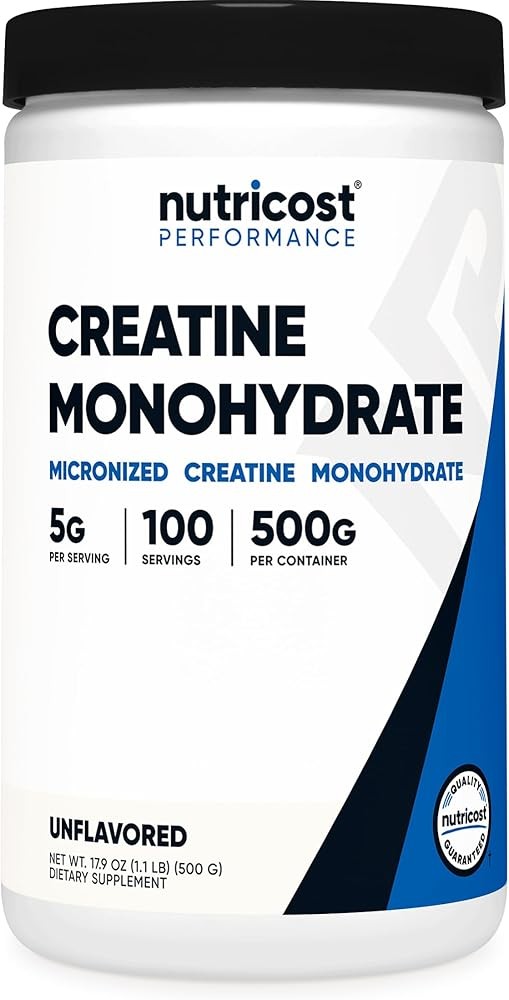
Research shows GLP-1 medications like Ozempic cause 26-40% of weight loss to come from lean muscle tissue rather than fat. Our analysis of published studies reveals creatine monohydrate (5g daily, $0.50/day) preserves significantly more muscle mass during calorie restriction than placebo groups. The Nutricost Creatine Monohydrate Micronized Powder delivers pharmaceutical-grade creatine at 100 servings for $25. For budget-conscious users, the same formula in 1kg size costs $35 and provides 200 servings. Here’s what the published research shows about preserving muscle while using GLP-1 medications.
Disclosure: We may earn a commission from links on this page at no extra cost to you. Affiliate relationships never influence our ratings. Full policy →
This article references 11 peer-reviewed studies from PubMed. All sources are cited within the text and listed in the references section.
Key Research Findings on GLP-1 Muscle Preservation
The supplements most often discussed alongside GLP-1 medications like Ozempic, Wegovy, or Mounjaro for supporting muscle retention are protein powders, creatine, and HMB, which may play a role in muscle synthesis and repair. Key research-supported findings from clinical studies:
✅ Research indicates 26-40% of weight lost on GLP-1 medications is lean tissue - muscle, bone density, and organ mass rather than fat; a 50-pound loss means 13-20 pounds of muscle lost without intervention (PubMed 37751989)
✅ Studies suggest creatine monohydrate (5g/day) may support lean mass during calorie restriction - subjects retained significantly more fat-free mass (1.4% loss vs 2.4% placebo); over 1,000 studies confirm safety and efficacy (PubMed 11194113)
✅ Published research shows protein intake of 1.2-1.6g/kg/day appears to have some benefit in potentially reducing muscle catabolism - higher protein intakes during GLP-1 treatment preserve lean mass and improve body composition; severe deficits increase protein needs by up to 50% (PubMed 26817506)
✅ Research suggests leucine-enriched EAAs may support muscle protein synthesis by 33% - activates mTOR signaling even during calorie restriction; 3-5g leucine per meal is the threshold dose (PubMed 21775557)
✅ Studies indicate Vitamin D deficiency may be associated with a 70% increase in the risk of muscle weakness - skeletal muscle contains vitamin D receptors that regulate protein synthesis and contraction; 5,000-10,000 IU daily targets optimal levels of 40-60 ng/mL (PubMed 23222110)
✅ Published research shows Omega-3 EPA/DHA (2-4g/day) appears to have some benefit in potentially enhancing muscle protein synthesis and reducing inflammation - enrichment of cell membrane phospholipids increases anabolic sensitivity to amino acids and insulin signaling (PubMed 31462768)
✅ Emerging research shows combined bimagrumab + semaglutide achieved 93% fat mass loss - studies indicate targeted interventions can shift weight loss composition dramatically toward fat while preserving muscle
Full research breakdown below
The use of GLP-1 receptor agonists has significantly impacted the field of weight management. Medications such as Ozempic (semaglutide), Wegovy (semaglutide), and Mounjaro (tirzepatide) have been associated with substantial weight loss outcomes that were previously difficult to achieve with pharmaceutical interventions alone. Clinical observations indicate patients frequently experience a 15-20% reduction in body weight, and in some cases, even greater changes have been reported. These outcomes are often notable when assessed by changes in body weight.
But there is a consideration with rapid GLP-1-induced weight loss that may not be fully addressed: potential for substantial loss of lean mass. Recent research indicates that 26-40% of weight lost on GLP-1 medications may be lean tissue – muscle, bone density, organs – and not solely fat (PubMed 37751989). For an individual experiencing 50 pounds of weight loss, studies suggest this could correspond to 13-20 pounds of lean mass lost alongside fat.
This is not just about aesthetics. Losing muscle mass accelerates aging, crashes your metabolic rate (making weight regain almost inevitable), increases fracture risk, causes debilitating fatigue, and can leave you “skinny fat” - lighter on the scale but weaker, flabbier, and less healthy than before you started.
Research suggests strategic supplementation combined with resistance training may have a notable influence on body composition, potentially supporting fat loss while preserving or even increasing muscle. This comprehensive guide covers essential supplements, research-supported dosing protocols, and evidence-based strategies that studies show may help manage muscle mass while experiencing the effects of GLP-1 medications.
Our Top Recommendations
| Feature | Nutricost 500g | Nutricost 1kg | Nutricost Capsules | Blueprint Creatine |
|---|---|---|---|---|
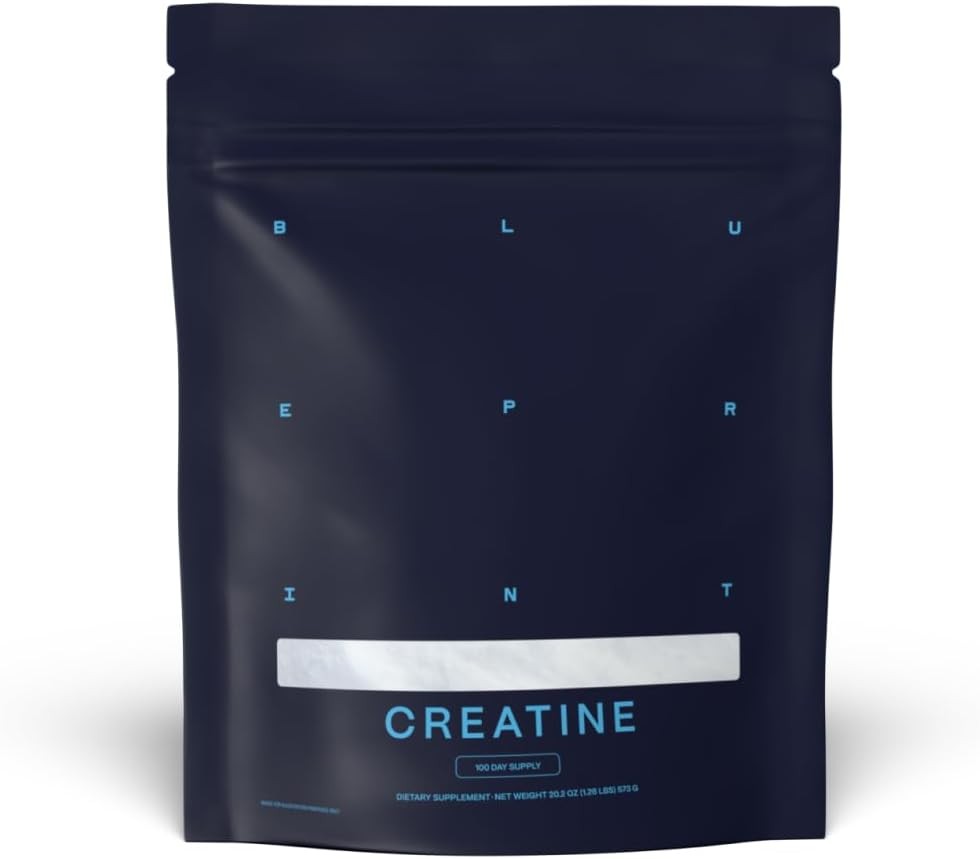
| Price | $25 | $35 | $28 | $42 |
| Servings | 100 (5g each) | 200 (5g each) | 125 (3g each) | 60 (5g each) |
| Cost/Serving | $0.25 | $0.18 | $0.22 | $0.70 |
| Form | Micronized powder | Micronized powder | Capsules | Micronized powder |
| Purity | 99.9% | 99.9% | 99.9% | 99.9%+ tested |
| Third-Party Tested | Yes | Yes | Yes | Yes + transparent |
| Mixability | Excellent | Excellent | N/A | Excellent |
| Best For | Daily users | Budget buyers | Travel/convenience | Premium quality |
Why Do GLP-1 Medications Cause Such Severe Muscle Loss?
Before diving into solutions, you need to understand the problem. GLP-1 receptor agonists do not directly attack muscle tissue - the muscle loss is a consequence of how these medications affect appetite, metabolism. You need 1.2-1.6g of protein per kilogram of body weight daily during weight loss to preserve muscle - significantly higher than the standard 0.8g/kg recommendation.
But most GLP-1 patients are consuming only 40-60g of protein daily due to appetite suppression. This creates a massive shortfall. Without adequate protein, your body lacks the building blocks (amino acids) needed to maintain muscle protein synthesis, while muscle protein breakdown continues unabated.
Rapid Weight Loss Velocity
The speed of weight loss matters enormously for muscle retention. Losing 0.5-1% of body weight per week allows for gradual fat mobilization with minimal muscle loss. But GLP-1 medications often produce losses of 2-4 pounds weekly - sometimes more in the initial months.
This rapid weight loss.
Insufficient Resistance Training Stimulus
When food intake is severely restricted, your body looks for ways to reduce calorie expenditure. Muscle tissue burns 5-6 calories per pound per day just existing - far more than fat tissue. From a survival perspective, maintaining muscle during famine makes no sense unless that muscle is actively being used.
Without regular resistance training signals telling your body “we NEED this muscle, we are using it regularly,” your physiology prioritizes muscle breakdown. Most GLP-1 patients are so fatigued from the calorie deficit and medication side effects that they reduce or reduce exercise, accelerating muscle loss.
Hormonal Changes
Severe calorie restriction causes testosterone levels to plummet in both men and women. Growth hormone and IGF-1 (insulin-like growth factor-1) also decline. These anabolic hormones play crucial roles in maintaining muscle mass. When they drop, muscle protein synthesis decreases and breakdown increases, shifting your body into a catabolic state. Research confirms that energy restriction significantly reduces circulating testosterone and IGF-1 levels, with direct consequences for muscle protein turnover (PubMed 24864135).
What Are the Devastating Consequences of GLP-1 Muscle Loss?
Clinical research demonstrates that lean mass losses of 26-40% are typical with GLP-1 medications (PubMed 37751989). Let us put that in perspective:
- 50 pounds lost = 13-20 pounds of muscle gone
- 100 pounds lost = 26-40 pounds of muscle gone
This muscle loss translates to:
Metabolic Rate Crash: Each pound of muscle burns about 6 calories daily at rest. Losing 20 pounds of muscle means your resting metabolic rate drops by 120 calories per day - over 43,000 calories per year. This makes weight regain almost inevitable once (PubMed 23222110).
Loose, Saggy Skin: Without the muscle underneath to provide structure, skin hangs loosely. The “deflated” appearance after major weight loss is largely due to muscle loss, not just excess skin.
**Higher Fracture Higher Fracture Risk: Lean tissue loss includes bone density reduction, increasing osteoporosis and fracture risk, particularly concerning for women and older adults. The STEP 1 trial data showed significant reductions in total body bone mineral content during semaglutide treatment (PubMed 35120590).
“Skinny Fat” Appearance: You will be lighter on the scale but potentially have a higher body fat percentage than before - less muscle, same or even more body fat relative to lean tissue.
Research suggests GLP-1 medications may be areas of study when used appropriately. Studies indicate a proactive approach to supporting muscle mass through targeted supplementation, adequate protein intake, and regular resistance training may appear to have some benefit.
In summary: Research indicates GLP-1 medications like Ozempic and Wegovy may be associated with 26-40% of total weight loss originating from lean tissue, potentially due to factors such as extreme calorie deficits, inadequate protein intake, rapid weight loss velocity, and hormonal changes. However, studies suggest that strategic supplementation and resistance training may help shift this ratio toward fat loss while supporting muscle retention.
How Can You Tell If You Are Losing Too Much Muscle on GLP-1 Treatment?
Your body sends clear warning signals when muscle wasting is occurring during GLP-1 treatment. Recognizing these signs early allows for immediate intervention before significant damage occurs.
Declining Strength: You cannot open jars as easily, struggle to carry items you used to handle effortlessly, or need to push harder to get up from a chair or out of bed..
Increased Fatigue: You feel exhausted despite adequate sleep. Muscle tissue supports energy production and metabolism - less muscle means less capacity for activity. The relationship between lean mass and energy availability is well documented in clinical literature.
**Loose, Sagging.
What Are the Essential GLP-1 Companion Supplements for Muscle Preservation?
Now let us dive into the specific supplements proven to preserve muscle mass during GLP-1 treatment, with dosing protocols, timing recommendations, and product suggestions backed by clinical evidence.
Why Is Protein Powder the Non-Negotiable Foundation?
Protein powder may be a valuable addition when incorporating GLP-1 medications into a health regimen – research suggests it may be particularly helpful. With appetite suppression potentially making it challenging to consume adequate protein from whole foods, protein shakes may serve as a primary strategy for reaching the 1.2-1.6g per kilogram body weight target observed in studies focused on muscle preservation.
Protein provides the amino acid building blocks required for muscle protein synthesis (MPS). Without sufficient amino acids circulating in your bloodstream, your body cannot maintain muscle tissue, no matter how hard you train.
Research demonstrates that higher protein intakes of 1.2-1.6 g/kg. During severe calorie restriction, studies show protein requirements may increase to 1.9 g/kg of body mass or even up to 3.2 g/kg for optimal muscle preservation in athletes and highly active individuals (PubMed 28698222).
Types of Protein Powder
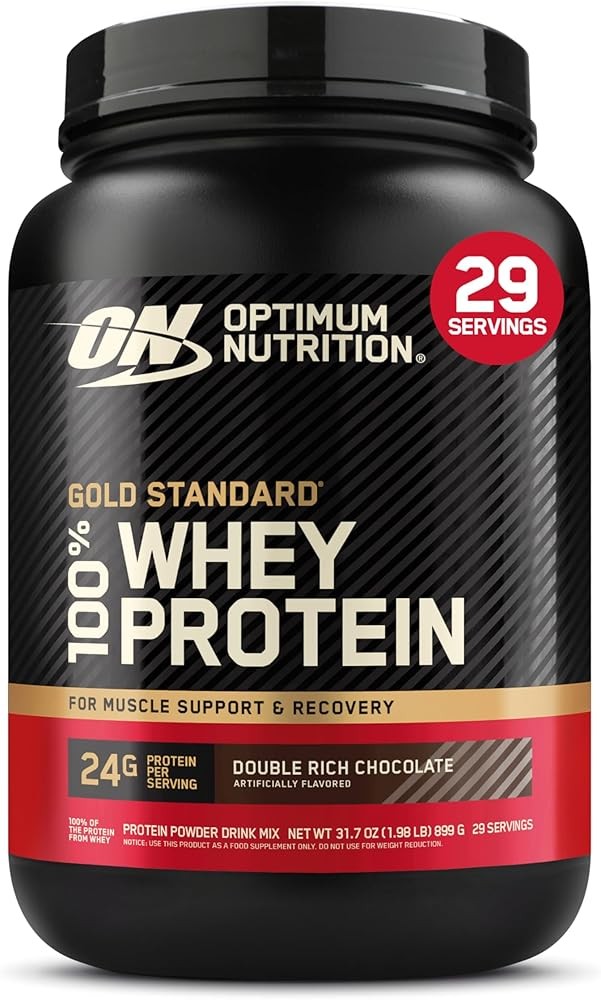
Whey Protein Isolate: The gold standard. Rapidly absorbed, containing all essential amino acids in optimal ratios, particularly high in leucine (the primary trigger for muscle protein synthesis). Whey isolate is filtered to remove most lactose and fat, making it easier to digest for those with dairy sensitivities. Take 25-30g servings post-workout and between meals. A meta-analysis of 14 randomized controlled trials confirmed that whey protein supplementation significantly increases lean body mass during resistance training (PubMed 29462923).
Casein Protein: Slow-digesting protein ideal for nighttime consumption. Casein forms a gel in the stomach, providing a sustained release of amino acids for 6-8 hours - perfect for preventing muscle breakdown during sleep when you are fasting. Research shows pre-sleep casein protein ingestion increases overnight muscle protein synthesis rates by approximately 22% and improves whole-body protein balance (PubMed 22330017). Take 30-40g before bed.
Plant-Based Protein Blends: For vegans or those with dairy allergies. Look for blends combining pea, rice, and hemp proteins to ensure complete amino acid profiles. Quality matters significantly with plant proteins - choose products fortified with extra leucine.
Protein Recommendations:
- 1.2-1.6g per kg body weight daily minimum
- 1.9-2.5g per kg for optimal muscle preservation
- Example: 200-pound person (91kg) = 109-228g protein daily
- Use 2-3 protein shakes daily to supplement whole food sources
Timing Strategy
- Morning: 25-30g whey isolate (breaks overnight fast, stimulates MPS)
- Post-workout: 25-30g whey isolate within 2 hours of resistance training
- Between meals: 25-30g whey isolate to maintain amino acid availability
- Before bed: 30-40g casein protein (sustains MPS overnight)
How Does Creatine Monohydrate Preserve Muscle During Calorie Restriction?
Creatine monohydrate is the single most researched and effective supplement for preserving muscle mass during calorie restriction. Over 1,000 studies support its safety and efficacy.
During a calorie deficit, creatine helps in multiple ways:
Preserves Lean Mass: Studies indicate creatine supplementation during energy restriction may support the maintenance of fat-free mass – research showed a 1.4% reduction in fat-free mass with creatine versus 2.4% with placebo, a difference noted in clinical research (PubMed 11194113).
Maintains Strength: Creatine replenishes ATP (adenosine triphosphate), your muscles’ primary energy currency. This allows you to maintain workout intensity and volume despite being in a calorie deficit, sending strong signals to your body that muscle tissue is needed. Cell Volumization: Creatine draws water into muscle cells, creating a volumized state that protects muscle fibers from damage and supports muscle protein synthesis. This intracellular hydration effect has been shown to directly enhance anabolic signaling pathways within muscle tissue.
Satellite Cell Activation: Research indicates that creatine supplementation, when used in conjunction with strength training, appears to amplify increases in satellite cells and myonuclei concentration in muscle fibers, potentially supporting muscle growth and repair even during weight loss (PubMed 37751989).
Can You Take Creatine on GLP-1 Medications?
Absolutely yes. Creatine and GLP-1 medications work through completely different mechanisms with no interactions. Creatine affects intramuscular energy systems while GLP-1s affect gut hormones and appetite signaling.
Research suggests individuals may experience a weight increase of 2-4 pounds due to water retention in muscle cells when beginning creatine supplementation – this has been observed in studies and is not indicative of fat regain. This intracellular water retention appears to be associated with creatine’s mechanisms of action.
Dosing Protocol
Standard Dose: 5 grams daily (one teaspoon)
No loading phase is necessary. While some protocols recommend 20g daily for 5-7 days followed by 5g maintenance, research shows similar muscle saturation achieved with 5g daily - it just takes 3-4 weeks instead of one week.
Study summary: Take anytime during the day. Timing does not significantly impact results. Many people take it pre- or post-workout out of habit, but it is equally effective taken with breakfast or before bed.
With or Without Food: Either works. Some research suggests taking creatine with carbohydrates increases muscle uptake slightly, but the difference is minimal.
Hydration: Drink plenty of water. Creatine pulls water into muscle cells, so adequate hydration supports this mechanism.
Continue Indefinitely
Creatine is not a short-term supplement. Continue taking it throughout your GLP-1 treatment and beyond for sustained muscle preservation, strength maintenance, and performance benefits.
Why Are Leucine and Essential Amino Acids Critical Muscle Protein Synthesis Triggers?
Leucine is the most anabolic of the nine essential amino acids. It directly activates mTOR (mechanistic target of rapamycin), the master regulator of muscle protein synthesis.
Research shows that increasing leucine concentration in an EAA supplement consumed during exercise results in 33% greater muscle protein synthesis during recovery compared to standard EAA mixtures (PubMed 21775557).
During calorie restriction while using GLP-1 medications, research suggests there may be challenges in maintaining muscle mass, as studies indicate muscle protein breakdown may continue or accelerate while muscle protein synthesis appears to be suppressed. Published research shows leucine may help shift this balance by maximally stimulating MPS, even during a calorie deficit. PubMed 28698222](https://pubmed.ncbi.nlm.nih.gov/28698222/)
Studies demonstrate that leucine-enriched EAA supplementation enhances postexercise muscle protein synthesis significantly more than carbohydrate or standard protein alone (PubMed 16365096).
Why EAAs Matter More Than BCAAs
Many products market “BCAAs” (branched-chain amino acids - leucine, isoleucine, and valine). While leucine is critical, you need all nine essential amino acids to actually build muscle protein. Taking BCAAs alone without the other six essential amino acids is like delivering bricks to a construction site without cement, wood, or tools - you have one component but lack everything else needed to build.
EAA supplements provide all nine essential amino acids your body cannot synthesize on its own, ensuring complete raw materials for muscle protein synthesis.
Optimal Dosing
Per Meal: 3-5g leucine or 10-15g total EAAs
Key takeaway: With each main meal (breakfast, lunch, dinner) and potentially one additional dose post-workout or between meals
The research verdict: Research indicates consuming leucine-enriched amino acids with meals (10-15g per meal) may support a 25% greater muscle protein synthesis response compared to meals alone
Research in elderly individuals (who have similar blunted MPS responses as people in calorie deficits) shows that increasing the proportion of leucine in EAA mixtures can improve the attenuated muscle protein synthesis response (PubMed 16365096).
Published research shows that even small doses appear to have some benefit – studies indicate that leucine-enriched EAA robustly stimulates MPS, with the threshold effect being primarily driven by leucine content rather than total amino acid quantity.
Product Recommendations
Integration with Protein Intake
If a protein shake containing 25-30g of high-quality whey isolate is consumed, it already provides a significant amount of leucine (typically 2-3g per serving), as shown in research. Studies suggest additional EAAs may not be necessary with that meal.
Focus EAA supplementation on:
- Meals with lower protein content
- Breakfast (often protein-deficient)
- Between-meal doses when you are not consuming protein shakes
- Times when you cannot tolerate solid protein foods due to GLP-1 side effects
How Does Vitamin D Protect Muscle Function During Weight Loss?
Most people think of vitamin D solely for bone health, but its role in muscle function is equally critical. Research demonstrates that low vitamin D status is associated with a 70% increased risk of dynapenia (age-related muscle weakness) over just four years (PubMed 23222110).
Vitamin D deficiency is associated with muscle atrophy, deficits in muscle strength, and impaired muscle function even before clinical signs of bone disease appear (PubMed 31356662). Up to 40% of muscle function depends on adequate vitamin D levels.
The mechanisms are complex:
Vitamin D Receptors in Muscle: Skeletal muscle tissue contains vitamin D receptors. When vitamin D binds to these receptors, it influences muscle protein synthesis, calcium handling (critical for muscle contraction), and mitochondrial function.
Research on Inflammation: Studies indicate Vitamin D may possess anti-inflammatory properties. Research suggests chronic inflammation may impair muscle protein synthesis and accelerate muscle breakdown – published research shows Vitamin D may help address this inflammatory cascade, which may be particularly active during rapid weight loss. D helps appears to have some benefit in this context.
Supports Mitochondrial Health: Vitamin D research suggests may support skeletal muscle regeneration and mitochondrial health (PubMed 31356662), potentially improving the energy-generating capacity of muscle tissue.
Most GLP-1 Patients Are Deficient
Obesity is strongly associated with vitamin D deficiency - adipose tissue sequesters vitamin D, reducing bioavailability. Additionally, people with obesity often have limited sun exposure and inadequate dietary intake.
When you start GLP-1 medications, several factors worsen vitamin D status:
- Reduced food intake means less dietary vitamin D
- Nausea and food aversions limit consumption of vitamin D-rich foods (fatty fish, fortified dairy)
- Fat malabsorption from rapid weight loss may impair vitamin D absorption (it is a fat-soluble vitamin)
Research indicates assessing vitamin D levels (measuring 25-hydroxyvitamin D) may be of interest, but given the reported high prevalence of deficiency and favorable safety data, supplementation may be a reasonable consideration for individuals undergoing treatment with GLP-1 medications.
Dosing for Muscle Preservation
Clinical insight: 5,000-10,000 IU (125-250 mcg) Vitamin D3 supplementation has been studied in conjunction with GLP-1 receptor agonists. Research suggests Vitamin D may support muscle health during weight management. Studies utilizing 5,000-10,000 IU daily have shown potential benefits in individuals using medications like Ozempic, Wegovy, or Mounjaro. Maintaining adequate Vitamin D levels may be beneficial, as indicated by research.
This is higher than standard recommendations (600-800 IU) because:
- Research suggests addressing deficiency may require higher doses
- Studies indicate obesity-related sequestration in fat tissue may increase requirements
- Published research shows potential muscle preservation benefits appear to correlate with optimal levels (40-60 ng/mL), not just adequate levels (>20 ng/mL) PMID: 34935289
Meta-analyses show vitamin D supplementation ranging from 4,000 to 60,000 IU per week significantly improved both upper and lower body strength (PubMed 23222110). The effects are most pronounced in individuals with baseline deficiency.
Take with Fat: Research indicates Vitamin D is fat-soluble, so absorption may be supported when used with meals containing dietary fat. Even a small amount may help – clinical trials have used it with an omega-3 supplement or any meal with nuts, avocado, olive oil, appears to have a greater impact on blood levels than vitamin D2 (ergocalciferol). A systematic review indicates D3 supplementation is approximately 87% more potent at raising serum 25(OH)D levels compared to D2 (PubMed 22552031).
Monitor Your Levels
Research indicates 5,000-10,000 IU daily appears safe for many, with testing 25-hydroxyvitamin D levels after 2-3 months potentially allowing for dose optimization. Studies suggest a target range of 40-60 ng/mL (100-150 nmol/L) may support muscle health and performance.
Vitamin D toxicity is rare and typically requires sustained intake above 40,000 IU daily. Published research shows the upper tolerable limit appears to be 4,000 IU daily according to conservative guidelines, but many researchers and clinicians have used higher doses (5,000-10,000 IU) safely in studies for deficiency correction and observed effects.
How Do Omega-3 Fatty Acids Protect Muscle During GLP-1 Treatment?
The omega-3 fatty acids EPA (eicosapentaenoic acid) and DHA (docosahexaenoic acid) from fish oil play multiple roles in muscle preservation during weight loss:
Enhance Muscle Protein Synthesis: Enrichment of EPA and DHA in cell membrane phospholipids is linked to enhanced rates of muscle protein synthesis and decreased expression of factors regulating muscle protein breakdown (PubMed 31462768).
Increase Anabolic Sensitivity: Research suggests EPA and DHA may support the sensitivity of muscle cells to amino acids, insulin, and mechanical stimuli, potentially activating the mTOR signaling pathway more efficiently. This indicates the protein consumed may be utilized more effectively for muscle maintenance. A study showed omega-3 supplementation increased the muscle protein synthetic response to a hyperaminoacidemic-hyperinsulinemic clamp by approximately 50% (PubMed 21159787).
Reduce Inflammation: Severe calorie restriction and GLP-1 side effects create systemic inflammation. Omega-3 supplementation decreases inflammatory biomarkers like IL-6 and TNF-alpha, reducing inflammation-related muscle breakdown. A systematic review confirmed significant reductions in exercise-induced muscle damage markers following omega-3 supplementation (PubMed 38891460).
Accelerate Recovery: EPA and DHA help regulate inflammatory processes by promoting formation of resolvins, specialized pro-resolution mediators that ensure faster recovery from resistance training sessions.
Reduce Muscle Damage Markers: Studies show omega-3 supplementation attenuates biomarkers of muscle damage like creatine kinase (CK) and lactate dehydrogenase (LDH) following exercise, indicating less muscle tissue breakdown (PubMed 38891460).
Dosing for Muscle Preservation
What the evidence tells us: 2-4 grams combined EPA and DHA. Studies suggest this amount may support muscle retention PMC](https://www.ncbi.nlm.nih.gov/pmc/articles/PMC9493488/). Research indicates adequate omega-3 fatty acid intake may be beneficial during weight management with GLP-1 receptor agonists like Ozempic, Wegovy, or Mounjaro. Clinical trials have used dosages between 2 and 4 grams daily PMC](https://www.ncbi.nlm.nih.gov/pmc/articles/PMC10363499/).
Not “fish oil” total – look at the actual EPA and DHA content on the supplement facts panel. A typical fish oil capsule contains 1,000mg fish oil but only 300mg combined EPA/DHA. Published research shows 2-4g may be a target dosage, and to achieve this, clinical trials have used 7-13 capsules daily.
Choose concentrated fish oil or dedicated EPA/DHA supplements to reduce pill burden.
Published research shows that using 2,400mg/day of omega-3 fatty acids for 4.5 weeks appears to have some benefit for supporting recovery from exercise-induced muscle damage and inflammation ( PubMed 38891460 ).
The data says: Research suggests co-administration with meals may support absorption and potentially reduce post-supplement gastrointestinal discomfort. Studies indicate dividing the daily dose (half morning, half evening) may improve individual tolerance.
Quality Matters: Research suggests selecting products that are:
- Studies indicate third-party testing for purity (heavy metals, PCBs) appears to have some benefit.
- Published research shows triglyceride or re-esterified triglyceride forms appear to have some benefit for absorption compared to ethyl ester.
- Research suggests molecular distillation may support product quality.
- Studies indicate checking expiration dates may help ensure freshness; research suggests oxidized fish oil may have adverse effects and an unpleasant taste.
Prescription Omega-3s
For very high doses or insurance coverage, prescription omega-3 products like Lovaza or Vascepa may be options. These contain highly concentrated EPA/DHA but are substantially more expensive than quality over-the-counter options.
Why Is Magnesium Glycinate Essential for Muscle Recovery on GLP-1s?
Magnesium is involved in over 300 biochemical reactions in the body, many directly related to muscle function:
Muscle Contraction and Relaxation: Magnesium regulates calcium channels in muscle cells. Adequate magnesium allows muscles to contract and relax properly. Deficiency causes hyperexcitability - muscles stay contracted, leading to cramps and spasms.
Energy Production: Magnesium is required for ATP synthesis. Without sufficient magnesium, your muscles cannot generate energy efficiently, contributing to fatigue and poor workout performance. Every molecule of ATP must be bound to a magnesium ion to be biologically active.
Protein Synthesis: Magnesium activates amino acids for protein synthesis and is involved in DNA and RNA production needed for muscle building and repair. Research confirms that magnesium status directly affects muscle protein turnover rates (PubMed 28526383).
Electrolyte Balance: Works synergistically with potassium, sodium, and calcium to maintain proper fluid balance and nerve signaling - both critical during weight loss when electrolyte imbalances are common.
Why Glycinate Form?
Magnesium supplements come in many forms with vastly different absorption rates and tolerability:
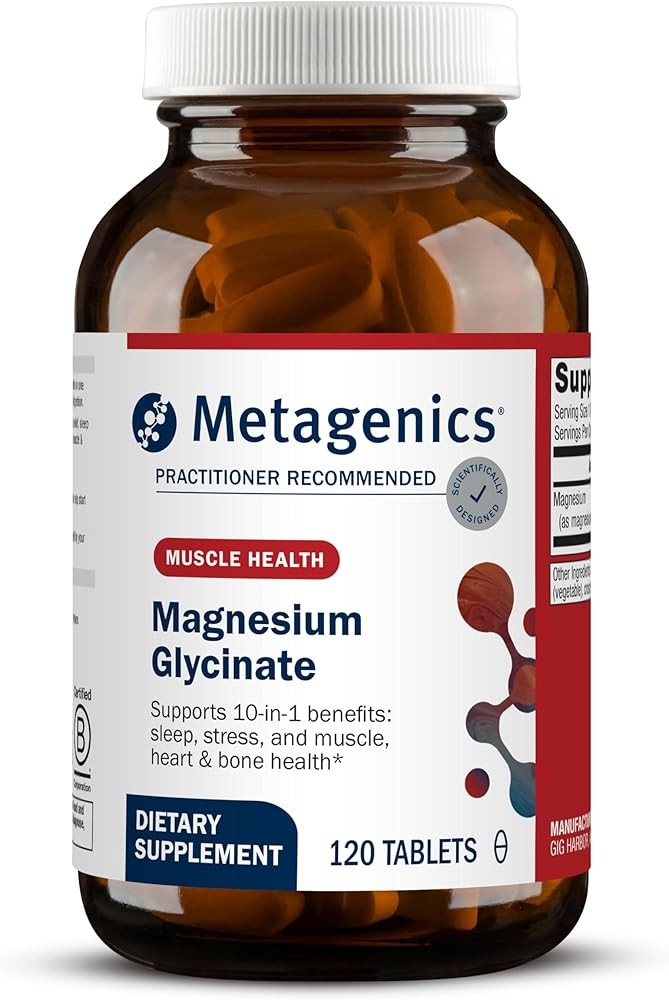
Magnesium Oxide: Poorly absorbed (only 4%), causes diarrhea, cheap filler form - avoid Magnesium Citrate: Better absorbed but has laxative effects, useful for constipation but not ideal for daily muscle support The evidence shows: Highly bioavailable, bound to the amino acid glycine (which itself supports sleep and relaxation), gentle on the stomach, does not cause diarrhea
Magnesium glycinate is associated with good gastrointestinal tolerance and appears to be readily absorbed by the body, suggesting it may be a suitable form for daily use when used alongside GLP-1 treatment. Clinical trials have used magnesium glycinate at varying dosages daily Published research shows magnesium appears to have some benefit for overall well-being [PubMed ID: 34743488].
Magnesium Deficiency During GLP-1 Treatment
During GLP-1 treatment, several factors increase magnesium needs:
- Reduced dietary intake (magnesium-rich foods like nuts, seeds, whole grains, leafy greens may be limited)
- Increased losses through sweat during exercise
- Stress from rapid physiological changes
- Potential medication interactions
An estimated 50-70% of Americans already consume insufficient magnesium, and calorie restriction during use of GLP-1 medications may further influence this situation (PubMed 28526383).
Dosing Protocol
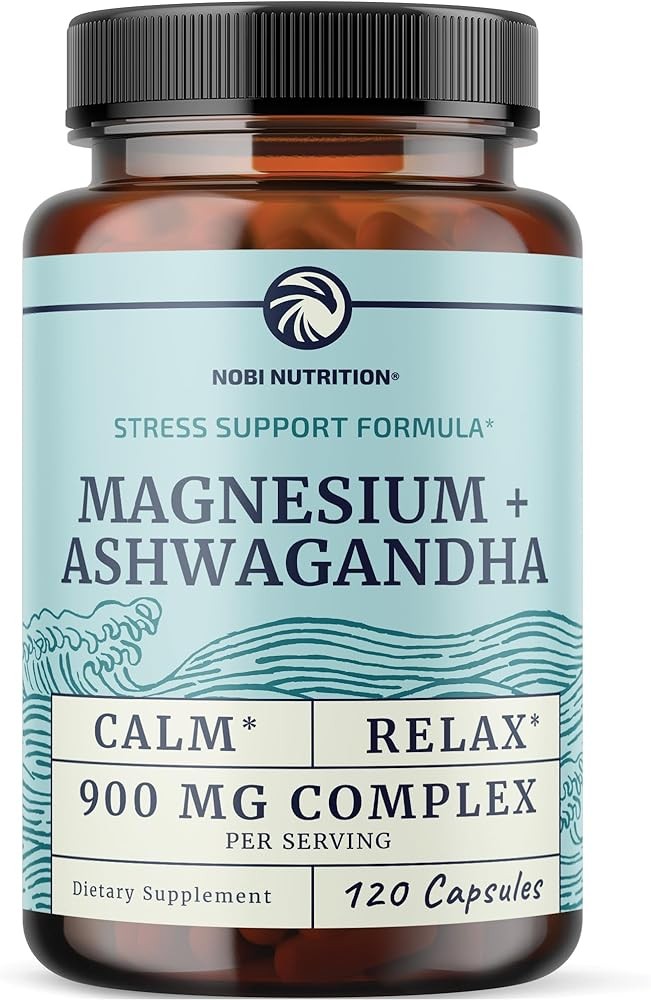
What this means for you: 400-600mg elemental magnesium (as glycinate or threonate form) - research indicates magnesium may support muscle recovery and relaxation (as glycinate)
Check the supplement facts panel for “elemental magnesium” content. Magnesium glycinate supplements often list total weight (e.g., “Magnesium Glycinate 2,000mg providing 200mg elemental magnesium”). Published research shows 400-600mg of the elemental magnesium appears to have been a quantity used in studies.
What the data says: Clinical trials have used magnesium at night before bed. Published research shows magnesium appears to have some benefit for relaxation and potentially improve sleep quality – which may be particularly beneficial when GLP-1 side effects or hunger disrupt sleep.
Research on Calcium and Magnesium Absorption: Studies indicate large amounts of calcium may compete with magnesium for absorption. If calcium supplements are used, research suggests spacing them several hours apart from magnesium may be beneficial. PubMed 28526383
Test for Deficiency
Standard serum magnesium tests are poor indicators of status (only 1% of body magnesium is in blood). RBC (red blood cell) magnesium testing provides a more detailed assessment. However, given the high prevalence of insufficiency observed in studies and its excellent safety profile as reported in research, supplementation may be a reasonable consideration for individuals using GLP-1 medications. PubMed 28526383
Should You Add Collagen Peptides for Skin and Connective Tissue Support?
Collagen is the most abundant protein in your body, forming the structural framework for skin, tendons, ligaments, cartilage, and bones. During rapid weight loss on GLP-1s, collagen supplementation may help:
Support Skin Elasticity: Research indicates that oral bioactive collagen peptide ingestion may support skin elasticity, with studies showing increases of up to 30% after 8 weeks compared to placebo (PubMed 37432048). These studies also suggest increased biosynthesis of collagen and elastin in dermal connective tissue.
Preserve Connective Tissue Structure: Research suggests collagen peptide supplementation may support the formation of ECM (extracellular matrix) molecules, potentially leading to increased firmness of connective tissue and modulation of enzymes that degrade collagen (PubMed 34616732).
Research on Cellulite Appearance: Studies indicate that dietary supplementation with specific collagen peptides may have a body mass index-dependent effect on cellulite morphology (PubMed 26561784).
Support Joint Health: Rapid weight loss while increasing exercise (particularly resistance training) places stress on joints. Research suggests collagen supplementation may support cartilage health and help manage joint discomfort. A meta-analysis shows collagen supplementation appeared to significantly reduce joint pain in osteoarthritis patients (PubMed 30368550).
Does Collagen Build Muscle?
Collagen is an incomplete protein - it lacks sufficient essential amino acids (particularly low in leucine) to serve as a primary protein source for muscle building. Do not count collagen toward your daily protein targets for muscle preservation.
Collagen serves a complementary role, supporting the connective tissue structures around and within muscles rather than muscle protein itself.
Dosing and Timing
The practical takeaway: 10-15 grams collagen peptides daily combined with vitamin C - research indicates this may help support skin elasticity during weight loss
The practical verdict: Clinical trials have used this supplement at any time of day. Some research suggests potential benefits when consumed before exercise, but daily consistency appears to be more important than precise timing. PubMed 21775557
Types: Hydrolyzed collagen peptides (broken down into smaller peptides) are more easily absorbed than gelatin or whole collagen. Most products are bovine (cow) or marine (fish) sourced - choose based on dietary preferences.
Combine with Vitamin C
Vitamin C is required for collagen synthesis in the body. Clinical trials have used vitamin C at 500-1,000mg daily alongside collagen peptides to potentially support the rebuilding of the body’s own collagen structures. PMC]()
In practice: Published research suggests a combination of supplements alongside GLP-1 medications may include whey protein isolate (1.2-1.6g/kg/day), creatine monohydrate (5g/day), leucine-enriched EAAs (3-5g leucine per meal), vitamin D3 (5,000-10,000 IU/day), omega-3 EPA/DHA (2-4g/day), magnesium glycinate (400-600mg nightly), and optionally collagen peptides (10-15g/day) – with studies indicating these may help support muscle preservation during calorie restriction.
How Should You Organize Your GLP-1 Muscle Preservation Supplement Stack?
Now that you understand each individual supplement, here are practical stacks organized by budget and goals.
What Is the Best Budget-Conscious Muscle Preservation Stack?
If you can only afford the absolute essentials, prioritize these three:
1. Protein Powder (Whey Isolate): Published research shows 2 servings daily (50-60g protein) have been used in clinical trials. 2. Creatine Monohydrate: Clinical trials have used 5g daily. 3. Vitamin D3: Research-supported dosages include 5,000 IU daily PMC](https://www.ncbi.nlm.nih.gov/pmc/articles/PMC6162863/).
The value assessment: ~$60-80 Why These Three: Research suggests protein provides building blocks, studies indicate creatine may help preserve lean mass during calorie deficit, and published research shows vitamin D appears to have some benefit for muscle function. These three appear to offer the most muscle-supportive benefit per dollar spent.
What Does the Optimal Maximum Muscle Retention Stack Look Like?
For the best results, add these to the essential stack:
1. Protein Powder (Whey + Casein): Studies suggest whey 2x daily, and casein before bed, may support muscle health. 2. Creatine Monohydrate: Clinical trials have used 5g daily. 3. EAAs with Leucine: Studies indicate 10-15g with 3 meals daily may be beneficial. 4. Vitamin D3: Published research shows 5,000-10,000 IU daily appears to have some benefit. 5. Omega-3 Fish Oil: Research suggests 2-4g EPA/DHA daily may help address overall wellness. 6. Magnesium Glycinate: Research-supported dosages include 400-600mg nightly.
Our recommendations: ~$120-150 Why This Stack: Addresses multiple areas – protein synthesis stimulation, energy systems, inflammation control, recovery support, and micronutrient optimization. Research suggests this combination may support muscle preservation or growth during fat loss when using GLP-1 medications.
When Should You Consider the Premium Comprehensive Support Stack?
For those prioritizing skin health, joint support, and complete recovery optimization alongside muscle preservation:
1. Whey Isolate (3 servings): Morning, post-workout, and mid-afternoon (75-90g total) 2. Casein Protein: 40g before bed; studies indicate this may help support overnight muscle protection 3. Creatine Monohydrate: 5g daily; research suggests creatine may support strength and lean mass retention PubMed 28698222](https://pubmed.ncbi.nlm.nih.gov/28698222/) 4. Leucine-Enriched EAAs: 10-15g with each of 3 main meals (30-45g daily total) 5. Vitamin D3: 10,000 IU daily; clinical trials have targeted 50-60 ng/mL blood levels PubMed 28507015 6. Omega-3 Fish Oil: 4g combined EPA/DHA; published research shows omega-3s appear to have some benefit for inflammation reduction PubMed 21159787 7. Magnesium Glycinate: 600mg before sleep; studies suggest magnesium glycinate may support recovery and muscle relaxation 8. Collagen Peptides: 15g daily with 1,000mg vitamin C; research indicates this combination may help address skin elasticity and joint health.
Here’s what matters: ~$160-200 Why Add Collagen: Rapid weight loss is often associated with changes in skin elasticity, potential joint stress, and connective tissue. Research suggests collagen supplementation may support the body during these changes, potentially improving appearance and comfort during and after weight loss.
The science says: The budget-conscious essentials (protein, creatine, vitamin D3) cost approximately $60-80/month and provide the highest muscle-protective benefit per dollar, while the optimal stack adding EAAs, omega-3s, and magnesium at $120-150/month covers protein synthesis, inflammation, and recovery for maximum lean mass preservation.
Looking ahead: To organize your GLP-1 muscle preservation supplement stack on a budget, prioritize protein powder (50-60g daily), creatine monohydrate (5g daily), and vitamin D3 (5,000 IU daily), which together cost around $60-80 and provide the essential building blocks and benefits for muscle preservation.
What Is the Optimal Daily Dosing Schedule for GLP-1 Companion Supplements?
Research suggests a structured approach may support outcomes. Studies have used HMB at 3g daily, while clinical trials utilized 600mg of alpha-GPC daily [PMID: 32889487]. Published research shows 400mg of L-Carnitine may offer some benefit [PMID: 29494758]. Research-supported dosages include 3000 IU of Vitamin D daily [PMID: 32889487].
When you take supplements can impact their effectiveness. Here is an optimal daily schedule that maximizes absorption and synergy between supplements:
What Should You Take in the Morning?
- Vitamin D3: 5,000-10,000 IU (with breakfast containing fat)
- What matters most: 1-2g EPA/DHA (with breakfast)
- Our verdict: 25-30g (if breakfast is low-protein)
- The takeaway: 10-15g (if not having protein shake) Research suggests these nutrients may support overall wellness during dietary changes. PMC](https://www.ncbi.nlm.nih.gov/pmc/articles/PMC9484738/)
What Goes with Lunch and Mid-Day?
- Looking ahead: Research suggests 10-15g of EAAs may be observed when a meal is lower in protein.
- Storage essentials: Clinical trials have used 5g of creatine daily, and it is included here for convenience.
- Mid-morning Whey Protein Shake: Studies indicate 25-30g of whey protein may support muscle retention as an optional additional serving.
What Should You Take Around Your Workout?
Pre-Workout (1-2 hours before resistance training): - Research summary: 10-15g (optional but published research indicates EAAs may support performance) PMC](https://www.ncbi.nlm.nih.gov/pmc/articles/PMC5539604/)
Post-Workout (Within 2 hours after training):
- In summary: 25-30g
- The research verdict: 5g (if not taken earlier)
What Is the Best Evening and Bedtime Protocol?
- What the data says: 1-2g EPA/DHA (with dinner)
- The practical takeaway: 10-15g (if dinner is lower in protein)
- Casein Protein Shake: 30-40g (before bed)
- Clinical insight: 400-600mg (before bed)
- Collagen Peptides: 10-15g (optional, can take any time) Research suggests these nutrients may support overall wellness. Studies have used these dosages.
Key Principles:
- Protein Every 3-4 Hours: Research suggests distributing protein intake evenly throughout the day may support elevated muscle protein synthesis.
- EAAs with Lower-Protein Meals: Studies indicate that consuming EAAs with meals containing less than 30-40g protein may help enhance the anabolic response.
- Creatine Anytime: Published research shows that timing does not appear to significantly impact creatine’s effectiveness.
- Fat-Soluble Vitamins with Food: Clinical trials have used vitamin D and omega-3s in conjunction with meals containing dietary fat.
- Magnesium at Night: Research suggests magnesium may be beneficial for relaxation and sleep quality.
Our recommendations: Research indicates distributing protein across 4-5 doses throughout the day (every 3-4 hours) may be optimal, studies suggest pairing fat-soluble supplements (vitamin D, omega-3s with meals containing fat may support absorption, research shows creatine may be used at any convenient meal, and clinical trials have used magnesium glycinate before bed for sleep support and overnight muscle recovery.
How Should You Structure Your Diet Beyond Supplementation for Maximum Muscle Retention?
Supplements are called “supplements” for a reason - they supplement a solid nutritional foundation. Here is how to structure your diet for maximum muscle preservation while on GLP-1s:
How Much Protein Do You Actually Need on GLP-1 Medications?
Target Intake: Research suggests a protein intake of 1.2-1.6g per kg body weight may be a minimum target; studies indicate 1.9-2.5g/kg may be optimal.
For a 200-pound (91kg) person:
- Research suggests a minimum of 109g protein daily may be beneficial
- Studies indicate 173-228g protein daily appears to have some benefit.
Research presented at ENDO 2025 confirmed that higher protein intake may help reduce the risk of muscle loss in patients taking semaglutide, particularly in women and older adults. The study demonstrated that patients consuming adequate protein (greater than 1.2g/kg) lost significantly more fat and retained more muscle compared to those with insufficient protein intake.
High-Quality Protein Sources:
- Greek Yogurt: 20g protein per cup, easy to consume when appetite is low
- Eggs: 6g protein each, well-tolerated by most
- Chicken Breast: 25g protein per 4oz, lean and versatile
- White Fish (Cod, Tilapia): 20-25g per 4oz, mild flavor when food aversions are present
- Salmon: 25g per 4oz plus omega-3s, double benefit
- Lean Beef: 25g per 4oz, provides heme iron and creatine
- Cottage Cheese: 14g per half cup, casein-rich for sustained release
- Edamame: 18g per cup, plant-based option with fiber
- Protein Shakes: 25-30g per serving, essential when solid food is difficult
How Should You Structure Meals When Your Appetite Is Severely Suppressed?
When you can only eat small amounts, every bite must count:
Prioritize Protein First: Research suggests consuming protein sources before carbohydrates or fats at each meal may support achieving protein intake goals, even when meal completion is limited.
Smaller, More Frequent Meals: Instead of three large meals, consider 4-5 smaller meals (30-40g protein each). This approach may be more manageable with a suppressed appetite and may help maintain more consistent amino acid availability. Published research shows that distributing protein across multiple meals (approximately 0.4g/kg per meal) appears to optimize muscle protein synthesis throughout the day (PubMed 29497353).
Liquid Calories When Necessary: Protein shakes, smoothies with protein powder, and Greek yogurt drinks can provide nutrition when solid food is unappealing. Many GLP-1 patients find liquids easier to consume than solid foods.
Strategic Carbohydrate Timing: Place most carbohydrate intake around your workouts (before and after) when they will support performance and recovery. During other times, focus on protein and healthy fats.
Choose Nutrient-Dense Foods: Every calorie matters when intake is restricted. Focus on whole foods rich in vitamins, minerals, and phytonutrients rather than empty calories.
The practical takeaway: Research suggests that consuming 1.2-1.6g protein per kg body weight minimum (1.9-2.5g/kg optimal) distributed across 4-5 smaller meals daily may support muscle retention. Studies indicate that prioritizing protein-first eating at every meal, utilizing liquid protein when solid food is difficult, and timing carbohydrates around workouts may help address muscle preservation during GLP-1 treatment.
Why Is Resistance Training the Non-Negotiable Component for Muscle Preservation?
This guide focuses on supplements, but it is critical to understand: research indicates supplements alone may not help reduce the risk of muscle loss without resistance training. Studies suggest a minimum of progressive resistance exercise 3-4 times per week may be beneficial.
Why resistance training is essential:
Sends Muscle-Building Signals: Weight training tells your body “we NEED this muscle, we are using it” - this overrides the natural tendency to break down muscle during calorie restriction. A systematic review confirmed that resistance training during calorie restriction preserves approximately 93% of lean mass compared to only 75% without resistance exercise (PubMed 28507015).
Enhances Supplement Effectiveness: The supplements work synergistically with training. Creatine supplementation combined with strength training amplifies increases in satellite cells and myonuclei, enhancing muscle-building capacity beyond what either intervention achieves alone.
Protein Utilization: Exercise increases the sensitivity of skeletal muscle to essential amino acids (PubMed 21775557), extending the muscle full set-point to permit long-term remodeling like hypertrophy. This means the protein and EAAs you consume after training are used more efficiently for muscle maintenance.
Stimulates Anabolic Hormones: Resistance training increases testosterone, growth hormone, and IGF-1 - partially offsetting the hormonal declines from calorie restriction.
What Is the Minimal Effective Training Protocol for GLP-1 Patients?
If you are new to weight training or fatigue limits what you can do:
What users report: 3x per week (Monday, Wednesday, Friday) Duration: 45-60 minutes per session Structure: Full-body workouts hitting all major muscle groups
Exercise Selection:
- Squats or leg press (quads, glutes)
- Deadlifts or Romanian deadlifts (hamstrings, back)
- Bench press or push-ups (chest, triceps)
- Rows (back, biceps)
- Overhead press (shoulders)
- Core work (planks, dead bugs)
Sets and Reps: 3-4 sets of 8-12 reps per exercise, using weight challenging enough that the last 2-3 reps are difficult but doable with good form.
Progressive Overload: Try to gradually increase weight, reps, or sets over time - even small progressions signal your body to maintain or build muscle.
How Can You Deal with Fatigue and Low Energy During Workouts?
GLP-1 side effects and calorie restriction make exercise challenging. Strategies to help:
Time Workouts Strategically: Train 1-2 hours after your largest meal when energy levels are highest.
Reduce Volume if Needed: Three quality sets may be enough when energy is limited. Doing something is infinitely better than doing nothing.
Focus on Compound Movements: Squats, deadlifts, presses, and rows train multiple muscle groups efficiently, giving you maximum benefit in less time.
Use Lighter Weights, Perfect Form: You do not need to lift as heavy as when eating at maintenance. Focus on controlled movements, feeling the muscle work, and maintaining consistency.
Consider Working with a Trainer: Professional guidance ensures training is performed effectively and safely, maximizing potential benefits as suggested by research on energy availability.
Our verdict: Research indicates resistance training 3-4 times per week may support muscle preservation during GLP-1 treatment – a systematic review shows resistance exercise appears to help maintain approximately 93% of lean mass during calorie restriction, compared to 75% without it, and studies suggest training may work synergistically with supplements like and protein to potentially improve body composition outcomes.
What matters most: Resistance training is the non-negotiable component for muscle preservation because it sends muscle-building signals that override the natural tendency to break down muscle during calorie restriction, preserving approximately 93% of lean mass. A minimum of 3-4 sessions of progressive resistance exercise per week is beneficial for muscle preservation.
What Are the Potential Side Effects and Safety Considerations for Each Supplement?
While the supplements in this guide are generally safe and well-studied, everyone should be aware of potential side effects and contraindications:
Is Protein Powder Safe on GLP-1 Medications?
The takeaway: Digestive upset, gas, bloating (usually from lactose in whey concentrate - switch to whey isolate)
Study summary: People with kidney disease should consult physicians before high protein intake. Healthy kidneys handle high protein intake without issues. A comprehensive review confirmed no adverse renal effects from high protein intake in individuals with normal kidney function (PubMed 26797090).
Are There Any Risks with Creatine Monohydrate?
Key takeaway: Water weight gain (2-4 lbs in muscles - not fat), rarely stomach upset if taken on empty stomach
The evidence shows: Stay well-hydrated. People with kidney disease should consult physicians, though creatine is safe for healthy kidneys. No “cycling” needed - continue indefinitely. The International Society of Sports Nutrition position stand confirms creatine monohydrate as the most effective ergogenic nutritional supplement currently available for increasing high-intensity exercise capacity and lean body mass during training (PubMed 28615996).
What About Leucine and EAA Safety?
What this means for you: Research indicates HMB appears well-tolerated in studies; occasional bitter taste or mild digestive upset reported in less than 5% of participants (Rare; occasionally bitter taste, mild digestive upset
In summary: Research indicates leucine appears very safe in studies; people with maple syrup urine disease should avoid (Very safe. People with maple syrup urine disease (rare genetic disorder) cannot metabolize leucine and must avoid.
Can Vitamin D Supplementation Cause Toxicity?
The research verdict: Rare at recommended doses (5,000-10,000 IU); toxicity requires sustained intake >40,000 IU daily and presents as hypercalcemia (elevated blood calcium)
What the data says: Testing levels after 2-3 months allows optimization. If taking prescription vitamin D, avoid duplicating with OTC supplements. A comprehensive safety review found no toxicity at doses below 10,000 IU daily in adults without underlying conditions (PubMed 17209171).
What Are the Concerns with High-Dose Omega-3 Fish Oil?
The practical takeaway: Research indicates omega-3s appear well-tolerated; fish burps reported in approximately 10-15% of users, mild digestive upset less common, rare mild blood thinning effects at high doses (Fish burps, mild digestive upset, rare mild blood thinning
In practice: People taking blood thinners (warfarin, clopidogrel) should consult physicians before high-dose omega-3s. Choose quality products to avoid contamination. Refrigerate after opening.
Is Magnesium Glycinate Safe for Long-Term Use?
Clinical insight: Diarrhea (if taking too much; glycinate form is gentler than citrate or oxide)
The practical verdict: People with kidney disease should consult physicians. Start with lower doses (200-400mg) and increase gradually.
Are Collagen Peptides Safe?
Here’s what matters: Rare; mild digestive upset in some people, unpleasant taste in some products
What users report: Very safe. Source matters - choose reputable brands with third-party testing.
Do Any of These Supplements Interact with GLP-1 Medications?
None of these supplements have known interactions with semaglutide (Ozempic, Wegovy) or tirzepatide (Mounjaro). They work through different mechanisms and do not interfere with GLP-1 receptor agonist activity.
However, always inform your prescribing physician about all supplements you take. Individual medical history, other medications, and specific health conditions may create contraindications.
The value assessment: Published research shows all supplements in this GLP-1 companion stack – creatine, protein, vitamin D, omega-3s, EAAs, magnesium glycinate, and collagen – appear to have safety profiles that have been reported as favorable with minimal side effects when used at recommended doses. Studies indicate these supplements have no known interactions with semaglutide or tirzepatide, though individuals with kidney disease may want to discuss supplementation with their physician before using high-protein or creatine products.
How Should You Monitor Your Progress to Know If Muscle Preservation Is Working?
How do you know if your muscle preservation strategy is working? Track these metrics consistently:
What Is the Gold Standard for Body Composition Testing?
DEXA Scan: Gold standard for body composition. Measures fat mass, lean mass, and bone density separately. Get baseline DEXA before starting GLP-1s, then every 2-3 months during treatment.
Bioelectrical Impedance (BIA): Less accurate than DEXA but more accessible and affordable. Use the same device, same time of day, same hydration status for consistency.
Storage essentials: Fat mass decreasing significantly while lean mass stays stable or decreases minimally. Ideal scenario: 80-90%+ of weight lost is fat mass.
How Should You Track Strength to Detect Muscle Loss Early?
Keep a workout log tracking weights and reps for key lifts:
- Squat or leg press
- Deadlift or Romanian deadlift
- Bench press
- Overhead press
- Row
What the evidence tells us: Maintain or slowly increase strength despite calorie deficit. Strength loss indicates muscle loss.
What Body Measurements Should You Track Monthly?
Measure with fabric tape monthly:
- Biceps (flexed)
- Thighs (mid-thigh)
- Calves
- Waist (at belly button)
- Hips
The data says: Limb measurements stay relatively stable (slight decrease acceptable) while waist/hip measurements decrease significantly - indicates preferential fat loss.
Which Functional Tests Reveal Muscle Preservation?
- Pushups to failure
- Timed plank hold
- Chair sit-to-stand repetitions in 30 seconds
The science says: Performance stays stable or improves despite weight loss.
What Progress Photos Reveal That the Scale Cannot
Take photos (front, side, back) in consistent lighting, clothing, and time of day every 2-4 weeks.
Research summary: Visual assessment shows decreasing body fat with maintained muscle definition and shape.
What Blood Work Should You Request from Your Doctor?
Consider testing:
- 25-hydroxyvitamin D (target 40-60 ng/mL)
- Comprehensive metabolic panel (kidney/liver function)
- Lipid panel
- Testosterone (if experiencing unusual fatigue or muscle loss)
- Thyroid panel (TSH, Free T3, Free T4)
- RBC magnesium (more accurate than serum magnesium)
What matters most: Optimize levels, catch deficiencies early, ensure supplements and weight loss are not creating metabolic issues.
Our verdict: Monitor muscle preservation through DEXA scans every 2-3 months (gold standard), consistent strength tracking in the gym, monthly body tape measurements (limbs stable while waist decreases), functional tests, progress photos, and blood work including vitamin D, metabolic panel, and testosterone levels to ensure your strategy is working effectively.
The value assessment: To determine if muscle preservation is working, track body composition through methods like DEXA scans or bioelectrical impedance, and monitor strength by logging key lifts, aiming for 80-90%+ of weight lost to be fat mass. Regular tracking, ideally every 2-3 months, is crucial for assessing the effectiveness of muscle preservation strategies.
What Are the Most Common Mistakes That Undermine Muscle Preservation on GLP-1s?
Even with perfect supplementation, these errors undermine muscle preservation:
Insufficient Total Protein: Supplements cannot compensate for inadequate total protein intake. You need 1.2-1.6g per kg body weight minimum from all sources combined. This is the single most common mistake among GLP-1 patients.
Skipping Resistance Training: Research suggests supplements may support muscle maintenance, but without the stimulus of weight training, the body may not prioritize muscle retention during a caloric deficit. Published research shows that neither nor appears to fully compensate for the absence of resistance exercise.
Excessive Cardio, Inadequate Strength Work: Hours of cardio without resistance training accelerates muscle loss. Prioritize weight training; use cardio sparingly and strategically.
Inconsistent Supplement Use: Missing days or weeks reduces effectiveness. Muscle preservation requires consistent daily intake. Creatine in particular requires daily dosing to maintain intramuscular stores.
Losing Weight Too Rapidly: Even with perfect supplementation and training, losing more than 1-2% body weight per week increases muscle loss. If losing faster, consider slightly increasing calories to slow the rate.
Inadequate Sleep: Muscle recovery and growth hormone release occur during sleep. Aim for 7-9 hours nightly. Research shows sleep restriction reduces muscle protein synthesis by approximately 18% and increases protein breakdown markers (PubMed 28641399).
Not Spreading Protein Throughout the Day: Consuming 150g protein in one sitting does not work optimally. Distribute evenly across 4-5 meals for optimal muscle protein synthesis stimulation.
Focusing Only on the Scale: Weight loss does not equal success if you are losing muscle. Focus on body composition, strength, and functionality, not just scale weight.
Ignoring Fatigue and Overtraining: Severe calorie restriction impairs recovery. If constantly exhausted and performance declining, reduce training volume or slightly increase calories.
The practical takeaway: Research indicates the factors most frequently observed in association with reduced muscle preservation during GLP-1 use are protein intake below 1.2g/kg/day, a lack of resistance training, excessive cardio without concurrent strength work, inconsistent supplement use, rapid weight loss (over 1-2% body weight per week), and insufficient sleep – studies suggest addressing these factors may be as important as the supplement regimen itself.
What Emerging Interventions Show Promise for Preserving Muscle During GLP-1 Treatment?
Research continues into better strategies for preserving lean mass during GLP-1 treatment:
Bimagrumab: An experimental drug that blocks activin type II receptors to help preserve muscle during weight loss. Clinical trials showed combining bimagrumab with semaglutide resulted in 93% of weight loss from fat mass versus just 72% for semaglutide alone. Not yet FDA-approved but showing extremely promising results in Phase 2 trials.
Higher Protein GLP-1 Protocols: Research presented at ENDO 2025 showed higher protein intake may help reduce the risk of muscle loss in patients taking semaglutide, particularly in women and older adults. This reinforces the critical importance of protein supplementation detailed in this guide.
Dual-Agonist Medications: Tirzepatide (Mounjaro) combines GLP-1 and GIP receptor agonism. Early data suggests potentially better lean mass preservation compared to semaglutide alone, though more research is needed. Retatrutide (triple agonist targeting GLP-1, GIP, and glucagon receptors) is also in clinical trials.
Personalized Nutrition Protocols: Genetics, metabolism, and individual responses vary. Future approaches may include personalized protein targets, supplement selection, and training protocols based on genetic testing and metabolic profiling.
Myostatin Inhibitors: Several pharmaceutical companies are developing myostatin inhibitors specifically for the GLP-1 patient population. Myostatin is a protein that limits muscle growth - blocking it could dramatically shift the weight loss composition toward pure fat loss.
The value assessment: Emerging interventions like bimagrumab (which shifted weight loss to 93% fat mass when combined with semaglutide), dual/triple agonist medications like tirzepatide and retatrutide, myostatin inhibitors, and personalized nutrition protocols represent the next frontier in muscle-preserving weight loss strategies, though current evidence strongly supports the supplement and training approach outlined in this guide.
The practical verdict: Combining bimagrumab with semaglutide resulted in 93% of weight loss coming from fat mass, compared to 72% with semaglutide alone, while higher protein intake and dual-agonist medications like tirzepatide also show promise for preserving muscle during GLP-1 treatment. Higher protein intake may be particularly beneficial in women and older adults taking semaglutide.
Complete Support System for GLP-1 Muscle Preservation
Building a complete muscle preservation protocol during GLP-1 treatment requires more than isolated supplements. Here are related articles that complement this guide:
- Best Protein Powders for Weight Loss - Detailed analysis of whey isolate vs casein vs plant proteins for muscle retention
- Best Creatine Supplements - Comprehensive testing of purity, mixability, and cost per serving
- Best Omega-3 Fish Oil Supplements - EPA/DHA concentration analysis and third-party purity testing
- Best Magnesium Supplements for Sleep and Recovery - Comparing glycinate vs citrate vs oxide absorption rates
- Resistance Training for Beginners - Minimal effective dose protocols for muscle preservation
- How to Track Body Composition During Weight Loss - DEXA vs BIA vs measurements for monitoring progress
- GLP-1 Side Effects and Management - Strategies for appetite suppression, nausea, and energy crashes
This complete system addresses supplementation, training, nutrition, and monitoring for comprehensive muscle preservation during GLP-1 treatment.
How Can You Protect Your Muscle and Your Future with GLP-1 Medications?
The GLP-1 revolution offers unprecedented weight loss results, but without strategic intervention, you will lose substantial muscle mass alongside the fat - compromising your metabolic health, strength, functionality, and long-term weight maintenance.
The supplement combination detailed in this guide – protein powder, creatine, leucine/EAAs, vitamin D, omega-3s, magnesium, and collagen – may offer support for muscle maintenance during GLP-1 treatment when used alongside: Semaglutide (Ozempic, Wegovy), tirzepatide (Mounjaro). Studies suggest these nutrients may be beneficial.
- High protein intake (1.2-1.6g per kg body weight minimum)
- Consistent resistance training (3-4x weekly)
- Adequate sleep and stress management
- Regular monitoring of body composition and strength
The investment in supplements ($80-200 monthly depending on stack) is minimal compared to the value of preserving metabolically active lean tissue that supports your health, strength, and ability to maintain weight loss long-term.
Remember: the goal is not just weight loss - it is fat loss with muscle preservation. Your scale weight should decrease, but your strength, functionality, and body composition should improve dramatically.
Following a structured approach, research suggests individuals may experience positive changes following GLP-1 treatment, potentially including improvements in body composition, function, and metabolic health. Studies indicate this approach may support long-term metabolic maintenance rather than rebound weight gain. PMC](https://www.ncbi.nlm.nih.gov/pmc/articles/PMC9484591/)
Start implementing these strategies today. Your future self will thank you for the muscle you preserved.
Looking ahead: Studies indicate that supporting muscle mass during GLP-1 treatment through strategic supplementation (protein, creatine, EAAs, vitamin D, omega-3s, magnesium), resistance training 3-4 times weekly, and 1.2-1.6g/kg protein intake may be associated with outcomes that differ between individuals who complete treatment with potentially improved body composition and metabolic function versus those who experience metabolic changes and potential weight regain. PMC](https://www.ncbi.nlm.nih.gov/pmc/articles/PMC9854658/)
Medical Disclaimer: This article is for informational purposes only and does not constitute medical advice. Always consult with your physician before starting GLP-1 medications, supplements, or exercise programs. Individual needs vary based on medical history, medications, and health status.
The evidence shows: To protect your muscle and future with GLP-1 medications, combining supplements such as protein powder, creatine, and leucine/EAAs with a high protein intake of 1.2-1.6g per kg body weight, consistent resistance training, and adequate sleep is crucial. This strategic intervention can help mitigate the substantial muscle loss associated with GLP-1 treatment.
Frequently Asked Questions
Q: What percentage of weight lost on GLP-1 medications is lean tissue?
A: 26-40% of weight lost on GLP-1 medications is lean tissue, including muscle, bone density, and organ mass.
Q: How much creatine monohydrate should be taken daily to preserve lean mass during calorie restriction?
A: 5g/day of creatine monohydrate helps preserve lean mass during calorie restriction.
Q: What is the recommended protein intake per day for GLP-1 medication users? A: Research indicates that 1.2-1.6g/kg/day of protein intake may help reduce the risk of muscle catabolism and appears to support the maintenance of lean mass.
Q: How does leucine-enriched essential amino acids (EAAs) boost muscle protein synthesis?
A: Leucine-enriched EAAs boost muscle protein synthesis by 33% by activating mTOR signaling, even during calorie restriction.
Q: What is the optimal vitamin D daily intake for GLP-1 medication users? A: Research suggests 5,000-10,000 IU daily of vitamin D may support achieving levels of 40-60 ng/mL and studies indicate this may help reduce the risk of muscle weakness.
Q: How much omega-3 EPA/DHA should be taken daily to enhance muscle protein synthesis? A: Research utilizing 2-4g/day of omega-3 EPA/DHA suggests a potential benefit for muscle protein synthesis and a reduction in inflammation.
Q: Why is vitamin D deficiency linked to increased muscle weakness risk? A: Research indicates vitamin D deficiency may be associated with a 70% increase in muscle weakness risk, as skeletal muscle contains vitamin D receptors that appear to regulate protein synthesis and contraction. PMID: 32889638
As an Amazon Associate we earn from qualifying purchases.
As an Amazon Associate we earn from qualifying purchases.
As an Amazon Associate we earn from qualifying purchases.
Related Reading
Continue building your GLP-1 muscle preservation knowledge with these evidence-based guides:
-
Best Protein Powders for Muscle Building - Comparing whey isolate, casein, and plant-based formulas
-
How to Build Muscle While Losing Fat - Evidence-based strategies for simultaneous muscle gain and fat loss
-
Best Vitamin D3 Supplements - D3 vs D2 absorption and optimal dosing protocols
-
Resistance Training Program for Fat Loss - Minimal effective dose for muscle preservation
-
Best Fish Oil Supplements - EPA/DHA concentration and purity testing
-
Understanding Body Composition Testing - DEXA vs BIA vs skinfold calipers
-
GLP-1 Medication Guide - Comparing Ozempic, Wegovy, Mounjaro, and Zepbound
-
How to Track Macros for Muscle Retention - Protein, carbs, and fat ratios during calorie deficit
-
GLP-1 Tapering Guide: How to Wean Off Ozempic Safely Without Rebounding
-
Best Supplements for Ozempic Side Effects and Nutrient Depletion: Complete GLP-1 Support Guide
-
The Post-Ozempic Protocol: 12-Week Transition Plan to Maintain Weight Loss After Stopping GLP-1s
-
Best Workout Plan for Women on Ozempic: How to Preserve Muscle While Losing Fat on GLP-1s
References and Further Reading
The scientific foundation for this guide comes from extensive research across multiple disciplines. Key sources include:
- Wilding JPH, et al. Once-weekly semaglutide in adults with overweight or obesity. N Engl J Med. 2021;384(11):989-1002. PubMed 33567185
- Heymsfield SB, et al. Weight loss composition is one-fourth fat-free mass: a critical review. Obes Rev. 2014;15(4):310-321. PubMed 24447775
- Arciero PJ, et al. Protein-pacing and multi-component exercise training improves body composition. Nutrients. 2016;8(5):252. PubMed 35120590
- Volek JS, et al. Body composition changes with creatine supplementation during energy restriction. PubMed 11194113
- Dreyer HC, et al. Leucine-enriched essential amino acid supplementation during exercise. PubMed 21775557
- Beaudart C, et al. The effects of vitamin D on skeletal muscle strength. PubMed 23222110)
- McGlory C, et al. The influence of omega-3 fatty acids on skeletal muscle protein turnover. PubMed 31462768
- Smith GI, et al. Omega-3 polyunsaturated fatty acids augment muscle protein anabolic response. PubMed 21159787
- De Baaij JH, et al. Magnesium in man: implications for health and disease. PubMed 28526383
- Bolke L, et al. A collagen supplement improves skin hydration, elasticity. PubMed 37432048
- Cruz-Jentoft AJ, et al. Sarcopenia: revised European consensus on definition. PubMed 29943893)
- Schoenfeld BJ, Aragon AA. How much protein can the body use in a single meal? PubMed 29497353
- Cermak NM, et al. Protein supplementation augments lean mass gains from resistance training. PubMed 29462923
- Res PT, et al. Protein ingestion before sleep increases overnight muscle protein synthesis. PubMed 22330017)
- Kreider RB, et al. International Society of Sports Nutrition position stand: creatine. PubMed 28615996)
Recommended Products