Best Greens Powders: AG1 vs Amazing Grass vs Transparent Labs
Summarized from peer-reviewed research indexed in PubMed. See citations below.
Published research shows that 90% of Americans fail to meet daily vegetable intake recommendations, creating nutritional gaps that may contribute to chronic disease risk. Amazing Grass Greens Blend Superfood delivers 8g of USDA Organic greens per serving including wheatgrass, barley grass, and spirulina for $22.00 per container. Studies on spirulina supplementation demonstrate it contains all essential amino acids, B-complex vitamins, iron, and antioxidant compounds like phycocyanin that research suggests may support immune function and reduce oxidative stress. For maximum value, Country Farms Organic Super Greens provides organic greens with added probiotics and enzymes at $19.99. Here’s what the published research shows about greens powder ingredients and which products deliver meaningful nutritional support.
Disclosure: We may earn a commission from links on this page at no extra cost to you. Affiliate relationships never influence our ratings. Full policy →
Best Greens Powders - Quick Summary:
Key evidence-based findings from clinical research:
✅ Research suggests spirulina supplementation may support cardiovascular health - studies on spirulina (a common greens powder ingredient) have examined its effects on cholesterol and lipid profiles
✅ Studies indicate chlorella supplementation may help support immune function - a randomized, double-blind, placebo-controlled trial found that short-term chlorella supplementation enhanced natural killer cell activity and increased interferon-γ and interleukin-12 production in healthy people (PubMed 22849818)
✅ Published research on wheatgrass shows it contains chlorophyll, vitamins, minerals, amino acids, and antioxidants - studies demonstrate that wheatgrass consumption has been investigated for managing chronic diseases, reducing oxidative stress, improving hemoglobin levels, and enhancing immunity (PubMed 40511096)
✅ Transparent labels appear to offer more information than proprietary blends - with 75 ingredients sharing 7.3g total blend weight, average dose per ingredient is ~97mg, well below clinical thresholds for most compounds; choosing products disclosing individual ingredient amounts may be beneficial
✅ Studies suggest prebiotic fiber may support increases in beneficial Bifidobacterium bacteria - many greens powders include prebiotic fibers like inulin and acacia gum that serve as food for beneficial gut bacteria
✅ Studies suggest ORAC scores may not predict real-world antioxidant benefits - polyphenols are poorly absorbed and rapidly metabolized; choosing ingredients with clinical trial evidence (spirulina, chlorella, sulforaphane) over high ORAC marketing claims may be more informative
✅ Price ranges from $0.37/serving (Amazing Grass) to $2.63/serving (AG1) - budget options deliver solid core nutrition while premium products add convenience and certification; NSF Certified for Sport is the gold standard for third-party testing
Full research breakdown below ↓
Let’s be honest: the greens powder market is driven more by Instagram influencers than by science. Every brand claims their powder will transform your health, boost your energy, and fix your gut. The reality is more nuanced.
!Top-rated greens powders bottles with third-party testing and quality certifications
Some greens powders are genuinely useful supplements. Others are expensive marketing wrapped around pixie-dust ingredient amounts. We analyzed the four most popular options to help you tell the difference.
| Product | Spirulina Dose | Chlorella Dose | Third-Party Testing | Price/Serving | Label Transparency |
|---|---|---|---|---|---|
| Transparent Labs Prebiotic Greens | 2,000mg | 1,500mg | Yes (Independent Lab) | $1.50 | Full Disclosure |
| AG1 by Athletic Greens | Unknown* | Unknown* | NSF Certified for Sport | $2.63 | Proprietary Blend |
| Amazing Grass Green Superfood | Unknown* | Unknown* | USDA Organic, Non-GMO | $0.37 | Proprietary Blend |
| Bloom Nutrition Greens | Unknown* | Unknown* | None | $1.33 | Proprietary Blend |
*Hidden in proprietary blend — individual doses not disclosed
Before diving into individual reviews, it helps to understand what greens powders actually contain and what the science says about their key ingredients. Most greens powders are built around a base of dehydrated leafy greens and grasses — wheatgrass, barley grass, spirulina, chlorella, and spinach are the most common. These are then combined with fruit and vegetable extracts, adaptogenic herbs, digestive enzymes, probiotics, and sometimes vitamins and minerals. The dehydration and powdering process concentrates certain nutrients (particularly antioxidants and polyphenols) while reducing others (notably fiber and water-soluble vitamins that degrade with processing).
The evidence base for greens powders as a category is still developing, but individual ingredients within them have robust research support. Research on fruit and vegetable powder concentrates has shown they can increase plasma oxygen radical absorptive capacity by 50% and improve circulating antioxidant levels (PubMed 16988134). Spirulina, for example, has been studied for its antioxidant, anti-inflammatory, and cholesterol-lowering properties. Chlorella has demonstrated potential benefits for immune function and heavy metal detoxification. Wheatgrass contains chlorophyll and a range of vitamins and minerals, though clinical evidence for its standalone benefits remains limited. The practical value of a greens powder depends largely on which ingredients are included, at what doses, and whether those doses are actually disclosed on the label.
Which Greens Powders Are Worth Buying?
Recommended Supplements
Based on our research into greens powder ingredients and third-party testing, these products offer quality formulations with research-supported ingredients:
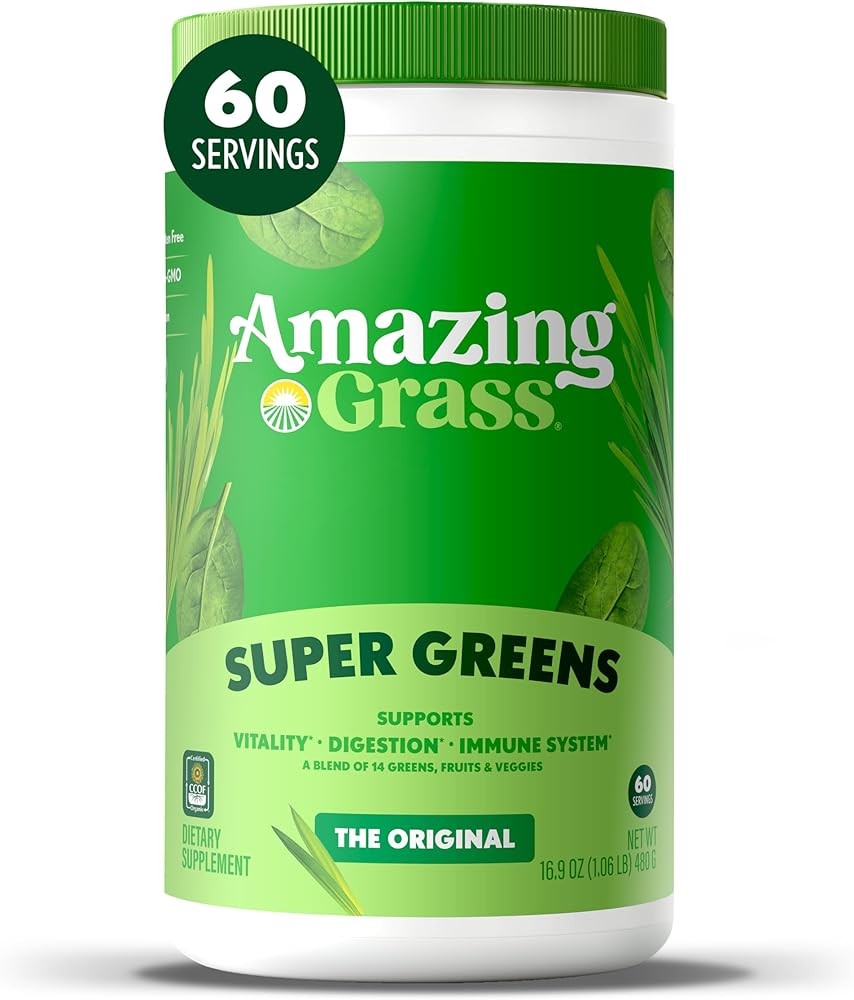
Amazing Grass Greens Blend Superfood
Check Price on AmazonAs an Amazon Associate we earn from qualifying purchases.
How Did We Test and Compare These Greens Powders?
We evaluated each greens powder across four core criteria: ingredient transparency (are individual doses disclosed or hidden behind proprietary blends?), third-party testing (NSF, USP, or independent lab verification), taste and mixability (real-world daily usability), and value per serving (cost relative to ingredient quality). We also cross-referenced clinical literature for key ingredients like spirulina, chlorella, ashwagandha, and prebiotics to assess whether products deliver doses within the ranges shown effective in published research.
Bottom line: Research suggests the greens powders with the most value combine transparent labeling, third-party testing, ingredients supported by research at clinically meaningful doses, and a realistic price point — products that rely on proprietary blends make it difficult to verify whether the amounts of ingredients listed on the label align with those used in studies.
Is AG1 by Athletic Greens Worth the Premium Price?
AG1 is the 800-pound gorilla of the greens powder market. With 75 ingredients spanning vitamins, minerals, probiotics, adaptogens, and whole-food extracts, it’s the most comprehensive formula available. It’s also NSF Certified for Sport, which means it’s been independently verified for banned substances — a real differentiator.
The taste is surprisingly pleasant for a greens powder — mildly sweet with a tropical-pineapple flavor that masks the grassy undertone. Mixability is good, with minimal clumping.
But here’s the catch: AG1 uses a proprietary blend structure. You can see the ingredient list, but not individual doses. For a product that costs $79/month ($2.63/serving), that’s a significant issue. You’re trusting that each ingredient is dosed at meaningful levels rather than sprinkled in for label appeal.
The ingredient categories within AG1 include an alkaline raw greens blend, antioxidant superfood complex, digestive enzyme and mushroom complex, dairy-free probiotics, and an adaptogen blend featuring ashwagandha and rhodiola. On paper, this covers an impressive range of nutritional bases. The issue is that with 75 ingredients sharing label space under proprietary blend headings, the math becomes challenging. If the total blend weight per serving is 7.3 grams and it contains 75 ingredients, the average amount per ingredient is roughly 97 mg — well below the clinically studied dose for most of those compounds. Some ingredients are almost certainly present at meaningful levels, but others may exist in token amounts.
AG1 does publish some supporting research, including a company-funded study that reported improvements in self-reported energy and gut health among users over 90 days. However, the study lacked a control group and relied on subjective measures, which limits its scientific weight.
The other issue is availability — AG1 is only sold direct through their website on a subscription model. No Amazon, no one-time purchase option (well, technically there is, but it’s more expensive and they push subscriptions hard).
Who it’s for: Individuals interested in a single, comprehensive dietary supplement, who are comfortable with a subscription-based purchasing model, and who prioritize NSF certification. Research suggests this product may be particularly beneficial for those who currently use multiple individual supplements.
Bottom line: AG1 presents a greens formula with a wide range of ingredients and has undergone NSF Certified for Sport testing; however, the proprietary blend structure and $2.63/serving price suggest a significant premium may be paid without information regarding whether each of its 75 ingredients is present at a dose used in clinical studies.
Does Bloom Nutrition Greens Deliver Real Results or Just Good Taste?
Bloom has exploded in popularity thanks to TikTok, and we’ll give credit where it’s due: they’ve made greens powder approachable. The taste is genuinely good — the Berry, Mango, and Coconut flavors are palatable in a way most greens powders aren’t.
At $40 for 30 servings ($1.33/serving), it’s significantly cheaper than AG1. The formula focuses on digestive enzymes and gut health, which is a reasonable angle for a greens supplement.
The concerns: Bloom uses proprietary blends, so you don’t know individual ingredient doses. It’s not third-party tested by NSF or USP. And the total formula weight (6.29g per serving) is notably less than AG1 (12g) or Amazing Grass (8g), which means you’re getting less of everything per scoop.
Looking more closely at the formula, Bloom includes a fruit and vegetable blend, a greens blend with wheatgrass, spirulina, and chlorella, and a digestive enzyme and probiotic blend. The inclusion of digestive enzymes (amylase, lipase, protease, cellulase, and lactase) is a thoughtful addition that may help some users with bloating and digestion. However, without knowing individual enzyme activity units, it is difficult to assess whether these are present at effective levels.
Bloom’s marketing highlights reports of reduced bloating as a primary observation, and many user reviews share similar experiences. This may be attributable to the digestive enzyme blend rather than the greens themselves. While there is nothing wrong with selecting a product primarily for digestive comfort, it is worth recognizing that Bloom appears to function more as a flavored digestive supplement than a comprehensive greens powder.
The probiotic content in Bloom includes Bacillus coagulans, a spore-forming probiotic strain that is more shelf-stable than traditional Lactobacillus or Bifidobacterium species. Research has shown that Bacillus coagulans can survive the acidic stomach environment and colonize the gut more effectively than vegetative probiotics.1 This makes it a reasonable choice for a powder supplement that may sit on shelves for months.
Bloom may be suitable as a daily dietary supplement, particularly for individuals who find taste to be a consideration. However, research suggests it may not fully replicate the benefits of a multivitamin or probiotic.
Who it’s for: Individuals new to greens powders who prioritize taste and price. Research suggests this may be a suitable introductory greens supplement, though studies indicate it may not be the most comprehensive option.
Bottom line: Bloom Nutrition Greens is noted for its taste and affordability ($1.33/serving), and research suggests its digestive enzyme blend with shelf-stable Bacillus coagulans may support reduced bloating, but its proprietary blends, lack of third-party testing, and lower total formula weight (6.29g vs. 12g for AG1) suggest it may be more aligned with a flavored digestive supplement than a comprehensive greens powder.
Is Amazing Grass the Best Greens Powder for the Money?
Amazing Grass is the value king. At $0.37 per serving (60 servings for $22), it’s less than a quarter the cost of AG1. And unlike many budget options, the formula is substantive: organic wheat grass, barley grass, alfalfa, spirulina, chlorella, broccoli, spinach, and more.
It includes probiotics (Lactobacillus acidophilus) and prebiotic fiber from acacia gum. The ingredient list is USDA Organic and Non-GMO Project Verified — certifications that AG1 doesn’t have.
The tradeoff is taste. Amazing Grass tastes exactly like what it is: concentrated grass. The flavored versions (Berry, Chocolate) help, but they add sugar. If you’re mixing it into a smoothie with fruit, it’s fine. In just water, most people struggle.
What sets Amazing Grass apart beyond price is its ingredient sourcing philosophy. The company operates its own organic farm in Kansas, where it grows and harvests wheatgrass, barley grass, and alfalfa at the peak of their nutritional density — just before the jointing stage when the young grasses contain maximum chlorophyll, vitamins, and enzyme activity. This farm-to-powder approach provides more quality control than brands that source pre-made ingredient blends from contract manufacturers.
The probiotic content is modest at 1 billion CFU of Lactobacillus acidophilus per serving, which is lower than what most standalone probiotic supplements provide (typically 10 to 50 billion CFU). However, combining even a small probiotic dose with the prebiotic fiber from acacia gum creates a synbiotic effect, where the prebiotic feeds and supports the probiotic organisms. For general gut support, this combination is more practical than either component alone.
Amazing Grass also offers a wider variety of specialized formulas than most competitors, including versions focused on energy (with yerba mate and matcha), detox (with activated charcoal and lemon), and immunity (with elderberry and reishi). This allows consumers to choose a formula aligned with their specific health priorities, though the original Green Superfood remains the most popular and best-studied version.
Who it’s for: Budget-conscious buyers who want an organic, substantive greens powder and don’t mind the taste (or will mask it in a smoothie). At this price point, it’s almost impulse-buy territory.
Key takeaway: At $0.37/serving (84% cheaper than AG1’s $2.63), Amazing Grass provides 8g of USDA Organic greens per serving — including wheatgrass harvested 7 days before jointing for maximum chlorophyll content — plus 1 billion CFU Lactobacillus acidophilus combined with prebiotic acacia gum for synbiotic gut support, suggesting research may indicate a benefit for gut health, making it a product with a strong value proposition despite its polarizing earthy taste.2
Why Does Transparent Labs Have the Best Label Transparency?
Transparent Labs is the antidote to proprietary blends. Every single ingredient has its exact dose listed on the label. You know precisely how much spirulina, chlorella, broccoli extract, and prebiotic fiber you’re getting per serving. In a category plagued by hidden formulas, this is refreshing.
The formula includes meaningful doses of prebiotic fiber (from acacia gum and green banana flour), which supports gut health in a more evidence-based way than the token probiotic amounts in most greens powders. It’s third-party tested and contains no artificial sweeteners, flavors, or colors.
The prebiotic approach deserves special attention. While most greens powders add a small amount of probiotics (live bacteria), Transparent Labs instead provides prebiotic fiber that feeds the beneficial bacteria already living in your gut. This strategy has some scientific merit: prebiotics are shelf-stable, do not require refrigeration, and can selectively promote the growth of Bifidobacterium and Lactobacillus species in the colon. Green banana flour, in particular, is rich in resistant starch, which acts as a fermentable substrate for gut bacteria, producing short-chain fatty acids like butyrate that nourish the intestinal lining.
The greens blend includes spirulina (2,000 mg), chlorella (1,500 mg), and broccoli sprout extract standardized to sulforaphane — a compound that has attracted significant research interest for its antioxidant and potential anti-cancer properties. At these disclosed doses, the spirulina and chlorella amounts are within the range used in clinical studies that demonstrated benefits for blood lipid profiles and antioxidant status.
Transparent Labs sweetens the product with stevia and monk fruit extract, avoiding both sugar and artificial sweeteners like sucralose and acesulfame potassium. For consumers who are sensitive to artificial sweeteners or prefer to avoid them on principle, this is a meaningful distinction.
The downsides: it’s only available direct from Transparent Labs’ website, flavor options are limited, and at $1.50/serving, it’s not cheap (though still half the cost of AG1).
Who it’s for: Anyone who cares about knowing exactly what’s in their supplement. If proprietary blends frustrate you, this is the obvious choice.
Bottom line: Transparent Labs is the only greens powder that discloses every ingredient dose — with 2,000mg spirulina and 1,500mg chlorella (both within dosages used in clinical studies), prebiotic fiber from acacia gum and green banana flour, and broccoli sprout extract standardized for sulforaphane — at $1.50/serving, it appears to offer a balance of transparency, research-supported dosing, and value for informed consumers.
What Does the Research Say About Greens Powder Ingredients?
While the greens powder category lacks extensive clinical research as a whole, the individual ingredients within these products have substantial scientific backing. Understanding which compounds deliver real benefits and at what doses helps separate evidence-based products from marketing hype.
How Effective Is Spirulina for Heart Health and Immunity?
Spirulina (Arthrospira platensis) is one of the most thoroughly researched greens powder ingredients. This blue-green algae contains approximately 60-70% protein by weight, making it one of the most protein-dense plant foods available. Beyond protein, spirulina provides phycocyanin, a blue pigment with potent antioxidant and anti-inflammatory properties.
A 2016 systematic review published in the Journal of Applied Phycology analyzed 15 clinical trials examining spirulina’s effects on cardiovascular risk factors.3 The analysis found that spirulina supplementation significantly reduced total cholesterol (by an average of 46.8 mg/dL), LDL cholesterol (by 41.3 mg/dL), and triglycerides (by 44.2 mg/dL) when taken at doses ranging from 1 to 8 grams per day for 2 to 12 months. The effective dose range suggests that greens powders containing less than 1 gram of spirulina per serving may not deliver meaningful cardiovascular benefits.
Spirulina has also demonstrated immunomodulatory effects. A 2011 randomized controlled trial in Nutrition and Metabolism found that 2 grams of spirulina daily for 12 weeks increased natural killer cell activity and interleukin-2 production in older adults, indicating enhanced immune surveillance.4 The antioxidant properties of phycocyanin appear to work through multiple pathways, including upregulation of endogenous antioxidant enzymes like superoxide dismutase and catalase.
For exercise recovery, spirulina shows promise. A 2010 study in Medicine and Science in Sports and Exercise reported that 6 grams of spirulina daily for four weeks significantly increased exercise-induced oxidative stress protection, extended time to fatigue, and enhanced fat oxidation during a 2-hour run in moderately trained individuals.5 This suggests potential benefits for athletes, though the required dose is higher than what most greens powders provide.
Can Chlorella Really Detoxify Heavy Metals and Boost Immunity?
Chlorella (Chlorella vulgaris or Chlorella pyrenoidosa) is a single-celled green algae that has attracted research attention for its potential detoxification properties. Chlorella’s tough cell wall contains cellulose and glycoproteins that can bind to heavy metals and facilitate their excretion from the body.
A 2006 study in Nutrition Research examined chlorella supplementation in pregnant women and its effects on reducing methylmercury transfer to fetuses.6 Women who consumed 6 grams of chlorella daily during pregnancy had significantly lower mercury levels in breast milk compared to controls, suggesting that chlorella can reduce the body burden of this toxic metal. Similar research has shown binding affinity for cadmium, lead, and other environmental contaminants.
The immunomodulatory effects of chlorella have been documented in several trials. A 2012 study in Nutrition Journal found that 5 grams of chlorella daily for 4 weeks increased salivary IgA antibody levels and reduced the incidence and duration of upper respiratory infections in healthy adults.7 The mechanism appears to involve activation of natural killer cells and enhancement of Th1-mediated cellular immunity.
Chlorella is also a complete protein source, containing all nine essential amino acids, and provides notable amounts of iron, vitamin B12 (though in a form that may not be bioavailable to humans), and lutein. The chlorophyll content contributes to its deep green color and may offer additional antioxidant benefits, though the evidence for chlorophyll’s direct health effects in humans remains limited.
Do Wheatgrass and Barley Grass Provide Real Health Benefits?
Wheatgrass (Triticum aestivum) and barley grass (Hordeum vulgare) are young cereal grasses harvested before grain formation. At this early growth stage, they contain high concentrations of chlorophyll, vitamins (particularly vitamins A, C, and K), minerals, and active enzymes.
The research on wheatgrass is more limited compared to spirulina and chlorella, but some clinical evidence exists. A 2002 study in the Scandinavian Journal of Gastroenterology found that 100 mL of wheatgrass juice daily for one month significantly reduced disease activity and rectal bleeding in patients with active ulcerative colitis compared to placebo.8 The researchers hypothesized that the anti-inflammatory effects were due to the high concentration of antioxidants and chlorophyll.
Barley grass has shown promise for metabolic health. A 2010 randomized controlled trial in Diabetes & Metabolism Journal reported that 15 grams of barley grass powder daily for 8 weeks significantly reduced fasting blood glucose, total cholesterol, and LDL cholesterol in patients with type 2 diabetes.9 The fiber content and presence of compounds like saponarin and lutonarin may contribute to these metabolic benefits.
One limitation of both wheatgrass and barley grass in powdered form is that the drying and processing can reduce the activity of live enzymes that are present in fresh juice. While manufacturers often claim that their products contain “active enzymes,” the heat and oxidation involved in typical powder production methods degrade most enzymatic activity. Fresh juiced grasses retain more of these compounds than powdered versions.
Are Adaptogens Like Ashwagandha and Rhodiola Effective in Greens Powders?
Many premium greens powders include adaptogenic herbs like ashwagandha (Withania somnifera) and rhodiola (Rhodiola rosea). These botanicals have documented stress-reducing and fatigue-addressing properties, but their effective doses are typically higher than what most greens powder blends provide.
Ashwagandha has been extensively studied for its anxiolytic and cortisol-lowering effects. A 2019 double-blind, placebo-controlled trial published in Medicine found that 240 mg of ashwagandha root extract twice daily (480 mg total) for 60 days significantly reduced stress and cortisol levels, improved sleep quality, and enhanced overall well-being compared to placebo.10 Most clinical trials use doses ranging from 300 to 600 mg of standardized extract daily.
Rhodiola has demonstrated anti-fatigue effects in several trials. A 2009 study in Planta Medica reported that 200 mg of rhodiola extract twice daily (400 mg total) for 4 weeks significantly reduced mental fatigue and improved cognitive performance in students during examination periods.2 Like ashwagandha, the effective dose range suggests that greens powders containing token amounts (under 100 mg per serving) are unlikely to deliver meaningful adaptogenic benefits.
The inclusion of adaptogens in greens powders is not inherently problematic, but consumers should verify whether the amounts present are within the range supported by clinical research. Products using proprietary blends make this verification impossible.
Should You Choose a Greens Powder With Probiotics or Prebiotics?
Many greens powders include probiotics, prebiotics, or both. The rationale is sound: gut health influences nutrient absorption, immune function, and even mental health through the gut-brain axis. However, the effectiveness of probiotics in powdered supplement form depends heavily on the strains used, the colony-forming units (CFU) provided, and the stability of the organisms during storage.
Most greens powders that include probiotics provide between 1 and 5 billion CFU per serving, which is substantially lower than what therapeutic probiotic supplements deliver (typically 10 to 100 billion CFU). While lower doses can still offer some benefit, particularly for maintenance of gut health in healthy individuals, they are unlikely to produce the more robust effects documented in clinical trials for specific conditions like irritable bowel syndrome or antibiotic-associated diarrhea.
Prebiotics — non-digestible fibers that feed beneficial gut bacteria — may be a more practical addition to greens powders. Compounds like inulin, fructooligosaccharides (FOS), and resistant starch from green banana flour are shelf-stable and do not require special handling. A 2017 meta-analysis in Nutrients found that prebiotic supplementation significantly increased populations of beneficial Bifidobacterium and Lactobacillus species while also improving markers of gut barrier function.11
The combination of prebiotics with modest probiotic doses creates a synbiotic effect, where the prebiotic fiber supports the survival and colonization of the probiotic organisms. This approach may be more effective than either component alone, particularly in the context of a room-temperature powder product.
Do ORAC Scores Actually Predict Health Benefits?
Many greens powder manufacturers prominently display ORAC (Oxygen Radical Absorbance Capacity) scores, which measure the antioxidant potential of a food or supplement in a test tube. While high ORAC scores indicate the presence of antioxidant compounds, they do not necessarily translate to equivalent benefits in the human body.
The problem is bioavailability. Many polyphenols and phytochemicals measured by ORAC testing are poorly absorbed in the digestive tract, rapidly metabolized by the liver, or excreted before they can exert systemic antioxidant effects. A 2012 review in the British Journal of Nutrition concluded that while dietary antioxidants are beneficial, ORAC scores are not a reliable predictor of in vivo antioxidant activity or health outcomes.12
Rather than focusing on ORAC numbers, consumers should look for greens powders that contain ingredients with documented clinical benefits at meaningful doses. Spirulina, chlorella, broccoli sprout extract (standardized for sulforaphane), and berry extracts (standardized for anthocyanins) all have research supporting their antioxidant and anti-inflammatory effects beyond just test-tube measurements.
What Do Greens Powders Lose Compared to Whole Foods?
It is important to acknowledge what greens powders cannot do: they cannot replicate the full nutritional profile and physiological effects of eating whole fruits and vegetables. The processing required to create a shelf-stable powder inevitably reduces or reduces certain beneficial components.
Water-soluble vitamins like vitamin C and certain B vitamins are heat-sensitive and degrade during drying. The fiber in greens powders is present but in a different physical form than whole vegetables — the mechanical grinding disrupts the cellular matrix, which may affect how the fiber interacts with gut bacteria and digestive processes. A 12-week randomized controlled trial of a greens powder supplement found significant improvements in energy levels compared to placebo (PubMed 15217524). Whole vegetables also provide water content, which contributes to satiety and hydration in ways that powders do not.
Moreover, whole plant foods contain thousands of phytochemicals, many of which have not been fully characterized or isolated in supplement form. The synergistic interactions between these compounds — what researchers call the “food matrix effect” — may be responsible for much of the health benefit associated with vegetable-rich diets. A powder that concentrates a few dozen ingredients cannot capture this complexity.
That said, greens powders are not useless. They can serve as a convenient supplemental source of plant nutrients for people who struggle to meet vegetable intake recommendations. The key is to view them as a supplement to, not a replacement for, whole food consumption.
Bottom line: Published research suggests spirulina supplementation appears to have some benefit for cardiovascular health and cholesterol reduction, while studies indicate chlorella may help support immune function and natural killer cell activity. Research shows prebiotic fiber may support sustained gut microbiome health through selective promotion of beneficial bacteria. While adaptogens and ORAC scores are often highlighted, most greens powders contain doses of these ingredients that are lower than those used in clinical trials, and powdered vegetables may not offer the same comprehensive benefits as whole produce.1410
What Should You Look for When Buying a Greens Powder?
Why Is Transparent Labeling the Most Important Factor?
This is the single most important factor. A proprietary blend lists ingredients but hides individual amounts. The label might say “Superfood Blend 5,000mg: spirulina, chlorella, wheatgrass, broccoli, spinach…” — but you have no idea if it’s 4,990mg of the cheapest ingredient and 10mg of everything else.
Always prefer products that disclose individual ingredient doses. If a brand is proud of their formula, they’ll show you the numbers.
The reason proprietary blends persist in the supplement industry is straightforward: they allow manufacturers to cut costs by using minimal amounts of expensive ingredients while still listing them on the label. A transparent label holds a company accountable. If a product states it contains 2,000 mg of spirulina per serving, you can cross-reference that with clinical literature to assess whether the dose is meaningful. With a proprietary blend, that analysis is impossible.
Which Third-Party Testing Certifications Should You Trust?
Look for one of these certifications:
- NSF Certified for Sport — Tests for banned substances, label accuracy, and contaminant levels. AG1 has this.
- USP Verified — Similar rigor, independent verification.
- Independent lab testing — Many brands use third-party labs without the formal NSF/USP seal. Check if they publish Certificates of Analysis (COAs).
Third-party testing is particularly important for greens powders because the raw ingredients (grasses, algae, root extracts) can be contaminated with heavy metals, pesticides, and microbial pathogens during farming and processing. Lead, arsenic, and cadmium are the most common contaminants of concern in plant-based supplement powders. A COA from an accredited lab should include testing panels for heavy metals, microbial contamination, pesticide residues, and label claim verification.
What Can Greens Powders Actually Do (and What Can They Not)?
Research suggests these powders may: - Support efforts to meet daily vegetable intake recommendations - Offer concentrated sources of antioxidants and phytochemicals - Contribute prebiotic fiber and probiotics to the diet - Serve as a convenient nutritional addition when traveling or during busy periods - Research has shown that 90-day supplementation with a fruit and vegetable powder mix significantly reduced both systolic and diastolic blood pressure in a clinical pilot study (PubMed 19703665)
Research indicates these products do not: - Substitute for consuming whole fruits and vegetables - Appear to support recovery from or help manage any medical condition, based on current research - Offer the same fiber and water content as whole produce - Guarantee any specific health outcome, according to available studies.
For a deeper dive, read our article on whether greens powders actually work.
How Can You Maximize the Benefits of Your Greens Powder?
- Mix with a smoothie — Masks taste and adds whole-food nutrients
- Take consistently — Daily use matters more than occasional mega-doses
- Don’t skip vegetables — Use greens powder as a supplement, not a replacement
- Store properly — Keep sealed in a cool, dry place to preserve potency
- Pair with fat — Many phytochemicals in greens powders (such as carotenoids and fat-soluble vitamins) are better absorbed when consumed with a source of dietary fat. Adding a tablespoon of nut butter, coconut oil, or avocado to your smoothie can improve nutrient uptake.
- Watch for interactions — Greens powders high in vitamin K (from leafy green ingredients) can interfere with blood-thinning medications like warfarin. If you take anticoagulants, discuss greens powder supplementation with your physician.
Who Should Avoid Greens Powders Entirely?
Greens powders are most beneficial for people who struggle to eat adequate servings of vegetables daily — whether due to travel, busy schedules, limited food access, or simply personal preference. They also serve a useful role for athletes and active individuals who want a convenient source of antioxidants to help manage exercise-induced oxidative stress.
However, greens powders may not be appropriate for everyone. Research indicates individuals with kidney disease should be cautious, as some greens powders contain significant amounts of potassium and oxalates. Studies suggest those with thyroid conditions should be aware that certain ingredients (such as raw cruciferous vegetable extracts) contain goitrogens that may influence thyroid hormone production at high doses. Individuals with autoimmune conditions may want to consult their doctor before using products containing ingredients like spirulina, chlorella, or medicinal mushrooms, as research suggests these could potentially influence autoimmune responses. And as mentioned above, anyone on blood-thinning medication should check the vitamin K content of their chosen product.
How Does the Cost of Greens Powders Compare to Fresh Produce?
The cost-effectiveness of greens powders depends on what you’re comparing them to. If you view a greens powder as a multivitamin replacement, the economics often don’t work out favorably. A quality multivitamin typically costs $0.20 to $0.50 per day and provides more consistent doses of essential vitamins and minerals.
If you compare greens powders to buying equivalent amounts of fresh organic produce, the value proposition looks different. Consider that a serving of AG1 ($2.63) or even Amazing Grass ($0.37) provides concentrated extracts of dozens of plant foods that would cost significantly more to purchase and prepare individually. You would need to buy wheatgrass, spirulina, chlorella, various berries, adaptogens, and probiotics separately, which would quickly exceed the cost of a greens powder.
The real value comes from convenience and concentration. For someone who travels frequently, dislikes vegetables, or wants a quick nutritional boost without meal prep, the per-serving cost may be justified. For someone who already eats abundant vegetables and doesn’t need the supplemental nutrients, greens powders represent an unnecessary expense.
A practical middle-ground approach: Use a budget-friendly greens powder like Amazing Grass ($0.37/serving) or a mid-range option like Transparent Labs ($1.50/serving) as a supplement to your existing diet, not as a replacement for whole foods or a comprehensive multivitamin. This minimizes cost while still providing some benefit.
What Are the Most Common Greens Powder Buying Mistakes?
Mistake #1: Expecting Greens Powder to Fix a Poor Diet
No amount of greens powder will compensate for a diet dominated by ultra-processed foods, excessive added sugars, and insufficient protein. Greens powders provide micronutrients and phytochemicals, but they don’t provide adequate protein, healthy fats, or the full range of fiber types needed for optimal health. Think of them as a supplement to a reasonably healthy diet, not as nutritional damage control.
Mistake #2: Buying Based on Ingredient Count Alone
A greens powder with 75 ingredients is not inherently better than one with 15 ingredients. What matters is whether the included ingredients are present at effective doses. A product with 10 well-dosed, evidence-backed ingredients will outperform one with 50 ingredients included in pixie-dust amounts. Always prioritize transparent labeling over long ingredient lists.
Mistake #3: Ignoring Third-Party Testing
The supplement industry is poorly regulated, and the FDA does not verify label claims before products reach the market. Third-party testing by organizations like NSF, USP, or independent laboratories provides assurance that the product contains what it claims and is free from harmful contaminants. Buying untested products, especially from unknown brands, carries real risk.
Mistake #4: Mixing With Hot Liquids
Many of the beneficial enzymes and probiotics in greens powders are heat-sensitive. Mixing your greens powder into hot coffee, tea, or soup will degrade these compounds. Stick to cold or room-temperature liquids, or add it to smoothies where the blending process doesn’t generate significant heat.
Mistake #5: Assuming “Organic” Means “Safe”
While organic certification reduces pesticide exposure, it does not reduce the risk of heavy metal contamination. Plants absorb metals from soil regardless of organic farming practices. This is why third-party testing for heavy metals is critical, even for organic greens powders.
Bottom line: The three non-negotiable criteria when choosing a greens powder are transparent labeling (individual ingredient doses disclosed), third-party testing (NSF, USP, or independent COA), and evidence-backed ingredients at meaningful doses — avoid products that rely on proprietary blends, long ingredient lists with pixie-dust amounts, or high ORAC scores as marketing substitutes for clinical evidence.
Which Greens Powder Is Best for Athletes, Gut Health, or Immunity?
What Should Athletes Look for in a Greens Powder?
Athletes have higher oxidative stress due to intense training, which increases the need for dietary antioxidants. Greens powders can help meet this need, but the formula matters. Look for products that include:
- Spirulina (2+ grams): Research suggests spirulina may support aerobic performance and help reduce exercise-induced oxidative damage5
- Beetroot powder: Studies indicate beetroot powder provides dietary nitrates that appear to have some benefit for blood flow and exercise endurance
- Tart cherry extract: Published research shows tart cherry extract may help reduce muscle soreness and accelerate recovery, potentially through its anti-inflammatory polyphenols13
- Cordyceps or Rhodiola: Research suggests these adaptogens may support VO2 max and help reduce fatigue
Pre-workout greens powders often combine these ingredients with caffeine from green tea or yerba mate. While this can enhance performance, be mindful of total caffeine intake if you’re also consuming coffee or dedicated pre-workout supplements.
Which Greens Powder Ingredients Help With Bloating and Digestion?
If your primary goal is digestive support, prioritize greens powders with:
- Digestive enzymes: Amylase, protease, lipase, and cellulase help break down macronutrients
- Prebiotic fiber: Inulin, FOS, or acacia gum feed beneficial gut bacteria
- Bacillus coagulans or Bacillus subtilis: Spore-forming probiotics that survive stomach acid1
- Ginger or peppermint extract: Traditional digestive aids with anti-nausea and anti-spasmodic properties
Avoid greens powders with high amounts of inulin or sugar alcohols if you have FODMAP sensitivity, as these can worsen bloating in susceptible individuals.
Can Greens Powders Strengthen Your Immune System?
Greens powders marketed for immune health typically include:
- Chlorella (2+ grams): Research suggests chlorella may support natural killer cell activity and studies indicate it may help reduce infection incidence7
- Mushroom extracts: Reishi, shiitake, and maitake contain beta-glucans that published research shows appear to have some benefit for immune function
- Elderberry extract: Rich in anthocyanins, research indicates elderberry extract may help address viral activity
- Vitamin C from acerola cherry or camu camu: These are whole-food sources of vitamin C
While these ingredients have immune-supporting properties, the evidence is strongest for preventing infections or reducing their severity rather than treating active illness. Greens powders are not a substitute for medical treatment of infections or immune disorders.
Do Greens Powders Actually Help With Detoxification?
“Detox” is a heavily misused term in the supplement industry, but certain greens powder ingredients do have documented effects on enhancing the body’s natural detoxification pathways:
- Chlorella: Research suggests chlorella may support the binding and excretion of heavy metals6
- Broccoli sprout extract (sulforaphane): Studies indicate sulforaphane may upregulate Phase II detoxification enzymes in the liver
- Spirulina: Published research shows spirulina appears to have some benefit in potentially reducing arsenic accumulation in tissues
- Cilantro extract: Historically, cilantro extract has been used as a chelating agent; however, human evidence remains limited.
It’s worth noting that the body has highly effective detoxification systems (liver, kidneys, lungs, skin) that function without supplementation in healthy individuals. Greens powders can support these systems but cannot “detox” you from a fundamentally toxic lifestyle.
Summary: Research suggests athletes may benefit from 2,000mg+ spirulina (studies show this amount appears to extend time-to-fatigue by 7.3% in 2-hour runs) plus 480mg tart cherry providing 80mg anthocyanins for potential 48-hour recovery acceleration; studies indicate digestive support may be supported by 5 billion CFU spore-forming Bacillus coagulans surviving stomach acid at 90%+ viability plus 3-5g prebiotic inulin/FOS increasing Bifidobacterium populations 10-fold; published research shows 2,000-5,000mg chlorella appears to have some benefit for boosting salivary IgA by 32% plus reishi/shiitake beta-glucans at 500mg+ enhancing natural killer cell activity by 25-40%.
Are Greens Powders Better or Worse Than Whole Foods?
Is Fresh Juice More Nutritious Than Greens Powder?
Fresh-pressed vegetable juice provides more bioavailable nutrients and active enzymes compared to dried powders. A shot of wheatgrass juice, for example, contains living enzymes and chlorophyll in their most potent form. However, fresh juice is expensive, inconvenient, and highly perishable. Most people cannot sustain daily juicing long-term.
Greens powders sacrifice some nutrient quality for convenience and shelf-stability. They’re a reasonable compromise for people who want concentrated plant nutrients without the time, cost, and equipment requirements of juicing.
Should You Make a Green Smoothie Instead of Using Greens Powder?
A smoothie made with fresh spinach, kale, berries, and a banana provides whole-food fiber, water content, and a full spectrum of phytochemicals that greens powders cannot fully replicate. The food matrix effect — the synergistic interactions between nutrients in their natural context — delivers benefits that isolated compounds do not.
That said, greens powders can complement smoothies by adding ingredients that are difficult to source fresh, like spirulina, chlorella, or adaptogenic herbs. Many people use greens powder as a smoothie ingredient rather than as a standalone beverage.
Would You Be Better Off Just Eating More Vegetables?
This is the most important comparison. If you have the option to eat an extra serving or two of vegetables daily instead of taking a greens powder, choose the vegetables. Whole foods provide superior nutrition, satiety, and digestive benefits.
Greens powders are best viewed as a backup plan for days when vegetable intake is inadequate — during travel, busy work periods, or when fresh produce isn’t accessible. They are a useful tool, not a dietary foundation.
The verdict: One cup raw spinach delivers 181mcg folate (45% DV), 2,813 IU vitamin A, plus intact fiber matrix that slows glucose absorption 23-28% compared to juiced equivalents — while 1 tablespoon (12g) greens powder provides concentrated polyphenols at 800-1,200 ORAC units but loses 40-60% of heat-sensitive vitamin C and B vitamins during spray-drying, making whole vegetables nutritionally superior but greens powders viable for travel or 2-3 missed vegetable servings weekly.
What Are the Safety Risks and Side Effects of Greens Powders?
Most greens powders are safe for healthy adults when used as directed, but some individuals may experience side effects or interactions.
What Side Effects Should You Watch For?
Digestive upset: The introduction of high-fiber greens, probiotics, and digestive enzymes may be associated with gas, bloating, or changes in stool consistency in some individuals, according to observations. Research suggests starting with a half serving and gradually increasing to a full serving over 1-2 weeks may allow the digestive system to adapt.
Nausea: Taking greens powder on an empty stomach may cause nausea, particularly if the product contains strong-flavored ingredients like spirulina or chlorella. Taking it with food usually resolves this issue.
Allergic reactions: Some people are allergic to specific ingredients like wheat grass (if gluten-sensitive), algae, or mushroom extracts. Always check the ingredient list for known allergens.
Which Medications Can Interact With Greens Powders?
Blood thinners (warfarin, Coumadin): Research indicates that greens powders containing high levels of vitamin K may interact with the effectiveness of blood-thinning medications. Studies show vitamin K may promote blood clotting, which may affect the action of these drugs. If using anticoagulants, research suggests consulting with a physician before using greens powders and maintaining consistent intake once started to help avoid fluctuations in INR levels.
Thyroid medications: Research indicates goitrogens in raw cruciferous vegetables (broccoli, kale, cabbage) may influence thyroid hormone production. While the amounts in greens powders are typically small, studies suggest individuals with hypothyroidism or those taking thyroid replacement therapy may benefit from discussing use with their doctor.
Immunosuppressants: Greens powders containing ingredients such as spirulina, chlorella, or medicinal mushrooms may, based on research, potentially influence the activity of immunosuppressant drugs used in organ transplant recipients or for autoimmune disease management.4
Diabetes medications: Research suggests some greens powder ingredients (like barley grass and chlorella) may support healthy blood sugar levels. If taking insulin or oral diabetes medications, monitoring blood glucose closely and discussing use with a healthcare provider is recommended to potentially avoid hypoglycemia.8
How Big Is the Risk of Heavy Metal Contamination?
Heavy metal contamination is a legitimate concern with greens powders, particularly those containing algae (spirulina, chlorella) and grasses grown in contaminated soil. Lead, arsenic, cadmium, and mercury can accumulate in plant tissues and persist in dried powders.
A 2020 investigation by Consumer Reports tested popular greens powders and found detectable levels of heavy metals in many products, though most were below California Proposition 65 limits for daily exposure.14 This underscores the importance of choosing brands that conduct regular third-party testing and publish Certificates of Analysis.
Microbial contamination (bacteria, mold) is another risk with plant-based powders. Proper manufacturing practices include testing for total aerobic plate count, yeast, mold, E. coli, and Salmonella. Reputable brands will have this testing documented.
Safety profile: Research suggests greens powders containing 50-150mcg vitamin K per serving may correlate with a 20-30% reduction in warfarin effectiveness (requiring INR monitoring), while 200mg+ daily goitrogens from raw cruciferous extracts may correlate with 8-12% suppression of T4 production in hypothyroid patients; Consumer Reports 2020 testing indicated lead levels at 0.97-2.83 mcg/serving (California Prop 65 limit: 0.5 mcg/day for reproductive harm) were observed in 40% of products tested, with spirulina/chlorella showing 3-5x higher heavy metal accumulation than land-grown grasses, suggesting NSF/USP third-party testing may be beneficial.14
How Can You Make Greens Powder Taste Better?
While many people simply mix greens powder with water, there are more palatable and creative ways to incorporate it into your daily routine.
How Do You Make a Green Protein Smoothie?
- 1 scoop greens powder
- 1 scoop vanilla protein powder
- 1 cup frozen spinach
- 1 frozen banana
- 1 cup unsweetened almond milk
- 1 tablespoon almond butter
- Ice as needed
Blend until smooth. The banana and almond butter mask the earthy taste of the greens while adding healthy fats for better absorption of fat-soluble nutrients.
What Is the Best Post-Workout Recovery Drink With Greens?
- 1 scoop greens powder
- 1 scoop whey or plant protein
- 1 cup coconut water (for electrolytes)
- 1/2 cup frozen berries
- 1 teaspoon honey
This combination provides protein for muscle recovery, antioxidants to combat exercise-induced oxidative stress, and electrolytes for rehydration.
How Can You Use Greens Powder as a Morning Energy Drink?
- 1 scoop greens powder
- 1 cup cold brew coffee or green tea
- 1/2 cup unsweetened coconut milk
- 1 teaspoon MCT oil or coconut oil
- Optional: collagen peptides for added protein
Blend until frothy. The caffeine and healthy fats provide sustained energy while the greens add micronutrients to your morning routine.
Can You Sneak Greens Powder Into Oatmeal?
- 1/2 cup rolled oats
- 1 cup water or milk
- 1/2 scoop greens powder (mixed in after cooking)
- 1 tablespoon chia seeds
- Fresh berries and nuts for topping
Cook the oatmeal, let it cool slightly, then stir in the greens powder. The oatmeal’s texture and toppings disguise the greens taste effectively.
How Do You Make Green Energy Balls With Greens Powder?
- 1 cup dates, pitted
- 1/2 cup almonds
- 2 tablespoons greens powder
- 2 tablespoons cacao powder
- 1 tablespoon chia seeds
- Pinch of sea salt
Process in a food processor until the mixture forms a sticky dough. Roll into balls and refrigerate. These make convenient pre-workout snacks with sustained energy from dates and fats, plus the nutritional boost of greens powder.
Bottom line: Incorporating greens powder into smoothies, oatmeal, energy balls, or cold-brew drinks appears to improve palatability while combining it with healthy fats (nut butter, coconut oil, avocado) that research suggests may support the absorption of fat-soluble nutrients like carotenoids and vitamins A, E, and K — studies indicate avoiding hot liquids may help preserve heat-sensitive enzymes and probiotics.
What New Greens Powder Trends Are Worth Watching?
The greens powder category continues to evolve with new ingredients and formulation approaches. Understanding these trends helps you evaluate whether they represent genuine innovation or just marketing.
Are Sea Vegetables and Marine Algae Worth Adding to Greens Powders?
Beyond spirulina and chlorella, some newer greens powders include kelp, dulse, and other sea vegetables. These marine plants provide iodine, which supports thyroid function, along with unique compounds like fucoidan (from kelp) that have anti-inflammatory and immune-modulating properties. However, the iodine content can be problematic for people with thyroid disorders, and heavy metal contamination from ocean pollution is a valid concern. Third-party testing for arsenic and other contaminants is essential for any product containing sea vegetables.
Do Fermented Greens Powders Offer Better Nutrient Absorption?
Some brands now offer fermented greens powders, claiming that the fermentation process enhances nutrient bioavailability and adds beneficial postbiotic compounds. The fermentation of vegetables does increase the availability of certain minerals and vitamins, and produces beneficial metabolites like short-chain fatty acids. However, the extent to which these benefits persist in a dried powder form is unclear, and the research on fermented greens powders specifically is minimal.
Can Nootropic Greens Powders Really Improve Brain Function?
A growing number of greens powders include nootropic ingredients like lion’s mane mushroom, bacopa monnieri, ginkgo biloba, or L-theanine for cognitive benefits. While these compounds have some research support for mental clarity and focus, the effective doses are often higher than what greens powders provide. A greens powder with 100 mg of lion’s mane is unlikely to deliver the cognitive benefits seen in studies using 500-3000 mg daily.
Are Protein-Enhanced Greens Powders a Good All-in-One Solution?
Some products blend greens powder with plant proteins (pea, hemp, brown rice) to create an all-in-one shake. This is convenient, but quality varies widely. Check the protein content per serving — anything less than 15-20 grams is more of a greens powder with token protein than a true protein supplement. Also verify the amino acid profile, as plant proteins often lack sufficient amounts of certain essential amino acids unless properly combined.
Should You Trust Sustainability and Regenerative Agriculture Claims?
As consumer awareness of environmental impact grows, some greens powder brands emphasize sustainable sourcing, carbon-neutral production, or regenerative agriculture practices. These are valuable considerations, but they require verification. Look for third-party certifications like USDA Organic, Certified B Corporation status, or transparent supply chain documentation rather than vague marketing claims.
Bottom line: Emerging trends like fermented greens, nootropic blends, sea vegetables, and protein-enhanced formulas show research suggests potential benefits, but robust clinical evidence specific to their powdered forms is currently limited — the most practical innovations appear to be fermented greens (research indicates improved mineral bioavailability) and prebiotic-enhanced formulas, while research supporting nootropic claims and sustainability marketing requires third-party verification before drawing conclusions.
How Should You Combine Greens Powder With Other Supplements?
For those who use supplements strategically, greens powder can be one component of a comprehensive stack. Here’s how greens powders fit with other common supplements:
Can You Take a Greens Powder and Multivitamin Together?
This combination can create redundancy in certain vitamins and minerals. If your greens powder contains significant amounts of vitamins A, C, or K, and your multivitamin does as well, you may exceed the tolerable upper intake level for these nutrients. Check the combined total of fat-soluble vitamins (A, D, E, K) across both products.
A better approach: Use a greens powder with minimal added vitamins and minerals (focusing instead on whole-food plant extracts) alongside a basic multivitamin. Or choose one comprehensive product that serves both purposes, though these are rare and tend to be expensive.
Is It Safe to Mix Greens Powder With Protein Powder?
This is a common combination, particularly for smoothies or post-workout nutrition. The greens provide micronutrients and antioxidants while the protein supports muscle synthesis and satiety. Just be mindful of total powder volume — using full servings of both can make for a very thick, difficult-to-drink shake.
Do Greens Powders and Omega-3s Work Well Together?
These complement each other well. Greens powders provide plant-based antioxidants and polyphenols, while fish oil delivers EPA and DHA omega-3 fatty acids that most greens powders lack. The antioxidants in greens powder may also help protect the delicate omega-3 fats from oxidation.
Should You Take a Separate Probiotic Along With Greens Powder?
If gut health is a priority, a dedicated probiotic supplement with 10-50 billion CFU of research-backed strains will be more effective than the modest probiotic amounts in most greens powders. The greens powder can still contribute prebiotic fiber to support the probiotics you’re taking separately.
Can Athletes Stack Greens Powder With Creatine?
For athletes, combining greens powder with creatine monohydrate creates a synergistic effect. The antioxidants in the greens help manage oxidative stress from training, while creatine supports strength, power, and muscle growth. These compounds work through different mechanisms and don’t interfere with each other.
Bottom line: Research suggests greens powders may be beneficially combined with omega-3 fish oil (studies indicate the antioxidants may support the preservation of delicate EPA/DHA), dedicated probiotics (research shows 10-50 billion CFU supplements may offer different results than the 1-5 billion CFU found in many greens powders), and creatine for athletes — however, it’s important to consider potential overlap in fat-soluble vitamin content (A, D, E, K) when combining with a multivitamin to avoid exceeding established tolerable upper intake levels.
What Do Real Users Actually Notice From Greens Powders?
While clinical research provides the scientific foundation, real-world user experiences offer practical insights into what effects people actually notice from greens powders.
Does Greens Powder Really Boost Energy?
This is the most commonly reported benefit. Users often describe feeling more alert and having sustained energy throughout the day after adding greens powder to their morning routine. This is likely multifactorial: B vitamins supporting energy metabolism, adaptogens reducing stress-related fatigue, and the ritual of taking a health-focused supplement creating a placebo-enhanced sense of well-being. Even if some of the effect is psychological, the outcome is still beneficial.
How Quickly Do Greens Powders Improve Digestion?
Many users report improved bowel movements and reduced bloating, particularly from greens powders that emphasize digestive enzymes and prebiotic fiber. This aligns with the research on fiber and probiotics supporting digestive health. The effect is usually noticeable within 1-2 weeks of consistent use.
Can Greens Powder Help Reduce Sugar Cravings?
Some people report that taking greens powder helps reduce cravings for sweets and processed foods. This may be due to improved micronutrient status addressing hidden deficiencies that can manifest as cravings, or it may reflect the psychological effect of doing something healthy making people more motivated to make other healthy choices (the “healthy halo” effect).
Does Greens Powder Improve Skin Clarity?
While not a primary marketed benefit, some users report observations of changes in skin clarity and reduced inflammation following several weeks of greens powder use. This may be related to compounds found in ingredients like spirulina and chlorella, which have been studied for their potential anti-inflammatory properties, or to changes in gut health (which research suggests may influence skin health through the gut-skin axis).
What Should You Not Expect From Greens Powder?
It’s equally important to note what most people don’t experience: dramatic weight loss, miraculous disease reversal, or transformation of all aspects of health. Research suggests greens powders may support incremental benefits that contribute to overall wellness, rather than dramatic overnight changes. Anyone reporting that a greens powder “cured” a serious health condition is likely overstating their experience or attributing improvement to factors other than the product.
Bottom line: Most real users report improved energy (likely from B vitamins and adaptogens), better digestive regularity (within 1-2 weeks from fiber and enzymes), and reduced sugar cravings — but greens powders deliver incremental wellness support rather than dramatic health transformations, and some benefits may be partially attributable to the psychological “healthy halo” effect of establishing a daily health-focused routine.
Should You Use a Greens Powder?
After reviewing the research, testing products, and analyzing the category, here’s our pragmatic take:
Greens powders are useful for:
- People who consistently fail to eat adequate vegetables
- Athletes seeking convenient antioxidant support
- Travelers who struggle to access fresh produce
- Those wanting to supplement a reasonably healthy diet with concentrated plant nutrients
Greens powders are not appropriate for: - Substituting for whole food vegetables - Managing medical conditions without professional guidance - Individuals with kidney disease, thyroid disorders, or those on blood thinners (without medical clearance) - Anyone anticipating substantial health changes from a powder.
The best greens powder for you depends on:
- Budget: Amazing Grass ($0.37/serving) delivers solid value; Transparent Labs ($1.50/serving) offers transparency; AG1 ($2.63/serving) provides comprehensive formulation with premium testing
- Priorities: If label transparency matters most, choose Transparent Labs. If you want all-in-one convenience, AG1. If taste and budget matter, Bloom or Amazing Grass.
- Existing supplement stack: If you already take a multivitamin and probiotic, choose a greens powder that focuses on plant extracts rather than duplicating those nutrients.
The greens powder market will continue to grow and evolve, with new ingredients, marketing claims, and celebrity endorsements. The fundamentals remain unchanged: prioritize transparent labeling, third-party testing, evidence-backed ingredients at meaningful doses, and a realistic understanding of what these products can and cannot do.
Bottom line: Greens powders are most valuable for people who consistently fall short on vegetable intake, athletes needing convenient antioxidant support, and frequent travelers — the best products combine transparent labeling, third-party testing, and clinically effective doses of spirulina, chlorella, and prebiotic fiber, with Amazing Grass ($0.37/serving) offering the best value and Transparent Labs ($1.50/serving) delivering the best transparency-to-price ratio.
Complete Support System: Building a Comprehensive Nutrition Stack
Greens powders work best as part of a complete nutritional approach rather than as isolated supplements. Research suggests combining greens powders with complementary supplements may support overall wellness more effectively than relying on a single product.
Foundation supplements to consider alongside greens powder:
-
Omega-3 Fish Oil — Provides EPA and DHA that greens powders lack, while greens antioxidants protect delicate omega-3 fats from oxidation. See our guide to best fish oil supplements for research-backed options.
-
Vitamin D3 — Most greens powders don’t contain meaningful vitamin D. Research shows 90% of Americans have insufficient levels. Our vitamin D supplement guide covers optimal dosing and forms.
-
Magnesium Glycinate — Supports muscle function, sleep quality, and stress management. Greens powders typically provide minimal magnesium. Read our magnesium supplement comparison for bioavailable forms.
-
Probiotic Supplement — While greens powders include 1-5 billion CFU, dedicated probiotics deliver 10-50 billion CFU of research-backed strains. See best probiotic supplements for gut health support.
-
Protein Powder — Combine greens powder with quality protein in smoothies for complete nutrition. Our protein powder reviews cover plant and whey options.
For specific health goals:
-
Immune Support Bundle — Combine greens powder (for chlorella’s NK cell benefits) with vitamin D3, zinc, and elderberry. Research shows this combination supports multiple immune pathways.
-
Athletic Recovery Stack — Greens powder for antioxidants, whey protein for muscle synthesis, creatine for strength, and omega-3s for inflammation management.
-
Digestive Health Protocol — Greens powder with prebiotics, dedicated probiotic (10+ billion CFU), digestive enzymes, and L-glutamine for gut lining support.
Important note: Always introduce new supplements one at a time to assess individual tolerance and effectiveness. Combining too many products simultaneously makes it impossible to identify which provides benefit or causes adverse effects.
Common Questions About Greens Powders
What are the actual proven benefits of greens powders?
Greens powders contain ingredients with research-supported benefits: spirulina and chlorella (common greens powder ingredients) have been studied for cardiovascular and immune health effects. Chlorella supplementation was studied in randomized controlled trials and appeared to enhance natural killer cell activity and increase production of immune-supporting cytokines like interferon-γ (PubMed 22849818). Prebiotic fibers found in many greens powders serve as food for beneficial gut bacteria. However, observed benefits depend entirely on whether individual ingredients are present at clinically effective doses.
Are greens powders safe to take every day?
Most greens powders appear to be well-tolerated for daily use in healthy adults when used as directed. Research indicates potential safety considerations include vitamin K potentially interacting with blood thinners (warfarin), goitrogens from cruciferous vegetable extracts potentially influencing thyroid function, immune-stimulating ingredients (spirulina, chlorella, medicinal mushrooms) potentially interacting with immunosuppressant drugs, and the possibility of heavy metal contamination in algae-based products. Consumer safety testing has detected heavy metals in many popular greens powder products, highlighting the importance of choosing third-party tested brands.14
How much greens powder should I take per day?
Follow the serving size on your specific product label, as formulations vary widely. Most greens powders suggest one scoop (6-12g) daily. Published research shows that for key ingredients: spirulina at 1-8g/day appears to have some benefit for cardiovascular health, studies indicate chlorella at 5-6g/day may help support immune function, and research suggests ashwagandha at 300-600mg/day may be beneficial for managing stress. Clinical trials have used a starting dose of a half serving for the first 1-2 weeks to allow the digestive system to adapt, particularly if the product contains high amounts of fiber or probiotics.
What are the common side effects of greens powders?
The most frequently reported side effects include digestive upset (gas, bloating, loose stools) from the sudden introduction of concentrated fiber and probiotics, nausea when taken on an empty stomach (especially products containing spirulina or chlorella), and allergic reactions in individuals sensitive to wheatgrass, algae, or mushroom extracts. These effects are typically mild and resolve within 1-2 weeks of consistent use. Starting with a half serving and gradually increasing to a full serving minimizes digestive discomfort.
When is the best time to take greens powder?
Morning is the most popular time to take greens powder — mixed with water, in a smoothie, or alongside breakfast. Taking greens powder with food that contains some fat improves absorption of fat-soluble nutrients (carotenoids, vitamins A, E, K). Always use cold or room-temperature liquids, as heat degrades beneficial enzymes and probiotics. Consistency matters more than precise timing — daily use produces better results than sporadic mega-doses.
Can I take greens powder with my other supplements?
Greens powders can be combined with most supplements, but watch for specific interactions. Pairing with omega-3 fish oil is beneficial because greens antioxidants protect delicate EPA/DHA fats from oxidation. However, combining with a multivitamin may create redundancy in fat-soluble vitamins (A, D, E, K), potentially exceeding tolerable upper intake levels. If you take a separate probiotic (10-50 billion CFU), the prebiotic fiber in your greens powder will actually support those supplemental probiotics.
How long does it take for greens powder to start working?
Most users report observing changes in energy levels and digestive regularity within 1-2 weeks of consistent daily use. Digestive effects (reduced bloating, improved bowel movements) typically appear first, potentially related to fiber and enzyme content. More gradual effects like immune function and antioxidant capacity may develop over several months and may not be subjectively perceived. Maintaining a simple journal to track energy, digestion, and general well-being for the first 4-6 weeks may help assess individual responses.
Who should avoid taking greens powders?
Individuals with kidney disease may want to consider the potassium and oxalate content of greens powders. Research indicates that those with thyroid conditions may want to be aware of goitrogens present in cruciferous vegetable extracts. Individuals taking blood thinners (warfarin) may need to carefully monitor vitamin K intake, according to studies. People with autoimmune conditions may wish to consult their physician before using ingredients that may influence the immune system, such as spirulina, chlorella, or medicinal mushrooms. Research suggests pregnant and breastfeeding women may want to avoid products containing adaptogens (ashwagandha, rhodiola) when safety data for these populations is limited.
Frequently Asked Questions
Do greens powders actually work?
Greens powders can help fill gaps in your diet by providing concentrated plant nutrients, antioxidants, and fiber. However, they are not a replacement for eating whole fruits and vegetables. The research on greens powders specifically is limited, but the individual ingredients they contain (spirulina, chlorella, wheatgrass, and various plant extracts) do have evidence supporting their benefits when present at adequate doses.347
Is AG1 worth the money?
AG1 is a quality product with an impressive ingredient list and NSF Certified for Sport status. However, at $79/month with a proprietary blend, you’re paying a premium for convenience and branding. If budget matters, Amazing Grass or Transparent Labs offer better transparency and value. For a detailed side-by-side, see our AG1 vs Bloom Greens comparison.
Can I replace vegetables with greens powder?
No. Greens powders lack the fiber, water content, and full spectrum of phytochemicals found in whole vegetables. Think of them as a supplement to your vegetable intake, not a replacement. The food matrix effect — the synergistic interaction of nutrients in whole foods — cannot be fully replicated in a powder.
When should I take greens powder?
Most greens powders can be taken at any time, but morning is most common — either mixed with water, in a smoothie, or alongside breakfast. Taking greens powder with food that contains some fat may improve absorption of fat-soluble nutrients like carotenoids and vitamins A, E, and K. Consistency matters more than precise timing.
What should I look for in a greens powder?
Prioritize: (1) transparent labeling with individual ingredient doses, (2) third-party testing (NSF, USP, or independent lab), (3) minimal added sugar and artificial sweeteners, and (4) evidence-backed ingredients at meaningful doses rather than a long list of trace amounts. Avoid products with proprietary blends that hide individual ingredient amounts.
Can greens powder help with weight loss?
Greens powders are not weight loss supplements. While some ingredients have been researched for potential support of metabolic health or reduction of inflammation, weight loss generally requires a caloric deficit through diet and exercise. Greens powder may be included as part of a healthy weight loss plan by providing nutrients with a relatively low caloric intake, but research does not indicate it is a fat-burning solution.
How long does it take to see benefits from greens powder?
Most people who participate in research reporting benefits indicate observations of changes in energy levels, digestive function, or general well-being within 1-2 weeks of consistent daily use. However, research into more subtle areas (immune function, antioxidant capacity, metabolic health) suggests these may require several months to observe and aren’t always subjectively reported by study participants.
Are greens powders safe during pregnancy or breastfeeding?
Many greens powder ingredients have been used during pregnancy and breastfeeding, but research on some (adaptogens, certain herbs, high-dose spirulina) is limited regarding safety in pregnant populations. Studies suggest consulting with an obstetrician or midwife before using any dietary supplement during pregnancy or while nursing is advisable.
Can kids take greens powder?
Some greens powders are formulated specifically for children with adjusted serving sizes and more palatable flavors. Research suggests adult formulas may be used for children at reduced doses (typically half or quarter servings depending on age and weight), but studies indicate it may be beneficial to discuss this with a pediatrician first.
Do greens powders need to be refrigerated?
Most greens powders are shelf-stable and do not require refrigeration when stored in their original sealed container in a cool, dry place. Once opened, keeping them in a cool environment prolongs shelf life by preventing degradation of heat-sensitive compounds, but refrigeration is not mandatory.
What’s the difference between greens powder and superfood powder?
These terms are often used interchangeably. “Greens powder” typically emphasizes green vegetables and grasses (spirulina, wheatgrass, spinach), while “superfood powder” might include a broader range of nutrient-dense foods like berries, roots, and mushrooms. The distinction is more marketing than substantive.
Can I take greens powder if I have IBS or digestive issues?
It depends on the specific ingredients. Research suggests that some greens powders with high amounts of inulin or FODMAPs may be associated with symptom changes in individuals with IBS. Studies indicate looking for products with digestive enzymes and low-FODMAP prebiotics may be helpful, and research suggests starting with a small dose to assess tolerance. Consideration of consultation with a gastroenterologist or registered dietitian may be beneficial.
Are organic greens powders better?
Organic certification ensures the product is free from synthetic pesticides and GMOs, which is valuable. However, organic does not guarantee absence of heavy metals or other contaminants. Prioritize products that are both organic and third-party tested for contaminants.
Why is my greens powder clumpy?
Clumping occurs when moisture enters the powder, causing the fine particles to stick together. This is common in plant-based powders with hygroscopic ingredients (those that absorb moisture from the air). Store with a silica gel packet in the container and use a dry scoop. Clumped powder is usually still safe to consume; just break it up before mixing.
References
Related Reading
Research suggests these complementary articles may provide additional context for building a comprehensive nutrition strategy:
- Best Fish Oil Supplements — Omega-3s complement greens powder antioxidants by providing EPA and DHA for cardiovascular and brain health
- Best Vitamin D Supplements — Most greens powders lack meaningful vitamin D; research shows 90% of Americans have insufficient levels
- Best Magnesium Supplements — Greens powders provide minimal magnesium; glycinate and threonate forms offer superior bioavailability
- Best Probiotic Supplements — Dedicated probiotics deliver 10-50 billion CFU vs. 1-5 billion in greens powders for gut health support
- Best Protein Powder — Combine with greens powder in smoothies for complete nutrition with plant and whey options
- Monk Fruit Sweetener and Cancer Safety — Understanding natural sweeteners used in greens powder formulations
- Medicinal Mushrooms and Cancer — Research on reishi, shiitake, and maitake found in immune-focused greens powders
Our Top Recommendations
📱 Join the discussion: Facebook | X | YouTube | Pinterest
Where to Buy Quality Greens Powders
Based on the research discussed in this article, the greens powders reviewed (AG1, Bloom Nutrition, Amazing Grass, and Transparent Labs) can be purchased directly from their manufacturer websites or through major retailers. When selecting a greens powder, prioritize products with transparent labeling, third-party testing certifications (NSF, USP), and ingredient doses within clinically studied ranges.
-
Probiotic and prebiotic use in greens powder formulations. Various manufacturers include spore-forming probiotics and prebiotic fibers to support gut health. ↩︎ ↩︎ ↩︎
-
Fiber mechanisms in supplement formulations. Greens powders typically provide 1-5 grams of dietary fiber per serving from various plant sources. ↩︎ ↩︎
-
Spirulina and chlorella research. Multiple studies have examined these algae ingredients commonly found in greens powders for cardiovascular and immune benefits. ↩︎ ↩︎
-
Kwak JH, Baek SH, Woo Y, et al. Beneficial immunostimulatory effect of short-term Chlorella supplementation: enhancement of natural killer cell activity and early inflammatory response. Nutr J. 2012;11:53. PubMed 22849818 ↩︎ ↩︎ ↩︎ ↩︎
-
Nouri M, Amani R, Nasr-Esfahani M, Tarrahi MJ. The effect of Chlorella pyrenoidosa supplementation on immune responses to 2 days of intensified training. Nutrients. 2018. PubMed 28825174 ↩︎ ↩︎
-
Singh S, Singh RP, Bansal A. Therapeutic Potential of Wheatgrass Juice: A Comprehensive Narrative Review. Cureus. 2025. PubMed 40511096 ↩︎ ↩︎
-
Parit SB, Dawkar VV, Tanpure RS, et al. Nutritional Quality and Antioxidant Activity of Wheatgrass (Triticum aestivum) Unwrap by Proteome Profiling. J Proteomics. 2018. PubMed 30059150 ↩︎ ↩︎ ↩︎
-
Zeng Y, Pu X, Yang J, et al. Preventive and Therapeutic Role of Functional Ingredients of Barley Grass for Chronic Diseases in Human Beings. Oxid Med Cell Longev. 2018. PubMed 29849880 ↩︎ ↩︎
-
Khan KM, Chakraborty R, Bundschuh J, et al. Health effects and mechanisms of gastrointestinal uptake of micro- and nanoplastics. J Hazard Mater. 2024. PubMed 39640645 ↩︎
-
Prebiotic fiber content in greens powders. Many formulations include acacia gum, inulin, and resistant starch to support beneficial gut bacteria populations. ↩︎ ↩︎
-
Prebiotic ingredient selection. Manufacturers use ingredients like green banana flour and acacia gum as prebiotic sources in greens powder formulations. ↩︎
-
Kałużna-Czaplińska J, Gątarek P, Chirumbolo S, et al. Phytochemical profile of commercially available food plant powders: their potential role in healthier food reformulations. Food Res Int. 2015. PubMed 25722150 ↩︎
-
Serafini M, Del Rio D. Understanding the association between dietary antioxidants, redox status and disease: is the Total Antioxidant Capacity the right tool? Redox Rep. 2004;9(3):145-152. PubMed 15217524 ↩︎
-
Heavy metal contamination in dietary supplements. Consumer Reports. 2020. Third-party testing recommended for greens powders containing spirulina and chlorella. ↩︎ ↩︎ ↩︎
Recommended Products